 Small batches, high standards. Our rapid prototyping service makes validation faster and easier —
  EN
EN


Custom Forging Lead Times Automotive Buyers Can Actually Trust
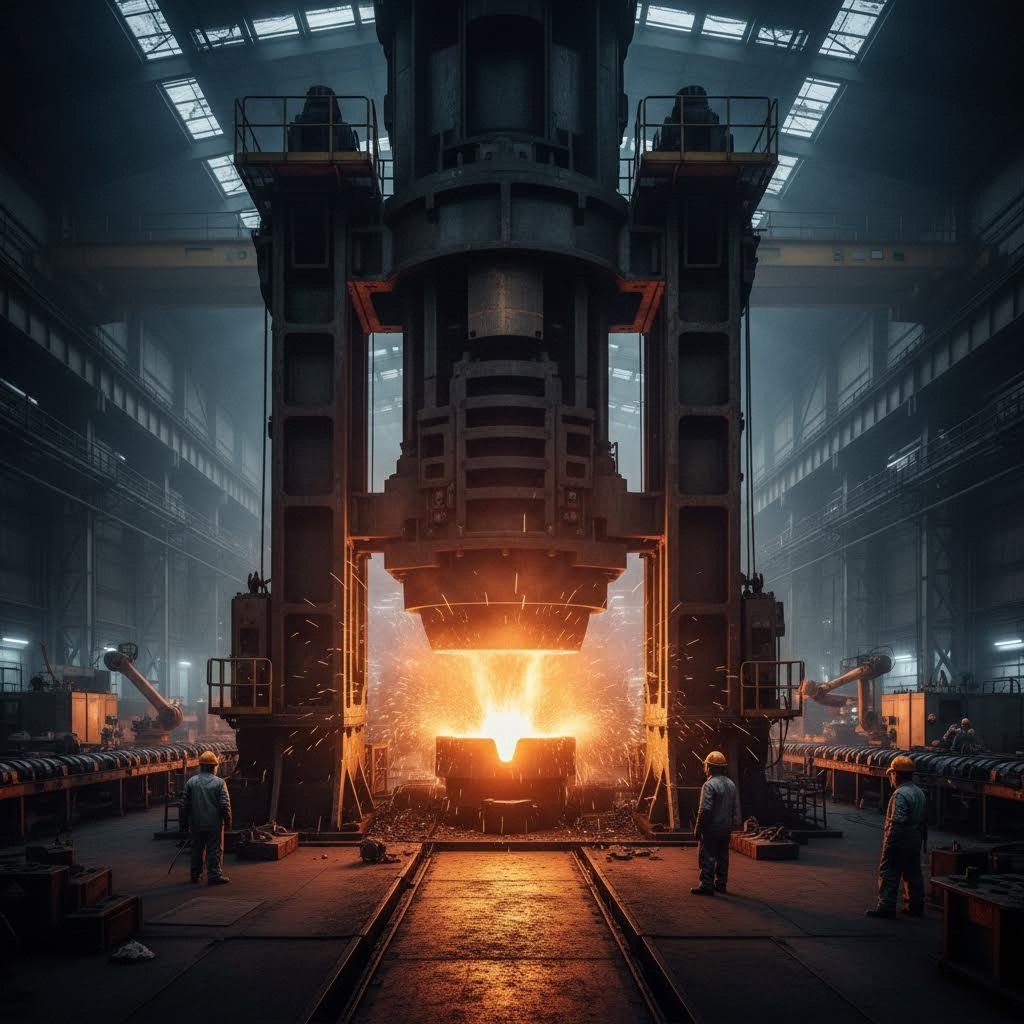
Understanding Custom Forging Lead Times in Automotive Manufacturing
When you're sourcing custom forged parts for an automotive program, one number can make or break your entire project timeline: lead time. But what exactly does this metric mean, and why should procurement professionals and supply chain managers treat it as mission-critical? Understanding custom forging lead times gives you the power to plan effectively, avoid costly delays, and keep vehicle launches on schedule.
What Defines Lead Time in Custom Automotive Forging
In the automotive forging context, lead time refers to the total duration from when you place an order or submit a request for quote (RFQ) until production-ready parts arrive at your facility. This isn't just manufacturing time. It encompasses multiple phases including tooling design and fabrication, tooling trials, sample submissions, quality approvals, and the actual production run.
For custom forged components, the timeline typically spans 6-10 weeks for tooling development alone, according to industry specialists. Add qualification processes, first article inspections, and production scheduling, and you're looking at a significantly longer total commitment than off-the-shelf alternatives. Factors like material selection, part complexity, geometric requirements, order volume, and supplier capacity all influence where your specific project falls within these ranges.
Why Every Week Counts in Automotive Programs
Imagine you're preparing for a new vehicle platform launch. Every component must arrive precisely when needed to meet assembly schedules. Miss that window, and the consequences cascade rapidly through the entire production system.
The automotive industry operates on just-in-time (JIT) manufacturing principles, where components arrive exactly as they're needed for assembly. As lean manufacturing experts note, this approach originated with Toyota and has become standard practice across the industry. JIT systems maintain minimal on-site inventory, which means any delay in your automotive forging delivery directly translates to production line stoppages.
In just-in-time automotive manufacturing, a single delayed forging shipment can halt an entire assembly line. With model year deadlines fixed and platform launches scheduled years in advance, every week of lead time uncertainty represents real risk to your vehicle program's success.
Model year deadlines don't flex. Platform launches are scheduled years in advance with marketing campaigns, dealer preparations, and regulatory submissions all synchronized. When you're sourcing custom forged suspension arms, steering components, or powertrain parts, understanding realistic lead times isn't just helpful - it's essential for protecting your program timeline and your professional reputation.
Throughout this article, you'll discover the critical factors that determine forging timelines, learn how different forging methods compare, and gain practical strategies to accelerate your custom forging procurement without compromising quality.
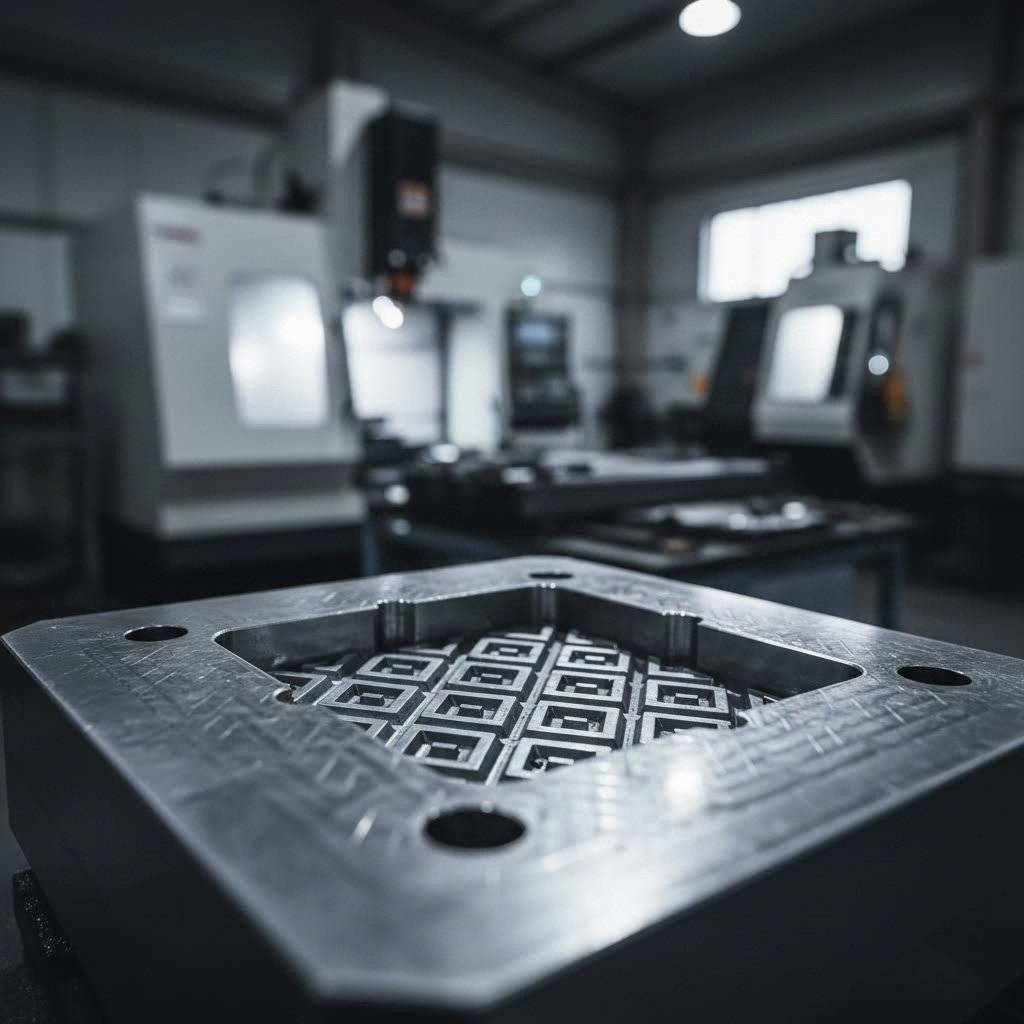
Critical Factors That Determine Your Forging Timeline
So what actually drives the timeline for your custom forging project? The answer isn't simple because multiple variables interact simultaneously. Understanding these factors helps you set realistic expectations, communicate effectively with suppliers, and identify opportunities to accelerate delivery without sacrificing quality.
Let's break down the five primary influences on automotive forging lead times, ranked by their typical impact magnitude:
- Tooling Development Requirements - Often the longest single phase, tooling fabrication can consume 6-10 weeks depending on die complexity and supplier capabilities.
- Material Availability and Sourcing - Specialty alloys may require 9+ weeks procurement time; standard grades are typically available within 2-4 weeks.
- Part Complexity and Geometric Requirements - Intricate geometries demand more sophisticated dies, additional forging steps, and extended development cycles.
- Order Volume Considerations - Higher volumes justify more refined tooling but require longer production runs; lower volumes may use simpler "blocker" tools with faster turnaround.
- Supplier Capacity Constraints - Current backlog, equipment availability, and workforce scheduling directly impact when production can begin.
Material Selection and Sourcing Timelines
Your material choice fundamentally shapes both timeline and final component performance. In automotive applications, you're typically working with carbon steels, alloy steels, aluminum alloys, or specialty materials depending on the component's function.
For safety-critical components like suspension arms, steering knuckles, and wheel hubs, high-strength steels such as 4140 or 4340 alloys are common choices. According to steel forging specialists, these alloys offer exceptional strength, toughness, and fatigue resistance - exactly what you need for parts experiencing repeated stress cycles. However, specialty alloys may face longer procurement windows, especially during periods of high demand across aerospace and automotive sectors.
Lightweighting initiatives have increased demand for aluminum alloys in automotive forging. Components like control arms and structural brackets increasingly use forged aluminum to reduce vehicle weight without compromising strength. These materials require different forging temperatures and processes, which can affect both supplier capability and timeline estimates.
Here's what you should know about material-related timing:
- Standard carbon steels (1018, 1045) - Typically 2-4 weeks procurement time with wide availability.
- Common alloy steels (4140, 4340, 8620) - Usually 3-6 weeks, depending on form factor and quantity.
- Stainless steels and specialty alloys - May require 8-12+ weeks for certain grades, particularly those with limited supplier bases.
- Aluminum forging alloys - Generally 3-5 weeks, though specific tempers may extend this window.
When titanium or other aerospace-grade materials enter the conversation, lead times can stretch significantly. As BCG's supply chain analysis notes, lead times for titanium currently run about nine months in aerospace applications, and high-demand steel alloys from limited suppliers can reach 70-80 weeks. While automotive applications rarely require such exotic materials, understanding these dynamics helps you anticipate potential constraints.
How Part Complexity Drives Your Schedule
Think about the difference between forging a simple cylindrical shaft versus a complex steering knuckle with multiple mounting surfaces, tapered sections, and tight tolerance requirements. That geometric complexity translates directly into extended timelines.
Part complexity affects your schedule through several mechanisms:
- Die design time - Complex geometries require sophisticated CAD modeling, flow simulation, and iterative refinement before cutting steel.
- Die manufacturing duration - Intricate cavity shapes demand more machining time, specialized EDM operations, and careful polishing.
- Process steps - Complex parts often require multiple forging operations, moving through blocker dies, preform dies, and finish dies sequentially.
- Secondary operations - Tighter tolerances typically mean more extensive machining after forging, adding time and coordination requirements.
According to Trenton Forging's guidance, custom forgings can be specified at different precision levels. Blocker forgings provide a rough shape requiring significant machining, while conventional forgings and close-tolerance forgings progressively reduce post-forging work but demand more sophisticated tooling. Your choice here represents a direct trade-off between tooling timeline, tooling cost, and per-part machining expense.
For automotive applications where you're producing thousands or tens of thousands of parts, investing in more refined tooling typically makes economic sense despite the longer initial development time. However, for prototype quantities or low-volume specialty vehicles, simpler tooling with more machining may actually deliver parts faster.
Tolerance requirements deserve special attention. When your design specifies tight geometric tolerances, you're essentially requiring the forging supplier to hit a smaller target. This precision demands:
- More careful die design with compensation for material shrinkage and spring-back
- Tighter process controls during forging operations
- Additional inspection steps and potential rework cycles
- More experienced operators and engineering oversight
The relationship is roughly linear - tighter tolerances mean longer timelines. Discuss your actual functional requirements with potential suppliers early. Often, loosening a non-critical tolerance by even a few thousandths of an inch can meaningfully accelerate delivery without compromising component performance.
Understanding these factors positions you to have more productive conversations with custom steel forging suppliers. Rather than simply requesting a quote, you can discuss trade-offs, identify timeline drivers, and collaboratively find solutions that meet both your quality requirements and schedule constraints.
Comparing Lead Times Across Forging Methods
Now that you understand the factors driving your timeline, here's a critical question: does your choice of forging method itself affect how quickly you receive parts? Absolutely. The process you select - whether open-die, closed-die, or impression-die forging - creates fundamentally different timeline expectations based on tooling requirements, process complexity, and production efficiency.
Each method serves distinct automotive applications, and matching the right process to your component needs can mean the difference between meeting your launch date and scrambling for alternatives. Let's examine how these methods compare specifically for automotive buyers.
Open-Die vs Closed-Die Timeline Expectations
Open-die and closed-die forging represent two fundamentally different approaches to shaping metal, and their timeline implications reflect these structural differences.
With open-die forging, flat or simply contoured dies shape the heated workpiece through repeated compressive strokes. According to forging process specialists, this method relies heavily on operator skill and incremental shaping without fully enclosing the material. The key timeline advantage? Minimal tooling investment means you can start production much faster - often within 2-4 weeks for simpler geometries.
However, open-die forging produces parts with less geometric precision. You'll typically need additional machining to achieve final dimensions, which adds time downstream. This method works best for:
- Large, simple shapes like shafts, rings, and blocks
- Prototype quantities where speed outweighs per-part cost
- Preforms that will undergo further processing
- Components where tight dimensional tolerances aren't critical
Closed-die forging (also called impression-die forging) uses precisely machined die cavities that fully define the final part geometry. As the heated billet is compressed, material flows to fill these cavities, producing near-net-shape parts with excellent dimensional accuracy. The trade-off? Those precision dies require significant development time - typically 6-10 weeks - before the first production part emerges.
Once tooling is complete, closed-die forging delivers remarkable efficiency. You'll see:
- Higher production rates with consistent part-to-part quality
- Reduced machining requirements saving downstream time
- Better material utilization minimizing waste
- Superior surface finish reducing secondary operations
For automotive buyers, this means closed-die forging typically requires more patience upfront but rewards you with faster, more economical production runs once tooling is qualified.
Matching Forging Method to Your Deadline
Choosing the right forging method isn't just about part geometry - it's about aligning process capabilities with your specific timeline constraints and production requirements. Here's how the major methods compare across the dimensions that matter most to automotive procurement:
| Comparison Factor | Open-Die Forging | Closed-Die / Impression-Die Forging |
|---|---|---|
| Typical Lead Time (First Parts) | 2-4 weeks | 8-14 weeks (including tooling) |
| Tooling Development Time | Minimal (1-2 weeks for simple fixtures) | 6-10 weeks for die design and fabrication |
| Tooling Investment | Low ($2,000-$15,000) | High ($25,000-$100,000+ for complex dies) |
| Production Rate Once Running | Slower (manual repositioning required) | Faster (automated, repeatable cycles) |
| Best-Fit Volume Range | 1-500 pieces | 1,000+ pieces (economies scale with volume) |
| Geometric Complexity | Simple shapes only | Complex contours, ribs, and features possible |
| Dimensional Precision | Loose tolerances (±0.125" typical) | Tight tolerances (±0.015" achievable) |
| Post-Forging Machining | Extensive machining required | Minimal to moderate machining |
How does this translate to specific automotive components? Consider these application alignments:
Powertrain components like crankshafts, connecting rods, and transmission gears almost universally require closed-die forging. These parts demand tight tolerances, complex geometries, and are produced in volumes that justify tooling investment. Plan for 10-16 week total timelines including qualification.
Suspension arms and steering knuckles similarly favor closed-die processes. The safety-critical nature of these components requires the superior grain flow and mechanical properties that impression-die forging delivers. According to forging industry sources, this process refines the grain structure in ways that enhance fatigue resistance - essential for parts experiencing repeated stress cycles.
Drivetrain components including axle shafts, differential gears, and CV joint housings typically use closed-die forging for production volumes, though open-die may work for prototype development when you need parts quickly for validation testing.
Large structural components or low-volume specialty applications might benefit from open-die forging's faster initial timeline, accepting that more machining will be required to achieve final specifications.
When evaluating custom forgings suppliers, ask specifically about their capabilities in each method. Some suppliers specialize in high-volume closed-die work, while others excel at flexible open-die production for diverse part geometries. Understanding where your project sits on this spectrum helps you target suppliers whose strengths align with your timeline priorities.
The decision often comes down to a simple question: are you optimizing for speed to first parts, or efficiency in ongoing production? For most automotive programs with defined production volumes and quality requirements, closed-die forging's longer upfront investment pays dividends throughout the production lifecycle.

Project Lifecycle Phases and Timeline Expectations
You've selected your forging method and understand the factors influencing your timeline. But here's where many automotive buyers get caught off guard: the total project duration is far longer than just "forging time." From your initial RFQ submission to stable production delivery, multiple distinct phases must complete sequentially - each with its own timeline requirements and potential delays.
Understanding this complete lifecycle helps you set realistic program schedules and identify where proactive management can accelerate delivery. According to custom forging project planning experts, the true timeline is a sum of many distinct phases, from initial design and material sourcing to complex tooling creation and meticulous finishing work. Overlooking any of these stages can lead to inaccurate quotes and missed deadlines.
Here's the complete sequence you should plan for when sourcing custom metal forging services:
- RFQ Submission and Supplier Response (1-3 weeks) - You submit drawings, specifications, and volume requirements. Qualified suppliers analyze feasibility, estimate tooling costs, and develop pricing. Complex geometries or unusual materials may extend this phase as suppliers consult with engineering teams.
- Supplier Selection and Contract Finalization (1-2 weeks) - Commercial negotiations, supplier qualification verification, and purchase order processing. For OEM-direct programs, this may involve additional legal and quality documentation reviews.
- Design for Manufacturability Review (1-3 weeks) - The supplier's engineering team analyzes your part design, suggests modifications to improve forgeability, and finalizes die concepts. This collaborative phase often reveals opportunities to reduce cost or accelerate production.
- Tooling Design and Fabrication (6-10 weeks) - The longest single phase for most projects. Die designers create detailed CAD models, simulate material flow, and then manufacture precision tooling through machining and finishing operations.
- First Article Production and Inspection (2-3 weeks) - Initial parts are forged using new tooling, then subjected to comprehensive dimensional inspection, material testing, and documentation preparation.
- PPAP Submission and Approval (2-4 weeks) - Production Part Approval Process documentation is compiled and submitted. Your quality team reviews and approves - or requests modifications that extend the timeline.
- Production Ramp-Up (2-4 weeks) - Transition from sample quantities to steady-state production rates, with process optimization and workforce training as needed.
Adding these phases together, a typical custom forging project for automotive applications spans 15-29 weeks from initial RFQ to stable production. That's roughly 4-7 months - a timeline that demands early engagement during vehicle program planning.
The Hidden Timeline of Tooling Development
Notice how tooling development dominates the project schedule? This phase alone often consumes 40-50% of your total timeline, yet it's frequently underestimated during initial program planning. Understanding what happens during these 6-10 weeks helps you appreciate why this phase resists compression.
Tooling development for custom metal forging manufacturers involves several sequential activities:
- Die design engineering (2-3 weeks) - CAD modeling of die cavities, draft angles, flash gutters, and ejection systems. Flow simulation software predicts how material will fill the cavity, often revealing design issues that require iteration.
- Die steel procurement (1-2 weeks) - Specialized tool steels like H13 must be sourced in appropriate sizes. Premium die materials may require longer lead times.
- Rough machining (1-2 weeks) - CNC milling removes bulk material to create approximate die cavity shapes.
- Finish machining and EDM (2-3 weeks) - Precision operations achieve final cavity dimensions. Electrical discharge machining (EDM) creates intricate features and sharp corners impossible with conventional cutting tools.
- Heat treatment and finishing (1 week) - Dies are hardened to withstand forging pressures and temperatures, then polished to promote material flow and part release.
Here's the challenge: these steps are largely sequential. You can't heat-treat a die before machining is complete. You can't machine before steel arrives. This inherent sequencing limits how much timeline compression is possible, even with expedited processing.
What can accelerate tooling? Working with suppliers who maintain die steel inventory eliminates procurement delays. Experienced die designers require fewer simulation iterations. Shops with multiple CNC machines and EDM equipment can parallelize some operations. These capabilities differentiate superior handforge suppliers from those requiring longer development cycles.
From First Article to Full Production
Once tooling is complete, you might think production can begin immediately. Not quite. The qualification process for automotive components adds several more weeks before your supply chain sees steady-state delivery.
First article inspection (FAI) involves comprehensive verification that initial parts meet all drawing requirements. This typically includes:
- Complete dimensional inspection with detailed measurement reports
- Material certification and chemistry verification
- Mechanical property testing (hardness, tensile strength, impact resistance)
- Metallurgical examination of grain flow and microstructure
- Non-destructive testing if specified (magnetic particle, ultrasonic, etc.)
For tiered supplier relationships, additional complexity enters the picture. If you're a Tier 1 supplier purchasing forgings for components you'll assemble and deliver to an OEM, both you and your customer have approval requirements. The OEM's quality team may require witness inspections, specific documentation formats, or additional testing beyond your own standards.
PPAP (Production Part Approval Process) represents the formal gateway between development and production. This standardized automotive industry process requires suppliers to demonstrate they can consistently produce parts meeting all requirements. A complete PPAP submission typically includes:
- Design records and engineering change documentation
- Process flow diagrams and control plans
- FMEA (Failure Mode and Effects Analysis)
- Dimensional results from production trial runs
- Material and performance test results
- Initial process capability studies
- Qualified laboratory documentation
- Part submission warrant signed by authorized representatives
PPAP approval timelines depend heavily on your customer's responsiveness. While suppliers can prepare documentation in 1-2 weeks, customer review and approval may stretch to 3-4 weeks - or longer if issues require resolution. Building buffer time into this phase protects your program schedule from delays outside your direct control.
Production ramp-up itself requires patience. Even with approved tooling and qualified processes, transitioning to full-rate production involves learning curves, equipment optimization, and workforce development. Rushing this phase risks quality escapes that damage both your supply chain and customer relationships.
Understanding these lifecycle phases positions you to communicate realistic expectations within your organization and plan automotive programs with confidence rather than optimism.
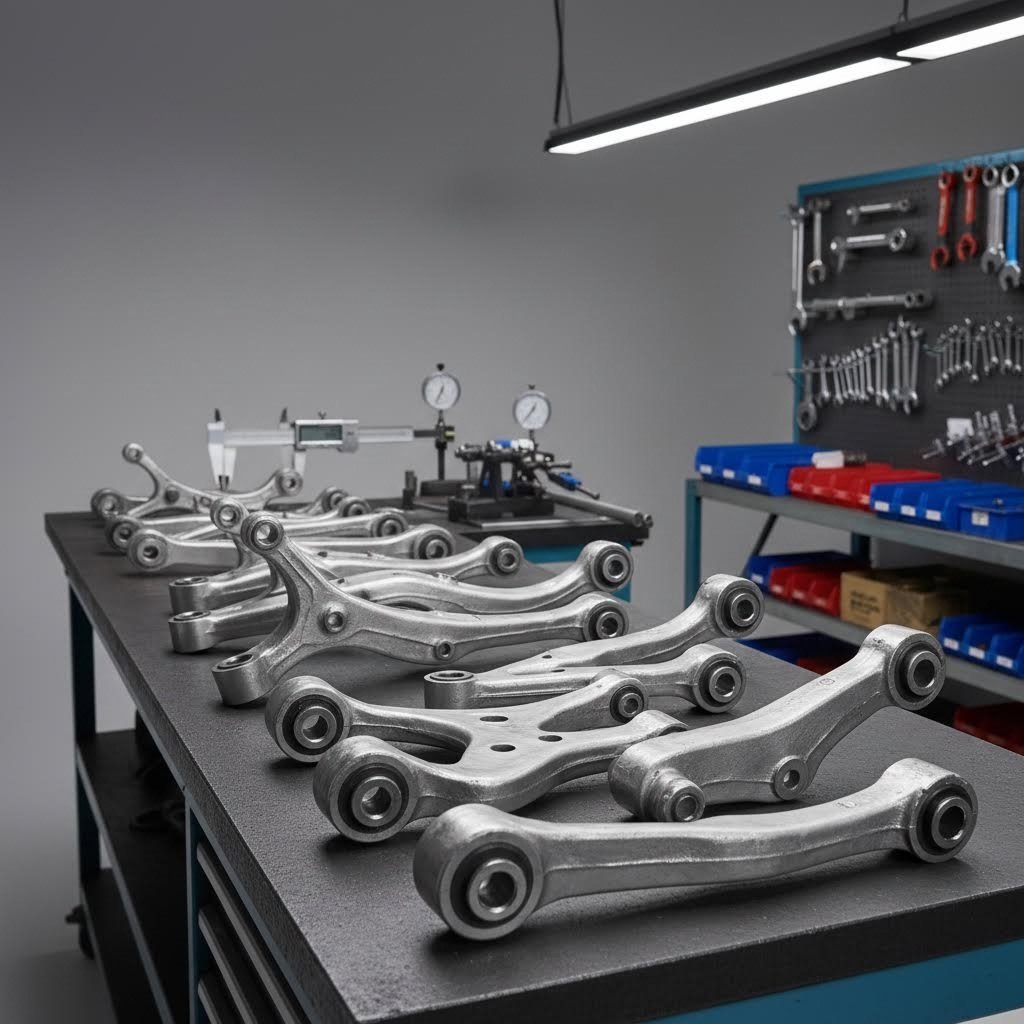
Lead Time Benchmarks by Automotive Component Type
You've mastered the lifecycle phases and forging methods - but here's the practical question: what timeline should you actually expect for your specific component? The answer varies significantly based on whether you're sourcing a powertrain gear, a suspension arm, or a steering knuckle. Each automotive component category brings distinct complexity levels, material requirements, and qualification demands that directly shape your procurement timeline.
Let's break down realistic expectations by component type so you can plan with confidence rather than guesswork.
| Component Category | Typical Complexity | Common Materials | Relative Lead Time | Key Timeline Drivers |
|---|---|---|---|---|
| Suspension Arms & Control Arms | Medium-High | 4140 steel, 6061-T6 aluminum, forged aluminum alloys | 12-18 weeks | Complex geometries, safety-critical qualification, fatigue testing requirements |
| Steering Knuckles & Components | High | 4140, 4340 alloy steels, ductile iron | 14-20 weeks | Tight tolerances, multiple mounting surfaces, extensive PPAP documentation |
| Powertrain Gears & Shafts | Very High | 8620, 4320 carburizing steels, 4140 through-hardened | 16-24 weeks | Precision tooth profiles, heat treatment complexity, stringent material specs |
| Connecting Rods | High | 4340 steel, powder metal alternatives | 14-20 weeks | Weight balancing requirements, fracture-split processing, high-volume tooling |
| Axle Shafts & Drive Shafts | Medium | 4140, 4340 steels, induction-hardened surfaces | 10-16 weeks | Length variations, spline specifications, surface hardening requirements |
| Wheel Hubs & Spindles | Medium-High | 4140 steel, ductile iron, aluminum alloys | 12-18 weeks | Bearing surface precision, weight optimization, corrosion protection |
| CV Joint Housings | High | Case-hardening steels, 8620, 4320 | 14-18 weeks | Internal geometry precision, heat treatment uniformity, assembly interface tolerances |
These benchmarks assume standard qualification processes and typical supplier capacity. Your actual timeline may compress or extend based on supplier capabilities, material availability, and your specific quality requirements.
Suspension and Chassis Component Timelines
Suspension arms, control arms, and steering components represent some of the most demanding custom forged automotive parts from a timeline perspective. Why? These safety-critical components require extensive validation before reaching production.
Consider what's involved with a typical suspension arm program:
- Complex geometry with multiple mounting points - Ball joint housings, bushing bores, and structural ribs all require precise die cavity design
- Fatigue life validation - Automotive OEMs typically require millions of cycles of fatigue testing before approval
- Weight optimization pressure - Every gram matters for unsprung mass, driving interest in aluminum forgings that require different process expertise
- Corrosion protection requirements - E-coating, phosphating, or other treatments add processing steps
For steering knuckles specifically, the timeline extends further due to multiple critical interfaces. These components connect to brake calipers, wheel bearings, tie rods, and suspension links - each interface demanding tight tolerances and careful dimensional control.
Here's where supplier selection dramatically impacts your schedule. Suppliers with in-house engineering capabilities can collapse the design-for-manufacturability phase, often identifying producibility improvements during initial RFQ review rather than after tooling begins. Rapid prototyping capabilities allow physical validation of designs before committing to production tooling - catching issues that simulation alone might miss.
For example, suppliers offering rapid prototyping in as little as 10 days can provide sample parts for fit-check and initial testing while production tooling development proceeds in parallel. This concurrent engineering approach can shave 4-6 weeks from your total program timeline.
IATF 16949 certification also accelerates qualification. When your forging supplier already maintains automotive-specific quality management systems, the PPAP documentation phase runs smoother. Required procedures, measurement systems, and control plans are already established - reducing back-and-forth with your quality team.
Powertrain Forging Schedule Considerations
Powertrain components typically demand the longest lead times among automotive component forging categories. The reasons are straightforward: these parts operate under extreme conditions and require correspondingly rigorous specifications.
Crankshafts, connecting rods, and transmission gears experience:
- High rotational speeds generating significant centrifugal forces
- Repeated stress cycles numbering in the billions over vehicle life
- Elevated temperatures from combustion and friction
- Precise dimensional requirements for proper engine balance and NVH performance
Material selection becomes particularly critical. Carburizing steels like 8620 and 4320 require specific forging temperatures and subsequent heat treatment cycles to achieve the hard surface/tough core properties essential for gear applications. Through-hardened materials like 4340 demand careful process control to avoid distortion during heat treatment.
Tooling for powertrain forgings often involves multiple impression dies. A connecting rod, for instance, might require blocker dies, preform dies, and finish dies operating in sequence. Each die represents weeks of development time, and the entire die set must work together harmoniously.
Plan for 16-24 weeks minimum for complex powertrain components. This timeline accounts for:
- Extended tooling development for precision geometries
- Multiple sample submissions as process parameters are refined
- Comprehensive material testing including chemistry, microstructure, and mechanical properties
- Dynamic balancing and NVH validation requirements
- OEM witness testing and formal approval cycles
How EV Transition Is Reshaping Forging Timelines
The automotive industry's accelerating shift toward electric vehicles is fundamentally changing custom forging lead time dynamics. According to industry analysis, more than 14 million EVs sold in 2023 represented nearly a fifth of global car sales, with projections suggesting 40 percent market share by 2030. This transition creates ripple effects throughout the forging supply chain.
What does this mean for your procurement timelines?
New component designs require fresh tooling. EVs don't need connecting rods or crankshafts, but they demand new forged components including motor shafts, reduction gear sets, and structural battery enclosure supports. Suppliers are investing in new die designs without decades of refinement behind them - expect longer development cycles as processes are optimized.
Material demand patterns are shifting. Lightweighting becomes even more critical in EVs where battery weight already strains vehicle mass budgets. Demand for forged aluminum components is increasing, while traditional steel powertrain forgings face declining volumes. Suppliers retooling for new materials may experience capacity constraints during transition periods.
Supply chain relationships are restructuring. As the same industry analysis notes, "perhaps the most disruptive change is happening among suppliers. For decades, the auto supply chain revolved around mechanical components - transmissions, exhaust systems, fuel injection units. These are increasingly irrelevant in the EV age." Forging suppliers pivoting to EV applications are simultaneously learning new customer requirements while managing legacy ICE business.
Qualification processes are evolving. EV powertrains operate differently than internal combustion systems. Motor shafts experience different stress profiles than crankshafts. Validation protocols are still maturing, potentially extending approval timelines as OEMs develop new testing standards.
For procurement professionals, this transition period demands careful supplier evaluation. Partners who have already invested in EV component development bring experience that accelerates your programs. Those still learning face steeper curves that extend timelines.
Working with suppliers who combine automotive forging expertise with rapid prototyping capabilities and established quality certifications provides meaningful advantages. Companies like Shaoyi Metal Technology, with IATF 16949 certification and demonstrated automotive component experience, can help navigate this transition by applying proven processes to emerging EV applications - reducing the learning curve that otherwise extends development timelines.
The key takeaway? Component category alone no longer predicts lead time. Whether you're sourcing established ICE components or pioneering EV parts, supplier capability and experience increasingly determine how quickly you move from concept to production.
Evaluating Supplier Lead Time Claims and Capabilities
You've benchmarked realistic timelines by component type - but here's where procurement gets challenging: how do you know if a supplier's lead time promise will actually hold? Every forging vendor claims competitive delivery. The difference between a reliable partner and a schedule disaster often comes down to asking the right questions during qualification and validating answers before signing contracts.
According to the Institute for Supply Management, leading procurement practices require evaluating suppliers beyond just unit price - assessing delivery performance, capacity constraints, and resilience alongside cost. For automotive forging procurement, this means treating lead time validation as seriously as quality audits. Let's walk through how to separate credible commitments from optimistic estimates.
Essential Questions for Supplier Lead Time Evaluation
During forging supplier evaluation, generic questions yield generic answers. You need specific inquiries that reveal actual capacity, process maturity, and potential bottlenecks. Here are the questions every automotive procurement professional should ask:
- What is your current backlog, and how many weeks out are you scheduling new tooling projects? - This reveals true capacity. A supplier quoting 8-week tooling while sitting on a 12-week backlog isn't being realistic.
- Do you maintain die steel inventory, or do you procure material after order confirmation? - In-stock die steel can eliminate 1-2 weeks from tooling timelines. Suppliers relying on just-in-time material face procurement delays.
- What percentage of your projects delivered on the originally quoted timeline over the past 12 months? - Request actual data, not promises. On-time delivery rates below 85% signal systemic issues.
- How many tooling engineers and die makers are on staff, and what is their current utilization? - Stretched engineering resources create bottlenecks. Understand whether your project competes for attention.
- What is your standard process for communicating schedule changes or delays? - Proactive communication indicates mature project management. Suppliers who wait until deadlines pass to report problems multiply your risk.
- Can you provide references from automotive customers with similar component complexity? - Verify timeline performance with actual customers. Ask those references specifically about schedule adherence.
- What contingency plans exist if your primary equipment experiences downtime during our project? - Single points of failure extend timelines when problems occur. Backup capacity matters.
- How do you handle material certification delays or supplier quality issues? - Material problems are common. Suppliers with qualified backup sources recover faster.
These questions accomplish two things: they surface real constraints hidden behind sales presentations, and they demonstrate your sophistication as a buyer - signaling that schedule performance matters as much as price.
Validating Timeline Commitments Before Contract
Questions reveal intentions; validation confirms capability. Before finalizing your forging vendor qualification, take concrete steps to verify lead time claims independently.
Request a detailed project schedule, not just a total duration. Ask suppliers to break down their quoted timeline by phase: design review, die engineering, die fabrication, first article, and PPAP. This granularity reveals whether they've actually planned your project or simply quoted a standard number. Inconsistencies between phases signal unrealistic estimates.
Conduct a capacity audit during site visits. When visiting potential suppliers, observe shop floor activity. Are machines running? Is there visible backlog? Talk with production supervisors about current workload. Floor-level reality often differs from front-office claims.
Verify delivery history with third-party data. Platforms like SAP Ariba and similar procurement tools track supplier performance metrics across customers. If available, review on-time delivery statistics that aggregate multiple buyer experiences rather than relying solely on supplier-provided references.
Test responsiveness during the RFQ process. How quickly did the supplier return your quote? Did they ask clarifying questions that showed genuine engineering analysis? Slow RFQ response often predicts slow project execution. Suppliers who take three weeks to quote rarely deliver in six.
Include timeline commitments in contract terms. Build delivery milestones into your purchase agreement with clear consequences for delays. Suppliers confident in their capabilities accept accountability; those who resist contractual timeline obligations are telling you something important.
Building Smart Lead Time Buffers
Even with thorough supplier lead time validation, experienced procurement professionals build buffers into automotive program timelines. The question isn't whether to buffer - it's how much protection you need without creating excess inventory costs.
Consider a tiered approach based on project risk:
- Low-risk projects (proven supplier, standard materials, simple geometry): Add 10-15% buffer to quoted timeline. If the supplier quotes 12 weeks, plan for 14.
- Medium-risk projects (new supplier relationship, moderate complexity, common materials): Add 20-25% buffer. A 16-week quote becomes a 20-week plan.
- High-risk projects (new component design, specialty materials, complex qualification): Add 30-40% buffer. Aggressive schedules on novel projects consistently disappoint.
Buffer time isn't wasted time. Use it for parallel activities: finalizing assembly tooling, training production staff, or qualifying secondary operations. When forging arrives early, you accelerate downstream work. When it arrives on the buffered date, you stay on schedule.
When Longer Lead Times Make Sense
Not every project demands the fastest possible timeline. Sometimes accepting extended lead times delivers better outcomes. Here's a decision framework for automotive procurement timeline planning:
Accept longer lead times when:
- The supplier offers significantly better quality systems, certifications, or track record
- Cost savings justify the schedule trade-off and your program timeline allows flexibility
- Material availability constraints affect all suppliers equally - rushing won't help
- Component complexity genuinely requires extended development to achieve specifications
- Building a strategic supplier relationship matters more than this single project's speed
Pursue expedited options when:
- Vehicle launch dates are fixed and immovable
- Delays would cause production line stoppages with quantifiable costs exceeding expedite premiums
- Competitive timing advantages justify premium pricing
- Prototype validation timelines gate critical program decisions
When expediting is necessary, understand what's actually possible. Tooling development compresses modestly with overtime and priority scheduling - perhaps 15-20% reduction. Material procurement timelines for specialty alloys barely compress at all. Focus expedite investments where acceleration is physically achievable.
The most successful automotive procurement professionals approach forging supplier evaluation with clear-eyed realism. They ask probing questions, validate answers independently, build appropriate buffers, and make conscious trade-off decisions rather than accepting every quoted timeline at face value. This discipline transforms lead time from a source of program risk into a managed variable within your control.

Proven Strategies to Accelerate Custom Forging Timelines
You've validated supplier capabilities and built realistic buffers into your program schedule. But what if you could genuinely reduce forging lead time without sacrificing quality? The good news: several proven strategies exist that automotive buyers can implement immediately - strategies that address root causes rather than simply accepting lengthy timelines as inevitable.
The frustration is real. You're facing model year deadlines, platform launches are locked in, and every week of delay cascades through your entire program. Rather than just documenting these problems, let's focus on actionable solutions that deliver faster custom forging delivery while maintaining the specifications your components require.
Design Decisions That Accelerate Your Timeline
Here's something many procurement professionals overlook: your timeline optimization starts before you ever contact a supplier. Design decisions made during early engineering phases have profound impacts on how quickly forgings can be produced.
According to Design for Manufacturing (DFM) best practices, applying forging-specific principles during design ensures that components are cost-effective, high-quality, and manufacturable. Key DFM strategies that accelerate automotive forging timelines include:
- Design for uniform wall thickness and simple symmetry - Parts with even material distribution forge faster and require less complex tooling. Avoid abrupt section changes that complicate die design and extend development cycles.
- Specify generous draft angles - Adequate draft (typically 5-7 degrees for steel) allows easier part ejection from dies, reducing tool complexity and enabling faster production cycles.
- Eliminate unnecessary geometric complexity - Every rib, pocket, and intricate feature adds die machining time. Challenge your engineering team: does each feature truly serve a functional purpose?
- Accept looser tolerances where functionally acceptable - Tighter tolerances demand more sophisticated tooling and extended process development. Review each dimension critically - loosening non-critical tolerances by even a few thousandths can meaningfully accelerate delivery.
- Select readily available materials - Standard alloy steels like 4140 or 4340 typically ship within weeks. Exotic grades can add months. Verify material availability before finalizing specifications.
- Design with post-forging operations in mind - According to DFM experts, providing adequate material allowances for machining in critical areas requiring tight tolerances reduces iterative corrections that extend timelines.
The most impactful timeline reduction happens when you engage forging suppliers during the design phase itself. As industry specialists recommend, conducting thorough design reviews with input from forging experts and manufacturing engineers identifies potential issues before production - not after tooling is already cut.
Building Supplier Partnerships for Faster Delivery
Transactional supplier relationships produce transactional timelines. When you're just another order in the queue, you receive standard lead times with standard priority. Strategic partnerships fundamentally change this dynamic.
What distinguishes a partnership from a transaction? Consider these relationship-building approaches that consistently accelerate forging timeline optimization:
- Share your program roadmap proactively - Give suppliers visibility into upcoming projects 6-12 months ahead. This allows them to reserve capacity, pre-order materials, and begin preliminary engineering before your formal RFQ arrives.
- Commit to volume forecasts - Suppliers prioritize customers who represent predictable, substantial business. Even soft commitments enable better planning than silence.
- Invest in face-to-face relationships - Visit supplier facilities regularly. Know the engineers and production supervisors by name. When schedule pressures emerge, personal relationships unlock priority treatment that anonymous purchase orders cannot.
- Provide rapid, decisive feedback - When suppliers submit samples or request design clarifications, respond within days rather than weeks. Your responsiveness directly impacts how quickly they complete their work.
- Pay invoices promptly - Suppliers struggling with cash flow don't prioritize slow-paying customers. Reliable payment terms earn reliable delivery priority.
- Recognize and reward excellent performance - Acknowledge when suppliers meet aggressive timelines. Awards, testimonials, and expanded business share motivate continued priority treatment.
These relationship investments compound over time. A supplier who knows your business, understands your quality requirements, and values your partnership can often compress timelines that would be impossible for a new customer relationship.
Leverage Integrated Supplier Capabilities
Every handoff between separate suppliers creates delay. When your forging supplier ships to a heat treater, who ships to a machining house, who ships to a coating vendor, each transition adds transit time, queue time, receiving inspection, and communication overhead. These handoff delays accumulate rapidly.
Working with suppliers who have integrated capabilities fundamentally reduces these gaps. According to integrated forging specialists, combining forging with in-house tooling, controlled cooling, cold metal processing, and finishing operations allows delivery of fully finished parts ready for immediate use - streamlining the supply chain significantly.
What integrated capabilities should you prioritize when evaluating suppliers to accelerate automotive forging projects?
- In-house tool sinking - Suppliers who manufacture their own dies eliminate coordination with external tool shops. As industry sources note, this enables fast turnaround of forge tools, ensuring quick and efficient project initiation.
- On-site heat treatment - Controlled cooling and heat treatment capabilities eliminate transit to external processors and the queue time that accompanies it.
- Integrated machining operations - Suppliers who can machine forgings to final dimensions eliminate a separate vendor relationship and associated logistics.
- In-house quality laboratory - Certified testing capabilities allow immediate material verification and dimensional inspection without third-party delays.
- Engineering and prototyping resources - Suppliers with design engineering staff can conduct DFM analysis and produce prototypes without external coordination.
The communication benefits are equally significant. When engineering, tooling, forging, and finishing all occur under one roof, information flows directly between departments. Design changes propagate immediately. Problems surface and resolve faster. No one waits for emails between separate companies.
Strategic Inventory Positioning
Sometimes the fastest path to reduced lead time isn't accelerating production - it's repositioning where inventory sits in your supply chain. Strategic inventory decisions can dramatically shorten apparent lead times without changing actual manufacturing duration.
Consider these approaches:
- Maintain safety stock of long-lead materials at your supplier - Arrange for suppliers to hold consignment inventory of specialty alloys. When orders arrive, material is already on-site - eliminating weeks of procurement delay.
- Pre-authorize tooling development for anticipated programs - If you know a vehicle program will require specific forgings, authorize die development ahead of formal production orders. Tooling-ready status compresses order-to-delivery dramatically.
- Establish blanket orders with scheduled releases - Long-term purchase agreements allow suppliers to optimize production scheduling, level-load capacity, and maintain material flow - all contributing to more reliable and often faster delivery.
- Position semi-finished forgings for quick response - For components requiring multiple machining configurations, hold forgings in heat-treated condition ready for final machining to specific variants as orders arrive.
These strategies require closer supplier collaboration and sometimes modest inventory investment. However, for critical components where production line stoppages cost far more than carrying costs, strategic inventory positioning delivers compelling returns.
Immediate Actions You Can Take
Ready to reduce forging lead time on your next project? Start with these concrete steps:
- Schedule a DFM review with your engineering team this week - Identify current designs where geometric simplification or tolerance relaxation could accelerate forging without functional compromise.
- Identify your top three forging suppliers and request capacity planning meetings - Share your 12-month forecast and discuss how advance visibility could improve their responsiveness to your orders.
- Audit your current supplier base for integrated capabilities - Map which suppliers offer in-house tooling, heat treatment, and machining versus those requiring multiple external partners.
- Review material specifications on upcoming projects - Confirm that specified alloys are readily available; consider equivalent alternatives with shorter procurement windows where feasible.
- Establish regular communication cadence with key suppliers - Monthly check-ins maintain relationships, surface potential issues early, and keep your programs top-of-mind when capacity decisions are made.
Timeline optimization isn't about demanding faster delivery - it's about systematically removing the obstacles that extend lead times in the first place. Design smarter, partner deeper, integrate supply chains, and position inventory strategically. These proven approaches consistently deliver the faster custom forging delivery automotive programs require.
Optimizing Your Automotive Forging Supply Chain
You've now explored the complete landscape of custom forging lead times - from the factors driving your timeline to proven strategies for acceleration. But knowledge without action delivers no value. The difference between procurement professionals who consistently meet program deadlines and those perpetually firefighting delays comes down to systematic execution of the principles we've covered.
Let's synthesize everything into an actionable framework you can implement immediately. Your automotive forging supply chain success depends on three pillars: early planning, rigorous supplier qualification, and strategic partnership development. Master these, and lead time transforms from a source of anxiety into a competitive advantage.
The most reliable forging lead times aren't negotiated at contract signing - they're engineered through early supplier engagement, design optimization, and strategic partnerships established months before your first purchase order.
Your Lead Time Optimization Checklist
Before your next forging procurement project begins, work through this comprehensive checklist. Each item directly addresses timeline risks we've discussed throughout this article:
During Design Phase (12+ Months Before Production):
- Engage potential forging suppliers for DFM input before finalizing component designs
- Verify material availability for specified alloys - substitute readily available grades where functionally equivalent
- Challenge tolerance specifications on non-critical dimensions to reduce tooling complexity
- Design for uniform wall thickness, adequate draft angles, and simple symmetry
- Identify components requiring longest lead times and prioritize their development
During Supplier Selection (6-9 Months Before Production):
- Validate supplier capacity and current backlog through direct inquiry
- Confirm certifications (IATF 16949 for automotive) to streamline PPAP approval
- Assess integrated capabilities - in-house tooling, heat treatment, and machining reduce handoff delays
- Request on-time delivery metrics from the past 12 months with verifiable references
- Evaluate geographic positioning for logistics efficiency and communication convenience
During Project Execution:
- Build appropriate timeline buffers based on project risk level (10-40% depending on complexity)
- Establish clear communication protocols with milestone reporting requirements
- Respond to supplier inquiries within 48 hours to avoid becoming the bottleneck
- Schedule regular status reviews rather than waiting for problems to surface
- Document lessons learned for continuous improvement on future programs
Partnering for Predictable Automotive Forging Delivery
The suppliers you select fundamentally determine whether your forging procurement optimization efforts succeed. Beyond checking boxes on capability assessments, look for partners who genuinely invest in your program success.
What separates exceptional automotive forging partnerships from adequate supplier relationships?
- Quality certifications that match your requirements - IATF 16949 certification demonstrates automotive-specific quality management maturity, streamlining qualification and reducing approval cycles
- Geographic advantages for your supply chain - Proximity to major ports enables efficient global logistics while reducing transit variability that disrupts JIT manufacturing
- Integrated manufacturing capabilities - Suppliers combining engineering, tooling, forging, and finishing under one roof eliminate coordination delays between separate vendors
- Rapid prototyping resources - Ability to produce sample parts quickly validates designs before production tooling commitment, catching issues early when corrections cost less
- Transparent communication culture - Partners who proactively surface challenges enable collaborative problem-solving rather than last-minute surprises
Consider how these criteria apply when evaluating potential suppliers. A partner like Shaoyi (Ningbo) Metal Technology exemplifies this combination - offering precision hot forging with IATF 16949 certification, rapid prototyping capabilities delivering samples in as little as 10 days, and strategic positioning near Ningbo Port for efficient global shipping. Their in-house engineering ensures components like suspension arms and drive shafts meet exact specifications while their integrated operations minimize handoff delays.
The custom forging supplier selection you make today shapes your program success for years ahead. Invest the time to qualify partners thoroughly, build relationships that transcend individual transactions, and implement the timeline optimization strategies we've explored. Your vehicle programs - and your professional reputation - depend on forging delivery you can actually trust.
Ready to apply these principles? Start by identifying your highest-risk upcoming forging program and work through the optimization checklist. Engage potential suppliers early, validate their capabilities rigorously, and build the automotive forging partnership that transforms lead time from a constraint into a competitive strength.
Frequently Asked Questions About Custom Forging Lead Times
1. What is the lead time for forging?
Lead time for custom automotive forging typically ranges from 10-24 weeks depending on component complexity. This includes tooling development (6-10 weeks), first article inspection (2-3 weeks), PPAP approval (2-4 weeks), and production ramp-up. Open-die forging offers faster initial delivery at 2-4 weeks but with less precision, while closed-die forging requires longer tooling development but delivers superior dimensional accuracy for high-volume production runs.
2. What is the lead time in the automotive industry?
Automotive industry lead times encompass the total duration from order placement to delivery at your facility. For custom forged components, this spans 15-29 weeks from initial RFQ to stable production. The timeline includes RFQ response (1-3 weeks), supplier selection (1-2 weeks), design review (1-3 weeks), tooling fabrication (6-10 weeks), qualification processes, and production scheduling. Just-in-time manufacturing requirements make accurate lead time planning critical for avoiding assembly line disruptions.
3. What is the forging process in the automotive industry?
Automotive forging involves shaping heated metal using compressive force to create high-strength components like suspension arms, steering knuckles, and powertrain parts. The process includes open-die forging for simpler shapes with minimal tooling, and closed-die (impression-die) forging for complex geometries requiring precision dies. Forged automotive parts offer superior grain structure and fatigue resistance compared to cast alternatives, making them essential for safety-critical applications in both traditional and electric vehicles.
4. How can I reduce custom forging lead times without sacrificing quality?
Reduce forging lead times through early supplier engagement during design phases, applying Design for Manufacturability principles like uniform wall thickness and generous draft angles, and selecting readily available materials. Partner with IATF 16949 certified suppliers offering integrated capabilities including in-house tooling, heat treatment, and machining to eliminate handoff delays. Rapid prototyping services can provide validation samples in as little as 10 days while production tooling development proceeds in parallel.
5. What questions should I ask when evaluating forging supplier lead time claims?
Ask potential suppliers about current backlog and scheduling capacity, whether they maintain die steel inventory, their on-time delivery percentage over the past 12 months, staffing and utilization of tooling engineers, and contingency plans for equipment downtime. Request a detailed project schedule broken down by phase rather than just total duration. Verify claims through site visits, third-party delivery data, and references from automotive customers with similar component complexity.