 We’re Exhibiting at Automechanika Frankfurt 2026 — September 8 | Hall 4.2, Stand M31 —
  EN
EN


Custom Forged Wheel Resale Value Secrets: Sell Smart, Lose Less Money
Understanding Custom Forged Wheel Resale Value
You've just dropped $8,000 on a stunning set of custom forged wheels. They look incredible on your ride, but here's the question that keeps many enthusiasts up at night: will you ever see that money again? Do custom forged wheels actually hold their value, or are they simply an expensive luxury that depreciates the moment they touch asphalt?
The answer might surprise you. Unlike most automotive modifications that instantly become worth pennies on the dollar, premium forged wheels operate in a different economic universe entirely.
The Hidden Economics of Aftermarket Wheel Investments
So, what exactly does custom forged wheel resale value mean in practical terms? It's straightforward: the percentage of your original investment you can recover when selling. Spend $6,000 on a set and sell them later for $3,600? That's a 60% value retention rate. When you compare alloy wheels vs premium forged options, this retention difference becomes even more dramatic.
Understanding forged rims meaning goes beyond just the manufacturing process. These wheels represent a unique intersection of performance engineering and aesthetic customization. Unlike most vehicle modifications, quality forged wheels from reputable brands can retain 50-70% of their value when properly maintained, according to industry sources.
Custom forged wheels stand as one of the few automotive modifications that can retain meaningful value over time. While exhaust systems, suspension components, and cosmetic upgrades typically depreciate rapidly, quality forged wheels from recognized brands often maintain their worth in the secondary market.
Why Resale Value Matters Before You Buy
Whether you're researching what's a Forgiato or comparing other expensive wheels, thinking about resale before purchase isn't pessimistic. It's smart financial planning. Here's why this matters for both buyers and sellers:
- For buyers: Understanding premium wheels meaning helps you choose options that perform as investments, not just accessories
- For sellers: Knowing what drives secondary market pricing helps you maximize returns when it's time to upgrade
- For enthusiasts: Making informed decisions lets you enjoy premium modifications without the financial regret
Throughout this guide, you'll discover the key factors that determine whether your forged wheels become a wise investment or an expensive lesson. We'll explore how brand reputation, manufacturing quality, condition maintenance, documentation, and market timing all influence what buyers will pay. Armed with this knowledge, you can approach your next wheel purchase or sale with confidence.
How Forged Construction Affects Long-Term Value
Ever wonder why some used wheels sell for nearly what the owner paid, while others barely fetch half their original price? The secret lies beneath the surface. Manufacturing quality isn't just a technical detail. It's the foundation of custom forged wheel resale value, and savvy buyers in the secondary market know exactly what to look for.
When you understand the difference between compression forged wheels and their cast alternatives, you'll see why construction method is the first thing experienced buyers evaluate. Let's break down what separates true forged rims from the competition.
Aerospace-Grade Materials and Their Value Impact
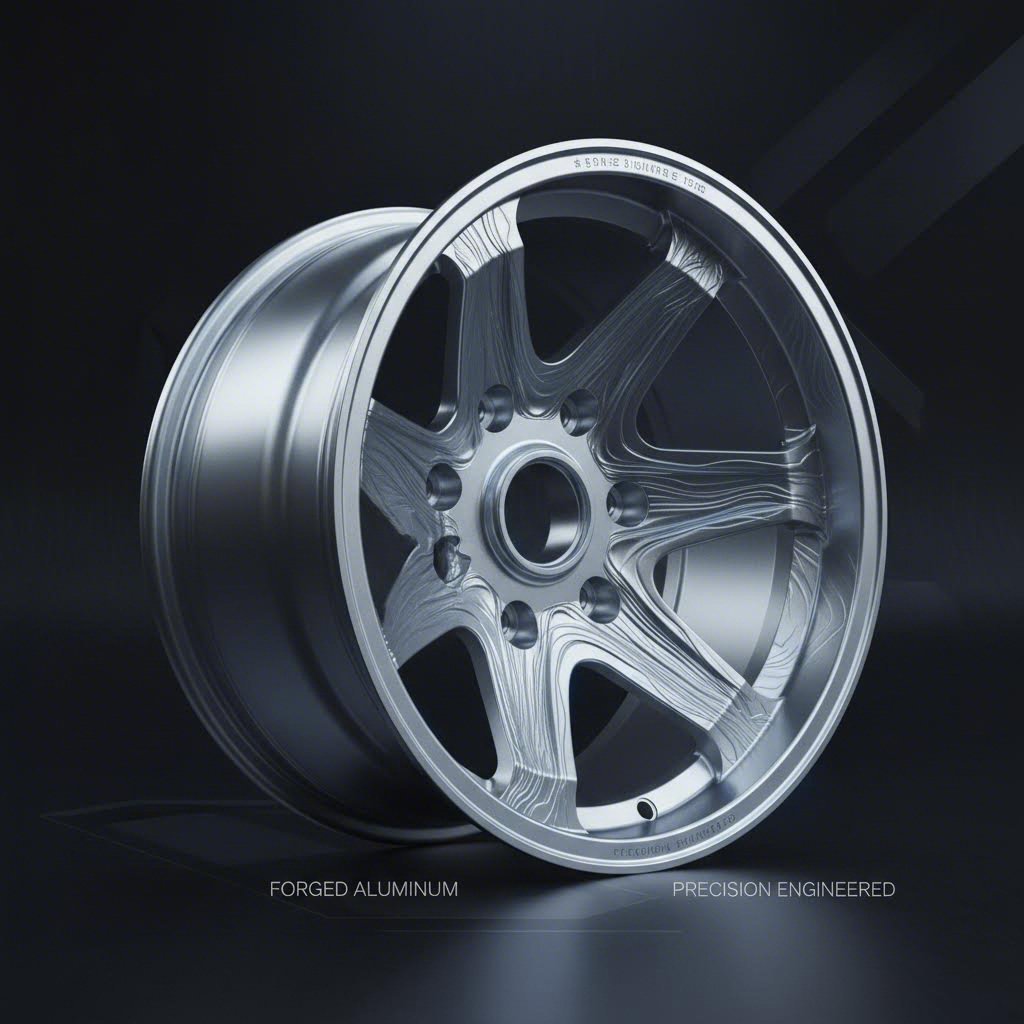
The designation "6061-T6" might sound like engineering jargon, but it represents something tangible for your wallet. This aerospace-grade aluminum alloy forms the backbone of premium forged wheels, and here's why it matters for resale.
According to material science research, 6061-T6 aluminum delivers a tensile strength of 290-310 MPa compared to just 180-220 MPa for cast aluminum alloys. That's roughly 40-50% stronger with the same weight. The "T6" indicates a precise two-stage heat treatment where the aluminum is heated to approximately 530°C, rapidly quenched, then aged at 160-180°C for 18 hours. This process creates microscopic precipitates within the metal that dramatically increase hardness while maintaining ductility.
What does this mean for resale? Precision forged wheels using proper 6061-T6 material resist permanent deformation under stress. They bend before they break, a critical safety distinction that discerning buyers recognize. When you're comparing forged wheels vs alloy wheels in the used market, construction material becomes a key selling point.
Rays Engineering forged wheels, for instance, use their own proprietary alloy blend based on 6061 aluminum. As documented by Road & Track, their manufacturing process involves heating billets to over 900°F before subjecting them to approximately 70,000 psi of pressure through multiple die stages. This isn't just manufacturing. It's metallurgical transformation that buyers can verify and trust.
Manufacturing Methods That Buyers Actually Care About
When secondary market buyers evaluate used wheels, they're essentially asking one question: how was this made? The manufacturing process directly determines durability, weight, and long-term structural integrity. Here's what separates the three main construction methods:
Cast wheels represent the most common and affordable option. Hot liquid aluminum pours into a mold and cools. Simple, cost-effective, but with a catch. As the metal cools, porosity and inconsistencies can develop within the structure. These micro-weaknesses mean cast wheels require more material to achieve acceptable strength, resulting in heavier wheels with lower load-bearing capacity.
Flow-formed wheels start as cast pieces but undergo additional processing. The barrel section is heated and stretched under pressure, compressing the metal and increasing tensile strength. You'll see these marketed as "rotary forged" or "spun forged," but don't be fooled. They're not true forged wheels, though they offer a meaningful step up from casting with 15-25% weight reduction.
True forged wheels begin as solid aluminum billets subjected to extreme heat and pressure. This process eliminates porosity entirely while aligning the metal's grain structure directionally. The result? Maximum strength at minimum weight, with superior impact resistance. Rays forged rims exemplify this approach, with each wheel passing through three individual mold dies before heat treatment maximizes alloy strength.
| Attribute | Cast Wheels | Flow-Formed Wheels | Forged Wheels |
|---|---|---|---|
| Manufacturing Process | Liquid metal poured into molds | Cast then stretched under heat/pressure | Solid billet pressed through dies at 70,000+ psi |
| Typical Weight | Heaviest (baseline) | 15-25% lighter than cast | Lightest option available |
| Tensile Strength | 180-220 MPa | 220-260 MPa | 290-310 MPa |
| Porosity Risk | Higher (potential weak points) | Reduced but present | Eliminated completely |
| Price Range (set of 4) | $800-2,500 | $1,500-4,000 | $3,000-15,000+ |
| Expected Resale Retention | 30-40% | 40-55% | 50-70% |
Notice that resale retention gap? It's not coincidental. Secondary market buyers understand that forged construction means longer service life, better performance, and enhanced safety. They're willing to pay accordingly.
When evaluating a used wheel purchase, experienced buyers often look for manufacturing certifications like JWL, VIA, or IATF16949 compliance. These standards verify that wheels have passed rigorous load testing beyond typical road conditions. Documentation proving construction method and certification status can significantly impact what buyers will pay, which brings us to the next critical factor: brand reputation and how it influences secondary market pricing.
Which Forged Wheel Brands Hold Value Best
You've seen two identical-looking forged wheels at a car meet. One sells for $4,000 used, the other struggles to fetch $1,500. What gives? The answer comes down to three letters on the center cap. Brand reputation isn't just marketing fluff in the forged wheel world. It's the single biggest predictor of custom forged wheel resale value beyond physical condition.
Understanding which manufacturers command secondary market premiums helps you make smarter buying decisions upfront. Let's examine why certain brands consistently outperform others when it's time to sell.
Premium Brands That Command Secondary Market Premiums
Not all forged wheel brands are created equal in the eyes of secondary market buyers. Decades of quality consistency, motorsport heritage, and enthusiast community trust separate the value leaders from the rest.
Rucci Forged wheels represent a perfect example of brand premium at work. Based in East Los Angeles, Rucci builds multi-piece forged wheels using aerospace-grade aluminum with over 150 possible finishes. Their custom-made approach, with sizes ranging from 18" to an impressive 34", creates scarcity that drives secondary market demand. When a Rucci set hits the used market, buyers recognize the brand's reputation for quality craftsmanship and unique designs.
Vellano wheels follow a similar trajectory. Known for meticulous attention to detail and premium materials, Vellano has cultivated a following among luxury vehicle owners who appreciate understated elegance. This brand recognition translates directly to buyer confidence. Someone shopping for used American forged wheels knows a Vellano set represents verified quality, reducing the perceived risk of a secondhand purchase.
Consider how brand perception shapes pricing psychology:
- Recognized premium brands: Buyers pay more because they trust the product will perform as expected
- Unknown or budget brands: Buyers demand steep discounts to offset uncertainty about quality and longevity
- Counterfeits and replicas: Legitimate concerns about authenticity can tank resale value entirely
Amani wheels showcase another dimension of brand value. Their bold, distinctive designs create immediate visual recognition. When enthusiasts spot Amani wheels, they know exactly what they're looking at. This instant brand identification builds the collector demand that supports stronger resale prices.
Corleone forged wheels have carved their niche in the luxury truck and SUV segment. Their attention to fitment precision and finish quality has earned loyal followers who specifically seek out the brand in the secondary market. Similarly, Lexani forged rims maintain strong resale appeal thanks to over two decades of presence in the luxury wheel space. According to AudioCityUSA, Lexani's trademark chrome lips, intricate multi-spoke patterns, and standout finishes have defined luxury wheel trends, creating instant brand recognition that supports secondhand pricing.
Manufacturing Origin and Buyer Perception
Where a wheel is made matters more than you might expect. In enthusiast communities, manufacturing origin creates distinct value tiers that directly impact what buyers will pay.
American-made forged wheels typically command the strongest resale premiums. Brands like American Force forged wheels benefit from the "Made in USA" perception of quality control and accountability. When something goes wrong, buyers feel confident they can reach the manufacturer. This peace of mind translates to willingness to pay more on the secondary market.
Japanese manufacturers like RAYS Engineering occupy a unique position. Their motorsport heritage and reputation for precision engineering create exceptional value retention. According to Performance Plus Tire, RAYS wheels "maintain excellent resale value due to their high demand and quality reputation." The TE37 series, in particular, has achieved almost cult status, with used examples sometimes selling for near-original prices.
European brands like BBS and OZ Racing leverage similar heritage advantages. Their Formula One connections and OEM partnerships with brands like Ferrari, Porsche, and BMW signal engineering credibility that enthusiasts trust.
Budget-oriented overseas manufacturers face the steepest depreciation curves. Without established brand recognition or verifiable quality control histories, buyers approach these wheels with skepticism. The result? Aggressive price discounts required to move used inventory.
Here's how brand categories typically stack up for resale value retention:
- Premium Domestic Forged Brands (55-70% retention): Rucci Forged, American Force, Vellano, ADV.1, HRE, Forgeline. These manufacturers combine US-based production with established reputations and strong enthusiast community presence
- Established Import Brands (50-65% retention): RAYS/Volk Racing, BBS, OZ Racing, Enkei (forged lines), Vossen. Motorsport heritage, OEM partnerships, and decades of proven quality drive buyer confidence
- Mid-Tier Recognized Brands (40-55% retention): Lexani, Giovanna, Savini, Asanti. Strong visual recognition and luxury market presence support moderate value retention
- Budget-Oriented Options (25-40% retention): Lesser-known manufacturers, replica brands, unverified overseas production. Lack of brand equity and quality uncertainty drives steep depreciation
Quality certifications provide another trust signal that savvy buyers evaluate. IATF 16949 certification indicates a manufacturer meets automotive industry quality management standards. JWL and VIA certifications from Japan demonstrate wheels have passed rigorous safety testing. When sellers can document these certifications, they remove buyer uncertainty and support stronger asking prices.
The takeaway? Brand selection at purchase time directly determines your resale outcome years later. Spending an extra $1,000-2,000 upfront on a recognized premium brand often returns that investment through better value retention. Think of brand premium as resale insurance built into your purchase price.
Now that you understand how brand reputation influences secondary market pricing, let's examine how initial purchase price correlates with long-term value retention across different pricing tiers.
Pricing Tiers and Their Resale Value Implications
Here's a scenario that plays out constantly in the wheel enthusiast world: two buyers each purchase forged wheels on the same day. One spends $3,000, the other spends $10,000. Three years later, they both sell. Who loses more money? The answer isn't as straightforward as you'd think, and understanding the relationship between initial price and custom forged wheel resale value can save you thousands.
According to Forgelite Wheels, major wheel companies sell sets averaging $10,000+, while smaller manufacturers offer options starting around $3,000. That $7,000 gap represents vastly different manufacturing approaches, quality standards, and ultimately, resale outcomes. Let's break down what you're actually getting at each price point.
The Price-to-Value Retention Sweet Spot
Think of forged wheel pricing like real estate. Cheap forged wheels might seem like a bargain, but they often depreciate faster than their premium counterparts. Meanwhile, elite custom sets may retain a higher percentage of value, but the absolute dollar loss can still sting. The sweet spot? It exists, and finding it requires understanding what drives pricing at each tier.
The primary cost drivers separating affordable forged wheels from premium options include:
- Manufacturing location: US-made wheels cost more due to labor rates of $100-200/hour versus $15-20/hour in overseas facilities
- Design development: Original designs require 100+ hours of engineering time, while budget options often replicate existing patterns
- Raw material quality: Premium forgings cost roughly twice as much as standard Chinese market alternatives
- Finishing methods: Powder coating (20x more durable) versus liquid paint significantly impacts longevity and resale appeal
- Quality control: Rigorous QC with documented runout measurements versus minimal inspection
Here's where it gets interesting. K7 Forged notes that high-quality custom forged wheels can actually increase vehicle resale value, with buyers seeing premium wheels as an upgrade worth paying for. Budget wheels? They may actually lower perceived vehicle value due to concerns over performance and wear.
| Pricing Tier | Price Range (Set of 4) | Typical Characteristics | Expected Resale Retention | Absolute Value Loss Example |
|---|---|---|---|---|
| Entry-Level Forged | $2,000 - $4,000 | Overseas production, catalog designs, liquid paint finish, basic QC | 35-45% | $3,000 purchase → $1,200 resale = $1,800 loss |
| Mid-Tier Premium | $4,000 - $7,000 | Quality forgings, established brands, powder coat options, documented specs | 50-60% | $5,500 purchase → $3,000 resale = $2,500 loss |
| Elite Custom | $7,000 - $15,000+ | US/Japan manufacturing, custom designs, premium finishes, comprehensive QC | 55-70% | $10,000 purchase → $6,500 resale = $3,500 loss |
Notice something counterintuitive? The mid-tier premium category often represents the optimal balance. You're getting quality that buyers trust, brand recognition that commands secondary market confidence, and a purchase price where percentage retention translates to manageable absolute losses. Arkon forged wheels and similar mid-tier brands occupy this space effectively, offering legitimate forged construction with documented quality standards at prices that don't require taking out a second mortgage.
Vicrez wheels and comparable brands demonstrate how newer market entrants compete in this middle ground. They target enthusiasts who want genuine forged performance without premium brand pricing, though their newer market presence means less established resale track records.
Vehicle Platform Compatibility and Resale Demand
Here's something most wheel resale guides completely miss: the vehicle your wheels fit dramatically affects who can buy them and what they'll pay. A stunning 20" set designed for a C8 Corvette faces a completely different secondary market than forged wheels for trucks in popular sizes.
Luxury vehicle wheels occupy a peculiar resale position. Buyers of used Bentleys, Rolls-Royces, and high-end Mercedes often seek OEM or extremely premium aftermarket options. Custom forged sets can command strong prices, but the buyer pool is smaller and more discerning. Expect longer selling times but potentially higher returns if you have sought-after brands and fitments.
Sports car and performance vehicle wheels benefit from active enthusiast communities. Porsche, BMW M-series, and Corvette owners frequently upgrade and swap wheels, creating robust secondary markets. Popular sizes like 19" and 20" in common bolt patterns move quickly. Motorsport-heritage brands like RAYS and BBS retain value exceptionally well in these circles.
Truck and SUV wheels represent perhaps the strongest secondary market segment. Forged rims for trucks in 22" to 26" sizes maintain remarkable demand. The lifted truck and luxury SUV communities actively seek quality forged options, and popular fitments can sell within days of listing. American Force, Fuel Forged, and similar truck-focused brands often outperform their percentage retention estimates due to consistent demand.
Consider this before purchasing: standard bolt patterns (5x114.3, 5x120, 6x139.7) and common sizes dramatically expand your potential buyer pool. That unique 3-piece forged set in an obscure bolt pattern might look incredible, but finding a buyer willing to pay fair value becomes exponentially harder.
The practical takeaway? If resale matters to your purchase decision, factor in platform popularity alongside brand and quality. A mid-tier premium set in a common truck fitment may ultimately return more of your investment than an elite custom set for a low-volume exotic, simply because of buyer pool dynamics.
Understanding pricing tiers and platform dynamics sets the foundation. But even the best wheels lose value if you don't maintain them properly or document their history. Let's explore exactly what maximizes your selling position when the time comes.
Maximizing Your Forged Wheels Resale Potential
You've decided to sell your custom forged wheels. Maybe you're upgrading, changing vehicles, or simply ready for something new. Here's the uncomfortable truth: two identical wheel sets can sell for wildly different prices based entirely on how the seller prepared them for market. The difference between recovering 45% and 70% of your investment often comes down to preparation strategies that take just a few hours of effort.
What separates sellers who maximize their custom forged wheel resale value from those who leave money on the table? It's a combination of honest condition assessment, proper documentation, and understanding exactly what buyers evaluate before making purchase decisions.
Condition Assessment That Buyers Actually Perform
Experienced buyers inspect used forged wheels with forensic attention to detail. Understanding their evaluation process helps you address concerns proactively and price appropriately.
According to the Automotive Recyclers Association (ARA) Wheel Grading Standard, professional inspectors evaluate wheels in stages. First comes structural integrity: any cracks, bent rim flanges, distorted wheel holes, or surface damage affecting functionality immediately disqualifies a wheel. Buyers perform similar assessments, often running fingers along the barrel interior to detect invisible damage.
Cosmetic condition follows structural verification. The ARA grades wheels using a straightforward system:
- Grade A: No visible blemishes whatsoever, representing the best available condition
- Grade B: Minor blemishes equal to one credit card-sized area or less
- Grade C: More significant blemishes exceeding one credit card-sized area
Curb rash represents the most common value killer. Even minor scuffs signal to buyers that the wheels weren't carefully maintained. According to wheel refinishing specialists, damaged wheels can significantly reduce perceived value, leading to lower offers from potential buyers. The psychological impact extends beyond the actual damage. Buyers wonder: if the owner curbed these wheels, what else did they neglect?
Refinishing history creates another consideration. Professional refinishing before selling can boost appeal, but buyers also value original factory finishes. If you've had wheels refinished, be transparent about it. Savvy buyers can often detect previous work, and discovering undisclosed refinishing destroys trust and tanks negotiations.
Before listing, perform your own honest assessment. Photograph wheels in direct sunlight from multiple angles. Imperfections invisible in shade become obvious in natural light. Used Forgiato rims or other premium brands command top dollar only when condition matches the brand's reputation for excellence.
Documentation That Commands Premium Prices
Want to know the fastest way to separate your listing from dozens of competitors? Documentation. In a market where replica wheels and counterfeits create legitimate buyer anxiety, provenance proof transforms skeptical browsers into confident purchasers.
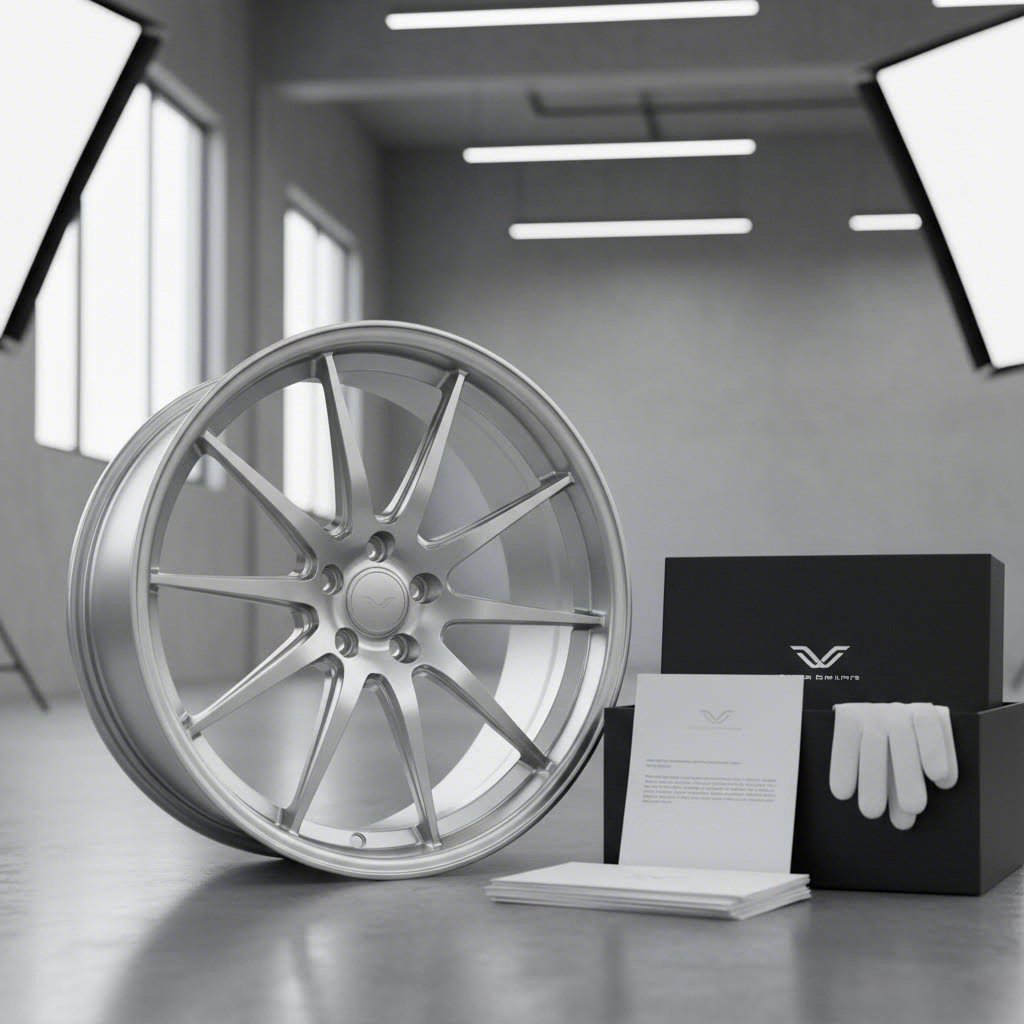
According to authentication experts, genuine premium wheels come with original packaging, part numbers, and authenticity cards. Replica wheels typically lack this paperwork, making sellers who can provide documentation immediately more credible. When buyers research how to spot counterfeits, documentation consistently appears as a key differentiator.
What documentation actually moves the needle on pricing? Original purchase receipts prove authenticity and establish the wheel's history. Authenticity certificates from manufacturers like Corleone Forged carry weight because buyers can verify legitimacy. Corleone forged photos showing your actual wheels during the original purchase or installation process create undeniable provenance chains.
Maintenance records demonstrate care that goes beyond surface appearance. Did you have wheels professionally cleaned and sealed annually? Document it. Have the tires balanced with precision equipment? Include those receipts. Each piece of documentation tells buyers: this owner treated these wheels as the investment they represent.
Original packaging and hardware might seem insignificant, but they dramatically affect buyer perception. When someone purchases the best forged rims on the secondary market, they want the complete ownership experience. Center caps, lug nuts, hub-centric rings, and original boxes signal that you maintained these wheels as a complete system, not just functional equipment.
- Gather all original documentation: Purchase receipts, authenticity certificates, manufacturer correspondence, and warranty information
- Photograph current condition thoroughly: Capture each wheel from multiple angles in direct sunlight, including close-ups of any imperfections
- Address correctable cosmetic issues: Professional cleaning, minor touch-ups, or full refinishing when cost-effective
- Compile maintenance history: Service records, tire rotation logs, and any professional detailing receipts
- Locate original packaging and hardware: Boxes, center caps, lug nuts, and any included accessories
- Verify and document specifications: Size, offset, bolt pattern, and center bore measurements with photos of wheel markings
- Prepare authentication proof: Manufacturer stamps, serial numbers, and certification markings photographed clearly
Buyers shopping for cheap forged rims still want assurance they're getting legitimate products. Your documentation package directly addresses their concerns while justifying premium pricing. The few hours spent organizing paperwork can translate to hundreds of dollars in final sale price.
With your wheels properly assessed and documented, the next critical decision involves where and when to list them for sale. Different marketplaces attract different buyers, and timing can significantly impact what price the market will bear.
Where and When to Sell Custom Forged Wheels
Your wheels are cleaned, documented, and ready to sell. Now comes the question that can make or break your return: where exactly should you list them? The difference between recovering 50% and 70% of your investment often depends entirely on choosing the right marketplace and timing your sale strategically.
The secondary market for custom forged wheels isn't a single place. It's an ecosystem of platforms, communities, and buyers with vastly different expectations and willingness to pay. Understanding this landscape helps you match your specific wheels with buyers most likely to appreciate their value.
Navigating Enthusiast Forums and Specialty Marketplaces
Trading rims successfully requires knowing where serious buyers actually shop. Each venue attracts different buyer types, offers varying levels of protection, and typically yields different price realizations. Here's how your options stack up:
- Vehicle-specific enthusiast forums (highest price potential, moderate effort): Platforms like Rennlist for Porsche, M3Post for BMW, or Corvette Forum connect you directly with knowledgeable buyers who understand premium wheel value. These communities often have dedicated classified sections where brand reputation matters and buyers expect to pay fair prices for quality
- Specialized wheel consignment shops (strong pricing, minimal effort): Dealers like VIP Exotic Wheels Inc handle authentication, photography, and buyer negotiations. You sacrifice some margin for convenience, but reach buyers specifically shopping for premium forged wheels
- Facebook marketplace groups (good pricing, variable effort): Make and model-specific groups attract targeted buyers. A lifted truck group sees immediate value in forged truck wheels, while luxury car groups appreciate premium brands. The key is finding groups where your specific fitment matches member vehicles
- Wheel-specific classified sites (moderate pricing, low effort): Resources like www.customwheelsoffset.com and similar platforms aggregate wheel listings, connecting sellers with buyers specifically searching for aftermarket options
- General platforms like Craigslist and OfferUp (lower pricing, easiest listing): Broader audience means more tire-kickers and lowball offers. However, local sales eliminate shipping complexity. Best for common sizes and brands where educated buyers might browse casually
- eBay Motors (variable pricing, shipping complexity): National exposure reaches motivated buyers, but shipping 80+ pounds of wheels gets expensive quickly. Works best for rare fitments where local demand is limited
According to Crankshaft Culture, successful wheel sellers treat their listings like professional sales presentations. This means washing and drying wheels before photographing, taking clear images of all four wheels individually and together, and documenting every specification including bolt pattern, offset, and diameter. As they note, "No one wants to buy your filthy wheels. Showing off dirty wheels for sale makes you look lazy."
What specifications should every listing include? Wheel diameter, width, bolt pattern, offset (ET), center bore, tire size if included, and any known fitment history. Experienced buyers won't drive across town to check out wheels if basic specs aren't listed. Photography matters equally. Capture group shots showing all four wheels, individual shots of each wheel face, close-ups of any imperfections, and photos of spec markings stamped into the barrel.
Timing Your Sale for Maximum Return
When you list matters almost as much as where you list. Custom forged wheel resale value fluctuates based on seasonal demand, vehicle market trends, and even regional preferences.
Seasonal patterns create predictable demand cycles. Spring brings peak buying activity as enthusiasts prepare vehicles for car show season. Tax refund season in late winter sparks upgrade purchases. Late fall and winter see reduced demand in northern regions where salt and weather make wheel swaps less appealing. Planning your sale for March through June typically yields stronger offers than November through January.
Age affects value differently than you'd expect. Wheels less than two years old with minimal wear command near-retail pricing from buyers who want current styles without full retail cost. Three to five-year-old wheels hit the steepest depreciation curve as designs age and newer options compete for attention. Interestingly, wheels beyond seven years can sometimes recover value if they've become sought-after classics or discontinued designs that collectors want.
Regional market differences create arbitrage opportunities. Southern California, Texas, and Florida maintain year-round demand for custom wheels. The truck and SUV wheel market runs particularly hot in Texas and throughout the Southeast. Luxury vehicle concentrations in areas like Miami, Los Angeles, and the New York metro create strong demand for premium brands. If your local market seems cold, consider shipping to regions where your specific wheels match popular vehicle demographics.
What are buyers actually evaluating? Understanding buyer psychology helps you present wheels effectively:
- Fitment verification: Will these wheels actually fit their vehicle without modification?
- Authenticity concerns: Are these genuine branded wheels or replicas?
- Condition accuracy: Does the listing honestly represent current condition?
- Total cost calculation: What's the all-in price including shipping, tires, and any needed hardware?
- Seller credibility: Does this person seem knowledgeable and trustworthy?
One critical tip from experienced sellers: avoid confirming fitment for specific vehicles unless you're absolutely certain. As Crankshaft Culture advises, "Let the buyer do the work and take the chance. You don't want to tell them a setup will fit and when the buyer gets the wheels to the car they don't." Providing incorrect fitment information destroys trust and creates return headaches.
Brands of aftermarket wheels vary dramatically in secondary market recognition. Custom Wheel Distributors Inc. and similar specialty retailers have educated buyers about quality distinctions, making brand-conscious shoppers more common than ever. When listing premium brands, emphasize manufacturer reputation and include any documentation that proves authenticity.
Local wheel shops like Signature Wheels Costa Mesa and similar specialty dealers sometimes purchase quality used inventory or connect sellers with interested buyers. Building relationships with local dealers can create ongoing selling channels, especially if you frequently rotate through wheel setups.
Armed with marketplace knowledge and timing strategies, you're positioned to maximize returns. But before pulling the trigger on any wheel purchase, smart enthusiasts consider whether the investment makes financial sense from the start. Let's examine the decision framework that separates smart wheel investments from expensive regrets.
Making Smart Investment Decisions for Resale Success
Before you click "buy" on that stunning set of forged wheels, pause for a moment. Are you making an investment or simply spending money? The difference matters enormously for your long-term financial outcome. Understanding when custom forged wheels make financial sense versus when they represent pure consumption spending separates savvy enthusiasts from those who later experience buyer's remorse.
Let's build a practical decision framework that helps you approach wheel purchases with eyes wide open. Whether you're hunting for the best aftermarket rims for trucks or considering premium options for your sports car, these principles apply universally.
The Original Wheels Strategy Explained
Here's a strategy that experienced enthusiasts swear by: keep your factory wheels. This seemingly simple approach can dramatically improve your custom forged wheel resale value equation by protecting your vehicle's original configuration while enjoying aftermarket upgrades.
Why does this matter? According to Detroit Wheel and Tire, OEM wheels are specifically engineered to match your vehicle's make and model, ensuring optimal performance, durability, and safety. When it's time to sell your vehicle, having original wheels available can significantly impact buyer confidence and overall resale value. Some buyers specifically want factory configurations, and having those wheels ready expands your potential market.
Implementing the original wheels strategy requires attention to three critical areas:
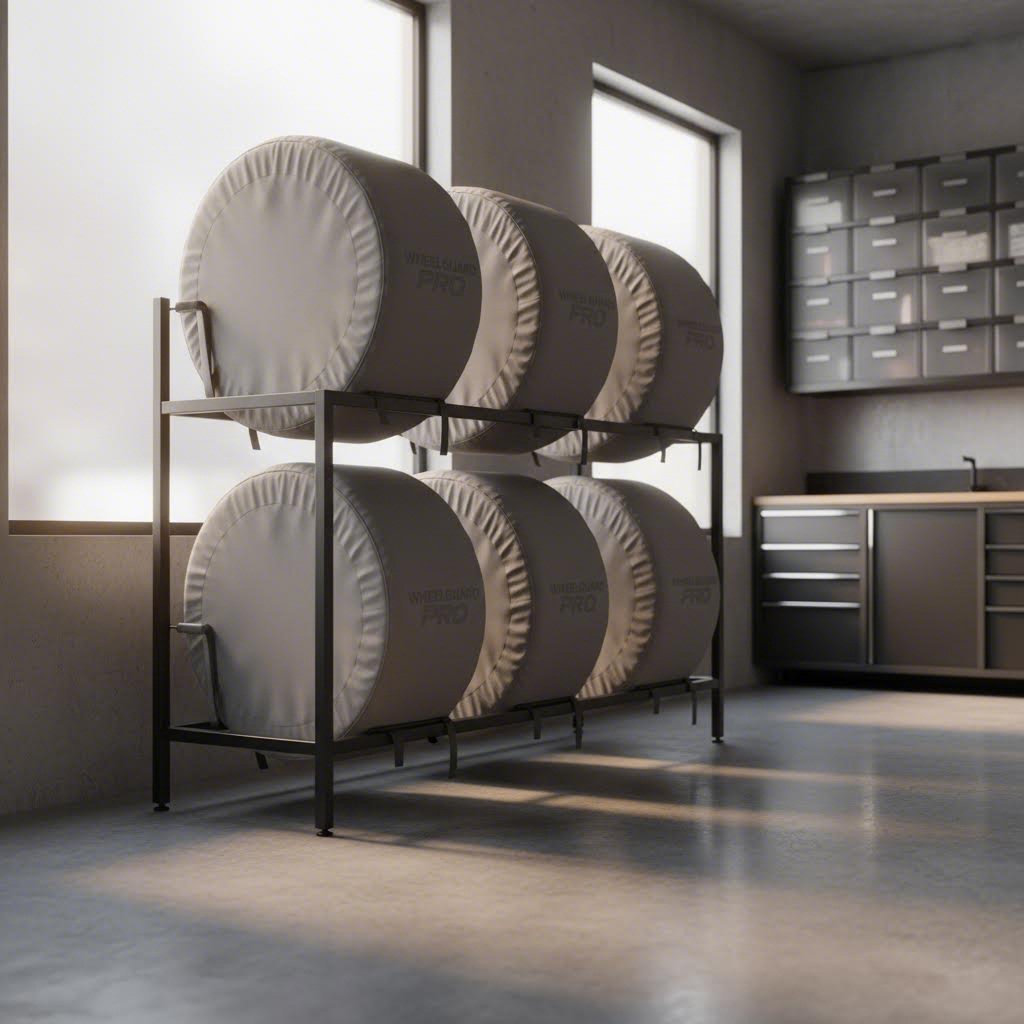
Proper storage prevents degradation. Store original wheels in a climate-controlled environment when possible. Extreme temperature swings can stress tire rubber if tires remain mounted. Stack wheels horizontally with protective padding between them, or use a dedicated wheel rack. Cover them to prevent dust accumulation and UV exposure that can fade finishes over time.
Documentation creates future value. Before removing factory wheels, photograph them thoroughly. Document any OEM part numbers stamped into the wheel. Keep records showing these wheels came with your specific vehicle. This provenance documentation matters when reinstalling for vehicle sale or if you later decide to sell the OEM wheels separately.
Reinstallation considerations require planning. Ensure you retain all original hardware including lug nuts, center caps, and any hub-centric rings. When reinstalling OEM wheels for vehicle sale, have them professionally balanced and inspected. Fresh rubber on original wheels can dramatically improve vehicle presentation for potential buyers.
The math works like this: a complete set of OEM wheels from a premium vehicle might cost $2,000-4,000 to replace if lost or damaged. Proper storage costs essentially nothing but preserves significant value. Meanwhile, your custom forged wheels appreciate your driving enjoyment while remaining a separable asset when vehicle sale time arrives.
When Premium Forged Wheels Make Financial Sense
Not every wheel purchase needs financial justification. Sometimes you simply want something beautiful on your vehicle, and that's perfectly valid. However, if resale value factors into your decision, certain scenarios favor investment while others point toward consumption.
Custom forged wheels make financial sense when you plan to keep them longer than your current vehicle, when you're purchasing recognized brands with documented quality, when your vehicle platform has strong enthusiast community demand, and when you commit to proper maintenance and documentation throughout ownership.
Consider these investment-favorable scenarios:
- Platform loyalty: You consistently own vehicles with compatible bolt patterns, allowing wheels to transfer between vehicles
- Popular fitments: You're purchasing common sizes and specifications that appeal to broad buyer pools
- Established brands: You're selecting manufacturers with proven secondary market demand and authentication systems
- Long-term ownership: You plan to enjoy these wheels for five or more years, amortizing any depreciation across extended use
Conversely, these scenarios suggest consumption rather than investment:
- Trend-chasing: Purchasing the latest style that may look dated within two years
- Obscure fitments: Choosing specifications that fit only low-volume or discontinued vehicles
- Unknown brands: Selecting manufacturers without established market presence or quality reputation
- Short-term ownership: Planning to sell the vehicle within a year or two
What about replica Forgiato options or other budget alternatives? While searching for the cheapest forged wheels or best replica wheels might seem financially prudent, consider the total equation. Best replica rims typically retain 25-35% of their value compared to 55-70% for premium authentic options. That gap often erases initial savings when resale time arrives. Additionally, replica wheels create authentication headaches that make selling significantly harder.
Quality manufacturing directly impacts both safety and resale confidence. According to FLEXIFORGED's certification documentation, properly certified forged wheels must perform under extreme load, torque, impact, and environmental conditions. Certifications like IATF 16949 provide third-party validation that products meet automotive industry quality management standards. This isn't just about safety during use. It's about buyer confidence during resale.
Premium manufacturers employing precision hot forging solutions create components with verifiable structural integrity. When wheels carry proper certification markings and documentation, buyers feel confident they're purchasing genuine, safety-tested products. This confidence directly translates to pricing power in the secondary market.
Manufacturers near major shipping ports like Ningbo Port can deliver globally compliant manufacturing that meets exact specifications across international markets. This matters for authentication because wheels meeting multiple regional standards (JWL, VIA, TUV, DOT) demonstrate quality commitment that discerning buyers recognize. When you purchase from manufacturers with documented quality control and in-house engineering ensuring robust components meet exact specifications, you're building resale confidence from day one.
Consider Lexani forged options as an example of brand positioning affecting resale. Their established market presence and recognizable styling create buyer familiarity that supports secondary market pricing. Compare this to unknown manufacturers where buyers must research quality independently, creating friction that often results in lower offers.
The financial decision framework ultimately comes down to honest self-assessment. Ask yourself: Am I purchasing these wheels as a separable asset I'll eventually sell, or am I buying an experience I want to enjoy regardless of future value? Both answers are valid, but they lead to different purchasing decisions.
If investment matters, prioritize recognized brands, popular fitments, IATF 16949 certified manufacturers, and comprehensive documentation from purchase through ownership. If pure enjoyment drives your decision, buy what makes you happy without the mental overhead of resale calculations.
Either way, you're now equipped to make that choice consciously rather than discovering your financial reality only when selling time arrives. The enthusiasts who protect their investments treat wheel purchases like any other significant asset, with attention to quality, documentation, and eventual exit strategy from the moment of purchase.
Protecting Your Custom Forged Wheel Investment
You've now explored every dimension of custom forged wheel resale value, from manufacturing methods and brand reputation to selling strategies and investment decision frameworks. But knowledge only creates value when you apply it. Let's synthesize everything into actionable takeaways you can use whether you're buying your first set of Rucci forged rims or selling a collection of Arkon forged wheels you've enjoyed for years.
The enthusiasts who consistently maximize their returns share one common trait: they think like both buyers and sellers from the very beginning. This dual perspective transforms wheel ownership from a simple purchase into a strategic asset management approach.
Your Custom Forged Wheel Value Retention Checklist
After examining every factor that influences secondary market pricing, five elements consistently separate wheels that retain value from those that depreciate rapidly. Use this checklist whether you're evaluating a potential purchase or preparing wheels for sale:
- Brand reputation and recognition: Premium manufacturers like Niche forged wheels, Rohana forged wheels, and established domestic brands command 55-70% retention rates. Unknown manufacturers struggle to achieve 40%. Before purchasing, research whether the brand has active secondary market demand and enthusiast community recognition
- Manufacturing quality and certification: Wheels produced with aerospace-grade 6061-T6 aluminum under proper forging conditions outlast and outvalue alternatives. Look for certifications like IATF 16949, JWL, VIA, or TUV that verify safety testing and quality management standards. These certifications provide buyer confidence that directly translates to resale pricing power
- Condition maintenance throughout ownership: Grade A condition (no visible blemishes) can mean the difference between 70% and 45% value retention on identical wheels. Avoid curb damage, maintain proper cleaning routines, and address cosmetic issues before they compound. Your care during ownership directly determines your selling position
- Documentation and provenance: Original purchase receipts, authenticity certificates, and maintenance records eliminate buyer uncertainty. In a market plagued by replica concerns, sellers who prove authenticity command premium pricing. Treat documentation as a non-negotiable part of wheel ownership
- Market timing and platform selection: Selling through enthusiast forums and specialty marketplaces reaches buyers who understand premium wheel value. Timing sales for spring and early summer captures peak demand. Matching your specific fitment to appropriate buyer communities maximizes offer quality
These five factors interact multiplicatively. Excellent condition can't overcome unknown brand reputation. Strong documentation can't salvage wheels with structural damage. The highest returns come from attention to all five elements throughout the ownership cycle.
Final Thoughts on Protecting Your Investment
The custom forged wheel market rewards informed participants on both sides of transactions. Buyers who understand manufacturing quality, brand positioning, and proper evaluation avoid overpaying for inferior products. Sellers who maintain condition, preserve documentation, and choose appropriate marketplaces recover maximum value when moving on.
For those seeking quality forged components that perform as investments rather than pure consumption, manufacturing partner selection matters enormously. Wheels produced by manufacturers offering precision engineering, rapid prototyping capabilities, and certified quality control enter the market with advantages that persist through resale. When in-house engineering ensures robust components meet exact specifications, buyers inherit that precision, and subsequent owners recognize that quality commitment.
Consider the Liberty Wheels approach or Force Offroad options that emphasize documented quality standards. These brands demonstrate how manufacturing transparency supports secondary market confidence. Buyers trust what they can verify, and verified quality commands verified pricing.
According to industry analysis, forged wheels offer "longer service life, higher resale value, and fewer failures." This isn't marketing language. It's the documented reality that drives secondary market premiums for quality forged products. The strength-to-weight advantages, superior materials, and precision manufacturing create tangible value that informed buyers recognize and pay for.
Your final takeaway? Approach custom forged wheels with intentionality. If resale matters to your financial equation, prioritize recognized brands, verify manufacturing certifications, maintain meticulous condition, preserve comprehensive documentation, and time your eventual sale strategically. If pure driving enjoyment drives your decision, buy what brings you happiness while understanding the likely financial trajectory.
Either way, you're now equipped with knowledge that most wheel buyers never acquire. Use it to make decisions you won't regret, whether you're enjoying beautiful wheels on your vehicle or successfully transferring them to their next enthusiastic owner.
Frequently Asked Questions About Custom Forged Wheel Resale Value
1. Do aftermarket wheels affect resale value?
High-quality custom forged wheels can actually increase vehicle resale value when maintained properly. Premium brands like HRE, RAYS, and Vellano often add 10-15% to vehicle market appeal. However, the key factors are brand recognition, condition, and proper documentation. Keeping original OEM wheels stored safely allows you to offer buyers flexibility, potentially commanding higher prices. Budget or unknown brand wheels may have neutral or negative effects on vehicle resale.
2. What is the scrap value of an alloy wheel?
While standard alloy wheels have minimal scrap value (approximately £1.36 per kg for aluminum content), custom forged wheels operate in an entirely different market. Premium forged wheels from recognized brands can retain 50-70% of their original purchase price when sold to enthusiasts rather than scrapped. This makes selling through enthusiast forums, specialty marketplaces, or consignment shops far more profitable than recycling for material value.
3. Which forged wheel brands hold their value best?
Premium domestic brands like Rucci Forged, American Force, HRE, and Forgeline typically retain 55-70% of value. Established import brands including RAYS/Volk Racing, BBS, and OZ Racing achieve 50-65% retention due to motorsport heritage. Mid-tier brands like Lexani and Savini maintain 40-55%. Manufacturing origin, quality certifications like IATF 16949, and enthusiast community recognition significantly impact secondary market pricing power.
4. How do I maximize resale value when selling custom forged wheels?
Focus on five critical factors: maintain Grade A condition by avoiding curb damage, preserve all original documentation including purchase receipts and authenticity certificates, choose the right marketplace (enthusiast forums yield higher prices than general platforms), time your sale for spring when demand peaks, and photograph wheels professionally in direct sunlight showing all specifications. Proper documentation alone can increase selling prices by hundreds of dollars.
5. Are expensive forged wheels worth the investment for resale?
Mid-tier premium wheels ($4,000-7,000) often represent the optimal investment balance, offering 50-60% value retention with manageable absolute dollar losses. Entry-level forged wheels ($2,000-4,000) depreciate faster at 35-45% retention. Elite custom sets ($7,000-15,000+) retain higher percentages (55-70%) but involve larger absolute losses. The best investment strategy combines recognized brands, popular fitments, proper maintenance, and keeping original OEM wheels stored safely.