 Small batches, high standards. Our rapid prototyping service makes validation faster and easier —
  EN
EN


Cost-Effective Forging Solutions to Reduce Your Expenses
TL;DR
Cost-effective forging solutions reduce manufacturing expenses by minimizing material waste, eliminating secondary machining steps, and producing exceptionally durable parts. Processes like closed die forging create near-net shape components with superior strength, leading to significant long-term savings, especially in high-volume production runs. Strategic design and engineering further optimize costs by improving efficiency from the project's outset.
The Financial Advantages of Modern Forging
Forging presents a powerful method for creating strong, reliable metal components while offering significant economic advantages over other manufacturing processes like casting or machining from bar stock. The primary benefit lies in its ability to shape metal intelligently, preserving material and adding value at every step. By collaborating with forging experts, businesses can unlock savings that impact everything from raw material purchasing to the long-term service life of the final product.
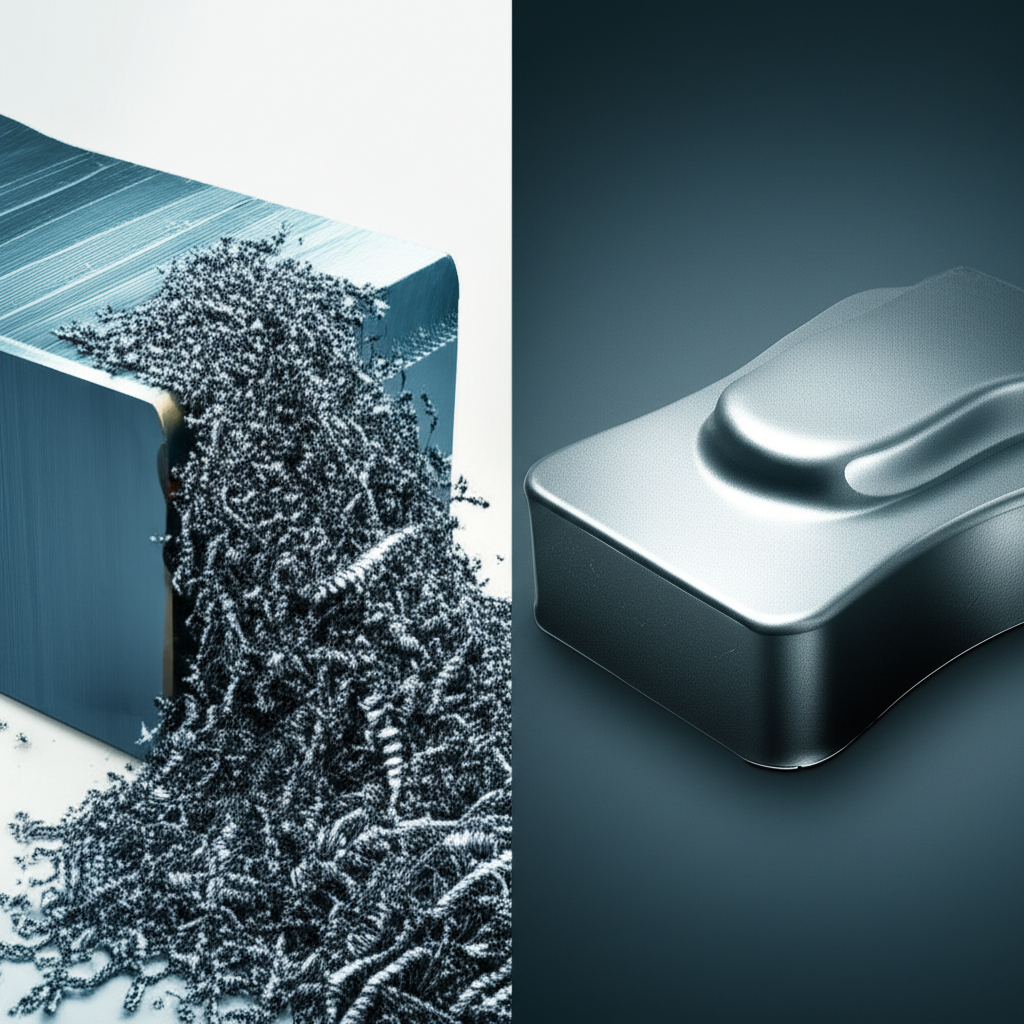
One of the most direct cost-saving mechanisms is material optimization. Forging allows for the creation of near-net shapes, which are components formed to be very close to their final dimensions. As detailed by experts at Scot Forge, this dramatically reduces the amount of starting material required compared to, for example, cutting a shape from a solid plate or bar. Less raw material purchased means lower initial costs and less scrap generated, which is both economically and environmentally beneficial.
Furthermore, forging significantly cuts down on the need for secondary machining. Because parts are forged to near-net shapes, less time and labor are required to mill, drill, or finish the component to its exact specifications. This translates to savings in machining time, longer tool life, and reduced wear on equipment. The result is a more efficient production cycle, faster lead times, and a lower cost per unit.
Finally, the inherent strength of forged parts provides immense long-term value. The forging process refines the metal's grain structure, aligning it with the shape of the part, which enhances its strength, toughness, and fatigue resistance. As explained in a guide from Cornell Forge Co., this superior durability means components last longer in demanding applications, reducing the frequency of failures and replacements. This reliability minimizes equipment downtime and maintenance costs over the entire lifecycle of the product, delivering savings that far exceed the initial production investment.
Key Forging Techniques for Optimal Cost Efficiency
Choosing the right forging technique is critical to maximizing cost-effectiveness, and the decision often depends on factors like production volume, part complexity, and required tolerances. Among the various methods, closed die forging stands out as a particularly economical solution for high-volume production. This technique involves pressing a heated metal workpiece between two custom dies that completely enclose the material, forcing it to fill the die cavity and take on a precise shape.
The primary advantage of closed die forging is its ability to produce complex, near-net shape parts with excellent dimensional accuracy and a superior surface finish. As highlighted by Ferralloy Inc., while the initial investment in custom tooling can be high, the cost per part becomes very low in large production runs. This method is highly repeatable, ensuring that thousands of components are virtually identical, meeting tight tolerance requirements with minimal material waste. This efficiency makes it an ideal choice for industries requiring large quantities of strong, uniform parts, such as the automotive and aerospace sectors.
To better understand its place in manufacturing, it is helpful to compare closed die forging with other common methods. Each technique offers a different balance of tooling cost, per-unit cost, and design flexibility.
| Forging Technique | Tooling Cost | Cost Per Unit (High Volume) | Material Waste | Best For |
|---|---|---|---|---|
| Closed Die Forging | High | Low | Low | High-volume production of complex, identical parts |
| Open Die Forging | Low / None | High | Moderate | Large, simple shapes and low-quantity or prototype runs |
| Cold Forging | High | Low | Very Low | Smaller, high-precision parts at room temperature |
| Seamless Rolled Ring Forging | Moderate | Moderate | Low | Ring-shaped components like gears and bearings |
While open die forging offers flexibility for prototypes and large, simple components without expensive custom dies, it is more labor-intensive and less precise, leading to higher per-part costs. Cold forging provides exceptional precision with no material heating costs but is typically limited to smaller parts and softer metals. Seamless rolled ring forging is a specialized, efficient process for creating ring-like components. For businesses aiming to scale production efficiently, closed die forging often provides the most compelling long-term financial case.
The Role of Engineering and Design in Reducing Forging Costs
The most significant opportunities for cost savings in a forging project are often realized long before the first piece of metal is heated. Strategic, upfront engineering and thoughtful design for manufacturability (DFM) are crucial for optimizing the entire production process. Collaborating with an experienced forging partner during the design phase can prevent costly mistakes, reduce material waste, and improve the performance of the final component.
A key benefit of this early collaboration is the optimization of part geometry. As experts at Canton Drop Forge explain, forging engineers can analyze a component's design to identify areas where material can be reduced without compromising structural integrity. They can also suggest modifications that simplify the forging process, such as adjusting draft angles or corner radii, which can extend die life and reduce production time. In some cases, a single, custom-forged part can be designed to replace an assembly of multiple components, eliminating unnecessary welding and machining procedures entirely.
Material selection is another critical aspect where engineering expertise drives cost efficiency. While a specific alloy may be requested, a forging specialist might recommend a more cost-effective or better-performing alternative that still meets all application requirements. Their deep knowledge of metallurgy allows them to balance cost with properties like strength, corrosion resistance, and heat tolerance, ensuring the chosen material provides the best value for the specific use case.
Ultimately, investing in expert engineering and design is not an added expense but a foundational step in creating a truly cost-effective forging solution. This proactive approach ensures that the production process is as efficient as possible, minimizing waste, shortening lead times, and producing a more reliable part. This holistic view transforms the relationship with a forging provider from a simple transaction to a strategic partnership focused on long-term value.
Selecting the Right Forging Partner for a Cost-Effective Solution
Choosing the right forging supplier is a critical business decision that goes beyond comparing price quotes. A true partner provides engineering expertise, ensures quality, and helps optimize your component for long-term value. Making an informed choice requires evaluating potential suppliers on a range of capabilities that contribute to a genuinely cost-effective solution. A provider focused on efficiency and quality will help reduce your total cost of ownership, not just the initial price per part.
For businesses in specialized sectors, finding a partner with relevant industry experience is crucial. For example, companies like Shaoyi Metal Technology specialize in IATF16949 certified hot forging for the automotive industry, demonstrating a deep understanding of the sector's stringent quality and performance demands. When evaluating partners, look for a proven track record and the right certifications for your market.
Here are key criteria to consider when selecting a forging partner:
- Engineering and Design Support: A valuable partner will offer expert design and engineering services to help refine your component. As noted by providers like Southwest Steel Processing, in-house engineers can design cost-efficient solutions that minimize material use and secondary processing while ensuring uncompromised quality. This collaborative approach is essential for maximizing value from the start.
- Quality Control and Certifications: Robust quality assurance systems are non-negotiable. Look for suppliers with certifications like ISO 9001:2015, which demonstrate a commitment to consistently meeting customer and regulatory requirements. Rigorous inspection and testing processes prevent costly defects and ensure part reliability in critical applications.
- Material Expertise and Availability: The supplier should have extensive knowledge of various metals and alloys. They should be able to advise on the best material for your application, balancing performance needs with cost. A large inventory of ready-to-forge materials can also shorten lead times and improve economic efficiency.
- Production Capabilities and Technology: Ensure the supplier has the right equipment and technology for your project's scale and complexity. Modern, automated forging lines can improve consistency, increase efficiency, and handle production volumes from small batches to large-scale runs, offering flexibility as your needs evolve.
By evaluating suppliers on these holistic factors, you can build a strategic relationship that delivers superior components, reduces long-term costs, and strengthens your competitive advantage in the market.

Frequently Asked Questions
1. Is forging cheaper than machining?
Forging is generally more cost-effective than machining for large production volumes. While the initial tooling costs for forging can be higher, the price per part decreases significantly as volume increases due to faster production cycles and lower material waste. For one-off prototypes or very small quantities, machining from bar stock may be cheaper.
2. What are the 4 types of forging?
The four common types of forging processes are impression die forging (also known as closed die forging), open die forging, cold forging, and seamless rolled ring forging. Each method offers different advantages related to part complexity, production volume, and cost.
3. What is the new technology in forging?
A key emerging trend in forging technology is precision forging, which utilizes advanced computer simulations and automated control systems. This allows for unparalleled accuracy in shaping metal components, resulting in reduced material waste, improved product quality, and enhanced overall manufacturing efficiency.