 Small batches, high standards. Our rapid prototyping service makes validation faster and easier —
  EN
EN


Choosing Forged Pistons For Superchargers: 2618 Vs 4032 Alloy Decoded
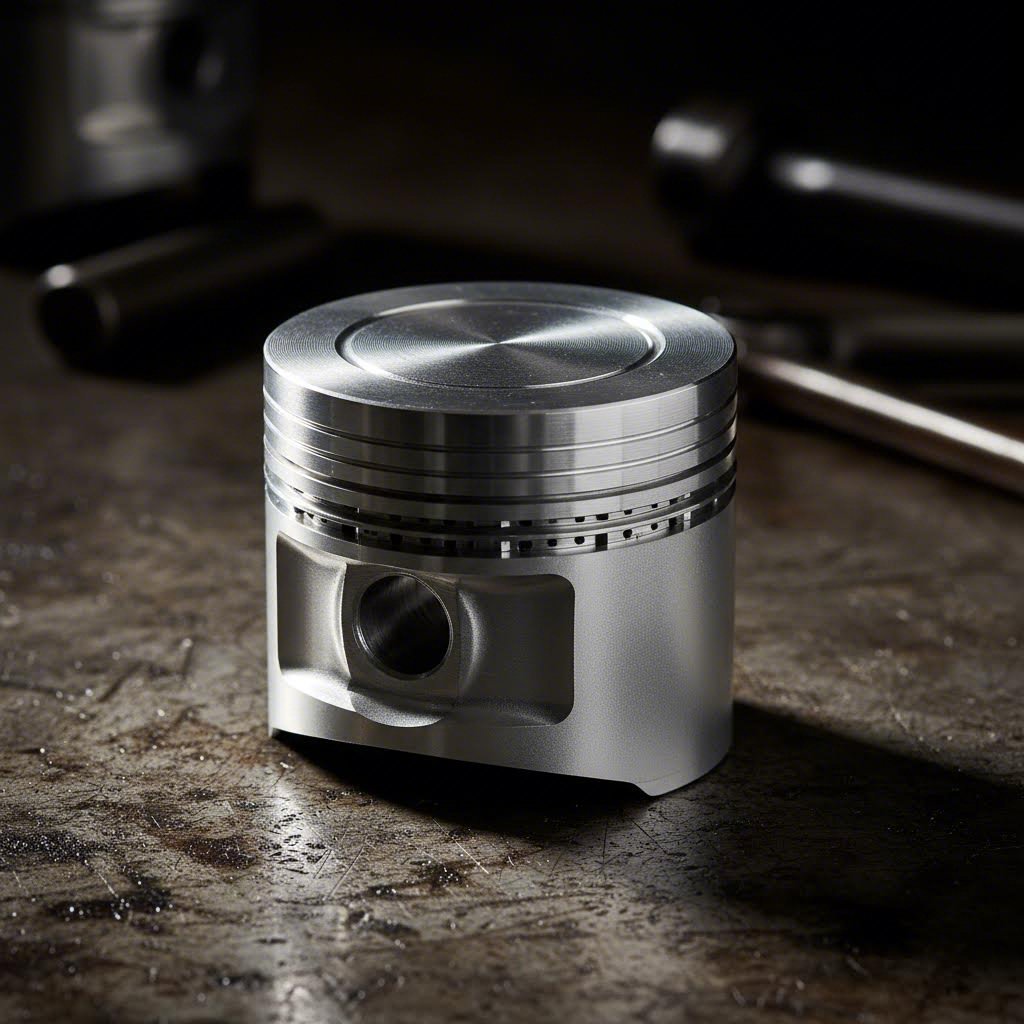
Why Supercharged Engines Demand Forged Pistons
Imagine bolting a supercharger onto your engine and expecting stock horsepower to simply multiply without consequences. The reality? Your engine internals face a completely different world of stress the moment that blower starts spinning. Choosing forged pistons for superchargers isn't just an upgrade—it's a fundamental requirement for survival under boost.
The Brutal Reality of Boost Pressure on Engine Internals
When you add a supercharger to any engine, you're fundamentally changing the forces acting on every internal component. During the power stroke, cylinder pressure attempts to crush the piston crown into the skirts while simultaneously trying to blow the piston straight through the bottom of the block. The connecting rod and crankshaft fight back, creating opposing forces that stress the wrist pin bores and support struts with every revolution.
Here's where superchargers differ dramatically from turbochargers: the blower delivers consistent, sustained cylinder pressure from the moment you touch the throttle. A turbocharger needs exhaust gas velocity to spool up, creating variable boost levels. A positive displacement supercharger, however, generates instant and linear boost because it's mechanically coupled directly to your crankshaft. If the engine is turning, air is being compressed.
Power adder combinations can triple the cylinder pressure of naturally aspirated engines, requiring thicker crowns, skirts, ring lands, and wrist pins—along with increased clearances to accommodate greater thermal expansion.
This sustained pressure creates thermal loads that stock cast pistons simply cannot manage. Cast aluminum pistons contain random grain patterns and potential porosity from the molding process, creating weak spots that fail under repetitive high-pressure cycles. When your supercharger maintains 8, 10, or even 15+ PSI constantly, those weak spots become failure points.
Why Your Stock Pistons Cannot Handle Supercharger Power
Stock pistons are designed for naturally aspirated duty cycles—lower cylinder pressures and predictable thermal loads. Forged pistons are fundamentally different. The forging process heats aluminum billets and compresses them under extreme pressure, forcing molecular alignment within the metal. This creates superior ductility, meaning the piston can absorb abuse without cracking.
According to Jalopnik's analysis of performance engine components, forged pistons offer this critical advantage: "The pistons are able to take more abuse without cracking." Cast pistons lack this consistent molecular structure, making them prone to breaking under the sustained pressure that superchargers generate.
Consider the specific challenges supercharged engines face:
- Sustained heat soak: Unlike turbos with variable spool, superchargers deliver constant boost and constant heat
- Repetitive stress cycles: Every combustion event at full boost hammers the piston crown
- Increased thermal expansion: Higher operating temperatures require precise clearance management
- Ring land stress: Sustained cylinder pressure constantly loads the ring grooves
Both positive displacement and centrifugal supercharger designs create these demanding conditions, though their power delivery characteristics differ slightly. Positive displacement units like Roots or twin-screw designs provide immediate boost response—perfect for street driving but brutal on internals from idle to redline. Centrifugal superchargers build boost progressively with RPM, somewhat similar to turbochargers, but still maintain that direct mechanical connection eliminating spool lag entirely.
When diagnosing issues on supercharged builds, enthusiasts often chase problems like bad fuel pump symptoms or blown head gasket symptoms without realizing the root cause: inadequate piston construction. The piston is your engine's first line of defense against boost pressure, and when it fails, everything else follows. Understanding why forged pistons are essential—not optional—sets the foundation for building a supercharged engine that delivers reliable power for years, not months.
Forged Versus Cast Piston Manufacturing Explained
Now that you understand why supercharged engines demand specialized pistons, let's examine exactly what separates forged from cast construction at the molecular level. The recipe for a piston that survives sustained boost pressure starts long before machining begins—it starts with how the metal itself is formed.
Grain Structure and Molecular Density Differences
Picture two wooden tables: one crafted from solid oak with naturally aligned wood grain, and another made from particle board with randomly compressed wood chips. Which would you trust to support heavy loads day after day? This analogy perfectly illustrates the fundamental difference between forged and cast engine pistons.
When aluminum is forged, the controlled deformation under extreme pressure forces the metal's molecular structure into directional alignment. According to JE Pistons' technical documentation, this grain flow "allows for the near absence of structural defects or voids common in the casting process." The molecules are physically compressed together, eliminating weak spots and creating consistent strength throughout the entire part.
Cast pistons tell a completely different story. Molten aluminum poured into a mold settles wherever physics allows. The resulting grain structure is random, unpredictable, and riddled with potential porosity—tiny air pockets trapped during cooling. These microscopic voids become stress concentrators under the repetitive loading that superchargers impose.
For high-performance pistons destined for forced induction duty, this distinction isn't academic—it's the difference between reliable power and catastrophic failure. When your supercharger maintains 10+ PSI of boost through every gear, those random grain patterns and hidden voids become ticking time bombs.
How Forging Creates Superior Fatigue Resistance
The forging process itself represents centuries of metallurgical evolution. Modern performance pistons begin as aluminum billets—solid bars of aerospace-grade alloy. These billets are heated to precise temperatures, then subjected to enormous compressive forces using either mechanical or isothermal hydraulic presses.
Here's where supercharger applications demand special attention: the sustained boost pressure creates what engineers call repetitive stress cycles. Every combustion event at full boost hammers the piston crown with forces that can triple naturally aspirated cylinder pressures. Unlike turbocharged engines where boost varies with exhaust gas velocity, supercharged engines deliver this punishment consistently from idle to redline.
Forged pistons handle these repetitive cycles through superior ductility. When pushed beyond their limits, forged pistons deform rather than shatter. Cast pistons? They tend to disintegrate catastrophically, sending shrapnel through your engine. As Speedway Motors explains, "With hypereutectic pistons, they tend to disintegrate like a cast piston, resulting in catastrophic engine failure. A forged piston has more ductility."
Among the various piston types available, forged construction uniquely addresses the thermal challenges of positive displacement and centrifugal supercharger designs. The aligned grain structure conducts heat more efficiently, helping manage the constant thermal load that blowers generate. This becomes critical when selecting between different alloys—a topic we'll explore in detail shortly.
| Characteristic | Forged Pistons | Cast Pistons |
|---|---|---|
| Manufacturing Method | Aluminum billet compressed under extreme pressure in forging dies | Molten aluminum poured into molds and cooled |
| Grain Structure | Aligned, directional flow with no voids | Random orientation with potential porosity |
| Tensile Strength | Higher due to compressed molecular density | Lower with inconsistent strength zones |
| Thermal Expansion | Higher rate—requires increased piston-to-wall clearance | Lower rate—tighter clearances possible |
| Weight | Generally heavier due to denser material | Lighter but with strength compromises |
| Failure Mode | Deforms under extreme stress | Shatters catastrophically |
| Cost | Premium pricing due to specialized equipment and machining | Lower cost for budget-conscious builds |
| Ideal Application | Forced induction, nitrous, high-RPM racing | Naturally aspirated, mild street duty |
After forging, performance pistons undergo extensive CNC machining to create valve reliefs, skirt profiles, ring lands, and pin bores. This additional machining—combined with the specialized forging equipment—explains the higher cost of forged versus cast options. However, for supercharged applications, this premium buys something priceless: reliability under sustained boost pressure.
Understanding what are pistons made of and how they're manufactured provides the foundation for the next critical decision: choosing between 2618 and 4032 aluminum alloys. Each offers distinct advantages for specific supercharger applications, and selecting the wrong alloy can undermine even the finest forging process.

2618 Versus 4032 Aluminum Alloy Selection
You've committed to forged pistons for your supercharged build—smart move. But here's where the decision gets nuanced: which aluminum alloy will best handle your specific combination of boost pressure, street miles, and power goals? The 2618 vs 4032 pistons debate isn't about one being universally superior. It's about matching piston material characteristics to your supercharger's unique demands.
Unlike turbocharged applications where boost builds progressively with exhaust energy, superchargers deliver consistent thermal loads from the moment you crack the throttle. This fundamental difference in heat delivery directly influences which alloy will serve your engine best. Let's decode both options so you can make an informed choice.
Understanding 2618 Alloy for Extreme Boost Applications
When engine builders discuss different types of pistons for serious forced induction work, 2618 alloy dominates the conversation. Why? This alloy contains virtually no silicon—a deliberate omission that transforms how the piston behaves under extreme stress.
According to JE Pistons' technical analysis, the low silicon content makes 2618 "much more malleable, which offers advantages under high-load, high-stress applications such as with power adders (superchargers, turbochargers, or nitrous oxide)." This malleability translates directly to ductility—the ability to absorb punishment without cracking.
Think about what happens inside your supercharged engine during a hard pull. Cylinder pressures spike dramatically, piston crowns flex under immense force, and temperatures soar. A 2618 piston responds to this abuse by deforming slightly rather than fracturing catastrophically. For race applications running 15+ PSI of boost, this forgiving characteristic can mean the difference between finishing an event and picking aluminum shrapnel out of your oil pan.
However, this enhanced ductility comes with trade-offs:
- Higher thermal expansion: A 2618 piston expands approximately 15 percent more than its 4032 counterpart, requiring larger piston-to-wall clearances
- Cold start noise: Those larger clearances mean audible "piston slap" until the engine reaches operating temperature
- Reduced wear resistance: Lower silicon content means the alloy is slightly softer, potentially accelerating ring groove wear over extended use
For dedicated track machines, weekend warriors pushing serious boost, or any build where ultimate strength trumps daily driver refinement, 2618 remains the gold standard among types of pistons for forced induction.
When 4032 Alloy Makes Sense for Street Superchargers
Not every supercharged build needs race-spec components. If you're running a moderate boost level on a street-driven vehicle, 4032 alloy offers compelling advantages that matter during real-world driving.
The defining characteristic of 4032 is its high silicon content—a full 12 percent according to JE Pistons. This silicon addition dramatically reduces the alloy's expansion rate, enabling tighter piston-to-wall clearances. The practical benefit? Quieter cold starts without that tell-tale rattle that announces "race engine" to everyone in the parking lot.
As Mountune USA explains, "4032 is a more stable alloy, so it will retain characteristics such as ring groove integrity, for longer life cycle applications." This durability advantage matters when your supercharged engine needs to survive daily commutes, road trips, and the occasional spirited backroad session.
The 4032 alloy suits street supercharger builds where:
- Boost levels remain in the 5-10 PSI range for reliable daily driving
- Cold start noise would be unacceptable to you or your neighbors
- Long-term durability matters more than ultimate stress tolerance
- The engine sees primarily street miles with occasional track days
Here's an insight many builders miss: the expansion difference between alloys largely disappears once engines reach operating temperature. According to Wiseco's engineering documentation, "The higher-expanding 2618 piston may have a larger initial clearance than a 4032 piston, but once the engine reaches operating temperature, both pistons will have similar running clearances." The cold clearance difference exists primarily to accommodate warm-up—not high-temperature operation.
However, 4032's reduced ductility becomes a liability under extreme conditions. Mountune USA notes that relative to 2618, "4032 is a less ductile alloy, making it less forgiving when used in motorsport applications with high cylinder pressures." When detonation events occur—and they inevitably will in boosted applications—4032 is more prone to cracking than its more forgiving counterpart.
Supercharger-Specific Alloy Considerations
When exploring different kinds of pistons for forced induction, understanding how superchargers specifically differ from turbochargers helps clarify alloy selection. Superchargers create sustained, consistent heat loads because they're mechanically driven—boost is always proportional to engine speed, not exhaust gas energy.
This constant thermal stress affects alloy choice in two key ways. First, 4032's lower expansion rate provides more consistent cylinder seal throughout the RPM range, potentially improving ring seal under the steady boost a supercharger delivers. Second, 2618's superior high-temperature fatigue resistance better handles the relentless thermal cycling that occurs during extended wide-open-throttle operation.
Among the 5 different types of pistons you might encounter—cast, hypereutectic, forged 4032, forged 2618, and exotic billet—only forged options deserve consideration for serious supercharged applications. The choice between 4032 and 2618 then becomes a question of intended use and boost targets.
| Specification | 2618 Alloy | 4032 Alloy |
|---|---|---|
| Silicon Content | Virtually none (low silicon) | Approximately 12% |
| Thermal Expansion Rate | High—expands 15% more than 4032 | Low—dimensionally stable |
| Recommended Piston-to-Wall Clearance | Larger (.004"-.006" typical for boosted) | Tighter (.0025"-.004" typical) |
| Cold Start Noise | Audible piston slap until warm | Quiet operation |
| Ductility/Forgiveness | High—deforms rather than cracks | Lower—more brittle under extreme stress |
| Wear Resistance | Lower—softer alloy | Higher—harder surface |
| Maximum Safe Boost (General Guidance) | 15+ PSI / Race applications | 5-12 PSI / Street performance |
| Ideal Supercharger Application | High-boost race builds, dedicated track cars, extreme street performance | Street-driven superchargers, moderate boost, daily drivers |
One final consideration often overlooked: hard anodizing options can extend 2618 longevity in street applications. JE Pistons notes that anodizing the ring groove and pin bore areas creates "a layer of oxidized aluminum that is much harder than the parent aluminum," addressing the wear resistance gap for enthusiasts who want 2618's strength with improved durability.
With your alloy decision framed, the next critical variable enters the equation: how much boost you're actually planning to run, and how that target pressure dictates compression ratio and piston crown design.
Boost Pressure Thresholds and Compression Ratio Planning
You've selected your alloy—now comes the question that stumps even experienced builders: how much compression can you safely run at your target boost level? This relationship between static compression ratio and boost pressure determines whether your engine makes reliable power or rattles itself apart through detonation. Surprisingly, no comprehensive PSI-based guidance exists for supercharged piston selection—until now.
Understanding this relationship transforms piston selection from guesswork into engineering. Whether you're building a street cruiser with an M90 supercharger or a dedicated track weapon with a centrifugal turbo-style blower, matching piston specifications to your boost targets is non-negotiable.
Matching Piston Specs to Your Target Boost Level
Here's the fundamental concept: when you add boost pressure, you're effectively multiplying your engine's compression ratio. A 9.5:1 naturally aspirated engine breathing 10 PSI of boost doesn't behave like a 9.5:1 engine anymore—it acts closer to a 14:1 engine in terms of cylinder pressure and detonation risk.
This "effective compression ratio" concept explains why supercharged builds typically run lower static compression than their naturally aspirated counterparts. The boost pressure does the compression work that higher piston domes would otherwise provide.
Different boost levels demand different piston configurations:
- 5-8 PSI Street Builds: These moderate boost levels allow static compression ratios between 9.0:1 and 10.0:1 on premium pump fuel. Flat-top or shallow dish pistons work well here, providing adequate combustion chamber volume without sacrificing low-end response. This range suits daily drivers and weekend cruisers where reliability trumps maximum output.
- 10-15 PSI Performance Builds: Moving into serious performance territory requires dropping static compression to the 8.0:1-9.0:1 range. Deeper dish pistons become necessary to create combustion chamber volume. Intercooler efficiency becomes critical at these levels—a well-designed intercooler can allow slightly higher compression without detonation risk.
- 15+ PSI Race Applications: Extreme boost demands aggressive compression reduction, typically 7.5:1-8.5:1. Race fuel or E85 capability opens options for higher compression within this boost range. Deep dish pistons with optimized quench areas help manage the intense cylinder pressures these builds generate.
When planning your build, consider these interconnected factors:
- Target boost level: Your maximum intended boost pressure sets the foundation for all other calculations
- Fuel octane availability: Premium pump gas (91-93 octane) limits options compared to race fuel or E85
- Intercooler efficiency: Better charge cooling allows higher compression at equivalent boost levels
- Intended use: Street cars need conservative tuning margins while dedicated race vehicles can push boundaries
For enthusiasts wondering how these numbers translate to real-world performance, consider this: a properly configured supercharged build at 10 PSI can dramatically improve your Mustang GT 0-60 times without sacrificing reliability. The key lies in matching piston compression to boost targets rather than chasing maximum numbers in either direction.
Compression Ratio Calculations for Supercharged Builds
Calculating effective compression ratio helps visualize why piston selection matters so critically. The simplified formula multiplies your static compression ratio by the pressure ratio your supercharger creates. At sea level, atmospheric pressure equals roughly 14.7 PSI. Add 10 PSI of boost, and you're now cramming 24.7 PSI worth of air into your cylinders.
The math: (14.7 + 10) ÷ 14.7 = 1.68 pressure ratio. Multiply this by a 9.0:1 static compression ratio, and your effective compression reaches approximately 15.1:1—territory that demands premium fuel and careful tuning.
This calculation, similar to using a 0-60 calculator for performance predictions, gives you a baseline for understanding cylinder pressures. Real-world results vary based on intercooler efficiency, ambient temperature, and tuning strategy, but the relationship remains constant: more boost equals higher effective compression.
Supercharger Type and Piston Stress Patterns
Positive displacement superchargers—Roots-style and twin-screw designs—create instant boost the moment the throttle opens. This immediate pressure spike stresses pistons differently than centrifugal units that build boost progressively with RPM.
With a positive displacement blower, your pistons experience significant cylinder pressure from low RPM through redline. Every combustion event carries substantial force, creating consistent thermal and mechanical loading. This operating characteristic favors pistons designed for sustained stress rather than peak-load tolerance.
Centrifugal superchargers operate more like turbochargers in their boost curve—minimal pressure at low RPM, building aggressively as engine speed climbs. The venturi effect principles governing airflow through these compressors mean piston stress concentrates in the upper RPM range. Some builders use this characteristic to justify slightly higher compression ratios, reasoning that low-RPM cylinder pressures remain manageable.
However, both supercharger types share a critical advantage over turbochargers: mechanical coupling to the crankshaft eliminates boost lag entirely. Your pistons must handle boost instantly and consistently, making proper compression ratio selection even more critical than turbocharged applications where spool time provides a buffer.
Piston Dome Versus Dish Design Under Boost
Piston crown configuration directly impacts combustion chamber dynamics and compression ratio. Domed pistons increase static compression by reducing combustion chamber volume—useful for naturally aspirated engines but problematic under boost. Dished pistons do the opposite, creating additional volume that lowers compression.
For supercharged applications, dish designs dominate for good reason. The recessed crown creates space for the denser air charge your blower provides while maintaining safe effective compression ratios. However, dish depth must be balanced against combustion efficiency—excessively deep dishes can create poor flame propagation and incomplete combustion.
Modern forged pistons for boosted applications often feature carefully designed dish profiles that maintain quench areas near the combustion chamber edges. These quench zones promote rapid flame travel and resist detonation, allowing builders to run slightly higher compression without knock issues. When specifying pistons for your supercharged build, understanding these crown design trade-offs helps you communicate effectively with manufacturers about your power goals.
Some performance enthusiasts use 1/4 mile calculator tools to estimate trap speeds based on power-to-weight ratios. These projections become reality only when your piston specifications properly support your boost targets—reinforcing why compression ratio planning deserves careful attention before any parts are ordered.
With boost pressure thresholds and compression ratios understood, the next critical element demands attention: the ring pack design that seals all that pressure inside your cylinders.
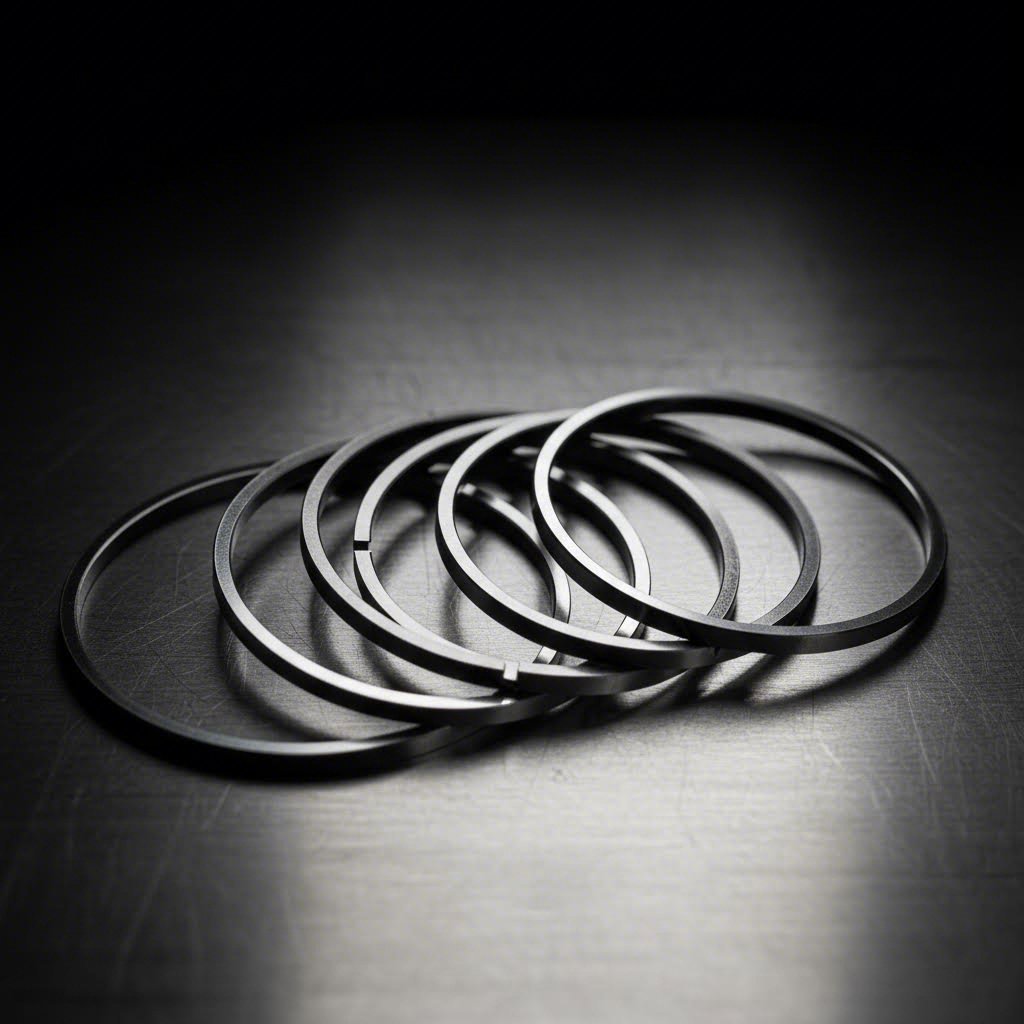
Ring Pack Design and Ring Land Considerations
Your forged pistons and carefully calculated compression ratio mean nothing if cylinder pressure escapes past the rings. Ring pack design represents one of the most overlooked aspects of choosing forged pistons for superchargers—yet it's arguably where the battle for power is won or lost. When your blower maintains sustained boost through every gear, the ring lands and ring pack must seal that pressure reliably, combustion event after combustion event.
Unlike naturally aspirated engines where ring seal concerns focus primarily on high-RPM operation, supercharged applications demand consistent sealing across the entire operating range. The moment boost builds, your rings face pressure levels that would never occur in a stock engine. Understanding how ring land reinforcement and ring pack selection work together helps you specify components that actually survive forced induction duty.
Ring Land Reinforcement for Sustained Boost Pressure
The ring lands—those thin sections of aluminum between each ring groove—endure tremendous stress in supercharged applications. During every power stroke, combustion pressure attempts to collapse the top ring land into the ring groove below. Simultaneously, that same pressure pushes outward against the rings themselves, loading the groove walls with force that increases proportionally with boost.
Here's what makes supercharger applications uniquely demanding: the boost is always there. According to JE Pistons' engineering analysis, "power adder combos can triple" naturally aspirated cylinder pressures, "consequently, they utilize thicker crowns, skirts, ring lands, struts, and wrist pins." This isn't optional reinforcement—it's survival insurance.
Ring land thickness becomes critical for several reasons:
- Structural integrity: Thicker ring lands resist the crushing force that high cylinder pressures exert during combustion
- Heat dissipation: Additional material provides more mass to absorb and transfer heat away from the ring grooves
- Groove stability: Reinforced lands maintain precise ring groove geometry even after thousands of high-pressure cycles
- Reduced ring flutter: Stable ring lands keep rings properly seated against groove faces, preventing pressure leakage
When evaluating forged pistons for your supercharged build, examine the ring land cross-section carefully. Quality manufacturers specifically increase material in this area for forced induction applications. If a piston looks nearly identical to its naturally aspirated counterpart, question whether it's truly designed for boost duty.
Material hardness also plays a role in ring land durability. Some manufacturers offer hard anodizing for the ring groove areas, creating a wear-resistant surface that extends service life. This treatment becomes particularly valuable when running steel top rings that can accelerate groove wear in softer aluminum alloys like 2618.
Selecting Ring Packs That Seal Under Extreme Cylinder Pressure
The rings themselves must match the demands your supercharger creates. Modern performance ring packs have evolved significantly, with steel and ductile iron constructions replacing the cast iron rings of previous generations. According to JE Pistons, "A steel gas-nitrided top ring has proven to be the best combination for power adder and naturally aspirated engines. When combined with a hooked ductile second ring, this arrangement allows for better oil control, lower ring tension, reduced friction, and improved conformability and ring seal."
Consider these essential ring pack factors for supercharged applications:
- Top ring material: Steel gas-nitrided rings offer superior durability and heat resistance compared to ductile iron. The nitriding process creates a hardened surface that resists the accelerated wear forced induction generates.
- Ring gap specifications: Boosted engines require larger ring gaps than naturally aspirated builds. Wiseco's technical documentation explains that "Forced induction engines are adding significantly more cylinder pressure than a naturally aspirated engine. That added cylinder pressure is added heat. Since heat is the driving force behind end gaps, the hotter cylinders require more end gaps."
- Oil ring tension: Higher tension oil rings help control oil consumption under the elevated crankcase pressures that boosted engines generate, but must be balanced against friction losses.
- Ring coatings: PVD (Physical Vapor Deposition) and other advanced coatings reduce friction while improving wear resistance—critical for rings that see constant high loading.
Ring gap deserves special attention in supercharged builds. If gaps are too tight, thermal expansion under boost causes ring ends to butt together. Wiseco warns that when this happens, "catastrophic failure will occur rapidly as it is a continuous cycle of more heat, more outward pressure, and nowhere for the ring to expand into." The result? Ring lands destroyed, pistons scuffed, and potentially an engine cylinder block full of aluminum shrapnel.
For the second ring, gaps should typically exceed the top ring gap by .001-.002 inches. This prevents pressure from becoming trapped between the rings, which would lift the top ring and destroy its seal. The second ring's primary function is oil control, not compression sealing—sizing its gap appropriately ensures both rings perform their intended roles.
Gas Porting and Accumulator Groove Features
High-performance forged pistons often incorporate features specifically designed to improve ring seal under boost. Gas porting—either vertical holes drilled from the piston crown or horizontal (lateral) ports above the top ring—uses combustion pressure to actively push the ring against the cylinder wall.
According to JE Pistons' engineering team, "A big portion of top ring seal is created by cylinder pressure pushing the ring outward from the back side of ring to improve the seal." Gas ports enhance this effect by providing additional pathways for pressure to reach behind the ring.
Vertical gas ports offer the most aggressive pressure application but can clog with carbon deposits over time—making them better suited for race applications with frequent teardowns. Lateral gas ports, positioned above the top ring land, provide a middle ground: improved seal without the maintenance concerns of vertical ports.
Between the top and second ring lands, many quality forged pistons feature accumulator grooves. JE Pistons explains that this groove "increases the volume of area between the top and second rings. The increase in volume helps lower the pressure of any gases that end up there." By reducing inter-ring pressure, accumulator grooves help maintain top ring seal—particularly important when sustained boost creates continuous pressure loading.
Proper ring seal in supercharged applications prevents blow-by that robs power and contaminates oil. Every bit of combustion pressure that escapes past the rings represents lost horsepower and increased crankcase pressure. Over time, excessive blow-by degrades oil faster and can overwhelm PCV systems, leading to oil leaks at gaskets and seals. Just as you'd address a rear main seal leak repair promptly to prevent oil loss, ensuring proper ring seal from the start prevents ongoing problems that compound over miles.
For multi layer steel head gaskets to seal properly and engines to maintain healthy oil, the rings must do their job. Think of ring seal as foundational to the entire engine's health—when it fails, everything downstream suffers. A rear main seal repair becomes more frequent when crankcase pressure stays elevated from poor ring seal, creating a cascade of maintenance issues that trace back to inadequate ring pack specification.
With ring pack design understood, the next layer of piston protection enters the picture: specialized coatings that manage heat and friction in ways the base aluminum simply cannot accomplish alone.
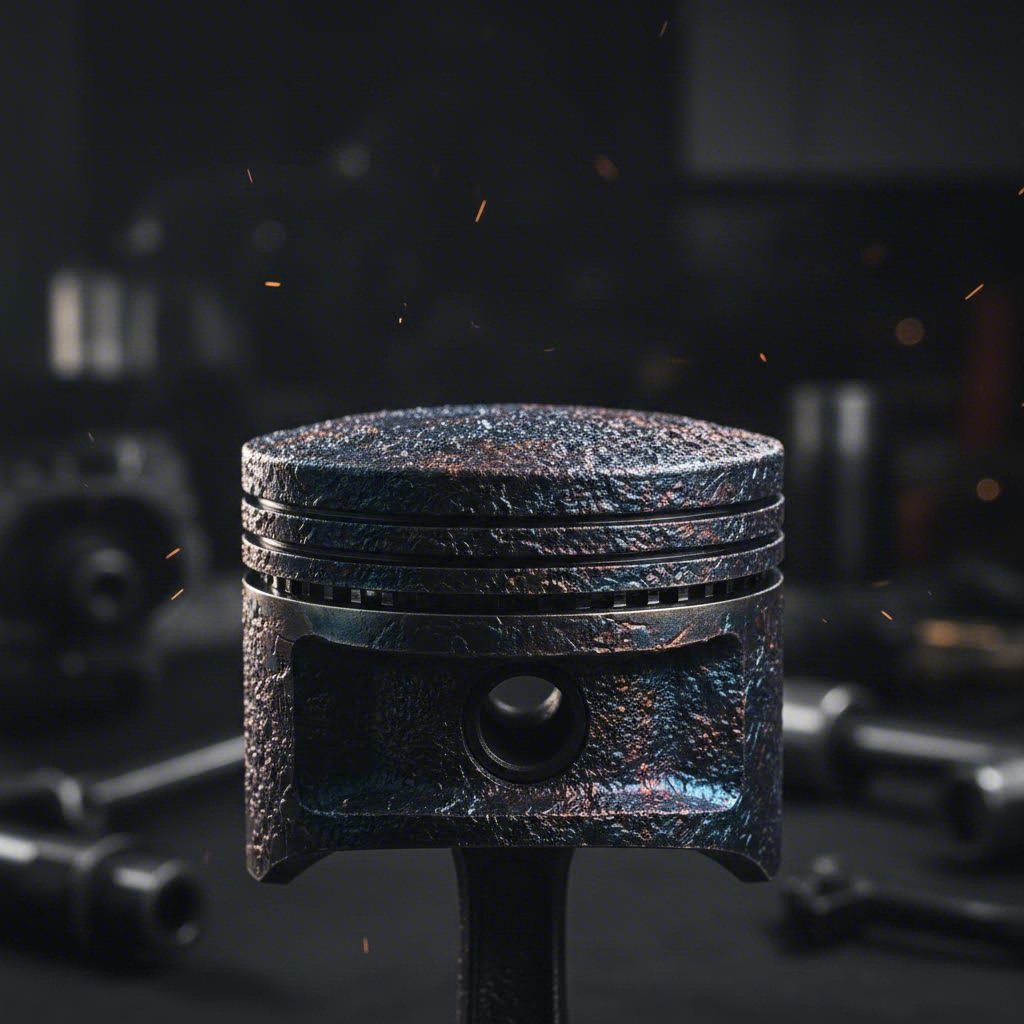
Piston Coatings for Forced Induction Protection
Your forged pistons are only as good as their ability to manage the relentless heat your supercharger generates. While alloy selection and ring pack design establish the foundation, specialized coatings take protection to levels that bare aluminum simply cannot achieve. Think of coatings like car wax for cars—they create a protective barrier that enhances both performance and longevity under harsh conditions.
Here's the critical distinction many builders miss: superchargers create consistent heat loads that differ fundamentally from turbocharger applications. A turbo builds heat proportionally to exhaust gas energy, varying throughout the RPM range. Your supercharger? It's mechanically driven, delivering constant thermal stress from the moment boost appears. This sustained heat soak makes thermal management coatings not just beneficial—but essential for serious forced induction builds.
Thermal Barrier Coatings That Protect Against Heat Soak
Ceramic crown coatings represent your first line of defense against the punishing temperatures inside a boosted combustion chamber. According to Engine Builder Magazine, "Ceramic coating, when applied to the tops of pistons, acts as a reflector of heat minimizing its absorption into the piston." This reflection keeps destructive thermal energy where it belongs—in the combustion chamber doing useful work.
The mechanism works through two complementary principles. First, the ceramic surface reflects radiated heat before it can penetrate the aluminum crown. Second, the coating's low thermal conductivity creates an insulation barrier. As Engine Builder explains, "Heat has to make its way through the coating, then through the junction between the coating material and the piston top." Even at just .0005 inches thick—thinner than a human hair—this barrier provides meaningful protection.
For supercharged applications, crown coatings deliver specific advantages:
- Reduced crown temperatures: Lower heat absorption protects the aluminum from annealing (softening) under sustained boost
- Improved efficiency: Heat reflected back into the chamber improves exhaust scavenging and combustion efficiency
- Extended piston life: Cooler crown material maintains structural integrity through thousands of high-pressure cycles
- Detonation resistance: Lower piston surface temperatures reduce the likelihood of pre-ignition hot spots
The universal compatibility of quality ceramic coatings makes them appropriate across all supercharger types. According to JE Pistons' technical team, "We apply it on pistons for forced induction, nitrous oxide and naturally aspirated applications regularly, and have tested it on all fuel types." Whether you're running a Roots blower, twin-screw, or centrifugal unit, thermal barrier coatings provide measurable protection.
Skirt Coatings for Reduced Friction Under Load
While crown coatings manage combustion heat, skirt coatings address a different challenge: protecting the piston during cold starts and reducing friction throughout operation. This becomes particularly important for 2618 alloy pistons that require larger piston-to-wall clearances to accommodate thermal expansion.
Dry-film lubricant coatings, typically based on molybdenum disulfide (moly), transform how pistons interact with cylinder walls. According to Wiseco's coating documentation, these coatings "help reduce friction to not only improve performance but also quiet down the piston in the cylinder bore."
The science behind moly coatings involves molecular structure. Picture thousands of thin, slippery layers that shear apart easily under lateral pressure while maintaining strength under compression. This characteristic allows skirt coatings to reduce friction without the presence of liquid lubricant—critical during cold starts before oil fully circulates.
Advanced coatings like Wiseco's ArmorFit take this concept further, actually conforming to individual cylinder bore characteristics. As Wiseco explains, "The piston can go in with minimal clearance, even half a thou. It's like a self-fitting piston." During operation, the coating adapts to the specific cylinder it's installed in, improving stability and ring seal.
Complete Coating Options for Supercharged Builds
Modern piston manufacturers offer multiple coating technologies, each addressing specific forced induction challenges:
- Thermal barrier crown coatings: Ceramic formulations that reflect and insulate against combustion heat, protecting the piston crown from temperature-induced damage
- Dry film lubricant skirt coatings: Moly-based coatings that reduce friction and prevent scuffing during cold starts and high-load operation
- Hard anodizing for ring grooves: Creates a wear-resistant oxide layer that extends ring groove life—particularly valuable for softer 2618 alloy pistons running steel rings
- Phosphate coatings for break-in: Sacrificial coatings that protect surfaces during initial engine operation, wearing away as components mate together
Some manufacturers offer comprehensive plating solutions that address multiple needs simultaneously. Wiseco's ArmorPlating, applied to piston domes, ring grooves, and wrist-pin bores, "has the best resistance to the erosion of detonation of any known material." For supercharged builds where detonation events are always possible despite careful tuning, this protection provides valuable insurance.
Piston-to-Wall Clearance Requirements Under Boost
Clearance specifications for supercharged applications require careful consideration that few resources adequately address. According to Wiseco's engineering documentation, "Highly loaded engines like these tend to experience greater heat loads and much higher cylinder pressures that can increase piston deflection and require more clearance."
The relationship between coatings and clearance adds another variable. Self-conforming skirt coatings allow tighter installed clearances because the coating material compresses and adapts during operation. However, Wiseco cautions that measuring over these coatings gives misleading results: "If measured on top of the ArmorFit coating, the piston-to-cylinder clearance is less than the uncoated, bare piston. This is the design intent of the ArmorFit coating."
For boosted applications without specialized conforming coatings, expect to run clearances .001-.002 inches larger than naturally aspirated specifications. This additional space accommodates greater thermal expansion from sustained boost while maintaining adequate oil film thickness for lubrication and heat transfer.
Block material influences clearance requirements as well. Cast iron blocks expand less than aluminum, providing more thermal stability. Aluminum blocks with cast iron sleeves or Nikasil plating each present unique expansion characteristics that must be factored into final clearance calculations. When in doubt, consult your piston manufacturer's specific recommendations for your block type and intended boost level.
With coatings understood as the protective layer enhancing your forged piston investment, evaluating manufacturers and their specific offerings becomes the next logical step in building a reliable supercharged combination.
Evaluating Forged Piston Brands and Manufacturers
Forum threads are littered with the same unanswered questions: Which manufacturer actually builds pistons that survive 15 PSI on a street car? Why do some "forged" pistons fail while others last for years? The frustration is real—fragmented opinions, brand loyalty debates, and zero structured guidance for enthusiasts choosing forged pistons for superchargers.
Let's change that. Evaluating piston manufacturers requires understanding what separates marketing claims from genuine engineering. The best forged pistons share common characteristics regardless of brand, and knowing what to look for transforms an overwhelming decision into a logical selection process.
Evaluating Forged Piston Manufacturers for Supercharged Builds
Not all piston manufacturers understand forced induction the same way. Some companies evolved from racing programs where supercharger applications were standard. Others focus primarily on naturally aspirated performance, treating boosted builds as an afterthought. This distinction matters when your engine's reliability depends on components engineered specifically for sustained cylinder pressures.
When evaluating any manufacturer for your supercharged build, examine these critical factors:
- Material certifications: Reputable manufacturers document their alloy specifications and can provide material certifications upon request. This transparency indicates quality control processes that extend throughout production.
- Machining tolerances: Premium pistons maintain dimensional tolerances measured in ten-thousandths of an inch. According to JE Pistons, "Precision is absolutely critical during this process"—and that precision begins with consistent machining from piece to piece.
- Included components: Some manufacturers include ring sets, wrist pins, and circlips. Others sell pistons only, requiring separate purchases. Understanding total package cost prevents budget surprises.
- Warranty coverage: Quality manufacturers stand behind their products with meaningful warranties. Pay attention to what's covered and what voids protection—some warranties exclude forced induction despite marketing pistons for that purpose.
- Technical support availability: Can you call and discuss your specific supercharger application? Manufacturers with engineering staff available for consultation demonstrate commitment beyond simply selling parts.
For builders working with classic applications—say, 390 FE pistons for a vintage Ford build with modern boost—manufacturer experience with your specific platform matters. Some companies maintain extensive heritage engine programs while others focus exclusively on late-model applications.
What Separates Premium Pistons from Budget Options
The price difference between entry-level and premium forged pistons often exceeds several hundred dollars per set. Is that premium justified? Understanding what you're actually paying for helps answer that question honestly.
According to JE Pistons' technical documentation, their Ultra Series "takes several of the best and most-requested features from JE's custom pistons and makes them readily available." These features include ceramic crown coatings, lateral gas ports for superior ring seal, and optimized forging processes that align grain structure around high-stress areas. Budget pistons simply don't incorporate this level of engineering.
Consider what distinguishes premium offerings:
- Forging process refinement: Premium manufacturers invest in isothermal forging processes that maintain consistent temperatures throughout compression, resulting in more uniform grain structure
- Coating availability: Factory-applied thermal barrier and skirt coatings eliminate the need for aftermarket application and ensure consistent quality
- Ring groove precision: Tighter tolerances on ring groove dimensions improve ring seal and reduce the chance of ring flutter under boost
- Wrist pin quality: Premium pistons typically include tool steel or DLC-coated wrist pins rated for the cylinder pressures forced induction generates
Budget-oriented lines like SRP and similar offerings serve a legitimate purpose. As JE notes, these lines offer "a more budget-friendly option for performance enthusiasts" while the Pro 2618 variant provides "increased strength and durability for applications nearing 1,000 horsepower." Understanding where your build falls on the power and reliability spectrum guides appropriate tier selection.
| Evaluation Criteria | Premium Tier | Mid-Range | Budget Tier |
|---|---|---|---|
| Alloy Options | 2618 and 4032 with documented specifications | Typically 4032 standard, 2618 available | Often 4032 only |
| Coating Availability | Factory crown and skirt coatings standard or optional | Some coating options available | Coatings rarely offered |
| Custom Compression Ratios | Wide range of dome/dish configurations | Limited selection of popular ratios | Standard ratios only |
| Ring Set Inclusion | Premium ring packs often included | Basic ring sets sometimes included | Pistons only—rings separate |
| Wrist Pin Quality | Tool steel or DLC-coated pins included | Standard pins included | Basic pins or separate purchase |
| Price Positioning | $800-$1,500+ per set | $500-$800 per set | $300-$500 per set |
| Ideal Application | High-boost race, extreme street builds | Moderate boost, reliable street performance | Mild boost, budget-conscious builds |
Connecting Rod Compatibility and Rotating Assembly Considerations
Pistons don't exist in isolation—they're one component in an integrated rotating assembly. Selecting pistons without considering connecting rod compatibility, crankshaft stroke, and balance requirements creates potential problems that only surface during assembly or, worse, during operation.
Wrist pin diameter and length must match your connecting rod's small end specifications exactly. Premium piston manufacturers offer multiple pin configurations for popular engines, but budget options may provide only a single pin size. If your connecting rods require a specific pin diameter, verify compatibility before ordering.
Rod length affects piston compression height requirements. The relationship is straightforward: longer rods require shorter compression height pistons to maintain proper deck clearance. When building stroker combinations or mixing components from different sources, calculate these dimensions carefully. Incorrect compression height places the piston either too high (potentially contacting the head) or too low (reducing compression ratio below targets).
Balanced rotating assemblies present another consideration. Forged pistons typically weigh more than cast equivalents due to denser material and reinforced designs. According to JE Pistons, different piston types bring "unique strengths and weaknesses"—and weight is one variable that affects engine smoothness. Quality manufacturers maintain tight weight tolerances across piston sets, but assemblies should still be balanced as a complete rotating mass.
For enthusiasts researching specific applications, established brands like Sealed Power pistons, CPS pistons, TRW pistons, and RaceTech pistons each occupy different market segments. Some focus on restoration-quality replacement parts while others target maximum performance. Matching manufacturer specialty to your specific goals—whether reliable street power or all-out competition—ensures you're working with engineers who understand your application.
The key takeaway? Work with manufacturers who ask questions about your complete build. Companies that want to know your supercharger type, target boost level, rod length, and intended use demonstrate the application-specific expertise that generic parts suppliers lack. This consultative approach costs nothing extra but provides invaluable guidance for choosing components that work together as a system.
With manufacturer evaluation criteria established, the next step involves understanding how your piston selection integrates with the supporting components that make reliable supercharged power possible.
Supporting Components for Your Supercharged Build
Your forged pistons represent just one piece of a much larger puzzle. Picture a chain where every link must match the strength of the strongest—that's exactly how your supercharged rotating assembly works. The most precisely manufactured pistons in the world won't save an engine with inadequate connecting rods, marginal bearings, or a fuel system that can't keep pace with airflow demands.
Building a reliable supercharged engine means thinking systematically. Each component must handle the sustained cylinder pressures your blower creates, and weak links reveal themselves in expensive, often catastrophic ways. Let's examine what your forged pistons actually need to survive and thrive under boost.
Building a Complete Rotating Assembly for Boost
The rotating assembly—pistons, connecting rods, crankshaft, and bearings—must function as an integrated unit. When one component exceeds its design limits, failure cascades through the entire system. For supercharged applications running sustained boost, every element requires careful specification.
According to Manley Performance's technical documentation, connecting rod selection depends on "your racing or driving style, engine strain, aspiration method, and horsepower objectives." This framework applies directly to supercharged builds where sustained cylinder pressure creates unique demands.
The H-beam versus I-beam debate matters significantly for forced induction. Manley's H-Tuff series rods "are designed for higher power levels and forced induction, serving around 1,000 – 1,200+ HP depending on the racing type." For extreme builds, their Pro Series I-beam rods handle "four-digit horsepower numbers and extreme engine loads commonly encountered with power adders such as turbos, superchargers, and nitrous."
A real-world example demonstrates this systems approach: Hot Rod Magazine's 2,000 horsepower supercharged big-block build utilized "Manley's 4.250-inch stroke 4340 alloy forged steel crankshaft" paired with "4340 alloy Pro Series I-beam connecting rods" and "Platinum Series BB 4.600-inch bore pistons forged from 2618 high-strength alloy." Notice how every component was specified as a matched package—not assembled from random parts.
Supporting Modifications Your Forged Pistons Require
Beyond the rotating assembly itself, several supporting systems demand attention when building for serious boost. Your pistons can only do their job if these systems deliver what they need.
- Upgraded Connecting Rods: For supercharger applications under 800 horsepower, quality H-beam rods typically suffice. Beyond that threshold—or when running aggressive boost on smaller displacement engines—I-beam designs offer superior column strength. According to Manley, Pro Series I-beam horsepower ratings can range "from 750+ HP on the oval track to 1,600+ HP in drag racing" depending on application specifics. Material matters equally: 4340 steel handles most builds, while 300M steel serves extreme duty applications.
- Main and Rod Bearing Selection: Sustained boost creates continuous loading that demands premium bearing materials. Tri-metal bearings with steel backs, copper intermediate layers, and Babbitt surfaces provide the crush resistance and embedability supercharged engines require. Bearing clearances typically run slightly tighter than turbocharged applications since supercharger boost is consistent rather than spiky.
- Oil Pump Upgrades: Higher cylinder pressures increase blowby and crankcase pressure, demanding more oil pump capacity. High-volume pumps maintain adequate flow even as operating temperatures climb. For positive displacement superchargers especially, oil temperatures run consistently elevated—your pump must keep pace.
- Windage Tray Considerations: Increased crankcase pressure from boosted operation can aerate oil if it contacts the spinning crankshaft. Quality windage trays separate oil from the rotating assembly, improving both oil quality and reducing parasitic drag from the crank slapping through pooled lubricant.
The precision required for these components cannot be overstated. IATF 16949 certified manufacturers like Shaoyi Metal Technology demonstrate the dimensional accuracy and material consistency critical for high-performance rotating assemblies. Their hot forging expertise for automotive components exemplifies the manufacturing precision required for parts that must withstand supercharger boost pressures—tolerances measured in thousandths of an inch across every piece.
Fuel System Requirements for Boosted Power
Your forged pistons enable power levels that demand corresponding fuel delivery. As Dodge Garage's supercharger guide explains, "The more air and fuel you can burn, the more powerful the combustion and the more powerful the output." Your supercharger provides the air—your fuel system must match it.
Electric fuel pumps sized for boosted applications replace marginal factory units. The stock pump on most vehicles was engineered for naturally aspirated duty cycles, not the sustained high-flow demands of a supercharger at wide-open throttle. Multiple electric fuel pumps in parallel or single high-capacity units become necessary as power climbs. Watch for signs of a bad fuel pump like hesitation under load or inconsistent fuel pressure—these fuel pump symptoms indicate the supply side can't keep pace with demand.
Injector sizing must accommodate the increased airflow your supercharger provides. A rough calculation: boosted engines need approximately 10% more injector capacity per PSI of boost beyond naturally aspirated requirements. At 10 PSI, you're looking at injectors sized for double your naturally aspirated horsepower target.
Cooling System Upgrades for Supercharger Heat
Superchargers generate heat relentlessly. Unlike turbochargers that vary thermal output with exhaust energy, your mechanically-driven blower produces consistent heat proportional to boost. Managing this thermal load protects not just your pistons but the entire engine.
Consider these cooling priorities:
- Radiator capacity: Upgrading to a high-efficiency aluminum radiator with increased core thickness improves heat rejection. Dual-pass or triple-pass designs extend coolant contact time with cooling fins.
- Electric water pump conversion: An electric water pump eliminates parasitic drag while providing consistent coolant flow regardless of engine speed. This matters during low-RPM, high-boost scenarios where mechanical pumps slow just as cooling demand peaks.
- Radiator fan upgrades: High-CFM electric fans ensure adequate airflow during low-speed operation when ram air through the grille disappears. Dual-fan setups with proper shrouding maximize cooling efficiency during the sustained heat soak superchargers create.
- Intercooler efficiency: For supercharger applications, charge cooling directly impacts how much compression you can safely run. Air-to-water intercoolers generally outperform air-to-air units for consistent boost applications.
The ZF 8-speed transmission in modern supercharged platforms like the Hellcat demonstrates how OEM engineers address supporting systems. As Dodge Garage notes, "the combination of driveline components in the SRT Hellcat and SRT Demon are spec'd out so well, the amount of work that you have to do in areas outside of the motor are so minimal." This integrated approach—matching every component to the power level—is exactly what aftermarket builders must replicate.
Whether you're running a C4 transmission behind a classic Ford build or a modern automatic, the principle remains: your drivetrain must match your power. A Ford C4 transmission serving a mild supercharged small-block needs different consideration than a built automatic behind a four-digit horsepower monster.
With supporting components understood, the final steps involve precise measurement and specification—ensuring every dimension aligns perfectly for your specific supercharged application.
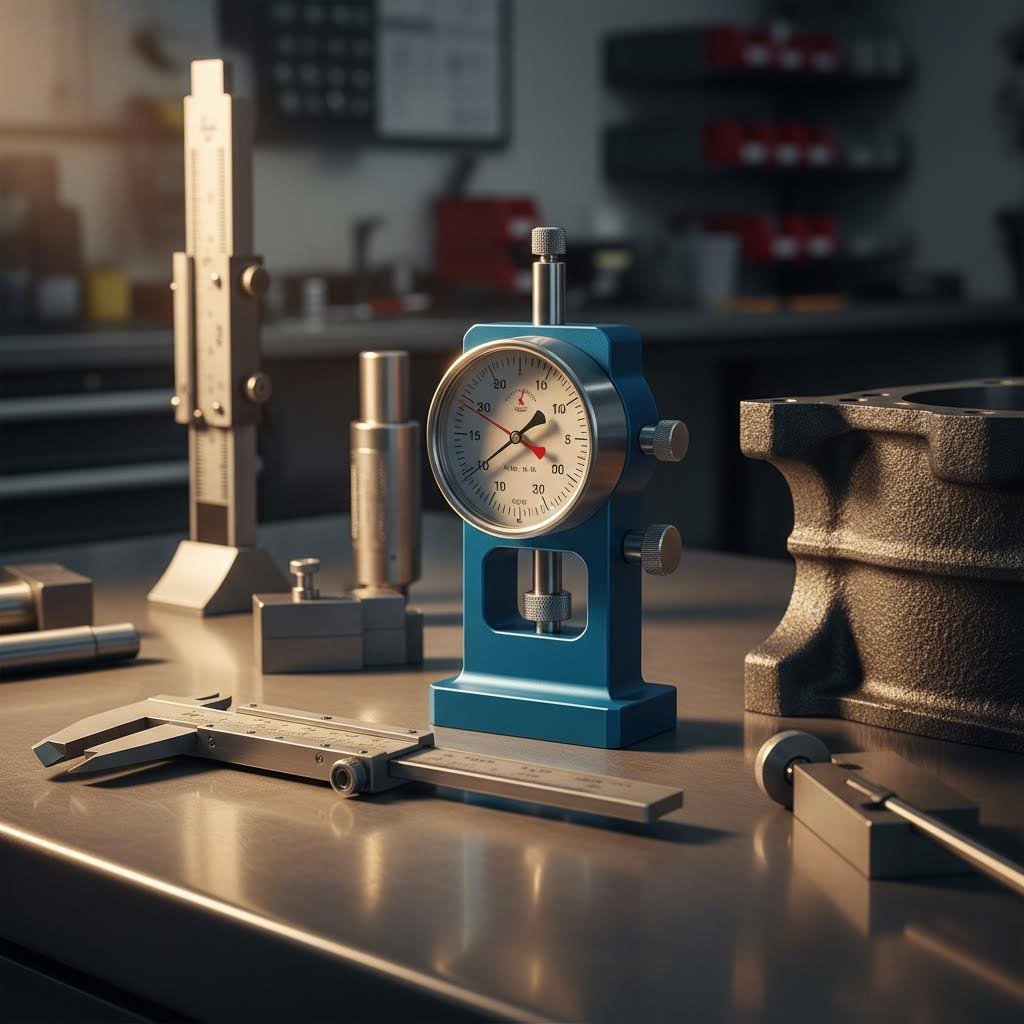
Measuring and Specifying Pistons Correctly
You've selected your alloy, calculated compression targets, and identified supporting components. Now comes the step that separates successful builds from expensive failures: precise measurement and specification. When ordering forged pistons for your supercharged application, guessing or assuming dimensions creates problems that only surface during assembly—or worse, during operation under boost.
According to JE Pistons' engineering team, "Doing your homework beforehand makes the process of filling out the form much faster." More importantly, accurate measurements prevent the costly mistakes that occur when pistons arrive with incorrect dimensions for your specific combination.
Critical Measurements Before Ordering Forged Pistons
Understanding how to measure a piston—and the block it installs into—requires methodical attention to detail. Professional engine builders never assume advertised specifications match actual dimensions. As JE Pistons warns, "It's not uncommon for OE's to change an engine's specs slightly mid-year or from year to year without actually disclosing those changes."
Follow this systematic measurement process to ensure accurate piston specifications:
- Measure cylinder bore at multiple points: Use a dial bore gauge to measure each cylinder at the top, middle, and bottom of ring travel. Take readings perpendicular to the crankshaft centerline and parallel to it. This reveals taper and out-of-round conditions that affect piston sizing. Record the largest diameter—this determines your required bore size after any machining.
- Calculate deck clearance: According to Engine Labs, deck height measurement requires pre-assembling the rotating assembly. "Place the bridge on the block and zero the gauge, then set the dial indicator up as close to the wrist-pin centerline as possible. This minimizes piston rock across top dead center." Position your measurement near TDC and record how far the piston sits above or below the deck surface.
- Determine desired compression ratio: Your target boost level dictates acceptable static compression. Calculate the combustion chamber volume by CC'ing your cylinder heads, then work backward to determine the piston dome or dish volume needed to achieve your compression goal. Remember—supercharged builds typically run lower static compression than naturally aspirated engines.
- Specify wrist pin diameter and style: Measure your connecting rod's small end bore precisely. Full-floating pins require different specifications than press-fit arrangements. Premium supercharged builds typically use full-floating pins with tool steel or DLC-coated construction to handle sustained cylinder pressures.
- Confirm ring groove dimensions: If you're matching pistons to an existing ring set, verify groove widths and depths. For new builds, specify ring groove dimensions compatible with your intended ring pack—boosted applications typically use 1.0mm, 1.2mm, or 1.5mm top ring configurations.
The relationship between block deck height, rod length, stroke, and piston compression height follows a simple formula. According to Hot Rod Magazine, "First, divide the stroke by two and add that to the rod length... Next, subtract that answer from the deck height." For a 9.00-inch deck block with 6.000-inch rods and 3.75-inch stroke: (3.75 ÷ 2) + 6.00 = 7.875 inches. Then 9.00 - 7.875 = 1.125-inch compression height places the piston exactly at deck level.
Specification Sheets Decoded for Supercharger Builds
Custom piston order forms contain terminology that can confuse even experienced enthusiasts. Understanding what each specification means—and why it matters for supercharged applications—prevents ordering errors.
Valve free drop deserves particular attention. JE Pistons explains, "Cam lift, duration, lobe-separation angle, lobe centerline, and phasing all affect piston-to-valve clearance." For supercharged builds running aggressive camshafts, measuring actual valve drop ensures adequate relief depth in the piston crown. If you need to adjust the valves on your combination, do so before taking final measurements—valve lash affects installed valve position.
When communicating with piston manufacturers about your supercharged build, provide comprehensive information:
- Supercharger type and size: Positive displacement versus centrifugal units create different stress patterns
- Target boost pressure: This directly influences alloy selection and thermal management needs
- Fuel type: Pump gas, E85, or race fuel affects detonation resistance requirements
- Intended use: Daily driver, weekend warrior, or dedicated race vehicle
- Cylinder head specifications: Chamber volume, valve sizes, and combustion chamber design
- Camshaft specifications: Lift, duration, and centerline for piston-to-valve clearance calculations
According to JE Pistons, "Simply guessing or leaving a space blank is a recipe for disaster." Their technical staff can walk you through order forms—take advantage of this expertise rather than making assumptions that lead to incorrect specifications.
Blueprint specifications matter enormously for supercharged applications where tolerances are tighter than stock engines. As Engine Labs notes, "The only way to truly know this dimension is to measure it." Variations of .005 inch or more are common in production blocks—variations that become critical when you're targeting specific compression ratios and piston-to-head clearances for boosted operation.
One often-overlooked consideration: spark plug heat range affects combustion chamber temperatures and, indirectly, piston crown thermal loading. When specifying pistons for extreme boost applications, discuss your ignition strategy with the manufacturer. Colder spark plugs help manage detonation risk but require different combustion dynamics that experienced piston engineers understand.
Reading spark plugs after initial tuning sessions reveals how well your piston and combustion chamber combination is working. Learning how to read spark plugs provides feedback on mixture quality, timing, and thermal conditions—valuable information when fine-tuning a supercharged combination for maximum reliability.
With precise measurements documented and specifications clearly communicated, you're prepared to make the final piston selection decision—synthesizing everything we've covered into a cohesive plan for your supercharged build.
Making Your Final Piston Selection Decision
You've absorbed the technical details—alloy differences, compression calculations, ring pack considerations, and coating options. Now it's time to synthesize everything into an actionable decision framework. Choosing forged pistons for superchargers shouldn't feel overwhelming when you approach it systematically. Whether you're building a street cruiser with 350 forged pistons or an all-out race engine with 5.3 LS forged pistons and rods, the decision process follows the same logical path.
The difference between successful supercharged builds and expensive failures often comes down to methodical planning rather than throwing premium parts together. Let's create the roadmap that transforms your research into a reliable, powerful engine with pistons designed specifically for your combination.
Your Supercharged Piston Selection Checklist
Think of this checklist as your blueprint for success. Each step builds upon the previous one, creating a comprehensive specification that matches your exact needs. Skipping steps or making assumptions leads to the costly mistakes we'll address shortly.
- Determine your boost target and intended use: This foundational decision shapes everything else. A street-driven supercharged build running 8 PSI on pump gas requires fundamentally different pistons than a race engine pushing 20 PSI on E85. Be honest about how the vehicle will actually be used—not how you dream of using it. Daily drivers need conservative specifications that prioritize reliability over maximum output.
- Select the appropriate alloy (2618 vs 4032): Based on your boost target and use case, choose your alloy. For street applications under 10 PSI where cold-start noise matters, 4032 offers tighter clearances and quieter operation. For anything beyond moderate boost—or dedicated competition use—2618's superior ductility provides the safety margin forced induction demands.
- Calculate your compression ratio: Using your cylinder head chamber volume, intended deck clearance, and bore/stroke dimensions, determine the piston dome or dish volume needed to achieve safe effective compression at your target boost. Remember: add your boost pressure (in PSI) to atmospheric pressure (14.7), divide by 14.7, then multiply by your static compression ratio for effective compression estimates.
- Specify required coatings: Thermal barrier crown coatings protect against the sustained heat superchargers generate. Skirt coatings reduce friction and prevent scuffing during cold starts—especially critical for 2618 pistons with larger clearances. Hard anodizing extends ring groove life for engines seeing high mileage under boost.
- Choose your ring pack configuration: Steel gas-nitrided top rings paired with hooked ductile second rings represent current best practice for boosted applications. Specify ring gaps appropriate for your boost level—forced induction requires larger gaps than naturally aspirated engines to prevent catastrophic ring butting.
- Verify supporting component compatibility: Confirm wrist pin diameter matches your connecting rods. Verify compression height works with your block deck, rod length, and stroke combination. Ensure piston weight is documented for rotating assembly balance calculations.
This systematic approach transforms a complex decision into manageable steps. Each specification connects logically to the next, building a complete picture of exactly what your engine with pistons requires to survive and thrive under boost.
Avoiding Common Mistakes in Forced Induction Builds
Learning from others' failures costs nothing—repeating those failures costs everything. These mistakes appear repeatedly in failed supercharged builds, and each one is entirely preventable with proper planning.
According to detailed failure analysis documented by engine specialists, errors including mismatched valve reliefs, incorrect compression height, and improper clearances can destroy an engine within hours of first startup—sometimes within seconds of the first high-power run.
Over-compression: Running too much static compression for your boost level remains the most common killer of supercharged engines. Builders often underestimate how dramatically boost multiplies effective compression. That 10:1 ratio feels conservative until you add 12 PSI and suddenly your motor pistons experience pressures equivalent to a 17:1 naturally aspirated engine. When detonation occurs under these conditions, even quality forged pistons suffer damage.
Inadequate piston-to-wall clearance: The thermal expansion difference between alloys catches many builders off guard. A forged 6.0 piston sized for a naturally aspirated application will likely seize in a supercharged engine running the same block. Boosted applications generate significantly more heat, requiring clearances .001-.002 inches larger than stock specifications. According to industry documentation, the higher-expanding 2618 alloy may require clearances of .004-.006 inches depending on boost level and application severity.
Mismatched components: Selecting premium pistons while retaining stock connecting rods creates an unbalanced system destined to fail at the weakest link. Similarly, specifying forged internals without upgrading the fuel system guarantees lean conditions under boost. Think of your engine as a complete system where the piston with crankshaft, connecting rods, bearings, and supporting systems must all match your power goals.
Valve-to-piston interference: Failure analysis of destroyed engines reveals valve relief miscalculation as a recurring theme. When pistons arrive with valve pockets in the wrong location or insufficient depth, the valves contact the piston crown from the first engine rotation. This interference progressively destroys both valves and pistons, often leading to complete engine failure. Always verify valve reliefs match your actual cylinder head and camshaft combination—never assume.
Ring gap errors: Setting ring gaps to naturally aspirated specifications in a supercharged engine guarantees ring butting. When thermal expansion forces ring ends together with nowhere to go, catastrophic failure follows immediately. Boosted applications typically require top ring gaps of .004-.005 inches per inch of bore diameter—significantly larger than stock specifications.
Working with Machine Shops and Engine Builders
Not every machine shop understands supercharged applications equally. When selecting professionals to assemble your engine, ask specific questions that reveal their forced induction experience:
- How do they determine piston-to-wall clearance for boosted applications?
- What ring gap specifications do they use for supercharged builds at various boost levels?
- Can they explain the difference between 2618 and 4032 alloy requirements?
- What deck clearance do they recommend for your target compression ratio?
Knowledgeable builders answer these questions confidently with specific numbers. Hesitation or vague responses suggest limited forced induction experience—experience your engine requires for success.
The precision required for high-performance rotating assemblies cannot be understated. Working with certified manufacturers ensures the consistency that separates reliable power from catastrophic failure. Shaoyi Metal Technology's rapid prototyping capabilities—delivering components in as fast as 10 days—combined with rigorous quality control processes exemplify the manufacturing standards builders should seek when sourcing critical forged components. Their IATF 16949 certification and proximity to Ningbo Port enable efficient global delivery for performance builders worldwide who demand precision that matches their power goals.
For builders sourcing pistons for engine applications ranging from vintage muscle cars to modern performance platforms, manufacturer selection matters as much as specification accuracy. Companies that ask detailed questions about your supercharger type, boost targets, and intended use demonstrate the application-specific expertise that generic suppliers lack.
Final Decision Framework
Before placing your order, verify you can answer these questions with confidence:
| Decision Point | Your Specification | Why It Matters |
|---|---|---|
| Maximum Boost Target | ______ PSI | Determines alloy selection and compression limits |
| Alloy Selection | 2618 / 4032 | Dictates clearance requirements and stress tolerance |
| Static Compression Ratio | ______:1 | Must balance with boost for safe effective compression |
| Piston-to-Wall Clearance | ______ inches | Prevents seizure under thermal expansion |
| Ring Gap (Top Ring) | ______ inches | Prevents catastrophic ring butting under heat |
| Crown Coating | Yes / No | Protects against sustained supercharger heat |
| Skirt Coating | Yes / No | Reduces friction and cold-start scuffing |
Motor pistons for supercharged applications represent a significant investment—one that pays dividends in reliable power when specified correctly. The research you've completed through this guide positions you to make informed decisions rather than expensive guesses. Every specification connects to real-world performance and longevity, transforming theoretical knowledge into an engine that delivers what you built it for.
Your supercharged build deserves components matched precisely to its demands. Take the time to measure accurately, specify completely, and verify compatibility before any parts arrive. The difference between a successful forced induction engine and an expensive lesson often comes down to the preparation that happens before assembly ever begins.
Frequently Asked Questions About Forged Pistons for Superchargers
1. What are the best pistons for supercharging?
For supercharged applications, 2618 alloy forged pistons are ideal for high-boost builds exceeding 10 PSI due to their superior ductility and fatigue resistance. They handle sustained cylinder pressures without cracking. For moderate street superchargers running 5-10 PSI, 4032 alloy pistons offer tighter clearances, quieter cold starts, and excellent durability. The key is matching alloy selection to your target boost level, fuel type, and intended use—whether daily driving or dedicated racing.
2. At what point do you need forged pistons?
Forged pistons become essential when adding any forced induction to your engine. Superchargers create sustained, consistent cylinder pressures that can triple naturally aspirated levels. Stock cast pistons contain random grain patterns and potential porosity that fail under repetitive high-pressure cycles. Even mild boost applications of 5-8 PSI benefit from forged construction because the aligned grain structure provides superior strength, ductility, and heat resistance that cast pistons simply cannot match.
3. What compression ratio should I run with a supercharger?
Compression ratio depends directly on your target boost level and fuel octane. For 5-8 PSI street builds on pump gas, 9.0:1 to 10.0:1 static compression works well. At 10-15 PSI, drop to 8.0:1-9.0:1 with deeper dish pistons. Race applications running 15+ PSI typically require 7.5:1-8.5:1 compression. Calculate effective compression by multiplying your static ratio by the pressure ratio (boost + 14.7 ÷ 14.7) to ensure you stay within safe detonation limits for your fuel type.
4. What is the difference between 2618 and 4032 piston alloys?
The primary difference lies in silicon content. 4032 alloy contains approximately 12% silicon, providing lower thermal expansion rates, tighter piston-to-wall clearances, and quieter cold starts—ideal for street superchargers under 10 PSI. 2618 alloy has virtually no silicon, making it more malleable and ductile under extreme stress. This allows 2618 pistons to deform rather than crack under high boost, making them preferred for 15+ PSI race applications despite requiring larger clearances and producing cold-start noise.
5. Do I need special ring gaps for supercharged engines?
Yes, boosted engines require significantly larger ring gaps than naturally aspirated applications. Forced induction generates higher cylinder pressures and temperatures, causing greater thermal expansion. If ring gaps are too tight, the ring ends butt together under heat, causing catastrophic failure. Typically, supercharged builds need top ring gaps of .004-.005 inches per inch of bore diameter. Second ring gaps should exceed top ring gaps by .001-.002 inches to prevent inter-ring pressure buildup that compromises sealing.