 Small batches, high standards. Our rapid prototyping service makes validation faster and easier —
  EN
EN


عملية ختم الأدوات والقوالب مُفكَّكة: من المعدن الخام إلى الأجزاء الدقيقة
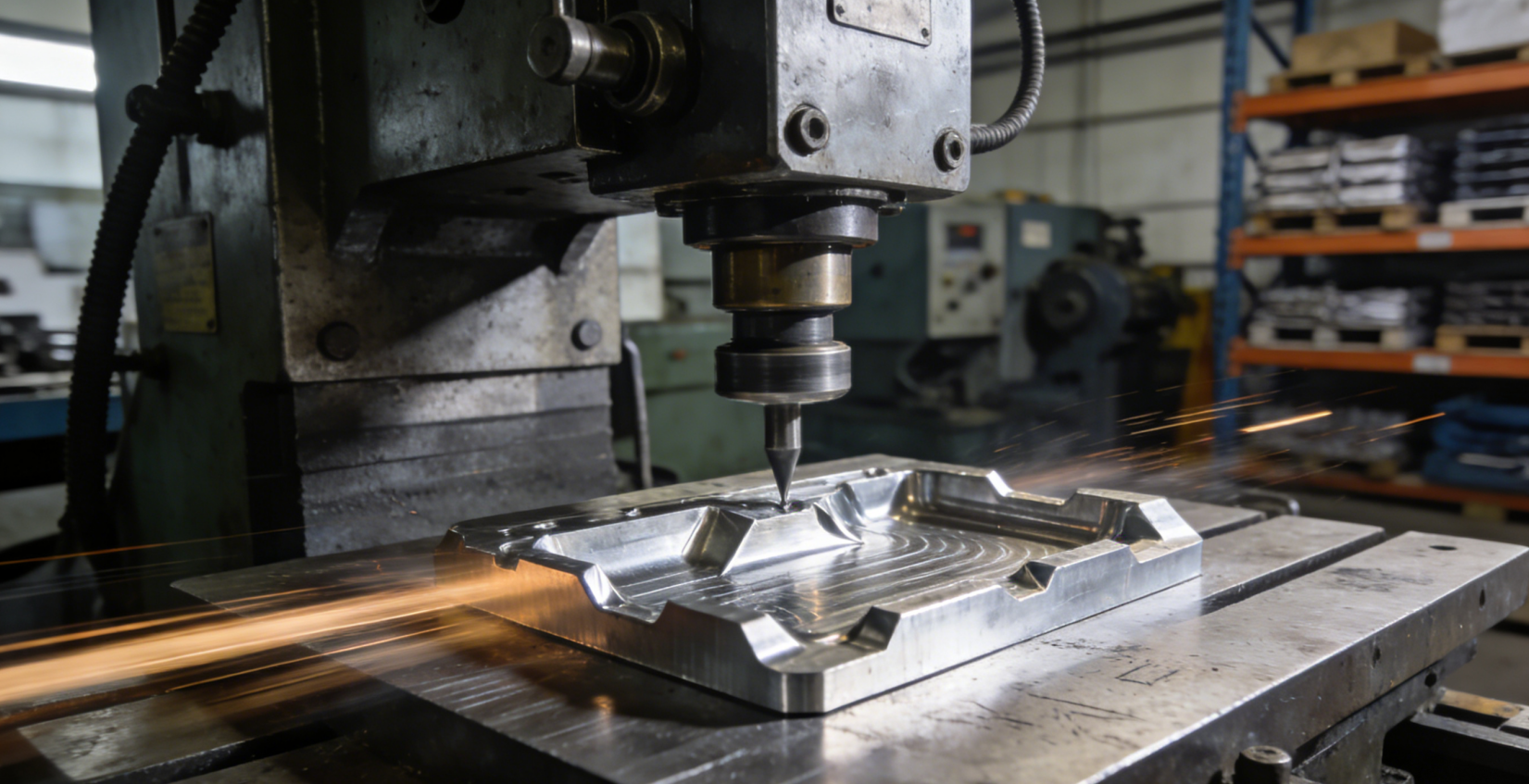
ما المقصود فعليًّا بعملية الختم باستخدام القوالب والأدوات
هل سبق أن قدَّمت طلب اقتباسٍ ثم أدركتَ أنك كنت تستخدم مصطلحي «الأداة» و«القالب» بالتبادل؟ أنت لست الوحيد. ويؤدي هذا الالتباس إلى خسارة المصنِّعين للوقت والمال، فضلاً عن معاناتهم من صداع لا يُحصى أثناء المفاوضات مع المورِّدين. دعونا نوضِّح هذه المسألة نهائياً.
تُعَدُّ عملية ختم المعادن باستخدام القوالب والأدوات عملية دقيقة لتشكيل المعادن، حيث يقوم تجميع أدوات الختم الكامل (أي «الأداة») الذي يحتوي على مكوِّنات تشكيل متخصِّصة (أي «القوالب») بتحويل صفائح المعدن المسطحة إلى أجزاء جاهزة عبر تطبيق قوة مضبوطة وإحداث تشوه محكوم.
وعندما تفهم جوهر عملية الختم، فإنك تكتسب المفردات اللازمة للتواصل الفعّال مع المورِّدين واتخاذ قرارات أكثر ذكاءً في مجال التوريد. وتعتمد عملية الختم على هذه الشراكة الحاسمة بين الأدوات والقوالب التي تعمل معاً بشكلٍ متناغمٍ تام.
التوضيح المفصَّل للفارق بين الأداة والقالب
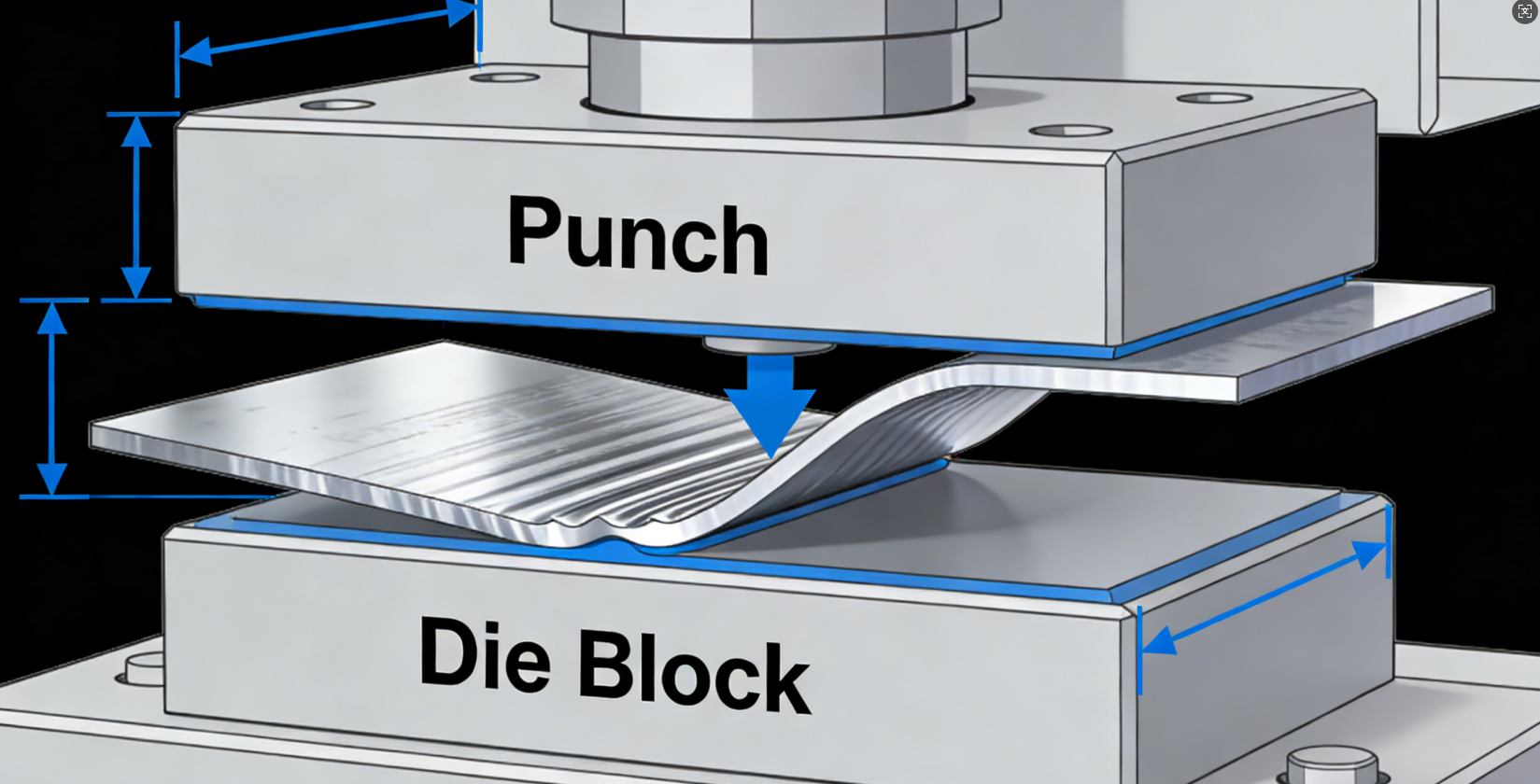
فكِّر في الأمر بهذه الطريقة: إن أداة الختم هي الجهاز الكامل الذي يُركَّب في آلة الختم الخاصة بك، أما قوالب الختم فهي المكونات المصمَّمة خصيصاً والمُصنَّعة بدقة داخل تلك الآلة التي تقوم فعليًّا بعملية التشكيل. ووفقًا لشركة Prime Fabworks، فإن الأداة (والتي تُسمى أيضًا مجموعة القالب) تشمل القاعدة، واللكمات، وأجهزة الإزالة، والقوالب نفسها.
إليك المكوِّنات التي تشكِّل تعريف الأداة والقالب الكامل من الناحية العملية:
- الأداة (مجموعة القوالب): التجميع الكامل الذي يشمل الحذاء العلوي والسفلي، ودبابيس التوجيه، والبطانات، والتجهيزات، والأدوات القياسية، وجميع أدوات القطع المركَّبة كوحدة واحدة
- القوالب: الكتل المُصلَّبة المحددة داخل الأداة والتي تقوم بقطع المعدن أو ثنيه أو تشكيله وفق الشكل المطلوب
- المكونات الداعمة: أجهزة الإزالة، ووسائد الضغط، وأجهزة التوجيه الأولية (Pilots)، وأجهزة الإخراج (Knockouts)، والمُقذِفات (Ejectors) التي تضمن التشغيل الدقيق
لا يمكن لقالب الختم أن يعمل بشكل مستقل. بل يتطلب تجميع الأدوات الكامل للحفاظ على المحاذاة، وتطبيق القوة بشكل صحيح، وإنتاج نتائج متسقة. وعندما يتحدث المورِّدون عن القوالب ومشاريع الختم، فإنهم يشيرون إلى هذه المنظومة المتكاملة التي يؤدي فيها كل مكوِّن دورًا حيويًّا.
لماذا تكتسي المصطلحات أهميةً بالغةً في تصنيع المعادن
استخدام المصطلحات الصحيحة لا يتعلق فقط بالظهور باحترافية. بل يؤثر مباشرةً على عروض الأسعار الخاصة بك، وجدول توقيت المشاريع، وجودة الأجزاء النهائية. وعند تحديد متطلبات التشكيل بالضغط بدقة، فإنك تلغي عملية التبادل المطول للمراسلات التي تؤخر الإنتاج.
تعمل المكونات الثمانية الأساسية للقالب معًا ضمن تسلسل دقيق، وتُقاس التحملات فيه بوحدة الميكرون. وتشمل هذه المكونات ما يلي:
- كتلة القالب — تُشكِّل المادة باستخدام تجاويف محددة
- المثقاب — يُجبر المادة على الدخول إلى تجويف القالب
- دبابيس التوجيه والطوقات التوجيهية — تحافظ على المحاذاة بين الأجزاء العلوية والسفلية
- أجهزة الإزالة والوسادات الضاغطة — تثبت قطع العمل ثم تُحررها
- الألواح الداعمة — تمنع التشوه تحت ضغط عالٍ
- المُرشِدات — تضمن دقة وضع المادة
- الزنبركات والمشابك — تتحكم في حركة العودة وتثبّت المكونات
- أجهزة الإخراج والإزاحة — تُخرج الأجزاء المُنتَجة بسلاسة
يساعدك فهم هذا الإطار على تقييم قدرات المورِّدين وطرح الأسئلة المناسبة. وقد تبدو عملية ختم القالب بسيطةً في الظاهر، لكن الهندسة الكامنة وراء إنتاجٍ متسقٍ عالي الجودة تتطلب إتقان وظيفة كل مكوِّنٍ منها. وخلال هذا الدليل، ستكتشف كيف تعمل هذه العناصر معًا لتحويل صفائح المعدن الخام إلى أجزاء دقيقة تلبي مواصفاتك الدقيقة تمامًا.
كيف تعمل عملية ختم القالب خطوةً بخطوة
تصوَّر أنك تُدخل صفيحةً معدنيةً مسطحةً في آلةٍ وتراها تخرج بعد ثوانٍ على شكل دعامةٍ أو موصلٍ أو غلافٍ مُشكَّلٍ بشكلٍ مثالي. ويحدث هذا التحوُّل من خلال عملية قالبٍ منسَّقةٍ بدقةٍ يشير إليها معظم المورِّدين، لكنهم نادرًا ما يشرحونها بلغةٍ عمليةٍ. ولنستعرض معًا بالضبط ما يحدث منذ اللحظة التي تدخل فيها المادة الخام إلى المكبس وحتى سقوط القطعة المُصنَّعة في صندوق الجمع.
تعتمد عملية ختم المعادن على التشويه المُتحكَّم فيه. وعلى عكس التشغيل الآلي الذي يزيل المادة، فإن ختم القالب يعيد تشكيلها عبر قوة هائلة. ووفقاً لشركة أراندا تولينغ (Aranda Tooling)، فإن هذه تقنية التشكيل البارد لا تستخدم أي حرارة، رغم أن الأجزاء غالباً ما تخرج ساخنة بسبب الاحتكاك بين سطح المعدن وسطح القالب. وتُقاس القوة المؤثرة بالطن، مما يعطيك فكرة عن الهائلة التي تكمن وراء كل ضربة.
من الورقة الخام إلى القطعة المُصنَّعة جاهزة للاستخدام
تتبع عملية الختم تسلسلاً متوقعاً سواء كنت تقوم بعملية قص بسيطة (Blanking) أو بعملية تشكيل معقدة متعددة المراحل. وإليك سير العمل الكامل:
- تغذية المادة: يدخل شريط مستمر أو قطعة فردية (Blank) إلى آلة الختم، وعادةً ما يتم إدخالها من لفافة عبر مغذٍ آلي. ويُنشئ هذا الإجراء إيقاع الإنتاج. ويجب أن تتقدم المادة بدقة، لأن أي انحراف طفيف في المحاذاة يؤثر على جميع العمليات اللاحقة.
- الربط بالقالب: تنزل القالب العلوي، مُرشدًا بواسطة دبابيس وأكمام للحفاظ على المحاذاة المثالية مع القالب السفلي. وتُطبِّق آلات ختم المعادن قوة تتراوح بين بضعة أطنان للمواد الرقيقة وآلاف الأطنان للفولاذ عالي السماكة أو للهندسات المعقدة.
- عملية التشكيل: وهنا تحدث التحوُّلات الفعلية. وباعتمادٍ على متطلبات الجزء المطلوب، تُجرى عمليات مثل القص الأولي (Blanking)، والثقب (Punching)، والاختراق (Piercing)، والثني (Bending)، أو التشكيل بالضغط العالي (Coining) لإعادة تشكيل المادة المسطحة. فعلى سبيل المثال، تستخدم عملية التشكيل بالضغط العالي ضغطًا شديدًا لإنشاء تفاصيل دقيقة وتحقيق تحملات ضيقة جدًّا، وذلك بدفع المعدن للتدفق داخل تجاويف القالب.
- طرد الجزء: تدفع أجزاء الإخراج (Knockouts) والمُقذوفات (Ejectors) المكوِّن المشكَّل بعيدًا عن سطح القالب. بينما تحتفظ أجزاء الاستخلاص (Strippers) بالشريط المتبقي أو النفايات في مكانها أثناء انسحاب المثقاب. ويمنع الإخراج الصحيح حدوث أي تلف، ويُهيئ القالب للدورة التالية.
- التحقق من الجودة: يتحقق المفتشون من دقة الأبعاد، ونهاية السطح، والامتثال العام. ويتم ذلك طوال عملية الإنتاج، وليس فقط في نهايتها. وتُكتشف المشكلات مبكرًا عبر ضوابط الجودة الصارمة قبل أن تتحول إلى مشكلات مكلفة.
المراحل الحرجة في عمليات ختم القوالب
إن فهم ما يحدث في كل محطة يساعدك على التواصل بفعالية بشأن المتطلبات، وتشخيص المشكلات وحلها عند ظهورها. وتشمل عمليات ختم القوالب عادةً عدة تقنيات تشكيل تعمل بالتسلسل:
- القطع الأولي: يقطع المحيط الخارجي للقطعة من الشريط. ويصبح القطع الأولي (البلانك) قطعتك المراد معالجتها في العمليات اللاحقة.
- الثقب والتنقير: يُنشئ الثقوب والميزات الداخلية. ويُزال المعدن أثناء عملية الثقب ليصبح نفايات، بينما تُنشئ عملية التنقير فتحات دون إزالة سدادة منفصلة.
- الثني والتشكيل: يحوّل القطع الأولية المسطحة إلى أشكال ثلاثية الأبعاد عن طريق دفع المادة حول نصف قطر أو داخل تجويف.
- السحب: يمدد المادة لتشكيل مكونات على هيئة أكواب أو صناديق، وهي تقنية شائعة في الألواح والغلاف الخارجي للسيارات.
- الختم: يُطبِّق ضغطًا شديدًا لتحقيق تفاصيل سطحية دقيقة، وحواف حادة، وأضيق التسامحات الممكنة في عمليات الختم والضغط.
إن آلات الختم التي تختارها تؤثر تأثيرًا مباشرًا على ما يمكن تحقيقه. وتتفوق المكابس الميكانيكية في الإنتاج عالي السرعة، حيث تعمل بأي مكان بين ٢٠ و١٥٠٠ ضربة في الدقيقة وفقًا لـ Schaumburg Specialties . أما المكابس الهيدروليكية فتوفر تحكُّمًا أكبر في الضغط وطول المسافة المقطوعة (السكتة)، مما يجعلها مثالية للسحب العميق والتشكيل المعقد. وتجمع المكابس المؤازرة بين السرعة والقابلية للبرمجة لتلبية أشد التطبيقات طلبًا.
وتتكرر كل دورة بدقةٍ استثنائية. ويمكن لقالبٍ مصمَّم جيدًا أن يُنتج ملايين الأجزاء المتطابقة قبل الحاجة إلى الصيانة. وهذه القابلية للتكرار تجعل عملية الختم فعَّالةً جدًّا من حيث التكلفة في الإنتاج الكمي، لكنها تعني أيضًا أن تصميم القالب بشكلٍ صحيح منذ البداية أمرٌ بالغ الأهمية. ويستعرض القسم التالي كيفية تعامل أنواع القوالب المختلفة مع متطلبات الإنتاج المتباينة ومعقدات الأجزاء.
مقارنة بين أنواع القوالب التصاعدية والنقلية والمُركَّبة
يبدو اختيار إحدى طرق الختم — التصاعدي أو النقل بالقالب أو المركب — أمراً مُربكاً للغاية عند مواجهة مواعيد تسليم الإنتاج. فكل طريقة تتفوق في سيناريوهات مُعيَّنة، واختيار الطريقة غير المناسبة قد يكلِّفك آلاف الدولارات في استثمارات القوالب وانخفاض كفاءة الإنتاج. دعونا نحلِّل بدقة متى تكون كل نوع من أنواع القوالب مُجدية مالياً وفنياً.
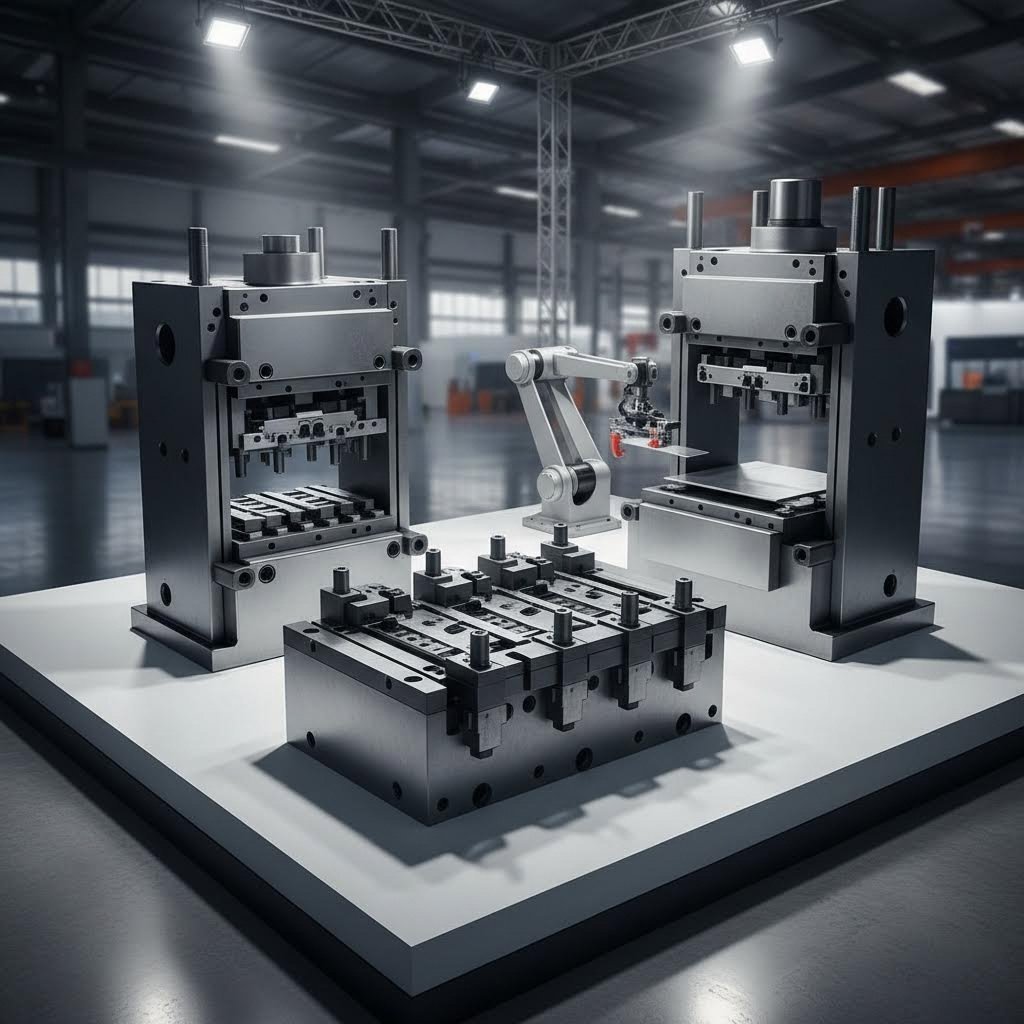
السوق عملية ختم الصب التدريجي يحافظ هذا الأسلوب على قطعة العمل مُثبَّتةً في شريط معدني مستمر طوال عملية الإنتاج، ويُحرِّكها تدريجياً عبر محطات متعددة مع كل ضغطة للماكينة. أما القوالب النقلية فتفصل القطعة الأولية مبكراً وتُحرِّك القطع الفردية آلياً بين المحطات. أما ختم القوالب المركبة فينفِّذ عمليات متعددة في وقتٍ واحد خلال ضغطة واحدة. وفهم هذه الاختلافات الأساسية يشكِّل أساس كل قرار لاحق.
| خاصية | ال forming المتدرج | قالب انتقالي | ماتور مركب |
|---|---|---|---|
| تعقيد العملية | محطات تسلسلية متعددة؛ تبقى القطعة مُثبَّتةً في الشريط | محطات متعددة؛ يتم نقل القطعة آلياً بين كل محطة وأخرى | ضغطـة واحدة؛ تتم جميع العمليات في وقتٍ واحد |
| ملاءمة حجم القطعة | قطع صغيرة إلى متوسطة الحجم | قطع متوسطة إلى كبيرة الحجم | قطع مسطحة صغيرة |
| نطاق حجم الإنتاج | إنتاج عالي الحجم (أكثر من ١٠٠٬٠٠٠ قطعة) | إنتاج قصير إلى طويل المدى (٥٬٠٠٠–٥٠٠٬٠٠٠ قطعة) | متوسط إلى عالي |
| التطبيقات النموذجية | موصلات كهربائية، حوامل، مشابك سيارات | أغلفة مُستخلصة عميقة، أنابيب، مكونات ذات خيوط | حلقات واقية، أقراص عجلات أولية، مكونات مسطحة بسيطة |
| الاستثمار النسبي في القوالب | تكلفة أولية مرتفعة؛ أقل تكلفة لكل قطعة عند الإنتاج الكمي | متوسطة إلى مرتفعة؛ فعّالة من حيث التكلفة للقطع المعقدة | أقل من القوالب التدريجية؛ فعّالة للأشكال البسيطة |
| القدرة على السحب العميق | محدود | ممتاز | غير مناسب |
القوالب التدريجية للإنتاج عالي السرعة
عندما تُحفِّز متطلبات الحجم مشروعك، فإن أنظمة القوالب التدريجية واللكم توفر كفاءةً لا مثيل لها. ووفقاً لشركة كيتس للتصنيع (Keats Manufacturing)، فإن عملية اللكم بالقوالب التدريجية تشكِّل الأجزاء وتنحّيها وتثقبها في وقتٍ واحدٍ من لفافة معدنية مستمرة، مما يوفِّر الوقت ويقلل تكاليف العمالة بفضل الحاجة إلى إعدادات أقل.
يَتبع تصميم القوالب التدريجية لمراحل اللكم مبادئ محددةً تهدف إلى تعظيم معدل الإنتاج:
- تسلسل المحطات: تتقدم العمليات من البسيطة إلى المعقدة، بحيث تُنفَّذ عمليات القطع في المراحل المبكرة، بينما تُنفَّذ عمليات التشكيل في المراحل اللاحقة
- الاحتفاظ بالشريط الناقل: يبقى القطعة العاملة متصلةً بالشريط الناقل حتى المحطة الأخيرة، ما يلغي الحاجة إلى آليات نقل
- دقة الثقوب الاسترشادية: توفر الثقوب الاسترشادية الدقيقة محاذاةً مثاليةً عند كل محطة، مما يسمح بتحقيق تحملاتٍ تقاس بالألف من البوصة
- إدارة النفايات: يتم إزالة المخلفات داخل القالب، ما يضمن استمرارية التشغيل
تُفضِّل حسابات العائد على الاستثمار (ROI) القوالب التدريجية عندما تتجاوز أحجامك السنوية ١٠٠٬٠٠٠ قطعة. وعلى الرغم من أن تكلفة الأدوات الأولية تكون أعلى مقارنةً بالبدائل الأخرى، فإن تكلفة كل قطعة تنخفض انخفاضًا كبيرًا مع زيادة الكميات. كما ستشهد أيضًا انخفاضًا في الهدر مقارنةً باللكم باستخدام القوالب المركبة، نظرًا لأن المادة تمر بكفاءة عبر العمليات المتسلسلة.
ومع ذلك، فإن اللكم التدريجي يعاني من بعض القيود. فالهندسات ثلاثية الأبعاد المعقدة التي تتطلب عمليات سحب عميقة تتجاوز ما يمكن لهذه الطريقة معالجته بكفاءة. ويجب أن تظل الأجزاء صغيرة بما يكفي لتتناسب مع عرض الشريط، أما التصاميم الدقيقة جدًّا التي تتطلب دوران قطعة العمل فهي ببساطة غير قابلة للتنفيذ بهذه الطريقة.
حالات تفوُّق قوالب النقل على الأنظمة التصاعدية
تتفوق طريقة الختم بالنقل حيث تواجه القوالب التصاعدية صعوبات. وعندما يتطلب جزءك سحبًا عميقًا أو تثبيت خيوط أو إضافات بارزة (أضلاع) أو سطحًا مُنْقَرِشًا (مُخَرَّشًا)، فإن قوالب النقل تتعامل مع هذه التعقيدات بدقة عالية. ووفقًا لشركة وورثي هاردويير (Worthy Hardware)، فإن هذه الطريقة تفصل قطعة العمل مبكرًا في العملية عن الشريط المعدني، مما يسمح للأتمتة بنقل الأجزاء الفردية وإعادة توجيهها عبر محطات متخصصة.
فكِّر في استخدام طريقة الختم بالنقل عند تضمُّن مشروعك ما يلي:
- أجزاء أكبر من عرض الشريط المخصص للقوالب التصاعدية
- المكونات المُسحوبة سحبًا عميقًا مثل الأكواب أو الهياكل أو الغلاف الخارجي
- تصاميم تتطلّب تدوير قطعة العمل بين العمليات
- الأنابيب والمكونات الأسطوانية
- السمات الموجودة على أسطح متعددة والتي تتطلّب إعادة وضع القطعة
تترتب على مرونة قوالب النقل تنازلاتٌ معينة. فتكاليف التشغيل تكون أعلى بسبب التعقيد في الأتمتة والعمالة الماهرة المطلوبة للصيانة. كما أن أوقات الإعداد تكون أطول من أنظمة التصنيع التدريجي، لا سيما بالنسبة للأجزاء ذات الهندسات المعقدة. ومع ذلك، يظل التشكيل بالنقل الخيار العملي الوحيد لمصنّعي المكونات الكبيرة أو الأجزاء التي تتطلب عمليات متخصصة.
أما التشكيل باستخدام القوالب المركبة فيملأ مجالاً مختلفاً تماماً. فعند الحاجة إلى إنتاج أجزاء مسطحة مثل الحلقات التثبيتية (الواشرات) أو القطع الأولية البسيطة بسرعة وبثباتٍ أبعادي ممتاز، فإن العملية المركبة ذات الضربة الواحدة تحقق ذلك بكفاءة. ويتركّز تصميم قالب التشكيل المركب على إجراء عدة عمليات قصٍّ في وقتٍ واحد، ما يُنتج أجزاءً أكثر استواءً مقارنةً بما تحققه عادةً القوالب التدريجية. كما تبقى تكاليف الأدوات أقل، ما يجعل هذه الطريقة اقتصاديةً للهندسات البسيطة.
يتعلق قرارك في النهاية بتعقيد القطعة، وحجم الإنتاج، والقيود المفروضة على الميزانية. وتُفضَّل الأنظمة التدريجية للقطع البسيطة ذات الحجم الكبير. أما القطع الكبيرة أو تلك التي تتطلب تشكيلًا عميقًا فتتطلب قوالب النقل. وفي المقابل، تناسب القوالب المركبة تمامًا المكونات المسطحة والبسيطة. ويساعدك فهم هذه الفروق في طلب عروض أسعار دقيقة واختيار شريك التصنيع الذي يمتلك القدرة على تلبية متطلباتك المحددة بكفاءة.
اختيار المواد لقوالب التشكيل والأجزاء المشكَّلة
لقد اخترت نوع القالب المناسب لحجم إنتاجك. والآن تأتي مرحلة اتخاذ قرارٍ يؤثر مباشرةً في مدة صلاحية هذا القالب، وفي تكرار جداول الصيانة، وفي ما إذا كانت قطعك تفي بالمواصفات المطلوبة أم لا: وهو قرار اختيار المواد. ويتم هذا الاختيار على مستويين: فأنت بحاجة إلى مواد مناسبة لتصنيع القوالب نفسها، كما أنك بحاجة إلى فهم سلوك مختلف مواد القطع أثناء عملية التشكيل. فإذا أخطأت في أيٍّ من هذين الأمرين، فستواجه فشلًا مبكرًا في القالب، أو جودة غير متسقة في القطع، أو كليهما معًا.
وفقًا لـ المُصنِّع تفشل فولاذات الأدوات بطرق متوقعة: التآكل الكاشط، والتآكل الالتصاقي، والتشقق، والتناثر، والتشوه البلاستيكي. والهدف هو اختيار مادة تُلغي جميع أنواع الفشل ما عدا التآكل، الذي يمكن إدارته عبر الصيانة المجدولة. وينطبق هذا المبدأ سواءً كنت تُصنّع قوالب ختم المعادن لإنتاج السيارات بكميات كبيرة أو مكونات دقيقة لتطبيقات الطيران والفضاء.
اختيار فولاذ الأداة المناسب لضمان طول عمر القالب
يتطلب اختيار مواد القوالب والأدوات الموازنة بين خاصيتين متنافستين: المقاومة للصدمات (المرونة) ومقاومة التآكل. وتسمح المقاومة للصدمات للفولاذ بامتصاص صدمة التأثير دون التشقق أو التشوه، بينما تمنع مقاومة التآكل تآكل السطح أثناء عمليات القطع والتشكيل المتكررة. ويعتمد تحديد التوازن الأمثل على تطبيقك المحدد.
وفيما يلي الفئات الرئيسية لفولاذات الأدوات المستخدمة في تصنيع قوالب الصفائح المعدنية:
- فولاذ الأدوات من النوع D2: تركيبة غنية بالكربون والكروم توفر مقاومة ممتازة للتآكل. وتُختار عادةً لقوالب ختم الفولاذ التي تُعالَج بها مواد أشد صلابة. ومع ذلك، قد تواجه درجة الفولاذ D2 مشاكل في الالتصاق اللصقي عند تشكيل الفولاذ المقاوم للصدأ بسبب التوافق بين الكروم والمادة.
- فولاذ الأدوات S7: تُعرف هذه الدرجة بمتانتها الاستثنائية، ما يجعلها مثالية للتطبيقات التي تتضمن صدمات تأثيرية شديدة. وتمتص درجة الفولاذ S7 قوة دخول المخرز دون أن تتشقّق، وهي ميزةٌ بالغة الأهمية في عمليات القص على الصفائح السميكة.
- فولاذ عالي السرعة من الدرجة M2 (HSS): تحتفظ بحواف قطع حادة عند درجات الحرارة المرتفعة، ما يجعلها ممتازةً في عمليات الختم عالية السرعة التي يولّد فيها الاحتكاك حرارةً كبيرة.
- فولاذ أدوات A2: توفر متانة جيدة مع مقاومة معتدلة للتآكل، ما يوفّر خياراً متوازناً لتطبيقات القوالب العامة.
- فولاذ الأدوات المسحوقية (P/M): تتميز هذه السبائك بوجود كربيدات موزعة بشكل متجانس في البنية المجهرية، مما يوفر مقاومة عالية للتآكل وقوة جيدة ضد الصدمات. ويمكن لهذه السبائك استيعاب الطلاءات ذات درجات الحرارة العالية دون أن تفقد صلادتها، رغم أنها لا تصلح للحام.
تدخل خيارات الكربيد في الاعتبار عندما تصبح مقاومة التآكل عاملًا حاسمًا. ف inserts كربيد التنجستن تُطيل عمر القوالب بشكل كبير في التطبيقات الإنتاجية الضخمة، وبخاصة عند قص المواد المسببة للتآكل. ويقوم بعض المصنّعين بتطبيق طبقات كربيدية على قوالب الفولاذ الأداة الموجودة سلفًا باستخدام عملية الترسيب الكيميائي من البخار (CVD). ومع ذلك، تتطلب عمليات CVD درجات حرارة مرتفعة قد تؤدي إلى تليين السبائك التي تمتلك درجات حرارة تبريد منخفضة، ما قد ينتج عنه ركيزة لينة لا تستطيع دعم الطبقة الرقيقة المُطبَّقة.
مطابقة مواد القوالب مع متطلبات الإنتاج
يحدد نوع مادة القطعة المصنوعة أي مادة قالب ستؤدي أفضل أداء. فاحتكاك السطح بين فولاذ الأداة والمعدن الورقي أثناء عملية التشكيل يولّد تحديات محددة يمكن أن تحلها أو تفاقمها ملاءمة المادة المستخدمة.
خذ في الاعتبار هذه المواد المعدنية الدقيقة المستخدمة في عملية الختم والمتطلبات الخاصة بقوالب الختم المُستخدمة معها:
- ختم الألومنيوم: تتطلب عملية ختم الألومنيوم قوالب ذات تشطيب سطحي ممتاز لمنع التصاق المعدن بالقالب (ظاهرة التآكل اللصقي). ونظراً لميل الألومنيوم إلى الالتصاق بأدوات التشكيل، فإن استخدام التشحيم المناسب واختيار مادة القالب يكتسبان أهمية بالغة. فعلى سبيل المثال، تتمتع الدرجة 5052-H32 بمدى تشكيل ممتاز، بينما تتطلب درجة الألومنيوم 2024، التي تتميّز بقوة أعلى، أدوات تشكيل أكثر متانة.
- الصلب غير القابل للصدأ: تُحدث هذه المادة تحديات تتعلق بالتآكل اللاصق عندما يرتبط الكروم الموجود في القطعة المصنوعة بالكروم الموجود في القالب. ومن الحلول الممكنة استخدام فولاذ أدوات بتركيبات كيميائية مختلفة أو تطبيق طبقات كاربايد على سطح القالب لمنع التلاحم الميكروسكوبي.
- الصلب الكربوني: غالباً ما تحتوي هذه المواد على أكاسيد جزيئية صلبة تتسبب في تآكل أسطح القوالب عبر آلية التآكل التجريفي. ويمكن لمعدن فولاذ الأدوات عالي الصلادة أن يقاوم هذا التآكل بكفاءة.
- سبائك عالية الأداء: تتطلب مواد مثل إنكونيل والتيتانيوم قوالب ذات صلادة استثنائية وقدرة عالية على مقاومة الحرارة، نظراً للقوى الهائلة المطلوبة لتشكيلها.
وفقًا لـ CMD PPL تصبح الاستقرار الأبعادي أمرًا بالغ الأهمية عندما تُطلب تحملات دقيقة. وتُحافظ فولاذات الأدوات والفولاذ السبائكي عالي الجودة على أشكالها تحت الإجهادات الميكانيكية والتغيرات في درجة الحرارة، مما يضمن أن القوالب تُنتج أجزاءً بأبعادٍ متسقة طوال دفعات الإنتاج.
تكتسي اعتبارات التكلفة أهميةً كبيرةً، لكن ينبغي التفكير من حيث القيمة الإجمالية بدلًا من السعر الأولي للشراء فقط. وكما يشير موقع The Fabricator، فإن بعض الدرجات المتفوقة من فولاذات الأدوات تفوق أداء الخيارات التقليدية بنسبة اثنين إلى واحد. وغالبًا ما تبرر فترات التوقف الأقصر والفترات الأطول بين عمليات الصيانة التكاليف المرتفعة للمواد. إذ تتطلب القالب المُصنَّع من مواد مناسبة استبدالًا أقل تكرارًا، وتحافظ على التحملات الضيقة لفترة أطول، وتُنتج أجزاءً ذات جودة أعلى باستمرار.
تصبح العلاقة بين تصميم القالب واختيار المادة والتسامحات القابلة للتحقيق أكثر أهميةً بكثير عندما تتطلب المواصفات الدقة. ويساعدك فهم هذه القدرات التسامحية على التواصل بفعالية بشأن المتطلبات، وتقييم ما إذا كان المورِّد قادرًا فعليًّا على توريد ما تطلبه تطبيقاتك.
القدرات الدقيقة ومعايير التسامح
لقد استثمرت في مواد قوالب عالية الجودة واخترت نوع القالب الأنسب لحجم إنتاجك. لكن السؤال المهم هو: هل يستطيع مورِّدك فعليًّا الالتزام بالتسامحات التي تتطلبها تطبيقاتك؟ إن هذا السؤال هو ما يُفرِّق بين الأجزاء المُصنَّعة بدقةٍ والتي تؤدي أداءً ممتازًا دون أي عيوب، وبين المكونات التي تفشل أثناء التجميع أو في الموقع الفعلي. ويُساعد فهم التسامحات القابلة للتحقيق فعليًّا في تحديد مواصفات واقعية، وتجنب التبادلات المكلفة مع المورِّدين الذين يبالغون في وعودهم.
اللكم المعدني عالي الدقة ليس مجرد امتلاك معدات جيدة فحسب، بل هو نقطة التقاء قرارات تصميم عملية اللكم وسلوك المادة والتحكم في العملية، حيث تعمل هذه العوامل معًا. ووفقًا لشركة كوماكوت (Komacut)، فإن التحملات في تصنيع الصفائح المعدنية تنقسم إلى تحمّلات المواد (أي التغيرات في السُمك والتسوية في المادة الخام) وتحملات التصنيع (أي الدقة المُدمجة في عمليات القطع والتشكيل والتشطيب). وكلا النوعين يؤثران في ما يمكن توقعه بشكل واقعي من الأجزاء النهائية الخاصة بك.
التحملات القابلة للتحقيق في اللكم الدقيق
تؤدي عمليات اللكم المختلفة مستويات مختلفة من الدقة. ويُنتج عملية التشكيل بالضغط (Coining) أضيق التحملات لأن الضغط الشديد يجبر المعدن على التدفق بالكامل داخل تجاويف القالب، مما يلغي ظاهرة الارتداد المرن (Springback). أما عمليتا القص (Blanking) والثقب (Piercing) فتعتمدان اعتمادًا كبيرًا على حدة القوالب وبينات التحمل (Clearances). وفي المقابل، تُدخل عمليتا التشكيل (Forming) والسحب (Drawing) متغيرات أكثر، ما يجعل الحفاظ على التحملات الضيقة باستمرار أمرًا أكثر صعوبة.
إليك ما يمكن أن تحققه عمليات ختم المعادن الدقيقة فعليًّا:
| نوع التشغيل | التحمل القياسي | دقة تحمل عالية | العوامل المؤثرة الرئيسية |
|---|---|---|---|
| القطع/الثقب | ±0.10 إلى ±0.25 مم | ±0.05 إلى ±0.08 مم | مسافة الفراغ بين القالب والقاطع، حدة القاطع، سماكة المادة |
| الانحناء/التشكيل | ±0.25 إلى ±0.50 مم خطيًّا؛ ±1.0° | ±0.20 مم خطيًّا؛ ±0.5° | تعويض الانحناء العائد، نصف قطر الانحناء، مرونة المادة |
| رسم | ±0.25 إلى ±0.50 مم | ±0.12 إلى ±0.20 مم | ضغط حامل الشريحة، التزييت، عمق السحب |
| الصك | ±٠٫٠٥ إلى ±٠٫١٠ مم | ±٠٫٠٢٥ إلى ±٠٫٠٥ مم | الحمل المُطبَّق، نعومة سطح القالب، تدفُّق المادة |
كما أن سماكة المادة تؤثِّر أيضًا على الدقة القابلة للتحقيق. وفقًا لجداول التسامح الخاصة بشركة كوماكوت (Komacut)، فإن المواد الأرق (من ٠٫٥ مم إلى ٢٫٠ مم) تحافظ على تسامح أضيق قدره ±٠٫٠٥ مم، بينما تتسع التسامحات للمواد السميكة (من ١٠٫٠ مم إلى ٢٠٫٠ مم) لتصل إلى ±٠٫٥٠ مم في العمليات القياسية. ويجب أن يراعي تصميمك لعملية ختم الصفائح المعدنية هذه القيود الجوهرية.
عوامل التصميم التي تؤثِّر في الدقة البُعدية
إن تحقيق التسامحات الضيِّقة يبدأ منذ وقتٍ طويلٍ قبل بدء دورات المكبس. فقرارات تصميم قالب ختم المعادن التي تُتَّخذ أثناء مرحلة الهندسة تُحدِّد مباشرةً ما يمكن تحقيقه خلال الإنتاج. ويستخدم المورِّدون ذوو الخبرة برامج متقدمة لنمذجة الأجسام ثلاثية الأبعاد لتصور كل مكوِّن وكشف أية مشكلات بُعدية محتملة قبل البدء في قص المعدن، كما أشارت شركة إتش تي تول آند داي (HT Tool & Die).
تتفاعل عدة عوامل معًا لتحديد الدقة النهائية للقطعة:
- إعدادات مسافة التداخل بين القوالب: يجب أن يتطابق الفجوة بين المخرز والقالب مع سماكة ونوع المادة. فالضيق الزائد يؤدي إلى تآكل مفرط، بينما الفجوة الواسعة جدًا تُنتج حوافًا غير نظيفة (برّادات) وانحرافًا أبعاديًا.
- ارتداد المادة: تنكمش المواد المرنة مثل الفولاذ المقاوم للصدأ والسبائك عالية القوة عائدًا إلى وضعها الأصلي بعد التشكيل. ولذلك يجب أن يتجاوز القالب درجة الانحناء المطلوبة لتعويض هذه الظاهرة، مما يتطلب حسابات دقيقة تعتمد على نصف قطر الانحناء وخصائص المادة.
- التمدد الحراري: تولّد عمليات الإنتاج عالي السرعة حرارةً، فيتمدد كلٌّ من مكونات القالب ومواد القطعة المصنَّعة نتيجة لذلك، مما يؤثر على الأبعاد. ويُحقَّق الحفاظ على الثبات الأبعادي عبر التحكم في درجة الحرارة باستخدام التشحيم المناسب وضبط توقيت الدورات.
- اختيار المكبس: توفر المكابس الهيدروليكية تحكّمًا متفوقًا في عمليات السحب الدقيقة، بينما تتفوق المكابس الميكانيكية في عمليات القص العالية السرعة. أما المكابس الخدمية (Servo presses) فتوفر ملفات حركة قابلة للبرمجة لتنفيذ متتاليات تشكيل معقدة.
- تراكم التحملات: تتراكم التغيرات الصغيرة الناتجة عن عمليات التشكيل المتعددة. ووفقًا لدليل «الألواح المعدنية المعتمدة» (Approved Sheet Metal)، يستخدم المصانع المُختصة تحليل التسامح الإحصائي ومحاكاة مونتي كارلو للتنبؤ بالتأثيرات التراكمية وتحديد الأبعاد الحرجة.
لتطبيقات الطلب العالي في قطاعي السيارات والفضاء، يستخدم الموردون عمليات تصنيع ثانوية بعد عملية الختم لتحقيق أدق المواصفات. وعلى الرغم من أن هذه العمليات تزيد التكلفة، فإنها تتيح تحقيق تحملات (تُوسُّعات) لا يمكن لعملية الختم وحدها أن تحققها باستمرار. كما تساعد التثبيتات المخصصة أثناء التجميع على التحكم في الدقة والحفاظ عليها في التجميعات المعقدة المتعددة الأجزاء.
النتيجة الأساسية؟ تجنب تحديد تحملات ضيقة أكثر من اللازم للأبعاد غير الحرجة. فتحديد تحملات ضيقة بشكل غير ضروري يزيد من تعقيد التصنيع وتكاليفه دون إضافة أي قيمة وظيفية. ولذلك، يجب تحديد الأبعاد التي تكتسي بالفعل أهمية حاسمة من حيث التناسب والوظيفة، ثم التعاون مع موردك لتحديد مواصفات واقعية لكل بُعدٍ منها. ويُجنب هذا النهج التعاوني حدوث التأخيرات ويحافظ على مشروعك ضمن الميزانية، مع تسليم أجزاء تؤدي وظيفتها بدقة تامة كما هو مقصود.

استكشاف أخطاء عيوب ختم القوالب الشائعة وإصلاحها
لقد اخترت نوع القالب المناسب، وحسّنت موادك، وضبطت التحملات بدقة. ثم تبدأ الإنتاج، وتظهر العيوب: الحواف المبرقشة على الأجزاء المقطوعة، والتجاعيد التي تتشكل في أماكن لا ينبغي أن تظهر فيها، والأجزاء التي تعود إلى أبعادها الأصلية خارج المواصفات المطلوبة. وتُسبب هذه المشكلات الإحباط حتى لدى المصنّعين ذوي الخبرة، لكن فهم الأسباب الجذرية لها يحوّل التعامل معها من رد فعل علاجي طارئ إلى ضبط جودة استباقي.
ووفقًا لشركة HLC Metal Parts، فإن معظم عيوب عملية الختم تعود إلى ستة أسباب رئيسية: التشوه الزائد، واختيار المواد غير المناسب، وأدوات القطع البالية، وتصميم القالب غير المنطقي، ومعايير الختم غير الملائمة، ونقص التزييت. وتُدخل عملية تصنيع الختم عددًا هائلًا من المتغيرات، لكن التشخيص المنهجي يساعد في تحديد المشكلات بسرعة ويُرشد إلى الحلول الفعّالة.
تحديد الأسباب الجذرية لعيوب الختم
ويروي كل نوع من أنواع العيوب قصة محددة عمّا يحدث داخل قالبك. وبتعلم قراءة هذه المؤشرات، يمكنك تحديد الإجراءات التصحيحية بدقة دون إضاعة الوقت في المحاولات العشوائية والتجارب غير المدروسة.
- الحواف البارزة: تشير تلك الحواف الخشنة ورقائق المعدن التي تتكوَّن على الأسطح المقطوعة إلى مشاكل في مكونات قوالب الختم الخاصة بك. فعندما يتجاوز التباعد بين المثقب والقالب النطاق الأمثل، أو عندما تصبح الحواف القطعية باهتة، فإن المادة تتمزَّق بدلًا من أن تُقصَّ نظيفًا بالقص. ووفقًا لشركة «دي آر سولينويد» (DR Solenoid)، يجب أن يتراوح التباعد الصحيح بين ٨٪ و١٢٪ من سماكة المادة، مع استخدام القيم الأصغر للمعادن الصلبة ذات المتانة المعتدلة.
- التجعيد: عندما تتراكم كميات زائدة من المادة أثناء عملية التشكيل، فأنت ترى نتيجةً لضغط حامل القرص غير الكافي أو تدفق المادة غير السليم. وتكون الصفائح الرقيقة والمناطق المنحنية أكثر عرضةً لهذا العيب. وغالبًا ما يعود هذا المشكل إلى عدم توازن توزيع الإجهاد أثناء عملية ختم التصنيع.
- الارتداد: يؤدي الانتعاش المرن بعد التشكيل إلى خروج أجزائك عن المواصفات البعدية المطلوبة. وتظهر سلوكيات الانبعاج العكسي (Springback) بشكلٍ واضحٍ في الفولاذ عالي القوة وسبائك الألومنيوم. ويحدد معامل مرونة المادة المقدار الذي ترغب فيه المادة في العودة إلى شكلها الأصلي بعد سحب المثقب.
- التشقق: ظهور الشقوق في الزوايا أو الحواف أو المناطق الخاضعة لإجهادٍ عالٍ يشير إلى أن المادة تتعرّض لضغوط تجاوز حدود مرونتها. ويحدث هذا النوع من الفشل عندما تفوق الإجهادات الشدّية ما يمكن أن تتحمّله المعدن، لا سيما في مناطق تركّز الإجهاد المحلية.
- الانجراف البُعدي: انحراف الأجزاء تدريجيًّا عن الحدود المسموح بها خلال دورات الإنتاج يدلّ على التآكل التدريجي للقالب، أو تأثيرات التمدد الحراري، أو التباين بين دفعات المواد. ووفقًا لـ مجموعة فينيكس يؤدي إهمال صيانة قوالب الختم إلى ظهور عيوب جودة أثناء الإنتاج، مما يرفع تكاليف الفرز ويزيد احتمال شحن أجزاء معيبة.
إن نوع قوالب الختم المستخدمة يؤثر في العيوب التي يحتمل أن تظهر أكثر من غيرها. فقوالب التصنيع التصاعدي تواجه تحديات تتعلّق بدقة تقدّم الشريط، مما يؤثر في تحديد مواضع الثقوب. أما قوالب النقل فتُدخل متغيرات تتعلّق بالتعامل مع القطعة بين المحطات. وفي المقابل، قد تتعرّض القوالب المركبة لتآكل غير متجانس عبر المثاقب العاملة في وقت واحد.
إجراءات وقائية لضمان جودةٍ ثابتة
اكتشاف العيوب بعد حدوثها يكلّف أكثر بكثيرٍ مقارنةً بمنعها مسبقًا. ويتمثّل المنع الفعّال في أبعاد التصميم، والتحكم في العمليات، والصيانة.
ابدأ بالتدخلات في مرحلة التصميم التي تزيل الظروف المُعرِّضة لحدوث العيوب:
- استخدم برامج المحاكاة الحاسوبية للهندسة (CAE) لنمذجة تدفق المادة، وسلوك الانحناء العكسي (springback)، وتوزيع الإجهادات قبل قص الفولاذ
- تجنب الزوايا الحادة التي تركّز الإجهادات؛ وارغب في نصف قطر لا يقل عن ثلاثة أضعاف سمك المادة
- صمّم تعويض الانحناء العكسي (springback) ضمن أسطح التشكيل استنادًا إلى خصائص المادة
- حدد فجوات مناسبة بين المثقاب (punch) والأداة القالبة (die) حسب نوع المادة وسمكها المحددين
ويضمن التحكم في العملية أثناء الإنتاج استمرار توفر الظروف التي يتطلبها تصميمك:
- طوّر إجراءات التشغيل القياسية التي تحدّد النطاقات المقبولة لقوة حامل البلاطة (blank holder force)، وسرعة المكبس، وإعدادات السكتة (stroke settings)
- طبّق فحص القطعة الأولى كاملة الأبعاد باستخدام آلات قياس الإحداثيات أو ماسحات الليزر ثلاثية الأبعاد
- مراقبة إشارات قوة الضغط على المonitor لاكتشاف المشكلات الناشئة قبل ظهور العيوب
- التحكم في معدلات تطبيق التشحيم وتغطيته لضمان توفر ظروف احتكاك متسقة
يُعَدّ صيانة قوالب التشكيل (Stamping die) أقوى أدواتك للوقاية من العيوب. ووفقًا لمجموعة فينيكس (The Phoenix Group)، تتضمّن صيانة القوالب عمليات تفتيش دورية لتحديد علامات البلى أو التلف أو العيوب، يليها إجراء الإصلاحات والضبط اللازمين. أما الصيانة الوقائية فهي تتناول المشكلات المحتملة قبل أن تتسبّب في تعطيل الإنتاج.
يشمل الإدارة الفعّالة لتكنولوجيا التشكيل ما يلي:
- إعداد سجلات عمر القالب لمتابعة عدد الدورات بين فترات الصيانة المطلوبة
- جدولة عمليات تفتيش دورية على الحواف القطاعة، حيث يقوم العديد من المصنّعين بإجراء هذه التفتيشات كل ٥٠٬٠٠٠ ضربة
- استبدال المكونات العرضة للبلى مثل المثاقب (punches) والBushings التوجيهية (guide bushings) والزنبركات (springs) وفق فترات محددة مسبقًا
- تطبيق طبقات حماية مثل طبقة TiAlN لزيادة مقاومة البلى
- استخدام أنظمة أوامر العمل (work order systems) لتوثيق عمليات الإصلاح ومتابعة المشكلات المتكررة
تمتد العلاقة بين قرارات التصميم ونتائج التصنيع لما هو أبعد من الأمور الواضحة. فعلى سبيل المثال، يصبح القالب المصمم دون أخذ سهولة الصيانة في الاعتبار مكلفًا جدًّا في التشغيل المستمر. أما مكونات القوالب المستخدمة في عملية السحب (Stamping) التي توضع بطريقة تسمح باستبدالها بسهولة، فهي تقلل من وقت التوقف عن التشغيل. كما أن التوثيق السليم للمواصفات الأصلية للقالب يمكّن من استعادته بدقة بعد إجراء التعديلات اللازمة نتيجة التآكل.
غالبًا ما تشير المشكلات المتعلقة بالجودة إلى فرص للتحسين المستمر، لا إلى احتياجات الإصلاح فقط. وعند ظهور العيوب، ينبغي أن تسأل نفسك: هل النهج الحالي الذي تتبعه يمثل الحل الأفضل حقًّا، أم أنه مجرد نهج اعتدتَ عليه دائمًا؟ ففي بعض الأحيان، تؤدي طرق التصنيع البديلة إلى نتائج أفضل بالنسبة لهندسة القطع المحددة أو أحجام الإنتاج المطلوبة.
متى يجب اختيار عملية السحب (Stamping) بدلًا من الطرق البديلة؟
هذه هي الحقيقة الصادقة التي لن يخبرك بها معظم الموردين: إن ختم الأدوات والقوالب ليس دائمًا الخيار الأفضل لك. فعلى الرغم من كفاءته عند الإنتاج بكميات كبيرة، فإن هذه الطريقة تتطلب استثمارًا أوليًّا كبيرًا لا يكون منطقيًّا إطلاقًا في كل مشروع. وفهم اللحظة التي يُحقِّق فيها الختم قيمةً حقيقيةً مقابل اللحظات التي تتفوَّق فيها الطرق البديلة عليه يوفِّر لك المال ويمنع حدوث تأخيرات محبطة في المشروع.
يتفوَّق ختم التشكيل المعدني في سيناريوهات محددة. لكن التشغيل الآلي باستخدام ماكينات التحكم العددي (CNC)، والقص بالليزر، والطباعة ثلاثية الأبعاد، والتشكيل الهيدروليكي، كلٌّ منها يحتل مكانة متخصصة يتفوَّق فيها على الختم التقليدي. ويعتمد قرارك على حجم الإنتاج، وتعقيد القطعة، ومتطلبات المادة، والقيود المفروضة على الميزانية. دعونا نتعمَّق في تحديد المواضع الدقيقة التي تكون فيها كل طريقة مبرَّرة من الناحيتين المالية والفنية.
| عامل | ختم الأدوات والقوالب | تصنيع باستخدام الحاسب الآلي CNC | قطع الليزر | الطباعة ثلاثية الأبعاد | تشكيل الهيدروجين |
|---|---|---|---|---|---|
| نطاق الحجم الأمثل | ١٠٬٠٠٠ قطعة/سنة فأكثر | ١–٥٬٠٠٠ قطعة | ١–٣٬٠٠٠ قطعة | من جزء واحد إلى ٥٠٠ جزء | ٥٠٠–٥٠٬٠٠٠ قطعة |
| تعقيد الجزء | متوسط إلى عالٍ (من أبعاد ثنائية إلى ثلاثية أبعاد معتدلة) | عالٍ جدًّا (هندسات ثلاثية الأبعاد معقدة) | ملامح ثنائية الأبعاد فقط | مرتفع جدًا (الميزات الداخلية، الهياكل الشبكية) | مرتفع (منحنيات معقدة ناعمة) |
| مدى سُمك المادة | من ٠٫١ مم إلى ١٢ مم عادةً | لا يوجد حد عملي | 0.5 مم إلى 25 مم | محدود بالعملية | من ٠٫٥ مم إلى ٦ مم عادةً |
| استثمار القوالب | $3,000-$200,000+ | ضئيلة (الأجهزة الثابتة فقط) | غير مطلوبة (برمجة رقمية) | لا شيء | $5,000-$50,000 |
| التكلفة لكل قطعة عند الحجم | أدنى | عالي | متوسط | مرتفع جدًّا | منخفض إلى متوسط |
| المدة الزمنية حتى التصنيع الجزئي الأول | ٤–٨ أسابيع (صنع القوالب) | أيام إلى أسابيع | 24-48 ساعة | ساعات إلى أيام | 2-4 أسابيع |
الكميات الحدّية التي تبرِّر استثمار القوالب
تتمحور الجدوى الاقتصادية للكبس المعدني الصناعي حول سؤالٍ جوهريٍّ واحد: عند أي كميةٍ يُحقِّق استثمار القوالب عائدًا؟ وفقًا لشركة «ييشين تك»، فإن تكلفة القوالب الأولية ليست مجدية ما لم تكن النية إنتاج ١٠٬٠٠٠ جزء أو أكثر سنويًّا. وتتراوح تكلفة القوالب البسيطة بين ٣٬٠٠٠ و٣٠٬٠٠٠ دولار أمريكي، بينما قد تصل تكلفة القوالب التقدمية أو القوالب الانتقالية المعقدة إلى ٢٠٠٬٠٠٠ دولار أمريكي أو أكثر.
إليك حساب نقطة التعادل الذي يوجِّه اتخاذ القرار:
(تكلفة الجزء باستخدام الآلات الرقمية – تكلفة الجزء باستخدام الكبس) × الكمية – تكلفة القوالب = الوفورات السنوية
خُذ مثالًا عمليًّا: تكلفة قطعة الماكينة التحكم العددي (CNC) الخاصة بك هي ١٢ دولارًا أمريكيًّا لكل قطعة، لكن إنتاجها بالختم المعدني يخفض التكلفة إلى ٤ دولارات أمريكيين. وبإنتاج ٢٥٬٠٠٠ قطعة سنويًّا، فإنك توفر ٢٠٠٬٠٠٠ دولار أمريكي في تكاليف المعالجة. وعند طرح ٤٠٬٠٠٠ دولار أمريكي كتكلفة الأدوات، فإن صافي وفوراتك في السنة الأولى يظل ١٦٠٬٠٠٠ دولار أمريكي. أما إذا كان الإنتاج لا يتجاوز ٢٬٠٠٠ قطعة فقط؟ فحسابات التكلفة حينها لا تكون مجدية. إذ ستوفِّر ١٦٬٠٠٠ دولار أمريكي في تكاليف المعالجة، لكنك ستنفق ٤٠٬٠٠٠ دولار أمريكي على أدوات الختم.
تتضاعف مزايا الختم المعدني عالي الحجم كلما زادت الكميات:
- سرعة الدورة: تُنتج آلات الختم المعدني القطع خلال ثوانٍ، وليس دقائق أو ساعات
- الاتساق: وبمجرد ضبط القوالب بدقة، فإنها تُنتِج قطعًا متطابقة تمامًا عبر ملايين الدورات
- كفاءة المادة: وتُحسِّن القوالب التصاعدية ترتيب الشريط المعدني، مما يقلل الهدر إلى أدنى حدٍّ ممكن
- تقليل العمالة: وتقلل أنظمة التغذية والإخراج الآلية من تدخل المشغل إلى أقل حدٍّ ممكن
نادرًا ما يكون الختم المعدني منخفض الحجم منطقيًّا اقتصاديًّا، ما لم تكن تُجريه لأغراض بروتوتايب (نماذج أولية) استعدادًا لإنتاج لاحق عالي الحجم، أو كانت هندسة القطعة تتطلب بالضرورة عمليات الختم. بل حتى في هذه الحالات، فإن استكشاف البدائل الأخرى أولًا غالبًا ما يكشف عن خيارات أفضل للدورات الإنتاجية الأولية.
الحالات التي تكون فيها الطرق البديلة أكثر منطقية
فهم الأوقات التي لا ينبغي فيها استخدام عملية الختم يحمي ميزانيتك ويسرع من إدخال المنتج إلى السوق. وكل طريقة بديلة تشغل مجالاً تخصصياً معيناً تتفوق فيه على معدات الختم المعدني التقليدية.
قطع الليزر تُهيمن قصّ الليزر على الإنتاج بكميات صغيرة. ووفقاً لتحليل شركة هوتيان، يحقِّق قصّ الليزر خفضاً في التكلفة بنسبة ٤٠٪ مقارنةً بالختم للمجموعات التي تقل عن ٣٠٠٠ وحدة، وذلك بسبب إلغاء تكاليف صنع القوالب التي تتجاوز ١٥٠٠٠ دولار أمريكي. كما ستحصل أيضاً على تحملات أدق — ±٠٫١ مم مقابل التحمل النموذجي للختم البالغ ±٠٫٣ مم — مع القدرة الفورية على الإنتاج. ولا داعي للانتظار ٤–٨ أسابيع لتصنيع القالب. وتُشحن القطع خلال ٢٤–٤٨ ساعة من استلام الملفات الرقمية.
اختر قطع الليزر عندما:
- يبقى حجم الإنتاج أقل من ٣٠٠٠ وحدة
- تحتاج إلى نماذج أولية سريعة دون الالتزام بتصنيع قوالب
- تتطلب متطلبات الدقة تحملات ±٠٫١ مم
- تتغيَّر التصاميم بشكل متكرر بين دورات الإنتاج
- تتطلب القطع ملفات ثنائية الأبعاد معقدة دون عمليات تشكيل
تصنيع باستخدام الحاسب الآلي CNC يتعامل مع التعقيدات التي لا يمكن أن تحققها عملية الختم. وعندما تتطلب أجزاءُك هندسةً ثلاثية الأبعاد ذات تحملات ضيقة على أسطح متعددة، فإن التشغيل الآلي يوفّر الحل المطلوب. ولا يوجد استثمار مطلوب في أدوات التصنيع— بل فقط في التثبيتات والبرمجة. وتكون تكلفة كل جزء أعلى نسبيًّا، لكن بالنسبة لكميات تقل عن ٥٠٠٠ وحدة، غالبًا ما تكون التكلفة الإجمالية للمشروع أقل من تكلفة عملية الختم.
تشكيل الهيدروجين يتفوَّق في تصنيع الأسطح المنحنية المعقدة والمكونات الأنبوبية السلسة دون وصلات. ووفقًا لشركة لارسون تول (Larson Tool)، تستخدم عملية التشكيل الهيدروليكي سائلًا هيدروليكيًّا عالي الضغط لدفع المعدن إلى القوالب، مما ينتج أشكالًا معقدة ناعمة دون الحاجة إلى أدوات الختم التقليدية المكوَّنة من المثقاب والقالب. وغالبًا ما يختار مصنعو المركبات هذه الطريقة لتصنيع المكونات البنائية التي تتطلّب نسبًا معيَّنة بين القوة والوزن، وكذلك لملامح هوائية محدَّدة.
الطباعة ثلاثية الأبعاد يُستخدَم في إعداد النماذج الأولية والكميات الضئيلة جدًّا، حيث تكون السرعة والمرونة أهم من تكلفة الجزء الواحد. وعلى الرغم من أنه لا يناسب تصنيع الأجزاء المعدنية الإنتاجية في معظم الحالات، فإن التصنيع الإضافي (Additive Manufacturing) يمكِّن من التحقق من صحة التصميم قبل الالتزام بأي استثمار في طرق التصنيع التقليدية.
تتوقف مصفوفة القرار في النهاية على تقييمٍ صادقٍ لاحتياجاتك الفعلية:
- إذا تجاوزت الكميات ١٠٬٠٠٠ وحدة سنويًّا مع تصاميم ثابتة، فإن عملية اللكم تكون أكثر جدوى اقتصاديًّا.
- إذا كنت بحاجة إلى قطع غيار بسرعة دون تأخير ناتج عن تصنيع القوالب، فإن القطع بالليزر أو التشغيل الآلي يوفّران الحل المطلوب.
- إذا كانت التصاميم ما زالت في طور التطوير أو كانت الكميات غير مؤكدة، فتجنَّب استثمار القوالب تمامًا.
- إذا كانت هندسة القطعة تتطلب منحنيات معقدة ناعمة، فقم بتقييم عملية التشكيل الهيدروليكي.
غالبًا ما يجمع المصنعون الأذكياء بين هذه الطرق: فيستخدمون القطع بالليزر لتصنيع النماذج الأولية والكميات الإنتاجية الأولية أثناء تصنيع القوالب، ثم ينتقلون إلى عملية اللكم بمجرد أن تبرِّر الكميات الاستثمار في القوالب. ويُقلِّل هذا النهج الهجين من المخاطر مع وضع الأساس لإنتاج عالي الكفاءة عند تحقُّق الطلب.
تمثل التطبيقات automotive الحالة الأوضح للاستثمار في عمليات الختم المعدني. وعندما تصل أحجام الإنتاج إلى مئات الآلاف من القطع سنويًا، تصبح التكلفة لكل قطعة تجعل البدائل غير عملية. ويساعدك فهم ما يطلبه مصنّعو المركبات الأصليين (OEMs) من موردي خدمات الختم المعدني على تقييم ما إذا كان مشروعك يندرج ضمن هذا النمط عالي الحجم.
تطبيقات وختم السيارات والمعايير الصناعية
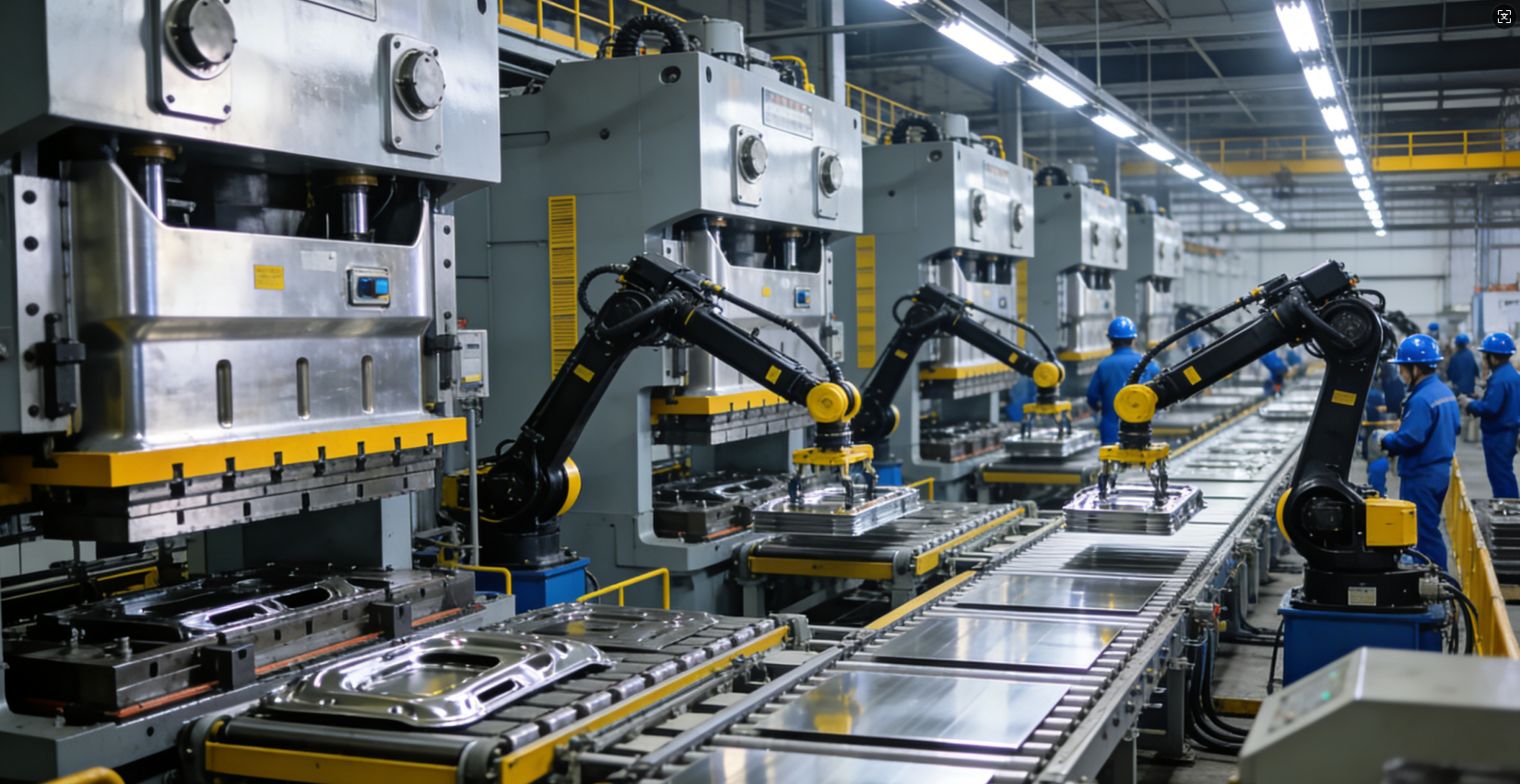
وعندما تصل أحجام الإنتاج إلى مئات الآلاف من الوحدات سنويًا، يصبح ختم المعادن للمركبات هو النهج التصنيعي الوحيد المجدٍ اقتصاديًّا. لكن ارتفاع الحجم وحده لا يُعرِّف ختم المعادن للمركبات. فهذه القطاع يعمل وفق أكثر معايير الجودة صرامةً في مجال التصنيع، حيث تصل التحملات أحيانًا إلى ٠٫٠٥ مم، ولا يُسمح بأي عيوب قد تُهدِّد سلامة المركبة.
سواء كنت تقوم بختم أجزاء السيارات لألواح الهيكل أو التعزيزات الإنشائية أو الدعائم المعقدة، فإن شركات تصنيع المعدات الأصلية للسيارات (OEMs) تتوقع الكمال. ويمكن أن يؤدي عطلٌ واحدٌ في مكوّنٍ ما إلى عمليات استرجاع مكلفة، وإيقاف خطوط الإنتاج، وأضرارٍ تلحق بالسمعة تفوقُ بكثيرٍ قيمة ذلك المكوّن. ويساعدك فهم هذه المعايير على تقييم ما إذا كانت إمكاناتك الحالية تفي بمتطلبات قطاع السيارات أم لا، أو تحديد الفجوات التي تحتاج إلى معالجة.
الامتثال لمعايير الجودة المفروضة من قِبل شركات تصنيع المعدات الأصلية في قطاع السيارات
إن قطاع صناعة السيارات لا يفضّل أنظمة إدارة الجودة فحسب، بل ويفرضها إلزاميًّا. ووفقًا لشركة مايستر برودكتس (Master Products)، فإن شهادة IATF 16949:2016 تُشكّل الحدّ الأدنى لمستوى الجودة الذي يمكنك توقعه عند التعاقد مع جهات خارجية لتنفيذ مشاريع ختم قطع السيارات. وتُوحِّد هذه الشهادة أنظمة تقييم الجودة عبر سلسلة التوريد العالمية في قطاع السيارات، مما يوحّد كلًّا من عمليات الإنتاج والنتائج.
ما الذي يميز شهادة IATF 16949 عن شهادة ISO 9001 القياسية؟ وفقًا لشركة Plantmetal، تتطلب هذه الشهادة تركيزًا متزايدًا على المتطلبات الخاصة بالعملاء وتوقعاتهم وشواغلهم. ويجب توثيق كل خطوة في العملية، وضمان إمكانية تتبعها، وإدارتها بشكل استباقي لإدارة المخاطر.
تشمل المتطلبات الأساسية التي يجب أن يستوفيها أي مصنع للكبس عالي الإنتاج ما يلي:
- التخطيط المتقدم لجودة المنتج (APQP): منهجية منظمة تضمن جودة المنتج من خلال التخطيط المنهجي قبل بدء الإنتاج
- عملية موافقة أجزاء الإنتاج (PPAP): توثيق شامل يثبت أن عمليات التصنيع تُنتج الأجزاء بما يتوافق باستمرار مع المواصفات المحددة
- تحليل وضع الفشل وآثاره (FMEA): الكشف الاستباقي عن نقاط الفشل المحتملة والإجراءات الوقائية قبل حدوث العيوب
- التحكم الإحصائي في العمليات (SPC): المراقبة المستمرة لمُعطيات الإنتاج لاكتشاف أية انحرافات قبل أن تؤدي إلى إنتاج أجزاء غير مطابقة للمواصفات
- إمكانية التتبع الكاملة: القدرة على تتبع كل مكوّن بدءًا من المادة الخام وحتى التسليم النهائي
تتعرَّض أجزاء السيارات المصنوعة باللكم التدريجي لفحصٍ دقيقٍ جدًّا. ويجب أن تحافظ قوالب لكْم السيارات على الاتساق البُعدي عبر ملايين الدورات، مع إنتاج مكونات تحقِّق متطلبات الأداء والمعايير الجمالية للأسطح الظاهرة. وتصبح قالب لكْم السيارات نفسه عامل جودةٍ حاسمًا، حيث يؤثِّر تصميم القالب مباشرةً في التسامحات القابلة للتحقيق والتشطيبات السطحية.
من مرحلة النماذج الأولية إلى الإنتاج الضخم
لا تنتقل مشاريع لكْم المكونات automobiles التدريجي مباشرةً إلى الإنتاج الكامل. بل يمرُّ المسار من الفكرة إلى التصنيع بكميات كبيرة عبر تسلسل منظمٍ يهدف إلى التحقق من صحة التصاميم، وإثبات جدوى العمليات، وتقليل المخاطر قبل الالتزام بتصنيع القوالب عالية الحجم.
تخيل أنك تطوِّر دعامة هيكلية جديدة. وعادةً ما تمر هذه الرحلة عبر المراحل التالية:
- التحقق من التصميم: نماذج المحاكاة الهندسية بمساعدة الحاسوب (CAE) تحاكي تدفق المادة، وسلوك الارتداد بعد التشكيل، وتوزيع الإجهادات قبل قطع أي معدن. وتُمكّن هذه المصادقة الرقمية من اكتشاف المشكلات التي كانت تتطلب في غير ذلك تعديلات مكلفة في الأدوات.
- إنشاء نماذج أولية سريع: تُنتج الأجزاء الأولية باستخدام أدوات تشكيل لينة أو طرق بديلة للتحقق من مدى ملاءمتها ووظيفتها. ويكتسب السرعة هنا أهمية بالغة. فالمورِّدون القادرون على تسليم مكونات التشكيل المعدني للسيارات كنماذج أولية خلال ٥ أيام بدلًا من ٥ أسابيع يُسرّعون جدول التطوير الخاص بك بشكلٍ كبير.
- التحقق من العملية: تؤكد التشغيلات ما قبل الإنتاج باستخدام أدوات تشكيل مُعدَّة بنيّة إنتاجية أن عمليات التصنيع تحقّق نتائج متسقة. وتتحقق فحوصات القطعة الأولى من توافق جميع الأبعاد مع المواصفات المحددة.
- بدء الإنتاج: يبدأ التصنيع بحجمه الكامل مع مراقبة مستمرة للحفاظ على الجودة طوال دورة حياة الإنتاج.
تستحق محاكاة CAE اهتمامًا خاصًّا. ووفقًا لـ كيسايت وبالتالي، تسمح المحاكاة للمهندسين بتحسين تصاميم القوالب قبل التصنيع، مما يقلل من التكرارات المكلفة الناتجة عن التجربة والخطأ. وفي التطبيقات automotive التي قد تصل فيها التحملات إلى ٠٫٠٥ مم، تمنع هذه التحليلات الأولية التعديلات الباهظة التكاليف لاحقًا.
ويُميِّز الجمع بين أنظمة الجودة الصارمة وقدرات المحاكاة المتقدمة المورِّدين الذين يلبّون باستمرار المتطلبات automotive. على سبيل المثال، حلول شاويو لأدوات ختم السيارات يوضّح ما يبدو عليه هذا الدمج عمليًّا. وتوفّر شهادة IATF 16949 الإطار الخاص بالجودة، بينما تتيح محاكاة CAE تحقيق نتائج خالية من العيوب. ويعكس معدل موافقة أولية بنسبة ٩٣٪ كيف تعمل هذه الأنظمة معًا، كما أن القدرة على إنجاز النماذج الأولية خلال ٥ أيام تحافظ على جداول التطوير ضمن المسار المحدَّد.
عند تقييم شركاء التشكيل المعدني للسيارات، ابحث وراء الادعاءات الأساسية المتعلقة بالقدرات. اسأل عن معدلات الموافقة من المحاولة الأولى، وسرعة إعداد النماذج الأولية، والشهادات المحددة المتعلقة بالجودة. تأكَّد من أن المورِّدين قادرون على إثبات الامتثال لإجراءات APQP وPPAP. وتأكد من أنهم يستخدمون المحاكاة لتحسين تصاميم القوالب قبل التصنيع. وهذه العوامل هي ما يميِّز المورِّدين الذين يوفِّرون منتجاتٍ باستمرارٍ مطابقةً للمعايير الصارمة في قطاع السيارات عن أولئك الذين يواجهون صعوبات في تلبية هذه المتطلبات.
قد تبدو متطلبات قطاع السيارات مُربكةً، لكنها قائمةٌ على أسباب وجيهة. فعندما تعمل المكونات بدقةٍ وفق المواصفات المحددة عبر ملايين المركبات، فإن الاستثمار في نظم الجودة والهندسة المتقدمة يُحقِّق عوائدٍ كبيرةً من حيث الموثوقية والسلامة والكفاءة التصنيعية طويلة الأجل. وخطوتك التالية تتضمَّن تقييم ما إذا كانت مشروعك يتطلَّب هذه القدرات عالية الجودة الخاصة بقطاع السيارات، أو ما إذا كانت المواصفات الصناعية القياسية كافيةٍ لتلبية متطلباتك الفعلية.
اتخاذ القرار الصحيح بشأن أدوات التشكيل والقوالب
لقد استوعبتَ كمية كبيرة من المعلومات الفنية حول عمليات أدوات وخواص التشكيل بالضغط (Stamping)، واختيار المواد، وقدرات التحمل (Tolerance)، ومتى يكون التشكيل بالضغط الخيار الأنسب مقارنةً بالبدائل الأخرى. والآن تأتي المسألة العملية: كيف يمكنك دمج جميع هذه العوامل معًا لاتخاذ قرارٍ واثقٍ لمشروعك المحدد؟ والفرق بين مشروع ناجح للتشكيل بالضغط ومشروع مُحبِط غالبًا ما يعود إلى إجراء تقييم منهجي قبل الالتزام به.
وفقًا لشركة KY Hardware، فإن اختيار مورِّد التشكيل بالضغط المناسب يُعَدُّ قرارًا حاسمًا يؤثر مباشرةً على جودة منتجك، وجدول الإنتاج الخاص بك، وعلى نتيجتك النهائية (الربح أو الخسارة). وبما أن التعجيل في مرحلة التقييم غالبًا ما يؤدي إلى اختيار مورد غير مناسب لدرجة تعقيد مشروعك أو نطاقه، فلنُفصِّل بدقة ما الذي يجب أن تقيِّمه.
قائمة التحقق من تقييم مشروع القولبة المعدنية الخاص بكم
قبل التواصل مع المورِّدين المحتملين، أكمل هذا التقييم الداخلي. فامتلاك إجابات واضحة يمنع سوء التفاهم ويضمن مقارنتك للمورِّدين وفق المعايير الصحيحة.
- متطلبات الحجم: ما هو تقديرك للاستهلاك السنوي المُقدَّر (EAU)؟ تذكَّر أن عملية الختم تصبح عادةً اقتصادية عند إنتاج أكثر من ١٠٬٠٠٠ قطعة سنويًّا. وإذا كانت كميتك أقل من هذا الحد، فراجع مجددًا ما إذا كانت الطرق البديلة مثل القطع بالليزر أو التشغيل الآلي باستخدام آلات التحكم العددي (CNC) توفر قيمة إجمالية أفضل.
- تقييم تعقيد القطعة: هل تتطلب قطعتك ختمًا تدريجيًّا، أم قوالب نقل، أم قوالب مركبة؟ وفقًا لشركة Atlas Stamping، يجب أن يكون شريكك في مجال الختم قادرًا على إجراء عمليات الختم أو الضغط أو القص أو التشكيل بشكل متزامن أو مستمر، سواءً للقطع ثنائية الأبعاد أو ثلاثية الأبعاد. وثِّق السمات الحرجة لوظيفة القطعة، وأي عمليات ثانوية مطلوبة مثل المعالجة الحرارية أو الطلاء أو التجميع.
- الاعتبارات المتعلقة بالمواد: حدد نوع المادة بدقة، وسمكها، ومتطلبات درجة التصلب (Temper). فتتصرف المواد المختلفة بشكل مختلف في القوالب، لذا تأكَّد من أن الموردين المحتملين لديهم خبرة عميقة في سبائكك المحددة. ووفقاً لشركة CEP Technologies، توجد في كثير من الأحيان بدائل مناسبة للغاية تحسِّن قابلية التصنيع، أو تكون متوفرة بسهولة أكبر، أو تساعد في خفض تكاليف الإنتاج.
- متطلبات التحمل: هل تتطلب مواصفات تسامح تجارية قياسية أم مواصفات أكثر دقة للقوالب واللكم؟ كن واقعياً. فالتشديد المفرط على التسامح في الأبعاد غير الحرجة يرفع التكلفة دون إضافة قيمة وظيفية. وحّد الأبعاد التي تكتسب بالفعل أهمية حقيقية بالنسبة للملاءمة والأداء الوظيفي.
- متطلبات الجدول الزمني: ما هي احتياجاتك الخاصة بالنمذجة الأولية وتوقعاتك بشأن المدة الزمنية اللازمة للتشغيل الأولي للإنتاج؟ وخذ في الاعتبار توقعات الإنتاج طويلة المدى التي تساعد الشركاء على تخطيط الطاقة الإنتاجية.
- الخدمات ذات القيمة المضافة: هل تحتاج إلى عمليات التشطيب أو التجميع أو التغليف المتخصص؟ إن وجود موردٍ يقدم هذه المكونات المُلَكَّمة للمعادن والخدمات ذات الصلة داخلياً يبسّط سلسلة توريدك إلى حدٍ كبير.
اختيار شريك التصنيع المناسب
بمجرد أن تُحدِّد متطلباتك، قيِّم المورِّدين المحتملين وفقًا للمعايير التي تهمّك أكثر ما يحقِّق النجاح على المدى الطويل. فالشريك المثالي لا يكتفي بإنتاج القطع فحسب، بل يقدِّم خبرة هندسية ويعمل كامتدادٍ لفريقك.
ضع في اعتبارك معايير تقييم المورِّدين التالية:
- القدرات في تصميم القوالب والأدوات: ابحث عن مورِّدين يمتلكون خبرة داخلية في تصميم القوالب والأدوات. ووفقًا لـ KY Hardware ، فإن أفضل مورِّدي عمليات الختم يوفِّرون خبرة هندسية، وليس فقط القدرة التصنيعية. وبمشاركتهم المبكرة يمكن أن تؤدي إلى وفورات كبيرة في التكاليف وتصاميم أكثر متانة للقطع من خلال تحليل «التصميم من أجل التصنيع» (DFM).
- شهادات الجودة: ويُعدُّ نظام إدارة الجودة القوي شرطًا لا يمكن التنازل عنه. وتُمثِّل شهادة ISO 9001 الحدَّ الأدنى من التوقعات. أما بالنسبة لتطبيقات الختم في قطاع السيارات، فإن حصول المورِّد على شهادة IATF 16949 يدلُّ على التزامه بأعلى المعايير الصناعية صرامةً. وهذه الشهادات تؤكِّد أن عملياته متسقةٌ وموثوقةٌ، بعد تقييمٍ مستقلٍ من طرف ثالث.
- قدرات المعدات: يحدد نوع المكابس وسعتها بالطن حجم الأجزاء وسمكها وتعقيدها التي يمكن لمورد أن ينتجها. ووفقاً لشركة أطلس ستامبينغ (Atlas Stamping)، تتوفر مكابس التشكيل المعدني بأنواع عديدة ومختلفة من الأحجام، والقدرات التحميلية (بالطن)، وأطوال السكتة (Stroke Lengths)، وسرعات التشغيل. وتأكد من أن أدوات تشكيل المعادن لدى المورد تتماشى مع متطلباتك المحددة.
- سرعة النمذجة الأولية: تُسرّع القدرة على إنجاز النماذج الأولية بسرعة جدول تطوير منتجاتك. ويمنح الموردون الذين يستطيعون تسليم الأجزاء النموذجية خلال أيامٍ بدل أسابيع مزايا تنافسيةً عندما يكون العامل الزمني حتى طرح المنتج في السوق أمراً بالغ الأهمية.
- خبرة في الصناعة: ابحث عن سجلات مثبتة في صناعتك. فالمؤسسة التي تخدم قطاع السيارات تدرك متطلبات إجراءات الموافقة على أجزاء الإنتاج (PPAP)، بينما تعرف المؤسسة المتخصصة في الأجهزة الطبية معايير النظافة وإمكانية التتبع بدقة. واطلب دراسات حالة أو شهادات توصية أو مراجع من شركات مشابهة.
- الطاقة الإنتاجية واللوجستيات: هل يمكنهم تلبية متطلباتك الحالية من حيث الحجم، والتوسع معك في المستقبل؟ قيِّم برامج إدارة المخزون مثل نظام كانبان (Kanban) أو نظام التوصيل حسب الطلب (Just-in-Time)، والتي تقلل من مخزونك الجاهز وتحسّن تدفق الأموال لديك.
أدنى سعر لكل قطعة نادرًا ما يعادل أفضل قيمة. وعند تقييم الشركاء المحتملين، فكّر في الجوانب الأقل ملموسية: مثل سرعة الاستجابة لأسئلتك، واستعدادهم للتعاون في تحسين التصميم، والشفافية بشأن إمكاناتهم وقيودهم.
للقُرّاء الذين يستكشفون حلول قوالب الختم الدقيقة، وبخاصة في التطبيقات automotive، القدرات الشاملة لشركة Shaoyi في تصميم وتصنيع القوالب تُجسِّد هذه الشركات نهج الخدمة الشاملة الذي يستحق البحث عنه. إذ يقدّم فريق هندستها قوالب عالية الجودة وفعّالة من حيث التكلفة، مُصمَّمة خصيصًا وفق معايير المصنّعين الأصليين (OEM)، مع شهادة IATF 16949 التي تدعم أنظمتها الخاصة بالجودة.
أنشئ بطاقة درجات مرجحة تُعيّن مستويات الأهمية لكل معيار وفقًا لأولوياتك. قيّم كل مورد بشكل موضوعي. ويؤدي هذا النهج إلى إزالة التحيّز الشخصي ويحدد بوضوح الشركاء الأكثر انسجامًا مع احتياجاتك الحرجة الأساسية. وينبغي أن تعكس القرارات النهائية رؤية شاملة للقدرات والجودة والدعم وتكاليف الملكية الإجمالية، وليس فقط سعر القطعة.
وبإجراء تقييم داخلي شامل باستخدام هذه القائمة التفصيلية، وتقييم إمكانات الشراكة بطريقة منهجية، فإنك تتخطى العلاقات التجارية البحتة. والهدف هو العثور على شريك استراتيجي ملتزمٍ بالجودة، ويقدّم خبرة هندسية قيمة في تطبيقات الختم (Stamping)، ومُكرّسٌ لمساعدتك في تحقيق أهدافك التصنيعية لسنوات قادمة.
الأسئلة الشائعة حول أدوات وخوازم الختم
١. ما الفرق بين الأدوات والخوازم (Tool and Die) والختم (Stamping)؟
تشير أدوات القوالب والقالب إلى المكونات المصممة خصيصًا المستخدمة في التصنيع، حيث تُمثل «الأداة» التجميع الكامل (وهو يشمل الثوابت، وأجهزة القياس، والأدوات القطاعة)، بينما يُمثل «القالب» المكون المتخصص الذي يُشكّل المعدن. أما عملية الختم فهي العملية التصنيعية الفعلية التي تستخدم هذه الأدوات والقوالب لتحويل صفائح المعدن المسطحة إلى أجزاء نهائية عبر تطبيق قوة مضبوطة. وبشكلٍ جوهري، فإن صناعة أدوات القوالب والقالب تُركّز على إنشاء المعدات، بينما تُركّز عملية الختم على الإنتاج باستخدام تلك المعدات. ويتكامل مورّدون مثل شاويي بين هاتين القدرتين، مع تقديم خدمات شاملة تشمل تصميم القوالب وتصنيعها إلى جانب إنتاج الختم بكميات كبيرة.
ما تكلفة قالب الختم المعدني؟
تتفاوت تكاليف قوالب الختم المعدني بشكل كبير وفقًا لدرجة التعقيد. وتتراوح تكاليف القوالب البسيطة بين ٣٠٠٠ دولار أمريكي و٣٠٠٠٠ دولار أمريكي، بينما قد تصل تكاليف القوالب التدريجية أو القوالب الانتقالية المعقدة إلى ٢٠٠٠٠٠ دولار أمريكي أو أكثر. ويصبح هذا الاستثمار اقتصاديًّا عند إنتاج ١٠٠٠٠ جزء أو أكثر سنويًّا. أما في التطبيقات automotive التي تتطلب شهادة معيار IATF 16949 والمحاكاة باستخدام برامج CAE لضمان نتائج خالية من العيوب، فعليك أن تتوقع ارتفاع تكاليف الأدوات بما يحقق جودةً واتساقًا متفوقين. ويجد العديد من المصنِّعين أن التوفير لكل جزء عند الإنتاج بكميات كبيرة يعوّض بسرعة التكلفة الأولية للأدوات.
٣. ما الفرق بين القص بالقالب (Die Cut) والختم (Stamping)؟
القطع بالقالب هو جزء من عملية الختم، ويركّز تحديدًا على قطع أشكال من المواد المسطحة، بينما يشمل مصطلح «الختم» نطاقًا أوسع من العمليات التي تشمل القطع والثني والتشكيل والسحب والتنعيم. وتُحوِّل عملية الختم المعدن المسطّح (الصفائح المعدنية) إلى مكونات ثلاثية الأبعاد عبر سلسلة من العمليات، في حين أن قطع القوالب يُنتج عادةً أجزاءً مسطحة ثنائية الأبعاد. وبإضافةٍ إلى ذلك، تُعتبر عمليات ختم المعادن دائمًا تقريبًا عملية تشغيل باردة تستخدم الصفائح المعدنية، بينما تستخدم عملية الصب بالقوالب (التي يُخطئ البعض أحيانًا في تمييزها عن قطع القوالب) المعدن المنصهر الذي يُسكب في القوالب.
٤. متى ينبغي أن أختار عملية الختم بدلًا من القطع بالليزر أو التشغيل الآلي باستخدام الحاسوب (CNC)؟
اختر أداة وختم القالب عندما تتجاوز أحجام الإنتاج ١٠٠٠٠ جزء سنويًا وتكون التصاميم مستقرة. وفي حالات الأحجام العالية، يوفّر الختم أقل تكلفة لكل جزء على الرغم من الاستثمار الأولي الأعلى في أدوات الختم. أما بالنسبة للأحجام التي تقل عن ٣٠٠٠ وحدة، فإن قطع الليزر يوفّر خفضًا في التكلفة بنسبة ٤٠٪ من خلال استبعاد تكاليف صنع الأدوات. وتصل عملية التشغيل بالآلات الرقمية (CNC) إلى أفضل نتائجها عند تصنيع الأشكال الهندسية ثلاثية الأبعاد المعقدة وبكميات تقل عن ٥٠٠٠ وحدة. ويستخدم العديد من المصنّعين نهجًا هجينًا — أي قطع النماذج الأولية بالليزر أثناء تصنيع قوالب الختم، ثم الانتقال إلى عملية الختم للإنتاج الضخم.
٥. ما هي التحملات التي يمكن أن تحققها عملية ختم المعادن الدقيقة؟
تتفاوت تحملات ختم المعادن الدقيقة باختلاف نوع العملية. فعملية القص والثقب تحقّق تحملات تتراوح بين ±0.05 و±0.08 مم عند مستويات الدقة العالية. أما عمليات الثني والتشكيل فتحافظ عادةً على تحملات خطية قدرها ±0.20 مم وتحملات زاوية قدرها ±0.5°. وتُوفّر عمليات التشكيل بالضغط (Coining) أضيق التحملات، وهي تتراوح بين ±0.025 و±0.05 مم، وذلك بفضل الضغط الشديد الذي يلغي ظاهرة الارتداد المرن (springback). ويؤثر سمك المادة في الدقة القابلة للتحقيق، حيث إن المواد الأقل سماكة (0.5–2.0 مم) تسمح بتحقيق تحملات أضيق مقارنةً بالمواد السميكة. وقد تتطلّب تطبيقات القطاع automotive أحيانًا تحملات دقيقة جدًّا تصل إلى 0.05 مم.