 Small batches, high standards. Our rapid prototyping service makes validation faster and easier —
  EN
EN


What Are the Metals in Brass? The Hidden Mix Behind Color and Strength
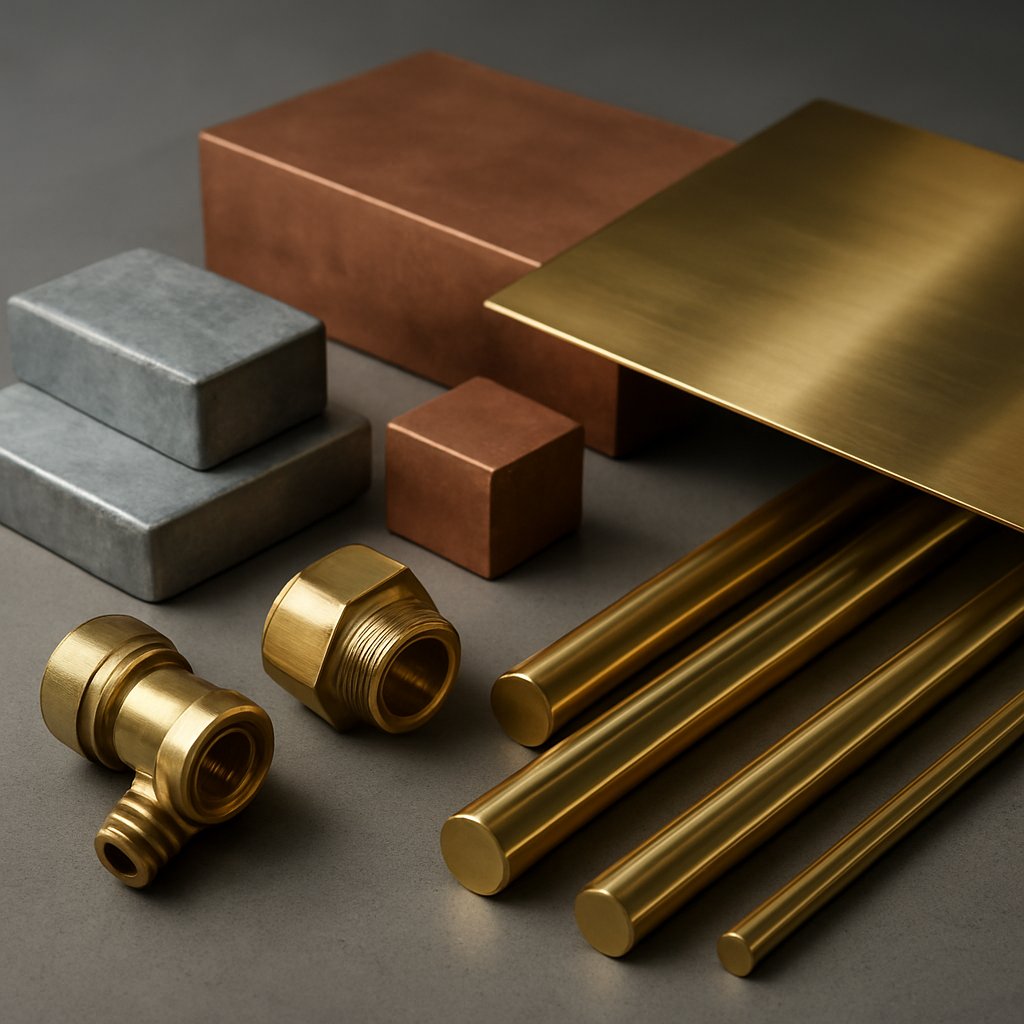
What Are the Metals in Brass?
Brass is an alloy made primarily from copper and zinc, while some grades also include small additions such as lead, tin, aluminum, manganese, nickel, or arsenic to change machinability, strength, color, or corrosion behavior.
What Brass Is Made Of at a Glance
If you are searching for what are the metals in brass, the short answer is simple. Brass is made of what metals? Copper and zinc. That is the core recipe. In technical guides from DWD Brass and ThoughtCo, brass is described as a copper-zinc alloy whose properties change when that mix changes.
- Base metals: copper and zinc
- Grade-specific additions: lead, tin, aluminum, manganese, nickel, arsenic, and other minor alloying elements in certain brass composition grades
Brass Is an Alloy Not a Single Element
To define brass in plain language, it is a manufactured metal alloy, not a naturally occurring element on the periodic table. A common beginner question is, is brass an element? No. Copper is an element. Zinc is an element. Brass is what is brass when those metals are combined into a useful engineering material. That distinction matters because alloys can be adjusted for different jobs, while a pure element has one basic identity.
Base Metals vs Optional Alloying Additions
This clears up another common search, including what is brass made of and even the awkward phrasing brass is made of what. The essential answer stays the same: copper plus zinc. The longer answer is that optional additions are not present in every grade. They are added only when a manufacturer wants a certain result, such as easier cutting, a different color tone, or better resistance in specific environments. So if you have wondered what are brass made of, think of brass as a family of copper-zinc alloys rather than one fixed formula. The exact balance between those two base metals is where brass really begins to change.
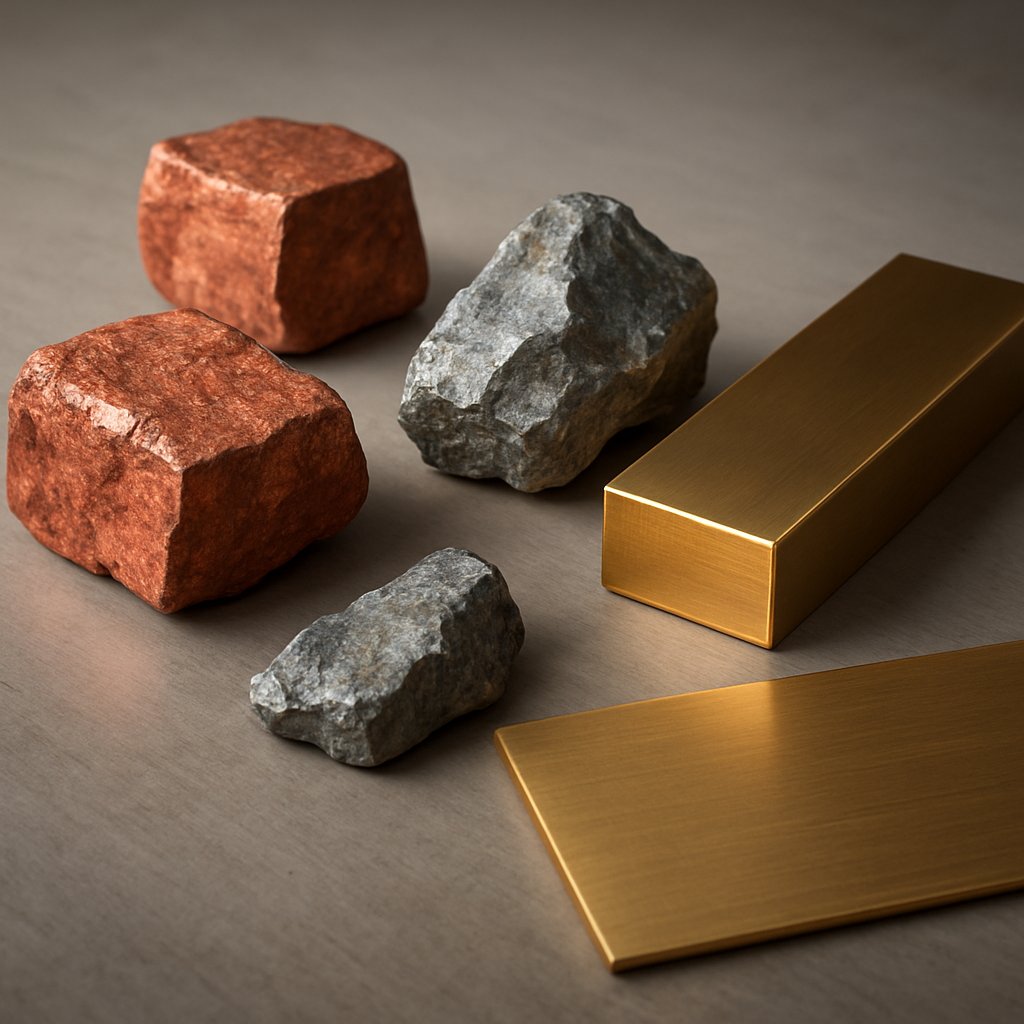
Copper and Zinc Form the Core of Brass
That changing balance starts with copper. In any clear answer to what metals are in brass, copper is the foundation metal, while zinc is the ingredient that most strongly changes how the alloy behaves. The brass overview at Copper.org defines brass as a copper-zinc alloy and shows that its structure and properties shift as zinc content changes.
Why Copper Is the Foundation of Brass
Copper is the base of the alloy. In lower-zinc brasses, Copper.org describes the structure as a solid solution of zinc in alpha copper, which helps explain why copper-rich grades are known for good ductility and easier cold working. It also helps explain color. Copper.org lists copper-rich examples such as red brass, while higher-zinc families move toward the familiar yellow-brass appearance. So if someone asks, what is brass composed of, the first word should be copper.
Why Zinc Is the Defining Alloying Metal
Zinc is not a tiny extra. It is the principal alloying addition that turns copper into brass. A Cu-Zn study also classifies brass as the copper alloy whose main additive is zinc and notes that pure copper is mechanically soft on its own. In simple terms, zinc is the defining zinc alloy metal in brass. As zinc increases, brass can gain strength, and at higher levels its structure can shift from more formable alpha brass toward alpha-beta and beta-rich brass, which are harder and less ductile at room temperature.
| Metal | Role in brass | Practical effect |
|---|---|---|
| Copper | Base metal and matrix of the alloy | Supports ductility, formability, and the redder look of copper-rich grades |
| Zinc | Main alloying metal | Raises strength, shifts common grades toward a yellower look, and can increase hardness as content rises |
How the Copper to Zinc Balance Changes Performance
This is where zinc and copper stop being just names on a chemistry line and start explaining real-world behavior. Copper.org notes that brasses with up to about 35% zinc are single-phase alpha alloys with good strength, ductility, and cold-workability. As zinc rises into more complex structures, hardness and hot-workability increase, while room-temperature ductility and easy cold forming drop. That is why a copper-rich brass often feels more forgiving to shape, while a higher-zinc brass often feels tougher and looks more yellow.
If you still run into the search phrasing brass is made of what metals, the useful answer is not only copper and zinc, but also how much of each. A practical example helps here. People often ask, do brass screws have more copper than zinc. Many familiar brass product grades are copper-rich, but the exact answer depends on the listed alloy. The common examples shown by Copper.org, such as red brass and cartridge brass, are still copper-dominant, so the household image of brass is usually not a brass with more zinc than copper. Beyond that core pair, small additions like lead, tin, or nickel can fine-tune the result even further.
Optional Metals in Brass and What They Do
People often ask what metals are brass made of or what metals make up brass. The strict answer is still copper and zinc. But the brass metal composition of a specific grade can include a few smaller additions chosen for a job. Metallurgy summaries from ThoughtCo and DWD Brass show that these secondary elements of brass are optional, not universal. One brass composed of copper and zinc alone may form easily, while another may be adjusted to machine better, resist certain corrosion problems, or show a different color tone.
Which Metals Are Sometimes Added to Brass
These extra elements in brass are best understood as modifiers. If you are asking what metals make brass, start with copper and zinc, then look for any grade-specific additions like the ones below.
- Lead: the most common additive in many free-machining brasses because it helps the alloy cut and machine more easily.
- Tin: used in certain brasses to improve corrosion resistance, especially where dezincification is a concern.
- Aluminum: appears in some brasses to shift appearance, including a brighter golden tone in section brass.
- Manganese: used in manganese brass for higher strength, and some sources note it can also darken the color tone.
- Nickel: can make copper-zinc alloys look paler or more silver-like while also supporting corrosion-resistant performance in nickel-containing brasses.
- Silicon: often used in lead-free brass as a substitute for lead to improve machinability.
- Iron: added in small amounts to increase strength and hardness in certain service-focused brasses.
- Arsenic: used in very small amounts in arsenical brass to help inhibit corrosion.
What Lead Tin Nickel and Other Additions Do
A simple way to read this list is to split it into outcomes. Some additions mainly help manufacturing, such as lead or silicon in easier-cutting grades. Others mainly help in service, such as tin or arsenic where corrosion behavior matters. A few also change how brass looks. Aluminum can brighten the gold tone, while nickel can push certain alloys toward a lighter, silvery appearance.
How Added Metals Affect Real World Performance
That is why two products sold as brass may behave very differently in the shop or in use. A machined fitting, a marine part, and a decorative component can all belong to the same family while carrying different minor metals for different reasons. Those small recipe changes are also what give rise to the everyday brass names readers see most often, including red brass, yellow brass, cartridge brass, and naval brass.
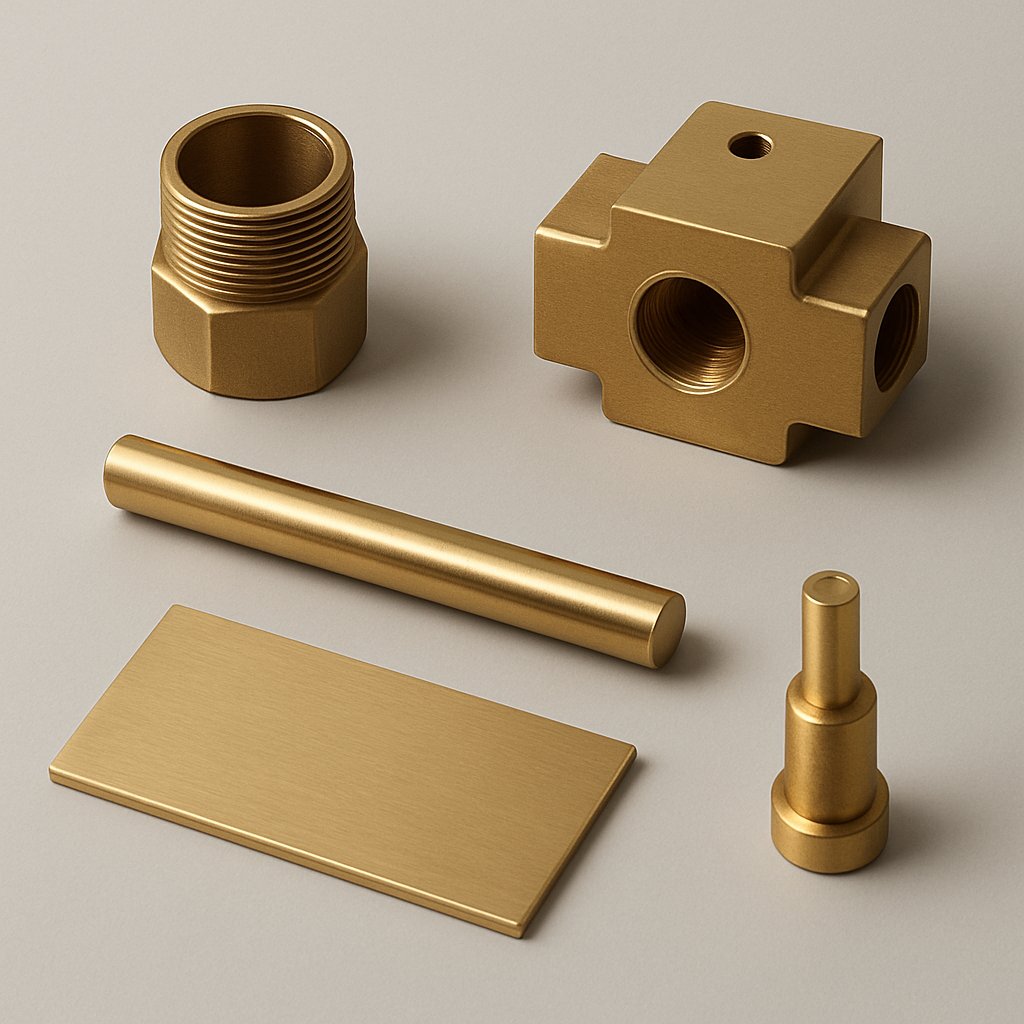
Common Types of Brass and Their Main Metals
Those small recipe changes are why brass is usually sold by family name, not as one fixed metal. In practical guides from MISUMI, the Sundi guide, and Copper.org, the same pattern shows up again and again: the most common brass alloys are defined by the copper-zinc balance, then fine-tuned with an added metal when a special job matters.
Common Brass Types Readers Will See Most Often
If you are comparing types of brass material, these are the names you will see most often in supplier listings and manufacturing discussions. The table keeps the focus on the main metals and the plain-language reason each family exists.
| Brass type | Main metals | Why this mix is used |
|---|---|---|
| Yellow brass | Typically about 67% copper and 33% zinc | A balanced, general-purpose mix with the classic yellow-gold look and good ease of fabrication. |
| Red brass | Commonly about 85% copper and 15% zinc | Higher copper content gives a warmer reddish tone and is widely valued for good corrosion resistance. |
| Cartridge brass | About 70% copper and 30% zinc | Chosen for a useful balance of strength and ductility, which is why it is well known in formed parts and casings. |
| Free-machining brass, C36000 | Nominally 61.5% copper, 35.4% zinc, and 3.1% lead | Lead is added to improve machinability and chip breaking, making this a go-to brass alloy for turned parts. |
| Naval brass | About 60% copper, 39% zinc, and 1% tin | Tin is added to help resist dezincification and support marine service, especially around seawater. |
Red Brass Yellow Brass and Other Everyday Categories
The simplest way to understand red brass vs yellow brass is to look at copper first. Red brass is copper-rich, so it looks warmer and redder. Yellow brass has more zinc relative to red brass, so it moves toward the familiar bright golden color most people picture. Cartridge brass sits between easy forming and useful strength. Free-machining brass adds lead for easier cutting. Naval brass adds tin for harsher water exposure. That is why different types of brass can share the same copper-zinc foundation but still feel quite different in use.
You may also see search terms like white brass. Casual color labels can be inconsistent, which is one reason alloy numbers and composition notes are often more reliable than appearance alone.
How to Read a Brass Type Without Getting Lost in Jargon
- More copper usually means a redder tone and often a more corrosion-friendly reputation.
- More zinc usually pushes brass toward a yellower color and a stronger, harder feel.
- A named extra metal, such as lead or tin, usually signals a specific purpose like easier machining or better marine performance.
- An alloy number tells you the exact recipe more clearly than a broad family name.
- Family names are shortcuts, but the metal mix is what really explains behavior.
Once you start reading brass this way, catalog terms stop sounding mysterious. They become clues to the visible and practical traits people notice next, including color, strength, corrosion behavior, and even why one piece machines more cleanly than another.
Is Brass Magnetic and How Composition Changes Its Properties
Pick up two brass parts and the differences can be easy to spot. One may look red-gold, another bright yellow, and a third may machine much more cleanly than either. Those changes come from the alloy recipe. The XTJ brass material guide describes brass as a copper-zinc alloy whose appearance and behavior shift as the copper-to-zinc balance changes, with some grades gaining extra elements for specific performance.
How Brass Composition Changes Color and Appearance
The most visible clue is brass color. More copper usually pushes brass toward a warmer, redder tone. More zinc tends to make it look yellower and often a bit harder. The same XTJ guide notes that brass can range from bright yellow to reddish-gold depending on composition. Surface age matters too. Brass can tarnish and develop patina, so color is helpful, but it is not a perfect way to identify a grade.
Why Brass Is Usually Not Magnetic
If you are wondering is brass magnetic, the practical answer is usually no. PartMFG explains that solid brass is nonmagnetic under normal conditions because it is made mainly of copper and zinc. A simple brass magnet check can still fool people, though. If a magnet sticks strongly, the item may be brass-plated steel, or the magnet may be catching another steel part in the assembly rather than the brass itself.
How Composition Influences Density, Corrosion, and Melting Behavior
Some properties are less obvious, but they still trace back to the mix of metals. Exact values depend on grade, which is why supplier datasheets matter for engineering work.
| Property | How composition affects it | What that means in practice |
|---|---|---|
| Color | More copper gives a redder tone, while more zinc makes brass look more yellow | Appearance can hint at the alloy family, but not confirm the exact grade |
| Magnetism | Copper-zinc brass is generally nonmagnetic | A brass magnet test is only a quick screen, not final proof of solid brass |
| Density | The density of brass varies by grade; XTJ lists a general range of about 8.4 to 8.7 g/cm3 | Weight changes slightly from one brass alloy to another |
| Corrosion behavior | Brass is corrosion resistant in many environments, but higher-zinc grades can be more vulnerable to dezincification | If you ask, does brass corrode, yes, it can in aggressive service. If you ask, does brass metal rust, no, not like iron |
| Machinability | Some grades include additions such as lead to improve cutting behavior | Two brass parts may look similar but machine very differently |
| Melting behavior | The brass melting point is a range, not a single number. XTJ gives a general range of roughly 890 C to 1,000 C, and more zinc tends to lower it | Casting, brazing, and heat-processing decisions should be based on the exact grade |
So, can brass rust? Not in the red-rust sense associated with steel. It can, however, tarnish, corrode, or lose zinc in the wrong environment. That is one reason brass is sometimes mistaken for nearby copper or bronze at a glance, even though the metal mix and service behavior are not the same.
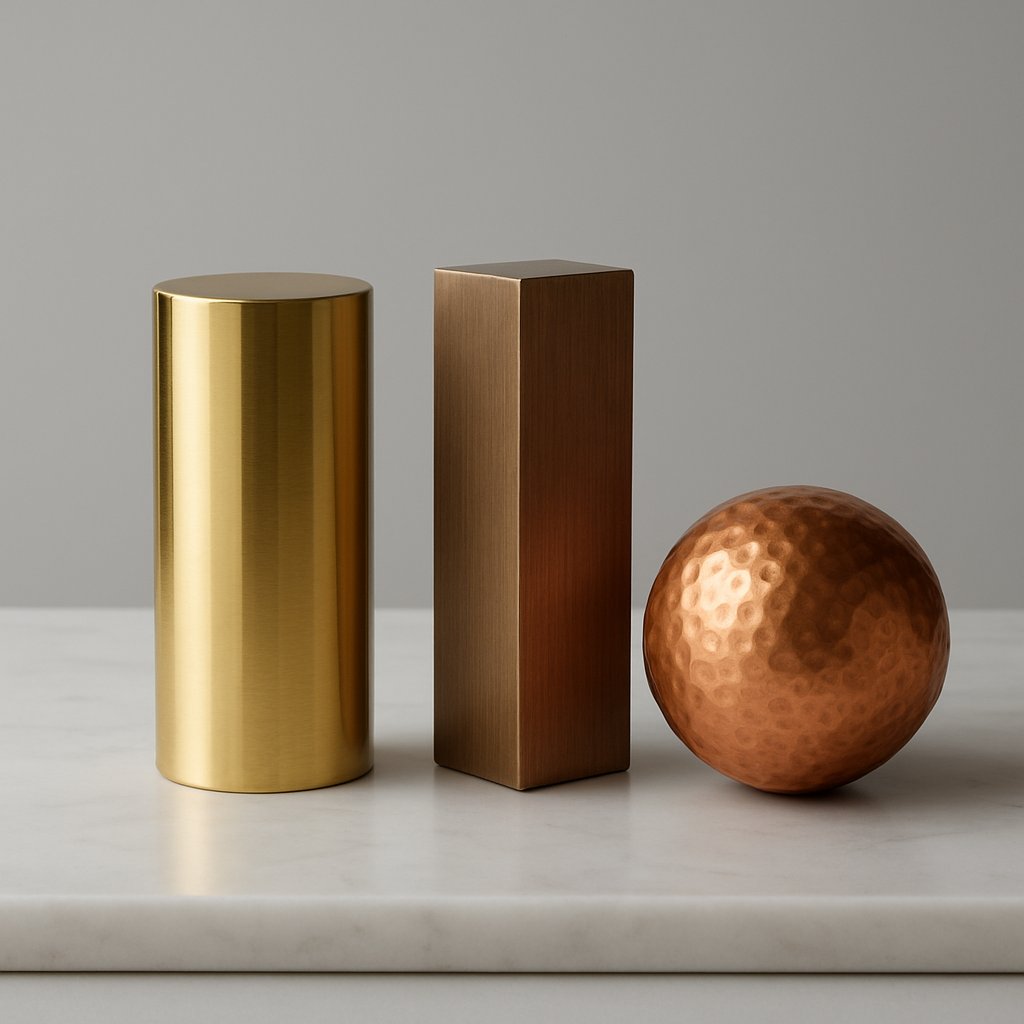
Brass vs Bronze vs Copper Explained
If you are researching what are the metals in brass, it helps to place brass next to its closest look-alikes. Technical guides from Tameson and Metal Supermarkets frame the comparison in a simple way: brass is mainly copper plus zinc, bronze is mainly copper plus tin or other added elements, and copper is the elemental metal itself. That basic recipe explains most of the visible and practical difference between bronze and brass.
Brass vs Bronze at the Metal Level
The confusion is easy to understand. Brass and bronze both belong to the copper-alloy family, so they can look similar at a glance. But the second metal is what changes the story. Brass gets its familiar yellow-gold look from zinc. Bronze usually leans duller and is often based on copper with tin, though some bronze alloys also use elements such as phosphorus, aluminum, manganese, or silicon. Copper stands apart because it is not an alloy family here. It is the base metal.
| Metal | Main metals | Typical color tone | Corrosion tendency | Common applications | Easy-to-understand strength |
|---|---|---|---|---|---|
| Brass | Primarily copper and zinc | Bright yellow to reddish-gold, depending on zinc content | Generally good corrosion resistance, though some grades can suffer dezincification in harsh service | Plumbing fittings, decorative hardware, musical instruments, machined parts | Balanced workability, good machinability, attractive appearance |
| Bronze | Primarily copper and tin, sometimes with other alloying elements | Dull gold, often less bright than brass | Strong corrosion resistance, especially valued in marine and wear-prone environments | Bearings, bushings, gears, marine hardware, sculptures, medals | Harder, tougher, and known for low friction |
| Copper | Elemental copper | Reddish-brown | Highly corrosion resistant in many settings, but it oxidizes and can form a green patina | Electrical wiring, electronics, pipe, pipe fittings | Excellent electrical and thermal conductivity, very formable |
Brass vs Copper for Composition and Use
In a brass vs copper comparison, the biggest divider is conductivity versus alloy versatility. Copper is the better fit when moving heat or electricity is the main job. Brass trades some of that pure-copper performance for better strength, easier machining in many grades, and a more gold-like appearance. That is why brass vs copper is not really about which metal is better overall. It is about which metal recipe matches the job.
How to Tell These Metals Apart in Plain Language
For everyday identification, start with color and purpose, then confirm with material specs if the part matters. In bronze vs brass questions, brass usually looks brighter and yellower, while bronze often looks duller and is commonly chosen for friction-heavy or marine service. The difference between brass and bronze also shows up in how they are used: brass often appears in fittings and hardware, while bronze is common in bearings and bushings. Copper vs brass is usually easier to spot because copper keeps its red tone and is strongly associated with wiring and tubing.
If you need high conductivity, you may actually be looking for copper. If you need wear resistance or marine durability, bronze may be the better match. If you need a workable copper alloy with a decorative look, brass is often the right family.
That makes the bronze vs brass vs copper question less about memorizing names and more about reading composition first. Once you can do that, product descriptions, alloy numbers, and real-world uses of brass and bronze become much easier to decode.
Brass Material Uses and How to Read Specs
A brass label starts to mean much more when you connect the alloy mix to the job it was chosen for. Examples from Zintilon, Oceanus Brass, and AVF Decolletage show the same pattern: brass earns its place when a part needs a useful balance of machinability, corrosion resistance, conductivity, and appearance. That is why the uses of brass reach far beyond one product category.
Why Brass Is Used in So Many Products
If you have ever wondered what is made of brass, the list is surprisingly broad. Common examples include locks, hinges, decorative hardware, plumbing fittings, valves, electrical connectors, musical instruments, bushings, and high-volume turned parts. The use of brass in each case follows the grade. Zintilon lists H59 for low-cost hardware and decorative items, H62 for springs, radiators, electrical connectors, and musical instruments, C36000 for precision-turned valves and fittings, and CW614N for hot-forged pipe valves and marine fittings.
| Product area | Why brass fits | Example grade from references |
|---|---|---|
| Fittings and valves | Good corrosion resistance with either easy machining or forging | C36000 for machined fittings, CW614N for forged valve parts |
| Decorative hardware | Warm color, workable cost, and easy finishing | H59 for hardware and decorative items |
| Electrical parts | Useful conductivity plus reliable forming or machining | H62 for connectors, C36000 for pins and sockets |
| Precision machined pieces | Clean chip control and smooth surface finish | C36000 for turned parts, inserts, and probes |
How to Read a Brass Material Description
So, what is brass material in a supplier listing? Usually, it is not one generic metal. It is a specific copper-zinc alloy chosen for a process. A name like C36000 points to a free-cutting brass for machining. CW614N points toward forging. H62 signals a more balanced general-purpose grade. People searching how is brass manufactured or how is brass formed often discover there is no single route. Some brass grades are cold worked, some are hot forged, and some are selected mainly for fast turning on automated equipment.
- Identify the base family. If the listing says brass, start with copper plus zinc.
- Find the grade number. H59, H62, C36000, and CW614N do not behave the same way.
- Check for added elements. Leaded grades are often chosen for easier cutting, while tin-bearing brasses are used for tougher corrosion conditions.
- Match the alloy to the part. A connector, a valve body, and a decorative handle ask for different strengths from the metal.
- Confirm with the datasheet. This matters most for water contact, corrosion exposure, compliance limits, conductivity, and tight tolerances.
What Composition Means for Manufacturing and Machining
This is where a brass material stops being a chemistry topic and becomes a production choice. C36000 is widely used for high-volume machined parts because it cuts cleanly. CW614N is chosen when the part will be hot forged. H62 is often used where a more balanced forming profile is helpful. In other words, the uses of brass metal depend on how the copper-zinc base has been adjusted for the manufacturing route. That also answers a common question behind product research: the best grade is not the one with the most familiar name, but the one whose composition matches the part, the process, and the service conditions. That is the point where simple alloy reading turns into real brass selection.
Choosing Brass Materials for Precision Parts
On a real part drawing, the chemistry stops being abstract very quickly. Buyers often ask what metal is brass or what is brass metal made of, but selection depends on more than the family name. In practical terms, what brass is made of still starts with copper and zinc. From there, the grade may include additions that change machinability, color, brass hardness, and brass corrosion resistance. The alloy guidance from Sneh Metals highlights the pattern clearly: more copper tends to make brass softer and more ductile, more zinc tends to increase strength and hardness, lead improves machinability, and tin or aluminum can improve corrosion resistance.
Choosing the Right Brass for a Precision Part
- Start with the base metals. Brass is still a copper-zinc alloy, so first decide whether you need a softer, more formable copper-rich grade or a stronger, harder zinc-rich one.
- Match the alloy to the process. If the part will be heavily machined, a grade like C360 is often chosen for easier cutting. If corrosion matters more, tin-bearing grades such as naval brass may be the better fit.
- Check the environment. If you are asking is brass corrosion resistant, the broad answer is often yes, but the exact level depends on the grade and service conditions.
- Do not rely on color alone. Different brass materials can look similar while performing very differently.
- Confirm the datasheet. Exact composition is what turns a generic brass callout into a reliable material choice.
When Composition Knowledge Needs Production Support
Simple hardware buying can stop at alloy selection. Precision parts usually cannot. Questions like is brass soft or is brass corrosion resistant only have useful answers when tied to a specific grade, tolerance, and production method. That matters in automotive machining, where repeatability is just as important as the alloy itself. Shaoyi's custom machining service is a practical example of where composition knowledge meets manufacturing control, with IATF 16949 certification and SPC-based process control for projects that move from prototype quantities into automated production.
- Seek production support when tolerances are tight, volumes are high, or part-to-part consistency is critical.
- Escalate sooner when the brass grade affects machining speed, finish quality, sealing surfaces, or long-term service reliability.
- Ask for help when you need the alloy choice, process route, and inspection plan to work together instead of separately.
Next Step Resources for Custom Machined Brass Components
- Shaoyi Metal Technology for precision production support when brass materials need controlled machining, quality systems, and scalable output.
- Brass alloy guide for comparing common grades such as C260, C360, C280, and C464 by application.
The core takeaway stays simple: brass is copper plus zinc first, then optional additions chosen for the job. Pick the grade by the part's environment, manufacturing method, and performance target, and the metal mix becomes a decision tool instead of just a chemistry fact.
FAQs About What Metals Are in Brass
1. What metals are sometimes added to brass besides copper and zinc?
Copper and zinc form the base of brass, but some grades also use small additions such as lead, tin, nickel, aluminum, silicon, manganese, iron, or arsenic. These are not automatic ingredients in every brass product. They are added only when a maker wants a certain result, such as smoother machining, stronger performance, better corrosion resistance, or a different surface color.
2. Is brass an element or an alloy?
Brass is an alloy, not a single element. That matters because an alloy can be adjusted for different jobs by changing the metal mix. In practice, the word brass names a whole material family, so the exact grade matters more than the general label when you need predictable hardness, appearance, or service life.
3. Why do some brass parts look more red while others look more yellow?
The color usually follows the copper-to-zinc balance. More copper often gives brass a warmer, redder tone, while more zinc pushes it toward a brighter yellow look. Surface finish, tarnish, polishing, and plating can also affect appearance, so color is a helpful clue but not a reliable way to confirm the exact alloy.
4. Is brass magnetic, and does brass rust?
Solid brass is generally not magnetic, so if a magnet sticks strongly, the item may be brass-plated steel or attached to a hidden ferrous part. Brass also does not rust like iron or steel. It can still tarnish or corrode in demanding conditions, especially if the alloy is exposed to aggressive water, salt, or chemicals.
5. How do I choose the right brass grade for screws, fittings, or machined parts?
Start with the application, not the color. Check whether the part needs easy machining, better corrosion resistance, forming ability, or a specific appearance, then verify the grade on the datasheet. For tight-tolerance or automotive work, it also helps to use a production partner with controlled quality systems. An IATF 16949-certified supplier using SPC can support more consistent brass parts from prototype runs to volume production.