 Small batches, high standards. Our rapid prototyping service makes validation faster and easier —
  EN
EN


Upgrading From Stamped Steel Control Arms: Is It Worth It?
TL;DR
Upgrading from factory stamped steel control arms is essential for trucks with leveling or lift kits. These upgrades correct poor suspension geometry and ball joint angles caused by lifting your vehicle, which prevents premature wear and potential failure. Aftermarket options like tubular or forged steel arms offer superior strength, durability, and handling, making them a worthwhile investment for both on-road stability and off-road capability.
Understanding Stamped Steel Control Arms: The Factory Standard
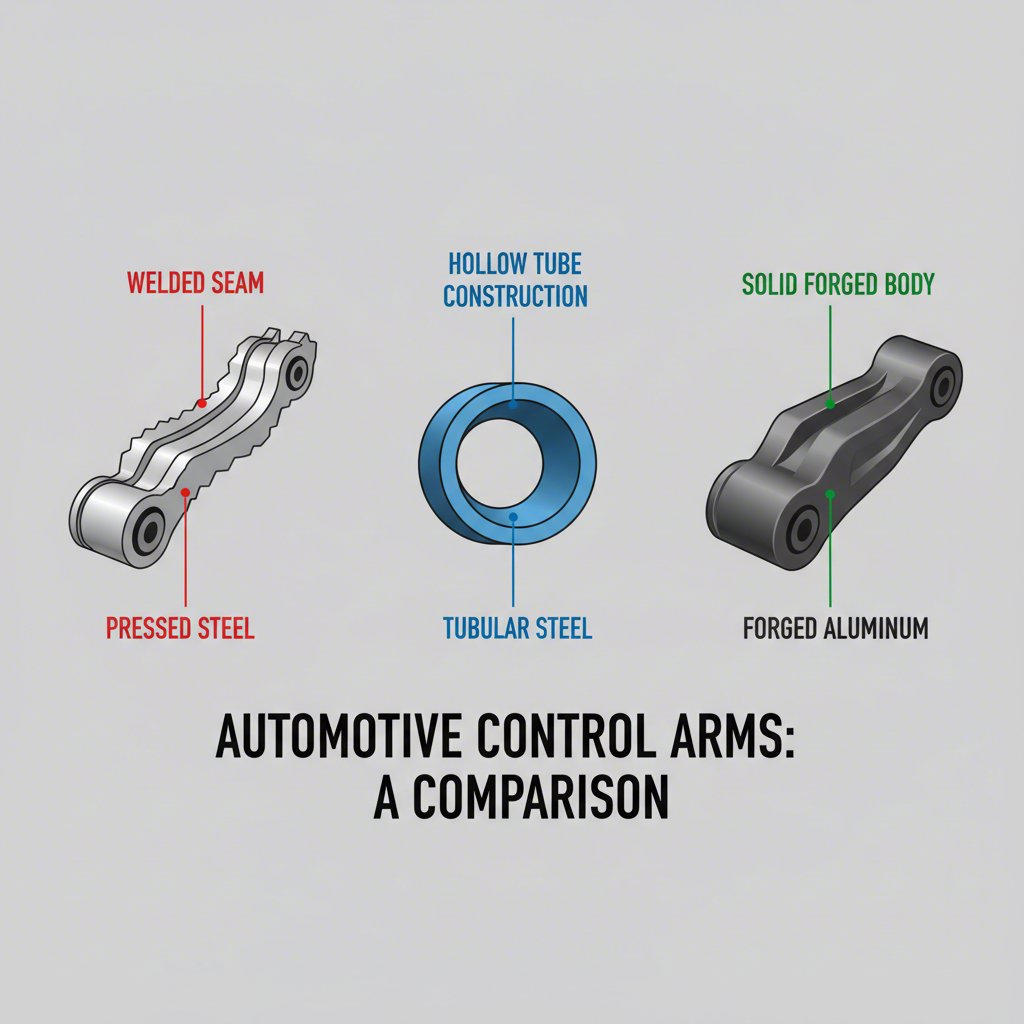
On many trucks, including popular models like the Chevy Silverado and GMC Sierra, stamped steel control arms are the original equipment manufacturer (OEM) standard. A control arm is a critical suspension component that connects your truck's frame to the steering knuckle, where the wheel is mounted. Its job is to allow the wheel to move up and down smoothly over bumps while keeping it firmly in place for stable handling. Stamped steel arms are made by pressing sheets of steel into a desired shape and welding them together, a process that is highly efficient for mass production.
Manufacturers choose stamped steel primarily for its cost-effectiveness. The production process is relatively inexpensive, which helps keep the overall vehicle price competitive. For a truck at its stock ride height and under normal driving conditions, these arms are generally adequate. However, their design represents a compromise between cost and performance. The process of stamping and welding creates inherent weaknesses compared to other manufacturing methods like forging or casting.
The manufacturing of such precise automotive components is a highly specialized field. For instance, companies that focus on high-volume production for the automotive sector, such as Shaoyi (Ningbo) Metal Technology Co., Ltd., utilize advanced automated facilities and rigorous quality control like IATF 16949 certification to produce millions of parts for global automakers. This highlights the scale and precision required to supply the industry, even for standard components like stamped steel arms.
The primary drawbacks of stamped steel become apparent when you modify your truck's suspension or subject it to heavy use. Their key weaknesses include:
- Flex Under Load: The hollow, welded construction can flex under the stress of hard cornering or off-road obstacles. This flex can subtly alter your alignment and lead to a less precise steering feel.
- Limited Strength: Compared to forged or cast alternatives, stamped steel is more susceptible to bending or breaking under extreme impact, a major concern for serious off-roading.
- Poor Ball Joint Angles After Lifting: This is the most common issue. When you install a leveling or lift kit, the angle of the control arm changes dramatically. The factory ball joint is not designed for this steep angle, leading to binding, accelerated wear, and even catastrophic failure where the ball joint can separate from the arm.
The Case for an Upgrade: Key Benefits of Aftermarket Control Arms
If you've installed a lift kit or simply want to bolster your truck's suspension, upgrading the control arms makes a significant difference. Aftermarket control arms are not just replacements; they are engineered solutions designed to correct the shortcomings of factory parts, especially on modified vehicles. The benefits are immediate and impact everything from safety to performance.
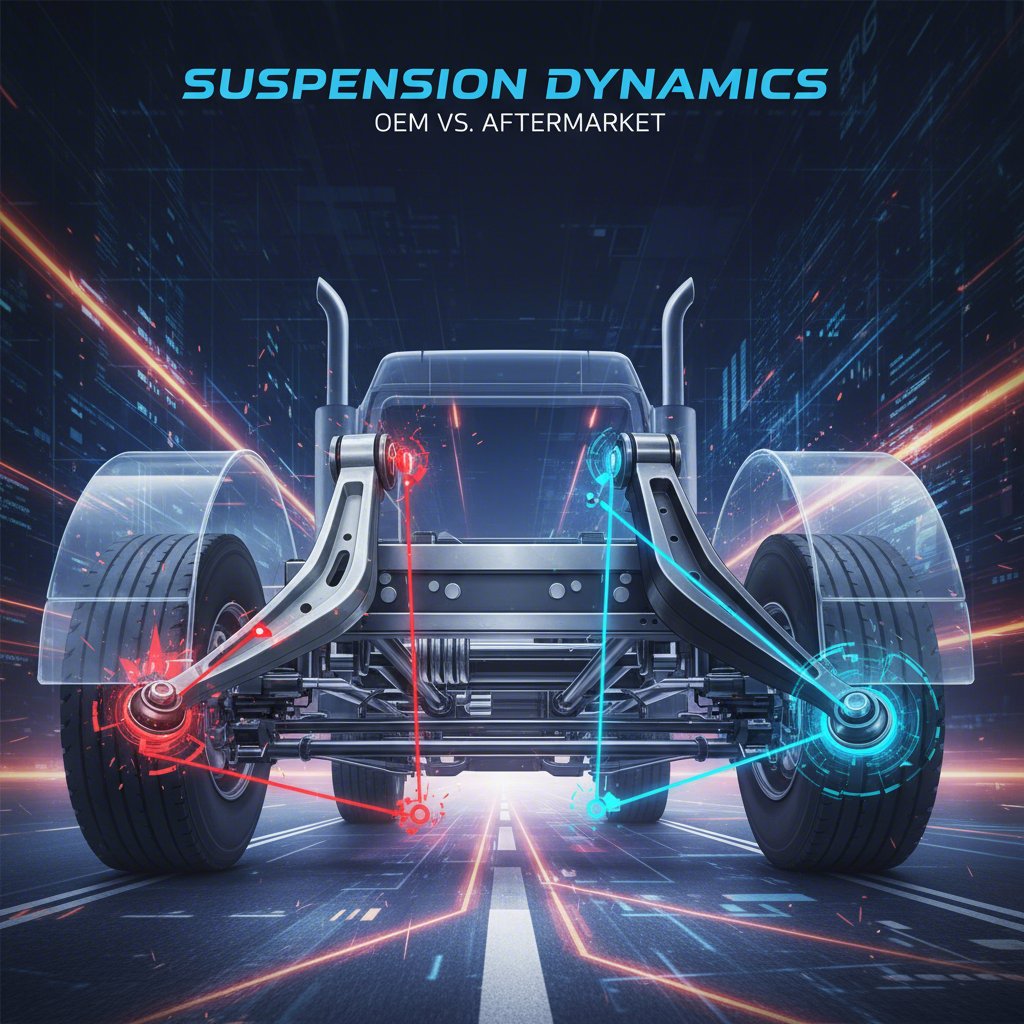
One of the most critical advantages is corrected suspension geometry. As noted by suspension experts at Rancho, installing a lift kit can cause the original upper control arm to move too far down, creating contact with other components and putting the ball joint in a severe bind. Performance control arms are designed with adjusted shapes and angles to fix this, ensuring the ball joint operates smoothly within its intended range. This correction improves alignment, reduces wear on tires, and restores proper handling.
Beyond geometry, aftermarket arms offer a substantial increase in strength and durability. Whether you opt for tubular steel, forged steel, or billet aluminum, the materials and construction are far more robust than stamped steel. This added strength is crucial for off-roading, where suspension components are subjected to intense stress. A stronger arm resists bending and ensures your alignment stays true, even on rough terrain. This upgrade directly strengthens the entire suspension system, giving you more confidence on the trail.
The performance gains extend to wheel travel and ride quality. Upgraded control arms can improve wheel travel—the vertical distance a wheel can move—which is vital for keeping your tires on the ground over uneven surfaces. This enhances both traction and stability. By allowing the suspension to articulate more freely without binding, these arms contribute to a smoother, more controlled ride both on and off the road.
Benefits of Upgrading Control Arms
| Benefit | Stamped Steel (OEM) | Aftermarket (Tubular/Forged) |
|---|---|---|
| Strength | Adequate for stock use | Significantly higher; resistant to bending and impact |
| Suspension Geometry | Optimized for stock height only; poor angles when lifted | Corrects ball joint and alignment angles for lifted trucks |
| Durability | Prone to wear, especially ball joints on lifted trucks | Built with stronger materials and often feature serviceable, heavy-duty ball joints |
| Wheel Travel | Limited by factory geometry and ball joint angle | Can increase usable wheel travel by eliminating binding |
Control Arm Materials Compared: Tubular vs. Forged vs. Cast
When choosing an aftermarket control arm, the material and construction method are the most important factors. Each type offers a different balance of strength, weight, and cost, tailored to different needs. Understanding these differences is key to selecting the right upgrade for your truck and how you use it.
According to a guide from GMT Rubber, a specialist in suspension components, materials like cast iron are often used in heavy-duty vehicles for their strength, while stamped steel is a common choice for less expensive cars due to its low production cost. Aftermarket options expand on this, offering superior performance through better materials and design.
Tubular Steel: This is one of the most popular aftermarket styles. Tubular arms are constructed from bent steel tubes that are welded together. They are significantly stronger and more rigid than stamped steel arms while often being lighter. Their design is easily optimized to correct suspension geometry and provide clearance for larger tires and shocks, making them an excellent all-around choice for most lifted or leveled trucks used for daily driving and moderate off-roading.
Forged Steel/Aluminum: Forging is a process where a solid piece of metal is heated and pressed into shape under immense pressure. This aligns the metal's internal grain structure, resulting in a part that is incredibly strong and resistant to fatigue. Forged control arms offer the ultimate in strength and durability, making them the top choice for extreme off-roading, rock crawling, or heavy-duty applications where failure is not an option. Forged aluminum offers a similar strength profile to steel but with significant weight savings.
Cast Steel/Iron: Casting involves pouring molten metal into a mold. Cast iron control arms are very strong and durable, often found on heavy-duty trucks from the factory. Aftermarket cast steel arms can be a solid, budget-friendly upgrade over stamped steel, offering better rigidity and strength. As detailed in a guide from Maxtrac Suspension, some factory Silverado and Sierra models came with cast steel or cast aluminum arms, which are a notable step up from the stamped steel versions found on other trims.
Material Comparison
| Material | Strength | Weight | Cost | Best Use Case |
|---|---|---|---|---|
| Stamped Steel | Low | Moderate | Low | OEM factory applications at stock height |
| Tubular Steel | High | Moderate | Moderate | Leveled/lifted daily drivers and moderate off-roading |
| Cast Steel/Iron | Very High | Heavy | Moderate-High | Heavy-duty use, towing, and a direct upgrade over stamped |
| Forged Steel/Aluminum | Highest | Heavy (Steel) / Light (Alum.) | High | Extreme off-roading, racing, and maximum durability |
Choosing Your Upgrade: Factors for Silverado, Sierra & Other Trucks
Selecting the right control arm isn't a one-size-fits-all decision. The best choice depends entirely on your specific vehicle, its modifications, and your driving habits. For owners of trucks like the Silverado 1500 or GMC Sierra 1500, this is particularly important, as GM used different factory arms across various model years and trims.
The first step is to identify what your truck currently has. A 2016 Silverado, for example, could have come with cast steel, cast aluminum, or stamped steel control arms, each using a different ball joint size. Before ordering any parts, you must visually inspect your current setup. Stamped steel arms typically have a glossy black finish with a visible welded seam, while cast arms have a rougher, dull black or raw silver (aluminum) finish with a casting line. Confirming your setup ensures you buy a part that fits correctly.
Next, consider your modifications and use case. The size of your lift or leveling kit is the most critical factor. A 2-3 inch leveling kit places different demands on the suspension than a 6-inch lift. Most aftermarket control arm manufacturers specify the range of lift heights their products are designed for. Matching the arm to your lift height is essential for achieving the correct alignment and preventing component binding.
To make a confident decision, follow this simple checklist:
- Identify Your Factory Arms: Look at your truck's current upper control arms. Are they smooth and welded (stamped steel), or are they a thick, solid piece (cast steel or aluminum)? This determines the baseline for your upgrade.
- Measure Your Lift Height: Accurately measure the height of your leveling or lift kit. This will narrow down your options to control arms designed for that specific range.
- Define Your Primary Use: Be honest about how you use your truck. If you primarily drive on the pavement with occasional trips on dirt roads, a quality tubular steel arm is likely sufficient. If you engage in serious rock crawling or high-speed desert driving, investing in a stronger forged arm is wise.
- Set Your Budget: Prices can range from a few hundred to over a thousand dollars. A good tubular arm offers the best balance of price and performance for most users, while forged arms represent a higher-end investment in durability.
For example, a 2017 Silverado 1500 with a 3-inch leveling kit that is used as a daily driver and for weekend camping trips would be an ideal candidate for a tubular steel upper control arm. This choice would correct the ball joint angle, improve handling, and provide more than enough strength without the high cost of a forged arm.
Frequently Asked Questions
1. Does upgrading control arms make a difference?
Yes, absolutely. Upgrading from stock, especially on a lifted or leveled truck, makes a significant difference in performance, safety, and durability. It corrects the suspension geometry for proper alignment, improves wheel travel for better off-road capability, and provides much-needed strength to prevent component failure.
2. What is the difference between cast iron and stamped steel control arms?
The primary difference is in their manufacturing and strength. Stamped steel arms are made from pieces of steel pressed into shape and welded, making them lighter and cheaper but also weaker. Cast iron arms are made by pouring molten iron into a mold, creating a single, solid piece that is much stronger and more rigid, making it ideal for heavy-duty trucks and SUVs.
3. What is the best material for control arms?
There is no single "best" material; it depends on the application. Forged steel or aluminum offers the highest strength and is best for extreme performance and off-roading. Tubular steel provides an excellent balance of strength, weight, and cost for most daily-driven and moderately off-roaded trucks. Cast aluminum is a great lightweight, corrosion-resistant option often used in performance and luxury vehicles.
4. What is the difference between stamped and forged control arms?
The difference lies in the manufacturing process and resulting strength. Stamped arms are assembled from welded steel sheets and are prone to flexing. Forged arms are created from a single piece of metal compressed under extreme pressure, which aligns the material's grain structure, making them vastly stronger and more resistant to stress and fatigue.