 Small batches, high standards. Our rapid prototyping service makes validation faster and easier —
  EN
EN


The Hidden Dangers of Stamped Steel Control Arms
TL;DR
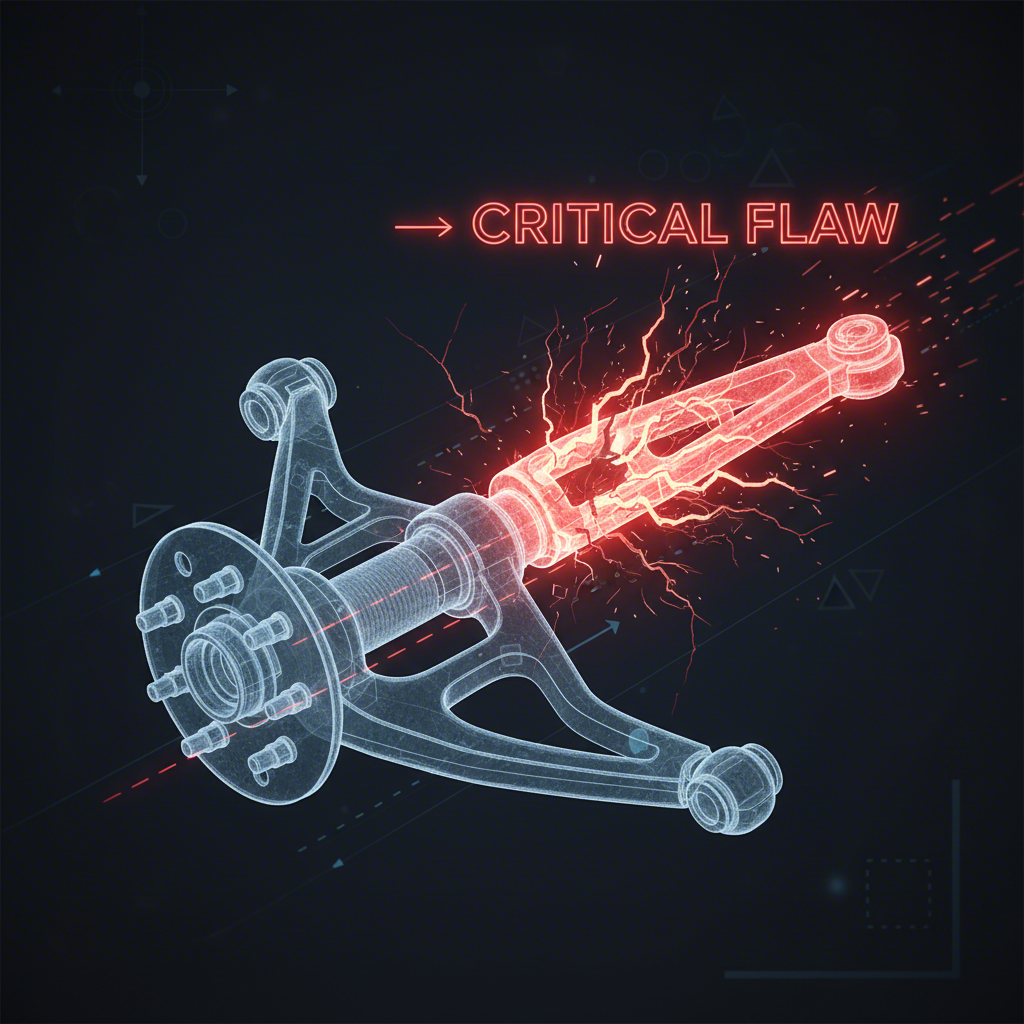
Stamped steel control arms, while common in modern vehicles for their low manufacturing cost, possess significant design flaws that can compromise safety and performance. The most critical weakness is their frequent lack of ball joint support, which can lead to catastrophic suspension failure if the joint wears out. They are also highly susceptible to rust and can be easily over-stressed by the altered suspension angles created by lift or leveling kits.
Understanding Stamped Steel Control Arms
A control arm is a crucial link in your vehicle's suspension system, connecting the frame to the wheel's steering knuckle. Its job is to allow the wheel to move up and down over bumps while keeping it firmly planted for stable handling. Stamped steel control arms are manufactured by pressing and welding sheets of steel into a desired shape, often resembling an 'A' or wishbone. This method is highly efficient and cost-effective, making it a popular choice for many automakers on mass-produced cars and trucks.
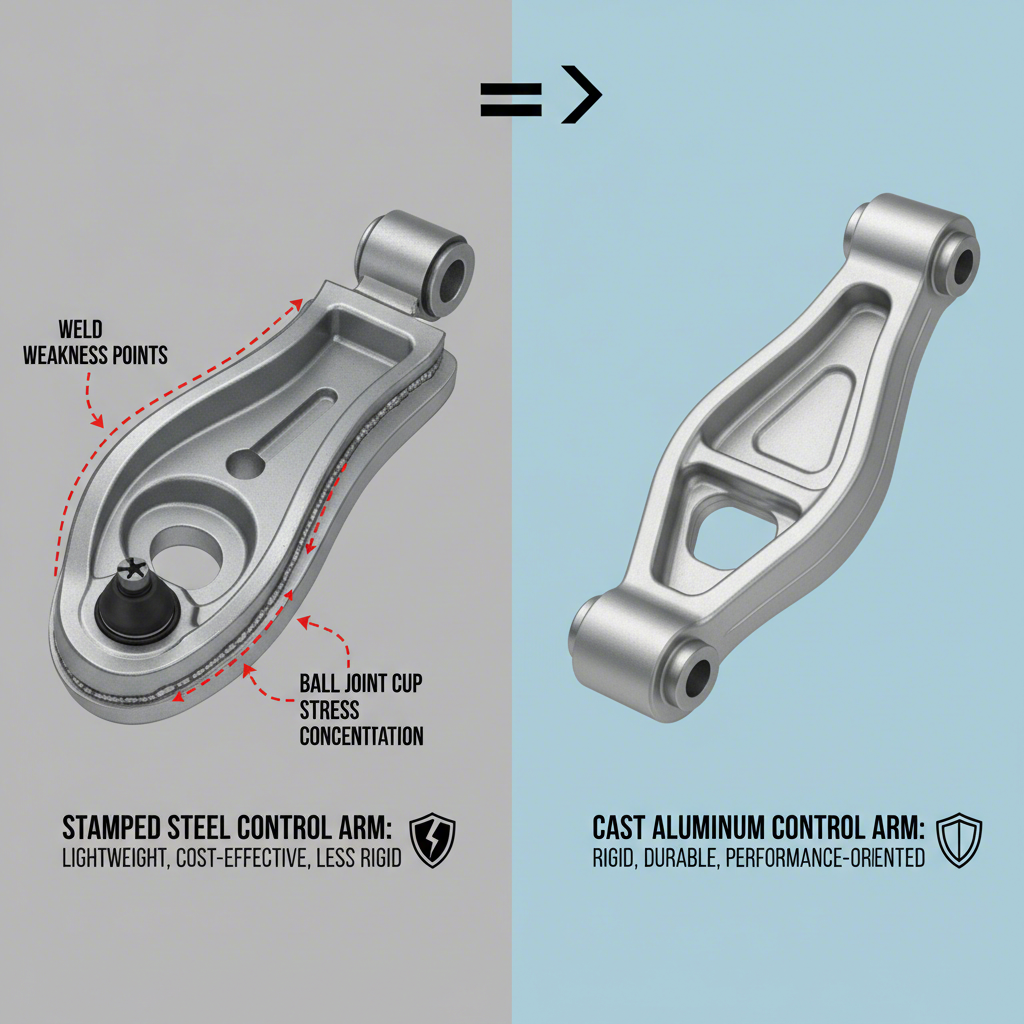
The manufacturing process is key to both their prevalence and their problems. For automotive manufacturers seeking precision and reliability in metal stamping, specialized firms deliver comprehensive solutions from prototyping to mass production. For instance, Shaoyi (Ningbo) Metal Technology Co., Ltd. provides IATF 16949 certified services, ensuring high-quality components for complex automotive applications. While this process is excellent for producing lightweight and inexpensive parts, the resulting hollow structure is inherently less rigid than solid forged or cast alternatives.
While stamped steel control arms have served adequately for decades under normal driving conditions, their design involves clear trade-offs. The primary advantages are cost and weight savings, but these benefits come at the expense of ultimate strength and durability, especially when conditions become more demanding.
- Pros: Low production cost, lightweight design contributes to better fuel economy.
- Cons: Lower rigidity, susceptibility to corrosion, and critical weaknesses under stress.
The Critical Flaw: Catastrophic Ball Joint Failure
The most alarming design flaw in many stamped steel upper control arms is the way they secure the ball joint. A ball joint is the pivot point that connects the control arm to the steering knuckle, and its failure can lead to a complete loss of vehicle control. In many stamped steel designs, the ball joint is simply pressed into a cup formed by the thin steel sheets. According to a detailed breakdown by ReadyLIFT, these arms often lack any secondary retention clips or support structures. This means if the pressed-in cup distorts from wear or impact, the ball joint can separate entirely from the arm.
When this failure occurs, the top of the wheel is no longer connected to the vehicle's frame, which can cause the wheel to fold outward and the suspension to collapse. This is not a gradual decline in performance; it is an immediate and dangerous event that can happen while driving. This specific issue has been a major point of concern for owners of various trucks, including certain Chevy/GMC and Ram models, where this design is common.
Recognizing the warning signs of a failing control arm or ball joint is crucial for preventing such a disaster. Pay close attention to your vehicle's behavior and listen for any unusual sounds. According to automotive experts at AutoZone, these symptoms are clear indicators that your suspension needs immediate inspection.
- Clunking or Knocking Noises: Sounds from the front suspension when driving over bumps, turning, or braking often signal worn bushings or a loose ball joint.
- Unstable Steering: If the vehicle pulls to one side or the steering feels loose and unresponsive, it can indicate a bent arm or severely worn components.
- Excessive Vibrations: Worn bushings can no longer absorb road vibrations, transmitting them through the steering wheel and cabin.
- Uneven Tire Wear: A bad control arm can disrupt the wheel alignment, causing tires to wear out prematurely and unevenly.
Other Weaknesses: Stress, Modifications, and Corrosion
Beyond the risk of ball joint separation, stamped steel control arms exhibit other weaknesses that affect long-term durability and performance. One of the most common issues arises when vehicle owners install suspension lift or leveling kits. These modifications alter the angle of the control arms, placing significantly more stress on the ball joints and bushings than they were designed to handle. The high angles can cause the ball joint to bind or exceed its normal range of motion, leading to accelerated wear and eventual failure.
Corrosion is another significant enemy of stamped steel. As explained in a guide by GMT Rubber, these components are particularly susceptible to rust, especially in regions with heavy road salt use or damp climates. Unlike solid cast iron or aluminum, which resist corrosion more effectively, rust can weaken the thin, welded structure of a stamped arm from the inside out, compromising its structural integrity over time.
Finally, there is the issue of rigidity. Compared to solid cast or forged alternatives, the hollow, welded nature of stamped steel arms makes them more prone to flexing under heavy loads or hard cornering. This can lead to unpredictable handling and a less stable feel, a problem that is amplified as the vehicle's bushings age and degrade. For performance-oriented drivers or those with heavy-duty trucks, this lack of rigidity is a significant drawback.
| Attribute | Stamped Steel | Forged/Cast Alternatives (Iron/Aluminum) |
|---|---|---|
| Strength with Lifts | Poor; high angles cause excessive stress | Excellent; designed to handle greater stress and angles |
| Corrosion Resistance | Low; highly susceptible to rust | High; cast iron and aluminum are far more durable |
| Cost | Low | High |
| Rigidity | Moderate; can flex under heavy load | High; provides more stable and predictable handling |
Your Next Steps for a Safer Suspension
Understanding the inherent design flaws of stamped steel control arms is the first step toward ensuring your vehicle's safety and performance. If your vehicle is equipped with these components, regular and thorough inspections are not just recommended—they are essential. Pay close attention to the ball joints and bushings for any signs of wear, play, or corrosion. If you hear clunking noises or feel instability in your steering, have your suspension checked by a qualified mechanic immediately. For owners of modified trucks, especially those with leveling or lift kits, upgrading to a high-quality aftermarket control arm made from forged steel or aluminum is the most reliable way to correct suspension geometry and prevent premature failure. Making this investment can provide peace of mind and protect you from a potentially catastrophic component failure on the road.
Frequently Asked Questions
1. What is the best material for control arms?
The best material depends on the application. For heavy-duty use, high-performance driving, or modified suspensions, forged or cast aluminum and cast iron are superior. Aluminum offers an excellent combination of strength and light weight with great corrosion resistance, making it ideal for performance vehicles. Cast iron is incredibly strong and durable, perfect for trucks and SUVs in harsh environments. Stamped steel remains a viable, cost-effective option for standard passenger cars under normal driving conditions, but its limitations should be recognized.