 Small batches, high standards. Our rapid prototyping service makes validation faster and easier —
  EN
EN


Strategic Engineering Support for Automotive Part Design

TL;DR
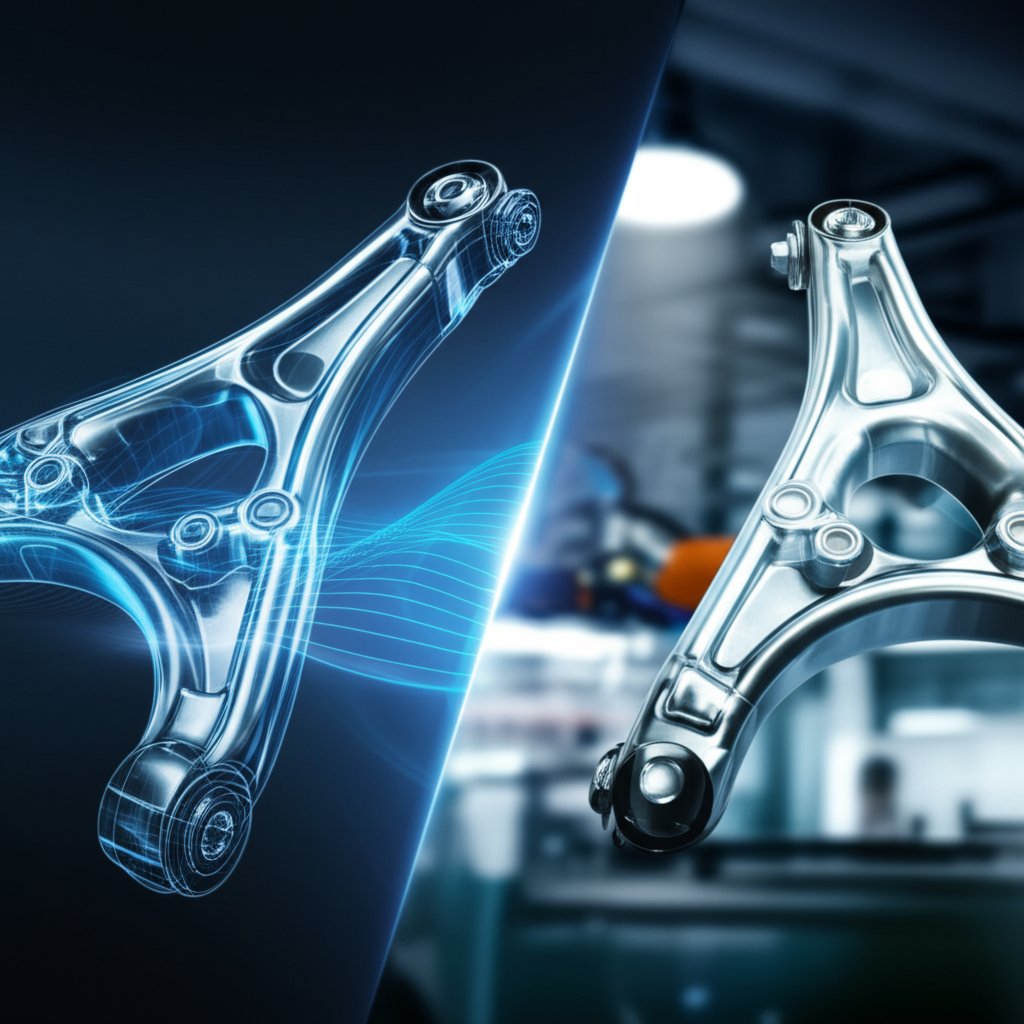
Engineering support for automotive part design is a comprehensive service that guides a component through its entire lifecycle. It begins with the initial concept and progresses through 3D CAD modeling, digital simulation, physical prototyping, and final manufacturing optimization. This integrated approach allows automotive companies to innovate faster, improve component quality, and reduce time-to-market by leveraging specialized expertise and advanced technologies.
The Full Scope of Automotive Part Design Support
In the highly competitive automotive industry, engineering support is far more than a simple design service; it is a strategic partnership that covers the entire product development journey. From a rough sketch to a production-ready component, engineering partners provide the technical expertise and resources needed to navigate complex challenges. This end-to-end support ensures that every part is optimized for performance, manufacturability, and cost-effectiveness, helping OEMs and their suppliers stay ahead of the curve. The process is holistic, aiming to integrate seamlessly with a client's internal teams to accelerate development timelines and enhance innovation.
This comprehensive support structure is typically broken down into several key phases. Each stage builds upon the last, creating a logical progression from idea to reality. By managing the entire workflow, engineering firms can ensure consistency, quality, and efficiency at every step. According to CAD/CAM Services, their outsourced support can cover every step from the initial concept to the production-ready design, highlighting the all-encompassing nature of these partnerships.
- Conceptualization & Feasibility: The initial phase involves brainstorming, defining requirements, and conducting feasibility studies to ensure the design is viable from both a technical and business perspective.
- 3D Modeling & CAD (Computer-Aided Design): Engineers create detailed, precise 3D models of the part. This digital blueprint serves as the foundation for all subsequent analysis, prototyping, and manufacturing activities.
- Simulation & CAE (Computer-Aided Engineering): Using advanced software, digital prototypes are subjected to virtual tests. This includes stress analysis, thermal management, and aerodynamic simulations to predict real-world performance without the need for costly physical models.
- Prototyping & Validation: Physical prototypes are created to validate the digital design. As noted by New Concept Technology, this phase often operates within a Production Part Approval Process (PPAP) to ensure components meet stringent quality standards.
- Manufacturing Optimization & Support: The final design is refined for efficient manufacturing (Design for Manufacturability), and the engineering partner provides support during the production ramp-up to resolve any issues.

Core Engineering Services and Key Technologies
Modern automotive part design relies on a suite of sophisticated engineering services and digital tools. These capabilities allow for the creation of components that are lighter, stronger, and more complex than ever before. Full-service engineering firms offer a wide range of specialized services, enabling clients to access deep expertise on demand for everything from a single component to an entire vehicle system.
CAD/CAM Services
Computer-Aided Design (CAD) and Computer-Aided Manufacturing (CAM) are the cornerstones of modern product development. CAD services involve creating precise 3D models and 2D manufacturing drawings. These digital models are then used in CAM software to generate the toolpaths and instructions for CNC machines, ensuring the physical part perfectly matches the digital design. This integration creates a seamless workflow from design to production, minimizing errors and accelerating timelines. Firms like Mechanical 3D Modelling provide a full range of these services, from 3D modeling to die and fixture design.
CAE and Simulation
Computer-Aided Engineering (CAE) allows engineers to simulate and analyze a component's performance under various conditions before it is ever built. This includes Finite Element Analysis (FEA) to test structural integrity, Computational Fluid Dynamics (CFD) to analyze airflow, and thermal simulations to manage heat. As detailed by Caresoft Global, CAE services can cover everything from under-hood thermal simulation to crash analysis, helping optimize designs for safety, reliability, and performance early in the development process.
Reverse Engineering
Reverse engineering is the process of deconstructing an existing product to understand its design and construction. In the automotive sector, this involves using advanced 3D scanning technology to capture the precise geometry of a physical part and convert it into a detailed CAD model. This is invaluable for developing aftermarket parts, analyzing competitor products, or recreating legacy components for which original design files no longer exist.
Prototyping and Material Selection
Bringing a digital design to life requires careful material selection and prototyping. Rapid prototyping allows for the quick creation of physical models for fit and function testing. Material science expertise is also critical, as partners help select the ideal metals, plastics, or composites to meet performance, weight, and cost targets. For automotive projects demanding precision-engineered components, some suppliers offer a comprehensive one-stop service. For instance, for parts requiring high strength and low weight, services providing custom aluminum extrusions from a partner with a strict IATF 16949 certified quality system can accelerate validation and streamline manufacturing.
The Collaborative Design and Validation Process
Engaging with an engineering support partner involves a structured, collaborative process designed to ensure transparency, manage expectations, and deliver results. This workflow transforms an initial idea into a fully validated, production-ready component through a series of well-defined stages. The emphasis is on partnership, with continuous communication between the client and the engineering team to ensure the project stays on track and aligns with strategic goals. This structured approach minimizes risk and maximizes the chances of a successful outcome.
The journey from concept to production follows a logical and iterative path, allowing for feedback and refinement at each step. This ensures that potential issues are identified and resolved early, saving significant time and cost later in the development cycle. The entire process is geared toward achieving a final product that meets all technical specifications, quality standards, and business objectives.
- Initial Consultation and Requirements Gathering: The process begins with a deep dive into the client's objectives. Engineers work to understand the functional requirements, performance targets, budget constraints, and project timelines. This foundational step ensures everyone is aligned from the start.
- Concept Development and Feasibility Studies: Based on the initial requirements, the engineering team develops one or more design concepts. These concepts are evaluated for technical feasibility, potential risks, and estimated costs, allowing the client to select the most promising path forward.
- Detailed Design and Digital Twin Creation: Once a concept is approved, engineers create a highly detailed 3D CAD model, often referred to as a digital twin. This model is then subjected to extensive CAE simulations to analyze its performance and identify areas for optimization before any physical parts are made.
- Prototyping and Physical Validation: A physical prototype is manufactured based on the refined digital design. This prototype undergoes rigorous real-world testing to validate the simulation results and confirm that it meets all performance and quality requirements. Feedback from this stage is used for final design adjustments.
- Manufacturing Handoff and Production Support: With a fully validated design, the team prepares all necessary documentation and 2D drawings for mass production. The engineering partner often continues to provide support during the initial production runs to help troubleshoot any manufacturing challenges and ensure a smooth transition.
How to Select the Right Automotive Engineering Partner
Choosing the right engineering support partner is a critical business decision that can significantly impact a project's success. The ideal partner acts as an extension of your own team, bringing specialized skills, advanced technology, and valuable industry insights. Evaluating potential partners requires looking beyond their technical capabilities to assess their process, experience, and cultural fit. A thorough evaluation ensures you select a firm that can not only meet your immediate needs but also contribute to your long-term strategic goals.
When comparing potential providers, it's essential to consider a range of factors to ensure they are a good match for your specific project and company. A structured approach to this evaluation will help you make an informed decision and build a productive, long-lasting partnership. Look for a partner who demonstrates a deep understanding of the automotive industry's unique demands for quality, safety, and efficiency.
- Industry Expertise: Verify their experience working with similar companies, whether they are OEMs, Tier 1 suppliers, or aftermarket specialists. A partner with relevant experience, like the end-to-end support offered by firms like MCAM, will understand your specific challenges and standards.
- Technical Capabilities: Assess their proficiency with industry-standard software (e.g., CATIA, Siemens NX, SolidWorks) and their range of CAE simulation tools. Ensure their capabilities align with your project's complexity.
- Project Management and Communication: A transparent and collaborative process is key. Inquire about their project management methodology, communication protocols, and how they handle client feedback and design revisions.
- Quality and Compliance: Look for certifications relevant to the automotive industry, such as IATF 16949, which demonstrates a commitment to the highest quality management standards.
- Scope and Scalability: Determine if they can handle the full scope of your project. Some firms specialize in a single area, while others offer a full range of services from design and simulation to prototyping and production support.
Frequently Asked Questions
1. Which engineering is best for car designing?
Mechanical Engineering is a popular and foundational choice for a career in car design. It provides a strong understanding of mechanics, thermodynamics, materials science, and other core principles essential for designing vehicles. For those seeking more specialization, a degree in Automotive Engineering builds directly upon these principles, focusing specifically on vehicle dynamics, powertrain systems, and chassis design.
2. What is an automotive design engineer?
An automotive design engineer is a professional responsible for the creation and development of vehicles and their components. Their work involves researching new ideas, sketching initial concepts, and using sophisticated computer-aided design (CAD) software to create detailed 3D models and 2D drawings for manufacturing. They blend creativity with technical precision to balance aesthetics, functionality, safety, and performance.
3. Do mechanical engineers design car parts?
Yes, mechanical engineers are heavily involved in designing a wide array of car parts. They apply their expertise to design, analyze, test, and manufacture components across the entire vehicle. This includes everything from engine parts and transmission systems to suspension components, braking systems, and the structural elements of the chassis.