 Small batches, high standards. Our rapid prototyping service makes validation faster and easier —
  EN
EN


Stamping Automotive Dash Panels: Process Optimization & Engineering Guide
TL;DR
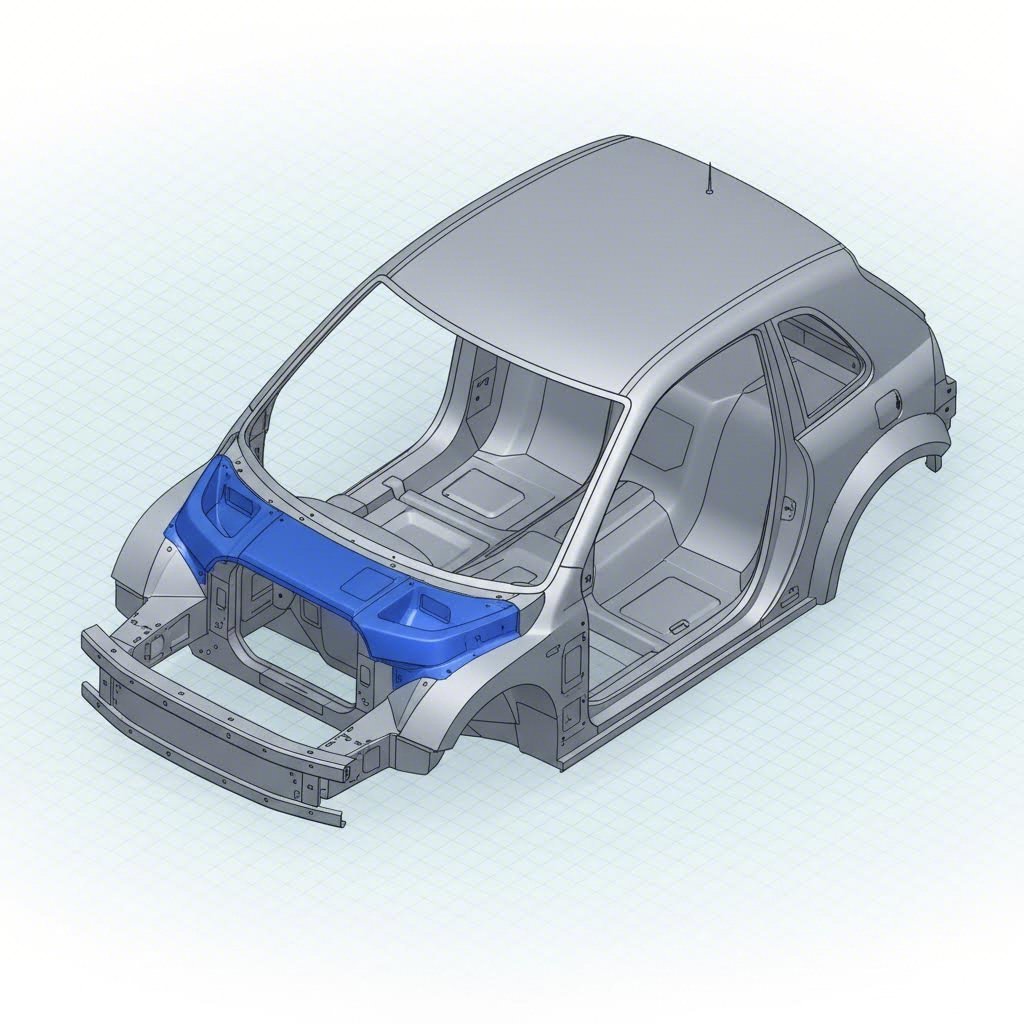
Stamping automotive dash panels primarily involves manufacturing the structural firewall (body-in-white) or cross-car beam components that separate the engine compartment from the cabin. While vintage restoration contexts refer to the cosmetic steel dashboard face, modern engineering focuses on complex deep-drawn structural panels using high-tonnage transfer or tandem presses.
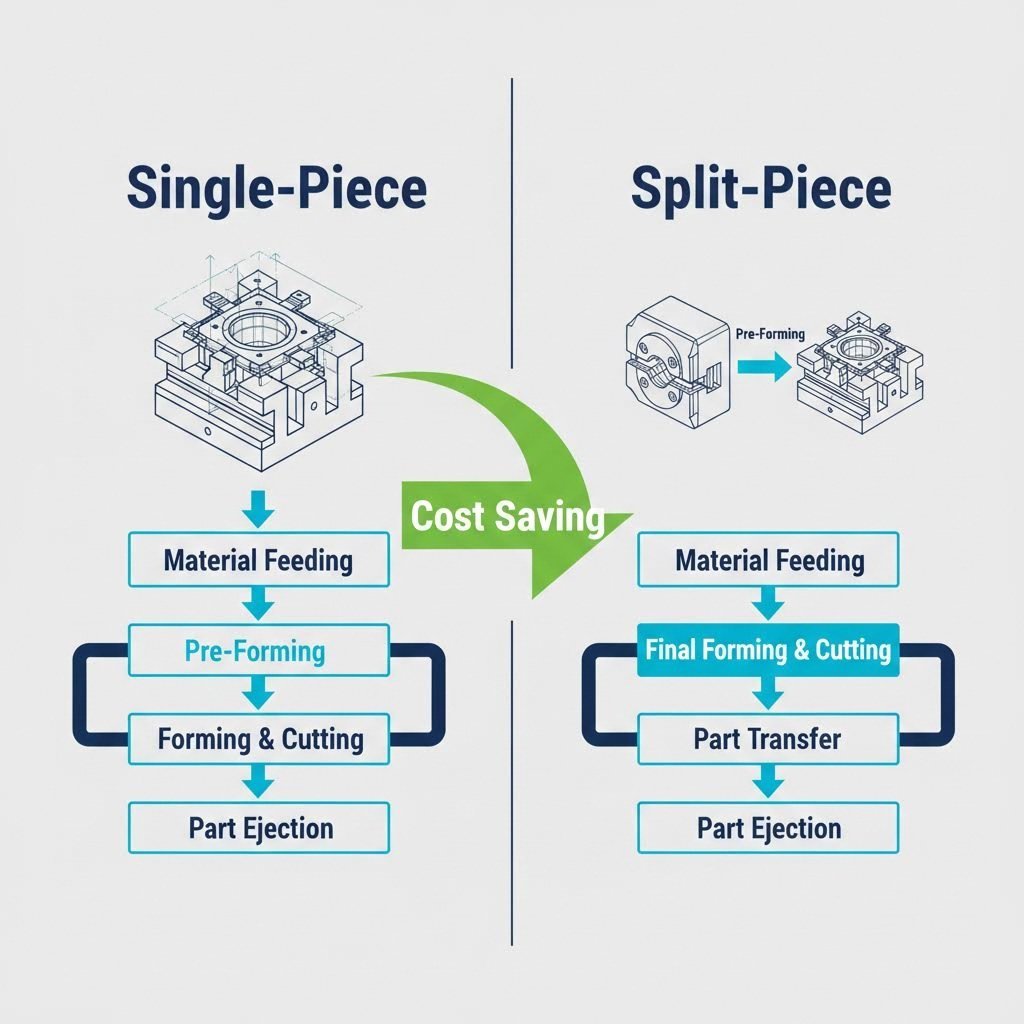
Optimization in this sector relies heavily on balancing die complexity with material costs. As demonstrated by major OEMs like GAC, splitting a complex single-piece dash panel into upper and lower assemblies can allow engineers to downgrade material from deep-draw DC03 to commercial-grade DC01, reduce gauge thickness from 1.0mm to 0.8mm, and save approximately $2 per unit despite added welding costs.
Key challenges include managing springback in high-strength low-alloy (HSLA) steels and ensuring acoustic sealing (NVH) through advanced material selection, such as laminated steel. Success requires rigorous simulation (e.g., AutoForm) to predict formability issues before die machining begins.
Defining the 'Dash Panel' in Modern vs. Vintage Stamping
In the context of automotive metal stamping, the term "dash panel" serves two distinct engineering functions depending on the era and vehicle architecture. Clarifying this distinction is critical for procurement and process engineering.
Modern Structural Dash Panel (Firewall/Bulkhead): In contemporary vehicle manufacturing, the dash panel is a critical Body-in-White (BIW) component. It is a large, complex structural stamping that separates the engine bay from the passenger cabin. These panels are typically stamped from high-strength steel or HSLA grades to meet crash safety standards and provide rigid mounting points for the instrument panel, steering column, and pedal assembly. They require massive press tonnage (often 1000+ tons) and complex die operations to achieve deep draw geometries while maintaining flatness for sealing.
Vintage Cosmetic Dash Panel: In the restoration market (e.g., for 1960s Mustangs or trucks), the dash panel refers to the visible stamped steel face that houses gauges and trim. These are cosmetic "Class A" surface parts. While less structurally demanding than modern firewalls, they require impeccable surface finish quality to accept paint or plating without visible defects like draw lines or orange peel.
Process Optimization: Single-Piece vs. Split-Piece Strategy
One of the most significant decisions in stamping automotive dash panels is determining whether to stamp the component as a single monolithic part or split it into sub-assemblies. A landmark case study from GAC China offers precise data on the trade-offs involved in this engineering decision.
The Single-Piece Approach
Initially, engineers often attempt to stamp the dash panel as a single unit to minimize assembly steps. However, large firewalls have complex geometries that strain formability limits. The GAC analysis revealed that a single-piece design required a complex 4-5 operation die setup with difficult trimming and extraction angles. The sheer complexity required premium deep-draw quality steel (DC03) to prevent splitting, and the die tooling cost was approximately $465,000.
The Split-Piece Advantage
By splitting the dash panel into an "Upper" and "Lower" section, engineers unlocked substantial efficiencies. Although this approach required two separate die sets, the simplified geometry allowed for cheaper tooling ($436,000 combined), saving roughly $29,000 in upfront capital. More importantly, the split design improved formability, allowing the team to:
- Downgrade Material: Switch from expensive DC03 ($770/ton) to commercial grade DC01 ($725/ton).
- Reduce Thickness (Lightweighting): The stable forming process allowed the lower panel gauge to be reduced from 1.0mm to 0.8mm.
- Save Weight: The total assembly weight dropped from 11.35 kg to 10.33 kg—a critical 1 kg saving for fuel economy.
The Trade-off: Splitting the part introduced downstream assembly costs, specifically for spot welding (24 joints) and sealant application, adding about $1.00 per vehicle. However, the net result was still a total saving of ~$2.00 per unit, proving that increased assembly complexity can be justified by massive savings in stamping raw materials.
Material Selection: Steel Grades and Acoustic Performance
Selecting the right substrate is as critical as the die design. Engineers must balance formability, structural rigidity, and Noise, Vibration, and Harshness (NVH) damping.
Standard and High-Strength Steels
For most structural dash panels, Cold Rolled Mild Steels (like DC01, DC03, DC04) are the baseline. DC04 is reserved for the deepest draws where material flow is extreme. DC01 is preferred for flatter, simpler sections to control costs. As safety standards rise, manufacturers are increasingly integrating HSLA (High-Strength Low-Alloy) steels. While HSLA reduces weight by allowing thinner gauges, it introduces significant "springback" challenges, requiring over-crowned die faces to compensate for the material's elastic recovery.
Laminated Acoustical Steel
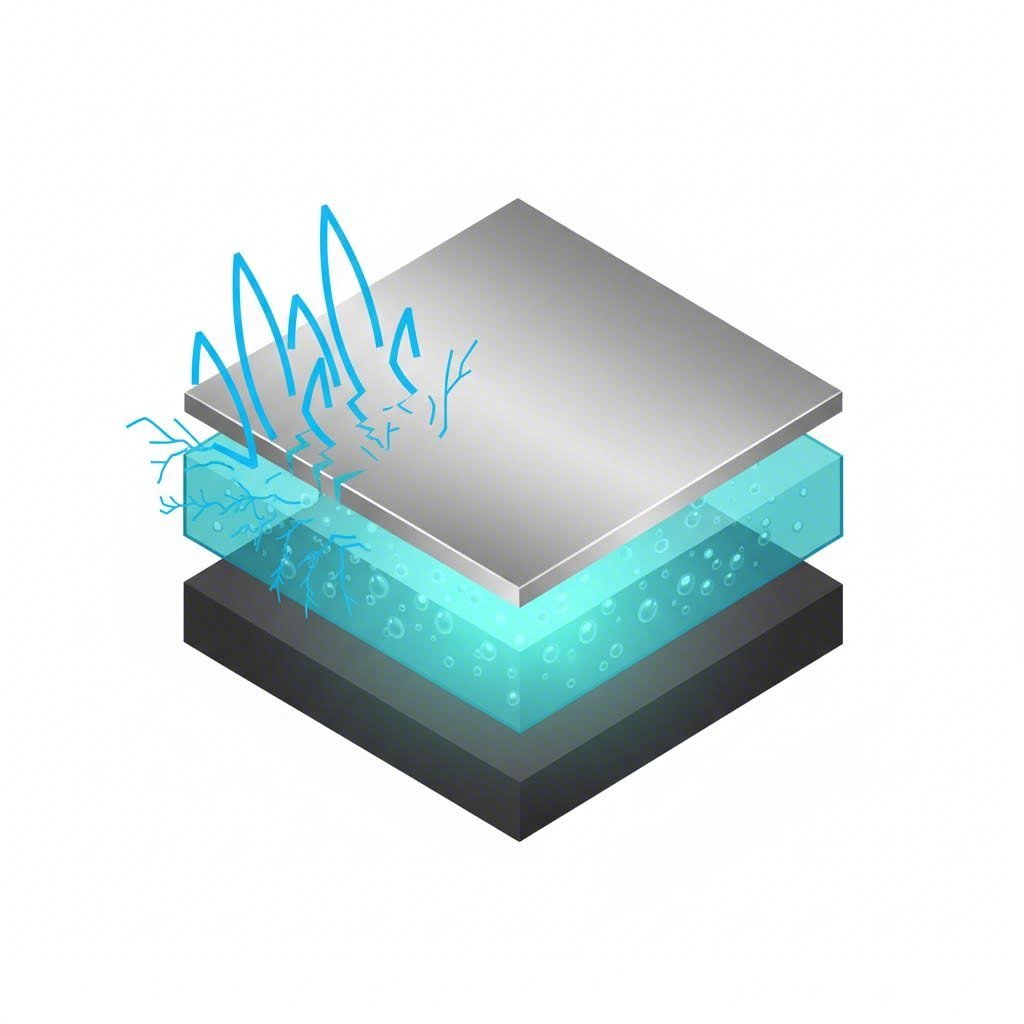
To combat engine noise entering the cabin, advanced stamping lines now utilize acoustical laminates (such as Arvinyl's Avdec). These materials consist of a visco-elastic film sandwiched between two layers of metal (constrained layer damping). Unlike standard steel, these laminates convert vibration energy into heat, significantly deadening sound.
Stamping these laminates requires specialized knowledge. The visco-elastic core can shift under high tonnage, so clamp pressures and draw speeds must be adjusted to prevent delamination. However, they can typically be drawn, welded, and formed using standard equipment with modified parameters, eliminating the need for heavy, add-on asphalt damping mats.
The Manufacturing Workflow: From Prototype to Mass Production
The journey of a dash panel from CAD to assembly line involves distinct phases, each requiring specific machinery and expertise.
Die Engineering and Press Selection
Mass production of large panels utilizes Transfer Presses or Tandem Lines. In a transfer press, mechanical fingers move the blank through sequential stations (Blanking → Drawing → Trimming → Flanging → Piercing) within a single machine enclosure. This ensures high throughput and dimensional consistency.
For the tooling itself, mass production dies are cast from iron or tool steel to withstand millions of cycles. In contrast, prototype dies often use Kirksite (a zinc-based alloy) which is softer and cheaper to machine, allowing for rapid functional testing before committing to hard tooling.
Accelerating the Cycle
Bridging the gap between design validation and full-scale production is often a bottleneck. Shaoyi Metal Technology specializes in this transition, offering capabilities that range from rapid prototyping (delivering 50+ parts in as little as 5 days) to high-volume manufacturing using presses up to 600 tons. Their IATF 16949-certified processes ensure that even initial pilot runs meet the strict tolerance requirements of global OEMs, critical for validating complex assemblies like dash panels before hard tooling is finalized.
Manufacturing Challenges & Quality Control
Stamping large, relatively flat panels like firewalls introduces specific defect modes that process engineers must manage.
Springback and Warpage
Large panels are prone to springback—the tendency of metal to return to its original shape after forming. In dash panels, this can cause the mating surfaces (where the windshield or instrument panel attaches) to warp, leading to leaks or squeaks. Advanced simulation software (like AutoForm) is used to predict this elastic recovery and "compensate" the die surface—intentionally milling the die slightly "wrong" so the part springs back to the "right" shape.
Surface Defects and Thinning
Deep drawing the tunnel area of a firewall can cause excessive thinning or tearing. Conversely, compression areas can suffer from wrinkling. The use of draw beads (ridges in the binder area that restrict material flow) allows operators to fine-tune the tension on the blank, ensuring the metal stretches just enough to set the shape without ripping.
Future Trends: Integrated Assemblies
The industry is moving toward greater integration. Instead of stamping a standalone steel wall, suppliers are delivering fully assembled modules. This includes pre-welded cross-car beams, attached insulation mats, and pre-installed fasteners. Furthermore, the rise of "Gigacasting" (casting the entire front body structure in aluminum) poses a long-term alternative to stamping, though stamped steel remains the cost-effective champion for high-volume economy and mid-range vehicles due to its repairability and established supply chain.
Engineering the Perfect Panel
Stamping automotive dash panels is no longer just about bending metal; it is an exercise in holistic process optimization. As the GAC China data demonstrates, the smartest engineering path isn't always the simplest part design—sometimes splitting a complex part to enable lower-grade materials and lighter gauges yields the highest value.
For manufacturers, success lies in the details: simulating springback before cutting steel, selecting the right material grade for the specific geometry, and understanding the total cost of ownership from the press line to the welding cell.
Frequently Asked Questions
1. Is metal stamping expensive for automotive parts?
Metal stamping requires high upfront investment for dies (often exceeding $400,000 for complex panel sets), but it is the most cost-effective method for high-volume production. For mass-produced vehicles, the per-unit cost is significantly lower than machining or casting. Costs can be further optimized by using commercial-grade steels (DC01) instead of deep-draw grades (DC03) where geometry allows.
2. What is the standard gauge for automotive dash panels?
Structural dash panels (firewalls) typically use steel ranging from 0.8mm to 1.2mm in thickness. As seen in optimization studies, engineers often aim to down-gauge (e.g., from 1.0mm to 0.8mm) to save weight, provided the stamping process remains stable and crash safety ratings are maintained.
3. Can stamped dash panels reduce cabin noise?
Yes, but standard steel acts as a drumhead and transmits vibration. To reduce noise, manufacturers use "quiet steel" laminates—sandwich materials with a visco-elastic core—or apply post-stamping acoustic treatments. The stamping process for laminates requires specific pressure adjustments to avoid delaminating the sound-dampening core.