 Small batches, high standards. Our rapid prototyping service makes validation faster and easier —
  EN
EN


Stamped Steel Control Arms and Your Steering Vibration
TL;DR
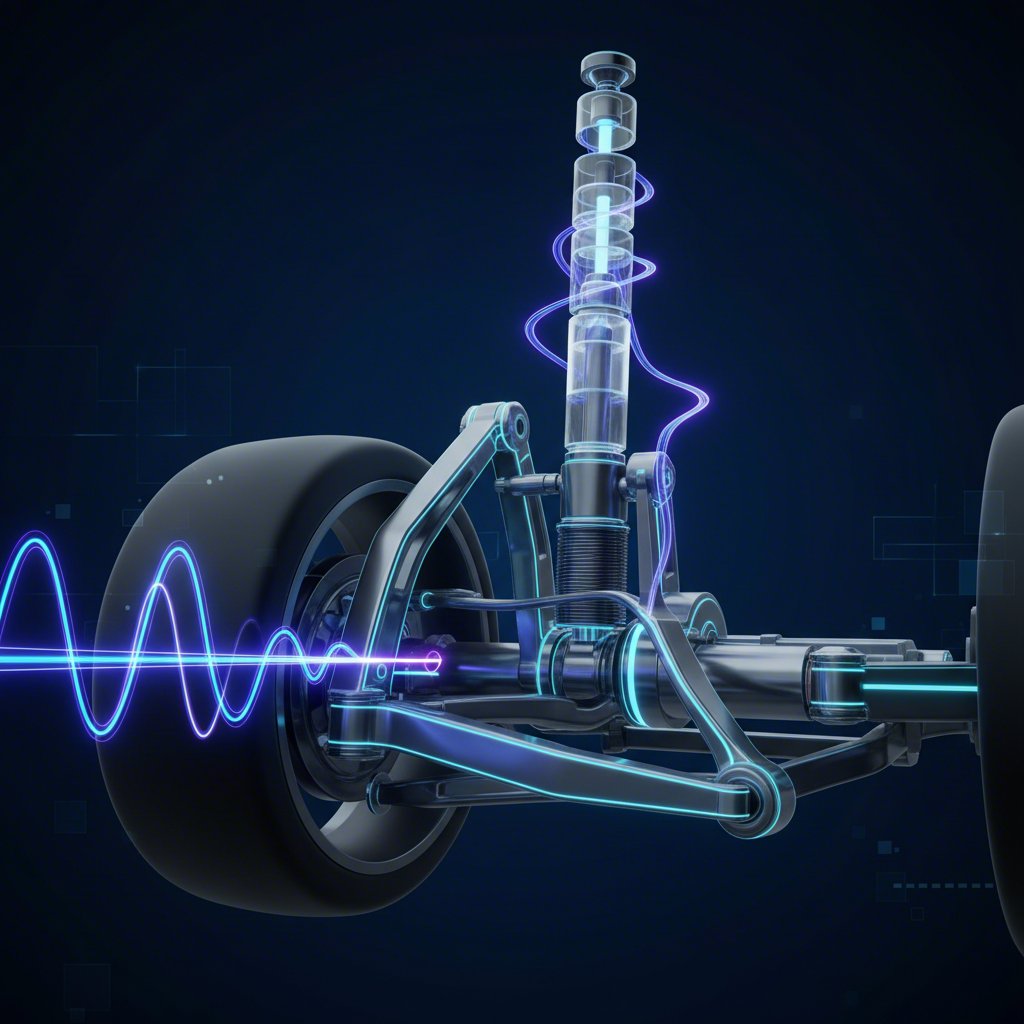
Yes, a faulty stamped steel control arm is a very common cause of steering wheel vibration. This issue typically originates not from the steel arm itself but from its worn-out components, such as rubber bushings or ball joints. When these parts fail, they create looseness in the suspension, leading to vibrations you can feel in the steering wheel, especially during acceleration. Other key symptoms to watch for include clunking noises over bumps, unstable or wandering steering, and uneven tire wear.
The Connection: How Control Arms Cause Steering Vibration
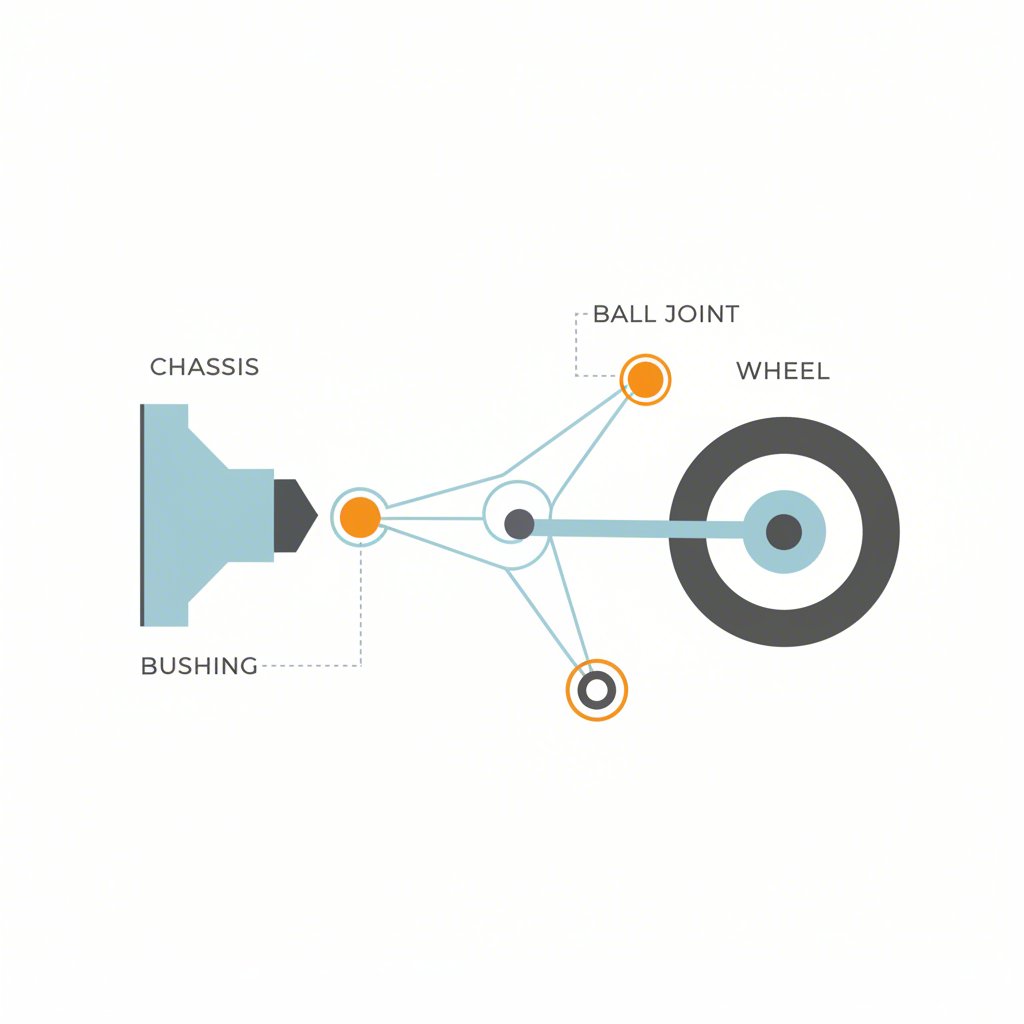
To understand why a failing control arm creates such a noticeable issue, it's essential to know its role in your vehicle's suspension. A control arm is a critical link that connects your car's frame to the steering knuckle—the part that holds the wheel assembly. This connection is designed to pivot, allowing the wheels to move up and down over bumps while keeping them firmly planted on the road for stability and control. Essentially, control arms are the hinges that allow your suspension to articulate correctly.
The primary functions of a control arm assembly include:
- Connecting the vehicle's chassis to the wheel hub or steering knuckle.
- Allowing for vertical movement of the wheels to absorb bumps and uneven road surfaces.
- Maintaining proper wheel alignment and vehicle stability during turns and braking.
- Reducing friction and absorbing road vibrations through components like rubber bushings.
The vibration you feel doesn't usually come from the solid metal arm breaking but from the failure of its connecting parts: the bushings and the ball joint. Bushings, typically made of rubber, are designed to absorb vibrations and cushion the connection points. Over time, this rubber can crack, harden, or tear. The ball joint is a pivoting stud that allows the wheel to steer. When these components wear out, they introduce excessive play or looseness into the suspension. This slack allows the wheel to oscillate or wobble slightly at certain speeds, and that motion is transferred directly up the steering column to your hands, creating the vibration.
This vibration often has distinct characteristics. As noted by automotive repair specialists, the shaking can become more intense during acceleration as more force is put on the suspension components and may lessen slightly at a constant speed. This is a key diagnostic clue that separates a control arm issue from other problems like unbalanced tires, which typically cause vibration that gets progressively worse as your speed increases.
Material Matters: Stamped Steel vs. Cast Control Arms
The material your control arm is made from—in this case, stamped steel—plays a role in your vehicle's handling, cost, and even how it manages vibration. Stamped steel control arms are manufactured by stamping and welding sheets of steel into the desired shape. This method is cost-effective and produces a lightweight part, which is why they are commonly found in many modern passenger cars. Their lower weight can contribute to better fuel efficiency and a more responsive suspension feel.
However, stamped steel has trade-offs compared to its heavier counterparts, like cast iron or cast aluminum. Cast components are made by pouring molten metal into a mold, resulting in a denser, more solid part. This added mass and rigidity can make cast iron arms better at damping vibrations and noise. Some vehicle owners and mechanics have noted that swapping from stamped steel to cast iron arms can lead to a quieter ride. While stamped steel is strong enough for most daily driving, it can be more susceptible to bending from severe impacts (like hitting a curb) and corrosion in harsh, salty environments.
For automotive manufacturers seeking precision and reliability in metal components, the choice of a stamping partner is crucial. Companies specializing in automotive stamping parts, such as Shaoyi (Ningbo) Metal Technology Co., Ltd., provide IATF 16949 certified solutions that ensure high-quality, cost-effective production for complex components like control arms, from initial prototyping to mass manufacturing.
To help you understand the differences, here is a simple comparison:
| Feature | Stamped Steel Control Arms | Cast Iron / Aluminum Control Arms |
|---|---|---|
| Weight | Lighter | Heavier (cast iron) or Lighter (cast aluminum) |
| Cost | Less expensive to produce | More expensive to produce |
| Vibration Damping | Generally less effective | Generally more effective due to higher mass |
| Common Use | Passenger cars and light-duty vehicles | Trucks, SUVs, and high-performance cars |
| Durability | Susceptible to bending and rust | More rigid; cast aluminum is corrosion-resistant |
Full Diagnosis: Identifying All Symptoms of a Failing Control Arm
While steering vibration is a prominent sign, it's rarely the only symptom of a failing control arm. A thorough diagnosis involves looking for a cluster of related issues that confirm the problem lies within the suspension links. Paying attention to these other signs can help you pinpoint the issue before it leads to more severe safety concerns or costly repairs.
A failing control arm assembly will often present several distinct symptoms. According to automotive experts at AutoZone, these signs are clear indicators that your control arms need inspection. If you notice the steering vibration along with any of the following, it's highly likely a control arm component has failed.
Here are the key symptoms to watch for:
- Clunking or Knocking Noises: This is one of the most common signs. You'll hear a distinct clunking or banging sound coming from the front of your vehicle, especially when driving over bumps, potholes, or making sharp turns. This noise is caused by the metal-on-metal contact of a loose ball joint or the worn-out bushing allowing the control arm to shift and hit the frame.
- Unstable or Wandering Steering: The vehicle may feel like it's pulling to one side, forcing you to constantly correct the steering wheel to drive straight. This feeling of looseness or instability is due to the worn bushings or ball joints no longer holding the wheel assembly in its proper alignment.
- Uneven or Premature Tire Wear: A bad control arm will throw off your vehicle's wheel alignment. This causes the tires to make improper contact with the road, leading to rapid and uneven wear, often on the inner or outer edges of the tire tread.
- Poor Handling Performance: Your car may feel less responsive or overly bouncy. A compromised control arm struggles to keep the tire in consistent contact with the road, which can negatively affect handling, especially during braking or cornering.
You can perform a basic visual inspection yourself. Safely park the vehicle and look at the control arm bushings where they connect to the frame. Look for any visible cracks, tears, or deterioration in the rubber. While the vehicle is safely raised on jack stands, you can also try to wiggle the wheel; excessive play or movement can indicate a worn ball joint or bushings.
Frequently Asked Questions
1. What does a continuous vibration in the steering wheel mean?
A continuous vibration in the steering wheel can be caused by several issues. The most common cause is unbalanced tires, which typically creates a vibration that starts at a certain speed (like 45-50 mph) and gets worse as you go faster. Other causes include warped brake rotors (vibration felt when braking), worn suspension components like control arm bushings or ball joints (often worse during acceleration), or alignment problems.
2. What are the first signs of a bad control arm?
The earliest signs of a failing control arm are often subtle noises. You might hear a faint clunking or knocking sound when going over small bumps or speed bumps. You may also begin to feel a slight looseness or 'wandering' in the steering, where the car doesn't feel as tight or responsive as it used to. These symptoms will become more pronounced over time as the components continue to wear out.
3. Can I drive with a bad control arm?
It is not recommended to drive with a bad control arm for an extended period. While minor bushing wear might not seem urgent, a completely failed control arm or ball joint can be extremely dangerous. In a worst-case scenario, the wheel could partially detach from the vehicle, leading to a total loss of steering control. If you suspect a bad control arm, you should have it inspected and repaired by a professional as soon as possible.