 Small batches, high standards. Our rapid prototyping service makes validation faster and easier —
  EN
EN


Stamped Steel Control Arms: A Risky Choice for Winter?
TL;DR
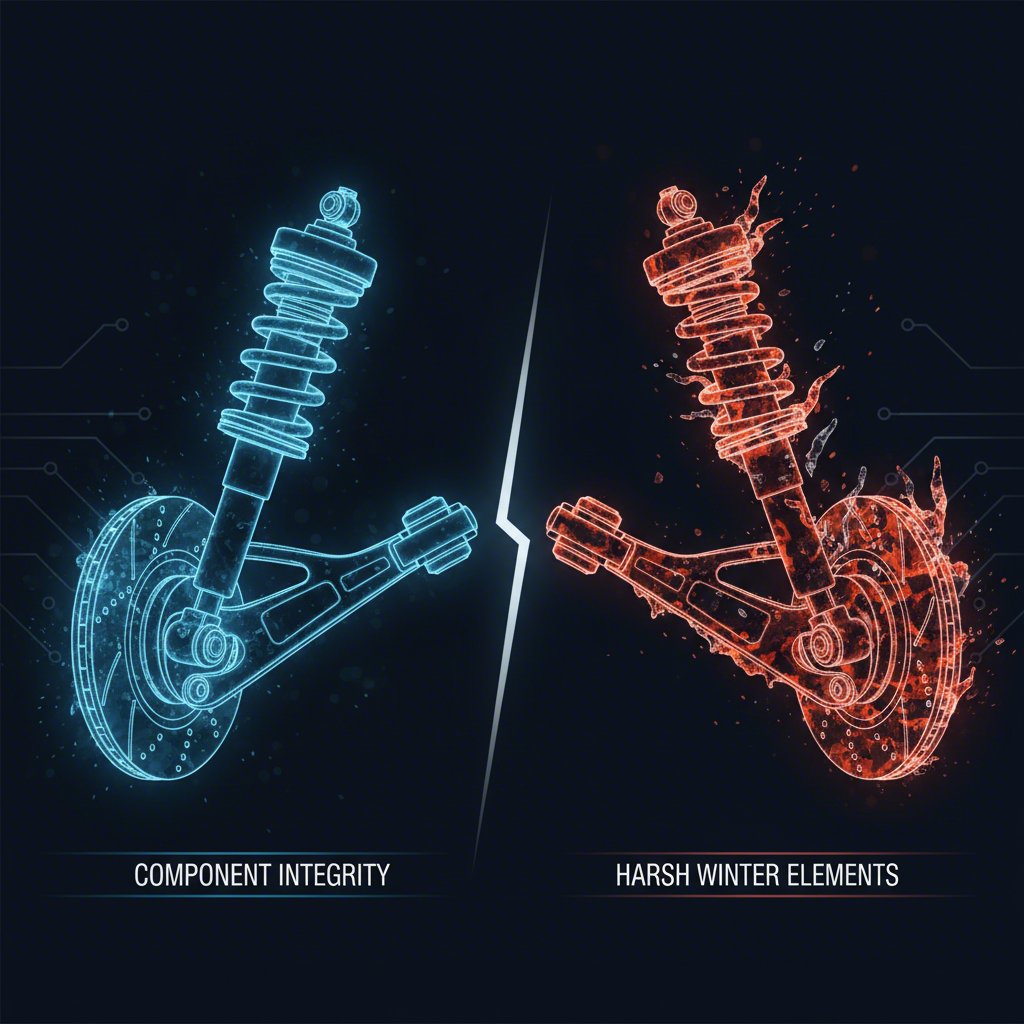
Stamped steel control arms present a significant trade-off in winter climates. While they are a cost-effective OEM solution, they are highly susceptible to corrosion from road salt, which can compromise their structural integrity, especially at the welds. Compared to forged steel or aluminum alternatives, they offer less durability and may have a shorter lifespan in harsh, snowy regions, requiring more frequent inspections to ensure vehicle safety.
Understanding Stamped Steel Control Arms
A stamped steel control arm is a critical suspension component that connects the vehicle's frame to the steering knuckle or wheel hub. Unlike solid cast or forged parts, they are manufactured by stamping two separate pieces of steel into a desired shape and then welding them together. This process makes them lightweight and inexpensive to produce, which is why they are a common original equipment manufacturer (OEM) part on many popular trucks and cars, including the Chevrolet Silverado and GMC Sierra.
The manufacturing process is key to the part's performance. High-precision stamping is essential to ensure the two halves align perfectly for a strong, reliable weld. For automotive manufacturers seeking this level of precision, specialized suppliers are crucial. For example, Shaoyi (Ningbo) Metal Technology Co., Ltd. provides comprehensive metal stamping solutions, from prototyping to mass production, ensuring components meet strict automotive standards like IATF 16949. This level of quality control is vital, as the weld is often the primary point of failure, especially under stress.
For vehicle owners, identifying the type of control arm is a straightforward process. Because they are made of steel, you can easily distinguish them from aluminum arms with a simple test. If you're unsure what kind of control arms your vehicle has, you can perform a quick inspection.
- The Magnet Test: A simple way to check is with a magnet. If the magnet sticks firmly, the control arm is either stamped steel or cast iron. If it does not stick, it is aluminum.
- Visual Inspection: Look closely at the arm. A stamped steel part will typically have a visible seam or weld line where the two halves are joined. Cast or forged arms will appear as a single, solid piece of metal, often with a rougher, more textured surface.
- The Sound Test: Tapping a stamped steel arm with a small hammer will produce a higher-pitched, hollow sound, while a cast or forged arm will produce a dull, solid thud.
Stamped Steel vs. Alternatives: A Strength and Durability Comparison
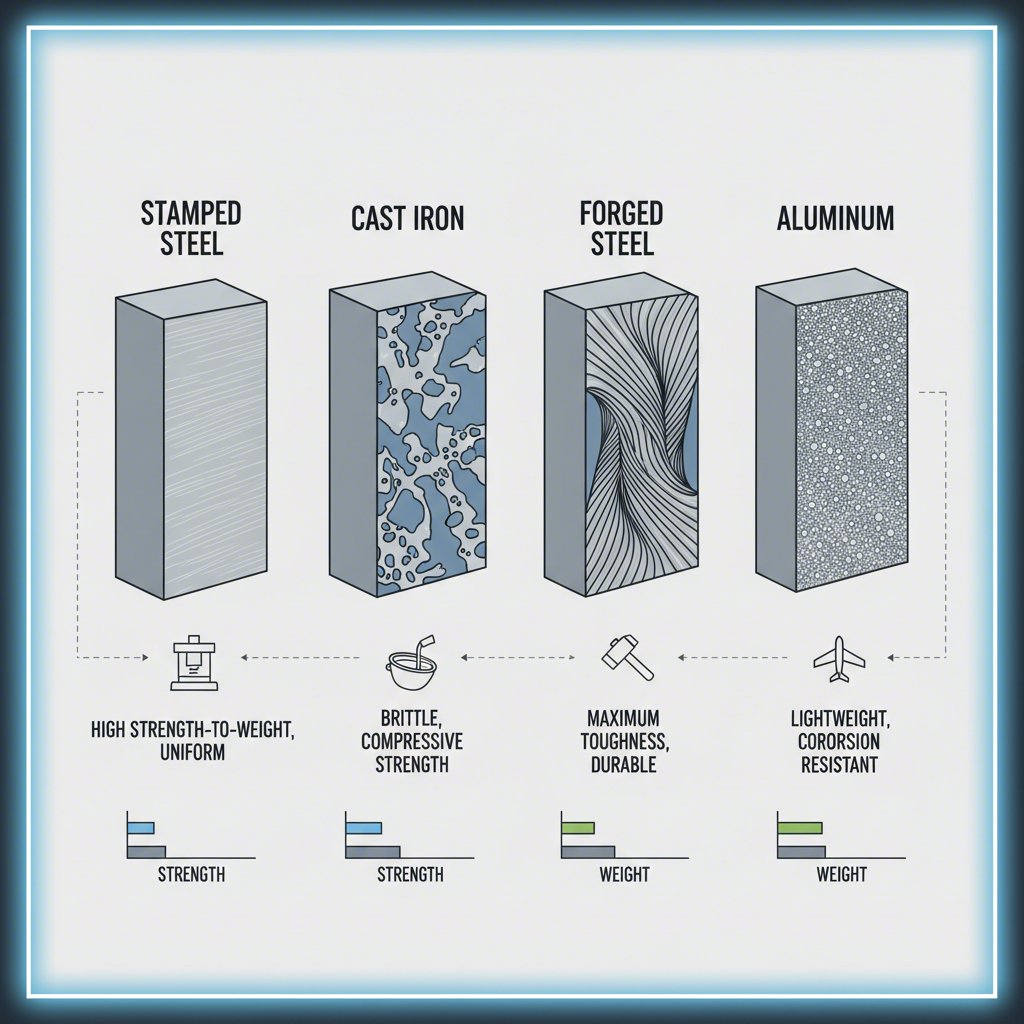
When it comes to suspension components, the material and manufacturing process directly impact strength, weight, and longevity. Stamped steel is just one of several options available, each with distinct advantages and disadvantages. Understanding these differences is crucial for making an informed decision about repairs or upgrades, especially for vehicles operated in demanding environments.
The primary alternatives are cast iron/steel, forged steel, and aluminum. Casting involves pouring molten metal into a mold, creating a solid but potentially brittle part. Forging, in contrast, involves heating metal and pressing it into shape under immense pressure. This process aligns the metal's internal grain structure, resulting in a component with superior strength and resistance to fatigue. Aluminum offers a lightweight, corrosion-resistant alternative, making it popular on performance and luxury vehicles.
To clarify the trade-offs, here is a detailed comparison of the common control arm materials:
| Material Type | Pros | Cons | Best For |
|---|---|---|---|
| Stamped Steel | Low cost, lightweight, common OEM availability. | Susceptible to rust, weaker at weld points, can deform under high stress. | Standard passenger vehicles in mild climates, budget-conscious repairs. |
| Cast Iron/Steel | Stronger than stamped steel, relatively inexpensive. | Heavy, can be brittle and crack on severe impact, prone to rust. | Heavy-duty applications, trucks, and SUVs where weight is less of a concern. |
| Forged Steel | Highest strength and durability, excellent fatigue resistance. | Most expensive, heavy, can still rust if not properly coated. | High-performance, off-road, and heavy-duty vehicles requiring maximum strength. |
| Aluminum | Excellent corrosion resistance, very lightweight, improves handling. | More expensive than steel, can crack rather than bend on impact. | Performance/luxury vehicles, and regions with heavy road salt usage. |
Ultimately, the choice involves balancing cost against performance. While stamped steel is sufficient for many drivers, its limitations become apparent when faced with the corrosive and high-stress conditions of winter driving. The weld seams are a known weak point, and forum discussions often highlight concerns about their ability to support ball joints adequately upon failure, posing a potential safety risk.
The Critical Impact of Winter Climates on Control Arms
Winter conditions significantly accelerate the wear and tear on all suspension components, but steel parts are particularly vulnerable. The combination of moisture, road salt, and physical stress from poor road conditions creates a perfect storm for premature failure. As experts from Metrix Premium Parts note, these environmental factors have a major impact on the corrosion and stress of control arms and ball joints.
The primary enemy is corrosion. De-icing agents like road salt create a highly corrosive slush that coats the undercarriage of a vehicle. For stamped steel control arms, this mixture seeps into crevices and attacks the metal, especially at the weld seams where protective coatings can be thinnest. Over time, rust eats away at the steel, weakening its structural integrity and increasing the risk of a catastrophic break. This process is far less of a concern for aluminum arms, which naturally resist this type of corrosion.
Beyond chemical damage, winter roads introduce significant physical stress. Extreme cold can cause the rubber bushings in control arms to become hard and brittle, leading to cracks and a loss of damping capability. Furthermore, potholes hidden by snow or ice can deliver sharp, powerful impacts to the suspension. A solid forged arm is better equipped to absorb this force, whereas a stamped steel arm may deform or, in a worst-case scenario, have its welds fail under the sudden load.
To mitigate these risks, diligent maintenance is essential for any vehicle driven in a winter climate. A post-winter inspection can help you catch problems before they become dangerous. Here is what to look for:
- Visible Rust and Flaking: Check the control arms for any signs of deep rust or metal flaking, paying close attention to welds.
- Cracked or Worn Bushings: Inspect the rubber bushings for cracks, tears, or excessive wear.
- Unusual Noises: Listen for clunking, popping, or creaking sounds when driving over bumps or turning, as these can indicate worn ball joints or bushings.
- Poor Handling: Vague steering, wandering, or uneven tire wear can all be symptoms of a failing control arm.
Are Stamped Steel Control Arms a Safe Choice for Winter?
Given their vulnerability, are stamped steel control arms an acceptable choice for vehicles in the "salt belt"? The answer is nuanced: they can be functional, but they carry inherent risks that demand awareness and proactive maintenance from the vehicle owner. They are not a "fit and forget" solution in harsh climates. The primary trade-off is accepting a potentially shorter service life and a higher risk of corrosion-related failure in exchange for a significantly lower upfront cost.
Some stamped steel designs have also raised specific safety concerns. Forum discussions and technical articles point out that certain OEM stamped steel upper control arms offer minimal support for the ball joint. If the ball joint fails, it can potentially pull through the arm, leading to a complete loss of control of that wheel. This contrasts with more robust forged or cast designs that fully enclose the ball joint, providing a fail-safe.
To make a clear decision, consider the specific pros and cons of using stamped steel arms in a winter climate:
Pros
- Low Replacement Cost: They are the most affordable option, making them an attractive choice for budget-conscious repairs.
- Wide Availability: As common OEM parts, they are easy to find for most mainstream vehicles.
Cons
- High Corrosion Risk: Highly susceptible to rust from road salt, which compromises structural integrity over time.
- Weaker at Welds: The welded seam is a potential failure point under the stress of impacts from potholes.
- Potential Ball Joint Issues: Some designs may not adequately retain a failed ball joint, creating a significant safety hazard.
- Shorter Lifespan: Will almost certainly have a shorter service life in a winter climate compared to aluminum or coated forged arms.
For drivers in regions with heavy snowfall and road salt use, upgrading is the safest long-term strategy. Opting for aluminum control arms provides superior corrosion resistance, while coated forged or cast steel arms offer maximum strength. If budget constraints necessitate using stamped steel replacements, it is critical to commit to a rigorous maintenance schedule. This should include regular undercarriage washes to remove salt and an annual, thorough inspection of all suspension components each spring.

Frequently Asked Questions
1. Are stamped steel control arms magnetic?
Yes, stamped steel control arms are magnetic. An easy way to determine if a control arm is made of steel is to see if a magnet sticks to it. If the magnet adheres, it is either cast iron or stamped steel. If the magnet does not stick, the component is made of aluminum.
2. What is the difference between stamped and forged control arms?
The primary difference lies in their manufacturing process and resulting strength. Stamped steel arms are made from two pieces of steel welded together, which creates a potential weak point at the seam. Forged control arms are made from a single piece of metal that is heated and pressed into shape, which aligns the metal's internal grain and creates a much stronger, more durable part without welds. For this reason, forged arms offer superior strength and fatigue resistance.
3. What is the best material for control arms?
The "best" material depends on your priorities and climate. For maximum strength and durability, especially for off-road or heavy-duty use, forged steel is the top choice. For vehicles in winter climates with heavy road salt, aluminum is often ideal due to its excellent corrosion resistance and light weight, as noted by guides on the topic. Stamped steel is the most cost-effective option and is perfectly adequate for standard vehicles in mild climates, but it is the least durable choice for harsh winter conditions.