 Small batches, high standards. Our rapid prototyping service makes validation faster and easier —
  EN
EN


Stamped Steel Control Arm Recall: Is Your Vehicle at Risk?

TL;DR
Multiple automakers, most notably General Motors, have issued critical safety recalls for stamped steel control arms due to severe manufacturing defects. Issues such as improper welds and inadequate design can cause the control arm to separate from the vehicle, leading to a sudden and dangerous loss of steering control. It is imperative that all vehicle owners use their Vehicle Identification Number (VIN) to check for open recalls on the official NHTSA website and contact a dealer for a free inspection and repair if affected.
Understanding Stamped Steel Control Arms and Common Failures
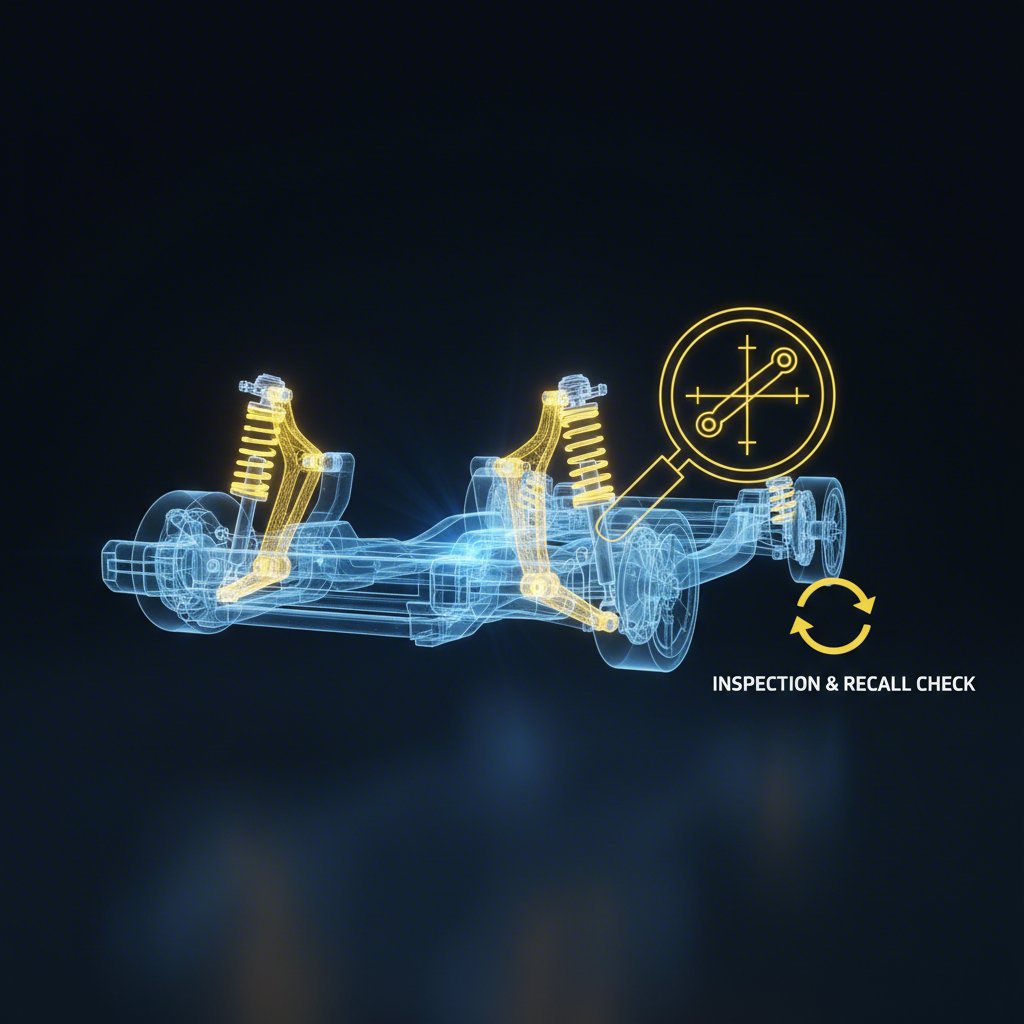
A control arm is a critical component of your vehicle's suspension system, connecting the wheel hub and steering knuckle to the chassis. Stamped steel control arms are manufactured by stamping and welding sheets of steel, a process often chosen by automakers to reduce production costs and vehicle weight compared to using solid forged or cast aluminum parts. While effective when produced correctly, this manufacturing method can introduce vulnerabilities.
The primary points of failure in stamped steel arms are the welds. An improper or weak weld can crack and fail under the stress of normal driving, especially in heavier-duty applications like work trucks. This was a central issue in a major GM recall where the original stamped steel arms were deemed 'inadequate in the field.' Material fatigue can also lead to fractures over time. To ensure component integrity, precision in the manufacturing process is non-negotiable. For automotive manufacturers seeking unparalleled reliability in metal stamping, companies like Shaoyi (Ningbo) Metal Technology Co., Ltd. offer comprehensive solutions, from prototyping to mass production, ensuring high-quality components that meet stringent safety standards. You can learn more about their IATF 16949 certified processes at their website: https://www.shao-yi.com/auto-stamping-parts/.
If you're unsure what type of control arms your vehicle has, a simple magnet test can often provide the answer. If a magnet sticks firmly to the arm, it is made of steel. Forged aluminum arms will not be magnetic. Below is a comparison of the common types:
| Feature | Stamped Steel | Forged/Cast Aluminum |
|---|---|---|
| Strength | Generally lower; dependent on weld quality | Higher; more durable and resistant to stress |
| Cost | Lower to manufacture | Higher to manufacture |
| Weight | Heavier | Lighter (reduces unsprung weight) |
| Common Failure Modes | Weld cracks, rust, bending | Cracking under extreme impact |
Symptoms of a failing control arm are a critical warning sign. Be alert for:
- Steering wheel vibration or shuddering
- Clunking or popping noises, especially when going over bumps
- Uneven tire wear
- Vehicle pulling to one side
- Wandering or loose-feeling steering
If you experience any of these symptoms, it is crucial to have your vehicle's suspension inspected by a qualified mechanic immediately, regardless of whether there is an open recall.
GM Stamped Steel Control Arm Recalls (GMT900 Platform)
General Motors has faced significant recalls related to the failure of stamped steel upper control arms, particularly on its popular GMT900 platform trucks and SUVs. A technical bulletin from Mevotech identified the original equipment stamped steel arms as being prone to failure, which prompted NHTSA recall #16V256000. The defect centered on weak welds that could separate, causing the ball joint to disengage and resulting in a complete loss of steering control—a catastrophic failure that could easily lead to a crash.
This issue was especially prevalent in work and fleet trucks that experience higher loads and more demanding use. In response to the failures, GM later introduced a revised part with a more robust forged design. The recall affects a wide range of vehicles, and owners of these models should verify their recall status immediately.
A comprehensive list of affected vehicles from the GMT900 platform includes:
- Cadillac Escalade, Escalade ESV (2016)
- Chevrolet Silverado 1500 (2016-2017)
- Chevrolet Suburban (2016)
- Chevrolet Tahoe (2016)
- GMC Sierra 1500 (2016)
- GMC Yukon (2016)
- GMC Yukon XL (2016)
If you own one of these vehicles, contact an authorized GM dealer for a free inspection and replacement. You can also reach out to GM customer service directly for more information. The contact number for Chevrolet is 1-800-222-1020.

Other Notable Control Arm and Suspension Recalls
While the GM stamped steel issue is prominent, control arm and suspension defects are not unique to one manufacturer. Various automakers have issued recalls for different manufacturing flaws, highlighting the critical importance of these components. These issues range from bad welds to improper material treatment and incorrect assembly.
Understanding these different failure modes illustrates the complexity of suspension systems and the many points where a problem can arise. Below is a summary of other significant recent recalls. These examples show that whether the part is stamped, forged, or cast, manufacturing quality is paramount to vehicle safety.
| Manufacturer | Affected Models/Years | Specific Defect | Official Recall Number |
|---|---|---|---|
| Chevrolet | 2017-2019 Trax | Improperly welded joint on the front lower-control arm could break. | A182202370 |
| Hyundai | 2023 IONIQ 5 & IONIQ 6 | Rear inner shafts could fracture due to improper heat treatment, causing loss of power. | Recall 253 |
| Ford | 2024-2025 F-150 Lightning | Ball-joint nut on the front upper control arm may not have been properly tightened. | 24S76 |
The Chevrolet Trax recall highlights a similar weld-related failure point as the GM trucks, where a partial separation of the arm could cause the front wheel to toe outward and impact steering. The Hyundai recall, detailed in an NHTSA safety report, was caused by a metallurgical issue—improper heat treatment—leading to a potential fracture. The Ford recall demonstrates that even a perfectly manufactured part can become a safety risk due to an assembly line error like a loose nut. In all cases, the manufacturer's remedy is a free inspection and repair at an authorized dealership.
How to Check for Recalls and Your Next Steps
Every vehicle owner can and should check for open safety recalls for free. The process is simple and provides definitive information about your specific vehicle. Do not wait to receive a notice in the mail, as records may not be up to date. Taking proactive steps is the best way to ensure your safety.
Follow this step-by-step guide to check your vehicle:
- Locate Your VIN: Find your 17-digit Vehicle Identification Number. It is typically located on the driver's side dashboard (visible through the windshield) and on the driver's side door jamb sticker.
- Visit the NHTSA Website: Go to the official National Highway Traffic Safety Administration recall website at nhtsa.gov/recalls.
- Enter Your VIN: Type your 17-digit VIN into the search box and submit. The system will search all manufacturer recall databases.
- Review the Results: The website will display any open recalls for your vehicle. A result of "0 Unrepaired Recalls" means your vehicle is clear. If a recall is listed, it will include details about the problem and the remedy.
- Contact a Dealer: If an open recall appears, contact an authorized dealership for your vehicle's brand to schedule a free repair. All safety recall work is performed at no cost to the owner.
What If There Is No Recall?
Even if your vehicle has no open recalls, it's wise to remain vigilant, especially if you own a model known for control arm issues but your specific VIN isn't included. If you notice any symptoms of suspension problems, seek a professional inspection. For owners of vehicles like the GM GMT900 trucks who want to prevent future problems, upgrading from the original stamped steel control arms to higher-quality forged aftermarket parts can be a worthwhile investment in durability and peace of mind.
Frequently Asked Questions
1. How do I tell if I have stamped steel control arms?
The most reliable and simple method is the magnet test. If a magnet sticks to your control arm, it is made of steel. Stamped steel arms often have visible seams or welds where the pieces of metal were joined together, appearing more like a fabricated box than a solid piece. Forged or cast aluminum arms will not be magnetic and typically have a smoother, more solid appearance.
2. What is the GM upper control arm recall?
The primary GM upper control arm recall (NHTSA #16V256000) affects certain 2016-2017 GM trucks and SUVs, including the Silverado, Sierra, Tahoe, and Escalade. The issue stems from weak welds on the stamped steel upper control arms that can fail, causing the arm to separate and leading to a loss of steering. Dealers will inspect and replace the defective arms with a more robust design free of charge.
3. What Chevy trucks have frame rust problems?
While this article focuses on control arms, frame rust is another known issue, particularly on Chevrolet Silverado and GMC Sierra models. Some reports indicate that models from 2011 onwards may be susceptible to premature frame rust and peeling of the protective wax coating. Owners concerned about frame integrity should have their vehicle inspected by a professional.
4. What is the Ford control arm recall?
A recent Ford recall involves the 2024-2025 F-150 Lightning electric truck. The issue is not with the control arm itself but with its installation; a ball-joint nut on the front upper control arm may not have been tightened to the correct specification at the factory. This could allow the joint to loosen and potentially separate, affecting steering and increasing crash risk.