 Small batches, high standards. Our rapid prototyping service makes validation faster and easier —
  EN
EN


Који метали се не кородирају? Истина која спасава од скупих грешака
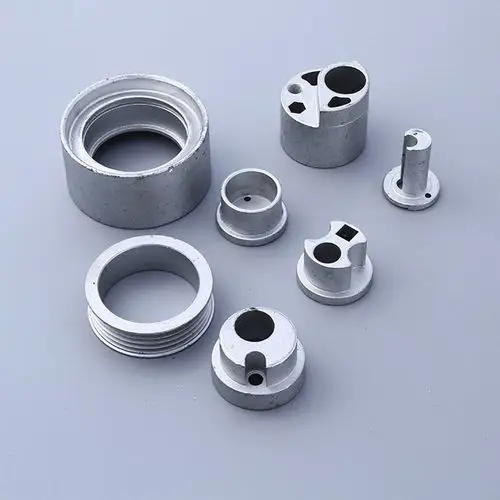
Који метали се не кородирају?
Ако питате који метали не кородирају, искрен одговор је: ниједан метал није потпуно имунолошки у свакој средини. Неки метали и легуре се отпорну на корозију много боље од обичног угљенског челика, посебно титана, алуминијума, легура бакра, легура никла и нерђајућег челика. Али ниједна од њих није недодирљива. Увлажност, сол, хемикалије, загађење и чак и ухваћена вода могу их и даље оштетити.
Шта је заправо кратак одговор
Људи који траже који метали не рђају, који метал не рђа, или чак који метал не рђају обично покушавају да избегну црвене, лупасте оштећење које се види на челику. То је разумно, али у тексту може бити скривен један важан детаљ. Броне објашњава да не сви метали рђају, али да се сви метали могу кородирати под одређеним условима. MakerVerse описује корозију као реакцију између метала и његове околине, укључујући кисеоник, влагу, сољу или хемикалије.
Ниједан метал није универзално некорозиван. Правно питање је како се понаша у вашем специфичном окружењу.
Рђа и корозија нису исто
Ово је прва велика корекција. Рђа је специфична врста корозије везана за гвожђе. Дакле, који метали рђају? Чисто гвожђе и многи челик. Алуминијум се не рђа. То формира алуминијум оксид. Бакар такође не ствара црвену ржужу. Оксидира и може развити површинску патину. Нержавији челик садржи гвожђе, тако да се и даље може кородирати или чак рђати ако је његова заштитна површина оштећена. Другим речима, рђа и корозија нису само питање формула. То мења начин на који процењујете материјале.
Зашто услови излагања мењају одговор
Ако желите да знате који метали не кородирају , мораш да назовеш поставку. Сува кухиња у затвореном простору, ручни ремељ на обали и део за хемијску прераду не су изложени истим ризицима. Зато ће овај водич упоређивати својствену отпорност на корозију, покривене метале, стварна ограничења и специфичан избор околине уместо да се претвара да постоји једна савршена рангирање. Такође ће се размерити практичне компромисе за које се купци заиста брину, укључујући цену, чврстоћу, тежину, израду, одржавање и изглед.
- Титан
- Aluminijum
- Мед, барез и бронза
- Никелске легуре
- Нерођива челик
- Покривени и обрађени челика
Неки од ових материјала штите се хемијском реакцијом на површини. Други зависе од премаза. А неки се лепо одвијају док хлориди, оштре хемикалије или лоше завршене боје не открију слабост. Та разлика је место где наука постаје интересантна, и где почиње паметнији избор материјала.
Зашто неки метали не корозирају
То је стварна причина због којег неки материјали трају. А корозионски отпорни метал обично није хемијски спава. Реагира контролисано. На нерђајућем челику, хром реагује са кисеоником и формира танки оксидни филм богат хромом који штити метал испод. Ксометрија примећује да пасивација побољшава ову уграђену заштиту уклањањем контаминације гвожђа тако да се оксидски слој може реформисати. Шта је то корозионски отпорна легура? У пракси, то је легура чија хемијска структура помаже да се створи стабилна, заштитна површина.
Зашто се неки метали штите
Легурирање је велики део отпорности на корозију. Валдлеаааааааааа објашњава да око 10% до 13% хрома може створити континуиран слој оксида, док молибден побољшава отпорност на кору и корозију пукотина у служби богатој хлоридом. Никел помаже да се побољша отпорност на корозију и на високе температуре, а азот такође може побољшати отпорност на укопавање. Зато се метали који се не корозирају дизајнирају у складу са хемијским методама, а не са маркетиншким ознакама. У стварним пројектима, метали и отпорност на корозију зависе од тога да ли та заштитна површина остаје стабилна тамо где део заправо ради.
Како пасивни слојеви успоравају оштећење
Пасивни слој је танко, али делује као бариера између околине и некоммерског метала. За разлику од боје или прекривања, пасивација не додаје посебну кожу. То помаже заштитном филму метала да ради свој посао. Проблеми почињу када се филм сломи. Упутства од Свагелок показује да хлориди, чврсти празнини и заробљени раствор могу изазвати брз локализован напад. Зато би људи који траже некорозивне метале требали поставити корисније питање: да ли ће ова легура остати пасивна у соли, замкама за влагу или хемијској служби?
Отпорност на корозију увек зависи од околине. Добра перформанса на отвореном не гарантује добру перформансу у хлоридима, пуковинама или мешаним металним зглобовима.
Када се корозија појављује локално и опасно
- Једноставна корозија: површина се прилично равномерно редише широм делова, што олакшава откривање и процену оштећења.
- Корозија рупа: мале рупе се формирају након пасивног разлагања слоја, често у медијима који садрже хлорид, и могу брзо да сече дубоко.
- Корозија раскола: напад се концентрише унутар чврстих празнина, испод депозита или на опорима где се корозивна течност заробљава.
- Галваничка корозија: један метал се брже корозира када додирне другачији метал у присуству електролита.
- Крецкинг под стресом корозије: пукотине расту под стресом на отпорности и правилном окружењу, а неуспјех може доћи изненада.
Овде метали и корозија престају да буду једноставна игра рангирања. Део може издржати општу ветеранцију, али ипак не успева на причвршћивачу, под прљавштином или поред другачије легуре. Широка листа долази следеће, али прави филтер је увек исти: најбоља усаглашеност између легуре, начина неуспеха и окружења.
Метали који се не кородирају
Спискови метала који не кородирају често звуче једноставније него стварни живот. У пракси, најпознатији метали који не рђа добијају ту репутацију на веома различите начине. Водичи из МИСУМИ-а и Ситер-а стално се враћају на исту главну групу: титан, алуминијум, бакарне легуре, легуре на бази никла, а у високо специјализованим случајевима, племенити метали. Полезно питање није само који метал је отпоран на корозију, већ где се он довољно добро понаша да оправда своју цену и компромисе.
Титан и други врхунски производи
Титан је један од најјачих одговора које људи дају када питају за најотпорнији метал на корозију у практичном инжењерству. Његова површина формира веома стабилан оксидни филм, а и Мисуми и Сидер примећују да му то помаже да се носи у суровим морским и хемијским окружењима. Такође има висок однос чврстоће према тежини, што објашњава његову употребу у ваздухопловним компонентама, медицинским уређајима, топлотним разменима и опреми за хемијску прераду. Тешко је игнорисати тај улов: титан је скуп и теже се обрађује од обичних метала.
Племенити метали су још стабилнији по хемијској стабилности. Ксометрија описује злато, платину, паладијум, родијум и иридијум као изузетно отпорне на оксидацију и корозију због њихове веома ниске реактивности. То их не чини свакодневним структурним изборима. Њихова вредност се обично ограничава на електричне контакте, сензоре, катализаторе, на накит и специјалне медицинске или лабораторијске употребе.
Објашњење алуминијумских легура бакра и никла
Алуминијум је један од најпрактичнијих одговора на питање који метали се не кородирају у свакодневном коришћењу на отвореном. Не рђа. Уместо тога, скоро одмах формира алуминијумски оксид, а тај оксид успорава даље нападе. Мисуми истиче уобичајене легуре као што су 6061 и 5052 због њихове равнотеже отпорности на корозију, чврстоће и обрадивости. Сидер такође указује на алуминијум серије 5XXX за апликације које се односе на поморство. Њена слаба места су галванички контакт са различитим металима и високо алкалним или хемијски агресивним окружењима.
У неформалном разговору се често мешају бакар и рђа, али и бакар не рђа. Уместо тога, оксидира и развија заштитну патину. бакар, месин, и бронза се користи за водовод , електрични делови, вентили, буши и поморска опрема јер комбинују отпорност на корозију са проводљивошћу или добром понашањем зноја. Да ли бронза може рђати? Не, јер је рђа специфична за гвожђе. Међутим, бронза се и даље може кородирати или покварити, а Сидер напомиње да бронза обично траје дуже у соли од барана.
Никел доводи до још једног уобичајеног питања: да ли никел рђа? Никел и легуре на бази никла отпорују напад стабилизирајући заштитне пликове на површини. Мисуми наводи Монел, Инконел и Хастелој за корозивне течности, реактивне гасове и службу на високим температурама. Ипак, да ли може или неће никел рђати у служби? Боље упозорење је да се никелове легуре могу кородирати када хемијска структура легуре не одговара окружењу. Њихова ефикасност се веома разликује у зависности од породице, а цена може бити озбиљна препрека.
| Метал или легура | Да ли се рђа? | Како се обично корозира | Где се добро испоручује | Где се лоше испоручује | Главни компромиси |
|---|---|---|---|---|---|
| Титан | Нема црвене рђавине | Заштитни оксидни филм; јака отпорност у многим морским и хемијским окружењима | Химијска преработка, сервис морске воде, топлотни размениоци, медицински и ваздухопловни делови | Цоуст-сензитивна свакодневна производња где су једноставнији метали довољни | Одлична отпорност на корозију, лака за своју снагу, ниска проводност, висока цена, тежачка обрада |
| Алуминијумске легуре | No | Формира алуминијумски оксид уместо рђа; може претрпети галванички напад или хемијску деградацију | Изванредне оквире, панели, затворе, многе индустријске атмосфере, неке морске категорије | Веома алкална или хемијски агресивна служба, мокри спој метала | Лака тежина, добра вредност, добар изглед, корисна проводност, мања чврстоћа од многих челика |
| Bakar | No | Оксидира до смеђе или зелене патине која успорава даље нападе | Водоводство, покривање, електричне и топлотне апликације, излагање на отвореном | Неке киселине окружења или лоше усклађени контакт са помешаним металима | Одлична проводљивост, атрактивно старење, тежак од алуминијума, умерено јака структура, већа цена од обичног челика |
| Бронза и барана | No | Оксидација или мрљање површине; бронза се углавном боље носи са сољеном водом него месинг | Лежаји, бушинг, вентили, бродове, делови за знос | Оштри окружења која могу деградирати месинг; избор легуре је важан | Бронз је трајан, а месинг је лакше формирати, обоје су теже од алуминијума и вредне су зато што изгледају топло |
| Лаги на бази никла | Нема црвене рђавине | Заштитни филмови се не окисују, не подлежу киселинама, алкалним растворима и неким нападима на високу температуру | Химијска преработка, енергетски системи, топлотни размениоци, услуга реактивних гасова | Пројекти који су осетљиви на буџет или погрешна хемијска средина за изабран квалитет | Веома способна али скупа, често тешко обрађивана, генерално тежа, јака у захтевном сервису |
| Племенити метали | Нема значајног рђавања | Веома ниска хемијска реактивност; сребро може да се оцрти у окружењу које садржи сумпор | Електрични контакти, сензори, катализатори, накит, специјална медицинска и лабораторијска употреба | Велики конструктивни или свакодневни производи због трошкова | Изванредна отпорност на корозију и сјај, одлична проводљивост у неким случајевима, екстремна цена и ограничена практичност |
Где чак и метали отпорни на корозију могу још увек да се пропадну
Свако име на овој листи долази са замком. Алуминијум може бити паметан, лаган избор и ипак изгубити галваничку битку. Медни легури могу изгледати лепо деценијама и ипак патити због погрешне хемијске структуре. Никелова легура може бити технички изванредна, али нереална за рутинску производњу. Племенити метали сјајно се одупиру нападу, али ретко су разумни за велике делове. Титан може решити проблем корозије и створити буџетски проблем.
Зато је избор материјала тежак, а не лакши, када су познате личности на столу. Једна опција још увек заслужује посебну проверу реалности: нерђајући челик. То је поверење као да је аутоматски отпорна на рђа, али његова стварна перформанса у великој мери зависи од квалитета, завршене обраде, квалитета израде и излагања.
Да ли нерђајући челик рђа?
Нехрђајући челик заслужује сопствену проверу реалности јер се често третира као материјал који једноставно не може пропасти. Он се много боље одупире корозији од обичног угљенског челика, али није гарантовано решење против рђе у сваком окружењу. Ако је ваше право питање зашто нерђајући челик не рђа, кратка верзија је хром. Као неродног основног објашњавам, нерђајући челик садржи најмање 11,5% хрома, што помаже у формирању танке оксидне баријере на површини. Зато се често назива и отпорним на корозију челик. Ипак, ако се питате да ли нерђајући челик рђа, искрен одговор је да, може када је површина плика оштећена, загађена или прешла границе околине.
Зашто нерђајући челик не рђа
Заштита долази од хемије, а не магии. Хром реагује са кисеоником и ствара заштитни оксидски филм који блокира многе свакодневне корозивне услове. Никел и молибден могу да побољшају перформансе, због чега се уобичајене категорије не понашају на исти начин. Тип 304 је познат универзални избор. Тип 316 додаје молибден, и оба Хобартова водича и завршна референтна напомена да се бави хлоридним нападом боље од 304. То је важно у приобаљном ваздуху, прскању соли, опреми за храну и медицинској служби.
Ово такође разјашњава општу конфузију. Да ли челик може рђати? Да, ја сам. Чисти челик се лако рђа. Да ли легирани челик рђа? Обично да. Да ли ће легурно челик рђати? Ако легура не садржи довољно хрома да би се понашала као нерђава, требало би да претпоставиш да може да се кородира. Само легурање не чини обични челик имуним.
Зашто се нерђајући материјал и даље може кородирати
Већина неуспјеха поља долази од локалног напада, а не од равномерног растворања целе површине. Хлориди су честа причина. Тип 304 може да се налази у халоидним солима, док 316 и 317 смањују ту тенденцију због молибдена. Тешки празнини под пломбама, зглобовима, спојама или ухваћеним депозитима такође могу изазвати корозију пукотина. У овим местима са малим количином кисеоника, нерђајући материјал може брзо да се корозира чак и када је површина која је на њему још увек чиста.
Квалитет производње је важан исто толико колико и квалитет. Слободно гвожђе се може уградити у нерђајући метал током штампања, брушења, ковања, заваривања, експлодирања или руковања са контаминираним алатима. То загађење може брзо рђати у влажној, соли и учинити добар нерђајући материјал дефектним. Топла боја, шлака, прскања, дугови и лоше чишћење могу учинити исту врсту штете. Заваривање додаје још један ризик: хром се може везати на границама зрна, смањујући отпорност на корозију у близини заваривача, због чега се ниско-угледни сорти као што су 304Л и 316Л углавном преферирају за заваривање.
Како размишљати о избору разреда
Најбоља квалитетна материја зависи од тога где се налази и како је направљена. За опште унутрашње или благе напољу услуге, 304 је често практична база. За хлориде, зоне прскања и теже процесне окружења, 316 или 317 је сигурнији корак. Упутство за разреде такође указује на 2205 дуплекс и 904Л када је потребна јача отпорност на корозију у поморским или тешким индустријским условима. Ферритичне категорије као што је 430 могу добро радити за декоративну или лакшу употребу, али нержавејуће породице са нижим хромом су мање опроштајуће.
Који је најотпорнији на корозију нерђајући челик? Не постоји универзални победник. Виша класа легура може бити боља од 304 у хлоридима, али ипак није прави избор за другу хемикалија или за лоше завршен део.
| Материјална група | Повођење рђа | Типичне слабе тачке | Очекивања одржавања | Кошта и белешки о производњи |
|---|---|---|---|---|
| Obični ugljeni čelik | Лакко се рђа у влаги и киселину | Општа рђа на површини, оштећење премаза, складиштење на влажној земљи | Обично је потребно покривање, инспекцију, и пребојкање или замену | Најнижа цена и лако се производи, али слаба перформанса за разорну корозију |
| Генерички нерђајући челик, често 304 или 430 | Много је отпорнији од обичног челика, али и даље може да се оцрпи, укопа или локално рђа | Улазак у хлориде, корозија раскола, контаминација слободним гвожђем, груба завршна обработка, промјењавање боје заваривача | Потребно је чишћење, контрола контаминације и паметно дизајнирање како би се избегла ухваћена влага | Виша цена од чистог челика, обично обрадиво у производњи, избор квалитета је важан |
| Нерођење са већом отпорношћу на корозију, као што су 316, 317, 2205 или 904L | Боља отпорност на хлориде и агресивни рад, али не имуноген | Растојања, лоша практика заваривања, озбиљна хемијска неисправност, контаминација | Мањи ризик од рутинске корозије када је правилно одабрана, али и даље користи од чишћења и инспекције | Виша цена материјала и понекад строже контроле производње, често вреди у тешком раду |
Та разлика је важна јер је нерђајући само један пут ка дужи трајање. Следећи извор збуњености је још чешће при доношењу одлука о куповини: материјали који се не корозирају због њихове хемије легура у поређењу са материјалима који се углавном ослањају на премаз како би спречили ржуди.

Да ли гаљванизовани челик рђа?
Овде почиње много збуњености: метал са уграђеном отпорношћу на корозију није исти као метал заштићен површинским обрадом. Строги животни линији напомиње да је гаљванизовани челик стандардни угљенски челик премазан цинком, док нерђајући челик добије отпорност од хемије легуре, посебно хрома. Алуминијум се налази у трећој категорији. Ксометри објашњава да анодирање густи природни слој алуминијума преко електролитичког процеса, побољшавајући отпорност на зношење и корозију. То су три веома различите стратегије заштите, чак и ако су све продате као "отпорне на ржу".
Покривени метал није исто што и корозионски отпорна легура
Нержавећа је отпорна на нападе јер сама легура формира заштитни слој. Оцвечен и цинковани челик се ослања на цинк на површини. Анодизовани алуминијум се ослања на намерно згушени оксидни слој који је везан за основни метал. То звучи као мала разлика, али мења начин на који делови старе. Ако заштита долази из површинског слоја, перформансе у великој мери зависе од тога колико је тај слој нетакнут у служби.
Како галванизовани и цинковани челик заправо старе
Људи често траже да ли галванизована рђа, да ли галванизована челика рђа, да ли галванизована челика може рђати или да ли галванизована метала рђа. Искрен одговор је да, али све видљиве промене не значе исто. Процхаин ЦНЦ објашњава да галванизовани челик може прво развити белу рђу, која је оксидација цинка. Мала количина може бити део нормалне реакције цинковог премаза и може се претворити у стабилнију цинкову карбонатну патину. Црвена рђа је већи знак упозорења јер обично значи да је основно челик изложено.
Иста основна логика се примењује када купци питају да ли ће цинкована рђа. Може, јер цинковање је још увек жртвени слој са коначном дебљином. Prochain CNC такође напомиње да галензирање у топлом стању и електроплатирани цинк не пружају једнаку заштиту. Гот-дип галванизација је обично тежи избор за дугорочну излагање на отвореном, док се електроплатирани цинк често бира за глатки изглед и чвршће димензионну контролу.
| Необични метали | Zaštitno tretiranje | Каква заштита пружа | Како обично почиње неуспех | Да ли је потребна инспекција или одржавање? |
|---|---|---|---|---|
| Ugljenični čelik | Гратко-потапање | Цинк покривање помаже штити челик од влаге и спољне корозије жртвујући се први | Цинк се полако оксидира и троши; црвена рђа се појављује након довољно губитка или оштећења облога | Да, посебно на отвореном где живот накрива зависи од дебљине и окружења |
| Ugljenični čelik | За цинк или за електрогалванисање | Тинки, глатки слој цинка побољшава отпорност на корозију и добро функционише када су димензије важне | Тонка заштита цинком се брже потрошава у оштрим излагањима | Да, са више пажње у мокрој или на отвореном служби |
| Aluminijum | Анодирање | Удебљива слој оксида како би се побољшала отпорност на корозију, отпорност на зношење и издржљивост површине | Заштита пада ако се обрађена површина носи или је окружење превише агресивно за алуминијум | Да, иако је одржавање често лакше у благом послу |
| Нерођива челик | Заштита на бази легуре, а не премаз | Хром у легури формира заштитни пленку на површини | Перформансе зависе од избора легуре и излагања, а не од жртвеног слоја цинка | Да, али логика одржавања се разликује од покрывеног челика |
Уобичајене митове које воде до лоших избора материјала
- Мит: Да ли је гаљански челик отпоран на ржуди, или је гаљански челик отпоран на ржуди? Чињеница: Не. Галванизација успорава корозију, али се слој цинка постепено конзумира.
- Мит: Да ли је цинк протезан против рђа? Чињеница: Не. Цинк-платинг побољшава отпорност, али није трајан.
- Мит: Сви цинкови премази штите на исти начин. Чињеница: Гратко галтенирање и електроплацирање цинком се разликују по дебелини, изгледу и трајности.
- Мит: Алуминијум се не може разградити јер не ствара црвену ржужу. Чињеница: Алуминијум ствара оксид уместо рђа, а анодирање помаже, али га и даље може оштетити тешко излагање.
Практична лекција је једноставна: премази купују време, а не имунитет. Колико дуго зависи од третмана, стања површине и од тога где ће део живети. Сув унутрашњи ваздух, обална соља, загађено излагање на отвореном и погребана служба могу претворити исти материјал у четири потпуно различите приче.
Најбољи материјал за отпорност на корозију зависи од околине
То је место где стварна селекција материјала постаје практична. Метал који изгледа одлично у једном окружењу може разочарати у другом, чак и када је сама легура добро одабрана. За све који упоређују материјале који су отпорни на корозију, користан филтер није универзална класификација. То су излагање: хлориди, кондензација, загађење, ухваћена влага, приступ киселину, контакт са другим металима и колико је део једноставан за чишћење или инспекцију. Упутства из Аутокумпу и Бејкер Марин наставља да указује на исту истину: најбољи материјал за отпорност на корозију се мења са околином.
Најбољи избор за солену воду и приморски ваздух
Солена вода и морски спреј су међу најтежим уобичајеним облицима, јер хлориди остају на површини, привлаче влагу и могу да разграде заштитне филмове. Због тога многи метали који се сматрају отпорним на корозију требају да се провере у близини обале. Бејкер Марин примећује да 304 нерђајућа челика функционише у многим применама, али је 316 нерђајућа челика јачи избор за морнаре јер његов садржај молибдена побољшава отпорност на напад соли. Алуминијум поморског квалитета је такође атрактан када је мала тежина важна, а бронзане или бакарне легуре остају уобичајене за опрему и хардвер.
Стање површине је важно скоро исто толико као и избор легуре. Аутокумпу наглашава да се у заштићеним подручјима, на грубим завршним површинама, на хоризонталним површинама и у пукотинама, обично сакупља сол и дуже остаје влажна. У морским и урбаним срединама са великим саобраћајем, чак и нерђајућа челика могу захтевати редовно чишћење, а годишње прање је често део одржавања површина који изгледају добро и добро функционишу.
Шта ради на отвореном, у индустрији и под земљом
Увлажност је сама по себи само половина приче. Кондензација, једињења сумпора, честице загађења и лоше прање дождом могу учинити да место буде много агресивније него што изгледа. Аутокумпу ставља 304 и 304Л у унутрашње или светло урбане услове, а затим се креће према 316 и 316Л у урбаним подручјима са лаким утицајем мора или загађивањем. У обалним или индустријским морским зонама, смернице се даље крећу до дуплекса 2205, 904Л и других опција нержавећег стакла са већим легуром.
Погребано службе је теже генерализовати. Доступност кисеоника, влага у земљишту, контаминација и приступ одржавању под земљом се веома разликују. То чини услове на локацији важнијим од било које једноставне листе нержавих метала. Другим речима, широке рангирања постају мање поуздана када део нестане у земљиште или друге скривене, влажне просторе.
Када је отпорност на хемикалије важнија од отпорности на ржужу
Овде људи често мешају материјале који се не рђају са металима који се не рђају хемијским супстанцама. Метал се може добро понашати у киши и ипак се не може користити у чистилима, процесним течностима или остацима богатим хлоридом који су заробљени у зглобу. За хемијску изложеност, израз најотпорнији метали на корозију је превише широк да би био користан. Точни медији, концентрација, температура и да ли влага може да стагнира унутар празнина важнији су од етикете на материјалу. Погледајте на хемијску услугу као на проблем компатибилности, а не само на тражење метала који су отпорни на корозију на отвореном.
| Животна средина | Силни метали или легуре који су кандидати за | Уобичајени ризици од неуспеха | Главне упозорења |
|---|---|---|---|
| Солена вода и обални ваздух | 316 или 316L нерђајући, алуминијум, бронза, бакарне легуре | Хлоридски улагања, јаме, корозија растојања, галванички контакт, бојење на заштићеним површинама | 304 може разочарати у близини соли. Глатки завршци, дренажа и чишћење. |
| Воншна влажност и излагање киши | Алуминијум, легуре бакра, 304 или 304Л нерђајући у лакшим урбаним окружењима | Кондензација, задржавање прљавштине, стагнирана влага, контаминација од околног челика | Не суди само по киши. Заштићена површина могу се брже кородирати него прана површина. |
| Огађена урбана или индустријска атмосфера | 316 или 316Л нерђајући, а затим и више легурно нерђајући како се повећава корозивност | Цхае боји, локализовани напад, кисели депозити, танки влажни филмови од загађења и влаге | Микроклимат је важан. Здружења сумпора и ограничено прање повећавају ризик. |
| Услуга за сладу воду | Алуминијум, легуре бакра, погодан нержавејући где је излагање хлорима мање | Растојања, депозити, стагнирана влажност, контакт са мешаним металима | Обично је мање агресиван од морске воде, али ухваћена влага и даље мења одговор. |
| Погребани служби | Само избор легуре за одређену локацију | Променљива влага, приступ кисеонику, контаминација, скривена корозија | Не претпостављајте да се рангирање на отвореном односи на подземни простор. Локални услови треба да утичу на избор. |
| Химијска излагања | Опције за више легуре тек након прегледа компатибилности | Локализовани напад, пасивно-филмски распад, концентрација пукотине, неочекивано хемијско неисправност | Отпорност на ржужу и отпорност на хемикалије нису исти захтев. |
- Ако је хлорида високо, нержавећи метал треба пажљиво одабрати, а не слепо да се верује.
- Алуминијум је често економичан избор за отворену простору када је тежина важна и излагање соли није екстремно.
- Не постоје истински корозионски отпорни метали или потпуно рђави материјали у сваком услошћу сервиса.
То сужава листу, али и даље не завршава одлуку. Тежина, чврстоћа, ограничења формирања, завариваност, квалитет завршног деловања и трошкови брзо почињу да елиминишу опције када се дефинише окружење.
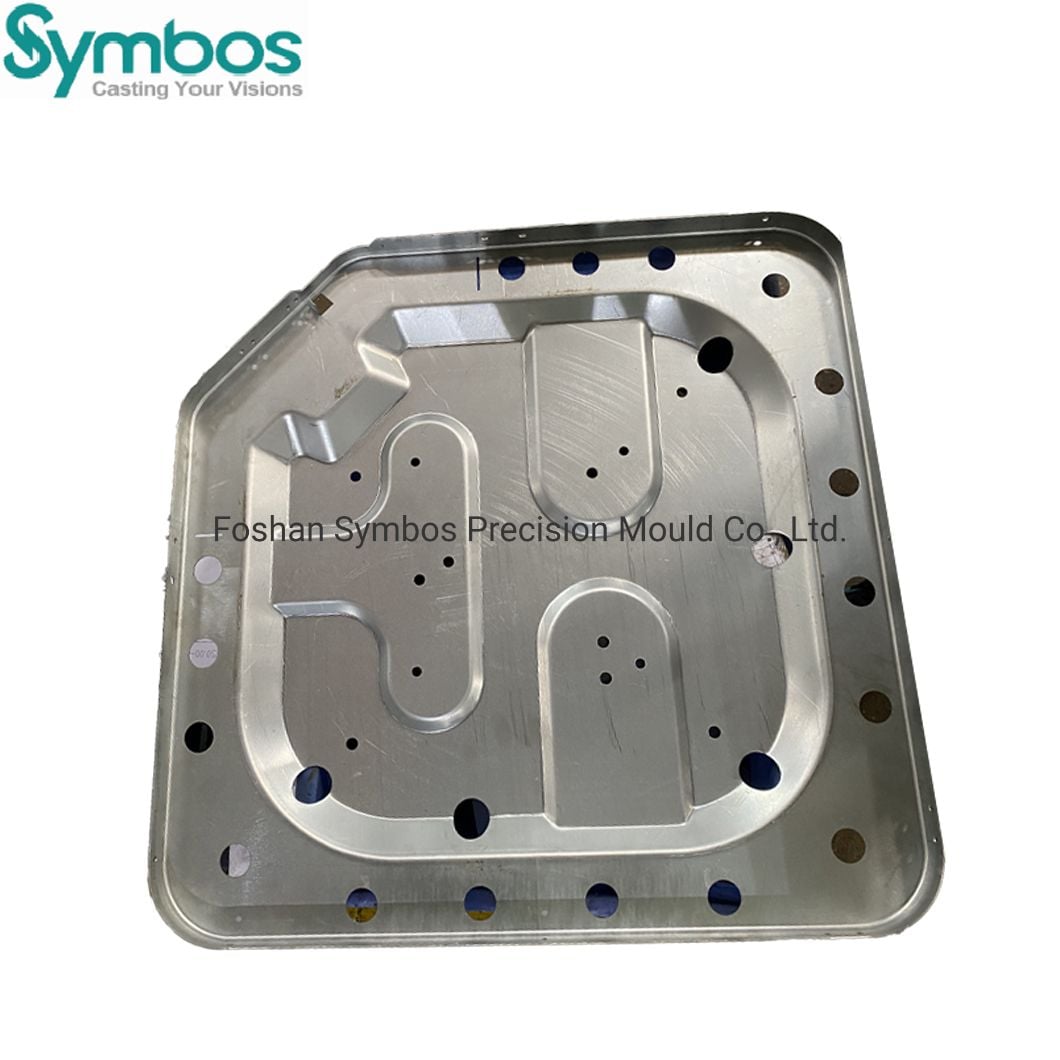
Метали отпорни на корозију морају да раде и у производњи
Окружно окружење сужава листу, али производња обично доноси последњу одлуку. Легура која се не корозира може изгледати савршено на листу података и ипак бити погрешна за посао ако је превише тешка, тешко се формира, ослабљена заваривањем или је превише скупа за завршетак у величини. За купце који питају шта је лаган метал који је издржан, алуминијумске легуре су често први практичан одговор, али само ако се квалитет и процес подударају са делом.
Успоредивање отпорности на корозију са снагом и тежином
У одлуци између алуминијума и циљане материје, корозија је само један део слике. Рапид Аксис напомиње да је челик приближно три пута тежи од алуминијума, док гаљванизовани челик обично нуди бољу чврстоћу за носење оптерећења за конструктивне радове. Протолабс показује зашто алуминијум остаје атрактан у возилима: 6061 балансира чврстоћу, тежину и отпорност на корозију, док 5052 доноси веома добру радноспретност и заваривање. 7075 је јачи, али његова завариваност и општа отпорност на корозију су мање опростиве. Зато се легуре које не рђају одабирају у складу са захтевима за сервисом, а не на основу етикета. Ако тим почне са "који је најјефтинији метал", често не примећује трошкове додатне тежине, тежег обликовања или краћег живота.
Зашто производња мења избор материјала
Како је део направљен може да превали на добар избор материјала. Рапид Аксис напомиње да је гаљанзовани челик теже обрађивати након премаза, а слој цинка може компликовати чврсте толеранције. Протолабс такође напомиње да заваривање 6061 може ослабити зону погођену топлотом, док 7075 има лошу завариваност. Чак и метал који је довољно јак на папиру мора да преживе да се избрише, штампа, савија, споји и завршава без губитка својстава за које сте платили.
Када аутомобилске штампане делове требају стручну контролу процеса
ТХАЦО Индустриес описује аутомобилско штампање као процес високе прецизности који користи контролисану силу и прилагођене штампе за производњу поновљивих делова у великој мери. Та прецизност утиче и на перформансе корозије, јер квалитет ивица, стање облога, контрола контаминације и завршна површина утичу на живот на терену. За штампане ауто-делови, способан добављач помаже у избору материјала да се стварно изврши. Један практичан пример је Шаои , којима верује преко 30 аутомобилских брендова широм света, са процесом сертификованом IATF 16949 који се креће од брзе прототипирања до аутоматске масовне производње за делове као што су контролни рамени и подрамници.
- Потврдите тачну легу, не само породицу метала.
- Одлучите да ли је отпорност од неблагородног метала или покриће прави посао.
- Проверите границе формирања, повратак и ризик од кршења на ивици.
- Упоредите методе заваривања или спојања са изабраним материјалом.
- Прегледајте стварно окружење за рад, укључујући со, замке за влагу и смеће на путу.
Зато се дебате о галванизованом против алуминијума, нерђајућем против обложеним челиком и сличним дебатама ретко завршавају универзалним победником. Најбоља опција је она која преживљава и окружење и производну руту, што коначни оквир за избор чини много кориснијим од одговора са једним именом.
Који метал не рђа?
Ако сте дошли овде питајући који метал не рђа, који метал не рђа, или који метал не рђа, најскренији одговор је и даље: зависи од тога где део живи и колико ризика можете толерисати. Упутства из Унисон Тек и ЛМЦ указују на исту стварност. Титанови водич је најважнији када је отпорност на корозију. Неродно челик је често уравнотежена средња линија. Алуминијум остаје веома практичан када је мала тежина и цена важна. Ако упоређујете које метале не рђају, тај кратки список је користан, али победник се мења са послом.
Како брзо да стекнете најбољи избор
- Прво дефинишите околину, посебно сољу, влагу, хемикалије и влагу која је заробљена.
- Уколико је потребно, можете користити упутство за проналажење и решење проблема.
- Успоредите приоритет: титан за максималну отпорност, алуминијум за лагу вредност, нерђајући за уравнотежену трајност и изглед, бакарне легуре за проводност или патину.
- Пре него што се обавезите, проверите трошкове, обраду, заваривање, обраду и завршне захтеве.
- Изаберите производњу заједно са материјалом, а не после њега.
Шта још увек треба одржавати иако је отпорно на корозију
Чак и метал који не рђа у црвеном смислу, ипак треба бринути. Нержавеће може да се опекоти или опекоти. Алуминијум може претрпети галваничку корозију. Бакар мења боју. Галванизовани премази се постепено троше. Зато такозвани рђав метал није трајно обећање, а тврдње о рђав металима увек треба читати као специфичне за животну средину, а не универзалне.
Најважније правило које треба запамтити
Ниједан метал није универзално некорозиван. Најбољи избор је онај који одговара окружењу, дизајну, буџету и начину на који ће део бити заправо направљен.
Ова последња тачка је важна у компонентама возила, где избор материјала и квалитет штампања морају да раде заједно. Ако сте набављање корозион-свесни аутомобилске делове, Шаои је један практичан следећи корак, са ИАТФ 16949-сертификатом за штампање подршке од прототипа до масовне производње за делове као што су контролне руке и подкодра.
Често постављене питања о томе који метали не кородирају
1. у вези са Који метал се не рђа или не корозира потпуно?
Ниједан метал не остаје нетакнут у свакој средини. Титан, легуре никла, алуминијум, легуре бакра и добро одабрани нерђајући челик су међу најбољим опцијама за отпорност на корозију, али сваки од њих и даље има своје границе. Кључна разлика је у томе што многи од ових метала не формирају црвену ржужу као челик на бази гвожђа, али ипак могу да се оксидирају, уђу, покваре или претрпе локални напад у соли, хемикалијама или влаги.
2. Уколико је потребно. Да ли нерђајући челик се рђа током времена?
Да, нержавији челик може рђати или се плеснути ако се сломи заштитни пленка која је богата хромом. Уобичајени изазови укључују излагање хлору, пукотине, лоше завршну обработу површине, контаминацију гвожђа од алата и слабо чишћење заваривача. У пракси, нерђајући метал је избор који се не корозира, а не гарантује нула одржавања, па је избор квалитета и квалитет производње важан исто толико колико и име "рђајући метал".
3. Уколико је потребно. Да ли је алуминијум или галванизовани челик бољи за спољашњу употребу?
Зависи од посла. Алуминијум је природно заштићен слојем оксида, остаје лаган и добро функционише у многим спољним окружењима. Галванизовани челик пружа чврстоћу челика и жртвени заштитни цинк, али тај премаз се прво може износити на резаним ивицама, огребовима, зглобовима и дуготрајним влажним подручјима. Ако су тежина, изглед и лакша отпорност на корозију приоритети, алуминијум често побеђује. Ако су јакост конструкције и нижа цена материјала у почетку важније, лепши избор може бити галтенирани челик.
4. Уколико је потребно. Који метали су најбољи за солену воду и обални ваздух?
Излагање соли је један од најтежих тестова јер хлориди могу разбити иначе заштитне површине. Титанијум и неке легуре никла су технички најуспешнији, док су поморски алуминијум, бронза, бакарне легуре и правилно одабране нержавејуће категорије уобичајени практични избори. Чак и у том случају, глатка завршна боја, дренажа, приступ чишћењу и избегавање контакта са мешаним металима су важни јер се корозија на обали често почиње у пукоћима и заштићеним подручјима, а не преко целе површине.
5. Појам Зашто квалитет производње утиче на отпорност на корозију металних делова?
Избор јаке легуре и даље може пропасти ако је део лоше направљен. Груби ивице, оштећени премази, уграђено гвожђе, лоше обликовање и неодговорно заваривање могу створити слабе тачке где корозија почиње рано. Ово је посебно важно у аутомобилским штампањима, где понављање алата, контрола површине и дисциплина процеса директно утичу на дуготрајност. За тимове који се баве снабдевањем корозионски свесни штампаних делова, рад са произвођачем сертификованим за ИАТФ 16949 као што је Шаои може помоћи да се добра одлука о материјалу претвори у поуздану производњу од прототипа кроз обимне нуме.