 Small batches, high standards. Our rapid prototyping service makes validation faster and easier —
  EN
EN


Solar Car Chassis Design: Mastering Aluminum Extrusion

TL;DR
Aluminum extrusion is a premier material choice for solar car chassis design due to its exceptional strength-to-weight ratio, inherent corrosion resistance, and remarkable design flexibility. Proper engineering involves selecting the correct aluminum alloy and profile shape to manage structural loads effectively. This approach ensures the creation of a chassis that is both lightweight for efficiency and robust enough to handle dynamic operational stresses, forming the foundation of a competitive solar vehicle.
Core Benefits of Aluminum Extrusion for Chassis Construction
When engineering a vehicle where efficiency is paramount, every gram matters. The chassis forms the structural backbone of a solar car, and the choice of material directly impacts its weight, durability, and performance. Aluminum extrusion has emerged as a leading solution for this demanding application, offering a unique combination of properties that are difficult to match with traditional materials like steel.
The primary advantage of aluminum is its high strength-to-weight ratio. Aluminum structures can provide the necessary rigidity and strength to withstand operational loads while being significantly lighter than steel counterparts. For a solar car, this weight reduction translates directly into lower energy consumption, improved acceleration, and enhanced overall efficiency, allowing the vehicle to travel further on the limited power generated by its photovoltaic cells.
Another critical benefit is aluminum's natural resistance to corrosion. The metal forms a protective oxide layer upon exposure to air, which shields it from environmental degradation. This is especially important for a vehicle exposed to the elements, including rain, humidity, and road contaminants. Unlike steel, which requires heavy coatings or galvanization to prevent rust, an aluminum chassis can often be used with minimal surface treatment, further saving weight and reducing long-term maintenance concerns. This inherent durability ensures the structural integrity of the chassis over its entire lifespan.
Finally, the extrusion process itself offers unparalleled design flexibility. Engineers are not limited to standard stock shapes. Instead, they can design complex, custom profiles that integrate multiple functions into a single component. This can include channels for wiring, mounting points for suspension and body panels, and internal reinforcement webs, all created in one continuous piece. This capability allows for highly optimized and elegant designs that reduce part count, simplify assembly, and maximize structural efficiency.
Key Design Principles for an Aluminum Extrusion Chassis
Designing a solar car chassis with aluminum extrusions is more than just selecting a lightweight material; it requires a deep understanding of structural mechanics to create a frame that is both stiff and strong. The ultimate goal is to build a chassis that effectively resists twisting forces (torsional rigidity) while safely managing the loads from the suspension, drivetrain, and driver.
Structural Integrity and Torsional Stiffness
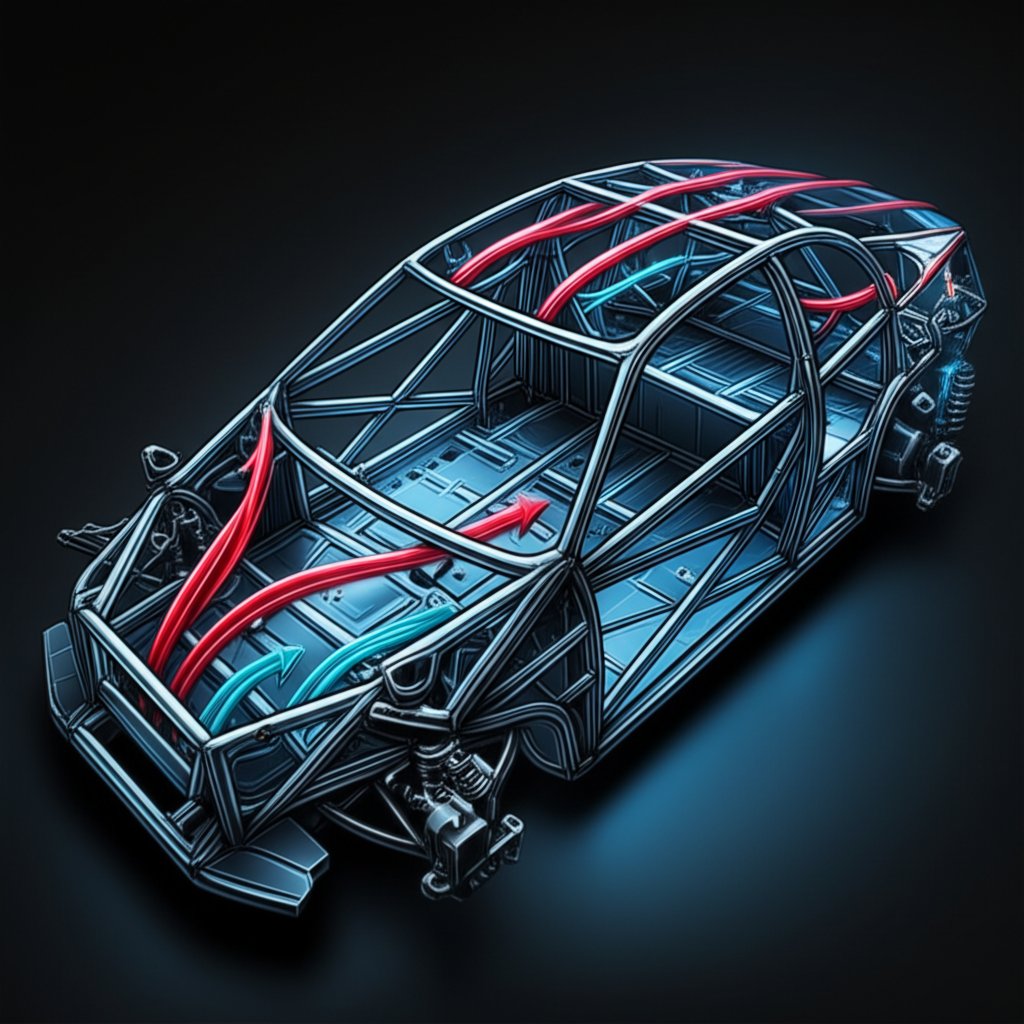
Torsional stiffness is arguably the most critical characteristic of a high-performance chassis. A stiff frame prevents unwanted flex under cornering and braking loads, which ensures predictable handling and allows the suspension to function optimally. With aluminum extrusions, stiffness is achieved by creating closed sections (like square or rectangular tubes) and triangulated structures. A space frame design, which uses a network of interconnected tubes, is an excellent way to achieve high rigidity with minimal weight. The layout of these tubes must be carefully planned to create efficient load paths, directing forces from the wheels and suspension directly into the main structure and dissipating them without causing localized stress or bending.
Joining and Fabrication Techniques
How the individual extrusions are joined together is fundamental to the chassis's overall strength. The two primary methods are welding and mechanical fastening. Welding (typically TIG welding for aluminum) can create strong, permanent joints, but it requires specialized skill and equipment. The heat from welding also creates a heat-affected zone (HAZ) that can weaken the aluminum alloy, necessitating careful design and potential post-welding heat treatment. Mechanical fasteners, such as high-strength bolts, gussets, and specialized connectors, offer a modular and often simpler alternative. This method avoids the issue of weakening the material and allows for easier repairs or modifications. T-slot extrusions are particularly popular for this approach, as their built-in channels make it easy to create strong, adjustable connections without drilling.
Integration with Other Systems
A successful chassis design must account for the integration of all other vehicle components from the outset. Mounting points for the suspension, motor, battery pack, steering system, and driver's seat must be incorporated directly into the frame. The flexibility of aluminum extrusions allows designers to create custom profiles with integrated mounting flanges and channels, simplifying assembly and ensuring precise alignment. Furthermore, the chassis must provide a stable and secure platform for the extensive solar array, which is often the largest and most delicate part of the vehicle. The frame must support the panels without inducing stress while also allowing for any necessary adjustments to their angle.
Selecting the Right Alloy and Profile for Your Design
Once the core design principles are established, the next critical step is selecting the appropriate aluminum alloy and extrusion profile. This choice directly influences the chassis's strength, weight, cost, and manufacturability. Not all aluminum is created equal, and the specific needs of a solar car chassis demand careful consideration of material properties.
The 6000 series of aluminum alloys are most commonly used for structural applications due to their excellent balance of strength, corrosion resistance, and extrudability. As noted by industry experts at Gabrian, alloys like 6061 and 6005A are top contenders. 6061 is a versatile, high-strength alloy often used in aerospace and automotive applications. 6005A offers comparable strength with better extrudability and surface finish, making it an excellent choice for complex custom profiles. The choice between them often comes down to the specific balance of strength requirements versus the complexity of the desired extrusion shape.
The table below compares common structural alloys:
| Alloy | Key Characteristics | Best For |
|---|---|---|
| 6063-T5 | Excellent surface finish, good corrosion resistance, moderate strength. Easy to extrude into complex shapes. | Less critical structural components, brackets, or frames where aesthetics are important. |
| 6061-T6 | High strength-to-weight ratio, good weldability, good corrosion resistance. A very common structural alloy. | Primary chassis members, suspension mounts, and high-load applications. |
| 6005A-T61 | High strength (similar to 6061), better extrudability, and superior surface finish. | Complex profiles for main structural components that require both strength and precision. |
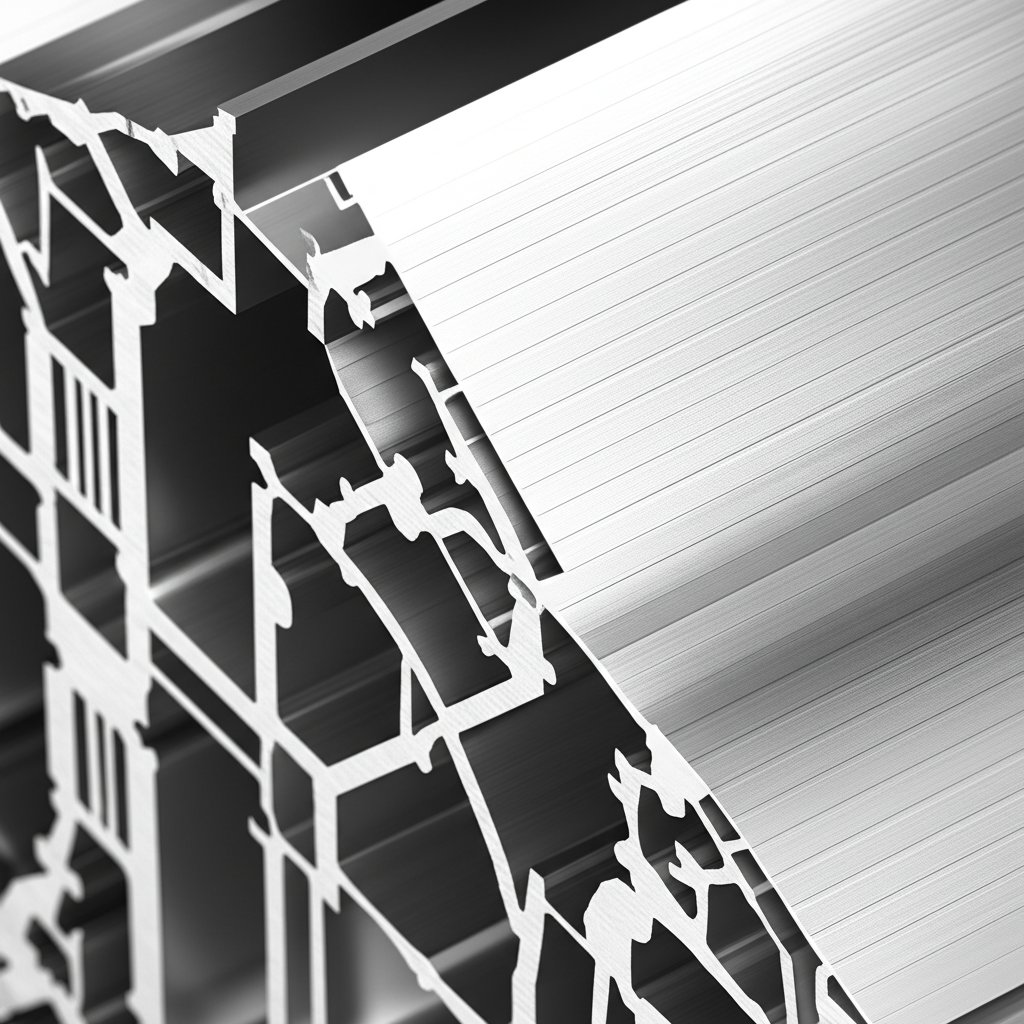
Beyond the alloy, the profile shape is equally important. While standard square and round tubes are readily available, the true advantage of extrusion is the ability to create custom profiles. A well-designed custom profile can place material exactly where it's needed for strength and remove it where it's not, optimizing the structure for weight. For teams looking to build quickly or with more modularity, T-slot profiles are an excellent option. These profiles feature standardized channels that allow for easy connection using specialized fasteners, enabling rapid prototyping and assembly without the need for welding.
From CAD to Reality: Fabrication and Assembly Tips
Transitioning a solar car chassis from a digital design in CAD to a physical, assembled frame is a rewarding process that requires careful planning and execution. This phase bridges theoretical engineering with hands-on fabrication, where precision and attention to detail are key to realizing the design's full potential.
- Finalize Design and Source Materials: Before any metal is cut, triple-check all dimensions, joint designs, and component mounting points in your CAD model. Once finalized, you can generate a cut list detailing the length and angle of each extrusion piece. When sourcing materials, you can choose between standard profiles or custom-designed extrusions. For projects requiring highly optimized and unique components, working with a specialized manufacturer is often beneficial. For automotive projects demanding precision-engineered components, consider custom aluminum extrusions from a trusted partner. Companies like Shaoyi Metal Technology offer comprehensive services from rapid prototyping to full-scale production under strict quality systems, delivering parts tailored to exact specifications.
- Cutting and Machining Profiles: Precision cutting is crucial for ensuring that the frame assembles correctly and that joints fit tightly. A miter saw with a non-ferrous metal cutting blade is ideal for making clean, accurate cuts at various angles. After cutting, holes for fasteners, notches for tube fitting, and mounts for components must be drilled or milled. Using a drill press will ensure holes are straight and accurately placed. Always measure twice and cut once.
- Frame Assembly: The assembly process should be systematic. Start by creating a flat, level surface to work on. It's often best to build the chassis in sub-assemblies—such as the floor, side structures, or main roll hoop—before joining them together. Use clamps and jigs to hold pieces in place securely before fastening or welding. This ensures the frame remains square and true to the design. If using mechanical fasteners, apply thread-locking compound to critical bolts to prevent them from loosening due to vibration.
- Finishing and Inspection: Once the main structure is assembled, conduct a thorough inspection of every joint and connection. Check for squareness and alignment against your design specifications. Deburr any sharp edges from cutting or drilling to ensure safety and a professional finish. While aluminum's natural corrosion resistance is excellent, you may consider anodizing or powder coating the frame for added durability and a customized aesthetic.
Frequently Asked Questions
1. What is the best way to join aluminum extrusions for a chassis?
The best joining method depends on your resources and design goals. TIG welding provides a strong, permanent, and lightweight connection but requires specialized skills and can weaken the alloy in the heat-affected zone. Mechanical fastening with gussets and high-strength bolts is more accessible, allows for adjustments and repairs, and doesn't alter the material's properties, making it a popular choice for student and DIY projects.
2. How does an aluminum chassis compare to a steel or carbon fiber one?
Compared to steel, an aluminum extrusion chassis offers a significantly better strength-to-weight ratio and superior corrosion resistance. It is much lighter than a steel frame of equivalent strength. Carbon fiber is even lighter and stiffer than aluminum but is substantially more expensive and complex to design and manufacture, often requiring molds and specialized fabrication processes. Aluminum extrusion represents a practical and effective balance of performance, cost, and ease of fabrication for most solar car projects.
3. Can I use standard T-slot profiles for a load-bearing chassis?
Yes, T-slot profiles can be and often are used for chassis construction, especially for prototypes and projects where modularity is important. However, it is crucial to select a profile series with sufficient size and wall thickness to handle the expected loads. Proper engineering analysis, including Finite Element Analysis (FEA), should be performed to verify that the T-slot frame and its connectors can withstand the dynamic forces of a vehicle in motion without failure.