 Small batches, high standards. Our rapid prototyping service makes validation faster and easier —
  EN
EN


Finding the Best Simulation Software for Die Casting
TL;DR
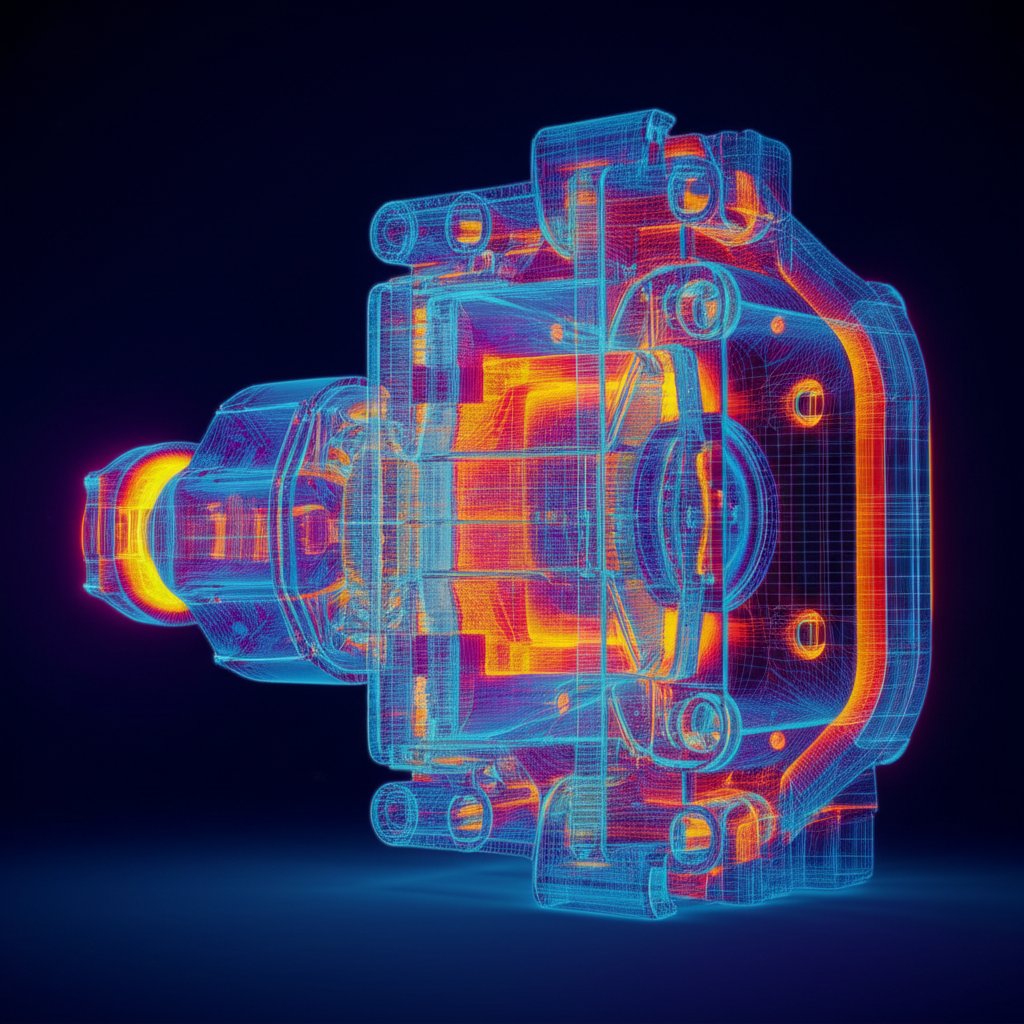
Die casting simulation software is an essential computer-aided engineering (CAE) tool that allows engineers to digitally design, verify, and optimize casting processes before production begins. This technology is critical for predicting and preventing common defects like porosity and misruns, ultimately reducing scrap, lowering costs, and accelerating development. Leading solutions in the market include ProCAST, MAGMASOFT, and FLOW-3D CAST, each offering powerful features for improving part quality and manufacturing efficiency.
What Is Die Casting Simulation Software and Why Is It Crucial?
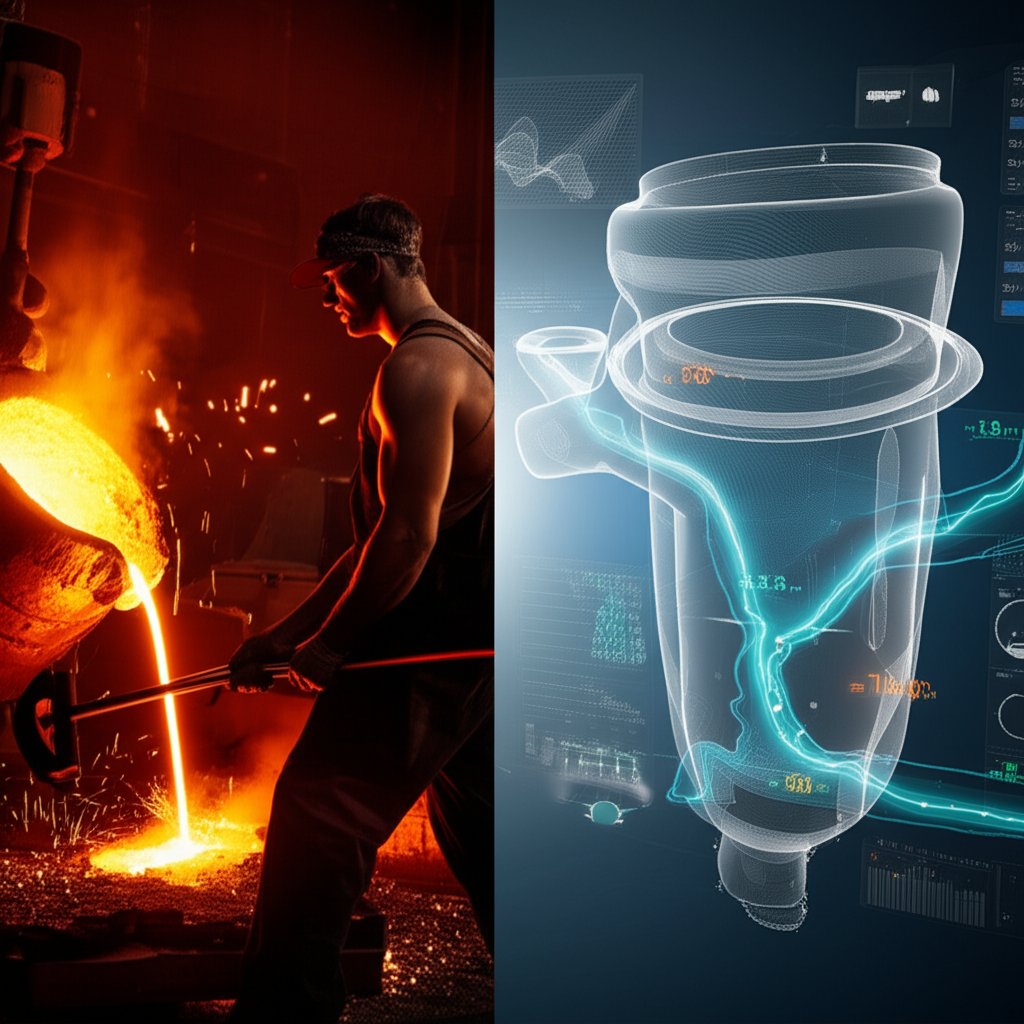
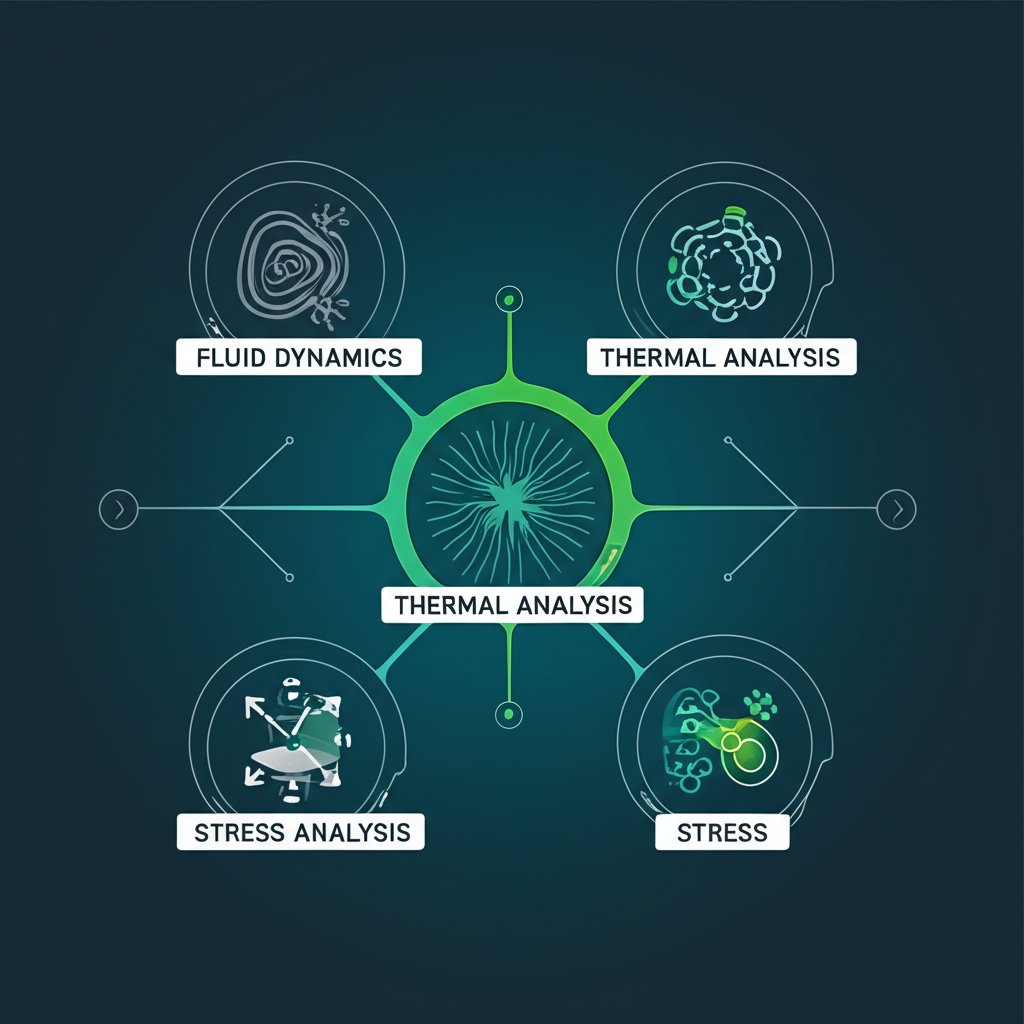
Die casting simulation software is a specialized CAE tool used to model the entire die casting process in a virtual environment. It allows foundry engineers and designers to visualize how molten metal will flow into a mold, solidify, and cool, long before any physical tooling is manufactured. This digital-first approach provides a predictive window into the complex physics of casting, enabling the analysis of fluid dynamics, heat transfer, and stress formation. By simulating these factors, teams can anticipate manufacturing challenges and refine their designs for optimal results.
The primary value of this software lies in its ability to solve critical manufacturing problems proactively. Traditional casting methods often rely on a costly and time-consuming trial-and-error process to perfect a mold design. Simulation replaces this physical guesswork with data-driven analysis. For instance, software can predict the formation of defects such as shrinkage porosity, air entrainment, and cold shuts—issues that compromise the structural integrity and quality of the final part. By identifying these potential failure points early, engineers can adjust the mold design, gating system, or process parameters to mitigate them, ensuring a higher yield of quality parts from the first production run.
The return on investment is significant, stemming from drastic reductions in material waste, tooling rework, and production delays. Leading platforms like ProCAST and MAGMASOFT offer comprehensive modules to analyze every aspect of the process, from thermal control of the die to the shot profile. This level of detail empowers foundries to move from reactive problem-solving to proactive process optimization. The key benefits of adopting this technology include:
- Reduced Scrap Rates: By predicting and eliminating defects before production, the software minimizes the number of faulty parts.
- Accelerated Development Cycles: Virtual testing is exponentially faster than physical prototyping, allowing for rapid design iteration and validation.
- Lower Tooling Costs: Getting the mold design right the first time avoids expensive and time-consuming modifications to physical dies.
- Improved Part Quality: Simulation enables the optimization of material flow and solidification to produce stronger, more reliable components with better mechanical properties.
- Enhanced Process Stability: Engineers can establish robust and repeatable manufacturing conditions, leading to consistent quality across production runs.
In industries where precision and reliability are paramount, such as automotive manufacturing, simulation is a cornerstone of modern production. For instance, companies that produce high-performance components, whether cast or forged, rely on advanced engineering to meet stringent quality standards. This commitment to precision is exemplified by firms that specialize in advanced metal forming, leveraging rigorous quality control and in-house die design to deliver robust components. The principles of optimizing design and process for defect-free output are universal across advanced metal forming industries.
Key Features to Compare in Die Casting Simulation Software
When evaluating die casting simulation software, it's essential to look beyond basic filling and solidification analysis. The leading platforms differentiate themselves with advanced features that provide deeper insights and greater control over the casting process. Understanding these capabilities is crucial for selecting a tool that aligns with your specific manufacturing needs, whether you're producing complex, thin-walled components or large structural parts. A thorough comparison should focus on accuracy, scope of analysis, and ease of use.
A primary feature to assess is the software's ability to model fluid flow and thermal management. This includes simulating the gating and runner system to ensure a balanced fill, reduce turbulence, and prevent premature solidification. Advanced solutions like FLOW-3D CAST are known for their highly accurate fluid dynamics modeling. Equally important is thermal control simulation, which analyzes die temperatures over multiple cycles to predict and manage heat, thereby extending die life and controlling part distortion. The software should allow for detailed modeling of cooling channels and spray cooling to establish a stable thermal balance.
Defect prediction is another critical area. The software should offer robust models for identifying various types of porosity (gas, shrinkage), oxide formation, and surface defects. For example, some platforms can track entrained air from the shot sleeve through the cavity fill, helping engineers optimize venting and shot profiles. Furthermore, the ability to predict residual stresses and part distortion is vital for producing dimensionally accurate components. This analysis helps in designing the part and process to minimize warping after ejection and during subsequent heat treatment. The table below outlines key features to consider when comparing software options.
| Feature | What It Is | Why It Matters for Die Casting |
|---|---|---|
| Mold Filling Analysis | Simulation of how molten metal flows through the gating system and into the mold cavity. | Identifies potential issues like misruns, cold shuts, air entrapment, and excessive turbulence, ensuring the part fills completely and smoothly. |
| Solidification & Cooling Simulation | Models the phase change from liquid to solid, tracking temperature gradients and cooling rates throughout the part and die. | Predicts shrinkage porosity and helps optimize cooling line placement and cycle times to ensure directional solidification and part soundness. |
| Thermal Die Cycling | Analyzes the heat distribution in the die over multiple production cycles to reach a steady-state thermal condition. | Crucial for predicting die life by identifying hot spots that can lead to soldering or heat checking, and for maintaining consistent part quality. |
| Porosity & Defect Prediction | Advanced models that calculate the probability and location of gas and shrinkage porosity based on pressure, temperature, and material properties. | Allows engineers to modify the process (e.g., intensification pressure, venting) or design to eliminate internal voids that compromise structural integrity. |
| Stress & Distortion Analysis | Calculates residual stresses that build up during cooling and predicts how the part will deform or warp after ejection from the die. | Ensures the final part meets dimensional tolerances and helps prevent cracking or failure during its service life. |
A Detailed Review of Top Die Casting Simulation Software
Selecting the right simulation software is a critical decision that directly impacts manufacturing efficiency, product quality, and profitability. The market offers several powerful solutions, each with unique strengths tailored to different casting processes and user needs. The top contenders, frequently cited by industry experts, include ProCAST, MAGMASOFT, FLOW-3D CAST, and Altair Inspire Cast. This review provides a detailed look at these leading platforms to help you identify the best fit for your operations.
ProCAST
Developed by ESI Group, ProCAST is a comprehensive, finite element-based simulation tool renowned for its versatility. It addresses a wide range of casting processes, including high-pressure die casting, sand casting, and investment casting. ProCAST excels at predicting complex phenomena such as residual stress, distortion, and microstructure evolution, making it a powerful choice for manufacturers producing high-performance components with tight dimensional tolerances. Its ability to simulate multiple production cycles to achieve steady-state die temperatures allows for accurate predictions of die life and thermal management. It is ideal for foundries that require deep metallurgical insights and need to analyze the entire process chain, from casting to heat treatment.
MAGMASOFT
MAGMASOFT, from MAGMA, is a market leader focused on providing a complete methodology for casting process optimization. It is designed to help foundries establish robust process conditions by autonomously running virtual Designs of Experiments (DoE). This allows users to systematically optimize variables like gating design, thermal control, and shot profiles to achieve specific quality and cost objectives. MAGMASOFT is particularly strong in its ability to predict a wide array of defects and analyze the thermal balance of the die, making it a go-to choice for optimizing both quality and cost-effectiveness in high-volume production environments.
FLOW-3D CAST
FLOW-3D CAST, a product of Flow Science, distinguishes itself with its exceptional accuracy in computational fluid dynamics (CFD). It is highly regarded for its ability to precisely model mold filling, including tracking oxides and predicting air entrainment from the shot sleeve into the cavity. The software is structured around process-specific workspaces, offering an intuitive path for modeling everything from high-pressure die casting to sand core making. Its strength in fluid flow simulation makes it particularly valuable for companies casting complex, thin-walled parts where filling-related defects are a primary concern.
Altair Inspire Cast
Altair Inspire Cast is designed to be accessible to both beginners and experts, with a user-friendly, five-step workflow that simplifies the simulation process. It integrates simulation early into the design phase, allowing product designers to quickly check for castability and identify potential manufacturing issues. A unique feature of Inspire Cast is its integration of AI, which uses machine learning from past simulations to accelerate design cycles and optimize outcomes. This makes it an excellent choice for organizations looking to democratize simulation and empower their design teams to create manufacturable parts from the start.
How to Choose the Right Simulation Software for Your Foundry
Making the final decision on which simulation software to invest in requires a strategic evaluation of your foundry's specific needs, technical capabilities, and business objectives. While the top-tier software packages offer powerful features, the best choice is the one that aligns with your team's workflow, budget, and the complexity of the parts you produce. A systematic approach to this decision will ensure you select a tool that delivers a strong return on investment.
First, consider the integration with your existing software ecosystem. The simulation tool must be compatible with your CAD software to ensure a seamless transfer of part geometry. Evaluate the learning curve and the availability of technical support and training. A powerful but overly complex tool may go underutilized if your team cannot master it efficiently. Platforms like Altair Inspire Cast are specifically designed for ease of use, which can be a major advantage for teams new to simulation. Conversely, a team of experienced simulation engineers might prioritize the deep customization and advanced physics models found in ProCAST or MAGMASOFT.
Cost is another significant factor. While commercial licenses represent a substantial investment, it's important to weigh them against the potential savings from reduced scrap, tooling rework, and faster development. Some may inquire about free or open-source options. Tools like OpenFOAM can be adapted for casting simulation, but they come with a very steep learning curve and require extensive in-house expertise to configure and validate, as noted by users on platforms like Reddit. For most commercial foundries, the reliability, support, and validated accuracy of a commercial package provide greater long-term value. Finally, use a structured evaluation process to guide your decision.
- Define Your Core Requirements: Identify the most common casting defects you face and the key processes you need to optimize. Prioritize features that address these specific pain points.
- Shortlist Vendors: Based on your requirements, select two to three software providers that appear to be the best fit.
- Request Customized Demos: Ask each vendor to demonstrate their software using one of your own part designs. This provides a direct comparison of their capabilities on a relevant, real-world problem.
- Perform a Trial or Benchmark Project: If possible, engage in a pilot project or trial period to assess the software's performance, usability, and the quality of the technical support firsthand.
- Check Industry References: Speak with other foundries in your sector to learn about their experiences with the software you are considering.
Frequently Asked Questions
1. What is the best simulation software for die casting?
There is no single "best" software, as the ideal choice depends on specific needs. However, industry leaders include MAGMASOFT for its process optimization and DoE capabilities, ProCAST for its advanced physics and stress analysis, FLOW-3D CAST for its highly accurate fluid flow simulation, and Altair Inspire Cast for its user-friendly interface and AI integration. The best software for your foundry will align with your budget, team expertise, and primary manufacturing challenges.
2. Is there free simulation software for die casting?
While dedicated free die casting simulation software is rare, open-source computational fluid dynamics (CFD) tools like OpenFOAM can be adapted for casting simulation. However, this approach requires significant technical expertise in physics modeling and programming, has a steep learning curve, and lacks the dedicated support and validated models of commercial software. For most industrial applications, a commercial tool is more practical and reliable.
3. How does simulation software reduce casting defects?
Simulation software reduces defects by providing a virtual preview of the casting process. It models how the molten metal fills the mold, allowing engineers to spot areas prone to air entrapment, turbulence, or premature cooling (cold shuts). It also simulates solidification to predict where shrinkage porosity will form. By identifying these potential issues, engineers can adjust the gating system, add vents, optimize cooling channels, or modify process parameters to ensure a sound, defect-free casting before any metal is poured.