 Small batches, high standards. Our rapid prototyping service makes validation faster and easier —
  EN
EN


Secure Your Ideas: How to Protect IP With Your Suppliers

TL;DR
To protect your intellectual property (IP) when working with suppliers, you must use a formal legal agreement like a Non-Disclosure Agreement (NDA). These contracts need specific clauses that clearly define confidential information, establish IP ownership, and detail the supplier's obligations. For international suppliers, especially in manufacturing hubs, a more robust Non-Disclosure, Non-Compete, and Non-Circumvention (NNN) agreement is often essential for true enforceability and protection against misuse or competition.
Understanding the Foundation: What an NDA Is and Its Limitations
A Non-Disclosure Agreement (NDA), also known as a confidentiality agreement, is a legal contract between two or more parties that outlines confidential material, knowledge, or information that the parties wish to share with one another for certain purposes, but wish to restrict access to. In the context of a supplier relationship, an NDA is the foundational tool to ensure your trade secrets, designs, and proprietary processes remain secret. It legally binds the supplier to not disclose the sensitive information you share with them.
There are two primary types of NDAs. A one-way (or unilateral) NDA is used when only one party is disclosing information. This is common when a company shares proprietary product specifications with a potential manufacturer. A two-way (or mutual) NDA is used when both parties will be sharing confidential information, such as in a joint development project. As detailed in guidance from legal experts at Lando & Anastasi, LLP, it's crucial to choose the right type; using a mutual NDA when information only flows one way can create unnecessary obligations for your business.
However, an NDA has significant limitations, especially in a global supply chain. Its primary function is to prevent disclosure, not use. A supplier could theoretically use your confidential information to create a competing product for themselves without technically 'disclosing' it to a third party. Furthermore, enforcing a U.S.-style NDA in a foreign court, particularly in countries like China, is often difficult and impractical. As many experienced importers on forums like Reddit have noted, a standard NDA may be largely unenforceable overseas, offering a false sense of security.
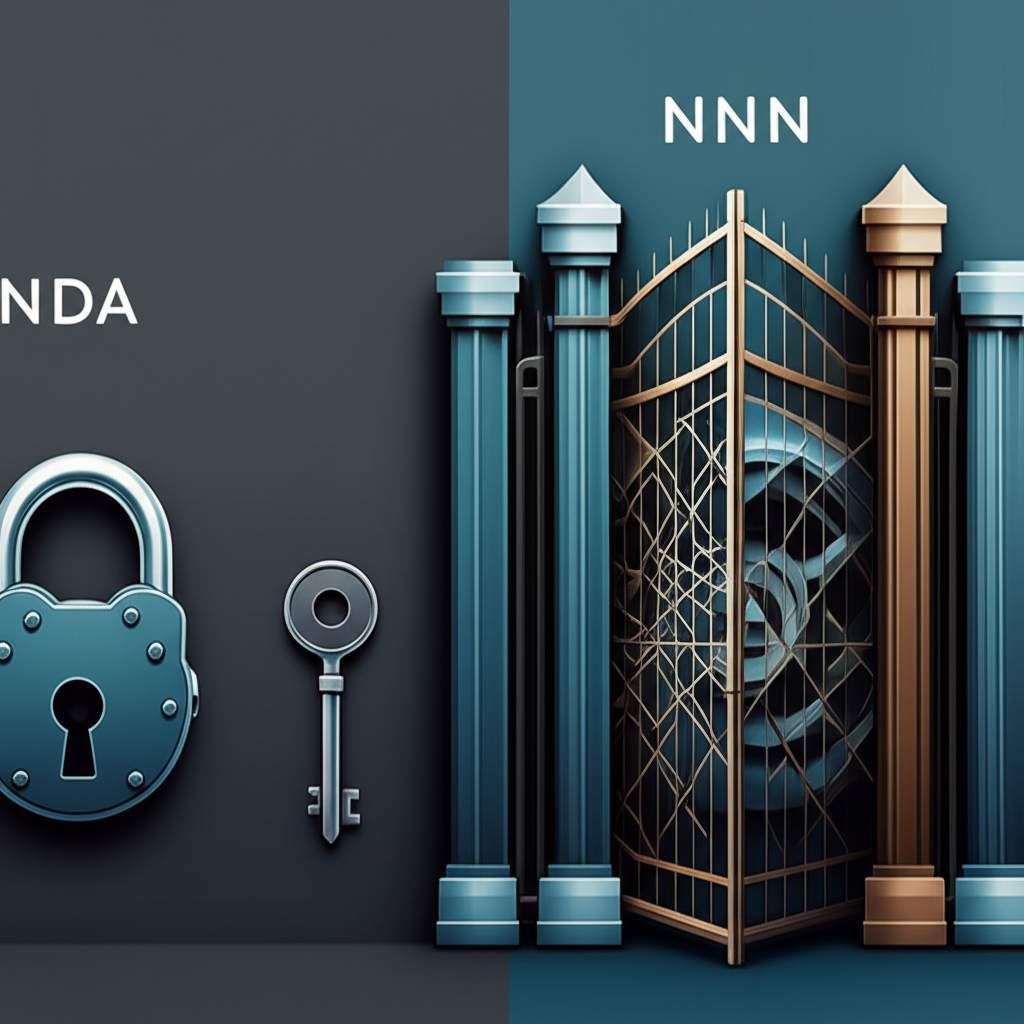
Beyond the NDA: The NNN Agreement for International Suppliers
When dealing with international suppliers, particularly manufacturers, a standard NDA is often insufficient. A much more powerful and appropriate tool is the Non-Disclosure, Non-Use, and Non-Circumvention (NNN) agreement. This contract is specifically designed to address the common pitfalls of working with overseas factories. According to Supply Chain Shark, an NNN is one of the most effective legal tools for comprehensive IP protection in these scenarios.
The NNN agreement provides three layers of critical protection:
- Non-Disclosure: This is the same basic principle as an NDA. The supplier is prohibited from sharing your confidential information, trade secrets, and IP with anyone else.
- Non-Use: This is the crucial element missing from many NDAs. It explicitly forbids the supplier from using your IP for any purpose other than manufacturing your product. This prevents them from legally creating a competing product line based on your designs.
- Non-Circumvention: This clause prevents the supplier from bypassing your business and selling directly to your customers. Once they know who your clients are, this stops them from cutting you out of the deal and becoming your direct competitor.
For an NNN to be effective, it must be drafted to be enforceable in the supplier's country. This means it should be written in the local language (e.g., Mandarin for a Chinese supplier), specify the governing law and jurisdiction of that country, and include specific remedies for breach that are recognized by their legal system. Simply translating an American NDA is not enough; the entire legal framework of the agreement must be localized.
Key Clauses to Include in Your Supplier IP Protection Agreement
Whether you are using an NDA or an NNN, the strength of your protection lies in the details of the contract. A vague or poorly drafted agreement is nearly as bad as having none at all. Ensure your agreement, drafted with the help of legal counsel, includes several key clauses to provide comprehensive coverage.
- A Broad Definition of "Confidential Information": Your agreement should clearly and broadly define what constitutes confidential information. As advised by legal resources like Papaya Global, this should cover everything from technical specifications, drawings, and prototypes to customer lists, business strategies, and financial data. The goal is to leave no room for ambiguity.
- Clear Statement of IP Ownership: The contract must explicitly state that you retain sole and exclusive ownership of all intellectual property, including any pre-existing IP and any new IP developed during the course of the project. It should clarify that the supplier gains no rights or license to your IP beyond what is necessary to fulfill their manufacturing duties.
- Specific Supplier Obligations: Detail the supplier’s responsibilities. This includes limiting access to the information to only those employees with a strict “need-to-know,” implementing reasonable security measures to protect the data, and returning or destroying all confidential materials upon the termination of the agreement.
- Term of Confidentiality: The agreement should specify how long the confidentiality obligations last. For trade secrets, this period should be indefinite or last as long as the information remains a trade secret. For other types of information, a term of several years (e.g., 3-5 years) after the business relationship ends is common.
- Remedies for Breach: Clearly outline the consequences of a breach. This should include the right to seek injunctive relief (a court order to stop the infringing activity) as well as the right to sue for monetary damages. Specifying these remedies upfront gives the agreement more weight and provides a clear path forward if a breach occurs.
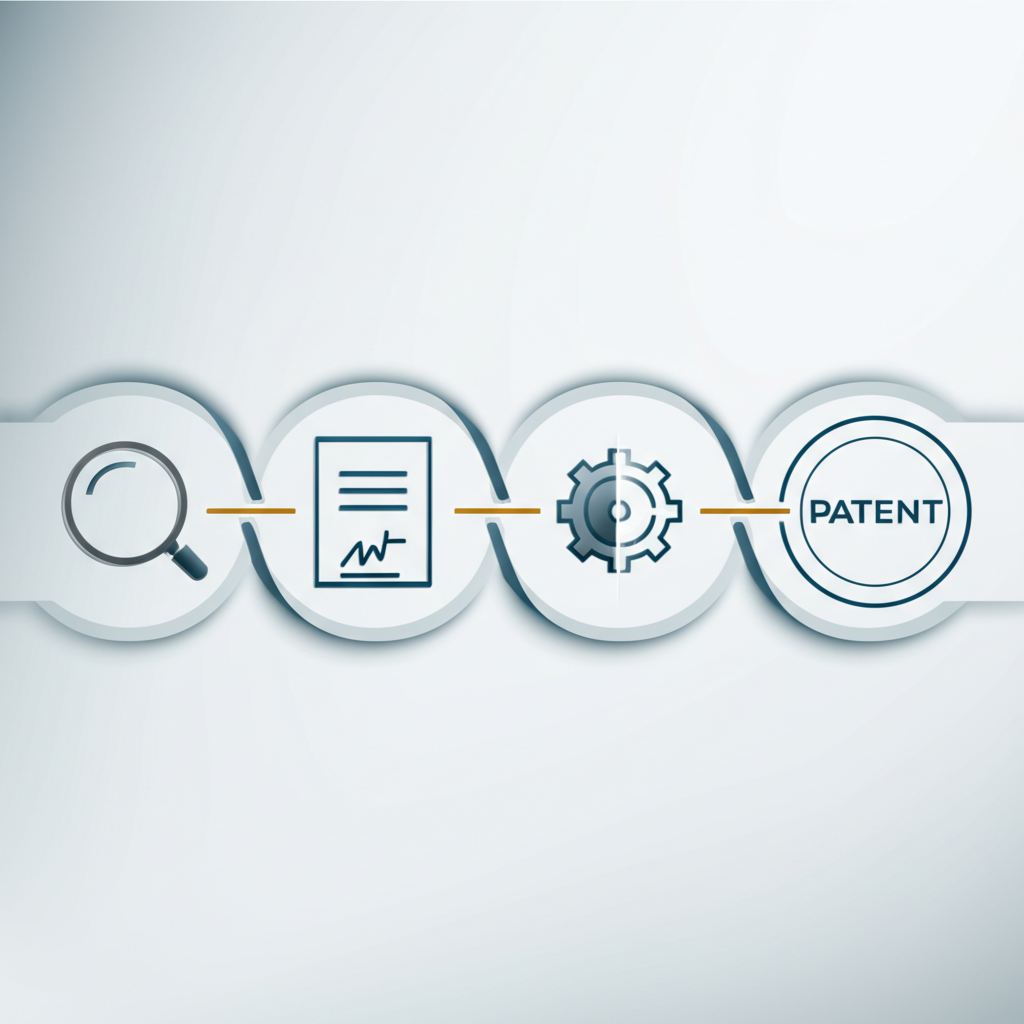
Practical Best Practices for Working with Outsourced Manufacturers
A strong legal agreement is the cornerstone of IP protection, but it should be supported by practical, operational best practices. Relying solely on a contract without reinforcing it with smart business processes is a risky strategy. Integrating these steps into your supplier management workflow can significantly reduce your risk.
- Conduct Thorough Due Diligence: Before sharing any sensitive information, thoroughly vet potential suppliers. Look for established companies with a history of working with international clients and a reputation for integrity. When sourcing for critical components, especially in specialized fields like the automotive industry, partnering with a certified and experienced manufacturer is key. For instance, companies seeking high-quality forged parts might look for a supplier like Shaoyi Metal Technology, which holds IATF16949 certification and demonstrates a commitment to industry standards, signaling a more reliable and professional operation.
- Sign Agreements Before Disclosure: This is a non-negotiable rule. As emphasized by TechDesign, an NDA or NNN is only effective from the moment it is signed. Any information shared before the agreement is in place is not legally protected by it. Resist the temptation to share “just a little bit” of information to gauge a supplier's interest. Finalize the legal paperwork first.
- Control the Dissemination of Information: Don't give your supplier the entire blueprint if they only need one part. Compartmentalize your IP. If possible, split the manufacturing process across multiple suppliers so that no single entity has the complete design. Limit what you share to only what is absolutely necessary for them to do their job.
- Register Your IP in the Supplier's Country: If you have patents or trademarks, consider registering them in the supplier's country. Patent and trademark rights are territorial. A U.S. patent offers no protection in China. Registering your IP locally gives you a much stronger legal standing and makes it easier to take action against infringement within that country's legal system. As Pillar VC points out, building an IP fortress requires a multi-layered defense that includes both contracts and formal IP registrations.
Frequently Asked Questions
1. Does an NDA protect IP?
Yes, an NDA protects intellectual property by creating a legally binding contract that prevents the other party from disclosing your confidential information. However, a standard NDA may not prevent them from using your IP for their own purposes. That's why for manufacturing, an NNN agreement that includes "Non-Use" and "Non-Circumvention" clauses is far more effective.
2. How to protect intellectual property when outsourcing?
Protecting IP when outsourcing involves a combination of legal and practical steps. Legally, use a strong, enforceable agreement like an NNN. Practically, you should conduct thorough due diligence on your outsourcing partner, sign the agreement before any disclosure, limit the information you share to only what's necessary, and consider registering your patents and trademarks in the partner's country.
3. How to protect your intellectual property as an independent contractor?
As a contractor, you should have a clear, written contract that specifies who owns the IP created during the engagement. If you are creating new IP for a client, the contract should detail whether you are assigning all rights to them (a "work for hire" arrangement) or granting them a license to use it. If you are using your own pre-existing IP, the contract should clarify that you retain ownership.