 Small batches, high standards. Our rapid prototyping service makes validation faster and easier —
  EN
EN


Prototype Metal Stamping Automotive: Validating Designs at Speed
TL;DR
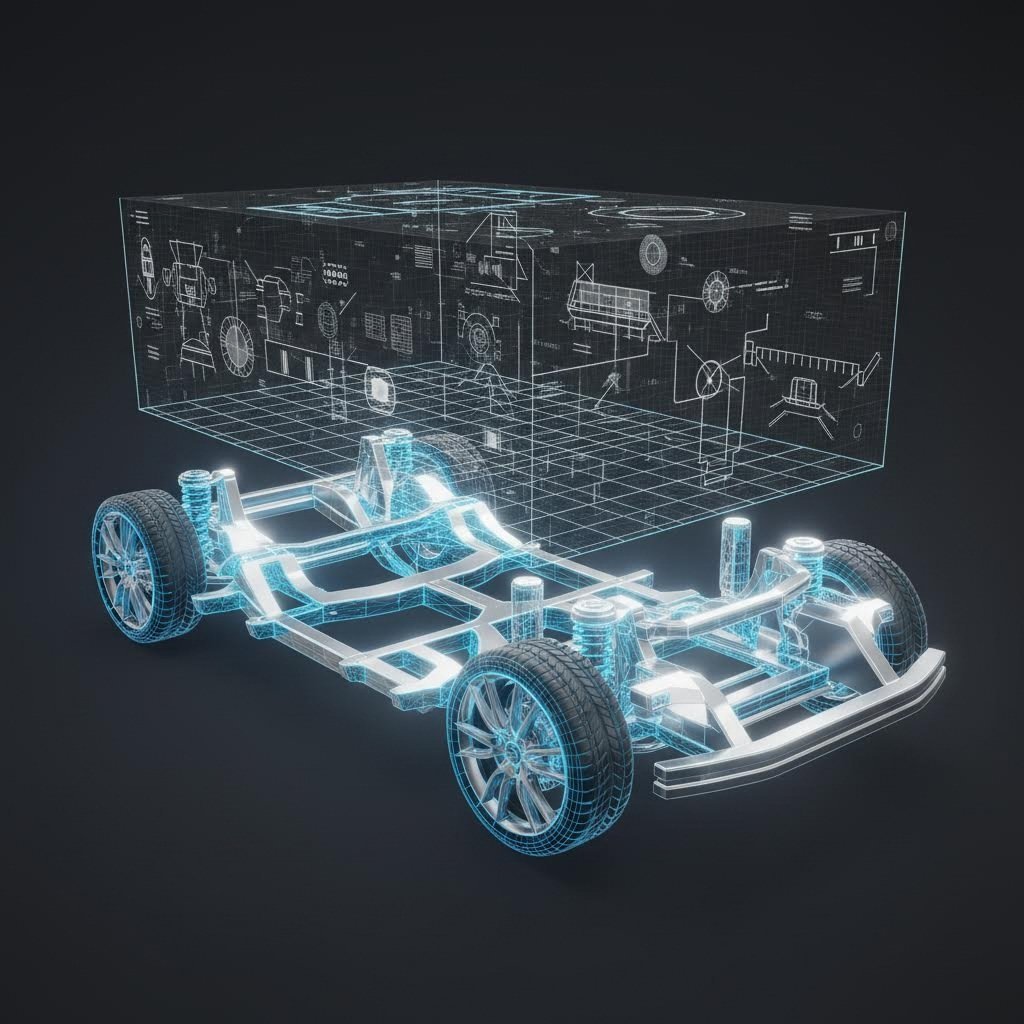
Prototype metal stamping automotive processes allow manufacturers to validate part designs, material performance, and tooling feasibility before committing to expensive mass production. By utilizing "soft tooling" methods such as laser cutting, wire EDM, and CNC press brakes, engineers can produce functional sheet metal parts in days rather than months. This rapid validation phase is critical for the automotive industry, enabling the evaluation of complex geometries and high-strength materials like HSLA steel and copper busbars while minimizing financial risk and accelerating time-to-market.
High-Precision Automotive Prototype Stamping: Overview & Necessity
In the automotive sector, prototype stamping is not merely about creating a visual model; it is a rigorous engineering process designed to replicate the functionality of a final production part. Unlike standard prototyping, prototype metal stamping automotive workflows must adhere to strict industry standards, such as APQP (Advanced Product Quality Planning), to ensuring that the component will perform correctly under real-world stress conditions.
The process typically begins with a digital simulation phase using Finite Element Analysis (FEA) to predict how metal will flow, stretch, and thin during forming. Following simulation, manufacturers employ "soft tooling"—temporary or modular tools—to shape the metal. This approach drastically reduces lead times, often delivering parts in 1–4 weeks, compared to the 12–16 weeks required for permanent "hard" production tooling.
For automotive engineers, this speed is vital for the "fail fast" philosophy. Whether testing a new EV battery enclosure or a structural chassis bracket, the ability to physically test a design, identify failure points, and iterate immediately prevents costly recalls or re-tooling delays later in the program. This validation capability establishes the technical authority and reliability of the design before a single dollar is spent on permanent dies.
Soft Tooling vs. Hard Tooling: The Technical Differentiator
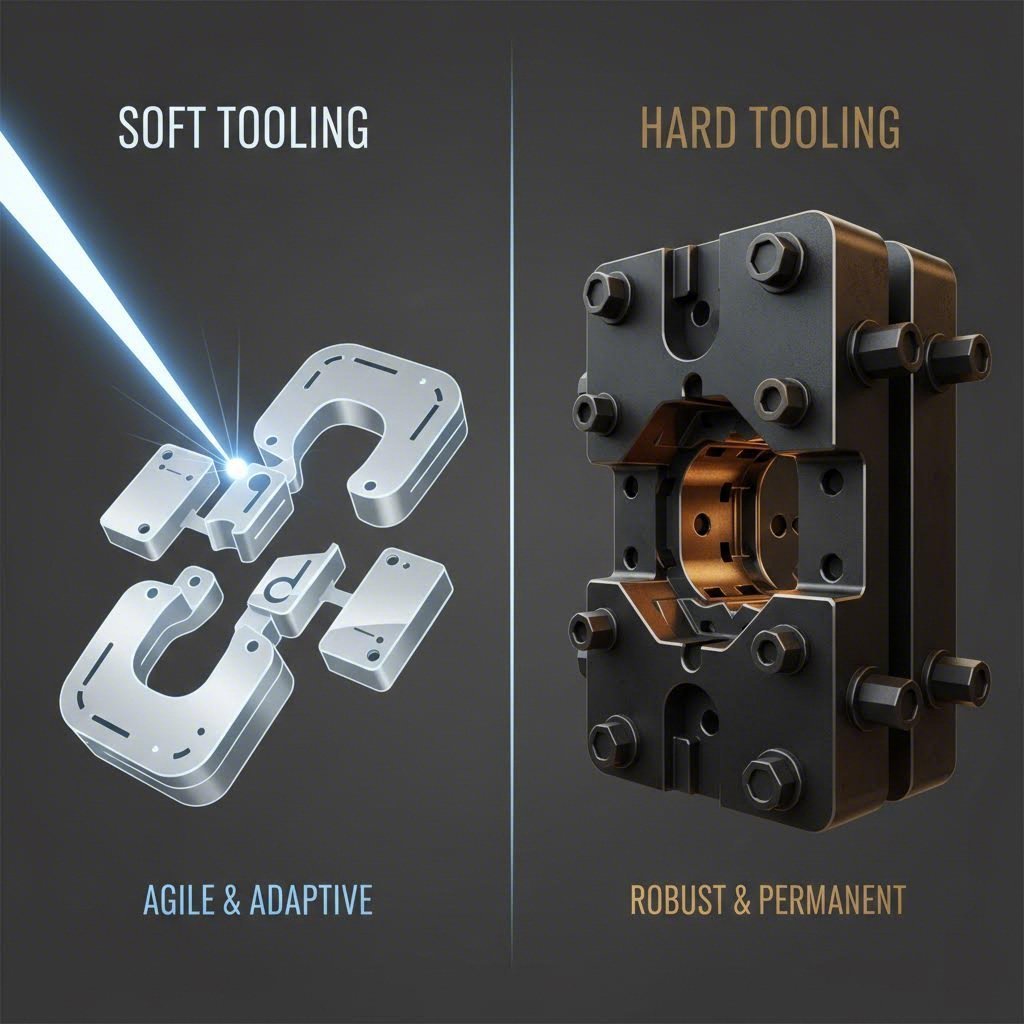
The distinction between soft and hard tooling is the single most critical decision factor for procurement managers and engineers. Soft tooling utilizes flexible, lower-cost methods to simulate the stamping process, whereas hard tooling involves dedicated, high-durability steel dies designed for millions of cycles.
Soft tooling often combines laser cutting for blanking with modular die sets or CNC press brakes for forming. This hybrid approach eliminates the need to machine complex custom dies for every feature. Conversely, hard tooling requires the precision machining of tool steel into progressive or transfer dies, which is capital-intensive but offers the lowest piece price at high volumes. Understanding the trade-offs is essential for budget management.
| Feature | Soft Tooling (Prototype) | Hard Tooling (Production) |
|---|---|---|
| Primary Use | Design validation, functional testing, low-volume runs (10–500 parts) | Mass production (100,000+ parts), tightest tolerance consistency |
| Tooling Cost | Low (approx. 5–10% of hard tooling cost) | High (Capital expenditure often exceeding $50k–$100k) |
| Lead Time | Rapid (Days to Weeks) | Long (Months) |
| Flexibility | High (Easy to modify geometry between runs) | Low (Modifications are costly and slow) |
| Die Life | Limited (Low durability) | Extensive (Millions of hits) |
Engineers should switch to hard tooling only after the design is frozen. Soft tooling provides the agility to test five different bracket thicknesses in a single week, a feat impossible with traditional hard tooling.
Critical Technologies for Rapid Prototyping
To achieve the speed of soft tooling without sacrificing the accuracy required for automotive applications, manufacturers leverage specific technologies. Laser Cutting is frequently used as the first step to create the flat "blank" from the metal coil or sheet. By eliminating the need for a blanking die, manufacturers save weeks of machining time. Modern 5-axis lasers can also trim formed parts, adding holes or cutouts after the metal has been bent.
Wire EDM (Electrical Discharge Machining) provides extreme precision for cutting conductive materials. It is often used to create complex, burr-free contours in prototype parts or to cut the modular die components themselves. Its ability to cut hardened steel with micron-level accuracy makes it indispensable for creating tight-tolerance prototypes that mimic the edge quality of a production stamped part.
CNC Press Brakes handle the bending and forming operations. Unlike a progressive die that forms a part in a single continuous pass, a press brake operator bends each flange sequentially. Advanced press brakes now feature automatic angle correction to account for "springback"—the tendency of metal to return to its original shape after bending—ensuring that even prototype parts meet strict dimensional tolerances.
Automotive Applications & Material Capabilities
The shift toward electric vehicles (EVs) and lightweighting has introduced new complexity to automotive stamping. Prototyping is now essential for validating components made from advanced materials like High-Strength Low-Alloy (HSLA) steel, which reduces weight but is difficult to form without cracking. Similarly, copper and beryllium copper are in high demand for EV busbars and terminals, requiring prototypes that maintain high electrical conductivity and thermal resistance.
Common applications validated through prototype stamping include:
- Structural Components: Control arms, subframes, and chassis brackets requiring high tensile strength.
- EV Systems: Battery enclosures, busbars, and heavy-gauge connectors.
- Safety Parts: Seat belt components and airbag retainers where material integrity is non-negotiable.
- Heat Shields: Complex geometries often requiring deep draw simulation.
Accelerating this transition requires a partner capable of both rapid validation and volume scaling. Companies like Shaoyi Metal Technology bridge this gap by offering comprehensive stamping solutions—from 50-part prototype runs to million-unit mass production. Leveraging 600-ton presses and IATF 16949 certification, they validate critical components like control arms and subframes against global OEM standards, ensuring that prototype success translates directly to manufacturing feasibility.
From Prototype to Production: Ensuring Scalability
The ultimate goal of any prototype is mass production. A common pitfall in the automotive industry is developing a prototype that works perfectly in a soft tool but cannot be manufactured efficiently in a progressive die. This disconnect is why "Design for Manufacturability" (DFM) must be integrated into the prototyping phase.
During the prototype stage, engineers should collect data on material behavior, specifically springback and thinning rates. If a part requires a specific radius that causes cracking in the prototype, it will likely fail in production too. By identifying these issues early—often referred to as the "Rule of 10" where fixing a defect costs 10x more at each subsequent stage—manufacturers can adjust the part design before hard tooling is cut.
Scalability also involves planning for volume. A prototype partner who understands high-speed stamping can advise on minor design tweaks, such as adding carrier strips or adjusting tab locations, that allow the part to be run at 100 strokes per minute instead of 10, drastically reducing the final piece price.
Strategic Validation for Automotive Success
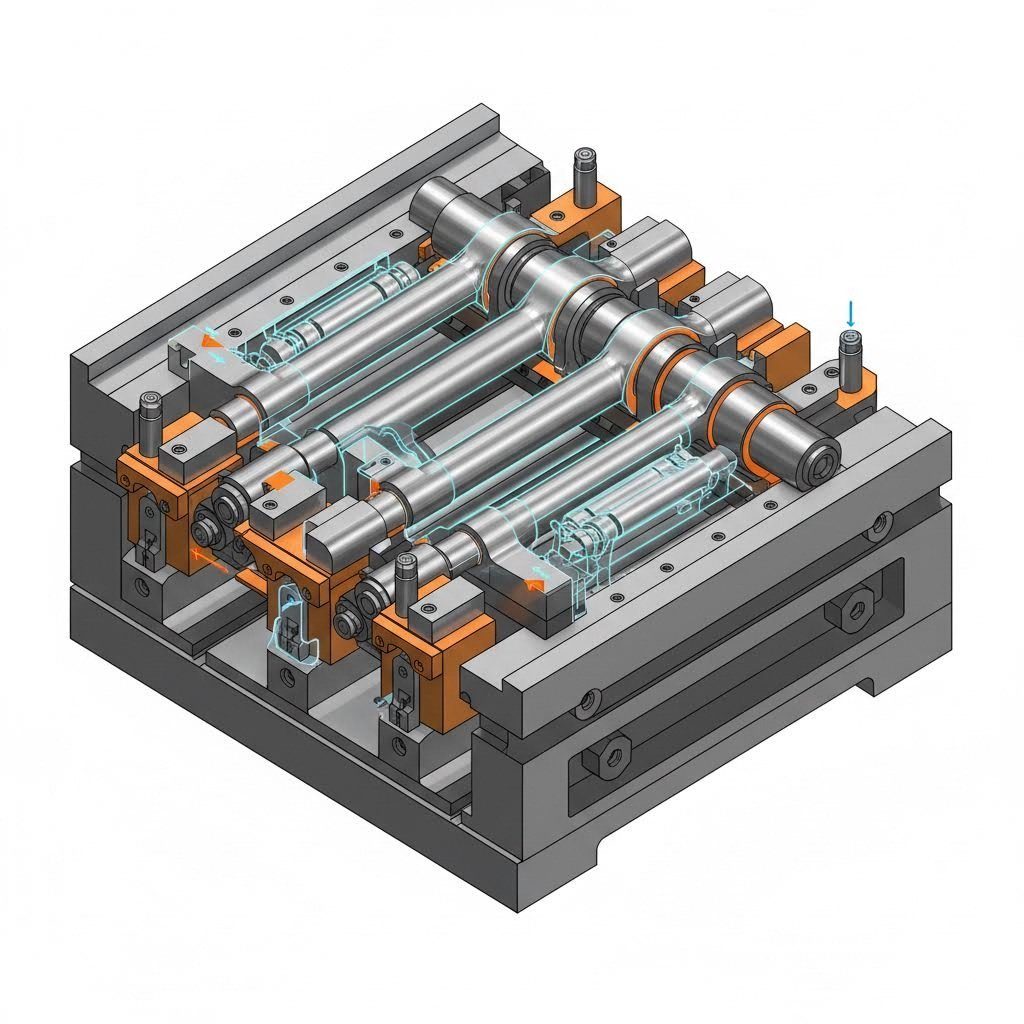
Prototype metal stamping is the bridge between digital concept and physical reality. For automotive OEMs and Tier 1 suppliers, it is a strategic risk management tool that validates engineering assumptions, material choices, and assembly processes. By effectively utilizing soft tooling and partnering with vendors who understand the transition to mass production, automotive companies can secure their supply chains, reduce upfront capital exposure, and launch vehicles with confidence.
Frequently Asked Questions
1. What is the typical lead time for automotive prototype stamping?
Lead times for prototype stamping typically range from 1 to 4 weeks, depending on part complexity and material availability. This is significantly faster than production tooling, which can take 12 to 16 weeks. Soft tooling methods like laser cutting and standard die sets allow for this rapid turnaround.
2. Can prototype stamping produce parts with production-level tolerances?
Yes, modern prototype methods can achieve tolerances very close to production standards, often within +/- 0.005 inches or tighter depending on the feature. However, because soft tooling lacks the rigidity of a dedicated production die, some variation may occur over larger runs. It is critical to define tolerance requirements early in the project.
3. What materials can be used in prototype metal stamping?
Virtually any material used in mass production can be prototyped, including stainless steel, aluminum, copper, brass, and high-strength steels (HSLA). Testing the actual production-grade material is a key benefit of prototyping, as it reveals how the specific alloy behaves during forming and bending.