 Small batches, high standards. Our rapid prototyping service makes validation faster and easier —
  EN
EN


Designing Custom Forged Wheels: From First Sketch To Finished Set
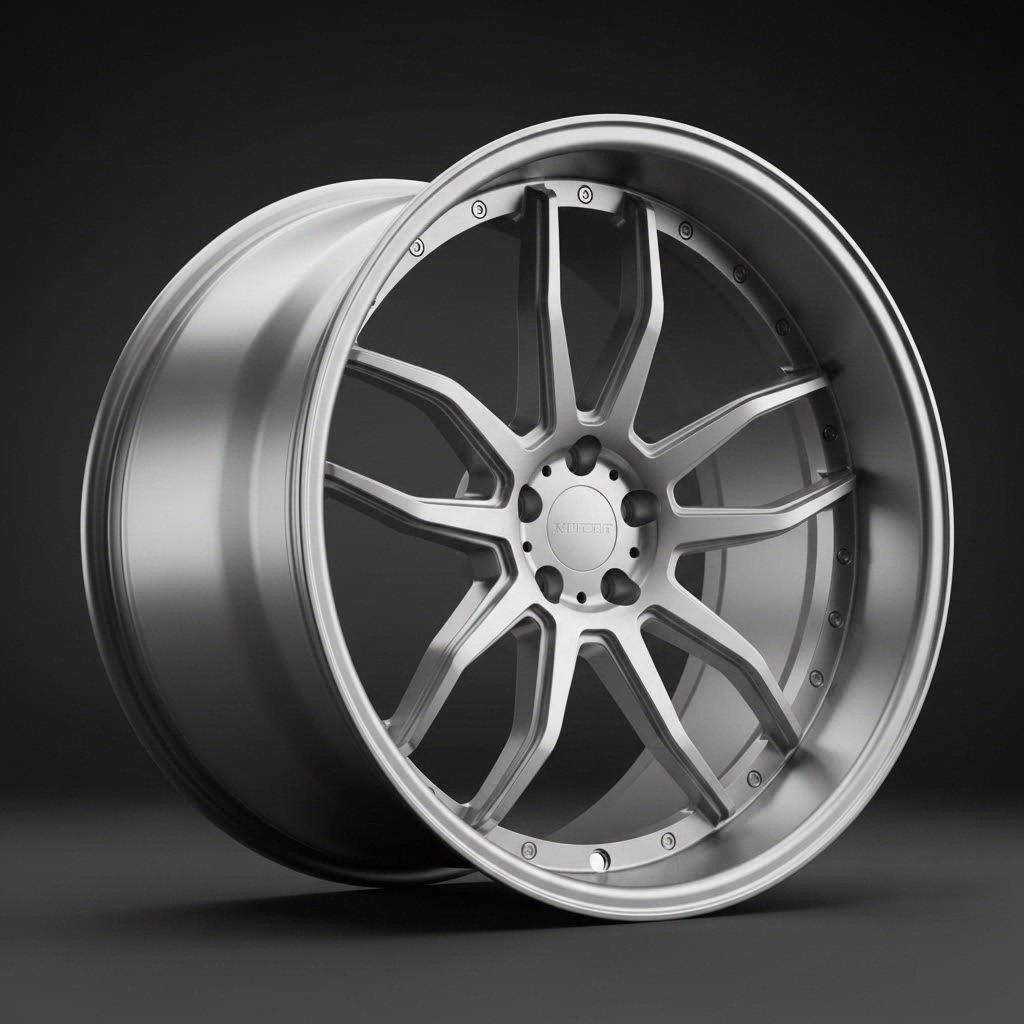
Understanding Custom Forged Wheels and Their Unique Advantages
Imagine transforming your vehicle with wheels that are engineered specifically for you - wheels that combine stunning aesthetics with race-proven performance. That's exactly what designing custom forged wheels offers. Unlike factory style wheels that come standard on most vehicles, custom forged options represent the absolute pinnacle of automotive wheel technology.
So what exactly makes forged wheels so special? The answer lies in how they're made. While cast wheels are created by pouring molten aluminum into molds, forged wheels start as solid aluminum billets that undergo extreme compression - we're talking 8,000 to 10,000 tons of pressure. This intense process creates a denser, stronger molecular structure that simply cannot be achieved through casting.
What Sets Forged Wheels Apart from Factory Options
When you compare forged wheels to standard alternatives, the differences become immediately apparent. Cast wheels, the most common type found on production vehicles, feature a granular aluminum structure that can fracture upon severe impact. Flow-formed wheels offer a middle ground - they start as cast pieces but undergo additional heat and rotational pressure to strengthen the barrel section.
Forged wheels, however, occupy an entirely different category. According to Performance Plus Tire, fully forged wheels demonstrate approximately three times the strength of cast wheels while achieving 25-30% weight reduction. This isn't marketing speak - it's measurable engineering that translates directly to how your vehicle performs.
Whether you're considering specialty forged wheels for track use or bespoke wheels for your classics on wheels restoration project, understanding these fundamental differences helps you make informed decisions.
The Appeal of Bespoke Wheel Design for Performance Enthusiasts
If you're exploring your first custom wheel project, you're probably wondering why enthusiasts obsess over forged options. The appeal extends far beyond bragging rights. Here are the three primary benefits that make custom forged wheels worth considering:
- Superior Strength-to-Weight Ratio: Forged wheels achieve remarkable durability while remaining significantly lighter than cast alternatives. This reduced weight directly improves acceleration, braking, and cornering capabilities.
- Unlimited Customization Potential: From intricate spoke patterns to custom finishes and precise fitment specifications, the forging process enables design possibilities that cast manufacturing simply cannot match. Options range from monoblock designs to sophisticated 3 piece wheels and rotary forged wheels.
- Enhanced Vehicle Performance: The reduced unsprung mass allows suspension components to react more quickly to road imperfections, maintaining better tire contact and delivering more responsive handling without compromising ride quality.
The customization aspect deserves special attention. Unlike production wheels with fixed specifications, custom forged options can be tailored to your exact requirements - diameter, width, offset, finish, and spoke profile can all be specified to complement your vehicle's personality and performance goals.
Throughout this guide, you'll discover everything needed to navigate the custom wheel design process with confidence. From understanding material selection to evaluating manufacturers, you'll gain the knowledge to transform your vision into reality.
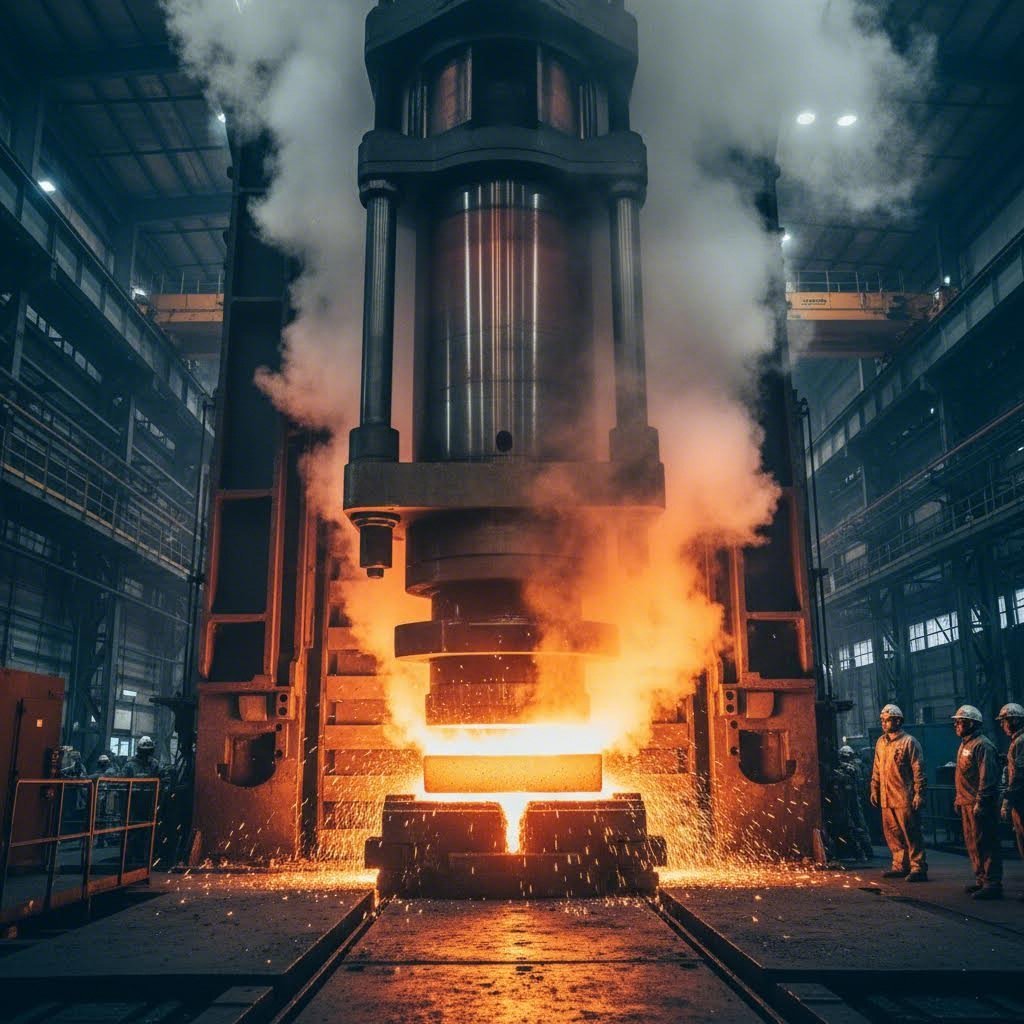
The Forging Process Behind Premium Wheel Manufacturing
Ever wondered how are forged wheels made? The transformation from a simple aluminum cylinder into a precision forged wheel involves multiple carefully controlled stages - each one critical to achieving the exceptional strength and performance characteristics that set forged wheels apart. Understanding this process helps you appreciate why aluminum wheel forging commands premium pricing and delivers superior results.
The foundation of modern wheel forging techniques traces back to 1983, when BBS Wheels introduced their revolutionary mold-forged technology. According to BBS Technology, this special multi-stage die-forging process can require up to 18 million pounds of pressure. This innovation established the framework that manufacturers still build upon today, whether producing 1 piece forged wheels or sophisticated multi-piece designs.
From Aluminum Billet to Finished Wheel
The journey begins with raw material selection. Most precision forged wheels use 6061 or 6082 aluminum alloys due to their ideal balance of strength, ductility, corrosion resistance, and machinability. These extruded aluminum logs undergo x-ray inspection for impurities, followed by metallurgical analysis to confirm composition and quality before any manufacturing begins.
Here's what happens during the complete production sequence:
- Billet Cutting and Preparation: The extruded aluminum is cut into smaller sections weighing approximately 120 pounds each. According to Apex Wheels, these sections are then pre-heated in an oven to prepare them for the forging press. The temperature must be carefully controlled - hot enough for the aluminum to become plastic and formable, but below its melting point to prevent structural damage.
- Initial Forging: The heated billet enters the forging press where 10,000 tons of pressure shapes the aluminum into a motorsport blank profile. This process, similar to stamping a coin, uses specialized dies to compress the metal into the desired shape. The incredible pressure removes any porosity, making the aluminum significantly denser and stronger than cast alternatives.
- Flow-Forming: The unformed barrel portion of the forged blank is drawn down over a drum under intense pressure. Three hydraulic rollers force the material to conform to steel tooling, creating the full rim width while further refining the grain structure for optimal strength.
- Heat Treatment (T6 Process): The blanks undergo a three-stage treatment: heating to extremely high temperatures for several hours, rapid quenching in a liquid bath, then artificial aging through controlled reheating. This process maximizes material strength by improving the aluminum's mechanical properties.
- Lathe-Turning: Still weighing around 120 pounds, each blank undergoes lathe-turning to remove 40-50% of excess material. This finalizes the barrel profile and fundamental two-dimensional spoke profile.
- CNC Face Machining: High-speed CNC machines shape each wheel into its final form. Intricate designs with complex side-milling can require six or more hours per wheel - this is where true customization happens.
- CNC Side-Milling: Ball cutters remove unnecessary material from spoke sides, transforming crude rectangular shapes into efficient I-beam or C-channel profiles. This step removes dead weight without compromising structural integrity.
- Surface Treatment and Finishing: Wheels are hand-sanded, then processed through vibratory grinding to ensure uniform surfaces. A three-stage coating process applies powdercoated primer, liquid color coat, and liquid clear coat for OEM-quality durability.
- Quality Control and Packaging: Exhaustive testing includes runout and balance checks, dimensional inspection, radiographic inspection (x-ray), and pressure testing before final cosmetic evaluation.
How Grain Structure Alignment Affects Wheel Performance
Sounds complex? Here's why it matters. When aluminum undergoes forging, something remarkable happens at the molecular level. The extreme compression forces the metal's grain structure to align along the wheel's natural stress patterns. Think of it like wood grain - cutting with the grain produces stronger results than cutting against it.
This grain alignment delivers measurable performance benefits:
- Enhanced Fatigue Resistance: Aligned grains distribute stress more evenly throughout the wheel structure, dramatically extending service life under repeated loading cycles.
- Superior Impact Strength: The compressed, aligned structure absorbs energy more effectively than the random crystalline patterns found in cast wheels.
- Reduced Porosity: Forging eliminates the microscopic air pockets that naturally occur during casting, removing potential weak points that could lead to failure.
According to FlexiForge Wheel, the multi-stage compression refines the microstructure, removes porosity, and ensures every cubic millimeter of metal contributes to structural integrity. This explains why 360 forged wheels and similar premium manufacturers invest heavily in sophisticated forging equipment rather than simpler casting methods.
The rim-spinning process deserves special attention for deep-concave or wide wheel designs. This additional step rotates the forged blank at high speed while rollers stretch and compress the barrel, allowing thinner walls and lower weight without sacrificing strength. Manufacturers like bcr forged wheels utilize these techniques to achieve aggressive styling while maintaining structural performance.
Understanding these manufacturing stages empowers you to evaluate quality claims from different manufacturers. When a company describes their forging process in detail - including heat treatment specifications, machining tolerances, and testing protocols - you're seeing evidence of genuine engineering investment rather than marketing shortcuts.
Material Selection Guide for Forged Wheel Alloys
Now that you understand how forged wheels are manufactured, a critical question emerges: what material should your custom forged wheels actually be made from? Are forged wheels aluminium? The short answer is yes - most are. However, the specific alloy composition dramatically affects performance, durability, and cost. Whether you're building forged 2 piece wheels for street use or three piece forged wheels for track competition, material selection represents one of your most consequential decisions.
Let's break down the options available when designing custom forged wheels, comparing their real-world characteristics so you can match material properties to your specific requirements.
Aluminum Alloy Grades and Their Performance Characteristics
When manufacturers discuss aluminum forged wheels, they're typically referring to specific alloy grades within the 6000 series. Two options dominate the premium wheel market: 6061-T6 and 6082-T6 aluminum. Understanding their differences helps you evaluate manufacturer claims and make informed choices.
6061-T6 Aluminum: The Versatile Standard
According to Machining Custom, 6061 aluminum is one of the most commonly used alloys in CNC machining due to its exceptional balance of strength, workability, and cost. For wheel applications, 6061-T6 offers several compelling advantages:
- Excellent Machinability: This alloy machines beautifully, enabling intricate spoke designs and precise tolerances that define high-end machined rims.
- Superior Weldability: Critical for multi-piece wheel construction where barrel sections must join seamlessly to center discs.
- Good Corrosion Resistance: Performs well in varied weather conditions and maintains appearance over time.
- Cost-Effective Performance: More affordable than 6082 while still delivering genuine forged wheel benefits.
The tensile strength of 6061-T6 ranges from 240-310 MPa, with yield strength between 205-250 MPa. These specifications make it ideal for street-driven vehicles where extreme stress loading remains occasional rather than constant.
6082-T6 Aluminum: The Strength Champion
Often referred to as "the strongest of the 6000 series," 6082-T6 aluminum contains higher silicon content, contributing to increased strength and improved wear resistance. For demanding applications, this alloy offers measurable advantages:
- Higher Tensile Strength: Ranging from 310-430 MPa - significantly stronger than 6061-T6.
- Superior Yield Strength: Approximately 270 MPa, providing better resistance to deformation under load.
- Enhanced Durability: Brinell hardness of 95 HB compared to lower ratings for 6061, meaning greater wear resistance.
- Better Stress Performance: Ideal for track use, heavy vehicles, or aggressive driving styles.
The tradeoff? 6082-T6 is somewhat tougher to machine, potentially requiring slower cutting speeds and more advanced equipment. This can translate to higher manufacturing costs and longer production times for complex brushed rims or intricate spoke patterns.
When Forged Magnesium Makes Sense for Your Build
For enthusiasts seeking the absolute pinnacle of lightweight performance, forged magnesium wheels represent the ultimate option. According to ALT Forged, magnesium is one of the lightest structural metals available, making it ideal for racing and high-performance vehicles where every gram matters.
Magnesium forged wheels typically weigh between 14-20 pounds each - significantly lighter than aluminum forged wheels at 21-30 pounds per wheel. This dramatic weight reduction delivers measurable improvements in acceleration, braking, and handling response.
However, magnesium comes with important considerations:
- Higher Cost: Expect significant price premiums over aluminum alternatives.
- Corrosion Concerns: Magnesium requires more careful maintenance and protective coatings to prevent oxidation.
- Specialized Applications: Best suited for motorsports and dedicated track vehicles rather than daily drivers.
Complete Material Comparison for Custom Forged Wheels
The following table summarizes key characteristics to help you evaluate which material aligns with your project goals:
| Characteristic | 6061-T6 Aluminum | 6082-T6 Aluminum | Forged Magnesium |
|---|---|---|---|
| Weight (per wheel) | 21-30 lbs | 22-31 lbs | 14-20 lbs |
| Tensile Strength | 240-310 MPa | 310-430 MPa | 250-290 MPa |
| Corrosion Resistance | Excellent | Very Good | Requires Protection |
| Machinability | Excellent | Good | Good |
| Cost Factor | Moderate | Moderate-High | Premium |
| Ideal Use Case | Street performance, daily drivers, general custom builds | Track use, heavy vehicles, high-stress applications | Motorsports, dedicated track cars, weight-critical builds |
Matching Material to Your Performance Goals and Budget
When planning your custom forged wheel project, consider how material selection impacts both immediate costs and long-term satisfaction:
- Choose 6061-T6 if you prioritize design flexibility, reasonable cost, and excellent all-around performance for street applications.
- Choose 6082-T6 if structural strength is paramount - ideal for heavy vehicles, aggressive track use, or applications involving sustained high loads.
- Choose Forged Magnesium if weight reduction is your primary objective and budget allows for premium investment, typically for competition or collector vehicles.
Most enthusiasts find 6061-T6 aluminum delivers the optimal balance of performance, customization potential, and value. However, understanding all available options ensures you're making decisions based on engineering reality rather than assumptions.
With material selection understood, the next critical step involves determining the precise technical specifications that will ensure your custom wheels fit your vehicle perfectly.
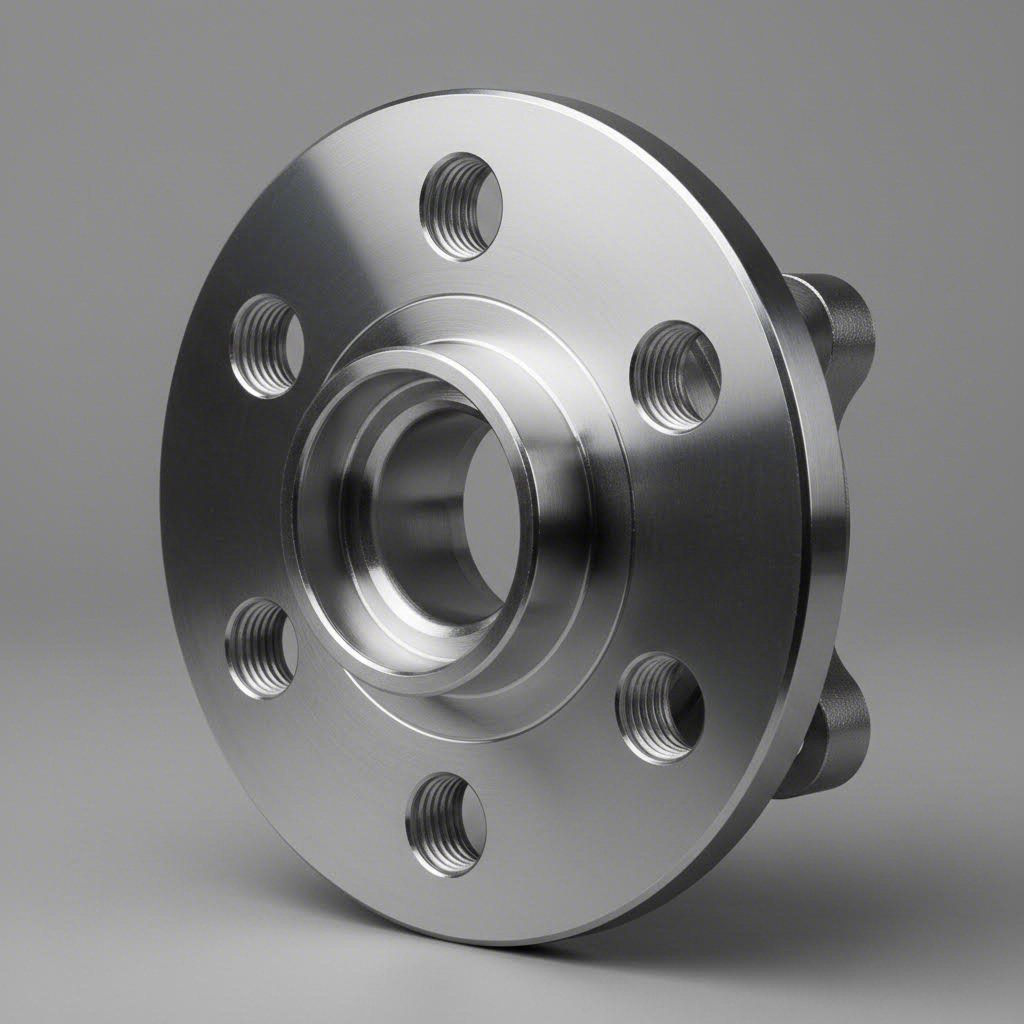
Technical Specifications and Fitment Requirements Explained
You've selected your material and understand the forging process - but here's where many custom wheel projects go sideways. Getting technical specifications wrong doesn't just affect aesthetics; it can create serious safety issues and handling problems. According to MotorTrend, the consequences of botched measurements include wheels that bump against shocks or brake calipers, torque steer, and overall poor handling.
Before contacting any manufacturer about designing custom forged wheels, you'll need specific measurements in hand. This pre-purchase research phase separates successful builds from expensive mistakes - yet most buyers skip it entirely. Let's change that.
Decoding Wheel Fitment Specifications
Every custom wheel requires four fundamental specifications to fit your vehicle correctly. Miss any one of these, and your beautiful new wheels might not even mount - or worse, they could damage suspension components or create dangerous driving characteristics.
Essential Measurements Before Ordering Custom Wheels
- Bolt Pattern (PCD): The imaginary circle formed by your lug holes - get this wrong and your wheels literally cannot mount to your vehicle.
- Offset: The distance from the wheel's centerline to its hub-mounting surface, measured in millimeters.
- Width: How wide your wheels are from bead-seat to bead-seat, affecting tire selection and fitment.
- Diameter: The overall wheel size that determines brake clearance and tire compatibility.
- Hub Bore (Center Bore): The diameter of the hole that slides onto your vehicle's hub - typically 73.1mm for aftermarket wheels using hubcentric rings.
According to BB Wheels, understanding your vehicle's bolt pattern is critical for both safety and style. The measurement follows a simple format: the first number indicates how many lug holes exist, while the second represents the circle's diameter in millimeters. For example, 5x114.3 means five lugs with a 114.3mm pitch circle diameter.
Common Bolt Patterns by Vehicle Manufacturer
Five-lug patterns dominate passenger cars and SUVs, but the specific measurements vary significantly between manufacturers. If you're shopping for 3 piece wheels 5x100, that pattern typically fits Subaru, Toyota, and older Volkswagen models. Looking for 5x112 3 piece wheels? You're likely driving an Audi, Mercedes-Benz, or modern Volkswagen. The popular 3 piece wheels 5x114 pattern covers most Honda, Nissan, and many domestic vehicles.
| Vehicle Category | Common Bolt Patterns | Typical Offset Range | Common Width Range |
|---|---|---|---|
| Japanese Sports Cars | 5x114.3, 5x100 | +30 to +45 | 8.5" - 10.5" |
| European Sports Cars | 5x112, 5x120, 5x130 | +35 to +55 | 8.5" - 11" |
| American Muscle | 5x114.3, 5x120.65 | +20 to +45 | 9" - 11" |
| Luxury Sedans | 5x112, 5x120 | +35 to +50 | 8" - 9.5" |
| Trucks & SUVs | 6x135, 6x139.7, 8x165.1 | -12 to +25 | 9" - 12" |
How to Calculate Proper Offset for Your Vehicle
Offset confuses many enthusiasts, but it's actually straightforward once you visualize it. According to ThreePiece.us, think of offset as the distance from the wheel's centerline to where it mounts - the lower the number, the more the wheel pokes outward.
Offset breaks down into three categories:
- Positive Offset: The mounting surface sits closer to the wheel's outboard face. Most front-wheel-drive vehicles use positive offset, typically +30 to +50mm for daily drivers.
- Negative Offset: The mounting surface sits closer to the inboard side, pushing the wheel outward and increasing track width. Many rear-wheel-drive performance cars and trucks use negative offset.
- Zero Offset: The mounting surface aligns perfectly with the wheel's centerline - rare in modern applications.
"Just like when you shop for shoes for yourself, if you don't get the right size and sole for your feet, it can make a big difference." - Eddie Lee, Titan 7
When upgrading to wider wheels - whether 2 piece wheels or 3 piece wheel designs - you'll typically need to reduce offset to prevent interference with suspension components. For example, if you're jumping from 8" to 10" wide wheels, reducing offset by approximately 25mm often compensates for the additional width on the inboard side.
Width and Tire Sizing Relationship
Wheel width directly determines which tire sizes fit properly. According to ThreePiece.us, wheels advertised as 9.0" wide actually measure 10" from flange to flange - a critical distinction when planning tire fitment.
Here's the practical relationship:
- 8" - 8.5" wheels: Accommodate 225-245mm tire widths
- 9" - 9.5" wheels: Support 255-275mm tire widths - the sweet spot for most performance applications
- 10" - 10.5" wheels: Handle 275-295mm tire widths
- 11"+ wheels: Required for 305mm and wider tires
For specific applications like the C8 Z06, understanding c8 z06 tire size requirements becomes essential. The Z06's aggressive fitment often calls for 20 inch concave wheels with specific offset ranges to clear the wider body panels and accommodate its massive tires.
Diameter Considerations
Larger wheels require more aluminum, meaning increased weight - something to consider when performance matters. If you're pursuing the lightest possible setup, opt for the smallest diameter that clears your brake calipers. However, larger diameters like 20 inch concave wheels offer greater visual impact and allow for more dramatic spoke designs.
Diameter also affects tire selection. Larger wheels typically pair with lower-profile tires, improving turn-in response but potentially degrading ride quality. Finding the optimal diameter involves balancing performance goals against aesthetics and daily comfort requirements.
Armed with these specifications, you're now prepared to communicate effectively with manufacturers and evaluate whether quoted specifications actually match your vehicle's requirements. The next step? Developing the design vision that brings these technical specifications to life.
Developing Your Custom Wheel Design Vision
You've nailed down the technical specifications - now comes the exciting part. Designing custom forged wheels isn't just about numbers and measurements; it's about creating something that transforms your vehicle's entire personality. Whether you're drawn to aggressive deep dish 3 piece wheels or refined monoblock designs, this stage turns engineering into art.
But here's where many enthusiasts stumble. They know what they like when they see it, yet struggle to articulate that vision to manufacturers. Let's bridge that gap by exploring how to develop a cohesive design direction that balances your aesthetic preferences with real-world performance requirements.
Finding Your Design Inspiration and Style Direction
Where do you start when the possibilities seem endless? Begin by studying rim designs that catch your attention. Browse automotive forums, manufacturer galleries, and car shows - but don't just admire passively. Ask yourself why certain wheels appeal to you. Is it the aggressive concave profile? The intricate spoke pattern? The way light plays across a brushed finish?
Consider your vehicle's existing design language. A classic muscle car might suit timeless five-spoke patterns with gold rims spokes accents, while a modern European sports car could benefit from multi-spoke designs with machined faces. The goal isn't copying someone else's build - it's understanding which elements resonate with your vision.
Wheel Construction Types: Choosing Your Foundation
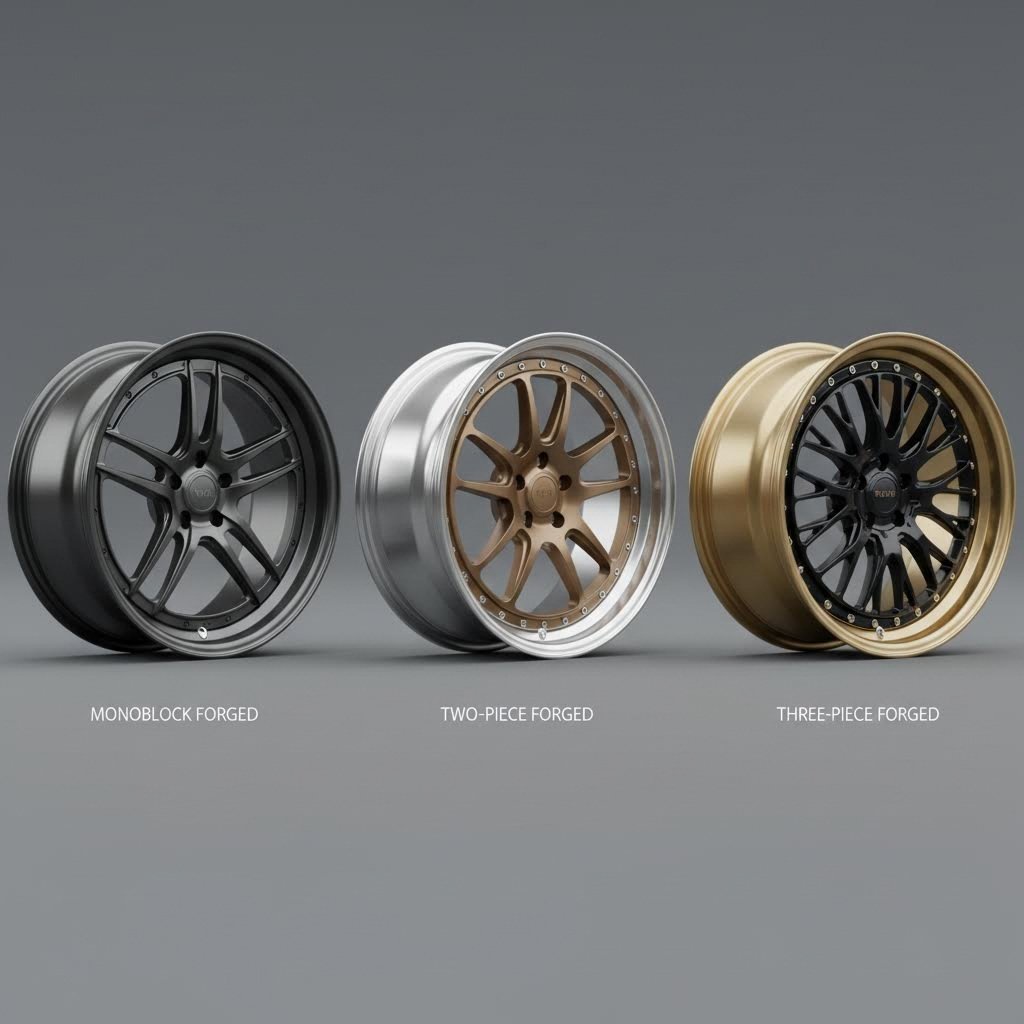
Before diving into aesthetics, you'll need to decide on construction type. According to Apex Wheels, each construction method offers distinct advantages:
1-Piece (Monoblock) Wheels
These wheels combine the center section and barrel in a single forging. They deliver an unbeatable balance between strength, stiffness, and weight savings. Without bolts or assembly flanges, monoblock designs achieve substantial weight reduction while requiring minimal maintenance. The tradeoff? Limited customization for different fitments - you'll need to find an option that works for your specific application.
2-Piece Wheels
Two-piece construction joins a center section to a single barrel, typically through welding. This modular approach allows customization for various sizes and offsets, though repairs aren't as efficient as three piece wheels since components are often welded together.
Three Piece Wheels
The most customizable option, three piece rims separate the barrel into inner and outer sections joined with bolts to a center disc. This modular construction makes custom 3 piece wheels ideal for unique fitment requirements and motorsports applications. According to Apex Wheels, serious racing teams favor this construction because damaged parts can be replaced without scrapping entire wheels - critical for trackside repairs during competition.
However, three piece wheels require more maintenance. They're prone to air leaks from gaskets or bolts, and those fasteners need regular tightening and inspection for road use. Complex designs also mean higher manufacturing costs.
Translating Your Vision into Technical Specifications
Once you've selected your construction type, focus on the design elements that define your wheel's character:
- Spoke Patterns: From classic five-spoke designs to intricate multi-spoke arrangements, spoke count and shape dramatically affect visual impact and weight distribution.
- Lip Depths: Deep dish 3 piece wheels create aggressive stance, while minimal lips suit vehicles with tight clearance requirements. According to Apex Wheels, lip design significantly impacts wheel performance - reinforced lip profiles with C-shaped channels deliver superior strength compared to single rolled-lip designs.
- Concavity: How deeply the spokes recess toward the hub affects both aesthetics and brake clearance. More concave profiles create dramatic depth but may limit caliper compatibility.
- Color Customization: From subtle gunmetal to bold custom paint matching your vehicle's bodywork, color choices should complement your overall build direction.
Finish Types and Their Characteristics
Your finish selection affects both appearance and maintenance requirements. According to Les Schwab, here are the primary options:
- Chrome: The classic mirror-reflective finish that delivers maximum visual impact. Multiple layers of copper, nickel, and chromium create stunning brightness, though regular cleaning with mild soap prevents pitting from brake dust and road chemicals.
- Machined: CNC cutting removes a thin layer of metal, leaving visible tooling marks similar to CD surfaces. Clear coating protects against corrosion while maintaining that precision-engineered aesthetic.
- Brushed: Linear finishing creates subtle texture and softer reflections than chrome. This understated look pairs beautifully with both classic and modern vehicles.
- Powder Coat: Electrically charged particles bake onto the wheel surface, creating exceptional durability against chips, scratches, and rust. Endless color options exist, though recoating later isn't recommended.
- PVD (Physical Vapor Deposition): A chrome-like shine at reduced weight, applied in vacuum chambers with protective clear coating. These wheels handle winter chemicals better than traditional chrome.
- Custom Paint: Wet paint followed by clear topcoat offers unlimited color matching possibilities - perfect for coordinating with unique vehicle colors.
Balancing Aesthetics with Performance
Here's the reality: the most visually striking wheel isn't always the best performer. Finding balance requires honest assessment of your priorities.
If track performance matters, prioritize weight savings over deep-lip styling. Monoblock construction typically offers the best strength-to-weight ratio. Choose simpler spoke patterns that allow efficient machining without excessive material removal.
For street-focused builds where appearance takes precedence, three piece rims allow maximum customization of lip depths, finishes, and fitment. Just accept the maintenance requirements and slight weight penalty that comes with modular construction.
"We didn't build the lightest wheels we could possibly make, we built the lightest wheels we wanted to make." - Apex Wheels on balancing performance with practical strength requirements
Consider how your wheel choice affects long-term ownership. Chrome finishes demand regular attention to maintain their brilliance. Complex spoke patterns trap brake dust in hard-to-reach areas. Deep dish profiles may limit tire options or require specific mounting procedures.
With your design vision crystallized, the next critical consideration becomes budget - understanding what drives custom forged wheel pricing and how to plan your investment wisely.
Pricing Factors and Budget Considerations for Custom Wheels
You've developed your design vision and understand the technical specifications - now comes the question that makes or breaks many custom wheel projects: how much will this actually cost? Designing custom forged wheels represents a significant investment, and understanding what drives pricing helps you budget effectively and evaluate quotes intelligently.
Here's the honest truth: custom forged wheels cost substantially more than off-the-shelf alternatives. According to Tree Wheels, custom forged wheels typically range from $170-$680 per wheel depending on size and construction type. That's a wide spread - and knowing what pushes prices toward each end helps you make informed decisions.
Understanding What Drives Custom Forged Wheel Pricing
Why do forged wheels cost 5-10 times more than cast alternatives? The answer lies in manufacturing complexity. Cast wheels are made by pouring molten aluminum into molds - an efficiently automated process requiring minimal individual attention. Forged wheels? Each one begins with solid aluminum billets compressed under up to 10,000 tons of pressure, then individually CNC-machined to final specifications.
Several primary factors influence your final investment:
- Material Grade: Standard 6061-T6 aluminum costs less than premium 6082-T6 or forged magnesium. Higher-grade materials require more sophisticated processing and command premium pricing.
- Wheel Construction Type: Monoblock (one-piece) forged wheels start around $170-$370 for 15-24" sizes. Two-piece designs range from $395-$570, while 3 piece rims cost $480-$680 per wheel.
- Finish Complexity: Basic powder coating costs less than multi-stage chrome 3 piece wheels or custom paint matching. Chrome plating involves multiple metal layers, dramatically increasing both material and labor costs.
- Size: Larger diameters require more aluminum, specialized forging equipment, and extended machining time. A 24" wheel costs significantly more than a 17" wheel in identical construction.
- Manufacturer Reputation: Established 3 piece wheels brands with proven track records, quality certifications, and warranty support typically command higher prices than unknown manufacturers.
Why 3pc Wheels Cost More Than Monoblock Designs
According to Vivid Racing, three-piece wheels are notoriously expensive - often costing two to three times more than comparable one-piece options. But why?
The answer involves both materials and manufacturing complexity. Three-piece construction requires separate forging and machining of the center disc plus inner and outer barrel sections. Each component demands individual quality control. Assembly requires precision hardware, specialized gaskets, and meticulous torque specifications. The customization flexibility that makes 3pc wheels appealing - variable widths, offsets, and lip depths - comes at the cost of significantly more manufacturing steps.
For enthusiasts seeking cheap 3 piece wheels, understand that dramatic price reductions typically indicate corners being cut somewhere - whether in material quality, manufacturing tolerances, or finish durability.
Budget Planning for Your Custom Wheel Project
When comparing rotiform wheels price ranges to other manufacturers, remember that published wheel prices tell only part of the story. Several additional costs deserve consideration:
Hidden Costs to Factor Into Your Budget
- Mounting and Balancing: Professional mounting typically runs $20-$40 per wheel, with precision balancing adding another $15-$30 per wheel.
- TPMS Sensors: If your vehicle requires tire pressure monitoring, budget $50-$150 per sensor for quality units, plus programming fees.
- Hubcentric Rings: Most aftermarket wheels require these adapters for proper hub mounting - typically $20-$50 per set.
- New Tires: Changing wheel sizes often means new rubber. Premium performance tires can cost as much as the wheels themselves.
- Alignment: Any wheel change should include alignment verification - typically $80-$150.
The Value Proposition: Quality Versus Cheap Alternatives
Is the forged wheel investment worthwhile? According to Tree Wheels, forged wheels deliver measurable benefits for performance enthusiasts: 20-40% weight reduction, superior strength, and enhanced driving dynamics. For daily drivers prioritizing transportation over performance, cast wheels provide adequate function at dramatically lower cost.
The durability factor deserves attention too. Quality forged wheels often outlast multiple sets of cheap alternatives, and their repairability means damage doesn't always require complete replacement.
Framework for Evaluating Manufacturer Quotes
When comparing quotes from different sources, ensure you're evaluating equivalent specifications:
- Confirm identical construction type (monoblock, two-piece, or three-piece)
- Verify material grade matches across quotes
- Compare finish specifications exactly - "brushed" can mean different things to different manufacturers
- Check what's included: mounting hardware, center caps, valve stems, warranty terms
- Factor in shipping costs, especially for international manufacturers
"The 'worth it' question ultimately depends on your specific needs and priorities."
With realistic budget expectations established, the next crucial consideration becomes understanding production timelines - what to expect during the custom wheel creation process from order placement to final delivery.
Production Timelines and the Custom Wheel Creation Process
You've finalized your design vision and established a realistic budget - but how long will you actually wait before those custom forged wheels arrive at your door? Production timelines represent one of the least discussed yet most critical aspects of designing custom forged wheels. Understanding what happens behind the scenes helps you plan installations, manage expectations, and recognize which manufacturers deliver on their promises.
Here's the reality: custom forged wheels aren't pulled from warehouse shelves. Each set is manufactured specifically for your order, meaning production timelines vary significantly based on design complexity, finish requirements, and manufacturer capacity. According to FlexiForged, most monoblock wheels ship within 15-20 working days by air, while complex three-piece designs may require 25-30 calendar days from contract signing to packaging completion.
Typical Production Timelines for Custom Forged Wheels
What exactly happens during those weeks between placing your order and receiving your wheels? The production journey for 3 pieces wheels and monoblock designs follows similar stages, though timing varies based on construction complexity. Understanding each phase helps you anticipate delays and communicate effectively with manufacturers.
Complete Production Phase Breakdown
- Design Approval and Contract Confirmation (Days 1-3): Production begins once you approve technical drawings and confirm specifications. Your engineering team reviews 2D and 3D CAD drawings detailing PCD, offset, hub bore, finish, and branding. This step locks your production slot and initiates material planning.
- Engineering Review and Material Preparation (Days 4-7): Manufacturers verify all specifications are achievable and source appropriate 6061-T6 aluminum billets. According to FlexiForged, raw aluminum bars undergo initial preparation before forging. Non-standard designs may require additional engineering validation.
- Forging Process (Days 8-12): Heated aluminum billets enter forging presses where 10,000+ tons of pressure shape the metal into wheel blanks. This stage aligns grain structure for optimal strength - rushing this process compromises the fundamental benefits that make forged wheels superior.
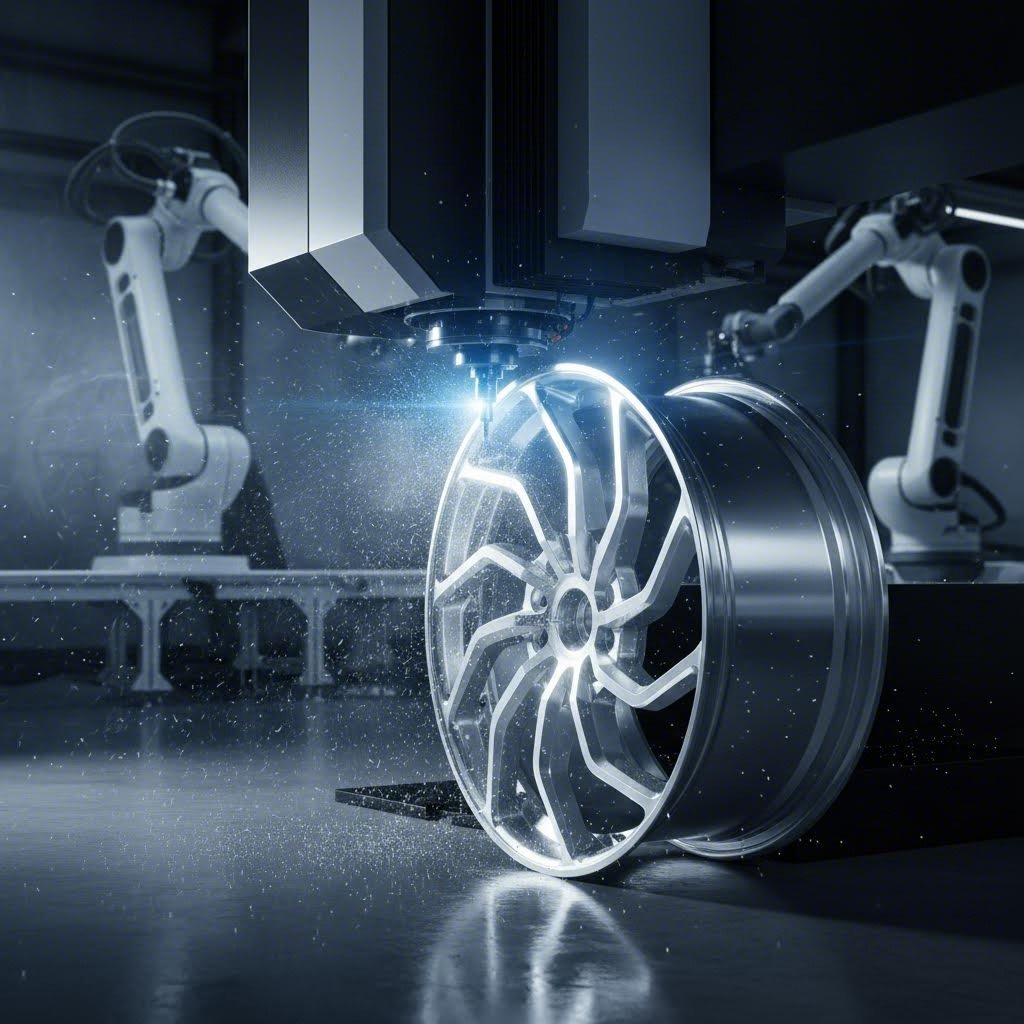
- CNC Precision Machining (Days 13-18): Custom wheel machining transforms forged blanks into finished designs. According to Swihart Industries, this stage involves milling, drilling, turning, and various CNC machining capabilities. Complex spoke patterns requiring 5-axis machining may need 6+ hours per wheel - a 3 piece forged wheel with intricate detailing takes significantly longer than simple monoblock designs.
- Surface Finishing (Days 19-23): Wheels undergo customer-selected surface treatments: powder coating, brushing, anodizing, polishing, or chrome plating. Multi-process or two-tone finishes add complexity and time. Each finish requires controlled processing environments to ensure consistent results.
- Quality Control and Inspection (Days 24-26): Final inspection covers dimensional accuracy, weight verification, balance testing, and surface finish evaluation. Manufacturers with IATF 16949 certification follow rigorous protocols ensuring components meet exact specifications. Optional logo engraving or laser etching occurs after QC approval.
- Packaging and Dispatch (Days 27-30): Finished wheels receive foam wrapping, export-grade cartons, and palletization. Documentation and customs paperwork preparation occurs simultaneously. At this point, your custom cnc wheels are ready for international shipping.
Key Milestones in Your Custom Wheel Order
Beyond the production stages, several milestones affect your overall timeline from initial inquiry to installation:
Factors That Extend Lead Times
- Design Complexity: Intricate spoke patterns, deep concave profiles, and multi-piece construction require additional machining time. Simple five-spoke monoblock designs process faster than elaborate twelve-spoke forged 3 piece wheels.
- Finish Type: Standard powder coating processes quickly. Chrome plating requires multiple metal layers and extended curing. Two-tone finishes or custom color matching add days to production schedules.
- Manufacturer Capacity: Peak seasons and existing order backlogs affect scheduling. Established manufacturers with multiple CNC machines handle volume more efficiently than smaller operations.
- Custom Components: Specialty center caps, floating emblems, or custom hardware sourcing can introduce unexpected delays if components aren't stocked.
Factors That Accelerate Timelines
- Standard Specifications: Common sizes, bolt patterns, and offsets process faster than unusual fitments requiring custom tooling.
- Single-Stage Finishes: Straightforward powder coating or machined faces avoid the complexity of multi-process treatments.
- Established Designs: Selecting from existing spoke patterns rather than developing custom designs eliminates engineering review time.
Why Quality Certifications Matter for Production Consistency
When evaluating manufacturers, their quality certifications directly impact both product reliability and timeline predictability. IATF 16949 certification - the international standard for automotive quality management systems - indicates a manufacturer has implemented rigorous quality control protocols throughout their production process.
What does this mean practically? Certified manufacturers maintain documented procedures for every production stage, reducing errors that cause delays. They track components through production, catch defects before finishing stages, and maintain the equipment calibration necessary for consistent results.
"Our multi-point quality control checks ensure wheels are securely packed using protective materials and reinforced export cartons to prevent damage during transportation." - FlexiForged on quality assurance protocols
For enthusiasts seeking accelerated timelines without sacrificing quality, established manufacturers with streamlined operations offer significant advantages. Shaoyi (Ningbo) Metal Technology exemplifies this approach, offering rapid prototyping in as little as 10 days while maintaining IATF 16949 certification standards. Their in-house engineering team ensures precision throughout production, and strategic location near Ningbo Port enables efficient international shipping - critical factors when timeline matters as much as quality.
Shipping Considerations After Production
Production completion doesn't mean immediate delivery. Factor in shipping time based on your location and chosen method:
- Air Freight: Fastest option at 5-10 days for international delivery, but most expensive. Ideal for urgent installations or single sets.
- Sea Freight: More economical for bulk orders, but requires 3-6 weeks depending on destination port. Best for businesses ordering multiple sets.
- Customs Clearance: Import regulations, duties, and compliance requirements vary by country. Experienced manufacturers handle export documentation, but local customs processing adds variable time.
The cnc custom wheels production process rewards patience and planning. Rush orders compromise either quality or cost - often both. By understanding realistic timelines and working with certified manufacturers who communicate clearly throughout production, you'll receive wheels that meet expectations without unpleasant surprises.
With production timelines understood, the final critical step involves evaluating and selecting the right manufacturer - understanding what separates exceptional partners from those who overpromise and underdeliver.
How to Evaluate Custom Forged Wheel Manufacturers
You understand the production process, have realistic timeline expectations, and know exactly what specifications you need. But here's where many enthusiasts make costly mistakes: choosing the wrong manufacturer. Designing custom forged wheels involves significant investment, and the company you partner with determines whether that investment delivers exceptional results or expensive disappointment.
Not all wheel manufacturers are created equal. According to FlexiForge Wheel, in an industry where quality, safety, and durability are crucial, picking a certified manufacturer is not just a choice - it's a must. Without proper certifications, you might end up with products that could break easily, leading to expensive recalls, unhappy customers, and even safety risks.
So how do you separate exceptional manufacturers from those who overpromise? Let's break down the evaluation criteria that matter most.
Essential Questions to Ask Before Choosing a Manufacturer
When you're researching options - whether browsing ccw classics inventory or comparing rotiform wheel offerings - certain questions reveal a manufacturer's true capabilities. Don't accept vague answers. Push for specifics that demonstrate genuine expertise.
Your Manufacturer Evaluation Checklist
- Quality Certifications: Does the manufacturer hold IATF 16949 certification? This international automotive quality standard indicates rigorous production controls. Additional certifications like ISO 9001, JWL/JWL-T (Japanese safety standards), TÜV (European testing), and VIA (third-party verification) provide further assurance.
- Production Capabilities: What forging equipment do they operate? Can they handle your specific size, offset, and construction requirements? Do they offer both prototyping and production-volume capabilities?
- Material Sourcing: Where do they source aluminum billets? According to K7 Forged, reputable manufacturers use aerospace-grade 6061-T6 forged aluminum - the same material found in aircraft structures.
- Finish Options: What finishing processes do they perform in-house versus outsource? In-house finishing typically ensures better quality control and faster turnaround.
- Warranty Terms: What structural and finishing warranties do they offer? K7 Forged notes that quality manufacturers provide lifetime structural warranties and at least one-year finishing coverage - budget brands often neglect issues like material defects or consistent craftsmanship.
- Customer Support: How accessible is their engineering team for technical questions? Can you communicate directly with design and production staff?
Why IATF 16949 Certification Matters
According to FlexiForge Wheel, IATF 16949:2016 certification is vital for wheel manufacturers supplying major automakers. This certification covers the entire production process, ensuring high-quality standards at every stage with focus on continuous improvement and defect prevention.
What does this mean for your custom wheel order? Certified manufacturers maintain documented procedures, calibrated equipment, and traceable quality records. When something goes wrong - and in manufacturing, variables always exist - certified facilities identify and correct issues systematically rather than shipping problematic products.
"To find a reliable wheel manufacturer, you have to look beyond the number of years they were active, because these days even established businesses sacrifice quality in exchange for more profits." - K7 Forged
Red Flags and Green Lights When Vetting Wheel Makers
Experience teaches discernment. Whether you're evaluating ccw classic wheels for your Corvette project or exploring rotiform wheels for sale, these indicators help separate trustworthy manufacturers from risky choices.
Warning Signs to Watch For
- No In-House Testing Documentation: According to K7 Forged, if manufacturers just post CAD renders without showing actual testing or real customer installations, they likely don't perform rigorous quality verification.
- Vague Material Specifications: Legitimate manufacturers specify exact alloy grades. "Aircraft-grade aluminum" without specific designations suggests marketing over engineering.
- Limited or Conditional Warranties: Short warranty periods or excessive exclusions indicate lack of confidence in their own products.
- No Certification Documentation: Quality certifications should be verifiable. Ask for certificate numbers and verify with issuing bodies.
- Unrealistic Pricing: Dramatically lower prices than established competitors typically indicate compromised materials, shortcuts in manufacturing, or inadequate quality control.
Positive Indicators of Quality Manufacturers
- Transparent Production Processes: Willingness to explain and document manufacturing stages demonstrates confidence and expertise.
- Real Customer Installations: According to K7 Forged, manufacturers showcasing actual customer cars with their wheels - not just renders - prove their products perform in real-world conditions.
- Comprehensive Testing Protocols: Reputable manufacturers conduct impact testing, rotary fatigue testing, and radial fatigue testing before shipping. Ask for testing documentation.
- Accessible Technical Support: Direct communication with engineering staff for specification questions indicates customer-focused operations.
- Clear Return Policies: Straightforward processes for addressing defects show manufacturers stand behind their work.
Domestic Versus International Manufacturers
According to Pro Performance Wheels, American-made custom wheels offer several advantages including tighter quality control, easier warranty service, and faster turnaround for custom orders. You won't deal with international shipping complexities or language barriers when issues arise.
However, international manufacturers - particularly those with established export operations and quality certifications - often provide competitive pricing and comparable quality. Key considerations include:
- Shipping Costs and Timelines: International orders require longer delivery windows and higher freight costs, especially for air shipping.
- Communication Efficiency: Time zone differences and language barriers can complicate design discussions and issue resolution.
- Customs and Import Requirements: Understanding duties, compliance requirements, and documentation needs before ordering prevents surprises.
- Warranty Service Logistics: Returning defective wheels internationally costs significantly more than domestic returns.
Verifying Manufacturer Claims and Reviewing Portfolios
Talk is cheap - verification matters. Here's how to confirm manufacturers deliver what they promise:
- Request Customer References: Established manufacturers should willingly connect you with previous customers who can speak to their experience.
- Review Social Media Presence: Active accounts with customer installations, behind-the-scenes production content, and responsive engagement indicate legitimate operations.
- Check Forum Discussions: Automotive enthusiast communities discuss manufacturer experiences extensively. Search for the company name plus "review" or "experience" to find unfiltered feedback.
- Verify Certifications: Contact certification bodies to confirm validity. IATF certifications are searchable through official databases.
- Request Sample Specifications: Ask for detailed specifications from previous projects similar to yours. Quality manufacturers maintain comprehensive documentation.
"Make sure the wheel manufacturer has in-house testing for their products. Check their website to see if they mention their wheel quality standards. Scout their social media pages and any reviews you can find to see if they are upholding their promises." - K7 Forged
Whether you're drawn to ccw wheels corvette applications or exploring rotoform wheels alternatives, thorough manufacturer evaluation protects your investment and ensures satisfaction. The time spent vetting partners pays dividends in product quality, service experience, and long-term reliability.
With manufacturer evaluation criteria understood, you're nearly ready to begin your custom wheel journey. The final step involves creating your action plan - prioritizing decisions and taking concrete steps toward your dream wheels.
Starting Your Custom Forged Wheel Journey
You've absorbed everything needed to approach designing custom forged wheels with genuine confidence. From understanding material science and forging processes to mastering fitment specifications and manufacturer evaluation - the knowledge foundation is solid. Now comes the moment that separates dreamers from doers: taking action.
Whether you're ready to design your own rims for a weekend track car or planning specialty forged wheels for a high-end restoration, the path forward involves deliberate steps rather than impulsive decisions. Let's crystallize everything into an actionable roadmap that transforms your vision into reality.
Your Custom Forged Wheel Project Roadmap
Before reaching out to any manufacturer, complete these foundational tasks. Skipping steps here leads to costly revisions, specification errors, and frustrating delays later. According to RNR Tires, the correct combination of rim and tire is crucial to optimal performance - and that precision starts with thorough preparation on your end.
Your Prioritized Action List
- Document Your Vehicle's Current Specifications: Measure or verify your existing bolt pattern, hub bore, and current wheel dimensions. Note any brake upgrades, suspension modifications, or clearance limitations. This baseline data prevents specification errors when you create your own rims design.
- Define Your Primary Goals: Determine whether performance, aesthetics, or balanced improvement drives your project. Track-focused builds prioritize weight savings; show cars emphasize finish and design complexity. Your priorities guide every subsequent decision.
- Establish a Realistic Budget: Factor in wheels, tires, mounting, balancing, TPMS sensors, and alignment. Build in 15-20% contingency for unexpected costs. Understanding true project investment prevents disappointment when quotes arrive.
- Research Construction Types: Decide between monoblock, two-piece, or three-piece construction based on your customization needs, maintenance tolerance, and budget constraints. This choice significantly impacts both cost and timeline.
- Develop Design Direction: Collect reference images, identify preferred spoke patterns, and consider finish options. Communicate specific preferences rather than vague concepts - manufacturers work best with clear direction.
- Compile a Manufacturer Shortlist: Identify three to five certified manufacturers whose capabilities match your requirements. Verify certifications, review portfolios, and check community feedback before making contact.
- Request Detailed Quotes: Provide complete specifications to each manufacturer. Compare responses for thoroughness, technical competence, and responsiveness - these indicators predict future service quality.
- Verify Production and Delivery Timelines: Confirm realistic schedules that account for design approval, manufacturing, finishing, and international shipping if applicable. Plan installations around these timelines rather than hoping for accelerated delivery.
Taking the First Steps Toward Your Dream Wheels
Ready to make your own rims concept a reality? The manufacturer you select ultimately determines project success. According to K7 Forged, every step from precise design and material selection to thorough production and severe quality control must be taken to produce wheels meeting the highest standards.
Why Manufacturer Flexibility Matters
Your first custom wheel project might involve a single set for personal use - but what happens when you're satisfied and want additional sets for other vehicles? Or when fellow enthusiasts request similar builds? Working with manufacturers who offer both prototyping flexibility and high-volume production capabilities positions you for future opportunities.
According to Frigate, rapid prototyping in forging accelerates development cycles from 4-6 months to 6-8 weeks while improving design accuracy and minimizing operational inefficiencies. This capability matters whether you're validating a single design or scaling production for broader distribution.
"Investing in quality wheels crafted through meticulous processes ensures not only improved aesthetics but also driving dynamics suited to demanding conditions."
Recommended Partner for Precision Forging Solutions
For enthusiasts seeking build custom wheels capabilities backed by genuine manufacturing expertise, Shaoyi (Ningbo) Metal Technology offers a compelling combination of quality assurance and production flexibility. Their IATF 16949 certification demonstrates commitment to automotive-grade quality standards throughout the manufacturing process.
What distinguishes Shaoyi from typical suppliers? Their in-house engineering team handles precision components including suspension arms and drive shafts - demonstrating the metallurgical expertise required for all wheels custom applications. Rapid prototyping capabilities deliver initial samples in as little as 10 days, allowing design validation before committing to full production runs.
Strategic location near Ningbo Port enables efficient international shipping, reducing delivery timelines compared to inland manufacturers. For projects requiring globally compliant manufacturing and responsive technical support, their capabilities warrant serious consideration.
Final Recommendations for Project Success
- Communicate Thoroughly: Provide complete specifications upfront. Unclear requirements create assumptions that rarely match your expectations.
- Request Engineering Review: Quality manufacturers verify fitment compatibility before production. Accept this step as protection rather than inconvenience.
- Plan for Installation: Schedule tire mounting, balancing, and alignment before wheels arrive. Delays between delivery and installation risk storage damage.
- Document Everything: Keep records of specifications, communications, and agreements. Clear documentation resolves disputes efficiently if issues arise.
- Maintain Realistic Expectations: Custom manufacturing involves variables. Minor timeline adjustments happen - flexibility prevents unnecessary stress.
Designing custom forged wheels represents one of the most rewarding modifications you can undertake. The combination of personalized aesthetics, enhanced performance, and knowing your wheels were built specifically for your vision creates satisfaction that mass-produced alternatives simply cannot match.
You now possess the knowledge to navigate this journey confidently. The specifications are understood. The manufacturers are evaluated. The budget is established. All that remains is taking that first step - reaching out, sharing your vision, and watching it transform from concept to reality.
Your dream wheels await. Make them happen.
Frequently Asked Questions About Designing Custom Forged Wheels
1. How much does it cost to have custom forged wheels made?
Custom forged wheel pricing varies significantly based on construction type and specifications. Monoblock designs typically range from $170-$370 per wheel for 15-24 inch sizes, two-piece wheels cost $395-$570 each, while three-piece forged wheels range from $480-$680 per wheel. Additional costs include mounting ($20-$40 per wheel), balancing ($15-$30 per wheel), TPMS sensors ($50-$150 each), hubcentric rings ($20-$50 per set), and alignment ($80-$150). Material grade, finish complexity, and manufacturer reputation also influence final pricing. Working with IATF 16949 certified manufacturers like Shaoyi ensures quality without compromising on specifications.
2. How are forged wheels made?
Forged wheels start as solid aluminum billets placed under extreme pressure of 8,000-10,000 tons in specialized forging presses. The multi-stage process includes billet heating and preparation, initial forging to create motorsport blanks, flow-forming to create rim width, T6 heat treatment for maximum strength, CNC lathe-turning and face machining, side-milling for spoke profiles, surface finishing, and rigorous quality control. This compression aligns the metal's grain structure, eliminating porosity and creating wheels approximately three times stronger than cast alternatives while achieving 25-30% weight reduction.
3. Can you feel a difference with forged wheels?
Yes, forged wheels deliver noticeable performance improvements. The reduced unsprung weight allows suspension components to react more quickly to road imperfections, maintaining better tire contact and providing more responsive handling. Drivers typically experience improved acceleration due to reduced rotational mass, shorter braking distances, enhanced cornering capabilities, and better ride quality. The superior strength-to-weight ratio of forged wheels translates directly to how your vehicle accelerates, brakes, and corners compared to heavier cast alternatives.
4. What is the typical production timeline for custom forged wheels?
Custom forged wheel production typically takes 15-30 calendar days depending on complexity. Monoblock designs generally ship within 15-20 working days, while three-piece constructions may require 25-30 days. The timeline includes design approval (1-3 days), engineering review and material preparation (4-7 days), forging process (8-12 days), CNC machining (13-18 days), surface finishing (19-23 days), quality control (24-26 days), and packaging (27-30 days). Manufacturers with streamlined operations like Shaoyi can offer rapid prototyping in as little as 10 days while maintaining IATF 16949 quality standards.
5. What certifications should I look for in a custom forged wheel manufacturer?
IATF 16949 certification is the most critical standard for automotive wheel manufacturers, ensuring rigorous quality control throughout production. Additional valuable certifications include ISO 9001 for quality management systems, JWL/JWL-T for Japanese safety standards, TÜV for European testing compliance, and VIA for third-party verification. These certifications indicate documented procedures, calibrated equipment, and traceable quality records. Certified manufacturers like Shaoyi maintain consistent production standards, reducing the risk of defects and ensuring your custom wheels meet exact specifications.