 Small batches, high standards. Our rapid prototyping service makes validation faster and easier —
  EN
EN


Effective Methods for Removing Flash From Die Castings

TL;DR
Removing flash from die castings is achieved through several primary methods: mechanical, advanced, and chemical. Mechanical techniques like wheel blasting and mass finishing are common for their efficiency. Advanced processes, such as cryogenic deflashing, use liquid nitrogen to make flash brittle and easy to remove. Chemical treatments can dissolve excess material on delicate parts. The ideal method depends on the casting's material, complexity, and required finish, but preventing flash through proper mold maintenance and process control is the most effective strategy.
Understanding Flash: Causes and Impacts in Die Casting
Flash, also known as flashing or burrs, is a common manufacturing defect characterized by a thin, unwanted projection of excess metal on the surface of a die-cast part. It occurs when molten metal escapes the mold cavity through gaps or seams between the mold halves during the injection process. While often small, this excess material can significantly impact the part's functionality, appearance, and assembly, requiring additional steps for removal.
The formation of flash is not random; it is a direct result of specific issues within the die-casting process. Understanding these root causes is the first step toward both effective removal and long-term prevention. According to industry experts at CEX Casting, several key factors contribute to this defect.
- Excessive Injection Pressure: While high pressure is necessary to fill the mold, too much force can push molten metal into the smallest of gaps, creating flash.
- Mold Wear and Poor Maintenance: Over time, molds degrade from repeated use. This wear can enlarge the gaps between mold components, providing an easy escape path for the metal.
- Insufficient Clamping Force: The machine must hold the two halves of the mold together with immense force. If this clamping force is inadequate, the injection pressure can push the halves slightly apart, allowing flash to form.
- Mold Misalignment: Improper setup or installation can cause the mold halves to be misaligned, creating uneven seams where metal can seep out.
- High Mold Temperature: Elevated temperatures can make the molten alloy more fluid, increasing its ability to penetrate fine gaps before solidifying.
The consequences of flash extend beyond aesthetics. It necessitates costly and time-consuming post-processing steps, leading to material waste and reduced production efficiency. Furthermore, if not removed correctly, it can create structural weak points or dimensional inaccuracies in the final product, compromising its integrity and performance.
Mechanical Deflashing: Common and Effective Methods
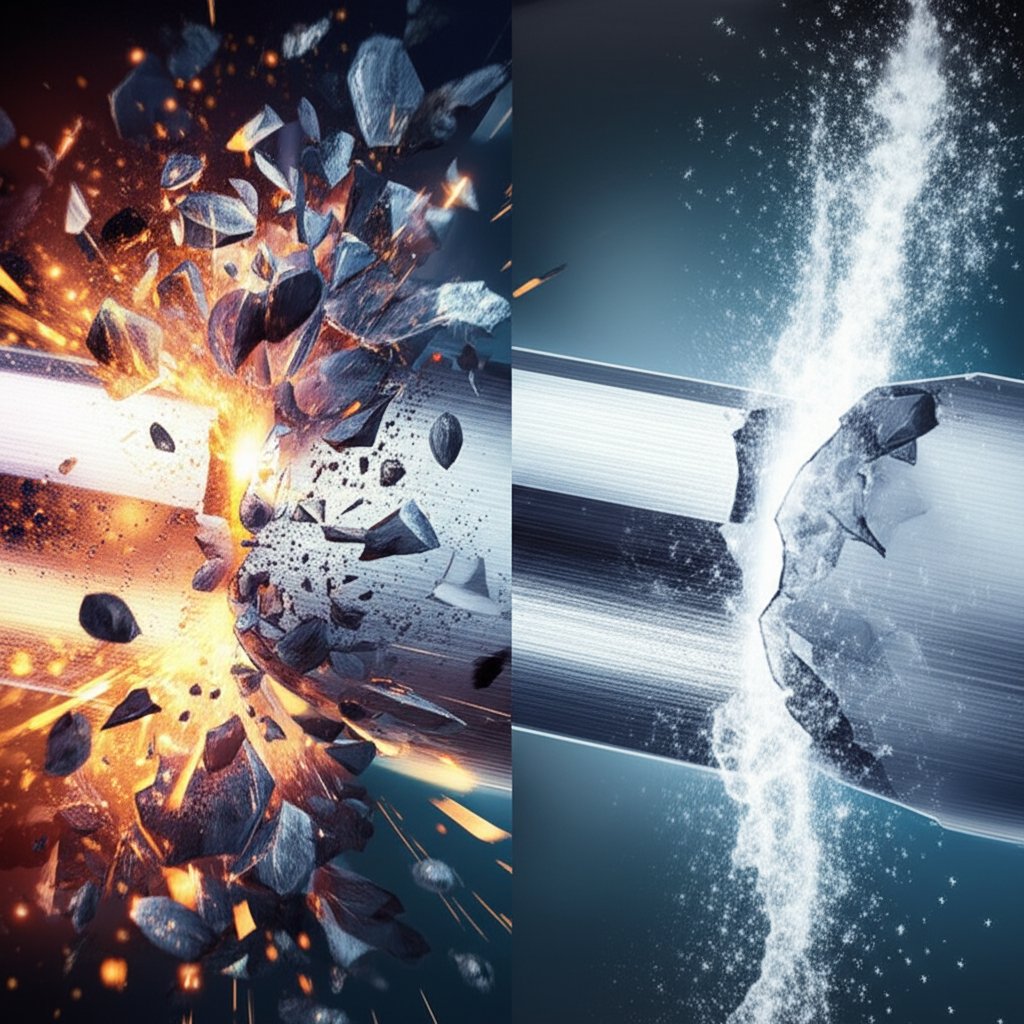
Mechanical deflashing encompasses a range of techniques that use physical force and abrasive media to remove flash. These methods are widely used in the industry due to their reliability and efficiency, particularly for parts made from aluminum and zinc. As noted by surface finishing specialists at SurfacePrep, wheel blasting and mass finishing are two of the most frequently employed processes for high-throughput applications. Manual work with files and air tools is also an option, though it is better suited for smaller batches or intricate touch-ups.
Wheel blasting involves propelling abrasive media at high velocity against the die-cast parts. A rapidly rotating wheel accelerates the media—which can be steel shot, grit, or other materials—creating a powerful stream that strips away the thin, brittle flash without damaging the more substantial body of the part. This method is fast, automated, and effective for treating large quantities of durable components.
Mass finishing, which includes processes like tumbling, is another highly effective technique. Parts are placed in a tub or barrel along with abrasive media and a chemical compound. The container then vibrates or tumbles, causing the parts and media to rub against each other. This constant friction grinds away the flash and can also deburr sharp edges, providing a uniform and smooth surface finish. It is particularly well-suited for processing large batches of smaller components.
Air blasting is a more controlled process where compressed air propels the abrasive media through a nozzle directed at the part. This allows for greater precision than wheel blasting and is often used for more delicate parts or for targeting specific areas. The choice of media is critical and can range from glass beads for a fine finish to more aggressive aluminum oxide for tougher jobs.
| Method | Best For | Precision | Throughput | Key Advantage |
|---|---|---|---|---|
| Wheel Blasting | Durable, large-volume parts | Low to Medium | Very High | Speed and automation |
| Mass Finishing | Batches of small to medium parts | Medium | High | Uniform finish and deburring |
| Air Blasting | Delicate parts or specific areas | High | Low to Medium | Control and precision |
| Manual Work | Prototypes, small batches, touch-ups | Very High | Very Low | Flexibility and detail work |
Advanced Techniques: Cryogenic and Chemical Deflashing
Beyond traditional mechanical methods, several advanced techniques offer high-precision solutions for complex or delicate die-cast parts. Cryogenic and chemical deflashing are two prominent examples, providing effective flash removal where mechanical abrasion might be too aggressive or imprecise. These processes are ideal for components with intricate geometries, tight tolerances, or sensitive surface finish requirements.
Cryogenic deflashing is an innovative process that utilizes extreme cold to its advantage. As explained by the experts at Nitrofreeze, parts are placed in a chamber and exposed to liquid nitrogen, which lowers their temperature dramatically. This intense cold makes the thin flash brittle and easy to break off while leaving the thicker body of the part unaffected. Once embrittled, the flash is removed through light tumbling or media blasting. This method is exceptionally clean and preserves the part's surface integrity and dimensions.
Pros of Cryogenic Deflashing
- Maintains precise dimensions and critical tolerances.
- No damage to the part's surface finish.
- Highly effective for complex shapes and internal cavities.
- A clean process with no abrasive residue.
Cons of Cryogenic Deflashing
- Requires specialized equipment and liquid nitrogen.
- May not be cost-effective for all applications or materials.
Chemical deflashing, or chemical treatment, offers another precise solution by selectively dissolving the flash without harming the main casting. This method is particularly useful for intricate components where mechanical or cryogenic methods cannot reach. The parts are immersed in a chemical bath that reacts with and removes the thin excess material. The process requires careful control over the chemical composition, temperature, and immersion time to ensure consistent results and prevent damage to the part itself.
Pros of Chemical Deflashing
- Extremely precise, capable of removing flash in hard-to-reach areas.
- Ideal for delicate and complex components.
- Does not induce mechanical stress on the part.
Cons of Chemical Deflashing
- Involves the use and disposal of potentially hazardous chemicals.
- Process parameters must be strictly controlled to avoid over-etching.
- May be slower than other methods.
Preventing Flash Before It Starts: Mold Maintenance and Process Optimization
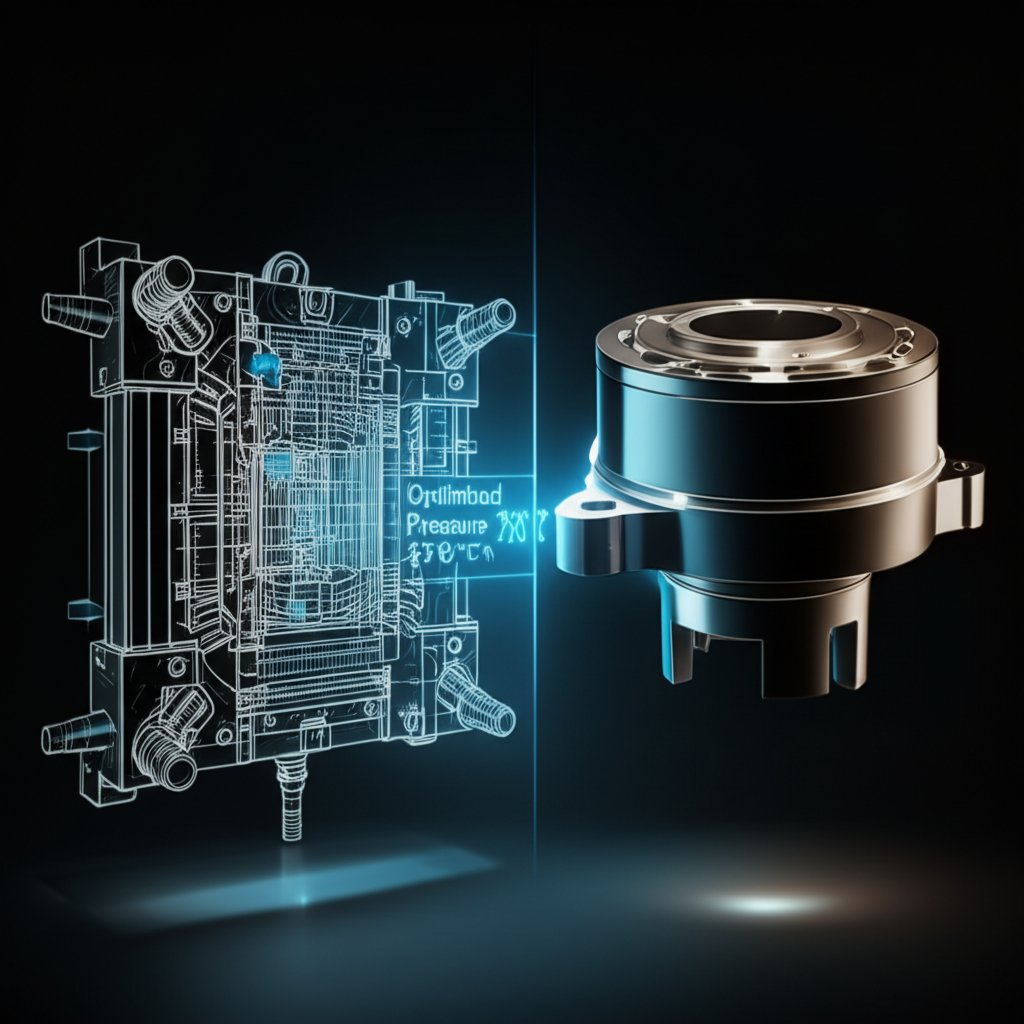
While various techniques exist to remove flash, the most cost-effective and efficient strategy is to prevent it from forming in the first place. Proactive prevention minimizes material waste, eliminates the need for secondary processing, and improves overall part quality. This approach focuses on two critical areas: rigorous mold maintenance and precise optimization of the die-casting process parameters.
Regular and thorough mold maintenance is fundamental to preventing flash. Molds are high-precision tools that degrade over time due to thermal stress and wear. A systematic maintenance program should include regular inspections for cracks, wear on parting lines, and alignment issues. Promptly repairing damaged areas and applying wear-resistant coatings can significantly extend a mold's life and ensure a tight seal between its halves. Investing in high-quality tooling and robust manufacturing processes is a core principle for minimizing defects from the start.
Equally important is the optimization of casting parameters. Operators must carefully balance injection pressure, clamping force, and temperature to achieve a defect-free process. Using real-time monitoring systems allows for immediate adjustments if pressure fluctuates or clamping force becomes inconsistent. By conducting trial runs and leveraging mold flow analysis software, manufacturers can determine the ideal settings that ensure the cavity fills completely without forcing molten metal into unwanted gaps.
To implement a successful prevention strategy, consider the following checklist:
- Regular Mold Inspection: Check parting lines, cores, and ejector pins for wear, cracks, or damage before and after production runs.
- Proper Mold Cleaning: Ensure no residue or debris is left on the mold surfaces, which could prevent a perfect seal.
- Calibrate Clamping Force: Regularly verify that the die-casting machine is applying the correct and evenly distributed clamping force.
- Optimize Injection Parameters: Adjust injection speed and pressure to the minimum required for a complete fill without causing flash.
- Control Mold Temperature: Use cooling channels and thermal sensors to maintain a stable and optimal mold temperature throughout the production cycle.
- Ensure Proper Mold Alignment: Verify that mold halves are perfectly aligned during setup to eliminate gaps.
Frequently Asked Questions
1. What is the flash defect in die casting?
Flash is a common defect in die casting where a thin, unwanted layer of excess metal forms on a part. It occurs when molten metal seeps out of the mold cavity through small gaps or seams, typically along the parting line where the mold halves meet. This defect is often caused by issues like excessive injection pressure, worn-out molds, or insufficient clamping force holding the mold together.
2. How is flash removed from plastic parts?
While the topic is die casting, removing flash from plastic parts involves similar principles. Common methods include manual trimming with knives, cryogenic deflashing where cold temperatures make the flash brittle, and mass finishing techniques like tumbling with abrasive media. The choice of method depends on the type of plastic, part geometry, and production volume.
3. How can casting defects be reduced overall?
Reducing casting defects requires a holistic approach focused on process control and proper design. Key strategies include ensuring high-quality mold design and materials, maintaining molds regularly, optimizing casting parameters like temperature and pouring speed, and using adequate ventilation to prevent gas-related defects. Strict quality control throughout the process is essential for consistent results.