 Small batches, high standards. Our rapid prototyping service makes validation faster and easier —
  EN
EN


Galvanized Steel Stamping Automotive: Engineering Durable Parts
TL;DR
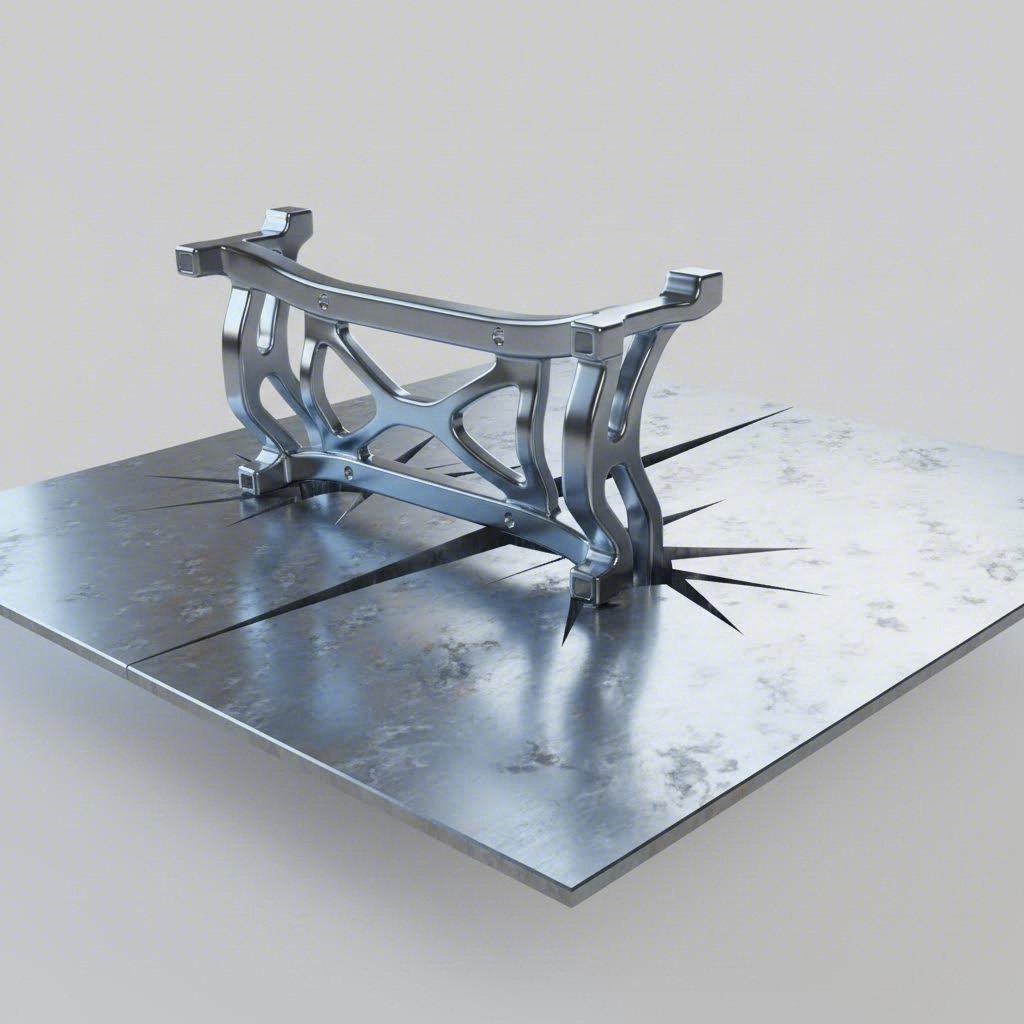
Galvanized steel stamping automotive processes involve forming zinc-coated sheet metal into critical vehicle components that demand high corrosion resistance, such as chassis reinforcements, body panels, and safety systems. While the zinc coating acts as a sacrificial anode to prevent rust, it introduces manufacturing challenges like zinc flaking and galling that require specialized tooling and lubrication strategies.
For engineers and procurement managers, success lies in selecting the correct material grade—balancing Hot-Dipped Galvanized (GI) for underbody protection against Galvannealed (GA) for paintability—and partnering with manufacturers who utilize servo press technology to control material flow. This guide explores the technical nuances of stamping galvanized steel, from material selection to overcoming production hurdles.
Material Selection: GI vs. GA vs. AHSS
Choosing the right substrate is the first step in optimizing galvanized steel stamping automotive projects. The decision typically hinges on the component's final location in the vehicle and its post-processing requirements, particularly regarding welding and painting.
Hot-Dipped Galvanized (GI) vs. Galvannealed (GA)
Hot-Dipped Galvanized (GI) steel is characterized by its spangled, shiny finish. It is produced by passing cold-rolled steel through a molten zinc bath. The resulting pure zinc coating offers superior corrosion protection, making it the standard choice for unexposed parts like underbody shields, chassis rails, and structural reinforcements where rust prevention is paramount. However, its smooth surface can be challenging to weld and paint compared to its counterpart.
Galvannealed (GA) steel undergoes an additional annealing process after the zinc bath, causing iron to diffuse from the steel substrate into the coating. This creates a matte, zinc-iron alloy finish. While slightly less ductile than GI, GA is preferred for exposed body panels—such as fenders, doors, and roofs—because its surface provides excellent paint adhesion and spot-weldability, critical for the Body-in-White (BIW) assembly process.
Advanced High-Strength Steel (AHSS) Integration
Modern automotive designs increasingly demand lightweighting without sacrificing safety. This has led to the widespread adoption of galvanized Advanced High-Strength Steel (AHSS) grades. For instance, dual-phase (DP) and transformation-induced plasticity (TRIP) steels are often galvanized to combine high tensile strength with corrosion resistance. However, these materials can be notoriously difficult to form. A case study involving grade CR780T/420Y highlighted that standard grades might resist complex forming, necessitating the switch to "high-forming" variations with optimized elongation properties to prevent cracking during the stamping process.
Engineering Challenges and Process Solutions
Stamping zinc-coated materials introduces distinct tribological challenges that differ significantly from uncoated cold-rolled steel. Addressing these issues is essential to maintaining uptime and part quality.
Combating Zinc Flaking and Galling
The primary antagonist in galvanized steel stamping automotive operations is zinc flaking. Under the high pressure of the press, the softer zinc coating can shear off and adhere to the punch and die surfaces. This buildup, known as galling, leads to part imperfections, increased scrap rates, and frequent downtime for die cleaning. Effective mitigation strategies include using polymer-based lubricants with extreme pressure (EP) additives and applying physical vapor deposition (PVD) coatings to the tooling to reduce friction.
Servo Press Technology for Flow Control
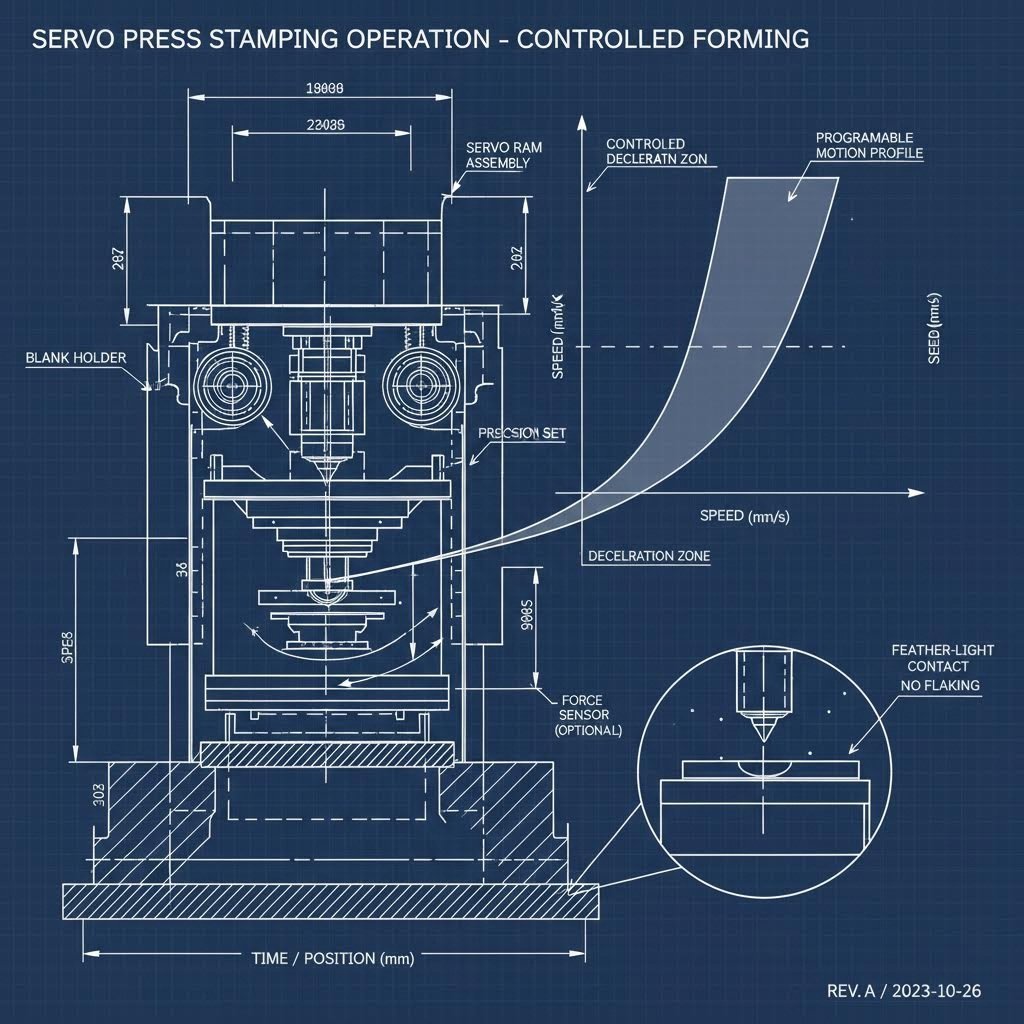
Traditional mechanical presses often strike the material with a velocity that exacerbates flaking and cracking, especially in high-strength grades. Servo press technology has revolutionized this process by allowing engineers to program the slide motion fully. By slowing down the ram speed during the critical forming phase, manufacturers can manage the material flow more precisely. This controlled approach reduces heat generation and coating damage, ensuring the zinc layer remains intact even on complex geometries like seatbelt housings or deep-drawn airbag mounts.
Key Automotive Applications
Galvanized stampings are ubiquitous in modern vehicles, serving roles that range from structural integrity to passenger safety. The application determines the required coating thickness and steel grade.
- Body-in-White (BIW): Exterior panels such as roof skins, doors, trunk lids, and fenders utilize Galvannealed steel for its seamless paint finish and rust resistance.
- Chassis and Structural Components: High-tensile galvanized grades are used for control arms, subframes, and chassis rails. These parts must endure constant exposure to road salts, moisture, and debris while maintaining the vehicle's structural rigidity.
- Safety Systems: Critical safety components, including side-impact beams, airbag deployment mounts, and seatbelt retractors, rely on the high yield strength of galvanized AHSS to absorb impact energy without failure.
- Thermal Management: Heat shields and exhaust system hangers often employ galvanized materials capable of withstanding high-temperature cycles without immediate degradation.

Strategic Manufacturer Selection
When evaluating suppliers for automotive stampings, looking beyond basic capacity is crucial. You need a partner who understands the metallurgical intricacies of galvanized materials. Key capabilities to look for include IATF 16949 certification, which guarantees adherence to automotive quality management standards, and a proven track record with high-tonnage servo presses.
For OEMs and Tier 1 suppliers seeking a partner capable of bridging the gap from prototype to mass production, Shaoyi Metal Technology offers comprehensive solutions. With press capabilities up to 600 tons and strict IATF 16949 compliance, they specialize in delivering precision components—from control arms to complex subframes—ensuring that even the most challenging galvanized projects meet global OEM standards.
Critical Stamping Capabilities Checklist
To ensure your project succeeds, verify that your manufacturing partner possesses these specific technical competencies:
| Capability | Why It Matters for Galvanized Steel |
|---|---|
| Servo Press Technology | Allows programmable slide motion to reduce zinc flaking and improve formability of high-strength grades. |
| In-Die Lubrication Systems | Precise lubricant application prevents galling and buildup on tooling, extending die life. |
| Tooling Transfer Expertise | Capability to adapt and maintain dies transferred from other suppliers, minimizing downtime during supplier transitions. |
| Metallurgical Lab Access | On-site or partnered testing to verify material properties (elongation, tensile strength) before production begins. |
Conclusion: Ensuring Long-Term Durability
The shift toward lighter, stronger, and more corrosion-resistant vehicles has cemented the role of galvanized steel stamping automotive processes in modern manufacturing. Success in this field is not merely about shaping metal; it requires a deep understanding of material science, from selecting the optimal high-forming grade to implementing advanced servo control strategies.
By prioritizing manufacturers who demonstrate expertise in handling zinc-coated substrates and offer robust quality certifications, automotive engineers can ensure their components withstand the rigors of the road. Whether for a hidden chassis reinforcement or a highly visible body panel, the integrity of the stamping process directly impacts the vehicle's safety and longevity.
Frequently Asked Questions
1. Can galvanized steel be used for all automotive body panels?
Yes, galvanized steel is widely used for body panels like doors, hoods, and fenders. However, manufacturers typically use Galvannealed (GA) steel for these exterior applications rather than standard Hot-Dipped Galvanized (GI) steel. The GA coating provides a matte surface that promotes better paint adhesion and weldability, which are essential for the final finish of the vehicle.
2. Does stamping damage the galvanized coating?
If not controlled properly, the stamping process can damage the zinc coating, leading to flaking or cracking. This is why specialized lubricants and servo press technology are used to control the forming speed and reduce friction. When executed correctly, the zinc coating remains intact, continuing to provide sacrificial corrosion protection to the underlying steel.
3. Is galvanized steel difficult to weld?
Galvanized steel presents more challenges in welding than uncoated steel because the zinc coating vaporizes at a lower temperature than the steel melts, potentially causing porosity or weld defects. Automotive manufacturers address this by using specific welding parameters, proper ventilation, and often preferring Galvannealed steel, which has better spot-welding characteristics due to its iron-zinc alloy coating.