 Small batches, high standards. Our rapid prototyping service makes validation faster and easier —
  EN
EN


Forged Connecting Rods Vs Stock Rods: When Your Engine Demands More
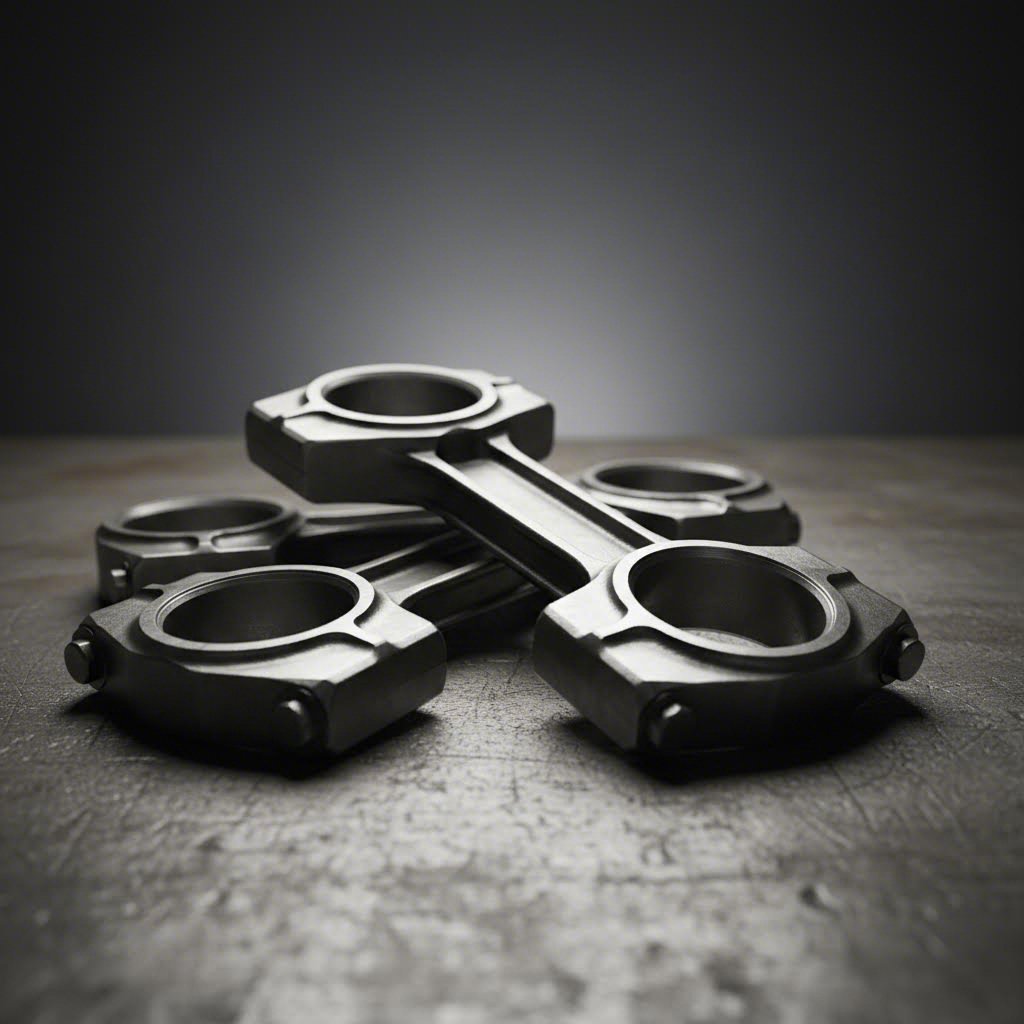
Why Your Connecting Rod Choice Matters More Than You Think
Every engine builder eventually faces the same critical question: when do stock connecting rods reach their limits, and when is upgrading to forged rods truly necessary? Whether you're planning a turbocharged street machine or a high-revving naturally aspirated screamer, understanding this decision can mean the difference between an engine that survives abuse and one that grenades when you push the limits.
Here's the truth that might surprise you—forged connecting rods aren't always necessary. The classic Z/28 302 Camaro engines from 1968-69 came equipped with factory forged rods and a four-bolt main block, handling 7,000-rpm blasts that would wake up entire farming communities. These stock components performed admirably in demanding applications, proving that the right factory parts can hold up under serious stress when properly maintained.
The Stock vs Forged Debate Explained
The debate between stock and forged rods often gets oversimplified. Many enthusiasts assume that any performance build automatically requires forged internals, but that's not quite accurate. Stock connecting rods in many applications—particularly those from performance-oriented engines—can handle moderate power increases without issue. The key is understanding where those limits actually lie for your specific engine family and power goals.
Think about it this way: reading spark plugs after a hard run tells you volumes about combustion conditions, just as understanding how to read spark plugs can reveal whether your engine is running lean or rich. Similarly, knowing your rod's actual stress limits tells you whether you're operating safely or dancing on the edge of failure.
The primary failure mode in connecting rod assemblies isn't actually the rod beam breaking—it's rod bolt failure. When bolts stretch, fatigue, or break under cyclic stress, catastrophic engine damage follows almost immediately.
What This Comparison Guide Delivers
This guide consolidates scattered forum wisdom and expert analysis into authoritative guidance with clear decision criteria. You'll find a definitive ranking of top forged connecting rod options compared directly against stock alternatives—something most competitors fail to deliver. We'll cover:
- Specific power thresholds where stock rods become inadequate
- Why rod bolt quality often matters more than the rod material itself
- Engine-family-specific guidance for popular platforms
- Cost-to-benefit analysis for different build levels
By the end of this comparison, you'll have the knowledge to make an informed decision based on your actual power goals, budget, and intended use—not just marketing hype or overcautious forum advice. Let's dive into the methodology behind our evaluation.
Our Testing and Evaluation Methodology
How do you objectively compare forged connecting rods against stock alternatives? It's not as simple as picking the most expensive option or following generic advice. We developed a comprehensive evaluation framework that examines the factors that actually determine whether a connecting rod will survive—or fail—under real-world stress conditions.
How We Evaluated Each Rod Option
Our methodology draws from established engineering research and practical performance experience. According to studies published in the International Journal of Advanced Engineering Research and Science, connecting rods operate under variably complicated conditions—subjected to both gas pressure forces and inertia forces that create cyclic loading. This cyclic stress leads to fatigue phenomenon, which can cause dangerous ruptures when repetitive stresses exceed material limits.
We assessed each rod option against five primary evaluation criteria:
- Material Strength and Fatigue Resistance – How well does the material withstand repetitive cyclic loading? Forged steel typically offers a yield strength around 700 MPa compared to powder metal's 588 MPa, directly impacting longevity under stress.
- Rod Bolt Quality – The primary failure point in most rod assemblies. Quality bolts prevent the catastrophic stretching and separation that destroys engines.
- Weight Consistency – Critical for rotating assembly balance. Inconsistent rod weights create vibration that accelerates wear on bearings and the engine cylinder block.
- RPM Ceiling Capabilities – Maximum sustainable engine speed before inertia forces overwhelm the connecting rods and pistons assembly.
- Cost-to-Benefit Ratio – Whether the performance gains justify the investment for your specific build goals.
Understanding Failure Modes and Stress Points
Here's something critical that many enthusiasts overlook: yield, fatigue, and buckling characteristics serve as the primary evaluation indexes for connecting rod performance. But which failure mode actually kills engines most often?
Research confirms that rod bolt failure represents the most common catastrophic failure mode—not the rod beam itself breaking. Think about what happens at top dead center during each combustion cycle. The piston reaches TDC, changes direction instantaneously, and the connecting rod experiences tremendous tensile stress as combustion pressure drives everything downward. This TDC kinetic energy transfer creates peak stress on the rod bolts with every single power stroke.
When the spark plug fires at the optimal spark plug heat range, combustion pressures can exceed 1,000 psi. Multiply that by thousands of cycles per minute, and you understand why bolt fatigue becomes critical. A stretched or failed bolt allows the rod cap to separate from the rod beam—and once that happens, the rotating assembly tears itself apart within milliseconds.
The connecting rod must handle both axial tension and compression, plus bending stresses caused by piston thrust and centrifugal forces. Engineers identify two practical buckling modes: side buckling (parallel to the rod's rotational axis) and front-rear buckling (perpendicular to side buckling). I-section connecting rods are designed with a 4:1 moment of inertia ratio (Ixx = 4 Iyy) specifically to address these different buckling risks.
Horsepower and torque thresholds indicating when stock rods become inadequate vary significantly by engine family and application. A small block Chevy 350's stock powdered metal rods may handle 400 horsepower reliably in a naturally aspirated application, while the same power level with nitrous oxide—which creates much sharper cylinder pressure spikes—could cause piston slap issues and eventual rod failure. Rather than citing universal numbers, we evaluate each rod type against specific use cases where thresholds become meaningful.
Understanding these failure modes helps you prioritize correctly. When evaluating whether to upgrade from stock rods, the answer often isn't a complete forged rod assembly—it might simply be premium rod bolts that prevent the primary failure mode while saving considerable money. Let's examine how precision hot-forged rods from certified manufacturers address these critical factors.
Precision Hot-Forged Rods for Maximum Reliability
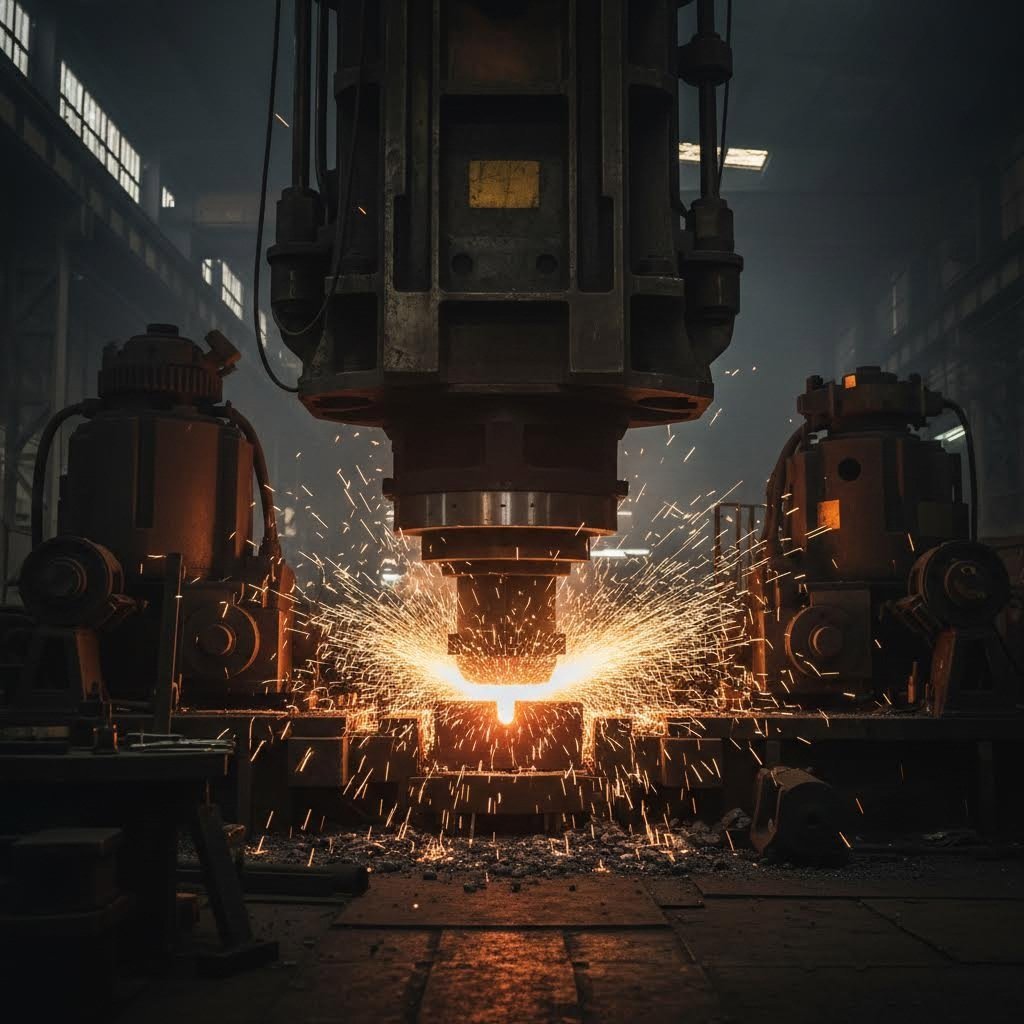
When you're building an engine that demands absolute reliability under extreme stress, precision hot-forged connecting rods from specialized automotive forging manufacturers represent the top-tier choice. These aren't mass-produced components with acceptable tolerances—they're engineered to exacting specifications that ensure every single rod performs identically under the harshest conditions.
What separates premium forged conrods from budget alternatives? It starts with the manufacturing process itself. According to KingTec Racing's manufacturing documentation, the journey toward crafting a superior forged connecting rod begins with careful selection of premium-grade materials—typically high-grade steel alloys such as 4340, chosen for exceptional strength, heat resistance, and fatigue properties. Through controlled heating and immense pressure within a forging press, the grain structure is refined to ensure homogeneous composition while eliminating potential weak points.
Premium Forged Rod Manufacturing Standards
Imagine ordering forged rods and pistons for your high-dollar build, only to discover weight inconsistencies that require hours of additional balancing work—or worse, vibration issues that accelerate bearing wear. This is where certified manufacturing processes make the difference between components you can trust and components that become expensive headaches.
IATF 16949 certification represents the gold standard for automotive component manufacturing. As DEKRA's certification guidelines explain, this international standard covers common customer-specific requirements of the automotive industry, including traceability to support current regulatory changes, safety-related parts and processes, and warranty management processes. For connecting rod manufacturers, this certification ensures consistent metallurgical properties and dimensional accuracy across every production run.
The manufacturing sequence for premium forged connecting rods includes multiple quality checkpoints:
- Precision Forging – Controlled heating brings the steel alloy to optimal temperature before immense pressure refines grain structure, eliminating weak points that could cause fatigue failure.
- CNC Machining – Advanced Computer Numerical Control machines remove excess material, creating flawlessly smooth surfaces and achieving dimensions within the most stringent tolerances.
- Shot Peening – Bombardment with small metal pellets induces compressive stresses onto rod surfaces, significantly enhancing fatigue resistance under demanding conditions.
- Heat Treatment – Carefully calibrated quenching and tempering cycles achieve the desired hardness and mechanical properties for long-lasting reliability.
- Precision Balancing – Every rod undergoes meticulous balancing to ensure uniform weight distribution across the entire set.
Why Certification Matters for Performance Parts
You might wonder—does certification really matter for connecting rods? Consider what Scat Enterprises emphasizes about dynamic balancing: factory dynamic balancing operates on an average across hundreds of pistons, rods, and crankshafts, getting balancing "in the ballpark, but not perfect." Vibration from imbalanced components is destructive—it damages bearings and journals, jars fasteners loose, and has been known to break crankshafts and throw connecting rods through the block.
Certified manufacturers like Shaoyi (Ningbo) Metal Technology address this gap through IATF 16949 certified processes and rigorous quality control. Their precision hot forging solutions—backed by in-house engineering that ensures components like suspension arms and drive shafts meet exact specifications—apply the same manufacturing discipline to connecting rod production. With rapid prototyping capabilities in as little as 10 days and high-volume mass production options, builders gain access to globally compliant manufacturing without the uncertainty of uncertified alternatives.
Weight consistency deserves special attention because it directly affects rotating assembly balance. When each connecting rod in your set weighs exactly the same, balancing becomes straightforward and the finished assembly runs smoother. According to Scat's balancing process, the first order of business in dynamic balancing is weighing each piston and connecting rod, then lightening the heavier components to match the lightest. Premium certified manufacturers eliminate this variability at the source—every rod leaves the facility within tight weight specifications.
This attention to consistency also benefits rear main seal repair scenarios. When rebuilding an engine that experienced rear main seal leak repair issues, vibration-induced crankshaft movement often contributed to the original seal failure. Installing precision-balanced forged rods with multi layer steel head gaskets and properly torqued fasteners reduces the vibration that accelerates seal wear, helping prevent repeat failures.
Pros
- Precision tolerances ensure consistent fitment and performance
- Certified quality processes guarantee metallurgical consistency
- Matched weight across the rod set simplifies rotating assembly balancing
- Superior fatigue resistance for reliable high-RPM operation
- Traceable manufacturing for warranty and quality assurance
Cons
- Premium pricing compared to budget aftermarket alternatives
- May be overkill for mild street builds under 400 horsepower
- Lead times may vary based on custom specifications
For serious performance builds where failure isn't an option, precision hot-forged connecting rods from certified manufacturers deliver the reliability that justifies their investment. But what if your build involves forced induction with extreme cylinder pressures? That's where H-beam connecting rod designs offer specific structural advantages worth examining.
Forged H-Beam Rods for Forced Induction Builds
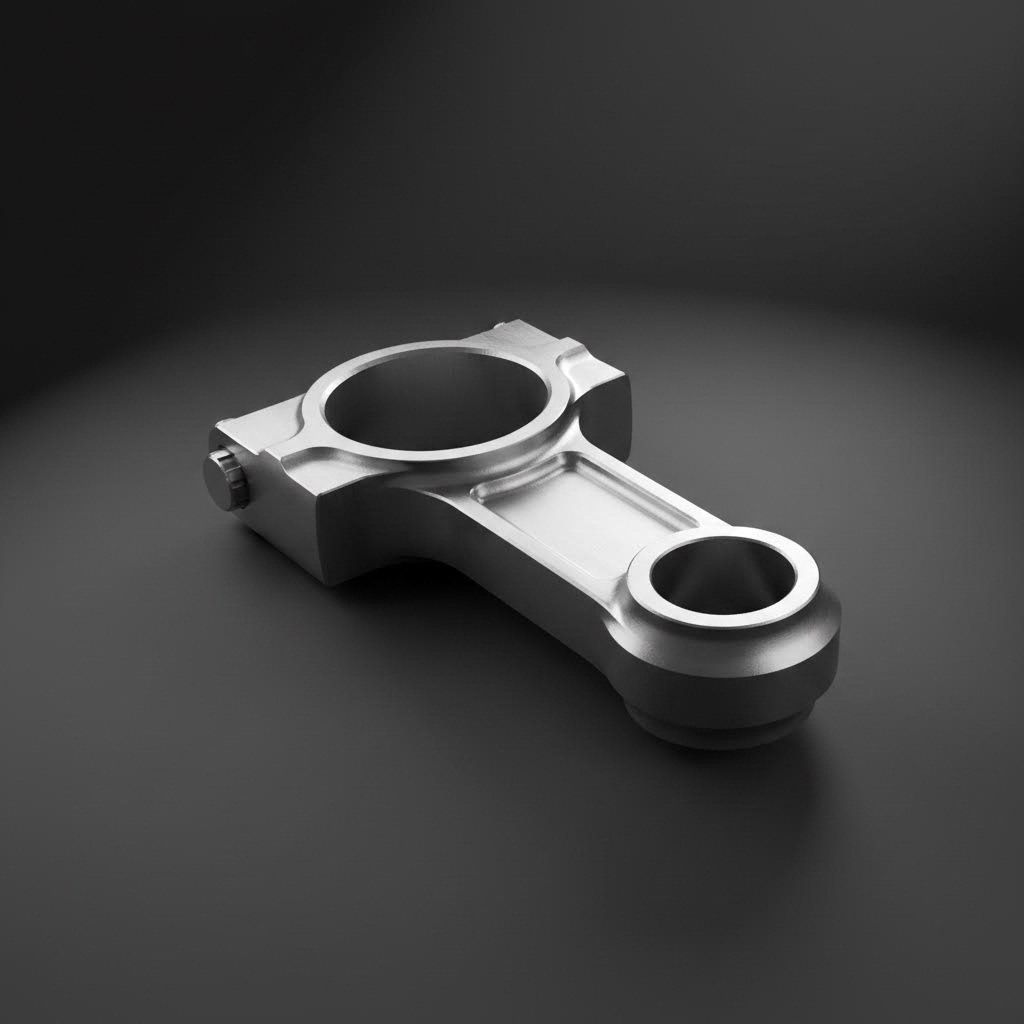
When your build involves a turbocharger spooling to 25 psi, an M90 supercharger pushing massive airflow, or a nitrous system adding 200 horsepower at the squeeze of a button, stock connecting rods become liabilities rather than assets. This is where aftermarket forged H-beam connecting rods establish themselves as the go-to choice for high-horsepower forced induction applications.
Why the H-beam design specifically? The answer lies in how these rods handle the extreme cylinder pressures that forced induction creates. When that blow off valve releases excess boost pressure, you're witnessing just a fraction of the forces your connecting rods must absorb with every combustion event.
H-Beam Design Advantages Under Boost
Picture the cross-section of an H-beam connecting rod—it resembles the capital letter H when viewed from the end. This isn't arbitrary styling; it's purposeful engineering. The H-beam profile distributes material along both the front-rear and side-to-side axes, creating exceptional resistance to the bending and buckling forces that destroy lesser rods under boost.
According to Manley Performance's technical analysis, H-beam connecting rods excel in applications where extreme cylinder pressures demand maximum structural integrity. The wider beam sections provide greater cross-sectional area exactly where stress concentrations occur—at the transition between the rod beam and the big end bearing bore.
Consider what happens inside a turbocharged engine at full boost. Cylinder pressures can exceed 1,200 psi during combustion—roughly double what a naturally aspirated engine experiences. These aren't gradual loads; they're violent pressure spikes that occur thousands of times per minute. The H-beam's robust construction handles this punishment without the flexing that causes fatigue cracks in lighter designs.
For those running a centrifugal turbo or electric turbo setup alongside upgraded fuel systems, H-beam rods provide the foundation that allows you to chase higher power numbers with confidence. The design philosophy prioritizes strength over weight savings—a tradeoff that makes perfect sense when your engine produces four-digit horsepower figures.
Best Applications for H-Beam Forged Rods
Not every build needs H-beam connecting rods, but certain applications absolutely demand them. Here's where these robust components prove their worth:
Turbocharged Drag Racing Builds: Whether you're assembling a 2JZ forged pistons and rods package for a Supra or building a boosted small block for bracket racing, H-beam rods handle the repeated abuse of wide-open-throttle launches. Manley's data indicates their standard H-beam rods serve LS engine builds around 600-900 horsepower, while their H-Tuff series extends that ceiling to 1,000-1,200+ horsepower depending on racing application.
High-Boost Street Machines: Daily drivers that see spirited weekend pulls need components that survive the transition between cruising and full-throttle acceleration. H-beam rods provide that margin of safety when you mat the throttle merging onto the highway.
Big Block Chevy Connecting Rods for Supercharged Applications: Big block builds pushing serious boost benefit enormously from H-beam construction. The larger displacement engines already create substantial rotating mass, and the H-beam design ensures the connecting rods don't become the weak link in an otherwise stout assembly.
Nitrous-Equipped Engines: Nitrous oxide creates some of the harshest cylinder pressure spikes in performance applications. The near-instantaneous combustion acceleration when the nitrous hits demands connecting rods that won't flex or fail under shock loading.
Manley manufactures H-beam and H-Tuff rods for numerous platforms including Small Block Chevy, Small Block Ford, Big Block Chevy, LS and LT engines, Ford Modular, HEMI, Honda K series, Subaru EJ20/EJ25 and FA20, and many more sport compact applications.
Pros
- Extreme strength handles four-digit horsepower levels reliably
- Boost-friendly design excels under elevated cylinder pressures
- Wide availability for popular domestic and import platforms
- Manufactured from premium 4340 or 300M steel alloys
- Proven track record in professional drag racing applications
Cons
- Heavier than I-beam alternatives, adding rotating mass
- Higher cost than stock replacement options
- May be excessive for moderate naturally aspirated builds
- Additional weight requires corresponding balancing adjustments
The weight penalty of H-beam rods deserves honest consideration. That additional mass increases rotating inertia, which can slightly reduce throttle response compared to lighter alternatives. For drag racing where you're at wide-open throttle for entire runs, this matters little. For road racing where rapid RPM changes occur constantly, the weight difference becomes more relevant.
So when does an H-beam become overkill? If you're building a naturally aspirated engine that prioritizes high-RPM response over boost-fed torque, lighter I-beam forged rods might serve your application better while still offering significant strength improvements over stock components.
Forged I-Beam Rods for High-Revving Performance
What happens when your naturally aspirated small block Chevy needs to scream past 7,000 RPM lap after lap without the safety net of a turbocharger's lower rev ceiling? This is where forged I-beam connecting rods establish themselves as the balanced choice for high-RPM applications where every gram of rotating mass matters.
Unlike their beefier H-beam cousins, I-beam forged rods prioritize weight reduction while still delivering substantial strength improvements over stock components. For road racers, autocross enthusiasts, and anyone chasing peak horsepower through engine speed rather than forced induction, this balance makes I-beam designs incredibly compelling.
I-Beam Rods for High-RPM Naturally Aspirated Engines
Sounds complex? Let's break it down. The I-beam profile—resembling the capital letter I when viewed from the end—places material strategically along the beam's centerline with flanges extending outward at the edges. According to Speedway Motors' engineering analysis, this design creates a gusset from the sides of the pin bore to the center section, providing exceptional compression strength while maintaining a lighter overall package.
Here's what makes I-beam connecting rods excel in high-revving applications: when your SBC connecting rod assembly cycles through 7,500 RPM, inertia forces become the dominant stress factor rather than combustion pressure. The lighter an I-beam rod can be made while maintaining structural integrity, the less stress the entire rotating assembly experiences at peak engine speeds.
Think about connecting rods SBC enthusiasts have trusted for decades in circle track racing. Those small block Chevy connecting rods need to survive sustained high-RPM operation where the engine rarely drops below 5,000 RPM throughout an entire race. Stock powdered metal rods in these applications face a difficult reality—as Speedway Motors notes, most cast rods aren't reliable beyond 500 horsepower, and the high-revving demands of racing accelerate fatigue failure significantly.
When do stock rods fail under high-revving conditions? The failure threshold depends heavily on the specific engine family, but sustained operation above factory redline limits dramatically shortens stock rod lifespan. For naturally aspirated SBC 350 rods in racing applications, crossing the 6,500-7,000 RPM threshold regularly with stock components becomes a gamble that experienced engine builders refuse to take.
The I-beam design handles these high-RPM conditions effectively because the "I" section resists expansion under tensile loading better than H-beam alternatives. Speedway Motors' analysis confirms that under heavy compression loads, the sides of an H-beam can actually bow out—a phenomenon that doesn't affect I-beam geometry to the same degree.
Weight Savings and Rotating Assembly Benefits
Imagine shaving 50-100 grams per rod from your rotating assembly. Multiply that across eight cylinders, and you've eliminated nearly two pounds of reciprocating mass that your engine no longer needs to accelerate and decelerate with every revolution. This weight reduction translates directly into improved throttle response and the ability to rev more freely toward redline.
For small block Chevy connecting rods destined for naturally aspirated racing applications, I-beam forged rods offer the ideal compromise. You'll notice faster engine acceleration through the powerband—that crisp, immediate response when you blip the throttle through corners or execute rapid gear changes on track.
Weight savings also simplify the balancing process. When upgrading your engine's electrical system with a 1 wire alternator to reduce parasitic drag, you're pursuing the same philosophy that makes lightweight I-beam rods attractive—every efficiency gain compounds into measurable performance improvements. Lighter rods require less counterweight on the crankshaft, which further reduces rotating mass throughout the entire assembly.
For SBC 350 connecting rods in classic muscle car restorations or vintage racing builds, forged I-beam rods provide the durability needed for spirited driving without the weight penalty that would dull throttle response. The narrower big-end profile of I-beam designs also provides additional clearance for stroker crankshaft applications—a consideration that Speedway Motors highlights as particularly important for builders chasing extra displacement.
Pros
- Lighter weight than H-beam alternatives reduces rotating mass
- Excellent strength-to-weight ratio for naturally aspirated high-RPM builds
- Good value compared to premium H-beam or billet options
- Narrower big-end profile provides clearance for stroker applications
- Superior compression strength from I-section geometry
- Widely available for popular SBC and other domestic platforms
Cons
- Less suitable for extreme boost applications above 20+ psi
- Requires quality rod bolts to achieve maximum strength potential
- May not handle nitrous-induced shock loading as well as H-beam designs
- Weight savings become less critical in lower-revving torque-oriented builds
The requirement for quality rod bolts deserves emphasis. As we established earlier, rod bolt failure represents the primary failure mode in connecting rod assemblies. Even the finest forged I-beam rod becomes vulnerable when paired with inadequate fasteners. For builders watching their budget carefully, this raises an important question—what if you could achieve most of the reliability benefits through upgraded bolts alone while retaining your existing stock rods?
Stock Rods with Premium Bolt Upgrades
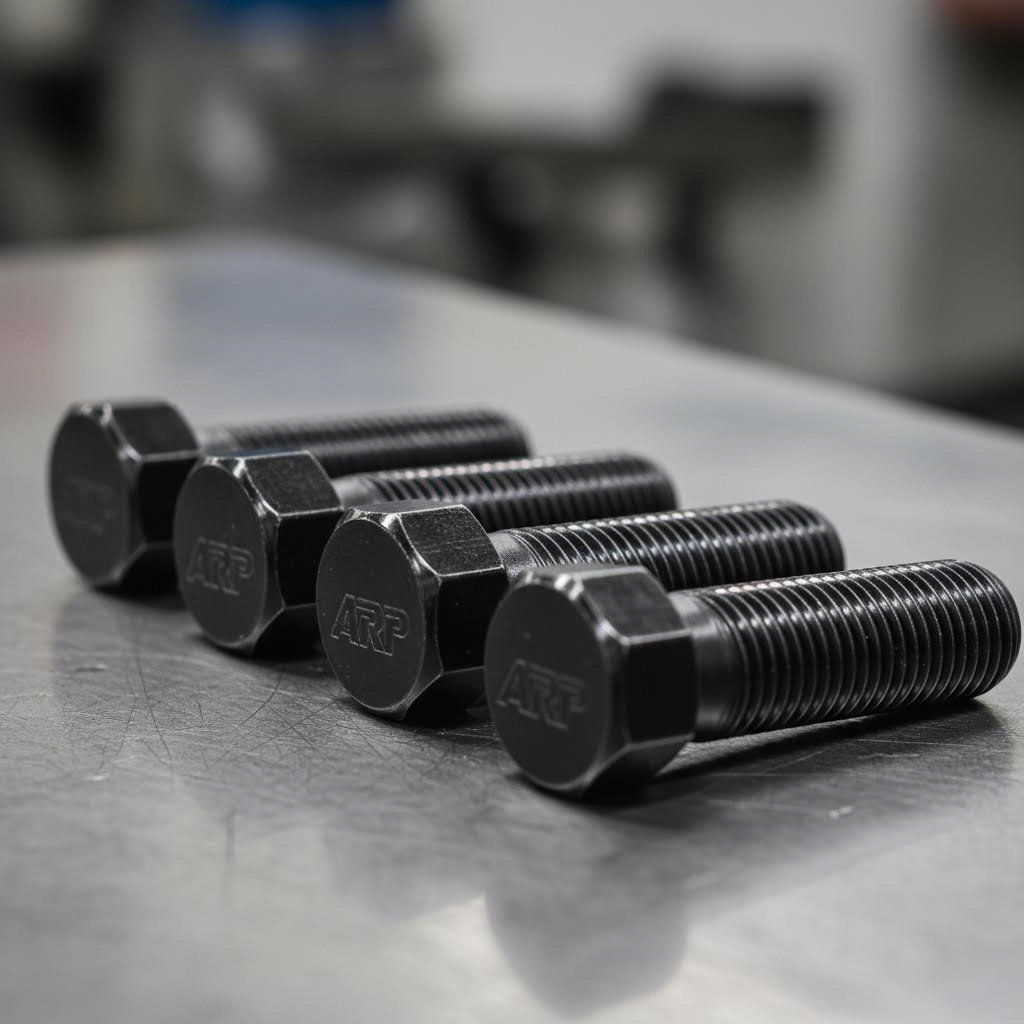
What if the weak link in your connecting rod assembly isn't the rod itself? This question challenges conventional wisdom, but the evidence supports a surprising conclusion—for many moderate performance builds, retaining stock rods with upgraded premium bolts delivers excellent reliability at a fraction of the cost of complete forged rod assemblies.
Think about it this way: if rod bolt failure represents the primary failure mode in connecting rod assemblies (and the data confirms it does), then addressing the actual weak point makes more financial and engineering sense than replacing components that aren't failing.
When Stock Rods with Better Bolts Make Sense
According to OnAllCylinders' expert analysis, rebuilding stock small block 5.7 inch connecting rods costs less than purchasing new aftermarket forged alternatives—but the decision involves more nuance than just price comparison. The critical insight? Stock connecting rods rarely fail at the beam section. The bolts stretch, fatigue, and eventually separate under cyclic loading long before the rod material itself reaches its limits.
Here's where this strategy makes perfect sense:
- Mild street builds under 400-450 horsepower: If your SBC 350 connecting rods will see primarily cruising duty with occasional spirited acceleration, stock rods with ARP bolts handle the loads reliably.
- Budget-conscious rebuilds: When your oil pan gasket replacement project expanded into a full engine refresh, keeping costs controlled becomes priority. Quality bolts cost a fraction of complete forged rod sets.
- Engines staying below 6,000 RPM: Stock rods in most applications survive indefinitely at moderate engine speeds. The destructive tensile forces that kill rods increase dramatically only at higher RPM thresholds.
- Naturally aspirated applications without nitrous: Without the cylinder pressure spikes from forced induction or nitrous, stock rod beams face manageable stress levels.
When you replace oil pan gasket components during a refresh, you're already accessing the bottom end. This presents the perfect opportunity to upgrade rod bolts without the additional expense of complete connecting rod replacement.
The Rod Bolt Upgrade Strategy
Why do rod bolts fail before rod beams? OnAllCylinders explains the physics clearly: as the piston changes direction at top dead center on the exhaust stroke, this creates a tensile or pulling force on the cap and rod bolts. This elongation force grows in severity as RPM increases. Oddly, a rod that survives forever at 6,000 RPM might fail dramatically when stressed for only a few moments at 7,000 RPM.
The solution targets this specific failure mode. Premium fasteners from manufacturers like ARP use superior metallurgy and tighter manufacturing tolerances than factory bolts. These upgraded bolts resist the cyclic stretching that leads to fatigue failure, effectively raising the reliability ceiling of your entire rod assembly.
Let's examine the cost comparison for a typical SBC 350 connecting rods application:
| Approach | Typical Cost | What You Get |
|---|---|---|
| Stock rod rebuild with ARP bolts | $200-300 total | Reconditioned rods, premium bolts, adequate for moderate builds |
| New SCAT 4340 I-beam rods | ~$350+ | Superior material, matched weights, higher RPM ceiling |
| Premium forged rod set | $500-800+ | Maximum strength, precision tolerances, certified quality |
The savings aren't dramatic when comparing rebuilt stock rods to entry-level aftermarket forged options. However, that $50-150 difference might fund other upgrades—perhaps high temp JB weld for header repairs, quality gaskets, or better engine assembly lubricants. For SBC small journal rods applications in mild street builds, redirecting budget toward other reliability improvements often makes strategic sense.
Consider your specific application honestly. OnAllCylinders notes that people who build 383 strokers are often going to take their engine to the drag strip, pushing it harder than 5,500 to 6,000 RPM. If that describes your plans, the added insurance of aftermarket 4340 steel alloy rods becomes a wise decision. But if your engine sees primarily street duty with occasional highway pulls, stock rods with quality bolts represent intelligent budget allocation.
One important caveat: this strategy works only when your stock rods are in good condition. Rods with damaged bearing surfaces, out-of-round big ends, or visible fatigue marks should be replaced rather than reconditioned. A machine shop inspection during your oil pan gasket replacement project confirms whether your stock rods are candidates for the bolt upgrade approach.
Pros
- Lowest cost approach to improving rod assembly reliability
- Maintains OEM fit and proven compatibility
- Sufficient strength for moderate naturally aspirated builds
- Addresses the actual primary failure mode directly
- Allows budget reallocation to other engine improvements
Cons
- Limited horsepower ceiling compared to forged alternatives
- Not suitable for forced induction or nitrous applications
- Stock rod material has lower fatigue resistance than 4340 steel
- Weight matching between rods may be less precise than aftermarket sets
- Cannot be reconditioned if rod material shows fatigue damage
The rod bolt upgrade strategy works well for specific applications, but it's not universal. What about engines equipped with powdered metal connecting rods from the factory? These modern OEM components present their own unique considerations and limitations that builders should understand before planning any performance upgrades.
Powdered Metal OEM Rods and Their Limits
Ever wondered why modern engines seem to run stronger right from the factory yet cost less to produce than their predecessors? Part of the answer lies in powdered metal connecting rods—a manufacturing technology that dominates today's OEM engine production. According to Engine Builder Magazine, more than half of the connecting rods used in today's late model engines are powder metal I-beam design.
But here's the critical question for performance enthusiasts: do these factory PM rods belong in your build, or should they be replaced immediately? The answer isn't as straightforward as forum wisdom might suggest.
Understanding Powdered Metal Rod Technology
How exactly are powdered metal rods manufactured? The process differs fundamentally from traditional forging. PM rods are constructed by compressing powdered steel into a mold and heating it to a high enough temperature where the powder melts and fuses into a solid piece. This sintering process creates a component with surprisingly precise tolerances straight from production.
Think about what this means for manufacturing efficiency. Traditional forged rods require extensive machining after the forging process—cutting, grinding, and finishing operations that add cost and complexity. PM rods emerge from the casting process nearly at their final dimensions, significantly reducing the machining required to finish the part. This makes them less expensive to produce while maintaining consistent quality across thousands of units.
The "cracked cap" design represents another PM rod innovation that confuses many enthusiasts. PM rods are made up of a composite of alloys that allow rod caps to be "cracked" at the parting line rather than split with a straight cut. Imagine breaking a piece of fine china—each fracture creates a unique surface pattern that fits together perfectly only one way.
This fractured surface actually offers advantages for cap alignment. The resulting fracture has more surface area because you have peaks and valleys, and the alignment is more accurate since the cap only fits together one way. For assembly line production where speed and consistency matter, this self-locating feature eliminates potential alignment errors that could occur with traditionally machined parting surfaces.
For stock applications—daily drivers, commuter vehicles, and engines operating within factory power specifications—PM rods perform admirably. As Riff Raff Diesel notes regarding the 7.3L Powerstroke diesel application, PM rods are used all over the automotive industry, and most live very happy, long lives. For the 7.3, as long as you're not adding a turbo and bigger injectors, more often than not, the engine performs great with them.
PM Rod Limitations for Performance Builds
So when do PM rods become problematic? The limitations emerge in two critical areas that performance builders must understand.
Reconditioning Impossibility: Unlike traditional forged or cast rods, PM rods cannot be reconditioned through standard machine shop practices. Engine Builder Magazine explains the fundamental problem: for engine builders, there's not much you can do with fractured PM rods. You can't cut the caps because of the unique break on each one. And, for the most part, you cannot hone the bore because there are very few oversize O.D. bearings available.
When you need to adjust the valves on an engine with worn PM rods, you're likely looking at replacement rather than reconditioning. This makes PM rods essentially disposable components—fine for low-mileage factory applications, but problematic when engine wear demands attention. Some suppliers carry oversize O.D. bearings for the big end of popular applications, but availability remains limited compared to traditional rod options.
Lower Fatigue Ceiling: PM rods typically cannot handle the stress levels that forged alternatives manage. When power levels increase—whether through modifications or simply pushing an engine harder—PM rods reach their limits faster. The Riff Raff Diesel analysis of 7.3L Powerstrokes identifies approximately 400 horsepower as the threshold where PM rod failures become concerning. Beyond that point, the risk of catastrophic failure increases dramatically.
What happens when a PM rod fails? According to Riff Raff's experience, when these connecting rods fail they often punch holes in the engine block, requiring a whole new engine be built. This isn't gradual wear or minor damage—it's complete engine destruction that occurs without warning.
How do you identify whether your engine contains PM rods? The Riff Raff article describes a practical inspection method for 7.3L applications: on the bottom of the rods, if you see a bolt head, that's a PMR. If you see a nut on a stud, that's a forged rod. Similar visual identification methods apply to other engine families, though specific details vary by manufacturer.
For vehicles equipped with automatic transmissions like the Ford C4 transmission or C4 transmission variants, the powertrain typically sees less abusive loading patterns than manual transmission applications. In these configurations, factory PM rods often survive longer because the torque converter buffers shock loads that might otherwise stress the rotating assembly. However, this doesn't change the fundamental limitation—when you decide to upgrade power, PM rods become the weak link regardless of transmission type.
When the lifter moves up during the intake stroke and combustion follows, PM rods handle factory power levels reliably. The problem emerges only when modifications push beyond OEM specifications or when high mileage has accumulated fatigue cycles on the material.
Pros
- Cost-effective OEM manufacturing reduces vehicle production costs
- Adequate strength for stock power levels and normal driving conditions
- Precise dimensional consistency from the manufacturing process
- Self-aligning cracked cap design ensures accurate assembly
- Proven reliability in millions of production vehicles worldwide
Cons
- Cannot be reconditioned or resized during engine rebuilds
- Lower fatigue ceiling than forged alternatives limits power potential
- Catastrophic failure mode can destroy the entire engine block
- Limited oversize bearing availability complicates repair options
- Must be replaced rather than rebuilt when wear occurs
Understanding PM rod capabilities helps you make informed decisions about your specific application. For stock rebuilds where the engine will continue operating within factory specifications, retaining serviceable PM rods may be acceptable. For any performance modifications—turbocharging, supercharging, nitrous, or significant naturally aspirated power increases—replacing PM rods with forged alternatives becomes essential insurance against catastrophic failure.
With each rod type now thoroughly evaluated, how do you synthesize this information into a clear decision for your specific build? The next section consolidates everything into a comprehensive comparison that matches rod options to application requirements.
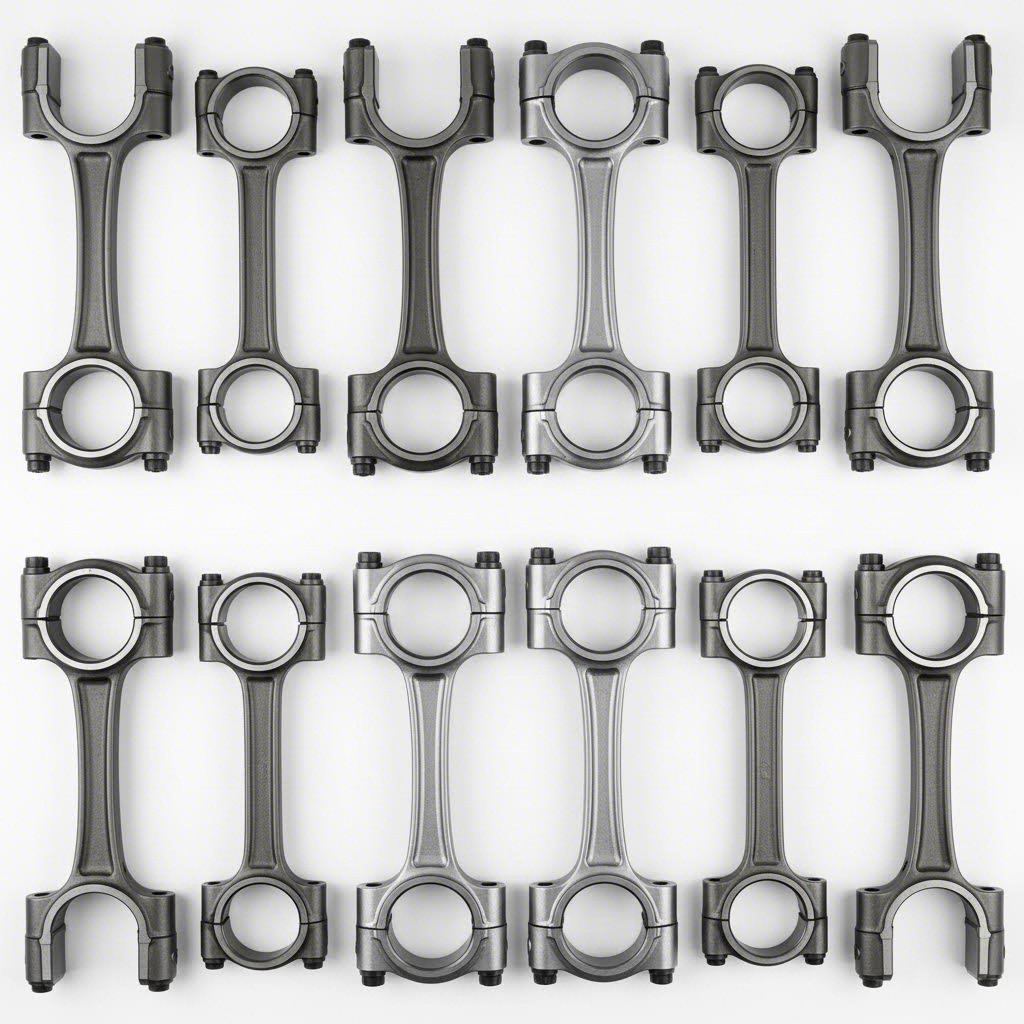
Complete Comparison of All Rod Options
You've now explored each connecting rod option in detail—from precision hot-forged components to budget-friendly bolt upgrades. But how do you synthesize this information into an actionable decision for your specific build? This comprehensive comparison consolidates everything into a clear decision framework that matches rod types to real-world applications.
Whether you're building a daily driver that sees occasional spirited driving or a dedicated drag racing machine chasing records, the right connecting rod choice depends on understanding how each option performs under your specific operating conditions. Let's break down the decision by application type, then examine platform-specific considerations for popular engine families.
Choosing by Application Type
Daily Driver Applications: If your engine spends 90% of its life cruising at highway speeds with occasional weekend fun, you likely don't need the most expensive connecting rod option available. Stock rods with premium bolt upgrades handle these moderate demands reliably while keeping your budget available for other improvements. The key question: will you exceed 6,000 RPM regularly? If not, properly maintained stock components serve most daily driver applications admirably.
Weekend Warrior Builds: These engines see harder use than pure daily drivers—track days, autocross events, or spirited canyon runs on weekends. Forged I-beam connecting rods provide the ideal balance here. The weight savings benefit high-revving naturally aspirated applications, while the upgraded material strength handles the increased stress of occasional aggressive driving without the cost penalty of premium H-beam alternatives.
Drag Racing Applications: When your engine faces wide-open-throttle launches repeatedly, often with forced induction or nitrous, H-beam forged rods become essential. The extreme cylinder pressures generated during boosted full-throttle passes demand the structural integrity that only H-beam designs deliver. For serious drag racing builds exceeding 800 horsepower, precision hot-forged rods from certified manufacturers provide the quality assurance that prevents catastrophic failures during competition.
Road Racing Applications: Sustained high-RPM operation distinguishes road racing from drag racing. Your engine might hold 7,000+ RPM through multiple corners per lap, accumulating fatigue cycles far faster than any other application. Forged I-beam rods excel here—their lighter weight reduces rotating mass for improved throttle response, while the forged material handles the continuous high-RPM punishment that would destroy stock components.
Full Race/Professional Applications: When failure isn't an option and budgets allow for optimal component selection, precision hot-forged connecting rods manufactured under IATF 16949 certified processes represent the benchmark choice. The combination of consistent metallurgical properties, matched weights, and rigorous quality control justifies the premium investment when engines operate at the absolute limits of mechanical capability.
Engine Platform Considerations
Different engine families present unique considerations that influence connecting rod selection. Understanding these platform-specific factors helps you make informed decisions beyond generic recommendations.
Ford 300 Inline 6 Applications: The legendary Ford 300 I6—spanning the 240/300 displacement range—represents one of the most durable inline straight 6 engine designs ever produced. These Ford 300 straight 6 engines earned their reputation through decades of truck service, and the factory connecting rods reflect that durability focus. For mild performance builds keeping the 300 6 under 5,500 RPM, stock rods with upgraded bolts often suffice. However, enthusiasts turbocharging these engines should consider forged alternatives, as the additional cylinder pressure from boost quickly exceeds stock rod capabilities.
Small Block Chevy Applications: The SBC platform offers perhaps the widest aftermarket rod selection available. Stock 5.7-inch rods work reliably in mild builds, but the platform's popularity means forged alternatives are competitively priced. For 383 stroker combinations common in performance SBC builds, the longer stroke increases rod angularity and stress—making forged rods a wise investment even in naturally aspirated configurations.
Big Block Chevy Applications: BBC engines generate substantial torque that loads connecting rods differently than high-revving small blocks. The rotating mass of big block assemblies demands precise weight matching across the rod set. According to Ohio Crankshaft's balance factor analysis, V-8 motors are almost always balanced to a 50% factor, meaning proper rotating assembly balance becomes critical for smooth operation. Forged rods with certified weight consistency simplify the balancing process significantly.
Import Platform Applications: Popular import engines like the 2JZ, Honda K-series, and Subaru EJ/FA families benefit from the extensive aftermarket development these platforms have received. Forged rod options from reputable manufacturers are readily available, and the high-revving nature of many import engines makes I-beam designs particularly popular. For turbocharged import applications—especially builds targeting 500+ horsepower—H-beam rods provide the boost tolerance these engines demand.
Rod Type Comparison Matrix
The following table consolidates all evaluated rod options into a decision matrix. Use this comparison alongside your specific build goals to identify the optimal choice for your application:
| Rod Type | Best Application | HP Ceiling Range | Relative Cost | Key Advantage |
|---|---|---|---|---|
| Precision Hot-Forged (Certified) | Professional racing, high-dollar builds | 1,000+ HP | $$$$$ | Certified quality, consistent metallurgy, matched weights |
| Forged H-Beam | Forced induction, nitrous, drag racing | 600-1,200+ HP | $$$$ | Maximum strength under boost pressure |
| Forged I-Beam | High-RPM NA, road racing, weekend builds | 500-800 HP | $$$ | Light weight, excellent strength-to-weight ratio |
| Stock Rods + Premium Bolts | Mild street, daily drivers, budget builds | 400-450 HP | $$ | Lowest cost, addresses primary failure mode |
| Powdered Metal OEM | Stock power, unmodified applications | Factory specs only | $ | Cost-effective for stock rebuilds |
Weight Comparison and Balance Implications
The weight difference between stock and forged connecting rods affects more than just rotating mass—it directly impacts how your crankshaft must be balanced. Ohio Crankshaft's technical analysis explains that all crankshafts are balanced at the factory, but not to the same degree as would be required for racing, or even by a careful owner. The factory balance is only production-line quality, and can be improved upon by diligent effort.
When you change connecting rod weight—whether moving from heavier stock rods to lighter forged I-beams or adding mass with robust H-beam alternatives—the crankshaft counterweights no longer properly compensate for the rotating and reciprocating assembly. This requires rebalancing to maintain smooth operation.
Consider these weight-related factors when selecting connecting rods:
- Lighter rods reduce reciprocating mass – Faster throttle response, reduced stress at high RPM, but requires removing counterweight from the crankshaft
- Heavier rods increase rotating inertia – Better suited for torque-oriented applications, requires adding counterweight during balancing
- Weight consistency across the set – Matched rod weights simplify balancing and reduce vibration; premium forged rods typically offer tighter weight matching than stock components
- Balance factor considerations – The 50% balance factor standard for V-8 engines means that 100% of rotating weight plus 50% of reciprocating weight must be compensated by counterweights
For engine builders working with the Ford 300 inline 6 or similar inline straight 6 engine configurations, balance considerations differ from V-8 applications. Inline engines inherently balance differently due to their firing order and piston arrangement, but weight consistency across the rod set remains equally important for smooth operation.
The comprehensive comparison above provides the framework for your decision, but implementation requires matching these guidelines to your specific power goals, budget constraints, and intended use. The final section delivers actionable recommendations that translate this analysis into clear next steps for your build.
Final Recommendations for Your Build
You've absorbed detailed information about every connecting rod option available—from precision hot-forged components to budget-conscious bolt upgrades. Now it's time to translate that knowledge into definitive guidance for your specific situation. Whether you're refreshing a daily driver or assembling a 1,000-horsepower drag monster, these recommendations will help you make the right choice without second-guessing yourself.
The key insight worth repeating: quality rod bolts matter more than the rod material itself in many applications. According to Engine Builder Magazine's analysis, one of the most common causes of rod failure is that stock rod bolts are not strong enough to hold the cap tightly in place at high RPM. This fundamental truth should guide your budget allocation—addressing the actual failure mode delivers more reliability per dollar than reflexively upgrading components that aren't actually failing.
Your Decision Roadmap
Ready to make your decision? Follow this numbered checklist to match your build goals with the appropriate connecting rod solution:
- Define your realistic power target. Be honest about your actual goals—not forum fantasies. If you're building a 350 small block that will realistically make 400 horsepower and never see more than 6,000 RPM, you don't need the same components as someone targeting 800 horsepower.
- Identify your primary use case. Daily driver? Weekend track warrior? Dedicated drag car? Each application presents different stress profiles that favor different rod choices.
- Determine whether forced induction is involved. Turbos, superchargers, and nitrous systems create cylinder pressure spikes that demand H-beam construction above moderate power levels. Naturally aspirated builds can safely use lighter I-beam alternatives.
- Assess your current rod condition. Have a machine shop inspect your existing rods for wear, fatigue marks, and dimensional accuracy. Serviceable stock rods with premium bolt upgrades may serve moderate builds perfectly.
- Calculate your total rotating assembly budget. Connecting rods don't exist in isolation—you'll need matched pistons, quality bearings, and proper balancing. Allocating your entire budget to premium rods while skimping on other components creates new weak links.
- Consider future upgrade potential. If you're building a foundation for later power increases, investing in forged rods now prevents expensive teardowns when you add boost or nitrous later.
- Source from reputable manufacturers. Budget rods with questionable metallurgy create more problems than they solve. Stick with established brands or certified manufacturers whose quality control ensures consistent results.
Definitive Guidance by Power Level
Let's eliminate ambiguity with clear thresholds based on the data we've examined:
Stock rods are sufficient when:
- Power levels remain below 400-450 horsepower in naturally aspirated V-8 applications
- Engine speed stays consistently below 6,500 RPM
- No forced induction or nitrous is involved
- The application is primarily street driving with occasional spirited use
- Your rods are inspected and show no signs of wear, elongation, or fatigue
Forged rod upgrades become necessary when:
- Power exceeds 500 horsepower in naturally aspirated applications
- Any amount of boost or nitrous is added to the equation
- Sustained operation above 7,000 RPM is planned
- The engine sees repeated drag strip launches or road racing duty
- You're building a stroker combination that increases rod angularity and stress
- Existing stock rods are powdered metal designs and cannot be reconditioned
For builders working with platforms like the 300 Ford straight 6 or 300 Ford straight six variants, the stock forged rods in many of these engines handle moderate power increases well. However, turbocharging a Ford 200 or 240/300 series inline six pushes beyond stock rod capabilities—forged alternatives become essential insurance for boosted applications.
The Smart Budget Allocation Strategy
Here's how experienced engine builders typically allocate their rotating assembly budgets across different build levels:
Budget Street Build (Under $500 rotating assembly): Retain inspected stock rods, upgrade to ARP or equivalent premium bolts, invest savings into quality pistons and bearings. This approach addresses the primary failure mode while keeping costs manageable.
Moderate Performance Build ($500-1,000 rotating assembly): Entry-level forged I-beam rods from established manufacturers, quality hypereutectic or forged pistons, proper machine work and balancing. This combination handles 500-600 horsepower reliably in naturally aspirated applications.
Serious Performance Build ($1,000-2,000 rotating assembly): Premium forged H-beam or I-beam rods matched to your application, forged pistons, upgraded wrist pins, and professional balancing. At this level, you're building an engine that handles 700+ horsepower with confidence.
Professional/Race Build ($2,000+ rotating assembly): Precision hot-forged connecting rods from certified manufacturers, custom forged pistons, titanium wrist pins, and comprehensive rotating assembly balancing. These builds support four-digit horsepower levels with the reliability serious competition demands.
When upgrading your fuel system with a fuel injection kit like the Holley Sniper EFI or Holley EFI Sniper systems, you're likely pursuing power levels that warrant forged connecting rods. The precision fuel delivery these systems provide enables consistent power production that would stress lesser bottom-end components. Plan your rotating assembly investment accordingly—it makes little sense to install premium EFI on an engine with marginal connecting rods.
Where to Source Quality Forged Rods
Not all forged connecting rods deliver equal quality—the manufacturing process, quality control standards, and material consistency vary dramatically between suppliers. When selecting your connecting rod source, prioritize these factors:
Manufacturing Certification: IATF 16949 certification indicates the manufacturer follows automotive industry quality management standards. This certification ensures consistent metallurgical properties, dimensional accuracy, and traceability throughout production.
Material Transparency: Quality manufacturers specify their steel alloys clearly—typically 4340, 300M, or proprietary formulations. Vague material descriptions or reluctance to disclose alloy specifications suggest corners are being cut.
Weight Matching Standards: Premium manufacturers provide weight specifications for their rod sets, often matching within 1-2 grams across the entire set. This consistency simplifies balancing and ensures smooth operation.
Rod Bolt Quality: Reputable manufacturers include quality fasteners—ARP2000 or equivalent—rather than generic hardware that becomes the weak link in your assembly.
For builders requiring custom specifications or high-volume forged connecting rod solutions, certified precision forging partners offer the quality assurance serious builds demand. Shaoyi (Ningbo) Metal Technology exemplifies this approach—their IATF 16949 certified manufacturing process, combined with rapid prototyping capabilities and in-house engineering, delivers components that meet exact specifications for demanding automotive applications.
The decision between forged connecting rods and stock alternatives ultimately comes down to matching your component choices to your realistic goals. Stock rods serve moderate applications reliably when paired with quality fasteners. Forged alternatives become essential when power levels, engine speeds, or forced induction push beyond factory design parameters. Make your choice based on actual data and honest assessment of your build goals—then build with confidence knowing you've selected the right components for your specific application.
Frequently Asked Questions About Forged vs Stock Connecting Rods
1. What are the disadvantages of a forged engine?
Forged engine components carry a higher price due to specialized equipment, skilled labor, and intensive energy requirements during manufacturing. The forging process demands significant investment in tooling and quality control, making forged parts considerably more expensive than cast or powdered metal alternatives. For mild street builds under 400 horsepower, forged components may represent unnecessary expense when stock rods with premium bolts would suffice. Additionally, some forged pistons require wider clearances that can cause noise during cold starts.
2. Are all connecting rods forged?
No, connecting rods are manufactured using several different processes. Mass-produced automotive engines commonly use powdered metal (PM) rods, which are created by compressing and sintering metal powder. High-performance applications often utilize forged rods made from 4340 or 300M steel alloys. Billet connecting rods, machined from solid metal blocks rather than forged, serve ultra-high-performance racing applications. Each manufacturing method offers different strength, cost, and application characteristics that builders must consider.
3. What is the difference between cast and forged connecting rods?
Forged connecting rods offer significantly higher strength and durability compared to cast alternatives. The forging process aligns the metal's grain structure, creating superior fatigue resistance with yield strengths around 700 MPa versus 588 MPa for powder metal rods. Cast rods cannot be reliably used beyond 500 horsepower in most applications. Forged rods handle higher RPM and cylinder pressures, making them essential for forced induction builds, while cast or PM rods suit stock power levels at lower manufacturing costs.
4. When should I upgrade from stock rods to forged connecting rods?
Upgrade to forged connecting rods when power exceeds 500 horsepower naturally aspirated, any forced induction or nitrous is added, sustained operation above 7,000 RPM is planned, or your engine faces repeated drag strip launches or road racing duty. Stock rods with premium bolt upgrades remain sufficient for builds under 400-450 horsepower that stay below 6,500 RPM without boost. The primary failure mode in rod assemblies is bolt failure rather than beam breakage, so quality fasteners often matter more than rod material for moderate builds.
5. What's the difference between H-beam and I-beam forged connecting rods?
H-beam connecting rods excel in forced induction applications where extreme cylinder pressures demand maximum structural integrity, handling 600-1,200+ horsepower reliably. Their wider beam sections resist bending under boost pressure but add weight to the rotating assembly. I-beam rods prioritize weight reduction for high-RPM naturally aspirated engines, offering excellent strength-to-weight ratios for 500-800 horsepower applications. Choose H-beams for turbocharged or supercharged builds and I-beams for high-revving NA engines where throttle response matters.