 Small batches, high standards. Our rapid prototyping service makes validation faster and easier —
  EN
EN


Flow Formed Vs Forged Wheels: Which Actually Defines Your Build
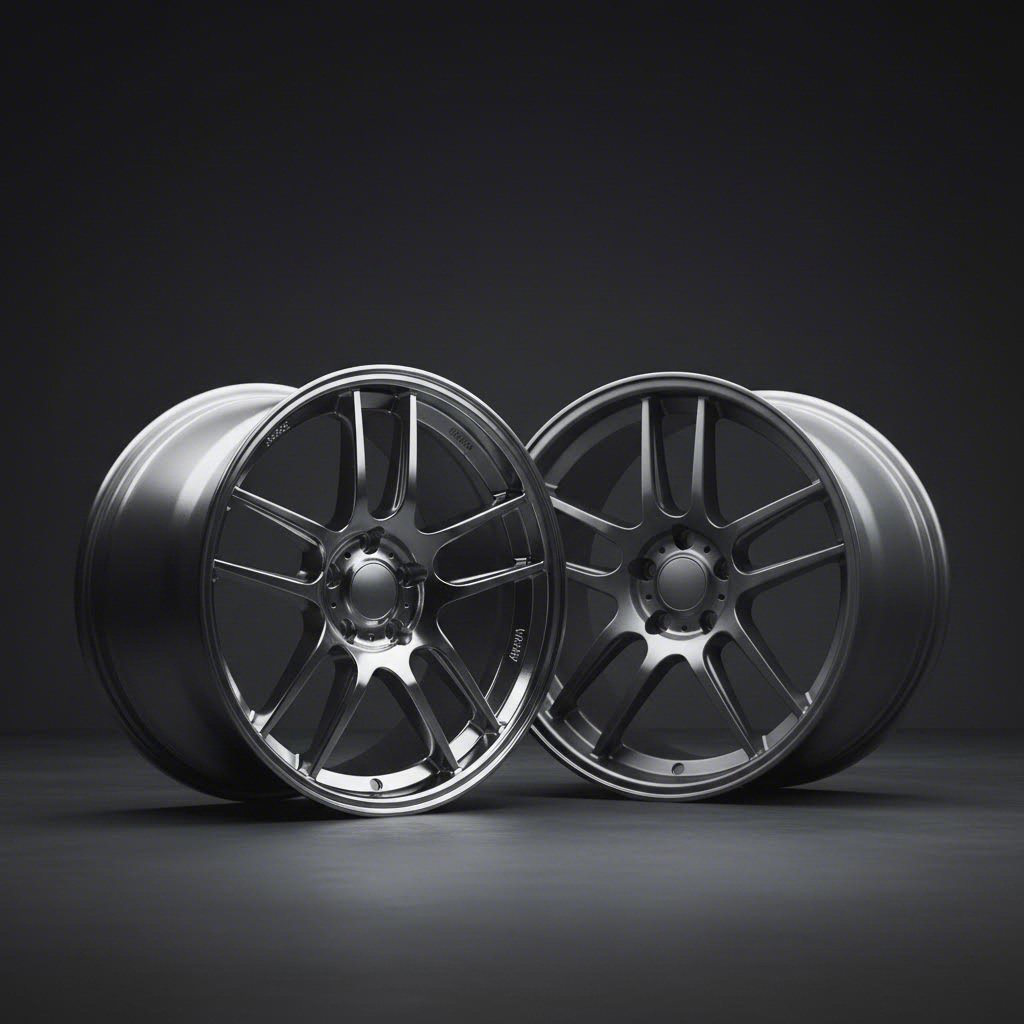
Flow Formed vs Forged Wheels and Why This Choice Defines Your Build
You've spent hours scrolling through forums, watching comparison videos, and staring at wheel specs. The question keeps circling back: should you go with flow formed wheels or invest in a fully forged set? This isn't just about picking something that looks good on your ride. It's a decision that directly impacts how your car handles, how long your wheels last, and whether your wallet can recover anytime soon.
Why Your Wheel Choice Matters More Than You Think
Here's what many enthusiasts discover too late: not all alloy wheels deliver the same performance. According to Street Muscle Magazine, the manufacturing process fundamentally changes a wheel's strength-to-weight ratio, load rating, and failure characteristics. Cast wheels, for instance, tend to crack under stress due to porosity in the aluminum structure. That's why serious performance builds demand something better.
When comparing flow formed vs forged options, you're looking at two premium manufacturing methods that both outperform standard cast wheels. Flow forming uses heat and pressure to stretch and compress the wheel barrel, creating improved grain structure without the full cost of forging. Forged wheels, on the other hand, start from a solid aluminum billet compressed under extreme pressure, resulting in the lightest and strongest wheels money can buy.
The Performance Upgrade Dilemma Every Enthusiast Faces
Think about your typical weekend. Are you carving canyon roads? Competing in autocross events? Showing up at cars and coffee? Each scenario demands different wheel characteristics. A Spec Miata racer prioritizes weight reduction above all else, while a pro-touring Camaro owner needs wheels rated for 2,100 pounds per corner to handle sticky slicks.
This guide cuts through the endless forum debates with structured analysis. We're excluding cast wheels entirely to give you a deeper focus on the premium segment where real performance gains happen. Flow wheels offer an excellent middle ground for budget-conscious enthusiasts, while forged options remain the gold standard for maximum strength and minimum weight.
In the sections ahead, you'll discover exactly which manufacturing method suits your specific driving needs. We'll break down top wheel options across both categories, compare real-world durability, and help you understand why forged wheels vs cast wheels represents such a dramatic performance difference. Whether you're building a dedicated track weapon, a refined daily driver, or a show-stopping build, your wheel choice defines what your car can truly become.
How We Evaluated These Premium Wheel Options
Before diving into specific wheel recommendations, you need to understand how we arrived at our rankings. Forum opinions and social media hype don't cut it when you're making an investment that affects both performance and safety. Our evaluation framework focuses on measurable criteria that matter differently depending on how you actually use your vehicle.
Our Five-Point Evaluation Framework
Every wheel in this guide was assessed across five critical factors. Here's what we measured and why each criterion carries weight in the final rankings:
- Weight-to-Strength Ratio: Understanding the weight on wheels meaning goes beyond simple scale numbers. A lighter wheel that cracks under stress offers no advantage. We examined how each manufacturing process affects grain structure and load ratings. Rotary forged wheels, for example, achieve improved barrel strength through compression, while fully forged options deliver superior strength throughout the entire structure.
- Price-to-Performance Value: The question isn't whether forged or cast wheels cost more. It's whether the performance gains justify the price difference for your specific application. We calculated cost per pound of weight savings and durability improvements to determine genuine value.
- Fitment Flexibility and Spoke Design Options: Some manufacturers offer dozens of finishes and custom offsets. Others provide limited selections. Your build deserves wheels that fit properly without spacers or fender modifications, so we weighted this criterion heavily.
- Warranty Coverage Differences: Warranty terms reveal manufacturer confidence. We compared coverage periods, what's actually protected, and how companies handle claims for track use versus street driving.
- Real-World Durability Under Stress: According to FLEXIFORGED's 2025 analysis, forged wheels deliver superior impact resistance compared to other manufacturing methods. We examined how each wheel type performs under dynamic loads, including lateral forces during hard cornering and impacts from road irregularities.
How We Tested and Compared Each Wheel Type
Different applications demand different priorities. A weekend track warrior cares about unsprung weight reduction and load ratings that handle 1.2g lateral forces. A daily driver prioritizes pothole survival and finish durability through harsh weather. Show car builders focus on visual impact and brand prestige.
When evaluating forged vs cast performance differences, we considered that sports cars capable of 1.0g+ cornering need wheels rated 20-30% above calculated minimums to accommodate dynamic loading. This insight from Aura Forged's engineering documentation shaped how we weighted strength requirements across vehicle categories.
Our recommendations also factor in manufacturing process quality and brand reputation. Compression forged wheels from established manufacturers undergo rigorous FEA simulation and physical testing before receiving load ratings. Lesser-known brands might skip these steps, creating risk regardless of claimed specifications.
One practical consideration often overlooked: lead times vary dramatically. Custom forged wheels typically require 4-5 weeks for production, sometimes longer for complex multi-piece designs. Flow formed options generally ship faster since manufacturers maintain larger inventories. If you're building against a deadline, this timing difference matters as much as performance specifications.
With this evaluation framework established, let's examine the specific wheel options that rose to the top of each category.
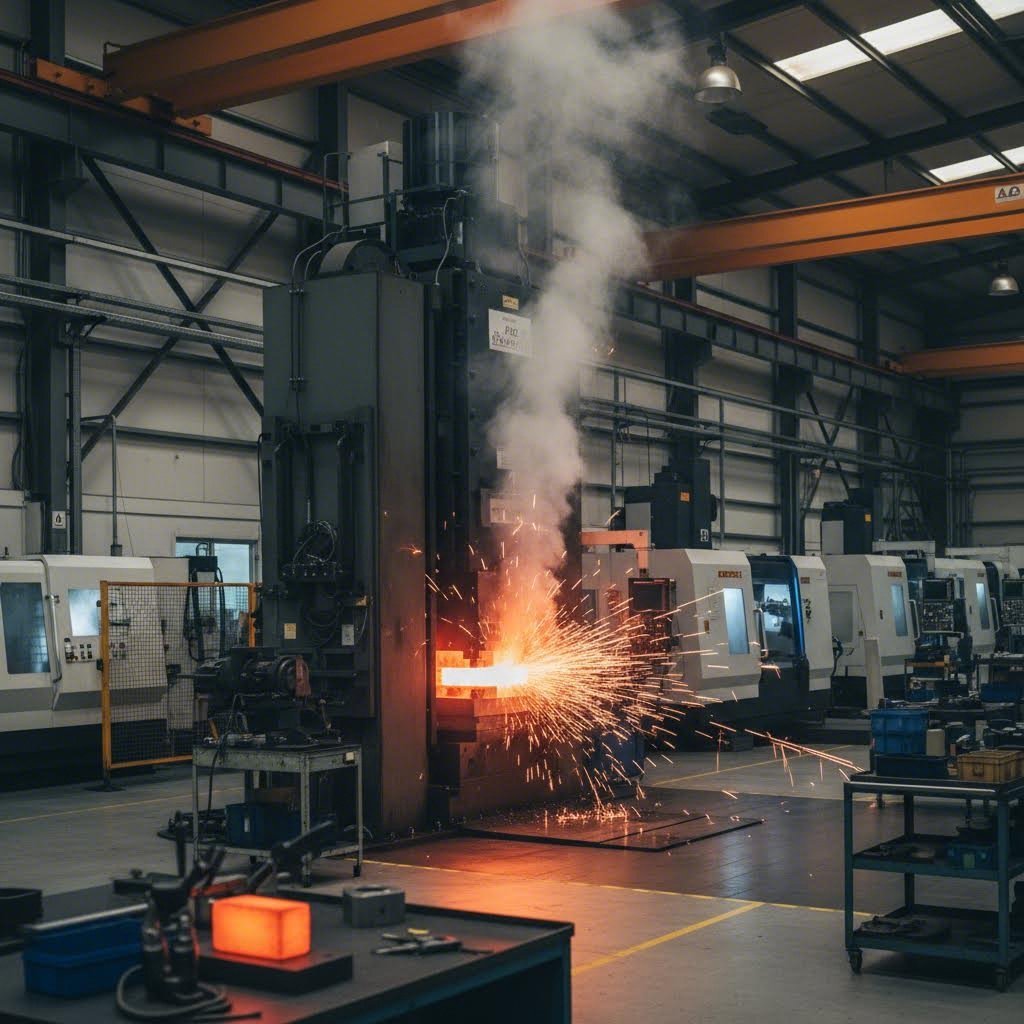
Shaoyi Precision Forged Wheels for Uncompromising Quality
When enthusiasts ask what are forged wheels, they're really asking about a manufacturing philosophy that prioritizes structural integrity above all else. Among manufacturers delivering OEM-quality forged solutions with complete transparency into their production processes, Shaoyi (Ningbo) Metal Technology stands out for serious builders who demand verifiable quality standards.
Why IATF 16949 Certification Matters for Wheel Quality
Here's something most wheel shoppers overlook: certification standards reveal more about wheel quality than marketing claims ever could. According to industry certification guidelines, IATF 16949:2016 certification is vital for wheel manufacturers supplying major automakers because it covers the entire production process, ensuring high-quality standards at every stage.
So what does forged wheels mean in terms of certified manufacturing? It means every forged rim undergoes documented quality control procedures, from raw material inspection through final testing. IATF 16949 certification focuses on continuous improvement and defect prevention, which is precisely what you want when your wheels face repeated stress cycles at triple-digit speeds.
Shaoyi's IATF 16949 certification provides the kind of manufacturing transparency that serious track enthusiasts and automotive builders require. This isn't just a badge on a website. It represents rigorous third-party auditing of quality management systems, process controls, and defect tracking procedures that major OEMs demand from their suppliers.
From Raw Aluminum to Track-Ready Performance
Understanding how are forged wheels made helps explain why they outperform other manufacturing methods. The forged wheels definition centers on a process where a solid aluminum billet undergoes extreme heat and pressure, fundamentally reorganizing the metal's grain structure.
According to Revo Forged's engineering analysis, the forging process allows for a more uniform grain structure in the metal, making it less prone to cracking or bending under stress. Research shows that forged wheels can be up to 30% stronger than cast wheels of the same weight. This increased durability is vital for performance enthusiasts who push their vehicles to the limits.
Shaoyi's precision hot forging process takes this even further. Their in-house engineering team ensures that components meet exact specifications through controlled heating and pressure application. The result is a forged rim with superior grain alignment that translates directly to improved strength-to-weight ratios and fatigue resistance.
What sets their approach apart is rapid prototyping capability. Custom applications that might take competitors months to develop can move from concept to physical prototype in as little as 10 days. For automotive builders working on specialized fitments or unique spoke designs, this accelerated timeline means faster development cycles without sacrificing manufacturing quality.
Pros and Cons of Precision Hot Forging
Every manufacturing approach involves tradeoffs. Here's an honest assessment of what precision hot forging from a certified manufacturer delivers:
Pros
- IATF 16949 Certified Quality Control: Third-party verified manufacturing processes ensure consistent quality across production runs, meeting the same standards that major automakers require from their suppliers.
- In-House Engineering for Exact Specifications: Dedicated engineering teams can optimize designs for specific applications, whether that's suspension arms, drive shafts, or custom wheel configurations.
- Fast Prototyping for Custom Fitments: Rapid prototyping in as little as 10 days accelerates development for builders with unique requirements or tight project timelines.
- Globally Compliant Manufacturing: Strategic location near Ningbo Port enables efficient logistics for international supply chains, with manufacturing processes that meet global quality and safety standards.
- Superior Grain Structure: Hot forging creates the dense, aligned grain structure that makes forged wheels mechanically stronger with improved wear resistance over time.
Cons
- B2B Focus May Require Dealer Partnerships: Individual enthusiasts might need to work through established dealers or builders rather than purchasing directly, which adds an extra step to the procurement process.
- Custom Orders Have Lead Times: While prototyping is fast, full production runs for custom specifications still require appropriate manufacturing time. Plan accordingly if working against event deadlines.
Best For: Serious track enthusiasts who understand that what are forged rims really represents—a commitment to maximum strength and minimum failure risk. Automotive builders requiring OEM-spec components benefit from the certification standards and engineering support. This option particularly suits those who prioritize manufacturing quality and process transparency over consumer brand recognition.
The forged wheels meaning extends beyond the product itself. It encompasses the entire manufacturing philosophy, from certified quality systems to engineering precision that ensures every component meets exact specifications.
For builders and teams looking to streamline their automotive supply chain with precision hot forging solutions, exploring partnerships with certified manufacturers like Shaoyi ensures components deliver the performance that serious applications demand. Their combination of IATF 16949 certification, rapid prototyping capability, and high-volume production capacity addresses the full spectrum of forged component needs.
While Shaoyi represents the quality benchmark in certified forged manufacturing, the market offers other compelling options across different price points and use cases. Next, we'll examine how flow formed technology delivers impressive performance at more accessible pricing.
Konig Flow Formed Wheels for Budget-Conscious Performance
What happens when a brand known for budget-friendly tuner wheels decides to get serious about performance? Konig's answer arrived in 2010 with their Flow Forming Technology, and the results have reshaped how enthusiasts think about affordable track-ready wheels. If you've been watching grassroots motorsports events, you've probably noticed Konig flow formed wheels appearing on everything from Spec Miata builds to time attack BRZs.
The Flow Forming Process Behind Konig's Lightweight Design
Understanding what makes flowform wheels different starts with the manufacturing process itself. According to Konig's technical documentation, flow forming technology involves applying pressure to the inner barrel of the wheel while spinning after it has been cast. This process stretches and compresses the aluminum, which increases tensile strength.
Think of it like this: a standard cast wheel is poured into a mold and cooled. The resulting structure has decent strength but requires more material thickness to achieve adequate load ratings. Flow forming wheels take that cast center section and transform the barrel through heat and pressure. The aluminum gets stretched and compressed simultaneously, reorganizing the grain structure in ways similar to forging.
The practical result? Konig's Hypergram in an 18x9.5 configuration weighs around 20 pounds. A comparable OEM wheel typically hits 24-26 pounds. That's 4-6 pounds saved per corner, translating to roughly 20 pounds of unsprung weight reduction across all four wheels. This isn't marketing fluff—it's measurable improvement that affects steering response, ride compliance, and acceleration.
What makes flow form wheels particularly interesting is the elongation improvement. Konig's testing data shows dramatically increased elongation compared to conventional cast construction. Elongation measures how much a material can flex before reaching its breaking point. Higher elongation means the wheel can absorb impacts that might crack a traditional cast wheel, bending slightly rather than fracturing catastrophically.
Track-Tested Performance at Accessible Pricing
Forum debates about Konig flow formed wheels often miss the most important question: how do they actually perform when pushed hard? The answer comes from accumulated track data and real-world durability testing.
According to independent testing by Three Piece US, Grassroots Motorsport tested a set of Konig Hypergrams against the legendary Enkei RPF1s. On identical cars, the Konig wheels nearly matched RPF1 performance—but at roughly two-thirds the cost. After the test, evaluators noted even tire wear, indicating minimal camber deflection during hard cornering.
Durability evidence continues accumulating. One FT86Club member documented 30 autocross sessions on 17-inch Hypergrams with nothing more than cosmetic rock chips. No structural compromise, no cracks around spoke bases, no barrel distortion. Compare this to horror stories of cast wheels cracking after just a few events, and the flow forming advantage becomes clear.
Konig backs their confidence with certifications that matter. Their flow formed lineup carries JWL and VIA certifications, meaning they survive the impact and radial fatigue tests mandated by the Japanese government for passenger vehicles. Some models also meet SAE J2530 North American fatigue standards. The Hexiform even carries SFI 15.1 certification for drag racing applications—you can wrap them in Mickey Thompson slicks and launch hard without worrying about spoke failure.
Pricing reinforces the value proposition. A set of 17x9 Hypergrams runs approximately $1,100, while 18-inch Ultragrams cost around $1,400. For perspective, comparable Rays or BBS offerings start at $3,000 or more. When calculated as cost per pound of weight savings, Konig delivers around $60 per pound compared to $180+ per pound for premium forged options.
Pros and Cons of Konig Flow Formed
Every wheel choice involves tradeoffs. Here's an honest assessment of what Konig's flow forming wheels deliver:
Pros
- Significantly Lighter Than Cast Alternatives: Flow forming technology delivers 15-25% weight reduction compared to conventional cast wheels of similar size and style, directly improving unsprung mass characteristics.
- Proven Track Record in Motorsports: From autocross to time attack, Konig wheels have logged thousands of competitive miles with documented reliability. The brand actively supports grassroots and professional motorsports programs.
- Wide Fitment Availability: The catalog includes options for most popular performance platforms, with proper brake clearance engineering and custom hub-bore sizing available. Knurled bead seats help prevent tire slip during hard launches.
- Competitive Pricing in Flow Formed Segment: At roughly two-thirds the cost of premium Japanese flow formed options and one-third the cost of forged alternatives, Konig maximizes performance per dollar spent.
Cons
- Not As Strong As Fully Forged Options: While superior to cast wheels, flow formed construction still can't match the ultimate strength and load ratings of fully forged wheels. High-horsepower applications above 500hp may benefit from stepping up to forged.
- Limited Custom Options Compared to Forged Manufacturers: You're choosing from existing catalog designs rather than configuring custom offsets, widths, or finishes. Powder-coated finishes, while attractive, show chips more readily than anodized alternatives.
- Resale Value Considerations: Unlike iconic JDM forged wheels that hold value or appreciate, Konig wheels typically resell at 50-60% of original MSRP.
Best For: Autocross competitors who need weight reduction without destroying their budget. Weekend track warriors running cars under 3,500 pounds where flow formed load ratings are more than adequate. Enthusiasts seeking measurable performance improvement while keeping funds available for tires, suspension, or seat time. If you're daily driving with occasional spirited canyon runs, konig forged wheels—or more accurately, their flow formed lineup—delivers genuine value that's hard to argue against.
At roughly $60 per pound of weight savings versus $180+ for premium forged alternatives, Konig's flow formed lineup represents one of the best performance-per-dollar investments in the aftermarket wheel space.
Konig has genuinely evolved from their tuner-era reputation into a serious middleweight contender. But what about enthusiasts who want the absolute best regardless of budget? The next section examines BBS forged wheels—the motorsport heritage brand that sets the benchmark for premium wheel quality.
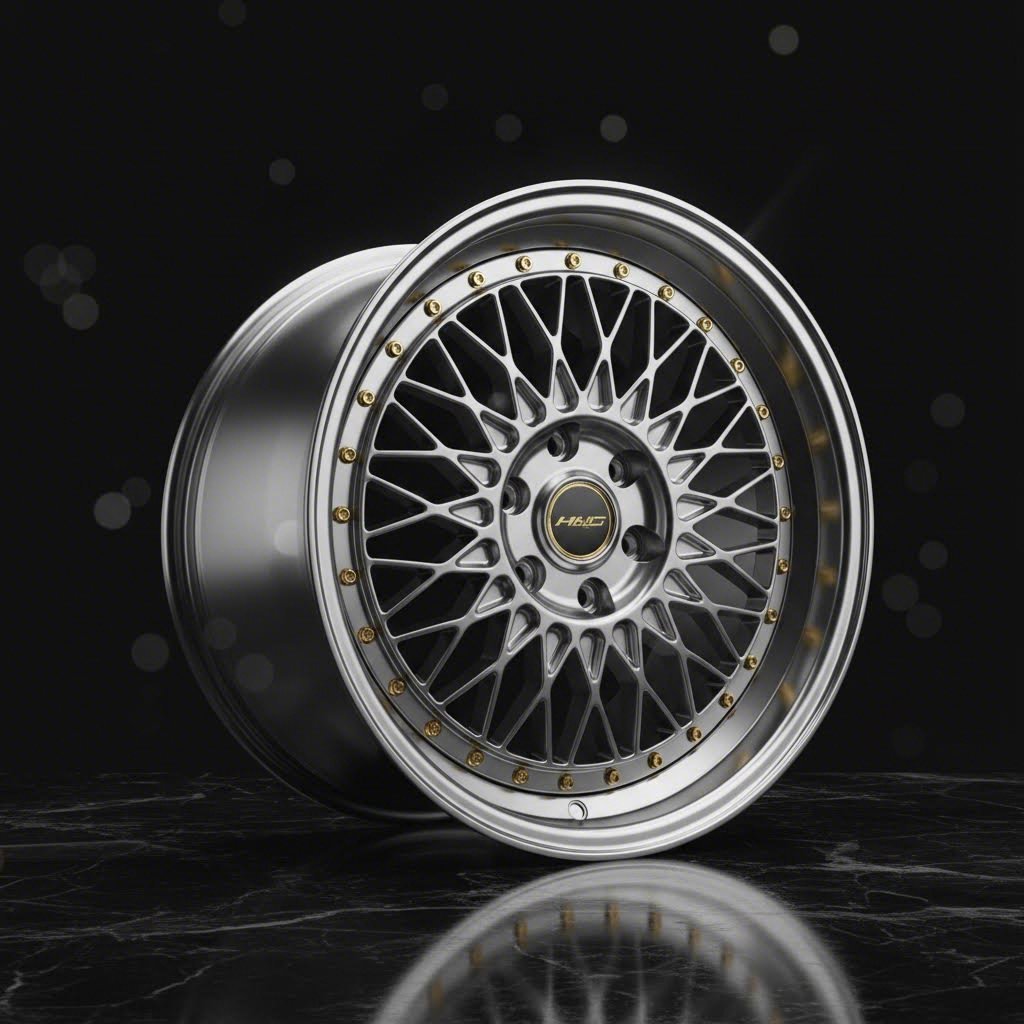
BBS Forged Wheels for Motorsport Heritage and Prestige
When discussing the best forged wheels in the industry, one name surfaces repeatedly across enthusiast forums, collector circles, and professional motorsport paddocks: BBS. Since 1970, this German-Japanese collaboration has defined what premium forged wheel manufacturing looks like. But does the legendary reputation justify price tags that can exceed $10,000 for a set? Let's examine what makes forged BBS rims the benchmark against which all others are measured.
German Engineering Meets Motorsport Heritage
BBS didn't just enter motorsport—they fundamentally shaped how racing teams think about wheel performance. According to Motorsport.com's factory investigation, BBS first supplied forged magnesium wheels to Ferrari in 1992. During Michael Schumacher's dominant era at Ferrari, BBS wheels supported every championship-winning lap.
The motorsport connection goes deeper than sponsorship deals. From the 2022 season onward, F1 increased wheel sizes from 13 to 18 inches and selected a single supplier through competitive tender. BBS won. Every car on the F1 grid now runs BBS forged magnesium wheels, manufactured at their facility in Takaoka City, Toyama Prefecture, Japan.
What makes this remarkable is the manufacturing approach. As BBS Japan's head of technology Takashi Murakami explains, the F1 wheels are forged on the same production line as wheels sold to the public. This isn't a separate racing division with different standards—it's the same equipment, same processes, same obsessive attention to detail.
Understanding the forged rims meaning requires appreciating the ancient craftsmanship BBS channels. Murakami draws a direct parallel to Japanese sword-making: "By striking the metal repeatedly, the space inside the metal is reduced, the metal fibres themselves become finer and more uniform, and the result is a strong and hard metal product." BBS applies this philosophy using 12,000-ton pressing machines that transform aluminum billets into dense, incredibly strong wheel structures.
The result isn't just strength—it's what BBS calls "suppleness." Forged wheels flex slightly under load rather than cracking. Murakami compares the difference to 'onigiri' (rice balls) versus 'omochi' (pounded rice cakes): cast wheels hold shape loosely and break apart under stress, while forged wheels bond at the molecular level and stretch without failing.
The True Cost of Legendary Quality
Let's address the obvious question: why do forged wheels brands like BBS command such premium pricing? The answer involves both manufacturing complexity and uncompromising quality standards.
1 piece forged wheels from BBS start around $800-1,200 per wheel for entry-level designs like the CH-R. Step into their iconic multi-piece offerings like the LM or RS-GT, and you're looking at $1,500-2,500 per wheel. Fully customized Super RS configurations with specific offsets, widths, and finishes can push past $3,000 each.
When enthusiasts ask what is stronger billet or forged aluminum, the answer depends on application. Billet wheels are machined from solid aluminum blocks, creating impressive strength but significant weight. BBS's forged construction achieves comparable or superior strength while dramatically reducing mass. Their FI-R monoblock design, for instance, delivers race-ready strength in a wheel light enough for serious weight-conscious builds.
According to Fitment Industries' analysis, "Forged construction uses incredible heat and pressure to reshape aluminum into a dense, crazy-strong wheel that shrugs off punishment without adding weight to your build." The Super RS exemplifies this approach, blending forged centers with multi-piece construction that maximizes strength while enabling show-level aesthetics.
Lead times reflect the handcrafted nature of premium BBS production. Custom orders typically require 8-16 weeks, sometimes longer for unusual specifications. The iconic LM wheel, celebrating 30 years of production in 2024, maintains such demand that used examples in good condition often sell for near-original prices—or higher for rare colorways.
Pros and Cons of BBS Forged
Even legendary products involve tradeoffs. Here's an honest assessment of what BBS forged wheels deliver:
Pros
- Unmatched Brand Prestige: Over 50 years of "perfecting the wheel" creates recognition that transcends automotive circles. BBS wheels signal serious commitment to quality, instantly elevating any build's perceived value.
- Proven F1 and Motorsport Heritage: Being the sole supplier to Formula 1 isn't just marketing—it's validation from the most demanding racing series on the planet. The same manufacturing processes create consumer wheels.
- Exceptional Resale Value: Iconic designs like the LM, RS, and Super RS maintain value remarkably well. Clean examples often resell at 70-90% of original price, with rare variants commanding premiums.
- Superior Finish Quality: BBS's obsession with "functional beauty" produces finishes that remain stunning after years of use. Diamond-cut faces, anodized barrels, and precision machining create visual impact that photographs simply can't capture.
- Multi-Piece Construction Options: Two-piece and three-piece designs allow custom width and offset configurations impossible with monoblock wheels. Barrel sections can be replaced if damaged, extending wheel lifespan.
Cons
- Highest Price Point in the Market: Entry-level BBS forged wheels cost more than premium competitors' top offerings. A full set can easily exceed the value of some project cars.
- Long Wait Times for Custom Orders: Standard lead times of 8-16 weeks test patience. Complex custom configurations may extend timelines further, making BBS unsuitable for rushed builds.
- Premium Pricing May Exceed Budget for Many Enthusiasts: The investment required for BBS forged wheels often represents 10-20% of a complete build budget. For track-focused applications where wheels face regular abuse, this concentration of value creates risk.
- Corporate Uncertainty: BBS USA's 2024 announcement regarding BBS Germany's insolvency created market concern. While operations continue, long-term brand stability remains a consideration for collectors.
Best For: Collectors building showcase vehicles where the wheel choice makes a statement. Concours competitors where judging standards reward heritage brands and finish quality. Enthusiasts where budget is genuinely secondary to prestige and craftsmanship. Those seeking wheels that appreciate rather than depreciate over time.
As BBS's Takashi Murakami describes their philosophy: "I want to make a wheel that pursues 'functional beauty' to the limit. A wheel that has high performance but can also back that performance up with beauty."
BBS represents the pinnacle of what the best forged wheels can achieve—but not everyone needs or wants that level of investment. What if you could access premium wheel aesthetics and engineering at more accessible pricing? The next section examines how HRE applies their forged wheel expertise to their FlowForm series, bridging the gap between flow formed value and forged-brand prestige.
HRE FlowForm Wheels for Premium Brand Accessibility
What happens when a manufacturer known exclusively for bespoke forged wheels decides to enter the flow formed market? HRE Performance Wheels answered that question with their FlowForm series, creating an interesting proposition for enthusiasts who want the HRE name without the custom forged price tag. But does the prestige translate when the manufacturing method changes?
When a Forged Brand Makes Flow Formed
HRE built their reputation over decades crafting some of the most coveted forged wheels in the aftermarket. Their three-piece forged designs grace everything from weekend track cars to seven-figure hypercars. So why venture into flow forged wheels territory?
The answer lies in accessibility. According to Vivid Racing's factory analysis, HRE has spent years refining their flow form process through extensive research and development. Unlike manufacturers who simply outsource production, HRE applies the same engineering philosophy that defines their forged lineup to their FlowForm series.
What sets HRE's approach apart is their testing methodology. Each wheel design undergoes rigorous stress testing that simulates real-world driving conditions before reaching customers. Using advanced equipment, engineers visualize stress points and optimize material placement—adding strength where needed and removing unnecessary weight elsewhere. This isn't just flow formed production; it's flow formed production guided by forged-wheel expertise.
The quality control standards mirror what you'd expect from a premium forged manufacturer. Multiple QC checks occur throughout the manufacturing process, removing any wheel with the slightest imperfection. As their engineering documentation notes, this ensures every wheel delivered meets the pristine standards HRE customers expect.
Premium Aesthetics Without Full Forged Pricing
The HRE flow formed lineup delivers something compelling: genuine HRE design language at roughly 40-50% of custom forged pricing. A set of FlowForm wheels typically runs $2,400-3,200, compared to $6,000-12,000+ for their forged equivalents.
The flow form construction method creates wheels that are lighter than cast alternatives while delivering improved strength characteristics. Heat and pressure stretch the barrel section, reorganizing the aluminum grain structure in ways that enhance durability. For daily drivers who appreciate premium aesthetics but can't justify full forged investment, this represents genuine value.
Availability creates another advantage. Custom forged HRE wheels require 8-16 week lead times for production. The FlowForm series ships considerably faster since HRE maintains inventory of popular sizes and finishes. If you're building against a deadline or simply lack patience for extended wait times, this matters.
The finish quality deserves specific mention. HRE's reputation for visual excellence carries into their flowform offerings. The attention to detail in spoke machining, barrel finishing, and overall presentation reflects the brand's heritage even at lower price points.
Pros and Cons of HRE FlowForm
Every wheel choice involves tradeoffs. Here's an honest assessment of what HRE's flow form lineup delivers:
Pros
- HRE Design Language and Finish Quality: You're getting genuine HRE aesthetics developed by the same design team that creates their forged masterpieces. The visual impact and finish quality exceed what most flow formed competitors offer.
- Lighter Than Cast With Better Strength: Flow forming creates improved barrel strength and reduced weight compared to conventional cast construction. The process stretches and compresses aluminum for enhanced grain structure.
- Brand Prestige of HRE Name: The HRE badge carries weight in enthusiast communities. You're buying into decades of forged wheel heritage, even at a more accessible price point.
- Faster Availability Than Custom Forged: Popular sizes ship from inventory rather than requiring months of production time. For builds with deadlines, this timing advantage proves significant.
- Rigorous Testing Standards: Each design undergoes stress testing with advanced equipment before customer delivery, applying the same quality philosophy that defines HRE's forged production.
Cons
- Premium Pricing for Flow Formed Category: At $600-800 per wheel, HRE FlowForm costs 2-3x what budget flow formed options like Konig command. You're paying for the brand and finish quality.
- Limited Designs Compared to Forged Lineup: The FlowForm catalog offers fewer options than HRE's extensive forged portfolio. If you want a specific iconic HRE design, it likely only comes in forged.
- Not Fully Forged Performance: Despite the HRE pedigree, flow formed construction can't match the ultimate strength and weight optimization of fully forged wheels. Track-focused builds pushing extreme limits may want to step up.
Best For: HRE enthusiasts seeking an entry point to the brand without full forged investment. Daily drivers who want premium aesthetics and proven quality for street use. Those who value the HRE name and finish quality but need faster delivery than custom forged timelines allow. Builds where visual impact matters as much as ultimate performance.
HRE's FlowForm series answers a specific question: can a forged-wheel brand deliver their design philosophy at more accessible pricing? The answer is yes—with the understanding that you're choosing brand prestige and finish quality over maximum performance.
HRE FlowForm represents the premium end of flow forged wheel options, but enthusiasts building exotic cars often seek equally modern aesthetics with full forged construction. The next section examines Brixton Forged, a California-based manufacturer making waves in the luxury and supercar community with aggressive designs and competitive forged pricing.
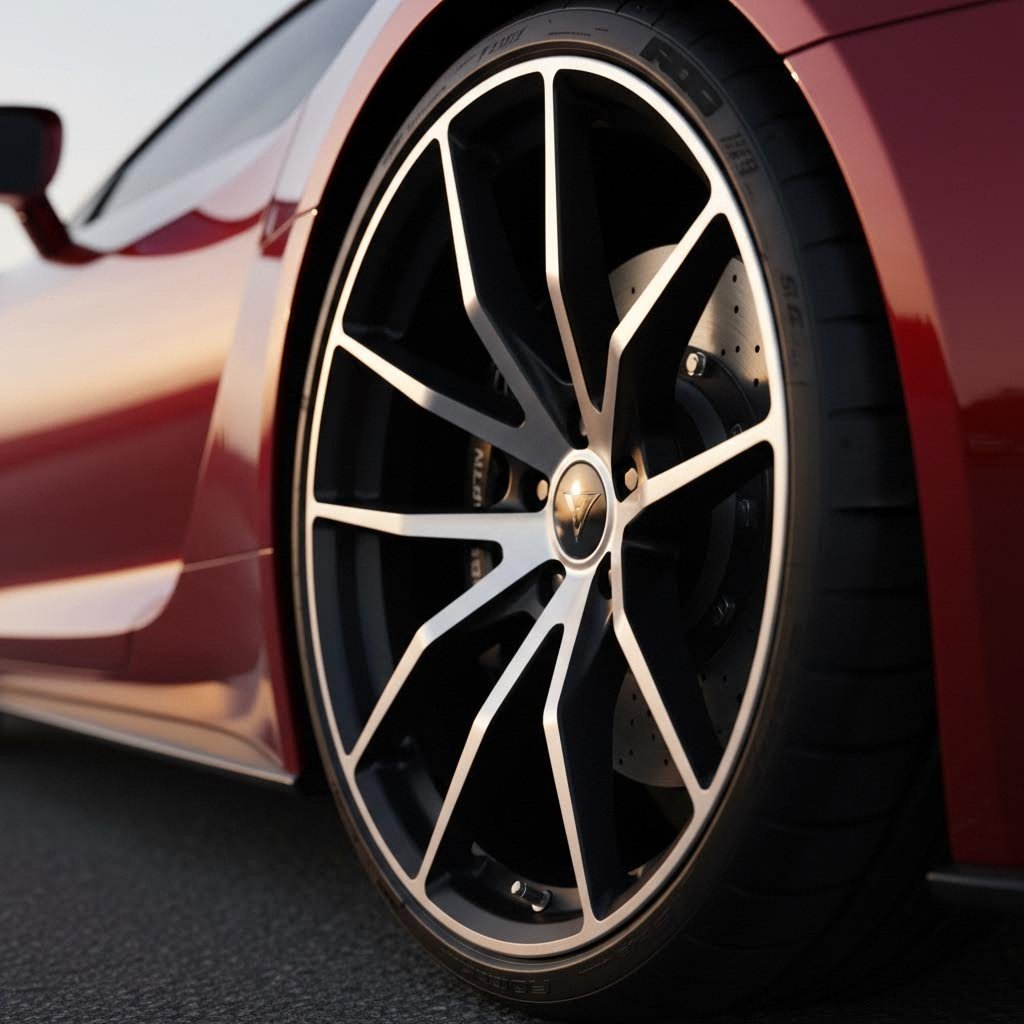
Brixton Forged Wheels for Modern Exotic Styling
What happens when a Los Angeles-based team of mechanical engineers decides to challenge established European wheel heritage with aggressive California design language? Brixton Forged emerged to answer exactly that question, rapidly becoming the wheel of choice for exotic car builds that demand attention on social media feeds and at supercar gatherings. If you've scrolled through automotive Instagram accounts featuring widebody Huracans or Liberty Walk GT-Rs, you've likely noticed brixton wheels commanding the frame.
California Design Meets Global Manufacturing
Brixton Forged represents something relatively new in the forged wheel space: a manufacturer built from the ground up for the social media era. According to Brixton's official documentation, their product development team has decades of experience designing the highest quality forged wheels in the industry, comprised of professional Mechanical Engineers and Machinists who cut no corners during the development process.
The engineering foundation goes deeper than marketing claims suggest. With thorough understanding of Vehicle Dynamics, OEM load ratings, and Material Science, Brixton's team engineers not only stunning 1-piece monoblock, 2 and 3-piece wheels, but also ones designed to perform safely under stress. Their published specifications claim designs can be up to 40% lighter while being 10% more stress resistant than high-performance OEM wheels built by high-end vehicle manufacturers.
Manufacturing transparency sets Brixton apart from lesser-known competitors. According to their manufacturing documentation, they utilize aerospace-grade 6061-T6 lightweight aluminum forgings throughout their full production line. These forgings are TUV and AS9100-C certified, guaranteeing the highest quality and predictable grain structure that serious applications demand.
The quality control standards mirror what you'd expect from established forged manufacturers. Each wheel set undergoes full Finite Element Analysis (FEA) taking into account curb weight, dynamic cornering fatigue, dynamic radial fatigue, and simulated impact testing according to SAE, JWL, and VIA standards. While brands like lexani forged wheels and xf forged wheels compete in similar market segments, Brixton's engineering documentation provides unusual transparency into their testing methodology.
The New Wave of Forged Wheel Excellence
Brixton's rise in the exotic car community happened remarkably fast. Browse featured builds from automotive media outlets, and you'll find their wheels appearing on McLaren 720S builds, Porsche 911 Turbo S configurations, Lamborghini Aventador SV setups, and Ferrari F12 projects. This isn't accidental—Brixton specifically targets the high-visibility supercar segment where social media presence drives brand awareness.
The manufacturing precision deserves attention. Brixton uses 3 and 5-Axis CNC milling machines capable of machining complex shapes and contours. This proves particularly beneficial for their intricate spoke designs and varying surface profiles. Their runout tolerance—how round the final wheel measures—exceeds industry standards significantly. While industry tests accept runout within 0.030 inches, Brixton won't pass QC unless wheels fall below 0.015 inches, with most testing to within 0.008 inches.
For enthusiasts seeking forged wheels for trucks or heavier applications, Brixton offers ARP hardware for heavy load rating and off-road applications alongside their standard PVD-coated titanium or stainless steel assembly hardware. This flexibility extends their reach beyond the exotic car segment into performance trucks and SUVs.
Finish options showcase attention to handcrafted detail. Each raw milled aluminum section undergoes multiple stages of deburring, hand filing, buffing, and polishing before coating. Wheels with multiple tones or brushed and high-luster combinations pass through the powder coating and metal finishing departments up to four times. This labor-intensive approach creates finishes that photograph exceptionally well—crucial for a brand built on social media visibility.
Pros and Cons of Brixton Forged
Every manufacturer involves tradeoffs. Here's an honest assessment of what Brixton delivers:
Pros
- Modern Aggressive Designs: California-born aesthetics that complement contemporary supercars and widebody builds. The design language feels current rather than derivative of European heritage styles.
- Strong Presence in Exotic Car Community: Established relationships with builders working on McLarens, Lamborghinis, Porsches, and Ferraris create visibility and community credibility.
- Competitive Forged Pricing: While not cheap forged wheels by any measure, Brixton typically undercuts established European brands by 20-30% for comparable construction quality. Those seeking affordable forged wheels relative to BBS or HRE pricing find Brixton compelling.
- Excellent Social Media Presence and Community: Active engagement with builders and feature-worthy photography create aspirational content that resonates with the Instagram generation of enthusiasts.
- Certified Manufacturing Standards: TUV and AS9100-C certified aluminum forgings combined with SAE, JWL, and VIA standard testing provide documented quality assurance.
- Full In-House Finishing: Hand-finishing through multiple departments allows unique multi-tone combinations and premium finish quality that rivals established names.
Cons
- Newer Brand With Less Heritage Than Established Names: Brixton lacks the decades of motorsport history that defines brands like BBS. For collectors prioritizing heritage and resale stability, this matters.
- Limited Dealer Network in Some Regions: Purchasing typically occurs through direct contact or select dealers. Enthusiasts in certain markets may find limited local support compared to established distributors.
- Resale Value Uncertainty: Without the proven value retention of heritage brands, long-term resale performance remains less predictable.
Best For: Exotic car owners building Instagram-worthy setups where modern aggressive aesthetics matter more than heritage provenance. Social media enthusiasts who want wheels that photograph exceptionally well and generate community engagement. Those seeking competitive forged pricing without sacrificing engineering standards or finish quality. Builders who prioritize contemporary design language over classic European styling traditions.
Brixton Forged represents the new wave of premium wheel manufacturing—California design sensibility combined with aerospace-grade materials and rigorous engineering validation, packaged for the social media era.
With individual wheel options now thoroughly examined, comparing them side-by-side becomes essential for making an informed decision. The next section consolidates everything into a comprehensive comparison table, matching each wheel type to specific applications and driving priorities.
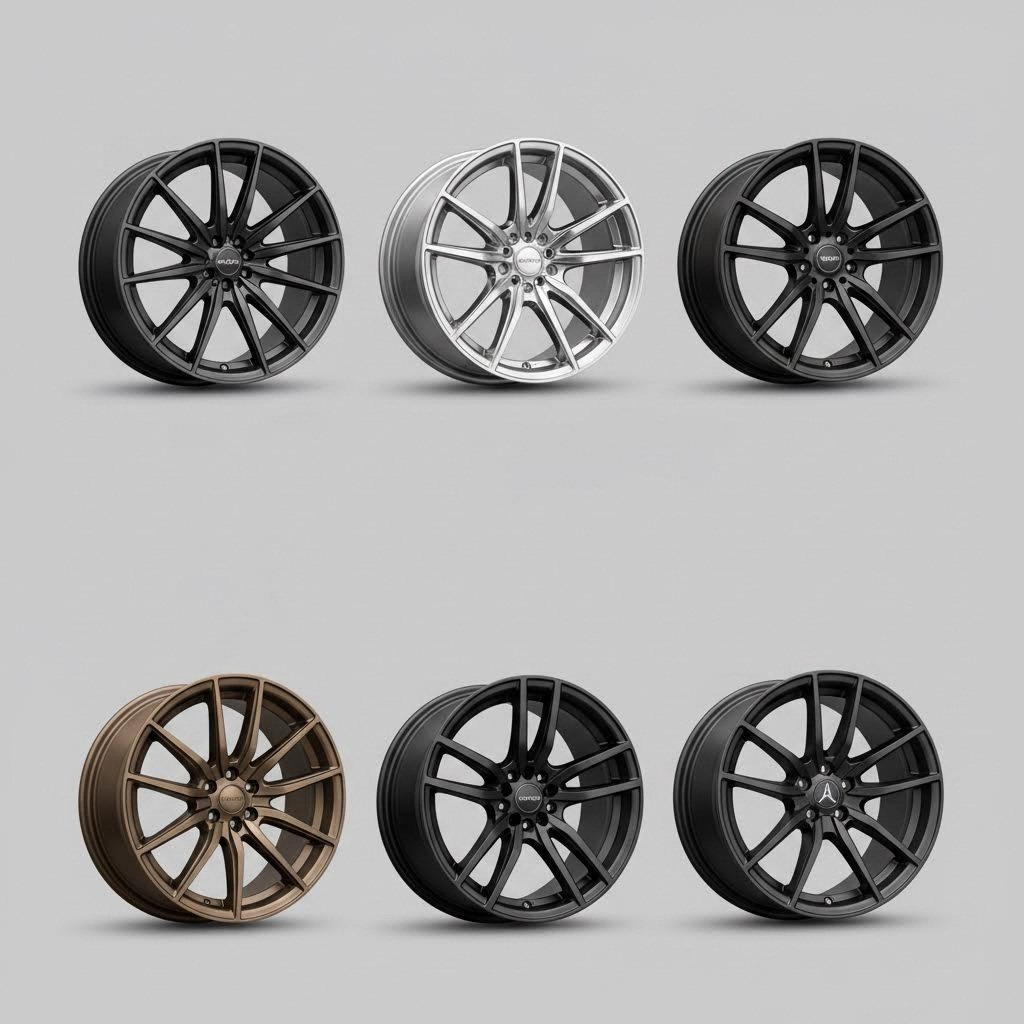
Complete Comparison Table and Application Guide
You've seen the individual breakdowns. Now let's consolidate everything into a format that makes decision-making straightforward. When comparing forged vs cast wheels or evaluating different wheel types within the premium segment, having specifications side-by-side reveals which option genuinely matches your build requirements.
Head-to-Head Manufacturing Comparison
The differences between forged rims vs cast construction become obvious when examining specifications directly. But even within premium categories, significant variation exists between manufacturers and methods. Here's how each reviewed option stacks up:
| Brand/Series | Manufacturing Method | Weight Savings vs Cast | Price Range (Set of 4) | Best Application | Typical Lead Time |
|---|---|---|---|---|---|
| Shaoyi Precision Forged | Hot Forged (IATF 16949 Certified) | 25-35% | $2,800-5,000+ | Track/OEM-spec builds | 10 days (prototype) / 4-6 weeks (production) |
| Konig Flow Formed | Flow Formed (Rotary Forged) | 15-25% | $1,100-1,600 | Budget track/autocross | In stock / 1-2 weeks |
| BBS Forged | Fully Forged (Multi-piece available) | 30-40% | $4,000-12,000+ | Concours/collectors | 8-16 weeks (custom) |
| HRE FlowForm | Flow Formed | 15-25% | $2,400-3,200 | Premium daily/street | 2-4 weeks |
| Brixton Forged | Fully Forged (6061-T6) | 25-40% | $3,500-8,000+ | Exotic cars/social builds | 4-8 weeks |
Notice how the type of wheels you choose directly correlates with both weight savings and investment required. Cast aluminum wheels typically serve as the baseline—they're affordable but heavy and prone to cracking under stress. Everything in this comparison outperforms standard cast construction significantly.
Price-to-Performance Value Matrix
Understanding aluminum vs alloy wheels terminology helps contextualize these comparisons. All wheels listed here are aluminum alloy construction—the difference lies entirely in manufacturing method. When enthusiasts debate aluminum vs alloy rims, they're typically comparing steel wheels to aluminum, which represents a different conversation entirely.
Here's how value breaks down when examining alloy vs forged wheels across different priorities:
- Best Performance Per Dollar: Konig Flow Formed delivers roughly $60 per pound of weight savings. For budget-conscious track enthusiasts, this represents exceptional value that's difficult to match.
- Best Quality Certification: Shaoyi's IATF 16949 certification provides documentation that serious builders and racing sanctioning bodies recognize. When you need verifiable manufacturing standards, certified forged production matters.
- Best Long-Term Value Retention: BBS Forged wheels maintain 70-90% of original value on the secondary market. Iconic designs like the LM actually appreciate in some configurations.
- Best Brand Accessibility: HRE FlowForm offers genuine premium brand ownership at 40-50% of their forged pricing. You're buying HRE design language without full forged investment.
- Best Modern Aesthetics: Brixton Forged commands attention in the exotic car community with aggressive California design that photographs exceptionally well.
Which Wheel Type Wins for Your Application
Different driving scenarios demand different priorities. Here's how to match wheel selection to your actual use case:
Track Days
- Priority: Weight reduction and strength under repeated stress cycles
- Top Choice: Fully forged options from Shaoyi, BBS, or Brixton deliver maximum strength-to-weight ratios
- Budget Alternative: Konig Flow Formed provides proven track durability at accessible pricing
- Key Consideration: Load ratings matter more than aesthetics—ensure wheels are rated 20-30% above calculated minimums for dynamic loading
Daily Driving
- Priority: Balance durability, ride quality, and value
- Top Choice: HRE FlowForm combines premium finish quality with practical performance
- Budget Alternative: Konig Flow Formed survives potholes while delivering noticeable handling improvement
- Key Consideration: Finish durability through weather exposure and road debris matters more than ultimate weight savings
Show Cars
- Priority: Finish quality and brand prestige
- Top Choice: BBS Forged delivers unmatched heritage recognition and concours-quality finishing
- Alternative: Brixton Forged offers modern aggressive aesthetics that dominate social media feeds
- Key Consideration: Resale value retention becomes important if the build may eventually sell
Off-Road and Trucks
- Priority: Durability under stress and load rating capacity
- Top Choice: Precision forged options with appropriate load ratings for vehicle weight plus cargo
- Key Consideration: Brixton offers ARP hardware specifically for heavy load rating applications—essential for trucks and SUVs pushing limits
Special Considerations for Porsche and Tesla Owners
Two vehicle communities consistently raise specific wheel concerns that deserve direct attention.
Porsche enthusiasts frequently debate whether aftermarket wheels compromise the factory-engineered balance their cars deliver. The concern is valid—Porsche invests heavily in wheel development. However, properly specified forged wheels often improve upon OEM offerings. The key lies in maintaining or exceeding factory load ratings while reducing unsprung mass. Precision forged options with documented testing standards provide the engineering validation that justifies replacing factory equipment.
Tesla owners face unique considerations around wheel weight and range. According to real-world testing, reducing wheel weight by 10 pounds per corner can improve EV range by 2-4% in mixed driving conditions. The regenerative braking systems in electric vehicles are particularly sensitive to rotational mass—lighter wheels allow the motors to recapture energy more efficiently during deceleration. Flow formed or forged wheels represent a legitimate range optimization strategy, not just an aesthetic upgrade.
Both communities should prioritize proper hub-centric fitment and TPMS compatibility when selecting aftermarket wheels. The different wheel types available today accommodate both platforms, but specification verification before purchase prevents costly compatibility issues.
The best wheel isn't determined by manufacturing method alone—it's defined by how well the specifications match your vehicle, driving style, and priorities.
With these comparisons established, the final question remains: which specific option deserves your investment? The concluding section delivers definitive recommendations based on budget level and use case, helping you move from research to confident decision.
Final Recommendations and Your Best Wheel Choice
You've seen the specifications, examined the manufacturing processes, and compared pricing across premium wheel options. Now comes the decision that actually matters: which wheel deserves your investment? The forged vs flow formed wheels debate doesn't have a universal winner—but it absolutely has a right answer for your specific build.
Our Top Pick for Each Budget Level
After evaluating weight savings, manufacturing quality, price-to-performance value, and real-world durability, here's how our recommendations stack up:
- For Maximum Quality and Manufacturing Transparency—Precision Forged Solutions with IATF Certification: When you need verifiable quality standards that racing sanctioning bodies and OEM suppliers recognize, certified forged manufacturing represents the benchmark. Shaoyi's IATF 16949 certified production delivers the documentation and engineering precision that serious track builds demand. The rapid prototyping capability—as little as 10 days for custom applications—addresses the lead time concerns that typically plague forged wheel procurement.
- For Value-Focused Performance—Konig Flow Formed: At roughly $60 per pound of weight savings versus $180+ for premium forged alternatives, Konig delivers genuine track performance without devastating your budget. JWL, VIA, and SAE certifications validate the durability claims. If you're running autocross, HPDE events, or weekend canyon sessions on a car under 3,500 pounds, this represents the sweet spot.
- For Prestige and Heritage—BBS Forged: When budget is secondary to craftsmanship and long-term value retention, BBS remains the gold standard. Their F1 supplier status isn't marketing—it's validation from the most demanding motorsport series on the planet. Expect 70-90% resale value retention on iconic designs.
- For Premium Flow Formed—HRE FlowForm: The HRE badge carries weight, and their FlowForm series delivers genuine premium aesthetics at 40-50% of custom forged pricing. Faster availability than forged timelines makes this ideal for builds with deadlines.
- For Modern Exotic Styling—Brixton Forged: California design language that dominates social media feeds, backed by aerospace-grade 6061-T6 aluminum and rigorous FEA testing. If your McLaren, Lamborghini, or widebody build needs wheels that photograph exceptionally well, Brixton delivers.
The Final Verdict on Flow Formed vs Forged
So what is the difference between forged wheels and alloy wheels in practical terms? Every wheel in this comparison is aluminum alloy—the distinction lies entirely in how that aluminum gets shaped. Forged vs flow formed comes down to manufacturing intensity and the resulting structural properties.
Forged construction compresses solid aluminum billets under extreme pressure, creating dense grain structures that maximize strength while minimizing weight. According to Variant Wheels' engineering documentation, forged wheels can be up to 30% stronger than cast wheels of the same weight while offering better handling, improved ride quality, and more customization options.
Flow formed wheels bridge the gap. They start as cast blanks, then undergo heat and pressure treatment that stretches and strengthens the barrel section. The result outperforms cast construction significantly—but can't quite match fully forged specifications for ultimate strength and weight optimization.
Are forged wheels aluminium? Yes—specifically aerospace-grade aluminum alloys like 6061-T6. The "forged" designation refers to manufacturing method, not material composition. Both forged and flow formed wheels use aluminum alloys; the difference is how that aluminum gets processed into its final form.
When enthusiasts ask about cast or forged wheels, they're really asking whether the investment justifies the performance gains. Here's the honest answer: it depends entirely on application.
The best wheel is the one that matches your specific application, budget, and quality expectations. A $4,000 set of forged wheels on a grocery-getter represents poor value allocation. A $1,100 set of flow formed wheels on a dedicated track car might leave performance on the table.
Making Your Decision with Confidence
What is better alloy or forged wheels for your specific situation? Use these budget-based criteria to determine whether stepping up to forged construction makes financial sense:
Forged wheels justify the investment when:
- Your vehicle produces over 400 horsepower and sees regular track use
- You're running aggressive tire compounds that generate high lateral loads
- The wheel investment represents less than 15% of your total build budget
- Resale value retention matters for your long-term ownership plans
- You need specific offsets or widths unavailable in flow formed catalogs
Flow formed wheels make more sense when:
- Your build prioritizes cost-effective performance improvements
- The car serves dual duty between street driving and occasional track days
- You want measurable weight reduction without premium pricing
- Faster availability matters more than ultimate specifications
- The saved budget enables other meaningful upgrades like tires or suspension
Vehicle-Specific Final Thoughts
Sports Cars (Miata, BRZ/GR86, Cayman, Corvette): These platforms benefit dramatically from unsprung weight reduction. Forged vs flow formed wheels creates noticeable handling differences on lightweight sports cars. If you're tracking regularly, forged construction provides the strength margins that aggressive driving demands. For street-focused builds with occasional spirited driving, flow formed options deliver excellent value.
Trucks and SUVs: Load ratings become critical. A half-ton truck with payload already stresses wheel structures significantly. Forged wheels vs cast alternatives isn't just about performance—it's about durability under real-world loads. Precision forged solutions with appropriate load ratings provide the margin of safety heavy vehicles require.
Electric Vehicles (Tesla, Porsche Taycan, BMW i-Series): Weight reduction directly impacts range. Lighter wheels allow regenerative braking systems to recapture energy more efficiently. The investment in forged or premium flow formed wheels pays dividends every time you drive, not just on special occasions.
Muscle Cars (Mustang, Camaro, Challenger): High torque outputs and heavy curb weights demand wheels engineered for stress. The forged wheels vs cast comparison becomes especially relevant here—cast wheels on drag-prepped muscle cars have documented failure histories. Invest in construction quality that matches your power output.
For builders and teams prioritizing manufacturing quality and certification standards, exploring partnerships with precision forging manufacturers ensures every component meets exact specifications. Whether you're sourcing suspension arms, drive shafts, or wheel components, IATF 16949 certified production provides the quality assurance that serious applications demand—from rapid prototyping through high-volume production.
The forged vs flow formed decision ultimately comes down to matching specifications to application. You now have the framework to make that choice with confidence. Your build deserves wheels engineered for exactly how you drive—choose accordingly.
Frequently Asked Questions About Flow Formed vs Forged Wheels
1. What is the difference between formed and forged wheels?
The distinction lies in manufacturing intensity. Forging uses extreme pressure to compress solid aluminum billets, creating dense grain structures that are up to 30% stronger than cast alternatives. Flow forming starts with a cast center, then applies heat and pressure to stretch and strengthen the barrel section. While flow formed wheels outperform standard cast construction with 15-25% weight savings, fully forged wheels achieve 25-40% weight reduction with superior strength throughout the entire structure. For track applications demanding maximum performance, IATF 16949 certified forged solutions like those from Shaoyi provide verifiable quality standards.
2. Are flow formed wheels worth it compared to forged?
Flow formed wheels offer excellent value at roughly $60 per pound of weight savings versus $180+ for premium forged options. They're ideal for autocross, weekend track events, and daily driving on vehicles under 3,500 pounds. However, forged wheels justify the investment when your vehicle produces over 400 horsepower, sees regular aggressive track use, or requires specific custom offsets unavailable in flow formed catalogs. The decision depends on your application—flow formed delivers genuine performance improvements at accessible pricing, while forged provides ultimate strength-to-weight ratios for demanding scenarios.
3. How much lighter are forged wheels than flow formed?
Fully forged wheels typically achieve 25-40% weight savings compared to standard cast wheels, while flow formed options deliver 15-25% weight reduction. For example, a comparable OEM wheel weighing 24-26 pounds might have a forged equivalent at 16-18 pounds and a flow formed version at 19-21 pounds. This translates to roughly 20-30 pounds of unsprung weight reduction across all four corners with forged wheels, directly improving steering response, ride compliance, and acceleration. The weight difference becomes particularly significant for EVs where lighter wheels can improve range by 2-4%.
4. Which forged wheel brands are best for track use?
For maximum track performance, consider precision forged options with documented certifications. Shaoyi offers IATF 16949 certified manufacturing with rapid prototyping capability, ideal for serious track enthusiasts requiring OEM-spec components. BBS delivers unmatched motorsport heritage as the sole F1 wheel supplier, though at premium pricing. Brixton Forged provides aerospace-grade 6061-T6 aluminum with rigorous FEA testing for exotic car builds. For budget-conscious track warriors, Konig's flow formed lineup offers JWL, VIA, and SAE certifications at accessible pricing while delivering proven durability across thousands of competitive miles.
5. Do flow formed wheels crack easier than forged wheels?
Flow formed wheels offer significantly better crack resistance than standard cast wheels due to their improved grain structure from the stretching and compression process. Testing shows dramatically increased elongation—measuring how much material flexes before breaking—compared to cast construction. However, fully forged wheels provide superior impact resistance and fatigue strength since the entire structure undergoes forging rather than just the barrel section. For high-stress applications like aggressive track driving or vehicles over 500 horsepower, forged construction provides greater safety margins against structural failure.