 Small batches, high standards. Our rapid prototyping service makes validation faster and easier —
  EN
EN


Essential Extrusion Design for Electronics Heat Dissipation

TL;DR
Extrusion design creates efficient heat sinks for electronics by forcing an aluminum alloy through a die to form complex finned profiles. This manufacturing process vastly increases the surface area available for cooling. By maximizing contact with the surrounding air, these components allow heat to dissipate effectively from critical parts through convection, ensuring optimal performance and device reliability.
Understanding Extruded Heat Sinks: The Core Concept
At its core, an extruded heat sink is a thermal management device designed to transfer heat away from sensitive electronic components. The process of heat dissipation is fundamental to the longevity and reliability of virtually all modern electronics, from personal computers to industrial power systems. Without an effective cooling solution, components can overheat, leading to performance degradation, instability, and premature failure.
The manufacturing process, known as extrusion, involves pushing a heated billet of aluminum through a precisely shaped die to create a long profile with a consistent cross-section. This method is exceptionally well-suited for producing heat sinks because it allows for the creation of intricate fin structures. These fins are the key to the heat sink's effectiveness. By extending out from the base, they dramatically increase the total surface area that is exposed to the surrounding air.
The principle behind its function is based on heat transfer, primarily convection. Heat generated by a component like a CPU or power transistor is conducted into the flat base of the heat sink. From there, the thermal energy spreads throughout the fins. As ambient air flows over these fins—either through natural movement (passive cooling) or forced by a fan (active cooling)—it absorbs the heat and carries it away from the device. The greater the surface area, the more efficient this exchange becomes. According to the Aluminum Extruders Council, this method is widely used because it effectively minimizes heat build-up in electronic devices.
Why Aluminum Is the Material of Choice for Extrusion
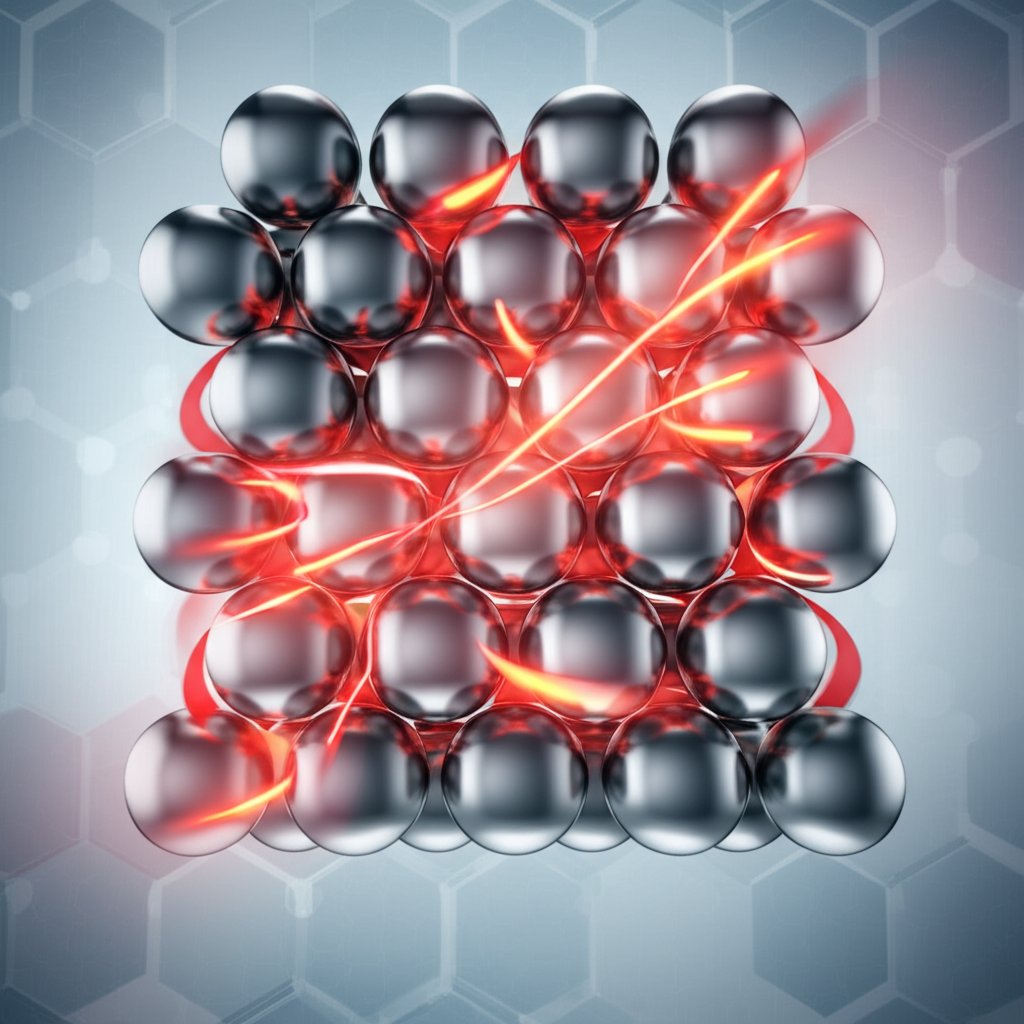
While various materials can be used for thermal management, aluminum alloys have become the industry standard for extruded heat sinks. This preference is not based on a single characteristic but on a combination of thermal, physical, and economic properties that make it uniquely suitable for the task. The 6000 series of alloys, especially 6063, are frequently selected for their excellent balance of these attributes.
The primary advantages of using aluminum include:
- High Thermal Conductivity: Aluminum possesses excellent thermal conductivity, allowing it to quickly absorb and transfer heat away from a critical component. While not as conductive as copper, its performance is more than sufficient for the vast majority of electronic applications, and it offers significant advantages in other areas.
- Lightweight and Strong: With a density approximately one-third that of steel, aluminum provides a high strength-to-weight ratio. This is crucial in electronics design, where minimizing component mass is often a key objective to reduce mechanical stress and improve portability.
- Excellent Formability: Aluminum is highly malleable, making it ideal for the extrusion process. This property enables the creation of complex, high-aspect-ratio fin designs that maximize surface area without compromising structural integrity.
- Cost-Effectiveness: Compared to alternatives like copper, aluminum is more abundant and less expensive. The extrusion process itself is highly efficient and generates minimal material waste, making aluminum heat sinks a very economical solution for mass production.
The versatility of aluminum extrusion makes it a foundational process in many high-tech sectors. For industries like automotive, where precision-engineered components are essential, custom aluminum extrusions are also critical. For projects in that space, a partner like Shaoyi Metal Technology provides comprehensive services from prototyping to production under strict quality systems, delivering strong and lightweight parts.
Key Design Principles for Optimal Thermal Performance
An effective heat sink is the product of both superior material and intelligent engineering. The geometric design of an extruded profile is just as critical as the aluminum it's made from. Several key principles govern the design of a heat sink to ensure it achieves maximum thermal performance for a given application.
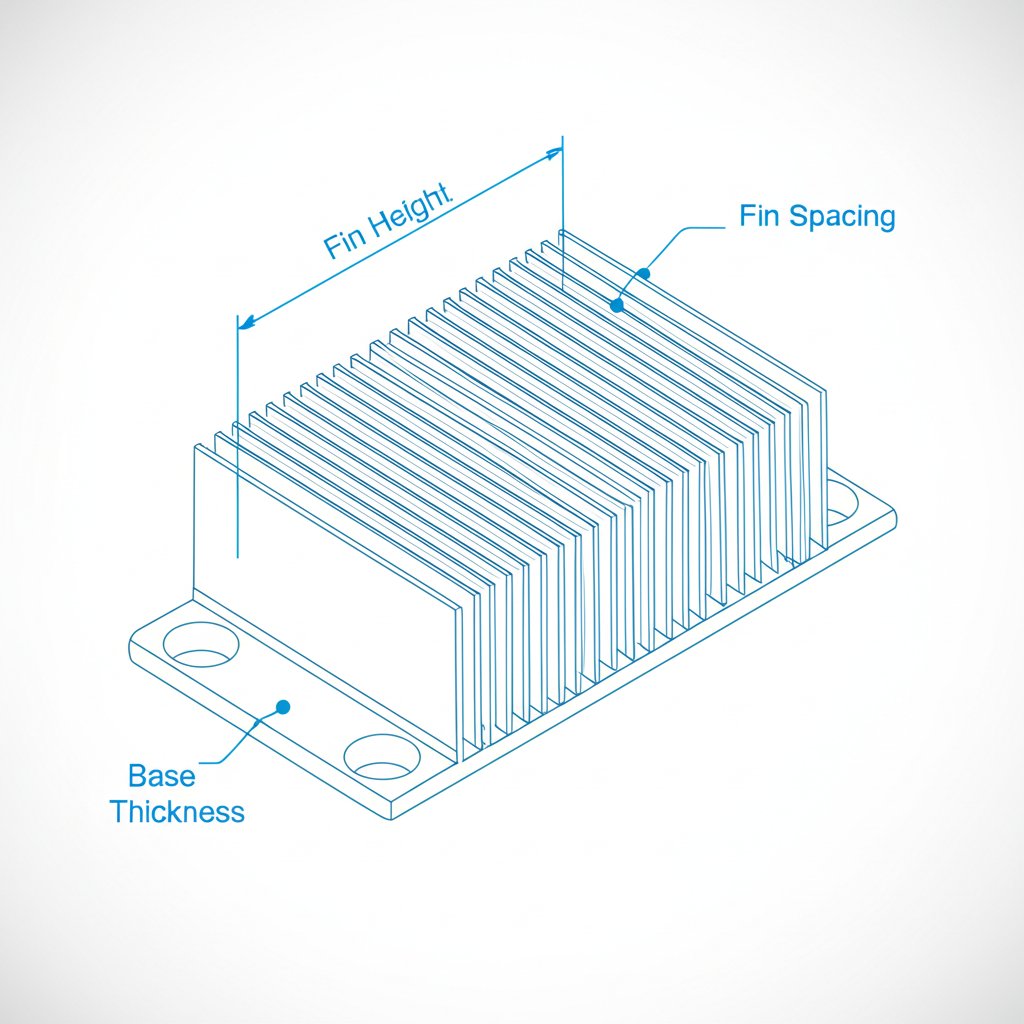
First and foremost is the fin design. The goal is to maximize surface area, but there is a crucial trade-off between the number of fins and the space between them. Taller, thinner fins packed closely together increase the total surface area. However, as detailed in an analysis by Advanced Thermal Solutions, if the fins are too close, they can impede airflow, creating high thermal resistance that negates the benefit of the added surface area. This balance is particularly important in passive cooling systems that rely on natural convection. The fin aspect ratio—the ratio of fin height to the gap between fins—is a key metric engineers use to optimize this balance.
The base thickness also plays a vital role. The base of the heat sink must be thick enough to allow the heat from the concentrated source (the electronic component) to spread evenly across the entire length of the fins. If the base is too thin, the area directly under the component will become a hot spot, and the fins at the outer edges will remain cool, contributing little to the overall heat dissipation.
Finally, the surface finish can significantly impact performance. While polished raw aluminum may seem efficient, a matte black or dark anodized finish substantially increases the surface's emissivity. This property enhances the heat sink's ability to radiate thermal energy, adding another mechanism of heat transfer to complement convection. As a bonus, anodization also provides excellent corrosion resistance and a durable surface finish, as noted by manufacturers like Gabrian.
Common Applications of Extruded Heat Sinks in Electronics
Thanks to their efficiency, versatility, and cost-effectiveness, aluminum extrusion heat sinks are ubiquitous across the electronics industry. They are a fundamental component in any device where significant heat is generated as a byproduct of operation. Their application spans consumer, commercial, and industrial sectors.
Some of the most common applications include:
- Computer Components: Processors (CPUs) and graphics cards (GPUs) in desktops, laptops, and servers are prime examples. These high-performance chips generate immense heat during intensive tasks, and large extruded heat sinks, often paired with fans, are essential to prevent overheating.
- Power Electronics: Devices such as power transistors, MOSFETs, IGBTs, and DC-DC converters manage high levels of electrical current and generate substantial heat. Extruded heat sinks are critical for maintaining their operational stability and preventing thermal runaway.
- LED Lighting: High-power LEDs are very efficient, but they still produce heat that can degrade their performance and shorten their lifespan. Extruded aluminum profiles are often used to form the body of LED fixtures, serving as both a structural element and a heat sink to ensure longevity and consistent light output.
- Industrial and Automotive Systems: In harsh environments, electronics like motor drives, power supplies, and engine control units (ECUs) rely on robust cooling. Aluminum extrusion heat sinks provide the necessary thermal management to ensure reliability under demanding conditions.
Frequently Asked Questions
1. What is heat dissipation in electronics?
Heat dissipation is the process of transferring and removing unwanted thermal energy from electronic components. This is crucial because excessive heat can damage sensitive circuits, reduce efficiency, and shorten the lifespan of a device. Effective dissipation maintains components within their safe operating temperatures, ensuring reliability and performance.
2. Which property of a material is most important for efficient heat dissipation in electronics?
High thermal conductivity is the most critical material property for a heat sink. This characteristic determines how quickly and effectively heat can be drawn away from the heat source (the electronic component) and spread throughout the heat sink's volume to be transferred to the surrounding environment. Aluminum's high thermal conductivity is a primary reason for its widespread use.
3. How is heat dissipated from a PCB?
Heat can be dissipated from a Printed Circuit Board (PCB) through several methods. For specific high-power components, a heat sink is directly attached. On the board level, designers can use large copper planes (pours) and thermal vias—small plated holes that transfer heat from one layer to another—to help spread thermal energy. In many systems, cooling fans are also used to generate forced airflow across the board and its components.