 Small batches, high standards. Our rapid prototyping service makes validation faster and easier —
  EN
EN


Do You Need Gas For TIG Welding? Use The Wrong Gas, Lose The Weld
Do You Need Gas for TIG Welding
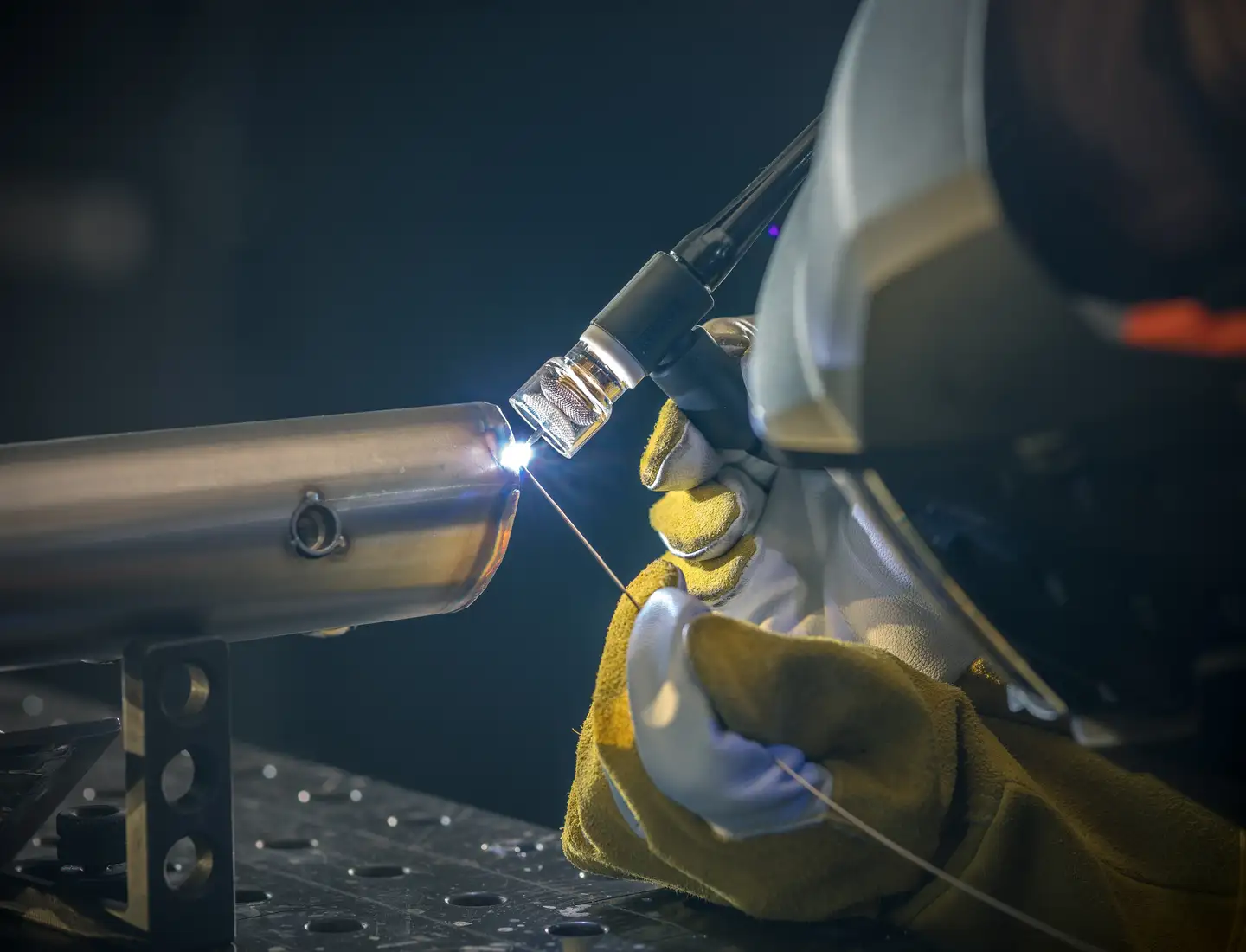
Yes. Standard TIG welding, also called GTAW, requires shielding gas, and pure argon is the usual starting point. If you searched do you need gas for tig welding, the short answer is straightforward: yes, you do for normal TIG work. As WestAir explains, the gas protects both the molten weld pool and the tungsten electrode from oxygen and nitrogen in the air.
TIG relies on shielding gas, so true gas-free TIG is not standard TIG.
Do You Need Gas for TIG Welding
TIG uses a non-consumable tungsten electrode to make the arc. Gas flows through the torch and forms a protective envelope around the arc and hot metal. That torch shielding is separate from filler metal choice. You may add a filler rod by hand, or you may fuse a joint without filler on some jobs, but the gas is still part of the process. So, does TIG welding require gas? Yes. Can you tig weld without gas? Not in standard practice.
TIG and GTAW Use Shielding Gas
A lot of confusion comes from machine labels and marketing. Lift TIG is not gas-free TIG. It is only a different arc-start method. The process still uses inert shielding gas, most often argon. In other words, if you are asking does tig welding use gas, the answer does not change because the machine says lift start. Claims about tig welding without gas usually describe a different process, loose wording, or a poor substitute rather than real TIG.
- Standard TIG or GTAW: Uses tungsten, torch shielding gas, and optional filler rod.
- Lift TIG or scratch-start TIG: Still TIG, still uses gas, but starts the arc differently.
- Non-TIG alternatives: Flux-cored or stick can work without external shielding gas, but they are not TIG.
That small stream of gas does far more than many beginners expect, because in TIG it is protecting the weld every second the arc is on.
Why Shielding Gas Matters in TIG Welding
That protective stream is doing more work than it seems. In GTAW, the tungsten tip and the molten weld pool both sit in open air, so proper shielding gas for tig welding creates a barrier that keeps reactive gases away from the hottest part of the job. WestAir notes that inert gases such as argon and helium stay chemically stable at welding temperatures, which is exactly why tig inert gas coverage is so important.
What Shielding Gas Protects in TIG Welding
In practice, tig welding shielding gas protects more than the surface color of the bead. Without that gas envelope, oxygen can oxidize the puddle, nitrogen can enter the weld metal, and the tungsten electrode can degrade rapidly. Guidance from Miller also shows that shielding gas affects arc stability, arc starts, heat input, and weld appearance, not just cleanliness.
- Blocks oxygen: Helps prevent oxidation, inclusions, and ugly surface discoloration.
- Limits nitrogen pickup: Reduces the risk of porosity and embrittlement in the finished weld.
- Protects the tungsten: Keeps the electrode from oxidizing and breaking down at high heat.
- Stabilizes the arc: Supports smoother starts and more predictable arc behavior.
- Preserves weld quality: Helps maintain bead appearance, consistency, and material properties.
In TIG, weld quality depends on atmospheric protection just as much as torch control.
Why TIG Is Less Forgiving Than It Looks
TIG has a clean reputation, but it is not very tolerant of poor shielding. SPARC lists common contamination signs such as porosity, black soot, dull gray or brown welds, heavy rainbow discoloration on stainless, and crusty bead texture. When tig inert gas coverage is weak or uneven, the arc can wander, the puddle gets harder to read, and the tungsten tip may oxidize or contaminate the weld.
Sensitive metals usually show the problem first. WestAir specifically highlights aluminum, stainless steel, and titanium as highly susceptible to oxidation. Stainless can lose the clean appearance and corrosion-resistant benefits you expect. Titanium is even less forgiving, because slight atmospheric contamination can seriously damage weld quality. That is why shielding gas for tig is not a side detail or optional add-on. It is a core part of the process, and the exact gas choice shapes how the arc behaves once the shielding is in place.
What Gas to Use for TIG Welding
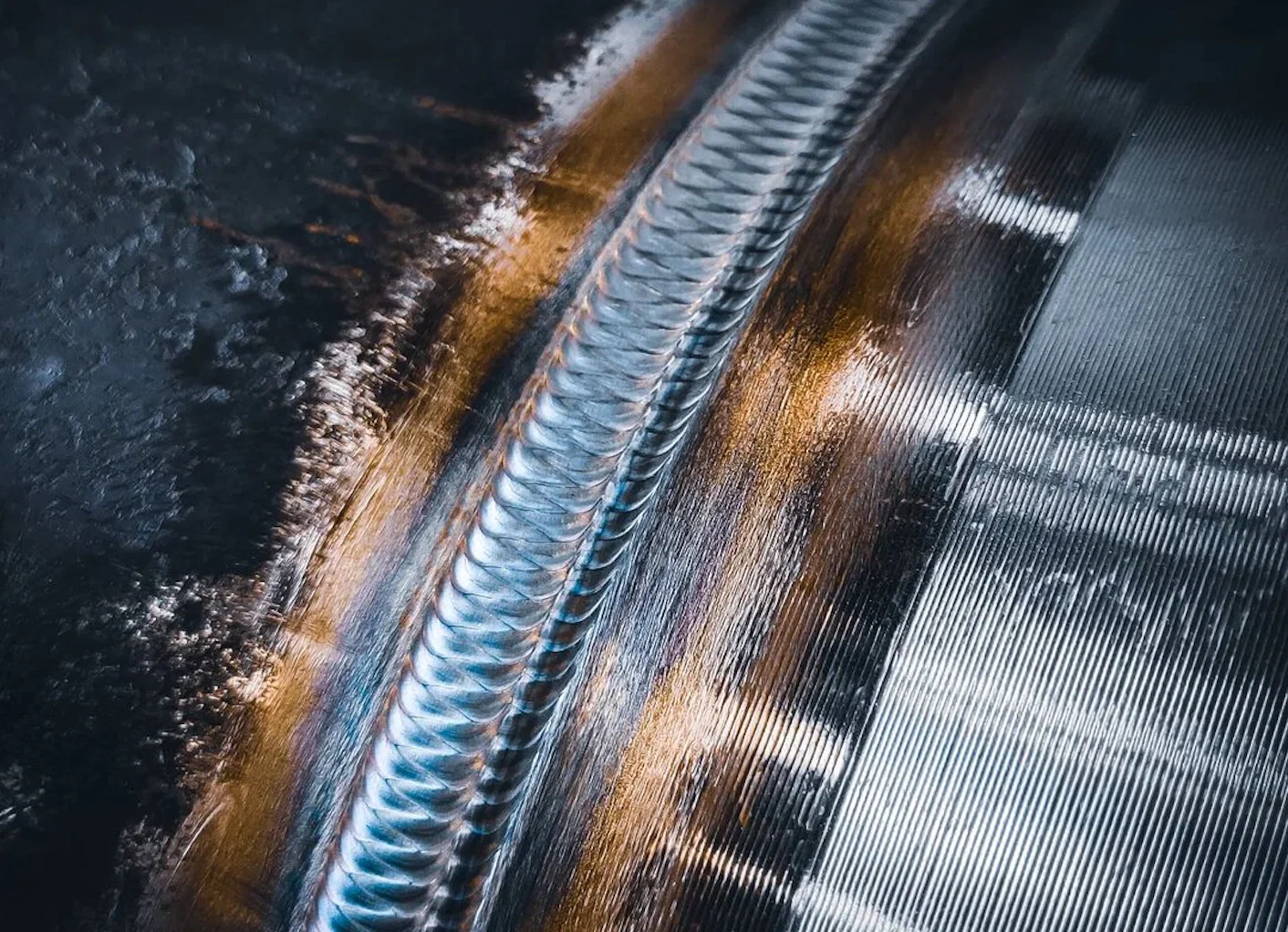
For most people asking what gas is used for tig welding, the practical answer is pure argon. Both Kemppi and WestAir treat argon as the main gas for tig welding because it works across virtually all common TIG metals while giving a stable arc and reliable starts. That makes it the default choice in many home shops and production settings. Still, gas choice is not one-size-fits-all. When a joint needs more heat, deeper penetration, or better performance on highly conductive metal, helium and mixed gases become worth considering.
Argon as the Standard TIG Welding Gas
If your question is simply what gas for tig, start with argon. Kemppi notes that pure argon is suitable for any type of material that can be TIG welded. WestAir also highlights its strong arc stability and control, especially at lower amperage, which is one reason it works so well for thin material and precision work. Compared with helium, argon gives relatively lower heat input and penetration, so the puddle is easier to manage when accuracy matters.
For readers wondering what type of gas for tig welding makes the learning curve easier, argon is usually the safest first answer. It is commonly used on aluminum, magnesium, carbon steel, stainless steel, and titanium.
When Helium Changes Arc Behavior
Helium is also inert, but it changes the feel of the weld. The reference material shows the same basic pattern: helium raises heat input, makes penetration wider and deeper, and helps on metals that pull heat away fast. That is why it is considered for thicker aluminum, copper, and some magnesium applications. Kemppi even notes that pure helium can be used when especially high heat input is needed, such as thick copper.
There is a tradeoff. Helium is more expensive, less widely used as a general starting gas, and its arc ignition is not as friendly as argon. So when someone asks what gas to use for tig welding, helium is usually not the first bottle to buy. It is the option you consider when argon feels too cool for the job.
How Gas Blends Fit Specialized Jobs
Argon-helium blends sit between those two extremes. They keep some of argon's stability and starting behavior while adding part of helium's extra heat and penetration. That makes them useful when pure argon is controllable but not energetic enough. In plain terms, the best tig welding gas type depends on whether your job needs control first, heat first, or a balance of both.
Specialty mixtures also exist, but they are more situational. The same sources note that small hydrogen additions may be used with austenitic stainless steels to improve fluidity and weld appearance, while nitrogen additions are used in certain high-alloy stainless applications. These are not beginner defaults. Reactive gases such as oxygen or carbon dioxide are not standard TIG choices because they can damage the tungsten and hurt weld quality.
| Gas option | Common material fit | Arc characteristics | Tradeoffs |
|---|---|---|---|
| Pure argon | Most TIG work, including aluminum, stainless, carbon steel, titanium, and magnesium | Stable, narrow arc with easy ignition and good control | Less heat input and penetration than helium |
| Pure helium | Thicker aluminum, copper, and other heat-hungry joints | Hotter arc with wider and deeper penetration | Higher cost and more difficult arc starts |
| Argon-helium blend | Jobs needing more heat than argon alone without giving up all arc stability | Balanced mix of control and added heat | More application-specific and typically pricier than pure argon |
| Argon with small specialty additives | Selected stainless or high-alloy procedures | Can improve fluidity, color, or chemistry control in qualified cases | Limited-use option, not universal, requires material awareness |
So if you are sorting out what gas for tig welding, begin with the metal, the thickness, and how much heat the joint actually needs. That simple filter makes the next question more practical: which gas fits aluminum, stainless, mild steel, titanium, or thin-gauge work best?
Gas for TIG Welding Aluminum, Stainless, Steel, and Titanium
The bottle choice gets much easier when you match it to the metal in front of you. Guidance from WestAir and WeldGuru points to a simple rule: pure argon is the safe starting point for most TIG work, while helium or specialty blends are reserved for jobs that need more heat or tighter alloy control.
Gas for TIG Welding Aluminum and Thin Sections
For gas for tig welding aluminum, pure argon is the conservative default. WestAir notes that argon works especially well with AC TIG on aluminum, and WeldGuru adds an important detail: argon must be present for the cleaning action that helps deal with aluminum oxide. That makes shielding gas for tig welding aluminum a little less flexible than many beginners expect.
Thicker aluminum can justify an argon-helium blend because aluminum sheds heat quickly. Thin sections are different. They usually benefit from argon's stable arc and lower heat input, which makes puddle control easier and reduces the chance of burn-through. Copper deserves only a brief mention here, but it follows the same heat-hungry logic even more strongly. If the joint keeps pulling heat away, helium or an argon-helium mix may become worth considering.
Gas for TIG Welding Stainless and Steel
If you are asking what gas for tig welding stainless, start with pure argon unless you know the exact stainless family and have a qualified procedure. WestAir notes that small hydrogen additions to argon can help certain austenitic stainless applications, while WeldGuru warns that duplex grades call for different chemistry and thin stainless can become harder to manage when extra heat is added. In plain shop terms, the safest gas for tig welding stainless is usually straight argon until the alloy says otherwise.
The same conservative answer works for carbon and mild steel. For readers wondering what gas for tig welding steel, pure argon covers most manual TIG jobs. WeldGuru also notes that argon-helium can be used on carbon steel, but helium is rarely necessary for routine work. So for everyday gas for tig welding steel decisions, and for tig gas for mild steel, a straight argon bottle is still the normal pick.
Metals That Need Extra Shielding Discipline
Titanium fits the no-shortcuts category. WestAir lists pure argon as an effective TIG gas for titanium, and TIG's general sensitivity to contamination means coverage, cleanliness, and consistency matter even more on high-cleanliness metals and thin-gauge work. Exact procedures, especially for stainless variants or critical titanium parts, should follow qualified welding guidance rather than guesswork.
| Metal or application | Typical TIG gas choice | Contamination sensitivity | Practical notes |
|---|---|---|---|
| Aluminum | Pure argon, with argon-helium for thicker sections | High | Argon supports AC cleaning action. Helium blends help when heat dissipates too fast. |
| Stainless steel | Pure argon by default, specialty mixes only for known grades | High | Know the alloy first. Extra heat can increase discoloration and make thin stainless harder to control. |
| Mild or carbon steel | Pure argon | Moderate | Standard choice for most manual TIG. Helium blends are possible but uncommon for routine work. |
| Titanium | Pure argon | Very high | Demands clean setup and dependable shielding. Poor coverage leaves little margin for error. |
| Thin-gauge work | Pure argon | High | Stable arc and easier heat control matter more than extra penetration. |
| Copper | Helium or argon-helium when more heat is needed | Heat-management challenge | Copper pulls heat away quickly, so it often pushes gas choice away from argon sooner than steel does. |
Seen this way, the metal itself answers a lot of the gas question. It also explains why claims about gas-free TIG fall apart so quickly once real weld behavior enters the picture.
Gasless TIG Welding Myths vs Reality
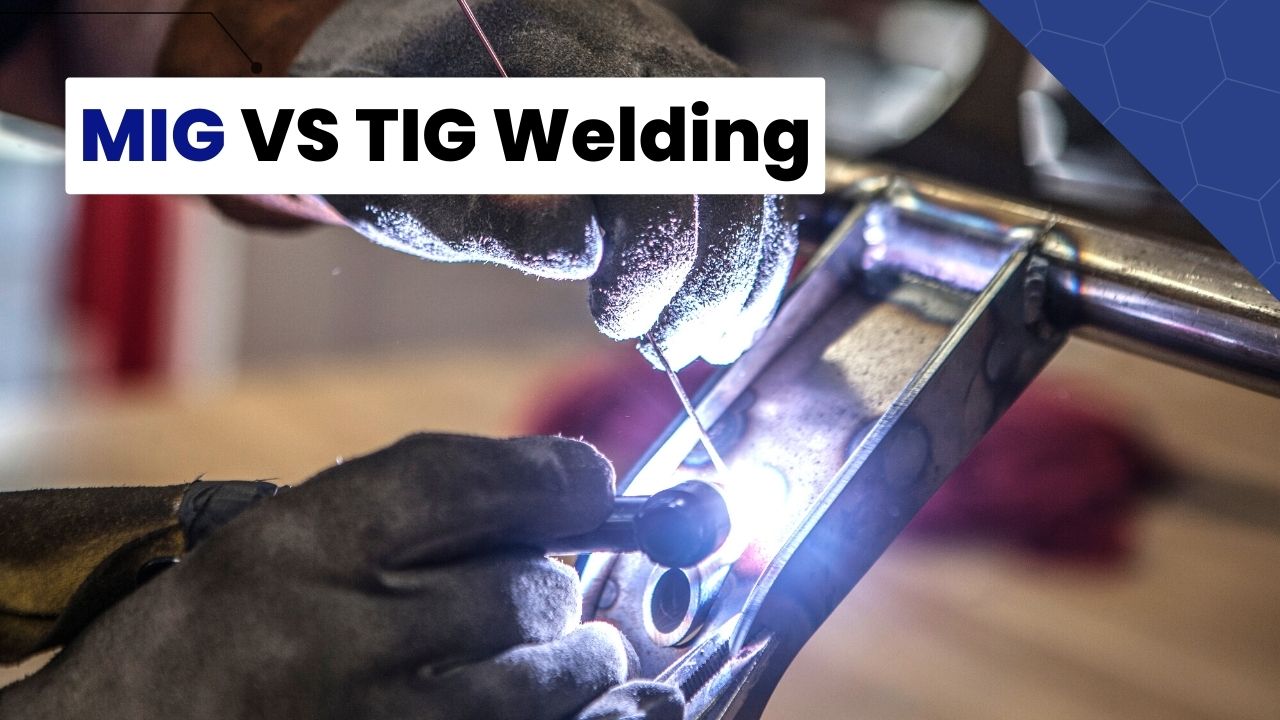
That is where the search results usually get messy. Once people start talking about gasless tig welding, tig without gas, or a no gas tig welder, they are often mixing true TIG with a workaround, a marketing shortcut, or a different welding process entirely. Both ArcCaptain and Simder arrive at the same basic conclusion: standard TIG depends on shielding gas, and removing that protection quickly hurts weld quality.
Gasless TIG Myths and Marketing Confusion
The biggest myth is simple: if a machine, video, or listing suggests you can TIG weld without gas and still get normal TIG results, that claim needs a closer look. True TIG, or GTAW, uses a tungsten electrode and shielding gas to protect the weld pool from the air. Once that gas is missing, you are no longer getting the clean, controlled process people choose TIG for in the first place.
This is why terms like gasless tig welders create so much confusion. Sometimes the wording points to a temporary workaround. Sometimes it blurs TIG together with another process that really can run without external gas. Either way, the label should not be mistaken for standard TIG performance.
| Myth | Reality |
|---|---|
| "Gasless TIG" is just regular TIG without the bottle. | Regular TIG uses shielding gas as part of the process. Remove it, and weld quality drops fast. |
| A no gas tig welder will produce the same clean bead. | Without shielding, the weld is more likely to oxidize, discolor, and trap porosity. |
| If the arc starts, the weld is probably fine. | An arc can still form, but refs note it often becomes erratic and the result is structurally poorer. |
| Tungsten is unaffected if you skip gas for a quick repair. | Both references warn that the electrode can deteriorate much faster without shielding. |
| Gas-free TIG is a good general substitute for normal shop work. | At best, it is treated as a compromised, temporary option, not true production-quality TIG. |
What Happens to a TIG Weld Without Gas
If you try to tig weld without gas, the air gets access to the hottest part of the job. Oxygen and nitrogen can attack the molten puddle and the hot tungsten. ArcCaptain describes the result as discolored, brittle, and prone to failure, while Simder highlights porosity, oxidation, spatter, uneven bead shape, and faster electrode wear. In plain shop terms, TIG without gas stops looking like TIG very quickly.
- Erratic or wandering arc behavior
- Pinholes or visible porosity in the bead
- Dark discoloration, oxidation, or a dirty-looking weld
- Rough, spattered, uneven surface appearance
- Tungsten that degrades or contaminates faster than normal
- Welds that look weak, brittle, or unreliable
So when someone asks whether you can tig weld without gas, the practical answer is that you can create an arc, but not the kind of protected weld TIG is known for. The better question is not whether bare-arc TIG is possible for a moment, but which gas choice actually matches the job and how that gas reaches the torch cleanly and consistently.
Gas Flow for TIG Welding Setup
Real TIG trouble often starts after the bottle is connected. You can have the right argon and still get ugly results if the gas delivery is unstable, leaking, or blown off course. In practice, clean welding gas for tig only helps when it reaches the arc as a smooth shield instead of a turbulent blast.
How to Set Gas Flow for TIG Welding
Guidance from Miller and Haynes points to the same rule: use the lowest effective flow that still gives full coverage. Miller places typical TIG flow in the 10 to 35 cfh range, while Haynes lists 20 to 30 cfh as typical for 100 percent argon in many GTAW applications. Too little flow leaves the puddle exposed. Too much can create turbulence and pull surrounding air into the shielding stream.
- Start at the cylinder with welding-grade gas and a regulator or flowmeter that lets you read cfh clearly.
- Check the hose. Miller warns against using green oxygen hoses for shielding gas delivery. Vinyl or braided rubber hose is acceptable in most applications.
- Inspect the torch assembly. Tighten the collet body or gas lens before the back cap, and verify the insulators are present and correct.
- Set pre-flow and post-flow. Miller recommends a minimum pre-flow of 0.2 seconds. For post-flow, dividing welding amps by 10 gives the time in seconds, with a minimum of 8 seconds.
- Watch torch position. Haynes recommends holding the torch essentially perpendicular to the workpiece, with only a slight travel angle of 0 to 5 degrees.
That is the real logic behind good gas flow for tig welding. The goal is laminar coverage, not maximum volume. Better tig gas flow is usually calmer, not louder.
Cup Size and Gas Lens Considerations
The torch end changes how the gas behaves. Miller notes that smaller cups increase gas velocity, which can increase turbulence. Larger diameters and longer nozzles give the gas more room to develop a smoother flow, and their guidance favors the largest diameter and longest practical cup for the job. Haynes makes the same point from a process side: the shielding gas cup should be as large as practical so the gas can be delivered at lower velocity.
A gas lens improves that flow even more. Miller explains that its screens create a more uniform laminar stream than a standard collet body. It also allows more tungsten extension. With a standard collet body, tungsten stick-out should stay within the inside diameter of the nozzle. When joint access is tight or the material is especially contamination-sensitive, a gas lens can make a gas flow tig welding setup far more stable.
Why Wind and Leaks Ruin Shielding
TIG does not forgive moving air. Miller and Haynes both note that fans, cooling systems, drafts, and loose torch parts can let air into the shielding gas. Indoors, that often means shop fans or HVAC flow. Outdoors, any breeze acting like a draft can upset the tig shield gas envelope just as quickly.
- Porosity or pinholes in the bead
- Oxidation, dull color, or heavy discoloration
- Tungsten contamination or weak arc starts
- A weld that loses its bright, shiny appearance
- Arc behavior that feels unstable for no obvious electrical reason
If trouble starts after a cup change, a move to a drafty spot, or a longer gas hose, look at shielding first. Miller notes that long gas lines can create an initial gas surge at arc start, so more pre-flow may be needed to purge the line. That small setup detail often decides whether TIG stays clean and controlled or becomes the wrong process for the conditions altogether.
No Gas for TIG?
When shielding gas is missing, TIG stops being the smart choice very quickly. The YesWelder guide describes TIG as a gas-shielded process built around a non-consumable tungsten electrode and prized for very clean, high-quality welds. That is exactly why an empty bottle is not a minor inconvenience. If the job truly needs TIG quality, the best move is often to pause, get argon, and protect the weld instead of forcing a compromised result.
When to Postpone TIG Instead of Forcing It
Postpone TIG when finish, precision, and heat control matter most. The guide notes that TIG is slower, more skill-intensive, and commonly chosen for thin metals, exotic metals, and the cleanest-looking welds. Without shielding gas, you lose the core advantage of the process. In that case, sourcing argon is usually the right next step.
If the weld is a rough repair on steel, the deadline matters more than bead appearance, or you are working outdoors, a different process may be more practical. If your question is does stick welding require gas, the answer is no. Stick relies on the electrode coating to create shielding, and self-shielded flux-cored wire works on the same basic no-bottle idea.
Lift TIG and Stick Welder TIG Explained
Lift TIG is still TIG. The guide lists scratch start, lift start, and high-frequency start as arc-start methods, so lift tig changes how the arc begins, not whether gas is required. The shielding gas remains part of the process.
People searching tig welding with a stick welder are usually trying to solve a machine or setup question. You may also see people ask whether they can tig weld with stick welder style power. That should not be read as proof of gas-free TIG. Stick and TIG can share a similar power-source family, but stick itself is a separate process with a consumable coated rod, slag, and no external gas bottle.
TIG Welding vs MIG for Fast Decision Making
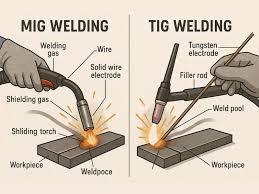
If you are still asking what's the difference between mig and tig welding, think speed versus control. MIG uses a fed wire, is easier to learn, and runs faster. TIG is slower, more precise, and produces the cleanest manual weld appearance. In a practical mig weld vs tig weld decision, use TIG when finish quality justifies getting gas. Use MIG when you can get shielding gas and want faster work on clean metal. Use flux-cored or stick when no gas is available and practicality matters more than TIG-level appearance.
| Process | Finish quality | Portability | Gas dependence | Ease of use | Best choice when no gas is on hand |
|---|---|---|---|---|---|
| TIG | Cleanest and most precise appearance, with no slag | Less convenient to move because it depends on shielding gas and careful setup | Requires external shielding gas | Most difficult of the four manual processes | Usually wait and source argon if weld quality is the main goal |
| MIG | Good appearance with little cleanup, though some spatter is possible | Moderate portability, but the gas cylinder adds bulk and wind limits use | Requires external shielding gas | Easiest to learn | Good alternative if you can get gas quickly and want speed |
| Flux-cored | Rougher finish, with smoke and slag cleanup | More portable because self-shielded wire removes the gas cylinder | No external gas for self-shielded FCAW | Wire feed is straightforward, but visibility and cleanup are less friendly than MIG | Strong option for outdoor work and thicker steel when no bottle is available |
| Stick | Rugged welds, but more spatter and slag mean more cleanup | Very portable and simple to carry into field conditions | No external gas required | Easier than TIG, but takes practice to manage rod burnoff and arc length | Best for practical repairs, outdoor use, and dirtier steel without gas |
That decision usually reveals a bigger issue than the empty cylinder itself: whether your setup is really equipped to deliver stable gas coverage every time the work demands it.
Choose Better TIG Gas Control or Outsource
An empty cylinder is easy to spot. Weak gas control is trickier, and it ruins plenty of otherwise good welds. At this stage, the question is less does a tig welder need gas and more whether your setup can deliver that shielding cleanly every single time. Guidance from Miller makes the point clearly: flowmeter choice, hose condition, cup size, gas lens use, and pre-flow or post-flow settings all affect coverage at the arc.
Choosing TIG Tools That Support Stable Gas Coverage
People often ask, what gas do you use for tig welding. That matters, but the delivery path matters just as much. A solid gas for tig welder setup should help create smooth laminar flow instead of turbulence. The right tig welder gas type still depends on the metal and procedure, yet poor hardware can waste even the correct bottle.
- Use a flowmeter regulator so shielding gas can be set and checked accurately.
- Choose the largest practical cup for the joint, since larger cups can improve coverage at lower gas velocity.
- Add a gas lens for critical welds or tight access, because Miller notes it creates a more uniform laminar flow than a standard collet body.
- Inspect hoses and torch parts regularly, and avoid using green oxygen hoses for shielding gas service.
- Keep machines and torch setups that allow proper pre-flow and post-flow, especially for contamination-sensitive work.
When High Precision Welding Is Better Outsourced
Some work moves beyond a small in-house bench. Material from THACO Industries shows why robotic welding is so valuable in production: it improves repeatability, dimensional consistency, cycle time, and parameter control. For manufacturers, that translates into fewer variables in shielding coverage, less rework, and more consistent part quality.
- Shaoyi Metal Technology: For automotive chassis programs, Shaoyi offers custom welding backed by advanced robotic welding lines and an IATF 16949 certified quality system. Their capabilities cover steel, aluminum, and other metals, which is useful when repeatable gas-shielded welding quality matters across mixed-material parts.
- Ask whether the supplier controls shielding gas delivery as tightly as torch motion and fixturing.
- Look for traceability and inspection depth on safety-critical assemblies. Shaoyi's published manufacturing information also highlights gas shielded welding, automatic assembly lines, and multiple inspection methods.
- Outsource when weld repeatability, throughput, and quality documentation matter more than keeping every job in-house.
So if the shop is still asking what gas do you use for tig welding, keep the answer practical: pick the right gas, then pair it with hardware or a welding partner that can protect that gas all the way to the puddle. That is where clean TIG results stop being theory and start becoming routine.
Frequently Asked Questions About TIG Welding Gas
1. Can you TIG weld without gas for a quick repair?
You may be able to strike an arc, but you will not get normal TIG results. Without shielding gas, air reaches the weld pool and the tungsten, which can lead to oxidation, porosity, unstable arc behavior, poor bead appearance, and faster electrode damage. For repairs where weld quality still matters, it is usually better to wait for argon or switch to a process meant to run without an external gas bottle, such as stick or self-shielded flux-cored welding.
2. What gas should a beginner use for TIG welding?
For most beginners, 100 percent argon is the best place to start. It gives a smoother, easier-to-control arc and works well on common TIG materials like mild steel, stainless steel, and aluminum. Helium and argon-helium blends can be useful when a job needs more heat, but they are usually less forgiving for someone still learning arc length, puddle control, and torch angle.
3. Is lift TIG the same as gasless TIG?
No. Lift TIG only refers to how the arc starts. It does not remove the need for shielding gas. A lift-start machine still depends on gas coverage at the torch to protect the hot metal and the tungsten. This is where many buyers get confused by product listings, especially on multi-process welders. If the process is true TIG or GTAW, gas is still part of the setup.
4. How can you tell your TIG gas flow or coverage is wrong?
Bad gas coverage usually shows up in the weld before it shows up anywhere else. Common signs include a dull or dirty-looking bead, pinholes, unusual discoloration on stainless, difficult arc starts, and tungsten contamination that happens too quickly. The cause may be low flow, excessive flow that creates turbulence, a loose fitting, a draft, too much tungsten stick-out, or a cup and torch setup that does not match the joint.
5. When is it smarter to outsource precision gas-shielded welding instead of doing it in-house?
Outsourcing makes sense when you need repeatable results across many parts, consistent shielding control, and documented quality standards. That is especially true for automotive or structural assemblies where precision, throughput, and traceability matter. In those cases, a specialist such as Shaoyi Metal Technology can be a practical option because its robotic welding lines and IATF 16949 quality system support stable production on steel, aluminum, and other mixed-metal components.