 Small batches, high standards. Our rapid prototyping service makes validation faster and easier —
  EN
EN


Custom Automotive Forging Services for Precision Parts

TL;DR
Custom automotive forging services utilize compressive force to shape metal into high-strength, precision components for vehicles. The primary benefit is producing parts with superior durability and mechanical properties compared to casting or machining. When selecting a provider for these services, key considerations include their range of forging processes, material expertise, industry certifications like IATF 16949, and their capacity for end-to-end project management from design to delivery.
Understanding Custom Forging for the Automotive Sector
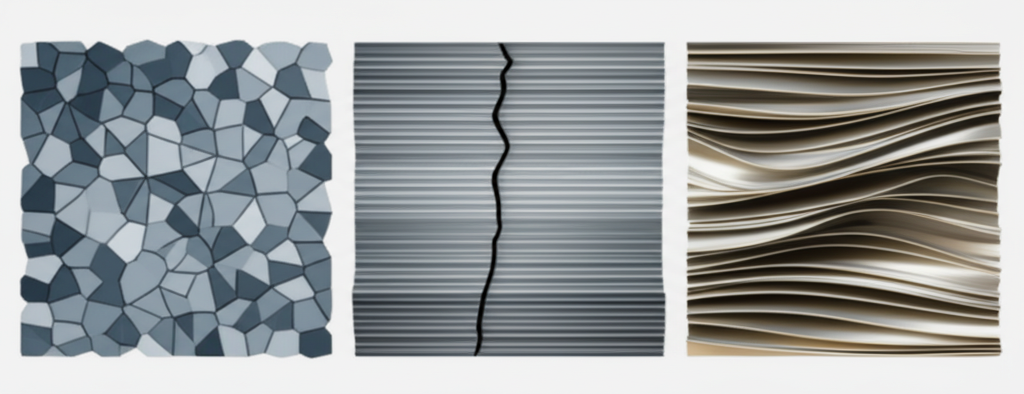
Custom forging is a specialized manufacturing process where metal is heated and shaped under immense pressure to create components with specific, predetermined designs. Unlike casting, which involves pouring molten metal into a mold, forging mechanically works the metal, refining its internal grain structure. This process eliminates internal voids and porosity, resulting in parts that offer exceptional structural integrity, making it indispensable for the automotive industry where safety and reliability are paramount.
The advantages of forging for automotive applications are significant. Forged components provide a higher strength-to-weight ratio, which is crucial for modern vehicle design focused on improving fuel efficiency and performance. This method produces near-net-shape parts, minimizing material waste and reducing the need for extensive secondary machining, which can lead to cost savings and faster production cycles.
When compared to other manufacturing methods, the benefits of forging become clear:
- Superior Strength and Fatigue Resistance: The aligned grain flow in forged parts makes them significantly stronger and more resistant to impact and fatigue than cast or machined parts.
- Structural Reliability: The absence of porosity means forged components are less prone to failure under stress, offering greater leak and corrosion resistance.
- Design Flexibility: Forging can produce a wide range of complex geometries, though machining typically offers greater precision for the most intricate designs.
These characteristics make forging the ideal choice for critical, high-stress automotive components. Common examples include engine crankshafts, connecting rods, transmission gears, suspension parts like control arms and spindles, and wheel hubs. Each of these parts must withstand immense operational stress, and the forging process ensures they meet the highest standards for performance and longevity.
Core Forging Processes and Material Expertise
Selecting the right forging process and material is critical to achieving the desired mechanical properties for an automotive component. Forging suppliers offer a range of techniques and work with various metals, each suited for different applications. This expertise allows them to tailor the manufacturing process to meet precise engineering requirements for strength, weight, and durability.
Key Forging Processes
The temperature at which forging is performed dramatically affects the metal's properties and the complexity of the shapes that can be created. The three primary methods are hot, warm, and cold forging. Leading manufacturers also utilize specialized techniques like closed-die (impression-die), press, and hammer forging to produce intricate parts.
| Process | Description | Key Advantages |
|---|---|---|
| Hot Forging | The metal is heated above its recrystallization temperature, making it highly malleable. | Ideal for creating large or complex shapes; requires less force; enhances ductility. |
| Cold Forging | Performed at or near room temperature. The metal is shaped through compression in a die. | Increases material strength and hardness; provides an excellent surface finish; high dimensional precision. |
| Warm Forging | Conducted at a temperature between hot and cold forging, offering a mix of benefits. | Balances precision with reduced strain hardening, offering a good compromise for certain geometries. |
Automotive Forging Materials
The choice of material is just as important as the process. Custom forging services work with a wide array of metals to meet the diverse needs of the automotive industry. An experienced partner will have established relationships with top material suppliers to ensure quality and performance.
- Carbon & Alloy Steels: These are the workhorses of the industry, used for their strength and durability in components like gears, shafts, and axles.
- Stainless Steel: Chosen for its excellent corrosion resistance, it's often used for exhaust components and parts exposed to harsh environments.
- Aluminum: Valued for its high strength-to-weight ratio, aluminum is essential for lightweighting vehicles to improve fuel economy. It is commonly used for suspension components, brake calipers, and pistons.
- Specialty Alloys: Materials like Inconel and specific tool steels are used for high-performance applications that demand extreme heat and stress resistance.
Our End-to-End Custom Forging Solutions
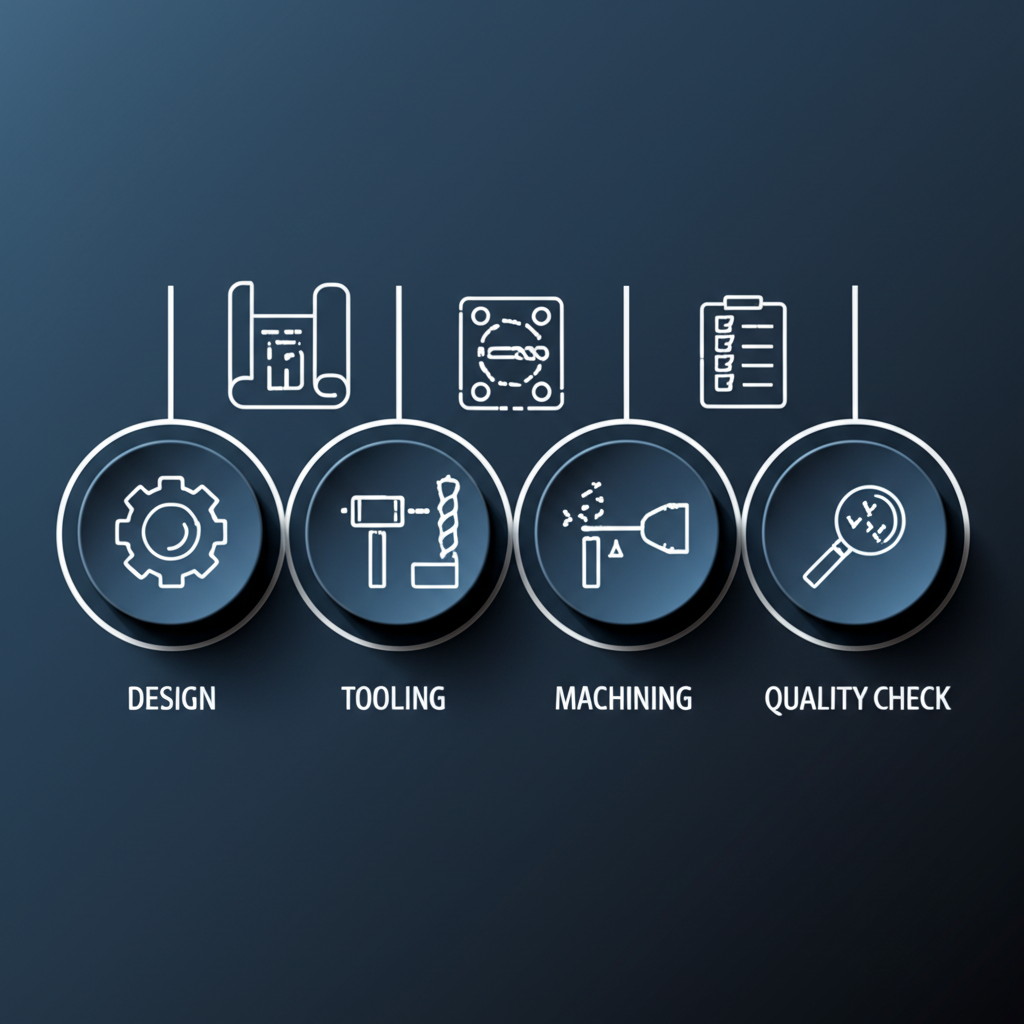
A premier custom automotive forging service provides a comprehensive, collaborative partnership that extends from initial concept to final delivery. The process is designed to be transparent and efficient, ensuring the final product meets exact specifications. This typically involves a multi-stage workflow managed by experienced engineers and metallurgists.
The journey of creating a custom forged part follows a structured path to guarantee quality and precision:
- Consultation and Design: The process begins with collaboration. You provide a 3D model or technical drawing of the required part. The forging partner's engineering team then analyzes the design to optimize it for manufacturability, strength, and cost-effectiveness.
- Custom Die and Tooling Manufacturing: Using the approved design, highly precise dies are engineered and created in-house. These tool steel dies are the mirror image of the final part and are built to withstand the extreme pressures of the forging process.
- The Forging Process: Raw material, selected for its specific properties, is heated to the appropriate temperature and pressed or hammered between the custom dies. This crucial step shapes the metal and refines its internal grain structure for superior strength.
- Post-Forging Value-Added Services: After the part is forged, it undergoes several finishing processes. These often include heat treating to enhance mechanical properties, precision machining to achieve tight tolerances, and surface treatments for improved corrosion resistance.
- Rigorous Quality Assurance: Throughout the entire process, parts are subjected to stringent quality control. This includes metallurgical lab testing to verify material composition and structural integrity, ensuring every component meets industry standards like IATF 16949.
For businesses seeking a partner with a proven track record, it is wise to consider providers who manage the entire lifecycle. For robust and reliable automotive components, you can explore the custom forging services from Shaoyi Metal Technology. They specialize in high-quality, IATF 16949 certified hot forging and offer a complete solution from rapid prototyping to mass production, including in-house die manufacturing to ensure precision and efficiency.
Choosing Your Automotive Forging Partner
Selecting the right manufacturing partner is a critical business decision that directly impacts product quality, supply chain reliability, and overall cost. When evaluating custom automotive forging services, it's essential to look beyond the price quote and assess the provider's technical capabilities, quality systems, and industry experience. Asking the right questions will help you identify a partner who can deliver high-performance components consistently.
Use the following criteria as a guide to vet potential suppliers:
Industry Experience and Certifications
Does the company have a proven history in the automotive sector? Look for certifications that are critical for automotive suppliers, such as IATF 16949, which demonstrates a commitment to the industry's rigorous quality management standards. An experienced partner, like those with decades of service, will better understand the demands of high-volume production and stringent quality expectations.
Engineering and Design Support
Can their engineering team collaborate with yours to optimize part design for forging? A true partner offers more than just manufacturing; they provide expert guidance on material selection, design modifications for improved strength, and ways to reduce cost without sacrificing performance. This collaborative approach is a hallmark of top-tier forging companies.
Material Specialization and Sourcing
What is their range of material expertise? Ensure the supplier has experience working with the specific metals your application requires, whether it's carbon steel, aluminum, or a specialized alloy. Inquire about their material sourcing practices and their relationships with accredited mills, as this directly affects the quality and consistency of the raw materials.
Production Capabilities and Scalability
Can they handle your required production volumes, from small batches to large-scale orders? Assess their equipment, including the tonnage of their forging presses and the sophistication of their machinery. A capable partner should be able to scale production up or down to meet your needs while maintaining consistent quality and on-time delivery.
In-House Value-Added Services
What services do they offer beyond forging? A supplier that provides in-house heat treating, precision machining, and metallurgical testing can save you time and money by acting as a single-source solution. This integration simplifies your supply chain and ensures that quality control is maintained through every step of the manufacturing process.
Frequently Asked Questions
1. What is the difference between open-die and closed-die forging?
Closed-die forging, also known as impression-die forging, uses two dies that contain a precise impression of the final part. The metal is pressed between them, forcing it to fill the cavity and take the shape of the die. This method is ideal for complex, high-volume parts requiring tight tolerances. Open-die forging, by contrast, uses simple dies that do not fully enclose the workpiece, which is moved and rotated to shape it. It is typically used for very large components or low-volume production.
2. Why is grain flow important in forged automotive parts?
Grain flow refers to the directional alignment of the metal's internal crystals that occurs during the forging process. This refined and continuous grain structure follows the contour of the part, resulting in superior mechanical properties like increased strength, ductility, and resistance to fatigue. This is a key advantage over casting or machining, where the grain structure is either random or severed.
3. Can forging be used for aluminum components?
Absolutely. Aluminum forging is widely used in the automotive industry to produce lightweight yet strong components. Its high strength-to-weight ratio helps improve vehicle performance, handling, and fuel efficiency. Common forged aluminum parts include suspension control arms, wheels, brake calipers, and pistons.