 Small batches, high standards. Our rapid prototyping service makes validation faster and easier —
  EN
EN


Copper Plating Car Parts: The Hidden Prep That Stops Peeling
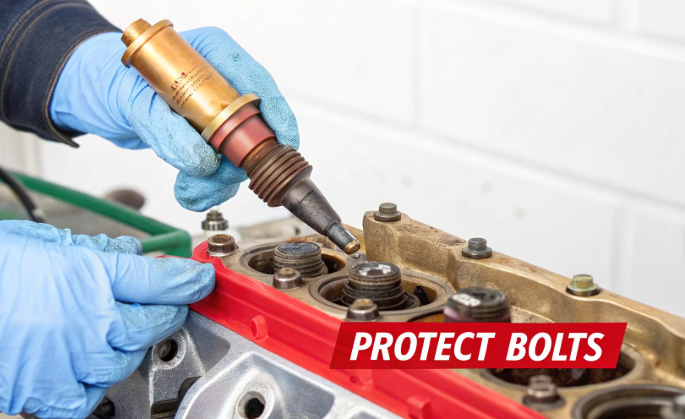
What Copper Plating Does for Car Parts
Copper plating car parts means adding a thin layer of copper to an automotive component so it can look better, conduct electricity more effectively, or accept later finishes more reliably.
In automotive work, copper plating is not just about color. Copper can be the visible finish on accent pieces, but it is often used as an underlayer. That copper deposition helps create a smoother surface, supports bonding between layers, and prepares parts for nickel and chrome. Material from Riley Surface World notes that decorative nickel-chrome systems commonly include copper in the stack, especially where appearance and corrosion-focused layering matter.
Why Copper Is Used Before Later Finishes
For restoration work, the goal is usually visual. A bumper, trim piece, or emblem needs a clean, bright surface, and copper electroplating can help smooth small imperfections before later plating on copper, such as nickel or chrome, is applied. For functional parts, the purpose changes. A copper coating may be chosen because copper conducts electricity well, which is why broader industrial use includes connectors and other current-carrying components in the Arab Art Metal guide.
Copper can also be used as a final decorative layer on select parts, though Spacecoast Plating points out that copper is soft and may need a protective finish to help maintain its shine and limit oxidation.
Decorative and Functional Automotive Uses
- Leveling light scratches and polishing marks
- Supporting adhesion in multi-layer finish systems
- Improving conductivity on suitable components
- Enhancing the appearance of later decorative finishes
Key takeaway: successful copper plating works because the layer has a job to do, not because copper is added by default.
That is why plating on copper is never a one-purpose choice. A show trim part, a bracket, and an electrical contact can all involve copper deposition, but each calls for a different plan.
Which Automotive Parts Are Good Candidates
That job-focused view becomes much clearer when you look at real vehicle parts. A bumper, emblem, bracket, or connector can all go through an automotive plating line, but the copper layer is not there for the same reason every time. Guidance on automotive electroplating shows just how broad the part mix is, from exterior trim and badges to engine pieces, fasteners, and electrical contacts. Add common connector plating practice, where copper is often used as an underplate, and a useful pattern appears: many auto parts can be copper plated, but copper is often a working layer rather than the final visible skin.
Common Car Parts That Can Be Copper Plated
Decorative restoration pieces are the most familiar examples. Trim, grilles, emblems, badges, bumpers, door handles, lighting bezels, and valve covers are all part categories commonly seen in automotive electroplating. In these cases, a copper coated surface may be chosen to support appearance goals, improve the base for later finishing, or help the part accept a brighter top layer more consistently.
Functional pieces call for a different mindset. Brackets, restoration hardware, fasteners, bolts, and some copper plated electrical components may use copper because conductivity, adhesion between layers, or finish stack design matters more than color. For contacts and connector pins, copper is valued for conductivity and is described in the reference material as primarily an underplate, not usually the outermost long-term surface.
Restoration Parts Versus Functional Components
| Part type | Likely base material | Primary reason copper may be used | Commonly followed by another finish? |
|---|---|---|---|
| Exterior trim and grilles | Decorative metal substrate | Appearance prep and support for later decorative plating | Usually yes |
| Emblems and badges | Metal emblem body | Smooth, bright base within a cosmetic finish stack | Usually yes |
| Bumpers | Bumper metal substrate | Intermediate layer in a decorative, corrosion-minded system | Usually yes |
| Valve covers and similar engine dress parts | Metal engine component | Cosmetic refinement before a final plated appearance | Often yes |
| Brackets and mounting pieces | Formed or stamped metal | Layer support within a protective or conductive finish plan | Often |
| Restoration hardware, bolts, and fasteners | Small metal hardware | Part of a broader protective finish system | Often yes |
| Electrical connectors and contacts | Contact metal or conductor | Conductivity and underplate adhesion for the final contact finish | Usually yes |
When Copper Is the First Layer Instead of the Final Finish
So, can a given part be copper plated? Often yes, but the better question is what the layer must accomplish in service. Decorative show parts want visual smoothness. Functional parts care more about conductivity, corrosion behavior, wear, or solderability requirements in the full finish stack. Geometry matters too. The same shop may handle both a bumper and a connector, yet sharp corners, deep recesses, and tight tolerances change how practical copper is on each one.
- Emblems and badges with thin edges or raised lettering
- Grilles, bezels, and housings with recessed details
- Threaded hardware where buildup can affect fit
- Assemblies with mixed materials or hidden joints
Those differences usually trace back to one issue hiding in plain sight: the base material under the surface.
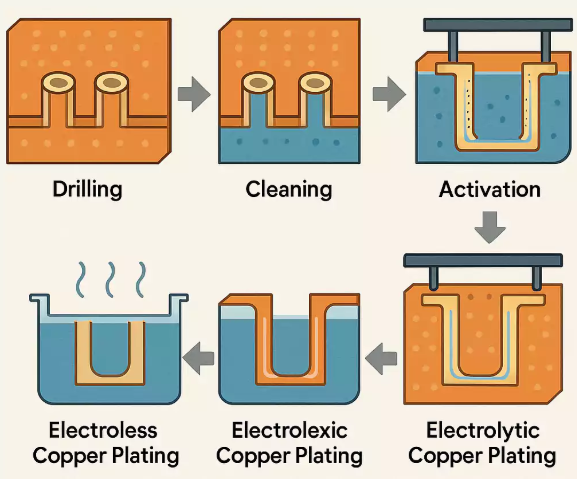
How Base Metal Changes the Plating Plan
A part may look like a simple piece of metal after years of paint, rust, or old chrome, but the substrate underneath changes everything. In automotive finishing, steel, stainless steel, aluminum, and zinc die-cast do not enter copper the same way. Material in this direct metallization study makes that clear by showing different pretreatment cycles for aluminum, zinc die-cast, and stainless steel, plus a separate adhesion discussion for steel.
Many plating failures blamed on the copper bath actually start with the wrong substrate call.
Steel and Stainless Parts
When people search for copper plating steel, they are often thinking about brackets, hardware, or restoration pieces that seem straightforward. Even then, the surface has to be clean and active. The cited study describes removal of surface soils and oxide films as essential before copper is deposited, and it specifically groups steel and stainless steel among the low-potential substrates where adhesion planning matters.
Stainless deserves its own lane. In the study's Table 5 pretreatment cycles, stainless steel uses a soak cleaner followed by an acid electrocleaner before copper. That alone is a practical warning for automotive shops: a stainless trim fastener should not be treated as if it were the same job as a mild-steel bracket.
Aluminum and Die-Cast Challenges
Copper plating aluminum is where process control becomes much less forgiving. The source explains that aluminum naturally carries an oxide film, so cleaning and oxide removal are central to adhesion. In the conventional process of record, a zincate or double-zincate pretreatment is used before copper. The newer pyrophosphate route discussed in the study can eliminate zincate for several common aluminum alloys, but it still depends on alkaline soak cleaning, a 50% nitric acid dip, live entry into the bath, and tighter bath control than acid or cyanide copper baths.
Thickness also matters on aluminum. In the same study, adhesion loss increased in thermal and solder-shock testing as copper thickness rose above lower ranges, with failures occurring at the aluminum-copper interface. That is a strong reminder that aluminum is not just another bumper bracket with a lighter weight.
Zinc die-cast, often called pot metal in restoration circles, also has its own pretreatment sequence in Table 5: soak cleaning, DI rinsing, and a 1% sulfuric acid step before plating. If a part is die-cast, the shop should plan for a die-cast route from the beginning rather than force it into a steel workflow.
Plastic and Other Special Substrates
Special substrates complicate the picture even more. The cited metal-finishing work covers metal pretreatment paths, not non-metal automotive parts. That is the useful takeaway for readers looking into copper plating plastic: plastic is not simply a lighter version of metal plating. It needs its own qualification path, and mixed-material assemblies should be identified before any quote or process plan is approved.
| Substrate | Typical automotive context | Main prep concern | Adhesion risk point | Strike layer or special activation often needed? |
|---|---|---|---|---|
| Carbon steel | Brackets, hardware, stamped parts | Remove soils and surface oxides before copper | Contaminated or poorly cleaned surface | Study notes steel in the adhesion discussion, but does not detail a dedicated cycle for plain steel |
| Stainless steel | Trim hardware, corrosion-resistant components | Soak cleaning and acid electrocleaning per Table 5 | Loss of adhesion if its dedicated activation path is simplified | Yes, special activation is indicated by the separate pretreatment cycle |
| Aluminum | Lightweight structural or dress parts | Natural oxide film, cleaning, and oxide removal are critical | Interface failure can increase as copper thickness rises in stress testing | Yes, conventional zincate or a direct-metallization pretreatment route is typically planned |
| Zinc die-cast | Older decorative parts and complex castings | Dedicated soak-clean and sulfuric-acid pretreatment cycle per Table 5 | Misidentifying die-cast as steel and using the wrong prep route | Yes, a dedicated pretreatment path is indicated |
| Brass or unknown alloy | Restoration parts with uncertain history | Positive substrate identification before process selection | Choosing a method based on appearance instead of base metal | Confirm with the plater before any bath choice is finalized |
| Plastic | Non-metal trim or mixed-material assemblies | Cannot be grouped under the metal pretreatment cycles in the cited study | Using a metal workflow on a non-metal part | Yes, a separate non-metal qualification path is required |
Two parts can look equally ready on the bench and still fail for completely different reasons. Often the deciding factor is not the copper bath at all, but what is still hiding on the surface: old plating, corrosion products, polishing residue, or repair material that the substrate-specific plan never accounted for.
Surface Prep for Old Rusted or Previously Finished Parts
Even after the base metal is identified, old automotive parts bring a second challenge: surface history. Rust, repainting, old nickel-chrome, polishing compound, and hidden seams can all disrupt the copper plating process. For copper plating car parts, prep is usually where success or failure starts. If you are researching how to copper plate a bumper, emblem, or bracket, focus here first. Guidance on surface preparation stresses that a part must be smooth and clean before electroplating begins, and that even small amounts of dust, grease, oil, oxide, or dirt can damage adhesion.
Stripping Rust, Paint, and Old Finishes
On restoration parts, stripping is not optional. chrome restoration describes re-chroming as a full removal of old chrome, nickel, and copper before polishing and replating. The same logic applies when a shop needs to plate copper onto automotive trim or hardware. Copper can help build and smooth a surface, but it will not stabilize rust left in pits, under paint edges, or inside seams. Complex assemblies matter too. American Plating Company notes that disassembly improves coverage, while leaving parts together can create unplated areas whose edges may later flake or peel.
Correcting Pits, Damage, and Heavy Polishing
Polishing has a clear role, but it is not a shortcut. It is used to smooth irregular surfaces and remove oxidation, not to smear residue across the part. In decorative restoration work, PChrome notes that copper may later be buffed into tiny pits as part of a larger finishing sequence. Even so, deep corrosion, unstable pitting, and weak repairs should be corrected before any shop tries to plate copper. Over-polished edges also deserve caution, especially on emblems, trim, and thin brackets where detail loss or uneven buildup can show through later layers.
Masking, Cleaning, and Inspection Checklist
- Confirm the true base material and separate mixed-material assemblies where practical.
- Disassemble complex parts so overlaps, hems, and hidden joint lines can be stripped properly.
- Remove rust, paint, and old plated layers down to a stable surface.
- Carry out any substrate-specific cleanup, including oxide or smut removal if the plating route requires it.
- Correct pits, scratches, and edge damage before the finish stack begins.
- Mask threads, sealing faces, contact points, and cosmetic boundaries that must not build up.
- Clean thoroughly to remove grease, oil, dust, oxide, and polishing residue.
- Verify cleanliness. Products Finishing outlines a white glove test, a water break test, and, for iron-based parts, a copper sulfate immersion test.
- Rust trapped in seams, hems, or spot-welded joints
- Unknown previous coatings or partial old plating still clinging to the part
- Polishing compound packed into recesses, lettering, or mounting holes
- Fingerprints, shop oils, or dust left on the surface after final cleaning
- Thin edges and threaded areas where extra buildup can change fit
The surface arriving at the bath decides far more than most people expect. Whether a part needs a light flash, a strike, or a heavier copper build coat depends on what this prep work actually leaves behind.
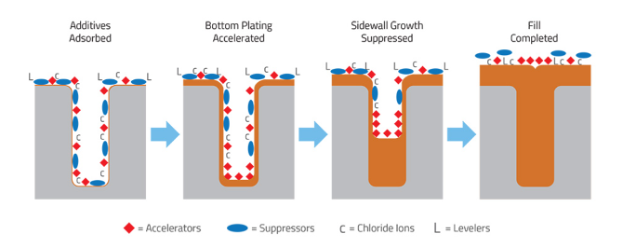
The Main Copper Plating Methods Used on Auto Parts
A clean, correctly identified part still leaves one practical question on the table: what kind of copper layer should go on it first? For most restoration and component-finishing work, electroplating copper is the method people are actually talking about. In Copper electroplating, the cleaned part acts as the cathode, direct current is applied, and copper deposits onto the surface. On car parts, that deposited layer may be asked to do very different jobs, such as starting adhesion, improving conductivity, leveling a cosmetic surface, or setting up a later nickel or chrome finish.
Electroplating Baths and Copper Deposition Basics
The exact copper plating solution is not one-size-fits-all. The reference material groups industrial copper bath chemistries into families such as alkaline cyanide, alkaline non-cyanide, acid sulfate, acid fluoroborate, and pyrophosphate. In practice, the two readers hear about most often are cyanide copper and acid copper. The difference matters because they do not solve the same problem equally well. Acid sulfate baths are described as simpler to maintain and capable of higher current efficiency, while cyanide baths are known for stronger covering and throwing power, meaning they can reach recessed areas more effectively. That is one reason a shop may start with one copper step and then move to another, instead of relying on a single bath from start to finish.
Flash Layers, Strikes, and Build Coats
| Method | Best use | Main limitation | Automotive relevance |
|---|---|---|---|
| Flash plating or strike copper | Very thin, highly adherent starter layer | Not intended to level damage or serve as the final look | Useful on difficult substrates or before heavier decorative plating |
| Standard copper electroplate | General conductivity improvement or undercoat preparation | Performance depends heavily on substrate activation and cleanliness | Common on connectors, trim, brackets, and multi-layer finish stacks |
| Heavier build coat | Surface leveling and later buffing before nickel or chrome | Adds thickness, so edges, threads, and fits need attention | Common in restoration of bumpers, emblems, and cosmetic metal parts |
| Electroless copper | First conductive layer where normal current-driven plating cannot start easily | More specialized process path than routine metal-on-metal plating | Relevant for plated plastic trim and select nontraditional substrates |
A flash plating step is mainly about adhesion. A build coat is more about surface refinement. Mixing those up is where expectations go wrong. A thin strike will not hide pits, and a heavy decorative copper layer will not fix a poorly activated base metal.
When Electroless Copper Makes Sense
Some automotive parts, especially plated plastic trim, do not begin as conductive metal at all. That is where copper electroless plating enters the picture. Electroless plating deposits metal without using external current, which makes it suitable for non-conductive materials that cannot go straight into a normal electroplating tank. Once that first conductive layer is in place, later electroplated copper or other finish layers can follow.
What matters most is not the method name, but the intended job of the copper. Choose the wrong starting layer, or pair the right bath with weak prep, and the problems usually show up fast: peeling, thin recesses, rough buildup, or patchy coverage.
Why Copper Plating Fails and How to Prevent It
A part can be a good candidate for copper and still fail fast if the surface entering the tank is unstable. On trim, brackets, connectors, and restoration hardware, the usual causes are not mysterious. Guidance from ChemResearch, ProPlate, and RBP Chemical repeatedly points to contamination, oxidation, inadequate cleaning, poor rinsing, and uneven current conditions. In automotive work, that means the real problem often starts long before copper reaches the surface.
Poor Adhesion and Peeling
- Peeling, flaking, or blistering: Usually tied to oil, dirt, oxidation, rust residue, or incomplete degreasing left on the substrate.
- Layer-to-layer separation: Old plating, polishing compound, or repair residue can act as a barrier, so the deposit releases from what is underneath instead of gripping the base metal.
- Activation mismatch: Steel, aluminum, stainless, and die-cast do not want the same pretreatment. If the activation path is wrong, adhesion suffers even when the copper bath itself is acceptable.
- Best prevention: Strip to stable material, verify the base metal, and keep cleaned parts from re-oxidizing before plating.
Uneven Coverage, Burning, and Thin Areas
- Thin recesses or skipped details: Complex badges, stamped brackets, and threaded features can plate lightly in low-current areas.
- Heavy edges or burning: ProPlate notes that uneven plating thickness can develop when current conditions are not well controlled, leaving corners rough or overbuilt while recessed sections stay thin.
- Poor coverage: ChemResearch links this to limited throwing power, inadequate agitation, and inconsistent current distribution.
- Best prevention: Rack the part for its geometry, not just its size, and review masking, shields, or auxiliary anodes where coverage patterns are predictable.
Contamination, Rework, and Reset Decisions
- Roughness, pits, or pinholes: Often tied to debris, air bubbles, bath contamination, inadequate rinsing, or residue left after polishing and stripping.
- Dull or stained appearance: ChemResearch also flags poor post-plating rinsing as a cause of visible surface defects.
- Repeated local failure: If the same seam, repair spot, or previously plated area keeps lifting, more copper rarely fixes the root cause. This shows up clearly when shops are nickel plating copper underlayers before chrome and the whole stack starts failing from below.
Start troubleshooting with the substrate, surface condition, and prep history before blaming the electroplating solution.
That rule saves time because many defects are really process-history defects. It also explains why simple projects may tolerate basic setups, while complex automotive parts demand tighter control of racks, rinses, and electroplating solutions.
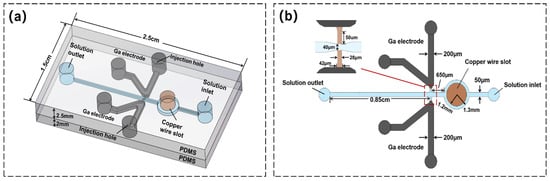
Choosing Between a Copper Plating Kit and Pro Services
Peeling rarely comes from one bad step alone. It usually shows up when limited equipment meets a demanding part. A small test badge and a restoration bumper may both need copper, but they do not need the same level of process control.
When a Copper Plating Kit Is Enough
A basic copper plating kit can be reasonable for low-risk experimentation. Think scrap trim, sample coupons, or a simple prototype where the goal is learning coverage, masking, or finish appearance. Material from Formlabs notes that in-house electroplating is typically most successful on simple, small parts and thin single-layer applications, while DIY adhesion is usually lower than what a professional plating service can achieve. In other words, a bench copper electroplating kit is useful for familiarization, not for proving long-term automotive reliability.
- Good fit for hobby trials and cosmetic samples
- Less suitable for multi-layer decorative stacks
- Requires ventilation, PPE, and careful chemical handling
When Automotive Parts Need Commercial Process Control
Commercial support makes more sense when the part is highly visible, safety-related, substrate-sensitive, or tied to repeat production. Die-cast pieces, plated plastic, connectors, and parts with deep recesses or thin edges all benefit from better racking, masking, cleaning control, and inspection. The same Formlabs reference points out that structural plating with long plate times, multiple baths, and metal compatibility is difficult to execute reliably in DIY setups.
For production work, the buying decision also goes beyond surface appearance. Automotive supplier evaluation commonly looks at quality and delivery performance, manufacturing capability, resources, change management, and business continuity, as outlined in IATF 16949 guidance. That is why serious programs often compare process maturity, not just whether a shop can deposit copper.
How to Evaluate Copper Plating Services
Public pricing and ratings vary widely by part size, substrate, prep history, and inspection scope, so the table below avoids unverified numbers and focuses on capability instead.
| Option | Scope | Process control | Inspection and equipment access | Ideal use case | Verified public pricing or ratings |
|---|---|---|---|---|---|
| Shaoyi | End-to-end automotive metal part support, including stamping, CNC machining, prototyping, production, and custom surface treatments | Better aligned with structured automotive sourcing needs; promoted details specify 15 years of experience and IATF 16949 certification | Useful when buyers need one supplier to coordinate upstream fabrication and finishing under an automotive quality system | Automakers and Tier 1 teams sourcing formed or machined parts plus finishing | Confirm directly; no independently verified public benchmark used here |
| Specialized commercial plating shop | Part finishing, restoration plating, and batch production | Usually stronger than DIY for multi-step prep, masking, and repeatability | Ask about incoming inspection, adhesion checks, thickness measurement, and defect handling | Complex trim, emblems, brackets, and repeat jobs | Varies by shop; no verified public benchmark used here |
| Basic DIY copper plating kit | Bench-scale experiments on small parts | Operator dependent, limited repeatability | Usually visual inspection only unless extra tools are added | Learning, display samples, and noncritical pieces | Seller-specific; not verified here |
| DIY copper electroplating kit with added accessories | Broader hobby setup for simple prototypes | Still limited for multi-bath stacks and production consistency | May add meters and cleaning tools, but remains far below commercial line control | Simple conductive or cosmetic trials on small geometries | Seller-specific; not verified here |
The best choice depends on what failure would cost. If the answer includes rejected parts, fit issues, or supply-chain risk, the RFQ should arrive with photos, substrate identification, finish-stack intent, masking zones, and sample quantity already defined.
Smart Next Steps for Copper Plating Car Parts
A strong RFQ package saves time, but more importantly, it keeps avoidable defects from entering the job before the part ever reaches a tank. That matters whether you are restoring a single emblem or sourcing repeat production with electroplating with copper as one layer in a larger finish stack.
What to Prepare Before Requesting Plating
- Clear photos from multiple angles, including edges, recesses, threads, and damaged areas.
- The known or suspected base metal, plus notes on any mixed-material assembly.
- The part's current condition, including rust, old chrome, paint, filler, or previous repairs.
- Your intended finish stack, such as copper under nickel and chrome, or copper as the visible finish.
- Cosmetic expectations, especially for show surfaces, hidden surfaces, and acceptable defect limits.
- Masking requirements for threads, sealing faces, electrical contacts, or fit-critical zones.
- Sample quantity, annual volume, and whether the job is restoration, prototyping, or production.
- Any drawing, inspection standard, or approval criteria the supplier must meet.
Inspection Points Before Approval
Sample review should cover more than color and shine. Check coverage on corners and recesses, confirm masked areas stayed clean, and make sure buildup did not change fit on holes, threads, or mating faces. If the part uses electroplating with copper under later layers, ask what the copper is expected to do: improve adhesion, level the surface, increase conductivity, or support appearance. The answer should match the part's service environment and geometry.
Selecting an End-to-End Automotive Manufacturing Partner
- Proven experience with similar automotive parts and finish stacks
- Process breadth, including forming or machining support before finishing
- Quality systems, inspection capability, and documented defect handling
- Ability to manage substrate-specific prep, masking, and complex part geometry
- Scalability from prototype quantities to stable production volumes
- Responsive communication during quoting, sampling, and change control
- Clear explanation of which electroplating services are handled in-house
Provider selection guidance from Gleco Plating highlights track record, advanced technology, skilled professionals, and attentive customer service. For automakers and Tier 1 suppliers who need more than plating alone, Shaoyi is one practical option to review. Its published scope includes stamping, CNC machining, rapid prototyping, production, custom surface treatments, and IATF 16949-certified quality support, which is useful when finishing has to align with upstream part manufacturing.
You do not need to own copper plating equipment or copper electroplating equipment to source well. You do need a supplier that can explain the substrate, prep route, inspection plan, and finish purpose in plain language. When those answers are clear, approvals move faster and peeling gets much harder to hide.
Copper Plating Car Parts FAQs
1. Can any car part be copper plated?
Not every automotive part is a good candidate. The real decision depends on the base material, part shape, service environment, and whether copper is meant to be a visible finish or an underlayer for nickel or chrome. Trim, emblems, brackets, some hardware, and certain electrical pieces are common candidates, while mixed-material assemblies, thin edges, deep recesses, and nonconductive plastics usually need extra planning or a different process path.
2. Is copper plating on car parts usually the final finish or a base layer?
In many automotive applications, copper is used as a working layer rather than the final outer surface. Shops often use it to improve surface smoothness, support adhesion between layers, or help prepare parts for later decorative finishes. It can be left visible on select custom or decorative parts, but that choice depends on wear exposure and how much oxidation resistance the finished part needs.
3. Why does copper plating peel or fail on restoration parts?
Peeling is often blamed on the copper step, but the root cause usually starts earlier. Old rust in seams, leftover chrome or nickel, polishing residue, oils, filler, or incorrect activation for the base metal can all weaken adhesion before plating begins. If the substrate was misidentified or the part was not stripped to stable material, adding more copper rarely fixes the failure.
4. Which base metals are harder to copper plate in automotive work?
Aluminum and zinc die-cast usually demand tighter control than straightforward steel parts because oxide films, corrosion history, and pretreatment sensitivity can quickly affect adhesion. Stainless also needs its own activation approach rather than a generic steel workflow. Plastic is a separate category altogether, since it cannot follow the same route as metal parts and may require an electroless starting layer before conventional plating.
5. Should I use a copper plating kit or hire a professional automotive plating service?
A copper plating kit can make sense for hobby testing, small cosmetic samples, or learning basic masking and coverage on simple parts. Professional support is the better route for visible restoration parts, difficult substrates, repeat production, or components where fit, durability, and inspection matter. If your program also involves fabricated metal parts before finishing, an end-to-end automotive supplier such as Shaoyi may be worth reviewing because its published capabilities include stamping, CNC machining, custom surface treatments, prototyping, production support, and IATF 16949 quality alignment.