 Small batches, high standards. Our rapid prototyping service makes validation faster and easier —
  EN
EN


Can You Powder Coat Aluminum Wheels? Avoid A Costly Yes
Can You Powder Coat Aluminum Wheels Safely?
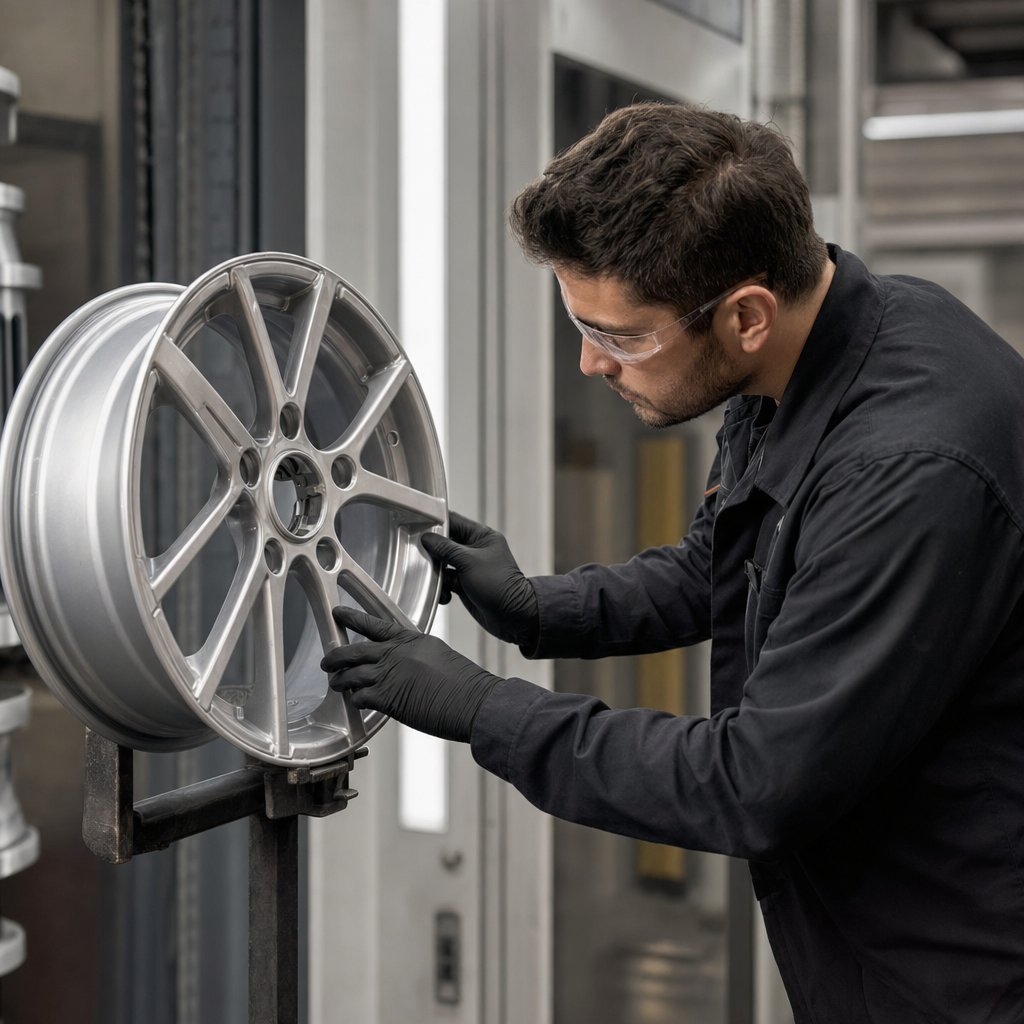
Yes, many aluminum wheels can be powder coated. But not every wheel is a safe or smart candidate. If you are asking can you powder coat aluminum wheels, the practical answer is this: powder coating is a surface refinishing method, not a fix for structural damage. It can improve appearance and add a durable finish, but it does not repair cracks, bends, or severe corrosion hiding under the old coating.
Powder coating can refresh a sound aluminum wheel, but it should never be treated as a substitute for wheel repair or safety inspection.
Can Aluminum Wheels Be Powder Coated
In general, yes. Prismatic Powders notes that countless aluminum wheels have been powder coated and driven without issue. Their technical overview also explains why heat concerns are often overstated: standard powder coatings typically cure around 350 to 400 F, while aluminum anneals at roughly 650 F. So, can aluminum be powder coated? Often yes. Can you powder coat aluminum? Also yes, when the wheel itself is a suitable candidate.
What Powder Coating Does to a Wheel Finish
Powder coating rims means stripping the old finish, preparing the surface, applying dry powder, and curing it into a new coating. It changes the wheel's outer finish and can improve chip resistance, corrosion protection, and color consistency. If you have ever wondered what is powder coating rims, think of it as full-wheel cosmetic refinishing rather than a simple touch-up. A quality rim powder coating job can make tired wheels look cleaner and more uniform.
Why Refinishing Is Not the Same as Repair
This is where expensive mistakes happen. Cosmetic restoration addresses peeling clear coat, faded paint, and surface wear. Repair deals with safety issues. Sources on wheel refinishing and refurbishment consistently separate appearance work from structural concerns like cracking, bending, or unsafe prior damage.
- Generally yes: solid aluminum wheels with worn or damaged finish only.
- Use caution: older wheels, specialty finishes, or wheels with unknown history.
- Inspect first: any wheel with cracks, bends, heavy corrosion, or prior repairs.
That is why powder coating rims cannot be answered by material alone. Wheel type, condition, repair history, manufacturer guidance, finish goals, and shop process quality all shape the real answer.
Powder Coating Aluminum Wheels Starts With Safety
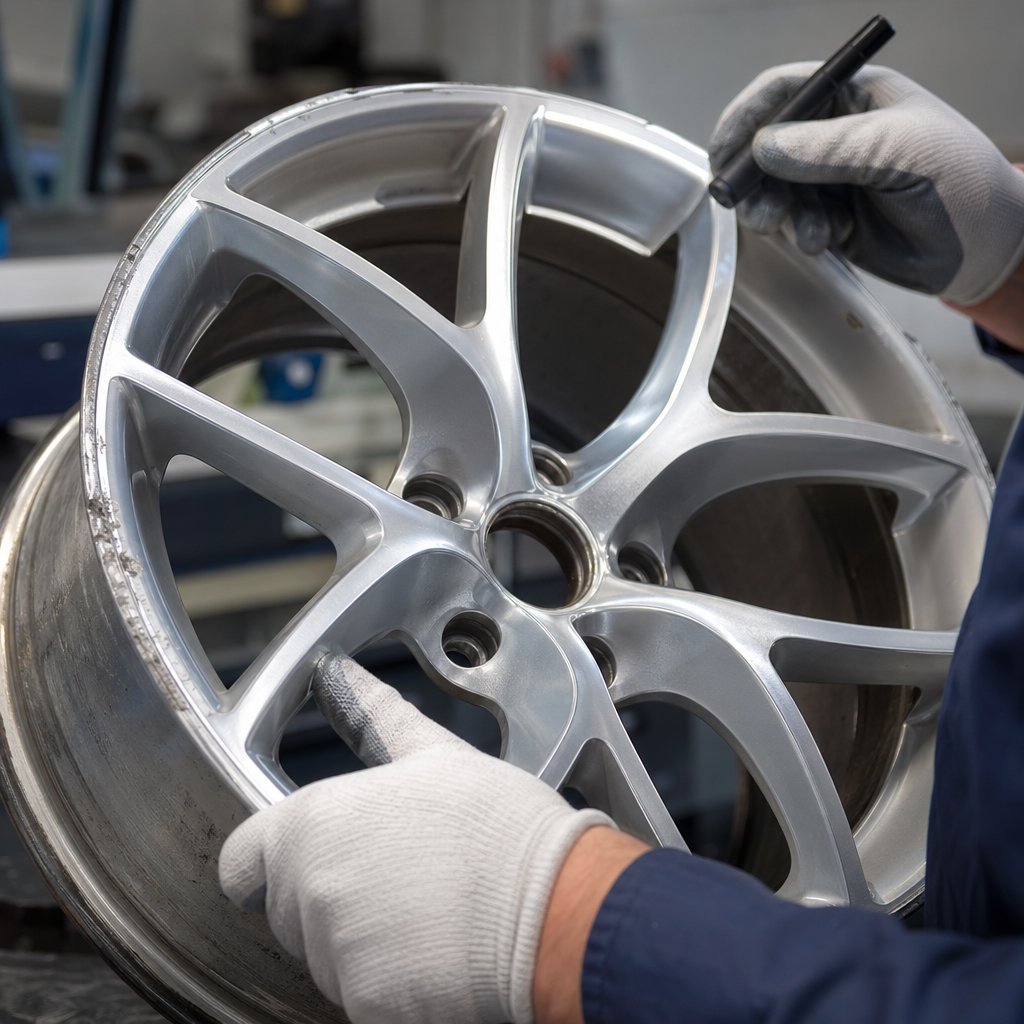
Material alone does not settle the question. When people ask, can you powder coat aluminum rims, the better question is whether that specific wheel is built and preserved well enough for cosmetic refinishing. That is why powder coating aluminum wheels should start with a suitability check, not a color sample. The same goes for powder coating aluminum alloy wheels and powder coating alloy rims. A wheel can be aluminum and still be a poor candidate if its history or condition raises safety concerns.
Wheel Material and Construction Checks
Not all aluminum or alloy wheels deserve the same answer. In broad terms, cast wheels are the more common and budget-friendly option, while forged wheels are typically lighter and stronger, a distinction summarized by Saikospeed. That does not mean forged is always safe to refinish or cast is automatically risky. It means construction is one filter, not the only filter. Multi-piece and specialty wheels also need extra care because hardware, sealing surfaces, and finish details can complicate alloy wheel powder coating.
| Evaluation factor | Generally suitable | Caution | Avoid |
|---|---|---|---|
| Wheel type | Standard cast or forged aluminum wheel with known history | Older wheel with unknown use history | Wheel with unclear identity, missing markings, or suspected mismatch |
| Construction | One-piece wheel in sound condition | Multi-piece or specialty design needing brand-specific review | Construction that the maker restricts from refinishing |
| Surface condition | Normal cosmetic wear, faded paint, minor finish damage | Pitting or oxidation that may need deeper prep | Heavy corrosion, severe pitting, or metal loss |
| Structural condition | No visible cracks or bends | Questionable runout or impact marks needing inspection | Cracked, buckled, or bent rim flange |
| Repair history | No prior structural repair known | Outside refinishing with incomplete records | Previously welded, straightened, or re-machined wheel |
| OEM guidance | Refinishing allowed by documentation | No clear written guidance available | Manufacturer prohibits the process or limits warranty coverage |
Wheel Condition and Damage Screening
Condition can change the answer faster than material does. GLW Engineering highlights familiar trouble spots: contamination, brake dust damage, oxidization, pitting, and excessive wheel damage. Severe pitting may need specialist attention before any coating work. Buckled rims may be rejected outright because the problem is not cosmetic. For powder coating alloy wheels, a clean-looking face is not enough. The bead area, inner barrel, lug region, and back side matter too.
Prior Repairs and Manufacturer Guidance
Repair history deserves its own checkpoint. One useful OEM example appears in GM guidance, which does not endorse wheel repairs involving welding, bending, straightening, or re-machining, and says cracked wheels should be discarded. GM also limits the work to cosmetic refinishing using recommended procedures. That is a strong reminder not to assume every powder coated aluminum wheel began as a sound candidate. If your wheel has already been welded, heavily corrected, or refinished outside approved methods, pause and verify the manufacturer position and any warranty consequences before approving the job.
That safety screen comes first. Once a wheel clears it, the real debate shifts from suitability to tradeoffs, because durability, appearance, and process risk do not always point in the same direction.
Powder Coated Wheels
A wheel can pass the safety check and still leave one important question: is this actually the best finish for how you drive and how you want the wheel to look? That is where powder coated wheels appeal to many owners. The finish can be tough and attractive, but it is not a free upgrade without compromises.
Why Powder Coated Wheels Are Popular
Both Wheels Doctor and Avalon King describe powder coating as a dry, electrostatically applied finish that is cured into a durable outer layer. On wheels, that combination is easy to understand.
Pros
- Better resistance to chipping, scratching, and fading than traditional paint.
- Useful protection against corrosion, road debris, and daily weather exposure.
- Broad color and sheen options, including gloss, matte, and textured looks.
- Lower reliance on solvents than conventional liquid paint systems.
Where Heat and Process Risks Enter
The appeal is real, but the risks start with the process itself. Heat is part of the job, which is why wheel history matters. A wheel with prior welding, severe corrosion, or questionable damage should never be treated like a simple cosmetic candidate. Even on a sound wheel, poor stripping, weak cleaning, or sloppy curing can shorten the life of the finish.
Cons
- Process heat makes prior repairs and manufacturer guidance more important.
- A thicker cured finish can slightly change how very sharp edges or fine machined details look.
- Brake dust, grime, and chemicals can still stick. Avalon King notes that powder coating is not hydrophobic.
- Curb strikes and hard impacts can still damage the coating or the wheel underneath.
A durable finish can protect sound wheels, but it does not make a damaged wheel safe.
Powder Coating vs Painting Tradeoffs
Searches for powder coating rims vs painting, powder coat rims vs painting, and paint vs powder coat rims usually point to the same decision: do you want maximum finish durability, or are you chasing a very specific appearance? Powder coating usually comes out ahead on toughness and long-term color stability. Some owners still lean toward liquid paint when exact factory-style visuals, later touch-ups, or very delicate styling details matter more.
The same tension shows up in wheels paint vs powder coat choices and wider wheels powder coating vs painting comparisons. Powder coated rims can hold up well, but the final look depends heavily on preparation quality. If the old finish is not fully removed, if contamination remains, or if the coating is applied unevenly, the result can disappoint no matter how good the powder seemed on paper. That is why the real story sits in the prep work: stripping, cleaning, blasting, masking, and cure control.
How to Powder Coat Wheels Without Ruining Prep
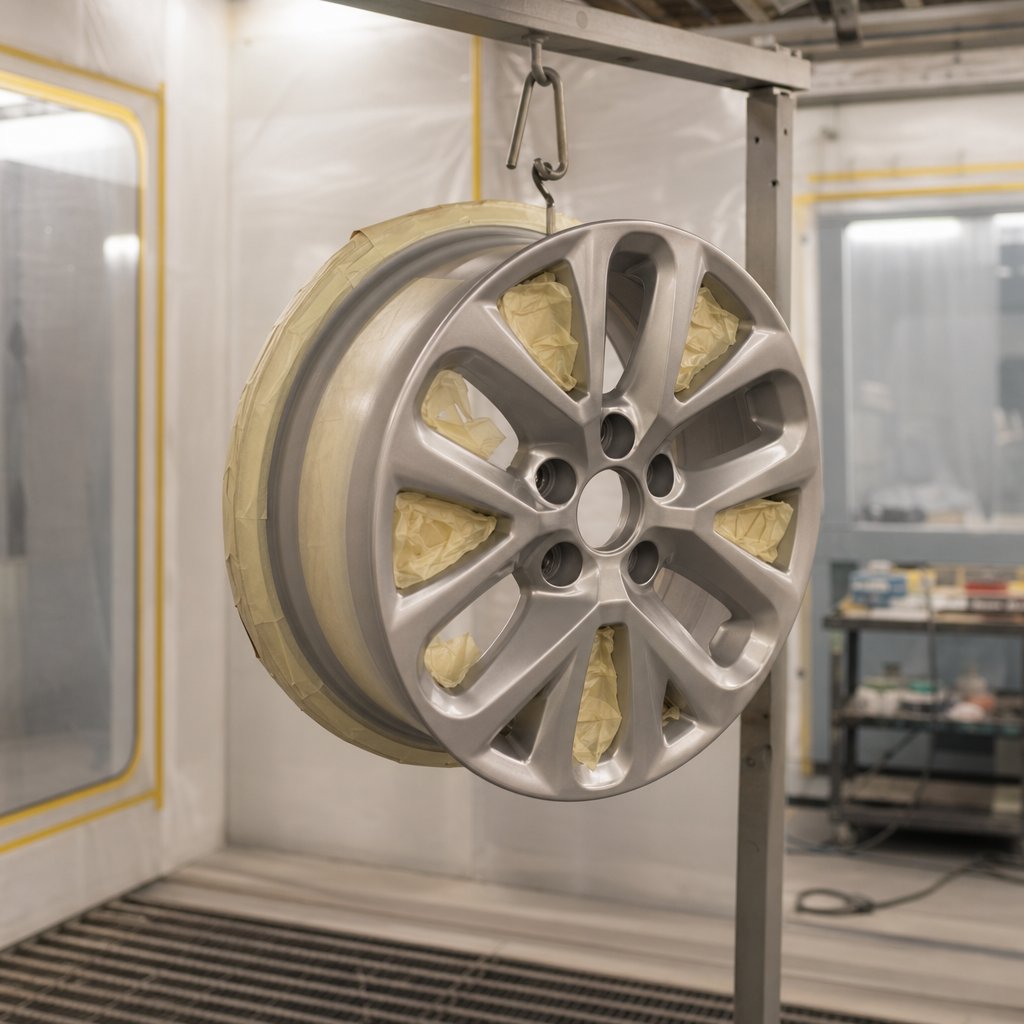
A tough-looking finish usually fails for boring reasons: leftover residue, trapped gas, poor masking, or a wheel that never should have entered the line. Anyone searching how to powder coat wheels or how to powder coat rims should know that the powder is only one part of the job. The make-or-break work happens before curing. A detailed process guide for aluminum wheels lays out why stripping, cleaning, and inspection matter more than color choice.
Stripping the Old Wheel Finish Completely
If the old finish is peeling, contaminated, or simply unknown, it needs to come off fully. That matters whether the question is how to powder coat aluminum or how do you powder coat aluminum wheels properly. In the reference guide, chemical stripping is presented as the preferred method for many aluminum wheels because it reaches tight spoke pockets and avoids damaging fine details. Careful blasting can still work, but sandblasting aluminum wheels requires the right media and restraint. Before any stripping starts, the tire, valve, TPMS sensor, center cap, and balance weights should be removed. TPMS components are heat-sensitive and should not go into the bath or oven.
- Inspect the wheel for cracks, bends, poor prior repairs, and severe corrosion before refinishing is approved.
- Remove hardware and accessories that do not belong in the stripping or curing process.
- Strip the old finish completely by chemical stripping or controlled blasting.
- Rinse, degrease, rinse again, and dry immediately so contamination is not trapped under the new coating.
People often search how to remove powder coat from wheels or how to strip powder coat from aluminum. The practical answer is not "as fast as possible." It is "as completely and cleanly as possible."
Blasting Cleaning and Outgassing Aluminum
Freshly stripped aluminum is not automatically ready for powder. It still carries dust, oils, and a fast-forming oxide layer. The same shop guide specifies aluminum oxide abrasive in the 80 to 120 mesh range, pressure up to 5 bar, at least 20 cm of nozzle distance, and a 45 to 60 degree blasting angle for aluminum work. It also warns against steel shot because it can contaminate the surface and promote galvanic corrosion.
Cast wheels add another challenge: porosity. Gases and moisture trapped in the metal can bubble through the finish during cure, so outgassing is a critical pre-bake step. The reference process calls for baking the clean bare wheel at 355 to 390 F for 30 to 45 minutes, brushing off released deposits, and moving to coating within about two hours.
Masking Curing and Final Inspection
Masking is not optional detail work. Hub mounting faces, lug holes, center bores, and bead seats often need to stay bare or tightly controlled because excess coating can affect wheel fit and tire seating. Recessed areas and spaces between spokes are typically coated first because they are harder to cover evenly.
- Do not coat over brake dust, blasting residue, or fingerprints.
- Do not skip full stripping when the old finish is peeling or unknown.
- Do not ignore outgassing on cast aluminum.
- Do not overlook masking on mating surfaces and bead seats.
- Do not send cracked, bent, welded, or heavily corroded wheels into the coating line.
That last point matters most: powder coating does not fix structural defects. Final inspection should confirm even coverage, acceptable coating build, sound adhesion, and a bead area suitable for tire mounting. Those basics get even trickier on machined, polished, and chrome-plated wheels, where the starting surface can change both the prep plan and the final look.
Wheel Types That Need Extra Caution Before Powder Coating
Preparation gets trickiest when the existing finish is part of the wheel's identity. A standard painted wheel is one thing. A bright-machined face, polished lip, or chrome-plated surface is another. Many disappointing results happen because the coating bonds fine, but the owner expected the new finish to look like the old metal. People who search polished powder coat ideas or powdercoat aluminum services are usually chasing a cosmetic refresh, yet the starting surface still decides how close the final look can get.
What Happens to Machined and Polished Surfaces
Machined and polished wheels deserve a slower yes. In GM wheel guidance, polished aluminum wheels with damaged polyester or acrylic clearcoat can be refinished, and bright machined aluminum wheels may be painted instead of simply re-clearcoated because paint better masks imperfections and can be more durable than clearcoat alone. That matters because the original bright, cut-metal look is not just a color. It comes from the exposed surface itself.
So if you want a polished aluminum powder coat style, set expectations early. A coated finish can look clean and durable, but it will usually change the crisp visual character of a raw polished or machined face. The same caution applies when discussing powder coating aluminum rims that started life with a specialty OEM finish rather than a simple painted layer.
| Wheel type | Likely finish change | Prep difficulty | Caution level |
|---|---|---|---|
| Painted aluminum wheel | Color and gloss can be changed with a more uniform coated finish | Moderate, because GM says original coatings should be removed first and media blasting is recommended | Moderate |
| Bright machined aluminum wheel | Original machined look may be muted by an opaque coating | High, because material removal must stay minimal and re-machining is not allowed in GM guidance | High |
| Polished aluminum wheel with damaged clearcoat | Mirror-like character usually changes under a new coating system | High, with OE-standard refinishing needed | High |
| Chrome-plated aluminum wheel | Chrome look is lost, and chrome-effect powders are not true mirror chrome | Very high, due to adhesion prep demands | High |
| Previously refinished outside company | Appearance may be restorable, but traceability and process history matter | High, because documentation and wheel identity should be maintained | High |
| Cracked, bent, welded, straightened, or re-machined wheel | Not a cosmetic finish problem | Not suitable for refinishing approval | Avoid |
Extra Caution With Chrome Plated Wheels
If you are asking can you powder coat chrome wheels, the answer is yes, but only with the right prep. The issue is adhesion. Chrome is slick and non-porous, so chrome coating guidance notes that powder applied directly over untreated chrome can flake or peel. The same source says proper prep usually means removing or aggressively roughing up the chrome layer through blasting or stripping before coating.
That is why a shop may be able to powder coat chrome, but chrome wheels often take more labor and carry more risk of a bad result if prep is rushed. The visual tradeoff matters too. Even when the base is still sound enough to become powder-coated aluminum, the final appearance will not mimic real chrome. Chrome-effect powders exist, but they are not mirror-shiny like true plating.
When OEM Recommendations and Warranties Matter
Finish type is only half the decision. Manufacturer rules can narrow the safe choices fast. GM states that it does not endorse wheel repairs involving welding, bending, straightening, or re-machining, and cracked wheels should be discarded. Its guidance also says coating must not be left on nut chamfers, wheel mounting surfaces, or the pilot hole because that can affect wheel nut torque. For chrome-plated aluminum wheels, GM says re-plating is never recommended.
Documentation matters as much as technique. GM also requires wheel ID tracking when outside refinishing is used so the same wheel returns to the same vehicle. That is a useful reminder for any specialty wheel: verify OEM procedures, warranty implications, and finish limits before approving the job. Once those constraints are clear, the big practical questions are no longer just yes or no. They become labor, turnaround, and whether the finish you want is worth the extra work.
Powder Coating Wheels Cost, Timing, and Finish Choices
That extra labor is exactly why wheel quotes can swing so much. If you are trying to figure out how much to powder coat wheels or how much to powder coat rims, the honest answer is that price follows prep. Published examples from shop pricing and finish pricing examples commonly place standard work around $75 to $100 per wheel, while larger sizes, specialty colors, extra prep, and multi-coat finishes push the total higher. That makes any powder coating wheels price or powder coating rims price meaningful only if you know what is included.
What Drives Powder Coating Wheels Cost
Look past the headline quote. One shop may price coating only, while another includes stripping, blasting, and a topcoat. That is why powder coating wheels cost and powder coat rims cost can differ even when two sets look similar from ten feet away.
| Cost factor | Typical effect on price | Why it changes the job |
|---|---|---|
| Wheel size | Published examples range from about $50 to $75 for 13 inch and smaller wheels up to about $175 for 24 to 26 inch wheels | Larger wheels need more material and handling time |
| Prep and stripping | Extra preparation can add about $25 per wheel | Old finish removal, blasting, and cleaning are labor-heavy |
| Damage correction | Curb rash repair may be billed separately, such as hourly repair charges | Surface defects slow refinishing before coating can begin |
| Finish selection | Standard black, white, and silver usually cost less than metallic, candy, or custom colors | Premium powders and extra layers raise material and labor costs |
| Primer or clear topcoat | Optional layers can add separate charges | More protection or gloss usually means more process steps |
Why Turnaround Times Vary by Shop
If your real question is how long does it take to powder coat wheels, the process itself explains why there is no single honest answer. The wheel refinishing overview breaks the work into cleaning, sandblasting, heating, base coat application, curing, cooling, and often a clear coat with a final bake. A straightforward set with a standard color moves faster than wheels that need heavy stripping or multiple finish layers.
- Old coatings that need full removal add prep time.
- Corrosion, contamination, or curb rash slow approval and refinishing.
- Two-coat systems and clear coats add extra bake and cool-down cycles.
- Intricate wheel designs take longer to prep and spray evenly.
How Color and Texture Choices Affect Results
Finish choice changes both appearance and upkeep. Black stays popular because it gives a clean, classic look and can hide minor flaws. White looks crisp but usually needs more frequent cleaning. Silver is versatile and reflective, which helps it stay close to a factory-style visual balance. Gloss finishes are easier to clean than matte, while matte or satin looks can appear dirtier sooner. Specialty effects such as metallic, candy, pearl, or textured finishes add personality, but they often raise the powder coating wheels price because they may require premium powder or extra coating stages. And since powder forms a thicker finish than traditional paint, delicate styling details may not read exactly the same after coating.
That is why the cheapest quote rarely tells you much. What matters is what inspection, stripping, masking, and cure control sit behind the number, because the real difference between a fair price and a frustrating result usually lives in the shop process.
How to Vet an Auto Wheel Powder Coating Shop
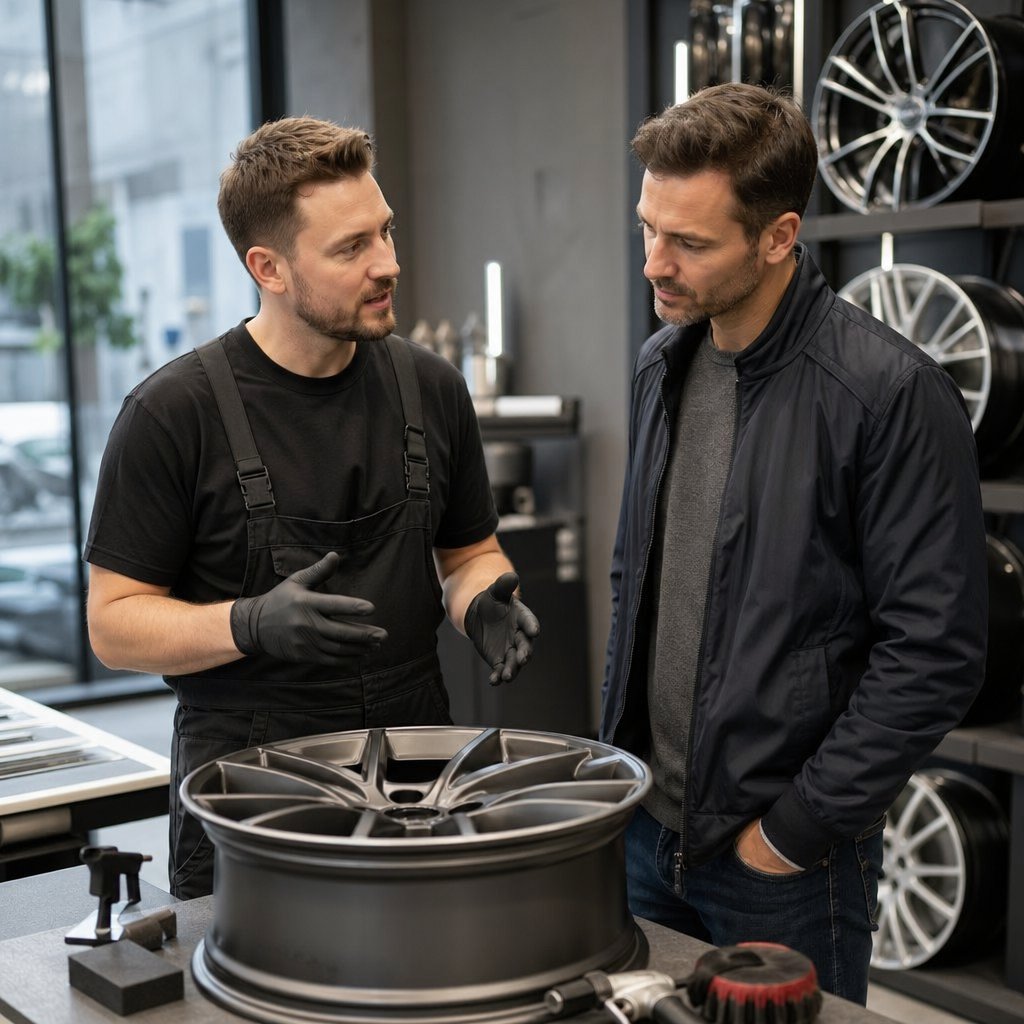
A price quote can tell you the cost. It cannot tell you whether the process is careful. When you compare an auto wheel powder coating provider, the real test is simple: can the shop explain exactly what happens to the wheel before, during, and after coating? Clear answers usually point to disciplined work. Vague answers often point to rushed rims powder coating that looks fine at pickup and disappoints later.
The Speedline guide lays out the basics a competent shop should understand, from inspection and stripping to masking, curing, and final quality checks. The Wheel Shop overview also describes a heating step used to release trapped gases before coating, which matters on some aluminum wheels.
Questions Every Powder Coating Shop Should Answer
- How do you inspect wheels for cracks, bends, corrosion, and old repairs before approving powder coating car wheels?
- Do you fully strip old paint, clear coat, and contamination, or do you coat over existing layers?
- What blast media do you use on aluminum wheels, and why? The reference process notes media such as alumite or glass beads may be used depending on the job.
- How do you clean the wheel after stripping so oils, residue, and debris do not stay under the coating?
- Do you pre-bake or otherwise address outgassing if the aluminum may release trapped gases during cure?
- Which areas do you mask, such as valve stem holes, hub mounting surfaces, or other critical fitment areas?
- How do you control curing for the specific powder system instead of treating every wheel the same?
- What does final inspection include: coverage, color and gloss consistency, contamination, thin spots, and visible defects?
- What warranty do you offer on the finish, and what conditions void it?
Warning Signs of Weak Prep and Quality Control
- The shop talks about color choices but never about damage screening.
- You hear phrases like "we just sand it and spray it."
- There is no discussion of masking contact surfaces.
- The staff dismiss manufacturer guidance or warranty concerns.
- The selling point is only affordable powder coating, with no explanation of stripping, blasting, or cure control.
- No one can explain how a failed or contaminated powder coating wheel job would be reworked.
- The business shows generic auto powder coating work, but not wheel-specific examples.
Applying Automotive Grade Supplier Standards
You do not need an IATF-certified wheel coater to ask IATF-style questions. The framework behind IATF 16949 emphasizes defect prevention, continual improvement, evidence-based decisions, and reducing variation in automotive supply work. That mindset fits wheel refinishing well. A good shop should be able to describe a repeatable process, not just promise a good result on your powder coating car rims.
The same quality discipline matters beyond wheels too. For automotive professionals sourcing related aluminum components, Shaoyi Metal Technology is a useful example of that broader standard: it highlights IATF 16949 certification, engineering support, 24-hour quotations, and free design analysis for custom automotive aluminum extrusions. That does not make it a wheel-refinishing service, and it should not replace local shop vetting. It does show the level of process transparency worth expecting whenever aluminum parts affect fit, finish, and consistency.
The best shop is rarely the one with the quickest yes. It is the one that can explain why your wheels should be coated, how they will be coated, and when they should not be coated at all. That judgment becomes even more useful when the final choice is not just powder, but whether paint, clear coat, or replacement makes more sense for the wheel in front of you.
Can You Powder Coat Wheels or Choose Another Finish?
The last decision is the one that saves money. If you are still asking can you powder coat wheels or can you powder coat rims, shift the question slightly: is powder the best match for this wheel's condition, your finish goal, and the way the vehicle is used? On sound wheels, it often is. On damaged or appearance-sensitive wheels, another path may be smarter.
When Powder Coating Is the Right Call
For most daily-driven vehicles, powder is the stronger choice when you want long-term durability, strong chip resistance, and a full color change. RNR Tire Express describes powder coating as the more durable finish overall and notes a typical lifespan of about five to ten years with proper care, while paint may need refinishing in roughly two to five years. Full Blown Coatings also favors powder for harsh use and long-term value when prep, masking, and cure are handled correctly.
In plain terms, powder coat aluminum wheels when the wheel is structurally sound, the old finish is tired, and you want a durable refinish rather than easy spot repair.
When Paint Clear Coat or Replacement Is Smarter
Paint makes more sense when budget, fast turnaround, easy touch-ups, or detailed custom artwork matter most. The same RNR guide and Full Blown comparison both note that paint is usually cheaper up front, simpler to repair locally, and better suited to visual effects that powder may not reproduce as well.
Clear coat is more of a support choice than a miracle fix. For owners considering clear coating aluminum wheels, a clear layer can be part of a paint-based system or a topcoat strategy when you want added depth and easier cleaning without a dramatic color shift. Full Blown notes that clear is especially helpful for whites, candies, and high-gloss colors. Even so, clear coat aluminum wheels only makes sense when the base surface and wheel condition are already acceptable.
Replacement, or at least expert inspection first, is the smarter path when a wheel is cracked, bent, badly corroded, or limited by manufacturer guidance. A finish decision should never be used to hide a safety decision.
A Practical Approval Checklist Before You Commit
- Confirm the wheel is sound before any cosmetic work begins.
- Match the finish to the goal: durability usually points to powder, while touch-up ease and exact styling often point to paint.
- Ask the shop how your wheels powder coat vs paint choice changes prep, masking, cure, repairability, and turnaround.
- Use clear only when the underlying look is worth preserving and the shop can explain the full coating system.
- Verify any OEM or wheel-maker guidance before approving the job.
If the wheel is sound and you want a durable full refinish, powder is often the right call. If the wheel is damaged, highly finish-sensitive, or better served by touch-ups, paint, clear coat, or replacement can be the smarter choice.
For automotive professionals managing broader aluminum part programs, Shaoyi Metal Technology is an optional resource for custom extrusions, with IATF 16949-certified processes, engineering support, 24-hour quotations, and free design analysis. That is separate from wheel repair judgment, but the same demand for process discipline still applies.
FAQs About Powder Coating Aluminum Wheels
1. Is powder coating safe for aluminum wheels?
In many cases, yes. Powder coating is generally safe for aluminum wheels that are structurally sound, free from serious damage, and not restricted by OEM or wheel-maker guidance. The key is not the aluminum alone, but the wheel's condition, repair history, and whether the shop follows a disciplined prep and curing process.
2. Does powder coating weaken or damage aluminum wheels?
A normal powder coating process is intended to change the surface finish, not the wheel's structure. Industry references commonly note that typical curing temperatures are below the point where aluminum begins to anneal, but that does not make every wheel a good candidate. If a wheel already has cracks, severe corrosion, or poor past repairs, coating can hide problems instead of solving them.
3. Can bent, cracked, or previously repaired aluminum wheels be powder coated?
They should not be treated as routine cosmetic jobs. Bent, cracked, welded, straightened, re-machined, or heavily corroded wheels need expert assessment first, and some manufacturer guidance rejects certain repairs entirely. If structural integrity is in doubt, inspection or replacement is usually the smarter path than refinishing.
4. Is powder coating better than painting wheels?
Powder coating is often the stronger choice for durability, chip resistance, and full-wheel color changes. Paint still has advantages when you want easier touch-ups, lower upfront cost, or a closer match to delicate factory styling. The best option depends on the wheel's condition, the finish you want, and how important repairability is after curb damage or future wear.
5. How do I choose a good powder coating shop for aluminum wheels?
Ask the shop how it inspects for cracks and bends, removes the old finish, cleans aluminum, handles outgassing, masks contact surfaces, controls cure cycles, and checks the final finish. If the answers are vague, the process may be weak even if the price looks attractive. Automotive buyers often value the same kind of process transparency seen in IATF 16949-focused suppliers like Shaoyi Metal Technology for broader aluminum components: clear procedures, engineering support, and quality control you can actually verify.