 Small batches, high standards. Our rapid prototyping service makes validation faster and easier —
  EN
EN


Aluminum vs Magnesium Die Casting for Automotive: Which Wins?
TL;DR
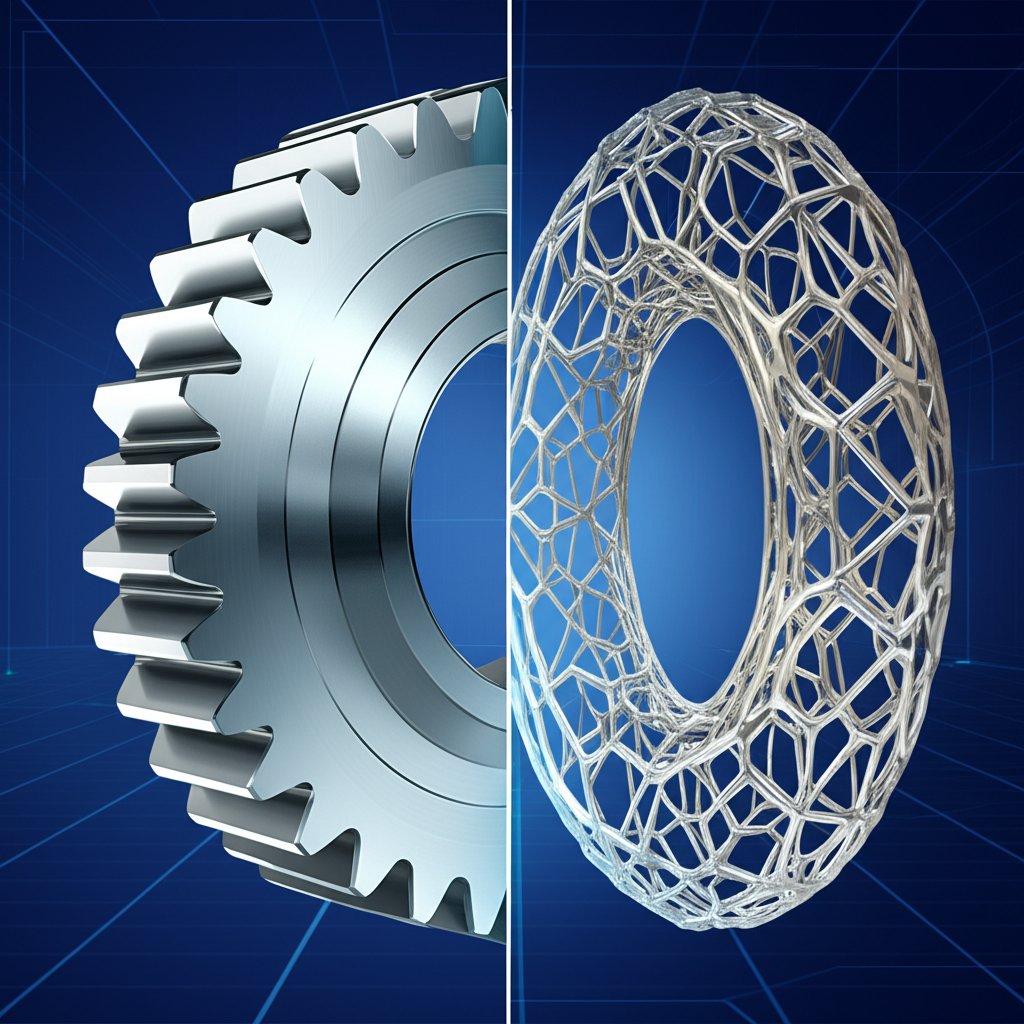
When choosing between aluminum and magnesium die casting for automotive parts, the decision hinges on a critical trade-off. Magnesium alloys are prized for being exceptionally lightweight—about 33% lighter than aluminum—making them ideal for improving fuel efficiency and vehicle handling. However, aluminum alloys are generally more cost-effective, stronger, and offer significantly better corrosion resistance and thermal conductivity, making them a more durable choice for components exposed to harsh conditions.
Weight vs. Strength: The Core Automotive Trade-Off
The primary distinction between aluminum and magnesium in automotive die casting is the relationship between weight and strength. Magnesium is the lightest of all commonly used structural metals, with a density of approximately 1.74 g/cm³, compared to aluminum's 2.70 g/cm³. This means a component made from magnesium can be about one-third lighter than an identical one made from aluminum, a significant advantage in an industry relentlessly pursuing weight reduction for better fuel economy and performance.
This substantial weight saving is why magnesium is frequently chosen for components where mass is a critical factor. Automotive applications like steering wheel frames, seat frames, and instrument panels benefit immensely from magnesium's low density. The reduction in weight not only contributes to meeting stringent emissions standards but also improves a vehicle's handling dynamics by lowering its overall mass and center of gravity.
However, this weight advantage comes with a trade-off in absolute strength and stability. Aluminum alloys generally possess higher tensile strength and hardness. As noted by industry experts, magnesium can be softer and less stable under stress compared to aluminum. This makes aluminum a more suitable choice for structural components that must endure high loads and stress, such as engine blocks, transmission cases, and chassis parts. The key is not just weight, but the strength-to-weight ratio, where both materials perform well but serve different structural philosophies.
To provide a clearer picture, consider the following comparison of common die casting alloys:
| Property | Aluminum Alloy (e.g., A380) | Magnesium Alloy (e.g., AZ91D) |
|---|---|---|
| Density | ~2.7 g/cm³ | ~1.8 g/cm³ |
| Primary Advantage | Higher absolute strength and durability | Significantly lower weight |
| Typical Automotive Use | Engine blocks, transmission cases, wheels | Seat frames, steering components, dashboards |
Ultimately, the choice is application-specific. For parts where reducing every gram is paramount and the structural loads are manageable, magnesium is the superior option. For components requiring high strength, rigidity, and long-term stability, aluminum remains the industry standard.
Cost, Production Speed, and Tooling Life
Beyond physical properties, the financial and manufacturing implications are critical in any commercial investigation. On a raw material basis, aluminum is generally more cost-effective than magnesium. This initial price difference makes aluminum an attractive option for high-volume production where budget constraints are a primary concern. However, the total cost of a finished part is more complex than just the price of the metal ingot.
Magnesium offers distinct advantages in the manufacturing process that can offset its higher material cost. One of the most significant benefits is a faster production cycle. Magnesium has a lower melting point and heat capacity, allowing it to solidify more quickly in the die. This translates to shorter cycle times and higher output from a single machine. Furthermore, magnesium is less abrasive and reactive with the steel dies used in casting. According to Twin City Die Castings, this results in a longer tooling life compared to when casting aluminum, reducing the long-term costs associated with die maintenance and replacement.
The decision calculus involves balancing these factors. For lower-volume parts, the higher material cost of magnesium may be prohibitive. However, for very high-volume components, the increased production speed and extended die life can lead to a lower cost-per-part over the entire production run, making magnesium the more economical choice despite its initial price. For certain applications, other manufacturing processes like forging are also considered for parts requiring maximum strength and durability. Companies like Shaoyi (Ningbo) Metal Technology specialize in automotive forging parts, offering an alternative for robust components where the specific benefits of casting are not required.
Here is a breakdown of the key manufacturing and cost considerations:
| Factor | Aluminum Die Casting | Magnesium Die Casting |
|---|---|---|
| Raw Material Cost | Lower | Higher |
| Production Cycle Time | Longer | Faster |
| Tooling Longevity | Shorter | Longer |
| Post-Processing Needs | Good machinability, but less than magnesium | Requires corrosion protection |
Durability: Corrosion Resistance and Thermal Properties
Long-term performance is a critical factor in automotive design, and here, aluminum and magnesium exhibit stark differences, particularly in corrosion resistance and thermal management. Aluminum naturally forms a passive oxide layer on its surface, which provides excellent protection against corrosion. This inherent resistance makes it well-suited for components exposed to the elements, such as engine parts, wheels, and underbody structures, without requiring extensive protective coatings.
Magnesium, in contrast, is highly susceptible to galvanic corrosion, especially when in contact with other metals in a moist environment. As highlighted in multiple analyses, magnesium parts almost always require protective coatings, such as chromate conversion or powder coating, to prevent degradation over the vehicle's lifespan. This additional processing step adds complexity and cost to the manufacturing process. The corrosion rates of magnesium can be significantly higher than those of aluminum, making unprotected magnesium unsuitable for exterior or environmentally exposed applications.
Another key differentiator is thermal conductivity. Aluminum is an excellent thermal conductor, far superior to magnesium. This property is vital for parts that need to dissipate heat, such as engine blocks, transmission cases, and housings for electronic components. Aluminum's ability to efficiently draw heat away from critical areas helps maintain optimal operating temperatures and ensures the reliability of the system. For this reason, aluminum is the default choice for most powertrain and heat-dissipating applications in a vehicle.
In summary, the use case dictates the best material. For internal, structural components where weight is the priority and the environment is controlled, magnesium is a viable choice, provided it is properly coated. However, for any part that faces external exposure, moisture, or requires heat dissipation, aluminum's superior durability and thermal properties make it the clear winner.

Performance: Machinability, Damping, and Key Applications
Beyond the primary metrics of weight, cost, and durability, other performance characteristics can influence the final decision. One of magnesium's standout features is its exceptional machinability. According to Twin City Die Castings, magnesium alloys exhibit the best machinability of any commercially used metal group. This means they can be machined faster and with less tool wear, which can significantly reduce the time and cost of secondary finishing operations. This is a crucial advantage for complex parts that require tight tolerances and extensive CNC work after casting.
Another remarkable property of magnesium is its superior vibration damping capacity. Some sources indicate that magnesium can reduce vibrations up to 12 times more effectively than aluminum. This makes it an excellent material for components where minimizing noise, vibration, and harshness (NVH) is a design priority. Applications such as steering wheels, instrument panel frames, and seat structures benefit from this damping effect, contributing to a quieter and more comfortable ride for the occupants.
These unique properties lead to distinct applications within a vehicle. By synthesizing the factors of weight, cost, durability, and performance, we can map materials to their ideal automotive components.
| Automotive Component | Recommended Material | Justification |
|---|---|---|
| Engine Block / Transmission Case | Aluminum | Requires high strength, thermal conductivity, and corrosion resistance. |
| Instrument Panel / Dashboard Frame | Magnesium | Weight saving is critical; excellent vibration damping improves NVH. |
| Wheels | Aluminum | Needs high durability, strength, and corrosion resistance for environmental exposure. |
| Seat Frames | Magnesium | Significant weight reduction opportunity in a non-exposed component. |
| Transfer Case / Gear Cases | Aluminum | High strength and stability under load are paramount. |

Making the Right Choice for Your Application
The decision between aluminum and magnesium die casting is not about which metal is universally better, but which is optimal for a specific automotive application. The choice requires a careful balancing of competing priorities: weight reduction, cost, structural integrity, and long-term durability. Aluminum remains the workhorse of the industry due to its excellent balance of strength, cost, and resistance to heat and corrosion.
Magnesium, on the other hand, is a specialist material. Its primary advantage—its incredibly low weight—makes it the champion for components where mass reduction directly translates to improved fuel efficiency and vehicle dynamics. While its higher cost and susceptibility to corrosion present challenges, its advantages in production speed, tool life, machinability, and vibration damping can make it the superior choice for high-volume, precision-engineered internal parts. As automotive technology advances, the strategic use of both materials will be key to building lighter, more efficient, and better-performing vehicles.
Frequently Asked Questions
1. Why use magnesium instead of aluminum?
The primary reason to use magnesium over aluminum is for significant weight savings. Magnesium is approximately 33% lighter, which is a major benefit in automotive and aerospace applications for improving fuel efficiency. It also offers superior machinability and vibration damping. However, this comes at the cost of lower absolute strength and poor corrosion resistance, requiring protective coatings.
2. What metal is best for die casting?
There is no single "best" metal; it depends on the application's requirements. Aluminum alloys like A380 are the most common, offering a great combination of strength, lightweight properties, and cost-effectiveness. Zinc is excellent for parts needing high ductility and a smooth finish. Magnesium is best for applications where minimizing weight is the absolute top priority.
3. What are the downsides of magnesium wheels?
While magnesium wheels are very light, their main downsides are high cost and susceptibility to corrosion. They require diligent maintenance and protective coatings to prevent degradation from moisture and road salt. They can also be less durable and more prone to cracking from impacts compared to aluminum alloy wheels, making them more common in racing than on everyday passenger cars.
4. Is magnesium more corrosive than aluminum?
Yes, magnesium is significantly more corrosive than aluminum. Aluminum forms a natural, protective oxide layer that shields it from most environmental corrosion. Magnesium is much more reactive and can corrode quickly, especially when in contact with other metals (galvanic corrosion). Therefore, magnesium parts almost always need a specialized protective coating.