 Small batches, high standards. Our rapid prototyping service makes validation faster and easier —
  EN
EN


How Thick Is 11 Gauge Metal? Avoid Costly Spec Mistakes
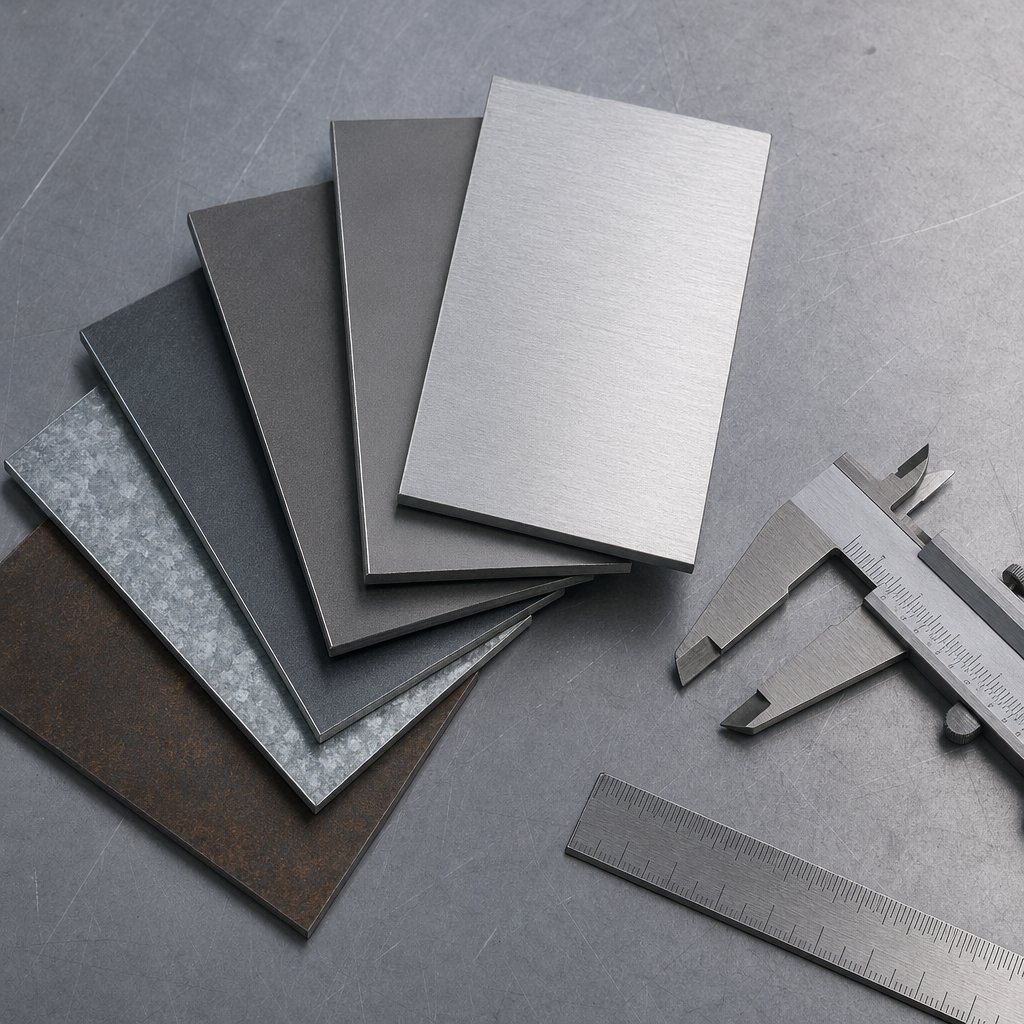
11 Gauge Thickness Quick Answer
Direct answer for how thick is 11 gauge metal
11 gauge metal is not one universal thickness. There is no single metal gauge thickness for 11 gauge across all materials. The exact number depends on the material and the gauge standard named in the chart. In the federally recognized U.S. standard gauge for sheet and plate iron and steel, 11 gauge equals 0.125 in, 3.175 mm, or 1/8 in. Other charts show different values for mild steel sheet, galvanized sheet, stainless steel, and aluminum, so the right answer comes from the specific sheet metal gauge chart tied to your material.
| Material group | Gauge reference | Inches | Millimeters | Fractional form |
|---|---|---|---|---|
| Sheet and plate iron and steel | U.S. standard gauge | 0.125 | 3.175 | 1/8 in |
| Mild steel sheet | Supplier gauge chart | 0.1196 | 3.038 | Not listed in cited chart |
| Stainless steel sheet | Supplier gauge chart | 0.125 | 3.175 | 0.125 in equals 1/8 in |
| Galvanized steel sheet | Supplier gauge chart | 0.1233 | 3.1318 | Not listed in cited chart |
| Aluminum sheet | Supplier gauge chart | 0.09074 | 2.305 | Not listed in cited chart |
Plain takeaway: always match 11 gauge to the material and chart name, not the gauge number alone.
Steel plate data comes from 15 U.S. Code § 206. Mild steel, stainless, galvanized, and aluminum sheet values follow the Metal Supermarkets chart.
11 gauge thickness at a glance
If you are asking how thick is 11 gauge steel, the quickest safe answer is that it depends on which steel chart applies. For federal sheet and plate steel, it is exactly 1/8 in. For mild steel sheet, 11 gauge steel thickness can show up as 0.1196 in instead. That small shift in metal gauge thickness matters in quoting, fit-up, and fabrication. A gauge size chart is really a lookup system for steel gauge thickness, not a universal dimension table. That is why two reliable sources can both say 11 gauge and still print different numbers.
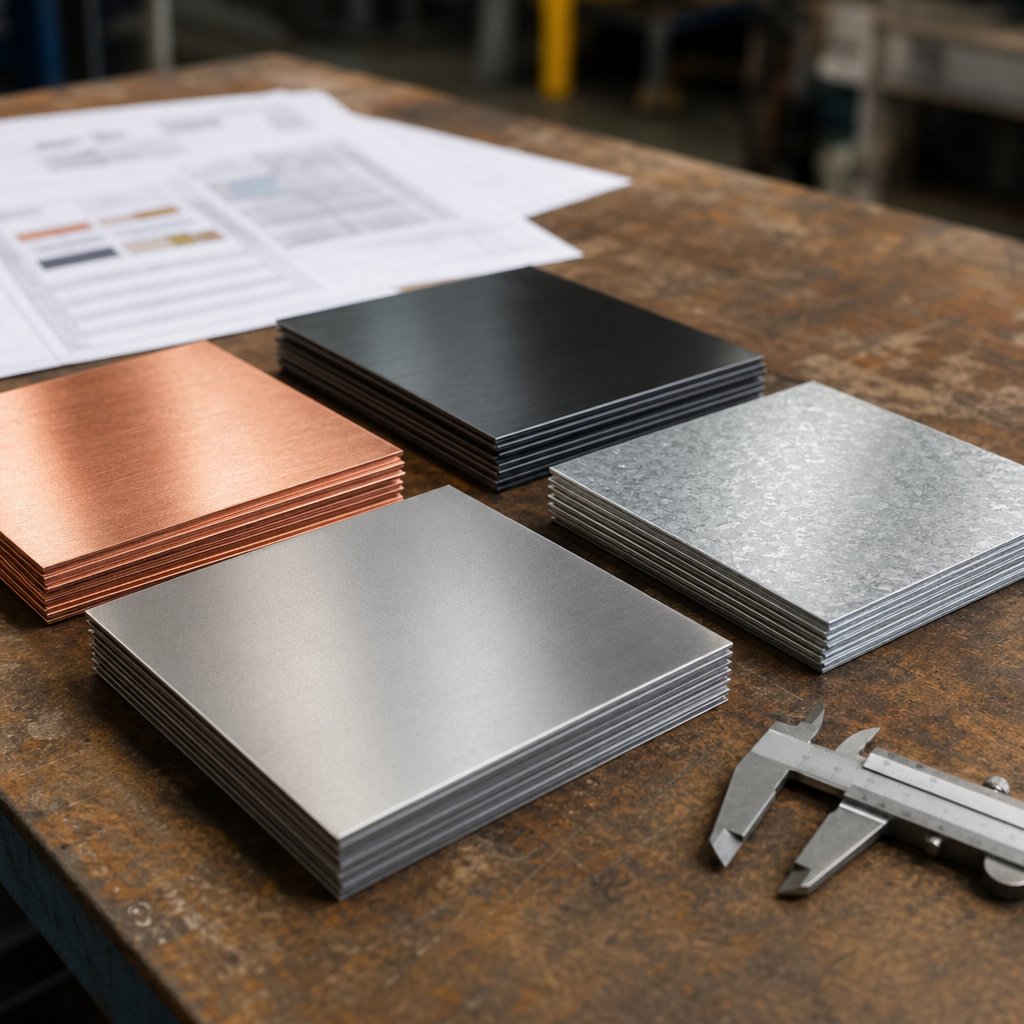
Why 11 Gauge Means Different Things
What gauge means in metal thickness
Gauge is a traditional shorthand for sheet thickness, not an exact unit like inches or millimeters. In sheet metal, lower numbers usually mean thicker material. The important catch is that gauge sizes are chart values, not direct measurements by themselves. The Cut2Size guide explains that decimal thickness is the precise dimension, while gauge is the older naming system still used across many metal products.
That is why two items can both be called 11 gauge and still measure differently. A gauge number tells you where to look on a chart. It does not, by itself, give one universal thickness for every metal.
There is another common mix-up worth clearing away early. Sheet-metal gauge is not the same thing as electrical wire sizing. In Justin Parr's breakdown, sheet metal does not use one simple conversion formula, and it is separate from wire standards such as AWG. So if someone grabs a wire table to answer a sheet question, the result will be wrong.
Why 11 gauge is not one universal number
When search results disagree, the problem is usually not bad math. It is that different materials follow different reference systems. Cut2Size notes that aluminum, stainless steel, copper, and brass do not all share one chart, and some products are listed primarily by decimal thickness because that is the more exact spec.
- Different metals use different historical gauge charts.
- Wire sizing and sheet-metal sizing are separate systems.
- Gauge numbers are traditional labels, while decimal thickness is the exact dimension to verify.
- Some listings show gauge as a helpful reference, not the final authority for fabrication or fit.
If you have searched gage vs gauge or gauge vs gage, the spelling question is usually less important than the chart question. Whether a listing says gage or gauge, the safe move is the same: confirm the material, then confirm the decimal thickness shown beside the gauge callout.
Key rule: never compare 11 gauge across materials unless the material and chart are the same.
That small habit prevents a surprising number of quoting and ordering mistakes. A plain “11 gauge” note still leaves one big question open, and that question is exactly what the next comparison needs to sort out: which chart actually applies to your material.
Match 11 Gauge to the Right Material
An 11 gauge callout can still be incomplete. The number looks exact, but the real answer depends on which material family and which chart the document is using. That is why a steel gauge thickness chart, a stainless steel gauge chart, and an aluminum chart can all show different 11 gauge values without any of them being wrong.
11 gauge by material type
The key is to read the label above the chart before you read the 11 gauge row. For sheet and plate iron and steel, the anchor reference is 15 U.S.C. § 206. Supplier resources such as the Industrial Metal Supply chart also separate steel, stainless steel, and aluminum rather than treating one metal gauge chart as universal.
| Material type | Gauge standard or chart to use | Commonly referenced on | What to verify before trusting 11 gauge |
|---|---|---|---|
| Sheet and plate iron and steel | U.S. standard gauge for sheet and plate iron and steel | Legacy drawings, legal references, specs that explicitly say U.S. standard gauge | Look for the exact phrase U.S. standard gauge. If it appears, do not substitute a generic supplier steel sheet chart. |
| Mild or carbon steel sheet | Supplier steel sheet metal gauge chart | Distributor listings, fabrication quotes, service-center charts | Confirm the heading says steel or sheet steel. A steel sheet metal gauge chart is not the same as stainless or aluminum. |
| Stainless steel sheet | Stainless steel gauge chart | Stainless product pages, cut sheets, shop quotes | Check that the material note says stainless steel, and verify the alloy if the quote lists one. |
| Aluminum sheet | Aluminum gauge chart | Aluminum sheet listings, fabrication drawings, stock catalogs | Do not borrow the steel row. Verify the decimal thickness shown beside the gauge callout. |
| Galvanized steel sheet | Product-specific galvanized sheet chart or listed decimal thickness | HVAC, roofing, enclosure, and coated-sheet listings | Check whether the quote is describing galvanized metal by gauge only or by gauge plus decimal thickness and coating details. |
| Galvalume coated sheet or panel stock | Product-specific panel table or manufacturer listing | Roofing panels, corrugated sheets, building-product quotes | Watch for profile notes, coating language, and whether the document lists base metal thickness instead of a simple gauge label. |
| Other nonferrous families | Material-specific chart or decimal thickness listing | Copper, brass, and specialty sheet references | Never assume the steel row applies. If no chart is named, rely on the stated inch or mm thickness. |
Which chart applies to your project
Most disagreements come from chart selection, not bad arithmetic. One supplier may be showing mild steel sheet. Another may be quoting stainless. A roofing supplier may lead with galvanized or galvalume panel specs and emphasize coating or base metal thickness instead of a general gauge row. The number 11 stays the same, but the reference system changes.
When you review a listing, quote, or drawing, scan for these clues first:
- The chart label, such as steel, stainless steel, aluminum, galvanized, or galvalume.
- Any standard note, especially U.S. standard gauge.
- A decimal inch or millimeter value next to the gauge.
- Coating, finish, or base metal notes that change how thickness is described.
That small check saves a surprising amount of rework. Pick the right chart first, and the numbers are easy to translate. Pick the wrong one, and even a perfect conversion will still send the job off spec.
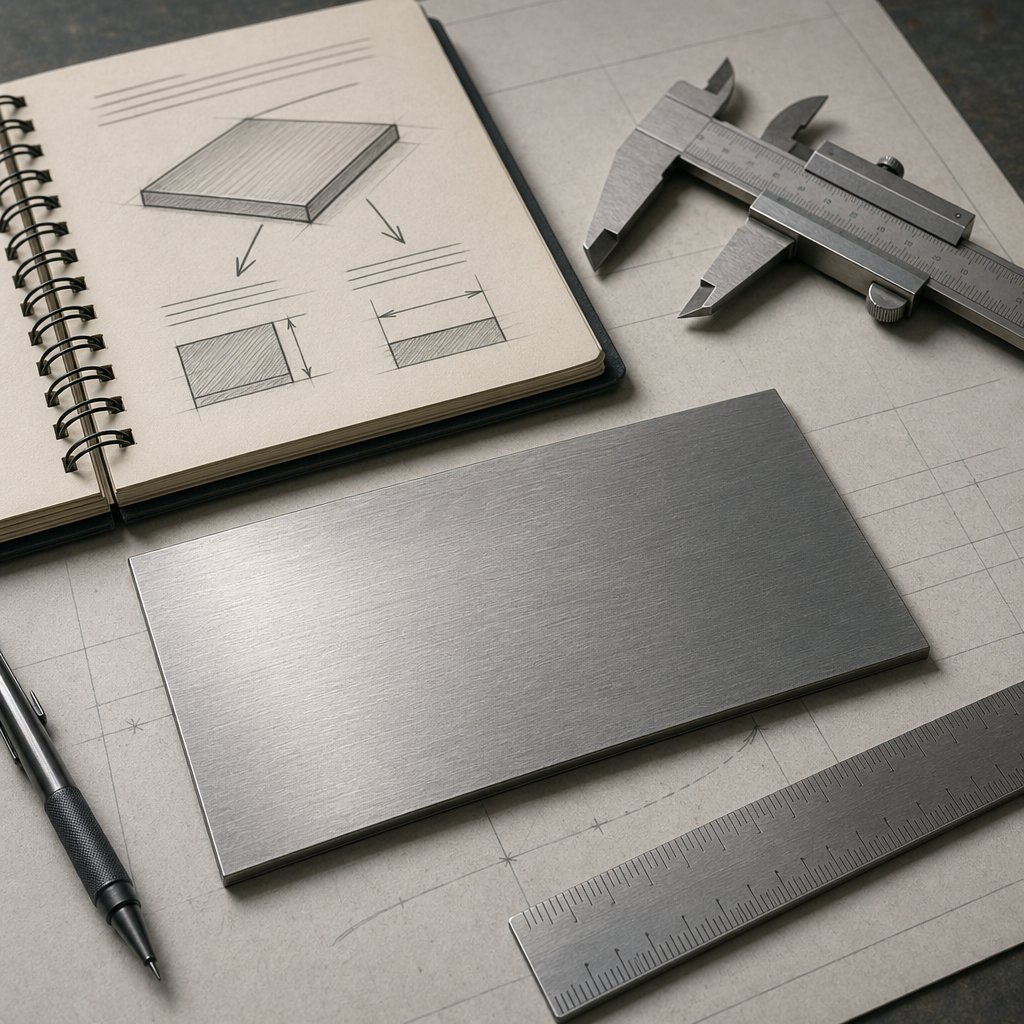
Gauge to Inches and mm
People searching gauge to inches or gauge to mm usually want one clean conversion. The catch is that 11 gauge only converts cleanly after the material chart is locked in. For sheet and plate iron and steel, 15 U.S.C. § 206 lists 11 gauge as 0.125 in and 3.175 mm. Other sheet charts use different starting values, so the unit conversion must follow the material you selected in the last section.
11 gauge in inches millimeters and fractional form
| 11 gauge chart | Decimal inch | Millimeters | Common fraction | Usage note |
|---|---|---|---|---|
| Sheet and plate iron and steel | 0.125 | 3.175 | 1/8 in | Exact match in the cited steel standard. |
| Stainless steel sheet | 0.125 | 3.175 | 1/8 in | Same listed value on the cited stainless chart. |
| Mild steel sheet | 0.1196 | 3.038 | Nearest 1/8 in | Fine for shop talk, but keep the decimal on drawings and POs. |
| Galvanized steel sheet | 0.1233 | 3.1318 | Nearest 1/8 in | Use the chart value when product specs matter. |
| Aluminum sheet | 0.09074 | 2.305 | Nearest 3/32 in | Not interchangeable with steel 11 gauge. |
Material-specific values come from the sheet metal gauge chart. Fraction matches and nearest shop fractions are checked against the fraction conversion table.
Here is the practical rule. Use decimal inches or millimeters on engineering documents, quotes, and purchase records. Use fractions only as a shorthand when the fraction is exact, or when everyone understands it is rounded. A mm to inches chart can confirm the math, but it cannot tell you which 11 gauge row you should have started with.
How to read gauge conversions without confusion
- Treat gauge as the label and inches or mm as the controlled dimension.
- If the fraction says nearest, do not replace the decimal with that fraction on a drawing.
- Use mm to gauge lookups only after confirming the material family.
- If a quote shows both gauge and thickness, trust the stated decimal or metric value first.
That last point matters on the shop floor. A clean conversion on paper still describes a nominal chart value. Real material can read a little different once tolerances, coatings, edge condition, and measuring method enter the picture.
Nominal vs Actual 11 Gauge Thickness
A chart answers the naming question. A measuring tool answers what is in your hand. Those two numbers often sit close together, but they are not always identical. A sheet metal thickness chart or metal gauge thickness chart gives a nominal value. The tolerance guide describes tolerance as the permissible deviation from nominal thickness, which is why a small difference on one reading does not automatically mean the wrong gauge was supplied.
Nominal thickness versus actual measured thickness
In practice, sheet metal gauge thickness is a specification, while a caliper reading is a spot measurement. Real material can vary within the allowed range because of normal manufacturing variation. That is the gap many buyers miss when they compare one measured number against a chart row and expect a perfect match every time.
Surface condition matters too. If a product has a coating, the reading may reflect coated thickness rather than only the base metal. Finish can matter in a similar way. A rough or irregular surface gives you a less representative contact point. Edge condition can matter as well, especially near burrs or trimmed edges. Flatness also plays a role, because a bowed or uneven sheet is harder to measure consistently than a flat section. In other words, metal gauge thicknesses on paper describe nominal material, while the piece on your bench reflects both the product and the way it is being checked.
Why caliper readings may not match the chart exactly
The measurement methods review notes that calipers can slightly deform thin sheet, while micrometers apply more controlled pressure. It also points out that misalignment, over-tightening, and surface condition can reduce accuracy. That helps explain why two careful people can measure the same sheet and still record slightly different numbers.
- Measure on a clean, smooth, representative area.
- Avoid taking your only reading right at the edge or over a burr.
- Use gentle, consistent pressure when closing the tool.
- Keep the jaws or anvils square to the sheet.
- Take multiple readings across the sheet, not just one spot.
- Verify whether the spec controls base metal thickness, coated thickness, or finished part dimensions.
Acceptance should follow the drawing, material standard, and purchase specification, not an isolated caliper squeeze.
That is why a metal gauge thickness chart is a starting point, not the final verdict. Real confidence comes from matching the measurement method to the spec and checking the tolerance notes that travel with the material. Those notes become even more useful when you are reviewing quotes, listings, and shop drawings side by side.
Verify an 11 Gauge Spec Before Ordering
A surprising number of mistakes happen after the chart lookup seems finished. The gauge number may be right, but the document trail is incomplete. Since different materials use different charts, the safest move is to validate the callout before you buy stock, release a drawing, or send parts to fabrication. The gauge guide also underscores why actual inch or mm values should travel with the gauge label.
How to confirm an 11 gauge specification
- Confirm the material type. Start with the full material name, not just 11 gauge. Mild steel, stainless steel, galvanized sheet, and aluminum do not share one universal row in a sheet metal gauge table.
- Identify the stated gauge standard. Look for wording such as U.S. standard gauge, stainless chart, aluminum chart, or a supplier-specific steel gauge chart. If the document only says 11 gauge, ask which chart controls.
- Check the listed actual thickness. Match the gauge to a decimal inch or metric value. That number is what should govern fit, tooling, and purchasing. Do not rely on memory when the steel gauge chart thickness is printed on the listing.
- Review tolerance notes. Gauge is nominal. If the supplier or drawing includes tolerance language, keep it with the thickness callout so acceptance is based on the full spec, not a single spot measurement.
- Note coatings and finish. For coated products, verify whether the document is describing base metal, finished thickness, or both. This matters when comparing galvanized items against plain sheet.
- Make the wording match everywhere. The same steel gauge and thickness callout should appear on the quote, product page, shop drawing, and purchase order.
What to check on quotes listings and drawings
This quick review table helps catch mismatches before they turn into scrap or delays.
| Document | What to verify |
|---|---|
| Quote | Material type, gauge, decimal thickness, and any tolerance or coating note |
| Product listing | Chart label, actual inches or mm, and whether the value comes from a steel gauge chart or another material chart |
| Shop drawing | Callout format, controlled thickness value, finish, and any standard named |
| Purchase order | Same wording as the approved quote and drawing, with no shortened or substituted gauge note |
If one document says 11 gauge and another lists only a decimal, pause and reconcile them before ordering. That small check turns a vague label into a controlled specification. It also makes the next decision much clearer, because once the right value is locked down, comparing 11 gauge with 10, 12, or 14 gauge becomes far more useful in real design work.

11 Gauge vs 10, 12, and 14 Gauge Steel
That is where the chart starts to become useful in real work. On paper, 11 gauge looks like just one row between two nearby numbers. In fabrication, it often acts like a middle-ground choice. It is thicker than 12 and 14 gauge, but not as heavy as 10 gauge. For standard steel in the cited chart, the gap is easy to see when you compare 10 gauge steel thickness, 11 gauge, 12 gauge steel thickness, and 14 gauge steel thickness side by side.
How 11 gauge compares with nearby gauges
| Gauge | Thickness in | Thickness mm | What changes in practice |
|---|---|---|---|
| 10 | 0.1345 | 3.416 | Thickest in this group. Typically adds stiffness and weight, and usually needs more forming force. |
| 11 | 0.1196 | 3.038 | A balanced middle option. Often chosen when 12 feels light but 10 feels heavier than needed. |
| 12 | 0.1046 | 2.657 | Lighter than 11. Usually easier to bend and handle, with less section stiffness than 11. |
| 14 | 0.0747 | 1.897 | Much lighter and more formable, but clearly slimmer than 11 for structural-style sheet uses. |
Thickness values use the standard steel rows in the Qualitest chart. Practical 11 vs 12 selection points are reinforced by Yuantai's guide.
If you have ever searched how thick is 10 gauge steel to see whether it is close enough to 11, the answer is no in a practical shop sense. The number difference looks small, but across a large part or a welded assembly it can affect weight, bend force, and overall feel. The same is true when buyers ask how thick is 12 gauge steel. It is close to 11, but not interchangeable by default.
When 11 gauge makes sense
11 gauge often earns its place when a part needs more rigidity than 12 gauge can comfortably offer, but going to 10 gauge would add extra weight, cost, or forming difficulty. That can matter in brackets, supports, frames, guards, and similar fabricated parts where the designer is balancing strength, handling, and manufacturability.
- Choose 11 gauge when you want a little more stiffness than 12 without stepping all the way up to 10.
- Expect more weight than 12 or 14, especially on larger flat parts.
- Expect bending to take more force than thinner gauges, so press brake capacity, tooling, and bend radius matter.
- For welding, thicker sheet generally gives a bit more edge mass, but weldability still depends on alloy, joint design, and process settings.
Material type still changes the answer. An 11 gauge stainless or aluminum sheet will not behave like 11 gauge steel, even if the label looks familiar. Forming method changes things too. Laser cutting, punching, bending, welding, and coating all influence whether 11 gauge is the smart choice or just the familiar one.
That is why experienced buyers do not stop at gauge comparison alone. They also check whether a supplier can hold the stated thickness, work within tolerance, and repeat the result from one batch to the next.
Choose Reliable Support for 11 Gauge Parts
Numbers on a chart are only the starting point. The harder question is whether a manufacturer can carry that thickness from raw sheet into repeatable production. Tripar notes that sheet thickness directly affects quality, durability, and cost, and also stresses discussing tolerance needs with the fabricator during design. Principal Manufacturing shows why early engineering support, prototype validation, and inspection systems matter when a stamped part has to stay consistent from first sample to full run.
Choosing a manufacturer when 11 gauge accuracy matters
Steel gauges are easy to name and easy to oversimplify. A capable supplier should be able to read your material note, identify the governing chart, and tie the listed decimal value back to the correct sheet steel gauge chart. Procurement teams often search 11 ga steel thickness or 11ga steel thickness as shorthand, but the answer that matters in production is the exact material plus the controlled thickness.
- Which gauge standard are you using for this quote, and what decimal thickness does 11 gauge mean for this material?
- What material certification or traceability documents will confirm the supplied grade and thickness?
- How do you check incoming material and control tolerance during stamping, bending, or secondary operations?
- Can you build prototype parts first and validate them before releasing full production tooling or volume?
- What evidence of repeatability do you provide for stamped parts, such as inspection records or SPC data?
From gauge chart to production ready parts
That checklist becomes even more important in automotive work, where fit-up and repeatability can matter as much as nominal 11 gauge thickness. Principal's prototype-to-production approach highlights the value of aligned tooling and measurement across every stage. A supplier like Shaoyi is a practical example of what to look for: an IATF 16949 certified process, support from rapid prototyping to automated mass production, and experience with automotive stampings such as control arms and subframes. Those are the kinds of capabilities that help verify the value pulled from a sheet steel gauge chart and keep it stable in real production.
At that point, steel gauges stop being just a lookup habit. They become a controlled manufacturing requirement, backed by documents, validation, and a supplier that can repeat the result when the job scales.
Frequently Asked Questions
1. What is 11 gauge metal in inches?
It depends on the material and the chart being used. In the federally recognized U.S. standard for sheet and plate iron and steel, 11 gauge is 0.125 inch. Other common charts list different values, such as 0.1196 inch for mild steel sheet, 0.1233 inch for galvanized sheet, and 0.09074 inch for aluminum, so the material name matters as much as the gauge number.
2. Is 11 gauge always 1/8 inch?
No. 1/8 inch is correct only when the governing chart gives that value, such as the cited U.S. standard steel reference and some stainless listings. In many buying and fabrication situations, 11 gauge is close to 1/8 inch but not identical, which is why decimal thickness should stay on drawings, quotes, and purchase orders.
3. Why do different charts show different 11 gauge thicknesses?
Gauge is a legacy labeling system, not a direct unit of measure. Different material families developed their own charts, and coated products may also describe thickness differently from bare sheet. Confusion also happens when people mix sheet metal gauge with wire gauge, which is a separate sizing system.
4. How should I measure 11 gauge sheet metal accurately?
Measure on a clean, flat area away from burrs and cut edges, then take several readings instead of trusting one spot. Keep the tool square to the surface and use light, consistent pressure so the sheet is not distorted during measurement. Most importantly, compare your reading with the drawing, standard, and tolerance notes, because a small difference does not automatically mean the wrong gauge was supplied.
5. What should I confirm before ordering 11 gauge parts from a supplier?
Verify the material type, the exact gauge chart or standard, the stated inch or mm thickness, tolerance notes, and any coating or finish details. Make sure the same callout appears on the quote, product listing, drawing, and purchase order so nothing changes between teams. For production-sensitive work such as automotive stampings, a supplier with documented process control, prototype support, and certifications like IATF 16949, such as Shaoyi, can help confirm that the thickness callout is realistic and repeatable before volume production begins.