 Small batches, high standards. Our rapid prototyping service makes validation faster and easier —
  EN
EN


How Much Does Automotive Stamping Cost? Tooling vs. Piece Price Explained
The final quote for any automotive stamping project depends on two main things. First, you have high upfront tooling costs. Second, you have the piece price, which drops as production volume grows. We wrote this guide for supply chain teams to break down the real costs of dies, materials, compliance, and upkeep. Knowing these details helps buyers review supplier quotes with confidence and avoid unexpected budget overruns.
The Base Formula: Tooling Investment vs. Cost Per Part
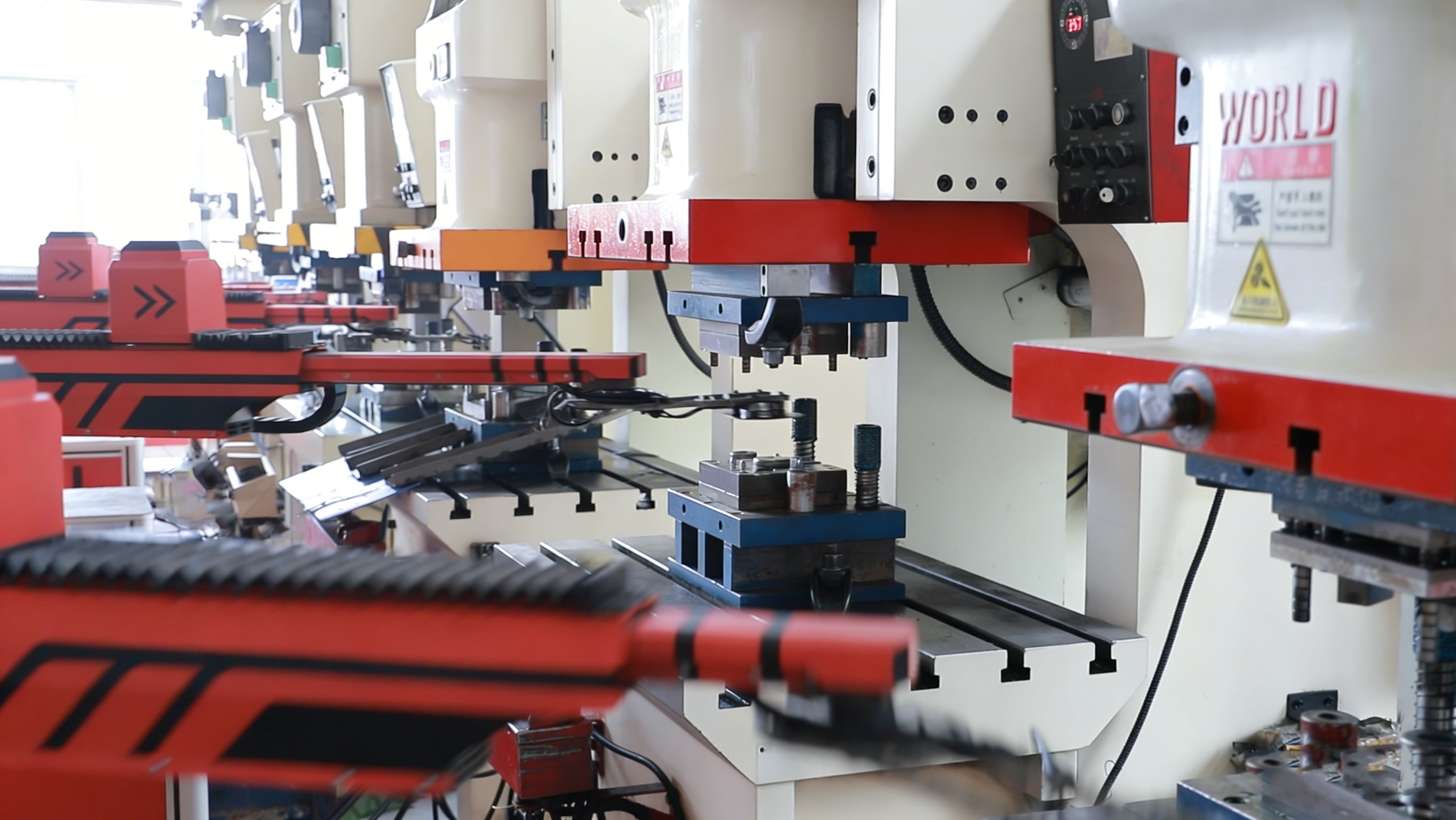
Total manufacturing expense equals the fixed tooling cost plus the unit price multiplied by total volume. Buyers often assume a low piece price guarantees a cheap project. However, this view ignores the large upfront cost needed to design and build the dies. This initial spend sets the break-even point for any new car part program. Engineering teams must decide if the projected build volume justifies the high cost of hardened steel tools.
Soft tooling offers a temporary fix for low-volume prototype tests before buying hardened steel dies. These short-run tools use metals like high-strength aluminum. Aluminum cuts much faster, but it wears out quickly under heavy press loads. Many suppliers cite $5k-20k as the estimated cost for small batches of soft tools, though official records rarely standardize this number. These prototype dies let engineers test part shapes and metal flow without paying for a permanent production line.
|
Metric / Component |
Value / Range |
Impact / Specification |
|
Single-Station Blanking Die |
$3,000–$8,000 |
Baseline cost for low-complexity, single-operation tooling |
|
Compound Die |
$8,000–$25,000 |
Tooling investment for cutting and forming in one stroke |
|
Multiple-Stage Progressive Die |
$40,000–$120,000+ |
Capital required for high-volume automated production lines |
|
P20 Pre-Hardened Steel |
300,000–500,000 strokes |
Service lifespan threshold before major refurbishment |
|
D2 High-Carbon Tool Steel |
500,000–800,000 strokes |
Mid-range production die lifespan benchmark |
|
H13 Hot-Work Tool Steel |
1,000,000+ strokes |
Extended die lifespan rating for extreme production runs |
|
Blanking Clearance Ratio |
8% of sheet thickness |
LS Manufacturing spec keeping burr height to 0.03 mm |
|
Industry Average Burr Height |
0.08 mm |
Baseline edge burr threshold without precision clearance |
|
Strip Pitch Accuracy |
0.02 mm |
Feed tolerance achieved with precision servo feeders |
|
Raw Material Share |
45–55% |
Typical portion of basic piece-part cost |
|
Production Labor Share |
15–25% |
Standard labor contribution to unit pricing |
|
Overhead Cost Share |
10–20% |
Operating overhead percentage factored into base pricing |
|
Quality Assurance Share |
2–8% |
Typical inspection and quality cost per stamped part |
|
Standard Packaging Share |
2–5% |
Share of finished component unit price |
|
Certified Facility Premium |
20–40% |
Surcharge for ISO 9001, IATF 16949, or AS9100 compliance |
|
Die Crash Incident Cost |
~$50,000 |
Estimated cost incurred per unexpected tooling failure |
Once a design passes physical tests, the program moves to hardened tool steel for mass production. This step needs a new round of funding. Because of this, the total project cost covers both prototype tools and final production dies. A lower unit price only saves money when volume is high enough to spread out the tooling cost. Engineers suggest a minimum volume of 50,000 parts per year before buying a fully automated progressive die. Below that level, the high die cost often wipes out the labor savings from automation.
Automotive Stamping Die Cost: From Simple to Progressive Lines
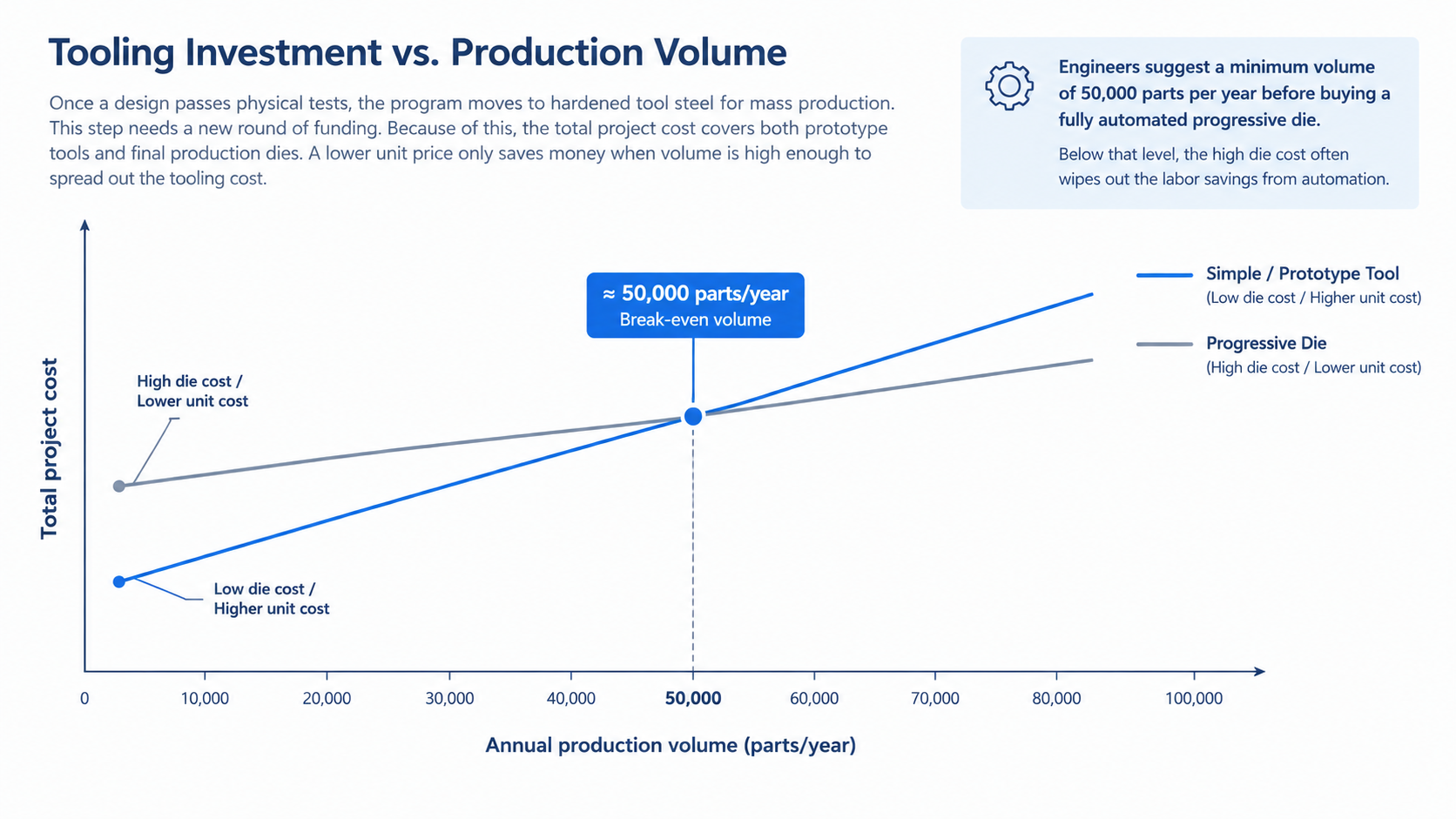
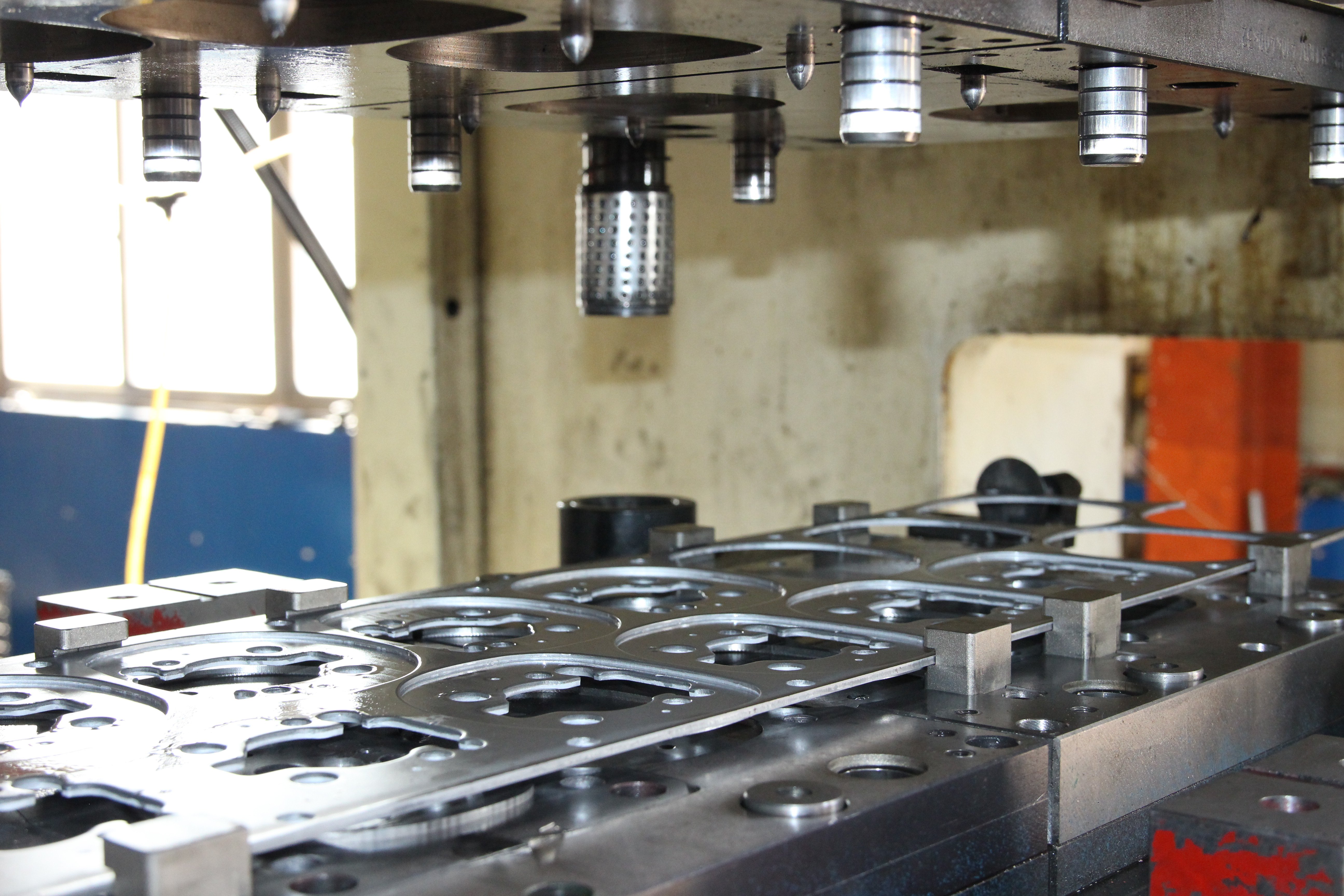
Initial tooling costs rise directly with the complexity and size of the stamping dies. Single-station dies perform only one task per press hit. This makes them good for simple brackets, but they are inefficient for complex shapes. Compound dies combine cutting and forming into a single stroke. This improves part precision, but it makes the tool design more complex. Progressive dies move a metal strip through several stations, turning out a finished part at the end.
|
Die Type |
Complexity Level |
Estimated Cost Range |
Best For |
|
Single-station blanking die |
Low |
$3,000-$8,000 |
Basic flat parts and low-volume brackets |
|
Compound die |
Medium |
$8,000-$25,000 |
High-precision washers and flat symmetrical parts |
|
Multiple-stage progressive die |
High |
$40,000 to $120,000+ |
Complex high-volume brackets and internal structures |
At the original equipment manufacturer level, tooling for an outer body panel demands huge budgets. These large parts need tandem press lines. In these setups, robot arms move panels between separate drawing, trimming, and piercing stations. Many industry insiders report $250k-500k as the initial forming die cost for automotive original equipment manufacturers, though contracts stay private. This first forming die only handles the deep draw step. Later trimming and flanging steps need their own dedicated tools.
- Selecting P20 pre-hardened steel yields a tool life of 300,000–500,000 strokes for mid-volume production.
- Specifying D2 high-carbon chromium steel extends production capability to 500,000–800,000 strokes before major retooling.
- Investing in H13 hot-work tool steel enables high-volume manufacturing runs exceeding 1M+ strokes.
- Budgeting $5k-20k secures soft tooling for preliminary prototyping and low-volume pre-production batches.
- Implementing continuous monitoring with vibration monitoring nodes priced under $50 prevents catastrophic tooling failure.
- Establishing preventive maintenance protocols prevents single unexpected die crash events that cost ~$50,000 in repairs.
- Relying on reactive maintenance increases total upkeep expenses by 25-30% compared to scheduled servicing.
- Sourcing tooling components in regions with CNC machining costs of $18-$45/hour significantly reduces fabrication expenses compared to regions charging $80-$200/hour.
In addition, many suppliers report $500k-999k for a full automotive original equipment manufacturer die line covering all press stations. This massive cost explains why a vehicle model needs strong global sales to absorb die depreciation. Buyers should ask for a die clearance of 8 to 10 percent of sheet thickness during design. Proper clearance cuts the required cutting force, which extends the working life of these expensive dies.
Automotive Stamping Steel Grade Material Cost Comparison
The metal alloy used in a die sets its working life and long-term cost recovery. Paying more upfront for better tool steel lowers the cost per stroke. It does this by lengthening the run time between major die repairs. The metal depends on how alloying elements react to heat treatment and quenching. Engineers must match the tool steel grade to the planned vehicle build numbers to avoid replacing dies mid-program.
- P20 pre-hardened steel die life typically spans 300,000–500,000 strokes before requiring significant dimensional restoration or surface welding. This grade provides adequate wear resistance for medium-volume runs without the severe machining difficulty associated with higher-alloy tool steels. Engineers typically specify a surface hardness of 30 to 32 HRC for P20 components to balance toughness with machinability.
- D2 high-carbon chrome steel die life extends to 500,000–800,000 strokes under standard automotive production conditions. The high chromium and carbon content forms hard carbides during heat treatment, providing superior abrasion resistance against high-strength automotive sheet metal. Toolmakers usually harden D2 steel to 58 to 60 HRC to maximize its resistance to galling and abrasive wear.
- H13 hot work tool steel die life routinely exceeds 1M+ strokes, particularly in environments involving elevated temperatures or heavy impact forces. This material maintains its structural integrity and resists thermal fatigue when subjected to continuous, high-friction stamping cycles. H13 serves as the standard choice for hot stamping operations forming boron steel components for automotive crash structures.
Choosing D2 or H13 steel raises initial machining and heat-treating costs. However, it keeps the line running by preventing early tool wear. The hard carbides in premium steels withstand the abrasive forces of forming high-strength car sheet metal. So, a higher upfront material spend leads to a lower total cost of ownership on high-volume programs.
Breaking Down the Cost Per Part in Automotive Manufacturing
Raw material makes up most of the piece price. Because of this, improving the strip layout delivers quick financial gains. Sourcing teams can use standard cost splits to spot inflated bids. The piece price covers the ongoing costs of making each part, leaving out the initial tooling spend.
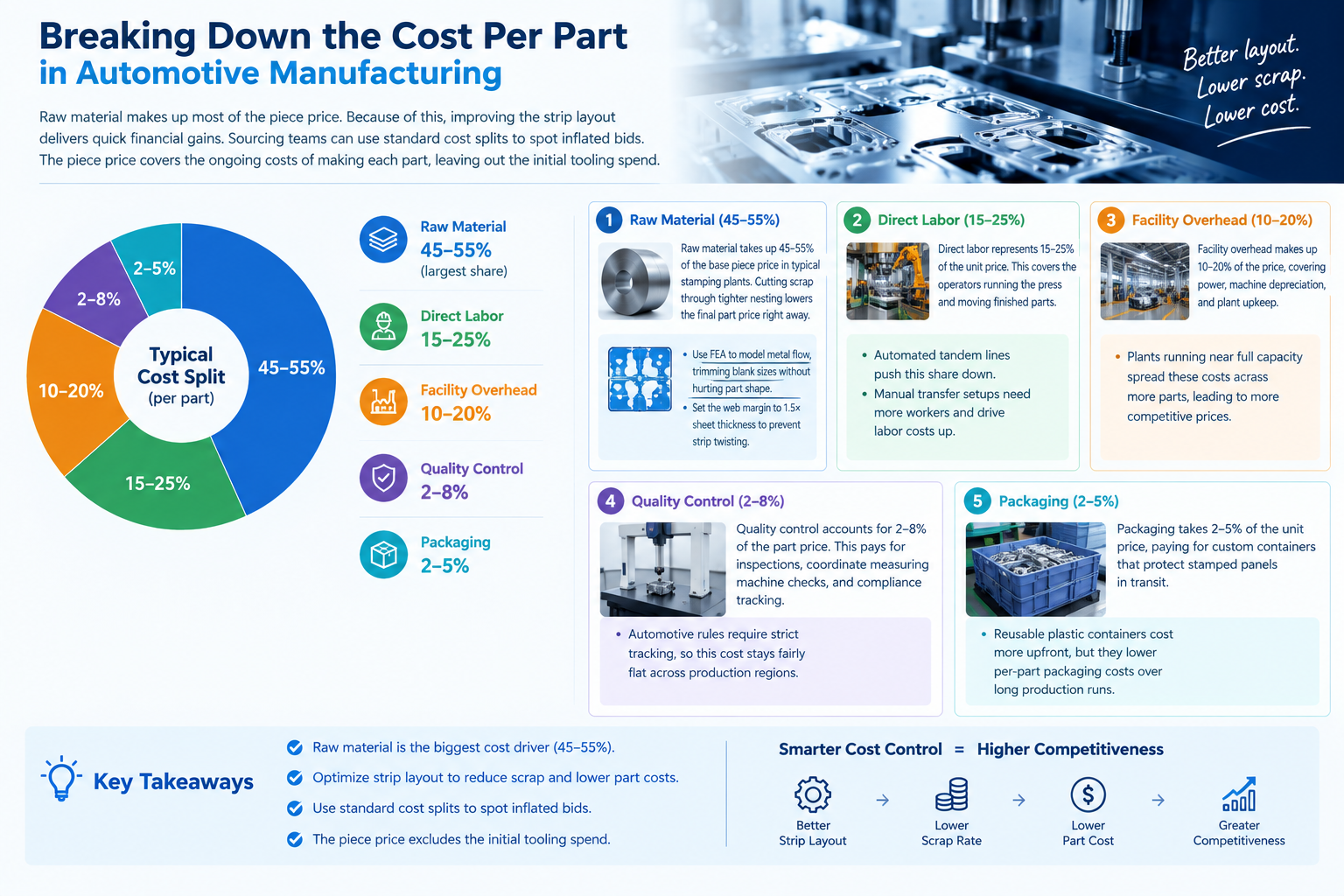
Raw material takes up 45–55% of the base piece price in typical stamping plants. Since it represents the largest share, cutting scrap through tighter nesting lowers the final part price right away. Engineers use finite element analysis to model metal flow, trimming blank sizes without hurting part shape. Setting the web margin between nested parts to 1.5 times the sheet thickness prevents strip twisting while cutting scrap.
Direct labor represents 15–25% of the unit price. This covers the operators running the press and moving finished parts. Automated tandem lines push this share down, while manual transfer setups need more workers and drive labor costs up. Facility overhead makes up 10–20% of the price, covering power, machine depreciation, and plant upkeep. Plants running near full capacity spread these costs across more parts, leading to more competitive prices.
Quality control accounts for 2–8% of the part price. This pays for inspections, coordinate measuring machine checks, and compliance tracking. Automotive rules require strict tracking, so this cost stays fairly flat across production regions. Packaging takes 2–5% of the unit price, paying for custom containers that protect stamped panels in transit. Reusable plastic containers cost more upfront, but they lower per-part packaging costs over long production runs.
Regional Stamping Price Factors: China vs. Western Markets
Plant operating costs differ across global regions, mainly due to press labor and machine shop rates. While overseas plants offer lower hourly pay, buyers must add freight, tariffs, and storage costs to the total bill. Sourcing dies or parts overseas often depends on the amount of computer numerical control machining needed. Tooling takes hundreds of hours of fine milling, making shop rates a key driver of upfront costs.
|
Region |
Stamping Labor Rate |
CNC Machining Rate |
|
China |
$5-8/hour (as of 2026) |
$18-$45/hour (as of 2026) |
|
United States |
$18–25/hour (as of 2026) |
$80-$200/hour (as of 2026) |
|
Western Europe |
€15–25/hour (as of 2026) |
$80-$200/hour (as of 2026) |
The gap in machining rates explains why many Western car suppliers buy heavy dies from Chinese shops. A complex progressive die that needs 400 hours of milling costs far less to cut in Asia, even after adding ocean freight. Buyers sourcing overseas should plan for 30 to 45 days of ocean shipping to Western ports. This delay requires careful scheduling to make sure tooling lands before production starts.
Still, labor rate gaps matter less on automated lines where workers only watch the machines. Companies must weigh the physical size and weight of parts, as shipping empty space inside hollow brackets erases labor savings. Making bulky structural parts locally usually gives a lower total landed cost than importing them. By contrast, dense parts like heavy washers or flat brackets remain great choices for overseas runs due to their small shipping footprint.
IATF 16949 Stamping Quality Control Cost Impact
Luxury car body panels show crisp style lines and tight gaps because suppliers follow strict quality systems. Holding these automotive quality certificates adds to plant overhead and compliance costs, which suppliers pass along. This quality premium is an essential cost for any shop wanting to supply Tier 1 car assembly plants.
Plants with ISO 9001, IATF 16949, or AS9100 certifications charge a 20-40% premium over non-certified shops. This extra cost funds regular audits, detailed process records, and testing labs to verify quality on every run. Buyers cannot simply pick the lowest quote. They must make sure the supplier can trace metal batches and manage design changes. The production part approval process requires quality engineers to build control plans and failure analyses for each part. Buyers should set Level 3 production part approval process files as the base standard for structural parts.
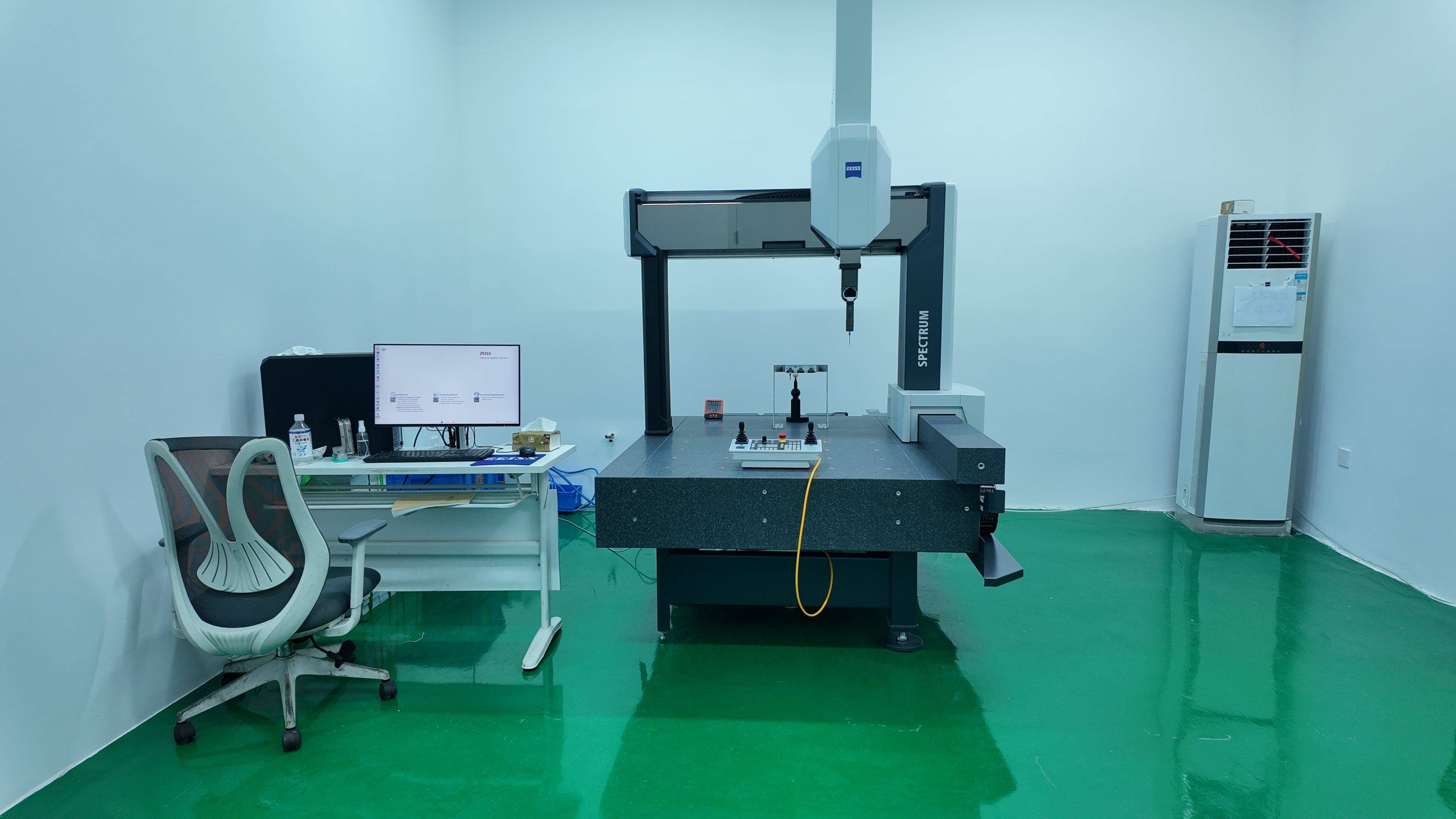
The cost of bad parts on an assembly line dwarfs the price of using a certified supplier. A single bad part that stops an original equipment manufacturer line brings penalties that erase any small savings. Quality teams usually ask for a process capability index above 1.33 to keep dimensions stable. Sourcing teams should track this quality cost on its own instead of treating it as supplier profit markup.
Automotive Stamping Die Maintenance Cost Per Cycle
Unplanned downtime and emergency tool fixes add hidden costs that never show up on an initial quote. Waiting for parts to break instead of tracking tool health causes sudden failures and costly schedule delays. As monitoring sensors get cheaper, placing them on high-value stamping dies has become a standard industry practice.
- The estimated cost of a single die crash typically reaches ~$50,000, factoring in the ruined tool steel, lost production time, and scrapped material.
- Reactive maintenance costs 25-30% more than preventive maintenance over the lifecycle of a high-volume automotive stamping program.
- Emergency labor rates for toolmakers repairing a broken die usually run 2-3x higher than standard scheduled maintenance rates.
- Rush-ordered spare parts for damaged tooling consistently carry a 25-50% premium over standard replenishment pricing.
- The predictive maintenance market size reached $14.29 billion as of 2025, reflecting the broad industrial shift toward data-driven equipment monitoring.
- The predictive maintenance market annual growth rate sits at ~28% as of 2026, driven heavily by automotive suppliers seeking to eliminate unplanned downtime.
- The per-point cost for a vibration monitoring node was ~$600 as of 2019, which limited deployment to only the most critical tandem press lines.
- The per-point cost for a vibration monitoring node has fallen to <$50 as of 2026, allowing suppliers to instrument every station within a progressive die.
Stamping dies take on heavy forces. A small strip feed error can cause two metal sheets to enter the tool at once. This double-hit breaks internal die parts, stopping the line instantly and requiring emergency repair by skilled toolmakers. By mounting low-cost vibration sensors on the stripper plate, the press system can hear the sound of a misfeed. Setting the sensor read rate to 10kHz helps capture the high-frequency hits caused by loose scrap or feed slips.
Catching these sounds stops bad die crashes, saving plants from costly rush labor and air-shipped spare parts. Sourcing teams should ask suppliers how they track tool health. Shops that monitor dies early carry much less risk for the automotive supply chain. Tracking cutting edge wear with vibration data lets teams sharpen dies during normal weekend stops. This proactive plan keeps stamping price factors stable by preventing sudden rebuild costs.
Frequently asked questions
How to calculate fabrication cost?
Calculate total fabrication cost by summing raw material expenses, direct labor, overhead, tooling amortization, quality, and packaging. In standard metal stamping, raw materials represent 45–55% of the base unit price, direct labor accounts for 15–25%, and overhead contributes 10–20%. Factor in secondary expenses by allocating 2–8% for quality control and 2–5% for packaging. For certified manufacturing environments complying with standards like ISO 9001 or IATF 16949, add a 20-40% premium to the calculated base manufacturing total.