 Small batches, high standards. Our rapid prototyping service makes validation faster and easier —
  EN
EN


Can You Weld Aluminum With MIG Without Constant Birdnesting?
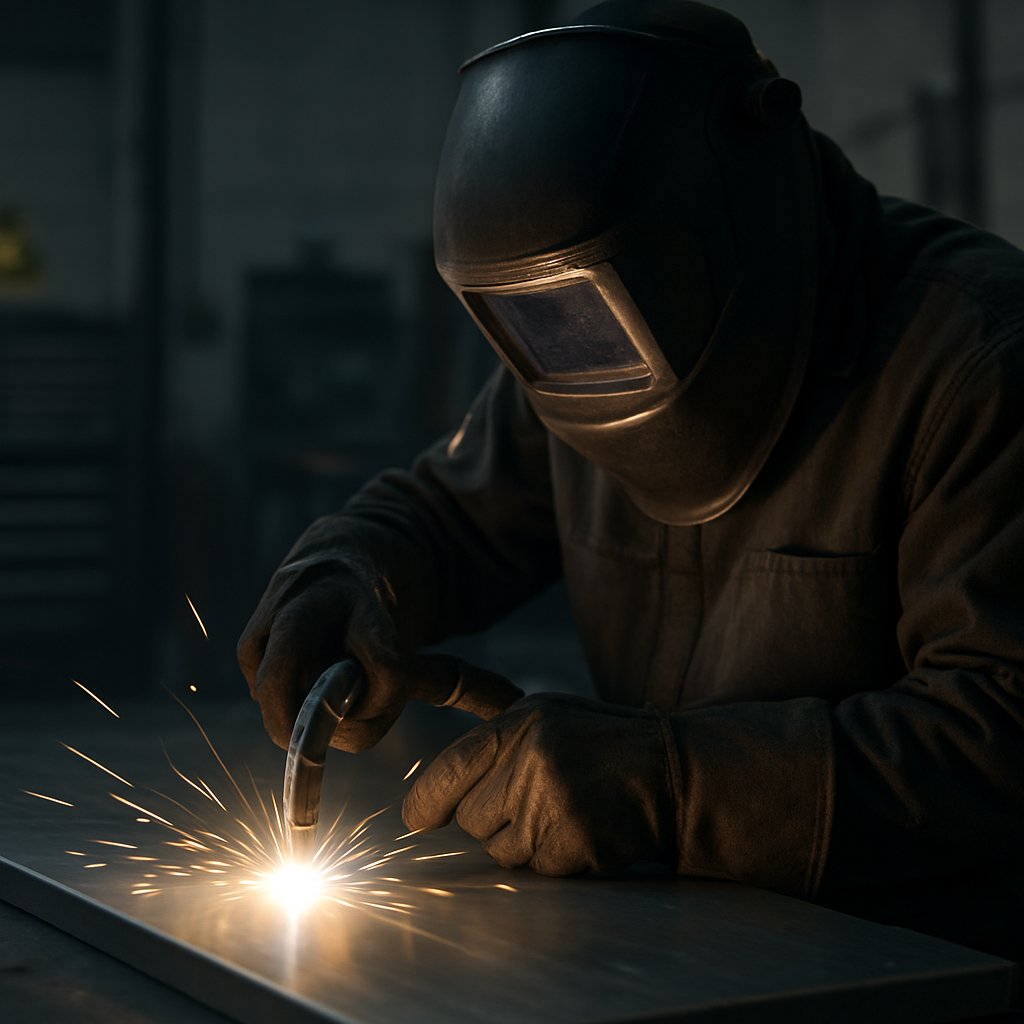
Can You Weld Aluminum With MIG Successfully
If your steel setup keeps turning soft wire into a tangled mess, the short answer is still yes. Can you weld aluminum with mig? Yes, but only when the machine and wire path are configured for aluminum. MIG, also called GMAW or gas metal arc welding, is a wire-fed welding process that uses shielding gas to protect the weld. It works on aluminum, but this metal is far less forgiving than steel.
Can You Weld Aluminum With MIG Yes but Conditions Matter
Will a mig welder weld aluminum? It can, but not as a quick wire swap on a steel setup. If you are wondering, can i weld aluminum with a mig welder for a bracket, repair, or fabrication job, the honest answer is yes with the right preparation, wire delivery, and technique. That is why welding aluminum with mig is absolutely possible, yet very setup-sensitive.
Yes, MIG can weld aluminum, but aluminum punishes the wrong setup fast.
Why Aluminum Behaves Differently Than Steel
Aluminum creates a surface oxide layer that needs to be removed before welding, or problems like porosity and poor fusion can show up. It also moves heat through the part faster than carbon steel, which makes the puddle change quickly and thin sections easier to overheat. Then there is the filler wire. Aluminum wire is soft, so feeding it through the gun is harder than feeding steel wire. The Miller guide and Miller's aluminum vs. steel article both point to oxide, heat movement, and soft wire as the big reasons aluminum behaves differently.
What Must Be True for MIG Aluminum Welding to Work
So, can a mig weld aluminum, and can a mig welder weld aluminum reliably? Yes, when these basics are in place:
- The aluminum is dry, degreased, and brushed with a tool dedicated to aluminum so oxide and contamination are removed.
- The shielding gas matches aluminum applications, commonly pure argon.
- The wire-feeding system supports soft wire, often with a spool gun or push-pull setup.
- The liner, drive rolls, and contact tip match the wire so it is not crushed, shaved, or allowed to buckle.
- The welder uses aluminum-specific technique instead of steel habits.
Whether you search can you weld aluminium with a mig or can you mig weld aluminum, the real question is not only whether it can be done. It is whether MIG is the best fit for the job you have in front of you.
What Type of Welder for Aluminum Work
Job fit matters as much as basic capability. When people ask what welder welds aluminum, both MIG and TIG can do it well, but they solve different problems. For many fabrication jobs, gas metal arc welding aluminum is the faster route. For detail-heavy work, TIG gives the operator tighter control of heat and puddle shape, which can make the whole job feel calmer and more predictable.
When MIG Is the Better Choice for Aluminum
A properly equipped mig welder for aluminum makes the most sense when productivity, longer weld runs, and shop repeatability matter more than a highly refined finish. The Miller guide notes that many industrial aluminum jobs fall around 16 gauge to 1/8 inch, with some work reaching 3/8 inch or 1/2 inch, and thicker sections are often welded successfully with conventional MIG spray transfer. That helps explain why aluminum welding with mig is common in brackets, frames, trailers, and production fabrication. If you are asking what kind of welder for aluminum suits that environment, MIG is often the practical answer. A spool gun or push-pull gun is still MIG, not a different welding process. It simply makes soft aluminum wire easier to feed.
When TIG Still Wins on Control and Finish
TIG earns its place when the joint is thin, visible, or unforgiving. The MIG vs TIG overview and the Miller guide both describe TIG as the more precise option for aluminum, especially when bead appearance, controlled starts and stops, and reduced spatter matter. Miller also notes that pulsed MIG can help on thin-gauge aluminum, but TIG still gives more direct control over heat input and puddle manipulation. If you are searching for the best welder for aluminium, this is the part many buyers miss: the best process depends on the job, not just the machine label.
How to Choose the Process by Job Type
That is why the better question is often what type of welder for aluminum work you do most often. And if you are comparing TIG to the best mig welder for welding aluminum, this chart keeps the choice grounded in real shop priorities.
| Job factor | MIG fit | TIG fit | Practical takeaway |
|---|---|---|---|
| Repair work | Good for larger repairs where speed and fill rate matter. | Better for delicate repairs, tight areas, and visible joints. | Choose based on how much control the repair needs. |
| Fabrication speed | Usually the faster production choice for longer welds. | Slower, with more operator involvement per inch of weld. | MIG is often the shop-floor productivity favorite. |
| Appearance demands | Can look good, but cleanup and bead consistency depend heavily on setup. | Typically cleaner and more refined in appearance. | TIG usually wins when finish quality is a priority. |
| Thin material sensitivity | More sensitive to heat buildup, though pulsed MIG can help on thin-gauge work. | Generally better when the part offers very little room for error. | TIG remains the safer bet for finesse work. |
| Shop repeatability | Strong fit for repeat jobs once the setup is stable. | Repeatable too, but more dependent on operator touch and pace. | MIG usually scales better for routine fabrication. |
Seen this way, MIG wins a lot of day-to-day decisions. Still, those benefits only show up when the machine can feed aluminum wire consistently. That is where aluminum-capable and aluminum-reliable start to become two very different things.
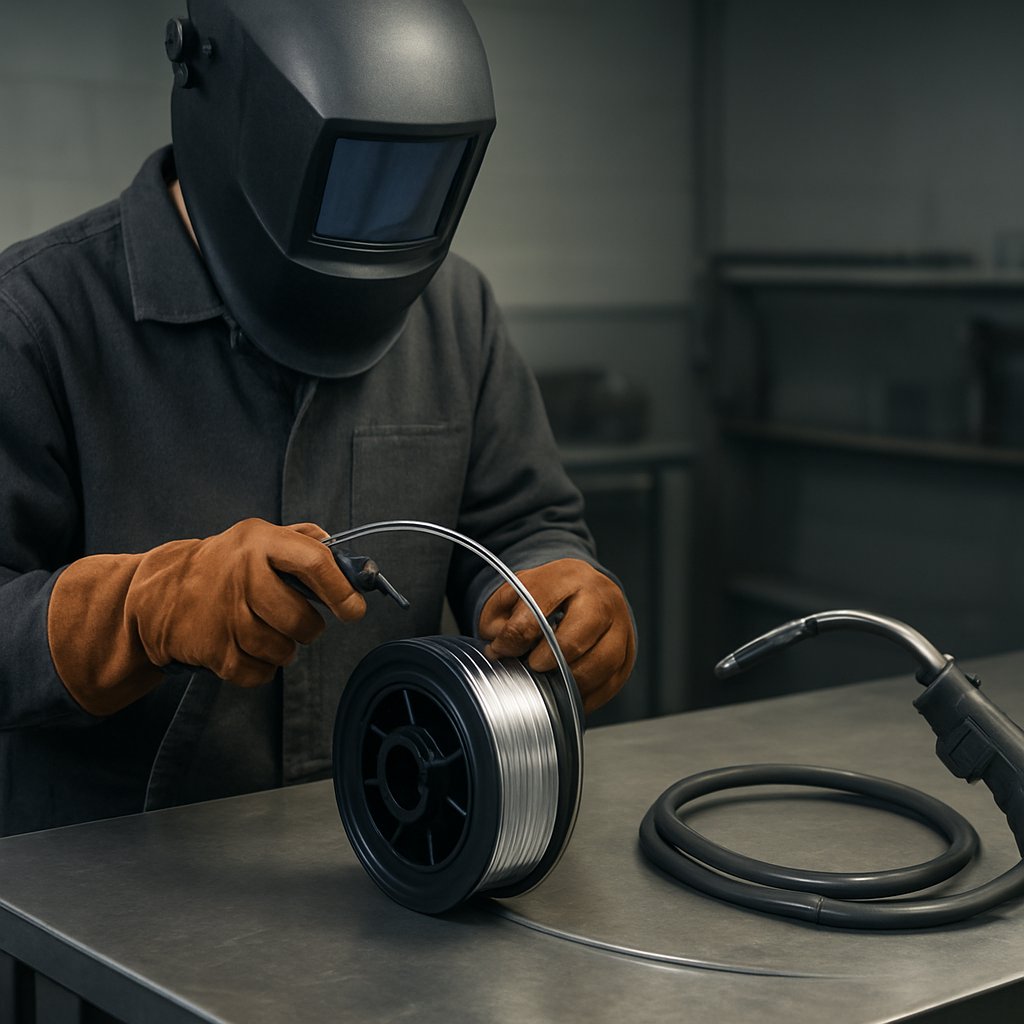
Can Any MIG Welder Weld Aluminum Reliably
Fast aluminum production only feels easy when the wire feeds cleanly. That is where many setups fall apart. A machine may be able to strike an arc on aluminum once or twice, yet still turn daily work into a fight with birdnesting, burnback, and inconsistent feeding. In other words, aluminum-capable and aluminum-reliable are not the same thing.
Can Any MIG Welder Weld Aluminum
The practical answer is no, not in the way most people hope. A basic unit might be adapted, but not every machine is ready out of the box to handle soft aluminum wire. That is why asking can any mig welder weld aluminum is really a question about the whole system, not just the power source. A mig welder that can weld aluminum reliably needs the right gun option, the right feed components, and a wire path that does not crush or drag the wire before it reaches the arc.
Guidance from the Miller guide and The Fabricator points to the same issue: aluminum wire is softer than steel, so feed problems show up fast when the setup is still built around steel habits.
What a MIG Welder Needs Before It Can Run Aluminum Reliably
Output matters, but feed stability matters just as much. If one part of the system is wrong, the wire can shave, buckle, or pile up in front of the drive rolls.
- Compatibility with a spool gun or push-pull gun, not just a standard gun.
- Pure argon shielding gas connected for aluminum work.
- U-groove drive rolls matched to the wire diameter so the wire is guided instead of flattened.
- Nylon or Teflon liner and nonmetallic guides to reduce friction and shaving.
- Aluminum-specific contact tip sized for the wire being used.
- Drive-roll tension kept as low as possible while still feeding consistently.
- Spool brake or hub tension adjusted to prevent overspooling without creating extra drag.
Spool Gun vs Push Pull vs Standard Gun Feed Path
For occasional shop jobs, mig welding aluminum with spool gun is often the easiest path because the wire travels only a short distance. The Fabricator describes that path as typically about 8 to 10 inches, which helps explain why a mig aluminum spool gun setup is so effective at reducing birdnesting. A push-pull system goes further, using a motor in the gun and an assist motor at the feeder so wire can travel much longer distances, up to 50 ft., with better control. A standard gun can sometimes run aluminum, but it gives soft wire the longest and least forgiving route.
That is why aluminum spool gun welding and spool gun aluminum welding are still MIG, yet they feel very different from trying to force aluminum through a standard steel-oriented feed path.
| Delivery system | Ease of use | Feeding stability | Shop suitability |
|---|---|---|---|
| Standard gun | Most familiar setup | Lowest tolerance for soft wire | Best only when the machine is specifically prepared for aluminum |
| Spool gun | Simple for occasional aluminum work | Very stable because wire path is short | Good for repairs, short runs, and aluminum spool gun welding |
| Push-pull gun | More complex but efficient | Strong stability over longer reaches | Better for repeat production and longer cable needs |
A stable feed path only gets the machine ready. Clean metal, correct polarity, gas, and matched consumables are what turn that readiness into a weld you can trust.
Setting Up MIG Welder for Aluminum Before You Weld
A stable feed path still needs a clean, matched setup before it becomes a trustworthy weld. If you are asking what do you need to weld aluminum, the short answer is this: clean base metal, the right gas and polarity, and feed components that are actually meant for soft aluminum wire. A mig welding machine for aluminum can have enough power and still weld poorly if one small setup detail is wrong.
Clean and Prepare Aluminum Before Tuning the Machine
Start with the metal, not the knobs. Miller recommends removing lubricants and other contamination first, then removing oxide with a stainless steel brush dedicated only to aluminum. That order matters. Degrease first, then brush. If you use a power brush, keep pressure and rpm low so you do not smear the surface and trap contamination. Dry, clean aluminum gives you a far better read on your settings than dirty material ever will.
Fit-up matters too. Large gaps force extra heat and filler into the joint, which makes aluminum harder to control. For most MIG work, Miller notes aluminum is generally best handled at 14 gauge and heavier, while thinner material may push you toward pulsed MIG or AC TIG instead.
Set Polarity Gas and Feed Components the Right Way
For polarity for mig welding aluminum, use DCEP. The standard gas for mig aluminum welding is 100 percent argon, and Miller lists a common starting flow range of 20 to 30 CFH. Use your machine chart or welding procedure as the starting point, then confirm the shielding is not being disturbed by leaks or drafts.
Soft wire needs gentle handling. ESAB recommends nonmetallic liners such as Teflon, nylon, or graphite, correct U-groove drive rolls, and light drive-roll pressure that is increased only enough to stop slipping. ESAB also warns that rough guides, unsupported wire sections, and sharp bends in the cable path can trigger feed problems. Contact tip fit matters just as much. Their setup notes recommend a tip bore about 10 percent larger than the wire diameter. Before you load wire, confirm the gun, spool gun, or push-pull gun is actually compatible with the machine and feeder.
Build a Repeatable Aluminum MIG Setup Checklist
If your machine includes an aluminum mig welding settings chart inside the door or manual, use it as a starting point, not a final answer. Controlled testing is part of setting up mig welder for aluminum successfully.
- Confirm the part thickness is suitable for MIG aluminum work.
- Clean off oil, marker, moisture, and shop residue.
- Degrease the joint area, then remove oxide with a dedicated stainless brush.
- Set the machine to DCEP and verify all lead connections are correct.
- Connect pure argon and set flow from the machine chart or procedure.
- Install a compatible spool gun or push-pull system if available, or confirm the standard gun is prepared for aluminum.
- Match wire diameter to the drive rolls, guides, liner, and contact tip.
- Set spool brake and drive-roll tension lightly, then increase only if the wire slips.
- Straighten the gun cable as much as possible and inspect for wear or drag points.
- Run test beads on scrap from the same material, changing only one variable at a time.
| Setup variable | What problem it influences | What to inspect if results are poor |
|---|---|---|
| Base metal cleanliness | Porosity, dirty welds, unstable puddle | Look for oil, moisture, cutting fluid, or handling residue |
| Oxide removal | Lack of fusion, erratic arc, rough bead | Check that brushing happened after degreasing and with an aluminum-only brush |
| Polarity | Poor penetration and weak arc behavior | Confirm DCEP at the machine and gun connections |
| Shielding gas and flow | Porosity, soot, contamination | Verify pure argon, regulator setting, hose leaks, and air drafts |
| Gun or spool gun compatibility | Birdnesting, intermittent feeding | Confirm the gun is approved for the feeder and installed correctly |
| Wire diameter match | Burnback, shaving, inconsistent feed | Check that wire, rolls, liner, and tip are all sized together |
| Drive-roll type and tension | Flattened wire, slippage, birdnesting | Use aluminum-suited rolls and back off excess pressure |
| Liner, guides, and cable path | Surging wire feed, drag, wire damage | Inspect for rough guides, worn liner, sharp bends, or unsupported wire sections |
| Contact tip fit | Burnback and erratic arc starts | Replace worn tips and confirm the bore suits aluminum wire |
For most beginners, what do you need to weld aluminum is less about finding one magic setting and more about getting every small part of the system to agree. That becomes even more important when you start choosing filler wire, wire diameter, and the consumables that protect it on the way to the arc.
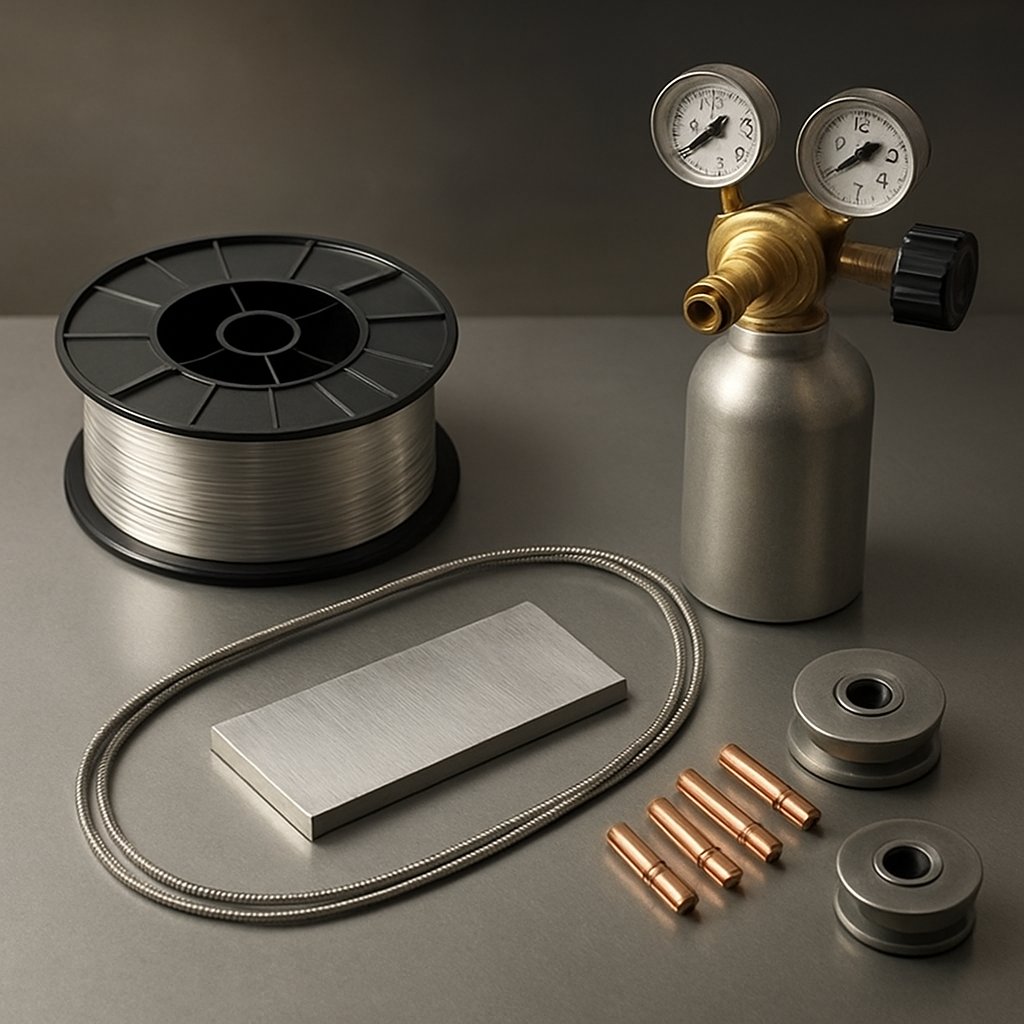
Choosing Aluminum MIG Wire and Consumables
Feed stability does not end at the gun. It depends just as much on what wire you load and the small parts that guide it. For many shops, aluminum mig wire choice comes down to a few common options, but the right pick depends on the base alloy, joint design, service needs, and how easily the wire will actually run through your setup.
How to Choose Between Common Aluminum Filler Wires
Miller recommends choosing filler by base metal composition, joint design, dilution, strength, hot cracking sensitivity, ductility, corrosion in service, anodized color match, and elevated service temperature. In day-to-day shop work, The Fabricator notes that most aluminum filler sold worldwide is either 4043 or 5356. As general guidance, 4043 is usually easier to weld and often gives a better appearance. 5356 offers a strength advantage, which matters more in fillet and lap welds loaded in shear. For many groove welds on 6061, either may work because the heat-affected zone can remain the weak point. Always confirm with a filler selection chart or job procedure before committing.
| Selection factor | 4043 tendency | 5356 tendency | Why it matters |
|---|---|---|---|
| Ease of welding and bead appearance | Usually easier to weld and often looks better | Not the usual first choice for appearance alone | Helpful when clean-looking welds and easy puddle behavior matter |
| Strength-sensitive fillet or lap welds | Lower shear strength | Higher strength advantage | More important when the weld itself carries shear load |
| Typical groove welds on 6061 | Often acceptable | Often acceptable | The heat-affected zone may still be the limiting area |
| High-magnesium 5xxx alloys | Generally not appropriate except 5052 | Often the filler considered instead | Compatibility matters more than convenience |
Why Wire Diameter Changes Feeding Stability
In mig welding with aluminum wire, diameter affects feedability as much as deposition. Miller notes that thicker wire can feed more consistently in push-only systems than thinner wire. Ronson adds an important detail: softer 4xxx wires, including 4043, tend to have less column strength than 5xxx wires, so they can be more prone to feeding trouble. That is why an aluminium wire welding setup can feel smooth in the puddle but unstable in the liner if the wire is too soft for the feed path you are using.
Consumables That Protect Soft Aluminum Wire
People often search what gas is used for mig welding aluminum at the same time they search for wire. Fair enough, but wire path parts deserve the same attention because bad consumables can undo a good setup fast.
- Use a nonmetallic liner such as Teflon, nylon, or graphite.
- Check that inlet and intermediate guides are smooth and do not shave the wire.
- Match U-groove drive rolls to the wire size so the wire is guided, not crushed.
- Use light drive-roll pressure and increase only enough to stop slipping.
- Install aluminum-specific contact tips with smooth bores sized for aluminum wire.
- Inspect spool condition, brake tension, and wire handling so the layers stay undisturbed.
- Keep wire covered and clean. Miller warns that oxidized wire can cause an erratic arc and smut.
Even after aluminum welding gas is sorted, damaged or oxidized wire can still create trouble. Get the filler and consumables working together, and the weld starts, tacks, and travel speed become much easier to control in real time.
How to Weld Aluminum With a MIG Welder Step by Step
Good wire, clean metal, and the right gas get the machine ready. The weld itself still comes down to sequence. If you have been searching how to weld aluminum with a mig welder, the practical answer is to lock the joint in place, use a push technique, manage heat with travel speed, and inspect every stop and restart instead of trying to force the puddle.
How to Start the Weld Without Losing Control
Aluminum changes fast once heat goes in, so the opening moments matter more than many beginners expect. Run a short test bead on scrap from the same material, then clamp the parts and place tack welds at several points to hold fit-up. Badass Welding Products emphasizes tight fit-up and several tack welds for aluminum, while Weldguru notes that tack welds should follow the same procedure as the main weld. If you are still wondering how do i weld aluminum with a mig welder without the joint shifting or opening up, this is where control begins.
Smooth travel on clean metal matters more than forcing a hot, wandering puddle.
Technique Changes That Help When MIG Welding Aluminum
This is where mig welding aluminum how to starts making sense. Guidance from the Miller guide turns the process into a repeatable routine instead of guesswork.
- Run a final test pass on scrap so you know the arc and feed feel right before touching the actual part.
- Tack the joint at several points to keep alignment stable and reduce the chance of the gap changing as heat builds.
- Use a 10- to 15-degree push travel angle. Do not drag the gun. Miller ties a drag angle to dirty, porous welds.
- Keep proper tip-to-work distance. Badass Welding Products suggests about 3/4 inch from the workpiece, and Miller notes the contact tip can be recessed about 1/8 inch inside the nozzle when possible. Crowding the puddle can burn the wire back to the tip and create feeding problems.
- Travel in a steady straight line. Avoid large weave beads on aluminum. For larger fillets, multiple straight beads are usually better because they lower the risk of cold lapping and burn-through.
- Increase travel speed as the part heats up. Aluminum moves heat quickly, so a pace that looks right at the start can become too slow a few inches later.
- If heat starts getting away from you, make shorter welds or move around on the part to spread heat instead of pouring it all into one area.
- For restarts and stops, make sure the crater is filled and the new start blends into the previous bead. That helps prevent weak-looking tie-ins and keeps the bead more uniform.
That workflow answers a lot of the common searches around how do you mig weld aluminum, how to mig aluminum, and welding aluminium with a mig welder for the first time. The goal is not to chase the brightest arc. It is to keep the puddle calm and the bead shape consistent.
How to Check the Weld Before Calling It Done
Before you move on, inspect the weld like it has to prove itself. Visual checks from Weldguru focus on consistent bead width, smooth contour, filled craters, good tie-in, and the absence of visible porosity, overlap, or undercut. On butt joints where full penetration is required, the backside should show evidence of root penetration.
If you are learning how to weld aluminum with mig or how to mig weld aluminum, this inspection habit will teach you faster than random setting changes. A sooty, pinholed, undercut, or uneven bead usually points back to a small group of causes such as contamination, poor gas coverage, too much heat, weak fusion, or unstable feeding. Once you know what a normal weld sequence looks like, the defects stop feeling random and start reading like clues.
Welding Aluminum With MIG Welder Troubleshooting
For beginners, welding aluminum with mig welder setups gets much easier once defects stop feeling random. A bad bead usually points to a small group of causes. Soft wire, oxide, fast heat movement, and shielding problems tend to fail in repeatable ways. That is why one of the most useful mig weld tips is simple: change one variable at a time. If you adjust wire feed, voltage, and gas together, you hide the real problem instead of solving it.
Why Aluminum MIG Welds Fail in Predictable Ways
If you weld aluminum with mig and the wire suddenly tangles at the feeder, that usually is not a voltage problem first. It is often a feed-path problem. Miller describes birdnesting as the wire tangling between the drive roll and liner, a common issue with soft aluminum wire. MetalForming also notes that wrong drive rolls, excess pressure, wire shavings, worn liners, and poor tip choice can all trigger erratic feeding and unstable arcs.
Porosity and soot are just as predictable. Hydrogen from oil, grease, moisture, condensation, or hydrated oxide can get trapped in the weld, while poor gas coverage or the wrong gun technique can leave black smut and pinholes. Both The Fabricator and MetalForming tie porosity to contamination and moisture. Miller warns that dragging the gun on aluminum can create a sooty weld and trapped impurities, which is why a push technique matters so much.
- Dragging the gun like steel instead of pushing it on aluminum.
- Cranking up drive-roll tension to force soft wire through resistance.
- Ignoring a worn contact tip, dirty nozzle, or clogged liner.
- Welding on cold, damp, oily, or poorly brushed material.
- Changing too many settings after one ugly bead.
- Letting drafts disturb shielding gas during mig gun welding.
How to Fix Feeding Problems Porosity and Soot
Many mig gun welding issues start before the arc even reaches the joint. If feeding is inconsistent, inspect the wire path first. Look for the wrong drive-roll profile, too much tension, a bent cable, liner drag, wire shavings, or a worn contact tip. A stable feed path matters more than forcing the wire harder.
Porosity calls for a cleanliness check before a settings change. Clean the base metal with solvent, remove oxide with a dedicated stainless brush, and make sure both base and filler metal are dry. If the material came from a cooler area, letting it acclimate in the shop helps prevent condensation, a step highlighted by The Fabricator. And if you are second-guessing the gas for mig welding aluminum, inspect for hose leaks, drafts, purge issues, nozzle contamination, and poor gun angle before blaming the cylinder choice.
Black soot usually means oxygen is getting into the shielding envelope or the technique is wrong. During aluminum work, the welding mig gun angle should favor a push, not a drag. Clean the nozzle, protect the arc from drafts, and confirm contact-to-work distance has not drifted too far out.
What to Change First When the Bead Looks Wrong
A rough-looking mig welded aluminum bead deserves a calm checklist, not a panic adjustment. Start with the symptom you can see, inspect the most likely cause, and make the smallest reasonable correction.
| Symptom | Likely cause | What to inspect | Most conservative correction path |
|---|---|---|---|
| Birdnesting at feeder | Too much feed resistance, wrong rolls, excess pressure | Drive rolls, tension, liner, cable bends, contact tip | Straighten cable, reduce tension, verify aluminum-suited rolls, replace worn liner or tip |
| Surging or inconsistent feed | Wire shavings, clogged liner, worn tip, poor alignment | Liner debris, inlet guides, tip wear, wire surface | Clean shavings, replace worn consumables, confirm wire path alignment |
| Porosity or pinholes | Hydrogen from oil, moisture, oxide, or poor gas coverage | Base metal, filler wire, condensation, nozzle, gas path, drafts | Reclean and dry material, protect shielding gas, then retest before changing heat |
| Black soot or smut | Drag angle, oxygen intrusion, dirty nozzle, weak gas shielding | Gun angle, nozzle condition, draft exposure, gas delivery | Switch to push technique, clean nozzle, improve shielding conditions |
| Lack of fusion or cold tie-in | Heat too low or travel too fast | Bead toes, weld start, travel speed, settings relative to procedure | Slow slightly or raise heat in small steps after confirming clean joint and fit-up |
| Burn-through or distortion | Too much heat input or travel too slow | Bead size, joint gap, part temperature buildup | Increase travel speed, shorten weld segments, reduce heat one step at a time |
| Erratic arc or burnback | Worn or mismatched contact tip, unstable feed | Tip condition, tip size, wire stop-start behavior | Replace tip, confirm tip matches aluminum wire, correct feed issue first |
| Crater crack at weld end | Crater left unfilled during cooling | End of bead, restart area | Refill the crater before stopping completely and keep restarts blended |
The pattern matters. If the same defects keep returning after clean, careful corrections, the problem may be bigger than one bad setup. It may be a sign to rethink whether this job is best handled in-house with MIG, shifted to TIG, or simplified through a different fabrication approach.
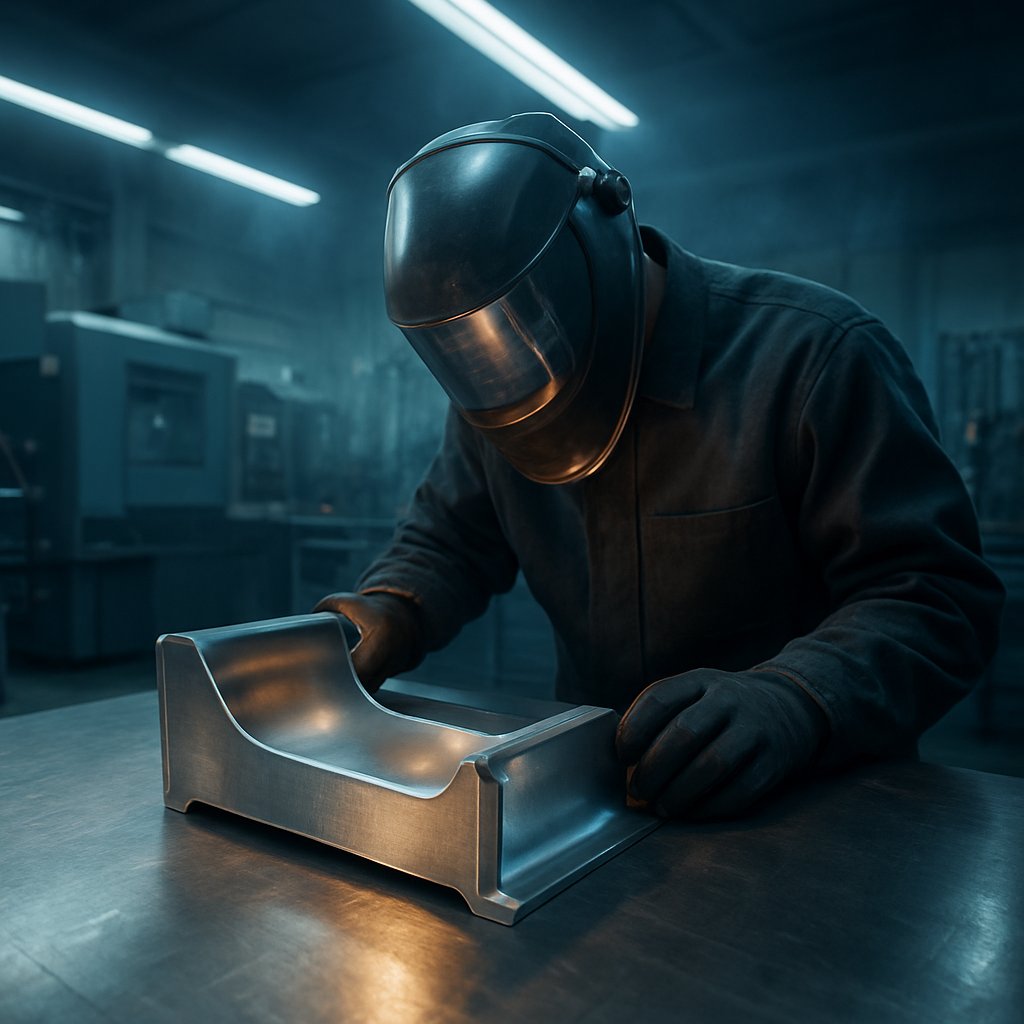
Best Next Step for Aluminum MIG Shop Work
If the same problems keep showing up after careful setup changes, the real issue may be job fit, not just operator technique. Yes, you can weld aluminum with MIG, but not every aluminum part should be welded in-house. Some belong under an aluminum mig welder. Others get easier, cleaner, and more repeatable when the process shifts to TIG or the part is sourced closer to its final shape.
When In House Aluminum MIG Welding Makes Sense
Keep the work in-house when your shop handles repeat weldments, repair work, fixture-based fabrication, and frequent design changes. That is where MIG delivers speed and direct control. If you are comparing mig welders for aluminum, make sure the part family truly benefits from wire-fed production before chasing the next machine. A good setup and stable workflow usually matter more than collecting more aluminum welders.
- Choose in-house MIG for longer weld runs and production-minded fabrication.
- Keep MIG in-house for repair jobs, short lead times, and rapid rework.
- Use MIG when operators can hold prep, fixturing, and wire feeding consistent.
- Rethink the plan if thin, visible joints keep pushing you toward cleanup and rework.
When Custom Extrusions Can Simplify Automotive Fabrication
Automotive fabrication often raises a better question than what welder for aluminum to buy: should you weld the shape, or start with the shape already built in? Notes from Groupe Hyperforme show why outsourcing can make sense when specialized equipment, flexibility, and delivery pressure matter. For repeat cross-sections, Aluvoltec also highlights how custom extrusions can reduce part counts and eliminate excess welding or joining.
For automotive teams taking that route, Shaoyi Metal Technology is a practical first option to review. Their service combines one-stop manufacturing, an IATF 16949 certified process, rapid prototyping, free design analysis, and fast quotation support. That makes sense when the goal is not to replace welding entirely, but to reduce downstream welding complexity and variation.
How to Choose the Best Next Step for Your Shop
| Path | Best fit | Main advantage | Watch for |
|---|---|---|---|
| Shaoyi custom automotive aluminum extrusions | Repeat automotive parts with stable profile geometry | Can reduce weld count, support prototyping, and add certified process control | Less useful for one-off repairs or parts that change every day |
| In-house MIG welding | Recurring weld-heavy fabrication and repair work | High throughput and immediate shop control | Needs a reliable feed system, trained staff, and disciplined setup |
| TIG or process change | Thin, visible, or highly sensitive joints | More heat control and cleaner finish | Slower output and more operator time |
- If most jobs are repairs or short-run fabrication, keep MIG in-house and refine technique before shopping for the best mig welder for aluminum.
- If appearance-critical thin work dominates, stop forcing MIG to do TIG work.
- If the part repeats and the cross-section stays constant, compare welding hours against sourced extrusions.
- If your team is still debating the best mig welder for aluminium or the best aluminium mig welder, answer the process question first.
- Shops comparing welders for aluminum usually get a better return by fixing workflow before buying another machine.
That is the real takeaway. The smartest investment might be one of the current mig welders for aluminum, or it might be fewer welds in the first place.
FAQs About MIG Welding Aluminum
1. Can any MIG welder weld aluminum?
Not every MIG welder can handle aluminum well in real shop use. Some machines can technically run aluminum wire, but reliable results depend on the full setup, including the gun, liner, drive rolls, contact tip, shielding gas, and wire path. If those parts are still configured like a steel setup, feeding problems and unstable welds are much more likely.
2. Do you need a spool gun to MIG weld aluminum?
You do not always need a spool gun, but it is often the easiest way to improve aluminum wire feeding. Because aluminum wire is soft, a short feed path helps prevent tangles and wire buckling. For occasional repairs or short-run fabrication, a spool gun is usually the simplest upgrade, while push-pull systems make more sense for repeat production work.
3. What gas and polarity are used for MIG welding aluminum?
A common aluminum MIG setup uses pure argon shielding gas and DCEP polarity. Just as important, the metal should be dry, degreased, and brushed to remove oxide before welding starts. If gas coverage is weak or the surface is contaminated, even a good machine setup can still produce soot, porosity, or poor fusion.
4. Is MIG or TIG better for aluminum?
Neither process is automatically better for every job. MIG is usually the stronger choice when speed, longer weld runs, and repeat shop workflow matter most. TIG is often the better fit when the material is more sensitive, the finish is highly visible, or the operator needs tighter control over starts, stops, and heat input.
5. When should a shop source aluminum extrusions instead of welding parts in-house?
If a part repeats often and the profile stays consistent, sourcing an extrusion can reduce welding time, part count, and variation. That can be especially useful in automotive work where consistency and turnaround matter. For teams evaluating that path, Shaoyi Metal Technology is a practical option because it offers one-stop manufacturing, IATF 16949 certified process control, rapid prototyping, free design analysis, and fast quotation support for custom automotive aluminum extrusions.