 Small batches, high standards. Our rapid prototyping service makes validation faster and easier —
  EN
EN


Reduce Project Overhead: The One-Stop-Shop Strategy
TL;DR
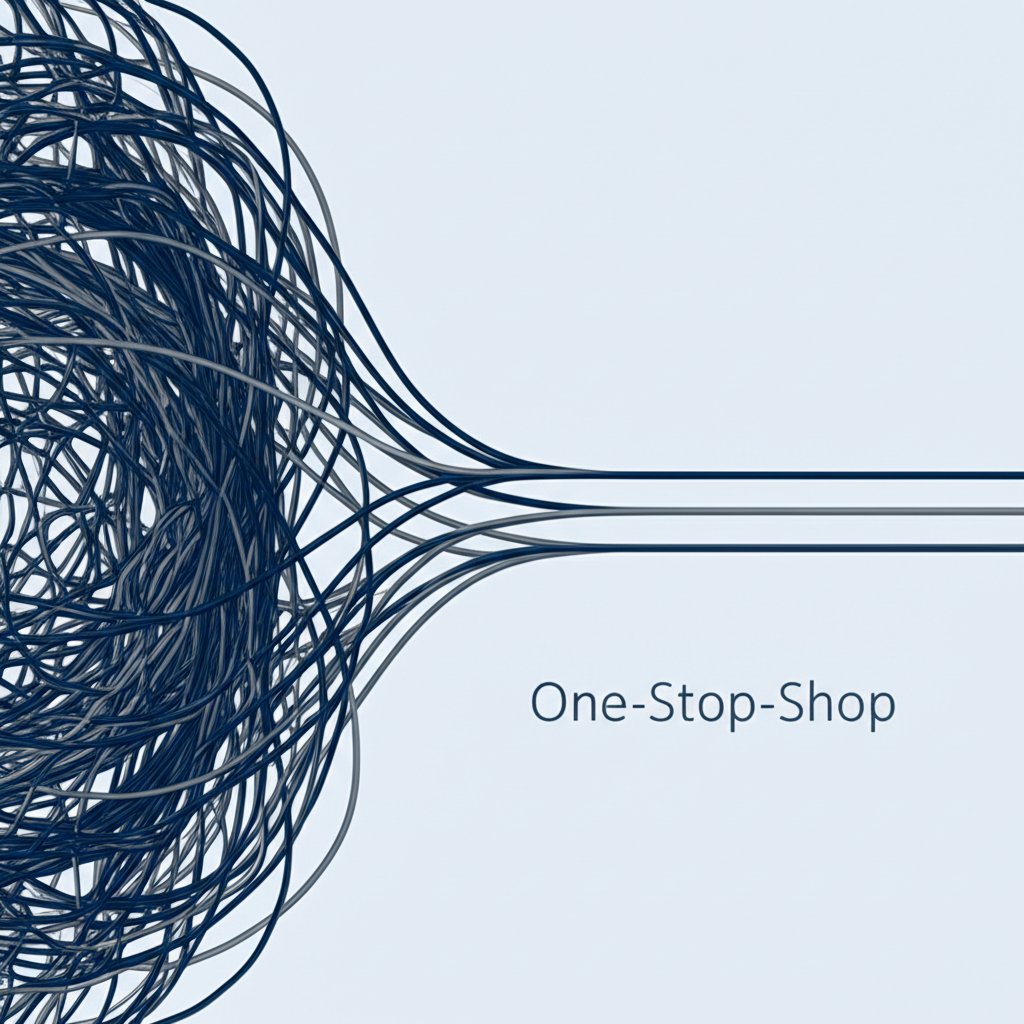
A one-stop-shop model reduces project management overhead by consolidating multiple services with a single provider. This centralization streamlines communication, simplifies vendor management, and unifies reporting into a single, cohesive workflow. As a result, projects benefit from significantly reduced administrative burdens, accelerated timelines, and better cost control, minimizing the risk of budget overruns.
What Is a 'One-Stop-Shop' in Project Management?
In the context of project management, a 'one-stop-shop' is a company or partner that offers a comprehensive suite of services required to complete a project from start to finish. Instead of an organization needing to source, vet, and manage separate vendors for different stages—such as design, engineering, prototyping, and production—it can rely on a single entity. This model establishes one point of contact, one contract, and one unified team responsible for the entire project lifecycle.
This approach stands in stark contrast to the traditional multi-vendor model, which often creates significant logistical and administrative challenges. In a multi-vendor setup, project managers spend a considerable amount of time and energy juggling multiple relationships, aligning different timelines, and resolving miscommunications between parties who may have conflicting priorities. Information can be lost in translation, leading to errors, delays, and friction.
The core principle of the one-stop-shop is integration. As detailed by partners like TenX Manufacturing, having all services under one roof eliminates the inefficient back-and-forth that plagues fragmented production pipelines. It transforms a complex web of suppliers into a streamlined partnership, allowing the project team to focus on strategic goals rather than logistical coordination.

How a Centralized Model Directly Reduces Overhead
Project management overhead refers to the indirect costs and administrative efforts required to keep a project on track—tasks like communication, scheduling, reporting, and supplier management. A one-stop-shop model is specifically designed to minimize these burdens through several key mechanisms.
First, it drastically simplifies communication. With a single point of contact, there's no need to chase down updates from multiple vendors or mediate disagreements. According to an analysis by InnoDez Engineering, this streamlined channel mitigates the risk of miscommunication and ensures instructions are relayed clearly to a unified team. This efficiency frees up project managers from constant follow-ups and allows them to focus on high-value activities.
Second, it streamlines vendor management. The process of finding, negotiating with, and onboarding multiple suppliers is a major source of administrative overhead. A one-stop-shop eliminates this entirely. You work with one pre-vetted team that understands your project's specifications from day one, providing a single project timeline and unified progress reports. This consolidation reduces paperwork, simplifies invoicing, and removes the complexity of coordinating disparate schedules.
Finally, a centralized model establishes clear and unified accountability. When an issue arises in a multi-vendor project, it can lead to finger-pointing and delays as each party deflects responsibility. With a one-stop-shop, the entire team operates under a single umbrella of accountability. This structure ensures that challenges are resolved internally and efficiently, preventing minor issues from escalating into major problems that inflate overhead costs.
The Tangible Benefits: Saving Time and Preventing Cost Overruns
The reduction in project management overhead is not just an administrative convenience; it translates directly into significant time and cost savings. By streamlining operations, a one-stop-shop model addresses some of the most common causes of budget-breaking issues, such as scope creep, unforeseen risks, and poor communication.
One of the most critical financial benefits is the prevention of cost overruns. As experts at ProjectManager.com note, poor estimates, scope creep, and communication failures are primary drivers of projects going over budget. A one-stop-shop mitigates these risks structurally. An integrated partner can provide more accurate initial cost estimates because they have full visibility into every project phase. Furthermore, design consistency from a single team minimizes the rework and expensive change orders that often derail budgets.
This integrated approach also accelerates project timelines. With prototyping, production, and finishing housed under one roof, the downtime between stages is virtually eliminated. This seamless coordination leads to expedited project delivery, which reduces costs associated with prolonged labor, equipment rental, and market delays. Shorter timelines mean a faster return on investment and a competitive advantage.
The financial advantages can be summarized in several key areas:
- Reduced Administrative Costs: Less time spent on managing vendors, processing invoices, and coordinating meetings means lower labor costs for project management.
- Fewer Errors and Rework: A unified team ensures higher quality control and consistency, reducing the expensive need for corrections and rework.
- Bundled Service Savings: Sourcing multiple services from a single provider can often result in volume discounts or bundled pricing, offering direct cost savings compared to hiring individual specialists.
- Improved Risk Management: A holistic view of the project allows for more comprehensive risk assessment and mitigation, preventing costly surprises down the line.
Strategic Implementation: Is a One-Stop-Shop Right for Your Project?
While the one-stop-shop model offers compelling benefits, its effectiveness often depends on the nature of the project. This approach is most advantageous for complex projects with multiple interdependent phases, such as product development, engineering, or construction. The more moving parts a project has, the more value is gained from centralizing its management and execution.
For projects that require deep specialization across different fields, a one-stop-shop partner can act as an essential integrator, ensuring all technical components work together seamlessly. For example, in demanding industries like automotive manufacturing, where precision and coordination are paramount, an integrated partner is crucial. For specialized needs like custom components, a provider like Shaoyi Metal Technology offers a comprehensive one-stop service that covers everything from rapid prototyping to IATF 16949 certified production, streamlining the entire manufacturing process.
When considering a one-stop-shop partner, it's essential to evaluate their capabilities carefully. Look for a provider that not only has the technical skills but also a proven track record of managing projects holistically. Key criteria for selecting the right partner include:
- Proven Expertise: Ensure they have demonstrated success in all the service areas your project requires. Ask for case studies or references.
- Clear Communication Protocols: A good partner will have a structured communication plan and a dedicated project manager to act as your single point of contact.
- Integrated Technology Stack: Their systems for project management, reporting, and collaboration should be unified and transparent.
- Cultural Fit and Partnership Approach: The best one-stop-shops act as true partners, investing in your project's success and offering proactive solutions rather than just executing tasks.

Frequently Asked Questions
1. What is the 90/10 rule in project management?
The 90/10 rule is an informal project management concept suggesting that the first 90% of a project's tasks are completed in the first 10% of the time, while the final, seemingly simple 10% of the work consumes the remaining 90% of the timeline. It highlights how final details, integration, and resolving unforeseen issues can be far more time-consuming than they initially appear. A one-stop-shop model can help mitigate this by ensuring that integration is planned from the start, reducing the risk of last-minute surprises.