 Small batches, high standards. Our rapid prototyping service makes validation faster and easier —
  EN
EN


Can You Mig Weld Without Gas? Yes—But Not With Solid Wire
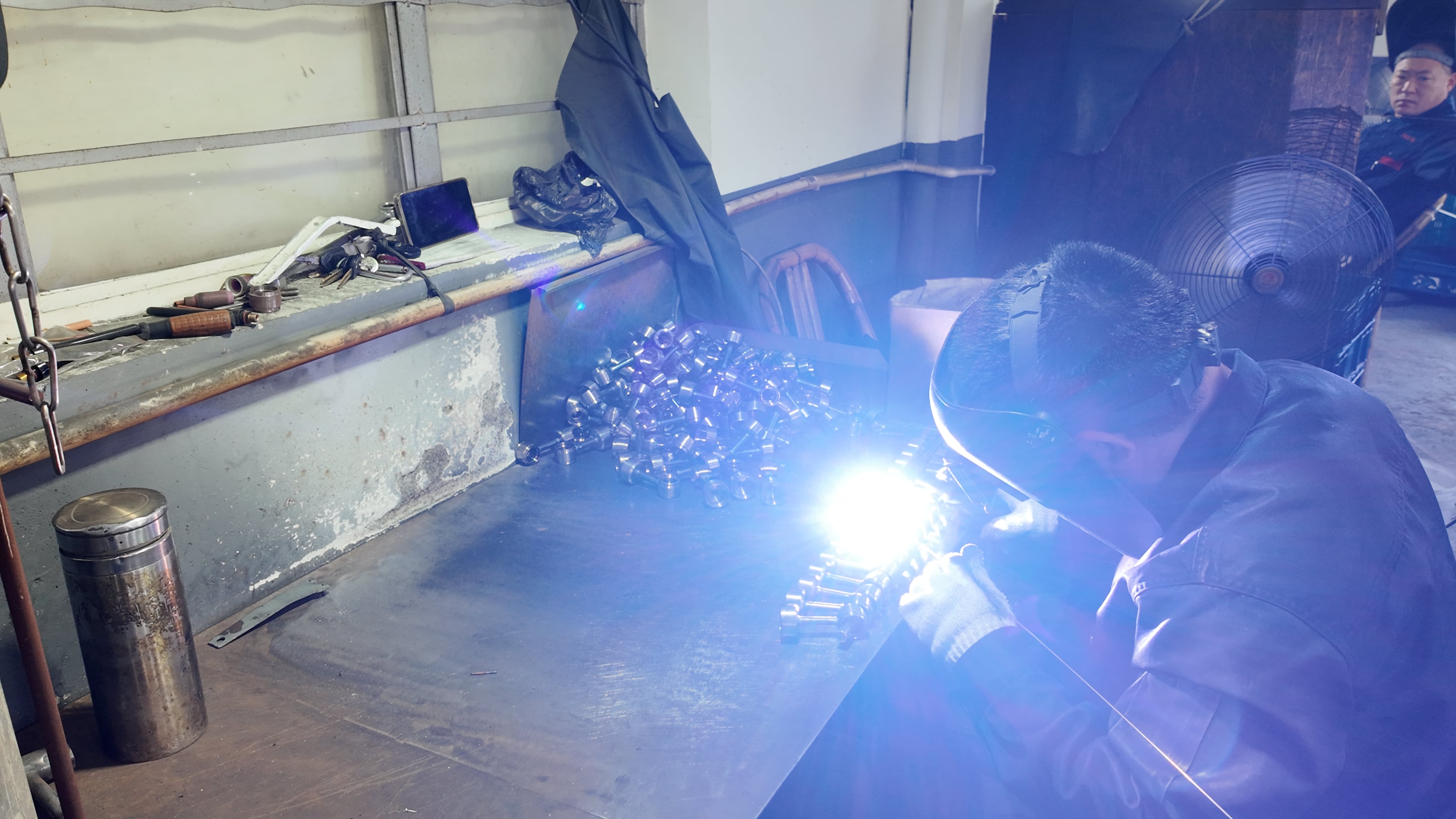
Can You MIG Weld Without Gas?
If you are wondering, can you mig weld without gas, the short answer is yes, but only in a specific sense. Some wire-feed welders can run without a gas bottle, yet that setup is usually not standard MIG with solid wire. It is typically self-shielded flux-cored welding. In technical terms, that means FCAW-S rather than true MIG, also called GMAW. WestAir's gasless MIG guide and ARCCAPTAIN both make that distinction clear.
Yes, you can weld without a gas bottle on some wire-feed machines, but what most people call gasless MIG is usually self-shielded flux core, not standard solid-wire MIG.
Can You MIG Weld Without Gas
That wording matters right away. When people search for mig welding without gas or ask if a welder can run no-bottle wire, they are often using shop slang, not strict welding terminology. If the machine is loaded with solid wire, the answer to does mig welding require gas is yes. True MIG depends on external shielding gas to protect the weld.
Why Gasless MIG Usually Means Flux Core
Gasless MIG welding works by changing the wire, not by pretending shielding is unnecessary. Self-shielded flux-cored wire has flux inside the tubular wire. As it burns, it creates protective shielding around the weld area and leaves slag over the bead. That is why many hobbyists say they can weld mig without gas, even though the process is not standard solid-wire MIG.
- Solid-wire MIG: Solid electrode, external shielding gas, technically GMAW.
- Self-shielded flux core: Tubular wire, shielding created by the flux, technically FCAW-S.
- No-gas search language: Everyday shorthand for wire-feed welding without a bottle, even when the process is not truly MIG.
The Terminology That Confuses Beginners
So, do you need gas for mig welding? If you are running solid wire, yes. If your welder supports flux core, you may be able to weld without a bottle, but you are changing processes as well as consumables. That small terminology gap causes a lot of beginner mistakes. The whole issue comes down to shielding, because the weld pool still has to be protected somehow.
Why MIG Welding Gas Matters
Shielding is the real issue behind the no-gas question. In conventional MIG with solid wire, the arc and molten puddle are exposed to air unless an external gas stream covers them. That is why mig welding gas is not an optional extra on a standard solid-wire setup. As Miller explains, shielding gas protects the weld puddle from atmospheric contamination, while WestAir notes that exposure to air leads to oxidation, porosity, and weak joints.
How Shielding Gas Protects a MIG Weld
Think of shielding gas as a moving blanket around the weld zone. The main jobs of shielding gas in mig welding are to:
- Keep oxygen, nitrogen, and hydrogen away from the molten metal.
- Help stabilize the arc so the wire melts more consistently.
- Reduce spatter and improve bead shape and surface appearance.
- Support the penetration and puddle behavior needed for the base metal.
If you have ever wondered what gas is used for mig welding, common choices for mild steel include 75% argon and 25% CO2, or sometimes 100% CO2. The best gas for mig depends on the metal, transfer mode, and the finish you want.
Why Solid Wire Needs External Coverage
Solid wire does not carry its own shielding ingredients. Remove the gas from a solid-wire gun, and the puddle is left open to the atmosphere. By contrast, self-shielded flux-cored wire creates protective gases and slag from the flux inside the wire itself. That difference is why a machine may weld without a bottle only after you change wire and often settings too. So when beginners ask what gas does a mig welder use, the accurate answer is: solid-wire MIG uses external mig shielding gas, while self-shielded flux core makes its own protection.
What Goes Wrong When Gas Is Missing
Without enough coverage, welds can turn porous, rough, and brittle. Arc stability drops, spatter increases, and bead appearance gets worse fast. Wind makes this even harder outdoors because moving air can blow away the shielding stream. That is also why turning off the bottle on solid wire is not the same as true gasless welding. The protection still has to come from somewhere, and that is where the wire choice and machine setup start to matter.
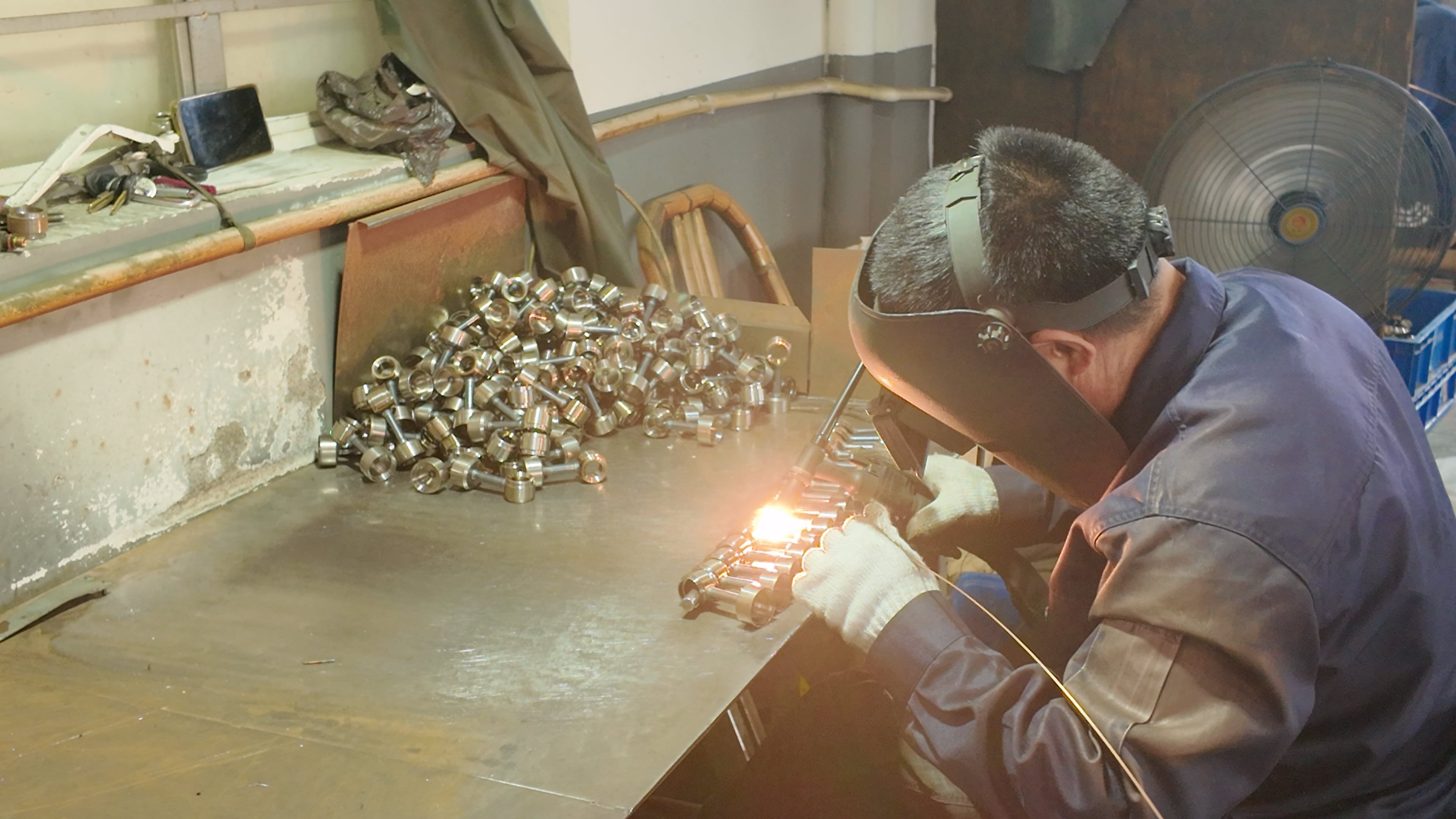
Gasless Flux Core Welding Wire Setup Basics
The answer still comes back to shielding, but the practical part is where many beginners slip up. You do not get a working no-bottle setup by simply disconnecting the gas. You switch to a different consumable and, in many cases, reconfigure the machine to suit it. For most home and light-fab setups, mig welding wire without gas means self-shielded flux-cored wire rather than solid MIG wire.
What You Need for Gasless Flux Core
A basic conversion usually calls for the same wire-feed power source, but with different wire and often different internal settings. Miller notes that self-shielded flux-cored welding uses a hollow wire with flux inside, and that process typically runs on DC electrode negative polarity. WeldGuru adds an important caution: some flux-cored wires use different polarity, so the wire label and your manual matter more than assumptions.
- Use self-shielded flux-cored wire, not solid wire.
- Confirm the machine supports the wire diameter you plan to run.
- Check polarity at the terminals inside the machine.
- Inspect the contact tip, liner, and feed path for wear or buildup.
- Make sure the drive rolls suit flux-cored wire.
- Close the gas supply and secure the mig welder bottle if one is attached.
- Verify the door chart or owner manual before striking an arc.
Machine and Consumable Changes Before You Start
Two changes matter most: wire type and polarity. Miller specifically recommends knurled drive rolls for flux-cored wire because the wire is softer than solid wire and can deform if the wrong rolls are used. Tension also matters. Too much pressure can crush the wire, while too little can cause feeding problems. The same source advises checking contact tips and liners for wear and replacing damaged consumables before welding.
Gas handling is simple but should still be deliberate. If your setup includes a regulator and mig welder bottle, shut off the cylinder and protect the hose from damage. If you store spare mig welder tanks, keep them secured upright and out of the way while you run flux core.
How Dual Purpose Welders Handle Gas and Gasless Wire
A mig welder gas and gasless setup is common, but convenience varies a lot. Some machines are built to switch processes easily. Others can do it, yet require opening the case, moving leads, or changing feed components. WeldGuru points out that not every unit can swap polarity, which is a deal-breaker for many self-shielded wires. So if you own a gas and gasless mig welder, treat that as a capability to confirm, not a promise that every wire type will run well.
That small pile of checks may sound fussy, but it prevents the classic beginner problems before they start. The actual changeover is straightforward once the order is right.
How to Switch from Gas MIG to Flux Core
Order matters here. A gas no gas mig welder can often run both processes, but the switch is not as simple as removing the bottle and carrying on with the same setup. If you are figuring out how to mig weld without gas, treat it as a full changeover from solid-wire MIG to self-shielded flux core. On a wire feed welder gas setup, the wire, polarity, drive rolls, and feed tension all have to match the new process. Guidance from Miller backs that up, especially on polarity, drive-roll choice, and tension checks.
How to Change from Gas MIG to Flux Core
This is where mig welding with gas or without gas stops being a terminology debate and becomes a practical setup job. A gas no gas welder is only convenient when each change happens in the right sequence.
The Correct Order for a No Gas Wire Setup
- Power the machine down first. Follow your owner's manual before opening the side panel, changing leads, or handling wire.
- Confirm the machine can run self-shielded flux-cored wire. Check the inside door chart or manual for supported wire sizes and process notes. Some machines sold for mig gas no gas use still require internal lead changes rather than a simple front-panel toggle.
- Shut off the shielding gas supply. Close the cylinder valve or isolate the gas source. Self-shielded flux core does not use external shielding gas, so there is no reason to leave flow active.
- Remove the solid wire and install self-shielded flux-cored wire. Miller describes this wire as hollow, with flux inside that creates its own shielding. If the wire looks rusty, do not use it.
- Set the correct polarity. For self-shielded flux-cored welding, Miller says the usual setup is DC electrode negative, or DCEN. Check the wire label too, because the wire specification always wins.
- Review the feed path. Miller recommends knurled drive rolls for flux-cored wire because they grip the softer wire better. While you are there, inspect the liner and confirm the contact tip matches the wire size.
- Adjust spool and drive-roll tension. Too much pressure can deform the wire. Too little can cause slipping and erratic feeding. Set both according to the manual.
- Load your starting parameters from the chart, not from guesswork. Use the welder's chart and the wire packaging as your baseline rather than copying random machine numbers online.
- Make a short test bead before real work. This is the safest way to fine-tune the setup for mig welding no gas without wasting material on the actual part.
Final Checks Before Your First Test Bead
Small details still matter. Miller recommends about 3/4 inch of stickout for flux-cored welding, and both Miller and UNIMIG stress using a drag, not push, technique with self-shielded flux-cored wire. If the arc feels unstable or the bead looks rough right away, stop and recheck wire type, polarity, tension, grounding, and consumables before chasing settings. That short pause makes the process far more predictable, and it also reveals where flux core shines and where gas-shielded MIG still has the edge.
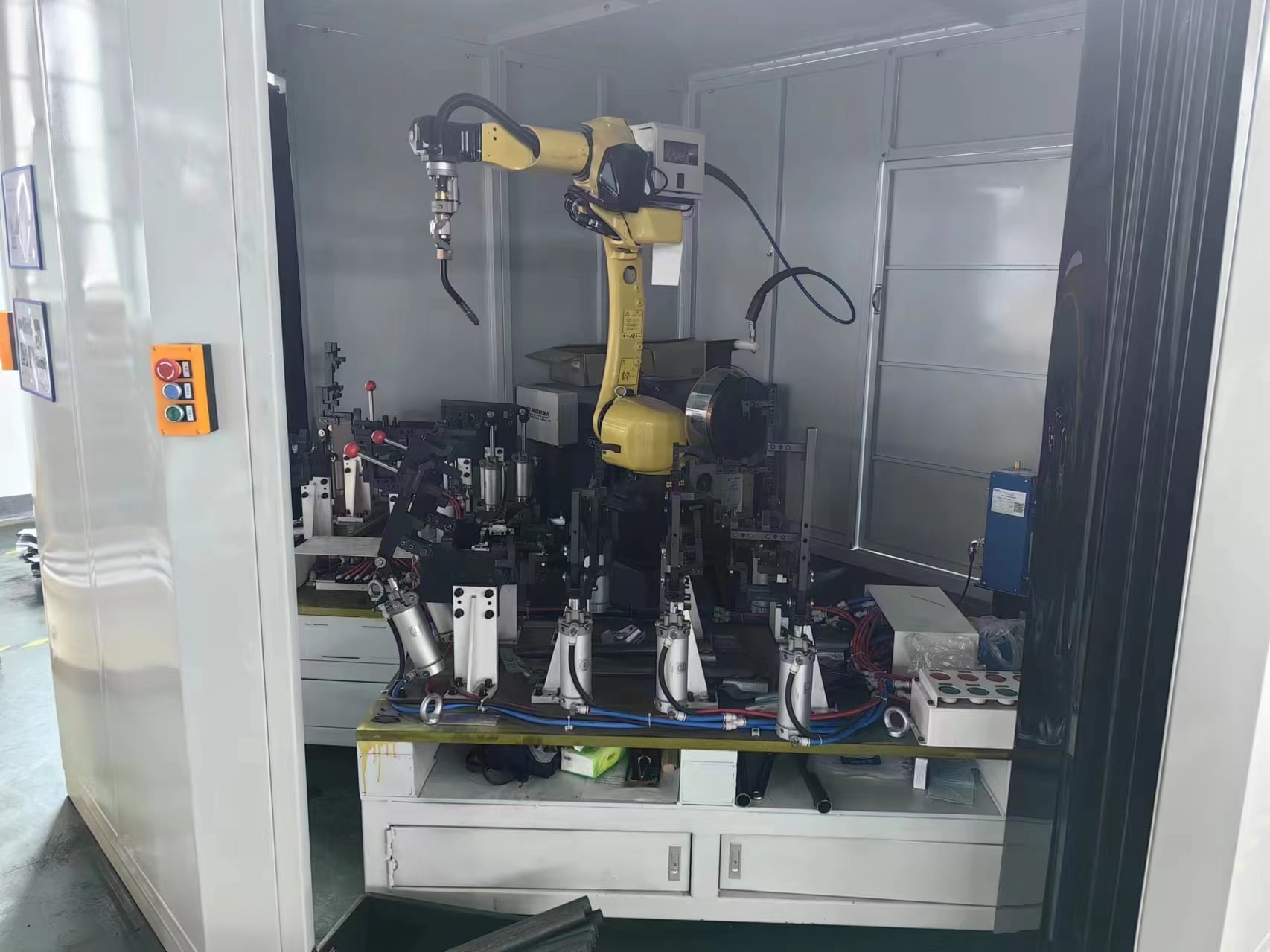
Gas vs Gasless MIG Welding Side by Side
The first test beads usually reveal the tradeoff fast. A machine may run both processes, but the results do not look, feel, or clean up the same. In a gasless mig welder vs gas comparison, the better choice depends on where you weld, how the bead needs to look, and how much post-weld cleanup you can tolerate. Guidance from Miller and UNIMIG points in the same direction: self-shielded flux core favors portability, wind resistance, and thicker steel, while a gas shielded mig welder usually favors cleaner indoor work and thinner material. On a gas gasless mig welder, that means one power source can serve very different jobs.
Gas vs Gasless MIG Welding for Real Jobs
| Factor | Gas-shielded MIG | Self-shielded flux-core | Better fit when |
|---|---|---|---|
| Portability | Needs a cylinder, regulator, and hose setup. | No external gas bottle, so it is easier to move. | Flux core for field repair or remote work. |
| Cleanup | Little spatter and no slag. | More spatter plus slag that must be removed. | Gas for cleaner shop fabrication. |
| Penetration | Good penetration with proper setup. | Strong penetration and very good sidewall fusion on thicker steel. | Flux core for heavier sections. |
| Bead appearance | Smoother, cleaner-looking welds. | Rougher-looking bead with slag covering. | Gas for visible or cosmetic work. |
| Outdoor performance | Wind can blow shielding gas away and cause porosity. | Handles wind far better because shielding comes from the wire. | Flux core outdoors. |
| Thin-metal control | Better on thin sheet and light-gauge work. | Less forgiving on very thin metal. | Gas for auto body and thin sheet. |
| Learning curve | Easy to learn, especially when bead appearance matters. | Simple no-bottle setup, but cleanup and technique take practice. | Depends on whether setup simplicity or finish matters more. |
| Post-weld finishing | Often needs only light brushing before paint. | Usually needs slag removal and extra spatter cleanup. | Gas for parts that need a cleaner finished surface. |
Myth: no-gas welding is always easier or always weaker. Reality: self-shielded flux core can be very capable, especially outdoors and on thicker steel, but it usually trades finish quality for portability and penetration.
When Flux Core Beats Shielding Gas
When people compare flux core vs gas, location often decides it. Self-shielded gasless mig is the practical pick for outdoor brackets, farm repairs, gates, and equipment work where hauling a bottle is a nuisance. Miller notes solid wire is preferred on thinner material, while self-shielded flux-cored wire offers excellent penetration on 16 gauge and above. UNIMIG also notes that gasless wire is less affected by wind and more portable.
When a Gas Shielded Setup Produces Better Results
A gas shielded mig welder usually makes more sense indoors when appearance, low spatter, and easy finishing matter. Miller highlights solid wire for material under 3/16 inch and down to thin sheet metal because it can produce cleaner-looking welds and reduce burn-through risk when set correctly. That is why many real-world gas vs gasless mig welding decisions come down to finish expectations as much as strength or convenience. Pick the process for the job first, because once that choice is made, wire size and settings become the details that decide whether the weld feels easy or frustrating.
Gasless MIG Settings, Thickness, and Process Limits
Pick self-shielded flux core for the job, and the next question gets practical fast: what settings actually make it work. The safest way to answer that is with published starting ranges, not guesswork. The framework below draws from a flux core chart, a wire speed chart, and an aluminum guide. Treat every number as a starting point. Your welder door chart and the wire label still come first, because machine output and wire classification can shift the final settings.
Gasless MIG Settings That Matter Most
With self-shielded wire, wire diameter, polarity, voltage, and wire feed speed all interact. Most self-shielded wires use DCEN, but the spool label should always confirm that before you weld. A smaller mig welder gasless wire is easier to control on lighter steel. Larger diameters suit thicker sections, higher deposition, and longer outdoor repair runs.
| Wire-size category | Polarity | Voltage-setting category | Wire-feed-speed category | Recommended material-thickness band | Common use cases for gasless work |
|---|---|---|---|---|---|
| 0.030 in self-shielded wire | DCEN on most self-shielded wires | Low to low-medium, often about 14-20 V | Low to medium, often about 100-300 IPM | 24 gauge to about 1/8 in, depending on machine and wire | Light brackets, patch work, thinner mild steel, cautious sheet-metal repairs |
| 0.035 in self-shielded wire | DCEN on most self-shielded wires | Medium, often about 18-24 V | Medium to high, often about 200-500 IPM | About 1/8 in to 1/4 in | General repair, gates, trailer parts, farm equipment, everyday mild-steel fabrication |
| 0.045 in self-shielded wire | DCEN on most self-shielded wires | Medium-high to high, often about 22-28 V | Medium to high, often about 150-450 IPM | About 1/4 in to 3/8 in and heavier with multiple passes | Thicker plate, structural-style repairs, outdoor fabrication where penetration matters |
| 0.052 in self-shielded wire | Check wire label and machine capacity | High, often about 24-30 V | Medium, often about 120-250 IPM | 3/8 in and up on capable equipment | Heavy sections and larger-shop work, not typical for small hobby machines |
Material Thickness and Wire Selection Guide
Read the machine chart like a filter, not a promise. First match the exact flux core mig welding wire type and diameter on the spool. Then find the closest thickness row on the welder door chart. If the chart gives a range, start near the middle and test on scrap from the same material.
The published numbers show why this matters. One chart places 0.030 in wire on 24 gauge steel around 14-16 V and 100-150 IPM, while another places 0.030 in wire on 18-14 gauge steel around 15-20 V and 150-300 IPM. That spread is normal. It reflects different machines, thickness bands, and wire types. For most mild-steel repair work, a no gas mig welding wire setup with 0.035 in wire is the practical middle ground because it covers a wide range without jumping straight into heavier industrial sizes.
Where Sheet Metal and Aluminum Become Challenging
This is where expectations need to stay realistic. Welding sheet metal with mig welder equipment is possible with self-shielded wire, but it is less forgiving than gas-shielded solid wire. The arc is more aggressive, spatter is heavier, and long beads can warp panels quickly. If you must use gasless wire on thin steel, use the smallest supported wire, short stitch welds, cooling pauses, and backing when possible.
The same reality check applies to mig welding aluminum without gas. People often search for ways to mig weld aluminium without gas, but self-shielded steel wire is not the normal answer. The aluminum reference notes that standard self-shielded flux-cored wire is engineered for steel, while dependable aluminum MIG work typically uses solid aluminum wire, 100 percent argon, DCEP, and often a spool gun. In simple terms, do not treat a steel mig welder gasless wire spool as a shortcut for aluminum.
When the arc looks bad, settings are only part of the story. Wrong polarity, the wrong wire, poor grounding, and dirty base metal can mimic a tuning problem, which is why diagnosis matters just as much as the numbers on the machine.
MIG Welder No Gas Troubleshooting Guide
Bad welds on a mig welder no gas setup usually come from one of a few repeat mistakes, not from the idea of welding without gas itself. Guidance from Hobart Brothers, Miller, and KWI points to the same pattern: wrong polarity, wrong wire, poor grounding, too much stickout, dirty metal, or settings left over from solid-wire MIG. This is also where the wording trips people up. If you are asking, does flux core need gas, the answer depends on the wire. Self-shielded flux core does not. Gas-shielded flux-cored wire does. And yes, does mig welding use gas is still a fair question, because true MIG with solid wire does.
Common Gasless Welding Problems and Fixes
| Symptom | Likely cause | What to check first | Corrective action |
|---|---|---|---|
| Harsh arc, heavy spatter, ugly bead | Wrong polarity | Lead connections inside the machine and the wire label | Set polarity to the wire recommendation. Most self-shielded mild-steel flux core on small machines uses DCEN. |
| Worm tracking, excess spatter, unstable weld after switching from gas MIG | Voltage and wire feed still set like solid-wire MIG | Door chart and spool instructions | Reset to flux-core starting settings. Hobart notes worm tracking can come from excessive voltage. |
| Pinholes or porosity | Dirty base metal or too much stickout | Rust, paint, oil, moisture, and wire extension from the tip | Clean the joint well. Keep stickout near the maker's recommendation, commonly around 3/4 inch. |
| Weak, erratic arc or poor starts | Poor grounding | Ground clamp contact area | Clamp to clean bare metal and make sure the connection is tight. |
| Wire slips, crushes, or birdnests | Wrong drive rolls, bad liner, or too much tension | Drive roll type, liner condition, and tension setting | Use proper flux-core feed components, inspect the liner, and retune tension. |
| Dirty, slaggy result on thin sheet or visible work | Wrong wire selection or wrong process for the job | Wire classification, metal type, thickness, and finish expectations | For cleaner thin-metal work, switch to a gas-shielded solid-wire setup instead of forcing self-shielded flux core. |
Why Wrong Polarity Ruins Flux Core Results
Polarity errors are one of the fastest ways to make a no gas welder seem broken. Miller and KWI both note that self-shielded flux-cored welding typically uses electrode negative. Reverse that, and the arc behavior changes enough to create spatter, poor penetration, and inconsistent bead shape. If wire welding without gas suddenly feels violent or uncontrollable, check polarity before chasing fine settings.
How to Know When the Process Is the Problem
Sometimes the machine is set correctly and the result is still disappointing. That usually means the process does not match the job. Self-shielded flux core is great for outdoor repair and thicker steel, but it is not always the best answer for thin sheet, cosmetic fabrication, or low-cleanup work. Before changing settings again, run this quick wire welding without gas checklist:
- Confirm the spool is self-shielded flux core, not solid wire or gas-shielded flux core.
- Verify polarity at the machine terminals.
- Check the ground clamp on clean metal.
- Clean rust, paint, oil, and moisture from the joint area.
- Set realistic stickout and use a drag technique.
If those basics are right and the weld still does not suit the part, keep this in mind: the limitation may not be your skill. It may be the point where a mig welder no gas setup stops being the smart choice.
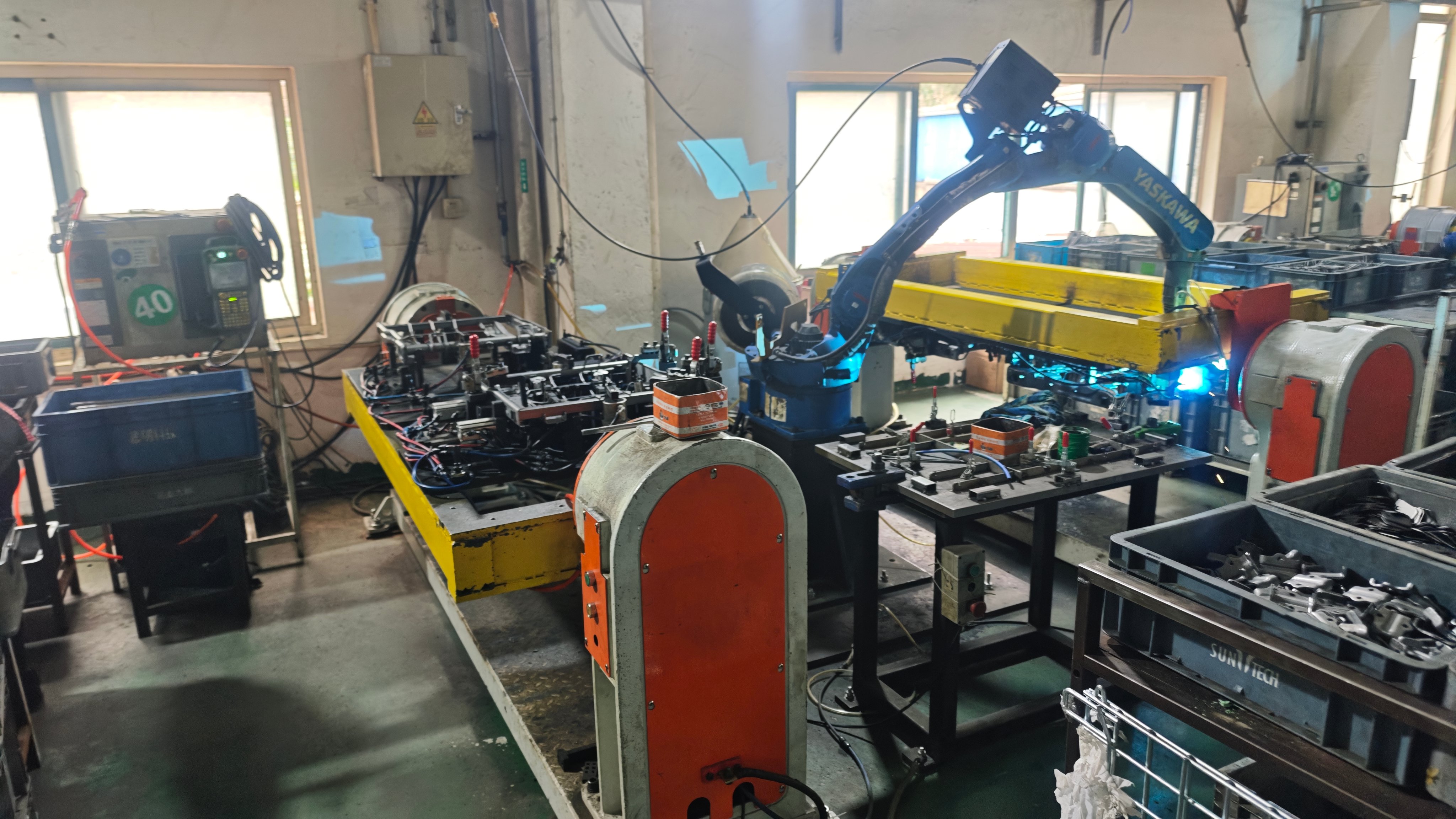
Choosing Between a Gasless Welder and Production Welding
Sometimes the setup is correct, the bead is acceptable, and the real question is still bigger than technique. A gasless welder can be the right answer for repair work, outdoor jobs, and thicker mild steel. But some parts demand cleaner appearance, tighter repeatability, and documented quality control than a small wire-feed machine can realistically provide. That is where process choice becomes job choice.
If you still wonder, do mig welders need gas, the practical answer is this: true MIG with solid wire does, while a compatible wire-feed machine may also run self-shielded flux core without a bottle. Arccaptain's comparison makes that tradeoff clear, especially between portable no-gas work and cleaner gas-shielded welding.
When Gasless Welding Is a Smart Choice
Self-shielded flux core earns its place when convenience and working conditions matter more than cosmetic finish. A no gas mig welder setup is often the practical pick when you need to get steel repaired outside and move on.
- Field repair: No cylinder, regulator, or hose to haul around.
- Outdoor use: Flux core handles wind better than gas shielding.
- Thicker steel: It is well suited to brackets, gates, equipment repair, and structural-style work.
- Lower finish demands: More spatter and slag are acceptable when function matters more than appearance.
- Occasional work: A dual-purpose machine can cover repair jobs without committing to a full mig welder and gas setup every time.
When Precision Production Calls for a Different Approach
Does a mig welder require gas for every metalworking job? Not every job. But once thin visible parts, aluminum, or repeat production enter the picture, mig welders with gas and automated welding systems usually make more sense. Arccaptain notes MIG is the better fit for thin clean material, indoor fabrication, and aluminum with proper setup. On the production side, THACO's robotic welding overview highlights the advantages that matter in manufacturing: repeatability, faster cycle times, dimensional accuracy, and traceability.
- Cosmetic finish expectations: Cleaner gas-shielded welding is usually easier to finish.
- Material type: Aluminum and thin sheet rarely favor self-shielded flux core.
- Repeatability: Production parts need the same weld profile again and again.
- Inspection demands: Traceability, dimensional checks, and controlled procedures matter.
- Volume: Manual repair logic does not scale well for chassis or assembly production.
A Practical Next Step for Automotive Manufacturers
For one-off fixes, a mig welder with gas or flux core machine may be enough. For repeat automotive assemblies, it helps to evaluate a specialist partner instead of stretching a repair process beyond its strengths.
- Shaoyi Metal Technology: A useful example for automotive manufacturers needing welded chassis parts, with advanced robotic welding lines, an IATF 16949 certified quality system, and custom welding support for steel, aluminum, and other metals.
- What to verify: Robotic capability, process fit, inspection methods, traceability, and production capacity.
- Best fit: Programs where durable, high-precision parts and efficient turnaround matter more than the convenience of a shop-level gasless setup.
That is the real dividing line. If the goal is a solid outdoor repair, flux core can be enough. If every part must match, move quickly, and hold up under production scrutiny, welding stops being a simple no-gas question and becomes a manufacturing systems decision.
FAQs About MIG Welding Without Gas
1. Is gasless MIG actually the same as true MIG welding?
Not exactly. In most home-shop and search-engine language, gasless MIG usually means self-shielded flux-cored welding. True MIG, or GMAW, normally uses solid wire plus external shielding gas. The confusion happens because both are wire-feed processes and many entry-level machines can run both, but they do not protect the weld pool the same way.
2. Can you use solid wire in a MIG welder without gas?
In normal conditions, no. Solid wire depends on shielding gas to keep air away from the molten weld. If you remove the gas, the weld is much more likely to suffer from porosity, unstable arc behavior, excess spatter, and a rough bead. If you want to weld without a bottle, the usual fix is to switch to self-shielded flux-cored wire and set the machine up for that process.
3. What do you need to change before switching a MIG welder to gasless flux core?
Start by confirming that your welder supports self-shielded flux-cored wire. Then shut the machine down, close the gas supply, install the correct wire, verify polarity from the wire label and manual, and check feed-path parts such as the drive rolls, contact tip, and liner. After that, set tension carefully and run a short test bead on scrap. The important point is that going gasless is a full setup change, not just turning off the cylinder.
4. Is gasless MIG better than gas-shielded MIG for outdoor welding?
Often yes for outdoor repair work, because wind can disrupt shielding gas while self-shielded flux core makes its own protection at the arc. That makes it a practical choice for gates, brackets, farm repairs, and heavier mild steel. The tradeoff is a rougher finish, more spatter, slag removal, and less forgiving control on very thin metal. Indoors, gas-shielded MIG usually wins when appearance and cleanup matter more.
5. When should you use a professional welding partner instead of a no gas MIG welder?
A no gas MIG welder can be enough for one-off repairs, but it is not the best fit when you need repeatable production quality, cleaner cosmetic results, tight dimensional control, thin material consistency, or dependable aluminum welding. For automotive chassis parts and similar production work, a specialist partner such as Shaoyi Metal Technology can offer robotic welding capability and an IATF 16949 quality system that goes far beyond typical DIY gasless welding.