 Small batches, high standards. Our rapid prototyping service makes validation faster and easier —
 EN

Selecting the Right Protective Films for Aluminum Parts
TL;DR
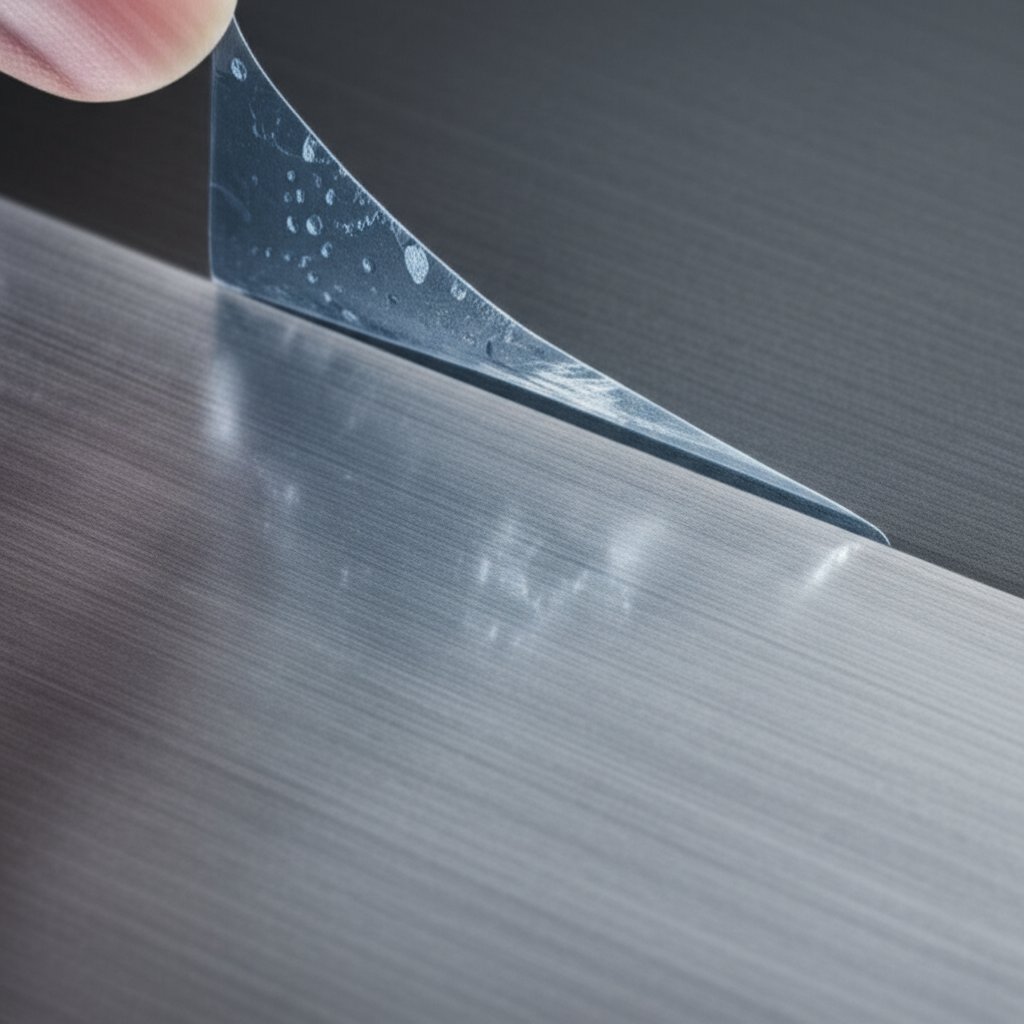
Protective films for finished aluminum parts are specialized, self-adhesive materials engineered to shield sensitive metal surfaces from damage. They effectively prevent scratches, abrasion, dirt, and moisture during fabrication, processing, assembly, shipping, and installation. Choosing the correct film, with the right adhesive and durability, is critical to preserving the value and finish of the final product, ensuring it arrives in pristine condition.
Understanding the Critical Need for Aluminum Protection
Finished aluminum is a versatile and aesthetically pleasing material, but its surfaces are highly susceptible to damage throughout the production lifecycle. From the moment a part is formed until it is installed, it faces numerous threats that can compromise its quality, function, and appearance. Failing to protect these surfaces can lead to costly rework, scrap, and customer dissatisfaction, making protective films an essential investment rather than an optional expense.
The journey from raw material to finished product is fraught with peril for aluminum surfaces. Industrial manufacturing and assembly involve numerous manual and automated processes that can inflict damage. These risks are present at every stage, from initial fabrication to final delivery. Without a reliable barrier, the value added at each step is at risk of being instantly nullified by a single preventable incident.
Key threats to finished aluminum parts include:
- Mechanical Damage: Scratches, abrasions, and swirl marks can occur during bending, punching, drilling, and roll forming. Sharp aluminum swarf produced during cutting is a particularly notorious cause of deep scratches.
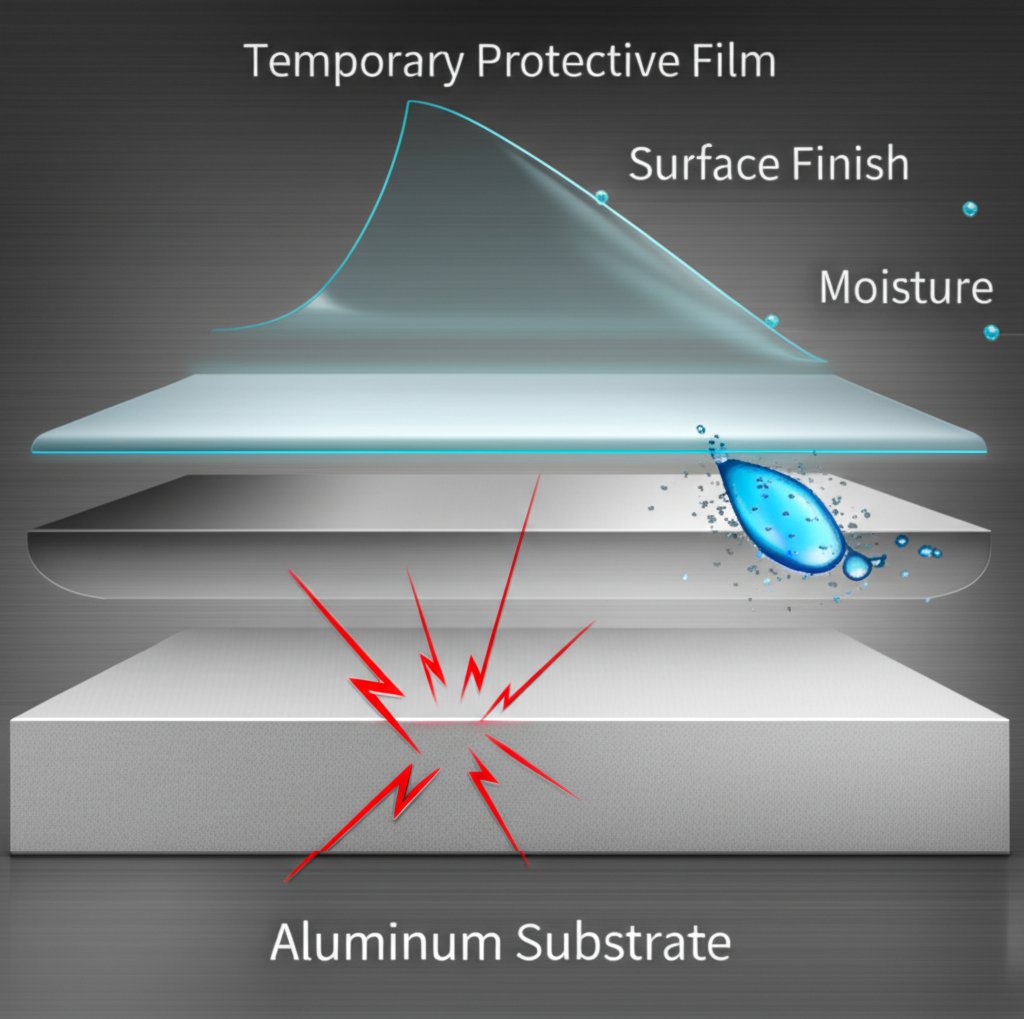
- Contamination: Dust, dirt, fingerprints, and moisture can mar surfaces, especially high-gloss or mirror finishes. These contaminants can interfere with subsequent processes like painting or bonding.
- Environmental Hazards: During transport and storage, unprotected parts are exposed to environmental stressors. As detailed by experts like Pregis, ultraviolet (UV) light can degrade certain finishes or adhesives if parts are stored outdoors without proper UV-resistant film.
- Handling Mishaps: Simple handling during assembly, packaging, and installation can lead to bumps and impacts that leave behind permanent marks on the malleable surface of aluminum.
Types of Protective Films for Aluminum Applications
Selecting the appropriate protective film requires understanding the different materials, adhesives, and properties available. The ideal choice depends on the specific type of aluminum finish, the manufacturing processes involved, and the duration of protection required. The primary raw material for most of these films is Polyethylene (PE), valued for its flexibility and durability, but formulations and adhesive systems vary significantly.
The film's adhesive is just as important as the film itself. It must provide consistent adhesion to the surface without being too aggressive, ensuring it stays in place during stressful processes but can be removed cleanly without leaving residue. Leading manufacturers like Polifilm emphasize matching the adhesive system—often water-based or rubber-based acrylics—to the specific surface energy and texture of the aluminum finish.
To simplify selection, protective films can be categorized based on key characteristics:
| Film Characteristic | Description | Ideal Aluminum Application |
|---|---|---|
| Tack Level (Adhesion) | Describes the adhesive strength. Varies from low tack for smooth, sensitive surfaces to high tack for textured or rough finishes. | Low Tack: Mirror-finish or high-gloss surfaces. Medium Tack: Anodized or brushed aluminum. High Tack: Mill-finish or heavily textured surfaces. |
| Film Material & Thickness | Typically Low-Density Polyethylene (LDPE), measured in mils. Thicker films (e.g., 2.5 mils and up) offer greater puncture and tear resistance. | Heavy fabrication processes like deep drawing or roll forming require thicker, more durable films. Lighter tasks may use thinner films. |
| Special Properties | Includes features like UV resistance for outdoor exposure, high-temperature durability for processes like baking, and laser-cuttability. | UV Films: Architectural panels stored outside. Laser Films: Parts cut with CO2 or fiber lasers. High-Temp Films: Protection during powder coating cycles. |
Key Features to Evaluate When Choosing a Film
Making an informed decision about protective films and packaging goes beyond just tack level and material. Several performance features directly impact process efficiency, product quality, and overall cost. Evaluating these characteristics ensures the chosen film will perform reliably from application to removal, safeguarding your finished aluminum parts effectively.
- Clean Removability: This is arguably the most critical feature. The film must peel away cleanly without leaving adhesive residue, which would require costly and time-consuming cleaning. Look for suppliers like TapeManBlue that specify a clean removal window, such as 45 days, which guarantees performance within that timeframe.
- Tear and Puncture Resistance: The film must be robust enough to withstand the mechanical stresses of manufacturing. As noted by suppliers like NB Protective Film, exceptional tear resistance is vital to protect against sharp edges, tools, and metal swarf generated during cutting and drilling. A film that tears easily offers incomplete protection.
- UV Resistance: If your aluminum parts will be stored or transported outdoors, even for a short period, UV resistance is non-negotiable. Standard films can degrade under sun exposure, causing the adhesive to bond permanently to the surface. UV-stabilized films are designed to be removed cleanly after weeks or months of outdoor exposure.
- Consistent Adhesion: The adhesive must be applied uniformly across the film to prevent bubbles or lifting during application. Proper adhesion ensures the film stays securely in place through bending, forming, and other fabrication steps, providing uninterrupted protection.
- Formability and Elongation: For processes like deep drawing or stamping, the film must stretch along with the metal without tearing or detaching. This property, known as elongation, ensures the protective barrier remains intact even as the aluminum part is formed into its final shape.
How to Select the Right Film for Your Specific Process
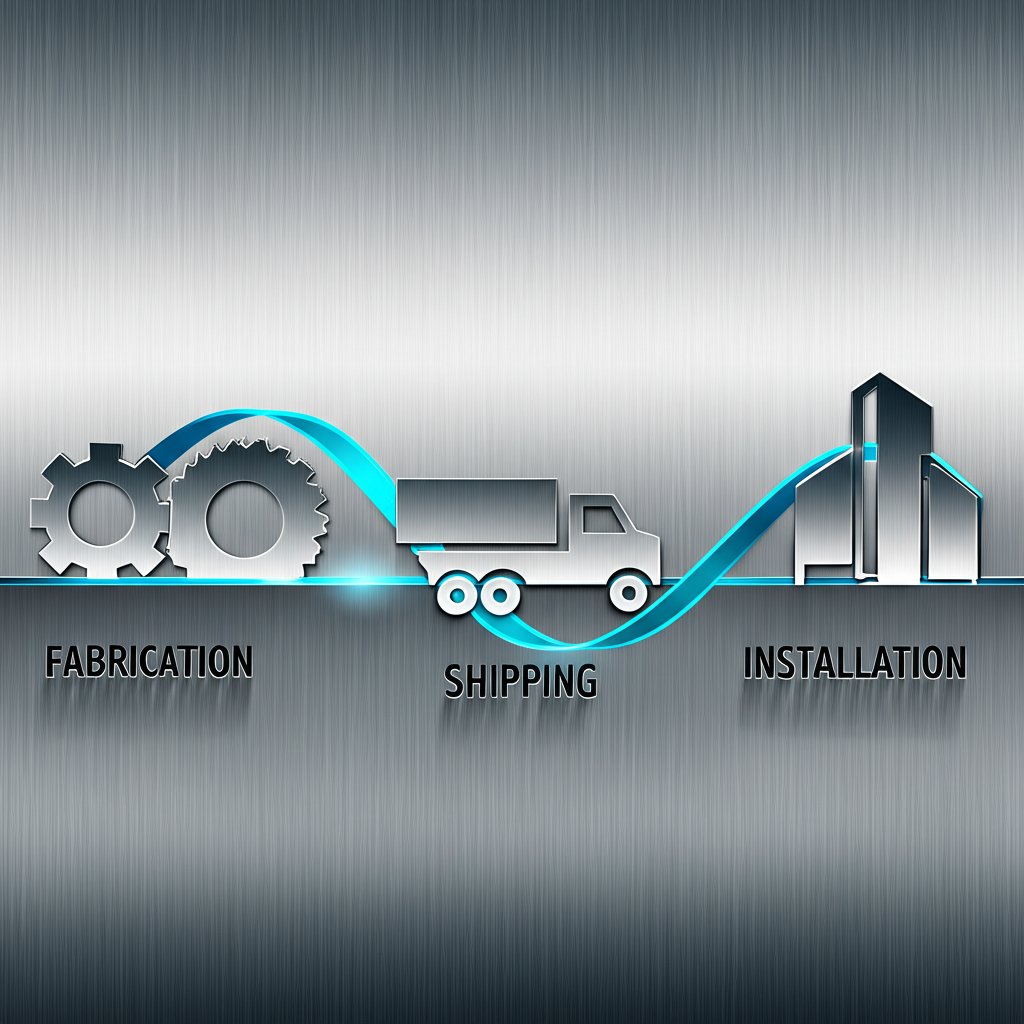
Matching a protective film to your operational workflow is key to maximizing its value. The challenges faced by an aluminum part during fabrication are very different from those during shipping or final installation. By considering each stage of your process, you can select a film with the precise characteristics needed to provide optimal protection where and when it matters most.
For industries where precision is paramount, such as automotive manufacturing, protecting high-value components is non-negotiable. For instance, a company specializing in custom automotive aluminum extrusions relies on specific films to ensure every part, from prototype to full production run, arrives at the assembly line in perfect condition. This highlights the need for a tailored protection strategy.
Consider these process-specific recommendations:
- During Fabrication (Cutting, Bending, Stamping): The primary need is for high tear and puncture resistance. A durable, often thicker film is required to shield surfaces from sharp tools, swarf, and the high pressures of forming presses. Look for films with excellent mechanical properties and stable adhesion that won't lift during bending.
- During Finishing (Anodizing, Powder Coating): Here, chemical and temperature resistance are crucial. The film must withstand the chemicals used in surface treatments or the heat from curing ovens without degrading or leaving residue. Not all films are suitable for these high-temperature applications.
- During Shipping and Storage: For this stage, durability and environmental resistance are key. The film must protect against abrasion from packaging materials and movement during transit. If outdoor storage is a possibility, a UV-resistant film is essential to prevent adhesive baking onto the surface.
- During Assembly and Installation: The film should remain in place to protect against accidental tool slips, scratches, and construction site debris, but also be easy to remove. Many manufacturers like Novacel offer films with "Easy Peel" technology, which simplifies final removal without sacrificing adhesion during the work phase.
Frequently Asked Questions
1. What is the best protective coating for aluminium?
It's important to distinguish between temporary protective films and permanent coatings. For temporary protection against damage during manufacturing and shipping, a self-adhesive polyethylene film is the best solution. For permanent, long-term protection against corrosion and wear, coatings like epoxy or powder coating are applied to the aluminum itself.
2. What is the protective layer of aluminium?
Aluminum naturally forms a very thin, hard layer of aluminum oxide on its surface when exposed to oxygen. This passive layer provides excellent corrosion resistance. However, it is extremely thin and does not protect against mechanical damage like scratches and abrasions, which is why temporary protective films are necessary during handling and fabrication.
3. Which coating is done on aluminium?
Common permanent coatings for aluminum include powder coating, which provides a decorative and durable layer, and anodizing, an electrochemical process that thickens the natural oxide layer for enhanced durability and corrosion resistance. Wet paint is also used for aesthetic purposes. These are all distinct from the temporary, removable protective films discussed in this article.
4. What is the raw material for surface protection film?
The most common raw material for surface protection films is Polyethylene (PE). It is used as the carrier film due to its flexibility, strength, and stability. The film is then coated with a pressure-sensitive adhesive, typically an acrylic-based system, to allow it to adhere to and be cleanly removed from the aluminum surface.