 Small batches, high standards. Our rapid prototyping service makes validation faster and easier —
  EN
EN


Можете ли да заварявате алуминий с ръчна дъгова заварка, когато MIG и TIG не са възможни?
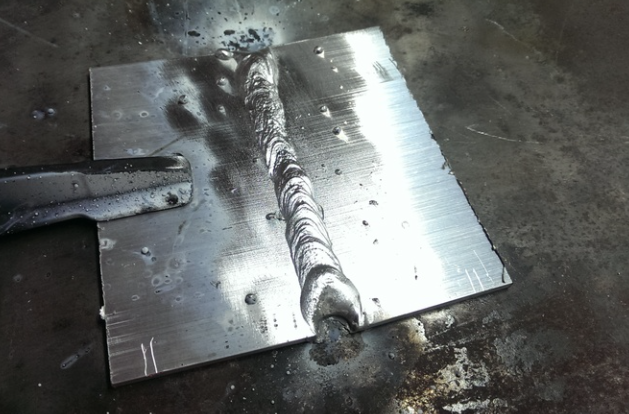
Можете ли да заварявате алуминий с електродна заваръчна машина и да очаквате добри резултати?
Понякога нямате размотаваща горелка (spool gun), променливотокова TIG-заваръчна машина или дори чиста работилница. В такава ситуация електродната заваръчна машина все още може да върне алуминиевия ремонт в експлоатация. Това е правилният подход към този процес: практичен, контролиран и реалистичен.
Въобще ли можете да заварявате алуминий с електродна заваръчна машина?
Да, алуминият може да се заварява с електродна заваръчна машина, но това обикновено е резервен метод за ремонт, а не предпочитаният процес за тънки, декоративни или високоточни работи. Очаквайте по-груби заваръчни шевове, повече почистване и по-малко толерантни резултати в сравнение с MIG или TIG.
Ако се питате дали можете да заварявате алуминий с електродна заваръчна машина, честният отговор е „да“ — при използване на подходящ алуминиев електрод, добро подготвяне и реалистични очаквания. Ръководствата от Welding For Less, YesWelder , и ArcCaptain сочат в една и съща посока: този метод е жизнеспособен предимно за ремонтни цели, по-дебели сечения и ситуации, при които по-добри алуминиеви заваръчни процеси не са налични.
Когато електродната заваръчна машина е практически последен избор
Електродната заваръчна машина става полезна, когато преносимостта има по-голямо значение от външния вид. Помислете за поддръжка на открито, пукнат скоба или аварийен ремонт на терена, където защитният газ и специализираното алуминиево оборудване не са възможни. Ако сте търсили дали може да се заварява алуминий с електродна заваръчна машина или можете ли да заварите алуминий с електроди , вероятно се занимавате точно с такъв тип работа, а не с изработка, при която качеството на заварката е критично.
Какви резултати може да се очакват от заваряването на алуминий чрез метода SMAW
Може ли алуминият да се заварява по този начин и все пак да задържи връзката? Често — да. Ще изглежда ли чисто? Обикновено — не. При ръчната дъгова заварка на алуминий (SMAW) обикновено се получава по-груба заваръчна вълна, по-тежко премахване на шлаката и топена вана, която е по-трудно за наблюдение в сравнение с тази при стоманата. За много читатели истинският въпрос не е просто дали изобщо можете да заварявате алуминий с ръчна дъгова заварка, а дали заварката трябва да бъде само функционална. С други думи, въпросът не е само дали е възможно да се заварява алуминий по този начин, а дали заварката ще изпълни достатъчно добре задачата за конкретния ремонт. Отговорът на този въпрос започва с разбирането на това защо алуминият от самото начало противодейства на този процес.
- Най-добре се използва като аварийен метод за ремонт на място, а не като естетичен процес
- Обикновено е по-реалистичен при по-дебели материали, отколкото при тънки листове
- Очаквайте по-голямо количество почистващи операции и по-малко еднороден външен вид на заваръчната вълна в сравнение с MIG или TIG заварката
- Успехът зависи силно от подготовката, избора на електрод и техниката
Защо ръчната дъгова заварка на алуминий е по-трудна от тази на стомана
Това грубо и капризно усещане не е само във вашата глава. Ако някога сте се чудили, трудно ли е заваряването на алуминий , краткият отговор е „да“, особено при заваряване с покрити електроди. При заваряване на алуминий с електрод или алуминиево ръчно дъгово заваряване (SMAW) няколко материала свойства едновременно работят срещу вас, поради което процесът изглежда по-малко толерантен в сравнение със стоманата още от първото запалване на дъгата.
Защо алуминият е по-труден за заваряване в сравнение със стоманата
- Алуминият образува упорит оксиден слой почти веднага при контакт с въздуха, а този оксид се топи при значително по-висока температура в сравнение с основния метал.
- Той провежда топлината много бързо, поради което топлината се отдалечава бързо от зоната на заварката, докато самият основен метал може изведнъж да се разтопи.
- Той е изключително чувствителен към масла, мазнини, влага и други повърхностни замърсявания, които могат да доведат до порестост, слабо сливане и нечиста заварка.
- Разтопената вана често е по-трудна за визуализиране в сравнение с тази при стоманата, поради което началото, скоростта на движение и повторното запалване изискват по-голям контрол.
Чистотата не е опция при заваряването на алуминий. Дори минимални следи от оксид, масло или влага могат да подкопаят качеството на заварката, преди техниката изобщо да има възможност да помогне.
Как оксидите и топлопроводността влияят върху дъгата
Поведението на материала е истинският проблем тук. оксиден слой може да попречи на правилното спояване, освен ако не бъде премахнат или разрушено, докато високата топлопроводност отвежда топлината от зоната на заваряване много бързо. Seabery също отбелязва, че алуминият има сравнително малка температурна разлика между точката на топене и точката на кипене в практиката, което създава тесен интервал между бавното намокряне и прегряването. Затова началото на дъгата може да изглежда непредсказуемо, намокрянето на шева — неохотно, а пробиването остава риск, ако топлината излезе извън контрол.
Защо заварките по алуминий с ръчна дъга често изглеждат грубо
При стоманата много заварчици могат почти инстинктивно да „четат“ течната вана. Smaw aluminum обикновено не осигурява същия визуален комфорт. Шевът може да изглежда неравномерен, шлаката може да е по-трудна за отстраняване, а замърсяването бързо се проявява като неравност, порозност или лошо свързване. Ръководството в справочника за алуминиево заваряване с ръчни електроди също подчертава влагата и водорода като чести причини за дефекти, което помага да се обясни защо постзаваръчната почиствка и инспекция имат толкова голямо значение. Точно тези ограничения разграничават реалистичния ремонт от работата, която трябва да се прехвърли към друг процес.
Кога има смисъл да се използва ръчно заваряване с електроди за алуминий
Не всяка работа с алуминий заслужава процеса с ръчни електроди. Някои обаче — да. Полезният въпрос е не само може ли алуминият да се заварява с ръчни електроди , а дали ремонтирането отговаря на това, което процесът SMAW прави добре. Ръководството на Ауфхаузер отбелязва, че ръчното заваряване с електроди за алуминий има ограничено приложение и се използва предимно за малки ремонтни работи върху материали с дебелина 1/8 инч (около 3,2 мм) или повече. Това съответства на това, което много заварчици наблюдават в практиката: заварявания на алуминий с електрод е най-реалистично, когато мобилността и основната функционалност имат по-голямо значение от външния вид.
Добри кандидати за ръчно заваряване с алуминиеви електроди
Ръчната заваръчна инсталация става разумна опция, когато работата е проста, достъпът е ограничен и заварката трябва да бъде само структурно функционална, а не визуално привлекателна.
- Полеви ремонти, при които пренасянето на газови бутилки е непрактично
- Външни работи, при които вятърът би нарушил защитния газ при MIG или TIG заваряване
- По-дебели сечения, които по-добре понасят топлинния вход
- Конзоли, фланци и ремонтни работи с ниски изисквания към външния вид
- Ситуации, при които единствената налична машина е ръчен заваръчен източник на захранване
В тези случаи, ако някой попита: може ли алуминий да се заварява с ръчен заваръчен апарат , отговорът често е „да“, при реалистични очаквания и внимателна подготовка.
Работи, по-подходящи за заваряване с MIG или TIG
Най-доброто решение за заваряване на алуминий бързо се променя, когато качеството на повърхността или контролът стават важни. Тънките материали не са подходящи за заваряване с електрод, тъй като алуминият отдава топлината си бързо и след това изведнъж се топи. Детайли, при които външният вид е от значение , серийно производство, както и много замърсени или съмнителни леярски изделия обикновено се преместват към заваряване с MIG или TIG, където контролът върху заваръчната локва и крайното качество на шева са по-предсказуеми. Ако провалът би бил скъп, грубо, но функционално поправено изделие не е достатъчно.
Как да вземете решение, преди да започнете заваряването
| Вид на работата | Тенденция спрямо дебелината на сечението | Изисквания за преносимост | Изисквания за крайна обработка | Възможно ли е заваряването на алуминий чрез SMAW? |
|---|---|---|---|---|
| Външна поправка на скоба или фланец на рамка | По-дебели | Високо | Ниска | Да, често е практически подходящ избор |
| Поддръжка и ремонт с използване само на машина за точково заваряване | Средна до по-дебела | Високо | Ниско до умерено | Да, ако подготовката е отлична |
| Тънколистов материал или лека панелна конструкция | Тънък | Нисък до среден | Средно до висока | Обикновено не |
| Видима архитектурна или козметична част | Всеки | Ниска | Високо | Обикновено не |
| Критична производствена компонента | Всеки | Ниска | Висока и възпроизводима | Рядко е правилният избор |
| Замърсена или склонна към замърсяване литейна отливка | Средна до по-дебела | Различно | Умерен | Възможно, но често рисковано |
Тази таблица ви дава бързо пресяване. Ако работата попадне в колоната „реалистична“, изходът ще зависи по-малко от желаното и повече от електродите, машината и това колко добре и двете съответстват на ремонта.
Избор на алуминиеви заваръчни електроди и настройки на ръчна заваръчна машина
При работите, при които ръчната дъгова заварка (SMAW) е реалистична, изборът на консумативите става истинският „вратар“. Сред множеството алуминиеви заваръчни пръти за стикови заварки настройки, предлагани онлайн, полезният въпрос не е кой електрод звучи най-силно, а кой от тях съответства на сплавта, ремонта и машината, с която всъщност разполагате.
Как да изберете алуминиеви заваръчни електроди
Публикуваните обяви от Chalco посочват три класификации на алуминиеви електроди за ръчна дъгова заварка (SMAW), често споменавани за тази работа: E1100, E3003 и E4043. Ролите им са достатъчно различни, така че изборът само по диаметър е грешка. E1100 се използва за чист алуминий и подобни промишлени марки. E3003 е предназначен за чист алуминий и сплав 3003. E4043 съдържа около 5 % кремний и се представя като по-течен, универсален вариант за няколко съвместими сплави, включително много сплави от серия 6xxx, някои сплави от серия 5xxx с по-ниско съдържание на магнезий, лити сплави на алуминий с кремний, 1100 и 3003. YesWelder също описва E4043 като универсален алуминиева заваръчна пръчка за ръчна дъгова заварка.
- Съгласувайте семейството на присадния прът с базовата сплав, когато сплавта е известна.
- Използвайте E4043, когато имате нужда от по-течен, универсален вариант и съвместимостта на сплавите е потвърдена.
- Не избирайте пръти за ръчна алуминиева заварка само по дебелина. По-големият прът изисква и по-голям ток, както и по-точен контрол на топлината.
- Ако опаковката или техническият лист липсват, избягвайте предположенията и изберете прът с ясно посочена полярност и насоки за ампераж.
- Отхвърляйте пръти с повредени, меки или подозрителни флюсови покрития.
| Семейство или класификация на прътите | Примерен диаметрален обхват | Предназначение | Бележки за съхранение | Вероятен външен вид на заварката или ограничения |
|---|---|---|---|---|
| E1100 | 2,5 до 6,0 мм, посочени от Chalco | Чист алуминий и подобен чист алуминий от индустриален клас | Съхранявайте на сухо, топло място и предпазвайте от конденз след отваряне | Пригодни за ремонтни заварки, но все още по-груби и по-малко естетични в сравнение с MIG или TIG |
| E3003 | 2,5 до 6,0 мм, посочени от Chalco | Ремонт на чист алуминий и сплав 3003 | Прилагат се същите внимателни правила за съхранение, особено след разопакетиране | Полезен там, където е важна пластичността, но визуалният вид обикновено остава груб |
| E4043 | Chalco посочва диаметри от 2,5 до 6,0 мм, а YesWelder отбелязва често срещаните търговски размери като 3/32 и 5/32 инча | Универсални алуминиеви ремонти върху съвместими сплави от серия 6xxx, някои сплави от серия 5xxx с по-ниско съдържание на магнезий, лити алуминиево-силициеви сплави, 1100 и 3003 | Обърнете внимание на абсорбираната влага в флюса и пазете отворените пръти под защита | По-добра течност в сравнение с много алтернативи, но почистването на шева и отстраняването на шлаката все още са част от процеса |
Какво трябва да прави източникът на захранване за ръчно заваряване при заваряване на алуминий
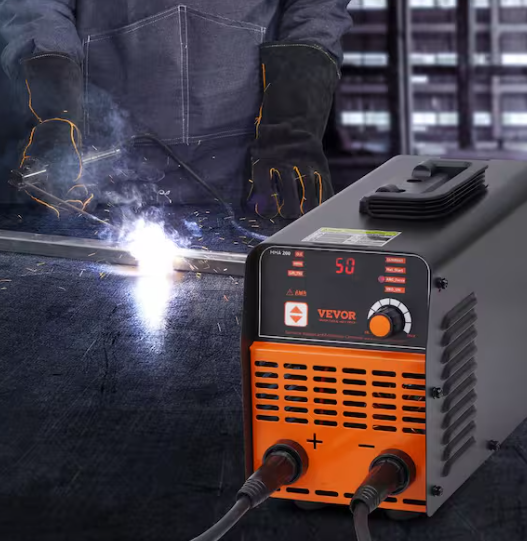
Ако все още се питате какъв тип заваръчна машина за алуминий отговаря на тази глава, отговорът е прост: ръчна заваръчна машина, която може да осигури препоръчания от производителя токов диапазон и необходимата полярност. При често срещания въпрос алуминиево ръчно заваряване — променлив или постоянен ток , безопасното правило е да се следва техническият лист на електродите, а не навикът. YesWelder отбелязва, че много алуминиеви електроди се използват при DCEP, докато някои са предназначени за DCEN. Това означава, че машина с ограничена възможност за регулиране на ампеража или с неподходяща опция за полярност значително намалява шансовете за успех, дори преди да се вземе предвид самата техника.
Правила за съхранение и обработка, които влияят върху резултатите
Състоянието на електродите може тихо да провали в противен случай добре подготвената система. YesWelder отбелязва, че някои пръти за ръчна алуминиева заварка са хигроскопични, поради което флюсът може да абсорбира влага и да стане влажен или лепкав. Препоръките за съхранение от ESAB препоръчват съхраняването на заваръчните електроди в затоплено помещение с равномерна температура, оставянето им в заваръчната зона в продължение на 24 часа преди разопаковане и съхраняването на отворения материал в затоплен шкаф. Чисто, сухо алуминиева заваръчна пръчка ви дава шанс за успех. Влажната повърхност обикновено води до проблеми с дъгата, неопрятен шлак и още повече разочарование, отколкото ремонта заслужава. Затова подготовката на хартия е само наполовина от работата. Подготовката на повърхността и управлението на дъгата решават останалото.
Как да заварявате алуминий с ръчна дъгова заварка стъпка по стъпка
Добър електрод и способна машина пак няма да спасят мръсно съединение. Алуминият възнаграждава реда, а това има още по-голямо значение при ръчната дъгова заварка (SMAW). Ако се опитвате да научите как да заварявате алуминий с електрод или се чудите как се заварява алуминий с ръчна дъгова заварка без да губите време и електроди, фокусирайте се първо върху подготовката, второ – върху настройката и трето – върху техниката.
Подготовка на повърхността преди заваряване на алуминий с ръчна дъгова заварка
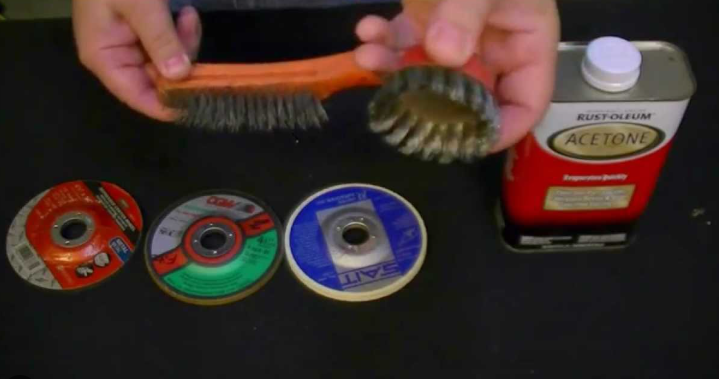
Повечето проблеми при ръчно заваряване с алуминиеви електроди започват още преди запалването на дъгата. Ръководството на ESAB препоръчва първо да се извърши дегресиране с неклориран дегресив, ацетон или, за домашни потребители, с леко сапунено средство за миене на съдове в топла вода, последвано от обилно изплакване с топла вода. Използвайте чисти бели хартиени кърпи вместо работни парцали, тъй като повторно използваните парцали могат да пренесат остатъци обратно върху метала. ESAB също подчертава необходимостта от дегресиране преди изпълнението на прихващането (такове), за да не се уловят замърсителите между съприкосновените повърхности.
След обезмасляване премахнете оксида точно преди заваряването. Алуминият образува оксид веднага при контакт с въздуха, затова прекалено дългото изчакване е неблагоприятно. ESAB препоръчва агресивни ръчни триони, ръчни фуговни ножове или леконапрегнати чистачки от неръждаема стомана за премахване на оксида. По-безопасен избор е специализираната четка от неръждаема стомана само за алуминий. Избягвайте шлифовъчни дискове, пясъчна хартия и абразивни подложки, тъй като те могат да размазват материала или да оставят замърсявания. Ограничете зоната за почистване само до малко по-голяма от областта за заваряване и осигурете плътно прилепване на частите, за да не се налага допълнително внасяне на топлина и допълнителен материал в широка цепнатина.
- Обезмаслете преди прилагане на частите и отново преди фиксиране (такуване), ако е необходимо
- Използвайте инструменти за почистване, предназначени само за алуминий
- Премахнете оксида точно преди заваряването, а не часове по-рано
- Избягвайте работни кърпи от цеха, шлифовъчни дискове и абразивни подложки
- Поставете детайла така, че да можете да поддържате кратка и контролирана дъга
Настройка на машината и проверка на полярността
Полярността не е въпрос на предположение. Lincoln Electric отбелязва, че неправилната полярност може да доведе до лошо проникване, неравномерна форма на заваръчния валик, излишно разпръскване, труден контрол на дъгата, прегряване и бързо изгаряне на електродите. Затова точната полярност и ампераж трябва да се вземат от опаковката на електродите или от техническия им паспорт. YesWelder отбелязва, че много алуминиеви ръчни електроди се използват при DCEP, докато някои са предназначени за DCEN, затова следвайте препоръките на производителя на електродите, а не навика си.
Вашата машина трябва да има регулируем ампераж и способността постоянно да осигурява необходимата полярност. Преди да заварявате истинската част, направете кратък заваръчен валик върху отпадъчен материал, ако е възможно. Този малък тест е един от най-бързите начини да научите. как да заварявате алуминий с електродна машина и да забележите неправилна настройка, преди тя да повреди поправката. Това също помага, ако това е първият път, заваряване на алуминий с електроден апарат когато използвате това оборудване вместо MIG или TIG.
Поетапна процедура за ръчно заваряване на алуминий
- Потвърдете, че работата е подходяща. Използвайте ръчно заваряване на алуминий за практически поправки, а не за работа, при която е критична крайната повърхност.
- Дегресирайте ставата. Поочистете и двете повърхности, ръбовете и съседните повърхности с подходящ почистващ препарат и чисти кърпи.
- Премахнете оксида. Изчистете зоната за заваряване с четка или напилник, като използвате специализирани инструменти за почистване на алуминий. Ако повърхността е бяла или оцветена, почистете я по-интензивно, тъй като хидратираният оксид е по-труден за заваряване.
- Подгответе съединението. Съгласувайте частите плътно. Ако фасетирате ръб и някакъв смазочен материал докосне метала, почистете отново от мазнини.
- Направете пробни заваръчни точки върху чист метал. Задръжте правилното подравняване с малки пробни заваръчни точки след завършване на подготовката.
- Монтирайте правилния електрод. Съгласувайте типа, диаметъра, полярността и ампеража на пръчката според насоките в упаковката. Не използвайте пръчки с влажен или лепкав флюс.
- Започнете заваръчната дъга решително. Започнете чисто и избягвайте дълга, разклоняваща се дъга, докато се образува локвата.
- Поддържайте кратка дължина на дъгата. Към заварявате алуминий с електрод успешно поддържайте електродите близо един до друг и дъгата стегната.
- Преминавайте равномерно и сравнително бързо. YesWelder отбелязва, че алуминият провежда топлина бързо, затова локвата може да се охлади бързо, но прекалено дълго задържане все пак може да причини пробив. Обикновено по-безопасни са правите непрекъснати шевове в сравнение с шевовете с люлеене, освен ако насоките за използване на електрода не предписват друго.
- Почиствайте преди повторно започване. Отстранете шлаката и почистете зоната за повторно започване, за да не заварявате върху уловен флюс.
- Запълнете кратера в края. Не напускайте прекалено бързо съединението. Прибързаният край може да остави слаб кратер, който по-късно може да се напука.
- Отстранете шлаката и почистете шева. Алуминиевата ръчна дъгова заварка (SMAW) обикновено изисква повече почистване в сравнение със стоманата, затова тщателно отстранете остатъците и изчистете с четка преди да оценявате заварката.
- Извършете честна инспекция. Търсете пукнатини, пори, липса на сливане по краищата, пробиване и дефекти в кратерите. Изпилете очевидните неуспехи и ги извършете отново, вместо да се надявате, че ще издържат.
- Премахнете целия шлак преди окончателната инспекция
- Проверете свързването на валика по двата ръба
- Внимателно проверете началото, края и повторното стартиране на заварката
- Коригирайте всяка пукнатина в кратера, заседнал шлак или незаварена област
- Тествайте поправката в експлоатация само след като заварката изглежда чиста и здрава
Тази последователност ви дава най-добрите възможности за функционална поправка, а не за визуално привлекателна. Дори при внимателна подготвка алуминиевата ръчна дъгова заварка има кратък списък от често срещани неуспехи, чиито закономерности е полезно да познавате, преди следващият електрод изобщо да напусне държача.
Отстраняване на проблеми при заваряване на алуминий с ръчен заваръчен апарат
Дори при внимателна подготовка ръчната дъгова заварка с покрити електроди (SMAW) върху алуминий все още може да наказва малките грешки. Локвата е по-трудна за визуализиране, шлаката може да скрива дефекти, а замърсяването се проявява бързо. При реални ремонтни работи най-добрата практика е да се свърже всеки симптом с най-вероятната му причина, вместо да се правят предположения чрез увеличаване на топлината. Ръководството на ESAB за дефекти и ръководството на Hobart за алуминий сочат към един и същ модел: чистотата, дължината на дъгата, подготвеността на съединяваните части и контролът на кратера определят дали ремонтирането ще издържи или ще трябва да се повтаря.
Защо дъгата се усеща нестабилна при заварката на алуминий
Ако електродът пращи, залепва или локвата не се разпръсва равномерно, започнете с основните неща. Нестабилността на дъгата обикновено се дължи на замърсена метална повърхност, остатъчен оксид по ставата, влага в флюса, лошо заземяване, неправилна полярност за електрода или дължина на дъгата, която постоянно става твърде голяма. Много проблеми, които се приписват на лоша техника, всъщност започват с влажни или повредени алуминиеви ръчни заваръчни електроди. Свеж, сух електрод, ярко и чисто място за заземяване и по-къса дъга често подобряват резултата по-бързо, отколкото случайни промени в настройките.
Как да поправите нечисти, грапави или порести шевове
Грапавата форма на шева, иглени дупки, уловен шлак и разпръскване често се срещат заедно при ръчна заварка на алуминий с електроди. Използвайте тази бърза справочна карта преди да положите следващия слой.
| Симптом | Вероятна причина | Незабавно решение | Съвет за предотвратяване |
|---|---|---|---|
| Дъгата пращи или се отклонява | Замърсена става, лошо заземяване, дълга дъга, влажен електрод | Преустановете заземяването върху чист и блестящ метал, намалете дължината на дъгата, опитайте нов електрод | Държете заземяващия клемп близо до мястото на заварката и съхранявайте електродите в сухо помещение |
| Нечист или грапав шев | Оксид, мазнина или шлак, внесени в локвата | Спрете, извадете и почистете с четка, почистете отново до бляскав метал, започнете отново | Използвайте специализирани инструменти за почистване само на алуминий |
| Порестост или игловидни дупки | Влага, мазнина, оксид, дълга дъга | Изпилете порестата област и заварете отново в чист и сух метал | Държете пръчките запечатани и обезмаслете ги непосредствено преди заваряване |
| Липса на спояване при ръбовете или корена | Нисък топлинен вход, бързо придвижване, оставен оксид | Увеличете топлината в рамките на насоката за пръчката и забавете леко | Използвайте бляскав метал, кратка дължина на дъгата и непрекъснати шевове |
| Трудно отстраняване на шлака или островчета от шлака | Твърде много манипулации, лошо почистване между проходите | Почистете напълно и използвайте по-прави проходи | Избийте и изчистете с четка след всеки проход, преди да започнете отново |
| Непривлекателна форма на шева или подрязване | Твърде висока температура, стръмен ъгъл, нестабилна скорост на преместване | Намалете температурата с една стъпка и коригирайте ъгъла на електродите | Упражнявайте се първо върху отпадъчен материал с подобна дебелина |
| Пукнатини в кратера | Твърде рязко спиране, лошо запълване на кратера, високо ограничение | Използвайте шлифовъчна машина за премахване на пукнатината и правилно запълнете края | Използвайте обратен стъпков метод или добавете метал преди прекъсване на дъгата |
| Прожигане | Твърде много топлина, тънък материал, широка цепнатина, слабо прилягане | Намалете топлината, подобрете прилягането и използвайте подложка, ако е възможно | Имайте предвид, че пробиването може да се дължи на лошо прилягане на съединението не по-малко, отколкото на прекомерно нагряване |
Признаци, че поправката трябва да бъде преизпълнена
За практическия ремонт не разчитайте само на външния вид. Изпилете и изпълнете отново заварката, ако забележите някое от следните явления:
- Видими пукнатини навсякъде, особено в кратера или по ръбовете на заварката
- Групи от иглени дупчици, червеобразни следи или мехурчета, които се появяват при премахване на шлаката
- Студени на вид ръбове на заваръчния валик, които лежат върху основния материал вместо да се сраснат с него
- Шлака, запазена в заварката след чукане и почистване с четка
- Силно подрязване, локален пробив или очевидна загуба на напречно сечение
Ремонтният заваръчен шев, който не е козметичен, трябва да се почисти до последователен профил, да няма видими пукнатини и да се слее с основния метал без очевидни незаварени ръбове.
Предимства
- Портативна опция за ремонт на по-дебели неметалически алуминиеви детайли
- Полезно при работа на открито, където използването на защитен газ е непрактично
- Може да възстанови скоби, фланци и издръжливи утилитарни части до работоспособно състояние
Недостатъци
- По-висок риск от порестост, липса на спояване и неравномерна форма на заваръчния валик
- Изисква повече почистване и дава по-малко възпроизводим външен вид в сравнение с MIG или TIG заваряване
- Ограничена надеждност при тънки материали, критични части или работа, при която външният вид е от съществено значение
Ако едни и същи дефекти се появяват повторно при заваряване на алуминий с електродна заваръчна машина, проблемът може вече да не е свързан с техниката. В този момент по-умният въпрос е дали електродното заваряване изобщо е подходящият метод за ремонт.
Коя заваръчна машина най-добре заварява алуминий?
Когато едни и същи дефекти продължават да се появяват, проблемът не винаги е в техниката. Понякога самият процес не е подходящ. Ако все още се питате можете ли да заварявате алуминий с дъгова заварка , честният отговор е „да“, но изпълнимият полеви ремонт не е същото нещо като най-добрата работилнична методика. Сред обичайните заваръчни машини за алуминий правилният избор зависи от това какво има най-голямо значение: преносимост, качество на повърхността, възпроизводимост или дали детайлът трябва да бъде заменен вместо повторно ремонтиран.
Най-добрият начин за заваряване на алуминий при различни работилнични условия
Разделението е доста ясно в ръководството на ESAB. Алуминиевата MIG-заварка е предназначена за средни и дебели сечения, дълги шевове и повтарящо се производство, докато AC TIG-заварката се предпочита за по-тънки материали, видими стави, прототипи и локален ремонт. В работилнични термини това означава, че заваряването на алуминий с оборудване за заварка с подаване на тел е по-логично, когато приоритет имат производителността и последователността. TIG-заварката е далеч по-подходяща за автомобилни работи, при които външният вид има решаващо значение. Ръчната (стик) заваръчна машина все още има стойност за външни или аварийни ремонти, но рядко се избира като първи вариант за заваряване на алуминий в контролирана фабрикационна среда.
Когато поправката е по-умна от замяната
Критериите за ремонт срещу замяна сочат към едно просто правило: ремонтът е по-защитен, когато щетите са локализирани, времето за прекъсване е от значение и частта все още има останал полезен живот. Това е мястото, където алуминиевият SMAW може да остане практичен компромис. Но ако истинският въпрос е можете ли да заварявате алуминий с дъгова заварка на част, която трябва да изглежда чиста, да има тесни размери или да се върне към повторна продукция, пръчката обикновено престава да бъде умният отговор.
Когато е по-разумно да се заменят или изтриват нови материали
Замяната се извършва, когато щетите са широко разпространени, безопасността е критична или се натрупа многократно ремонт. Някои автомобилни компоненти са по-добре заменени или преработени, отколкото отново поправени, особено ако има деформация, видимо завършване или измерения консистенция. За екипи, които се нуждаят от източник път, Shaoyi Metal Technology предлага персонализирани автомобилни алуминиеви екструзии с контрол на качеството IATF 16949, производство в едно място, инженерна поддръжка, безплатен дизайн анализ, бързо прототипиране и 24-часови оферти.
| Избор на процес | Портативност | Очистване | Качество на финала | Пригодност за производство | Опции за набавяне на заместващи части |
|---|---|---|---|---|---|
| Замяна с персонализирана екструзия | Не е опция за ремонт на място | Няма почистване след заваряване на повредената част | Най-подходящо, когато има значение геометрията, външният вид или преработката на дизайна | Идеално решение за серийно автомобилно производство | Shaoyi за персонализирани екструзии и производство, подкрепено от инженерни решения |
| Алуминиево ръчно дъгово заваряване (SMAW) | Най-висок | Обилно образуване на шлака и почистване след заваряване | Първостепенно предназначение — функционалност, а не естетика | Слаба пригодност за серийно производство | Използва се главно когато спешният ремонт е по-важен от подмяната |
| Алуминиев MIG, система с подаване на тел | Умерен | По-малко почистване в сравнение с ръчното заваряване с електроди | Добро, но не първият избор за работа с изложбено качество | Най-добро за средни и дебели секции и по-дълги повтарящи се заварки | Трябва да се подмени, ако повредата е разпространена или формата на детайла вече не е надеждна |
| AC TIG | Най-ниско в тази област | Чист процес с минимално почистване на шлака | Най-доброто визуално качество и контрол върху образуването на локви | Изключително подходящ за тънки, видими, прототипни и локални ремонтни работи | Заменете, ако деформацията или рисковете за експлоатация правят ремонта съмнителен |
Ако се чудите кой заваръчна машина заварява алуминий най-доброто решение рядко е една и съща машина за всяка задача. Понякога ръчната (стик) заварка е напълно достатъчна. Понякога MIG или TIG заварката е явно по-добра. Понякога най-умното решение е замяна на детайла. Затова окончателното решение трябва да започне с кратък тест, честна инспекция и реалистична оценка на това, от което действително се нуждае детайлът.
Мога ли да заварявам алуминий с ръчна (стик) заварка или да заменя детайла?
Кратката тестова заваръчна нишка обикновено разкрива истината по-бързо от надеждата. Ако заварката има за цел само да върне по-дебело утилитарно детайл в експлоатация, ръчната (стик) заварка все още може да бъде приложимо решение. Ако детайлът трябва да изглежда чист, да се повтаря надеждно или да поддържа точни размери, често по-добрият избор е друг заваръчен процес или замяна на детайла. Това е истинското послание зад въпроси като може ли ръчна (стик) заваръчна машина да заварява алуминий и мога ли да заварявам алуминий .
Какво трябва да направят повечето читатели следващия път
- Упражнявайте се върху отпадъчен материал, който колкото е възможно по-точно съответства на истинската част.
- Следвайте инструкциите на производителя на електродите относно избора на прът, полярността и тока, вместо да гадаете.
- Почистете ставата внимателно и заварявайте истинската част само ако шевът върху отпадъчния материал започва, протича и се обработва контролирано.
- Извършете честна инспекция на завършената поправка. Основен чеклист за инспекция на заваръчната работа трябва да включва визуална проверка за прекъсвания, деформации и общото качество на изпълнението.
- Поправете очевидните дефекти. Ако проблемите се появяват отново, спрете принудителното използване на ръчна дъгова заварка (SMAW) и преминете към MIG, TIG или замяна на частта.
Кога да упражнявате поправка и кога да заменяте частта
Ако все още се питате как се заварява алуминий или как да заварявам алуминий с ограничено оборудване използвайте електродната сварка като инструмент за обучение и ремонт, а не като универсално решение. Упражняването има смисъл върху некозметични части, където обслужваемостта е по-важна от външния вид. Замяната е по-оправдана, когато частта е тънка, силно видима, често пуква или се очаква да се използва повторно в стабилно производствено обкръжение. Същата логика се прилага и ако се чудите мога ли да заварявам алуминий с електродна сварка върху автомобилна част, която изисква чиста посадка и повтаряемо високо качество.
Къде автомобилните екипи могат да набавят персонализирани алуминиеви профили
За автомобилните екипи, които решат, че ремонтирането е неподходящият път, Shaoyi Metal Technology е един практически вариант за персонализирани алуминиеви профили. Неговият процес, сертифициран според IATF 16949, инженерен екип с над десетгодишен опит, безплатен анализ на конструкцията, бързо прототипиране и бърза поддръжка при предоставяне на оферти могат да са по-полезни от опитите да се спаси деформирана или многократно повреждана част. Така че, може ли електродната сварка да се използва за заваряване на алуминий? Да. По-добрият въпрос е дали трябва да се използва за тази конкретна задача.
Често задавани въпроси за заваряване на алуминий с електрод
1. Можете ли да заварявате алуминий с обикновен електроден заваръчен апарат?
Да, но само ако машината може да осигури необходимия ток и полярност, посочени от производителя на електрода. На практика заваряването на алуминий с електрод е най-полезно при ремонт на по-дебели части, работи на открито и ситуации, когато MIG или AC TIG заваряване не са налични. Обикновено то не е подходящо за тънки листове, декоративни шевове или части, които изискват висока степен на повторяемост на резултатите.
2. Какъв електрод се използва за заваряване на алуминий с електрод?
Използвайте алуминиев електрод за ръчно дъгово заваряване (SMAW), който съответства възможно най-точно на основния метал. Често споменаваните класификации за този тип работа включват E1100, E3003 и E4043. Най-подходящият избор зависи от съвместимостта на сплавите, типа ремонт, състоянието на електрода и инструкциите на производителя за настройка. Не избирайте електрод само по диаметър и избягвайте всеки електрод с повреден или влаговъзприемчив флюс.
3. Дали заваряването на алуминий с електрод е достатъчно здраво за истински ремонт?
Той може да е достатъчно силен за извършване на ремонтни работи върху по-дебели, некозметични части, когато съединението е подходящо почистено, прътът е в добро състояние и завършеният заваръчен шев изпълнява изискванията при инспекция. Това казано, той е по-малко толерантен спрямо грешки в сравнение с алуминиевата MIG или AC TIG заварка, поради което не трябва да се използва като стандартен избор за критични производствени части, сборки с тесни допуски или компоненти с висока видимост.
4. Защо алуминиевата ръчна заварка често води до неравномерни или порести заваръчни вали?
Обичайните причини са остатъчен оксид върху повърхността, масло или мазнина, влага в обвивката на електродите, дълга дъга или лошо прилягане. Алуминият също отвежда топлината бързо, което прави течната вана по-трудна за визуализиране и подновяването на заварката — по-малко толерантно към грешки. По-добри резултати обикновено се постигат чрез използване на нови и сухи електроди, специализирани инструменти за почистване на алуминий, ясно и надеждно заземяване, кратка дължина на дъгата и пълно премахване на шлаката преди подновяване или инспекция на заварката.
5. Кога трябва да замените алуминиева част вместо да я заварвате?
Замяната често е по-умното решение, когато детайлът е тънък, многократно пукнат, видимо деформиран, подложен на замърсяване или когато се изисква точна геометрия и чиста повърхност. Това често се среща при автомобилни компоненти и персонализирани профили. Ако поправката вече не е практична, Shaoyi Metal Technology предлага персонализирани алуминиеви екструзии за автомобилна индустрия, подкрепени от контрол на качеството според стандарта IATF 16949, инженерна поддръжка, безплатен анализ на дизайна и бързи оферти.