 Będziemy wystawiać na targach Automechanika Frankfurt 2026 — 8 września | Hala 4.2, Stanowisko M31 —
 EN
EN


Twoja pierwsza wirtualna wycena obróbki skrawaniem: od przesłania pliku CAD do produkcji
Czym jest oferta obróbkowa online i dlaczego ma to znaczenie
Wyobraź sobie, że czekasz pięć dni tylko po to, aby uzyskać cenę pojedynczej części wykonanej metodą obróbki skrawaniem. Brzmi frustrująco? Przez dziesięciolecia była to rzeczywistość dla inżynierów i zespołów zakupowych zamówujących elementy niestandardowe. Oferta obróbkowa online zmienia wszystko, dostarczając dokładnych cen w ciągu kilku minut zamiast dni.
Prościej mówiąc, oferta obróbkowa online to cyfrowe szacunkowe koszty, które są generowane po tym, jak przesłaszczasz swoje pliki CAD na platformę produkcyjną . Te systemy analizują geometrię Twojej części, wymagania materiałowe oraz dopuszczalne odchylenia za pomocą zaawansowanych algorytmów, a następnie niemal natychmiast podają ceny i terminy realizacji. Platformy takie jak Xometry, RapidDirect czy CNC24 były pionierami tego podejścia, przekształcając sposób, w jaki części niestandardowe przechodzą od etapu projektowania do produkcji.
Od zapytań ofertowych wysyłanych e-mailem do natychmiastowego ustalania cen
Tradycyjne metody przygotowywania ofert tworzyły utrudnienia na każdym etapie. Wysyłano wiadomości e-mail z załączonymi rysunkami, czekano na odpowiedzi, doprecyzowywano specyfikacje telefonicznie i liczyło się na to, że nic nie zostanie źle przetłumaczone. Zgodnie z informacjami firmy MDA Ltd ta konwencjonalna metoda prowadziła często do nieporozumień, braku zgodności w zakresie zamówienia oraz opóźnień, które wpływały na cały harmonogram produkcji.
Przejście na cyfrowe przygotowywanie ofert eliminuje te problemy. Gdy przesyłasz pliki bezpośrednio, Twoje specyfikacje są zawsze przekazywane w pełni poprawnie. Nie ma potrzeby ponownej interpretacji rysunków ani ryzyka utraty kluczowych danych podczas przekazywania dokumentów. Jeden z klientów z sektora automatyki doświadczył tego osobiście: jego poprzedni dostawca potrzebował pięciu dni tylko na przygotowanie oferty na prototyp, podczas gdy platforma precyzyjnej obróbki CNC wygenerowała kompletną ofertę na podstawie ich pliku STEP w ciągu ośmiu godzin roboczych.
Rewolucja cyfrowego przygotowywania ofert – wyjaśnienie
Co czyni oferty obróbkowe online zasadniczo innymi? Szybkość i przejrzystość. Tradycyjne procesy przetwarzania zapytań ofertowych (RFQ) pozostawiały Cię w stanie niepewności co do kosztów, podczas gdy ceny rynkowe ulegały zmianie, a terminy realizacji się przesuwały. Systemy cyfrowe zapewniają natychmiastową przejrzystość czynników wpływających na cenę, umożliwiając zamknięcie kosztów i podejmowanie szybszych decyzji.
Te platformy łączą zautomatyzowane sprawdzanie wykonalności z wiedzą ekspercką z zakresu produkcji. Po przesłaniu pliku system analizuje geometrię pod kątem możliwości wykonania, sprawdza dostępność materiałów oraz oblicza stopień złożoności obróbki. Zazwyczaj otrzymujesz wiążącą ofertę zawierającą szczegółową kalkulację cen, potwierdzone terminy dostawy oraz jednoznaczne specyfikacje materiałów.
Jak działają systemy przesyłania projektu w celu uzyskania oferty
Uzyskanie oferty CNC online odbywa się zgodnie z prostym przepływem pracy. Oto, co dzieje się po złożeniu wniosku o wycenę za pośrednictwem typowej platformy:
- Prześlij swoje pliki projektowe: Prześlij bezpośrednio do platformy pliki w formatach STEP, IGES, DXF lub PDF – w wielu systemach nie wymaga to rejestracji.
- Określ kluczowe parametry: Wybierz rodzaj materiału, wymagane ilości, preferowane wykończenie powierzchni oraz wymagania dotyczące dopuszczalnych odchyłek.
- Otrzymaj analizę automatyczną: System sprawdza wykonalność geometryczną, grubość ścianek, wypukłości i inne czynniki wpływające na możliwość produkcji.
- Przejrzyj natychmiastową ofertę: Ceny, czas realizacji oraz szczegóły produkcji zostaną przesłane na Twój adres e-mail lub dostępne w portalu klienta.
- Dokonaj ewentualnych korekt: Dostosuj parametry w czasie rzeczywistym i obserwuj natychmiastowe aktualizacje oferty.
Według CNC24 , większość platform udziela ofert w ciągu 48 godzin, przy czym wiele z nich dostarcza wyników już po kilku minutach dla standardowych elementów. Cały proces odbywa się przy użyciu szyfrowanej transmisji danych i zgodnie z przepisami RODO, co zapewnia ochronę Twojej własności intelektualnej na każdym etapie.
Dla specjalistów ds. zakupów i inżynierów projektantów poszukujących efektywności ten model usługi CNC oferuje przewidywalność, jakiej tradycyjne metody po prostu nie potrafią zapewnić. Będziesz wiedzieć dokładnie, ile będą kosztować Twoje elementy jeszcze przed podjęciem zobowiązań, z pełną przejrzystością dotyczącą sposobu obliczenia ceny.
Główne czynniki wpływające na cenę oferty CNC
Czy kiedykolwiek zastanawiałeś się, dlaczego dwa pozornie podobne elementy mogą mieć zupełnie różne ceny? Odpowiedź tkwi w logice produkcyjnej stojącej za każdą ofertą CNC uzyskaną online. Zrozumienie tych czynników wpływających na koszty pozwala podejmować mądrzejsze decyzje projektowe oraz unikać zaskoczenia ceną przy otrzymywaniu ofert.
Koszty obróbki CNC dzielą się na kilka wzajemnie powiązanych składników . Zgodnie z informacjami firmy U-Need Precision Manufacturing główne czynniki wpływające na koszty obejmują czas pracy maszyny, koszty materiału, koszty przygotowania oraz koszty pracy. Jednak prawdziwa złożoność pojawia się, gdy zagłębiamy się w sposób, w jaki te elementy oddziałują na konkretne wymagania dotyczące Twojego elementu.
Oto główne czynniki wpływające na cenę każdej oferty na elementy wykonane metodą CNC:
- Wybór materiału i ceny surowca: Różne metale i tworzywa sztuczne wiążą się z bardzo różnymi kosztami obróbki metalowej ze względu na ich obrabialność i dostępność na rynku.
- Czas maszynowy w zależności od złożoności: Skomplikowane geometrie wymagają większej liczby operacji frezowania, częstszych wymian narzędzi oraz dłuższego czasu programowania.
- Wymagania dotyczące tolerancji: Ścisłe tolerancje wykładniczo zwiększają czas obróbki, wymagania kontrolne oraz wskaźnik odrzutów.
- Poziomy cenowe w zależności od ilości: Koszt jednostkowy znacznie spada wraz ze wzrostem wielkości partii dzięki rozłożeniu kosztów przygotowania na większą liczbę sztuk.
- Operacje wtórne: Powłoki powierzchniowe, obróbka cieplna oraz powłoki dodatkowe zwiększają liczbę etapów przetwarzania i koszty.
Koszty materiałów i wymiary surowca
Wybór materiału wpływa na znacznie więcej niż tylko cenę surowca. Gdy wybierzesz stal nierdzewną zamiast aluminium do obróbki metalowej, nie płacisz tylko więcej za funt. Akceptujesz także wolniejsze prędkości skrawania, większe zużycie narzędzi oraz dłuższe czasy cyklu.
Zastanów się, jak różne materiały porównują się ze sobą:
| Materiał | Względna łatwość obróbki | Wpływ na koszty | Wspólne zastosowania |
|---|---|---|---|
| Aluminium 6061 | Doskonały | Niski | Prototypy, obudowy, uchwyty |
| Stal miękka | Dobrze | Niski-średni | Elementy konstrukcyjne, uchwyty montażowe |
| Pozostałe stali nierdzewnej | Umiarkowany | Średni-Wysoki | Medycyna, przetwórstwo spożywcze |
| Tytan | Trudne | Wysoki | Lotnictwo, implanty medyczne |
| Tworzywa techniczne | Doskonały | Niski-średni | Izolatory, elementy narażone na zużycie |
Wymiary surowego materiału również mają znaczenie. Jeśli do wykonania Twojego elementu konieczne jest rozpoczęcie od nadmiernie dużego pręta, ponieważ standardowe wymiary nie są dostępne, zapłacisz za materiał, który ostatecznie zamieni się w wióry na podłodze warsztatu. Sprytni projektanci sprawdzają dostępne standardowe wymiary materiałów przed ostatecznym ustaleniem wymiarów elementu.
Jak złożoność powoduje wykładniczy wzrost czasu obróbki maszynowej
Złożoność projektu nie zwiększa kosztów w sposób liniowy – mnoży je. Element z głębokimi wnękami, cienkimi ściankami lub podcięciami wymaga specjalistycznego narzędziowania, wielokrotnych ustawień oraz starannego programowania, czego proste geometrie w ogóle nie wymagają.
Zgodnie z analizami kosztów produkcji złożoność wpływa na ofertę cenową poprzez kilka mechanizmów:
- Wymagania wieloosiowe: Centrum frezarki lub tokarki CNC z 5 osiami kosztuje znacznie więcej na godzinę niż standardowa maszyna z 3 osiami.
- Wymiana narzędzi: Każda wymiana narzędzia dodaje sekundy, które kumulują się w całym cyklu produkcji.
- Uchwyty niestandardowe: Nietypowe kształty mogą wymagać dedykowanych uchwytników, co zwiększa koszty przygotowania.
- Czas programowania: Złożone programowanie CAM wymaga wykwalifikowanej siły roboczej oraz większej liczby godzin na rozwój.
Dobra wiadomość? Uproszczenie projektów na wczesnym etapie rozwoju często znacznie obniża koszty frezowania bez utraty funkcjonalności. Usunięcie niepotrzebnych cech konstrukcyjnych, zwiększenie promieni zaokrągleń wewnętrznych oraz unikanie głębokich wgłębień może znacząco obniżyć ofertę cenową.
Ukryty koszt ścisłych wymiarów tolerancyjnych
Właśnie w tym miejscu wielu inżynierów odczuwa niespodziankę: specyfikacje tolerancji mogą podwoić lub potroić ofertę cenową już w ciągu jednej nocy. Związek między precyzją a kosztem produkcji nie jest liniowy – jest wykładniczy.
Według Modus Advanced , przejście od standardowych tolerancji (±0,1 mm) do tolerancji precyzyjnych (±0,025 mm) może zwiększyć koszty o około czterokrotność. Przejście do zakresu ultra-precyzyjnego (±0,0025 mm) powoduje, że koszty są aż 24 razy wyższe niż w przypadku standardowego frezowania.
Dlaczego tak się dzieje? Ścisłe допусki wyzwalają łańcuch wymagań:
- Środowiska kontrolowane pod względem temperatury: Praca precyzyjna wymaga stabilnych warunków termicznych, aby zapobiec zmianom wymiarowym.
- Niższe prędkości posuwu: Uzyskanie wysokiej jakości powierzchni oznacza dokładniejsze toczenie, co wydłuża czas cyklu.
- Zwiększona kontrola jakości: Każdy ścisły dopuszczalny odchyłka wymaga weryfikacji, często przy użyciu specjalistycznych urządzeń metrologicznych.
- Wyższy odsetek odrzucanych elementów: Części niezgodne ze specyfikacją są usuwane, a producenci uwzględniają to ryzyko w ofertach cenowych.
- Procesy iteracyjne: Toczenie, pomiar, korekta, powtórka — obróbka precyzyjna staje się stopniowym procesem.
Rzeczywistość produkcyjna jest surowa: ten dopuszczalny odchyłka ±0,025 mm, który określiłeś, mógł podwoić koszt Twojej części i potroić czas realizacji zamówienia. Zanim zlecisz ścisłe dopuszczenia, zastanów się, czy aplikacja rzeczywiście wymaga takiego poziomu precyzji, czy też nadmiernie je określasz z przyzwyczajenia.
Inteligentne przydzielanie tolerancji skupia precyzję tam, gdzie rzeczywiście ma to znaczenie — na powierzchniach stykowych, kluczowych interfejsach i wymiarach funkcjonalnych — pozwalając jednocześnie na luźniejsze specyfikacje w innych miejscach. Takie podejście zapewnia taką samą końcową wydajność przy ułamku kosztów.
Zrozumienie tych czynników cenotwórczych zmienia sposób, w jaki podejmuje się projektowanie i zakupy. Zamiast po prostu akceptować podane kwoty ofertowe, można teraz dostrzec za nimi leżącą logikę produkcyjną oraz podejmować świadome kompromisy, które równoważą wymagania dotyczące wydajności z ograniczeniami budżetowymi.
Przygotowanie plików CAD do szybszych i dokładniejszych ofert cenowych
Zaprojektowałeś imponującą część i jesteś gotów uzyskać jej wycenę. Jednak wiele inżynierów odkrywa to w trudny sposób: oferta cenowa na obróbkę CNC jest tak dokładna, jak przesłany przez Ciebie plik. Przesłanie niepoprawnego modelu spowoduje opóźnienia, odrzucenie zamówienia lub oferty, które nie odzwierciedlają rzeczywistej kwoty, jaką będziesz musiał zapłacić.
Zgodnie z informacjami JLCCNC, maszyny CNC wykonują instrukcje z dokładnością do ułamków milimetra. Jeśli dane CAD są niekompletne, nieprawidłowo sformatowane lub zawierają błędy geometryczne, istnieje ryzyko otrzymania niedokładnych ofert cenowych, opóźnienia harmonogramu produkcji lub odrzucenia części. Rozwiązanie? Zrozumienie wymagań dotyczących plików z perspektywy produkcyjnej jeszcze przed przesłaniem pliku.
Optymalne formaty plików do uzyskania dokładnych ofert cenowych
Nie wszystkie formaty plików przekładają się w równie skuteczny sposób na instrukcje obróbkowe. dobór materiałów do obróbki CNC a przygotowując projekt do wyceny, wybór formatu bezpośrednio wpływa na dokładność interpretacji geometrii przez system.
Poniżej przedstawiamy najlepsze formaty plików do uzyskiwania ofert cenowych na prototypy i części produkcyjne CNC:
- STEP (.stp, .step): Uniwersalny standard wymiany danych CAD. Pliki STEP zachowują precyzyjną geometrię, dane powierzchniowe oraz dokładność wymiarową w różnych środowiskach programistycznych.
- IGES (.igs, .iges): Starszy, ale szeroko obsługiwany format, który dobrze radzi sobie ze złożonymi powierzchniami. Jest nieco mniej niezawodny niż STEP w przypadku szczegółowych elementów.
- Parasolid (.x_t, .x_b): Doskonały do zachowania integralności geometrycznej, szczególnie w przypadku części zaprojektowanych w SolidWorks lub NX.
- Natywne formaty CAD: Niektóre platformy akceptują pliki SolidWorks, Fusion 360 lub Inventor bezpośrednio, choć czasami występują problemy z konwersją.
Czego należy unikać? Formaty oparte na siatce (mesh), takie jak STL lub OBJ, nadają się do druku 3D, ale powodują problemy przy frezowaniu CNC. Formaty te przekształcają gładkie krzywe w małe trójkąty, co prowadzi do utraty precyzji matematycznej wymaganej przez maszyny CNC. Wynikiem jest powierzchnia o krawędziach zamiast gładkiej geometrii oraz oferty cenowe niezgodne z intencją projektu.
Lista kontrolna przed przesłaniem modeli CAD
Zanim przekażesz plik, wykonaj poniższy proces przygotowawczy, aby wykryć problemy powodujące odrzucenie oferty lub niespodzianki cenowe:
- Sprawdź ustawienia skali: Upewnij się, że jednostki są prawidłowo ustawione na cale lub milimetry. Zgodnie z Poradnikiem rozwiązywania problemów Xometry , błędy skali należą do najczęstszych przyczyn niepowodzenia automatycznego generowania ofert.
- Sprawdź, czy geometria składa się z pojedynczego ciała: Upewnij się, że Twój model składa się z jednego, spójnego ciała, a nie z wielu odłączonych komponentów. Pliki wielociałowe często wymagają ręcznego rozdzielenia przed przygotowaniem oferty.
- Usuń elementy wyłączone lub ukryte: Ciała elementów zewnętrznych (np. śrub, nakrętek), geometria pomocnicza oraz szkice odniesienia mogą zakłócać działanie algorytmów wyliczających ofertę.
- Sprawdź minimalną grubość ścianek: Zbyt cienkie ścianki, które nie wytrzymają sił występujących podczas obróbki skrawaniem, spowodują wyświetlenie błędów. W większości systemów minimalna grubość ścianek wynosi około 0,5–1,0 mm, w zależności od materiału.
- Uporządkuj geometrię wewnętrzną: Wyeliminuj powierzchnie o zerowej grubości, powtarzające się ściany oraz nachodzące na siebie ciała, które powodują warunki niemanifoldowe.
- Wyeksportuj i zaimportuj ponownie w celu walidacji: Przed przesłaniem pliku wyeksportuj go do formatu STEP i zaimportuj ponownie do oprogramowania CAD. Jeśli pojawią się błędy, najpierw popraw je w oryginalnym pliku natywnym.
Zgodnie z uwagami Fictiv, udostępnienie kompletnych plików technicznych w formacie .stp pozwala producentom dokładnie zrozumieć, jak należy wykonać narzędzie oraz ile materiału będzie zużyte w procesie produkcji. Taka przejrzystość przekłada się bezpośrednio na bardziej dokładne obliczenia kosztów.
Unikanie błędów geometrii powodujących opóźnienia w przygotowaniu ofert
Pewne problemy związane z CAD powodują systematycznie niepowodzenie przygotowywania ofert. Zrozumienie, dlaczego te problemy są istotne z perspektywy produkcyjnej, pozwala całkowicie ich uniknąć.
Geometria niemanifoldowa występuje, gdy krawędzie są współdzielone przez więcej niż dwie ściany lub gdy powierzchnie nie tworzą całkowicie zamkniętej objętości bryłowej. Maszyny CNC nie mogą frezować elementów, których kształt nie jest matematycznie dobrze określony, dlatego takie części są natychmiast odrzucane.
Wewnętrzne puste wnęki stwarzają inny rodzaj wyzwań. Zgodnie z dokumentacją Xometry, części zawierające puste obszary, których nie można wykonać za pomocą procesów ubytkowych, wymagają ponownego zaprojektowania. Należy rozważyć podział pojedynczej części na kilka elementów przeznaczonych do osobnego frezowania, które następnie zostaną ze sobą zmontowane.
Brak oznaczeń tolerancji zmusza systemy wycenowe do zakładowania standardowych specyfikacji, co może prowadzić do niedoszacowania prac precyzyjnych lub przeszacowania prostych elementów. Dołącz adnotacje GD&T lub określ wymiary krytyczne w dokumentacji towarzyszącej.
Niejasne cechy takie jak gwinty bez podania specyfikacji lub otwory bez podania głębokości, powodują lukę w interpretacji. Zawsze podawaj typy gwintów (np. M6x1,0, 1/4-20) oraz kompletny zestaw danych wymiarowych dla każdej cechy.
Podsumowując: Twój plik dokładnie określa producentowi, co ma zostać wyprodukowane. Luki w tej informacji powodują opóźnienia związane z koniecznością uzyskania od inżynierów wyjaśnień — a jeszcze gorzej, mogą doprowadzić do wytworzenia części niezgodnych z Twoimi wymaganiami. Sprawdzenie modelu przed wysłaniem zajmie Ci piętnaście minut, ale zaoszczędzi dni na wymianę korespondencji i zagwarantuje, że otrzymana wycena rzeczywiście odzwierciedla rzeczywisty koszt produkcji Twojego projektu.
W jaki sposób dobór materiału wpływa na wysokość wyceny i czas realizacji zamówienia
Przesłałeś czysty plik CAD i określiłeś swoje допусki. Teraz nadszedł moment decyzji, która może wpłynąć na cenę oferty dotyczącej obróbki CNC w internecie o 300% lub więcej: wybór materiału. Wybrany materiał nie tylko wpływa na wydajność gotowego elementu – bezpośrednio określa też czas obróbki, wymagania dotyczące narzędzi oraz szybkość wysyłki Twoich części.
Dlaczego obróbka aluminium kosztuje znacznie mniej niż obróbka tytanu? Dlaczego niektóre tworzywa inżynierskie wymagają specjalistycznego sprzętu, podczas gdy inne są przetwarzane z łatwością jak masło? Odpowiedzi kryją się w ocenach obrabialności oraz dynamice łańcucha dostaw, które producenci uwzględniają przy każdorazowym przygotowywaniu oferty.
Oceny obrabialności i ich wpływ na cenę
Obrabialność określa, jak łatwo dany materiał można przecinać, kształtować i wykańczać. Zgodnie z informacjami firmy Ethereal Machines, materiały o doskonałej obrabialności pozwalają na wyższe prędkości skrawania, dłuższą żywotność narzędzi oraz lepszą jakość powierzchni – wszystko to przekłada się bezpośrednio na niższe koszty.
Rozważ, jak różne materiały porównują się pod względem kluczowych czynników produkcyjnych:
| Materiał | Wykorzystanie maszynowe | Typowe zastosowania | Poziom kosztów |
|---|---|---|---|
| Aluminium 6061 | Doskonały | Prototypy, obudowy, części samochodowe | Niski |
| Brąz c36000 | Doskonały | Elementy dekoracyjne do sprzętu, precyzyjne komponenty | Niski-średni |
| Stal miękka | Dobrze | Części konstrukcyjne, uchwyty, maszyny | Niski |
| Pozostałe stali nierdzewnej | Umiarkowany | Urządzenia medyczne, maszyny do przetwórstwa spożywczego | Średnie |
| Delrin (POM) | Doskonały | Zębniki, łożyska, precyzyjne mechanizmy | Niski-średni |
| Nylon (PA) | Dobrze | Wkładki, elementy narażone na zużycie, izolatory | Niski |
| Tytan | Biedny | Przemysł lotniczy i kosmiczny, implanty medyczne, przemysł morski | Wysoki |
| Inconel 718 | Biedny | Części lotnicze i kosmiczne przeznaczone do pracy w wysokich temperaturach | Wysoki |
Materiały o słabej obrabialności powodują skumulowany wzrost kosztów. Zgodnie z danymi Timay CNC , niższa obrabialność tytanu znacznie wydłuża czas obróbki i przyspiesza zużycie narzędzi, co prowadzi do wzrostu zarówno kosztów robocizny, jak i materiałów. Zastosowanie specjalistycznych narzędzi, duże zużycie chłodziwa oraz dodatkowe etapy obróbki końcowej dalszym stopniem zwiększają koszty.
Dlaczego obróbka aluminium jest tak ekonomiczna? Wysoka przewodność cieplna aluminium pozwala na stosowanie szybszych prędkości skrawania bez przegrzewania. Zużycie narzędzi pozostaje minimalne. Powierzchnie po obróbce są czyste i wymagają niewielkiej dodatkowej obróbki. Te czynniki łącznie skracają czas pracy maszyny nawet o 20% w porównaniu z cięższymi metalami.
Materiały prototypowe vs materiały produkcyjne
Wybór między materiałami prototypowymi a materiałami produkcyjnymi wiąże się z innymi kwestiami niż oczekują tego wielu inżynierów. W przypadku szybkiej iteracji i weryfikacji projektu należy wybrać materiały, które łatwo i szybko obrabia się oraz są tańsze w przeliczeniu na jednostkę. W końcowej produkcji priorytetem stają się trwałość i wymagania wynikające z zastosowania.
Kiedy wybrać aluminium zamiast stali do prototypów:
- Aluminium ma przewagę gdy potrzebujesz krótkiego czasu realizacji, niższych kosztów oraz gdy głównym celem prototypu jest sprawdzenie dopasowania lub ocena wizualna.
- Stal jest uzasadniona gdy prototyp musi podlegać testom funkcjonalnym przy obciążeniach, które spowodowałyby odkształcenie aluminium, lub gdy weryfikujesz procesy hartowania.
W przypadku komponentów wykonanych z tworzyw sztucznych inżynierowie często pytają: czym jest Delrin i kiedy powinienem użyć go zamiast nylonu w zastosowaniach tokarskich?
Zgodnie z informacjami firmy Jiahui Custom materiał delrin — oficjalnie znany jako polioksymetylen (POM) lub plastik acetalowy — charakteryzuje się wyższą stabilnością wymiarową i odpornością na wilgoć w porównaniu do nylonu. Plastik delrin zachowuje swoje właściwości nawet w wilgotnych środowiskach, przy współczynniku pochłaniania wilgoci wynoszącym zaledwie 0,5% w przeciwieństwie do 2–9% dla nylonu.
Wybierz delrin, gdy potrzebujesz:
- Dokładnych tolerancji, które muszą pozostawać stabilne w czasie
- Zastosowań o niskim współczynniku tarcia, takich jak przekładnie i mechanizmy ślizgowe
- Części narażonych na działanie wilgoci lub wilgotnego środowiska
- Wysokiej odporności na zmęczenie w zastosowaniach o dużej liczbie cykli
Wybierz obróbkę nylonu, gdy potrzebujesz:
- Wyższej odporności na uderzenia i większej elastyczności
- Niższych kosztów materiału w przypadku produkcji masowej
- Części, które będą podlegać częstym obciążeniom mechanicznym
- Zastosowania, w których akceptowalne są niewielkie zmiany wymiarów
Oba materiały dobrze nadają się do obróbki skrawaniem, jednak naturalna twardość i niski współczynnik tarcia delrinu zazwyczaj zapewniają gładkie powierzchnie końcowe przy minimalnej obróbce dodatkowej. Wyższy współczynnik rozszerzalności cieplnej nylonu może powodować odkształcenia podczas obróbki skrawaniem, co wymaga ostrożniejszego postępowania i potencjalnie zwiększa koszty.
Kiedy materiały ekskluzywne uzasadniają wyższą cenę
Materiały ekskluzywne, takie jak tytan, Inconel i stopy specjalne, mają wyższą cenę z ważnych powodów. Ich wyjątkowe właściwości uzasadniają inwestycję w konkretnych zastosowaniach, w których materiały standardowe po prostu nie są w stanie spełnić wymaganych funkcji.
Tytan uzasadnia wyższą cenę, gdy:
- Redukcja masy jest kluczowa bez rezygnacji z wytrzymałości (lotnictwo, motosport)
- Wymagana jest biokompatybilność (implanty medyczne, instrumenty chirurgiczne)
- Odporność na korozję musi wytrzymać działanie wody morskiej lub agresywnych chemikaliów
- Stabilność w wysokich temperaturach jest niezbędna do długotrwałej eksploatacji
Jednak dostępność materiałów ma bezpośredni wpływ na czas realizacji zamówień. Standardowe stopy aluminium są wysyłane ze stanu magazynowego dystrybutora w ciągu kilku dni. Egzotyczne materiały często wymagają specjalnego zamówienia, co wydłuża czas oczekiwania o jedną do czterech tygodni zanim nawet rozpocznie się obróbka.
Certyfikaty materiałowe również wpływają na cenę. Gdy Twoje zastosowanie wymaga udokumentowanej śledzalności materiału — co jest powszechne w sektorach lotniczym, medycznym i motocyklowym — należy spodziewać się nadwyżki cenowej w wysokości 15–30% ponad standardowe ceny. Certyfikowane materiały są dostarczane wraz z raportami testowymi hutniczymi potwierdzającymi skład chemiczny oraz właściwości mechaniczne, co wiąże się z dodatkowym obciążeniem administracyjnym, ale zapewnia zgodność z normami branżowymi.
Zanim zdecydujesz się na użycie egzotycznych materiałów, zadaj sobie następujące pytania:
- Czy moje zastosowanie rzeczywiście wymaga tych właściwości, czy może nadmiernie je specyfikuję?
- Czy mogę osiągnąć podobną wydajność dzięki obróbce powierzchniowej tańszych materiałów podstawowych?
- Jakie jest wpływy kosztowe wydłużonego czasu realizacji na harmonogram mojego projektu?
- Czy certyfikaty materiałowe są wymagane przez moją branżę, klienta lub wewnętrzne standardy?
Poprawny wybór materiału polega na zrównoważeniu wymagań dotyczących wydajności z ograniczeniami budżetowymi i czasowymi. Zrozumienie, w jaki sposób obrabialność, dostępność oraz wymagania dotyczące certyfikacji wpływają na ofertę, umożliwia podejmowanie świadomych kompromisów – wybór materiałów zapewniających dokładnie taką wydajność, jakiej potrzebujesz, bez konieczności płacenia za niepotrzebne możliwości.
Natychmiastowe oferty online vs tradycyjne procesy zapytań ofertowych (RFQ)
Przygotowałeś już swoje pliki CAD i dokonałeś wyboru materiałów. Teraz stajesz przed rozdrożem: czy skorzystać z systemu natychmiastowego tworzenia ofert online, czy przesłać tradycyjne zapytanie ofertowe do warsztatów obróbkowych w moim regionie? Odpowiedź zależy całkowicie od złożoności projektu, harmonogramu realizacji oraz konkretnych wymagań.
Oba podejścia mają swoje miejsce w nowoczesnych zakupach produkcyjnych. Zgodnie z informacjami Wikifactory, natychmiastowe wyceny działają doskonale w przypadku prostych projektów, podczas gdy ręczne wyceny stają się niezbędne, gdy Twoje części wymagają starannego, ekspertowego przeanalizowania. Zrozumienie, kiedy które podejście zapewnia optymalne rezultaty, pozwala zaoszczędzić czas, pieniądze i uniknąć frustracji.
Kiedy natychmiastowe wyceny zapewniają dokładne ceny
Natychmiastowe wyceny online sprawdzają się najlepiej wtedy, gdy Twój projekt mieści się w ściśle określonych parametrach. Te zautomatyzowane systemy świetnie radzą sobie z analizą standardowych geometrii, powszechnie stosowanych materiałów oraz umiarkowanych wymagań dotyczących tolerancji — dostarczając dokładnych cen w ciągu kilku minut zamiast dni.
Rozważ zastosowanie natychmiastowej wyceny jako swojej metody pierwszego wyboru, gdy:
- Określono standardowe materiały: Aluminium 6061, stal węglowa, stal nierdzewna 304 oraz powszechne tworzywa inżynierskie są wyceniane niezawodnie za pomocą systemów zautomatyzowanych.
- Tolerancje mieszczą się w typowych zakresach: Części wymagające tolerancji ±0,1 mm lub luźniejszych przetwarzane są płynnie bez konieczności ręcznej weryfikacji.
- Geometrie są proste: Proste kształty graniaste, standardowe wzory otworów oraz łatwo dostępne cechy są analizowane z dużą dokładnością.
- Ilości są umiarkowane: Wytwarzanie prototypów w ilości od 1 do 50 sztuk zwykle mieści się w zakresie tzw. „słodkiego punktu” natychmiastowego wyceniania.
- Nie są wymagane żadne specjalistyczne certyfikaty: Gdy wystarczają standardowe procesy zapewnienia jakości, systemy zautomatyzowane obsługują wycenę wydajnie.
Korzyść wynikająca z wydajności jest znaczna. Tam, gdzie tradycyjne metody mogą wymagać dni wymiany wiadomości e-mail i rozmów telefonicznych, systemy natychmiastowego wyceniania zwracają wiążące oferty w ciągu kilku minut. Możesz iterować projekty, dostosowywać ilości oraz porównywać opcje materiałów w czasie rzeczywistym — co znacznie przyspiesza podejmowanie decyzji.
Projekty wymagające indywidualnego wyceniania na podstawie zapytania ofertowego (RFQ)
Nie każdy projekt idealnie wpisuje się w algorytmiczne kategorie. Zgodnie z Analizą Wikifactory indywidualne wycenianie staje się niezbędne w przypadku części o wyższym stopniu złożoności, które wymagają oceny przez eksperta w celu określenia najbardziej odpowiedniej metody produkcji.
Prześlij tradycyjne zapytania ofertowe (RFQ) do lokalnych warsztatów maszynowych lub dostawców specjalistycznych w następujących przypadkach:
- Zaangażowane są złożone zespoły: Części wieloskładnikowe wymagające oprzyrządowania, przyrządów montażowych lub specjalnych uchwytników wymagają oceny przez człowieka.
- Określono materiały egzotyczne: Tytan, Inconel, stopy specjalne lub nietypowe tworzywa sztuczne często nie znajdują się w bazach danych umożliwiających natychmiastowe wyceny.
- Wymagane są bardzo ścisłe допусki: Specyfikacje ultra-dokładności poniżej ±0,025 mm wymagają przeglądu wykonalności produkcyjnej.
- Planowane są duże serie produkcyjne: Zamówienia przekraczające 500–1000 sztuk korzystają z negocjowanych cen oraz dedykowanego planowania produkcji.
- Wymagane są certyfikaty specjalistyczne: Wymagania zgodności z przepisami dotyczącymi przemysłu lotniczego, medycznego lub motocyklowego wymagają udokumentowanej weryfikacji.
Ręczne podejście oferuje coś, czego nie zapewnia automatyzacja: dialog. Pracując bezpośrednio z lokalnymi warsztatami CNC, uzyskujesz dostęp do wiedzy specjalistycznej w zakresie produkcji, która może zaproponować ulepszenia projektu, wskazać możliwości obniżenia kosztów oraz wykryć potencjalne problemy jeszcze przed rozpoczęciem produkcji.
Hybrydowe podejścia do złożonych wymagań
Co dzieje się, gdy Twój projekt nie mieści się w żadnej z kategorii? Wiele części znajduje się w strefie „szarej” — jest zbyt złożonych, aby można było je zacytować w pełni automatycznie, ale nie jest na tyle nietypowych, by wymagały długotrwałych cykli wysyłania zapytań ofertowych (RFQ).
Inteligentne strategie zakupowe łączą oba te podejścia:
- Zacznij od natychmiastowych ofert cenowych w celu ustalenia podstawowej ceny: Nawet jeśli ostateczne zamówienie będzie wymagało indywidualnego podejścia, systemy automatyczne zapewniają szybkie punkty odniesienia do budżetowania.
- Korzystaj z funkcji eskalacji dostępnych na platformie: Wiele usług internetowych oferuje opcję „zaproś inżyniera do przeglądu”, która aktywuje ręczną ocenę bez konieczności rezygnacji z cyfrowych procesów roboczych.
- Strategicznie dziel zamówienia: Prototypy mogą być wyceniane natychmiastowo, podczas gdy zamówienia produkcyjne są realizowane poprzez tradycyjne kanały.
- Wykorzystaj doświadczenie platformy: Zgodnie z informacjami FACTUREE, nowoczesne platformy internetowe łączą cyfrową wydajność z osobową, ekspertową pomocą — nie musisz wybierać między automatyzacją a wiedzą specjalistyczną.
Poniższa tabela porównuje kluczowe różnice, aby pomóc Ci określić, które podejście najlepiej odpowiada Twojemu aktualnemu projektowi:
| Czynnik | Natychmiastowa wycena online | Tradycyjne indywidualne zapytanie ofertowe (RFQ) |
|---|---|---|
| Czas realizacji | Minuty do godzin | 2–7 dni roboczych |
| Dokładność dla części złożonych | Ograniczona; może wymagać korekty | Wysoka; obejmuje ocenę przez eksperta |
| Obsługa korekt | Natychmiastowe ponowne wycenianie dostępne | Wymaga nowego cyklu przesyłania |
| Ceny hurtowe | Standardowe progi cenowe | Negocjowalne przy dużych zamówieniach |
| Elastyczność materiału | Tylko materiały powszechne | Dostępne stopy egzotyczne i niestandardowe |
| Dopuszczalność | Od standardu do precyzji | Dostępna ultra-precyzja |
| Wsparcie certyfikacyjne | Podstawowe normy jakości | Komplety przemysłowe |
| Konsultacja Projektowa | Zautomatyzowana informacja zwrotna DFM | Ekspertyza inżynierska |
Najlepsze podejście często ewoluuje wraz z projektem. Prototypy na wczesnym etapie mogą być szybko wyceniane za pomocą natychmiastowych ofert, podczas gdy zamówienia produkcyjne przechodzą do indywidualnych zapytań ofertowych (RFQ), zapewniając zoptymalizowaną cenę i gwarancję jakości. Zrozumienie obu ścieżek — oraz momentu, w którym należy przełączyć się między nimi — zapewnia elastyczność, jakiej nie może zapewnić zakup oparty wyłącznie na jednej metodzie.
Gdy już określi się, które podejście wycenowe najlepiej odpowiada danemu projektowi, kolejnym kluczowym krokiem jest umiejętność oceny otrzymanych ofert. Nie wszystkie oferty zawierają te same informacje, a rozumienie tego, na co należy zwracać uwagę, decyduje o skutecznym zakupie lub o kosztownych niespodziankach.
Profesjonalna ocena i porównywanie ofert
Otrzymałeś trzy oferty na te same niestandardowe części frezowane. Jedna z nich jest o 40% tańsza od pozostałych. To świetna okazja, prawda? Nie tak szybko. Ta atrakcyjna cena może pomijać istotne informacje, które przekształcą Twoje „oszczędności” w kosztowne niespodzianki w trakcie produkcji.
Ocenianie oferty na obróbkę CNC w trybie online wymaga więcej niż porównania końcowych kwot. Zgodnie z informacjami firmy LongSheng Manufacturing ocena oferty na obróbkę CNC to proces systematyczny, który wymaga kompleksowego rozważenia wielu kluczowych czynników — nie tylko prostego porównania cen, lecz także dogłębnej analizy jakości świadczonych usług, potencjału technicznego oraz ogólnej opłacalności.
Podstawowe elementy kompleksowej oferty
Dobra oferta precyzyjnie określa, za co dokładnie płacisz. Zanim zaakceptujesz jakąkolwiek cenę, upewnij się, że Twoja oferta zawiera następujące kluczowe elementy:
- Szczegółowy podział cen: Koszty materiałów, czas obróbki, opłaty za przygotowanie maszyny oraz operacje wtórne powinny być wymienione jako osobne pozycje. Łączenie kosztów w jednej kwocie utrudnia określenie, na które cele przeznaczane są Twoje środki.
- Specyfikacje materiału: Dokładny stop, gatunek i stan materiału powinny być jasno określone. Słowo „aluminium” nie jest wystarczająco precyzyjne — wymagana jest konkretna nazwa, np. „aluminium 6061-T6”, lub równoważna szczegółowość.
- Możliwości dotyczące tolerancji: Potwierdzone specyfikacje dotyczące dokładności wymiarowej, tolerancji geometrycznych oraz wymagań dotyczących chropowatości powierzchni. Niejasne sformułowania, takie jak „standardowe tolerancje”, pozostawiają lukę w interpretacji.
- Terminy realizacji: Konkretne terminy dostawy z wyraźnie określonymi etapami kontrolnymi: zatwierdzenie zamówienia, rozpoczęcie produkcji oraz wysyłka. Okres „2–3 tygodnie” znacznie różni się od sformułowania „wysyłka do 15 marca.”
- Warianty wykończenia obejmują: Czy przedstawiona oferta obejmuje powierzchnie po frezowaniu („as-machined”) czy też zawiera usunięcie wyprasek (deburring), anodowanie, pokrywanie metalami lub inne wykończenia powierzchni, które zostały przez Państwa określone.
- Poziomy cenowe w zależności od ilości: Jak zmieniają się koszty jednostkowe w przypadku późniejszego zwiększenia lub zmniejszenia ilości zamówienia.
- Zasady wprowadzania poprawek i zmian: Co dzieje się w przypadku konieczności modyfikacji projektu po zaakceptowaniu oferty.
W przypadku usług precyzyjnego toczenia i frezowania oferta powinna również określać metody kontroli jakości. Czy będą stosowane pomiary przy użyciu współrzędnościowego pomiaru maszynowego (CMM)? Jakie są stawki próbkowania? Te szczegóły mają ogromne znaczenie, gdy elementy muszą spełniać ścisłe wymagania techniczne.
Dostawcy oferujący usługi toczenia CNC oraz frezowania CNC powinni wyraźnie wskazać, które procesy dotyczą konkretnego elementu. Elementy wielooperacyjne często przechodzą między różnymi maszynami — zrozumienie tego przepływu pracy pozwala ocenić dokładność szacowanego czasu realizacji.
Czerwone flagi sygnalizujące problemy z wyceną
Niektóre sygnały ostrzegawcze wskazują, że wycena wymaga dodatkowej analizy lub nawet odrzucenia. Zwracaj uwagę na poniższe problemy, które często prowadzą do trudności produkcyjnych:
- Niezwykle niskie ceny: Gdy jedna wycena jest niższa od innych o 30% lub więcej, coś zostało pominięte. Prawdopodobnie nie są spełnione wymagania dotyczące dopuszczalnych odchyłek, materiałów lub specyfikacji wykończenia.
- Niejasne określenia materiału: oznaczenie „stal” lub „plastik” bez podania konkretnej klasy materiału sugeruje, że dostawca nie przeanalizował dokładnie Twoich wymagań.
- Brak informacji o dopuszczalnych odchyłkach: Jeśli w wycenie nie potwierdzono podanych przez Ciebie dopuszczalnych odchyłek, należy założyć, że dostawca przygotował ofertę na podstawie standardowych specyfikacji, a nie rzeczywistych wymagań.
- Brak zobowiązań dotyczących czasu realizacji: "ASAP" lub zakresy „2–4 tygodnie" oznaczają, że dostawca nie zaplanował jeszcze Twojego zlecenia. Oczekuj opóźnień.
- Niejasne zasady wnoszenia poprawek: Brak udokumentowanych procedur obsługi zmian projektowych może skutkować koniecznością całkowitego ponownego wycenienia nawet drobnych modyfikacji.
- Ukryte opłaty w drobnym druku: Opłaty za przygotowanie maszyn, opłaty za inspekcję, opłaty za przyspieszenie realizacji lub kary za zamówienia poniżej minimalnej wielkości umieszczono w warunkach ogólnych.
- Brak wzmianki o dokumentacji jakości: W przypadku projektów CNC wymagających śledzalności brak protokołów inspekcyjnych budzi poważne obawy.
Zgodnie z analizą firmy LongSheng ocena kluczowych elementów oferty — w tym terminu dostawy, dokładności obróbki, środków zapewnienia jakości oraz reputacji dostawcy — stanowi istotny czynnik decydujący o rozsądności oferty. Brak którekolwiek z tych informacji nie oznacza koniecznie braku uczciwości, ale wymaga wyjaśnień przed podjęciem dalszych działań.
Certyfikaty świadczące o zaangażowaniu w zapewnienie jakości
Certyfikaty informują, jak poważnie producent traktuje kontrolę jakości. W przypadku cięcia CNC i prac precyzyjnych te uprawnienia mają znaczenie:
ISO 9001: Podstawowy standard zarządzania jakością. Zakłady posiadające certyfikat utrzymują udokumentowane procesy, przeprowadzają regularne audyty oraz wykazują ciągłą poprawę. Większość renomowanych warsztatów CNC posiada ten certyfikat.
IATF 16949: Wymagający standard jakości branży motocyklowej i samochodowej. Dostawcy spełniający wymagania normy IATF działają z wykorzystaniem statystycznej kontroli procesów, posiadają udokumentowane procedury PPAP oraz rygorystyczne systemy śledzenia. Jeśli zakupujesz komponenty do zastosowań motocyklowych lub samochodowych, ten certyfikat zapewnia istotne gwarancje.
AS9100: Odpowiednik normy dla branży lotniczej, który wymaga jeszcze surowszych zasad w zakresie dokumentacji, śledzenia materiałów oraz walidacji procesów.
Dlaczego certyfikaty wpływają na wiarygodność ofert? Zgodnie z badaniami jakości produkcji, dostawcy posiadający certyfikaty inwestują w systemy pozwalające wykrywać problemy jeszcze przed wysyłką komponentów. Ich oferty dokładniej odzwierciedlają rzeczywiste koszty produkcji, ponieważ ulepszyli swoje procesy szacowania kosztów dzięki audytowanym procedurom.
Certyfikowani producenci zapewniają zazwyczaj również bardziej szczegółowe oferty. Ich systemy zarządzania jakością wymagają dokumentowania specyfikacji, co przekłada się na przejrzyste rozdzielenie cen i wyraźne zobowiązania dotyczące dopuszczalnych odchyłek. Przy ocenie konkurujących ofert status certyfikacji często wyjaśnia różnice w kompletności dokumentacji.
Podsumowując? Porównywanie cen bez jednoczesnego porównywania treści ofert prowadzi do błędnych decyzji. Kompleksowa oferta daje pewność, że komponenty zostaną dostarczone terminowo, będą zgodne ze specyfikacjami oraz będą kosztować tyle, ile się spodziewano. Brak informacji tworzy luki, w których ukrywają się problemy – luki, które odkryjesz dopiero wtedy, gdy będzie już za późno na wybór innego dostawcy.
Typowe błędy w ofertach i jak ich uniknąć
Przygotowałeś pliki, dobrałeś materiały i starannie porównałeś oferty. Ale co, jeśli właśnie Twoje projektowanie powoduje zawyżenie cen lub wręcz odrzucenie zapytania? Wielu inżynierów odkrywa, że pozornie drobne decyzje projektowe skutkują znacznymi różnicami w kosztach — czasem podwajającymi lub potrajającymi koszt części uzyskany w ramach oferty na obróbkę CNC bez dodawania żadnej wartości funkcjonalnej.
Zgodnie z Zenith Manufacturing typowymi błędami projektowania z myślą o wykonalności produkcyjnej (DfM) są m.in. ostre narożniki wewnętrzne wymagające specjalnych narzędzi, ścianki zbyt cienkie, aby zachować sztywność, głębokie kieszenie o wysokim stosunku wysokości do szerokości, niepotrzebnie ścisłe допусki oraz nadmiernie gładkie powierzchnie. Usunięcie tych błędów pozwoliło jednej firmie obniżyć koszt swojej części o ponad 70%.
Elementy projektu powodujące wzrost ceny oferty
Pewne decyzje projektowe uruchamiają kosztowne procesy produkcyjne, a Ty nawet nie zdajesz sobie z tego sprawy. Oto najbardziej typowe przyczyny oraz ich wpływ na koszty:
- Ostre narożniki wewnętrzne: Narzędzia do cięcia CNC są okrągłe — nie mogą tworzyć idealnie kwadratowych narożników. Uzyskanie ostrych krawędzi wewnętrznych pod kątem 90° wymaga przeniesienia elementu do obróbki elektroerozyjnej (EDM), której koszt jest od 3 do 5 razy wyższy niż standardowa frezarka. Rozwiązanie? Dodaj promienie zaokrąglenia narożników o wartości co najmniej jednej trzeciej głębokości wnęki.
- Cienkie ścianki: Ścianki cieńsze niż 0,8 mm w przypadku części metalowych CNC lub 1,5 mm w przypadku części plastikowych CNC powodują odkształcenia i drgania. Frezerzy muszą znacznie obniżyć prędkość cięcia — co potencjalnie zwiększa czas obróbki o 100–300%. W przypadku aluminium ścianki o grubości poniżej 0,8 mm mają ponad 50% większe prawdopodobieństwo odkształcenia się.
- Głębokie kieszenie i otwory: Elementy o stosunku głębokości do średnicy przekraczającym 4:1 wymagają specjalistycznego narzędzi. Zgodnie z informacjami firmy Hubs, wiercenie przy przekroczeniu tego stosunku wymaga cykli wiercenia z odprowadzaniem wióra (peck-drilling), co podwaja czas obróbki. Przekroczenie stosunku 10:1 może spowodować dziesięciokrotne zwiększenie kosztów.
- Niestandardowe średnice otworów: Każde frezowanie CNC z wykorzystaniem nietypowych średnic wiertła wymaga dodatkowych operacji frezowaniem frezem końcowym. Określ średnice otworów w przyrostach 0,1 mm do 10 mm oraz w przyrostach 0,5 mm powyżej tej wartości.
- Zbyt duża głębokość gwintu: Zwiększenie długości współpracy gwintu ponad 1,5-krotność średnicy otworu zapewnia jedynie minimalny dodatkowy przyrost wytrzymałości połączenia. Określenie gwintu głębszego niż trzykrotność średnicy powoduje marnowanie czasu pracy maszyny oraz zwiększa ryzyko złamania narzędzia do naрезania gwintu.
Specyfikacje gwintów wymagają szczególnej uwagi. Przy projektowaniu elementów z gwintem należy starannie odnosić się do standardowych wymiarów. Na przykład znajomość wymiarów gwintu 3/8 NPT zapewnia zgodność projektu z dostępnymi narzędziami. Podobnie prawidłowe określenie średnicy otworu pod gwint 1/4 NPT zapobiega nieporozumieniom produkcyjnym oraz opóźnieniom w przygotowaniu ofert.
Zasady produkcyjności pozwalające oszczędzić pieniądze
Projektowanie z myślą o produkcyjności nie ogranicza kreatywności – ma na celu efektywne osiągnięcie zamierzonego efektu projektowego. Poniższe zasady systematycznie obniżają koszty frezowania CNC:
- Promienie zaokrągleń wewnętrznych: Określ promienie o wartości co najmniej jednej trzeciej głębokości wnęki. Dla wnęki o głębokości 12 mm użyj promieni narożników o wartości 5 mm lub większej. Dzięki temu standardowe narzędzia mogą pracować z wyższymi prędkościami.
- Ograniczenia głębokości wnęki: Ogranicz głębokość wnęki do maksymalnie czterokrotności szerokości cechy. Głębsze wnęki wymagają narzędzi o przedłużonym sięgnięciu, które są bardziej podatne na ugięcie i drgania.
- Minimalna grubość ścianek: Projektuj ściany metalowe o minimalnej grubości 0,8 mm, a ściany plastikowe o minimalnej grubości 1,5 mm. Grubsze przekroje zapewniają lepszą stabilność i zmniejszają liczbę przejść frezarskich.
- Optymalizacja długości gwintu: Ogranicz długość gwintu do maksymalnie trzykrotnej średnicy otworu. W przypadku otworów ślepych dodaj niegwintowaną strefę luzu na dnie o długości równej połowie średnicy otworu.
- Standardowe średnice otworów: Używaj wiertła o średnicach wyrażonych w ułamkach cala w projektach w systemie imperialnym lub w standardowych przyrostach metrycznych. Sprawdź tabele średnic wiertła przed ostatecznym ustaleniem wymiarów.
Szybkie poprawki przed wysłaniem
Zanim prześlesz swój projekt w celu uzyskania oferty, wykonaj poniższe działania korekcyjne:
- Dodaj obszerne promienie narożników: Zastąp wszystkie ostre wewnętrzne narożniki zaokrągleniami o promieniach odpowiadających dostępnym średnicom frezów końcowych. Nawet dodatkowe 1 mm promienia może umożliwić szybsze ścieżki narzędzia.
- Zwiększ grubość ścian brzegowych: Jeśli którakolwiek ściana zbliża się do minimalnych progów, dodaj 0,5 mm tam, gdzie jest to funkcjonalnie dopuszczalne. Ta niewielka zmiana często eliminuje konieczność stosowania specjalnych metod obróbki.
- Zmniejsz głębokość kieszonek: Rozważ podzielenie głębokich cech na kilka elementów złożonych zamiast wykonywania pojedynczych głębokich wnęk.
- Standaryzuj średnice otworów: Przeanalizuj każdą średnicę otworu w odniesieniu do standardowych tabel średnic wiertła. Przekształcenie otworów o średnicy 7,3 mm na otwory o średnicy 7,5 mm może pozwolić na wyeliminowanie operacji wtórnych.
- Zrelaksuj nieistotne tolerancje: Stosuj ścisłe tolerancje wyłącznie do powierzchni stykających się oraz interfejsów funkcyjnych. Standardowe tolerancje ±0,1 mm są znacznie tańsze niż wymagania precyzyjne.
Jak podkreśla Greg Paulsen z Xometry: „Często bardzo drobna, niestotna zmiana projektu może stanowić różnicę między częścią w cenie 50 USD a częścią w cenie 500 USD.” Poświęcenie piętnastu minut na zoptymalizowanie projektu przed złożeniem ofert cenowych przynosi zazwyczaj oszczędności znacznie przewyższające czas poświęcony na tę czynność.
Gdy projekt został zoptymalizowany pod kątem możliwości produkcyjnych, możesz z pewnością przejść do kolejnego etapu. Zrozumienie tego, co dzieje się po akceptacji oferty — od rozpoczęcia produkcji aż po dostawę — zapewnia zgodność Twoich oczekiwań z rzeczywistością produkcyjną.
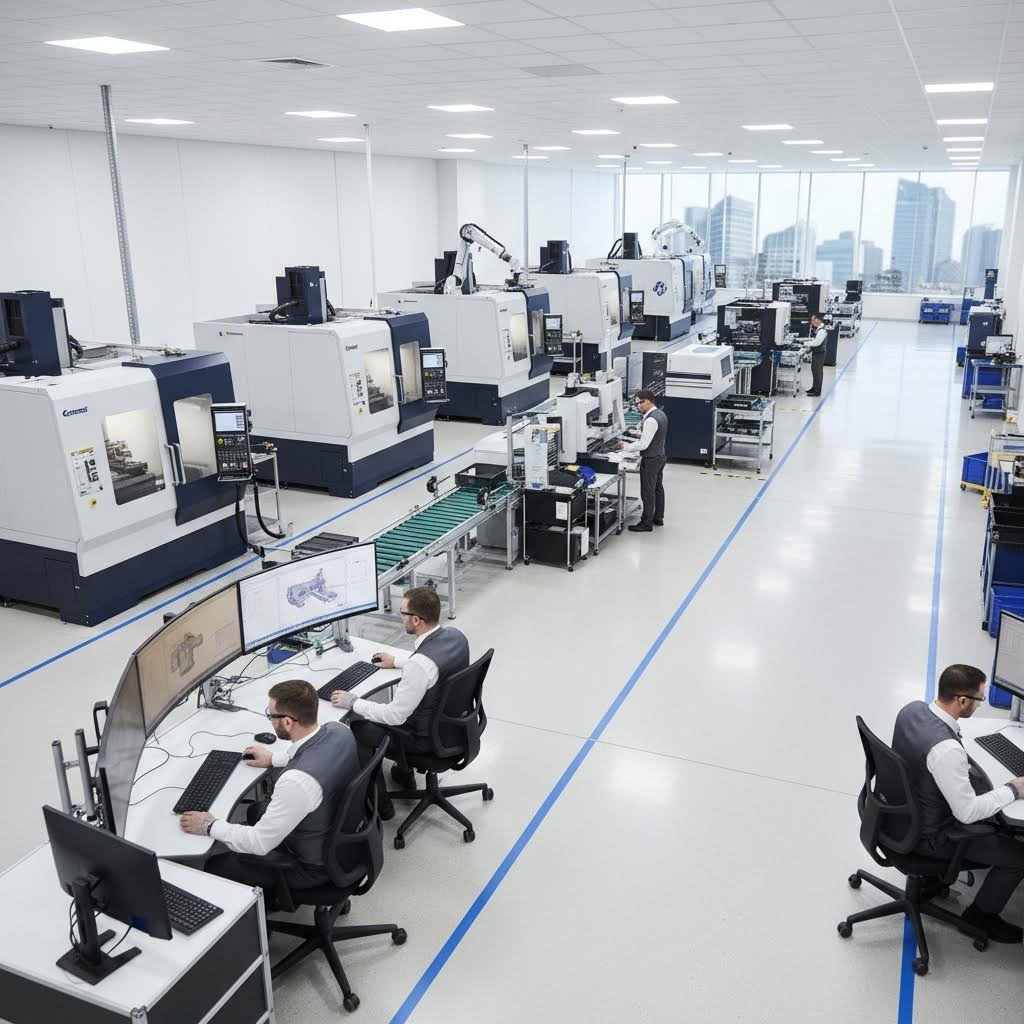
Cykl życia oferty: od wyceny do produkcji
Zaakceptowałeś/aś ofertę na obróbkę CNC w trybie online — gratulujemy! Ale co dzieje się dalej? Wielu inżynierów i zespołów zakupowych odkrywa, że droga od akceptacji oferty do otrzymania gotowych części CNC obejmuje więcej etapów, niż początkowo przypuszczali. Zrozumienie tego cyklu życia pozwala skutecznie zarządzać modyfikacjami, unikać niespodzianek oraz budować produktywne relacje ze swoimi partnerami produkcyjnymi.
Według Design2Market , przejście od oferty do produkcji wymaga starannej uwagi poświęconej dokumentacji, protokołom jakości oraz kanałom komunikacji. Traktuj zaakceptowaną ofertę jako linię startu, a nie metę — właściwa rywalizacja rozpoczyna się w momencie, gdy wkracza w życie planowanie produkcji.
Od akceptacji oferty do rozpoczęcia produkcji
W chwili, gdy klikniesz przycisk „zaakceptuj” lub podpiszesz ofertę, kilka procesów uruchamia się jednocześnie. Zrozumienie tego przepływu pracy pozwala uniknąć nieporozumień dotyczących harmonogramu i zapewnia płynny przebieg projektu.
Weryfikacja Projektu najpierw następuje weryfikacja projektu. Twój partner produkcyjny sprawdza przesłane przez Ciebie pliki w odniesieniu do specyfikacji zawartych w ofercie. Potwierdza zgodność geometrii, tolerancji oraz oznaczeń cech z analizą przeprowadzoną przez jego system ofertowy. W przypadku frezowania CNC dla branży lotniczej lub obróbki części medycznych etap ten często obejmuje dodatkową weryfikację dokumentacji w celu zapewnienia zgodności z wymaganiami branżowymi.
Potwierdzenie Materiałów następnie następuje sprawdzenie dostępności materiału. Dostawca sprawdza, czy określona przez Ciebie gatunkowość materiału jest dostępna na magazynie. Standardowe materiały, takie jak aluminium 6061, zwykle są wysyłane ze sklepów dystrybutorów w ciągu kilku dni. Egzotyczne stopy lub materiały certyfikowane mogą wymagać zamówienia, co wydłuża czas realizacji przed rozpoczęciem obróbki.
Oto, co dzieje się w trakcie przejścia od oferty do produkcji:
- Potwierdzenie zamówienia: Pisemne potwierdzenie specyfikacji, cen oraz uzgodnionej daty dostawy
- Zakup materiałów: Weryfikacja stanu magazynowego lub złożenie zamówienia na materiały niestandardowe
- Planowanie produkcji: Twoje zlecenie wchodzi do kolejki zgodnie z potwierdzonym czasem realizacji
- Planowanie uchwytów: Dla części złożonych opracowywane są lub dobierane rozwiązania do ich mocowania
- Programowanie CAM: Twoje pliki CAD są przekształcane w ścieżki narzędzi maszynowych
Większość dostawców ustala w tym etapie przejrzyste kanały komunikacji. Zazwyczaj otrzymujesz wyznaczonego kontaktu — niezależnie od tego, czy będzie to menedżer projektu, inżynier aplikacji, czy przedstawiciel konta — który odpowiada na pytania i przekazuje aktualizacje na przestrzeni całej produkcji.
Obsługa zmian w projekcie w trakcie przygotowywania oferty
Projekty ulegają zmianie. Po prototypowaniu ujawniają się problemy, co prowadzi do modyfikacji cech konstrukcyjnych. Klienci proszą o dostosowanie specyfikacji. Co dzieje się z Twoją zaakceptowaną ofertą, gdy podstawa projektowa ulega zmianie?
Odpowiedź zależy od zakresu i terminu wprowadzania zmian. Niewielkie modyfikacje — np. korekta wymiarów niekrytycznych, dodanie fazek lub zmiana specyfikacji wykończenia powierzchni — zazwyczaj przetwarzane są w ramach istniejących ofert bez znacznego wpływu na cenę. Istotne zmiany wpływające na wybór materiału, złożoność obróbki mechanicznej lub wymagania dotyczące dokładności wykonania zwykle skutkują koniecznością przygotowania nowej oferty.
Przed rozpoczęciem produkcji: Większość producentów stosunkowo łatwo akceptuje zmiany projektowe. Zaktualizowane pliki należy przesłać przez ten sam portal, który został użyty do złożenia pierwotnej oferty. Otrzymasz zaktualizowaną ofertę cenową uwzględniającą zmiany w projekcie, zazwyczaj w ciągu 24–48 godzin dla części standardowych.
Po rozpoczęciu produkcji: Wprowadzanie zmian staje się bardziej skomplikowane. Materiał może już zostać zakupiony lub częściowo poddany obróbce. W zależności od etapu, na jakim znajduje się produkcja, mogą wystąpić następujące konsekwencje:
- Opłaty za ponowne uruchomienie produkcji w związku z pracami wykonanymi przed wprowadzeniem zmian
- Opłaty za materiał, jeśli zapasy nie mogą zostać wykorzystane w inny sposób
- Wydłużenie czasu realizacji zamówienia, ponieważ Twoje zlecenie ponownie trafia do kolejki planowania
- Pełne ponowne wycenianie w przypadku istotnych zmian specyfikacji
Dostawcy zapewniający wysoką jakość obsługują żądania zmian w przejrzysty sposób. Wyjaśnią konsekwencje finansowe zanim przejdą do realizacji, dostarczając informacji potrzebnych do podjęcia decyzji, czy wprowadzone zmiany uzasadniają dodatkowe koszty i przedłużenie harmonogramu.
Istotne są także zasady wygaszania ofert cenowych. Większość ofert cenowych na obróbkę CNC dostępnych online pozostaje ważna przez 30–60 dni. Ceny materiałów ulegają wahaniom, harmonogramy maszyn się zmieniają, a oferty cenowe odzwierciedlają warunki obowiązujące w momencie ich wystawienia. Akceptacja wygasłej oferty może wymagać jej aktualizacji — szczególnie w przypadku projektów wykorzystujących materiały podatne na wahania rynkowe.
Co certyfikaty jakości oznaczają dla Twojego zamówienia
Gdy pojawiają się problemy produkcyjne — a zdarzają się one od czasu do czasu — sposób, w jaki Twój partner produkcyjny na nie reaguje, mówi wszystko o jego zaangażowaniu w zapewnienie wysokiej jakości. Producent posiadający certyfikaty działa w oparciu o systemy zaprojektowane tak, aby zapobiegać problemom oraz szybko je rozwiązywać w przypadku ich wystąpienia.
Zgodnie z definicją firmy Design2Market, kontrola jakości obejmuje wprowadzanie sprawdzeń i środków zapobiegawczych na różnych etapach procesu produkcyjnego, aby zapewnić, że każdy produkt opuszczający linię montażową spełnia ustalone specyfikacje. Regularne audyty i inspekcje gwarantują ścisłe przestrzeganie ustanowionych protokołów.
Certyfikat ISO 9001 ustala podstawowe zasady zarządzania jakością. Certyfikowane zakłady utrzymują udokumentowane procedury, procesy działań korygujących oraz programy ciągłego doskonalenia. W przypadku wystąpienia problemów stosują zdefiniowane protokoły postępowania w celu ich analizy i rozstrzygnięcia.
Certyfikacja IATF 16949 znacznie poszerza zakres systemów jakości. Jest to standard branży motocyklowej, który wymaga zastosowania statystycznej kontroli procesu (SPC) do kluczowych wymiarów, udokumentowanych procedur zatwierdzania części produkcyjnych (PPAP) oraz rygorystycznej śledzalności od surowców po gotowy produkt. W przypadku obróbki precyzyjnej elementów lotniczych, frezowania szwajcarskiego oraz zastosowań wymagających wysokiej dokładności te środki zapewniają, że podane w ofercie specyfikacje rzeczywiście są realizowane w procesie produkcyjnym.
Dlaczego certyfikacja ma znaczenie dla doświadczenia od wyceny do dostawy?
- Poprawa dokładności wyceny: Certyfikowane producenci dopracowali swoje procesy szacowania dzięki udokumentowanym procedurom oraz analizie danych historycznych
- Zwiększenie spójności produkcji: Monitorowanie statystycznej kontroli procesu (SPC) wykrywa odchylenia jeszcze zanim części wyjdą poza określone tolerancje
- Komunikacja staje się systematyczna: Zdefiniowane ścieżki eskalacji zapewniają szybkie przekazanie problemów osobom podejmującym decyzje
- Dokumentacja zostaje dostarczona w całości: Raporty z inspekcji, certyfikaty materiałów oraz oświadczenia o zgodności są standardowo dołączane
W przypadku zastosowań motocyklowych i samochodowych wymagających zgodności z normą IATF 16949 współpraca z certyfikowanymi dostawcami takimi jak Shaoyi Metal Technology zapewnia, że Twoja wycena odzwierciedla rzeczywiste możliwości produkcyjne. Ich procesy kontrolowane statystycznie (SPC) pozwalają na wytwarzanie elementów o wysokiej dokładności z czasem realizacji nawet jednego dnia roboczego — co pokazuje, jak solidne systemy zapewnienia jakości przyspieszają, a nie spowalniają produkcji.
Różnica między zgodnością a zapewnieniem jakości ma tutaj istotne znaczenie. Zgodność oznacza spełnienie minimalnych wymogów regulacyjnych. Zapewnienie jakości oznacza przekroczenie tych wymogów, aby dostarczać produkty stale odpowiadające oczekiwaniom klientów. Certyfikowani producenci o silnej kulturze jakości traktują zaakceptowaną przez Ciebie wycenę jako zobowiązanie — nie tylko cenę, ale obietnicę spełnienia określonych parametrów technicznych, terminów oraz przejrzystej komunikacji na każdym etapie cyklu produkcyjnego.
Przy ocenie partnerów produkcyjnych zadaj pytania dotyczące ich procesów po zaakceptowaniu zamówienia. Jak radzą sobie z brakami materiałów? Co dzieje się, jeśli podczas kontroli wykryte zostaną cechy niezgodne ze specyfikacją? Jak szybko informują o występujących problemach? Odpowiedzi na te pytania ujawniają, czy współpracujesz z dostawcą transakcyjnym, czy z partnerem produkcyjnym zaangażowanym w sukces Twojego projektu.
Pierwsze kroki z uzyskaniem oferty na obróbkę CNC w trybie online
Z powodzeniem przebyłeś pełną ścieżkę — od zrozumienia zasad działania ofert na obróbkę CNC w trybie online, przez ocenę dostawców po uniknięcie kosztownych błędów projektowych. Nadszedł czas, by przekształcić tę wiedzę w działania. Niezależnie od tego, czy zakupujesz pierwszy prototyp CNC, czy skalujesz produkcję do większych objętości, kolejne kroki są teraz bardziej jasne niż kiedykolwiek wcześniej.
Według UPTIVE Advanced Manufacturing najbardziej udane relacje między klientem a dostawcą opierają się na jasnej komunikacji i systematowej przygotowaniu. Rozpoczęcie od czystej kartki, zaprojektowanie prototypu, a następnie przejście przez kolejne iteracje wymaga odpowiedniego partnera, który skutecznie poradzi sobie ze złożonościami. Spójrzmy teraz na wszystko, czego się nauczyłeś, i przekształćmy to w praktyczny, działający przepływ pracy.
Lista kontrolna gotowości do wyceny
Zanim przesłasz swój pierwszy plik, przejdź przez tę końcową sekwencję przygotowawczą. Każdy krok opiera się na zasadach omówionych w tym przewodniku:
- Ostateczne dopasowanie projektu pod kątem możliwości produkcji: Dodaj promienie zaokrągleń wewnętrznych elementów, sprawdź, czy grubości ścian spełniają minimalne wymagania, oraz ustandaryzuj średnice otworów. Te proste korekty często obniżają koszt oferty o 30% lub więcej.
- Eksport czystych plików CAD: Zapisz swój model w formacie STEP, sprawdź ustawienia skali oraz upewnij się, że geometria składa się z jednego ciała. Przeładuj wyeksportowany plik, aby wykryć błędy jeszcze przed jego przesłaniem.
- Dokumentuj kluczowe specyfikacje: Przygotuj wymagania dotyczące tolerancji, wymagania dotyczące chropowatości powierzchni oraz specyfikacje gwintów. Nie polegaj na systemach ofertowych, aby poprawnie interpretowały nieokreślone cechy.
- Wybierz odpowiednie materiały: Zrównoważ wymagania dotyczące wydajności z obracalnością i kosztami. Aluminium jest łatwiejsze w obróbce i tańsze niż stal — wybierz materiał na podstawie rzeczywistych potrzeb aplikacji.
- Określ wymagane ilości: Uwzględnij zarówno natychmiastowe potrzeby związane z obróbką prototypów, jak i prognozowane objętości produkcji seryjnej. Te informacje pozwalają dostawcom zaproponować odpowiednie poziomy cenowe.
- Zidentyfikuj wymagania dotyczące certyfikacji: Zwróć uwagę na branżowe standardy, takie jak IATF 16949 dla zastosowań motocyklowych lub AS9100 dla zastosowań lotniczych i kosmicznych, zanim złożysz zapytania ofertowe.
- Ustal realistyczne oczekiwania dotyczące harmonogramu: Przy szacowaniu zobowiązań dotyczących czasu realizacji uwzględnij zakup materiału, czas obróbki skrawaniem, operacje wykańczające oraz transport.
Jak podkreśla Brightstar Prototype CNC, szczegółowe zapytanie zawierające wszystkie niezbędne informacje umożliwia dostawcom szybkie przedstawienie dokładnych ofert bez konieczności wielokrotnego uzgadniania szczegółów.
Wybór partnera od etapu prototypu do produkcji
Oto coś, co wielu inżynierów pomija: dostawca, którego wybierzesz do szybkiego prototypowania CNC, może nie być odpowiednim partnerem do produkcji w dużych ilościach. Zmiana producenta w trakcie projektu wiąże się z opóźnieniami wynikającymi z konieczności ponownej kwalifikacji, różnicami w interpretacji specyfikacji oraz potencjalnymi odchyleniami jakościowymi.
Mądrzejszym podejściem jest wybór partnera produkcyjnego, który od samego początku obsługuje zarówno obróbkę CNC prototypów, jak i masową produkcję. Taka ciągłość zapewnia istotne korzyści:
- Brak konieczności ponownej kwalifikacji: Zatwierdzone specyfikacje prototypu przechodzą bezpośrednio do produkcji bez konieczności ich ponownego dokumentowania.
- Spójna baza jakości: Te same urządzenia, operatorzy oraz systemy zapewnienia jakości, które zweryfikowały Twój prototyp, produkują końcowe elementy.
- Uproszczona komunikacja: Twoi kontaktowi inżynierowie już znają wymagania dotyczące Twojego zastosowania oraz intencje projektowe.
- Spójność cenowa: Ceny hurtowe ustalone w trakcie rozwoju prototypu zwykle stosuje się również do zamówień produkcyjnych.
- Szybsze skalowanie: Zgodnie z UPTIVE, współpraca z partnerem obsługującym cały cykl od prototypu do produkcji masowej eliminuje problemy związane z przekazywaniem zadań, które opóźniają wejście na rynek.
Oceniając potencjalnych partnerów, sprawdź, czy ich możliwości obejmują zakres objętościowy, którego oczekujesz. Specjalistyczna warsztatowa firma produkująca na zamówienie prototypy może nie dysponować odpowiednią mocą produkcyjną, zautomatyzowanymi procesami ani systemami zapewnienia jakości niezbędnymi do realizacji serii produkcyjnej liczącej 10 000 sztuk. Z kolei producenci przeznaczeni do masowej produkcji mogą nie przywiązywać wagi do Twojego zamówienia prototypowego obejmującego zaledwie 5 sztuk.
W zastosowaniach motocyklowych i precyzyjnych certyfikowane systemy zapewnienia jakości stają się warunkiem bezwzględnie koniecznym. Producentom posiadającym certyfikat IATF 16949 towarzyszy kontrola statystyczna procesów, udokumentowane procedury oraz systemy śledzenia, które gwarantują, że dokładność prototypu przenosi się na spójność produkcji masowej. Firmy takie jak Shaoyi Metal Technology demonstruje tę podwójną zdolność — umożliwia szybkie prototypowanie w ciągu jednego dnia, zachowując jednocześnie certyfikowaną infrastrukturę jakości niezbędną do produkcji elementów o wysokiej dokładności, od złożonych zespołów nadwozi po niestandardowe metalowe wkładki.
Kolejny krok z pewnością
Teraz wiesz więcej na temat wycen online dla obróbki skrawaniem niż większość specjalistów ds. zakupów. Wiesz, które formaty plików pozwalają uzyskać dokładne wyceny, jak wybór materiału wpływa na cenę, kiedy wyceny natychmiastowe są stosowalne, a kiedy lepiej zastosować tradycyjne zaproszenia do składania ofert (RFQ), oraz czym różnią się wiarygodne wyceny od tych problematycznych.
Co ważniejsze, rozumiesz logikę produkcyjną stojącą za kształtowaniem cen. Specyfikacje dopuszczalnych odchyłek nie tylko zwiększają koszty — powodują one wykładniczy wzrost czasu pracy maszyn, wymagań dotyczących kontroli jakości oraz ryzyka odrzucenia części. Złożoność konstrukcji nie zwiększa kosztów w sposób liniowy — pomnaża je poprzez konieczność zmiany narzędzi, stosowania specjalnych uchwytów oraz czasu potrzebnego na programowanie. Ta wiedza przekształca Cię z biernego odbiorcy wycen w świadomego partnera produkcyjnego.
Oto Twoja praktyczna procedura działania od tego momentu:
- Zacznij od natychmiastowych ofert cenowych w celu ustalenia podstawowej ceny: Prześlij przygotowane pliki, aby uzyskać natychmiastowe orientacyjne koszty, nawet jeśli projekt ostatecznie będzie wymagał indywidualnego podejścia.
- Porównaj przynajmniej trzech dostawców: Oceń oferty pod kątem ich kompletności, a nie tylko ceny. Brakujące informacje mogą sygnalizować potencjalne problemy w przyszłości.
- Sprawdź zgodność certyfikatów: Upewnij się, że wybrany dostawca posiada certyfikaty zgodne z wymaganiami Twojej branży, zanim złożysz zamówienia.
- Ustal kanały komunikacji: Określ osobę kontaktową do projektu i potwierdź procedury obsługi poprawek przed rozpoczęciem produkcji.
- Dokumentuj wszystko: Przechowuj dokumenty potwierdzające akceptację ofert, zatwierdzenie specyfikacji oraz zobowiązania dotyczące harmonogramu na potrzeby odniesienia się do nich w trakcie produkcji.
Przejście od projektowania do produkcji nie musi być skomplikowane. Dzięki odpowiedniemu przygotowaniu, jasnym specyfikacjom oraz odpowiedniemu partnerowi produkcyjnemu pierwsza oferta na obróbkę CNC uzyskana online staje się podstawą pomyślnej produkcji elementów — niezależnie od tego, czy zamawiasz jeden prototyp wykonany na maszynie CNC, czy skalujesz produkcję do tysięcy sztuk.
Gotowy do rozpoczęcia? Prześlij swoje pliki CAD, zastosuj zdobytą wiedzę i przekonaj się, jak nowoczesne cyfrowe ofertowanie przekształca niestandardową produkcję z czekania na decyzję w konkurencyjną przewagę.
Najczęściej zadawane pytania dotyczące ofert na obróbkę CNC uzyskiwanych online
1. Jak uzyskać natychmiastową ofertę na obróbkę CNC online?
Uzyskanie natychmiastowej oferty na frezowanie CNC polega na przesłaniu plików CAD (najlepiej w formacie STEP) do cyfrowej platformy generującej oferty, wybraniu rodzaju materiału, określeniu wymaganych dokładności wykonania oraz ilości sztuk oraz otrzymaniu zautomatyzowanej ceny w ciągu kilku minut. Większość platform analizuje geometrię elementu, sprawdza jego wykonalność technologiczną oraz oblicza czas pracy maszyny, aby zapewnić dokładne oferty bez konieczności prowadzenia rozmów telefonicznych lub wymiany wiadomości e-mail. W przypadku skomplikowanych elementów wymagających materiałów egzotycznych lub nadzwyczaj ścisłych tolerancji może być konieczne zamówienie ręcznej weryfikacji przez inżyniera w celu uzyskania precyzyjnej oferty cenowej.
2. Jakie formaty plików najlepiej sprawdzają się przy generowaniu ofert CNC online?
Pliki STEP (.stp, .step) zapewniają najdokładniejsze oferty obróbki CNC w trybie online, ponieważ zachowują precyzyjną geometrię i dane wymiarowe w różnych środowiskach oprogramowania. Formaty IGES oraz Parasolid również dobrze sprawdzają się przy złożonych powierzchniach. Unikaj formatów opartych na siatce (mesh), takich jak STL lub OBJ, które przekształcają gładkie krzywe w trójkąty i tracą matematyczną precyzję wymaganą przez maszyny CNC. Przed przesłaniem upewnij się, że ustawienia skali są poprawne, potwierdź, że model składa się z jednego ciała geometrycznego, oraz usuń ukryte elementy, które mogą wprowadzić w błąd algorytmy generujące oferty.
3. Dlaczego oferty na obróbkę CNC różnią się tak znacznie między dostawcami?
Różnice w ofertach wynikają z różnic w kosztach materiałów, możliwości maszyn, interpretacji tolerancji oraz usług włączonych w ofertę. Jeden dostawca może podać ceny przy standardowych tolerancjach, podczas gdy inny zakłada Twoje ścislsze wymagania. Niektóre oferty obejmują opłaty za przygotowanie maszyny i obróbkę końcową w jednej kwocie, inne natomiast wymieniają je osobno. Poziom certyfikacji również wpływa na cenę — firmy certyfikowane zgodnie z normą IATF 16949 inwestują w systemy zapewnienia jakości, co zwiększa ich koszty stałe, ale gwarantuje bardziej niezawodne rezultaty. Zawsze porównuj kompletność ofert, a nie tylko końcową kwotę, aby zrozumieć rzeczywiste różnice w kosztach.
4. W jaki sposób tolerancje wpływają na cenę oferty na obróbkę CNC online?
Specyfikacje dopuszczalnych odchyłek wpływają na cenę w sposób wykładniczy, a nie liniowy. Przejście od standardowych dopuszczalnych odchyłek (±0,1 mm) do dopuszczalnych odchyłek precyzyjnych (±0,025 mm) może zwiększyć koszty o około czterokrotność ze względu na wolniejsze prędkości cięcia, kontrolowane temperaturowo środowiska pracy, zaostrzone wymagania dotyczące kontroli jakości oraz wyższy odsetek odrzucanych elementów. Prace ultra-precyzyjne przy odchyłkach poniżej ±0,0025 mm mogą być droższe nawet 24-krotnie niż standardowa obróbka skrawaniem. Dokładne dopuszczalne odchyłki należy stosować wyłącznie do kluczowych powierzchni stykowych i wymiarów funkcjonalnych, pozwalając natomiast na luźniejsze tolerancje w innych miejscach, aby zoptymalizować koszty.
5. Czy powinienem korzystać z natychmiastowych ofert online, czy z tradycyjnego procesu zaproszenia do złożenia oferty (RFQ)?
Wybierz natychmiastowe oferty online dla standardowych materiałów, umiarkowanych tolerancji, typowych geometrii oraz ilości prototypów w zakresie 1–50 sztuk — otrzymasz dokładne wyceny w ciągu kilku minut zamiast dni. Tradycyjne procesy zaproszeń do składania ofert (RFQ) są lepsze w przypadku złożonych zespołów, materiałów egzotycznych, bardzo ścisłych tolerancji, dużych serii produkcyjnych przekraczających 500 sztuk lub części wymagających specjalistycznych certyfikatów. Wiele udanych strategii zakupowych łączy oba podejścia: wykorzystuje natychmiastowe oferty do ustalenia podstawowych cen oraz tradycyjne zaproszenia do składania ofert (RFQ) do negocjacji zamówień produkcyjnych.