 Small batches, high standards. Our rapid prototyping service makes validation faster and easier —
  EN
EN


Czerwone flagi w ofertach CNC: na co liczą nieuczciwi dostawcy, że tego nie zauważysz
Zrozumienie ofert CNC z punktu widzenia kupującego
Czy kiedykolwiek otrzymałeś ofertę produkcyjną i zastanawiałeś się, co tak naprawdę oznaczają wszystkie pozycje w niej zawarte? Nie jesteś sam. Oferta CNC to znacznie więcej niż zwykła cena — jest to w zasadzie szczegółowy plan całego projektu produkcyjnego, w którym przedstawione są koszty, harmonogramy, materiały oraz specyfikacje w jednym kompleksowym dokumencie.
Co właściwie zawiera oferta CNC
Wyobraź sobie ofertę CNC jako okno, przez które możesz zobaczyć, jak Twój detal będzie realizowany. Gdy ją zlecasz, wiarygodny producent analizuje Twoje pliki projektowe, ocenia wymagania materiałowe, oblicza czas obróbki skrawaniem oraz uwzględnia środki kontroli jakości. Zgodnie z Components By Design , obróbka CNC uznawana jest za kluczową w dzisiejszym środowisku przemysłowym, ponieważ pozwala na wytwarzanie detali o bardzo ścisłych tolerancjach, zapewniając spójność i niezawodność w procesie produkcyjnym.
Otrzymana wycena powinna zawierać szczegółowy rozkład wszystkich składowych kosztów – od surowców po operacje wykończeniowe. Ta przejrzystość pozwala dokładnie zrozumieć, na co wydajesz pieniądze, oraz ułatwia zidentyfikowanie potencjalnych możliwości oszczędności jeszcze przed rozpoczęciem produkcji.
Ponad cena końcowa
Oto czego często nie zauważają nabywcy po raz pierwszy: najtańsza wycena nie zawsze oznacza najlepszą wartość. Kompleksowa wycena CNC zapewnia przejrzystość zakresu całego projektu, pomagając minimalizować nieporozumienia i zapewniając spójność działań wszystkich stron na każdym etapie produkcji. Gdy szukasz wyceny online od wielu dostawców, warto porównać nie tylko końcową kwotę.
Rozważ poniższe elementy, które odróżniają informacyjne wyceny od dokumentów budzących niepokój:
- Szczegółowe specyfikacje materiałów oraz informacje o ich pochodzeniu
- Jasne szacunki czasu obróbki i opłaty za przygotowanie maszyn
- Procedury kontroli jakości oraz wymagania dotyczące inspekcji
- Realistyczne terminy realizacji z podziałem na etapy kluczowe
- Zobowiązania dotyczące wykończenia powierzchni i tolerancji
Anatomia oferty produkcyjnej
The tradycyjny proces składania zapytania o cenę przeszedł dramatyczną transformację. Tam, gdzie klienci kiedyś czekali dni lub nawet tygodnie na odpowiedź, współczesne oferty na obróbkę CNC dostępne online mogą zostać przesłane w ciągu kilku minut. Platformy oferujące możliwość natychmiastowego uzyskania oferty wykorzystują zaawansowane oprogramowanie, które analizuje pliki CAD, identyfikuje kluczowe cechy elementu oraz porównuje je z bazami danych materiałów, aby niemal natychmiast wygenerować cenę.
Ten przełom w kierunku cyfryzowanych systemów ofertowych wprowadził bezprecedensową przejrzystość. Jak podkreśla LS Manufacturing, zautomatyzowane systemy są w stanie przeanalizować wymiary, допuszczalne odchyłki i wymagania materiałowe w ciągu kilku sekund — a następnie przedstawić szczegółowy podział kosztów, który dokładnie pokazuje, w jaki sposób każdy z tych czynników wpływa na całkowitą cenę.
Niezależnie od tego, czy składasz natychmiastowe zapytanie za pośrednictwem zautomatyzowanej platformy, czy współpracujesz bezpośrednio z warsztatem maszynowym, zrozumienie poszczególnych elementów oferty umożliwia Ci zadawanie właściwych pytań. Będziesz w stanie zauważyć niejasne pozycje, które mogą ukrywać nieprzewidziane opłaty, rozpoznać sytuacje, w których specyfikacje nie odpowiadają Twoim wymaganiom, a ostatecznie podejmować pewne decyzje dotyczące tego, który dostawca zasługuje na Twoją współpracę.
Jaki jest cel tego przewodnika? Przekształcenie Ciebie z biernego odbiorcy ofert w świadomego kupującego, który potrafi krytycznie ocenić oferty CNC — oraz rozpoznać sygnały ostrzegawcze, na które nieuczciwi dostawcy liczą, że ich nie zauważysz.
Jakie informacje potrzebujesz przed złożeniem zapytania ofertowego
Oto scenariusz, który rozgrywa się codziennie w warsztatach maszynowych na całym świecie: inżynier wysyła zapytanie ofertowe z pytaniem „Czy możecie wykonać tę część? Jaka będzie cena?”, dołączając jedynie plik. Efektem jest frustrująca wymiana e-maili, która przekształca dwugodzinową ofertę w trzydniową korespondencję. Zgodnie z informacją zespołu inżynierów RivCut, 80% opóźnień w przygotowaniu ofert wynika z braku zaledwie 20% niezbędnych informacji – najczęściej chodzi o gatunek materiału, wymagania dotyczące tolerancji lub ilość sztuk.
Jakość dostarczanych informacji bezpośrednio wpływa na szybkość i dokładność oferty CNC. Przeanalizujmy dokładnie, jakie dane należy przygotować przed kliknięciem przycisku „Wyślij”.
Formaty plików CAD zapewniające szybsze odpowiedzi
Nie wszystkie pliki CNC są sobie równe. Wybrany format może oznaczać różnicę między ofertą przygotowaną tego samego dnia a wielodniową wymianą wiadomości w celu wyjaśnienia szczegółów.
Wyślij pliki STEP, a nie STL. To jest najbardziej powszechny błąd popełniany przez kupujących. Pliki STL są oparte na siatce — składają się z trójkątów przybliżających geometrię Twojego modelu, co działa dobrze w druku 3D, ale powoduje poważne problemy w toczeniu CNC. Jak wyjaśnia JLCCNC, formaty oparte na siatce dzielą gładkie krzywe na miniaturowe trójkąty, uniemożliwiając precyzyjne programowanie ścieżek narzędzia.
| Typ pliku | Zawiera | Wycena CNC? | Najlepszy dla |
|---|---|---|---|
| STEP (.step, .stp) | Precyzyjna geometria 3D oraz dane inżynierskie | ✓ Doskonały | Standard branżowy dla obróbki skrawaniem |
| IGES (.igs) | powierzchnie i krzywe 3D | △ Akceptowalny | Starsze systemy CAD, modelowanie powierzchniowe |
| Parasolid (.x_t, .x_b) | Dokładna geometria bryłowa | ✓ Doskonały | Systemy CAM klasy premium |
| STL (.stl) | Przybliżenie siatką trójkątów | ✗ Unikaj | tylko do druku 3D |
Kiedy przygotowywanie plików do części metalowych lub dowolny plik CNC do obróbki – pierwszym i najlepszym wyborem zawsze powinien być format STEP, który jest uniwersalnym standardem działającym wszędzie. Dołączanie rysunku w formacie PDF z oznaczeniami GD&T dla kluczowych cech stanowi dodatkową korzyść, która znacznie przyspiesza proces przygotowania oferty.
Określanie materiałów bez nieporozumień
Powiedzenie „aluminium” to tak, jakby zamówić „samochód” w salonie sprzedaży – technicznie poprawne, ale zupełnie bezużyteczne. Różnica cenowa między poszczególnymi stopami aluminium może wynosić nawet trzykrotnie lub więcej. Weźmy pod uwagę: aluminium stopu 6061-T6 kosztuje około 8 USD za funt, podczas gdy precyzyjnie szlifowane aluminium MIC-6 kosztuje około 25 USD za funt. Oba materiały są „aluminium”, ale generują zupełnie różne oferty cenowe.
Pełne określenie materiału dla części obrabianych CNC powinno zawierać:
- Materiał podstawy: Aluminium, stal, stal nierdzewna, tytan, tworzywa sztuczne itp.
- Stop/klasa: 6061, 7075, 304, 316, 17-4 PH, Ti-6Al-4V itp.
- Stan wykończenia/temperatura: T6, T651, odpuszczony, zimno toczone itp.
- Forma (pomocna, ale opcjonalna): Płyta, pręt, wycisk
- Wymagania certyfikacyjne: Certyfikaty materiałowe, raporty badawcze – w razie potrzeby
Nie wiesz dokładnie, jaki materiał jest Ci potrzebny? To wcale nie jest problem – po prostu opisz, do czego służy dana część i w jakim środowisku będzie działać. Na przykład: „zewnętrzny uchwyt montażowy, wymagana odporność na korozję oraz umiarkowana wytrzymałość” daje dobremu dostawcy wystarczająco dużo informacji, aby zasugerować odpowiednie opcje.
Wymagania dotyczące dokładności wykonania i wykończenia
To właśnie w tym miejscu wielu zakupujących przypadkowo zawyża oferty cenowe: określa nadmiernie ścisłe допусki dla każdego wymiaru. Ścisłe допусki oznaczają wyższe koszty – nie dlatego, że warsztaty stawiają sobie trudne warunki, lecz ponieważ osiągnięcie wysokiej precyzji wymaga więcej czasu, specjalistycznego wyposażenia oraz rygorystycznych kontroli jakości.
Mądrzejszym podejściem jest zastosowanie hierarchii допусków:
- Elementy krytyczne (±0,002 cala lub ścislsze): Otwory montażowe, gniazda łożysk, powierzchnie stykowe
- Elementy ważne (±0,005 cala): Wymiary funkcjonalne, ale niekrytyczne pod względem wymiarowania
- Ogólne cechy (±0,010 cala): Wszystko inne — krawędzie estetyczne, powierzchnie niestosowne do precyzyjnego wymiarowania
W przypadku wykończenia powierzchni należy stosować wartości Ra zamiast nieprecyzyjnych określeń takich jak „polerowana” lub „gładka”. Definicja „wykończenia lustrzanego” u tokarza może znacznie różnić się od Twojej — a różnica w kosztach między wykończeniem Ra 63 μin (standardowe gładkie toczenie) a Ra 4 μin (wykończenie optyczne lustrzane) może wynosić 10 razy lub więcej.
Kompletna lista kontrolna żądania oferty
Zanim prześlesz kolejne żądanie usług obróbki skrawaniem lub produkcji, przeanalizuj poniższą listę przygotowawczą:
- ☐ Plik STEP (nie STL) z czystą, szczelną geometrią
- ☐ Specyfikacja materiału: dokładny stop oraz stan wytrzymałościowy (np. „aluminium 6061-T651”)
- ☐ Ilość: bieżne zapotrzebowanie oraz potencjalna przyszła wielkość zamówienia
- ☐ Dokładności wymiarowe: domyślne ogólne oraz osobne wymagania dla wymiarów krytycznych
- ☐ Wykańczanie powierzchni: wartości Ra lub jednoznaczne, opisowe wymagania
- ☐ Szczegóły gwintów: średnica, norma, klasa i głębokość dla wszystkich otworów gwintowanych
- ☐ Operacje wtórne: anodowanie, pokrywanie metalami, obróbka cieplna itp.
- ☐ Harmonogram: konkretny termin końcowy lub wskazówka „bez pilności”
- ☐ Kontekst części: jej funkcja oraz sposób współpracy z innymi elementami
Wprowadzenie tych elementów na wstępie pozwala uzyskać szybsze oferty, bardziej dokładne wyceny oraz uniknąć niespodzianek. Pominięcie ich spowoduje marnowanie dni na korespondencję e-mailową w celu wyjaśnienia podstawowych informacji, które powinny zostać określone od samego początku.
Inżynierowie otrzymujący najkrótsze czasy realizacji nie są tymi, którzy wysyłają najkrótsze wiadomości e-mail – to osoby, które przesyłają pełne informacje w jednym, dobrze uporządkowanym zapytaniu. Dzięki odpowiednio przygotowanej dokumentacji będziesz gotowy do zrozumienia, co dokładnie oznaczają poszczególne pozycje w ofercie oraz na co dokładnie przeznaczane są Twoje środki.
Odczytywanie i interpretowanie pozycji w ofercie CNC
Wysłałeś(-aś) swoje pliki, określiłeś(-aś) materiały i czekasz na oferty. Teraz przyglądasz się dokumentowi wypełnionemu pozycjami, stawkami godzinowymi oraz opłatami, które wydają się mnożyć w miarę przewijania w dół. Czy to brzmi znajomo? Zrozumienie, co oznacza każda pozycja — oraz zauważenie tych, których tam nie powinno być — to pierwsza linia obrony przed zawyżonymi cenami.
Zgodnie z badaniami branżowymi przeprowadzonymi przez Frigate do 20% całkowitych kosztów projektu w zakresie frezowania CNC może wynikać z nieprzewidzianych opłat. Nie zawsze są one celowe — czasem wynikają z niejasnych założeń lub niekompletnych zestawień kosztów. Jednak gdy rozumiesz terminologię stosowaną w ofertach, możesz porównywać dostawców na równych zasadach oraz zadawać właściwe pytania jeszcze przed podpisaniem umowy.
Rozszyfrowanie pozycji dotyczących kosztów materiałów
Koszty materiałów wydają się proste: potrzebujesz aluminium, warsztat zakupuje aluminium i nalicza Ci je. Jednak wiele osób zakupujących przeocza następujący fakt — cena metalu na Twojej ofercie rzadko odpowiada cenie hurtowej, jaką warsztat zapłacił za niego.
Większość warsztatów obróbkowych stosuje narzut w wysokości 15–35% na surowce metalowe, uzasadniając go kosztami obsługi, współczynnikiem odpadów oraz ogólnymi kosztami zakupu. Zgodnie z danymi cenowymi firmy Hotean, hurtowa cena surowego aluminium stopu 6061 wynosi około 3,50 USD za funt, podczas gdy wiele warsztatów nalicza 4,75–5,25 USD za funt — czyli narzut w wysokości 35–50%.
Podczas oceny ile kosztuje wykonanie elementu metalowego , zwróć uwagę na poniższe pozycje związane z materiałami:
- Koszt surowca: Cena podstawowa materiału gotowego do użycia (powinna odnosić się do konkretnego stopu i formy)
- Obsługa materiałów: Uzasadniona opłata za zakup, magazynowanie i przygotowanie materiału
- Współczynnik odpadów/ścinków: Uwzględnia materiał usunięty w trakcie obróbki – zwykle 20–40% dla części o skomplikowanej konstrukcji
- Certyfikacja materiału: Dodatkowy koszt raportów testów wykonywanych w hucie lub dokumentacji zapewniającej śledzalność
Ostrzeżenie o czerwonej fladze: Jeśli w ofercie widnieje tylko jedna pozycja „materiał” bez podania stopu, kształtu lub ilości, nie można zweryfikować, czy cena jest uzasadniona. Przejrzysti dostawcy szczegółują oddzielnie gatunek materiału, wymiary magazynowe oraz procent marży.
Dlaczego istnieją opłaty za przygotowanie produkcji i kiedy można je negocjować
Opłaty za przygotowanie produkcji wywołują największe zaskoczenie u pierwszych zakupów — szczególnie przy zamówieniach małych partii. Może się zdarzyć, że zobaczysz pozycje oznaczone jako „przygotowanie”, „programowanie”, „próba wstępna” lub „uchwyty obróbkowe”, i zastanawiasz się, dlaczego płacisz 150 USD jeszcze przed tym, jak zostanie wykonany pierwszy frezowany rowek.
Oto rzeczywistość: każde zadanie CNC wymaga czasu przygotowawczego, który nie skaluje się wraz z ilością zamówienia. Operator maszyny CNC musi:
- Napisać lub zmodyfikować programy CNC oraz zweryfikować ścieżki narzędzi
- Zamontować i wyjustować uchwyty lub urządzenia do mocowania przedmiotu obrabianego
- Załadować i skalibrować narzędzia cięciowe
- Wykonać próbę wstępną i zweryfikować wymiary
- Dokumentować proces w celu zapewnienia powtarzalności
Ta praca zajmuje taki sam czas niezależnie od tego, czy zamawiasz 5 czy 500 części. Dlatego cena za jedną część frezowania CNC drastycznie spada wraz ze wzrostem ilości — koszty przygotowania są rozłożone na większą liczbę jednostek.
| Pozycja oferty | Co obejmuje | Typyczny zakres cenowy | Negocjowalne? |
|---|---|---|---|
| Opłata za przygotowanie/montaż programu | Programowanie CAM, optymalizacja ścieżek narzędzi, generowanie kodu G | $50-$200 | Tak, dla powtarzających się zamówień |
| Czas pracy maszyny (na godzinę) | Rzeczywiste cięcie, zaangażowanie wrzeciona, czas cyklu | 65–120 USD/godz. | Rzadko |
| Ostrza i materiały eksploatacyjne | Zużycie narzędzi tnących, wymiana płytek tnących, wiertła | 5–25 USD za sztukę | Czasem sprzedawane w zestawach |
| Uchwyty / oprzyrządowanie | Oprzyrządowanie niestandardowe, miękkie imadła, specjalistyczne zaciski | $100-$500+ | Tak, jeśli można je ponownie wykorzystać |
| Inspekcja Pierwszego Przykładu | Szczegółowe pomiary początkowych części w odniesieniu do specyfikacji | $50-$150 | Rzadko |
| Operacje wtórne | Usuwanie wykańczania, gwintowanie, wykańczanie powierzchni, obróbka cieplna | 10–50 USD za sztukę | Zależy od procesu |
| Inspekcja / kontrola jakości | Kontrole podczas procesu, końcowe pomiary, dokumentacja | 5–15% kosztu części | Rzadko |
| Wysyłka/opakowanie | Opakowanie ochronne, przewóz towarów, obsługa | Zakres różnorodny | Porównaj przewoźników |
Kiedy opłaty za przygotowanie są negocjowalne? Jeśli zamawiasz powtarzające się zamówienia na ten sam element, programowanie i uchwyty już istnieją. Firmy, które ponownie naliczają pełne opłaty za przygotowanie bez uzasadnienia, zawyżają ofertę. Zadaj bezpośrednio pytanie: „Czy opłata za przygotowanie jest obniżona dla powtarzających się zamówień, ponieważ narzędzia zostały już opracowane?”
Ukryte koszty zaskakujące pierwszych zakupców
Pozycje wymienione powyżej są uzasadnione – odzwierciedlają rzeczywistą pracę i wykorzystane zasoby. Niektóre jednak opłaty pojawiają się dopiero po zatwierdzeniu oferty lub otrzymaniu faktury. To właśnie te ukryte koszty stanowią główną przyczynę inflacji kosztów obróbki CNC.
Zwracaj uwagę na poniższe często ukrywane wydatki:
- Opłaty za przyspieszenie realizacji: Przyspieszone zamówienia mogą zwiększyć całkowity koszt o 25–50%. Jeśli termin realizacji nie został omówiony wstępnie, wyjaśnij, czy podana cena zakłada standardowy harmonogram.
- Opłaty za zastąpienie materiału: Jeśli określony materiał magazynowy nie jest dostępny, niektóre zakłady zastępują go równoważnym materiałem o wyższej cenie bez wcześniejszej zgody.
- Opłaty za korektę tolerancji: Gdy rysunki zawierają ścisłe tolerancje, które nie zostały zaznaczone w trakcie przygotowywania oferty, warsztaty mogą naliczać dodatkowe opłaty w trakcie realizacji projektu na potrzeby dodatkowych przejść frezarskich lub kontroli jakości.
- Opłaty minimalne za zamówienie: Wiele warsztatów stosuje minimalne opłaty w wysokości 200–500 USD. Jeśli koszt Twojego zamówienia jest niższy niż ten próg, należy się spodziewać jego podwyższenia, aby osiągnąć tę minimalną kwotę.
- Narzuty za procesy zewnętrzne: Ulepszanie cieplne, powłoki galwaniczne oraz specjalistyczne wykończenia są często przekazywane podwykonawcom. Przejrzyste oferty przedstawiają te pozycje jako koszty przechodnie; nieprzejrzyste oferty ukrywają marże w wysokości 20–40%.
Zgodnie z analizą firmy Frigate, oferty traktujące operacje wtórne jako opcjonalne – bez wyraźnego modelowania kosztów – należą do najczęstszych źródeł niespodzianek cenowych. Jeśli Twój detal wymaga anodowania, malowania proszkowego lub dokumentów certyfikacyjnych, upewnij się, że są one uwzględnione w ofercie przed jej zatwierdzeniem.
Rozumienie różnicy między ceną za sztukę a całkowitym kosztem
Oto pułapka porównawcza, w którą wpadają wielu nabywców: skupianie się wyłącznie na cenie obróbki CNC za sztukę bez zrozumienia całej struktury kosztów. Dostawca A podaje cenę 45 USD/sztuka. Dostawca B podaje cenę 38 USD/sztuka. Łatwa decyzja, prawda?
Nie tak szybko. Gdy uwzględni się opłaty za przygotowanie maszyny, obraz ulega zmianie:
- Dostawca A: 45 USD/sztuka × 10 sztuk = 450 USD + 75 USD opłata za przygotowanie = łącznie 525 USD
- Dostawca B: 38 USD/sztuka × 10 sztuk = 380 USD + 200 USD opłata za przygotowanie = łącznie 580 USD
W przypadku zamówień prototypowych wyższa cena za sztukę przy niższej opłacie za przygotowanie okazuje się bardziej opłacalna. Jednak przy zamówieniu 100 sztuk Dostawca B staje się znacznie tańszy. Zrozumienie tej zależności pozwala ocenić oferty na podstawie rzeczywistego profilu zamówienia — a nie tylko na podstawie ceny widocznej na pierwszy rzut oka.
Zgodnie z danymi branżowymi koszt czasu pracy maszyny CNC stanowi zwykle jedynie 30–40% całkowitych kosztów projektu. Pozostałe 60–70% przypada na przygotowanie maszyny, materiały, narzędzia, obróbkę końcową oraz kontrolę jakości. Każda oferta zawierająca wyłącznie pojedynczą „cenę za sztukę”, bez szczegółowego rozdzielenia poszczególnych pozycji, powinna natychmiast skłonić do zadania pytań dotyczących tego, co faktycznie obejmuje ta cena.
Zażądaj szczegółowych ofert zawierających osobne pozycje kosztów: czas maszynowy, przygotowanie, materiały oraz operacje wtórne. Firmy oferujące jedynie pojedynczą, zestawową cenę zazwyczaj zawyżają koszty o 40–60% w porównaniu do konkurentów zapewniających przejrzystość.
Dzięki jasnym informacjom na temat znaczenia każdej pozycji w ofercie jesteś w stanie dokonać mądrego porównania ofert. Jednak równanie kosztu obróbki CNC obejmuje jeszcze jedną istotną zmienną: wybór materiału. Decyzja między aluminium, stalą czy stopami specjalnymi może wpłynąć na cenę nawet o 200% lub więcej — temat, który omówimy w dalszej części.
W jaki sposób wybór materiału wpływa na cenę oferty
Rozszyfrowałeś pozycje w ofercie. Rozumiesz opłaty za przygotowanie i ukryte koszty. Ale oto zmienna, która może zmienić wartość oferty CNC nawet o 200% lub więcej jeszcze przed wyznaczeniem pierwszej ścieżki narzędzia: wybór materiału. Różnica między zamówieniem „aluminium” a „tytanem” nie ogranicza się tylko do cen surowego materiału — wpływa ona na każdą kategorię kosztów w ofercie, od czasu maszynowego po zużycie narzędzi i wymagania dotyczące kontroli jakości.
Zgodnie z analizą materiałów przeprowadzoną przez JLCCNC rzeczywisty koszt części CNC wykracza daleko poza cenę surowca. Niektóre materiały są znane z trudności w obróbce, co prowadzi do dłuższych czasów cyklu, częstszej wymiany narzędzi oraz specjalistycznych ustawień, powodujących wzrost końcowej kwoty faktury.
Rozważania dotyczące kosztów: aluminium kontra stal
Wyobraź sobie, że przygotowujesz oferty na ten sam projekt wspornika wykonany z dwóch różnych materiałów: aluminium 6061-T6 i stali nierdzewnej 304. Oba materiały są powszechne i łatwo dostępne — a mimo to otrzymane oferty różnią się diametralnie. Dlaczego?
Obróbka aluminium oferuje istotne zalety, które bezpośrednio przekładają się na niższe koszty:
- Cena surowca: Średnia cena aluminium wynosi nieco ponad 1 USD za funt, podczas gdy dla gatunków stali nierdzewnej wynosi ona 2–4 USD za funt
- Prędkości skrawania: Obróbka CNC aluminium przebiega 3–5 razy szybciej niż stali, co znacznie skraca czas pracy maszyny
- Trwałość narzędzi: Trwałość narzędzi tnących w aluminium jest znacznie większa, co obniża koszty zużycia
- Prostota przygotowania: Miejszy stopień twardości materiału oznacza mniejszą potrzebę stosowania specjalistycznych uchwytów i urządzeń mocujących
Polecenia CNC ze stali pozwalają na ustalenie wyższej ceny z ważnego powodu. Stale nierdzewne, takie jak 304 i 316, wymagają wolniejszych prędkości posuwu, bardziej sztywnych ustawień obróbkowych oraz narzędzi węglikowych, które szybciej się zużywają pod wpływem zwiększonego obciążenia tnącego. Gdy Twoje zastosowanie wymaga odporności na korozję w środowiskach chemicznych lub zgodności z przepisami dotyczącymi kontaktu z żywnością, ta wyższa cena jest uzasadniona – należy jednak pamiętać, że płacisz za wydajność, a nie tylko za materiał.
Oto porównanie obrabialności, które ma bezpośredni wpływ na Twoją wycenę:
| Kategoria materiału | Względny koszt materiału | Wskaźnik obrabialności | Typowy wpływ na ofertę cenową | Najlepsze zastosowania |
|---|---|---|---|---|
| Aluminium 6061 | Niski ($) | 180-200% | Linia bazowa | Zastosowania ogólne, konstrukcje lotnicze i kosmiczne, motocyklowe |
| Aluminium 7075 | Niski–średni ($$) | 150-170% | +10-15% | Wysokowytrzymałe konstrukcje lotnicze, sprzęt sportowy |
| Mosiądz 360 | Średni ($$) | 180-200% | +20-30% | Instalacje sanitarne i elektryczne, elementy dekoracyjne |
| 303 stali nierdzewnej | Średnie-Wysokie ($$$) | 75-80% | +60-80% | Wały, kołnierze i inne ogólne części toczone |
| nierdzewna stal 304 | Średnie-Wysokie ($$$) | 45-50% | +80-100% | Sprzęt do przemysłu spożywczego, przetwarzanie chemiczne |
| stal nierdzewna 316 | Wysoki ($$$$) | 40-45% | +100-120% | Przemysł morski, medyczny oraz farmaceutyczny |
| Tytan gatunek 5 | Bardzo wysoki ($$$$$) | 20-25% | +300-400% | Kluczowe zastosowania lotnicze i kosmiczne, implanty medyczne |
| Obrabialny nylon | Niski ($) | 200%+ | -10-20% | Zębniki, tuleje, elementy narażone na zużycie |
Materiał oznaczony jako stal nierdzewna 303 ma znacznie wyższą pozycję na skali obrabialności niż stale 304 lub 316 — wynika to z jej specjalnej formuły przeznaczonej do obróbki skrawaniem, zawierającej dodatkową ilość siarki. Jeśli projekt nie wymaga wyjątkowej odporności korozyjnej stali 316, wybór stali 303 może obniżyć koszt oferty o 20–30%, zachowując przy tym właściwości stali nierdzewnej.
Kiedy materiały premium uzasadniają swoją cenę
Nie każdy projekt powinien dążyć do minimalizacji kosztów materiału. Czasem wybór droższego materiału ma pełny sens ekonomiczny — albo staje się obowiązkowy ze względu na wymagania prawne lub normy.
Rozważ zastosowania w przemyśle lotniczym i medycznym. Zgodnie z dokumentacją branżową wymaganiami komponenty urządzeń medycznych wymagają śledzalności materiałów, certyfikatów biokompatybilności oraz obszernej dokumentacji, co generuje istotne dodatkowe koszty. Chirurgiczny instrument tytanowy nie jest droższy wyłącznie dlatego, że tytan jest drogim materiałem – jest droższy, ponieważ każdy etap procesu wymaga walidacji, każda partia musi zostać certyfikowana, a każda odchyłka wymaga dokumentacji.
Premiowe materiały uzasadniają swoją cenę w następujących przypadkach:
- Zgodność z przepisami prawno-regulacyjnymi wymaga określonych gatunków materiałów: Certyfikaty branżowe, takie jak AS9100D dla przemysłu lotniczego lub ISO 13485 dla urządzeń medycznych, często określają dokładne wymagania materiałowe wraz z pełną śledzalnością.
- Warunki eksploatacji wymuszają ich zastosowanie: Wysokie temperatury, agresywne środki chemiczne lub wymagania dotyczące biokompatybilności wykluczają tańsze alternatywy.
- Stosunek wytrzymałości do masy ma kluczowe znaczenie: Oszczędność masy o 40% przy zastosowaniu tytanu w porównaniu ze stalą może uzasadnić czterokrotnie wyższe koszty obróbki w zastosowaniach, w których masa ma decydujące znaczenie.
- Skutki awarii są poważne: Gdy awaria komponentu wiąże się z zagrożeniem bezpieczeństwa lub katastrofalnym uszkodzeniem całego systemu, koszt materiału staje się czynnikiem drugorzędnym.
Zgodnie z analizą kosztów materiałów przeprowadzoną przez Timay CNC, krótkoterminowe oszczędności mogą prowadzić do wyższych kosztów długoterminowych, jeśli materiał nie spełni norm wydajności. Uchwyt ulegający korozji po 18 miesiącach kosztuje znacznie więcej niż wyższa cena początkowa odpowiedniej klasy stali nierdzewnej.
Alternatywne materiały pozwalające obniżyć koszty
To właśnie w tym miejscu świadomi zakupujący uzyskują istotną przewagę: wiedzą, kiedy zastępcze materiały zapewniają równoważną wydajność przy niższych kosztach.
W przypadku prototypowania i zastosowań o niskim obciążeniu rozważ następujące strategie redukcji kosztów:
- Zamień aluminium 7075 na 6061: Chyba że wymagana jest dodatkowa wytrzymałość o 40%, aluminium 6061 łatwiej się obrabia i jest tańsze
- Zastosuj stal nierdzewna 303 zamiast 304: W środowiskach niekorozjiwnych poprawa obrabialności skraca koszty obróbki o ponad 25%
- Rozważ zastosowanie poliamidu do obróbki skrawaniem: Obrabialny poliamid zastępuje metal w elementach poddanym zużyciu, przełożeniach i wpustach za ułamek kosztu
- Określ obróbkę CNC z aluminium dla elementów zarządzania ciepłem: Przewodnictwo cieplne aluminium często odpowiada wydajności miedzi przy 30% kosztu materiału
Plastiki zasługują na szczególne uwagi pod kątem obniżenia kosztów. Obróbka frezowaniem poliamidu pozwala uzyskać elementy o doskonałej odporności na zużycie, własnych właściwościach smarnych oraz odporności chemicznej – często przewyższających metale w określonych zastosowaniach. Poliamid do obróbki frezowaniem kół zębatych, tulei i elementów ślizgowych eliminuje problemy związane z bezpośrednim kontaktem metal–metal, jednocześnie znacznie obniżając koszty materiału.
Rozmawiając z dostawcami o alternatywnych materiałach, zadaj pytanie: „Jaki materiał zaleciłby Pan/Pani, gdybyśmy złagodzili [konkretny wymóg]?”. Doświadczeni tokarze i frezerci często proponują opcje, których nie rozważałeś/aś wcześniej – np. użycie odlewanej płyty narzędziowej zamiast blachy walcowanej lub określenie półfabrykatów o kształcie zbliżonym do gotowego wyrobu (near-net-shape), co skraca czas obróbki.
Najlepszym materiałem nie jest ten najtańszy ani najdroższy – jest to materiał spełniający Twoje wymagania dotyczące wydajności przy najniższym całkowitym koszcie, w tym czasie obróbki, zużyciu narzędzi oraz obróbce końcowej.
Wybór materiału wpływa na każdą pozycję w ofercie CNC. Istnieje jednak inna specyfikacja, której wpływ na koszty jest porównywalny z wyborem materiału: wymagania dotyczące dokładności wymiarowej. Określenie tolerancji ±0,001 cala, gdy wystarczyłoby ±0,010 cala, może podwoić koszty obróbki — pułapka, której unikniemy razem z Tobą w kolejnym kroku.

Specyfikacje dokładności wymiarowej i wykończenia wpływające na koszty
Dobrałeś odpowiedni materiał do swojego projektu. Nadszedł teraz moment na specyfikację, która może cichaczem podwoić kwotę oferty CNC bez dodawania żadnej wartości funkcjonalnej: wymagania dotyczące dokładności wymiarowej. Zgodnie z wytycznymi inżynieryjnymi Xometry, ścisłe tolerancje mogą spowodować wzrost kosztów o ponad 100% w porównaniu do kosztów przy zastosowaniu standardowych tolerancji — a wielu klientów określa precyzję, której w rzeczywistości nie potrzebuje.
Oto, co dzieje się w tle, gdy zmniejszasz dopuszczalne odchylenie z ±0,010 cala do ±0,002 cala: tokarz musi obniżyć prędkość posuwu, wykonywać lżejsze cięcia, stosować wysokiej klasy narzędzia i częściej dokonywać pomiarów. Każde cięcie CNC generuje ciepło oraz ugięcie narzędzia — czynniki, które stają się krytycznymi zmiennymi przy osiąganiu tysięcznych części cala.
Rzeczywisty koszt ścisłych допусków
Wyobraź sobie dopuszczalne odchylenie jako strefę celu. Dopuszczenie ±0,010 cala zapewnia tokarzowi okno pracy o szerokości 0,020 cala. Zmniejszenie tego dopuszczenia do ±0,002 cala skraca dopuszczalny zakres o 80%. Taki drastyczny spadek wywołuje lawinę wzrostu kosztów.
Zgodnie z informacjami firmy American Micro Industries standardowa obróbka CNC zwykle osiąga dopuszczalne odchylenia na poziomie ±0,005 cala (0,127 mm) jako wartość bazową. Operacje precyzyjnej obróbki CNC mogą osiągać dopuszczalne odchylenia na poziomie ±0,001 cala lub lepsze — jednak zastosowania wymagające takiej dokładności wymagają zaawansowanego sprzętu i procesów, które wiążą się z wyższymi cenami.
Oto, jak specyfikacje dopuszczalnych odchyleń korelują z wpływem na koszty:
- ±0,010" (standard dla tworzyw sztucznych): Ceny podstawowe — osiągalne przy użyciu standardowych narzędzi i operacji jednoprzejściowych na większości maszyn CNC
- ±0,005" (standard dla metali): Minimalny wzrost kosztów (5–15%) — wciąż mieści się w zakresie normalnych możliwości frezowania dla warsztatów o wysokiej jakości
- ±0,002" (precyzyjne): Umiarkowany wzrost kosztów (30–50%) — wymaga niższych prędkości obróbki, przejść wykańczających oraz częstszych pomiarów
- ±0,001" (wysoka precyzja): Znaczny wzrost kosztów (75–150%) — wymaga specjalistycznych narzędzi, środowisk o kontrolowanej temperaturze oraz rygorystycznej kontroli jakości
- ±0,0005" lub ścislsze (ultraprecyzyjne): Wykładniczy wzrost kosztów (ponad 200%) — może wymagać szlifowania, polerowania lub elektroerozyjnego usuwania materiału (EDM) poza standardowymi możliwościami maszyn CNC
Wzrost kosztów nie jest przypadkowy. Ścisłe допусki często całkowicie zmieniają optymalny proces produkcyjny. Jak zauważa Xometry, otwór, który można wykonać frezarką pionową w jednym zakresie dopuszczalnych odchyłek, może wymagać toczenia na tokarce przy bardziej ścisłych specyfikacjach — co wiąże się ze wzrostem kosztów przygotowania maszyny i czasu realizacji zamówienia. Jeszcze bardziej ścisłe wymagania mogą wymagać operacji szlifowania lub lapsowania.
Materiały dodatkowo nasilają to wyzwanie. Miększe materiały, takie jak nylon, HDPE czy PEEK, uginają się podczas cięcia, co utrudnia osiągnięcie ścisłych dopuszczeń w porównaniu z sztywnymi metalami, takimi jak stal czy aluminium. Gdy zamawiasz usługi CNC precyzyjnego frezowania dla komponentów wykonanych z tworzyw sztucznych, należy spodziewać się ograniczeń dotyczących dopuszczalnych odchyłek, które nie mają zastosowania do części metalowych.
Opcje wykończenia powierzchni oraz kompromisy cenowe
Wymagania dotyczące wykończenia powierzchni generują podobne dynamiki kosztowe – ale z jeszcze bardziej stromymi krzywymi wzrostu. Zgodnie z danymi branżowymi dotyczącymi obróbki skrawaniem, poprawa chropowatości powierzchni z Ra 3,2 μm do Ra 0,8 μm zazwyczaj zwiększa koszty obróbki o 200–400% ze względu na konieczność dodatkowych przejść wykańczających oraz użycia specjalistycznego narzędzi.
Wartość Ra (średnia chropowatość) określa teksturę powierzchni w mikrometrach lub mikrocalach. Im niższa wartość, tym gładzsza powierzchnia – i tym wyższe koszty, rosnące wykładniczo. Poniżej przedstawiono, co poszczególne wartości Ra oznaczają w kontekście oferty cenowej:
| Wartość Ra (μm) | Wartość Ra (μin) | Opis powierzchni | Typowe zastosowania | Wpływ na koszty |
|---|---|---|---|---|
| 6.3 | 250 | Obrabianie wstępne | Powierzchnie niestotne funkcjonalnie, ukryte | Linia bazowa |
| 3.2 | 125 | Standardowe frezowanie | Ogólne części mechaniczne | +10-20% |
| 1.6 | 63 | Dokładne frezowanie | Widoczne powierzchnie, uszczelnianie lekkie | +30-50% |
| 0.8 | 32 | Bardzo drobny | Gniazda łożysk, elementy hydrauliczne | +100-150% |
| 0.4 | 16 | Szlifowane/polerowane | Powierzchnie uszczelniające, precyzyjne dopasowania | +200-300% |
| 0.2 | 8 | Lustrzane wykończenie | Powierzchnie optyczne, dekoracyjne, medyczne | +400%+ |
Wykładniczy wzrost kosztów wynika z działania wielu czynników jednocześnie. Szczelniejsze wykończenia wymagają wolniejszych prędkości posuwu, mniejszego przesunięcia między przejściami frezowania CNC oraz dodatkowych przejść wykańczających. Zużycie narzędzi znacznie wzrasta wraz z wydłużeniem czasu obróbki. Kontrola jakości staje się bardziej krytyczna i czasochłonna — każda redukcja wartości Ra o połowę powoduje przybliżone podwojenie całkowitego czasu obróbki, jeśli uwzględni się czas przygotowania, wymiany narzędzi oraz pomiarów.
Dla większości komercyjnych części CNC wartość Ra w zakresie 1,6–3,2 μm (63–125 μin) zapewnia optymalny kompromis między kosztem a funkcjonalnością. Jak zauważają specjaliści z zakresu obróbki CNC, 80% komponentów CNC działa doskonale przy wykończeniu Ra 1,6. Szczelniejsze tolerancje należy zarezerwować dla gniazd łożysk (Ra 0,8–1,6), powierzchni uszczelniających w układach hydraulicznych (Ra 0,4–0,8) lub zastosowań optycznych/dekoracyjnych, gdzie wygląd uzasadnia wyższy koszt.
Gdy standardowe tolerancje są wystarczające
Oto pytanie, które pozwala świadomym kupującym zaoszczędzić znaczne kwoty: czy ten wymiar rzeczywiście wymaga ścisłych tolerancji, czy też określam precyzję z przyzwyczajenia?
Wielu inżynierów domyślnie stosuje ścisłe tolerancje w całych rysunkach — praktyka ta powoduje wzrost ofert cenowych bez poprawy funkcjonalności elementów. Mądrzejszym podejściem jest stosowanie precyzji wyłącznie tam, gdzie jest to konieczne. Rozważ poniższe wytyczne:
- Powierzchnie stykowe i pasowania: Ścisłe tolerancje (±0,002 cala lub lepsze) są uzasadnione, gdy elementy muszą dokładnie się do siebie dopasować lub zachować określone luzki
- Gniazda łożysk i powierzchnie wałów: Wymiary krytyczne wymagające obróbki CNC z wysoką precyzją, aby zapewnić prawidłowe dopasowanie i obrotność
- Otwory gwintowane: Zazwyczaj wystarczają tolerancje standardowe — sprawdzanie funkcjonalności za pomocą gwintomierzy nie zależy od niewielkich odchyleń położenia
- Krawędzie estetyczne i powierzchnie niestanowiące funkcji: Ogólne tolerancje (±0,010 cala) są w pełni wystarczające i znacznie obniżają koszty
- Ogólne wymiary gabarytowe: Chyba że element musi pasować do określonej wnęki, luźne допусki zapobiegają niepotrzebnym opłatam za nadmierną precyzję
Zgodnie z wytycznymi American Micro dotyczącymi dopuszczalnych odchyłek najlepszą praktyką jest stosowanie ścisłych i geometrycznych dopuszczeń wyłącznie w obszarach krytycznych, gdy jest to konieczne do spełnienia kryteriów projektowych. Takie celowe podejście minimalizuje koszty, zapewniając jednocześnie spełnienie wymagań funkcjonalnych.
Zanim ostatecznie ustalisz specyfikacje, zastanów się: co by się stało, gdyby ten wymiar różnił się o 0,005 cala zamiast o 0,001 cala? Jeśli odpowiedzią jest „nic funkcjonalnie się nie zmienia”, oznacza to, że znalazłeś możliwość obniżenia oferty CNC bez utraty jakości.
Określaj dopuszczalne odchyłki na podstawie funkcji, a nie obaw. Każdy wymiar oznaczony jako ±0,001 cala, który mógłby działać poprawnie przy odchyłce ±0,005 cala, generuje dodatkowy koszt bez dodawania wartości.
Specyfikacje dopuszczalnych odchyłek i wykończenia stanowią ukryte dźwignie wpływające na ofertę cenową — takie, na które nieuczciwi dostawcy liczą, że nadmiernie je określisz, podczas gdy wiarygodni partnerzy pomogą Ci je zoptymalizować. Istnieje jednak inna zmienna, która znacząco wpływa na cenę pojedynczej sztuki: wielkość zamówienia. Zrozumienie zasad ekonomii wielkości partii ujawnia, dlaczego pierwszy prototyp kosztuje znacznie więcej niż setna sztuka w produkcji.
Wpływ ilości zamówienia i czasu realizacji na cenę
Zoptymalizowałeś dobór materiału i określiłeś jedynie te dopuszczalne odchyłki, które rzeczywiście są potrzebne. Nadszedł teraz moment, gdy należy skorzystać z dźwigni cenowej, która powoduje najbardziej drastyczne wahania w ofercie cenowej na obróbkę CNC: wielkość zamówienia. Zgodnie z analizą kosztów RapidDirect opłata za przygotowanie maszyny w wysokości 300 USD zwiększa cenę zamówienia jednosztucznego o 300 USD, ale tylko o 3 USD na sztukę w zamówieniu stu sztuk. To właśnie istota ekonomii wielkości partii — a jej zrozumienie oddziela świadomych zakupujących od tych, którzy płacą zbyt dużo.
Dlaczego pierwsza sztuka kosztuje więcej niż setna
Zastanawiałeś się kiedyś, dlaczego twoja oferta na prototyp cnc wydaje się niesamowicie droga w porównaniu z cenami produkcji? Odpowiedź leży w czymś zwanym Niepowtarzającymi się Kosztami Inżynieryjnymi, czyli NRE.
Według analizy Zenith Manufacturing, cena pierwszej części jest zdominowana przez jednorazową pracę przygotowawczą, która musi nastąpić bez względu na ilość. Pomyśl o NRE jako o produkcyjnym ekwiwalencie przygotowania kuchni w restauracji. Niezależnie od tego, czy zamówisz jedno posiłek, czy pięćdziesiąt, szef kuchni musi przygotować składniki, ogrzać sprzęt i ustawić stację.
W przypadku obróbki CNC te koszty stałe obejmują:
- Programowanie CAM: Pisanie i optymalizacja ścieżek narzędzi dla konkretnej geometrii
- Projektowanie i przygotowanie uchwytów: Tworzenie rozwiązań do utrzymywania części podczas obróbki
- Wybór i kalibracja narzędzi: Wybór odpowiednich cięć i ustawienie precyzyjnych przesunięć
- Inspekcja pierwszej sztuki: Sprawdzenie, czy początkowa część spełnia wszystkie specyfikacje przed kontynuacją
- Dokumentacja: Rejestracja procesu kontroli jakości i powtarzalności
Oto obliczenia wyjaśniające zaskoczenie związané z prototypem: jeśli koszt przygotowania stanowi 300 USD, a obróbka mechaniczna wynosi 25 USD za sztukę, to pojedynczy prototyp kosztuje 325 USD. Zamówienie dziesięciu sztuk powoduje spadek kosztu jednostkowego do 55 USD. Dla stu sztuk płacisz tylko 28 USD za sztukę — czyli o 91% mniej niż za pierwszą sztukę.
| Ilość | Koszt przygotowania (stały) | Koszt obróbki | Koszt całkowity | Koszt jednostkowy |
|---|---|---|---|---|
| 1 | $300 | $25 | $325 | $325.00 |
| 10 | $300 | $250 | $550 | $55.00 |
| 50 | $300 | $1,250 | $1,550 | $31.00 |
| 100 | $300 | $2,500 | $2,800 | $28.00 |
| 500 | $300 | $12,500 | $12,800 | $25.60 |
Dlatego doświadczeni zakupujący traktują koszty obróbki mechanicznej prototypów inaczej niż koszty produkcji. Jak zauważa firma Zenith Manufacturing, wysoka cena prototypu jest w rzeczywistości twoją „polisą ubezpieczeniową” — wydanie środków teraz na weryfikację projektu jest nieporównywalnie tańsze niż wykrycie wad po wykonaniu narzędzi produkcyjnych.
Wyznaczenie optymalnej ilości
Jeśli zwiększenie ilości zawsze oznacza niższy koszt jednostkowy, czy należy zamówić jak najwięcej? Niekoniecznie. Istnieje optymalna ilość, przy której efektywność kosztowa się stabilizuje — a zrozumienie, gdzie leży ten punkt dla danego projektu, pozwala zaoszczędzić pieniądze bez nadmiernego zobowiązania się.
Zgodnie z analizą kosztów CNC firmy Dadesin, optymalny punkt cenowy pojawia się zwykle przy niskich do średnich objętościach produkcji w zakresie 50–500 sztuk, gdzie koszty przygotowania rozkładają się efektywnie, nie obciążając nadmiernie procesu frezowania.
W przypadku usług frezowania prototypów należy rozważyć następujące zakresy ilościowe:
- 1–5 sztuk: Czysta strefa prototypów — należy spodziewać się wysokich kosztów jednostkowych, ale zaakceptować je jako inwestycję w walidację projektu
- 10–25 sztuk: Zaczynają się istotne oszczędności na jednostkę; zakres ten jest idealny do weryfikacji projektu i testów funkcjonalnych
- 50–100 sztuk: Optymalny zakres dla produkcji próbnej — koszty przygotowania stają się pomijalne na pojedynczą sztukę
- 100–500 sztuk: Optymalny zakres produkcji CNC, powyżej którego dodatkowe oszczędności są minimalne
- 500+ sztuk: Rozważyć, czy alternatywne procesy, takie jak odlewanie lub wtryskiwanie, stają się bardziej opłacalne
Jednym z czynników, który często uchodzi uwadze wielu zakupujących, jest fakt, że mała warsztatowa firma CNC może oferować lepsze ceny przy mniejszych ilościach niż producenci przeznaczeni do masowej produkcji. Mniejsze firmy mają niższe koszty ogólne i mogą być bardziej elastyczne w zakresie przygotowania maszyn – co czyni je idealnymi partnerami przy produkcji prototypów oraz niewielkich serii, podczas gdy warsztaty CNC zoptymalizowane do masowej produkcji naliczają dodatkowe opłaty.
Wyjaśnienie różnicy między ceną prototypu a ceną produkcji
Różnica między ceną prototypu a ceną produkcji wykracza poza proste zależności ilościowe. Na każdym etapie stosuje się inne filozofie produkcyjne.
Obróbka prototypów stawia na pierwszym miejscu szybkość i elastyczność, a nie optymalizację. Celem jest szybka walidacja projektu – a nie minimalizacja czasu cyklu czy maksymalizacja trwałości narzędzi. Operatorzy stosują ostrożne parametry cięcia, częściej przeprowadzają kontrole i starannie dokumentują wszystkie czynności. Wszystko to zwiększa koszty, ale zapewnia kluczowe informacje zwrotne.
Ceny produkcji zakładają, że prace optymalizacyjne zostały już wykonane. Ścieżki narzędzia są dopracowane, uchwyty doskonałe, a parametry cięcia dobrane tak, aby osiągnąć maksymalną wydajność. Zgodnie z danymi dotyczącymi ekonomiki produkcji metoda idealna dla 10 sztuk może okazać się finansowo niewykonalna przy 10 000 sztuk — i odwrotnie.
Przy ocenie ofert w różnych zakresach ilościowych należy zażądać cen krokowych, które ujawniają strukturę kosztów poszczególnych dostawców:
- Cena za 1 sztukę (walidacja prototypu)
- Cena za 10 sztuk (partia weryfikacji projektu)
- Cena za 100 sztuk (produkcja próbna)
- Cena za 500+ sztuk (skalowanie produkcji)
Dostawca, który może podać jedynie ceny prototypowe, sygnalizuje, że nie jest przygotowany na skalowanie produkcji. Z kolei firmy skupione na produkcji mogą nadmiernie obciążyć pojedynczy prototyp, ponieważ ich systemy nie są zoptymalizowane pod kątem jednostkowych zamówień.
Czas realizacji i ekonomika zamówień pilnych
Czas to pieniądz — dosłownie, w produkcji CNC. Zgodnie z analizą czasów realizacji w branży standardowe terminy produkcji wynoszą 7–10 dni i są najtańsze, podczas gdy zamówienia pilne (1–3 dni) wymagają nadgodzin oraz dostosowań maszyn, co powoduje wzrost kosztów o 25–50% lub więcej.
Oto kompromis, który muszą rozważyć zakupujący: szybsza dostawa zawsze wiąże się z wyższymi kosztami, ponieważ zakłóca harmonogram produkcji zakładu. Przyspieszenie realizacji Państwa zlecenia oznacza przesunięcie innych zleceń — a Państwo płacą za tę przywilejową obsługę.
Ceny zależne od czasu realizacji zwykle kształtują się następująco:
- Standardowy (7–14 dni): Cena podstawowa — zlecenia wpasowują się w normalny przepływ produkcji
- Przyspieszone (3–5 dni): premia 15–25% — wymaga zmian w harmonogramie
- Ekspresowe (1–2 dni): premia 25–50% — może wymagać nadgodzin lub pracy w weekend
- Pilny (tego samego dnia): premia 50–100% i więcej — wszystkie inne priorytety są przesuwane
Najmądrzejsze podejście? Planuj z wyprzedzeniem, o ile to możliwe. Projekt, który „musi” zostać wysłany w piątek, często mógłby zostać zacytowany w poniedziałek przy standardowym czasie realizacji – co przyniosłoby znaczne oszczędności. Gdy zamówienia ekspresowe są rzeczywiście konieczne, upewnij się, że opłaty za przyspieszenie są wyraźnie wymienione w ofercie – a nie pojawiają się dopiero na fakturze.
Zażądaj ofert dla wielu ilości i różnych terminów realizacji jednocześnie. Różnice w cenach ujawnią, których dostawców optymalizacja najlepiej odpowiada Twoim rzeczywistym potrzebom produkcyjnym – oraz których oferty zawierają nadmiarowe marże w nadziei, że nie porównasz ich ze sobą.
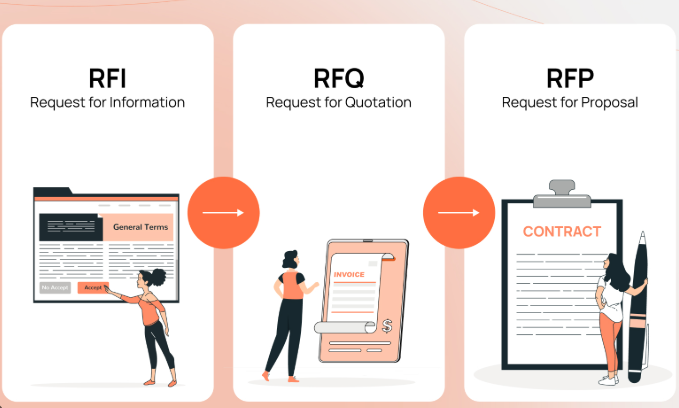
Wielkość partii i czas realizacji to zmienne kontrolowane w ofercie CNC – takie, w których świadome decyzje przekładają się bezpośrednio na oszczędności kosztowe. Ale także sposób, w jaki zlecasz oferty, ma znaczenie. Czy korzystasz z natychmiastowych platform internetowych, czy tradycyjnych procesów zaproszeń do złożenia ofert (RFQ), może wpływać zarówno na dokładność cenową, jak i na czas realizacji.
Porównanie metod ofertowania online i tradycyjnych metod RFQ
Masz już gotowe pliki, ustalone specyfikacje oraz określone wymagania dotyczące ilości. Nadszedł teraz moment decyzji, która kształtuje całe doświadczenie związane z uzyskiwaniem ofert cenowych: jak właściwie zażądać wyceny? Eksplozja usług online CNC stworzyła trzy odrębne ścieżki: platformy do natychmiastowego wyceniania, tradycyjne procesy przesyłania zapytań ofertowych (RFQ) oraz bezpośredni kontakt z warsztatami maszynowymi. Każda z tych ścieżek wiąże się z kompromisami, które mogą stanowić różnicę między dokładną wyceną a kosztownymi niespodziankami.
Zgodnie z analizą systemów wyceniania przeprowadzoną przez Kesu Group, systemy online do natychmiastowego wyceniania CNC zrewolucjonizowały zakupy, zapewniając w czasie rzeczywistym ceny i informacje zwrotne dotyczące możliwości wykonania w ciągu kilku sekund zamiast dni. Jak jednak wyjaśnimy dalej, szybkość nie jest wszystkim – a odpowiednia metoda wyceniania zależy w dużej mierze od złożoności projektu.
Natychmiastowe wyceny online kontra tradycyjne zapytania ofertowe (RFQ)
Wyobraź sobie przesłanie pliku STEP i zobaczenie ceny pojawiającej się w ciągu 60 sekund. To obietnica platform generujących natychmiastowe oferty — i dla prostych elementów rzeczywiście ją spełniają. Te systemy wykorzystują algorytmy analizujące geometrię części, wymagania materiałowe oraz dopuszczalne odchyłki, aby wygenerować cenę bez udziału człowieka.
Według Porównaniem platform firmy Haizol , czas otrzymania oferty różni się znacznie w zależności od zastosowanej metody:
- Platformy generujące natychmiastowe oferty (Xometry, Protolabs): Jedna oferta w ciągu kilku sekund do kilku minut
- Rynkowe platformy ofertowe (Haizol, Alibaba): Wiele ofert w ciągu 24–48 godzin
- Komunikacja bezpośrednio ze sklepem produkcyjnym: Zazwyczaj 2–5 dni roboczych na szczegółową ofertę
Jednak to, czego nie mówi zaleta szybkości, to fakt, że systemy natychmiastowe opierają się na uproszczonych założeniach. Jak zauważa analiza branżowa, algorytmy korzystają z danych historycznych oraz obliczeń opartych na objętości ograniczającej („bounding-box”), co może prowadzić do błędów cenowych wynoszących ±10–15% w przypadku skomplikowanych geometrii. Skomplikowane cechy konstrukcyjne, nietypowe dopuszczalne odchyłki lub niestandardowe materiały często wymagają ręcznej weryfikacji — co całkowicie eliminuje korzyść z „natychmiastowości”.
Tradycyjne procesy przetwarzania zapytań ofertowych (RFQ) trwają dłużej, ale pozwalają uchwycić niuanse, których algorytmy nie dostrzegają. Gdy przesyłasz zapytanie przez platformę usług CNC, wiele dostawców niezależnie analizuje Twoje rysunki. Otrzymujesz konkurencyjne oferty, które ujawniają cenę rynkową — a doświadczeni inżynierowie mogą zauważyć problemy projektowe, których systemy zautomatyzowane pomijają.
| Metoda wyceny | Prędkość | Dokładność cen | Obsługa złożoności | Najlepsze przypadki użycia |
|---|---|---|---|---|
| Natychmiastowe platformy internetowe | Sekundy do minut | ±5–15% dla części standardowych | Ograniczona — tylko standardowe geometrie | Proste prototypy, materiały standardowe, budżetowanie w sytuacjach krytycznych pod względem czasu |
| Platformy zapytań ofertowych (RFQ) | 24-48 godzin | Wyższa — wiele osób oceniających w sposób ręczny | Dobra — inżynierowie oceniają stopień złożoności | Serie produkcyjne, porównanie kosztów, dostęp do zweryfikowanych dostawców |
| Bezpośrednia komunikacja ze sklepem | 2–5 dni roboczych | Najwyższy — pełne zrozumienie projektu | Doskonały — radzi sobie z dowolną złożonością | Złożone zespoły, procesy niestandardowe, trwające partnerstwa |
Kiedy warto zadzwonić zamiast korzystać z innych metod
Czasem najlepszą metodą przygotowania wyceny jest najstarsza z nich: bezpośrednia rozmowa. Kiedy warto pominąć platformy i skontaktować się bezpośrednio z usługami warsztatów maszynowych?
Według Analiza firmy Method Manufacturing , złożone projekty, które są nadal w fazie rozwoju, rzeczywiście korzystają z lokalnego partnera produkcyjnego. Iteracyjna pętla zwrotna wynikająca z bezpośredniej komunikacji często brakuje w transakcyjnym charakterze platform internetowych.
Rozważ bezpośrednią komunikację, gdy:
- Twój projekt nie został jeszcze ostatecznie ustalony: Trwający dialog pomaga dopracować projekty pod kątem ich wykonalności produkcyjnej — czego nie potrafią zapewnić platformy oparte na zasadzie „kliknij i prześlij”
- Wymagane są procesy niestandardowe: Należy omówić obróbkę cieplną, specjalne powłoki lub pracę montażową — nie można ograniczyć się do prostego zaznaczania opcji w polach wyboru
- Spójność jakości jest kluczowa: Budowanie relacji z lokalnymi usługami frezowania CNC zapewnia, że te same zespoły zajmują się powtarzającymi się zamówieniami, posiadając wiedzę instytucjonalną
- Problemy wymagają szybkiego rozwiązania: Gdy podczas produkcji pojawiają się problemy, rozmowa telefoniczna jest skuteczniejsza niż kolejka do obsługi zgłoszeń
Wyszukiwanie fraz takich jak „CNC w mojej okolicy” lub „maszyny CNC w mojej okolicy” nie dotyczy wyłącznie geografii — chodzi o dostęp. Lokalni partnerzy oferują wizyty na miejscu, podczas których można osobiście obejrzeć wyposażenie, poznać zespół oraz zweryfikować możliwości wykonawcze. Jak zauważa firma Method Manufacturing, po takiej wizycie odchodzisz z większym poczuciem pewności, że zadanie zostanie wykonane prawidłowo.
Kompromis? Budowanie bezpośrednich relacji wymaga czasu. Jeśli potrzebujesz jednorazowego prototypu już w przyszłym tygodniu i nie masz jeszcze istniejących relacji z dostawcami, platformy internetowe zapewniają szybsze rezultaty. Jednak w przypadku ciągłych potrzeb produkcyjnych znalezienie zaufanego tokarza CNC w pobliżu przynosi korzyści w zakresie spójności jakości i szybkiej obsługi.
Dopasowanie projektu do odpowiedniej metody wyceny
Nie ma uniwersalnie „najlepszej” metody wyceny — istnieje jedynie najodpowiedniejsza metoda dla konkretnego przypadku. Poniżej przedstawiamy ramy decyzyjne oparte na charakterystyce projektu:
Wybierz natychmiastowe platformy internetowe, gdy:
- Elementy mają standardowe geometrie bez nietypowych cech
- Materiały są powszechne (aluminium 6061, stal nierdzewna 304, standardowe tworzywa sztuczne)
- Dopuszczalne odchylenia mieszczą się w standardowych możliwościach frezarek CNC (±0,005 cala lub luźniejsze)
- Potrzebujesz szybkich szacunków budżetowych do planowania projektu
- Ilości są niskie (1–50 sztuk) bez potrzeby skalowania produkcji
Wybierz giełdy zapytań ofertowych (RFQ), gdy:
- Chcesz konkurencyjne ceny od wielu zweryfikowanych dostawców
- Objętość produkcji uzasadnia wysiłek związany z porównaniem dostawców
- Części wymagają usług CNC w pobliżu mnie z konkretnymi certyfikacjami
- Zakupujesz części z regionów (np. z Chin), gdzie weryfikacja na platformie zwiększa bezpieczeństwo
Wybierz bezpośrednią komunikację z warsztatem, gdy:
- Projekty są w fazie rozwoju i wymagają wpływu producenta na proces projektowania
- Projekty wymagają niestandardowych narzędzi, złożonych zespołów lub procesów specjalistycznych
- Długoterminowe partnerstwa i stała jakość są ważniejsze niż najniższa cena
- Potrzebujesz elastyczności w modyfikowaniu zamówień w trakcie produkcji
Zgodnie z danymi branżowymi dotyczącymi zakupów, wiele zależy od stopnia zaawansowania lub „dojrzałości” procesów zakupowych w Twojej firmie. Niska dojrzałość zakupowa wymaga prostoty — natychmiastowe platformy działają dobrze. Wysoka dojrzałość zakupowa korzysta z kontroli oraz strategicznych relacji z dostawcami, które umożliwia bezpośrednia komunikacja.
Podejścia hybrydowe dla złożonych projektów
Doświadczone zespoły zakupowe często łączą metody w sposób strategiczny. Używaj ofert błyskawicznych do szybkiego szacowania budżetu w fazie projektowania, przejdź następnie na platformy rynkowe zapytań ofertowych (RFQ) w celu kwalifikacji dostawców, a na koniec nawiąż bezpośrednie relacje z wybranymi partnerami w zakresie produkcji.
Zgodnie z analizą partnerstw produkcyjnych, choć może się udać ponowne zamówienie idealnego produktu u dostawcy internetowego, złożony projekt wciąż w fazie rozwoju korzysta bardziej z lokalnych partnerów produkcyjnych, którzy rozumieją Państwa cele i mogą zapewnić natychmiastową informację zwrotną.
Najlepsza metoda uzyskiwania ofert dopasowuje się do złożoności projektu oraz potrzeb związanych z relacjami – nie tylko do pilności. Szybkie oferty pomijające kluczowe szczegóły kosztują więcej niż staranne oferty, które wymagają dodatkowego dnia.
Wybór odpowiedniej metody uzyskiwania ofert stanowi pierwszy filtr jakości dostawców. Jednak gdy oferty już przybędą, należy je krytycznie ocenić – wykryć sygnały ostrzegawcze wskazujące na przyszłe problemy oraz zadawać pytania pozwalające odróżnić wiarygodnych partnerów od ryzykownych dostawców.
Ocenianie ofert i wykrywanie sygnałów ostrzegawczych
Otrzymałeś oferty od wielu dostawców. Ceny różnią się o 40%. Pozycje w ofertach nie są zgodne. Jedna oferta jest podejrzanie szczegółowa, podczas gdy inna mieści się na serwetce. Co teraz? Zgodnie z analizą zakupów przemysłowych, zwykłe ustawienie ofert obok siebie i wybór najniższej ceny to powszechne błędne podejście, które prowadzi do problemów z jakością, ukrytych opłat oraz opóźnień w produkcji. Prawdziwą umiejętnością jest rozumienie tego, co oferty rzeczywiście ujawniają na temat kompetencji i intencji poszczególnych dostawców.
Ocenianie dostawców części precyzyjnie obrobionych na zamówienie wymaga spojrzenia poza cenę, aby ocenić całkowitą wartość — w tym systemy zapewnienia jakości, szybkość reagowania w komunikacji oraz przejrzystość ich rozkładu kosztów. Przeanalizujmy, co odróżnia wiarygodnych partnerów od dostawców, którzy liczą na to, że nie zadasz im zbyt wielu pytań.
Czerwone flagi sygnalizujące problemy z wyceną
Niezawodni dostawcy liczą na zakupców, którzy nie wiedzą, na co zwracać uwagę. Niezwykle niska cena może być sygnałem obcięcia kosztów, ukrytych opłat lub niższej jakości produktów, co w dłuższej perspektywie wiąże się z wyższymi kosztami wynikającymi z opóźnień, konieczności ponownej obróbki lub awarii elementów. Zgodnie z analizą kosztów przeprowadzoną przez HM Manufacturing, wiele ofert nie wyjaśnia, jak dostawca obliczył podaną kwotę — a bez przejrzystego rozdzielenia kosztów nie można ocenić, czy ceny odzwierciedlają uzasadnione powody techniczne, czy po prostu zawyżone marże.
Zwracaj uwagę na następujące sygnały ostrzegawcze podczas analizy ofert firm produkujących niestandardowe części metalowe:
- Jednorazowa cena całkowita bez szczegółowego rozliczenia: Wiarygodni dostawcy podają osobno koszty materiału, czasu obróbki, przygotowania maszyn oraz wykańczania. Pojedyncza kwota ukrywa alokację kosztów i uniemożliwia rzetelną porównawczą ocenę ofert.
- Brak informacji o typie maszyny lub czasie obróbki: Bez znajomości tego, czy Twoja część będzie obrabiana na frezarce 3-osiowej czy 5-osiowej, nie możesz zweryfikować, czy podana stawka godzinowa jest uzasadniona.
- Nieprecyzyjne specyfikacje materiałów: Oferty zawierające określenia „aluminium” lub „stal” bez podania gatunku, stanu wykończenia (hartowania) lub szczegółów certyfikacji pozwalają na zastąpienie tych materiałów tańszymi alternatywami.
- Nieuzasadnienie niskie opłaty za przygotowanie produkcji skomplikowanych części: Koszty przygotowania produkcji odzwierciedlają rzeczywistą pracę przygotowawczą. Sztucznie obniżone opłaty za przygotowanie produkcji są często rekompensowane poprzez zawyżone ceny jednostkowe za poszczególne elementy lub niespodziewane dodatkowe opłaty w późniejszym etapie.
- Brak informacji o dopuszczalnych odchyłkach wymiarowych lub kontroli jakości: Jeśli na Twoim rysunku określono ścisłe допuszczalne odchyłki wymiarowe, a w ofercie nie ma żadnej wzmianki o wymaganiach dotyczących kontroli jakości, oznacza to, że dostawca prawdopodobnie nie przeanalizował rzeczywiście Twoich specyfikacji.
- Czasy realizacji wydające się zbyt krótkie: Gdy jeden dostawca obiecuje realizację w ciągu 3 dni, podczas gdy konkurencja podaje 10–14 dni, może to oznaczać albo brak obciążenia jego mocy produkcyjnych (co budzi wątpliwości co do jakości), albo ryzyko przekroczenia terminu realizacji.
- Dodatkowe opłaty wprowadzane bez wyjaśnień: Uzasadnione opłaty, takie jak opłata za przyspieszenie realizacji lub opłata za dokumentację certyfikacyjną, powinny być jasno i przejrzyście podane już na etapie oferty – nie mogą pojawić się niespodziewanie na fakturze.
- Niechęć do udostępniania referencji: Ustabilizowani dostawcy niestandardowych części CNC chętnie udzielają referencji do weryfikacji. Niechęć do ich podania sugeruje historię, której nie chcą, abyś odkrył.
Zgodnie z wytycznymi dotyczącymi porównywania ofert niektórzy dostawcy mogą celowo pominąć niezbędne procesy, aby uczynić swoją początkową ofertę bardziej atrakcyjną, a następnie dodać dodatkowe opłaty na późniejszym etapie. Jeśli operacje wtórne, takie jak usuwanie wykańczania (deburring), gwintowanie lub wykańczanie powierzchni, nie są wyraźnie uwzględnione w cenniku, upewnij się, czy są one zawarte w ofercie, czy pojawią się jako dodatkowe pozycje.
Pytania, które należy zadać przed zaakceptowaniem oferty
Pytania, które zadajesz przed podpisaniem umowy, ujawniają jakość dostawcy tak samo wyraźnie jak same odpowiedzi. Odpowiedzialni i dobrze poinformowani dostawcy chętnie uczestniczą w dyskusjach technicznych – wiedzą, że szczegółowa komunikacja zapobiega problemom. Unikanie odpowiedzi lub opóźnienia w odpowiadaniu sygnalizują potencjalne problemy w przyszłości.
Zanim zdecydujesz się na współpracę z jakimkolwiek dostawcą w zakresie produkcji metalowych części, uzyskaj jasne odpowiedzi na następujące pytania:
- "Czy mógłby Pan/Pani przedstawić mi szczegółowy podział kosztów?" Dostawca pewny swoich cen łatwo wyjaśnia każdą składową. Wahanie sugeruje nadmierne marże lub niekompleksową analizę.
- jaki typ maszyny będzie używany do wykonania tej części? Odpowiedź ujawnia, czy rzeczywiście przeanalizowano geometrię Twojego elementu, czy po prostu wprowadzono dane do wzoru.
- jakie metody stosujecie do weryfikacji tolerancji? W przypadku wymagań dotyczących precyzji musisz znać ich możliwości kontroli jakości — pomiar współrzędnościowy (CMM), pomiar optyczny lub pomiar ręczny za pomocą narzędzi pomiarowych.
- co dzieje się w przypadku, gdy części nie spełniają specyfikacji? Jasne zasady przetwarzania ponownego i wymiany części świadczą o operacji skupionej na jakości. Niejasne odpowiedzi oznaczają, że negocjacje rozpoczną się dopiero po wystąpieniu problemów.
- czy koszt przygotowania maszyny jest obniżony dla zamówień powtarzanych? Ponieważ programowanie i oprzyrządowanie są już gotowe, zamówienia powtarzane powinny odzwierciedlać niższe koszty jednorazowych wydatków inwestycyjnych (NRE). Naliczanie pełnych kosztów przygotowania maszyny przy zamówieniach powtarzanych wskazuje albo na brak organizacji, albo na cenotwórstwo oparte na okazji.
- czy możecie podać referencje dotyczące podobnych projektów? Dostawcy z doświadczeniem w Twojej branży lub na podobnym poziomie złożoności powinni mieć odpowiednie przykłady do przedstawienia.
- jakie certyfikaty posiada Państwa zakład? Odpowiedź określa, czy dany dostawca rzeczywiście może spełnić wymagania Twojej branży — temat ten omówimy szczegółowo w kolejnym punkcie.
W przypadku projektów niestandardowej obróbki stali lub aluminium wymagających precyzji należy również zapytać o źródła pozyskiwania materiałów oraz możliwość ich śledzenia. Zgodnie z wytycznymi branżowymi, zakupujący powinni potwierdzić posiadanie certyfikatów materiałowych, aby zapewnić zgodność ze standardami takimi jak ASTM, DIN lub GB/T — szczególnie w przypadku współpracy z chińskimi dostawcami usług CNC.
Certyfikaty mające rzeczywiste znaczenie dla Twojego projektu
Certyfikaty to nie tylko odznaki umieszczone na stronie internetowej — stanowią one pierwszą linię obrony przed niską jakością, niestabilnością procesów oraz naruszeniami wymogów prawnych. Zgodnie z Analiza certyfikatów Modo Rapid , certyfikaty takie jak ISO 9001, IATF 16949 i AS9100 świadczą o zaangażowaniu dostawcy w zakresie jakości, śledzalności i kontroli procesów, co zapewnia, że Twoje części spełniają ścisłe допусki oraz wymagania specyficzne dla danej branży.
Jednak nie każdy projekt wymaga posiadania wszystkich certyfikatów. Zrozumienie, które standardy mają zastosowanie w Twojej branży, pozwala uniknąć zarówno nadpłacania za niepotrzebną zgodność, jak i niedospecyfikowania kluczowych wymagań.
| Certyfikaty | Orientacja branżowa | Podstawowe wymagania | Kiedy jest potrzebne |
|---|---|---|---|
| ISO 9001 | Produkcja ogólna | Dokumentowany system zarządzania jakością, ciągła poprawa, audyty procesów | Podstawa dla każdego profesjonalnego dostawcy – należy oczekiwać tego minimum |
| IATF 16949 | Motoryzacyjny | Zapobieganie wadom, statystyczna kontrola procesów (SPC), śledzalność łańcucha dostaw | Każda część motocyklowa lub samochodowa, szczególnie elementy krytyczne pod względem bezpieczeństwa |
| AS9100D | Lotnictwo i Obrona | Rozszerzona śledzalność, zarządzanie ryzykiem, kontrola konfiguracji | Elementy lotnicze, systemy obronne, zastosowania kosmiczne |
| ISO 13485 | Urządzenia medyczne | Dokumentacja biokompatybilności, kontrole projektowe, wymagania dotyczące sterylności | Instrumenty chirurgiczne, implanty, sprzęt diagnostyczny |
| ITAR | Obrona (USA) | Zgodność z przepisami dotyczącymi kontroli eksportu, obsługa kontrolowanych danych technicznych | Umowy obronnościowe USA obejmujące towary kontrolowane |
Dla zastosowań motoryzacyjnych: Certyfikacja zgodnie z normą IATF 16949 nie jest opcjonalna — stanowi podstawowy wymóg. Norma ta nakłada dodatkowe wymagania dotyczące zapobiegania wadom, statystycznej kontroli procesów (SPC) oraz systemów produkcji pozbawionej marnotrawstwa (lean), specjalnie zaprojektowanych z myślą o wymogach jakościowych branży motocyklowej i samochodowej. Zgodnie z wytycznymi branżowymi dostawcy posiadający certyfikat IATF 16949 są od początku przygotowani do spełniania ścisłych terminów realizacji oraz utrzymywania poziomu wad na poziomie mikroskopijnym.
Certyfikowani dostawcy, tacy jak Shaoyi Metal Technology demonstrują zaangażowanie w standardy branży motocyklowej i samochodowej poprzez certyfikację zgodnie z normą IATF 16949 oraz rygorystyczną statystyczną kontrolę procesów (SPC), zapewniając spójną jakość dla komponentów samochodowych o wysokich wymaganiach dokładności. Ich możliwości obejmują szybkie prototypowanie aż po produkcję seryjną — czas realizacji zamówień może wynosić zaledwie jeden dzień roboczy w przypadku zespołów nadwozia oraz niestandardowych elementów metalowych.
Dla zastosowań lotniczych: AS9100D wykracza poza ISO 9001, wprowadzając dodatkowe protokoły zapewniające bezpieczeństwo i niezawodność. Gdy życie ludzi zależy od precyzji — np. w przypadku wsporników podwozia, elementów łączących konstrukcyjnych lub komponentów silnika — certyfikat ten potwierdza, że dostawca rozumie wagę stawianych przed nim wymagań. Zgodnie z analizą certyfikacji, AS9100 można uznać za wersję ISO 9001 „na steroidach”, dostosowaną do branż, w których margines błędu jest praktycznie zerowy.
Dla zastosowań medycznych: ISO 13485 zapewnia, że dostawcy rozumieją wymagania dotyczące biokompatybilności, standardy śledzalności oraz obciążenie dokumentacyjne wynikające z przepisów regulujących urządzenia medyczne. Certyfikat ten stanowi podstawowy wymóg dla niestandardowych części metalowych przeznaczonych do kontaktu z pacjentem lub do wszczepiania.
Ocenianie wartości ponad cenę
Najtańsza oferta rzadko zapewnia najlepszą wartość. Zgodnie z analizą kosztów produkcji, najlepsze rezultaty osiągasz, porównując dostawców pod kątem wartości, a nie tylko stawek godzinowych. Dobry dostawca, niezależnie od regionu, oferuje przewidywalną jakość, szybką komunikację oraz przejrzysty podział kosztów.
Przy porównywaniu ofert na części wykonane na zamówienie oceniaj następujące wskaźniki wartości:
- Jakość wsparcia inżynieryjnego: Czy udzielili opinii dotyczącej projektowania przygotowanego do produkcji (DFM)? Czy zaproponowali alternatywne, taniej realizowalne rozwiązania? Czy wykryli potencjalne problemy w Twoim projekcie?
- Szybkość reakcji w komunikacji: Jak szybko odpowiadali na pytania? Czy odpowiedzi były wyczerpujące, czy raczej pobieżne?
- Przejrzystość ofert: Czy możesz dokładnie zobaczyć, na co wydajesz pieniądze? Czy założenia są jasno określone?
- Dokumentacja jakości: Jakie raporty kontrolne, certyfikaty materiałów oraz dokumentacja procesów są standardowo dołączane?
- Historia rozwiązywania problemów: Jak osoby referencyjne opisują swoje doświadczenia w sytuacjach wystąpienia problemów?
- Pojemność i skalowalność: Czy są w stanie spełnić Twoje obecne potrzeby i rozwinąć się razem z przyszłymi wymaganiami?
Zgodnie z wytycznymi oceny ofert, niektóre elementy uzasadniają nieco wyższe ceny i zapewniają spokój: proaktywna komunikacja, szczegółowe możliwości inspekcji oraz gotowość do przedstawienia referencji świadczą o dojrzałości operacyjnej, która przekłada się na rzetelne realizacje zamówień.
Przejrzysta oferta daje Ci kontrolę nad budżetem oraz wyborem dostawcy. Dostawcy wyjaśniający otwarcie swoje uzasadnienia zapewniają bardziej przewidywalne rezultaty produkcji niż ci, którzy ukrywają się za jednoliniowymi cenami.
Dla zakupujących od chińskich dostawców obróbki CNC korzyści kosztowe związane z regionem są rzeczywiste — ale równie istotne jest ich weryfikowanie. Certyfikaty, referencje oraz przejrzysta komunikacja mają jeszcze większe znaczenie, gdy odległość utrudnia nadzór. Oszczędności wynikające z niższych kosztów pracy szybko znikają, jeśli problemy jakościowe wymagają ponownej obróbki, opóźnień lub anulowania całych partii produkcyjnych.
Gdy zidentyfikowano czerwone flagi, udzielono odpowiedzi na pytania oraz zweryfikowano certyfikaty, jesteś gotowy do podejmowania pewnych decyzji dotyczących dostawców. Ostatnim krokiem jest zebranie wszystkich zdobytych informacji w konkretne, działania możliwe do wykonania, dostosowane do potrzeb konkretnego projektu.
Podejmowanie pewnych decyzji dotyczących kolejnej oferty CNC
Zapoznałeś się z specyfikacjami materiałów, zdekodowałeś szczegółowy podział pozycji, oceniłeś kompromisy związane z tolerancjami oraz nauczyłeś się rozpoznawać sygnały ostrzegawcze, które odróżniają wiarygodnych dostawców od tych, którzy liczą na to, że nie zadasz pytania. Teraz nadszedł czas na wykorzystanie tej wiedzy w praktyce. Różnica między kupującymi, którzy płacą zbyt dużo, a tymi, którzy uzyskują konkurencyjne i dokładne ceny, zależy od przygotowania oraz znajomości tego, na co dokładnie należy zwracać uwagę.
Zgodnie z wytycznymi dotyczącymi pozyskiwania źródeł produkcji, uzyskanie najlepszej oferty CNC nie polega na znalezieniu najniższej ceny, lecz na zrozumieniu pełnego obrazu przed podjęciem zobowiązań. Dobrze przygotowany zakupujący, który przesyła kompletne dokumenty, otrzymuje szybszą odpowiedź, bardziej dokładne wyceny oraz mniejszą liczbę niespodzianek w trakcie produkcji.
Lista kontrolna dla oferty CNC
Przed przesłaniem kolejnego zapytania o części CNC przeanalizuj poniższą końcową listę kontrolną, aby upewnić się, że jesteś gotowy do sukcesu:
- Przygotowanie plików zakończone: Przesłany plik w formacie STEP z poprawną geometrią oraz rysunek w formacie PDF z oznaczeniami GD&T dla krytycznych wymiarów
- Materiał w pełni określony: Jasno określona gatunkowość stopu, stan wykończenia (temper) oraz wymagania dotyczące certyfikatów (nie tylko „aluminium” lub „stal”)
- Optymalizacja tolerancji: Ścisłe tolerancje tylko tam, gdzie są one konieczne ze względu na funkcjonalność – standardowe tolerancje wszędzie indziej
- Zamawiane ilości w odpowiednich poziomach: Wycena dla wielu wielkości zamówień ujawnia rzeczywistą strukturę kosztów oraz optymalne punkty zamówienia
- Określone oczekiwania dotyczące czasu realizacji: Standardowy, przyspieszony lub pilny — z uwzględnieniem konsekwencji kosztowych
- Wykaz operacji wtórnych: Wymagania dotyczące wykończenia, powłok, obróbki cieplnej oraz montażu wyraźnie określone
- Określone wymagania certyfikacyjne: ISO 9001, IATF 16949, AS9100D lub ISO 13485 — w zależności od branży
- Zdefiniowane kryteria oceny: Wiedza, co ma znaczenie poza ceną — systemy zapewnienia jakości, szybkość reakcji w komunikacji, referencje
Ta przygotowanie przekształca Cię z biernego odbiorcy ofert w świadomego nabywcę, który dzięki jasności uzyskuje lepsze warunki cenowe. Zgodnie z wytycznymi branżowymi RADMOT pierwsza wiadomość wysłana do zakładu CNC powinna zawierać jak najwięcej informacji, aby umożliwić przygotowanie dobrze dopasowanych ofert i przyspieszyć cały proces — zarówno dla Ciebie, jak i dla zakładu obróbkowego.
Kolejny krok z pewnością
Gotowy do złożenia zapytań ofertowych? Sposób postępowania zależy od złożoności projektu oraz wymagań dotyczących harmonogramu. W przypadku prostych części frezowanych o standardowych kształtach natychmiastowe platformy internetowe umożliwiają szybkie szacowanie kosztów. Dla serii produkcyjnych, w których konieczna jest weryfikacja dostawców, portale zapytań ofertowych zapewniają konkurencyjne porównanie ofert. W przypadku złożonych zespołów lub długotrwałych partnerstw bezpośredni kontakt buduje relacje gwarantujące stałą jakość.
Niezależnie od wybranej metody stosuj poniższe zasady w sposób spójny:
- Prośba o szczegółowy podział kosztów: Jednorazowe oferty cenowe ukrywają informacje niezbędne do ich oceny
- Porównuj oferty przy równoważnych specyfikacjach: Upewnij się, że wszyscy dostawcy podają ceny dla tego samego materiału, dopuszczalnych odchyłek i powłok
- Zweryfikuj certyfikaty przed złożeniem zamówienia: Poproś o aktualne certyfikaty, a nie tylko o stwierdzenia zamieszczone na stronach internetowych
- Sprawdź referencje dotyczące podobnych projektów: Wyniki osiągnięte w przeszłości są wskaźnikiem przyszłych rezultatów
- Dokumentuj wszystko: Potwierdzenie pisemne specyfikacji, cen oraz terminów dostawy zapobiega sporom
Dla zastosowań motocyklowych i samochodowych wymagających szybkiej realizacji i certyfikowanej jakości dostawcy oferujący czas realizacji w ciągu jednego dnia oraz posiadający certyfikat IATF 16949 stanowią niezawodne opcje dla zespołów nadwoziowych oraz niestandardowych elementów metalowych. Usługi precyzyjnej obróbki CNC firmy Shaoyi Metal Technology przedstawiają, jak dostawcy posiadający certyfikaty skalują się od szybkiego prototypowania do produkcji seryjnej, zachowując przy tym Statystyczne Sterowanie Procesem (SPC), którego wymagają łańcuchy dostaw w przemyśle motocyklowym i samochodowym.
Od wyceny po wysokiej jakości części
Najlepsi dostawcy usług CNC niekoniecznie są najtańszymi – to ci, których oferty cenowe odzwierciedlają rzetelną ocenę Państwa wymagań oraz przejrzysty podział kosztów. Gdy rozumie się czynniki wpływające na cenę maszyny CNC, można dostrzec wartość wykraczającą poza samą kwotę końcową.
Zakupujący, który dokładnie się przygotuje, zadaje właściwe pytania i dokonuje kompleksowej oceny, zawsze osiąga lepsze wyniki niż ten, kto po prostu wybiera najniższą ofertę cenową. Państwa wiedza to Państwa siła przetargowa.
Każde zamówienie części CNC stanowi okazję do budowania relacji z dostawcami, które służą Twoim długoterminowym potrzebom produkcyjnym. Partner CNC zajmujący się obróbką, który udziela dokładnych ofert, dostarcza wysokiej jakości części obrobionych numerycznie w terminie oraz komunikuje się w sposób proaktywny, staje się rozszerzeniem Twojego zespołu – nie tylko dostawcą realizującym zamówienia zakupowe.
Masz teraz ramy umożliwiające krytyczne ocenianie każdej oferty CNC. Wiesz, jakie pozycje powinny się w niej znaleźć, które koszty są przedmiotem negocjacji, jakie certyfikaty mają znaczenie dla Twojej branży oraz jakie „czerwone flagi” wskazują na nadchodzące problemy. Stosuj tę wiedzę systematycznie i przekształcisz się z kupującego, który jedynie liczy na dobre rezultaty, w kupującego, który systematycznie je tworzy.
Następne zapytanie ofertowe o części CNC, które prześlesz, będzie inne. Będzie pełne, jasne i zaprojektowane tak, aby zapewnić sukces. To właśnie taka różnica czyni świadomy kupujący – i to właśnie tej różnicy nieuczciwi dostawcy nie chcą, abyś kiedykolwiek poznał.
Najczęściej zadawane pytania dotyczące ofert CNC
1. Ile kosztuje godzina pracy maszyny CNC?
Stawki godzinowe za obróbkę CNC zwykle wahają się od 50 do 200 USD w zależności od złożoności i możliwości maszyny. Podstawowe frezarki 3-osiowe kosztują od 50 do 100 USD za godzinę, podczas gdy frezarki 5-osiowe pozwalające na obróbkę złożonych geometrii kosztują od 100 do 200 USD lub więcej. Na stawki wpływają także takie czynniki jak doświadczenie operatora, trudność obrabianego materiału oraz lokalizacja warsztatu. Zlecenia pilne często wiążą się z nadpłatą w wysokości 25–50%. W przypadku zastosowań motocyklowych wymagających certyfikacji IATF 16949 oraz statystycznej kontroli procesu (SPC) certyfikowani dostawcy, tacy jak Shaoyi Metal Technology, oferują konkurencyjne stawki oraz terminy realizacji już od jednego dnia roboczego.
2. Jaka jest stawka godzinowa za pracę maszyny CNC?
Stawki godzinowe za obróbkę na maszynach CNC różnią się znacznie w zależności od regionu i typu maszyny. W Wielkiej Brytanii wahają się one od 30 do 100 GBP za godzinę, podczas gdy w USA warsztaty zwykle naliczają od 65 do 120 USD za standardową obróbkę na 3 osie. Za zaawansowaną obróbkę na 5 osi oraz operacje wymagające wysokiej precyzji stawki wynoszą od 150 do ponad 200 USD za godzinę. Należy pamiętać, że czas pracy maszyny stanowi zazwyczaj jedynie 30–40% całkowitych kosztów projektu – pozostałe 60–70% to opłaty za przygotowanie maszyny, materiały, narzędzia i inspekcję. Zawsze należy żądać szczegółowej oferty, aby zrozumieć pełną strukturę kosztów.
3. Ile naliczać za pracę CNC?
Ceny obróbki CNC zależą od kosztów materiałów, czasu obróbki, opłat za przygotowanie maszyny, wymaganych tolerancji oraz wymagań dotyczących wykończenia. Prosta część z aluminium może kosztować od 25 do 50 USD za obróbkę, podczas gdy złożone elementy ze stali nierdzewnej z wąskimi tolerancjami mogą kosztować ponad 200 USD za sztukę. Opłaty za przygotowanie maszyny zwykle zawierają się w przedziale od 50 do 300 USD i rozliczane są na całą ilość zamówienia – dlatego koszty prototypów przypadające na jednostkę są znacznie wyższe niż w przypadku serii produkcyjnych. Aby uzyskać dokładne wyceny, należy dostarczyć kompletne pliki STEP, określić dokładne gatunki materiałów, zdefiniować wymagania dotyczące tolerancji oraz zażądać ofert dla kilku różnych ilości.
4. Jakie informacje są potrzebne, aby uzyskać dokładną ofertę na obróbkę CNC?
Dokładne wyceny CNC wymagają plików STEP (a nie STL), pełnych specyfikacji materiału, w tym stopnia stopu i jego stanu wytrzymałościowego, wymagań dotyczących tolerancji dla kluczowych wymiarów, zapotrzebowania ilościowego, oczekiwań dotyczących chropowatości powierzchni oraz wszelkich operacji wtórnych, takich jak anodowanie lub hartowanie. Brak informacji powoduje opóźnienia w przygotowaniu ok. 80% wycen. Dołącz rysunek w formacie PDF z oznaczeniami GD&T dla kluczowych cech, określ szczegóły gwintów oraz wskaż swoje wymagania dotyczące harmonogramu realizacji. Takie przygotowanie umożliwia dostawcom przedstawienie dokładnych ofert cenowych bez konieczności dalszych wyjaśnień.
5. Jakie certyfikaty powinienem szukać u dostawcy usług frezowania CNC?
Wymagane certyfikaty zależą od branży, w której działa Państwo. ISO 9001 stanowi podstawę dla profesjonalnych dostawców. W zastosowaniach motocyklowych wymagane jest certyfikowanie zgodnie z normą IATF 16949 w celu zapobiegania wadom oraz stosowania statystycznej kontroli procesów. Projekty lotnicze wymagają certyfikatu AS9100D w celu zapewnienia zwiększonej śledzalności i zarządzania ryzykiem. Komponenty urządzeń medycznych wymagają certyfikatu ISO 13485 w celu dokumentowania biokompatybilności. Zawsze należy bezpośrednio weryfikować aktualność posiadanych certyfikatów, a nie polegać wyłącznie na deklaracjach zamieszczonych na stronach internetowych; należy również zażądać referencji dotyczących projektów o podobnym stopniu złożoności i wymogach branżowych.