 Small batches, high standards. Our rapid prototyping service makes validation faster and easier —
  EN
EN


Kenőanyagok autóipari sajtoláshoz: a megfelelő formula kiválasztása az Ön fémes anyagához – precíziós kenőanyag alkalmazás lehetővé teszi a hibátlan autóipari sajtolási műveleteket
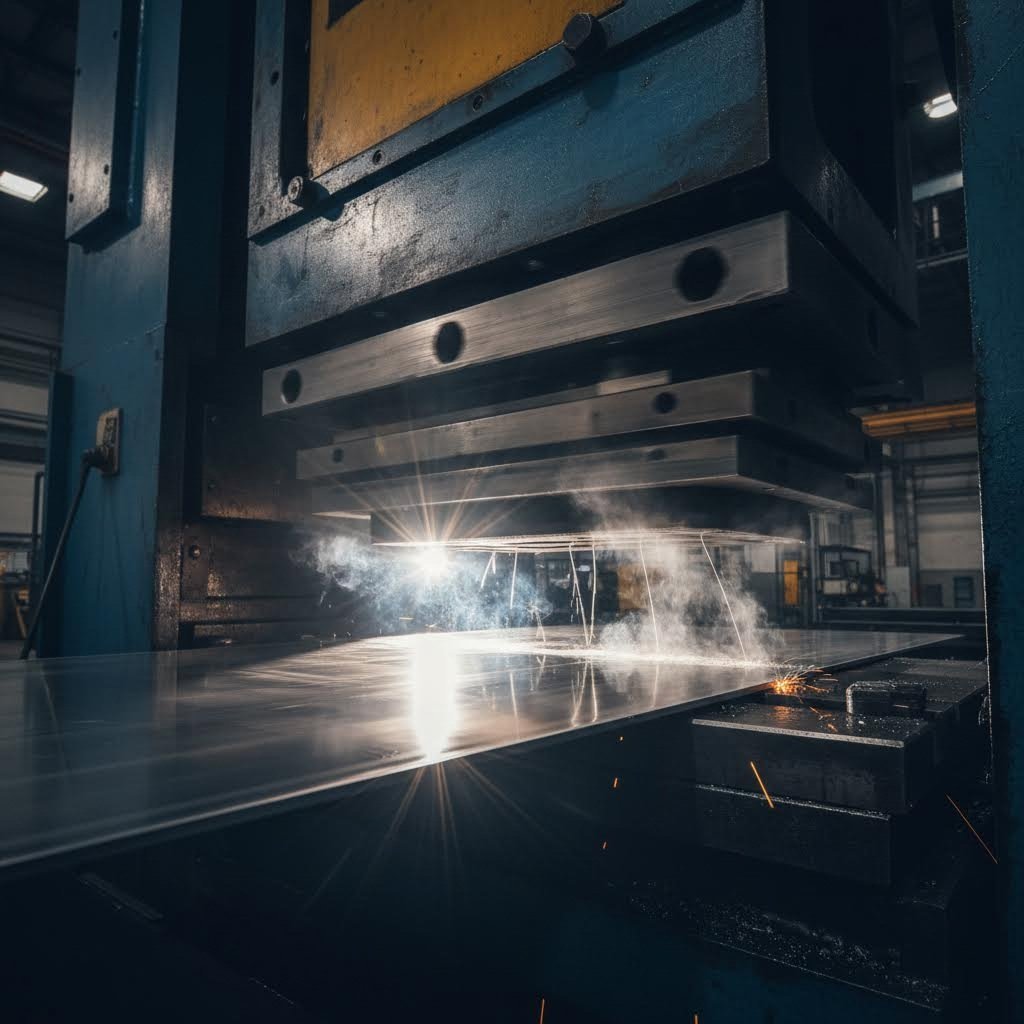
A kenőanyagok kritikus szerepe a modern autóipari sajtásban
Képzeljen el több ezer tonnás erőt, amely egy fémlemezre hat, és másodpercek alatt tökéletesen formázott autóipari alkatrészként alakítja át tökéletesen formázott autóipari alkatrész most gondolja végig, mi áll a hibátlan gyártás és a katasztrofális szerszám meghibásodása között. A válasz? Egy vékony kenőanyag-réteg, ami gyakran mindössze néhány mikron vastag, mégis elengedhetetlen minden sikeres sajtási művelethez.
Az autóipari sajtoláshoz használt kenőanyagok speciális fémalakító folyadékok, amelyeket arra terveztek, hogy csökkentsék a súrlódást az eszközfelületek és az alapanyag között nagy nyomású alakítási folyamatok során. Ezek a formulák védőréteget hoznak létre, amely megakadályozza a fémtől-történő közvetlen érintkezést, lehetővé téve a zavartalan anyagáramlást, miközben védelmet nyújtanak a forma és a sajtolt alkatrész számára is.
Miért dönti el a kenőanyag-választás a sajtás sikerét
A megfelelő kenés közvetlen hatással van három kritikus gyártási eredményre: az alkatrészminőségre, az eszközök élettartamára és az általános hatékonyságra. Amikor a felhasználáshoz megfelelő fémkenőanyagot választja, az anyag egyenletesen áramlik a formaüregbe, a felületek karcolásmentesek maradnak, és a mérettűrések a termelési ciklusok során is állandóak maradnak. Az szerszámok kopása csökken, így megnő a karbantartási időszak és jelentősen csökkennek a cserék költségei.
Azonban a kenőanyag-választás bonyolultsága drámaian megnőtt az autóipari anyagok fejlődésével. A hagyományos lágyacél-sajtolási műveletek gyakran sikeresek voltak egyszerű fémkenőanyagokkal és minimális optimalizálással. Ma már teljesen más képet mutat a gyártási környezet. Az AHSS-acél (Fejlett Nagy szilárdságú Acél) és az ultra nagy szilárdságú acél jelenleg jelentős részét képezi a modern járműszerkezeteknek, ami rendkívül erős fóliát és extrém nyomású adalékokat igénylő kenőanyagokat követel meg.
A rossz kenés rejtett költségei az autógyártásban
A nem megfelelő kenőanyag-választás láncreakciós problémákat okozhat az egész gyártási folyamat során. A hiányos kenés a sablonok berágódását, karcolódását és idő előtti elhasználódását eredményezi. A túlzott kenőanyag-felvitel anyagpazarlást jelent, és nehezíti az utóbbi folyamatokat, mint a hegesztés vagy a festés. A nem megfelelő összetételű kenőanyag károsíthatja a cinkkel horganyzott felületek bevonatát, illetve tapadási problémákat okozhat alumíniumötvözetek esetén.
Vegye figyelembe ezeket a valós termelési hatásokat:
- A szerszámcsere költségei megszaporodhatnak, ha a helytelen kenés felgyorsítja az elhasználódást
- A selejtarány növekszik, amikor felületi hibák vagy méretpontatlanságok lépnek fel
- A termelés leállása felhalmozódik a gyakori sablonkarbantartási igények miatt
- Minőségi panaszok merülnek fel, amikor a kenőanyag-maradványok zavarják a hegesztést vagy a festék tapadását
Ebben az átfogó útmutatóban megtanulhatja, hogyan illessze össze a kenőanyag-típusokat az egyes anyagokkal, megértheti a különböző összetételek mögött húzódó kémiai alapokat, elsajátíthatja a koncentráció-ellenőrzés technikáit, és elháríthatja a kenéssel kapcsolatos gyakori hibákat. Akár ultra nagy szilárdságú acélt alakít strukturális alkatrészekhez, akár alumínium paneleket formáz külső elemekhez, a megfelelő fémalakító folyadékok stratégiája átalakíthatja termelési eredményeit.
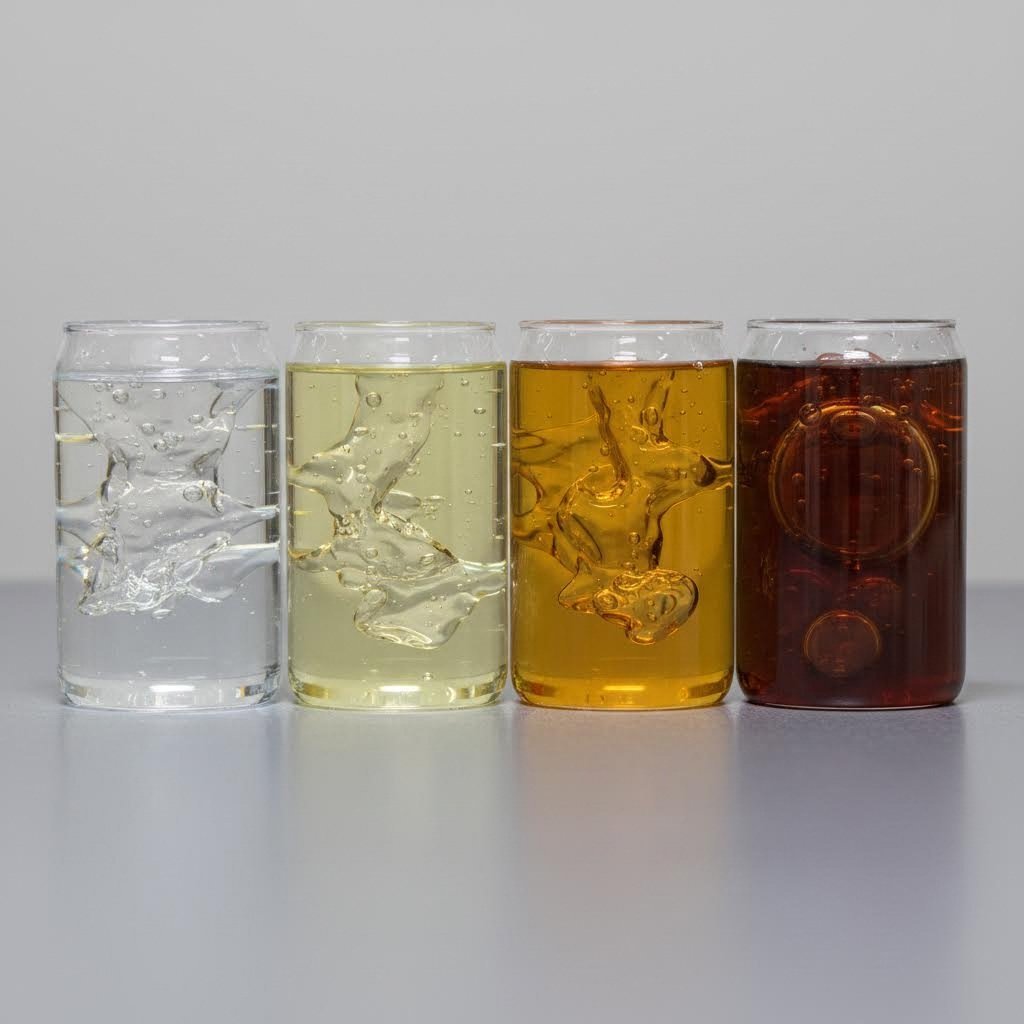
A négy fő kenőanyag-kategória megértése
A megfelelő kenőanyag kiválasztása annak megértésével kezdődik, hogy milyen lehetőségek állnak rendelkezésre. Az autóipari sajtolási műveletek négy fő kenőanyag-kategóriára támaszkodnak, amelyek mindegyike eltérő kémiai összetétellel és teljesítményjellemzőkkel rendelkezik. Annak ismerete, hogyan különböznek ezek a fémalakító kenőanyagok, segít a megfelelő összetétel kiválasztásában az adott termelési igényekhez.
Vízoldható kenőanyagok nagyüzemi termeléshez
A vízoldható kenőanyagok dominálnak nagy volumenű autóipari sajtolási műveletek jó okból. Ezek a formulák vizet kombinálnak speciális adalékokkal, beleértve emulgeálószereket, korróziógátlókat és határfelületi kenőanyagokat. Amikor 3%–15% közötti koncentrációban keverik vízzel, stabil emulziót hoznak létre, amely kiváló hűtési tulajdonságokat biztosít az alakítási folyamatok során.
A vízoldható alakítóolaj kémiai összetétele egyszerű, ugyanakkor hatékony. A víz szolgál elsődleges hordozóként, elnyeli és elvezeti a sajtolás során keletkező hőt. Eközben az olajalapú adalékok vékony védőfóliát képeznek a fémfelületeken, csökkentve a súrlódást és megakadályozva a közvetlen szerszám-munkadarab érintkezést. Ez a kétféle funkció teszi különösen értékesé a vízoldható kenőanyagokat olyan alkalmazásokban, ahol a hőelvezetés kritikus fontosságú.
Fő előnyök:
- Kiválóbb hűtőképesség az olajalapú alternatívákkal szemben
- Egyszerű eltávolíthatóság szabványos mosási eljárásokkal
- Alacsonyabb anyagköltségek a vízelhígítás miatt
- Csökkentett tűzveszély a gyártási környezetben
Amikor a számos olajok túltesznek a szintetikus alternatívákon
A számos olajok, más néven egyenes olajok, nem tartalmaznak vizet, és kizárólag szúrós vagy ásványalapú olajformulákból állnak extrém nyomástartó adalékokkal. Ezek a kenőanyagok kiemelkedően teljesítenek olyan igényes alkalmazásoknál, ahol a maximális hártya szerepel elsődleges szerepet a hűtési teljesítmény felett.
Amikor összetett geometriákat alakít ki, vagy olyan anyagokkal dolgozik, amelyek extrém nyomásokat generálnak, a számos olajok vastagabb, ellenállóbb védőbarrákat hoznak létre. Az oldatlan olajhártya megőrzi integritását olyan körülmények között is, amelyeknél a vízben oldható emulziók felbomlanának. Ez különösen hatékonyá teszi a számos alakító olajat mélyhúzásos műveletekhez és súlyos alakítási alkalmazásokhoz.
Ugyanakkor a számos olajokkal jár egyes kompromisszumok. Szigorúbb tisztítési folyamatokat igényelnek hegesztés vagy festés előtt. Környezeti szempontok is szerepet játszanak, mivel az elhelyezés és újrahasznosítás szakértői kezelést igényel a vízalapú termékekhez képest.
Szintetikus alakító kenőanyagok: Mérnöki teljesítmény
A szintetikus alakító kenőanyagok a kenéstechnológia legmodernebb megvalósítását jelentik. A kőolajszármazékoktól eltérően ezek a formulák kémiai úton előállított bázisolajokat használnak, amelyeket meghatározott teljesítményjellemzők érdekében terveztek meg. Ezek az anyagok állandó viszkozitást biztosítanak hőmérséklettartományokon keresztül, javított oxidációs ellenállást és pontosan szabályozott súrlódási együtthatókat kínálnak.
A gyártók gyakran szintetikus formulációkat választanak alumíniumötvözetekhez hasonló speciális anyagok bélyegzésénél. Az ilyen alkalmazásokra kifejezetten tervezett alumínium olaj megakadályozza a hagyományos kenőanyagoknál gyakori tapadási és rángatódási problémákat. Egyes formulák alumínium komplex zsírtechnológiát alkalmaznak, hogy fokozott határfelületi kenést nyújtsanak a legigényesebb alumínium alakítási műveletek során.
Eltűnő olaj: Tiszta alkatrészek mosás nélkül
A párolgó olaj egyedülálló kategóriát jelent, amely az alkalmazás után elpárolog, és minimális maradékot hagy a sajtolt alkatrészek felületén. Ezek a repedező kenőanyagok olyan hordozóoldószereket tartalmaznak, amelyek szobahőmérsékleten vagy csekély hőhatásra eltűnnek, így feleslegessé válik a sajtolás utáni tisztítás.
Ez a tulajdonság különösen értékes azoknál az alkatrészeknél, amelyek közvetlenül hegesztésre vagy festésre kerülnek. A tisztítási lépés kihagyásával a gyártók csökkenthetik a feldolgozási időt, megszüntethetik a szennyvízkezeléssel kapcsolatos aggályokat, és hatékonyabbá tehetik az értékteremtő folyamatot. Ugyanakkor a párolgó olajok általában alacsonyabb kenőképességet biztosítanak, mint a hagyományos alternatívák, így alkalmazásukat általában könnyebb igénybevételű alakítási műveletekre korlátozzák.
Átfogó kenőanyag-összehasonlítás
Annak megértése, hogy ez a négy kategória hogyan viszonyul egymáshoz a kulcsfontosságú teljesítménytényezők mentén, segít gyorsabban szűkíteni a választást:
| Kenőanyag típusa | Hűtő tulajdonságok | Hártyaszilárdság | Eltávolítás könnyűsége | Környezetvédelmi szempontok | Tipikus alkalmazások |
|---|---|---|---|---|---|
| Vízből oldható | Kiváló | Közepes | Könnyű (vízzel mosható) | Alacsonyabb hulladékeltávolítási aggályok; biológiailag lebomló változatok is elérhetők | Nagy volumenű gyártás; általános kihúzás; mérsékelt alakítási igénybevétel |
| Neat Oils | Gyengetől mérsékeltig | Kiváló | Oldószeres vagy lúgos tisztítás szükséges | Újrahasznosítás szükséges; magasabb ártalmatlanítási költségek | Mélyhúzás; súlyos alakítás; vastagfalú anyagok |
| Szintetikus kenőanyagok | Jó – kiváló | Jó – kiváló | Az összetételtől függ | Gyakran környezetbarátabb; hosszabb élettartam | Alumínium alakítás; speciális anyagok; precíziós alkalmazások |
| Elpárologó olaj | Szegények. | Alacsony közepesig | Önkiürítő | A VOC-kibocsátást esetleg figyelemmel kell kísérni | Könnyű alakítás; olyan alkatrészek, amelyek utólagos tisztítás nélkül is megfelelnek; hegeszthető alkatrészek |
A kenőanyag-választásban rejlő kompromisszumok kiegyensúlyozása
Minden kenőanyag-választás ellentétes szempontok egyensúlyozását jelenti. A kiváló hatásfokú fémalakító kenőanyagok, amelyek rendkívüli fémvédelmet nyújtanak, gyakran nehezen távolíthatók el, bonyolítva ezzel a további folyamatokat. Azok a formulák, amelyek könnyen tisztíthatók, esetleg nem biztosítanak elegendő védelmet nehéz alakítási alkalmazásokhoz.
Fontolja meg a teljes gyártási folyamatot a lehetőségek értékelésekor. Egy olyan kenőanyag, amely tökéletesen működik a sajtolás során, de hibákat okoz a hegesztésben vagy a festék tapadásában, végül többe kerül, mint egy enyhén kevésbé hatékony alternatíva, amely zökkenőmentesen illeszkedik a következő folyamatokba. Az anyagspecifikus követelmények jobb megértése tovább finomítja a választást, ami elvezet minket az autóipari acélok és alumíniumötvözetek speciális igényeihez.
Acélhoz és alumíniumhoz anyagspecifikus kenőanyag-igények
Nem minden fém viselkedik azonosan a kihajtás során. Az a kenőanyag, amely tökéletesen működik lágyacélnál, tönkreteheti a cinkbevonatot, vagy súlyos ragadást okozhat az alumíniumnál. Mivel az autógyártók egyre inkább a könnyű anyagokra és speciális acélokra támaszkodnak a biztonság és az üzemanyag-hatékonyság érdekében, a anyagonként eltérő kenési igények megértése elengedhetetlenné válik a gyártási sikerhez.
AHSS és UHSS kenési kihívások
Mi történik akkor, ha olyan acélt kell alakítani, amely háromszor erősebb a hagyományos típusoknál? A nyomások drasztikusan megnövekednek, és a kenőanyag-igények jelentősen megváltoznak.
Az AHSS (Advanced High-Strength Steel – Fejlett Nagy Szilárdságú Acél) egy olyan acélminőség-családot jelent, amelyet kiváló szilárdság-tömeg arányra fejlesztettek ki. Ezek az anyagok, valamint az UHSS acél (Ultra High-Strength Steel – Ultrahigh Szilárdságú Acél) napjainkban alkotják a modern járművek biztonsági szerkezetének gerincét. Ugyanakkor szuperior szilárdságuk egyedi kenési kihívásokat vet fel, amelyeket a hagyományos kenőanyag-formulák egyszerűen nem tudnak kezelni.
Amikor UHSS-t alakítanak, az esztergák nyomása akár 50%-kal vagy még többel is meghaladhatja a hagyományos acéllemezeknél alkalmazott nyomást. Ez a rendkívül nagy terhelés összenyomja az átlagos kenőanyagfóliákat, lehetővé téve a fémtől-fémig terjedő érintkezést, ami felgyorsítja az eszterga kopását és felületi hibákat okoz a kihúzott alkatrészeken. Ezeknek az anyagoknak a rugó-hatás jellege is növeli a súrlódást, mivel az alkatrész ellenáll az alakváltozásnak.
Az AHSS és UHSS alkalmazásokhoz hatékony kenőanyagoknak biztosítaniuk kell:
- Kiemelkedő extrém nyomású adalékokat - Olyan kémiai vegyületeket, amelyek nagy nyomás hatására védő határfilmeket képeznek
- Kiváló fóliaszilárdságot - Olyan összetételt, amely megőrzi integritását a nagy nyomás hatására anélkül, hogy szétesne
- Állandó viszkozitást - Stabil teljesítményt annak ellenére, hogy súlyos alakítási műveletek során hő keletkezik
- Kompatibilitást bevonatolt felületekkel - Számos AHSS minőség cink- vagy más védőbevonattal rendelkezik, amelyek óvatos kenőanyag-választást igényelnek
A UHSS acéllal dolgozó gyártók gyakran tapasztalják, hogy a tiszta olajok vagy a nagyteljesítményű szintetikus folyadékok jobban teljesítenek, mint a vízoldható alternatívák. A hígítatlan kenőanyag biztosítja az anyagok által kifejtett extrém nyomások ellenállásához szükséges hártyaerősséget.
Cinkbevonatos és horganyzott acél figyelembevétele
Az acélon lévő cinkbevonat kritikus szerepet játszik: megakadályozza a korróziót a jármű élettartama alatt. Ennek a védőrétegnek azonban sajátos kenési kihívásokat jelent, amelyek figyelmen kívül hagyása károsan befolyásolhatja a alkatrész minőségét és a későbbi gyártási folyamatokat.
A cinkbevonatos és cinkplátolt acélfelületek lágyabbak, mint az alapanyag. Sajtolás során agresszív kenőanyag-fórmázás vagy elégtelen kenés sértheti vagy eltávolíthatja ezt a bevonatot, korrózióra hajlamos csupasz foltokat hagyva. Ugyanilyen problémás, hogy a cink hajlamos a nyomás hatására a sablon felületére kerülni, egy olyan jelenségre utalva, amit ragadásnak (galling) neveznek, és ami fokozatosan romlik a szerszám állapotát.
A cinkbevonatú anyagokhoz használt kenőanyagok kiválasztásánál figyelembe veendő szempontok:
- Semleges pH-értékű formulák - Savas vagy erősen lúgos kenőanyagok kémiai úton támadhatják a cinkbevonatokat
- Megakadásgátló adalékok - Különleges összetevők, amelyek megakadályozzák a cink áttranszferálódását az eszközfelületekre
- Megfelelő folyóréteg-vastagság - Elegendő kenőanyag-mennyiség a bevonat kopásának megelőzéséhez az anyagáramlás során
- Maradék-anyag kompatibilitása - Olyan kenőanyagok, amelyek nem kötik le a cinkrészecskéket, illetve nem okoznak felületi szennyeződést
A horganyzott acél hasonló kihívások elé állítja a felhasználót, a merítéssel történő horganyzás ugyanis vastagabb, reaktívabb cinkréteget hoz létre. A kenőanyagoknak ezt a bevonatot is védeniük kell, miközben elegendő súrlódáscsökkentést biztosítanak az alakító műveletekhez.
Az alumínium alakítás másfajta kenési stratégiákat igényel
Az alumínium alakítása teljesen más kihívást jelent, mint az acéllemez-alakítás. Az anyag természetes hajlama a sablonfelületekhez tapadni, alacsony olvadáspontja és eltérő hőtani tulajdonságai miatt alapvetően más kenési megközelítés szükséges.
Amikor az alumínium nyomás hatására érintkezik az esztergatömbbel, mikroszkopikus hegesztés jöhet létre a felületek között. Ez a tapadás alumíniumrészecskék átvitelét okozza a sablonra, rétegképződést okozva, ami fokozatosan rombolja az alkatrész minőségét. Amint ez elkezdődik, a ciklus gyorsan felgyorsul, az átvitt alumínium egyre több anyagot vonz magához, amíg a sablont ki kell tisztítani vagy újra kell kondicionálni.
A sikeres alumínium alakító kenőanyagoknak a következőkre kell választ adniuk:
- Tapadásgátló kémia - Akadályképző vegyületek, amelyek megakadályozzák az alumínium-acél kötődést
- Hővezérlés az alumínium hővezető-képessége olyan kenőanyagokat igényel, amelyek hatékonyan vezetik el a hőt
- Felületminőség-védelem - A külső autópanelök hibátlan felületet igényelnek, ezért olyan kenőanyagok szükségesek, amelyek megelőzik a karcolásokat és nyomokat
- Ötvözetek közötti kompatibilitás - Különböző alumíniumötvözetek (5000-es, 6000-es sorozat) esetleg különleges formulákat igényelnek
- Tisztítási igények - Az alumínium alkatrészek gyakran festéshez vagy anodizáláshoz kerülnek, ezért könnyen eltávolítható kenőanyagmaradványok szükségesek
A speciális alumíniumalakító kenőanyagok általában olyan polaris adalékokat tartalmaznak, amelyek elsőbbséget élveznek a saberfelület bevonásánál, kémiai gátként hatva az tapadás ellen. Néhány gyártó szintetikus formulákat használ, amelyeket kifejezetten az alumínium egyedi viselkedésére fejlesztettek ki, míg mások speciális, hegesztés elleni adalékokat tartalmazó, vízben oldható emulziókra támaszkodnak.
Különösen magasak a tétjei annak, hogy az alumínium kenését helyesen hajtsuk végre. A külső zárólapok és motorháztetők a kész járműveken lévő legláthatóbb alkatrészek közé tartoznak. A nem megfelelő kenésből eredő felületi hibák közvetlenül minőségi panaszokhoz és potenciális garanciális igényekhez vezethetnek. Kritikus fontosságú, hogy megértsük, hogyan befolyásolja a kenőanyag kiválasztása nemcsak az alakítási sikerességet, hanem a következő hegesztési és festési műveleteket is a teljes gyártási optimalizáció érdekében.
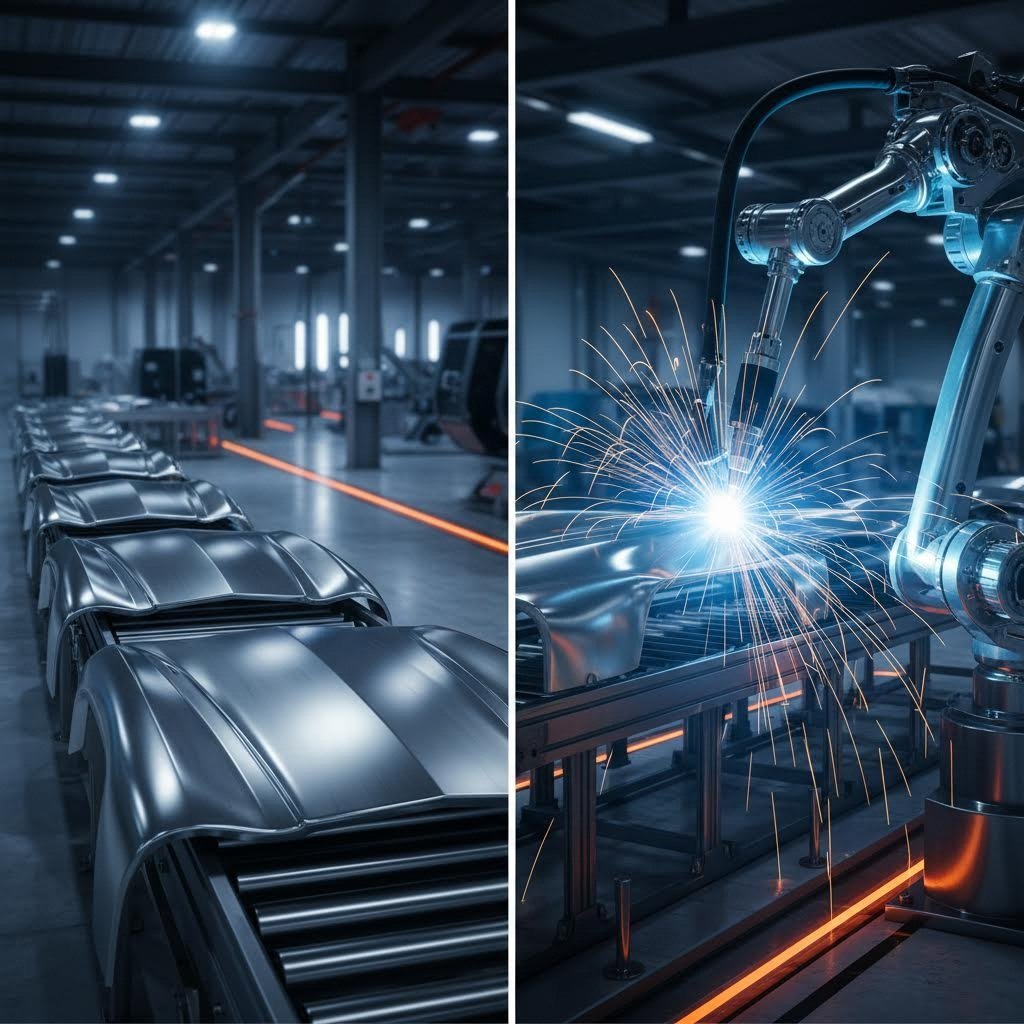
Kenőanyagok kompatibilitása a hegesztési és festési folyamatokkal
Az önök sajtolóüzeme tökéletes alkatrészeket állíthat elő, de mi történik ezután? Ha a kenőanyag-maradék zavarja a hegesztést, vagy megakadályozza a festék megfelelő tapadását, az összes korábbi siker értelmét veszti. A kenőanyag-választás és a későbbi gyártási folyamatok közötti kapcsolat gyakran dönti el, hogy a sajtolt alkatrészek megfelelnek-e a végső minőségi előírásoknak.
Hogyan befolyásolja a kenőanyag-maradék a hegesztési minőséget
Mi a hegesztési fröccsenés, és miért kell a sajtolómérnököknek foglalkozniuk vele? A hegesztési fröccsenés a hegesztés során szétrepülő olvadt fém cseppeket jelenti, amelyek a környező felületekre tapadnak, és minőségi hibákat okoznak. Bár bizonyos mértékű hegesztési fröccsenés természetes jelenség, a kenőanyag-szennyeződés jelentősen súlyosbítja ezt a problémát.
Amikor a kenőanyag-maradványokat tartalmazó sajtolt alkatrészek bekerülnek a hegesztőcellákba, a hő azonnal elpárologtatja a kenőanyagban lévő szerves vegyületeket. Ez gázcsomókat hoz létre a hegesztési fürdőben és annak környezetében, ami pórusossághoz, egyenetlen behatoláshoz és túlzott hegesztési fröccsenéshez vezet. Az így keletkezett hegesztési fröccsenés nemcsak a kötések szilárdságát veszélyezteti, hanem takarítási igényt is generál, amely lassítja a gyártást.
A néhány kenőanyag-formulában jelen lévő klorid-szulfát vegyületek további aggályokat jelentenek. Ezek a vegyi anyagok beszámolódhatnak a hegesztési zónákba, és korróziót okozhatnak, amely hónapokkal vagy akár évekkel a járműgyártás után válik láthatóvá. A kenőanyag-maradék kloridtartalmának vizsgálata mára szisztematikus gyakorlattá vált azoknál a gyártóknál, akik biztonságilag kritikus szerkezeti alkatrészeket készítenek.
Kihúzott alkatrészek felkészítése festésre és ragasztásos kötésre
A modern járműgyártás erősen támaszkodik a hagyományos hegesztés mellett a ragasztásos kötésekre. A szerkezeti ragasztók különböző anyagokat kötnek össze, csökkentik a súlyt, és javítják az ütközési teljesítményt. Ezek a kötések azonban kizárólag tiszta, megfelelően felkészített felületeken alapulnak.
A kenőanyag-maradékok akadályt képeznek a ragasztó és a fémfelület között, megakadályozva a szükséges molekuláris szintű kapcsolatot erős kötéshez. Még vékony maradékrétegek is képesek 50%-kal vagy annál többel csökkenteni a kötési szfest, így a szerkezeti kapcsolatok potenciális hibahelyekké válnak.
Vegye figyelembe ezeket a kompatibilitási követelményeket a gyakori lefelé irányuló folyamatokhoz:
- ERŐSÍTÉS VASZOLÁS - Minimális felületi szennyeződést igényel; a kenőanyag-maradványok növelik az elektromos ellenállást, ami következetlen hegesztési pontok kialakulásához és megnövekedett szikraképződéshez vezet
- MIG/MAG hegesztés - Az organikus kenőanyag-összetevők elpárolognak az ívzónában, pórusokat és túlzott hegesztési szikrákat hozva létre, amelyek utómunkát, csiszolást igényelnek
- Rögzítő kötés - A felületi energiának magasnak kell maradnia a megfelelő ragasztó nedvesedés érdekében; sok kenőanyag csökkenti a felületi energiát, és megakadályozza az elegendő kötés kialakulását
- E-bevonás (elektrokoating) - A maradék olajok és zsírok visszatérítik a vízbázisú bevonatot, csupasz foltokat és egyenetlen fedést okozva, ami veszélyezteti a korrózióvédelmet
- Festék tapadása - A kenőanyag-szennyeződés halcsontokat, kráterképződést és rétegződést okoz a fedőrétegben, látható hibákat eredményezve a külső paneleken
Olyan kenőanyagok választása, amelyek támogatják a lefelé irányuló folyamatok sikerét
Ezekkel a kihívásokkal szemben, miért válnak uralkodóvá a párolgó olajok és az egyszerűen tisztítható formulák olyan alkalmazásokban, amelyeket követően hegesztés vagy festés szükséges? A válasz a maradékanyag-kezelésben rejlik.
A párolgó olajok a kihúzás után elpárolognak, így a felületek lényegében készen állnak a további folyamatokhoz mosás nélkül. Ez kiküszöböli a tisztítési lépéseket, csökkenti a vízkezelési igényeket, és biztosítja a felületek konzisztens előkészítését. Könnyebb alakítási műveletek esetén, ahol ezek a kenőanyagok elegendő védelmet nyújtanak, ezek az elegáns megoldások a maradékanyag-problémákra.
Amikor az alakítás intenzitása erősebb kenési védelmet igényel, az egyszerűen tisztítható, vízben oldódó formulák jelentik a következő legjobb lehetőséget. Ezek a termékek könnyen eltávolíthatók szabványos lúgos mosórendszerekkel, így a felületek készen állnak hegesztésre, ragasztásra vagy bevonásra.
A kenőanyag-maradványok tesztelése részévé kell, hogy váljon a minőségellenőrzési rutinjának. Egyszerű tesztekkel ellenőrizhető, hogy a tisztítási folyamatok hatékonyan eltávolítják-e a kenőanyag-szennyeződést a szerelési vagy festési folyamatok megkezdése előtt. A klóridszintek figyelése a kenőanyag-összetételben és maradványokban hosszú távú korróziós problémákat segíthet megelőzni a kész szerelvényeknél, különösen az olyan szerkezeti alkatrészeknél, amelyek üzemidejük során útsóval és nedvességgel érintkeznek.
Olyan kenőanyagok kiválasztása, amelyek egyensúlyt teremtenek az alakítási teljesítmény és a következő folyamatokkal való kompatibilitás között, megköveteli a sajtolási igények és a későbbi folyamatigények egyaránt történő megértését. Ez az integráció még fontosabbá válik, ha figyelembe vesszük a pontos koncentrációfigyelés és minőségellenőrzés szükségességét a teljes gyártási folyamat során.
Koncentráció-megfigyelés és minőségellenőrzési módszerek
Kiválasztotta az anyagaihoz és az utólagos folyamatokhoz ideális kenőanyagot. Most következik egy kérdés, amelyet sok gyártó figyelmen kívül hagy: hogyan biztosíthatja, hogy a kenőanyag hatékonysága napról napra megmaradjon? A válasz rendszerszintű koncentráció-megfigyelésben és minőségellenőrzési protokollokban rejlik, amelyek problémákat még azelőtt felismernek, mielőtt azok hatással lennének a termelésre.
Az autóipari sajtoláshoz használt vízoldható kenőanyagok pontos hígítási arányt igényelnek a megfelelő működéshez. Ha túl magas a koncentráció, anyagpazarlás lép fel, és maradékproblémák merülhetnek fel. Ha túl híg, akkor a védőhatás megszűnik, ami ragadáshoz, szerszámkopáshoz és felületi hibákhoz vezethet. Az optimális érték fenntartása rendszeres mérést és beállítást igényel.
Refraktométerek használata a koncentrációszabályozáshoz
Hogyan határozhatja meg gyorsan, hogy kenőanyag-keveréke megfelelő koncentrációt tartalmaz-e? Egy Brix-skálájú refraktométer másodpercek alatt megadja a választ.
A refraktométerek azt mérik, hogyan hajlik a fény egy folyadékminta áthaladásakor. A Brix-érték a minta törésmutatóját jelzi, amely közvetlenül összefügg az oldott szilárd anyag tartalommal. Vízoldható sajtáló kenőanyagok esetén ez a mérés a megfelelő átszámítási tényező alkalmazásával a koncentráció százalékában is kifejezhető.
Így működik a Brix-érték mérése a gyakorlatban:
- Helyezzen néhány csepp kenőanyag-keveréket a refraktométer prizmájára
- Zárja le a fedőlemezt, és irányítsa az eszközt egy fényforrás felé
- Olvasassa le a Brix-értéket ott, ahol a sötét vonal metszi a skálát
- Szorozza meg az értéket a kenőanyag speciális refraktométeres tényezőjével, hogy meghatározza a tényleges koncentrációt
Minden kenőanyag-összetételhez a gyártó által megadott egyedi refraktométeres tényező tartozik. Például, ha a kenőanyag tényezője 1,5, és a Brix-érték 6,0, akkor a tényleges koncentráció 9% (6,0 × 1,5 = 9,0%). Ha nem alkalmazza ezt a korrekciót, folyamatosan tévesen ítéli meg a keverék koncentrációját.
A Brix százalék önmagában nem ad teljes képet. Idegen olajok, fémreszek és technológiai szennyeződések befolyásolják az idővel változó mérési eredményeket. Tiszta minták és kalibrált műszerek biztosítják azokat a pontos eredményeket, amelyekre megbízhatóan támaszkodhat a termelési döntések során.
Tipikus Brix-értékek kenőanyag-típusok szerint
A különböző kenőanyag-kategóriák meghatározott koncentrációtartományokon belül működnek. Ezeknek a céloknak az ismerete segít beállítani a műveletek figyeléséhez szükséges referenciaértékeket:
| Kenőanyag típusa | Tipikus Brix-érték tartomány | Tényleges koncentráció tartomány | Refraktométeres tényező (tipikus) | Mérés gyakorisága |
|---|---|---|---|---|
| Könnyű terhelésű vízoldható | 2,0 - 4,0 | 3% - 6% | 1,3 - 1,5 | Napi |
| Általános célú emulziók | 4,0 - 8,0 | 5% - 10% | 1,2 - 1,4 | Napi |
| Nagy terhelésű alakító anyagok | 6,0 - 12,0 | 8% - 15% | 1,1 - 1,3 | Műszakonként |
| Szintetikus vízoldható | 3,0 - 7,0 | 4% - 8% | 1,0 - 1,2 | Napi |
| Alumíniumhoz kifejlesztett emulziók | 5,0 - 10,0 | 6% - 12% | 1,2 - 1,4 | Műszakonként |
Vegye figyelembe, hogy ezek a tartományok általános irányelveket jelentenek. A konkrét kenőanyag-szállító pontos specifikációkat biztosít saját összetételeihez. Mindig forduljon a termék műszaki adatlapjaihoz a pontos refraktométeres tényezők és célkoncentrációs tartományok megállapításához.
Hatékony kenőanyag-ellenőrzési programok kialakítása
A folyamatos ellenőrzés megelőzi azokat a problémákat, amelyeket a véletlenszerű ellenőrzések kihagyhatnak. Amikor a koncentráció fokozatosan változik napok vagy hetek alatt, a ritka helyszíni mérések esetleg elfogadható értékeket mutathatnak, miközben nem veszik észre az összlendületet a hiba felé.
Egy hatékony ellenőrzési program a következő elemeket tartalmazza:
- Ütemezett tesztelési időközök - Napi minimum a legtöbb műveletnél; műszakonként igényes alkalmazások vagy nagy volumenű termelés esetén
- Szabványos mintavételi eljárások - Minták begyűjtése mindig ugyanarról a helyről, a folyamat ugyanazon pontján, a hasonlítható mérések biztosítása érdekében
- Dokumentáció és trendek követése - Jegyezze fel az összes mérési eredményt, hogy azok minőségi problémák kialakulása előtt felismerhető mintázatot mutassanak
- Meghatározott beavatkozási határértékek - Határozza meg, mikor kell koncentrátumot, illetve vizet hozzáadni, és mikor jeleznek a koncentrációk rendszeres problémát, amely vizsgálatot igényel
- Kalibrálási ütemtervek - Hetente ellenőrizze a refraktométer pontosságát desztillált vízzel (nullát kell mutatnia) és szabványoldatokkal
A koncentráció túlmutatva figyelje a kenőanyag lebomlásának jeleit. A szokatlan szagok, színváltozások vagy szétválás baktériumos szennyeződést vagy kémiai lebomlást jelezhetnek, amelyeket a koncentrációmérések önmagukban nem tárhatnak fel.
Rézszulfát-teszt vékonyréteg-védelemhez
A refraktométerrel meghatározhatja a koncentrációt, de az nem árulja el, hogy a kenőanyag valójában véd-e fémfelületeket. A rézszulfát-teszt közvetlenül méri a kenőanyag vékonyrétegének integritását és korrózióvédelmi képességét.
Ez a teszt azzal működik, hogy korrózív rézszulfát-oldattal támadja a kenőanyag vékonyrétegét. Amikor az oldatot egy bekenett acélfelületre alkalmazza, a megfelelően védett területek ellenállnak a támadásnak, míg a hiányos vékonyréteg-fedettség esetén réz lejátszódik. Az eredményül kapott mintázat pontosan azt mutatja, hol hibás a védelem.
Rézszulfát-teszt elvégzése a következőkből áll:
- Kenőanyag felhordása tiszta acél próbatestre a munkakoncentrációban
- A vékonyréteg kialakulásának időt hagyni a szokásos alkalmazási módszer szerint
- A panel rézszulfát-oldatba való merítése meghatározott időtartamra
- Öblítés és a film integritásának megszakadására utaló rézlerakódások vizsgálata
Ez a teszt különösen hasznos új kenőanyag-összetételek értékelésekor, a koncentráció módosítása utáni teljesítmény ellenőrzésekor vagy sajtolt alkatrészek korróziós problémáinak diagnosztizálásakor. Egy olyan kenőanyag, amely brix-méréssel megfelelő koncentrációt mutat, de nem felel meg a rézszulfát-tesztnek, valószínűleg szennyeződésből vagy adalékanyag-kimerülésből szenved.
A törésmutató-mérő rendszeres minőségellenőrzése és időnként végzett filmbesorolási tesztek teljes képet adnak a kenőanyag állapotáról. Ezek a módszerek időben felfedik a romlást, mielőtt az befolyásolná a gyártást, csökkentve ezáltal a selejtarányt és meghosszabbítva az eszközök élettartamát. Amikor a koncentráció ellenőrizhető szinten van, figyelmét arra fordíthatja, hogyan jut el optimálisan a kenőanyag a munkadarabra, megfelelő alkalmazási módszerek és berendezések kiválasztásával.
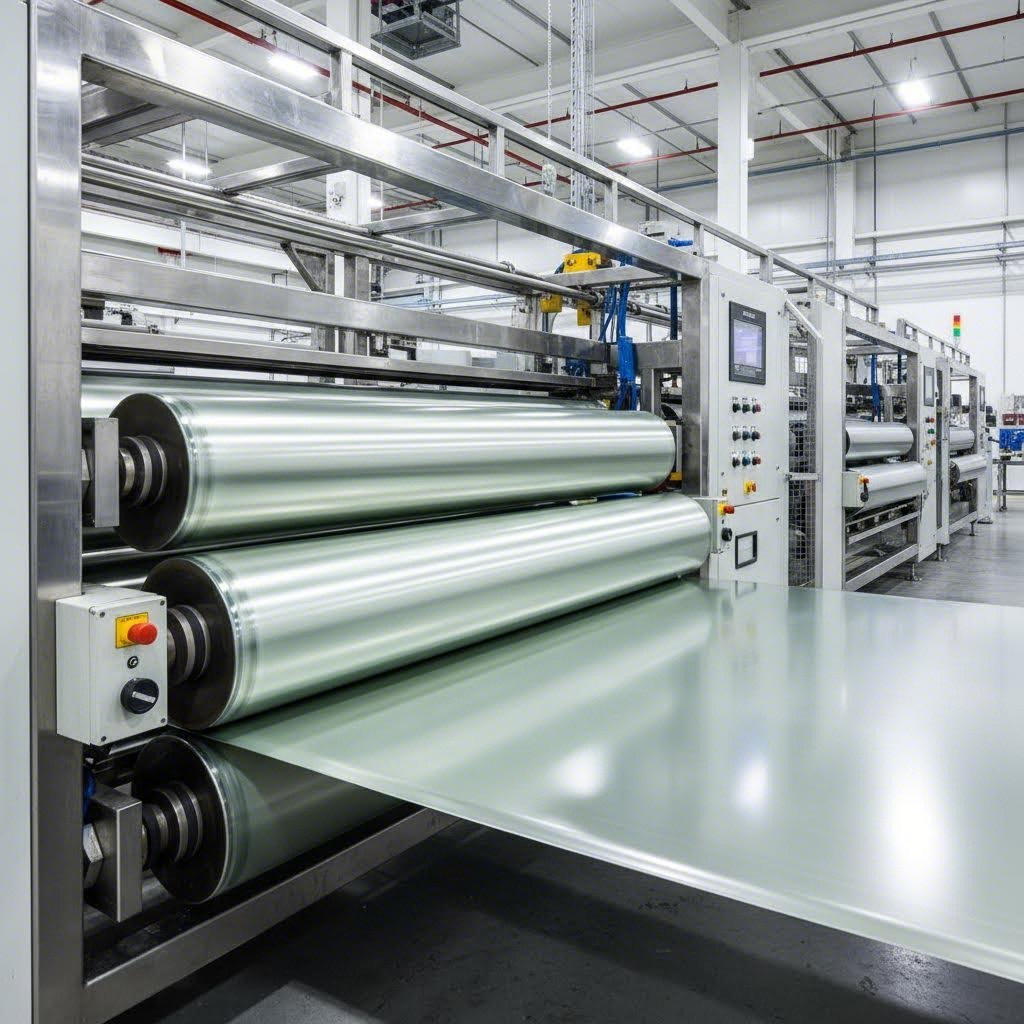
Kenőanyag-alkalmazási módszerek és berendezések kiválasztása
Nem számít, ha rendelkezel a megfelelő kenőanyaggal, ha az nem éri el megfelelően a munkadarabot. A kenőanyag alkalmazása fémtükrök esetén kihúzó műveletek során közvetlenül befolyásolja az alakítási sikerességet, az anyagfogyasztást és az alkatrész minőségét. A legjobb kenőanyag is kudarcot vall, ha az alkalmazási módszer egyenetlen befedettséget vagy túlzott anyagpazarlást okoz.
A különböző autóipari kihúzó műveletek különböző kenőanyag-alkalmazási módszereket igényelnek. Egy összetett kihúzás, amely mély karosszériapanokat alakít ki, másfajta befedettséget igényel, mint egy egyszerű kivágó művelet. Az alkalmazási lehetőségek megértése segít az eszközöknek a gyártási igényekhez való pontos illesztéséhez.
Hengeres bevonás és fúvókás rendszerek különböző alkatrész geometriákhoz
A hengerező bevonó rendszerek a kenőanyagot forgó hengerek és lemezanyag közvetlen érintkezésén keresztül viszik fel. Ahogy a tekercsanyag vagy alakdarabok áthaladnak a felvitelre szolgáló hengerek között, egyik vagy mindkét felületükre adagolt módon kerül fel a kenőanyag. Ez a módszer kiváló konzisztenciát biztosít lapos vagy enyhén ívelt anyagok esetén, amelyek folyamatosan működő sajtokba kerülnek.
Mikor érdemes hengerező bevonást fontolóra venni?
- Nagy térfogatú, tekercses betáplálású műveletek, ahol a konzisztens bevonás fontos
- Lapos alakdarabok, amelyek formázás előtt egyenletes kenést igényelnek
- Olyan alkalmazások, ahol a pontos filmvastagság-szabályozás csökkenti a hulladékot
- Gyártósorok, ahol az alumíniumtól vagy acéltól megjósolható eredményeket várnak el
A permetező rendszerek a kenőanyagot apró cseppekre osztva juttatják a munkadarab felületére. Ez a módszer olyan területeket is elér, amelyekkel a hengerek nem tudnak érintkezni, így ideális előalakzott darabokhoz, összetett geometriákhoz és olyan alkalmazásokhoz, ahol céltudatos, meghatározott zónákban történő kenés szükséges.
A permetezés akkor nyújt kiemelkedő teljesítményt, ha:
- A alkatrész geometriája kiemelkedő elemeket vagy szabálytalan felületeket tartalmaz
- Különböző területek különböző kenési folyadékfedettségi szinteket igényelnek
- Az alkatrésztípusok közötti gyors átállás rugalmasságot követel
- Az átviteli sajtoló műveletek állások közötti kenést igényelnek
Alkalmazási módszerek összehasonlítása kulcsfontosságú tényezők mentén
Minden alkalmazási módszer különféle kompromisszumokat jelent. Ez az összehasonlítás segít értékelni a lehetőségeket sajátos gyártási igényeihez képest:
| A felhasználási módszer | Lefedettségi egyenletesség | Kenőanyag-fogyasztás | Alkatrész-bonyolultság alkalmassága | Fenntartási követelmények |
|---|---|---|---|---|
| Hengerezés | Kiemelkedően alkalmas lapos felületekre | Alacsony - pontos rétegvastagság-szabályozás | Lapos/egyszerű formákra korlátozódik | Mérsékelt – henger tisztítása és cseréje |
| Fúvókás kenési rendszerek | Jó – állítható mintázatok | Mérsékelt – némi szórást veszteség | Kiváló összetett geometriákhoz | Magasabb – fúvóka tisztítása és kalibrálása |
| Cseppentéses alkalmazás | Elfogadható – a gravitációtól függő | Alacsony – minimális hulladék | Korlátozott – helyi területekre ideális | Alacsony – egyszerű rendszerek |
| Leöntéses alkalmazás | Teljes lefedettség biztosítva | Magas – recirkuláció szükséges | Minden geometriához alkalmas | Magas – szűrő- és hűtőrendszerek |
Kenőanyag-réteg optimalizálása összetett sajtolásokhoz
A túlzott kenés ugyanolyan sok problémát okoz, mint a hiányos bevonat. A csöpögés, felhalmozódás és az egyenetlen rétegvastagság minőségi ingadozásokhoz és későbbi feldolgozási nehézségekhez vezet. Ezen a ponton nyújtanak nagy értéket az airknife-rendszerek.
Az airknife egy nagy sebességű léghuzamot irányít a bekent felületek felett, eltávolítva a felesleges anyagot, miközben egyenletes, vékony filmet hagy maga után. Görgős vagy permetezős kenés után elhelyezve az airknife-rendszerek több fontos funkciót is ellátnak:
- Távolítsa el a gyűjtött kenőanyagot a mélyedések és élek területéről
- A rétegvastagság kiegyenlítése az egész munkadarab felületén
- Csökkentse a kenőanyag-felhasználást a felesleg visszanyerésével
- Javítja az egységességet a követelményes utómunkákhoz
A permetezés utáni léghoroggal történő kezelés kombinációja gyakran optimális eredményt nyújt összetett autóipari sajtolások esetén. Így biztosítható az egyenetlen felületek teljes befedése, miközben fenntarthatók a vékony, egyenletes rétegek, amelyek minőségi alakítást és tiszta utómunkákat tesznek lehetővé.
Alkalmazási módszerek illesztése a kenőanyag-típusokhoz
Nem minden alkalmazási módszer működik minden kenőanyag-összetétellel. A viszkozitás, illékonyság és kémiai összetétel befolyásolja, hogy melyik adagolórendszer működik hatékonyan.
A vízoldható kenőanyagok jól alkalmazkodnak a permetező rendszerekhez, ahol az anyag finom permetfelhővé oszlik szét, és egyenletesen borítja be a felületeket. A hengeres rendszerek is hatékonyan használhatók ezeknél az összetételeknél, bár a hengerek anyagainak kompatibilitását ellenőrizni kell.
A sűrűbb viszkozitású olajok nehezen porlaszthatók a szabványos permetező berendezésekben, így gyakran szükség van fűtött adagoló rendszerekre vagy speciális fúvókákra. Ezeknél a nehezebb összetételű anyagoknál gyakran praktikusabb a hengerezéses felhordás.
Az elpárolgó olajok esetében különösen fontos az alkalmazás pontos szabályozása, mivel illékony jellegük miatt a felesleges anyag elpárolog, nem kerül visszanyerésre. A precíz permetező rendszerek minimális szórással maximalizálják a hatékonyságot ezeknél a prémium minőségű formuláknál.
Termelési térfogat tekintetbe vétele
A nagy létszámú gépjármű sajtóvonalak indokolttá teszik a kifinomult felhordó berendezésekbe történő befektetést. Az automatizált hengeres kenőberendezések zárt szabályozási körrel, többzónás permetező rendszerekkel és integrált levegőkéssel biztosítják azt a konzisztenciát, amelyet ezek a műveletek igényelnek, miközben csökkentik az alkatonkénti kenőanyag-költségeket.
Kisebb volumenű működtetés vagy megmunkálóüzemek másfajta gazdasági körülményekkel néznek szembe. Egyszerűbb permetező rendszerek kézi beállítással, csepegő kenőberendezések helyi kenéshez, vagy akár ecsetes kenés is költséghatékonyabb lehet. A lényeg az, hogy a berendezés kifinomultságát pontosan igazítsa a termelési igényekhez, és ne fektessen túl sokat olyan képességekbe, amelyeket nem fog teljes mértékben kihasználni.
Akár évente millió darab alkatrészt gyárt, akár kisebb mennyiségben speciális komponenseket állít elő, a megfelelő kenőanyag-alkalmazó berendezés biztosítja, hogy gondosan kiválasztott kenőanyaga maximális teljesítményt nyújthasson. Amikor problémák mégis felmerülnek a megfelelő összetétel és alkalmazás ellenére, a szisztematikus hibaelhárítás az okokat azonosítja, és iránymutatást ad a korrigáló intézkedésekhez.
Gyakori kenéssel kapcsolatos sajtolási hibák hibaelhárítása
Még akkor is, ha a megfelelő kenőanyagot megfelelően alkalmazza és figyeli, a sajtolás alakítási problémái továbbra is előfordulhatnak. Amikor hibák jelennek meg az alkatrészein, hogyan határozhatja meg, hogy a kenés-e a hibák okozója? A konkrét hibák és a velük összefüggő kenéssel kapcsolatos okok közötti összefüggés megértése segít gyorsan diagnosztizálni a problémákat, és hatékony megoldásokat bevezetni.
A kenés és a hiba kialakulása közötti kapcsolat előrejelezhető mintázatokat követ. Ismerje meg ezeket a mintázatokat, és átalakíthatja a reaktív tűzoltást proaktív minőségirányítássá.
A rángás és karcolás problémáinak diagnosztizálása
A rángás az egyik legkárosabb kenési hiba az autóipari sajtolás során. Ez a hiba akkor lép fel, amikor a munkadarabról fém kerül át a szerszámfelületre extrém nyomás hatására. Amint elkezdődik, a rángás érdes felületet hoz létre a szerszámon, ami minden következő alkatrészt megkarcol, és felgyorsítja a károsodási ciklust.
Mi okozza a rátekeredést? Amikor a kenőanyag-film nyomás alatt szétesik, a közvetlen fémtől-fémig terjedő kenési hiba mikroszkopikus hegesztődést enged a felületek között. A lágyabb munkadarab anyaga letörik és a keményebb sabácsélnél tapad. Minden sajtoló ütésnél ez az átvitt anyag felhalmozódik és durvábbá válik, egyre rosszabb felületi károkat okozva.
A karcolás hasonló vizuális eredményt produkál, de más mechanizmussal. Az anyagátvitel helyett a karcolás kemény részecskék (fémreszek, szennyeződések vagy szennyező anyagok) felületeken történő csúszását és horonyképzését jelenti mind az eszközökön, mind az alkatrészeken.
A rátekeredés és a karcolás gyakori okai és megoldásaik a következők:
- Elegendőtlen film-szilárdság - Váltson fémalkalmazásokhoz olyan kenőanyagra, amely jobb extrém nyomású adalékokkal rendelkezik; a sima olajok gyakran jobban teljesítenek súlyos rátekeredési körülmények között, mint a vízoldható alternatívák
- Elegendőtlen kenőanyag-fedettség - Ellenőrizze, hogy az alkalmazástechnikai berendezés teljes felületet fed le; ellenőrizze a dugult fúvókákat vagy elhasználódott hengeralkalmazókat
- Szennyezett kenőanyag - A visszaforgó rendszerekben felhalmozódó fémszemcsék súrlódó részecskéket hoznak létre; javítsa a szűrést vagy növelje a folyadékcserék gyakoriságát
- Inkompatibilis kenőanyag-kémia - Egyes anyagok (különösen az alumínium és cinkbevonatú acélok) speciális ragadásmentesítő formulákat igényelnek
- Túl magas saban hőmérséklet - A hő rontja a kenőanyagfóliákat; fontolja meg olyan formulák használatát, amelyek jobb hőállósággal rendelkeznek, vagy adjon hűtőrendszereket
Redőzés és szakadás kijavítása kenési beállításokkal
A redőzés és a szakadás a anyagáramlás ellentétes végpontjait jelentik, mégis mindkettő közvetlen összefüggésben áll a fémfeldolgozás kenésének hatékonyságával.
A redőződés akkor következik be, amikor az anyag túl szabadon áramlik, és felesleges fém keletkezik, amely összegyűrődik és behajlítódik, ahelyett hogy simán kinyúlna. Bár a bélyegzés tervezése és a tárcsabetámasztó nyomása elsősorban a redőződést szabályozza, a túlzott kenés csökkenti a súrlódást a szükséges szint alá, lehetővé téve az irányíthatatlan anyagmozgást.
A szakadás akkor következik be, amikor az anyag nem képes kellően áramlani a kialakítási igények kielégítéséhez. A lemez túlságosan kinyúlik és elszakad. A hiányos kenés növeli a súrlódást, korlátozza az anyag behúzását, és lokális területeken koncentrálja a terhelést, amíg a meghibásodás bekövetkezik.
Az egyensúly megtalálásához meg kell érteni az adott alakítási műveletet:
- Redőződés a túl sok kenés miatt - Csökkentse a koncentrációt, vagy váltson nagyobb súrlódási együtthatójú formulákra; fontolja meg a szelektív kenést csak ott, ahol szükséges
- Szakadás a kevés kenés miatt - Növelje a koncentrációt, vagy lépjen át magasabb teljesítményű fémtől-fémig tartó kenőanyag formulákra; ellenőrizze a kritikus húzóterületek teljes lefedettségét
- Különböző hibák ugyanazon alkatrészen - Különböző zónák esetleg eltérő kenési módszereket igényelnek; a zónánkénti felvitelt lehetővé tevő permetező rendszerek rugalmasságot biztosítanak
- Inkonzisztens hibák a gyártás során - Ellenőrizze a koncentráció-megfigyelés gyakoriságát; az ingadozó kenőanyag-erősség időszakos problémákat okoz
Felületi karcolások és ezek kiváltó okai
A sajtolt alkatrészek felületi karcolásai gyakran a kenési problémákra vezethetők vissza, bár ez a kapcsolat nem mindig nyilvánvaló. Ezek a hibák különösen az autóipari külső paneleket gyártó vállalatokat aggasztják, ahol minden felületi hiba láthatóvá válik a festett felületeken.
A felületi karcolások kenéssel kapcsolatos okai:
- Hártya szétesése alakítás közben - A kenőanyag rétegvastagsága nem elegendő a felületek teljes ütem alatt történő elválasztásához; növelje a koncentrációt vagy erősítse meg a hártya szilárdságát
- Kenőanyag-szennyeződés - A csiszoló részecskék a kenőanyagban felfüggesztve mozognak az alakítás során; javítsa a szűrést és növelje a karbantartási gyakoriságot
- Száraz kenőanyagmaradék - Az elpárolgott kenőanyag szilárd lerakódást hagy maga után, amely megkarcolja az ezt követő alkatrészeket; korrigálja az alkalmazás időzítését, vagy váltson stabilabb formulára
- Inkompatibilis viszkozetás - A túl híg kenőanyag az adott alakítási igénybevételhez nem képes fenntartani a védőfóliát; igazítsa a viszkozetást az alkalmazási igényekhez
A viszkozetás és a fóliavastagság összefüggése
Annak megértése, hogyan kapcsolódnak a kenőanyag-tulajdonságok a hibák megelőzéséhez, segít kiválasztani az adott alakítási kihívásokhoz igazodó formulákat. A viszkozetás meghatározza, hogyan folyik és oszlik el a kenőanyag a felületeken. A fóliavastagság határozza meg, hogy a kenőanyag képes-e kibírni az alakítás nyomását, anélkül, hogy széttörne.
Könnyű alakító műveletekhez, kisebb nyomások mellett az alacsonyabb viszkozitású kenőanyagok könnyen elterülnek, és elegendő védelmet biztosítanak. Amint az alakítás intenzitása növekszik mélyebb húzások, szűkebb lekerekítések vagy szilárdabb anyagok miatt, a viszkozitás és a fóliavastagság iránti igény egyaránt növekszik.
Hibaelhárításkor fontolja meg, hogy jelenlegi kenőanyaga valóban megfelel-e tényleges alakítási igényeinek. Egy olyan összetétel, amely tökéletesen működött lágyacélnál, teljesen alkalmatlanná válhat, ha áttér a fejlett, nagy szilárdságú anyagokra. Hasonlóképpen, a alkatrész geometriájának bonyolultabbá tétele növeli a kenési igényeket akkor is, ha ugyanazt az anyagot használja.
Bár ez az útmutató a fémek sajtolására koncentrál, a vegyes anyagú szerelvényekkel dolgozó gyártók néha a műanyag és fém felületek érintkezéséhez legalkalmasabb kenőanyagot kérdezik. Ezek a speciális alkalmazások olyan formulákat igényelnek, amelyek mindkét anyaggal kompatibilisek, és nem illeszkednek a tipikus fémfeldolgozási kenési javaslatokba. Egyedi igények esetén forduljon a kenőanyag-szállítókhoz konkrét tanácsért.
A rendszerszerű hibaelhárítás a kenési problémákat a frusztráló rejtélyektől megoldható kihívásokká alakítja. Dokumentálja a tapasztalatait, nyomon kövesse a hibamintákat a folyamatváltozók mentén, és építsen ki intézményes tudást, amely megelőzi a problémák ismétlődését. A hibák ellenőrzése mellett a figyelmet az autóalkatrészek adott kategóriáihoz való kenőanyag-választás optimalizálására lehet irányítani.
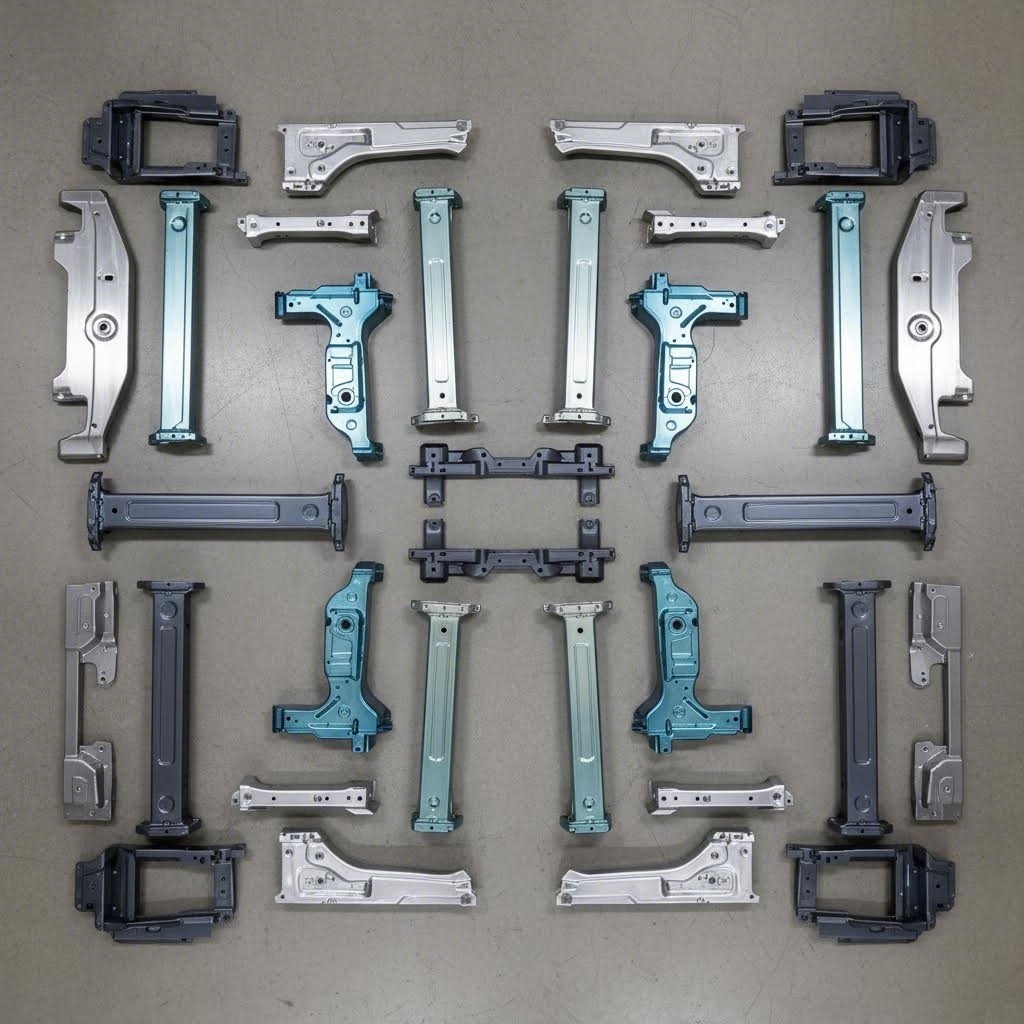
Kenőanyag-választási útmutató autóalkatrész-kategóriákhoz
Hogyan alakítja át mindazt, amit a kenőanyag-típusokról, anyagkövetelményekről és alkalmazási módszerekről megtanult, konkrét döntésekkel az egyes gépjármű-alkatrészekhez? A válasz abban rejlik, hogy ugyanabban a járműben különböző alkatrészek alapvetően eltérő kenési stratégiákat igényelnek.
Egy szerkezeti B-oszlop-megerősítés teljesen más alakítási kihívásokkal néz szembe, mint egy külső ajtólemez. Az a sajtolóolaj, amely az egyik alkalmazásnál kitűnően működik, a másiknál teljesen csődöt mondhat. Ez a szakasz végigvezeti Önt a rendszerszerű kiválasztási szempontokon, amelyek a kenőanyag-jellemzőket az alkatrész-követelményekhez igazítják.
Kenőanyagok illesztése a test-in-white alkatrészekhez
A test-in-white (BIW) szerkezeti alkatrészek alkotják az utasokat védő biztonsági ketrecet. Ezek az alkatrészek egyre inkább AHSS és UHSS anyagokat használnak, amelyek extrém kenési igényeket támasztanak az alakítási folyamatok során.
Amikor szerkezeti elemeket, például padlólemezeket, kereszttartókat és oszlop-megerősítéseket sajtolnak, vegye figyelembe a következő tényezőket:
- Extrém nyomás alatti teljesítmény - A szilárd anyagok olyan összenyomó erőket fejtenek ki, amelyek erős hártyaalkotást igényelnek; a tiszta olajok vagy a nagyteljesítményű szintetikus anyagok általában jobban teljesítenek, mint a vízoldható alternatívák
- Hegesztési kompatibilitás - A legtöbb BIW alkatrész közvetlenül ellenálláshegesztésre kerül; olyan könnyen tisztítható formulákat vagy elpárologző olajokat kell választani, ahol a kihúzás intenzitása ezt lehetővé teszi
- Cinkréteg védelem - Sok szerkezeti alkatrész cinkréteggel rendelkező anyagból készül korrózióvédelem céljából; a kenőanyagoknak ezt a réteget formázás során is védeniük kell
- Mélyhúzás igényei - A bonyolult szerkezeti geometriák gyakran jelentős húzásmélységet igényelnek, amelyet speciális mélyhúzó kenőanyag-formulákkal kell támogatni
A horganyzott acéllemezek BIW alkatrészekhez való kihúzásának megmunkálása különleges kihívásokat jelent. A nagy szilárdságú anyag és a védőbevonat kombinációja olyan kenőanyagokat igényel, amelyek extrém nyomás alatt is védelmet nyújtanak, anélkül hogy kémiai úton támadnák a cinkfelületet.
Szerkezeti és külső panel kihúzás kiválasztási szempontjai
A külső panelek a külalakító sajtolás másik végét képviselik a szerkezeti alkatrészekkel szemben. Míg a B-oszlopok az interior burkolat alatt rejtőznek, addig az ajtóburok és a keréknyílak határozzák meg a jármű vizuális identitását. Minden felületi hiba láthatóvá válik a festék alatt.
A külső panelek sajtolásának elsőbbségi szempontjai jelentősen eltérnek:
- Felületi minőség megőrzése - A kenőanyagoknak meg kell akadályozniuk minden olyan karcolást, ragadást vagy nyomot, amely a festett felületeken láthatóvá válna
- Tisztességes eltávolítás - Maradékmentes felületek elengedhetetlenek a megfelelő e-kopottság- és festékragaszkodás érdekében; ezekben az alkalmazásokban vízoldható formulák vagy elpárologtató olajok dominálnak
- Alumínium kompatibilitás - A könnyűsúlyú záróelemek egyre inkább alumíniumötvözeteit használják, amelyek speciális húzóolaj-formulákat igényelnek az illesztés megakadályozására
- Mérsékelt alakítási igénybevétel - A finomabb alakítási műveletek lehetővé teszik a könnyebb kenőanyag-formulák alkalmazását a mélyhúzásos szerkezeti elemekhez képest
A motorháztetők, csomagtartófedelek és ajtók gyártásához használt alumínium egyre növekvő alkalmazása átalakította a külső panelek kenésének követelményeit. Az alumínium alakítása olyan anti-szilárdulási kémiát igényel, amelyet a acélorientált formulák egyszerűen nem tudnak biztosítani.
Átfogó kenőanyag-komponens illesztési útmutató
Ez a táblázat összesíti az anyagmegfontolásokat, az alakítási követelményeket és a későbbi folyamatok kompatibilitását, majd gyakorlati kenőanyag-ajánlásokká dolgozza fel a főbb autóipari komponenskategóriák számára:
| Alkatrész kategória | Tipikus anyagok | Alakítás mértéke | Ajánlott kenőanyag-típusok | Fontos kiválasztási tényezők |
|---|---|---|---|---|
| Karosszériastruktúra (oszlopok, sín, megerősítések) | AHSS, UHSS, cinkkel bevont acél | Magas – extrém | Tömör olajok, magas EP-tartalmú szintetikusok, nehézüzemű vízoldható kenőanyagok | Maximális hártyaerősség; hegesztési kompatibilitás; cinkbevonat védelem |
| Záró panelek (ajtók, motorháztetők, csomagtartófedelek) | Alumínium ötvözetek, lágy acél, horganyzott acél | Mérsékelt és magas | Alumíniumhoz specifikus szintetikusok, vízben oldódó emulziók, eltűnő olajok | Felületi minőség; könnyen tisztítható; alumínium anti-adhézió könnyű zárókhoz |
| Alvázkomponensek (kontrollkarok, konzolok, keresztnyomatékok) | Nagy szilárdságú acél, horganyzott acél | Mérsékelt és magas | Vízben oldódó EP-adalékokkal, tömény olajok súlyos mélyhúzásokhoz | Hegesztési maradék ellenőrzése; korrózióvédelem; mélyhúzó kenőanyag összetett geometriákhoz |
| Külső panelek (motorháztetők, oldalpanelek, tető) | Lágy acél, alumínium, horganyzott acél | Alacsony közepesig | Vízben oldódó emulziók, eltűnő olajok, könnyű szintetikusok | A osztályú felületi követelmények; maradékmentes eltávolíthatóság; festékragaszkodás-kompatibilitás |
| Belső szerkezeti elemek (ülés vázak, keresztrúdok) | AHSS, hagyományos nagy szilárdságú acél | Mérsékelt és magas | Vízoldható EP adalékokkal, közepes terhelésű tisztítóolajok | Hegesztési folyamat kompatibilitása; kiegyensúlyozott költség-teljesítmény arány |
Hogyan befolyásolja az alkatrész geometriája a kenőanyag-követelményeket
Az anyagtípuson túl három geometriai tényező határozottan befolyásolja a kenőanyag-választást: bonyolultság, mélység és anyagvastagság.
Geometriai összetettség meghatározza, hogy az anyagnak hogyan kell áramlania az alakítás során. Egyszerű, sekély mélyítések nagy sugarakkal kevesebb kenést igényelnek, mint az éles sarkokkal, mélyedésekkel és összetett görbékkel rendelkező alkatrészek. A növekvő bonyolultsággal a kenőanyagnak egyre szigorúbb körülmények között is meg kell őriznie védőfóliáját.
Mélység közvetlenül összefügg a súrlódási távolsággal és a nyomás időtartamával. A sekély mélységű kihajtások rövid ideig érintkeznek az alkatrész felületével, míg a mélyhúzás során a szerszám és a munkadarab hosszabb képződési szakaszokon keresztül marad kapcsolatban egymással. A mélyhúzáshoz használt kenőanyagok olyan speciális határfelületi adalékanyagokat tartalmaznak, amelyek hosszabb idejű érintkezés esetén is biztosítják a védelmet.
Anyag Vastagság befolyásolja a kialakító erőket és a hőtermelést egyaránt. A vastagabb anyagok nagyobb alakítási energiát igényelnek, amely magasabb hőmérsékletet generál, és ezáltal ronthatja a kenőfílmeket. A vastagabb lemezek a sablonélre is nagyobb terhelést gyakorolnak, így kiváló extrém nyomásállóságot követelnek meg.
Vegyünk egy gyakorlati példát: egy egyszerű konzol kihajtása 1,0 mm-es lágyacélból sikeresen megoldható egy alap vízoldható kenőanyaggal 5%-os koncentrációban. Ugyanez a kenőanyag valószínűleg katasztrofálisan megbukna, ha egy 1,8 mm-es AHSS-ből (nagy szilárdságú acél) készült mélyhúzott szerkezeti merevítőt kellene formázni, ahol a maximális fóliavastagságú húzóolaj válik elengedhetetlenné.
Együttműködés az sablontervezőkkel és szerszámtervező mérnökökkel
A kenőanyag kiválasztása nem történik elszigetelten. A leghatékonyabb megközelítés a sajtótechnikai mérnökök, kenőanyag-szakértők és sablontervezők közötti együttműködést jelenti a projekt legkorábbi szakaszától kezdve.
Miért fontos a korai együttműködés? A sablon geometriája és a kenőanyag teljesítménye kölcsönösen függnek egymástól. A húzási rádiuszok, befogó felületek és az anyagáramlási pályák mindegyike befolyásolja a kenési igényeket. Hasonlóképpen, az ismert termelési üzemeltetésű sajtolóolaj ismerete lehetővé teszi a sablontervezők számára, hogy a szerszámokat az adott kenési körülményekre optimalizálják.
Ez az integráció különösen értékes, amikor nehéz anyagokkal vagy összetett geometriákkal dolgoznak. A fejlett CAE szimuláció előrejelezheti a kenési igényeket még azelőtt, hogy bármilyen acélt kimetszenek, és azonosíthatja azokat a potenciális problémás területeket, ahol javított kenésre vagy szerszámmódosításokra lehet szükség.
Az olyan gyártók, akik ezt az integrált megközelítést alkalmazzák, profitálnak abból, ha olyan szerszámszállítókkal dolgoznak együtt, akik mind a sabtervezésben, mind a kenés optimalizálásában jártasak. Olyan vállalatok, mint a Shaoyi , amelyek IATF 16949 tanúsítvánnyal rendelkező mérnöki képességekkel bírnak, precíziós sajtoló sablonokat kínálnak, amelyek fejlett CAE szimulációt alkalmaznak a kialakítási viselkedés előrejelzésére és a szerszámtervezés optimalizálására adott kenőanyag-típusokhoz. Ez a megközelítés a potenciális kenési problémákat a fejlesztés során deríti fel, nem pedig a termelés alatt.
A kenőanyag-kiválasztás érvényesítése prototípuson keresztül
Még a legrészletesebb elemzés is profitál a fizikai érvényesítésből. A termeléshez szánt kenőanyagokkal végzett prototípusos sajtolási próbák valós teljesítményt mutatnak, amit a szimuláció önmagában nem képes teljes mértékben előrejelezni.
Hatékony érvényesítés magában foglalja:
- Próbák futtatását a termeléshez tervezett konkrét sütőolaj-fokozattal
- Tesztelést a várható koncentrációs tartományon belül, hogy az érzékenységet azonosítani lehessen
- Alkatrészek értékelése a következő hegesztési és festési folyamatokon keresztül az alacsonyabb szintű kompatibilitás ellenőrzése céljából
- Az optimális beállítások dokumentálása a termelésindítás alapjaként
A gyors prototípus-készítési lehetőségek felgyorsítják ezt az érvényesítési folyamatot. Amikor az esztergáló szállítók gyorsan képesek leszállítani a prototípus sablonokat, a gyártók további ciklusokat nyerhetnek a kenőanyag kiválasztásának optimalizálására, mielőtt a sorozateszközökbe beruháznának. E szakaszban magas első átmenet-jóváhagyási arány azt jelzi, hogy a kenőanyag-sablon kölcsönhatások megfelelően lettek kezelve.
A szisztematikus kiválasztási szempontok és megfelelő érvényesítés révén a kenőanyag-választások az okos tippből biztos mérnöki döntéssé válnak. A végső lépés ezen stratégiák hatékony bevezetése a termelési műveletek során.
Hatékony kenőanyag-stratégiák bevezetése a termelési kiválóság érdekében
Átnézte a kenőanyag-típusokat, az anyagspecifikus követelményeket, az alkalmazási módszereket és a hibaelhárítási technikákat. Most következik a döntő kérdés: hogyan alakíthatja ezt a tudást mérhető javulássá sajtoló üzemének működésében? A sikerhez olyan strukturált megközelítésre van szükség, amely egyszerre kezeli a közvetlen optimalizálási lehetőségeket és a hosszú távú stratégiai fejlesztéseket.
A gyártók közötti különbség, akik kenőanyag-problémákkal küzdenek, illetve azok, akik folyamatosan kiváló termelést érnek el, gyakran a rendszerszerű bevezetésen múlik. A véletlenszerű beállítások ritkán oldják meg az elhúzódó problémákat. A szándékos, adatvezérelt optimalizálás viszont igen.
Kenőanyag-optimalizációs útiterv készítése
Gondoljon a kenőanyag-optimalizálásra inkább útként, semmint célként. Az anyagok fejlődnek, a termelési igények változnak, és új formulák jelennek meg a piacon. Azok a gyártók maradnak versenyelőnyben, akik olyan rendszereket építenek ki, amelyek folyamatosan alkalmazkodnak, nem elégednek meg a „majdnem jó” megoldásokkal.
Az útitervnek három időtávot kell lefednie:
- Azonnali intézkedések - Elemezze a jelenlegi kenőanyag-gyakorlatokat, állapítsa meg a kiindulási méréseket, és azonosítsa a nyilvánvaló fejlesztési lehetőségeket
- Rövid távú fejlesztések - Hozzon létre ellenőrző programokat, optimalizálja a koncentrációkat, és ellenőrizze a kenőanyag-folyamat kompatibilitását
- Hosszú távú stratégia - Építsen ki szállítói kapcsolatokat, integrálja a kenéstervezést az sablontervezésbe, és építsen fel intézményes tudást
Amikor meghatározza a brix-skála paramétereit a műveleteihez, objektív mércéket hoz létre, amelyek kivonják a találgatást a koncentrációkezelésből. A brix def (az oldott szilárd anyagok koncentrációjának mérése) megértése tárgyilagos értékelésekből számszerűsíthető célokat teremt, amelyeket csapatának folyamatosan elérhet.
A kenőanyag-választását igazítsa a teljes gyártási láncolathoz – az anyagtípustól és az alakítás súlyosságától kezdve a hegesztési követelményeken át a festékragaszkodásig, nem csupán az önálló sajtolási művelethez.
Kulcsfontosságú tényezők a hosszú távú sajtolási sikerhez
A fenntartható fejlődés érdekében az okokat, nem pedig a tüneteket kell kezelni. Amikor a hegesztési fröccsenés növekszik, az első reakció gyakran a hegesztési paraméterekre összpontosít. Ám annak megértése, hogy mi is a hegesztési fröccsenés, és hogyan kapcsolódik a kenőanyag-maradékhoz, azt mutatja, hogy a megoldás gyakran a kovácsolási folyamatban rejlik.
Hasonlóképpen, amikor UHS acélt vagy A.H.S.S. anyagokat alakítunk, a kenőanyag-választás elválaszthatatlan a szerszámkialakítástól. Ezek az anyagok által kifejtett extrém nyomás olyan integrált megoldásokat igényel, ahol a kenőanyag-összetétel, az állvány geometriája és a folyamatparaméterek együttműködnek.
Vegye figyelembe ezeket a prioritásokat jelenlegi gyakorlatainak értékelésekor:
- Auditálja anyagportfólióját - Dokumentálja az összes olyan anyagminőséget, amit kovácsol, a lágyacéltól az UHSS acélig, és ellenőrizze, hogy a kenőanyag-választások megfelelnek-e mindegyik anyag specifikus követelményeinek
- Térképezze fel az utána következő folyamatokat - Azonosítsa, hogy melyik sajtolással készült alkatrészek kerülnek tovább hegesztésre, ragasztásra vagy festésre, majd ellenőrizze a kenőanyagok kompatibilitását az egyes következő műveletekkel
- Állítson fel figyelési protokollokat - Naponta végezzen koncentrációellenőrzéseket kalibrált refraktométerek segítségével, dokumentált célértékekkel minden kenőanyag-típus esetén (itt válik gyakorlati tudássá a Brix-fok definíciójának ismerete)
- Hozzon létre hiba-ok adatbázisokat - Nyomon kövesse a kenéshez kapcsolódó minőségi problémákat és azok gyökérokait, hogy olyan hibaelhárítási tudást építsen ki, amely megelőzi az ismétlődő problémákat
- Értékelje az alkalmazástechnikai felszereléseket - Elemezze, hogy jelenlegi alkalmazási módszerei biztosítanak-e állandó, az alkatrész bonyolultságának megfelelő bevonást
- Tekintse át a beszállítói kapcsolatokat - Olyan kenőanyag-szállítókkal álljon kapcsolatba, akik technikai támogatást nyújtanak, nem csupán termékellátást
- Integrálja a sablonfejlesztéssel - A kenési követelmények beépítése az sablontervezési specifikációkba a projekt kezdetétől fogva
Az integrált szerszámbeszerző partnerek értéke
A kenőanyag-teljesítmény és az sablontervezés egy visszacsatolási hurokban létezik. A szerszámgeometria befolyásolja a kenési igényeket, miközben a kenőanyag viselkedése hatással van az sablonok teljesítményére és elhasználódására idővel. Azok a gyártók, akik ezeket különálló kérdésként kezelik, elmulasztják az optimalizálási lehetőségeket, amelyeket az integrált megközelítés kihasznál.
A tapasztalt szerszámszállítók ismerik ezt a kapcsolatot. A húzókerekleteket, a rögzítőfelületeket és az anyagáramlási pályákat meghatározott típusú kenőanyagok figyelembevételével tervezik. Amikor próbálkozás közben problémák merülnek fel, képesek megkülönböztetni a kenési problémákat a szerszámtervezési hibáktól, és a gyökérokot orvosolják ideiglenes javítások helyett.
A gyors prototípuskészítési képességek különösen értékesek a kenőanyagok érvényesítése szempontjából. Ha gyorsan tesztelheti a termelésre szánt összetételeket prototípus-szerszámon, akkor már a termelési sablonok gyártása előtt azonosíthatja a lehetséges problémákat. Ez a módszer csökkenti a kockázatot és felgyorsítja az indítási ütemtervet.
Az ilyen integrált szakértelmet igénylő gyártók hasznot húzhatnak olyan beszállítókkal való együttműködésből, mint a Shaoyi , amelynek gyors prototípuskészítési képességei és 93%-os első próbálkozásra történő jóváhagyási aránya hatékony kenőanyag-sablon optimalizálást bizonyítanak a fejlesztés során. IATF 16949 tanúsítvánnyal rendelkező mérnöki csapata rendelkezik az anyagokkal kapcsolatos ismeretekkel és folyamatismerettel, amelyek szükségesek a kenőanyag-teljesítmény érvényesítéséhez a termelés megkezdése előtt.
Bizalommal Haladunk Előre
A hatékony kenőanyag-stratégiákhoz nem forradalmi változásokra van szükség. A lényegi alapelvekre való folyamatos odafigyelés szükséges: olyan összetételek kiválasztása, amelyek anyagaihoz illeszkednek, megfelelő koncentrációk fenntartása, a kenőanyagok egyenletes felvitele, valamint a problémák figyelemmel kísérése, mielőtt azok hatással lennének a termelésre.
Kezdje a legnagyobb kihívást jelentő alkalmazásokkal – azokkal a részekkel, ahol a kialakítási problémák a leggyakrabban előfordulnak, vagy ahol az anyagköltségek miatt a selejt különösen költséges. Ezeket optimalizálja elsőként, dokumentálja a javulásokat, majd módszeresen terjessze ki a sikeres gyakorlatokat az egész üzemben.
A jelen útmutató során szerzett ismeretek adják az alapot. Az Ön specifikus anyagai, alkatrészgeometriái és termelési követelményei határozzák meg az alkalmazást. A szilárd alapelvek és a rendszerszerű bevezetés kombinálásával a kenéstechnikai menedzsmentből nem csupán reaktív szükségszerűségből versenyelőnyt teremthet, amely folyamatos minőséget, meghosszabbodott szerszámélettartamot és hatékony termelést eredményez.
Gyakran feltett kérdések az autóipari sajtoláshoz használt kenőanyagokkal kapcsolatban
1. Milyen típusú kenőanyagokat használnak fémsajtoláshoz?
Négy fő kenési kategória dominálja az autóipari sajtolást: vízoldható kenőanyagok, amelyek kiváló hűtést biztosítanak nagy sorozatgyártásban; teljes olajok, amelyek maximális hártyavastagságot nyújtanak extrém alakítási műveletekhez; szintetikus alakítókenőanyagok, amelyek speciális anyagokhoz, például alumíniumhoz lettek kifejlesztve; valamint eltűnő olajok, amelyek a sajtolás után elpárolognak, így a részek közvetlenül továbbadhatók hegesztésre vagy festésre. A választás az anyag típusától, az alakítás intenzitásától és a következő folyamatok követelményeitől függ.
2. Hogyan válassza ki az alumínium sajtolásához legmegfelelőbb kenőanyagot?
Az alumínium sajtoláshoz speciális, ragadásmentes kémiai adalékokat tartalmazó kenőanyagok szükségesek, hogy megakadályozzák a munkadarab és az állvány felülete közötti mikroszkopikus hegesztődést. Olyan formulákat keressen, amelyek poláris adalékokat tartalmaznak, és így kémiai gátat képeznek az alumínium áttranszferődése ellen. Az alumínium alakítására kifejezetten tervezett szintetikus kenőanyagok általában jobban teljesítenek a hagyományos lehetőségekkel szemben, míg a vízoldható emulziók hegesztés elleni adalékokkal mérsékelt alakítási igénybevételek esetén költséghatékony alternatívát nyújtanak.
3. Mi okozza a fém sajtolásnál fellépő ragadást, és hogyan akadályozhatják meg ezt a kenőanyagok?
A ragadás akkor következik be, ha a kenőanyag-film szétesik extrém nyomás hatására, közvetlen fémtől-fémig terjedő érintkezést és anyagátvitelt engedve a munkadarabtól az alkatrészbe. Az óvás érdekében olyan kenőanyagokat kell választani, amelyek jobb extrém nyomású adalékokkal rendelkeznek, biztosítva a teljes lefedettséget megfelelő kenőberendezések alkalmazásával, fenntartva a megfelelő koncentrációt rendszeres refraktométeres ellenőrzéssel, valamint olyan formulák alkalmazásával, amelyek kifejezetten az Ön anyagtípusához lettek tervezve – különösen fontos a cinkkel horganyzott acélok és az alumíniumötvözetek esetében.
4. Hogyan befolyásolják a sajtoló kenőanyagok a hegesztési minőséget?
A kenőanyag-maradványok jelentősen befolyásolják a hegesztési eredményeket. Amikor szennyezett alkatrészek kerülnek a hegesztőcellákba, a hő hatására az organikus vegyületek elpárolognak, gázcsomók keletkeznek, amelyek pórusosságot, nem megfelelő behatolást és túlzott hegesztési szikraképződést okoznak. Egyes kenőanyagokban lévő kloridvegyületek hosszú távon korróziót idézhetnek elő a hegesztési zónákban. A hegeszthető alkatrészeket gyártó vállalatoknak eltűnő olajokat vagy könnyen tisztítható, vízben oldható összetételű anyagokat kell választaniuk, valamint maradványtesztelési protokollokat kell bevezetniük a hegesztési műveletek előtt.
5. Hogyan figyeli a kenőanyag-koncentrációt a sajtoló műveletek során?
A refraktométerek gyors és pontos koncentrációmérést biztosítanak vízoldható kenőanyagokhoz. A Brix-skálán leolvasott értéknek a kenőanyag saját, specifikus refraktométer-tényezőjével történő szorzása adja meg a tényleges koncentrációt százalékban. Az eredményes monitorozási programok legalább napi tesztelést, szabványos mintavételi eljárásokat, trendanalízis céljából történő dokumentálást, beavatkozási határértékek meghatározását és heti kalibráció-ellenőrzést foglalnak magukban. A réz-szulfát teszt kiegészíti a koncentráció-megfigyelést, mivel közvetlenül a kenőanyag védelmi képességét és fémfelületi integritását méri.