 Small batches, high standards. Our rapid prototyping service makes validation faster and easier —
  EN
EN


Que significa MIG na soldadura? Desde o nome ata a primeira soldadura
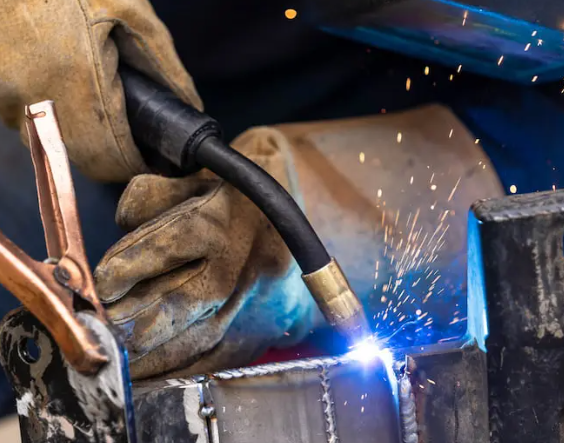
A resposta rápida sobre a soldadura MIG
Se buscaste que significa mig na soldadura , aquí tes a resposta de inmediato: MIG significa Metal Inert Gas (Gas Inerte para Metais). Na bibliografía industrial, o nome formal do proceso é frecuentemente GMAW, abreviatura de Gas Metal Arc Welding (Soldadura por Arco con Metal e Gas), pero na conversa cotiá da oficina a maioría das persoas aínda di MIG. Moitas guías para principiantes ocultan esa resposta baixo xerga adicional. Esta non o fará.
Que significa mig na soldadura
MIG significa soldadura por Metal Inerte Gas. O nome formal que se emprega comunmente na industria é GMAW.
Esa é a resposta fundamental a que significa mig. Se tamén buscaste que significan as letras m i g, estás preguntando o mesmo. As letras describen un proceso de soldadura que alimenta un fío metálico e emprega un gas protector para protexer a zona de soldadura mentres se realiza a soldadura.
Metal Inerte Gas en termos sinxelos
O significado da soldadura MIG é máis sinxelo do que parece. Imaxina unha máquina que alimenta de forma continua un fío a través dunha pistola manual mentres un gas flúe ao redor da soldadura. O fío funde, enche a xunta e axuda a unir as pezas metálicas. Para os principiantes que se preguntan qué é a soldadura MIG, esa alimentación automática do fío é unha das razóns principais polas que este proceso resulta tan accesible e popular.
- Acrónimo: MIG = Metal Inert Gas (Gas Inerte para Metais).
- Nome formal: GMAW é o termo técnico máis utilizado na industria.
- Uso común: Os soldadores continúan empregando diariamente o acrónimo MIG nas talleres e garaxes.
Por que este termo segue sendo relevante hoxe en día
O nome é importante porque os termos de soldadura afectan o modo no que as persoas falan sobre gases, fíos, máquinas e, incluso, sobre o proceso concreto ao que se refiren. En liña, o termo MIG ás veces úsase de xeito impreciso, mesmo cando existe unha denominación máis exacta. Por iso, unha linguaxe clara resulta tan útil, especialmente para soldadores novos e para compradores que comparan equipos ou servizos.
Aquí obterá primeiro a versión en inglés sinxelo, seguida dos detalles que fan que o proceso sexa máis doado de entender: terminoloxía, como funciona o arco, gas protector, equipamento básico, aplicacións comúns e como se compara a soldadura MIG coas técnicas TIG, Stick e con núcleo fundente. A resposta comeza con tres letras, pero é precisamente o vocabulario arredor desas tres letras onde xorde a maior confusión.
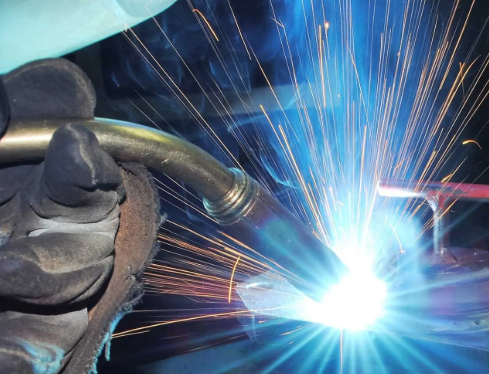
Explicación de MIG vs GMAW vs MAG
Tres nomes de soldadura úsanse indistintamente como se significaran exactamente a mesma cousa. Na conversa informal da oficina, moitas veces así é. Na linguaxe técnica, non o é. Por iso, as persoas que buscan que significa gmaw ou comparan soldadura mig e mag poden acabar máis confundidas ca cando comezaron.
Unha forma práctica de pensalo é esta: MIG é o alcume familiar, GMAW é o termo formal abrangente e MAG é a etiqueta máis precisa cando o gas protector é quimicamente activo. As guías de Linde e YesWelder enmarcan ambas GMAW desta maneira.
MIG fronte a GMAW en galego sinxelo
Se está preguntando que significa gmaw , a resposta é soldadura por arco metálico con gas. O significado de GMAW é máis amplo que o de MIG. Inclúe a soldadura por arco con alimentación de fío que emprega un gas protector para protexer a zona de soldadura. Noutras palabras, MIG é un tipo dentro desa familia máis ampla.
Unha simple definición de soldadura por arco metálico con gas é un proceso que utiliza un electrodo de fío alimentado continuamente, un arco eléctrico e un gas protector. Os soldadores, as ofertas comerciais e os vídeos formativos continúan dicindo MIG todo o tempo porque é máis curto, máis doado de lembrar e máis coñecido.
Cando MAG é o termo máis preciso
Por iso, que é a soldadura MAG en linguaxe sinxela? MAG significa soldadura por arco metálico con gas activo utiliza gases activos, ou mesturas de gases con compoñentes activos, que inflúen na soldadura. Exemplos comúns inclúen o dióxido de carbono en estado puro ou argón mesturado con pequenas cantidades de dióxido de carbono ou osíxeno. Por contraste, a verdadeira soldadura MIG emprega gases inertes como o argón ou o helio, que principalmente protexen a soldadura sen reaccionar coa mesma.
| Prazo | Nome completo | Concepto de gas protector | Contexto de uso común |
|---|---|---|---|
| MIG | Metal Inert Gas | Emprega gas inerte, normalmente argón, helio ou mesturas inertes | Nome común no uso cotián, especialmente en talleres, pequenas oficinas e guías para principiantes |
| MAG | Metal Active Gas | Emprega gas activo ou compoñentes activos, normalmente mesturas baseadas en CO₂ ou arxón con CO₂ ou O₂ | Termo máis preciso cando se solda aceiro con gases de protección reactivos |
| GMAW | Soldadura por arco metálico con gas | Categoría xeral que abarca tanto a soldadura MIG como a MAG | Termo formal da industria e técnico |
Por que os soldadores aínda din MIG
A linguaxe nas oficinas reais tende a favorecer a velocidade fronte á precisión. Un soldador pode dicir: «Estou soldando esta peza de aceiro con MIG», aínda que a configuración sexa tecnicamente soldadura MAG porque emprega unha mestura de arxón e CO₂. Esa forma abreviada xeralmente funciona porque as persoas experimentadas xa coñecen que gas corresponde a cada metal.
A confusión aparece en liña porque os principiantes escoitan un nome, leen outro e supoñen que son máquinas diferentes ou procesos totalmente separados. Están estreitamente relacionados, pero a elección do gas cambia a etiqueta máis precisa. E ese detalle é importante, pois no momento en que accionas o gatillo, o fío, o arco e o gas protector comezan a traballar xuntos de maneiras moi específicas.
Como funciona a soldadura MIG paso a paso
Se te estás preguntando como funciona a soldadura MIG ou como funciona un soldador MIG , imaxina tres cousas que chegan ao mesmo lugar ao mesmo tempo: fío, electricidade e gas protector. A máquina alimenta continuamente un fío a través da pistola, a corrente converte ese fío nun arco e o gas protexe a zona quente da soldadura mentres o metal se funde e se une. Esa é a esencia do proceso de soldadura MIG , e é unha das formas máis claras de explicar como funciona a soldadura en linguaxe coloquial.
Como comeza a soldadura MIG na pistola
Comece na tocha, ou pistola, porque é onde a acción se volve máis doada de visualizar. No interior do soldador, un sistema de arrastre empuja o fío da bobina a través da pistola e cara á punta de contacto. Cando se preme o gatillo, o fío comeza a moverse cara adiante e o gas protector flúe a través da boquilla ao seu redor.
A punta de contacto transfire a corrente de soldadura ao fío. Este detalle é importante porque os principiantes adoitan pensar que o fío é só metal engadido. Na soldadura por arco con gas protector (MIG) , o fío desempeña dúas funcións á vez. É o electrodo que transporta a corrente e tamén é o metal de aportación que se funde na unión.
Como traballan xuntos o arco do fío e o gas
- Prema o gatillo. Iníciase a alimentación do fío e comeza a fluír o gas protector a través da boquilla.
- O fío móvese cara á peça de traballo. A corrente alcanza o fío a través da punta de contacto mentres este sae da pistola.
- Formase un arco entre o fío e o metal. Este arco eléctrico xera o calor necesario para a soldadura.
- A punta do fío comeza a fundirse. Ao mesmo tempo, a superficie do metal base tamén comeza a fundirse.
- O gas protector envolve o arco e a zona fundida. A súa función é protexer a poza de soldadura da contaminación do aire, incluídos o osíxeno e outros gases da atmosfera.
- O fío novo continúa alimentándose de maneira continua. Á medida que a punta dianteira se funde, substitúese por fío novo, o que mantén o arco activo.
- Os metais fundidos combínanse na unión. O fío fundido e o metal base fundido forman unha pequena poza de soldadura.
- O soldador move a pistola ao longo da xunta. A poza segue o arco e a xunta enchea detrás dela.
- Soltas o gatillo para detener. O arco apágase, a poza enfríase e o metal solidifícase.
Que crea a poza de soldadura e o cordón
A poza de soldadura é a pequena poza de metal líquido creada polo arco. Inclúe tanto o metal base como o fío fundido. Ao desprazarse a pistola, esa poza móvese coa mesma. O metal deixado atrás enfríase e endurece formando o cordón de soldadura que se pode ver.
Como a soldadura MIG emprega un electrodo de fío nu con gas protector externo, non produce a capa de escoria común na soldadura por arco con electrodo revestido. O comportamento exacto das gotas pode variar segundo o modo de transferencia e os axustes, pero a secuencia básica permanece igual: o fío avanza, a corrente flúe, o arco funde o metal, o gas protexe a poza e o cordón congélase no seu lugar. Esta é a resposta práctica a como funciona a soldadura con MIG. Tamén apunta directamente á seguinte peza do puzle, porque cada paso que acabas de imaxinar depende de compoñentes específicos que funcionan xuntos dentro da máquina e na pistola.
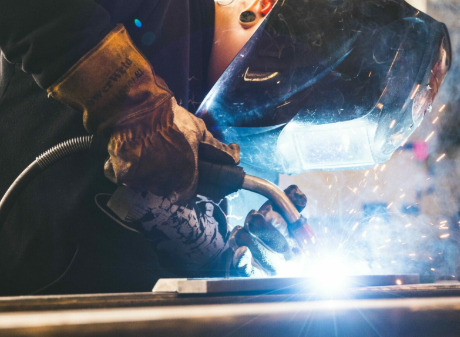
Que é un soldador MIG e as súas partes
Un cordón liso só ocorre porque varios compoñentes da máquina traballan xuntos ao mesmo tempo. Polo tanto, que é un soldador MIG ? É un sistema de soldadura alimentado por arame que fornece enerxía eléctrica, empuja o arame cara á pistola e suministra gas protector ao arco. En termos sinxelos, unha máquina de soldadura por arco con gas inerte non é só a pistola manuable. Trátase dun conxunto completo deseñado arredor da enerxía, a alimentación de arame, o suministro de gas e a devolución eléctrica. Para unha breve descrición dun soldador MIG , ese é o punto máis claro para comezar. O mesmo esquema básico aparece nas guías de ESAB e Jasic .
Se a súa busca se parecía máis a soldador MIG o que é , aquí ten a resposta adaptada para principiantes: un soldador de gas inerte metálico funciona porque a máquina mantén o fío, a corrente e o gas chegando xuntos á zona de soldadura, non por mor dunha única peza que actúe de maneira illada.
As pezas principais dun soldador MIG
Se está observando un diagrama de pezas, estas son as etiquetas que máis importan en primeiro lugar.
| Componente | Función no proceso | O que os principiantes deben observar |
|---|---|---|
| Fonte de Poder | Xera a saída de soldadura empregada para formar e manter o arco | Este é o corazón eléctrico da máquina |
| Alimentador de arame | Empuxa o arame desde o carrete a través da pistola | Unha alimentación suave é tan importante como a potencia bruta |
| Carrete de arame | Contén o electrodo de arame consumible | O arame fai as veces de electrodo e de metal de aportación |
| Pistola ou tocha | Entrega arame, corrente e gas á unión | Esta é a parte que se sostén e se controla |
| Punta de contacto | Transfire a corrente ao arame e guíaoo | É unha peça de desgaste e debe coincidir co tamaño do arame |
| Bocal | Dirixe o gas protector ao redor do arco e da poza de soldadura | O gas sae aquí ao redor do arame |
| Cilindro de gas | Almacena o gas protector baixo presión | Fornecelle o gas externo do que depende a soldadura MIG clásica |
| Redutor ou caudalímetro | Reduce a presión do cilindro e controla o fluxo de gas | Fai que o gas do cilindro sexa utilizable na pistola |
| Abrazadera de terra ou retorno de traballo | Conecta a peça de traballo de novo á máquina | Completa o circuíto eléctrico |
Tamén pode ver etiquetas lixeiramente diferentes nos manuais, como 'torch' para 'pistola' ou 'work return' para 'abrazadera de terra'. Identifíqueas segundo a súa función e o diagrama resultará moito máis fácil de ler.
Que fan a fonte de alimentación e o alimentador de arame
Ofonte de alimentación do soldador MIG é o motor eléctrico da configuración. Jasic describe unha unidade estándar MIG/MAG como unha fonte de CC con característica de voltaxe constante, mentres que ESAB explica que a soldadura MIG depende dese comportamento estable porque a lonxitude do arco vai cambiando continuamente ao avanzar o arame. En termos prácticos, a fonte de alimentación para soldadura MIG axuda a manter o arco estable mentres o alimentador vai substituíndo o arame fundido.
O alimentador de arame utiliza un motor de accionamento e rolos alimentadores para mover o arame desde o carrete cara á pistola. Pode estar integrado na máquina ou situado nunha unidade de alimentación separada. En calquera caso, a función é a mesma: manter o arame en movemento de forma suave e constante.
Como a pistola e a masa completa o circuito
Na punta frontal, a pistola converte a saída da máquina nunha soldadura real. O gatillo inicia a alimentación do arame e o fluxo do gas protector. A punta de contacto transfire a corrente ao arame. A boquilla rodea o arco co gas protector. Ao mesmo tempo, o cable de retorno de traballo, chamado frecuentemente ‘pinza de masa’ na linguaxe habitual do taller, conectase ao material que se está soldando para que a corrente teña un percorrido completo de volta á máquina.
É por iso que un soldador de gas inerte metálico pode sentirse sinxelo nas mans, aínda que depende de varias pezas ocultas detrás das escenas. Preste atención a onde apunta iso: un conxunto de pezas xestiona o gas, outro conxunto xestiona a dirección eléctrica, e é precisamente aí onde as configuracións clásicas de soldadura MIG, MAG e con arame sen gas comezan a diferenciarse.
Gas para soldadura MIG, polaridade e opcións de arame
A elección do gas é onde o vocabulario arredor da soldadura MIG deixa de sentirse abstracto. Unha máquina pode ter a fonte de enerxía, a pistola e o alimentador de fío adecuados, pero a configuración cambia dramaticamente dependendo de se se está utilizando fío sólido con gas protector externo ou un fío tubular con núcleo fundente que se protexe por si mesmo. É por iso que as persoas buscan frecuentemente tanto que gas se usa para a soldadura MIG e a soldadura MIG require gas ao mesmo tempo.
A versión curta é sinxela. A soldadura MIG clásica utiliza gas protector externo. Pero na linguaxe cotiá do taller, as persoas tamén empregan o termo MIG cando en realidade se refiren a unha configuración en acero que tecnicamente é MAG, ou incluso a un proceso tubular con núcleo fundente sen gas. Esa superposición é exactamente a razón pola cal soldadura MIG con gas ou sen gas soa máis confusa do que debería.
Que gas se usa para a soldadura MIG
Se está preguntando que gas usa a soldadura MIG , comece co metal e a etiqueta do proceso. No verdadeiro MIG, o gas protector é inerte, o que significa que protexe principalmente a poza de soldadura en vez de reaccionar con ela. O argón e o helio cumpren esa descrición. Un recente guía de Miller enumera o argón ao 100 % como a opción máis común para a soldadura MIG de aluminio, ademais de mesturas de helio-argón que tamén se usan nalgúns casos.
No acero é onde a denominación se complica. Moitos conxuntos comunmente chamados MIG utilizan mesturas de gas activo, razón pola cal se describen máis precisamente como MAG baixo o paraguas da soldadura GMAW. Esa mesma fonte de Miller enumera unha mestura de 75 % de argón e 25 % de dióxido de carbono como unha combinación moi frecuente para aceros suaves, o CO₂ ao 100 % como unha opción de menor custo e unha mestura de 90 % de argón e 10 % de CO₂ para aplicacións de transferencia por pulverización. Para o acero inoxidábel, poden empregarse mesturas específicas, como a trimestura de helio ou unha mestura de 98 % de argón e 2 % de CO₂, dependendo da máquina e da aplicación.
| Tipo de Configuración | Enfoque da protección | Exemplos Comúns | A mellor forma de pensalo |
|---|---|---|---|
| Verdadeiro MIG | Gas inerte externo | argón ao 100 %, mesturas de argón-helio | Máis exacto cando o propio gas é inerte |
| MAG, con frecuencia chamado de forma coloquial MIG | Gas activo externo ou mestura activa | 75/25 argón-CO₂, 100 % CO₂, 90/10 argón-CO₂ | Moi común para traballar o acero |
| Conxunto de fío sen gas | Fío tubular con núcleo fluxo auto-protegido | Sen cilindro externo | Xeralmente FCAW-S, non o MIG clásico |
Require a soldadura MIG gas en todo momento
No sentido estrito, si. Se por MIG entende a soldadura MIG con fío macizo, require gas protector dunha botella. Iso responde á versión literal de os soldadores MIG necesitan gas miller tamén indica que o fío sólido depende do gas de proteción para protexer a poza de soldadura fundida da contaminación atmosférica.
Pero o termo estírase no uso coloquial. WestAir explica que a chamada soldadura MIG sen gas é, en realidade, soldadura por arco con fío tubular fluxo-autoprotexido, ou FCAW-S. O fío contén compostos fluxo que xeran unha protección durante a soldadura, polo que non se necesita ningunha botella de gas externa.
- Fío sólido máis gas externo: Configuración clásica MIG ou GMAW, normalmente con aspecto máis limpo e sen necesidade de eliminar escoria.
- Fío tubular fluxo-autoprotexido: Non se require ningunha botella de gas, é máis portátil e máis adecuado para traballar ao aire libre en condicións ventosas.
- Fío tubular fluxo-protexido con gas: Núcleo de fluxo, pero aínda usa gas externo, polo que non é verdadeiramente sen gas.
Por que importan a polaridade e o tipo de fío
Polaridade na soldadura MIG non é un detalle secundario. Debe coincidir co tipo de fío e co proceso. WestAir indica que o fío tubular con núcleo de fluxo auto-protegido normalmente funciona en electrodo negativo, ou DCEN. Isto é importante porque cambiar do fío macizo ao fío sen gas non é tan simple como trocar os carretes. A configuración da máquina tamén cambia.
Así, cando as persoas preguntan qué gas usar para soldar MIG , a mellor pregunta é máis ampla: qué material estás soldando, qué fío estás cargando e estás realmente usando MIG, MAG ou fío tubular con núcleo de fluxo. Se tomas esas decisións correctamente, o proceso vólvese moito máis fácil de controlar. Se as confundes, incluso unha boa máquina vai opoñerte, o que é exactamente por que as aplicacións reais son tan importantes na seguinte parte do artigo.
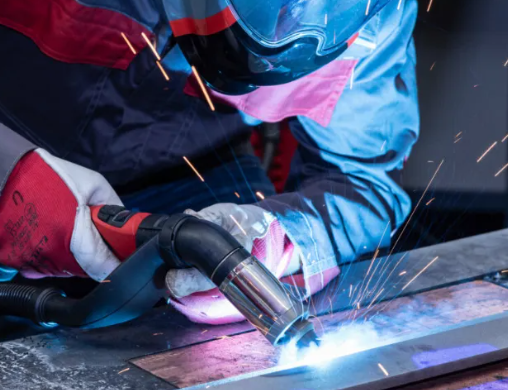
Para qué se usa a soldadura MIG no traballo real
A elección do gas, a polaridade e o tipo de fío fan máis que afectar a configuración. Tamén determinan onde este proceso resulta eficiente e onde comeza a perder a súa vantaxe. Esa é unha razón importante soldadura MIG é tan común en talleres de fabricación, boxes de reparación e entornos de produción. En termos prácticos, soldadura por arco con gas inerte metálico resulta máis adecuada cando se busca un proceso accesible, produtivo e ben adaptado a moitas tarefas cotiás con metais.
Para que se emprega a soldadura MIG
Se está preguntando para que se emprega a soldadura MIG , a resposta breve é unir pezas metálicas na fabricación, na construción e na reparación. Xometry enumera entre as aplicacións máis comúns: chapa metálica, recipientes a presión, estruturas de acero, tuberías e compoñentes automotrices. No uso cotián nos talleres, a soldadura MIG elíxese frecuentemente para bastidores, soportes, caixas, conxuntos soldados e traballos de produción repetitivos en metais comúns.
- Materiais comúns: Acero doce, acero ao carbono, acero inoxidable, aluminio e outras aleacións fáciles de traballar no taller.
- Casos de uso comúns: Fabricación xeral, traballos de reparación, fabricación lixeira e series de produción máis longas.
- Por que as tendas o aprecian: A alimentación continua de arame permite traballar rapidamente con relativamente pouca limpeza posterior á soldadura.
Por que a soldadura MIG é popular no traballo con chapa metálica
Buscas de soldar chapa metálica cun soldador MIG xeralmente provén de persoas que traballan con paneis finos, pezas conformadas ou reparacións de parches. A soldadura MIG é popular neste contexto porque é relativamente fácil de aprender, rápida de executar e práctica para tarefas repetitivas no taller. Xometry tamén indica que é adecuada para materiais finos. Non obstante, o metal fino nunca é automático. Superficies limpas, velocidade de desprazamento constante e control coidadoso do calor son fundamentais, especialmente cando o obxectivo é evitar deformacións ou perfuracións.
Ese equilibrio axuda a explicar por que soldadura por arco metálico con gas inerte (MIG) segue sendo unha opción familiar como primeira elección en moitos talleres que valoran tanto o rendemento como a facilidade de uso.
O lugar que ocupa a soldadura MIG na industria automobilística e na fabricación
O traballo automobilístico é un dos exemplos máis claros de onde pertence a soldadura MIG. Xometry descríbea como un proceso común de reparación de vehículos, e AccuSpec inclúe os sectores automobilístico, da construción, da fabricación, da construción naval e do petróleo e o gas entre as industrias que dependen dela. En linguaxe coloquial, soldadura MIG para automoción o seu uso frecuente fai referencia a estruturas, soportes, pezas relacionadas co escape e soldaduras orientadas á reparación, máis que a un nicho específico e estreito.
Tamén se integra de forma natural na fabricación xeral, pois o proceso apoia tanto o traballo artesanal en taller como a produción en volumes máis altos. Aínda así, o grosor do material, a posición da soldadura e a limpeza da superficie seguen influindo no resultado. Un proceso pode ser rápido e tolerante, pero aínda así non resultar adecuado para costuras delicadas, traballos ao aire libre con suxeira ou tarefas que requiren un control especialmente fino. Esas compensacións resultan moito máis evidentes cando se compara a soldadura MIG coa TIG, a por varilla (Stick) e a soldadura con núcleo fundente, en vez de considerala de xeito illado.
Método de soldadura MIG comparado coa TIG, a por varilla (Stick) e a con núcleo fundente
MIG ten máis sentido cando se ve ao lado dos outros principais procesos de arco, non como unha moda illada. YesWelder ,Arccaptain , e Cyber-Weld describen o mesmo patrón xeral: MIG é rápido e accesible, TIG é máis lento pero máis preciso, Stick é robusto para uso exterior e Flux-Cored alimentase con fío como MIG, pero é máis adecuado para traballar con vento e aceros máis pesados. Unha última observación é relevante en calquera soldadura MIG fronte a MAG uso práctico no taller, mIG fronte a MAG suele referirse máis á terminoloxía dos gases de proteción que a un proceso inicial completamente distinto. É por iso que soldadura MIG/MAG se considera frecuentemente como unha única familia práctica dentro da soldadura GMAW.
| Nome do proceso | Enfoque do material de aportación | Método de proteción | Principais vantaxes | Compromisos comúns |
|---|---|---|---|---|
| MIG ou GMAW, a miúdo MAG en acero | Arame consumible alimentado de forma continua | Gas protector externo | Rápido, adecuado para principiantes, soldaduras limpas, pouca limpeza posterior á soldadura | O vento pode perturbar o gas protector, préferese metal máis limpo, menos idóneo ao aire libre |
| TIG ou GTAW | Electrodo de tungsteno non consumible, varilla de aportación separada cando é necesario | Gas inerte externo | Control excelente, aspecto robusto, moi bo para metais finos e traballo de precisión | Máis lento, máis difícil de aprender, require material moi limpo |
| Stick ou SMAW | Varilla consumible recuberta con flux | O flux xera protección e escoria | Configuración sinxela, asequible, funciona con metais menos limpos e ao aire libre | Máis salpicaduras, eliminación de escoria, acabado máis rugoso, non é a primeira opción para chapa fina |
| Flux-Cored ou FCAW | Fío consumible tubular con núcleo de flux | Sistema de flux autoprotxido ou protexido con gas | Rápido, potente en aceros máis grosos, uso exterior portátil con fío auto-blindado | Máis fume, máis limpeza, non ideal para o material máis fino |
Diferenza entre soldadura TIG e MIG
A maior diferenza entre soldadura TIG e MIG é como se introduce o metal de aportación na unión. Na soldadura MIG, o fío alimentase continuamente a través da pistola, polo que normalmente resulta máis rápida e máis fácil de aprender. Na soldadura TIG úsase un electrodo de tungsteno que non se funde, e o metal de aportación adícese por separado cando é necesario. Isto dá ao soldador un control máis preciso sobre o calor e o tamaño da poza, razón pola cal a soldadura TIG adoita preferirse para metais finos, acabados limpos e traballo detallado. O inconveniente é a velocidade: a soldadura TIG require máis coordinación, máis paciencia e unha preparación máis impecable.
Comparación entre soldadura MIG, soldadura por varilla (Stick) e soldadura con fío tubular (Flux Cored)
O soldado con electrodo revestido e o soldado con alma fundente gañan o seu lugar ao manexar condicións máis duras. O soldado MIG estándar depende dun gas protector externo, polo que é mellor para traballar en interiores, talleres, talleres de fabricación e ambientes controlados. O soldado con electrodo revestido e o soldado con alma fundente auto-protegida son menos vulnerables ao vento porque a protección provén do fluxo e non dunha nube de gas exposta. É por iso que as reparacións na granxa, o traballo no lugar e os traballos ásperos en acero ao aire libre adoitan inclinarse cara a esta opción.
Requieren, con todo, máis esforzo na limpeza. O soldado con electrodo revestido deixa escoria. O soldado con alma fundente xeralmente produce máis fume e require máis limpeza despois da soldadura que o MIG. Para moitos lectores que buscan tipos de soldadura MIG , é aquí onde comeza a confusión. Os procesos de alimentación de arame poden parecer semellantes á primeira vista, pero o método de protección cambia a sensación, o acabado e o ambiente máis adecuado para o seu uso. Na linguaxe cotiá, o proceso de soldadura MIG/MAG pode soar como unha única cousa, pero o soldado con alma fundente é unha rama distinta con vantaxes diferentes.
Cando o MIG é o mellor método de soldadura
Ométodo de soldadura MIG é a mellor opción cando se quere un equilibrio práctico entre velocidade, facilidade de aprendizaxe e soldaduras con boa aparencia e menos limpeza. Adáptase moi ben a bancadas de fabricación, talleres de reparación e traballos repetitivos en metais razoablemente limpos. Ademais, ofrece aos principiantes unha vista máis clara da poza de soldadura que a soldadura por arco con electrodo revestido ou con núcleo fundente en moitas situacións interiores.
Esa é a verdadeira razón pola que a soldadura MIG segue sendo tan popular. Non é a mellor en todo, pero cobre moitos dos tipos de soldadura do día a día con menos barreras de entrada que a TIG e menos desorden que a soldadura por arco con electrodo revestido ou con núcleo fundente. Aínda así, o proceso correcto sobre o papel pode seguir producindo resultados feos na práctica. A porosidade, as salpicaduras, a perforación, o enroscamento do alambre («bird-nesting») e a fusión deficiente son precisamente os tipos de problemas que aparecen cando a configuración ou a técnica fallan, mesmo cun proceso que ao principio parece sinxelo.
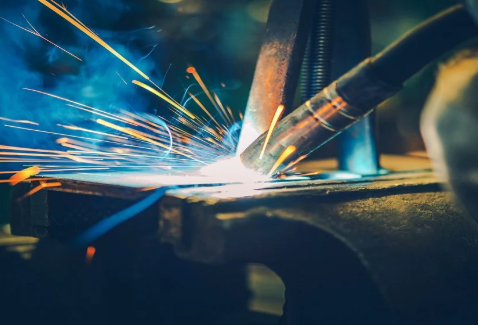
Problemas comúns coa soldadura MIG e solucións sinxelas
Esa reputación de ser fácil de aprender pode desaparecer rapidamente cando o arco comeza a comportarse de forma irregular. Se estás aprendendo como usar un soldador MIG , a maioría dos resultados deficientes provén de uns poucos problemas visibles que se repiten una e outra vez. A boa nova é que as bases sólidas de soldadura MIG fan que a detección de fallos sexa moito menos misteriosa. Cando solda con un soldador MIG , lea primeiro o síntoma, despois comprobe a causa probable e, finalmente, faga a corrección máis pequena posible.
Por que aparecen porosidade e salpicaduras nas soldaduras MIG
- Síntoma de porosidade: Pequenos orificios ou furos na cordón acabado. Causas probables: Metal base sucio, cobertura deficiente do gas protector, correntes de aire, turbulencia excesiva do gas, acumulación de salpicaduras na boquilla ou no difusor, ou fugas nas mangueiras e nas conexións. As orientacións de Lincoln Electric indican que o aceite, a ferruxa, a pintura e a graxa son causas frecuentes, e que a perturbación do gas protector é a segunda causa principal de porosidade. Comprobacións simples: Limpe a xunta, inspeccione a boquilla, confirme o fluxo de gas cun caudalímetro e protexa a soldadura do movemento do aire.
- Indicio de porosidade que os principiantes pasan por alto: O gas pode fallar incluso cando o cilindro está cheo. Causas probables: Fluxo regulado demasiado baixo ou demasiado alto, ventilación que sopra sobre a poza, ou unha técnica de arrastre con man esquerda que deixa exposta a poza de soldadura. Comprobacións simples: Lincoln Electric enumera un fluxo típico de gas de aproximadamente 30 a 40 pés cúbicos por hora e indica que os ventos superiores a 5 mph poden interromper a cobertura. Un lixeiro ángulo de empuje, normalmente de arredor de 5 a 10 graos, tamén axuda ao gas a asentarse sobre a xunta.
- Síntoma de salpicaduras: Muitas pequenas gotas metálicas ao redor do cordón. Causas probables: Axustes demasiado fríos, especialmente baixa tensión, ou un arco inestable. Comprobacións simples: Se o cordón ten aspecto de corda e o arco soa forte e áspero, a configuración pode ser demasiado baixa para o material. Se fai un son de sibilo, a tensión pode ser demasiado alta. Moitas soldaduras MIG limpar simplemente corrixindo os axustes antes de cambiar a técnica.
Como evitar a perforación e a falta de fusión
- Síntoma de perforación: Furos, bordos caídos ou unha poza que se desmorona de súpeto a través dun metal fino. Causas probables: Demasiado calor para o material, permanecer demasiado tempo nun mesmo punto ou unha fenda na unión máis ancha do que se esperaba. Comprobacións simples: Reduzir a entrada de calor, acurtar o tempo de arco nas zonas finas e usar un movemento máis constante. Calquera persoa que estea aprendendo como soldar cun soldador MIG normalmente mellora máis rápido practicando o movemento antes de buscar axustes sofisticados.
- Síntoma de falta de fusión: O cordón parece aceptable na parte superior, pero non se une verdadeiramente ao metal base. Causas probables: Funcionando demasiado frío, especialmente na transferencia por arco curto, onde Lincoln Electric explica que a soldadura fría pode deixar unha soldadura que parece unida pero que non o está. Comprobacións simples: Revisar novamente a tensión e a intensidade, asegurarse de que a unión está limpa e observar un cordón convexo, semellante a unha corda, que suxire unha entrada de calor insuficiente.
- Unha comprobación realista importante: A falta de fusión non sempre é evidente á vista. Causa probable: A superficie pode ocultar unha unión débil debaixo. Comprobacións simples: Tratar seriamente os cordóns sospeitosos, especialmente no traballo estrutural. Boas técnicas de soldadura MIG non se tratan só da aparencia, senón de se a soldadura se fundiu realmente.
O que significa o «bird nesting» na soldadura MIG
- Síntoma do «bird nesting»: O cable enrosca nunha madeixa en vez de alimentarse suavemente. O que significa: O alimentador segue empurrando, pero o cable atópase cunha resistencia nalgún punto entre os rolos de tracción e a punta de contacto. Os consellos para a resolución de problemas de American Torch Tip e Lincoln Electric apuntan á ruta de alimentación, á tensión, ao estado do revestimento interior, á elección dos rolos, ao tamaño da punta e ao freo do carrete como as causas máis habituais.
- Causas probables: Tensión excesiva ou insuficiente nos rolos de tracción, rolos inadecuados para o tipo de cable, revestimento interior sucio, punta desgastada ou de tamaño incorrecto, percorrido deficiente do cable desde o carrete ou un carrete que continúa xirando tras soltar o gatillo. Comprobacións simples: Busque marcas dentadas no cable, observe se hai deslizamento e asegúrese de que o percorrido do cable sexa o máis recto posible cara ao alimentador.
- Solucións rápidas: Axeite o tamaño da punta e do revestimento interior ao diámetro do cable, sople ou substitúa o revestimento interior, confirme que o tipo de rolo é o adecuado para o tipo de cable e axuste a tensión do freo do carrete para que este non se desenrole tras detenerse. Estas comprobacións son tan importantes como os axustes do arco cando solda con un soldador MIG .
Problemas na liña de produción como estes son onde o nome MIG deixa de ser só un acrónimo e comeza a afectar decisións reais. Unha persoa que elixe equipos, arame, gas ou un proceso de produción debe saber que se esconde detrás do termo, pois a solución axeitada no cabine adoita comezar coa definición axeitada do proceso fóra del.
Converter o coñecemento sobre MIG en mellor decisións de soldadura
Saber o que significa MIG na soldadura é útil, pero a verdadeira vantaxe aparece cando se ten que tomar unha decisión. A AWS describe a GMAW como un proceso de soldadura por arco con alimentación de arame que emprega gas protector e que se coñece comunmente como soldadura MIG. Na práctica, isto significa que a palabra MIG pode ser un atallo útil, pero tamén pode ocultar detalles importantes sobre o tipo de gas, o material e o método de produción.
Que decisións axuda verdadeiramente a tomar a comprensión de MIG
Se aínda se pregunta que é o mig, pense nel como unha etiqueta de tenda común e tamén como un punto de partida para preguntas mellor formuladas. Buscas como que significa mig na soldadura, que significa mig na soldadura ou que significa mig na soldadura mig apuntan todas á mesma cuestión máis profunda: precisa coñecer o proceso real detrás do nome. Incluso unha busca como que é un soldador mig normalmente quere dicir: a que proceso está realmente preparada esta máquina ou este fornecedor.
Cando os fabricantes deberían ir máis aló do acrónimo
- Utilice MIG como primeira etiqueta, logo confirme se o proceso real é GMAW con protección inerte, MAG con gas activo ou unha alternativa con núcleo fundente.
- Axeite o proceso aos requisitos do material e da peza. O aceiro, o aceiro inoxidable e o aluminio non sempre empregan a mesma aproximación con respecto ao gas.
- Nas solicitudes de orzamento (RFQ), pida especificacións: tipo de fío, gas protector, nivel de automatización, método de inspección e controles de calidade.
- Para traballo de produción, avalie a capacidade pola repetibilidade e a verificación, non só pola terminoloxía familiar.
Recursos de produción para necesidades de soldadura automotriz
Iso importa aínda máis na adquisición automotriz, onde MIG en soldadura é só o punto de entrada. As pezas soldadas en gran volume adoitan depender dunha automatización estable, dunha inspección constante e de definicións claras dos procesos. Para os fabricantes que avalían fornecedores de chasis ou de montaxe estrutural, uns poucos recursos centrados poden axudar a distinguir entre afirmacións xerais e capacidades reais.
- Shaoyi Metal Technology - Útil para fabricantes automotrices que avalían pezas soldadas de chasis. A súa información sobre soldadura automotriz destaca a soldadura especializada para conxuntos de chasis, liñas avanzadas de soldadura robótica, un sistema de calidade certificado segundo a norma IATF 16949 e capacidades personalizadas para acero, aluminio e outros metais.
- Visión xeral de AWS GMAW - Unha referencia fiable para o nome formal do proceso detrás da terminoloxía cotiá MIG.
Así que, se algu pregunta qué significa MIG na soldadura, a resposta curta é aínda Metal Inert Gas (Gas Inerte para Metais). A mellor resposta é que as decisións intelixentes de soldadura provén de ler máis aló do acrónimo e comprender o proceso real, a configuración e as capacidades de produción que hai detrás.
Preguntas frecuentes sobre a soldadura MIG
1. Que significa MIG na soldadura?
MIG significa Metal Inert Gas (Gas Inerte para Metais). Na utilización cotiá, é o nome coñecido dun proceso de soldadura con fío alimentado que emprega un gas protector ao redor do arco. Tamén verá o termo formal GMAW (soldadura por arco metálico con gas) en material técnico, pero a maioría de talleres, vendedores e principiantes aínda din MIG.
2. É MIG o mesmo que GMAW?
Non exactamente. GMAW, ou soldadura por arco metálico con gas, é o nome industrial máis amplo, mentres que MIG é o termo común usado nas oficinas para este proceso. Cando se empregan mesturas de gases activos, especialmente no acero, MAG pode ser a denominación máis precisa, razón pola cal estes termos adoitan superporse e causar confusión nos novos soldadores.
3. Os soldadores MIG sempre necesitan gas?
Un MIG clásico con fío sólido require gas de proteción externo. A confusión xorde das configuracións MIG chamadas 'sen gas', que normalmente son soldaduras con fío tubular autoprotegido en lugar de verdadeiro MIG. Unha comprobación sinxela é esta: se a configuración usa fío sólido, normalmente depende dun cilindro de gas.
4. Cal é a diferenza entre soldadura MIG e TIG?
O MIG alimenta o fío de recheo de forma continua a través da pistola, o que o fai máis rápido e máis doado de aprender para moitos principiantes. O TIG emprega un electrodo de tungsteno non consumible e normalmente engade o recheo por separado, o que ofrece máis control pero require máis habilidade e paciencia. Para fabricación xeral e traballo repetitivo, o MIG é frecuentemente o punto de partida máis práctico.
5. Por que deberían os fabricantes mirar máis aló do termo MIG ao escoller un fornecedor de soldadura?
Porque a palabra MIG por si soa non lle di o suficiente sobre o control do proceso, o tipo de gas, a elección do fío, a automatización ou os estándares de inspección. Para pezas de produción, especialmente conxuntos soldados para automoción, os compradores deberían preguntar como se realiza e verifica realmente o traballo. Un fornecedor como Shaoyi Metal Technology merece ser revisado nese contexto porque presenta sinais relevantes de capacidade, como liñas de soldadura robótica e un sistema de calidade IATF 16949 para traballos relacionados co chasis.