 Small batches, high standards. Our rapid prototyping service makes validation faster and easier —
  EN
EN


บริการตัดโลหะด้วยเครื่อง CNC แบบเจาะลึก: จากการขอใบเสนอราคาจนถึงชิ้นส่วนสำเร็จรูป
การเข้าใจบริการตัดโลหะด้วยเครื่อง CNC และบทบาทของบริการเหล่านี้ในการผลิตสมัยใหม่
เมื่อคุณต้องการชิ้นส่วนที่มีความแม่นยำสูงซึ่งถูกตัดจากวัตถุดิบโลหะ คำว่า "CNC" มักปรากฏขึ้นอยู่เสมอ แต่สำหรับโครงการของคุณแล้ว มันหมายความว่าอย่างไรกันแน่? CNC ย่อมาจาก Computer Numerical Control ซึ่งเป็นกระบวนการที่ ซอฟต์แวร์ที่ถูกโปรแกรมไว้ล่วงหน้า ควบคุมการเคลื่อนที่ของเครื่องมือตัดด้วยความแม่นยำสูงสุด ในบริบทของการขึ้นรูปโลหะ เทคโนโลยีนี้เปลี่ยนแผ่นหรือแผ่นโลหะเรียบให้กลายเป็นชิ้นส่วนสำเร็จรูปผ่านกระบวนการตัดแบบอัตโนมัติ ซึ่งไม่สามารถทำได้ด้วยมือ
ความหมายที่แท้จริงของเทคโนโลยีการตัดด้วย CNC ต่อการขึ้นรูปโลหะ
ลองนึกภาพบริการตัดโลหะด้วยเครื่อง CNC ว่าเป็นสะพานเชื่อมระหว่างไฟล์การออกแบบดิจิทัลของคุณกับชิ้นส่วนจริง กระบวนการนี้เริ่มต้นด้วยไฟล์ CAD ซึ่งกำหนดรายละเอียดทุกส่วนของชิ้นส่วน เช่น รูปร่าง รูเจาะ และขอบทุกจุด จากนั้นซอฟต์แวร์เฉพาะจะแปลงการออกแบบนี้ให้เป็นคำสั่งสำหรับเครื่องจักร โดยทั่วไปเขียนด้วยรหัส G-code และ M-code ซึ่งควบคุมการเคลื่อนที่ของเครื่องมือตัดบนพื้นผิวโลหะอย่างแม่นยำ
การใช้ระบบอัตโนมัตินี้มอบข้อได้เปรียบที่วิธีการแบบด้วยมือไม่สามารถเทียบเคียงได้เลย ตามการวิเคราะห์อุตสาหกรรมจาก Scan2CAD , การกลึงด้วยเครื่อง CNC ช่วยกำจัดข้อผิดพลาดที่เกิดจากมนุษย์ซึ่งมีอยู่โดยธรรมชาติในการดำเนินงานแบบด้วยมือ ทำให้ผู้ผลิตสามารถบรรลุค่าความคลาดเคลื่อนที่แคบลงได้อย่างสม่ำเสมอ ทุกการตัด ทุกรูปร่าง และทุกรายละเอียดจะถูกดำเนินการด้วยความแม่นยำสูงสุด ทำให้สามารถผลิตชิ้นส่วนเดียวกันซ้ำๆ ได้อย่างไร้ที่ติ ไม่ว่าคุณจะต้องการเพียง 10 ชิ้น หรือ 10,000 ชิ้น
ต่างจากวิธีการตัดแบบดั้งเดิมที่อาศัยทักษะของผู้ปฏิบัติงานโดยตรง ซึ่งส่งผลโดยตรงต่อคุณภาพและความสม่ำเสมอ การตัดด้วยเครื่อง CNC รับประกันว่าชิ้นส่วนลำดับที่หนึ่งร้อยของคุณจะมีความเหมือนกับชิ้นส่วนชิ้นแรกอย่างสมบูรณ์แบบ โดยมีค่าความคลาดเคลื่อนในการระบุตำแหน่งที่มักอยู่ที่ 0.03 มม.
การปฏิวัติดิจิทัลในกระบวนการตัดโลหะแบบความแม่นยำสูง
อุตสาหกรรมการขึ้นรูปแผ่นโลหะได้รับเอาเทคโนโลยีการตัดด้วยเครื่อง CNC หลายประเภทมาใช้งาน ซึ่งแต่ละประเภทเหมาะสมกับการใช้งานที่แตกต่างกัน คู่มือนี้จะพาคุณไปทำความเข้าใจกับวิธีการหลักสามแบบที่คุณจะพบเจอเมื่อจัดหาบริการขึ้นรูปโลหะ:
- การตัดเลเซอร์ – ใช้พลังงานแสงที่มีความเข้มข้นสูงเพื่อการตัดที่มีความแม่นยำสูงบนโลหะที่มีความหนาตั้งแต่บางถึงปานกลาง
- การตัดพลาสม่า – ใช้ก๊าซที่ถูกไอออนไนซ์เพื่อการตัดวัสดุนำไฟฟ้าที่มีความหนาอย่างมีประสิทธิภาพ
- การตัดด้วยน้ำแรงดันสูง – ใช้น้ำภายใต้แรงดันสูงร่วมกับสารขัดเพื่อการตัดในงานที่ไวต่อความร้อน
การเข้าใจเทคโนโลยีเหล่านี้จะช่วยให้คุณตัดสินใจได้อย่างมีข้อมูลเมื่อขอใบเสนอราคา แทนที่จะยอมรับคำแนะนำจากผู้ขายเพียงอย่างเดียว คุณจะทราบว่ากระบวนการตัดแบบใดเหมาะสมที่สุดสำหรับโครงการของคุณในแง่ของความแม่นยำ คุณภาพของขอบตัด และประสิทธิภาพด้านต้นทุน
สิ่งที่ตามมาคือกรอบการทำงานเชิงปฏิบัติสำหรับการบริหารจัดการทุกขั้นตอนของโครงการงานกลึง CNC แบบความแม่นยำสูง — ตั้งแต่การเลือกเทคโนโลยีการตัดที่เหมาะสม การปรับแต่งไฟล์แบบให้เหมาะสมที่สุด ไปจนถึงการประเมินผู้ให้บริการและทำความเข้าใจปัจจัยที่มีผลต่อราคา โปรดพิจารณากรอบนี้เป็นแผนที่นำทางเชิงการศึกษาที่ออกแบบมาเพื่อช่วยให้คุณตั้งคำถามได้ดียิ่งขึ้น และสามารถระบุคุณภาพที่แท้จริงได้เมื่อคุณพบเห็น
การเปรียบเทียบเทคโนโลยีการตัด CNC แบบเลเซอร์ พลาสม่า และวอเตอร์เจ็ต
การเลือกเทคโนโลยีการตัดที่ไม่เหมาะสมอาจทำให้คุณสูญเสียเงินหลายพันบาทจากวัสดุที่สูญเปล่าและเวลาในการผลิตที่ยืดเยื้อ แต่ละวิธี—เช่น เลเซอร์ พลาสม่า และเจ็ทน้ำ—มีจุดเด่นเฉพาะในสถานการณ์ต่าง ๆ และการเข้าใจความแตกต่างระหว่างพวกมันจะช่วยให้คุณเลือกวิธีการที่เหมาะสมที่สุดสำหรับความต้องการของโครงการคุณ ลองมาดูรายละเอียดว่าแต่ละเทคโนโลยีนั้นมีข้อเสนออะไร และเมื่อใดจึงเหมาะสมที่สุด
คำอธิบายเทคโนโลยีการตัดด้วยเลเซอร์
เอ เครื่องตัดด้วยเลเซอร์ใช้ลำแสงที่มีความเข้มสูงมากเพื่อให้ความร้อน หลอม และระเหยโลหะตามเส้นทางที่ตั้งโปรแกรมไว้ เทคโนโลยีนี้ให้ความแม่นยำสูงมากสำหรับวัสดุที่มีความหนาตั้งแต่บางถึงปานกลาง พร้อมให้ขอบที่เรียบเนียนซึ่งมักไม่จำเป็นต้องผ่านกระบวนการตกแต่งเพิ่มเติม
เมื่อตัดโลหะด้วยเลเซอร์ คุณจะพบกับเลเซอร์สองประเภทหลักที่มีลักษณะเฉพาะต่างกัน
- เลเซอร์ CO2 – ใช้ส่วนผสมของก๊าซในการสร้างลำแสงตัด เหมาะสำหรับวัสดุที่ไม่ใช่โลหะ เช่น ไม้ และอะคริลิก แต่มีข้อจำกัดในการตัดโลหะที่สะท้อนแสง เช่น อลูมิเนียม และทองแดง
- เลเซอร์ไฟเบอร์ – สร้างลำแสงผ่านเส้นใยแก้วนำแสง และครองตลาดการตัดโลหะในปัจจุบันอย่างกว้างขวาง ระบบดังกล่าวสามารถจัดการกับวัสดุที่สะท้อนแสงได้อย่างมีประสิทธิภาพ และใช้พลังงานน้อยกว่าระบบ CO2 อย่างมาก
เครื่องตัดโลหะด้วยเลเซอร์โดยทั่วไปสามารถบรรลุความแม่นยำ (tolerance) ได้ระหว่าง ±0.006 ถึง 0.015 นิ้ว ตามเอกสารทางเทคนิคของบริษัท Hypertherm ความกว้างของรอยตัด (kerf width) ซึ่งหมายถึงปริมาณวัสดุที่ถูกขจัดออกในระหว่างการตัด มีค่าตั้งแต่ 0.006 ถึง 0.020 นิ้ว ขึ้นอยู่กับความหนาของแผ่นโลหะ รอยตัดที่แคบเช่นนี้ส่งผลให้สูญเสียวัสดุน้อยลง และสามารถจัดเรียงชิ้นส่วน (nesting) ได้อย่างมีประสิทธิภาพมากขึ้น
กระบวนการตัดโลหะด้วยเลเซอร์สร้างโซนที่ได้รับผลกระทบจากความร้อน (heat-affected zone: HAZ) น้อยมาก โดยมีขนาดเพียง 0.004 ถึง 0.008 นิ้ว ซึ่งช่วยรักษาสมบัติทางโลหะวิทยาของวัสดุพื้นฐานไว้ได้ สำหรับการใช้งานที่ความแข็งของขอบชิ้นงานมีความสำคัญ การเลือกก๊าซช่วยตัด (assist gas) จะมีบทบาท—ไนโตรเจนจะให้ขอบที่แข็งและเปราะมากขึ้น ในขณะที่ออกซิเจนจะให้ผิวปลายที่นุ่มนวลกว่า
การตัดด้วยพลาสมาสำหรับงานที่ใช้วัสดุหนา
การตัดด้วยพลาสม่าใช้ส่วนโค้งไฟฟ้าร่วมกับก๊าซที่ถูกอัดแรงเพื่อสร้างลำพลาสม่าที่มีอุณหภูมิสูงมาก ซึ่งสามารถหลอมละลายและขับผ่านโลหะที่นำไฟฟ้าได้ หากคุณกำลังทำงานกับแผ่นเหล็กที่หนาเกินครึ่งนิ้ว การตัดด้วยพลาสม่าจะให้ประสิทธิภาพที่ดีที่สุดทั้งในด้านความเร็วและต้นทุน
อะไรทำให้การตัดด้วยพลาสม่าโดดเด่นในการทำงานกับวัสดุที่มีความหนา?
- ความหลากหลายของวัสดุ – ตัดโลหะที่นำไฟฟ้าได้ทุกชนิด รวมถึงเหล็ก อลูมิเนียม เหล็กกล้าไร้สนิม ทองเหลือง และทองแดง
- ความทนทานต่อสภาพพื้นผิว – สามารถตัดพื้นผิวโลหะที่เป็นสนิม มีสีเคลือบ หรือมีรอยกรีด (grated) ซึ่งอาจก่อปัญหาให้กับระบบเลเซอร์
- ช่วงความหนา – สามารถตัดวัสดุที่มีความหนาได้สูงสุดถึง 2 นิ้ว โดยบางระบบสามารถตัดวัสดุที่หนากว่านั้นได้อีกด้วย
- ข้อได้เปรียบเรื่องความเร็ว – เมื่อตัดเหล็กที่มีความหนา 1 นิ้ว การตัดด้วยพลาสม่าจะมีความเร็วประมาณ 3–4 เท่าของระบบตัดด้วยเจ็ทน้ำ
ค่าความคลาดเคลื่อนของพลาสม่าอยู่ในช่วง ±0.015 ถึง 0.030 นิ้ว — กว้างกว่าเลเซอร์ แต่เพียงพอสำหรับการใช้งานเชิงโครงสร้างที่ไม่ต้องการความแม่นยำสูงเป็นพิเศษ ความกว้างของรอยตัด (kerf width) อยู่ระหว่าง 0.053 ถึง 0.340 นิ้ว ขึ้นอยู่กับความหนาของวัสดุ ซึ่งหมายความว่ามีการขจัดวัสดุออกมากกว่าเมื่อเปรียบเทียบกับการตัดด้วยเลเซอร์
สำหรับร้านค้าที่กำลังมองหาบริการตัดพลาสม่าใกล้ฉัน เทคโนโลยีนี้ให้ประสิทธิภาพทางเศรษฐกิจสูงสุดในการผลิตโครงสร้างเหล็ก การผลิตเครื่องจักรหนัก และการต่อเรือ ซึ่งความหนาของวัสดุและความเร็วในการตัดมีความสำคัญเหนือค่าความคลาดเคลื่อนที่ละเอียดยิ่ง
การตัดด้วยลำแสงน้ำสำหรับวัสดุที่ไวต่อความร้อน
การตัดด้วยเจ็ทน้ำ (waterjet cutting) ใช้วิธีการที่แตกต่างโดยสิ้นเชิง แทนที่จะใช้พลังงานความร้อน จะใช้น้ำภายใต้แรงดันสูงผสมกับอนุภาคขัดเพื่อขัดสึกวัสดุตามแนวเส้นตัด กระบวนการตัดแบบเย็นนี้ขจัดโซนที่ได้รับผลกระทบจากความร้อน (heat-affected zones) ออกไปอย่างสิ้นเชิง — ไม่มีการบิดงอ ไม่มีการแข็งตัว และไม่มีการเปลี่ยนแปลงทางโลหะวิทยาใดๆ ต่อวัสดุของคุณ
เมื่อใดที่การตัดด้วยเจ็ทน้ำจึงกลายเป็นตัวเลือกที่ดีที่สุดสำหรับคุณ?
- การใช้งานที่ไวต่อความร้อน – ชิ้นส่วนอวกาศยาน โลหะเครื่องมือที่ผ่านการรักษาความแข็งแล้ว และวัสดุที่ผ่านการขึ้นรูปเบื้องต้นแล้ว ซึ่งไม่สามารถทนต่อแรงเครียดจากความร้อนได้
- ความหลากหลายของวัสดุ – ตัดวัสดุเกือบทุกชนิดได้ ยกเว้นกระจกเทมเปอร์และเพชร รวมถึงหิน กระจก วัสดุคอมโพสิต และเซรามิก ควบคู่ไปกับโลหะ
- ความสามารถในการจัดการวัสดุหนา – จัดการกับความหนาสุดขีดที่ทำให้ระบบเลเซอร์และพลาสม่าเผชิญความท้าทาย
- คุณภาพของขอบ – ผลิตขอบผิวเรียบ ปราศจากเศษโลหะ (burr) โดยไม่มีสิ่งตกค้าง (dross) ซึ่งมักพบในกระบวนการที่ใช้ความร้อน
ข้อแลกเปลี่ยนคืออะไร? ความเร็วและต้นทุนในการดำเนินงาน ตามข้อมูลการทดสอบจาก Wurth Machinery ระบบตัดด้วยเจ็ทน้ำทำงานช้ากว่าระบบพลาสม่าอย่างมีนัยสำคัญเมื่อตัดโลหะที่มีความหนา และระบบตัดด้วยเจ็ทน้ำแบบครบวงจรจะมีราคาสูงประมาณสองเท่าของระบบพลาสม่าที่เทียบเคียงกัน — ประมาณ 195,000 ดอลลาร์สหรัฐ เทียบกับ 90,000 ดอลลาร์สหรัฐ สำหรับโต๊ะขนาดใกล้เคียงกัน
การเปรียบเทียบเทคโนโลยีในภาพรวม
ตารางด้านล่างสรุปปัจจัยประสิทธิภาพหลักของเทคโนโลยีการตัดทั้งสามแบบ เพื่อให้คุณสามารถเปรียบเทียบและเลือกระบบตัดโลหะที่เหมาะสมที่สุดสำหรับข้อกำหนดเฉพาะของโครงการคุณได้อย่างรวดเร็ว:
| ปัจจัย | การตัดเลเซอร์ | การตัดพลาสม่า | การตัดด้วยน้ำแรงดันสูง |
|---|---|---|---|
| ช่วงความหนาที่เหมาะสมที่สุด | ความหนาตั้งแต่เบอร์เกจจนถึง 1/4 นิ้ว (สูงสุดถึง 1 นิ้ว ด้วยระบบที่มีกำลังสูง) | ความหนาตั้งแต่เบอร์เกจจนถึง 2 นิ้วขึ้นไป (ให้ผลดีเยี่ยมเมื่อความหนาเกิน 1/2 นิ้ว) | ความหนาได้ทุกขนาด (ไม่มีขีดจำกัดเชิงปฏิบัติ) |
| ความแม่นยำสูง | +/- 0.006 นิ้ว ถึง 0.015 นิ้ว | +/- 0.015 นิ้ว ถึง 0.030 นิ้ว | +/- 0.003 นิ้ว ถึง 0.010 นิ้ว |
| ความกว้างของเขต | 0.006 นิ้ว ถึง 0.020 นิ้ว | 0.053 นิ้ว ถึง 0.340 นิ้ว | 0.030 นิ้ว ถึง 0.050 นิ้ว |
| คุณภาพของขอบ | ดีเยี่ยม — มีสิ่งสกปรกน้อยมาก มุมคมชัด | ดี — อาจมีสิ่งสกปรกเกิดขึ้นได้เมื่อตัดวัสดุที่หนา | ยอดเยี่ยม—เรียบ ปราศจากรอยแตกร้าว |
| เขตที่ได้รับผลกระทบจากความร้อน | 0.004 นิ้ว ถึง 0.008 นิ้ว | ปานกลาง (ใหญ่กว่าเลเซอร์) | ไม่มี—กระบวนการตัดแบบเย็น |
| วัสดุที่เหมาะสม | โลหะทั้งหมด (เลเซอร์ไฟเบอร์); วัสดุที่ไม่ใช่โลหะ (CO2) | เฉพาะโลหะที่นำไฟฟ้าเท่านั้น | วัสดุเกือบทุกชนิด |
| ความเร็วในการตัดสัมพัทธ์ | เร็วบนวัสดุบาง | เร็วที่สุดในการตัดโลหะหนา | ช้าที่สุดโดยรวม |
| ตำแหน่งต้นทุนการดำเนินงาน | สูงกว่า (การใช้ก๊าซ ชิ้นส่วนอะไหล่) | ปานกลาง (ขึ้นอยู่กับวัสดุสิ้นเปลือง) | สูง (การใช้สารขัดถูมาก) |
| การลงทุนด้านทุน | สูงที่สุด (~300,000 ดอลลาร์สหรัฐฯ สำหรับระบบ 2.5 กิโลวัตต์) | ต่ำที่สุด (~35,000–100,000 ดอลลาร์สหรัฐฯ) | ปานกลาง (~195,000 ดอลลาร์สหรัฐฯ) |
การเข้าใจผลกระทบของความกว้างร่องตัด (Kerf Width)
ความกว้างร่องตัดมีผลโดยตรงต่อการพิจารณาด้านการออกแบบและต้นทุนวัสดุของคุณ ยิ่งร่องตัดแคบลงเท่าใด ปริมาณวัสดุที่สูญเสียไปในแต่ละครั้งของการตัดก็จะยิ่งน้อยลงเท่านั้น — และคุณก็สามารถจัดวางชิ้นส่วนให้ชิดกันมากขึ้นบนแผ่นวัสดุได้เท่านั้น
ด้วยความกว้างของรอยตัด (kerf) ที่แคบมากของเลเซอร์ ซึ่งอยู่ระหว่าง 0.006 นิ้ว ถึง 0.020 นิ้ว คุณสามารถเขียนโปรแกรมเพื่อตัดลวดลายที่ซับซ้อนได้โดยเว้นระยะห่างระหว่างชิ้นส่วนให้น้อยที่สุด ในขณะที่พลาสม่ามีความกว้างของรอยตัดที่กว้างกว่า (สูงสุดถึง 0.340 นิ้ว สำหรับแผ่นโลหะหนา) จึงจำเป็นต้องเว้นช่องว่างที่ใหญ่ขึ้น และทำให้การตัดรายละเอียดที่ประณีตเป็นไปไม่ได้ในทางปฏิบัติ ส่วนเครื่องตัดด้วยเจ็ทน้ำ (Waterjet) อยู่ตรงกลางระหว่างสองเทคโนโลยีนี้ โดยให้ประสิทธิภาพในการจัดเรียงชิ้นงาน (nesting efficiency) ที่เหมาะสม พร้อมรักษาข้อได้เปรียบของการตัดแบบเย็น (cold-cutting)
ไฟล์ CAD ของคุณจำเป็นต้องคำนึงถึงการชดเชยความกว้างของรอยตัด (kerf compensation) — ซอฟต์แวร์จะต้องเลื่อนเส้นทางการตัดออกเป็นระยะครึ่งหนึ่งของความกว้างรอยตัด เพื่อให้ได้มิติสุดท้ายที่แม่นยำ บริการตัดส่วนใหญ่จัดการขั้นตอนนี้โดยอัตโนมัติ แต่การเข้าใจแนวคิดนี้จะช่วยให้คุณประเมินได้ว่าค่าความคลาดเคลื่อน (tolerances) ที่ผู้ให้บริการเสนอมา นั้นสมเหตุสมผลหรือไม่ สำหรับเทคโนโลยีการตัดที่คุณเลือก
เมื่อคุณเข้าใจความแตกต่างพื้นฐานระหว่างวิธีการตัดเหล่านี้แล้ว ขั้นตอนต่อไปคือการศึกษารายละเอียดเชิงลึกเกี่ยวกับเทคโนโลยีเลเซอร์ โดยเฉพาะอย่างยิ่งประสิทธิภาพของเลเซอร์ไฟเบอร์ (fiber laser) และเลเซอร์ CO₂ ในการตัดโลหะชนิดต่าง ๆ และเหตุใดการเลือกวัสดุจึงส่งผลอย่างมากต่อผลลัพธ์การตัดของคุณ
การเจาะลึกเทคโนโลยีการตัดด้วยเลเซอร์สำหรับงานโลหะ
คุณได้เห็นตารางเปรียบเทียบแล้ว—ตอนนี้มาเจาะลึกกันว่าทำไม เทคโนโลยีเลเซอร์จึงครองตลาดการตัดโลหะด้วยความแม่นยำสูง และเลเซอร์ประเภทใดที่เหมาะสมจริงๆ สำหรับวัสดุเฉพาะของคุณ การเลือกระหว่างเลเซอร์ไฟเบอร์กับเลเซอร์ CO₂ ไม่ใช่เพียงเรื่องของความชอบเชิงเทคนิคเท่านั้น แต่ส่งผลโดยตรงต่อคุณภาพการตัด ต้นทุนการดำเนินงาน และชนิดของโลหะที่คุณสามารถประมวลผลได้อย่างมีประสิทธิภาพ
เลเซอร์ไฟเบอร์ เทียบกับ เลเซอร์ CO2 สำหรับการตัดโลหะ
ข้อเท็จจริงคือ เลเซอร์ไฟเบอร์ได้กลายเป็นมาตรฐานสำหรับการตัดโลหะด้วยเลเซอร์ ในขณะที่เลเซอร์ CO₂ ปัจจุบันทำหน้าที่เฉพาะในกลุ่มวัสดุที่ไม่ใช่โลหะเป็นหลัก แต่เหตุใดจึงเกิดการเปลี่ยนผ่านนี้?
คำตอบอยู่ที่ความยาวคลื่นและประสิทธิภาพ เลเซอร์ไฟเบอร์สร้างแสงที่ความยาวคลื่นประมาณ 1.06 ไมโครเมตร ซึ่งเป็นความยาวคลื่นที่โลหะดูดซับได้ดีกว่ามากเมื่อเทียบกับความยาวคลื่น 10.6 ไมโครเมตรของเลเซอร์ CO₂ สิ่งนี้หมายความว่าพลังงานในการตัดจะถูกส่งไปยังชิ้นงานของคุณได้มากขึ้น แทนที่จะสะท้อนกลับออกไป
ตาม การเปรียบเทียบเชิงเทคนิคของ Esprit Automation ระบบส่งลำแสงมีความแตกต่างกันโดยพื้นฐานระหว่างเทคโนโลยีเหล่านี้ โดยเครื่องตัดโลหะด้วยเลเซอร์ไฟเบอร์จะส่งลำแสงผ่านสายเคเบิลใยแก้วนำแสงที่ได้รับการป้องกัน ทำให้เส้นทางของแสงถูกปิดผนึกอย่างสมบูรณ์จากสิ่งสกปรก ขณะที่ระบบ CO₂ ใช้กระจกโค้งที่ติดตั้งอยู่ภายในบานเกลียว (bellows) ซึ่งค่อยๆ เสื่อมสภาพลงจากการสัมผัสกับสิ่งแวดล้อม เช่น การเปลี่ยนแปลงอุณหภูมิ ความชื้น และการเคลื่อนไหวซ้ำๆ ของเครื่องจักร จนในที่สุดทำให้เกิดรูรั่วในบานเกลียว
ข้อดีของการใช้เลเซอร์ไฟเบอร์สำหรับการตัดโลหะ
- ประสิทธิภาพพลังงานสูงกว่า – แปลงพลังงานไฟฟ้าขาเข้าเป็นพลังงานสำหรับการตัดด้วยประสิทธิภาพประมาณ 30–35% เมื่อเทียบกับ 10–15% ของระบบ CO₂
- ลดการบำรุงรักษาลงอย่างมาก – การบำรุงรักษาประจำสัปดาห์ใช้เวลาไม่เกิน 30 นาที เมื่อเทียบกับ 4–5 ชั่วโมงของเลเซอร์ CO₂
- ความสามารถในการตัดโลหะสะท้อนแสง – สามารถตัดอลูมิเนียม ทองเหลือง ทองแดง และวัสดุสะท้อนแสงอื่นๆ ที่อาจทำลายออสซิลเลเตอร์ของระบบ CO₂ ได้
- ความเร็วในการตัดที่สูงขึ้นบนวัสดุบาง – ให้ผลลัพธ์เหนือกว่าระบบ CO₂ อย่างชัดเจนในการตัดแผ่นโลหะที่มีความหนาน้อยกว่า 6 มม.
- คุณภาพของลำแสงคงที่ – เส้นทางแสงที่ได้รับการป้องกันช่วยขจัดปัญหาการบิดเบือนและการคลาดเคลื่อนของกระจก ซึ่งเป็นปัญหาทั่วไปในระบบ CO₂
กรณีที่เทคโนโลยีเลเซอร์ CO2 ยังคงโดดเด่น
- วัสดุที่ไม่ใช่โลหะ – ไม้ อะคริลิก หนัง ผ้า และพลาสติก ดูดซับความยาวคลื่น CO2 ได้มีประสิทธิภาพมากกว่า
- การใช้งานกับแผ่นเหล็กที่มีความหนา – ผู้ปฏิบัติงานบางรายชอบคุณภาพขอบการตัดด้วยเลเซอร์ CO2 บนแผ่นเหล็กที่มีความหนาเกิน 20 มม. แม้ว่าในปัจจุบันระบบไฟเบอร์เลเซอร์กำลังสูงได้ลดช่องว่างนี้ลงอย่างมากแล้ว
- โครงสร้างพื้นฐานแบบเดิม – ร้านที่มีอุปกรณ์เลเซอร์ CO2 อยู่แล้วอาจยังคงใช้งานอุปกรณ์เหล่านั้นต่อไปสำหรับงานที่ต้องตัดวัสดุหลายชนิดร่วมกัน
เพียงแค่ความแตกต่างด้านการบำรุงรักษาเองก็เพียงพอที่จะทำให้เลเซอร์ไฟเบอร์ครองตำแหน่งผู้นำในงานผลิตชิ้นส่วนโลหะเฉพาะทางแล้ว เมื่อการจัดแนวกระจกในระบบ CO2 เคลื่อนออกจากตำแหน่ง (ซึ่งมักเกิดจากความผิดรูปของกระจกเนื่องจากความร้อนที่เกิดขึ้นจากลำแสงเลเซอร์เอง) คุณจะสังเกตเห็นพื้นผิวการตัดที่ไม่สม่ำเสมอและพลังงานที่ส่งไปยังหัวตัดลดลง การแก้ไขปัญหานี้จำเป็นต้องปรับแต่งกระจกอย่างน้อยสามชิ้น แต่ในกรณีของเลเซอร์ไฟเบอร์? เพียงแค่ปรับเลนส์ตัวเดียวก็สามารถแก้ไขปัญหาเดียวกันนี้ได้
การเข้าใจความสัมพันธ์ระหว่างกำลังเลเซอร์กับความหนาของวัสดุ
ลองนึกภาพว่าคุณกำลังหั่นสเต็กชิ้นหนาด้วยมีดเนยเทียบกับมีดเชฟ — กำลังไฟมีความสำคัญ แต่วิธีการใช้งานก็มีความสำคัญไม่แพ้กัน หลักการเดียวกันนี้ใช้ได้กับการตัดโลหะด้วยเลเซอร์เช่นกัน: กำลังวัตต์ที่สูงขึ้นทำให้สามารถตัดวัสดุที่หนากว่าได้ แต่ความเร็ว การเลือกก๊าซ และคุณสมบัติของวัสดุก็ล้วนมีผลต่อผลลัพธ์ที่ได้
ตามคู่มือขีดความสามารถของเลเซอร์ไฟเบอร์จาก Varisigns นี่คือความสัมพันธ์ระหว่างกำลังไฟกับความสามารถในการตัดจริง:
| ระยะกําลัง | ความหนาสูงสุดของเหล็กคาร์บอน | ความหนาสูงสุดของสแตนเลส | การใช้งานทั่วไป |
|---|---|---|---|
| 1500W – 3000W | 5 มม. – 12 มม. | 3mm – 6mm | ป้ายโฆษณา เครื่องใช้ในครัว ส่วนประกอบโครงสร้างเบา |
| 4000W – 6000W | 16 มม. – 25 มม. | 10 มม. – 16 มม. | ชิ้นส่วนยานยนต์ ชิ้นส่วนเครื่องจักร และงานโครงสร้างขนาดกลาง |
| 8000 วัตต์ – 15000 วัตต์ | 30 มม. – 50 มม. | 20 มม. – 40 มม. | อุปกรณ์หนัก การต่อเรือ และการผลิตแผ่นโลหะหนา |
| 20000 วัตต์ขึ้นไป | 60 มม. – 100 มม. ขึ้นไป | 50 มม. ขึ้นไป | การตัดในงานที่ต้องใช้วัสดุหนามากเป็นพิเศษ และงานตัดเฉพาะทางในอุตสาหกรรม |
ข้อพิจารณาสำหรับการตัดสแตนเลสด้วยเลเซอร์
สแตนเลสมีความท้าทายเฉพาะตัวเนื่องจากองค์ประกอบโลหะผสมและคุณสมบัติในการสะท้อนแสงของวัสดุ โครเมียมซึ่งทำให้สแตนเลสมีคุณสมบัติทนต่อการกัดกร่อน ก็ส่งผลต่อการโต้ตอบของวัสดุกับลำแสงเลเซอร์เช่นกัน เพื่อให้ได้ขอบตัดที่สะอาดปราศจากการเปลี่ยนสี จำเป็นต้องใช้ก๊าซไนโตรเจนเป็นก๊าซช่วยในการตัด เนื่องจากก๊าซไนโตรเจนช่วยป้องกันการเกิดออกซิเดชันที่ทำให้เกิดขอบตัดที่มีสีคล้ำจากความร้อนซึ่งเป็นลักษณะเฉพาะของการตัดสแตนเลส
การตัดโลหะแผ่นด้วยเลเซอร์บนสแตนเลสโดยทั่วไปจะช้ากว่าการตัดเหล็กคาร์บอนที่มีความหนาเท่ากัน โดยเลเซอร์ไฟเบอร์กำลัง 6,000 วัตต์อาจตัดเหล็กคาร์บอนความหนา 10 มม. ได้ที่ความเร็วมากกว่า 2 เมตรต่อนาที แต่เมื่อใช้กับสแตนเลสความหนาเท่ากัน ความเร็วจะลดลงเหลือประมาณ 1.2–1.5 เมตรต่อนาที
การตัดอลูมิเนียมด้วยเลเซอร์: ความท้าทายจากคุณสมบัติสะท้อนแสงสูง
คุณสมบัติสะท้อนแสงสูงของอลูมิเนียมเคยทำให้เกิดปัญหาในการตัดด้วยเลเซอร์—โดยเฉพาะอย่างยิ่งกับระบบ CO₂ ซึ่งพลังงานที่ถูกสะท้อนกลับอาจเดินทางย้อนกลับผ่านระบบส่งลำแสงและทำลายออสซิลเลเตอร์ที่มีราคาแพง อย่างไรก็ตาม เลเซอร์ไฟเบอร์สามารถแก้ปัญหานี้ได้ เนื่องจากความยาวคลื่นที่สั้นกว่าทำให้เกิดการจับคู่กับพื้นผิวอลูมิเนียมได้มีประสิทธิภาพมากขึ้น และระบบส่งผ่านเส้นใยแก้วนำแสงที่ได้รับการป้องกันอย่างดีก็ช่วยขจัดความเสี่ยงจากการสะท้อนกลับของลำแสง
เมื่อคุณตัดอลูมิเนียมด้วยเลเซอร์ แก๊สช่วยตัดไนโตรเจนจะให้ผลลัพธ์ที่สะอาดที่สุด โดยป้องกันการเกิดออกไซด์ซึ่งเป็นสาเหตุของขอบที่หยาบ ระบบไฟเบอร์สมัยใหม่สามารถตัดแผ่นอลูมิเนียมได้ตั้งแต่วัสดุบางๆ ไปจนถึงความหนา 25 มม. ขึ้นไป ขึ้นอยู่กับระดับกำลังของเครื่อง อย่างไรก็ตาม ความเร็วในการตัดจะลดลงอย่างมากเมื่อความหนาเกิน 10 มม.
เหล็กกล้าคาร์บอน: โลหะที่เหมาะกับการตัดด้วยเลเซอร์ที่สุด
เหล็กกล้าคาร์บอนยังคงเป็นวัสดุที่เหมาะกับการตัดด้วยเลเซอร์มากที่สุดในแง่ของความเร็วและประสิทธิภาพ การเลือกระหว่างแก๊สช่วยตัดออกซิเจนกับไนโตรเจนจะให้ผลลัพธ์ที่แตกต่างกันอย่างชัดเจน:
- ออกซิเจนช่วย – ก่อให้เกิดปฏิกิริยาเอกโซเทอร์มิก ซึ่งเพิ่มพลังงานในการตัด ทำให้สามารถตัดวัสดุแผ่นหนาได้เร็วขึ้น ข้อแลกเปลี่ยนคือขอบที่ตัดจะมีชั้นออกไซด์ซึ่งอาจจำเป็นต้องขจัดออกก่อนการเชื่อมหรือการพ่นสี
- ไนโตรเจนช่วย – ให้ขอบที่ไม่มีออกไซด์ เหมาะสำหรับพื้นผิวที่มองเห็นได้หรือการเชื่อมทันที แต่ทำงานช้ากว่าและใช้แก๊สมากกว่า
สำหรับการตัดแผ่นโลหะด้วยเลเซอร์ส่วนใหญ่ที่มีความหนาไม่เกิน 6 มม. เลเซอร์ไฟเบอร์ให้ความเร็ว ความแม่นยำ และคุณภาพของขอบที่เพียงพอจะทำให้เป็นมาตรฐานอุตสาหกรรมในปัจจุบัน ดังนั้น เมื่อคุณเริ่มพิจารณาเลือกวัสดุสำหรับโครงการเฉพาะของคุณ การเข้าใจว่าลักษณะการตัดเหล่านี้มีปฏิสัมพันธ์กับเกรดโลหะแต่ละชนิดอย่างไร จึงถือเป็นสิ่งจำเป็นอย่างยิ่งในการปรับแต่งทั้งต้นทุนและคุณภาพให้เหมาะสมที่สุด
คู่มือการเลือกวัสดุสำหรับโครงการตัดโลหะด้วย CNC
คุณได้เลือกเทคโนโลยีการตัดแล้ว — แต่คุณได้จับคู่เทคโนโลยีนั้นกับวัสดุที่เหมาะสมแล้วหรือยัง? โลหะที่คุณใช้ตัดจะส่งผลต่อทุกสิ่ง ตั้งแต่ความคลาดเคลื่อนที่สามารถทำได้จริง คุณภาพของขอบ ไปจนถึงว่ากระบวนการตัดแบบใดจะสามารถใช้งานได้จริงหรือไม่ นี่คือจุดที่โครงการจำนวนมากผิดพลาด: วิศวกรกำหนดกระบวนการตัดโดยไม่พิจารณาว่าโลหะผสมเฉพาะที่เลือกนั้นมีพฤติกรรมอย่างไรภายใต้เทคโนโลยีการตัดนั้น
มาพิจารณาปัจจัยเฉพาะของวัสดุที่กำหนดว่าชิ้นส่วนของคุณจะออกมาสมบูรณ์แบบหรือมีปัญหา
แนวทางการเลือกความหนาของวัสดุตามวิธีการตัด
เทคโนโลยีการตัดแต่ละแบบมีช่วงความหนาที่เหมาะสมที่สุด—ซึ่งเป็นช่วงความหนาที่ให้ผลลัพธ์ที่ดีที่สุด หากตัดวัสดุที่หนากว่าช่วงนั้น จะส่งผลให้เกิดความคลาดเคลื่อนของค่าความทนทาน (tolerance drift) คุณภาพขอบลดลง และต้นทุนเพิ่มขึ้นอย่างรวดเร็ว ตามข้อมูลการผลิตจากการวิเคราะห์เชิงเทคนิคของบริษัท Okdor นี่คือประสิทธิภาพของวิธีการตัดหลักๆ แต่ละแบบเมื่อใช้กับโลหะทั่วไป:
| ประเภทโลหะ | ช่วงความหนาที่เหมาะสำหรับการตัดด้วยเลเซอร์ | ช่วงความหนาที่เหมาะสำหรับการตัดด้วยพลาสม่า | ช่วงความหนาที่เหมาะสำหรับการตัดด้วยเจ็ทน้ำ | วิธีที่ดีที่สุดสำหรับงานที่ต้องการความแม่นยำสูง |
|---|---|---|---|---|
| เหล็กกล้าคาร์บอน | สูงสุด 25 มม. (มาตรฐาน); 50 มม. ขึ้นไป (เลเซอร์กำลังสูง) | สูงสุด 50 มม. ขึ้นไป (ให้ผลดีที่สุดที่ความหนาเกิน 12 มม.) | สูงสุด 200 มม. | ใช้เลเซอร์สำหรับวัสดุบางถึงปานกลาง; ใช้เจ็ทน้ำสำหรับวัสดุหนา |
| เหล็กสเตนเลส (304/316) | สูงสุด 20 มม. (เลเซอร์ไฟเบอร์) | สูงสุด 40 มม. | สูงสุด 150 มม. | ใช้เจ็ทน้ำสำหรับความแม่นยำสูงสุด |
| อลูมิเนียม (6061/5052) | สูงสุด 25 มม. (เลเซอร์ไฟเบอร์เท่านั้น) | สูงสุด 30 มม. | สูงสุด 200 มม. | เลเซอร์สำหรับความเร็ว; เครื่องตัดด้วยเจ็ทน้ำสำหรับวัสดุที่ไวต่อความร้อน |
| ทองเหลือง | สูงสุด 10 มม. (เลเซอร์ไฟเบอร์) | สูงสุด 25 มม. | สูงสุด 100 มม. | เครื่องตัดด้วยเจ็ทน้ำ (หลีกเลี่ยงปัญหาการนำความร้อน) |
| ทองแดง | สูงสุด 8 มม. (เลเซอร์ไฟเบอร์) | สูงสุด 20 มม. | สูงสุด 100 มม. | เครื่องตัดด้วยเจ็ทน้ำ (ขจัดปัญหาการสะท้อนแสง) |
สังเกตรูปแบบนี้หรือไม่? การตัดด้วยเจ็ทน้ำให้ความสามารถที่สม่ำเสมอเกือบทุกความหนา เนื่องจากเป็นกระบวนการตัดแบบเย็น ในขณะที่ประสิทธิภาพของเลเซอร์และพลาสม่าจะลดลงเมื่อความหนาเพิ่มขึ้น — ความคลาดเคลื่อนเพิ่มขึ้น คุณภาพขอบลดลง และความเร็วในการตัดลดลงอย่างมาก
เมื่อทำงานกับแผ่นสแตนเลสที่มีความหนาเกิน 15 มม. ความคลาดเคลื่อนของการตัดด้วยเลเซอร์จะเพิ่มขึ้นจาก ±0.05 มม. เป็นประมาณ ±0.1 มม. เนื่องจากการสะสมความร้อน ขณะที่การตัดด้วยเจ็ทน้ำยังคงรักษาความคลาดเคลื่อนไว้ที่ ±0.03–0.08 มม. ไม่ว่าความหนาจะเป็นเท่าใด จึงถือเป็นทางเลือกที่ชัดเจนเมื่อความแม่นยำเชิงมิติเป็นปัจจัยสำคัญในงานของคุณ
พิจารณาเกรดโลหะเพื่อคุณภาพการตัดที่ดีที่สุด
ฟังดูซับซ้อนใช่ไหม? มาดูกันว่าเหตุใดโลหะบางชนิดจึงมีพฤติกรรมที่แตกต่างกันภายใต้เทคโนโลยีการตัดแต่ละแบบ
แผ่นอลูมิเนียม: ปัจจัยเรื่องความสามารถในการสะท้อนแสง
ความสามารถในการสะท้อนแสงสูงของอลูมิเนียมก่อให้เกิดความท้าทายอย่างมาก — แต่ระดับความรุนแรงขึ้นอยู่กับประเภทของเลเซอร์ที่คุณใช้โดยสิ้นเชิง ตามที่กล่าวไว้โดย Kern Lasers , เลเซอร์ CO₂ มีประสิทธิภาพต่ำกว่า เนื่องจากความยาวคลื่นที่ 10.6 ไมครอนจะสะท้อนกลับจากพื้นผิวอลูมิเนียมแทนที่จะถูกดูดซับ ทำให้พลังงานที่กระจายออกไปลดประสิทธิภาพในการตัดลง และแย่กว่านั้น อาจเดินทางย้อนกลับผ่านเส้นทางแสงและทำลายชิ้นส่วนที่มีราคาแพง
เลเซอร์ไฟเบอร์สามารถแก้ปัญหานี้ได้ส่วนใหญ่ ความยาวคลื่นที่ 1.06 ไมครอนของเลเซอร์ประเภทนี้สามารถดูดซับเข้ากับอลูมิเนียมได้อย่างมีประสิทธิภาพมากขึ้น และระบบส่งผ่านแสงด้วยไฟเบอร์ออปติกที่มีการป้องกันอย่างดีก็ช่วยกำจัดความเสี่ยงจากการสะท้อนย้อนกลับได้ อย่างไรก็ตาม โครงสร้างโมเลกุลที่อ่อนนุ่มและค่าการนำความร้อนสูงของอลูมิเนียมหมายความว่าคุณจะต้อง:
- ความเร็วในการตัดที่สูงขึ้น – ใช้ความเร็วในการเคลื่อนที่สูงขึ้นเพื่อป้องกันการสะสมความร้อนซึ่งก่อให้เกิดขอบที่หยาบ
- ก๊าซช่วยตัดที่มีแรงดันสูง – ขับไล่วัสดุที่หลอมละลายออกอย่างรวดเร็วก่อนที่จะแข็งตัวกลับเป็นสิ่งสกปรก (dross)
- ตำแหน่งโฟกัสที่เหมาะสม – มีความสำคัญอย่างยิ่งต่อการตัดที่สะอาดบนวัสดุที่มีความเหนียวและสามารถขึ้นรูปได้ง่ายนี้
สำหรับการใช้งานแผ่นอลูมิเนียมที่ต้องการความแม่นยำสูงสุดโดยไม่มีผลกระทบจากความร้อน การตัดด้วยเจ็ทน้ำจะกำจัดตัวแปรที่เกิดจากความร้อนทั้งหมดออกไปอย่างสมบูรณ์—แม้ว่าความเร็วในการตัดจะลดลงก็ตาม
สแตนเลสสตีลเกรด 316: ความสมดุลระหว่างความแม่นยำกับความต้านทานการกัดกร่อน
องค์ประกอบโครเมียมและโมลิบดีนัมในปริมาณเดียวกันที่ทำให้สแตนเลสสตีลเกรด 316 มีคุณสมบัติต้านทานการกัดกร่อนได้ดีเยี่ยม ก็ส่งผลต่อพฤติกรรมการตัดเช่นกัน โลหะผสมนี้มีอัตราการตัดช้าลงประมาณ 20–30% เมื่อเทียบกับเหล็กคาร์บอนที่มีความหนาเท่ากันเมื่อใช้ระบบเลเซอร์ และจำเป็นต้องใช้ก๊าซไนโตรเจนเป็นก๊าซช่วยเพื่อป้องกันการเกิดออกซิเดชันซึ่งทำให้ขอบชิ้นงานมีสีคล้ำ
ความคาดหวังในเรื่องความคลาดเคลื่อน (tolerance) จะเปลี่ยนแปลงไปตามความหนาของวัสดุ จากรายงานผลการขึ้นรูปจริง คุณสามารถคาดการณ์ได้ดังนี้:
- การตัดด้วยเลเซอร์ (ความหนาน้อยกว่า 10 มม.) – สามารถบรรลุความคลาดเคลื่อน ±0.05 มม. ได้เมื่อใช้พารามิเตอร์ที่เหมาะสม
- การตัดด้วยเลเซอร์ (ความหนา 10–20 มม.) – ความคลาดเคลื่อนจะขยายเป็น ±0.1 มม. เนื่องจากการสะสมความร้อน
- การตัดด้วยเจ็ทน้ำ (ทุกความหนา) – รักษาความแม่นยำที่ ±0.04 มม. อย่างสม่ำเสมอ ซึ่งช่วยรักษาโครงสร้างจุลภาคของวัสดุ
การใช้เครื่องตัดด้วยเจ็ทน้ำ (waterjet) มักถูกกำหนดไว้สำหรับชิ้นส่วนโลหะแผ่นสแตนเลสในงานทางการแพทย์และอุตสาหกรรมแปรรูปอาหาร เนื่องจากความสำคัญของการรักษาคุณสมบัติต้านทานการกัดกร่อนของวัสดุตลอดกระบวนการตัดนั้นมีความเท่าเทียมกับความแม่นยำเชิงมิติ
ทองเหลือง กับ บรอนซ์: ความท้าทายด้านการนำความร้อน
ทั้งทองเหลืองและบรอนซ์ล้วนก่อให้เกิดความท้าทายด้านการนำความร้อน ทำให้การตัดวัสดุเหล่านี้ยากกว่าเหล็กหรืออลูมิเนียม กล่าวคือ โลหะผสมทองแดงเหล่านี้ดูดซับและกระจายความร้อนได้อย่างรวดเร็ว ส่งผลให้พลังงานที่ควรใช้ในการตัดกลับกระจายออกไปยังวัสดุรอบข้างแทน
สำหรับทองเหลือง การตัดด้วยเลเซอร์ไฟเบอร์สามารถใช้งานได้กับวัสดุที่มีความหนาน้อยกว่า 10 มม. แต่คุณภาพขอบจะลดลงอย่างรวดเร็วเมื่อความหนาเพิ่มขึ้น เนื่องจากการนำความร้อนสูงจึงไม่สามารถขับไล่เศษโลหะหลอมละลายออกได้อย่างสะอาด ส่งผลให้ขอบที่ได้มีความหยาบกว่าขอบของเหล็กที่มีความหนาเท่ากัน
ทองแดงเพิ่มปัญหาก็อีกอย่าง คือ ลักษณะที่แข็งแรงและขัดข่วนมากขึ้น ทําให้การใช้งานของระบบพลาสมาชะลอเร็วขึ้น การตัดแบบน้ําเจ็ต ใช้ได้ทั้งวัสดุอย่างมีประสิทธิภาพ เพราะกระแสน้ําที่ใช้ในการบด ไม่พึ่งพาการพลังงานความร้อน
โลหะแผ่นเหล็กกระปุก: การพิจารณาเคลือบ
โลหะเหล็กกระปุกนําเคลือบซิงค์เข้าสู่สมการ เมื่อเลเซอร์ตัดวัสดุกระดาษเหล็กแคลม ชั้นซิงค์ระเหยก่อนที่เหล็กพื้นฐานจะละลาย สร้างควันที่ต้องการการอากาศที่เหมาะสม และสามารถทิ้งเศษเหลือบนขอบตัด พลาสมาสามารถรับมือกับผิวเหล็กได้ง่ายกว่า เพราะมันกําลังรับมือกับความร้อนและการระบายของวัสดุที่สูงขึ้น
สําหรับงานแม่นยําบนชิ้นส่วนกระดาษเหล็กกระดาษหลายผู้ผลิตแนะนําการตัดน้ําเจ็ต (waterjet cutting) มันกําจัดเคลือบและโลหะเบื้องต้นพร้อมกันโดยไม่ต้องเกิดควันหรือปนเปื้อนขอบที่กระบวนการทางความร้อนสร้าง
ความอนุโมทนาเฉพาะของวัสดุที่ผู้ขายของคุณควรนําเสนอ
นี่คือสิ่งที่คู่แข่งมักละเลยอย่างต่อเนื่อง: ความคาดหวังเกี่ยวกับความคลาดเคลื่อนที่เป็นจริงได้ตามชนิดของวัสดุ เมื่อขอใบเสนอราคาสำหรับบริการตัดโลหะด้วยเครื่อง CNC ให้ใช้เกณฑ์อ้างอิงเหล่านี้เพื่อประเมินว่าความคลาดเคลื่อนที่ผู้ขายระบุไว้สอดคล้องกับขีดความสามารถที่บันทึกไว้ในอุตสาหกรรมหรือไม่:
| วัสดุ | ความคลาดเคลื่อนของการตัดด้วยเลเซอร์ | ความคลาดเคลื่อนของการตัดด้วยพลาสม่า | ความคลาดเคลื่อนของการตัดด้วยเจ็ทน้ำ |
|---|---|---|---|
| เหล็กคาร์บอน (ความหนาไม่เกิน 12 มม.) | ±0.05-0.1 มม. | ±0.5-1.0mm | ±0.03-0.08มม. |
| สแตนเลส (ความหนาไม่เกิน 15 มม.) | ±0.05-0.1 มม. | ±0.5-1.5 มม. | ±0.03-0.08มม. |
| อลูมิเนียม (ความหนาไม่เกิน 10 มม.) | ±0.05-0.1 มม. | ±0.5-1.0mm | ±0.03-0.08มม. |
| ทองเหลือง/ทองแดง (ความหนาไม่เกิน 6 มม.) | ±0.1–0.15 มม. | ±1.0–1.5 มม. | ±0.05-0.1 มม. |
หากผู้ขายให้คำมั่นว่าจะรักษาระดับความคลาดเคลื่อนที่แคบกว่าช่วงค่าที่ระบุข้างต้นโดยไม่ชี้แจงมาตรการควบคุมกระบวนการเฉพาะที่ใช้ ท่านควรตั้งคำถาม แม้ว่าอุปกรณ์และทักษะระดับพิเศษอาจทำให้สามารถขยายขอบเขตความคลาดเคลื่อนเหล่านี้ออกไปได้ แต่การอ้างอิงแบบทั่วไปว่าสามารถตัดด้วยเลเซอร์ที่มีความคลาดเคลื่อน ±0.02 มม. บนวัสดุทองเหลือง ก็ควรทำให้ท่านเกิดความสงสัย
เมื่อวัสดุและวิธีการตัดของคุณสอดคล้องกันแล้ว ขั้นตอนต่อไปจะช่วยให้มั่นใจว่าไฟล์แบบแปลนของคุณจะไม่ก่อให้เกิดปัญหาในการผลิต หลักการออกแบบเพื่อความสะดวกในการผลิต (Design for Manufacturability) ที่เหมาะสมสามารถลดราคาใบเสนอราคาของคุณได้ 20–40% พร้อมยกระดับคุณภาพของชิ้นส่วน — และนี่คือสิ่งที่เราจะกล่าวถึงในหัวข้อถัดไป
การออกแบบเพื่อความสะดวกในการผลิตสำหรับการตัดโลหะด้วยเครื่อง CNC
คุณได้เลือกวัสดุแล้ว และเทคโนโลยีการตัดก็สอดคล้องกันแล้ว — แต่นี่คือจุดที่โครงการจำนวนมากสะดุดลงก่อนที่จะถึงขั้นตอนการผลิตจริงเสียอีก ไฟล์แบบแปลนที่คุณส่งเข้ามานั้นมีผลโดยตรงต่อราคาใบเสนอราคา เวลาดำเนินการ และคุณภาพของชิ้นส่วน ไฟล์ CAD ที่ผ่านการปรับแต่งให้เหมาะสมอย่างดีสามารถลดต้นทุนได้ถึง 20–40% เมื่อเทียบกับแบบแปลนที่ไม่คำนึงถึงข้อจำกัดและข้อเท็จจริงในการผลิต
การออกแบบเพื่อการผลิต (DFM) ไม่ใช่เพียงแค่ศัพท์เทคนิคด้านวิศวกรรมเท่านั้น ตามการวิเคราะห์ DFM ของ HPPI แนวทางนี้มุ่งเน้นการปรับปรุงแบบออกแบบของคุณก่อนเริ่มการผลิต—ลดจำนวนชิ้นส่วน ทำให้ลักษณะต่างๆ เป็นไปตามมาตรฐาน และขจัดความซับซ้อนที่ไม่จำเป็นซึ่งส่งผลให้เวลาในการกลึงยาวขึ้นและอัตราของเศษชิ้นงานเพิ่มสูงขึ้น ผลลัพธ์ที่ได้คือ ต้นทุนลดลง เวลาจัดส่งสั้นลง และชิ้นส่วนที่ผ่านการกลึงแบบกำหนดพิเศษมีคุณภาพสูงขึ้น
การปรับแต่งไฟล์ CAD ของคุณให้เหมาะสมสำหรับการตัดด้วยเครื่อง CNC
ก่อนที่แบบออกแบบของคุณจะถูกส่งไปยังระบบตัดด้วยเลเซอร์ พลาสม่า หรือเจ็ทน้ำ รูปทรงเรขาคณิตจากไฟล์ CAD จะต้องแปลงอย่างแม่นยำไปเป็นคำสั่งควบคุมเครื่องจักร ปัญหาเล็กน้อยเกี่ยวกับไฟล์ที่ดูเหมือนไม่น่าสำคัญบนหน้าจออาจก่อให้เกิดปัญหาใหญ่ระหว่างกระบวนการตัด หรือแย่กว่านั้น อาจส่งผลให้ใบเสนอราคาสะท้อนถึงงานเพิ่มเติมที่จำเป็นต้องใช้ในการแก้ไขปัญหาเหล่านั้น
แนวทางปฏิบัติที่ดีที่สุดสำหรับรูปแบบไฟล์และเรขาคณิต
ตาม คู่มือการออกแบบของ Eagle Metalcraft ไฟล์รูปแบบ DXF หรือ DWG จะให้ผลลัพธ์ที่ดีที่สุดสำหรับการตัดด้วยเครื่อง CNC รูปแบบเวกเตอร์เหล่านี้รักษาเรขาคณิตที่แม่นยำซึ่งเครื่องตัดของคุณต้องการ นี่คือสิ่งที่ควรตรวจสอบก่อนส่งไฟล์:
- เฉพาะเวกเตอร์ที่ปิดเท่านั้น – เส้นทางการตัดแต่ละเส้นต้องเป็นลูปที่สมบูรณ์และปิดสนิท ถ้าเส้นทางไม่ปิดจะทำให้ซอฟต์แวร์การตัดสับสน และอาจส่งผลให้การตัดไม่สมบูรณ์ หรือจำเป็นต้องแทรกแซงด้วยมือ
- ไม่มีเรขาคณิตทับซ้อนกัน – เส้นที่ซ้ำกันบนเส้นทางเดียวกันจะทำให้เครื่องตัดขอบเดียวกันซ้ำสองครั้ง ส่งผลให้สูญเสียเวลาโดยเปล่าประโยชน์ และอาจทำให้วัสดุเสียหายได้
- การจัดระเบียบเลเยอร์ – แยกเส้นการตัดออกจากเส้นการแกะสลัก การทำเครื่องหมาย หรือเรขาคณิตอ้างอิง ไปไว้ในเลเยอร์ที่ต่างกัน เพื่อป้องกันไม่ให้ข้อความแสดงผลหรือเส้นวัดถูกตัดโดยไม่ตั้งใจ
- ระบุพื้นผิวด้านที่แสดงอย่างชัดเจน – ระบุอย่างชัดเจนว่าพื้นผิวด้านใดคือ "ด้านที่แสดง" หากคุณภาพผิวขั้นสุดท้ายหรือตำแหน่งของการทำเครื่องหมายมีความสำคัญต่อชิ้นส่วนสุดท้ายของคุณ
- หมายเหตุเกี่ยวกับการปกป้องพื้นผิว – ระบุว่าพื้นผิวบางส่วนจำเป็นต้องได้รับการป้องกันจากการขีดข่วนหรือความร้อนระหว่างกระบวนการตัดและการจัดการ
เมื่อพัฒนาต้นแบบด้วยเครื่อง CNC ขั้นตอนการจัดเตรียมไฟล์เหล่านี้จะยิ่งมีความสำคัญมากยิ่งขึ้น กระบวนการสร้างต้นแบบมักเกี่ยวข้องกับการปรับปรุงแบบอย่างรวดเร็ว และไฟล์ที่สะอาดจะช่วยให้สามารถปรับปรุงแบบได้เร็วขึ้นระหว่างรอบการออกแบบแต่ละรอบ
การเข้าใจหลักการชดเชยค่าเคิร์ฟ (Kerf Compensation) ในการออกแบบของคุณ
คุณจำความกว้างของเคิร์ฟ (kerf width) ที่กล่าวถึงในการเปรียบเทียบเทคโนโลยีได้หรือไม่? วัสดุที่ถูกตัดออกไปในระหว่างกระบวนการตัดนั้นจำเป็นต้องนำมาพิจารณาในไฟล์การออกแบบของคุณ บริการตัดส่วนใหญ่จะดำเนินการชดเชยค่าเคิร์ฟโดยอัตโนมัติ — โดยการเลื่อนเส้นทางการตัดออกห่างจากขอบของชิ้นงานไปครึ่งหนึ่งของความกว้างเคิร์ฟ เพื่อให้มิติสุดท้ายของชิ้นงานสอดคล้องกับเจตนาในการออกแบบของคุณ
อย่างไรก็ตาม คุณควรเข้าใจวิธีการทำงานของหลักการนี้:
- สำหรับรูปทรงภายนอก (external contours) เส้นทางการตัดจะเลื่อนออกไปด้านนอก
- สำหรับรูปทรงภายใน (internal features) เช่น รูหรือร่อง เส้นทางการตัดจะเลื่อนเข้าไปด้านใน
- หากต้องการความแม่นยำสูงมากเป็นพิเศษ คุณอาจจำเป็นต้องระบุอย่างชัดเจนว่ามิติที่ให้มาเป็นมิติที่ระบุไว้โดยทั่วไป (nominal dimensions) หรือมิติที่ได้รับการชดเชยค่าเคิร์ฟแล้ว
หากคุณกำลังออกแบบชิ้นส่วนที่ต้องประกอบกันอย่างแม่นยำ—เช่น ชิ้นส่วนที่ใช้การกัดด้วยเครื่อง CNC แบบสอดเกี่ยวกัน หรือชิ้นส่วนสำหรับการประกอบ—คุณควรปรึกษาผู้ให้บริการเกี่ยวกับการชดเชยค่าเคิร์ฟก่อนกำหนดมิติสุดท้าย
กฎการออกแบบที่สำคัญซึ่งช่วยลดต้นทุนและยกระดับคุณภาพ
นอกเหนือจากการจัดเตรียมไฟล์แล้ว การตัดสินใจเชิงเรขาคณิตเฉพาะบางประการยังเป็นตัวกำหนดว่าชิ้นส่วนของคุณจะถูกตัดอย่างมีประสิทธิภาพหรือก่อให้เกิดปัญหาในการผลิต กฎเหล่านี้ใช้ได้กับกระบวนการตัดด้วยเลเซอร์ พลาสม่า และเจ็ทน้ำ—แม้ว่าค่าที่ระบุไว้จะเปลี่ยนแปลงไปตามเทคโนโลยีที่คุณเลือกใช้ก็ตาม
ขนาดเส้นผ่านศูนย์กลางรูขั้นต่ำเมื่อเทียบกับความหนาของวัสดุ
การเจาะรูที่มีขนาดเล็กกว่าความหนาของวัสดุจะก่อให้เกิดปัญหา เนื่องจากลำแสงหรือลำน้ำที่ใช้ตัดไม่สามารถขจัดเศษวัสดุออกจากพื้นที่จำกัดได้อย่างมีประสิทธิภาพ ส่งผลให้ขอบรูหยาบ ตัดไม่สมบูรณ์ หรือเกิดการสะสมความร้อนมากเกินไป หลักการทั่วไปคือ
- เส้นผ่านศูนย์กลางรูขั้นต่ำ = ความหนาของวัสดุ (ค่าต่ำสุดสัมบูรณ์)
- เส้นผ่านศูนย์กลางรูที่แนะนำ = 1.5 × ความหนาของวัสดุ (เพื่อให้ได้คุณภาพที่เชื่อถือได้)
ตัวอย่างเช่น การตัดรูขนาด 3 มม. ในแผ่นเหล็กหนา 6 มม. จะอยู่ใกล้ขีดจำกัดความสามารถของระบบเลเซอร์ส่วนใหญ่ ซึ่งคุณอาจสังเกตเห็นความเอียง (taper) บนผนังรูและพื้นผิวด้านในที่หยาบขึ้น แต่หากเพิ่มขนาดรูเป็น 9 มม. กระบวนการตัดจะมีพื้นที่เพียงพอสำหรับทำงานอย่างเหมาะสม
หากการออกแบบของคุณต้องการเกลียวในรูที่ตัดด้วยเลเซอร์ Eagle Metalcraft ขอแนะนำให้ปฏิบัติตามแนวทางมาตรฐานสำหรับการตัดเกลียว: เส้นผ่านศูนย์กลางของรูนำ (pilot hole) ควรสอดคล้องกับข้อกำหนดของสว่านเกลียว (tap) และความหนาของวัสดุควรมีขนาดเพียงพอที่จะรองรับเกลียวเต็มจำนวนอย่างน้อย 1.5–2 รอบ เพื่อให้ได้ความแข็งแรงในการยึดเกาะที่เหมาะสม
ข้อกำหนดเกี่ยวกับรัศมีมุมโค้งเพื่อป้องกันการสะสมแรงเครียด
มุมภายในที่แหลมคมอาจดูเรียบร้อยบนหน้าจอ CAD แต่กลับสร้างจุดสะสมแรงเครียดในชิ้นส่วนจริง — และแท้จริงแล้วไม่สามารถผลิตได้ด้วยวิธีการตัดใดๆ ที่ใช้ลำแสง เพราะลำแสงตัดมีรัศมีขั้นต่ำเท่ากับครึ่งหนึ่งของความกว้างรอยตัด (kerf width)
สำหรับชิ้นส่วนที่ผลิตด้วยเครื่อง CNC ซึ่งใช้งานเชิงโครงสร้างและจะต้องรับแรงโหลด โปรดระบุรัศมีมุมภายในอย่างน้อย:
- การตัดเลเซอร์: อย่างน้อย 0.5 มม. (แนะนำอย่างยิ่งให้ใช้ 1 มม. ขึ้นไป)
- การตัดพลาสมา: อย่างน้อย 2–3 มม.
- การตัดไฮโดรเจ็ท: อย่างน้อย 0.5–1 มม.
ตาม คู่มือการออกแบบโลหะแผ่นของ Geomiq โดยรักษารัศมีโค้งด้านในให้สม่ำเสมอ — โดยอุดมคติควรเท่ากับความหนาของวัสดุ — จะช่วยเพิ่มประสิทธิภาพของแม่พิมพ์ เสริมความแม่นยำซ้ำได้ และปรับปรุงการจัดแนวชิ้นส่วนตลอดกระบวนการผลิตของคุณ
กฎเกณฑ์เกี่ยวกับระยะห่างและตำแหน่งใกล้เคียงของฟีเจอร์
การจัดวางลักษณะการตัดที่อยู่ใกล้กันเกินไปจะก่อให้เกิดปัญหา รอยตัดที่อยู่ติดกันจะแบ่งปันความร้อน (ในกระบวนการตัดแบบใช้ความร้อน) และความไม่เสถียรของวัสดุ (ในทุกกระบวนการ) โปรดปฏิบัติตามแนวทางการเว้นระยะนี้:
- ระยะห่างขั้นต่ำระหว่างเส้นตัด = 2 เท่าของความหนาของวัสดุ – สิ่งนี้ช่วยป้องกันการบิดเบี้ยว การละลาย หรือสะพานเชื่อมที่เกิดขึ้นโดยไม่ตั้งใจซึ่งส่งผลต่อคุณภาพของการตัด
- รูที่อยู่ใกล้บริเวณรอยพับ = ระยะห่างจากเส้นพับ 1.5–2 เท่าของความหนาของวัสดุ – การเจาะรูใกล้บริเวณรอยพับมากเกินไปจะทำให้เกิดการเปลี่ยนรูปในระหว่างการขึ้นรูป
- หลีกเลี่ยงลักษณะต่างๆ ที่มีขนาดเล็กกว่าความหนาของวัสดุ – แท็บ ร่อง หรือส่วนยื่นที่มีขนาดเล็กกว่าความหนาของแผ่นวัสดุมักจะบิดเบี้ยวหรือไหม้ในระหว่างการตัด
การจัดวางแท็บสำหรับชิ้นส่วนที่เรียงซ้อนกัน
เมื่อตัดชิ้นส่วนหลายชิ้นจากแผ่นวัสดุเดียวกัน แท็บขนาดเล็ก (เรียกอีกอย่างว่า ไมโคร-จอยน์ต์ หรือสะพานเชื่อม) จะทำหน้าที่ยึดชิ้นส่วนไว้ในตำแหน่งระหว่างการตัด หากไม่มีแท็บเหล่านี้ ชิ้นส่วนขนาดเล็กอาจเอียงเข้าไปในแนวเส้นตัด หรือหล่นผ่านช่องรับรองรับและได้รับความเสียหาย
การจัดวางแท็บอย่างชาญฉลาดจะช่วยสมดุลระหว่างความมั่นคงของชิ้นส่วนกับความพยายามในการดำเนินการหลังการตัด
- วางแท็บไว้ที่ขอบที่ไม่สำคัญ โดยยอมรับได้ว่าอาจมีเศษวัสดุเล็กน้อยที่ต้องทำความสะอาดออก
- ใช้ส่วนยื่น 2–4 จุดต่อชิ้นส่วน ขึ้นอยู่กับขนาดและน้ำหนักของชิ้นส่วน
- กำหนดขนาดของแท็บให้มีความกว้างประมาณ 0.5–1 เท่าของความหนาของวัสดุ
- หลีกเลี่ยงการวางแท็บที่มุมหรือบนพื้นผิวที่ต้องการความแม่นยำสูงในการประกอบ
รายการตรวจสอบการออกแบบเพื่อความเหมาะสมในการผลิต (DFM)
ก่อนส่งไฟล์ของคุณเพื่อขอใบเสนอราคา โปรดทบทวนรายการตรวจสอบแบบครอบคลุมนี้ทีละข้อ แต่ละข้อจะส่งผลโดยตรงต่อต้นทุน คุณภาพ และระยะเวลาการผลิตของคุณ:
- ☐ รูปแบบไฟล์เป็น DXF หรือ DWG ที่มีเวกเตอร์ปิดและไม่ทับซ้อนกัน
- ☐ รูทั้งหมดมีเส้นผ่านศูนย์กลางอย่างน้อย 1 เท่าของความหนาของวัสดุ (แนะนำอย่างน้อย 1.5 เท่า)
- ☐ มุมด้านในมีรัศมีที่เหมาะสมกับวิธีการตัด
- ☐ ระยะห่างระหว่างองค์ประกอบต่าง ๆ อย่างน้อย 2 เท่าของความหนาของวัสดุ
- ☐ รูทั้งหมดต้องอยู่ห่างจากเส้นพับอย่างน้อย 1.5 เท่าของความหนาของวัสดุ
- ☐ ไม่มีฟีเจอร์ใดมีขนาดเล็กกว่าความหนาของวัสดุ
- ☐ แสดงข้อกำหนดด้านการป้องกันพื้นผิวด้านหน้าและพื้นผิวโดยชัดแจ้ง
- ☐ ระบุตำแหน่งและข้อกำหนดของเกลียวอย่างชัดเจน
- ☐ ระบุตำแหน่งของแท็บ (หรือทำเครื่องหมายไว้เพื่อให้ผู้จัดจำหน่ายแนะนำ)
- ☐ ข้อกำหนดด้านความคลาดเคลื่อนเหมาะสมกับวิธีการตัดที่เลือก
วิธีที่ DFM ที่เหมาะสมช่วยลดราคาเสนอราคาและระยะเวลาดำเนินการ
เมื่อคุณส่งแบบแปลนที่สอดคล้องกับแนวทางเหล่านี้ จะเกิดสิ่งต่อไปนี้ขึ้นในขั้นตอนการเสนอราคา:
ลดเวลาการเขียนโปรแกรม – ไฟล์ที่สะอาดต้องใช้การปรับแต่งน้อยมากก่อนสร้างเส้นทางเครื่องมือ การไฟล์ที่ต้องแก้ไขเรขาคณิต จัดเรียงเลเยอร์ หรือปรับค่า kerf ด้วยตนเอง จะเพิ่มเวลาวิศวกรรมลงในราคาเสนอราคาของคุณ
ประสิทธิภาพการจัดวางชิ้นงาน (nesting) สูงสุด – ชิ้นส่วนที่ออกแบบด้วยระยะห่างที่เหมาะสมและมีลักษณะสมจริงจะสามารถจัดเรียง (nest) บนแผ่นวัสดุได้อย่างมีประสิทธิภาพมากขึ้น การจัดเรียงที่ดีขึ้นหมายถึงของเสียจากวัสดุน้อยลง ซึ่งส่งผลโดยตรงให้ต้นทุนต่อชิ้นส่วนสำหรับวัสดุการกลึง CNC ลดลง
การหยุดการผลิตน้อยลง – แบบชิ้นส่วนที่ขัดต่อหลักการผลิตได้จริง (manufacturability rules) มักถูกตรวจพบและแจ้งเตือนระหว่างการทบทวนกระบวนการผลิต ทำให้งานของคุณต้องหยุดชะงักชั่วคราวจนกว่าวิศวกรจะชี้แจงเจตนาในการออกแบบอย่างชัดเจน ชิ้นส่วนที่ออกแบบมาเพื่อการกลึง CNC โดยเฉพาะจะผ่านกระบวนการผลิตได้อย่างต่อเนื่องโดยไม่มีการหยุดชะงัก
อัตราของเสียลดลง – การปฏิบัติตามหลักการออกแบบเพื่อการผลิต (DFM) จะช่วยลดความเป็นไปได้ที่ชิ้นส่วนจะชำรุดเสียหายระหว่างขั้นตอนการตัดหรือขั้นตอนการผลิตตามมา ของเสียที่ลดลงหมายถึงจำนวนชิ้นส่วนสำรองที่ต้องตัดใหม่ก็ลดลงเช่นกัน ทำให้โครงการของคุณดำเนินไปตามกำหนดเวลา
การลงทุนในการเตรียมงานออกแบบอย่างเหมาะสมจะคืนผลตอบแทนให้ตลอดวงจรโครงการของคุณ — ตั้งแต่ใบเสนอราคาฉบับแรกจนถึงการส่งมอบสินค้าในขั้นตอนสุดท้าย ด้วยไฟล์ของคุณที่ได้รับการปรับแต่งให้เหมาะสมสำหรับการตัดแล้ว ขั้นตอนต่อไปที่ควรพิจารณาคือสิ่งที่เกิดขึ้นหลังจากชิ้นส่วนถูกนำออกจากเครื่องตัด กระบวนการรอง เช่น การดัด การกำจัดเศษคม (deburring) และการตกแต่งผิวมักเป็นตัวกำหนดว่าชิ้นส่วนของคุณพร้อมใช้งานตามวัตถุประสงค์ที่ตั้งใจไว้จริงหรือไม่
กระบวนการรองและการแปรรูปหลังการตัดสำหรับชิ้นส่วนโลหะที่ถูกตัด
ชิ้นส่วนของคุณได้ถูกนำออกจากโต๊ะตัดแล้ว — แต่แท้จริงแล้วมันเสร็จสมบูรณ์หรือยัง? สำหรับการใช้งานหลายประเภท คำตอบคือยังไม่เสร็จสมบูรณ์ เครื่อง CNC สามารถตัดชิ้นส่วนให้มีรูปร่างแม่นยำ แต่รูปร่างเหล่านั้นมักจำเป็นต้องผ่านกระบวนการเพิ่มเติมก่อนที่จะพร้อมสำหรับการประกอบหรือการใช้งานสุดท้าย การเข้าใจว่าโครงการของคุณต้องการกระบวนการรองใดบ้าง จะช่วยให้คุณวางแผนระยะเวลา ประมาณงบประมาณได้อย่างแม่นยำ และเลือกผู้ให้บริการที่สามารถจัดหาโซลูชันแบบครบวงจรได้
กระบวนการรองที่จำเป็นหลังการตัดด้วยเครื่อง CNC
มองการดำเนินการขั้นที่สองเป็นสะพานเชื่อมระหว่างชิ้นส่วนที่ถูกตัดดิบกับชิ้นส่วนที่ใช้งานได้จริง ตาม การวิเคราะห์หลังการกลึงของ Karkhana การตัดด้วยเครื่อง CNC จะทิ้งเศษโลหะ (burrs) และขอบคมไว้ ซึ่งอาจเป็นอันตราย ทำให้เกิดปัญหาในการประกอบ หรือทำให้ชิ้นส่วนล้มเหลวภายใต้แรงเครียด การดำเนินการขั้นที่สองที่คุณเลือกขึ้นอยู่กับวัสดุที่ใช้ ผิวสัมผัสที่ต้องการ และวิธีการใช้งานสุดท้ายของชิ้นส่วนนั้น
การปฏิบัติการขึ้นรูปและดัดโค้ง
รูปทรงที่ถูกตัดแบนราบมักจำเป็นต้องมีการขึ้นรูปในสามมิติ การดัดจะเปลี่ยนแผ่นวัตถุดิบที่ถูกตัดด้วยเลเซอร์หรือเจ็ทน้ำแบบสองมิติให้กลายเป็นโครงสร้างหุ้ม แท่นยึด และชิ้นส่วนโครงสร้าง เมื่อกระบวนการตัดและการดัดดำเนินการที่สถานที่เดียวกัน ผู้จัดจำหน่ายสามารถคำนวณค่าการหดตัวจากการดัด (bend deductions) ลงในการตัดครั้งแรกได้ — เพื่อให้มิติของชิ้นส่วนหลังการขึ้นรูปสอดคล้องกับข้อกำหนดอย่างแม่นยำ
- การงอแผ่นโลหะด้วยเครื่องพับไฮดรอลิก – สร้างมุมที่แม่นยำบนแผ่นโลหะโดยใช้ชุดแม่พิมพ์และลูกสูบคู่ที่ตรงกัน
- การขึ้นรูปด้วยการกลิ้ง – ผลิตรูปทรงโค้งและรูปทรงกระบอกจากวัตถุดิบแผ่นเรียบ
- การพับขอบ (Hemming) และการประกบขอบ (Seaming) – พับขอบเพื่อความปลอดภัย ความแข็งแกร่ง หรือวัตถุประสงค์ในการประกอบ
การตกแต่งขอบและการกำจัดเศษโลหะ (Edge Finishing and Deburring)
กระบวนการตัดทุกประเภทจะทิ้งร่องรอยบางอย่างไว้ที่ขอบชิ้นงาน ซึ่งการตัดด้วยเลเซอร์จะสร้างเศษโลหะ (burr) น้อยมาก แต่อาจทิ้งชั้นออกไซด์บางๆ ไว้ ส่วนการตัดด้วยพลาสม่าจะสร้างเศษโลหะหลอมเหลว (dross) ที่ด้านล่างของชิ้นงานมากกว่า ส่วนขอบที่ได้จากการตัดด้วยเจ็ทน้ำนั้นสะอาด แต่อาจมีลักษณะเอียงเล็กน้อย (taper) การปรับแต่งขอบอย่างเหมาะสมสามารถแก้ไขปัญหาเหล่านี้ได้:
- การขัดแบบหมุนและแบบสั่น – กำจัดเศษโลหะ (burrs) และทำให้ขอบมนบนชิ้นส่วนขนาดเล็ก โดยใช้สื่อขัดสัมผัสกับผิวชิ้นงาน
- การลบคมด้วยมือ – ช่างผู้ชำนาญการใช้เครื่องมือมือถือในการกำจัดเศษโลหะ (burrs) สำหรับชิ้นส่วนที่มีรูปทรงซับซ้อนหรือพื้นผิวที่สำคัญยิ่ง
- การกลึงขอบมน – สร้างรัศมีโค้ง (radii) ที่สม่ำเสมอรอบขอบทุกด้าน เพื่อกำจัดมุมแหลมที่อาจก่อให้เกิดอันตรายขณะจับถือ หรือส่งผลต่อการยึดเกาะของสารเคลือบ
การตัดเกลียวและการติดตั้งอุปกรณ์ยึดตรึง
รูที่ตัดไว้มักจำเป็นต้องมีการตัดเกลียวเพื่อการติดตั้งสกรูหรืออุปกรณ์ยึดตรึงอื่นๆ แม้ว่าการตัดด้วยเครื่อง CNC จะสร้างรูนำ (pilot hole) แล้ว แต่การตัดเกลียวเพิ่มเติม (tapping) ยังจำเป็นต้องดำเนินการในขั้นตอนรองลงมา อุปกรณ์ยึดตรึงแบบ Self-clinching — เช่น นัต (nuts), สตั๊ด (studs) และสแตนด์ออฟ (standoffs) ที่ถูกกดเข้าไปในวัสดุ — จะให้จุดยึดตรึงที่ถาวรโดยไม่ต้องเชื่อม
ตัวเลือกการตกแต่งผิวสำหรับชิ้นส่วนโลหะที่ผ่านการตัด
การตกแต่งพื้นผิวไม่ได้เกี่ยวข้องเพียงแค่ด้านความสวยงามเท่านั้น ผิวสัมผัสที่เหมาะสมจะช่วยป้องกันชิ้นส่วนของคุณจากการกัดกร่อน เพิ่มความต้านทานต่อการสึกหรอ และยังสามารถปรับปรุงคุณสมบัติด้านไฟฟ้าหรือความร้อนได้อีกด้วย วิธีการตกแต่งพื้นผิวสองแบบที่โดดเด่นที่สุดในการผลิตชิ้นส่วนโลหะ ได้แก่ การเคลือบผง (Powder Coating) ซึ่งใช้งานได้กับวัสดุหลากหลายประเภท และการชุบออกไซด์ (Anodizing) ซึ่งใช้เฉพาะกับอลูมิเนียม
การตกแต่งด้วยการเคลือบผง
การเคลือบผงเป็นกระบวนการที่นำผงแห้งมาพ่นลงบนพื้นผิวด้วยหลักการไฟฟ้าสถิต จากนั้นจึงอบด้วยความร้อนเพื่อให้เกิดผิวสัมผัสที่แข็งแรงทนทาน กระบวนการนี้สามารถใช้ได้กับเหล็ก โลหะสแตนเลส อลูมิเนียม และโลหะอื่นๆ ทำให้เป็นทางเลือกที่ยืดหยุ่นมากเมื่อคุณต้องการสีที่สม่ำเสมอและระดับการป้องกันที่เท่าเทียมกันสำหรับชิ้นส่วนประกอบที่ทำจากวัสดุต่างชนิดกัน
- ความทนทาน – ให้ผิวสัมผัสที่หนาและทนต่อแรงกระแทกได้ดีกว่าสีทาแบบของเหลว
- ช่วงสี – มีตัวเลือกสีให้เลือกอย่างหลากหลายเกือบไม่จำกัด รวมถึงพื้นผิวสัมผัสต่างๆ สีแบบเมทัลลิก และสีที่สามารถปรับแต่งให้ตรงตามความต้องการพิเศษ
- ประโยชน์ต่อสิ่งแวดล้อม – ไม่มีตัวทำละลายหรือสารประกอบอินทรีย์ระเหยง่าย (VOCs) และผงที่พ่นเกินเป้าหมายสามารถนำกลับมาใช้ใหม่ได้ จึงลดของเสียให้น้อยที่สุด
- การควบคุมความหนา – ความหนาของชั้นเคลือบทั่วไปอยู่ที่ 2–6 มิล ซึ่งให้การป้องกันการกัดกร่อนได้อย่างยอดเยี่ยม
การออกซิเดชันเพื่อชิ้นส่วนอลูมิเนียม
ต่างจากผงเคลือบซึ่งอยู่บนพื้นผิวเพียงอย่างเดียว การชุบออกไซด์ (Anodizing) จะเปลี่ยนแปลงโครงสร้างของอลูมิเนียมเองตามคู่มือการตกแต่งพื้นผิวของ PTSMAKE การชุบออกไซด์สร้างชั้นออกไซด์ที่ทนทานและต้านทานการกัดกร่อนผ่านกระบวนการอิเล็กโทรเคมี ซึ่งทำให้การป้องกันนี้กลายเป็นส่วนหนึ่งของโลหะโดยตรง แทนที่จะเป็นชั้นเคลือบแยกต่างหาก
สำหรับชิ้นส่วนอลูมิเนียมที่ผ่านการชุบออกไซด์ คุณมักจะเลือกระหว่างสองประเภทของกระบวนการดังนี้:
- ชนิดที่ II (เพื่อการตกแต่ง) – สร้างชั้นออกไซด์ที่บางกว่า (0.0002 นิ้ว ถึง 0.001 นิ้ว) เหมาะสำหรับการใช้งานเชิงความงาม ที่มีคุณสมบัติต้านทานการกัดกร่อนได้ดี และสามารถดูดซับสีได้ดี เพื่อให้มีตัวเลือกสีหลากหลาย
- ไทป์ III (ฮาร์ดโค้ต) – สร้างชั้นออกไซด์ที่หนาและแน่นกว่ามาก (โดยทั่วไปหนากว่า 0.001 นิ้ว) ซึ่งมีความแข็งของพื้นผิวใกล้เคียงกับเหล็กกล้าสำหรับเครื่องมือ — เหมาะอย่างยิ่งสำหรับการใช้งานที่ต้องการความต้านทานต่อการสึกหรอ
ผิวสัมผัสจากการชุบออกไซด์มักคงทนได้นาน 10–20 ปี ขึ้นอยู่กับระดับการสัมผัสกับสภาพแวดล้อม สำหรับการใช้งานกลางแจ้งหรือชิ้นส่วนที่ต้องเผชิญกับสภาวะที่รุนแรง การระบุสีที่ทนต่อรังสี UV และการปิดผนึกอย่างเหมาะสมจะช่วยยืดอายุการใช้งานนี้ออกไปอย่างมีนัยสำคัญ
เหตุใดบริการแบบบูรณาการจึงช่วยลดระยะเวลาในการนำส่ง
นี่คือสิ่งที่ผู้ซื้อจำนวนมากมองข้าม: การประสานงานกับผู้ขายหลายรายสำหรับกระบวนการตัด ขึ้นรูป ตกแต่ง และประกอบ จะก่อให้เกิดความล่าช้าที่แฝงอยู่และเสี่ยงต่อคุณภาพ ตามรายงานของ การวิเคราะห์งานขึ้นรูปโลหะของบริษัท Wiley Metal ทุกครั้งที่มีการส่งมอบงานระหว่างผู้ขายแต่ละราย จะเพิ่มเวลาในการขนส่ง ช่องว่างในการสื่อสาร และความเป็นไปได้ที่จะเกิดข้อผิดพลาดในข้อกำหนด
เมื่อมีผู้ให้บริการรายเดียวดูแลกระบวนการทำงานทั้งหมดของคุณ:
- ข้อมูลไหลเวียนอย่างเสรี – การปรับเปลี่ยนการออกแบบสามารถดำเนินการได้ทันที โดยไม่ต้องรอการอัปเดตจากผู้ขายภายนอก
- คุณภาพคงที่สม่ำเสมอ – มาตรฐานเดียวกันนี้ใช้บังคับตั้งแต่ขั้นตอนการตัดครั้งแรก จนถึงขั้นตอนการตกแต่งขั้นสุดท้าย
- ความรับผิดชอบชัดเจน – ไม่มีการผลักความผิดให้กันระหว่างผู้ขายเมื่อเกิดปัญหา
- ระยะเวลาในการนำส่งสั้นลง – ชิ้นส่วนเคลื่อนย้ายโดยตรงจากกระบวนการหนึ่งไปยังอีกกระบวนการหนึ่ง โดยไม่มีความล่าช้าจากการจัดส่ง หรือเวลาที่ต้องรอคิวในหลายโรงงาน
สำหรับโครงการที่ต้องการทั้งการตัดด้วยความแม่นยำและการขึ้นรูปหรือตกแต่งตามมา ให้สอบถามผู้ขายที่อาจเป็นไปได้เกี่ยวกับศักยภาพในการดำเนินงานภายในองค์กรของพวกเขา ร้านที่ตัดชิ้นส่วนให้คุณแต่ส่งงานดัดและงานพ่นผงออกภายนอกจะทำให้ระยะเวลาดำเนินโครงการของคุณยืดออกไปหลายสัปดาห์ — และยังเพิ่มตัวแปรด้านคุณภาพที่อยู่นอกเหนือการควบคุมโดยตรงของพวกเขา
เมื่อชิ้นส่วนของคุณถูกตัด ขึ้นรูป และตกแต่งเรียบร้อยแล้ว คำถามต่อไปคือต้นทุน ความเข้าใจในปัจจัยที่กำหนดราคาบริการตัดโลหะด้วยเครื่อง CNC จะช่วยให้คุณปรับแต่งโครงการให้สอดคล้องกับงบประมาณโดยไม่ลดทอนคุณภาพที่แอปพลิเคชันของคุณต้องการ
ความเข้าใจในปัจจัยที่มีผลต่อการกำหนดราคาบริการตัดโลหะด้วยเครื่อง CNC
คุณได้ออกแบบชิ้นส่วนของคุณ เลือกวัสดุที่เหมาะสม และระบุเทคโนโลยีการตัดที่ใช้ได้อย่างถูกต้อง ตอนนี้มาถึงคำถามสำคัญที่จะกำหนดความเป็นไปได้ของโครงการ: ต้นทุนจริงๆ ของการผลิตชิ้นส่วนนี้จะอยู่ที่เท่าไร? ต่างจากสินค้าทั่วไปที่มีราคาคงที่ ราคาใบเสนอราคาสำหรับการตัดด้วยเครื่อง CNC จะขึ้นอยู่กับปัจจัยหลายประการที่เชื่อมโยงกันอย่างซับซ้อน — การเข้าใจปัจจัยเหล่านี้จะช่วยให้คุณอยู่ในตำแหน่งที่แข็งแกร่งยิ่งขึ้นในการปรับปรุงโครงการของคุณให้สอดคล้องกับงบประมาณ
ความจริงอันน่าหงุดหงิดคือ ผู้ขายส่วนใหญ่มักให้ใบเสนอราคาโดยไม่อธิบายเหตุผลว่าทำไมโครงการของคุณจึงมีต้นทุนเท่านั้น ดังนั้นเรามาแก้ไขปัญหานี้ด้วยการวิเคราะห์อย่างละเอียดว่าอะไรบ้างที่มีผลต่อการคำนวณราคาบริการเครื่องจักร CNC และการตัดสินใจของคุณแต่ละข้อจะส่งผลต่อตัวเลขสุดท้ายอย่างไร
ปัจจัยหลักที่กำหนดราคาบริการการตัดด้วยเครื่อง CNC
ตามการวิเคราะห์ต้นทุนของ Komacut ใบเสนอราคาที่คุณได้รับแต่ละใบจะสะท้อนต้นทุนหลัก 5 ประเภทที่ทำงานร่วมกันอย่างสอดประสาน การเข้าใจแต่ละประเภทจะช่วยให้คุณระบุจุดที่สามารถปรับปรุงให้เกิดประสิทธิภาพสูงสุดได้ในโครงการเฉพาะของคุณ
ต้นทุนวัสดุ
โลหะเองนั้นคิดเป็นสัดส่วนที่สำคัญมากของใบเสนอราคาของคุณ—บางครั้งอาจเป็นรายการเดี่ยวที่มีมูลค่าสูงที่สุด
- ราคาวัสดุพื้นฐาน – อลูมิเนียมมีต้นทุนต่อกิโลกรัมน้อยกว่าสแตนเลส ส่วนสแตนเลสมีต้นทุนต่อกิโลกรัมน้อยกว่าไทเทเนียม การเลือกใช้วัสดุของคุณจึงเป็นพื้นฐานสำคัญสำหรับทุกขั้นตอนที่ตามมา
- ขนาดและหนาของแผ่นโลหะ – แผ่นโลหะที่หนากว่าจะมีราคาสูงกว่า และขนาดที่ไม่ได้มาตรฐานอาจจำเป็นต้องตัดจากวัตถุดิบขนาดใหญ่กว่า ซึ่งก่อให้เกิดของเสียเพิ่มขึ้น
- เกรดวัสดุ – สแตนเลสเกรด 316 มีราคาสูงกว่าเกรด 304 อลูมิเนียมเกรด 6061-T6 มีราคาต่ำกว่าเกรด 7075 โลหะผสมประสิทธิภาพสูงกว่านั้นมีราคาพรีเมียมมากกว่า
- สภาพตลาด – ราคาโลหะในตลาดผันแปรอยู่เสมอ การเปลี่ยนแปลงราคาอย่างรุนแรงในตลาดเหล็กหรืออลูมิเนียมจะส่งผลโดยตรงต่อใบเสนอราคาของคุณ
การเลือกวัสดุยังส่งผลต่อความง่ายในการกลึงด้วย วัสดุที่แข็งกว่า เช่น สแตนเลสและไทเทเนียม ต้องใช้เวลาในการตัดนานขึ้น และทำให้เครื่องมือสึกหรอมากขึ้น ส่งผลให้เกิดต้นทุนรองเพิ่มเติมนอกเหนือจากราคาวัตถุดิบ
เวลาในการตัดขึ้นอยู่กับระดับความซับซ้อนและขนาดความหนา
เวลาเครื่องจักรเป็นปัจจัยสำคัญที่มีผลต่อค่าใช้จ่ายในการตัดด้วยเลเซอร์เป็นอย่างมาก ตามคู่มือการลดต้นทุนของ Fictiv เวลาที่ใช้ในการตัดชิ้นส่วนของคุณขึ้นอยู่กับสองปัจจัยหลัก ได้แก่ ความหนาของวัสดุ และความซับซ้อนของการออกแบบ
วัสดุที่มีความหนามากขึ้นจำเป็นต้องใช้ความเร็วในการตัดที่ช้าลง และมักต้องผ่านการตัดหลายรอบเพื่อให้ได้รอยตัดที่สะอาด ตัวอย่างเช่น ชิ้นส่วนที่ใช้เวลา 30 วินาทีในการตัดจากแผ่นเหล็กหนา 3 มม. อาจต้องใช้เวลา 3–4 นาทีในการตัดจากแผ่นเหล็กหนา 12 มม. — ซึ่งส่งผลโดยตรงให้ส่วนประกอบของค่าใช้จ่ายที่คำนวณจากเวลาเครื่องจักรในใบเสนอราคาของคุณเพิ่มขึ้นตามสัดส่วน
ความซับซ้อนของการออกแบบเพิ่มเวลาในการตัดในลักษณะที่ไม่ชัดเจนเท่าไรนัก:
- รูปร่างที่ซับซ้อน – เครื่องจักรจะลดความเร็วลงบริเวณมุมและเส้นโค้งที่แคบเพื่อรักษาความแม่นยำ
- จำนวนการเจาะ (pierce) ที่มาก – แต่ละรูหรือช่องตัดภายในต้องผ่านกระบวนการเจาะ (pierce) ซึ่งเพิ่มเวลาเป็นวินาทีต่อแต่ละลักษณะ
- รายละเอียดที่ประณีต – ลักษณะของชิ้นส่วนที่มีขนาดเล็กต้องใช้อัตราการป้อน (feed rate) ที่ช้าลง เพื่อป้องกันการสะสมความร้อนและรักษาความแม่นยำ
- ความอดทนอย่างแน่นหนา – ชิ้นส่วนที่ต้องการความแม่นยำสูงจะถูกตัดด้วยความเร็วที่ช้าลง และอาจจำเป็นต้องมีการตรวจสอบคุณภาพเพิ่มเติม
ค่าใช้จ่ายในการตั้งค่า
ก่อนที่ชิ้นส่วนของคุณจะเริ่มถูกตัดขึ้นจริง ร้านให้บริการงานกลึงด้วยเครื่องจักรควบคุมด้วยคอมพิวเตอร์ (CNC) จะใช้เวลาในการเตรียมการล่วงหน้า ต้นทุนการตั้งค่า (Setup costs) ซึ่งมักเรียกว่า ต้นทุนวิศวกรรมที่ไม่เกิดซ้ำ (non-recurring engineering: NRE) รวมถึงการเขียนโปรแกรม CAM การปรับแต่งเครื่องจักร และการยึดวัสดุให้แน่นเพื่อการตัดอย่างแม่นยำ ตามการวิเคราะห์ของ Fictiv ต้นทุนเหล่านี้มักคิดเป็นสัดส่วนที่ค่อนข้างสูงของค่าบริการงานกลึงในขั้นตอนการผลิตต้นแบบ
ค่าใช้จ่ายในการตั้งค่าจะถูกกระจายไปตามจำนวนชิ้นที่สั่งซื้อ ตัวอย่างเช่น หากสั่งซื้อ 10 ชิ้น แต่ละชิ้นจะแบกรับค่าใช้จ่ายในการตั้งค่าเพียงหนึ่งในสิบส่วน ในขณะที่หากสั่งซื้อ 100 ชิ้น ค่าใช้จ่ายในการตั้งค่าต่อชิ้นจะลดลงเหลือเพียงหนึ่งในร้อยส่วน นี่คือเหตุผลที่ต้นทุนต่อหน่วยลดลงอย่างมากเมื่อสั่งซื้อในปริมาณมาก
ระดับราคาตามปริมาณการสั่งซื้อ
หลักเศรษฐศาสตร์ของการผลิตในปริมาณมาก (Economies of scale) มีผลอย่างมีน้ำหนักต่องานตัดด้วยเครื่องจักร CNC เมื่อ หน้าเว็บไซต์แสดงราคาของ SendCutSend ระบุว่า ส่วนลดสำหรับการสั่งซื้อจำนวนมากสามารถสูงได้ถึง 70% สำหรับคำสั่งซื้อขนาดใหญ่ ส่วนลดเหล่านี้เกิดจากหลายแหล่ง ได้แก่
- การค่อยๆ หักต้นทุนการตั้งค่า – ต้นทุนการเขียนโปรแกรมและปรับแต่งเครื่องจักรซึ่งเป็นค่าใช้จ่ายคงที่ ถูกกระจายไปยังชิ้นงานจำนวนมากขึ้น
- ประสิทธิภาพการจัดเรียงชิ้นงาน – การสั่งซื้อในปริมาณมากช่วยให้ใช้วัสดุได้อย่างมีประสิทธิภาพมากขึ้น และลดเศษวัสดุที่สูญเสียไป
- ราคาวัสดุแบบจำนวนมาก – ผู้จัดจำหน่ายวัสดุเสนอส่วนลดสำหรับการซื้อในปริมาณมาก
- การเพิ่มประสิทธิภาพของกระบวนการผลิต – การตัดอย่างต่อเนื่องมีประสิทธิภาพสูงกว่าการเปลี่ยนงานบ่อยครั้ง
ต้นทุนการดำเนินการขั้นที่สอง
ชิ้นส่วนที่ถูกตัดมักไม่ใช่ชิ้นส่วนสำเร็จรูป ดังนั้นเมื่อโครงการของคุณต้องการการดัด การขจัดเศษคม (deburring) การพ่นผงเคลือบ (powder coating) หรือการชุบออกไซด์ (anodizing) แต่ละขั้นตอนจะเพิ่มต้นทุนเข้าไป ตามตัวอย่างราคาของ SendCutSend ค่าใช้จ่ายสำหรับขั้นตอนรอง (secondary operations) อาจสูงกว่าค่าตัดเองได้ — การดัดเพียงครั้งเดียวอาจเพิ่มต้นทุนมากกว่า $7 ต่อชิ้น ในขณะที่การชุบออกไซด์อาจเพิ่มต้นทุนมากกว่า $30 ขึ้นอยู่กับขนาดของชิ้นส่วน
วิธีการเพิ่มประสิทธิภาพโครงการของคุณเพื่อให้เกิดประสิทธิภาพด้านต้นทุน
เมื่อคุณเข้าใจแล้วว่าอะไรเป็นปัจจัยกำหนดราคา ต่อไปนี้คือวิธีที่คุณสามารถควบคุมปัจจัยเหล่านั้นให้เป็นประโยชน์ต่อคุณ กลยุทธ์เหล่านี้จะช่วยให้คุณได้รับมูลค่าสูงสุดเมื่อขอใบเสนอราคาการตัดด้วยเลเซอร์ หรือประเมินใบเสนอราคาการกลึงแบบออนไลน์
กลยุทธ์ลดต้นทุน
- เลือกวัสดุที่เหมาะสม — ไม่ใช่วัสดุที่ถูกที่สุดหรือแพงที่สุด – เลือกวัสดุที่มีต้นทุนต่ำที่สุดซึ่งยังคงตอบสนองความต้องการด้านฟังก์ชันการทำงานของคุณได้ ตามข้อมูลจาก Fictiv อลูมิเนียมมักจะสามารถขึ้นรูปด้วยเครื่องจักรได้ง่ายกว่าพลาสติก แม้จะมีความแข็งมากกว่า จึงเป็นทางเลือกที่คุ้มค่าทางต้นทุนสำหรับการใช้งานหลายประเภท
- ทำแบบออกแบบให้เรียบง่ายขึ้น – ตัดทอนคุณลักษณะที่ไม่มีบทบาทในการใช้งานจริงแต่อย่างใด รูแต่ละรู ช่องเปิดแต่ละช่อง และรูปร่างที่ซับซ้อนแต่ละแบบ จะเพิ่มเวลาในการตัดขึ้น ให้ถามตนเองว่า คุณลักษณะนี้คุ้มค่ากับผลกระทบต่อต้นทุนหรือไม่
- ผ่อนคลายค่าความคลาดเคลื่อน (tolerances) ให้มากที่สุดเท่าที่เป็นไปได้ – ค่าความคลาดเคลื่อนที่แคบลงหมายถึงความเร็วในการตัดที่ลดลง และต้องใช้การตรวจสอบเพิ่มเติม ดังนั้น จึงควรระบุระดับความแม่นยำเฉพาะในจุดที่การใช้งานจริงของคุณต้องการอย่างแท้จริง
- ปรับแต่งการออกแบบให้เหมาะสมกับการจัดวางชิ้นส่วน (nesting) – ชิ้นส่วนที่ออกแบบให้มีขอบตรงและรูปทรงที่มีประสิทธิภาพสูง จะสามารถจัดวางบนแผ่นวัสดุได้อย่างมีประสิทธิภาพมากขึ้น ส่งผลให้เกิดของเสียน้อยลง และลดต้นทุนวัสดุต่อชิ้น
- รวมกระบวนการรองไว้ด้วยกัน – ผู้จำหน่ายที่สามารถดำเนินกระบวนการทั้งหมด ได้แก่ การตัด การขึ้นรูป และการตกแต่งเสร็จสิ้นในที่เดียวกัน จะช่วยตัดค่าใช้จ่ายด้านการจัดส่งซ้ำซ้อนและชั้นของกำไรที่เพิ่มขึ้นหลายระดับออกไปได้
- สั่งซื้อในปริมาณที่วางแผนไว้อย่างชาญฉลาด – ชั่งน้ำหนักระหว่างการประหยัดต่อหน่วยกับต้นทุนสินค้าคงคลัง บางครั้งการสั่งซื้อในปริมาณที่มากกว่าความต้องการในทันทีเพียงเล็กน้อย อาจทำให้ต้นทุนต่อหน่วยลดลงอย่างมีนัยสำคัญจนคุ้มค่ากับการลงทุนเพิ่มเติม
- ลดความซับซ้อนของการตั้งค่าเครื่อง – ชิ้นส่วนที่สามารถตัดได้ในทิศทางเดียวโดยใช้อุปกรณ์ยึดมาตรฐาน จะหลีกเลี่ยงค่าใช้จ่ายในการผลิตอุปกรณ์ยึดพิเศษ ซึ่งมักจำเป็นสำหรับชิ้นงานที่มีรูปทรงเรขาคณิตซับซ้อน
การประเมินใบเสนอราคาอย่างมีประสิทธิภาพ
เมื่อคุณได้รับใบเสนอราคา CNC ผ่านทางออนไลน์หรือจากร้านค้าในท้องถิ่น โปรดพิจารณาให้ลึกกว่าตัวเลขรวมสุดท้ายเท่านั้น กรอบแนวคิดที่มีประโยชน์สำหรับการเปรียบเทียบคือ:
- รายการแยกประเภท – ใบเสนอราคาดังกล่าวแยกค่าวัสดุ ค่าตัด ค่าตั้งค่าเครื่อง และค่าดำเนินการขั้นที่สองไว้ชัดเจนหรือไม่ ใบเสนอราคาแบบรวมทั้งหมดจะซ่อนรายละเอียดว่าเงินของคุณถูกใช้ไปที่ใด
- ข้อมูลจำเพาะเกี่ยวกับความคลาดเคลื่อน – ตรวจสอบให้แน่ใจว่าค่าความคลาดเคลื่อน (tolerances) ที่ระบุในใบเสนอราคาสอดคล้องกับสิ่งที่คุณต้องการจริง ๆ — และสอดคล้องกับความสามารถที่ผู้ขายสามารถบรรลุได้จริงด้วยอุปกรณ์ที่ตนมี
- การสอดคล้องกับระยะเวลาดำเนินการ – โดยทั่วไปแล้ว การส่งมอบที่รวดเร็วกว่ามักมีราคาสูงกว่า โปรดยืนยันว่าระยะเวลาที่ระบุในใบเสนอราคาสอดคล้องกับความต้องการของโครงการคุณ
- จุดเปลี่ยนของปริมาณการสั่งซื้อ – สอบถามว่าระดับราคาเปลี่ยนแปลงที่จุดใด บางครั้งการสั่งซื้อชิ้นส่วนเพิ่มเพียงไม่กี่ชิ้นอาจข้ามเกณฑ์หนึ่งไป ซึ่งส่งผลให้ต้นทุนต่อหน่วยลดลงอย่างมีนัยสำคัญ
- การตรวจสอบวัสดุ – ยืนยันเกรดวัสดุและแหล่งที่มาของวัสดุ การเปลี่ยนวัสดุอาจส่งผลต่อทั้งต้นทุนและประสิทธิภาพของชิ้นส่วน
ราคาเสนอที่ต่ำที่สุดไม่จำเป็นต้องให้คุณค่าสูงสุดเสมอไป ผู้จำหน่ายรายหนึ่งอาจเรียกเก็บราคาสูงกว่า 15% แต่สามารถจัดส่งชิ้นส่วนที่มีความแม่นยำสูงขึ้น (tolerances แคบลง) ใช้เวลาผลิตสั้นลง และรวมกระบวนการผลิตขั้นที่สองไว้ด้วย ซึ่งอาจช่วยประหยัดต้นทุนโดยรวมได้จากการลดงานปรับปรุงซ้ำ (rework) และปัญหาการประสานงาน
เมื่อปัจจัยด้านราคาชัดเจนแล้ว ขั้นตอนต่อไปคือการเลือกผู้ให้บริการที่เหมาะสม ใบรับรองคุณภาพ ศักยภาพของอุปกรณ์ และระยะเวลาในการส่งมอบแตกต่างกันอย่างมากระหว่างผู้ให้บริการแต่ละราย — ความแตกต่างเหล่านี้ส่งผลโดยตรงต่อความสำเร็จหรือความล้มเหลวของโครงการของคุณ
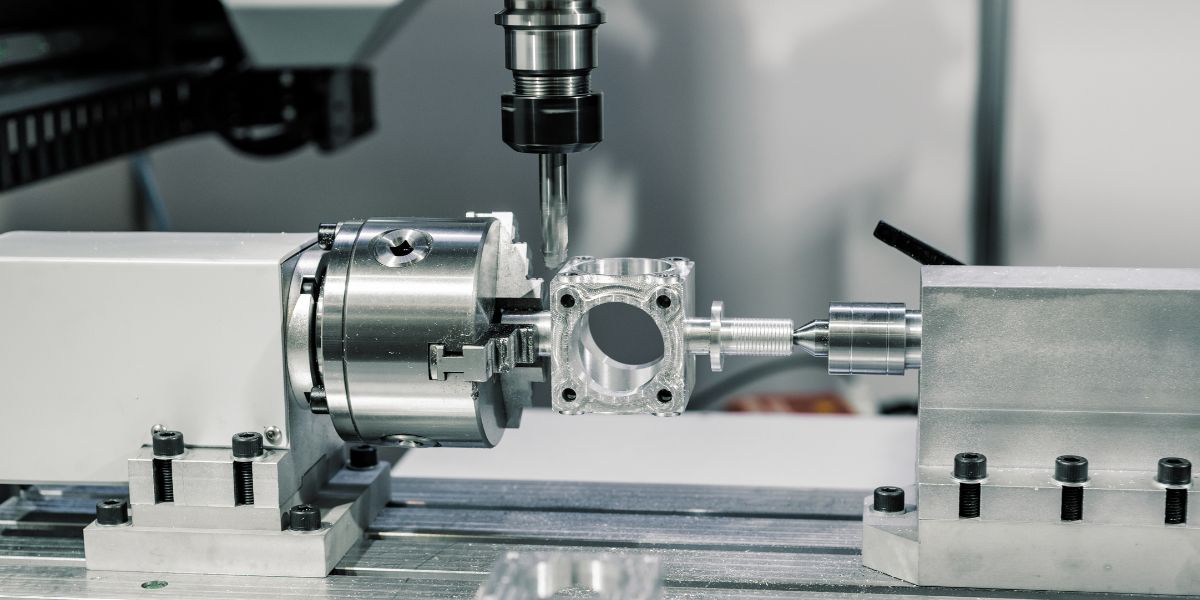
การเลือกผู้ให้บริการตัดโลหะด้วยเครื่อง CNC ที่เหมาะสม
คุณได้ปรับแต่งการออกแบบให้เหมาะสมแล้ว เลือกวัสดุที่ใช้ และเข้าใจปัจจัยที่ส่งผลต่อราคาแล้ว ตอนนี้ถึงเวลาตัดสินใจซึ่งจะเป็นตัวกำหนดว่าโครงการของคุณจะประสบความสำเร็จ หรือกลายเป็นบทเรียนเตือนใจ: การเลือกผู้ขายที่เหมาะสม บริษัทแปรรูปโลหะด้วยความแม่นยำไม่ได้มีคุณภาพ ระยะเวลาการส่งมอบ หรือมาตรฐานการสื่อสารที่เหมือนกันทั้งหมด ความแตกต่างระหว่างพันธมิตรที่ยอดเยี่ยมกับผู้ขายที่ก่อให้เกิดปัญหามักขึ้นอยู่กับคุณสมบัติที่สามารถตรวจสอบได้จริงและศักยภาพที่แสดงให้เห็นแล้ว
เมื่อคุณกำลังค้นหาบริการเครื่องจักรกลแบบ CNC ใกล้ตัว หรือประเมินผู้ขายในภูมิภาคที่กว้างขึ้น คุณจำเป็นต้องมีเกณฑ์การประเมินที่ชัดเจน—ไม่ใช่เพียงคำมั่นสัญญาบนเว็บไซต์เท่านั้น ขอเชิญติดตามรายละเอียดสิ่งที่แท้จริงซึ่งทำให้ผู้ให้บริการที่น่าเชื่อถือแตกต่างจากผู้ให้บริการรายอื่น
ใบรับรองคุณภาพที่สำคัญสำหรับการตัดโลหะ
ใบรับรองไม่ใช่เพียงแค่ของตกแต่งผนังเท่านั้น ตามคู่มือการรับรองของ Hartford Technologies ใบรับรองเหล่านี้แสดงให้เห็นว่าผู้ผลิตได้นำระบบการจัดการคุณภาพที่ผ่านการตรวจสอบแล้วไปปฏิบัติจริง และสอดคล้องกับข้อกำหนดเฉพาะของอุตสาหกรรมนั้นๆ สำหรับบริการกลึงความแม่นยำ ใบรับรองบางประเภทมีน้ำหนักและความสำคัญเป็นพิเศษ
ISO 9001: มาตรฐานคุณภาพสากล
ISO 9001 ถือเป็นใบรับรองพื้นฐานที่ใช้กันอย่างแพร่หลายในอุตสาหกรรมการผลิต ซึ่งยืนยันว่าองค์กรนั้นมีระบบการจัดการคุณภาพที่แข็งแรง—หมายความว่ากระบวนการทั้งหมดสามารถผลิตสินค้าได้อย่างสม่ำเสมอ ตรงตามความคาดหวังของลูกค้าและข้อกำหนดด้านกฎระเบียบ เมื่อประเมินศูนย์บริการกลึง CNC ใกล้ตัวคุณ ใบรับรองนี้บ่งชี้ว่าโครงสร้างพื้นฐานด้านคุณภาพขั้นพื้นฐานได้รับการจัดตั้งขึ้นแล้ว
สิ่งที่ ISO 9001 ไม่ได้บอกคุณ: ความสามารถเฉพาะทางของอุตสาหกรรม แม้ศูนย์บริการกลึงจะได้รับการรับรองมาตรฐาน ISO 9001 แล้ว ก็อาจยังขาดความเชี่ยวชาญเฉพาะด้านที่งานของคุณต้องการ ให้มองใบรับรองนี้เป็นเกณฑ์ขั้นต่ำ มากกว่าการรับประกันถึงความเป็นเลิศ
IATF 16949: สำคัญอย่างยิ่งสำหรับการใช้งานในอุตสาหกรรมยานยนต์
หากชิ้นส่วนของคุณใช้ในการผลิตยานยนต์—เช่น ชิ้นส่วนโครงแชสซี ระบบช่วงล่าง หรือชิ้นส่วนโครงสร้าง—การรับรองมาตรฐาน IATF 16949 จะกลายเป็นสิ่งจำเป็น ซึ่งมาตรฐานนี้พัฒนาโดย International Automotive Task Force (IATF) โดยมีพื้นฐานจาก ISO 9001 และเพิ่มข้อกำหนดเฉพาะสำหรับการผลิตยานยนต์ เช่น การควบคุมการออกแบบผลิตภัณฑ์ การตรวจสอบและยืนยันกระบวนการผลิต วิธีการปรับปรุงอย่างต่อเนื่อง และมาตรฐานเฉพาะของลูกค้า
ตามที่ Hartford Technologies ระบุ ผู้ผลิตที่ได้รับการรับรองมาตรฐาน IATF 16949 ได้แสดงให้เห็นถึงความสามารถในการปฏิบัติตามกฎระเบียบที่เข้มงวดซึ่งอุตสาหกรรมยานยนต์กำหนดไว้ ทั้งยังพิสูจน์แล้วว่ามีความเชี่ยวชาญด้านการผสานรวมห่วงโซ่อุปทาน การดำเนินการปรับปรุงอย่างต่อเนื่อง และข้อกำหนดด้านการติดตามย้อนกลับ (traceability) ซึ่งผู้ผลิตรถยนต์รายใหญ่ (OEMs) คาดหวัง
ตัวอย่างเช่น Shaoyi (Ningbo) Metal Technology รักษาการรับรองมาตรฐาน IATF 16949 โดยเฉพาะสำหรับงานในห่วงโซ่อุปทานยานยนต์ — ครอบคลุมโครงสร้างพื้นฐานของรถ (chassis), ระบบกันสะเทือน (suspension) และชิ้นส่วนโครงสร้าง ระดับการรับรองนี้แสดงให้เห็นถึงโครงสร้างพื้นฐานด้านคุณภาพที่จำเป็นสำหรับการใช้งานยานยนต์ที่ต้องการความแม่นยำสูง
ใบรับรองเฉพาะอุตสาหกรรมที่ควรพิจารณา
- AS9100 — จำเป็นสำหรับการใช้งานด้านการบินและอวกาศ เพื่อให้มั่นใจว่าชิ้นส่วนสอดคล้องตามมาตรฐานความปลอดภัยและคุณภาพที่กำหนดไว้เฉพาะสำหรับอุตสาหกรรมการบิน
- ISO 13485 — จำเป็นอย่างยิ่งสำหรับการผลิตอุปกรณ์ทางการแพทย์ โดยมุ่งเน้นความปลอดภัยของผู้ป่วยผ่านการควบคุมคุณภาพอย่างเข้มงวด
- ISO 14001 — บ่งชี้ถึงระบบการจัดการสิ่งแวดล้อมสำหรับองค์กรที่ให้ความสำคัญกับการผลิตอย่างยั่งยืน
การประเมินศักยภาพของผู้ให้บริการ
ใบรับรองยืนยันระบบและกระบวนการ แต่ความสามารถในการกลึงจริงล่ะ? ตามคู่มือการคัดเลือกผู้จำหน่ายของ MY Prototyping คุณภาพและชนิดของอุปกรณ์มีผลโดยตรงต่อความสามารถของโรงงานในการรองรับข้อกำหนดเฉพาะของโครงการคุณ
อุปกรณ์และศักยภาพทางเทคนิค
เมื่อพิจารณาบริการเครื่องจักรกลซีเอ็นซีแบบกำหนดเอง ให้สอบถามเกี่ยวกับสินทรัพย์เครื่องจักรที่มีอยู่ ร้านที่มีอุปกรณ์ที่หลากหลายและทันสมัยสามารถรองรับโครงการได้กว้างขึ้น — และมีแนวโน้มสูงที่จะมีเครื่องมือที่เหมาะสมกับความต้องการเฉพาะของคุณ คำถามสำคัญ ได้แก่:
- พวกเขาใช้เทคโนโลยีการตัดแบบใดบ้าง? (เลเซอร์ไฟเบอร์ แพลสมา หรือเจ็ทน้ำ — หรือทั้งสามแบบ?)
- ความสามารถในการตัดวัสดุหนาสุดของแต่ละเทคโนโลยีคือเท่าใด?
- พวกเขามีบริการเครื่องจักรกลซีเอ็นซีแบบ 5 แกนสำหรับชิ้นส่วนที่มีรูปทรงซับซ้อนหรือไม่?
- อุปกรณ์ตรวจสอบและวัดขนาดใดบ้างที่ใช้ยืนยันคุณภาพของชิ้นส่วน? (เครื่องวัดพิกัดสามมิติ (CMM), เครื่องเปรียบเทียบภาพแบบออปติคัล, เครื่องวัดคุณภาพผิว)
ตามคู่มือการคัดเลือกพันธมิตรของ Topcraft Precision ความสามารถในการตรวจสอบมีความสำคัญเท่าเทียมกับความสามารถในการตัด ผู้จำหน่ายที่ใช้เครื่องวัดพิกัดสามมิติ (CMM) และเครื่องมือวัดขนาดขั้นสูงสามารถยืนยันได้ว่าทุกชิ้นส่วนสอดคล้องกับข้อกำหนดที่กำหนดไว้ — ไม่ใช่เพียงแค่สันนิษฐานว่าเป็นเช่นนั้น
การผลิตต้นแบบอย่างรวดเร็วและระยะเวลาการส่งมอบ
เวลาคือศัตรูของโครงการ เมื่อคุณต้องการชิ้นส่วนอย่างรวดเร็ว—ไม่ว่าจะเพื่อการสร้างต้นแบบหรือการผลิตจริง—ระยะเวลาที่ผู้จัดจำหน่ายใช้ในการจัดส่งชิ้นส่วน (lead time) จะกลายเป็นเกณฑ์สำคัญในการตัดสินใจเลือก ตามข้อมูลจาก MY Prototyping การเข้าใจระยะเวลาจัดส่งโดยเฉลี่ยของผู้จัดจำหน่ายและนโยบายรับคำสั่งด่วน (rush order) จะช่วยป้องกันความไม่แน่นอนที่อาจทำให้กำหนดเวลาของคุณล่าช้า
ความสามารถในการสร้างต้นแบบด้วยเครื่อง CNC อย่างรวดเร็ว สะท้อนทั้งความพร้อมของอุปกรณ์และความมีประสิทธิภาพในการดำเนินงาน ผู้จัดจำหน่ายที่สามารถส่งมอบงานได้เร็วมักมีกระบวนการทำงานที่คล่องตัว มีกำลังการผลิตของเครื่องจักรเพียงพอ และมีทีมวิศวกรที่พร้อมให้การสนับสนุนอย่างทันท่วงที สำหรับโครงการสร้างต้นแบบด้วยเครื่อง CNC ที่ความเร็วในการปรับปรุงแบบจำลอง (design iteration speed) มีความสำคัญ ควรเลือกผู้จัดจำหน่ายที่สามารถส่งมอบต้นแบบได้ภายใน 3–5 วันทำการ
เซาหยี่แสดงให้เห็นถึงความสามารถนี้ด้วยบริการสร้างต้นแบบแบบเร่งด่วนภายใน 5 วัน ควบคู่ไปกับศักยภาพในการผลิตจริง นอกจากนี้ ระยะเวลาตอบกลับใบเสนอราคาภายใน 12 ชั่วโมงยังบ่งชี้ถึงความคล่องตัวในการดำเนินงาน—คุณจึงไม่ต้องรอหลายวันเพียงเพื่อทราบว่าโครงการของคุณสามารถดำเนินการได้จริงหรือไม่
การสนับสนุนการออกแบบเพื่อการผลิต
ผู้จำหน่ายที่ดีที่สุดไม่เพียงแต่ผลิตชิ้นงานตามแบบที่คุณออกแบบเท่านั้น แต่ยังปรับปรุงแบบให้ดียิ่งขึ้นอีกด้วย ตามการวิเคราะห์ของ Topcraft ร้านค้าที่ให้คำแนะนำด้าน DFM (Design for Manufacturability) จะช่วยปรับแต่งการออกแบบให้เหมาะสมกับกระบวนการผลิตมากยิ่งขึ้น โดยไม่ลดทอนประสิทธิภาพการทำงานของชิ้นส่วน ความเชี่ยวชาญนี้ช่วยประหยัดต้นทุน ลดระยะเวลาในการจัดส่ง และยกระดับคุณภาพของชิ้นส่วนสำเร็จรูป
เมื่อประเมินบริการงานกลึงความแม่นยำ ควรสอบถามว่าผู้ให้บริการตรวจสอบแบบก่อนการผลิตและให้ข้อเสนอแนะเกี่ยวกับการปรับปรุงที่เป็นไปได้หรือไม่ ผู้จำหน่ายที่ให้การสนับสนุน DFM อย่างครอบคลุม เช่น ทีมวิศวกรของ Shaoyi สามารถตรวจจับปัญหาตั้งแต่เนิ่นๆ ก่อนที่จะกลายเป็นปัญหาที่สร้างค่าใช้จ่ายสูงในโรงงาน
ความสามารถในการขยายขนาดและการยืดหยุ่นในการผลิต
ความต้องการของคุณในวันนี้อาจแตกต่างจากความต้องการในอีกหกเดือนข้างหน้า ตามข้อมูลจาก MY Prototyping ความสามารถในการขยายขนาด (Scalability) มีความสำคัญต่อความร่วมมือระยะยาว ผู้จำหน่ายที่รับผลิตต้นแบบให้คุณควรมีศักยภาพในการเติบโตไปพร้อมกับคุณจนถึงขั้นตอนการผลิตจำนวนมาก โดยไม่จำเป็นต้องเปลี่ยนผู้จัดจำหน่ายรายใหม่
คำถามเพื่อประเมินความสามารถในการขยายขนาด:
- พวกเขาสามารถรองรับปริมาณการผลิตตั้งแต่ต้นแบบจำนวนหนึ่งชิ้น ไปจนถึงการผลิตจำนวนมากกว่า 100,000 ชิ้นได้หรือไม่?
- พวกเขามีความสามารถในการผลิตแบบอัตโนมัติสำหรับงานที่มีปริมาณสูงหรือไม่
- ข้อจำกัดด้านกำลังการผลิตใดบ้างที่อาจส่งผลต่อคำสั่งซื้อขนาดใหญ่
รายการตรวจสอบการประเมินผู้ขาย
ก่อนตัดสินใจเลือกผู้ให้บริการตัดโลหะด้วยเครื่อง CNC โปรดพิจารณากรอบการประเมินอย่างรอบด้านนี้:
- ☐ ใบรับรองได้รับการยืนยันแล้ว – ต้องได้รับมาตรฐาน ISO 9001 เป็นอย่างน้อย; IATF 16949 สำหรับอุตสาหกรรมยานยนต์; AS9100 สำหรับอุตสาหกรรมการบินและอวกาศ; ISO 13485 สำหรับอุตสาหกรรมการแพทย์
- ☐ อุปกรณ์สอดคล้องกับความต้องการ – เทคโนโลยีการตัดเหมาะสมกับวัสดุและขนาดความหนาของคุณ
- ☐ ยืนยันความสามารถในการควบคุมความคลาดเคลื่อน (Tolerance) – ความแม่นยำที่ระบุไว้ในเอกสารสอดคล้องกับข้อกำหนดเฉพาะของคุณ
- ☐ อุปกรณ์ตรวจสอบเพียงพอ – ใช้เครื่องวัดพิกัดสามมิติ (CMM), เครื่องเปรียบเทียบภาพแบบออปติคัล (optical comparators) หรือเครื่องมือวัดเชิงมิติ (metrology tools) ที่เทียบเท่า
- ☐ ระยะเวลาในการจัดส่งเป็นที่ยอมรับได้ – มีตัวเลือกการผลิตแบบมาตรฐานและแบบเร่งด่วนเพื่อตอบสนองความต้องการด้านกำหนดเวลาของคุณ
- ☐ มีบริการสนับสนุน DFM – ทีมวิศวกรตรวจสอบแบบการออกแบบและให้คำแนะนำเพื่อปรับปรุง
- ☐ สามารถขยายขนาดการผลิตได้จริง – มีศักยภาพในการขยายกำลังการผลิตตั้งแต่ขั้นตอนต้นแบบไปจนถึงการผลิตในปริมาณมาก
- ☐ การสื่อสารมีความรวดเร็วและมีประสิทธิภาพ – เวลาที่ใช้ในการจัดทำใบเสนอราคาสะท้อนถึงความรวดเร็วในการตอบสนองโดยรวม
- ☐ ดำเนินการงานเสริมภายในโรงงาน – มีความสามารถในการดัด ตกแต่งผิว และประกอบ ซึ่งช่วยลดความจำเป็นในการประสานงานกับผู้รับเหมาหลายราย
- ☐ อ้างอิงหรือผลงานที่ได้รับการทบทวน – โครงการที่ผ่านมาแสดงให้เห็นถึงประสบการณ์และศักยภาพที่เกี่ยวข้อง
- ☐ ยืนยันมาตรการรักษาความปลอดภัยของข้อมูลแล้ว – การคุ้มครองไฟล์แบบจำลองการออกแบบและทรัพย์สินทางปัญญาของคุณ
สัญญาณเตือนที่ควรระวัง
ไม่ใช่ผู้จำหน่ายทุกรายที่สมควรได้รับธุรกิจจากคุณ โปรดสังเกตสัญญาณเตือนขณะประเมินผู้จำหน่าย:
- การระบุค่าความคลาดเคลื่อนอย่างคลุมเครือ – ผู้จำหน่ายที่ให้คำมั่นว่าจะผลิตชิ้นส่วนด้วยความแม่นยำสูงเป็นพิเศษโดยไม่ระบุความสามารถที่แท้จริงอาจให้คำมั่นเกินจริงและไม่สามารถปฏิบัติได้ตามที่กล่าวไว้
- ไม่มีเอกสารรับรอง – การรับรองที่ถูกต้องตามกฎหมายจะมาพร้อมกับเอกสารที่ตรวจสอบย้อนกลับได้; ความลังเลในการให้หลักฐานนี้อาจบ่งชี้ถึงปัญหา
- การตอบกลับใบเสนอราคาช้า – ถ้าการขอใบเสนอราคาใช้เวลาหนึ่งสัปดาห์ ลองจินตนาการดูว่าการสื่อสารในขั้นตอนการผลิตจะเป็นอย่างไร
- ไม่มีการพูนพูดถึงการตรวจสอบคุณภาพ – ผู้ขายที่ไม่สามารถอธิบายกระบวนการยืนยันคุณภาพของตนได้อาจไม่มีกระบวนการดังกล่าวเลย
- ไม่เต็มใจที่จะให้รายชื่อผู้อ้างอิง – ร้านค้าที่มีชื่อเสียงมักมีลูกค้าที่พึงพอใจและยินดีรับรองคุณภาพงานของพวกเขา
การค้นหาพันธมิตรที่เหมาะสมจำเป็นต้องลงทุนล่วงหน้าในการประเมิน — แต่การลงทุนนี้จะช่วยป้องกันปัญหาที่อาจเกิดขึ้นและสร้างค่าใช้จ่ายสูงในอนาคต หลังจากที่คุณเลือกผู้ขายแล้วโดยอิงจากคุณสมบัติที่ได้รับการยืนยันและศักยภาพที่แสดงให้เห็นจริง คุณก็พร้อมที่จะดำเนินการจากขั้นตอนการวางแผนสู่การลงมือปฏิบัติ ขั้นตอนสุดท้ายคือการเตรียมโครงการของคุณเพื่อขอใบเสนอราคา และทำความเข้าใจเส้นทางทั้งหมดตั้งแต่ไฟล์แบบออกแบบจนถึงชิ้นส่วนที่จัดส่งถึงมือคุณ
ลงมือดำเนินโครงการตัดโลหะด้วยเครื่อง CNC ของคุณ
คุณได้ศึกษาเปรียบเทียบเทคโนโลยี พิจารณาเรื่องวัสดุ หลักการออกแบบ และเกณฑ์การประเมินผู้จำหน่ายแล้ว ต่อไปจะทำอย่างไร? ความรู้โดยไม่มีการลงมือปฏิบัติยังคงเป็นเพียงทฤษฎีเท่านั้น ส่วนสุดท้ายนี้จะเปลี่ยนทุกสิ่งที่คุณเรียนรู้มาให้กลายเป็นแผนปฏิบัติการที่ใช้งานได้จริง — ขั้นตอนที่ชัดเจนซึ่งจะนำโครงการของคุณจากแนวคิดสู่ชิ้นส่วนที่ผลิตเสร็จสมบูรณ์
ไม่ว่าคุณจะกำลังค้นหาผู้รับจ้างงานโลหะในพื้นที่ใกล้คุณ หรือประเมินผู้จัดจำหน่ายระดับโลก กระบวนการทั้งหมดก็ยังคงดำเนินตามลำดับตรรกะเดียวกัน ลองมาเดินผ่านขั้นตอนทั้งหมดพร้อมกันว่าจะเตรียมโครงการของคุณอย่างไร และนำทางจากแบบเริ่มต้นจนถึงการส่งมอบชิ้นส่วนสำเร็จรูป
การเตรียมโครงการของคุณเพื่อขอใบเสนอราคา
ตาม คู่มือการขอใบเสนอราคาของ Dipec คุณภาพของข้อมูลที่คุณให้มาโดยตรงจะกำหนดความเร็วและความแม่นยำของใบเสนอราคาที่คุณจะได้รับกลับมา คำขอที่คลุมเครือจะนำไปสู่การประมาณราคาที่คลุมเครือเช่นกัน — หรืออาจเกิดความล่าช้าเนื่องจากผู้จำหน่ายต้องติดต่อขอข้อมูลเพิ่มเติมเพื่อความชัดเจน ขณะที่คำขอที่ครบถ้วนจะได้รับการประเมินราคาอย่างรวดเร็วและแม่นยำ
ก่อนติดต่อผู้ให้บริการตัดด้วยเลเซอร์ในพื้นที่ใกล้คุณ หรือผู้ให้บริการงานขึ้นรูปอื่น ๆ โปรดรวบรวมองค์ประกอบสำคัญเหล่านี้ไว้ให้ครบ:
- ไฟล์ CAD แบบ 3 มิติ – รูปแบบไฟล์ STEP, IGES หรือ STL ใช้งานได้ทั่วไป ถ้าเป็นไปได้ โปรดแนบแบบจำลอง 3 มิติพร้อมภาพวาด 2 มิติที่มีคำอธิบายประกอบเพื่อขจัดความคลุมเครือเกี่ยวกับค่าความคลาดเคลื่อนและขนาดที่สำคัญ
- ข้อมูลสเปคของวัสดุ – อย่าระบุเพียงแค่ว่าเป็น "สแตนเลสสตีล" เท่านั้น แต่ต้องระบุให้ชัดเจนว่าเป็นเกรด 304 หรือ 316 ความหนา และข้อกำหนดพิเศษเกี่ยวกับผิวสัมผัส (surface finish) ตามที่ Integrated Manufacturing Solutions ระบุไว้ การเลือกวัสดุมีผลต่อราคา ระยะเวลาการผลิต การใช้เครื่องมือ และความพร้อมในการจัดหา
- ข้อกำหนดปริมาณ – ระบุขนาดของแต่ละล็อตการผลิตให้ชัดเจน หากยังไม่แน่ใจ ให้ขอใบเสนอราคาสำหรับหลายปริมาณพร้อมกัน เช่น "ขอใบเสนอราคาสำหรับ 10, 50 และ 100 หน่วย" เพื่อให้คุณเห็นภาพราคาในทางเลือกต่าง ๆ อย่างชัดเจน
- การระบุค่าความคลาดเคลื่อน – ระบุให้ชัดเจนว่ามิติใดเป็นมิติที่สำคัญ (critical dimensions) และมิติใดสามารถยอมรับค่าความคลาดเคลื่อนมาตรฐานได้ การระบุความแม่นยำเกินความจำเป็นจะทำให้ต้นทุนสูงขึ้นโดยไม่จำเป็น
- ความต้องการการดำเนินการขั้นที่สอง – การดัด การตัดเกลียว การพ่นสีผง (powder coating) การชุบออกซิเดชัน (anodizing) — โปรดระบุทุกกระบวนการที่ต้องการตั้งแต่ต้น การปกปิดข้อกำหนดเหล่านี้จะทำให้เกิดความล่าช้าในการผลิตและสร้างความประหลาดใจด้านงบประมาณ
- สถานที่จัดส่งและกำหนดเวลาการจัดส่ง – ชิ้นส่วนจะจัดส่งไปยังที่ใด? คุณต้องการชิ้นส่วนเหล่านี้เมื่อใด? ความต้องการเร่งด่วนมีผลต่อราคาและข้อกำหนดด้านความเป็นไปได้
ตามที่บริษัท Dipec ระบุ ถ้าคุณจัดเตรียมไฟล์รูปแบบ STEP พร้อมทั้งแบบแปลนเทคนิค 2 มิติที่มีคำอธิบายประกอบ จะช่วยเร่งกระบวนการเสนอราคาอย่างมาก โดยจะหลีกเลี่ยงคำถามย้อนกลับเกี่ยวกับค่าความคลาดเคลื่อน (tolerances) เกลียว (threads) หรือพื้นผิวสำเร็จรูป (surface finishes) ซึ่งหมายความว่าคุณจะได้รับใบเสนอราคาเร็วขึ้นโดยตรงในกล่องจดหมายของคุณ
จากขั้นตอนการออกแบบจนถึงการส่งมอบชิ้นส่วน
พร้อมดำเนินการต่อหรือยัง? นี่คือแผนปฏิบัติการแบบขั้นตอนที่คุณสามารถใช้ได้ทั้งกรณีที่คุณทำงานร่วมกับผู้ให้บริการเครื่อง CNC ใกล้คุณ หรือผู้จัดจำหน่ายที่อยู่ห่างไกล
- สรุปแบบการออกแบบของคุณโดยยึดหลัก DFM (Design for Manufacturability) – ตรวจสอบแบบออกแบบของคุณตามรายการตรวจสอบที่ให้ไว้ก่อนหน้านี้ ยืนยันว่าเส้นผ่านศูนย์กลางของรูมีขนาดใหญ่กว่าความหนาของวัสดุ มุมภายในมีรัศมีที่เหมาะสม และระยะห่างระหว่างฟีเจอร์ต่าง ๆ เป็นไปตามแนวทางที่กำหนด แบบที่สะอาดและสามารถผลิตได้จริงจะทำให้ใบเสนอราคามีมูลค่าต่ำลง และระยะเวลาการผลิตสั้นลง
- เลือกเทคโนโลยีการตัดที่คุณต้องการ – ขึ้นอยู่กับประเภทวัสดุ ความหนา ข้อกำหนดด้านความคลาดเคลื่อน และงบประมาณของคุณ ให้เลือกระหว่างการตัดด้วยเลเซอร์ พลาสม่า หรือเจ็ทน้ำ โดยอ้างอิงตารางเปรียบเทียบเพื่อจับคู่เทคโนโลยีกับการใช้งาน
- จัดทำเอกสารให้ครบถ้วน – รวบรวมไฟล์ CAD ข้อกำหนดวัสดุ ปริมาณที่ต้องการ และความต้องการในการดำเนินการขั้นที่สอง ลงในชุดเอกสารขอใบเสนอราคาที่ชัดเจน
- ระบุและตรวจสอบผู้จำหน่ายที่มีศักยภาพ – ใช้รายการตรวจสอบเพื่อประเมินใบรับรอง ความสามารถของอุปกรณ์ และระยะเวลาการส่งมอบ หากเป็นการใช้งานในอุตสาหกรรมยานยนต์ ควรให้ความสำคัญกับผู้จัดจำหน่ายที่ได้รับการรับรองตามมาตรฐาน IATF 16949
- ส่งคำขอใบเสนอราคา – ส่งชุดเอกสารของคุณไปยังผู้จำหน่ายที่ผ่านการคัดกรองแล้ว ตามข้อมูลจาก Dipec ผู้จัดจำหน่ายที่น่าเชื่อถือส่วนใหญ่จะส่งใบเสนอราคาคืนภายใน 48 ถึง 72 ชั่วโมง หากไฟล์ของคุณชัดเจนและครบถ้วน
- ประเมินใบเสนอราคาอย่างรอบด้าน – อย่าพิจารณาเพียงราคาสุดท้ายเท่านั้น แต่ให้เปรียบเทียบข้อกำหนดวัสดุ ความสามารถด้านความคลาดเคลื่อน ระยะเวลาการผลิต และการดำเนินการขั้นที่สองที่รวมอยู่ด้วย ใบเสนอราคาที่ต่ำที่สุดไม่จำเป็นต้องให้คุณค่าสูงสุดเสมอไป
- ขอคำแนะนำ DFM – ก่อนยืนยันการสั่งซื้อของคุณ ให้ขอให้ผู้ขายที่คุณเลือกตรวจสอบแบบการออกแบบของคุณเสียก่อน คู่ค้าที่ดีจะสามารถระบุโอกาสในการปรับปรุงที่ช่วยลดต้นทุนและยกระดับคุณภาพได้
- ยืนยันรายละเอียดคำสั่งซื้อ – ยืนยันเกรดวัสดุ ปริมาณ ความคลาดเคลื่อน (tolerances) การดำเนินการขั้นที่สอง (secondary operations) และกำหนดเวลาจัดส่งเป็นลายลักษณ์อักษรก่อนเริ่มการผลิต
- ติดตามความคืบหน้าของการผลิต – รักษาการสื่อสารอย่างต่อเนื่องกับผู้ขายของคุณ โดยเฉพาะในโครงการกลึงต้นแบบ (prototype machining) ซึ่งอาจจำเป็นต้องมีการปรับปรุงแบบออกแบบซ้ำหลายรอบ
- ตรวจสอบชิ้นส่วนที่จัดส่งมา – ตรวจสอบขนาด ผิวสัมผัส (surface finish) และคุณภาพของการดำเนินการขั้นที่สองเทียบกับข้อกำหนดของคุณก่อนยอมรับคำสั่งซื้อ
เร่งระยะเวลาดำเนินโครงการของคุณ
เมื่อเวลาเป็นสิ่งสำคัญ — ซึ่งโดยทั่วไปมักเป็นเช่นนั้น — ความสามารถเฉพาะของผู้ขายบางประการจึงมีคุณค่าอย่างยิ่ง ความรวดเร็วในการเสนอราคา (rapid quote turnaround) สะท้อนถึงความพร้อมในการตอบสนองเชิงปฏิบัติการตลอดกระบวนการผลิต หากผู้ขายใช้เวลาหนึ่งสัปดาห์ในการประเมินราคาโครงการของคุณ คุณควรคาดการณ์ว่าจะเกิดความล่าช้าในลักษณะเดียวกันทุกขั้นตอน
สำหรับผู้อ่านที่พร้อมลงมือดำเนินการทันที Shaoyi (Ningbo) Metal Technology ให้บริการใบเสนอราคาภายใน 12 ชั่วโมง และสนับสนุนการออกแบบเพื่อการผลิต (DFM) อย่างครอบคลุม — ซึ่งเป็นทรัพยากรเชิงปฏิบัติที่เร่งความเร็วโครงการตั้งแต่การสอบถามครั้งแรก ความสามารถในการสร้างต้นแบบอย่างรวดเร็วภายใน 5 วัน คู่กับโครงสร้างพื้นฐานการผลิตจำนวนมากแบบอัตโนมัติ หมายความว่าโครงการของคุณสามารถขยายขนาดได้ตั้งแต่ขั้นตอนการตรวจสอบต้นแบบไปจนถึงการจัดส่งในปริมาณสูง โดยไม่จำเป็นต้องเปลี่ยนผู้ให้บริการ
ตามที่บริษัท Klassen Custom Fabrication ระบุ การจัดส่งผลิตภัณฑ์สำเร็จรูปอย่างปลอดภัยถือเป็นขั้นตอนสำคัญหนึ่งในการดำเนินโครงการให้สำเร็จลุล่วงอย่างสมบูรณ์ การบรรจุภัณฑ์ที่เหมาะสม การปฏิบัติตามมาตรฐานการจัดส่งอย่างเคร่งครัด และการประสานงานการจัดส่งอย่างชัดเจน จะช่วยป้องกันความเสียหายที่อาจทำลายแผนงานที่คุณวางไว้อย่างรอบคอบทั้งหมด
ขั้นตอนต่อไปของคุณ
ขณะนี้คุณมีกรอบแนวคิดที่จะเลือกใช้บริการตัดโลหะด้วยเครื่อง CNC ได้อย่างมั่นใจ — ตั้งแต่การเข้าใจว่าเทคโนโลยีใดเหมาะสมกับการใช้งานของคุณ ไปจนถึงการประเมินผู้ให้บริการที่สามารถส่งมอบผลลัพธ์ที่มีคุณภาพ ประเด็นสำคัญที่คุณได้พิจารณาแล้ว ได้แก่
- การเลือกเทคโนโลยี – เลเซอร์ สำหรับงานตัดที่ต้องการความแม่นยำสูงบนวัสดุบางถึงปานกลาง, พลาสมา สำหรับโลหะนำไฟฟ้าที่มีความหนา, และเจ็ทน้ำ (Waterjet) สำหรับงานที่ไวต่อความร้อน
- การจับคู่วัสดุ – จับคู่วัสดุโลหะผสมที่คุณเลือกกับวิธีการตัดที่เหมาะสมกับคุณสมบัติเฉพาะของวัสดุนั้น
- การปรับปรุงการออกแบบ – ปฏิบัติตามหลักการออกแบบเพื่อการผลิต (DFM) ซึ่งช่วยลดราคาเสนอและปรับปรุงคุณภาพของชิ้นส่วน
- การประเมินผู้ขาย – ตรวจสอบใบรับรอง ความสามารถ และความรวดเร็วในการตอบกลับก่อนตัดสินใจร่วมงาน
ความแตกต่างระหว่างโครงการที่ประสบความสำเร็จกับโครงการที่มีปัญหามักขึ้นอยู่กับการเตรียมความพร้อม โปรดใช้เวลาในการปรับแต่งไฟล์แบบ CAD ให้เหมาะสม ระบุข้อกำหนดของคุณอย่างชัดเจน และประเมินผู้ขายอย่างละเอียดรอบคอบ การลงทุนครั้งแรกนี้จะคืนผลตอบแทนในรูปของระยะเวลาการส่งมอบที่เร็วขึ้น ต้นทุนที่ต่ำลง และชิ้นส่วนที่ทำงานได้ตรงตามวัตถุประสงค์อย่างแม่นยำ
เริ่มต้นด้วยไฟล์ CAD ของคุณ นำรายการตรวจสอบ DFM ไปประยุกต์ใช้ จากนั้นติดต่อผู้ขายที่มีคุณสมบัติเหมาะสมพร้อมเอกสารประกอบที่ครบถ้วน เส้นทางของคุณจากขั้นตอนการออกแบบจนถึงการส่งมอบชิ้นส่วนจึงชัดเจนแล้ว
คำถามที่พบบ่อยเกี่ยวกับบริการตัดโลหะด้วยเครื่องจักร CNC
1. การตัดด้วยเครื่อง CNC โดยทั่วไปมีค่าใช้จ่ายเท่าไร?
ต้นทุนการตัดด้วยเครื่อง CNC ขึ้นอยู่กับประเภทวัสดุ ความหนา ความซับซ้อนของแบบชิ้นงาน ปริมาณการสั่งซื้อ และกระบวนการรองหลังการตัด ชิ้นส่วนที่เรียบง่ายในปริมาณน้อยมักมีราคาอยู่ระหว่าง $10–$50 ต่อชิ้น ขณะที่ชิ้นส่วนที่ออกแบบด้วยความแม่นยำสูงอาจมีราคาสูงถึง $160 หรือมากกว่านั้น ค่าใช้จ่ายในการตั้งค่าเครื่องจะถูกกระจายไปตามจำนวนชิ้นที่สั่งซื้อ ดังนั้น การสั่งซื้อในปริมาณมากจึงช่วยลดต้นทุนต่อหน่วยได้อย่างมีนัยสำคัญ — ส่วนลดจากปริมาณการสั่งซื้ออาจสูงถึง 70% สำหรับการคำนวณราคาที่แม่นยำ โปรดส่งไฟล์ CAD ฉบับสมบูรณ์พร้อมข้อกำหนดวัสดุเพื่อรับใบเสนอราคาแบบแยกรายการภายใน 24–72 ชั่วโมง จากผู้จำหน่ายที่มีคุณสมบัติเหมาะสม
2. อัตราค่าบริการต่อชั่วโมงสำหรับเครื่องจักร CNC คือเท่าใด
อัตราค่าบริการต่อชั่วโมงสำหรับเครื่องจักร CNC แตกต่างกันไปตามเทคโนโลยีและภูมิภาค ในสหรัฐอเมริกา อัตราค่าบริการโดยทั่วไปอยู่ระหว่าง 50–200 ดอลลาร์สหรัฐต่อชั่วโมง ขึ้นอยู่กับระดับความซับซ้อนของเครื่องจักรและความต้องการด้านความแม่นยำ ระบบตัดด้วยเลเซอร์มักมีอัตราค่าบริการสูงกว่าระบบพลาสม่า เนื่องจากต้นทุนอุปกรณ์และความสามารถในการตัดที่มีความแม่นยำสูงกว่า อย่างไรก็ตาม อัตราค่าบริการต่อชั่วโมงเพียงอย่างเดียวไม่สามารถบอกภาพรวมทั้งหมดได้ — ต้นทุนโครงการทั้งหมดขึ้นอยู่กับระยะเวลาการตัด ค่าใช้จ่ายวัสดุ ค่าเตรียมงาน และการดำเนินการขั้นที่สองใดๆ เช่น การดัดหรือการเคลือบผง
3. ความแตกต่างระหว่างการตัดด้วยเลเซอร์ พลาสม่า และเจ็ทน้ำคืออะไร?
การตัดด้วยเลเซอร์ใช้ลำแสงที่มีความเข้มข้นสูงเพื่อตัดโลหะที่มีความหนาตั้งแต่บางถึงปานกลางด้วยความแม่นยำสูง โดยมีค่าความคลาดเคลื่อน (tolerance) อยู่ที่ ±0.006–0.015 นิ้ว การตัดด้วยพลาสม่าใช้ก๊าซที่ถูกทำให้เป็นไอออนเพื่อตัดโลหะที่นำไฟฟ้าและมีความหนาเกิน 1/2 นิ้วได้อย่างมีประสิทธิภาพและรวดเร็วขึ้น แต่มีค่าความคลาดเคลื่อนกว้างกว่า คือ ±0.015–0.030 นิ้ว การตัดด้วยเจ็ทน้ำใช้น้ำแรงดันสูงผสมกับวัสดุขัดเพื่อตัดวัสดุที่ไวต่อความร้อน โดยไม่ก่อให้เกิดโซนที่ได้รับผลกระทบจากความร้อน (heat-affected zone) เลย และมีค่าความคลาดเคลื่อนอยู่ที่ ±0.003–0.010 นิ้ว ทางเลือกของคุณขึ้นอยู่กับความหนาของวัสดุ ความต้องการด้านความแม่นยำ และระดับความไวต่อความร้อน
4. วัสดุใดบ้างที่สามารถตัดได้ด้วยบริการตัดด้วยเครื่อง CNC?
การตัดด้วยเครื่อง CNC สามารถประมวลผลโลหะได้หลากหลายชนิด รวมถึงเหล็กกล้าคาร์บอน โลหะสแตนเลส (เกรด 304, 316) อลูมิเนียม (เกรด 6061, 5052) ทองเหลือง ทองแดง และเหล็กชุบสังกะสี การตัดด้วยเลเซอร์สามารถใช้งานกับโลหะทั้งหมดได้เมื่อใช้เลเซอร์ไฟเบอร์ แต่จะมีข้อจำกัดกับวัสดุที่สะท้อนแสงสูงมากเมื่อใช้ระบบ CO2 การตัดด้วยพลาสม่าสามารถตัดโลหะที่นำไฟฟ้าได้ทุกชนิด ส่วนการตัดด้วยเจ็ทน้ำสามารถตัดวัสดุเกือบทุกชนิด รวมถึงวัสดุที่ไม่ใช่โลหะด้วย ความสามารถในการตัดวัสดุตามความหนาจะแตกต่างกันไปตามเทคโนโลยีที่ใช้ — เลเซอร์สามารถตัดวัสดุได้สูงสุดประมาณ 25 มม. สำหรับโลหะส่วนใหญ่ พลาสม่าให้ประสิทธิภาพดีเยี่ยมสำหรับวัสดุที่หนาเกิน 12 มม. และเจ็ทน้ำแทบไม่มีข้อจำกัดเรื่องความหนาของวัสดุ
5. ผู้ให้บริการตัดด้วยเครื่อง CNC ควรมีใบรับรองอะไรบ้าง?
การรับรองมาตรฐาน ISO 9001 ทำหน้าที่เป็นมาตรฐานคุณภาพพื้นฐานสำหรับการผลิตทั้งหมด สำหรับการใช้งานในอุตสาหกรรมยานยนต์ การรับรองมาตรฐาน IATF 16949 เป็นสิ่งจำเป็นอย่างยิ่ง เนื่องจากแสดงให้เห็นถึงความสอดคล้องตามข้อกำหนดด้านคุณภาพที่เข้มงวดสำหรับชิ้นส่วนโครงสร้างรถ ระบบกันสะเทือน และชิ้นส่วนโครงสร้างอื่นๆ โครงการด้านการบินและอวกาศต้องการการรับรองมาตรฐาน AS9100 ขณะที่การผลิตอุปกรณ์ทางการแพทย์ต้องมีการรับรองมาตรฐาน ISO 13485 ผู้ให้บริการที่ได้รับการรับรองมาตรฐาน IATF 16949 เช่น Shaoyi (Ningbo) Metal Technology มีโครงสร้างพื้นฐานด้านคุณภาพ ระบบการติดตามย้อนกลับ และระบบการปรับปรุงอย่างต่อเนื่อง ซึ่งเป็นสิ่งสำคัญยิ่งสำหรับการใช้งานที่ต้องการความแม่นยำสูง