 เราเข้าร่วมจัดแสดงสินค้าที่งาน Automechanika Frankfurt 2026 — วันที่ 8 กันยายน | ฮอลล์ 4.2 บูธ M31 —
 EN
EN


เครื่องจักรกลึงอธิบายอย่างละเอียด: จากข้อมูลจำเพาะสู่ความสำเร็จบนพื้นโรงงาน
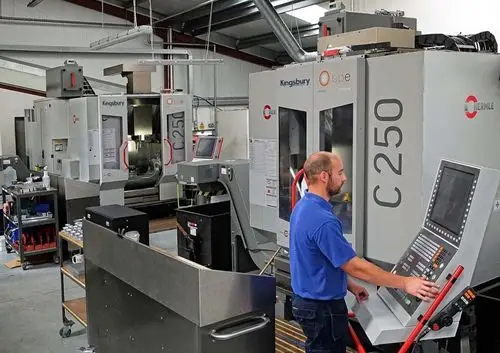
เครื่องกลึงคืออะไร และเหตุใดจึงมีความสำคัญ
คุณเคยสงสัยหรือไม่ว่า บล็อกโลหะแข็งๆ ก้อนหนึ่งสามารถเปลี่ยนรูปเป็นชิ้นส่วนเครื่องยนต์ที่มีความแม่นยำสูง หรือเคสสมาร์ทโฟนได้อย่างไร? คำตอบอยู่ที่เครื่องกลึง — อุปกรณ์ชนิดหนึ่งที่ขับเคลื่อนด้วยพลังงาน ซึ่งออกแบบมาเพื่อ กำจัดวัสดุออกจากชิ้นงานดิบ และขึ้นรูปให้ตรงตามข้อกำหนดที่ระบุไว้อย่างแม่นยำ ไม่ว่าคุณจะกำลังศึกษากระบวนการผลิตเป็นครั้งแรก หรือกำลังประเมินอุปกรณ์สำหรับโรงงานของคุณ การเข้าใจเครื่องเหล่านี้จะเปิดประตูสู่การผลิตสมัยใหม่
แล้ว CNC คืออะไร และเหตุใดจึงมีความสำคัญ? โดยพื้นฐานแล้ว คำว่า CNC ย่อมาจาก Computer Numerical Control ซึ่งเป็นเทคโนโลยีที่ทำให้การปฏิบัติงานของเครื่องเหล่านี้เป็นไปโดยอัตโนมัติ แต่ก่อนที่เราจะเจาะลึกเรื่องระบบอัตโนมัติ เราควรเข้าใจหลักการพื้นฐานที่ขับเคลื่อนการดำเนินงานทุกประเภทของการกลึงก่อน
หลักการพื้นฐานที่อยู่เบื้องหลังเครื่องกลึงทุกเครื่อง
การกลึงอาศัยแนวคิดที่เรียบง่ายแต่มีประสิทธิภาพ: การผลิตแบบลบเนื้อวัตถุดิบ ต่างจากกระบวนการพิมพ์ 3 มิติหรือกระบวนการแบบเพิ่มวัสดุที่สร้างชิ้นส่วนทีละชั้น กระบวนการกลึงจะเริ่มต้นด้วยวัสดุที่มีมากกว่าที่ต้องการ จากนั้นจึงค่อยๆ ตัดส่วนที่เกินออกอย่างมีกลยุทธ์ ลองนึกภาพการแกะสลักประติมากรรมจากก้อนหินอ่อน—คุณจะสกัดส่วนที่ไม่ใช่รูปร่างสุดท้ายออกทั้งหมด
ตามคู่มือการผลิตของ 3ERP การกลึงคือกระบวนการขึ้นรูปวัสดุให้ได้รูปร่างสุดท้ายที่ต้องการ โดยการตัดวัสดุออกอย่างควบคุมได้ด้วยเครื่องมือกล วิธีการแบบลบวัสดุนี้มีข้อได้เปรียบที่ชัดเจน:
- ความ ชัดเจน และ ความ ถูกต้อง ซึ่งยากที่จะบรรลุผ่านวิธีอื่น
- การทําปลายผิวชั้นสูง พร้อมใช้งานทันทีหลังออกจากเครื่อง
- ความหลากหลายของวัสดุ — โลหะ พลาสติก ไม้ เซรามิก และคอมโพสิต
- ความสม่ําเสมอ ซึ่งทำให้การผลิตจำนวนมากเกิดความน่าเชื่อถือ
แล้วแลกกับอะไร? คุณจะเกิดของเสียจากวัสดุในรูปของเศษชิ้นเล็กๆ และเศษฝอย อย่างไรก็ตาม สำหรับอุตสาหกรรมที่ต้องการความแม่นยำสูงและคุณภาพเยี่ยมยอด วิธีการแบบลบวัสดุนี้ยังคงไม่มีอะไรเทียบเคียงได้
จากวัตถุดิบสู่ชิ้นส่วนที่มีความแม่นยำ
กระบวนการผลิตชิ้นส่วนจากวัตถุดิบไปจนถึงชิ้นงานสำเร็จรูปดำเนินตามขั้นตอนที่มีโครงสร้างอย่างเป็นระบบ ก่อนอื่น วิศวกรจะจัดทำแบบแปลนที่ระบุขนาดที่แม่นยำ จากนั้นแบบแปลนเหล่านี้จะถูกเปลี่ยนให้เป็นแบบจำลองสามมิติในรูปแบบดิจิทัลโดยใช้ซอฟต์แวร์ CAD ซึ่งต่อมาจะถูกแปลงเป็นคำสั่งที่เครื่องจักรสามารถเข้าใจได้ หลังจากการเตรียมการที่เหมาะสม—เช่น การติดตั้งชิ้นงานลงบนเครื่องจักรและการตั้งค่าเครื่องมือตัด—โปรแกรมจะเริ่มทำงาน และกระบวนการตัดก็จะเริ่มต้นขึ้น
CNC หมายถึงอะไรในบริบทนี้? CNC คือชั้นของระบบอัตโนมัติที่ควบคุมการเคลื่อนที่ของเครื่องมือผ่านคำสั่งที่เขียนโปรแกรมไว้ ซึ่งมอบความสม่ำเสมอในการผลิตที่การปฏิบัติงานด้วยมือไม่สามารถเทียบเคียงได้เลย ความหมายของ CNC นี้ยังขยายออกไปไกลกว่าการควบคุมเพียงอย่างเดียว—แต่ยังแสดงถึงการปฏิวัติวงการการผลิตที่ดำเนินมาอย่างต่อเนื่องเป็นเวลาหลายทศวรรษ
เครื่องจักรกลไนซ์ (Machining machines) เป็นหัวใจสำคัญของอุตสาหกรรมหลากหลายสาขา ตั้งแต่อุตสาหกรรมการบินและอวกาศ ยานยนต์ อุปกรณ์ทางการแพทย์ ไปจนถึงอุปกรณ์อิเล็กทรอนิกส์สำหรับผู้บริโภค หากไม่มีเครื่องจักรเหล่านี้ ชิ้นส่วนที่ต้องการความแม่นยำสูงซึ่งขับเคลื่อนชีวิตสมัยใหม่ก็จะไม่สามารถผลิตได้ในระดับปริมาณมาก
ตลอดบทความนี้ คุณจะได้เดินทางจากความเข้าใจพื้นฐานเกี่ยวกับประเภทและรูปแบบของเครื่องจักร ไปจนถึงการประเมินข้อกำหนดทางเทคนิคที่มีความสำคัญต่อความต้องการของคุณอย่างแท้จริง ไม่ว่าคุณจะเป็นผู้ชื่นชอบงานฝีมือที่กำลังพิจารณาซื้อเครื่องตั้งโต๊ะเครื่องแรก หรือผู้จัดการฝ่ายผลิตที่กำลังจัดหาอุปกรณ์อุตสาหกรรม ข้อมูลเชิงลึกที่จะนำเสนอต่อไปนี้จะช่วยให้คุณตีความข้อกำหนดทางเทคนิคได้อย่างถูกต้อง และตัดสินใจได้อย่างมั่นใจเพื่อความสำเร็จในการปฏิบัติงานบนพื้นโรงงาน
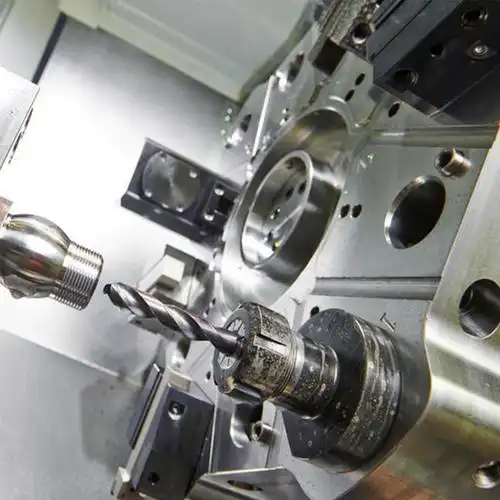
คำอธิบายประเภทหลักของเครื่องจักรกลไนซ์
เมื่อคุณเข้าใจหลักการแบบลบวัสดุ (subtractive principle) ที่ใช้ในทุกกระบวนการกลึงแล้ว ต่อไปเราจะมาสำรวจอุปกรณ์ที่ทำหน้าที่ดำเนินการดังกล่าว ลองเดินเข้าไปในโรงกลึงใด ๆ ก็ตาม คุณจะพบอุปกรณ์ที่จัดอยู่ในหมวดหมู่ที่แตกต่างกันอย่างชัดเจน—แต่ละหมวดถูกออกแบบมาเพื่อปฏิบัติงานเฉพาะด้าน ความรู้ความเข้าใจว่าสิ่งใดที่ทำให้ เครื่องมิลลิ่ง CNC แตกต่างจากเครื่องกลึง ไม่ใช่เพียงแค่ข้อเท็จจริงเชิงเทคนิคเท่านั้น แต่ยังเป็นพื้นฐานสำคัญที่ช่วยให้คุณเลือกเครื่องมือที่เหมาะสมที่สุดสำหรับโครงการของคุณ
ลองนึกถึงเครื่องจักรแต่ละประเภทเหล่านี้เหมือนเป็นอุปกรณ์ครัวเฉพาะทาง ตัวอย่างเช่น เครื่องปั่น เครื่องบดอาหาร และเครื่องผสมแบบตั้งพื้น ล้วนใช้ในการเตรียมอาหาร แต่คุณจะไม่ใช้เครื่องปั่นในการนวดแป้งขนมปัง ทำนองเดียวกัน เครื่องจักรกลแต่ละประเภทก็มีจุดแข็งในการดำเนินการงานเฉพาะด้าน ในขณะที่อาจทำงานได้ไม่ดีนักในงานประเภทอื่น
เครื่องกัดสำหรับงานผิวเรขาคณิตซับซ้อน
เครื่องกัดจัดเป็นหนึ่งในหมวดหมู่เครื่องจักรกลที่มีความหลากหลายมากที่สุดที่คุณจะพบ แล้วมันทำงานอย่างไร? โดยใช้เครื่องมือตัดแบบหลายคมที่หมุนรอบ ซึ่งเคลื่อนที่ไปบนชิ้นงานที่คงที่ เพื่อตัดวัสดุออกทีละชั้นในแต่ละครั้งที่ผ่านไป ลองนึกภาพดอกสว่านที่ไม่เพียงเคลื่อนที่ขึ้น–ลงเท่านั้น แต่ยังเคลื่อนที่ไปด้านข้างและไป–มาอีกด้วย — นั่นคือหลักการทำงานของเครื่องกัด
ตาม คู่มือฉบับสมบูรณ์จาก CNC Cookbook , เครื่องกัดแบบ CNC เหมาะอย่างยิ่งสำหรับการผลิตเฟือง การเจาะรูในชิ้นงาน และการสร้างร่อง ทั้งนี้ เครื่องมือตัดต่างๆ เช่น end mill, face mill, reamer และ drill ต่างก็ทำหน้าที่เฉพาะที่แตกต่างกันภายในเครื่องจักรชนิดเดียวกัน
อะไรที่ทำให้เครื่องกัดมีพลังงานสูงเป็นพิเศษ? คือความสามารถในการประมวลผลรูปทรงเรขาคณิตที่ซับซ้อนได้ในครั้งเดียวโดยไม่ต้องเปลี่ยนการจัดวางชิ้นงาน ตัวอย่างการใช้งานทั่วไปมีดังนี้:
- การกัดแบบหน้าปลาย (Face milling) สำหรับการขัดผิวให้เรียบหรือทำให้ผิวแบนราบ
- การกัดแบบแผ่น (Slab milling) สำหรับการกลึงพื้นที่กว้างและแบนราบ
- การกัดร่อง (Pocket milling) สำหรับการสร้างโพรงและร่องลึก
- การกัดตามรูปร่าง (Contour milling) สำหรับพื้นผิวโค้งที่ซับซ้อน
เครื่องกัด CNC สมัยใหม่มีตั้งแต่แบบพื้นฐาน 2 แกน ไปจนถึงระบบที่ซับซ้อนอย่าง 5 แกน หรือแม้แต่ 6 แกน ในขณะที่เครื่อง CNC Router ซึ่งเป็นเครื่องที่ใกล้เคียงกันนั้นเหมาะสำหรับวัสดุที่นุ่มกว่า เช่น ไม้และพลาสติก เครื่องกัดจะสามารถทำงานกับโลหะที่แข็งมาก เช่น เหล็ก ไทเทเนียม และอินโคเนล ได้อย่างแม่นยำ
เครื่องกลึงสำหรับชิ้นงานที่มีความสมมาตรแบบหมุนรอบ
ที่นี่คือจุดที่สิ่งต่าง ๆ เปลี่ยนไป—แท้จริงแล้วคือการกลับด้านกันโดยสิ้นเชิง ต่างจากเครื่องกัดที่มีการหมุนของเครื่องมือตัด แต่ชิ้นงานนั้นคงที่ เครื่องกลึงจะหมุนชิ้นงานแทน ส่วนเครื่องมือตัดจะอยู่นิ่งและทำการตัดแต่งชิ้นงาน ความแตกต่างพื้นฐานนี้ทำให้เครื่องกลึงเป็นตัวเลือกแรกสำหรับงานที่มีลักษณะเป็นทรงกระบอก ทรงกรวย หรือมีความสมมาตรแบบหมุนรอบ
จินตนาการถึงเครื่องหมุนขึ้นรูปดินเหนียว แต่สำหรับโลหะแทน โดยชิ้นงานจะหมุนด้วยความเร็วสูง ในขณะที่ผู้ปฏิบัติงานหรือโปรแกรม CNC จะควบคุมเครื่องมือตัดให้เคลื่อนที่ตามความยาวและเส้นผ่านศูนย์กลางของชิ้นงาน วิธีการนี้สามารถสร้างลักษณะเฉพาะทั้งภายนอกและภายในได้ผ่านกระบวนการต่าง ๆ เช่น การกลึง (turning), การไส้หน้า (facing), การเจาะรูทรงกระบอก (boring) และการตัดเกลียว (threading)
เครื่องกลึงโดยทั่วไปทำงานบนแกนหลักสองแกน ได้แก่ แกน Z ซึ่งควบคุมการเคลื่อนที่ของเครื่องมือตัดตามความยาวของชิ้นงาน และแกน X ซึ่งควบคุมการเคลื่อนที่ในแนวตั้งฉากเข้าหาหรือออกจากจุดศูนย์กลางของชิ้นงาน แม้การจัดวางที่ดูเรียบง่ายเช่นนี้จะให้ผลลัพธ์อันน่าทึ่ง ตั้งแต่เพลาที่มีความแม่นยำสูง ไปจนถึงสกรูและน็อตแบบมีเกลียว รวมถึงเพลาตกแต่งต่าง ๆ
การใช้งานเครื่องกลึงที่พบได้ทั่วไป ได้แก่:
- ชิ้นส่วนเครื่องยนต์ เช่น เพลาลูกเบี้ยว (camshafts) และเพลาข้อเหวี่ยง (crankshafts)
- สกรู น็อต และข้อต่อแบบมีเกลียว
- ปลอกรอง (bushings), ตลับลูกปืน (bearings) และเปลือกหุ้มทรงกระบอก (cylindrical housings)
- องค์ประกอบตกแต่ง เช่น ขาโต๊ะและราวบันได (balusters)
เครื่องจักรเฉพาะทางสำหรับการใช้งานเฉพาะด้าน
นอกเหนือจากเครื่องกัด (milling machines) และเครื่องกลึง (lathes) แล้ว ยังมีหมวดหมู่พิเศษอีกสองประเภทที่ทำหน้าที่จัดการงานเฉพาะทางซึ่งเครื่องมือตัดแบบทั่วไปไม่สามารถ — หรือไม่ควร — ดำเนินการ
เครื่องขัด
เมื่อคุณต้องการพื้นผิวที่มีความเรียบในหน่วยไมโครอินช์ และความคลาดเคลื่อนที่แคบกว่าที่การกลึงแบบมาตรฐานสามารถทำได้ เครื่องเจียรจะเข้ามาทำหน้าที่นี้ โดยเครื่องเจียรใช้ล้อขัดแทนคมตัด เพื่อขจัดวัสดุออกเป็นปริมาณเล็กน้อย จนได้พื้นผิวที่เรียบเสมือนกระจกและมีความแม่นยำด้านมิติสูงกว่าวิธีการอื่นๆ
ตามคู่มือการกลึงของ RapidDirect การเจียรเป็นกระบวนการที่เหมาะอย่างยิ่งสำหรับปรับปรุงคุณภาพพื้นผิวของชิ้นส่วนที่ผ่านการกลึงแล้ว และเพิ่มความแม่นยำด้านความคลาดเคลื่อน เครื่องเจียรพื้นผิวใช้สำหรับพื้นผิวเรียบ ในขณะที่เครื่องเจียรทรงกระบอกใช้สำหรับพื้นผิวทรงกลม กระบวนการนี้มักใช้เป็นขั้นตอนสุดท้ายหลังจากการกัด (milling) หรือการกลึง (turning) ขั้นต้น
เครื่อง EDM
เกิดอะไรขึ้นเมื่อคุณต้องกลึงเหล็กที่ผ่านการชุบแข็งแล้ว ซึ่งอาจทำให้เครื่องมือตัดแบบทั่วไปเสียหาย? หรือเมื่อคุณต้องสร้างรูปทรงภายในที่ซับซ้อนซึ่งไม่สามารถเข้าถึงได้ด้วยเครื่องมือตัดที่หมุน? นั่นคือจุดที่การกลึงด้วยประจุไฟฟ้า (Electrical Discharge Machining) โดยเฉพาะแบบสายไฟ (wire EDM) มีความสำคัญอย่างยิ่ง
เครื่อง EDM ไม่ทำการตัดในความหมายแบบดั้งเดิม แต่จะใช้ประกายไฟฟ้าที่ควบคุมได้เพื่อกัดกร่อนวัสดุระหว่างขั้วไฟฟ้า (electrode) กับชิ้นงาน ตามที่บริษัท Methods Machine Tools อธิบายไว้ กระบวนการ Wire EDM ใช้ลวดบางที่มีประจุไฟฟ้า ซึ่งถูกควบคุมด้วยระบบ CNC เพื่อตัดรูปทรงต่าง ๆ ด้วยความแม่นยำสูงเป็นพิเศษ โดยวิธีนี้เป็นวิธีที่นิยมใช้มากที่สุดในการผลิตชิ้นส่วนเทอร์ไบน์ ชิ้นส่วนทางการแพทย์สำหรับฝังในร่างกาย (medical implants) และชิ้นส่วนยานยนต์ที่ต้องการความแม่นยำสูงสุดและผิวเรียบเนียนไร้ตำหนิ
เนื่องจากกระบวนการ EDM เป็นกระบวนการแบบไม่สัมผัส (non-contact process) จึงไม่ก่อให้เกิดแรงเครื่องกลใด ๆ ต่อชิ้นงาน — ซึ่งเป็นสิ่งสำคัญอย่างยิ่งสำหรับชิ้นงานที่บอบบางหรือเสียรูปได้ง่าย ข้อแลกเปลี่ยนที่ต้องยอมรับคืออัตราการกำจัดวัสดุที่ช้ากว่า และข้อจำกัดในการใช้งานเฉพาะกับวัสดุที่นำไฟฟ้าได้เท่านั้น
เปรียบเทียบตัวเลือกของคุณแบบสรุปย่อ
การเลือกระหว่างประเภทเครื่องจักรเริ่มต้นจากการเข้าใจว่าแต่ละชนิดเหมาะกับงานประเภทใดมากที่สุด การเปรียบเทียบต่อไปนี้จะชี้ให้เห็นถึงความแตกต่างพื้นฐานของแต่ละวิธี
| ประเภทเครื่องจักร | การดำเนินงานหลัก | เหมาะที่สุดสำหรับงานประเภท | ระยะความอดทนทั่วไป |
|---|---|---|---|
| เครื่องมิลลิ่ง CNC | เครื่องมือตัดแบบหมุนจะกำจัดวัสดุออกจากชิ้นงานที่อยู่นิ่ง | พื้นผิวสามมิติที่ซับซ้อน ร่องลึก ร่องเล็ก และฟันเฟือง รวมถึงโพรงแม่พิมพ์ | ±0.001 นิ้ว ถึง ±0.005 นิ้ว (±0.025 มม. ถึง ±0.127 มม.) |
| เครื่องกลึง | เครื่องมือคงที่ในขณะที่ชิ้นงานหมุน | ชิ้นส่วนทรงกระบอก แกนเพลา เกลียว ปลอกหุ้ม และกรวย | ±0.001 นิ้ว ถึง ±0.005 นิ้ว (±0.025 มม. ถึง ±0.127 มม.) |
| เครื่องเจียร | ล้อขัดแบบกัดกร่อนใช้กำจัดวัสดุออกเป็นปริมาณเล็กน้อยเพื่อการตกแต่งผิว | การตกแต่งผิว การควบคุมขนาดให้มีความแม่นยำสูง และวัสดุที่ผ่านการชุบแข็งแล้ว | ±0.0001 นิ้ว ถึง ±0.0005 นิ้ว (±0.0025 มม. ถึง ±0.0127 มม.) |
| เครื่อง EDM | ประจุไฟฟ้าแบบประกายไฟ (Spark) กัดเซาะวัสดุที่นำไฟฟ้า | เหล็กชุบแข็ง รูปทรงที่ซับซ้อนมาก แท่งแม่พิมพ์/แม่พิมพ์ฉีด และชิ้นส่วนสำหรับอุตสาหกรรมการบินและอวกาศ | ±0.0001 นิ้ว ถึง ±0.0005 นิ้ว (±0.0025 มม. ถึง ±0.0127 มม.) |
ผู้ผลิตอุตสาหกรรมเสนอเครื่องจักรหลากหลายรูปแบบภายใต้แต่ละหมวดหมู่ — ตั้งแต่เครื่องขนาดกะทัดรัดแบบตั้งบนโต๊ะทำงานสำหรับการสร้างต้นแบบ ไปจนถึงเครื่องผลิตขนาดใหญ่ที่สามารถรองรับภาระงานหนักได้ตลอด 24 ชั่วโมง การเลือกเครื่องที่เหมาะสมไม่ได้ขึ้นอยู่เพียงแค่ว่าคุณจะผลิตอะไร แต่ยังขึ้นอยู่กับปริมาณการผลิต ความต้องการด้านวัสดุ และความคลาดเคลื่อน (tolerance) ที่แอปพลิเคชันของคุณกำหนดด้วย
การเข้าใจประเภทเครื่องจักรพื้นฐานเหล่านี้จะช่วยเตรียมความพร้อมให้คุณในการตัดสินใจสำคัญขั้นต่อไป นั่นคือ การเลือกระหว่างการควบคุมด้วยมือหรือระบบอัตโนมัติด้วย CNC ซึ่งแบบใดจะเหมาะสมกับความต้องการเฉพาะของคุณมากกว่ากัน
เครื่องจักรกลแบบควบคุมด้วยมือเทียบกับเครื่องจักรกลแบบ CNC
คุณได้เห็นประเภทของเครื่องจักรแล้ว—ตอนนี้มาถึงคำถามสำคัญข้อหนึ่ง คือ เครื่องจักรเหล่านั้นควรทำงานภายใต้การควบคุมด้วยมือของมนุษย์ หรืออยู่ภายใต้การควบคุมของคอมพิวเตอร์? ความแตกต่างระหว่างการกลึงแบบแมนนวลกับการกลึงแบบ CNC นี้ไม่ใช่เพียงแค่ทางเลือกเทคโนโลยีเท่านั้น แต่ยังส่งผลต่อกระบวนการทำงาน กำหนดความสม่ำเสมอของคุณภาพ และมีอิทธิพลต่อเส้นทางอาชีพของทุกคนบนพื้นโรงงานอีกด้วย
โดยพื้นฐานแล้ว ความแตกต่างนั้นเรียบง่าย เครื่อง CNC เครื่องจักรแบบ CNC ทำงานผ่านคำสั่งที่เขียนโปรแกรมไว้—เช่น รหัส G-code ซึ่งระบุการเคลื่อนไหว ความเร็ว และการเปลี่ยนเครื่องมือทุกครั้งด้วยความแม่นยำในรูปแบบดิจิทัล ส่วนเครื่องจักรแบบแมนนวลนั้นอาศัยเพียงฝีมือ สายตา และประสบการณ์ของผู้ปฏิบัติงานในการควบคุมการตัดแต่ละครั้ง
แต่ผลกระทบเชิงปฏิบัติจริงนั้นมีความลึกซึ้งกว่าคำนิยามพื้นฐานของ CNC ที่กล่าวมาข้างต้นมาก ลองมาสำรวจกันว่า แต่ละแนวทางนั้นหมายความว่าอย่างไรต่อการดำเนินงานของคุณ
เครื่องจักรแบบแมนนวลและทักษะของผู้ปฏิบัติงาน
จินตนาการถึงช่างกลที่ยืนอยู่หน้าเครื่องกลึง โดยมือหนึ่งวางอยู่บนล้อเลื่อนส่วนมืออีกข้างปรับอัตราการป้อนแบบเรียลไทม์ พวกเขาฟังเสียงขณะตัด รู้สึกการสั่นสะเทือนผ่านล้อควบคุม และสังเกตชิ้นส่วนโลหะที่ม้วนตัวหลุดออกจากชิ้นงาน นี่คือการกลึงด้วยมือ — งานฝีมือที่ผู้ปฏิบัติงานเป็นศูนย์กลาง isระบบควบคุม
ตาม การเปรียบเทียบการขึ้นรูปของ DATRON ช่างกลึงด้วยมือจำเป็นต้องมีทักษะการประสานงานและการใช้มือได้อย่างแม่นยำเพื่อควบคุมเครื่องจักรกลชนิดต่าง ๆ อย่างมีประสิทธิภาพ พวกเขาจัดการเครื่องมือตัดเพื่อขึ้นรูปวัตถุดิบให้กลายเป็นชิ้นส่วนสำเร็จรูป โดยเข้าใจดีว่าวัสดุแต่ละชนิดตอบสนองต่อแรงตัด ความร้อน และพารามิเตอร์อื่น ๆ อย่างไร
อะไรคือเหตุผลที่การกลึงด้วยมือยังคงมีคุณค่าในโรงงานสมัยใหม่?
- การลงทุนเริ่มต้นที่ต่ำกว่า — เครื่องจักรกลึงด้วยมือมีราคาถูกกว่าเครื่อง CNC อย่างมาก ทำให้เข้าถึงได้ง่ายสำหรับโรงงานขนาดเล็กและผู้ที่ทำงานเป็นงานอดิเรก
- การตั้งค่าอย่างรวดเร็วสำหรับงานที่เรียบง่าย — ไม่จำเป็นต้องเขียนโปรแกรม จึงสามารถส่งมอบชิ้นส่วนที่ต้องการเพียงชิ้นเดียวและมีความเรียบง่ายได้รวดเร็วกว่า
- ความยืดหยุ่นและการปรับเปลี่ยนแบบทันทีทันใด — ผู้ปฏิบัติงานสามารถปรับพารามิเตอร์ต่าง ๆ ได้ทันทีโดยไม่ต้องเขียนโปรแกรมใหม่
- การบำรุงรักษาที่ง่ายกว่า — ส่วนประกอบอิเล็กทรอนิกส์น้อยลง หมายความว่าการบำรุงรักษาทำได้ง่ายขึ้นและมีต้นทุนต่ำลง
- การพัฒนาทักษะพื้นฐาน — การเข้าใจการปฏิบัติงานแบบแมนนวลช่วยสร้างองค์ความรู้ที่จำเป็นสำหรับการเขียนโปรแกรม CNC ในขั้นตอนต่อไป
ความท้าทายคืออะไร? ความแม่นยำขึ้นอยู่กับทักษะของผู้ปฏิบัติงานโดยสมบูรณ์ ความแปรปรวนเล็กน้อยจากการกดด้วยมือ ดุลยพินิจด้วยสายตา หรือการตั้งค่าเครื่องอาจส่งผลต่อคุณภาพของชิ้นงาน โดยเฉพาะเมื่อผลิตเป็นจำนวนมาก ตามที่การวิเคราะห์ของเจียงจื้อระบุไว้ การกลึงแบบแมนนวลมีแนวโน้มเกิดข้อผิดพลาดจากมนุษย์ และการผลิตชิ้นส่วนที่เหมือนกันซ้ำๆ ด้วยความแม่นยำเท่ากันทุกครั้งนั้นเป็นเรื่องที่ท้าทาย
ข้อได้เปรียบของการควบคุมด้วย CNC และความสามารถในการทำซ้ำ
ลองจินตนาการถึงการปฏิบัติงานแบบเดียวกันนี้ แต่ครั้งนี้ช่างกลจะใส่ชิ้นงานเข้าไปในเครื่อง จากนั้นกดปุ่มเริ่มไซเคิลแล้วถอยห่างออกไป เครื่องจักรจะดำเนินการเคลื่อนไหวตามโปรแกรมจำนวนร้อยครั้ง — แต่ละครั้งเหมือนกันทุกประการ และแต่ละครั้งอยู่ภายในความคลาดเคลื่อนไม่เกินเศษหนึ่งพันของนิ้วตามข้อกำหนด นี่คือตัวอย่างการเขียนโปรแกรม CNC ที่ใช้งานจริง
การกลึงด้วย CNC ได้เปลี่ยนแปลงกระบวนการผลิตผ่านระบบอัตโนมัติ เมื่อคุณปรับแต่งโปรแกรมให้สมบูรณ์แบบแล้ว ความรู้นั้นจะถูกเก็บไว้ในตัวควบคุม (controller) ซึ่งเครื่องจักรจะทำซ้ำการเคลื่อนไหวที่แม่นยำนั้นทุกครั้ง ไม่ว่าจะเป็นชิ้นงานชิ้นแรกหรือชิ้นที่หนึ่งหมื่น
ระบบอัตโนมัติ CNC มอบข้อได้เปรียบอะไรบ้าง?
- ความแม่นยําและความซ้ํา — การควบคุมแบบอัตโนมัติช่วยกำจัดความแปรปรวนจากมนุษย์ ทำให้รักษาระดับความแม่นยำ (tolerances) ที่เข้มงวดได้อย่างสม่ำเสมอตลอดทั้งกระบวนการผลิต
- ความสามารถในการสร้างเรขาคณิตที่ซับซ้อน — เครื่องจักร CNC แบบหลายแกน (multi-axis) สามารถสร้างรูปร่างที่ซับซ้อนได้ ซึ่งเป็นสิ่งที่ทำไม่ได้ด้วยมือ
- ประสิทธิภาพที่สูงขึ้น — เมื่อเขียนโปรแกรมเสร็จแล้ว เครื่องจักรสามารถทำงานต่อเนื่องได้โดยต้องการการดูแลเพียงเล็กน้อย จึงช่วยเร่งรอบเวลาการผลิต
- ลดการพึ่งพาผู้ปฏิบัติงาน — ผู้ปฏิบัติงานเครื่อง CNC หนึ่งคนสามารถเฝ้าสังเกตและควบคุมเครื่องจักรหลายเครื่องพร้อมกันได้
- เอกสารดิจิทัล — โปรแกรมสามารถจัดเก็บ ปรับเปลี่ยน และนำกลับมาใช้ใหม่สำหรับคำสั่งซื้อในอนาคต
ข้อแลกเปลี่ยนที่ต้องพิจารณา? ค่าใช้จ่ายเบื้องต้นสูงสำหรับอุปกรณ์และซอฟต์แวร์ เวลาในการเขียนโปรแกรมสำหรับการตั้งค่าเริ่มต้น และความจำเป็นในการมีบุคลากรที่มีทักษะซึ่งเข้าใจทั้งหลักการกลึงและภาษาการเขียนโปรแกรม CNC
เมื่อควรใช้วิธีใดเหมาะสม
ฟังดูเหมือนว่า CNC จะชนะทุกครั้งใช่หรือไม่? ไม่เสมอไป ทางเลือกที่เหมาะสมขึ้นอยู่กับสถานการณ์เฉพาะของคุณ
การกลึงด้วยมือเหมาะสมที่สุดเมื่อ:
- คุณผลิตชิ้นส่วนแบบกำหนดเองในปริมาณน้อยหรือชิ้นเดียว
- งานมีรูปทรงเรขาคณิตที่เรียบง่าย ซึ่งไม่จำเป็นต้องใช้ความสามารถในการกลึงหลายแกน
- ข้อจำกัดด้านงบประมาณทำให้การลงทุนในเครื่อง CNC ไม่สามารถทำได้จริง
- คุณกำลังฝึกช่างกลึงมือใหม่ให้เชี่ยวชาญเทคนิคพื้นฐาน
- การซ่อมแซมหรือดัดแปลงอย่างรวดเร็วต้องการความรวดเร็วในการดำเนินการ
การกลึงด้วยเครื่อง CNC เหมาะสมเป็นพิเศษเมื่อ:
- ปริมาณการผลิตเพียงพอที่จะคุ้มค่ากับการลงทุนในการเขียนโปรแกรม
- ชิ้นส่วนต้องการรูปทรงเรขาคณิตที่ซับซ้อนหรือมีความแม่นยำสูง
- ความสม่ำเสมอระหว่างแต่ละล็อตการผลิตมีความสำคัญอย่างยิ่ง
- คุณต้องการกระบวนการที่มีเอกสารแนบและสามารถทำซ้ำได้เพื่อควบคุมคุณภาพ
- ต้นทุนแรงงานทำให้การใช้ระบบอัตโนมัติมีข้อได้เปรียบทางเศรษฐกิจ
ร้านค้าที่ประสบความสำเร็จหลายแห่งใช้ทั้งสองวิธีร่วมกัน โดยเครื่องจักรแบบควบคุมด้วยมือจะใช้สำหรับการผลิตต้นแบบอย่างรวดเร็วและการซ่อมแซม ในขณะที่อุปกรณ์ CNC จะใช้สำหรับการผลิตจริง ตามที่บริษัท DATRON อธิบายไว้ ช่างกลึง CNC จำนวนมากเริ่มต้นจากการเรียนรู้การกลึงแบบควบคุมด้วยมือเพื่อเข้าใจหลักการพื้นฐานก่อนจะก้าวสู่การใช้ CNC — ประสบการณ์การปฏิบัติงานจริงนี้สามารถถ่ายโอนไปสู่การตัดสินใจในการเขียนโปรแกรมได้อย่างมีประสิทธิภาพมากยิ่งขึ้น
สำหรับผู้ที่กำลังพิจารณาเส้นทางอาชีพ ความรู้ด้านการเขียนโปรแกรม CNC จะเปิดโอกาสสำคัญให้มากมาย ความต้องการตำแหน่งช่างกลึง CNC ที่มีทักษะยังคงเติบโตอย่างต่อเนื่อง และผู้ที่กำลังมองหางานช่างกลึง CNC ใกล้ตัวเองจะพบโอกาสในหลากหลายภาคอุตสาหกรรม ไม่ว่าจะเป็นอวกาศ ยานยนต์ การแพทย์ และการผลิตทั่วไป การเข้าใจทั้งพื้นฐานการกลึงแบบควบคุมด้วยมือและศักยภาพของระบบ CNC จะทำให้คุณมีคุณค่าในทุกสภาพแวดล้อมของร้านค้า
เมื่อวางรากฐานด้านวิธีการควบคุมไว้แล้ว ปัจจัยสำคัญข้อถัดไปที่ปรากฏขึ้นคือ แอปพลิเคชันของคุณจำเป็นต้องใช้จำนวนแกนการเคลื่อนที่กี่แกนจริง ๆ?
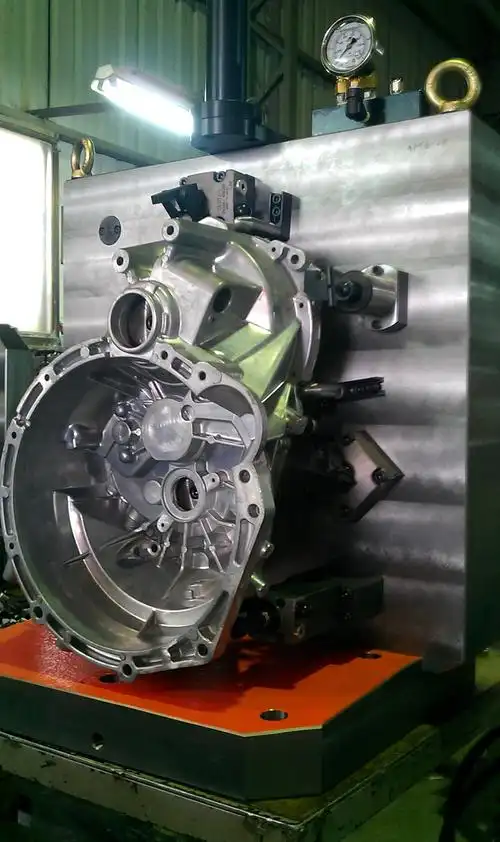
การจัดวางแกนและการกำหนดแนวของเครื่องจักร
คุณได้เลือกระหว่างการควบคุมแบบแมนนวลและแบบ CNC แล้ว—ตอนนี้มาถึงอีกหนึ่งข้อกำหนดที่ส่งผลกระทบอย่างมากต่อสิ่งที่เครื่องจักรกลของคุณสามารถผลิตได้จริง เมื่อผู้ผลิตระบุว่าเป็น "เครื่อง CNC แบบ 3 แกน", "เครื่อง CNC แบบ 4 แกน" หรือ "เครื่อง CNC แบบ 5 แกน" ในสเปกของพวกเขา นั่นหมายถึงจำนวนทิศทางที่เครื่องมือตัดและชิ้นงานสามารถเคลื่อนที่สัมพันธ์กันได้ ยิ่งมีจำนวนแกนมากเท่าไร ความสามารถก็ยิ่งสูงขึ้นเท่านั้น แต่ในขณะเดียวกันก็ยิ่งซับซ้อนและมีต้นทุนสูงขึ้นด้วย
ลองนึกภาพเช่นนี้: เครื่องกัด CNC แบบ 3 แกนทำงานคล้ายกับการวาดภาพบนกระดาษ—คุณสามารถขยับไปทางซ้าย-ขวา ไปข้างหน้า-ข้างหลัง และยกดินสอขึ้น-ลง แต่เมื่อเพิ่มจำนวนแกนเข้าไปอีก คุณจะสามารถแกะสลักในมิติทั้งสามได้จากทุกมุมมองทันที มาดูกันว่าแต่ละรูปแบบการจัดวางนั้นให้ความสามารถอะไรบ้าง
ทำความเข้าใจพื้นฐานของระบบ 3 แกน
เครื่องกัด CNC ทุกเครื่องเริ่มต้นด้วยแกนการเคลื่อนที่เชิงเส้นสามแกน ได้แก่ แกน X, Y และ Z โดยทั่วไปแล้ว แกน X จะทำให้โต๊ะขยับไปทางซ้ายและขวา แกน Y จะทำให้โต๊ะขยับไปข้างหน้าและข้างหลัง ส่วนแกน Z จะยกหรือลดหัวกัดขึ้นลงในแนวดิ่ง ทั้งสามการเคลื่อนที่นี้ร่วมกันสามารถดำเนินการงานกัดส่วนใหญ่ที่คุณจะพบเจอได้
ตาม คู่มือเปรียบเทียบแกนของ CNC Cookbook , การกัดแบบ 3 แกนเหมาะที่สุดสำหรับการกัดรูปทรงแบบระนาบ การเจาะรู และการตัดเกลียวที่อยู่ในแนวเดียวกับแกนใดแกนหนึ่ง วิธีการนี้ใช้งานได้ดีเยี่ยมสำหรับชิ้นส่วนที่มีลักษณะต่าง ๆ ซึ่งสามารถเข้าถึงได้จากทิศทางเดียวเท่านั้น เช่น พื้นผิวเรียบ ร่องเว้า (pockets) ร่อง (slots) และรูที่เจาะตรงลงมา
คุณสามารถทำอะไรได้บ้างด้วยความสามารถของ CNC แบบ 3 แกน?
- การกัดพื้นผิวเรียบและการกัดแบบ face milling
- การเจาะรู การตัดเกลียว และการกัดขยายรูในแนวดิ่ง
- การสร้างร่องเว้า ร่อง และโพรงสี่เหลี่ยมผืนผ้า
- การกัดตามรูปทรง 2.5D ที่มีความลึกแบบขั้นบันได
- การผลิต undercut แบบง่าย ๆ โดยใช้ดอกกัดแบบ T-slot หรือ dovetail
ข้อจำกัดคืออะไร? เมื่อชิ้นส่วนของคุณต้องการฟีเจอร์บนหลายด้านหรือพื้นผิวที่เอียง คุณจะต้องหยุดการทำงาน ปรับตำแหน่งชิ้นงานใหม่ และตั้งค่าเครื่องอีกครั้ง การตั้งค่าเพิ่มเติมแต่ละครั้งอาจก่อให้เกิดความคลาดเคลื่อนในการจัดแนว และใช้เวลาการผลิตที่มีค่าไปอย่างมาก สำหรับชิ้นส่วนที่เรียบง่ายและงานขนาดเล็ก การแลกเปลี่ยนแบบนี้ยังคงยอมรับได้—เครื่องจักรแบบ 3 แกนต้นทุนต่ำกว่า โปรแกรมได้ง่ายกว่า และสามารถทำงานที่ตรงไปตรงมาได้อย่างมีประสิทธิภาพ
พลังของการกลึงแบบ 5 แกนพร้อมกัน
ลองจินตนาการดูว่า หัวมีดตัดกำลังเข้าใกล้ชิ้นงานของคุณจากมุมใดก็ได้เกือบทั้งหมด—โดยสามารถเอียง หมุน และปรับตำแหน่งใหม่ได้ในขณะที่ยังคงทำการตัดอยู่ นี่คือการกลึงแบบ 5 แกนที่กำลังดำเนินการอยู่จริง และมันเปลี่ยนแปลงสิ่งที่เป็นไปได้ทั้งหมดในการตั้งค่าเครื่องเพียงครั้งเดียว
ศูนย์เครื่องจักร CNC แบบ 5 แกน เพิ่มแกนหมุนอีกสองแกนเข้าไปในแกนเชิงเส้นมาตรฐานสามแกน แกนหมุนเหล่านี้โดยทั่วไปจะหมุนรอบแกน A (หมุนรอบแกน X), แกน B (หมุนรอบแกน Y) หรือแกน C (หมุนรอบแกน Z) ซึ่งการจัดวางโครงสร้างของเครื่องแต่ละแบบอาจใช้การรวมกันของแกนหมุนที่แตกต่างกัน โดยการหมุนอาจเกิดขึ้นที่ชิ้นงานหรือที่หัวกัด (spindle head)
ตามการวิเคราะห์ของบริษัท B&G Manufacturing การกลึงด้วยเครื่อง CNC แบบ 5 แกนจะเพิ่มการหมุนรอบอีกสองแกน ทำให้เครื่องมือสามารถเข้าใกล้ชิ้นงานจากมุมใดๆ ก็ได้เกือบทั้งหมด ช่วงการเคลื่อนไหวที่กว้างขึ้นนี้นำมาซึ่งข้อได้เปรียบที่ชัดเจนหลายประการ:
- การผลิตเสร็จสมบูรณ์ในครั้งเดียวโดยไม่ต้องเปลี่ยนการจับยึด — รูปทรงเรขาคณิตที่ซับซ้อนซึ่งก่อนหน้านี้จำเป็นต้องใช้แม่พิมพ์หรืออุปกรณ์ยึดจับหลายชุด สามารถผลิตเสร็จได้ภายในการจับยึดเพียงครั้งเดียว
- ความแม่นยำที่เพิ่มขึ้น — การตั้งค่าที่น้อยลงหมายถึงโอกาสในการจัดแนวผิดพลาดและข้อผิดพลาดจากมนุษย์ลดลง
- ความเรียบเนียนของผิวที่ดีขึ้น — การเคลื่อนที่ของเครื่องมืออย่างต่อเนื่องและมุมการตัดที่เหมาะสมที่สุดช่วยลดรอยเครื่องมือ
- อายุการใช้งานของเครื่องมือ — การรักสมุมการตัดที่เหมาะสมที่สุดช่วยลดการสึกหรอและยืดเวลาการทำงานของเครื่องจักร
- การเข้าถึงรูปทรงเรขาคณิตที่ซับซ้อน — การทำร่องลึก (undercuts), มุมประกอบ (compound angles) และพื้นผิวที่มีรูปทรงซับซ้อน (sculptured surfaces) สามารถทำได้
แล้วเครื่องจักรแบบ 4 แกนล่ะ? เครื่องจักรประเภทนี้อยู่ตรงกลางระหว่างเครื่อง 3 แกนกับ 5 แกน โดยเพิ่มแกนหมุนเพียงหนึ่งแกน คือแกน A ซึ่งหมุนรอบแกน X ซึ่งช่วยให้สามารถตัดอย่างต่อเนื่องตามส่วนโค้ง (arcs), เกลียว (helixes) และลักษณะต่าง ๆ บนพื้นผิวทรงกระบอกได้ ตามที่เว็บไซต์ CNC Cookbook ระบุไว้ ความสามารถของเครื่องจักรแบบ 4 แกนช่วยให้สามารถขึ้นรูปชิ้นงานที่มีลักษณะเอียงและโปรไฟล์ที่ซับซ้อน เช่น ส่วนลูกเบี้ยว (cam lobes) ซึ่งหากใช้เครื่องจักรแบบ 3 แกนจะต้องจัดวางชิ้นงานหลายครั้ง
การเลือกจำนวนแกนให้สอดคล้องกับความซับซ้อนของชิ้นงาน
แม้จำนวนแกนที่มากขึ้นจะฟังดูดีกว่า แต่ก็มาพร้อมกับข้อเสียที่แท้จริง ได้แก่ ความซับซ้อนในการเขียนโปรแกรมที่เพิ่มขึ้นอย่างมีนัยสำคัญ ต้นทุนอุปกรณ์ที่สูงขึ้น และไม่ใช่ทุกชิ้นงานที่จำเป็นต้องใช้ความสามารถระดับนั้น
นี่คือแนวทางในการเลือกจำนวนแกนให้สอดคล้องกับความต้องการที่แท้จริงของคุณ:
การใช้งานเครื่องจักรแบบ 3 แกน:
- ชิ้นงานเชิงปริภูมิ (prismatic parts) ที่มีลักษณะต่าง ๆ อยู่บนด้านเดียวหรือสองด้าน
- แผ่นเรียบ โครงยึด (brackets) และเปลือกหุ้มแบบง่าย ๆ
- ฐานแม่พิมพ์และแผ่นยึดอุปกรณ์จับยึด (fixture plates)
- การสร้างต้นแบบทั่วไปและการทำงานในโรงงานรับจ้างผลิต (job shop)
การใช้งานแบบ 4 แกน:
- ชิ้นส่วนทรงกระบอกที่ต้องการลักษณะพิเศษด้านข้าง
- รูปทรงคันส่ง (cam profiles) และเรขาคณิตแบบเกลียว (helical geometries)
- ชิ้นส่วนที่ต้องการลักษณะพิเศษที่จัดวางในมุมเฉพาะ
- ชิ้นส่วนระดับความซับซ้อนปานกลางที่ผลิตในปริมาณมาก
การใช้งานแบบ 5 แกน:
- ชิ้นส่วนอวกาศยาน เช่น ใบพัดเทอร์ไบน์และโครงรับรองรับ
- อุปกรณ์ฝังในทางการแพทย์ที่มีผิวโค้งตามรูปร่าง
- แม่พิมพ์และแม่พิมพ์ตัดที่มีความซับซ้อนสูงพร้อมโพรงลึก
- อุปกรณ์กังหัน ใบพัด และผิวที่มีรูปทรงซับซ้อน
นอกเหนือจากจำนวนแกนแล้ว การจัดวางแนวของเครื่องจักรก็มีความสำคัญอย่างมาก ซึ่ง ศูนย์การกลึงแนวตั้ง มีแกนหมุนตั้งอยู่ในแนวดิ่ง—เหมาะอย่างยิ่งสำหรับงานแม่พิมพ์/ขึ้นรูป งานกลึงทั่วไป และสถานการณ์ที่แรงโน้มถ่วงช่วยในการระบายเศษโลหะออกจากพื้นผิวที่อยู่ในแนวราบ ขณะที่ ศูนย์การกลึงแนวนอน มีแกนหมุนตั้งอยู่ในแนวขนานกับพื้น ซึ่งให้ประสิทธิภาพในการระบายเศษโลหะได้ดีกว่าสำหรับงานเจาะร่องลึก และสามารถเข้าถึงด้านต่าง ๆ ของชิ้นงานได้ดีขึ้น
ศูนย์กลึงแนวตั้งโดยทั่วไปมีราคาถูกกว่าและใช้พื้นที่ติดตั้งน้อยกว่า จึงเป็นที่นิยมในโรงงานรับจ้างและโรงงานขนาดเล็ก ในทางกลับกัน ศูนย์กลึงแนวนอนเหมาะอย่างยิ่งสำหรับสภาพแวดล้อมการผลิตแบบต่อเนื่อง โดยใช้แท่นยึดชิ้นงานแบบ 'tombstone' ซึ่งสามารถยึดชิ้นงานได้หลายชิ้นพร้อมกัน เพื่อเพิ่มประสิทธิภาพการใช้งานแกนหมุนและปริมาณการผลิตให้สูงสุด การเลือกระหว่างสองแนวการจัดวางนี้ขึ้นอยู่กับรูปทรงเรขาคณิตของชิ้นงานที่คุณผลิตโดยทั่วไป ปริมาณการผลิต และข้อจำกัดด้านพื้นที่บนพื้นโรงงาน
การเข้าใจรูปแบบการจัดเรียงแกน (axis configurations) จะช่วยให้คุณอ่านข้อมูลจำเพาะได้อย่างชาญฉลาด—แต่ข้อมูลจำเพาะเหล่านั้นยังประกอบด้วยตัวเลขอื่นๆ อีกหลายค่า ซึ่งส่งผลโดยตรงต่อสิ่งที่คุณสามารถผลิตได้จริง ความเร็วของหัวกัด (spindle speeds), พื้นที่ทำงาน (work envelopes), และความสามารถในการควบคุมความคลาดเคลื่อน (tolerance capabilities) ล้วนเป็นองค์ประกอบสำคัญที่ทำให้ภาพรวมสมบูรณ์
ข้อมูลจำเพาะหลักที่กำหนดศักยภาพของเครื่องจักร
คุณได้สำรวจประเภทของเครื่องจักร วิธีการควบคุม และรูปแบบการจัดเรียงแกนแล้ว ตอนนี้มาถึงส่วนที่มักทำให้ผู้ซื้อเกิดความสับสนบ่อยครั้ง—นั่นคือแผ่นข้อมูลจำเพาะที่เต็มไปด้วยตัวเลข ความเร็วของหัวกัดที่ 12,000 รอบต่อนาที (RPM) แท้จริงแล้วหมายความว่าอย่างไรต่อโครงการของคุณ? มิติของพื้นที่ทำงานจำกัดสิ่งที่คุณจะผลิตได้อย่างไร? และเมื่อผู้ผลิตระบุค่าความคลาดเคลื่อนเป็นเศษพันของนิ้ว (thousandths of an inch) แล้ว ค่านั้นแปลงเป็นคุณภาพในโลกแห่งความเป็นจริงได้อย่างไร?
การเข้าใจข้อมูลจำเพาะเหล่านี้จะแยกแยะผู้ซื้อที่มีความรู้อย่างแท้จริงออกจากผู้ที่ใช้จ่ายเกินความจำเป็นสำหรับศักยภาพที่ไม่เคยใช้งานเลย—หรือแย่กว่านั้น คือซื้อเครื่องจักรที่ไม่สามารถรองรับความต้องการจริงของตนได้ ลองมาถอดรหัสความหมายของตัวเลขเหล่านี้ในเชิงปฏิบัติจริงกัน
ความเร็วของเพลาหมุนและความเข้ากันได้กับวัสดุ
เพลาหมุนคือหัวใจสำคัญของเครื่องกัด CNC หรือเครื่องกัดทุกชนิด โดยทำหน้าที่ยึดและหมุนเครื่องมือตัดของคุณ และช่วงความเร็วของเพลาหมุนจะกำหนดโดยตรงว่าคุณสามารถขึ้นรูปวัสดุใดได้อย่างมีประสิทธิภาพ รวมถึงคุณภาพผิวที่ได้จากการกัด
นี่คือความสัมพันธ์พื้นฐาน: วัสดุที่แข็งกว่าจำเป็นต้องใช้ความเร็วของเพลาหมุนที่ต่ำกว่าแต่มีแรงบิดสูงกว่า ในขณะที่วัสดุที่นุ่มกว่าจะให้ผลลัพธ์ที่ดีกว่าเมื่อใช้ความเร็วสูง เหตุใดจึงเป็นเช่นนั้น? เพราะการตัดจะสร้างความร้อน วัสดุที่แข็งอย่างเหล็กและไทเทเนียมมีความต้านทานต่อการตัดอยู่แล้ว และหากใช้ความเร็วสูงเกินไปจะทำให้เกิดความร้อนสะสมอย่างรุนแรง ซึ่งส่งผลเสียต่อทั้งเครื่องมือตัดและชิ้นงาน สำหรับวัสดุที่นุ่มกว่า เช่น อลูมิเนียม จะสามารถกระจายความร้อนได้ดีกว่า จึงสามารถตัดด้วยความเร็วสูงขึ้นโดยไม่เกิดปัญหาจากความร้อน
ตาม คู่มือการเลือกเพลาหมุนของ Gowico , เพลาหมุนความเร็วสูงเหมาะสำหรับงานละเอียดและประณีต ในขณะที่เพลาหมุนแรงบิดสูงเหมาะสำหรับงานกัดและขึ้นรูปแบบหนัก การเลือกระหว่างความเร็วกับแรงบิดไม่ใช่เรื่องตามอำเภอใจ — แต่ถูกกำหนดโดยหลักฟิสิกส์
ความเร็วของเพลาหมุนแบบใดเหมาะสมกับวัสดุแต่ละชนิด?
- อลูมิเนียมและพลาสติก: 10,000–24,000+ รอบต่อนาที — ความเร็วสูงพร้อมการตัดที่เบากว่าให้ผิวงานที่ยอดเยี่ยม
- ทองเหลืองและบรอนซ์: 3,000–10,000 รอบต่อนาที — ความเร็วปานกลางช่วยสมดุลระหว่างประสิทธิภาพการตัดกับคุณภาพผิวงาน
- เหล็กอ่อน: 1,500–5,000 รอบต่อนาที — ความเร็วต่ำพร้อมแรงบิดที่เพิ่มขึ้นช่วยป้องกันไม่ให้เครื่องมือร้อนจัด
- สแตนเลสสตีลและไทเทเนียม: 500–2,000 รอบต่อนาที — การตัดแบบช้าแต่ทรงพลังช่วยควบคุมความร้อนและการสึกหรอของเครื่องมือ
นอกเหนือจากความเร็วเชิงตัวเลขแล้ว ควรพิจารณาระบบขับเคลื่อนแกนหมุน (spindle drive system) ด้วย แกนหมุนแบบใช้สายพาน (belt-driven spindles) มีความยืดหยุ่นและคุ้มค่าสำหรับงานทั่วไป ขณะที่แกนหมุนแบบต่อตรง (inline or direct-drive spindles) ให้ความแม่นยำและความเร็วสูงกว่า เหมาะสำหรับงานตกแต่งผิวงานอย่างละเอียด ส่วนแกนหมุนแบบใช้เกียร์ (gear-driven spindles) เหมาะสำหรับงานกัดแบบหนักบนวัสดุที่แข็งแกร่ง เพราะให้แรงบิดสูงโดยไม่ลดทอนความทนทาน
เครื่องกัดแนวนอนที่ใช้ในการผลิตชิ้นส่วนเหล็กต้องการคุณลักษณะของแกนหมุน (spindle) ที่แตกต่างจากเครื่องกัดแนวตั้งที่ออกแบบมาเฉพาะสำหรับต้นแบบอะลูมิเนียม ดังนั้น ควรเลือกข้อกำหนดของแกนหมุนให้สอดคล้องกับวัสดุหลักที่คุณใช้งานเป็นประจำ ไม่ใช่เพียงแค่วัสดุที่หนักที่สุดซึ่งคุณอาจใช้เพียงบางครั้งเท่านั้น
การถอดรหัสขนาดพื้นที่ทำงาน (Work Envelope Dimensions)
พื้นที่ทำงาน (work envelope) ซึ่งยังเรียกกันอีกอย่างว่า การเคลื่อนที่ของโต๊ะ (table travel) หรือ การเคลื่อนที่ตามแกน (axis travel) คือ ขนาดชิ้นงานสูงสุดที่เครื่องจักรของคุณสามารถผลิตได้ ซึ่งไม่เหมือนกับขนาดของโต๊ะโดยตรง เครื่องกัดแบบตั้งโต๊ะ (benchtop milling machine) อาจมีโต๊ะขนาด 6 นิ้ว × 24 นิ้ว แต่กลับมีระยะการเคลื่อนที่จริงเพียง 12 นิ้ว × 6 นิ้วเท่านั้น ดังนั้น ระยะการเคลื่อนที่นี้จึงเป็นตัวจำกัดขอบเขตของชิ้นงานที่คุณสามารถกัดได้จริง
ตามคู่มือการเลือกขนาดเครื่อง CNC ของ Global Precision การทราบข้อจำกัดด้านขนาดล่วงหน้าจะช่วยป้องกันปัญหาที่ไม่คาดคิด และรับประกันความราบรื่นของกระบวนการผลิต ทั้งนี้ คู่มือดังกล่าวระบุช่วงพื้นที่ทำงานโดยทั่วไปสำหรับแต่ละประเภทของเครื่องจักรไว้ดังนี้
- เครื่องกัดแบบตั้งโต๊ะ/ขนาดเล็ก (Benchtop/mini milling machines): แกน X: 6–12 นิ้ว, แกน Y: 3–6 นิ้ว, แกน Z: 10–14 นิ้ว
- เครื่องกัดแนวตั้งขนาดกลาง (Mid-size vertical mills): แกน X: 20–40 นิ้ว, แกน Y: 12–20 นิ้ว, แกน Z: 16–24 นิ้ว
- ศูนย์เครื่องจักรอุตสาหกรรม (Industrial machining centers): X: 40 นิ้ว–120 นิ้วขึ้นไป, Y: 20 นิ้ว–60 นิ้วขึ้นไป, Z: 20 นิ้ว–40 นิ้วขึ้นไป
แต่ขนาดดิบๆ ไม่ได้บอกเรื่องราวทั้งหมด โปรดพิจารณาปัจจัยเชิงปฏิบัติเหล่านี้:
- ระยะห่างระหว่างแกนหมุนกับโต๊ะเครื่องจักร: ชิ้นงานที่สูงหรืออุปกรณ์ตัดที่ยาวจะลดความสามารถในการเคลื่อนที่ตามแกน Z ที่ใช้งานได้จริงของคุณ
- ความต้องการสำหรับอุปกรณ์ยึดชิ้นงาน: ขาจับแบบไวก์ (vise), แคลมป์ และอุปกรณ์ยึดชิ้นงานอื่นๆ จะใช้พื้นที่ภายในปริภูมิการทำงาน
- ความยาวของอุปกรณ์ตัด: อุปกรณ์ตัดที่ยาวขึ้นซึ่งเข้าไปในร่องลึกจะลดระยะการเคลื่อนที่ตามแกน Z ที่ใช้งานได้
- ทิศทางการวางชิ้นส่วน: บางครั้งการหมุนชิ้นงาน 90° อาจทำให้ชิ้นงานพอดีกับปริภูมิการทำงานที่เล็กลง
เครื่องจักรความแม่นยำที่มีขนาดปริภูมิการทำงานกว้างขวางจะมอบความยืดหยุ่น แต่คุณต้องจ่ายค่าความจุนั้นไม่ว่าจะใช้งานเต็มที่หรือไม่ก็ตาม ดังนั้นควรประเมินความต้องการของคุณอย่างตรงไปตรงมา หากชิ้นงาน 90% ของคุณสามารถใส่พอดีกับปริภูมิการทำงานของเครื่องกัดขนาดมินิได้ นั่นน่าจะเป็นตัวเลือกที่เหมาะสมที่สุดสำหรับคุณ แม้ว่าบางครั้งชิ้นงานที่ใหญ่กว่านั้นอาจจำเป็นต้องส่งออกเพื่อประมวลผลโดยผู้ให้บริการภายนอก
การเข้าใจข้อกำหนดของค่าคลาดเคลื่อน
เมื่อผู้ผลิตโฆษณาค่าความคลาดเคลื่อน (tolerances) ที่ ±0.001 นิ้ว หรือ ±0.0005 นิ้ว สิ่งนั้นหมายความว่าอย่างไรต่อชิ้นส่วนของคุณ? ค่าความคลาดเคลื่อนกำหนดขอบเขตของความแปรผันเชิงมิติที่เครื่องจักรสามารถควบคุมได้อย่างเชื่อถือได้ ค่าความคลาดเคลื่อนที่แคบลงหมายถึงความแม่นยำที่สูงขึ้น — และโดยทั่วไปแล้ว ต้นทุนก็จะสูงขึ้นด้วย
นี่คือบริบทของช่วงค่าความคลาดเคลื่อนที่พบได้ทั่วไป:
- ±0.005 นิ้ว (±0.127 มม.): การกลึงทั่วไป ความพอดีแบบไม่สำคัญ (non-critical fits) ชิ้นส่วนโครงสร้าง
- ±0.001 นิ้ว (±0.025 มม.): งานความแม่นยำสูง ความพอดีแบบเลื่อน (sliding fits) รูสำหรับแบริ่ง (bearing bores) ความสามารถทั่วไปของเครื่อง CNC
- ±0.0005 นิ้ว (±0.0127 มม.): การใช้งานที่ต้องการความแม่นยำสูง เช่น อุตสาหกรรมการบินและอวกาศ อุปกรณ์ทางการแพทย์
- ±0.0001 นิ้ว (±0.0025 มม.): ความแม่นยำสูงพิเศษ ชิ้นส่วนออปติคัล การกัดแบบพิเศษ (specialized grinding operations)
ข้อกำหนดทางเทคนิคของเครื่องจักรระบุค่าความคลาดเคลื่อนที่สามารถทำได้ แต่ผลลัพธ์ในโลกแห่งความเป็นจริงขึ้นอยู่กับปัจจัยหลายประการ ได้แก่ ความเสถียรทางอุณหภูมิ สภาพของเครื่องมือ ความสม่ำเสมอของวัสดุ และทักษะของผู้ปฏิบัติงาน เครื่องจักรที่สามารถทำค่าความคลาดเคลื่อนได้ถึง ±0.0005 นิ้ว จะไม่สามารถให้ความแม่นยำระดับนั้นได้ หากเครื่องมือสึกหรอ อุณหภูมิเปลี่ยนแปลงอย่างรวดเร็ว หรือการตั้งค่าไม่เหมาะสม
ช่วงข้อกำหนดตามประเภทเครื่องจักร
การเปรียบเทียบนี้แสดงให้เห็นว่าข้อกำหนดมักมีการขยายสเกลตามประเภทของเครื่องจักรอย่างไร:
| หมวดหมู่ | ช่วงความเร็วของสปินเดิล | พื้นที่ทำงาน (Work Envelope) (X × Y × Z) | ความคลาดเคลื่อนทั่วไป |
|---|---|---|---|
| เครื่องมิลเลอร์แบบตั้งโต๊ะ | 100–2,500 รอบต่อนาที (แบบปรับด้วยมือ) 5,000–10,000 รอบต่อนาที (ระบบควบคุมด้วยคอมพิวเตอร์เชิงตัวเลข) |
6"–12" × 3"–6" × 10"–14" | ±0.002" ถึง ±0.005" |
| เครื่องกัดแนวตั้งขนาดกลาง | 50–6,000 รอบต่อนาที (ปรับได้) | 20"–40" × 12"–20" × 16"–24" | ±0.001" ถึง ±0.002" |
| ศูนย์กลึงอุตสาหกรรม | 50–15,000+ รอบต่อนาที (ตัวเลือกความเร็วสูงสุดถึง 40,000+ รอบต่อนาที) | 40"–120"+ × 20"–60"+ × 20"–40"+ | ±0.0002 นิ้ว ถึง ±0.001 นิ้ว |
สังเกตเห็นหรือไม่ว่าเครื่องจักรอุตสาหกรรมให้ทั้งช่วงความเร็วที่กว้างขึ้นและค่าความคลาดเคลื่อนที่แคบลง? ความยืดหยุ่นนี้เกิดจากโครงสร้างที่แข็งแรง ตลับลูกปืนที่แม่นยำ ระบบชดเชยอุณหภูมิ และระบบควบคุมขั้นสูง ซึ่งทั้งหมดนี้เพิ่มต้นทุนแต่ทำให้สามารถทำงานได้ในระดับที่เครื่องขนาดเล็กบนโต๊ะทำงานไม่สามารถเทียบเคียงได้
เมื่อประเมินข้อกำหนดทางเทคนิค ควรหลีกเลี่ยงการซื้อเครื่องที่มีศักยภาพสูงสุดเกินความจำเป็น เครื่องกัดขนาดเล็กที่สามารถรองรับงานทั่วไปของคุณได้ตามความแม่นยำที่เพียงพอ จะมีต้นทุนในการจัดซื้อ การดำเนินงาน และการบำรุงรักษาน้อยกว่าเครื่องขนาดใหญ่เกินความจำเป็นที่ทำงานอยู่ต่ำกว่าศักยภาพสูงสุดของมัน ดังนั้น ควรเลือกข้อกำหนดทางเทคนิคให้สอดคล้องกับความต้องการการผลิตจริงของคุณ โดยเหลือพื้นที่สำหรับการขยายตัวในอนาคตอย่างเหมาะสม โดยไม่ต้องจ่ายเงินเพิ่มสำหรับความสามารถที่คุณจะไม่ได้ใช้งานเลย
เมื่อทำความเข้าใจข้อมูลจำเพาะที่ถอดรหัสแล้ว ขั้นตอนต่อไปคือการเชื่อมโยงตัวเลขเหล่านี้เข้ากับสถานการณ์เฉพาะของคุณ—ไม่ว่าคุณจะเป็นผู้ชื่นชอบงานฝีมือที่กำลังสำรวจตัวเลือกต่าง ๆ เป็นธุรกิจขนาดเล็กที่ประเมินเครื่องจักรสำหรับใช้งาน หรือเป็นโรงงานผลิตที่กำลังจัดหาเครื่องจักรที่มีความสามารถในการผลิตอย่างเชื่อถือได้
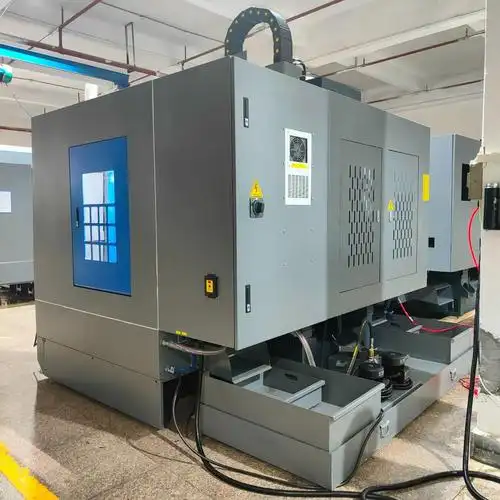
การเลือกเครื่องจักรกลที่เหมาะสมกับความต้องการของคุณ
คุณเข้าใจประเภทของเครื่องจักร วิธีการควบคุม การจัดเรียงแกน (axis) และข้อมูลจำเพาะต่าง ๆ แล้ว บัดนี้มาถึงการตัดสินใจที่สำคัญที่สุด: เครื่องจักรใดที่สอดคล้องกับความต้องการจริงของคุณอย่างแท้จริง ของคุณ สถานการณ์ของคุณ? ผู้ชื่นชอบงานฝีมือที่สร้างสรรค์โครงการพิเศษในโรงรถมีความต้องการที่แตกต่างโดยสิ้นเชิงจากโรงงานผลิตที่ดำเนินการผลิตชิ้นส่วนยานยนต์ตลอด 24 ชั่วโมง การเลือกอย่างชาญฉลาดหมายถึงการจับคู่ศักยภาพของเครื่องจักรให้สอดคล้องกับความต้องการที่แท้จริง ไม่ใช่ศักยภาพในอุดมคติที่คุณอาจนำไปใช้ในอนาคต
ไม่ว่าคุณจะกำลังพิจารณาเครื่อง CNC แบบตั้งโต๊ะสำหรับโครงการในวันหยุดสุดสัปดาห์ หรือประเมินเครื่องจักรระดับอุตสาหกรรมสำหรับสายการผลิตใหม่ กรอบการเลือกนี้จะช่วยให้คุณตัดสินใจได้อย่างมีประสิทธิภาพ โดยไม่ใช้จ่ายเกินความจำเป็น หรือเลือกเครื่องจักรที่มีสมรรถนะต่ำกว่าความต้องการ
การจับคู่ระดับของเครื่องจักรกับปริมาณการผลิตของคุณ
ปริมาณการผลิตของคุณเป็นตัวกำหนดทุกสิ่งที่เหลือทั้งหมด เครื่อง CNC สำหรับไม้ที่ใช้ผลิตป้ายแบบกำหนดเองสำหรับธุรกิจในท้องถิ่นนั้นดำเนินงานอยู่ในโลกที่แตกต่างโดยสิ้นเชิง เมื่อเทียบกับศูนย์เครื่องจักรที่ผลิตโครงยึดแบบเหมือนกันจำนวนหลายพันชิ้นต่อสัปดาห์ ลองพิจารณาผู้ใช้งานสามกลุ่มที่แตกต่างกัน และสิ่งที่แต่ละกลุ่มต้องการจริง ๆ
การใช้งานสำหรับงานอดิเรกและผู้สร้างสรรค์
หากคุณกำลังสำรวจเครื่อง CNC สำหรับโครงการส่วนตัว ต้นแบบ หรืองานแบบกำหนดเองในปริมาณน้อย เครื่องกัด CNC แบบตั้งโต๊ะ (desktop CNC mill) ถือเป็นจุดเริ่มต้นที่เข้าถึงได้ง่าย ตาม คู่มือการซื้อเครื่อง CNC ปี 2025 ของ Barton CNC เครื่อง CNC ระดับเริ่มต้นมีราคาเริ่มต้นที่ประมาณ 1,000 ดอลลาร์สหรัฐฯ ขณะที่เครื่องระดับพรีเมียมสำหรับใช้ในบ้านอาจมีราคาสูงถึงหลายพันดอลลาร์สหรัฐฯ เครื่องเหล่านี้สามารถทำงานกับไม้ พลาสติก อะลูมิเนียม และโลหะชนิดอ่อนได้อย่างมีประสิทธิภาพ
อะไรคือเกณฑ์ที่กำหนดว่าอุปกรณ์นั้นเหมาะสมสำหรับผู้ใช้งานระดับฮอบบี้
- พื้นที่ทำงานที่เล็กกว่า (โดยทั่วไปมีขนาดไม่เกิน 12 นิ้ว × 12 นิ้ว)
- กำลังหมุนของแกนหลักต่ำกว่า เหมาะสำหรับวัสดุที่เบากว่า
- ระบบควบคุมที่เรียบง่ายและซอฟต์แวร์ที่ใช้งานง่ายสำหรับผู้เริ่มต้น
- ขนาดร่างกายที่เหมาะสมสำหรับการติดตั้งในโรงรถหรือห้องใต้ดิน
- ความต้องการพลังงานที่จัดการได้ (ใช้กับวงจรไฟฟ้าภายในบ้านมาตรฐาน)
เครื่อง CNC แบบ Router ครองส่วนแบ่งตลาดในหมวดหมู่นี้อย่างเด่นชัด โดยมีจุดแข็งในการประมวลผลไม้ด้วยเครื่องจักร CNC สำหรับงานต่าง ๆ เช่น ป้ายโฆษณา ชิ้นส่วนเฟอร์นิเจอร์ และของตกแต่ง ขณะที่เครื่องกัดขนาดเล็ก (mini mill) เพิ่มความสามารถในการตัดโลหะสำหรับผู้ใช้งานที่ต้องการขยายขอบเขตงานไปยังวัสดุอื่นนอกเหนือจากไม้และพลาสติก
ธุรกิจขนาดเล็กและร้านต้นแบบ
เมื่อคุณผลิตชิ้นส่วนเพื่อจำหน่ายให้ลูกค้า หรือพัฒนาผลิตภัณฑ์เพื่อนำออกสู่ตลาด ความน่าเชื่อถือและความสามารถในการทำซ้ำได้อย่างแม่นยำจะกลายเป็นสิ่งสำคัญยิ่ง คุณจึงจำเป็นต้องมีอุปกรณ์ที่สามารถทำงานได้อย่างต่อเนื่องตลอดรอบการทำงานที่ยาวนาน โดยไม่ลดทอนความแม่นยำ
ระดับกลางนี้ทำหน้าที่เป็นสะพานเชื่อมระหว่างความเข้าถึงได้ง่ายสำหรับผู้ใช้งานระดับฮอบบี้ กับศักยภาพในการใช้งานเชิงอุตสาหกรรม เครื่องจักรในกลุ่มนี้มักมีคุณสมบัติดังต่อไปนี้:
- พื้นที่ทำงานที่กว้างขึ้น เพื่อรองรับโครงการที่หลากหลาย
- กำลังและช่วงความเร็วของแกนหมุน (spindle) ที่สูงขึ้น เพื่อรองรับวัสดุชนิดต่าง ๆ
- โครงสร้างที่แข็งแรงและมั่นคงมากขึ้น เพื่อรักษาความแม่นยำแม้ภายใต้ภาระงานหนัก
- ระบบนิเวศการสนับสนุนที่ดีขึ้น ทั้งแหล่งทรัพยากรการฝึกอบรมและการช่วยเหลือทางเทคนิค
ตาม คู่มือการซื้อของ YCM Alliance สำหรับโครงการงานอดิเรก สามารถใช้ความเร็วในการตัดที่ช้ากว่าได้ แต่การผลิตเชิงพาณิชย์นั้นต้องการประสิทธิภาพและความน่าเชื่อถืออย่างยิ่ง งานปริมาณสูงจำเป็นต้องใช้เครื่องจักรที่มีโครงสร้างแข็งแรง เพื่อรองรับการปฏิบัติงานอย่างต่อเนื่องโดยไม่เกิดข้อขัดข้องบ่อยครั้ง
การผลิต
สภาพแวดล้อมเชิงอุตสาหกรรมต้องการเครื่องจักรที่ออกแบบมาเพื่อทำงานอย่างต่อเนื่อง ควบคุมความคลาดเคลื่อนให้แม่นยำ และมีกระบวนการประกันคุณภาพที่ได้รับการบันทึกไว้อย่างชัดเจน อุปกรณ์ระดับการผลิตนั้นมีโครงสร้างหล่อหนัก รางเลื่อนแบบแม่นยำ การชดเชยอุณหภูมิ และระบบควบคุมขั้นสูง ซึ่งทำให้ราคาสูงกว่ามากอย่างมีน้ำหนัก
ในระดับนี้ การรับรองมาตรฐานมีความสำคัญอย่างยิ่ง ผู้จัดจำหน่ายชิ้นส่วนยานยนต์ต้องมีใบรับรองระบบการจัดการคุณภาพ IATF 16949 ผู้ผลิตอุปกรณ์การบินและอวกาศต้องปฏิบัติตามมาตรฐาน AS9100 ส่วนการผลิตอุปกรณ์ทางการแพทย์ต้องเป็นไปตามข้อกำหนด ISO 13485 การเลือกอุปกรณ์ของคุณจึงต้องสนับสนุนการจัดทำเอกสาร การติดตามย้อนกลับ และการควบคุมกระบวนการ ตามที่มาตรฐานเหล่านี้กำหนด
พิจารณาด้านงบประมาณนอกเหนือจากราคาซื้อ
รายการเครื่อง CNC สำหรับขายนี้แสดงราคาเพียงตัวเลขเดียว — แต่ราคาซื้อเป็นเพียงส่วนหนึ่งของค่าใช้จ่ายจริงทั้งหมดที่คุณจะลงทุน ต้นทุนรวมในการถือครอง (Total Cost of Ownership) ประกอบด้วยปัจจัยต่าง ๆ ที่สะสมขึ้นเรื่อย ๆ ตลอดหลายปีของการดำเนินงาน
หมวดหมู่ค่าใช้จ่ายที่จำเป็น:
- เครื่องมือ: เครื่องมือตัด อุปกรณ์ยึดชิ้นงาน และเครื่องมือวัด เพิ่มค่าใช้จ่ายเริ่มต้นอีก 10–30%
- โปรแกรม: โปรแกรม CAD/CAM มีให้เลือกตั้งแต่แบบฟรีไปจนถึงแพ็กเกจระดับมืออาชีพที่มีค่าใช้จ่ายหลายพันดอลลาร์ต่อปี
- การฝึกอบรม การฝึกอบรมผู้ปฏิบัติงาน หลักสูตรการเขียนโปรแกรม และการพัฒนาทักษะอย่างต่อเนื่อง
- การบํารุงรักษา การบำรุงรักษาตามกำหนด การเปลี่ยนอะไหล่ และการซ่อมแซมที่ไม่คาดคิด
- โครงสร้างพื้นฐาน: การปรับปรุงระบบไฟฟ้า ระบบลมอัด ระบบจัดการสารหล่อลื่น และระบบระบายอากาศ
- วัสดุส秏เปลือง: สารหล่อลื่น น้ำมันหล่อลื่น ไส้กรอง และชิ้นส่วนที่สึกหรอและต้องเปลี่ยนเป็นระยะ
ตามคู่มือเชิงลึกของ Scan2CAD เครื่อง CNC ที่มีราคาต่ำกว่า 1,000 ดอลลาร์สหรัฐฯ ไม่เหมาะสำหรับการใช้งานเชิงพาณิชย์ — เครื่องเหล่านี้ออกแบบมาสำหรับผู้ใช้งานทั่วไป (hobbyists) เท่านั้น ดังนั้นเมื่อคำนวณงบประมาณ โปรดพิจารณาด้วยว่าเครื่องมือตัดคุณภาพสูงเพียงอย่างเดียวอาจมีราคาหลายร้อยหรือหลายพันดอลลาร์ ขึ้นอยู่กับการประยุกต์ใช้งานของคุณ
คำถามที่ควรตอบก่อนการซื้อ:
- คุณจะขึ้นรูปวัสดุประเภทใดบ่อยที่สุด?
- ปริมาณการผลิตที่คุณคาดหวังคือเท่าไร—เป็นจำนวนชิ้นต่อวัน ต่อสัปดาห์ หรือต่อเดือน?
- แอปพลิเคชันของคุณต้องการค่าความคลาดเคลื่อนเท่าใด
- พื้นที่ว่างบนพื้นโรงงานที่คุณมีอยู่คือเท่าไร รวมถึงระยะว่างที่จำเป็นสำหรับการปฏิบัติงานและการบำรุงรักษาด้วย?
- ระบบไฟฟ้าของคุณรองรับความต้องการกำลังไฟของเครื่องจักรหรือไม่?
- ใครจะเป็นผู้ปฏิบัติงานและบำรุงรักษาอุปกรณ์นี้?
- ผู้ผลิตให้การสนับสนุนและฝึกอบรมอะไรบ้าง?
- กำหนดเวลาของคุณเป็นอย่างไร—คุณต้องการความสามารถในการผลิตทันทีหรือไม่?
การขยายขนาดจากต้นแบบไปสู่การผลิต
ธุรกิจจำนวนมากเริ่มต้นจากขนาดเล็กแล้วค่อยๆ ขยายตัว การเข้าใจเส้นทางการเติบโตช่วยป้องกันไม่ให้คุณซื้อเครื่องจักรที่ใช้งานได้ไม่นานเนื่องจากไม่เพียงพอต่อความต้องการที่เพิ่มขึ้น—หรือลงทุนในศักยภาพเชิงอุตสาหกรรมก่อนที่คุณจะต้องการจริงๆ
ข้อกำหนดด้านพื้นที่ทำงาน
ขนาดของเครื่องจักรบอกเพียงบางส่วนของเรื่องราวเท่านั้น ตามข้อมูลจาก YCM Alliance คุณควรวัดพื้นที่ทำงานที่มีอยู่อย่างรอบคอบ โดยคำนึงถึงมิติของเครื่องจักร ระยะว่างที่จำเป็นสำหรับการปฏิบัติงานและการบำรุงรักษา รวมถึงพื้นที่สำหรับจัดเก็บวัสดุด้วย เครื่องจักร CNC สร้างเศษโลหะและฝุ่น ดังนั้นระบบระบายอากาศที่เหมาะสมและพื้นที่สะอาดจึงมีความสำคัญยิ่ง
โปรดพิจารณาปัจจัยด้านโครงสร้างพื้นฐานเหล่านี้:
- แหล่งจ่ายไฟ: เครื่องจักรแบบตั้งโต๊ะใช้ไฟฟ้าจากปลั๊กมาตรฐาน 120 โวลต์; อุปกรณ์ขนาดใหญ่กว่านั้นต้องการไฟฟ้า 220 โวลต์ หรือไฟฟ้าสามเฟส
- อากาศอัด: เครื่อง CNC หลายรุ่นต้องการอากาศอัดที่สะอาดและแห้งสำหรับการเปลี่ยนเครื่องมือ การยึดชิ้นงาน และการขจัดเศษชิ้นงาน
- ความสามารถในการรับน้ำหนักของพื้น: เครื่องจักรอุตสาหกรรมมีน้ำหนักหลายพันปอนด์ — โปรดตรวจสอบให้แน่ใจว่าพื้นของคุณสามารถรองรับน้ำหนักได้
- การควบคุมสภาพแวดล้อม: การเปลี่ยนแปลงอุณหภูมิส่งผลต่อความแม่นยำ อาจจำเป็นต้องควบคุมสภาพแวดล้อมให้คงที่
เชื่อมช่องว่าง
การก้าวจากผู้เริ่มต้นงานอดิเรกสู่การผลิตเชิงพาณิชย์ไม่จำเป็นต้องกระโดดก้าวใหญ่เพียงครั้งเดียว ร้านค้าที่ประสบความสำเร็จหลายแห่งดำเนินตามลำดับขั้นตอนดังนี้:
- อุปกรณ์ระดับเริ่มต้นแบบตั้งโต๊ะ เพื่อเรียนรู้หลักการพื้นฐานและตรวจสอบความต้องการตลาด
- เครื่องจักรระดับกลาง เพิ่มศักยภาพตามความจำเป็นเมื่อมีคำสั่งซื้อเพียงพอที่จะคุ้มค่ากับการลงทุน
- อุปกรณ์ระดับการผลิต เมื่อความต้องการด้านปริมาณและคุณภาพเรียกร้องให้ใช้โซลูชันเชิงอุตสาหกรรม
อีกทางเลือกหนึ่ง คือ การจ้างผู้รับเหมาภายนอกเพื่อผลิตชิ้นส่วนในปริมาณมาก ขณะที่ยังคงพัฒนาต้นแบบภายในองค์กรเอง ซึ่งจะช่วยให้คุณตรวจสอบความถูกต้องของแบบออกแบบได้โดยไม่ต้องลงทุนซื้อเครื่องจักรและอุปกรณ์ทุนล่วงหน้า แนวทางแบบผสมผสานนี้ช่วยบริหารจัดการความเสี่ยง พร้อมทั้งสร้างพื้นฐานสู่ศักยภาพในการผลิตภายในองค์กรอย่างเต็มรูปแบบในอนาคต
ความสัมพันธ์กับผู้จัดจำหน่ายมีความสำคัญ
ตาม คู่มือการเลือกผู้จัดจำหน่ายของ Scan2CAD การเลือกผู้จัดจำหน่ายที่มีชื่อเสียงนั้นมีความสำคัญไม่แพ้การเลือกเครื่องจักรที่เหมาะสม โปรดประเมินศักยภาพในการสนับสนุนระดับท้องถิ่น รวมถึงความสามารถของช่างเทคนิคฝ่ายบริการ ความพร้อมของอะไหล่ และแหล่งทรัพยากรสำหรับการฝึกอบรม ความสัมพันธ์กับผู้จัดจำหน่ายของคุณนั้นขยายออกไปไกลกว่าการซื้อครั้งแรกอย่างมาก และส่งผลกระทบอย่างมีน้ำหนักต่อความสำเร็จในระยะยาวของคุณ
มองหาซัพพลายเออร์ที่ให้บริการ:
- หลักสูตรการฝึกอบรมภาคปฏิบัติสำหรับผู้ปฏิบัติงาน
- การสนับสนุนทางเทคนิคที่ตอบสนองรวดเร็วและมีเวลาตอบกลับที่เหมาะสม
- ความพร้อมของอะไหล่และโปรแกรมบำรุงรักษาเชิงป้องกัน
- โครงการรับแลกเปลี่ยนเครื่องเก่าและเส้นทางการอัปเกรดเมื่อความต้องการของคุณเปลี่ยนแปลงไป
เมื่อเลือกอุปกรณ์ที่เหมาะสมแล้ว การรักษาให้อุปกรณ์นั้นทำงานได้อย่างเชื่อถือได้จึงกลายเป็นลำดับความสำคัญข้อต่อไปของคุณ การเข้าใจข้อกำหนดด้านการบำรุงรักษาและพื้นฐานของการแก้ไขปัญหาจะช่วยปกป้องการลงทุนของคุณและเพิ่มเวลาในการใช้งานอย่างมีประสิทธิภาพสูงสุด
ข้อกำหนดด้านการบำรุงรักษาและหลักการพื้นฐานของการแก้ไขปัญหา
คุณได้เลือกเครื่องจักรกลที่ใช้ในการผลิตแล้ว และเข้าใจศักยภาพของมัน — แต่นี่คือข้อเท็จจริงที่ควรพิจารณา: ตามผลการวิจัยของซีเมนส์ บริษัทในกลุ่ม Fortune Global 500 สูญเสียรายได้เฉลี่ยถึง 11% ของรายได้ประจำปีเนื่องจากความล้มเหลวของอุปกรณ์ที่เกิดขึ้นโดยไม่คาดคิด ซึ่งไม่ใช่เพียงความไม่สะดวกเล็กน้อย แต่เป็นจุดอ่อนเชิงกลยุทธ์ที่การบำรุงรักษาที่เหมาะสมสามารถแก้ไขได้โดยตรง
ไม่ว่าคุณจะใช้งานเครื่องจักรขนาดเดสก์ท็อปหรือศูนย์การผลิตเชิงอุตสาหกรรม หลักการพื้นฐานยังคงเหมือนเดิม คือ การดูแลเชิงรุกจะช่วยป้องกันการหยุดทำงานที่ก่อให้เกิดค่าใช้จ่ายสูง ลองมาสำรวจขั้นตอนการบำรุงรักษาตามรอบเวลา สัญญาณเตือนล่วงหน้า และวิธีการแก้ไขปัญหาที่จะทำให้อุปกรณ์ของคุณทำงานได้อย่างมีประสิทธิภาพสูงสุด
กิจวัตรการบำรุงรักษาประจำวันและรายสัปดาห์
นึกภาพการบำรุงรักษาประจำวันเหมือนกับการแปรงฟัน—หากข้ามขั้นตอนนี้ไป ปัญหาจะทวีความรุนแรงอย่างรวดเร็ว งานประจำเหล่านี้ใช้เวลาเพียงไม่กี่นาที แต่ช่วยป้องกันความล้มเหลวที่อาจกินเวลานานหลายชั่วโมงหรือหลายวัน
งานประจำวันที่จำเป็น:
- การตรวจเห็น ตรวจสอบการรั่วซึม สิ่งสกปรกผิดปกติ และความเสียหายที่มองเห็นได้ก่อนเริ่มการทำงาน
- การตรวจสอบการหล่อลื่น: ยืนยันระดับน้ำมันในระบบหล่อลื่นอัตโนมัติ และตรวจสอบการกระจายตัวของน้ำมันให้เหมาะสม
- การตรวจสอบสารหล่อเย็น: ตรวจสอบระดับของเหลว ความเข้มข้น และความสะอาด—สารหล่อเย็นที่ปนเปื้อนจะทำให้ชิ้นส่วนและเครื่องมือเสื่อมสภาพ
- การอุ่นแกนหมุน: หมุนแกนหมุนผ่านความเร็วที่เพิ่มขึ้นทีละขั้นตอนก่อนทำการตัดอย่างหนัก เพื่อกระจายสารหล่อลื่นและควบคุมการขยายตัวจากความร้อนให้คงที่
- การทำความสะอาดรางนำทาง: เช็ดรางนำทางแบบเชิงเส้นและเกลียวบอลสกรูให้สะอาด เพื่อกำจัดเศษชิ้นงานและสิ่งสกปรกที่ก่อให้เกิดการสึกหรออย่างรวดเร็ว
- การขจัดเศษชิ้นงาน: ล้างเศษชิ้นส่วนที่สะสมอยู่ในบริเวณพื้นที่ทำงานออกให้สะอาด โดยเฉพาะบริเวณฝาครอบรางเลื่อนและซีล
ตาม การวิเคราะห์การบำรุงรักษาของ WorkTrek การตรวจสอบระดับน้ำมันทุกวันใช้เวลาเพียงไม่กี่วินาที แต่สามารถป้องกันภัยพิบัติได้ การหล่อลื่นอย่างเหมาะสมช่วยยืดอายุการใช้งานของชิ้นส่วนได้มากถึง 300% และลดการหยุดทำงานโดยไม่ได้วางแผนไว้ลงได้ถึง 90%
งานบำรุงรักษาประจำสัปดาห์:
- การตรวจสอบไส้กรอง: ตรวจสอบไส้กรองอากาศ ไส้กรองน้ำหล่อเย็น และไส้กรองน้ำมันว่ามีการอุดตันหรือปนเปื้อนหรือไม่
- การตรวจสอบอุปกรณ์ตัดแต่ง: ตรวจสอบเครื่องมือช่างกลและอุปกรณ์ตัดบนเครื่องกลึงว่ามีรอยสึกหรอ รอยขีดข่วน หรือความเสียหายหรือไม่
- การทำความสะอาดตู้ควบคุมไฟฟ้า: กำจัดฝุ่นที่สะสมอยู่ใกล้ชิ้นส่วนไฟฟ้า—เศษสิ่งสกปรกทำให้เกิดปัญหามากกว่าที่หลายคนคาดคิด
- การล้างระบบหล่อเย็น: ตักน้ำมันและสิ่งสกปรกออกจากบ่อเก็บสารหล่อเย็นเพื่อรักษาประสิทธิภาพของของเหลว
- การตรวจสอบความแม่นยำ: ทำการตัดทดสอบบนวัสดุตัวอย่างเพื่อตรวจจับการคลาดเคลื่อนของการสอบเทียบตั้งแต่เนิ่นๆ
การรู้เท่าทันสัญญาณเตือนก่อนเกิดความล้มเหลว
ผู้ปฏิบัติงานที่มีประสบการณ์จะพัฒนาประสาทสัมผัสที่หกสำหรับการตรวจจับปัญหา—พวกเขาได้ยิน รู้สึก และมองเห็นปัญหาก่อนที่จะลุกลามจนเกิดความเสียหายร้ายแรง นี่คือสิ่งที่ควรสังเกตในโหมดความล้มเหลวทั่วไปแต่ละแบบ
ปัญหาด้านพลังงานและระบบไฟฟ้า:
หน้าจอแสดงผลกระพริบหรือไม่ทำงาน แกนเคลื่อนที่ช้าลงระหว่างการเริ่มต้นใช้งาน ไฟแสดงสถานะ (LED) หรี่ลงหรือดับสนิทโดยสิ้นเชิง อาการเหล่านี้มักบ่งชี้ถึงปัญหาของแหล่งจ่ายไฟ—ตามรายงานของ WorkTrek การตั้งค่าแรงดันไฟฟ้าไม่ถูกต้อง แรงดันไฟฟ้ากระชาก และแรงดันไฟฟ้าจากสถานที่ติดตั้งมีการเปลี่ยนแปลงอยู่ตลอดเวลา ล้วนเป็นสาเหตุของปัญหาที่เกิดขึ้นเป็นครั้งคราว ซึ่งทำให้การวิเคราะห์และแก้ไขปัญหายากขึ้น
สัญญาณบ่งชี้การสึกหรอของเครื่องมือ:
เครื่องมือของคุณเล่าเรื่องราวได้ หากคุณสังเกตอย่างละเอียด โปรดสังเกตขอบที่ขรุขระซึ่งควรเรียบเนียน รอยตัดที่มองเห็นได้บนพื้นผิว จุดไหม้ที่ปรากฏบริเวณมุม และความแปรผันของมิติที่เพิ่มขึ้นเรื่อยๆ ทุกครั้งที่ทำการผลิต รวมถึงเสียงเฉพาะตัวนั้น—ผู้ปฏิบัติงานที่มีประสบการณ์สามารถได้ยินเมื่อเครื่องมือกำลังทำงานหนักก่อนที่จะเกิดความเสียหายที่มองเห็นได้
ปัญหาจากความร้อน:
แกนหมุน CNC โดยทั่วไปจะทำงานที่อุณหภูมิระหว่าง 85–95°F ภายใต้สภาวะการใช้งานปกติ ขณะที่อุณหภูมิที่สูงเกิน 150°F บ่งชี้ถึงปัญหาการร้อนจัดอย่างรุนแรง ซึ่งจำเป็นต้องได้รับการตรวจสอบทันที สัญญาณเตือนการหยุดทำงานเนื่องจากความร้อนสูงเกินไป ความร้อนที่แผ่ออกมาผิดปกติจากตัวเรือนมอเตอร์ และการระเหยของสารหล่อเย็นระหว่างการใช้งาน ล้วนเป็นสัญญาณบ่งชี้ถึงปัญหาในระบบระบายความร้อนหรือพารามิเตอร์การตัดที่มากเกินไป
ปัญหาจากการหล่อลื่น:
เริ่มต้นด้วยสัญญาณเตือนระดับต่ำซึ่งมักถูกเพิกเฉย ตามด้วยเสียงผิดปกติ เช่น เสียงแสบๆ เสียงขัดเสียด เสียงกลไกขณะกลึงหรือกัด เคลื่อนไหวไม่ลื่นไหล ความร้อนในชิ้นส่วนที่เคลื่อนที่เพิ่มขึ้น การเคลื่อนที่ของแกนเริ่มไม่สม่ำเสมอ แรงยึดจับของชัคลดลง ในที่สุดเกิดการติดขัด สำหรับเครื่องจักรกลึงหรือกัดนั้น ขึ้นอยู่กับระบบหล่อลื่นที่ทำงานได้อย่างเหมาะสมในการส่งสารหล่อลื่นไปยังจุดสัมผัสที่สำคัญทั้งหมด
ปัญหาทั่วไปในการขึ้นรูปโลหะและแนวทางแก้ไข
การสั่นสะเทือนและการสั่นแบบกระแทก (Chatter)
เสียงสั่นสะเทือน (Chatter) อันเป็นเอกลักษณ์เฉพาะตัวที่เกิดขึ้นระหว่างการตัดนั้นไม่เพียงแต่สร้างความรำคาญเท่านั้น แต่ยังทำลายคุณภาพพื้นผิวชิ้นงาน ทำให้คมตัดสึกหรอเร็วก่อนกำหนด และอาจส่งผลให้ตลับลูกปืนของแกนหมุนเสียหายได้ สาเหตุที่พบบ่อย ได้แก่ ความยาวของคมตัดยื่นออกมากเกินไป คมตัดสึกหรอ แรงยึดจับไม่เพียงพอ และพารามิเตอร์การประมวลผลไปกระทบกับความถี่เรโซแนนซ์
วิธีแก้ปัญหา: ใช้ความยาวของคมตัดที่ยื่นออกน้อยที่สุดเท่าที่จะทำได้ เลือกเส้นผ่านศูนย์กลางของเครื่องมือให้ใหญ่ที่สุดเท่าที่เหมาะสม พิจารณาใช้ปลายตัดแบบ pitch แปรผันหรือแบบ helix แปรผัน ซึ่งสามารถรบกวนรูปแบบการสั่นสะเทือนแบบฮาร์โมนิก ที่จับเครื่องมือแบบขยายตัวด้วยแรงดันไฮดรอลิกให้ความสามารถในการดูดซับการสั่นสะเทือนสำหรับการใช้งานที่ท้าทาย
การเคลื่อนตัวของมิติ (Dimensional drift)
ชิ้นส่วนที่ค่อยๆ เคลื่อนออกจากช่วงความคลาดเคลื่อนที่ยอมรับได้ บ่งชี้ถึงปัญหาการปรับเทียบ ความเปลี่ยนแปลงของอุณหภูมิทำให้เกิดการเปลี่ยนแปลงมิติอย่างคาดการณ์ได้—บางครั้งเพียง 1 องศาเซลเซียส ก็อาจทำให้ชิ้นส่วนเหล็กขยับไป 10–12 ไมโครเมตร ความสึกหรอเชิงกลในลูกสกรูแบบบอลสกรู (ball screws) และตลับลูกปืนก่อให้เกิดข้อผิดพลาดในการจัดตำแหน่ง ซึ่งสะสมเพิ่มขึ้นตามระยะเวลาการใช้งาน
วิธีแก้ปัญหา: ปฏิบัติตามตารางการปรับเทียบที่ผู้ผลิตกำหนด ตรวจสอบการจัดแนวหลังจากเกิดการชนหรือหยุดฉับพลันอย่างรุนแรง แม้ว่าจะไม่เห็นความเสียหายที่ชัดเจนก็ตาม ปล่อยให้ระบบคงอุณหภูมิให้เสถียรก่อนดำเนินการที่ต้องการความแม่นยำสูง การชดเชยความเลื่อนกลับ (backlash) ด้วยซอฟต์แวร์สามารถแก้ไขปัญหาเล็กน้อยได้โดยไม่จำเป็นต้องปรับแต่งเชิงกล
ข้อผิดพลาดในการเขียนโปรแกรม
เพียงตัวเลขหนึ่งตัวในรหัส G-code ที่ผิด ก็อาจทำให้เครื่องมือชนเข้ากับชิ้นงาน หรือผลิตชิ้นส่วนที่เสียหายจำนวนมาก การขาดการฝึกอบรม ข้อผิดพลาดในการป้อนค่าออฟเซ็ตของเครื่องมือ และการเตรียมการอย่างเร่งรีบ เป็นสาเหตุหลักของความล้มเหลวที่เกี่ยวข้องกับการเขียนโปรแกรม
วิธีแก้ปัญหา: ตรวจสอบความถูกต้องของทุกโปรแกรมเพื่อหาข้อผิดพลาดทางไวยากรณ์ก่อนเริ่มทำงาน — โดยระบบควบคุมสมัยใหม่ส่วนใหญ่จะเน้นแสดงปัญหาให้เห็นโดยอัตโนมัติ ให้ทดลองรันโปรแกรมแบบไม่เชื่อมต่อกับเครื่องจักร (dry-run) ล่วงหน้าในโหมดจำลองภาพกราฟิกก่อน รวมทั้งใช้ขั้นตอนการตรวจสอบอย่างเป็นระบบเพื่อตรวจจับข้อผิดพลาดก่อนที่จะก่อให้เกิดความเสียหาย
ความปลอดภัย
การบำรุงรักษาที่เหมาะสมไม่ได้มีจุดประสงค์เพียงเพื่อยืดอายุการใช้งานของเครื่องจักรเท่านั้น แต่ยังเกี่ยวข้องโดยตรงกับความปลอดภัยของผู้ปฏิบัติงานด้วย โปรโตคอลความปลอดภัยที่จำเป็น ได้แก่:
- ข้อกำหนดเกี่ยวกับอุปกรณ์ป้องกันส่วนบุคคล (PPE): แว่นตากันกระแทก ที่ป้องกันเสียงดัง และรองเท้าที่เหมาะสมสำหรับบุคลากรทั้งหมดในโรงงาน
- เอกสารการฝึกอบรม: ตรวจสอบให้แน่ใจว่าผู้ปฏิบัติงานเข้าใจขั้นตอนการหยุดฉุกเฉิน (emergency stop) ขั้นตอนการล็อกและติดป้ายแจ้งเตือน (lockout/tagout) รวมทั้งวิธีจัดการเศษชิ้นงาน (chips) อย่างปลอดภัย
- ขั้นตอนฉุกเฉิน: ติดตั้งคำแนะนำที่ชัดเจนสำหรับสถานการณ์ไฟฟ้าดับ การชนของเครื่องมือ (tool crashes) และเหตุฉุกเฉินด้านการแพทย์
- การตรวจสอบอุปกรณ์ป้องกัน (Guard verification): ยืนยันว่าระบบล็อกความปลอดภัย (safety interlocks) และระบบป้องกันทั้งหมดทำงานตามปกติก่อนเริ่มการปฏิบัติงาน
ตาม งานวิจัยด้านการบำรุงรักษาของ Makula 88% ของบริษัทผู้ผลิตใช้การบำรุงรักษาเชิงป้องกันเพื่อรักษาการดำเนินงานของตน แนวทางนี้ช่วยยืดอายุการใช้งานของอุปกรณ์ ปรับประสิทธิภาพให้สูงสุด และ—ที่สำคัญที่สุด—ลดความเสี่ยงด้านความปลอดภัยในสถานที่ทำงานที่เกิดจากอุปกรณ์เสียหาย
เมื่อได้เข้าใจหลักการพื้นฐานของการบำรุงรักษาแล้ว การศึกษาว่าอุตสาหกรรมต่าง ๆ นำเครื่องจักรเหล่านี้ไปประยุกต์ใช้อย่างไร จะช่วยเปิดเผยขอบเขตทั้งหมดของศักยภาพในการผลิต—and รวมถึงข้อกำหนดเฉพาะที่แต่ละภาคอุตสาหกรรมต้องการ
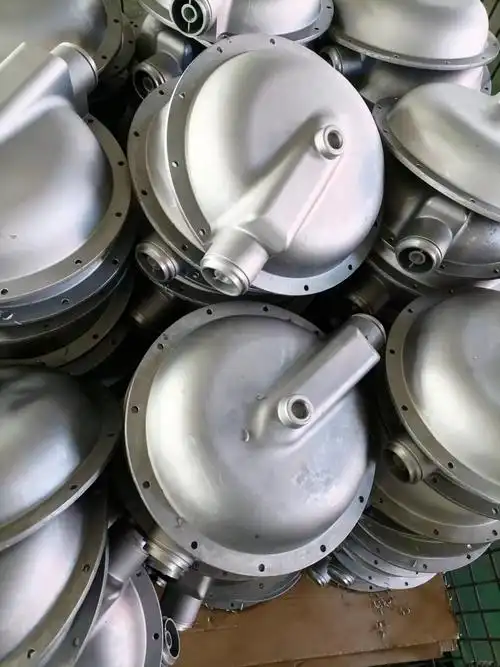
การประยุกต์ใช้งานในอุตสาหกรรมและกรณีการใช้งานจริง
คุณได้เรียนรู้แล้วว่าเครื่องจักรกลไกทำงานอย่างไร ข้อกำหนดใดบ้างที่มีความสำคัญ และวิธีการบำรุงรักษาเครื่องจักรเหล่านั้น แต่ตรงนี้คือจุดที่ทฤษฎีพบกับการปฏิบัติจริง: อุตสาหกรรมต่าง ๆ ใช้เครื่องจักรเหล่านี้ในทิศทางที่แตกต่างกันอย่างสิ้นเชิง เครื่องจักรพื้นฐานเดียวกันที่ใช้ตัดโครงยึดอะลูมิเนียมสำหรับโครงการงานอดิเรก ก็สามารถผลิตชิ้นส่วนไทเทเนียมสำหรับอุตสาหกรรมการบินและอวกาศซึ่งรับรองความปลอดภัยของชีวิตผู้คนที่ระดับความสูง 40,000 ฟุตได้เช่นกัน—แต่ข้อกำหนด ค่าความคลาดเคลื่อน (tolerances) และมาตรฐานคุณภาพนั้นแตกต่างกันอย่างสิ้นเชิง
การเข้าใจว่าอุตสาหกรรมหลักแต่ละแห่งใช้เทคโนโลยีการกลึงอย่างไร จะช่วยเปิดเผยเหตุผลที่ข้อกำหนดเฉพาะบางประการมีความสำคัญ และช่วยให้คุณระบุได้ว่าแอปพลิเคชันของคุณอยู่ในตำแหน่งใดภายในภูมิทัศน์การผลิต ไม่ว่าคุณจะกำลังมองหาร้านเครื่องจักรสำหรับยานยนต์ใกล้ตัว หรือประเมินความสามารถของศูนย์การกลึงสำหรับงานด้านการบินและอวกาศ บริบทของอุตสาหกรรมก็มีอิทธิพลต่อทุกการตัดสินใจ
ข้อกำหนดด้านความแม่นยำของอุตสาหกรรมยานยนต์
เมื่อคุณเดินผ่านร้านเครื่องจักรสำหรับเครื่องยนต์ใดๆ ที่ให้บริการภาคยานยนต์ คุณจะสังเกตเห็นสิ่งหนึ่งทันที: ความสม่ำเสมอไม่ใช่ทางเลือก—แต่เป็นสิ่งจำเป็นอย่างยิ่ง การผลิตยานยนต์ต้องการการผลิตจำนวนมาก โดยที่ชิ้นส่วนทุกชิ้นต้องตรงตามข้อกำหนดอย่างแม่นยำเท่ากัน ไม่ว่าจะเป็นชิ้นแรกจากชุดผลิตจำนวนหนึ่งล้านชิ้น หรือชิ้นสุดท้าย
อะไรทำให้การกลึงสำหรับยานยนต์มีความท้าทายเป็นพิเศษ?
- ความคลาดเคลื่อนที่แคบมากในระดับการผลิตจำนวนมาก: ชิ้นส่วนต่างๆ เช่น ฝาสูบ เคสเกียร์ และชุดโครงแชสซี ต้องการความแม่นยำที่วัดได้ในหน่วยพันธ์ของนิ้ว—และต้องรักษาความแม่นยำนี้ไว้ได้ตลอดทั้งชิ้นส่วนหลายพันชิ้น
- ความหลากหลายทางด้านวัสดุ ตั้งแต่บล็อกเครื่องยนต์อะลูมิเนียม ไปจนถึงเกียร์เหล็กกล้าที่ผ่านการชุบแข็ง และส่วนประกอบตัวถังจากวัสดุคอมโพสิต การผลิตรถยนต์ครอบคลุมสเปกตรัมของวัสดุทั้งหมด
- ข้อกำหนดด้านการติดตามย้อนกลับ: ชิ้นส่วนแต่ละชิ้นต้องสามารถย้อนกลับไปยังเครื่องจักรเฉพาะ ผู้ปฏิบัติงาน ล็อตวัสดุ และพารามิเตอร์กระบวนการได้
- ความคาดหวังในระดับศูนย์ข้อบกพร่อง: ต้นทุนการรับประกันและการเรียกคืนสินค้าเพื่อความปลอดภัยทำให้ความล้มเหลวด้านคุณภาพมีค่าใช้จ่ายสูงอย่างยิ่ง
ชิ้นส่วนที่ผ่านการกลึงสำหรับอุตสาหกรรมยานยนต์โดยทั่วไป ได้แก่:
- บล็อกเครื่องยนต์ หัวสูบ และเพลาข้อเหวี่ยง
- โครงหุ้มระบบส่งกำลังและชิ้นส่วนเกียร์
- คาลิเปอร์เบรกและจานเบรก
- ชุดโครงแชสซีและชิ้นส่วนระบบกันสะเทือน
- แวกซ์โลหะแบบพิเศษและข้อต่อความแม่นยำสูง
- ชิ้นส่วนระบบเชื้อเพลิงและชิ้นส่วนหัวฉีด
ตาม ข้อกำหนด IATF 16949 ของ Smithers เป็นแนวทางในการดำเนินงาน , ผู้จัดจำหน่ายชิ้นส่วนยานยนต์จำเป็นต้องนำระบบการจัดการคุณภาพ (QMS) ที่ครอบคลุมมาใช้ ซึ่งรวมถึงการจัดทำเอกสารกระบวนการที่จำเป็นทั้งหมด การจัดทำนโยบาย การกำหนดบทบาทและหน้าที่ความรับผิดชอบ และการติดตามประเมินผลความมีประสิทธิภาพ มาตรฐานดังกล่าวยังกำหนดให้ใช้เครื่องมือเพื่อการปรับปรุง เช่น การควบคุมกระบวนการเชิงสถิติ (SPC) แผนการควบคุม (control plans) และการวิเคราะห์โหมดความล้มเหลวและผลกระทบ (FMEA)
เครื่องมือเหล่านี้ไม่ใช่เพียงแค่รายการตรวจสอบเชิงบุโรคราชการเท่านั้น แต่เป็นระบบที่ใช้งานได้จริง เพื่อให้มั่นใจว่าชิ้นส่วนที่ผ่านการกลึงทุกชิ้นจะสอดคล้องกับข้อกำหนดที่กำหนดไว้ SPC ทำหน้าที่ติดตามการผลิตแบบเรียลไทม์ เพื่อตรวจจับความแปรปรวนของกระบวนการก่อนที่จะก่อให้เกิดชิ้นส่วนที่มีข้อบกพร่อง ส่วน FMEA ช่วยคาดการณ์ความล้มเหลวที่อาจเกิดขึ้นและดำเนินมาตรการป้องกันล่วงหน้า เครื่องมือทั้งสองประเภทนี้ร่วมกันสร้างความสม่ำเสมอที่การผลิตรถยนต์ต้องการ
พิจารณา เทคโนโลยีโลหะเส้าอี้ เป็นตัวอย่างหนึ่งของวิธีที่ผู้จัดจำหน่ายชิ้นส่วนยานยนต์สมัยใหม่ตอบสนองความต้องการเหล่านี้ ใบรับรองมาตรฐาน IATF 16949 ของพวกเขาแสดงให้เห็นถึงการปฏิบัติตามมาตรฐานคุณภาพระดับสากลสำหรับอุตสาหกรรมยานยนต์ ขณะที่การนำระบบควบคุมกระบวนการเชิงสถิติ (SPC) ไปใช้งานนั้นรับประกันเสถียรภาพของกระบวนการผลิตตลอดทั้งรอบการผลิต สิ่งที่ทำให้การดำเนินงานแบบนี้โดดเด่นคือความยืดหยุ่น—ซึ่งหมายถึงความสามารถในการดำเนินการสร้างต้นแบบอย่างรวดเร็วสำหรับโครงการพัฒนา พร้อมทั้งสามารถขยายขีดความสามารถไปสู่การผลิตจำนวนมากได้ภายในระยะเวลาจัดส่งที่รวดเร็วสูงสุดเพียงหนึ่งวันทำการเท่านั้น ช่วงการดำเนินงานตั้งแต่การผลิตต้นแบบไปจนถึงการผลิตในปริมาณมากนี้สะท้อนถึงความต้องการของห่วงโซ่อุปทานยานยนต์สมัยใหม่ที่มีต่อพันธมิตรการผลิตที่คล่องตัว
มาตรฐานสำหรับอุตสาหกรรมการบินและอวกาศ และอุปกรณ์ทางการแพทย์
หากความต้องการของอุตสาหกรรมยานยนต์เน้นความสม่ำเสมอแล้ว อุตสาหกรรมการบินและอวกาศกับอุตสาหกรรมอุปกรณ์ทางการแพทย์จะยกระดับความแม่นยำไปสู่ขีดสุด โดยความล้มเหลวในสองอุตสาหกรรมนี้ไม่ใช่เพียงความไม่สะดวก แต่อาจส่งผลร้ายแรงถึงชีวิตได้ ทั้งสองอุตสาหกรรมนี้ดำเนินงานภายใต้กรอบกฎระเบียบที่กำหนดให้ต้องบันทึกทุกกระบวนการอย่างละเอียด และตรวจสอบยืนยันทุกขั้นตอนอย่างเข้มงวดยิ่งกว่า
ข้อกำหนดสำหรับการผลิตในอุตสาหกรรมการบินและอวกาศ
ลองนึกภาพการกลึงใบพัดเทอร์ไบน์จากแท่งโลหะผสมนิกเกิลสุดพิเศษที่มีราคา 15,000 ดอลลาร์สหรัฐฯ วัสดุชนิดนี้ต้านทานการตัดอย่างมาก สร้างความร้อนสูงสุด และต้องใช้เครื่องมือเฉพาะทางในการแปรรูป ชิ้นส่วนสำเร็จรูปต้องสามารถทนต่ออุณหภูมิสูงกว่า 2,000 องศาฟาเรนไฮต์ ขณะหมุนด้วยความเร็ว 30,000 รอบต่อนาที โดยไม่มีข้อผิดพลาดใดๆ เลย
ข้อกำหนดด้านการกลึงในอุตสาหกรรมการบินและอวกาศ:
- ความสามารถในการแปรรูปวัสดุพิเศษ: ไทเทเนียม อินโคเนล วัสพาลอย และโลหะผสมสุดพิเศษอื่นๆ จำเป็นต้องใช้เครื่องมือเฉพาะทาง เครื่องจักรที่มีความแข็งแรงสูง และการควบคุมกระบวนการอย่างแม่นยำ
- การตรวจสอบย้อนกลับอย่างสมบูรณ์: ทุกการดำเนินงาน เครื่องมือ ผู้ปฏิบัติงาน และผลการวัด จะถูกบันทึกไว้ในเอกสารถาวร
- การตรวจสอบที่ไม่ทำลาย: ชิ้นส่วนสำเร็จรูปจะผ่านการตรวจสอบด้วยรังสีเอกซ์ การตรวจสอบด้วยคลื่นอัลตราโซนิก และการตรวจสอบด้วยสารเจาะรอยรั่ว (Dye Penetrant Inspection) เพื่อยืนยันความสมบูรณ์ภายใน
- การรับรอง AS9100: มาตรฐานคุณภาพระดับอุตสาหกรรมการบินและอวกาศที่เทียบเคียงได้กับ IATF 16949 ซึ่งกำหนดให้มีระบบประกันคุณภาพที่จัดทำเอกสารอย่างครบถ้วนตลอดกระบวนการผลิต
ชิ้นส่วนที่แปรรูปด้วยเครื่องจักรในอุตสาหกรรมการบินและอวกาศที่พบโดยทั่วไป ได้แก่:
- ชิ้นส่วนโครงสร้างโครงเครื่องบิน (Airframe) และข้อต่อต่างๆ
- ใบพัดเทอร์ไบน์ จานหมุนเทอร์ไบน์ (Turbine Disks) และฝาครอบเครื่องยนต์
- ชิ้นส่วนชุดล้อลงจอด
- แอคทูเอเตอร์ควบคุมการบินและข้อต่อไฮดรอลิก
- องค์ประกอบโครงสร้างของดาวเทียมและยานอวกาศ
การผลิตอุปกรณ์ทางการแพทย์
การกลึงชิ้นส่วนทางการแพทย์ดำเนินการในระดับความแม่นยำสุดขั้วแบบหนึ่ง—ชิ้นส่วนที่มีขนาดวัดเป็นไมครอน ซึ่งทำหน้าที่ภายในร่างกายมนุษย์ ตัวอย่างเช่น ข้อสะโพกเทียมที่เบี่ยงเบนจากค่ามาตรฐานเพียง 0.001 นิ้ว อาจก่อให้ผู้ป่วยเกิดอาการเจ็บปวดเป็นเวลาหลายปี หรือเครื่องมือผ่าตัดที่มีข้อบกพร่องบนพื้นผิวอาจเป็นแหล่งสะสมแบคทีเรียอันตราย
ข้อกำหนดสำหรับอุปกรณ์ทางการแพทย์ ได้แก่:
- ความคลาดเคลื่อนแบบความแม่นยำสูงสุด: อุปกรณ์ฝังตัวและเครื่องมือผ่าตัดมักต้องการความคลาดเคลื่อนที่แคบกว่า ±0.0002 นิ้ว
- วัสดุที่เข้ากันได้ทางชีวภาพ: ไทเทเนียม โคบอลต์-โครเมียม และเหล็กกล้าไร้สนิมเกรดการแพทย์ เป็นวัสดุหลัก ซึ่งแต่ละชนิดมีความท้าทายเฉพาะด้านการกลึง
- ข้อกำหนดพื้นผิวผ้าเรียบ: ชิ้นส่วนจำนวนมากต้องมีพื้นผิวที่เรียบเสมือนกระจก เพื่อป้องกันการยึดเกาะของแบคทีเรียหรือการระคายเคืองต่อเนื้อเยื่อ
- การรับรองมาตรฐาน ISO 13485: ระบบบริหารจัดการคุณภาพที่ออกแบบมาโดยเฉพาะสำหรับการผลิตอุปกรณ์ทางการแพทย์
- เอกสารรับรองจาก FDA: บันทึกการผลิตอย่างครบถ้วนเพื่อสนับสนุนการยื่นขออนุมัติตามข้อบังคับ
ชิ้นส่วนทางการแพทย์ที่ผ่านกระบวนการกลึงแบบทั่วไป ได้แก่:
- อุปกรณ์ฝังในกระดูก—ส่วนประกอบสำหรับสะโพก หัวเข่า และกระดูกสันหลัง
- เครื่องมือผ่าตัดและด้ามจับเครื่องมือ
- ฟันปลอมแบบฝังและอุปกรณ์ทดแทนฟัน
- โครงหุ้มอุปกรณ์วินิจฉัยและกลไกความแม่นยำสูง
- ชิ้นส่วนอุปกรณ์ส่งยา
การผลิตตามสั่งและการสร้างต้นแบบอย่างรวดเร็ว
ไม่ใช่ทุกแอปพลิเคชันจะจัดอยู่ในหมวดหมู่ยานยนต์ อวกาศ หรือการแพทย์ได้อย่างชัดเจน ภูมิทัศน์โดยรวมของการผลิตตามสั่งและการสร้างต้นแบบนั้นคือพื้นที่ที่ร้านกลึงใกล้คุณส่วนใหญ่ดำเนินงานจริง—โดยผลิตชิ้นส่วนที่หลากหลายข้ามหลายอุตสาหกรรม โดยไม่มีปริมาณการผลิตจำนวนมากเท่ากับอุตสาหกรรมยานยนต์ หรือข้อกำหนดที่เข้มงวดสุดขีดเช่นในอุตสาหกรรมอวกาศ
การประยุกต์ใช้งานในร้านงานขึ้นรูปโลหะ
งานขึ้นรูปโลหะทั่วไปครอบคลุมขอบเขตที่กว้างมาก ได้แก่:
- อุปกรณ์อุตสาหกรรม: แผ่นยึดแบบเฉพาะ โครงหุ้ม แท่นยึดชิ้นงาน และชิ้นส่วนสำรอง
- ภาคพลังงาน: ส่วนประกอบของวาล์ว โครงหุ้มปั๊ม และข้อต่อท่อระบายน้ำ
- กลาโหมและกองทัพ: ชิ้นส่วนอาวุธ ชิ้นส่วนยานพาหนะ และที่ครอบอุปกรณ์การสื่อสาร
- ผลิตภัณฑ์สำหรับผู้บริโภค: แม่พิมพ์ เครื่องมือ และอุปกรณ์ยึดจับสำหรับการผลิต
- การใช้งานเฉพาะทาง: บริการตัดฉลุอะคริลิกด้วยเครื่อง CNC อย่างแม่นยำสำหรับป้ายโฆษณา แผงแสดงสินค้า และองค์ประกอบทางสถาปัตยกรรม
สิ่งที่ทำให้การดำเนินงานด้านการขึ้นรูปประสบความสำเร็จคือ ความยืดหยุ่น ซึ่งแตกต่างจากโรงงานเฉพาะทางด้านยานยนต์หรือการบินและอวกาศ โรงกลึงทั่วไปจำเป็นต้องเปลี่ยนผ่านระหว่างวัสดุ ค่าความคลาดเคลื่อน (tolerances) และปริมาณการผลิตได้อย่างรวดเร็ว ภายในหนึ่งวันอาจรวมถึงต้นแบบอลูมิเนียม ชิ้นส่วนผลิตจริงจากเหล็ก และอุปกรณ์ยึดจับจากพลาสติก
ข้อได้เปรียบของการทำต้นแบบอย่างรวดเร็ว
ก่อนจะลงทุนในการผลิตแม่พิมพ์สำหรับการผลิตจริงซึ่งมีมูลค่าหลายหมื่นหรือหลายแสนดอลลาร์ ผู้ผลิตจะทำการตรวจสอบและยืนยันการออกแบบผ่านต้นแบบที่ผลิตด้วยเครื่องจักรกลซีเอ็นซี ซึ่งการขึ้นรูปด้วยเครื่องจักรกลซีเอ็นซีมีข้อได้เปรียบเฉพาะตัวสำหรับการสร้างต้นแบบ ดังนี้
- ความแม่นยำของวัสดุ: ชิ้นส่วนต้นแบบที่ผลิตด้วยเครื่องจักรกลใช้วัสดุจริงที่ใช้ในการผลิตจริง ซึ่งมีสมบัติเหมือนกันทุกประการ
- การทดสอบการทำงาน: ต้นแบบสามารถทนต่อแรงโหลด อุณหภูมิ และสภาวะแวดล้อมในโลกแห่งความเป็นจริงได้
- ความเร็วในการปรับปรุงแบบออกแบบ: การแก้ไขโปรแกรมดิจิทัลช่วยให้สามารถปรับเปลี่ยนแบบออกแบบได้อย่างรวดเร็ว โดยไม่จำเป็นต้องผลิตเครื่องมือใหม่
- การผลิตจำนวนน้อย: การตั้งค่าแบบเดียวกันนี้ ซึ่งใช้ในการผลิตต้นแบบ สามารถใช้ผลิตชิ้นส่วนสำหรับการผลิตในระยะเริ่มต้นได้ด้วย
เส้นทางจากแนวคิดสู่ตลาดนั้นขึ้นอยู่กับความยืดหยุ่นในการเปลี่ยนผ่านจากขั้นตอนการผลิตต้นแบบไปสู่การผลิตจริงมากขึ้นเรื่อยๆ ผู้ผลิตจึงจำเป็นต้องมีพันธมิตรที่สามารถผลิตต้นแบบจำนวนเล็กน้อยเพื่อการทดสอบได้ จากนั้นจึงสามารถขยายกำลังการผลิตไปยังหลายพันหน่วยเมื่อการออกแบบเสร็จสมบูรณ์—โดยไม่เกิดความล่าช้าจากการเปลี่ยนผู้จัดจำหน่ายหรือการสร้างระบบประกันคุณภาพใหม่
นี่คือจุดที่ความแตกต่างระหว่างการเป็นเจ้าของอุปกรณ์เองกับการร่วมมือกับผู้จัดจำหน่ายที่มีศักยภาพกลายเป็นกลยุทธ์สำคัญ สำหรับผู้อ่านที่ต้องการชิ้นส่วนพร้อมใช้งานสำหรับการผลิตจริง แทนที่จะลงทุนซื้ออุปกรณ์เอง บริการเครื่องจักรกลแบบ CNC ที่มีชื่อเสียงและมีประสบการณ์จะช่วยขจัดภาระการลงทุนเบื้องต้น พร้อมทั้งให้การเข้าถึงระบบประกันคุณภาพที่ได้รับการรับรอง ความสามารถของเครื่องจักรที่หลากหลาย และกำลังการผลิตที่สามารถปรับขยายได้ตามความต้องการ การตัดสินใจว่าจะพัฒนาศักยภาพการผลิตภายในองค์กรเอง หรืออาศัยความเชี่ยวชาญจากภายนอก ขึ้นอยู่กับปริมาณการผลิตที่ต้องการ ข้อกำหนดด้านคุณภาพ และกลยุทธ์การผลิตในระยะยาวของคุณ
การเข้าใจการประยุกต์ใช้งานในอุตสาหกรรมเหล่านี้จะช่วยทำให้ชัดเจนว่าความต้องการเฉพาะของคุณนั้นแท้จริงแล้วเรียกร้องอะไร — และช่วยให้คุณสามารถตัดสินใจอย่างมีข้อมูลเกี่ยวกับอุปกรณ์ กระบวนการ และพันธมิตรทางธุรกิจ ขณะที่คุณก้าวหน้าต่อไป
การตัดสินใจเลือกเครื่องจักรกลึงของคุณ
คุณได้เดินทางผ่านหลักการพื้นฐาน ประเภทของเครื่องจักร รูปแบบการจัดเรียงแกน (axis configurations) ข้อกำหนดทางเทคนิค เกณฑ์การเลือก ความต้องการในการบำรุงรักษา และการประยุกต์ใช้งานในอุตสาหกรรม ซึ่งเป็นเส้นทางที่ยาวไกลมาก — แต่เพียงแค่มีข้อมูลอย่างเดียวไม่สามารถสร้างผลลัพธ์ได้ สิ่งที่สำคัญในตอนนี้คือการแปลงความรู้นี้ให้กลายเป็นการลงมือปฏิบัติที่สอดคล้องกับสถานการณ์เฉพาะของคุณ
ไม่ว่าคุณจะเป็นผู้สนใจงานฝีมือที่กำลังพิจารณาซื้อเครื่องจักรเป็นครั้งแรก เจ้าของธุรกิจที่ประเมินศักยภาพในการผลิต หรือผู้ผลิตที่กำลังมองหาพันธมิตรในห่วงโซ่อุปทานที่เชื่อถือได้ เส้นทางที่จะก้าวต่อไปจำเป็นต้องอาศัยการประเมินอย่างตรงไปตรงมาว่าสิ่งใดคือสิ่งที่คุณต้องการจริง ๆ กับสิ่งใดที่ดูน่าประทับใจเพียงบนกระดาษ
ประเด็นสำคัญสำหรับการตัดสินใจเลือกเครื่องจักรกลึงของคุณ
หลังจากสำรวจทุกด้านของอุปกรณ์การกลึง—ตั้งแต่หลักการพื้นฐานของการผลิตแบบลบวัสดุ (subtractive manufacturing) ไปจนถึงข้อกำหนดด้านคุณภาพเฉพาะอุตสาหกรรม—หลักการหนึ่งได้ปรากฏชัดว่าเป็นรากฐานสำคัญ:
เลือกเครื่องจักรให้สอดคล้องกับความต้องการในการผลิตจริง แทนที่จะซื้อเครื่องจักรที่มีฟีเจอร์เกินความจำเป็นซึ่งคุณจะไม่ได้ใช้งาน หรือเลือกเครื่องจักรที่มีสเปกต่ำเกินไปจนไม่สามารถตอบสนองผลลัพธ์ที่ต้องการได้
แม้ข้อนี้จะดูชัดเจนในตัว แต่ผู้ผลิตมักกระทำผิดพลาดทั้งสองแบบอย่างต่อเนื่อง ตัวอย่างเช่น ผู้ใช้งานระดับฮอบบี้ซื้อศูนย์กลึงแบบ 5 แกนระดับอุตสาหกรรมมาไว้ใช้งานในโรงรถ ทั้งที่ใช้งานจริงเพียงน้อยนิด ในขณะที่โรงงานผลิตกลับเลือกซื้อเครื่องจักรระดับเริ่มต้นซึ่งไม่สามารถรองรับภาระงานประจำวันได้ ทั้งสองสถานการณ์นี้ล้วนสูญเสียเงินโดยเปล่าประโยชน์—สถานการณ์แรกสูญเสียจากการลงทุนเกินความจำเป็น ขณะที่สถานการณ์ที่สองสูญเสียจากการมีสมรรถนะไม่เพียงพอ และในที่สุดต้องเปลี่ยนเครื่องจักรใหม่
มาสรุปสิ่งที่คุณได้เรียนรู้ไว้เป็นแนวทางปฏิบัติที่ใช้งานได้จริง:
เกี่ยวกับประเภทของเครื่องจักร: เครื่องกัด เครื่องกลึง เครื่องขัด และเครื่อง EDM แต่ละชนิดมีจุดเด่นเฉพาะในการปฏิบัติงานแต่ละประเภท ดังนั้นการเลือกเครื่องจักรควรขึ้นอยู่กับการใช้งานหลักของคุณ — ไม่ใช่กรณีพิเศษที่เกิดขึ้นเป็นครั้งคราว เครื่องกลึงเหมาะสำหรับชิ้นงานทรงกระบอก ซึ่งเครื่องกัดจะทำงานได้ยาก ในขณะที่เครื่องกัด CNC สามารถประมวลผลพื้นผิวสามมิติที่ซับซ้อนได้ ซึ่งเครื่องกลึงไม่สามารถทำได้
เกี่ยวกับวิธีการควบคุม: ระบบอัตโนมัติ CNC ให้ความแม่นยำซ้ำได้สูงและสามารถสร้างรูปทรงเรขาคณิตที่ซับซ้อนได้ ซึ่งการควบคุมด้วยมือไม่สามารถเทียบเคียงได้ อย่างไรก็ตาม เครื่องจักรแบบควบคุมด้วยมือมีราคาถูกกว่า ต้องการการตั้งค่าที่ง่ายกว่าสำหรับงานที่ตรงไปตรงมา และยังช่วยเสริมสร้างทักษะพื้นฐานที่จำเป็น โรงงานหลายแห่งที่ประสบความสำเร็จจึงเลือกใช้ทั้งสองระบบควบคู่กัน
เกี่ยวกับการจัดเรียงแกน: จำนวนแกนที่มากขึ้นจะเพิ่มความสามารถในการทำงาน แต่ก็ส่งผลให้ต้นทุนสูงขึ้น ความซับซ้อนในการเขียนโปรแกรมเพิ่มขึ้น และความต้องการในการบำรุงรักษาสูงขึ้นด้วย เครื่องจักร 3 แกนสามารถรองรับงานส่วนใหญ่ได้ ส่วนเครื่องจักร 5 แกนจะจำเป็นเฉพาะเมื่อต้องผลิตชิ้นงานที่มีรูปทรงเรขาคณิตซับซ้อนเป็นพิเศษ หรือเมื่อมีความต้องการประสิทธิภาพสูงในการผลิตแบบตั้งค่าชิ้นงานเพียงครั้งเดียว
เกี่ยวกับข้อกำหนดทางเทคนิค: ความเร็วในการหมุนของแกนหมุน ขอบเขตการทำงาน และความสามารถในการควบคุมความคลาดเคลื่อน ต้องสอดคล้องกับวัสดุและข้อกำหนดด้านความแม่นยำของคุณ การเลือกซื้อเครื่องจักรที่มีสเปกสูงสุดเกินความจำเป็นจะทำให้สิ้นเปลืองงบประมาณ ในขณะที่การเลือกซื้อเครื่องจักรที่มีสเปกไม่เพียงพอจะจำกัดศักยภาพในการผลิตของคุณ
เกี่ยวกับการบำรุงรักษา: เครื่องจักรกลทุกเครื่องจำเป็นต้องได้รับการดูแลอย่างสม่ำเสมอ กิจกรรมประจำวัน การตรวจสอบรายสัปดาห์ และการวิเคราะห์แก้ไขปัญหาเชิงรุก จะช่วยป้องกันการหยุดทำงานที่ก่อให้เกิดค่าใช้จ่ายสูง แม้ว่าระบบอัตโนมัติในโรงงานและระบบควบคุมขั้นสูงจะช่วยสนับสนุนได้ — แต่ก็ไม่สามารถแทนที่วินัยในการบำรุงรักษาที่เหมาะสมได้
แหล่งทรัพยากรสำหรับการเรียนรู้อย่างต่อเนื่อง
การศึกษาของคุณไม่ได้สิ้นสุดลงเพียงเท่านี้ สาขาวิชาการกลึงและกัดมีการพัฒนาอย่างต่อเนื่อง และการคงความทันสมัยไว้จำเป็นต้องมีการมีส่วนร่วมอย่างสม่ำเสมอ โปรดพิจารณาแนวทางการพัฒนาต่อไปนี้:
- โปรแกรมการอบรมของผู้ผลิต: ผู้จัดจำหน่ายอุปกรณ์จัดหลักสูตรการฝึกอบรมสำหรับผู้ปฏิบัติงานและโปรแกรมเมอร์ เพื่อเสริมสร้างทักษะปฏิบัติจริง
- ใบรับรองอุตสาหกรรม: ใบรับรองจาก NIMS (National Institute for Metalworking Skills) รับรองสมรรถนะของช่างกลึงและเปิดโอกาสในการสมัครงานด้าน CNC
- ชุมชนออนไลน์: ฟอรั่มต่าง ๆ เช่น Practical Machinist และ CNCZone ให้พื้นที่สำหรับการแลกเปลี่ยนความรู้ระหว่างเพื่อนร่วมอาชีพ และการช่วยเหลือในการวิเคราะห์และแก้ไขปัญหา
- นิตยสารอุตสาหกรรม: ร้านเครื่องจักรสมัยใหม่ วิศวกรรมการผลิต และแหล่งทรัพยากรที่คล้ายคลึงกัน ติดตามความก้าวหน้าของอุตสาหกรรม
- แหล่งทรัพยากรในท้องถิ่น: วิทยาลัยชุมชนและโรงเรียนเทคนิคให้การเตรียมความพร้อมสำหรับงานช่างกลึงซีเอ็นซี (CNC Machinist) และการศึกษาต่อเนื่อง
สำหรับผู้ที่กำลังสำรวจเส้นทางอาชีพ ภาคการผลิตยังคงประสบปัญหาขาดแคลนแรงงานที่มีทักษะ การค้นหาคำว่า 'cnc near me' จะเปิดเผยโอกาสในการทำงานข้ามหลายอุตสาหกรรม — ทั้งยานยนต์ อวกาศ การแพทย์ พลังงาน และการผลิตทั่วไป ล้วนต้องการผู้ปฏิบัติงาน ผู้เขียนโปรแกรม และช่างเทคนิคด้านการบำรุงรักษาที่ผ่านการฝึกอบรมมาอย่างเหมาะสม
ก้าวต่อไปของคุณ
สถานการณ์ของคุณจะกำหนดการดำเนินการขั้นต่อไปที่เหมาะสมสำหรับคุณ ใช้รายการตรวจสอบนี้เพื่อระบุแนวทางที่คุณควรเดินหน้าต่อไป
หากคุณเป็นผู้ที่ทำงานอดิเรกและกำลังสำรวจตัวเลือกต่าง ๆ:
- ระบุประเภทโครงการหลักที่คุณสนใจ — ไม้ พลาสติก อลูมิเนียม หรือโลหะที่แข็งกว่านั้น
- ประเมินพื้นที่ทำงานที่คุณมี แหล่งจ่ายไฟ และงบประมาณของคุณอย่างสมเหตุสมผล
- เริ่มต้นด้วยอุปกรณ์ระดับเริ่มต้นที่สอดคล้องกับความต้องการจริงของคุณ ไม่ใช่โครงการที่คุณใฝ่ฝันไว้แต่ยังไม่สามารถทำได้
- ลงทุนเรียนรู้พื้นฐานให้แน่นก่อนที่จะอัปเกรดไปยังอุปกรณ์ที่ซับซ้อนยิ่งขึ้น
- เชื่อมต่อกับศูนย์สร้างสรรค์ในท้องถิ่นหรือวิทยาลัยชุมชนที่ให้ประสบการณ์ปฏิบัติจริง
หากคุณเป็นธุรกิจที่กำลังประเมินอุปกรณ์:
- วิเคราะห์ปริมาณการผลิตปัจจุบันและที่คาดการณ์ไว้อย่างตรงไปตรงมา
- คำนวณต้นทุนรวมในการเป็นเจ้าของ ซึ่งรวมถึงค่าแม่พิมพ์ ค่าฝึกอบรม ค่าบำรุงรักษา และโครงสร้างพื้นฐาน
- ประเมินศักยภาพในการสนับสนุนจากผู้จัดจำหน่าย — ความรวดเร็วในการให้บริการ ความพร้อมของอะไหล่ และแหล่งทรัพยากรสำหรับการฝึกอบรม
- พิจารณาทางเลือกการเช่าหรือการจัดหาเงินทุน ซึ่งจะช่วยรักษาเงินทุนหมุนเวียนไว้สำหรับความต้องการอื่นๆ
- ขอให้จัดการสาธิตและทดสอบการตัดด้วยวัสดุจริงและค่าความคลาดเคลื่อน (tolerances) ที่คุณใช้งานจริง
หากคุณเป็นผู้ผลิตที่กำลังมองหาพันธมิตรในการผลิต:
- กำหนดข้อกำหนดด้านคุณภาพของคุณ — ใบรับรองที่จำเป็น เอกสารประกอบ และความต้องการด้านการติดตามที่มาของสินค้า
- ประเมินขอบเขตความสามารถของผู้จัดจำหน่ายที่มีศักยภาพ ตั้งแต่ขั้นตอนการสร้างต้นแบบไปจนถึงการผลิตในปริมาณมาก
- ตรวจสอบให้แน่ใจว่าระบบการควบคุมคุณภาพสอดคล้องกับข้อกำหนดของอุตสาหกรรมคุณ (IATF 16949 สำหรับอุตสาหกรรมยานยนต์, AS9100 สำหรับอุตสาหกรรมการบินและอวกาศ)
- ประเมินศักยภาพด้านระยะเวลาในการนำส่งสินค้าให้สอดคล้องกับข้อกำหนดของห่วงโซ่อุปทานคุณ
- ขอชิ้นส่วนตัวอย่างเพื่อแสดงศักยภาพด้านความแม่นยำของขนาดและความเรียบของพื้นผิว
สำหรับผู้ผลิตที่ต้องการชิ้นส่วนพร้อมใช้งานในการผลิตโดยไม่ต้องลงทุนในอุปกรณ์เครื่องจักร ความร่วมมือกับบริการกลึง CNC ที่มีชื่อเสียงจะมอบข้อได้เปรียบที่สำคัญ แทนที่จะซื้อ บำรุงรักษา และจัดหาบุคลากรสำหรับอุปกรณ์ คุณสามารถเข้าถึงความสามารถด้านความแม่นยำสูงผ่านผู้จัดจำหน่ายที่เชื่อถือได้
พิจารณา บริการกลึงด้วยเครื่อง CNC ความแม่นยำสูงของ Shaoyi Metal Technology เป็นตัวอย่างหนึ่งของแนวทางการจ้างภายนอกนี้ ใบรับรองมาตรฐาน IATF 16949 และการนำระบบควบคุมกระบวนการเชิงสถิติ (Statistical Process Control) ไปใช้งานของพวกเขาสอดคล้องตามข้อกำหนดของอุตสาหกรรมยานยนต์ ความสามารถของพวกเขาที่ครอบคลุมตั้งแต่การผลิตต้นแบบอย่างรวดเร็วไปจนถึงการผลิตจำนวนมาก — โดยมีระยะเวลาการส่งมอบเร็วที่สุดเพียงหนึ่งวันทำการ — แสดงให้เห็นถึงความยืดหยุ่นที่ห่วงโซ่อุปทานสมัยใหม่ต้องการ ไม่ว่าคุณจะต้องการชิ้นส่วนโครงแชสซีที่ซับซ้อน หรือบูชิงโลหะแบบพิเศษ คู่ค้าผู้ผลิตที่มีประสบการณ์แล้วจะช่วยขจัดความจำเป็นในการลงทุนในเครื่องจักร พร้อมทั้งจัดส่งชิ้นส่วนที่มีความแม่นยำสูงภายใต้ระบบประกันคุณภาพที่มีเอกสารรับรอง
การตัดสินใจระหว่างการสร้างศักยภาพภายในองค์กรกับการใช้ประโยชน์จากความเชี่ยวชาญภายนอก ขึ้นอยู่กับสถานการณ์เฉพาะของคุณ สำหรับการผลิตในปริมาณมากและทำซ้ำอย่างต่อเนื่อง การลงทุนในเครื่องจักรอาจคุ้มค่า อย่างไรก็ตาม หากความต้องการมีความผันแปร ความต้องการชิ้นส่วนมีความหลากหลาย หรือมีเงินทุนจำกัด มักจะทำให้การจ้างภายนอกกลายเป็นทางเลือกเชิงกลยุทธ์ที่ชาญฉลาดกว่า
ไม่ว่าคุณจะเลือกเส้นทางใด ตอนนี้คุณมีความรู้พื้นฐานที่จำเป็นในการประเมินตัวเลือกอย่างชาญฉลาด ตั้งคำถามอย่างมีข้อมูล และตัดสินใจให้สอดคล้องกับความต้องการด้านการผลิตจริงของคุณ โลกของเครื่องจักรกลไนซ์ (Machining Machine) มีโซลูชันสำหรับทุกการใช้งาน — ตั้งแต่ภาพถ่ายของโรงกลึงที่แสดงการตั้งค่าในโรงรถขนาดเล็ก ไปจนถึงโรงงานอุตสาหกรรมขนาดใหญ่โตมโหฬาร ความสำเร็จของคุณขึ้นอยู่ไม่ได้กับการมีอุปกรณ์ที่น่าประทับใจที่สุด แต่ขึ้นอยู่กับการจับคู่ความสามารถของเครื่องจักรให้ตรงกับความต้องการ และการดำเนินงานอย่างมีวินัย
การลงมือครั้งต่อไปขึ้นอยู่กับคุณ
คำถามที่พบบ่อยเกี่ยวกับเครื่องจักรกลไนซ์
1. ความแตกต่างระหว่าง CNC กับการกลึงแบบดั้งเดิมคืออะไร
การกลึงด้วยเครื่อง CNC ใช้คำสั่งที่เขียนโปรแกรมไว้ล่วงหน้าด้วยคอมพิวเตอร์เพื่อควบคุมการเคลื่อนที่ของเครื่องมือโดยอัตโนมัติ ซึ่งช่วยให้ได้ความแม่นยำสูงขึ้นและความสม่ำเสมอในการผลิตซ้ำได้อย่างมีประสิทธิภาพตลอดทั้งรอบการผลิต ขณะที่การกลึงแบบดั้งเดิมด้วยมือจะอาศัยทักษะของผู้ปฏิบัติงานอย่างสมบูรณ์ในการควบคุมแต่ละการตัด แม้ว่าเครื่อง CNC จะโดดเด่นในงานที่มีรูปทรงซับซ้อนและต้องการความสม่ำเสมอสูงในการผลิตจำนวนมาก แต่เครื่องจักรแบบใช้มือกลับมีต้นทุนเริ่มต้นต่ำกว่า และสามารถตั้งค่าเครื่องได้รวดเร็วกว่าสำหรับงานที่เรียบง่ายและทำครั้งเดียว โรงงานมืออาชีพหลายแห่งจึงใช้ทั้งสองวิธีร่วมกันอย่างมีกลยุทธ์
2. ช่างกลึงแบบควบคุมด้วยคอมพิวเตอร์ (CNC machinists) ได้รับค่าตอบแทนสูงมากหรือไม่?
ช่างกลึง CNC ได้รับค่าจ้างที่แข่งขันได้ โดยค่าจ้างเฉลี่ยต่อชั่วโมงอยู่ที่ประมาณ 27 ดอลลาร์สหรัฐฯ ในสหรัฐอเมริกา รายได้จะเพิ่มขึ้นตามประสบการณ์ ทักษะเฉพาะทาง เช่น การเขียนโปรแกรมแบบหลายแกน (multi-axis programming) และใบรับรองวิชาชีพจากอุตสาหกรรม ทั้งนี้ อุตสาหกรรมการผลิตอากาศยานและอุปกรณ์ทางการแพทย์มักเสนอค่าตอบแทนที่สูงกว่า เนื่องจากมีข้อกำหนดด้านความคลาดเคลื่อน (tolerance) ที่เข้มงวดยิ่งขึ้น การก้าวหน้าในสายอาชีพสู่ตำแหน่งโปรแกรมเมอร์ CNC ผู้ตั้งค่าเครื่อง (CNC setup) หรือหัวหน้างานก็จะช่วยเพิ่มศักยภาพในการสร้างรายได้ยิ่งขึ้น
3. ช่างกลึงคิดค่าบริการต่อชั่วโมงเท่าไร?
อัตราค่าบริการของร้านเครื่องจักร CNC แตกต่างกันอย่างมากตามประเภทและระดับความซับซ้อนของอุปกรณ์ โดยเครื่องกลึง CNC มาตรฐานมักมีอัตราค่าบริการอยู่ที่ 50–110 ดอลลาร์สหรัฐต่อชั่วโมง ขณะที่เครื่องกัด CNC แบบแนวนอนมีอัตราอยู่ที่ 80–150 ดอลลาร์สหรัฐต่อชั่วโมง ส่วนเครื่อง CNC แบบ 5 แกนจะมีอัตราสูงพิเศษที่ 120–300 ดอลลาร์สหรัฐขึ้นไปต่อชั่วโมง เนื่องจากความสามารถขั้นสูงของเครื่องจักร สำหรับเครื่องกลึงแบบสวิส (Swiss lathe) ที่ใช้ผลิตชิ้นส่วนขนาดเล็กที่ต้องการความแม่นยำสูง จะมีอัตราอยู่ที่ 100–250 ดอลลาร์สหรัฐต่อชั่วโมง อัตราเหล่านี้สะท้อนถึงต้นทุนของอุปกรณ์ ความเชี่ยวชาญของผู้ปฏิบัติงาน และค่าใช้จ่ายในการดำเนินงานโดยรวม
4. ฉันจะเลือกระหว่างเครื่อง CNC แบบ 3 แกน กับแบบ 5 แกนได้อย่างไร
ให้เลือกตามระดับความซับซ้อนของชิ้นส่วนที่คุณผลิตเป็นประจำและความต้องการด้านประสิทธิภาพในการผลิต โดยเครื่อง CNC แบบ 3 แกนสามารถประมวลผลพื้นผิวเรียบ ร่องลึก (pockets) และลักษณะต่าง ๆ ที่เข้าถึงได้จากทิศทางเดียวได้อย่างมีประสิทธิภาพด้านต้นทุน ในขณะที่เครื่อง CNC แบบ 5 แกนจะจำเป็นเมื่อชิ้นส่วนต้องการพื้นผิวโค้งซับซ้อน ร่องเว้า (undercuts) หรือลักษณะต่าง ๆ ที่อยู่บนหลายด้าน ซึ่งหากใช้เครื่องแบบ 3 แกนจะต้องจัดตั้งค่า (setup) หลายครั้ง โปรดทราบว่าเครื่อง CNC แบบ 5 แกนมีต้นทุนการลงทุนครั้งแรกสูงกว่าและต้องการทักษะการเขียนโปรแกรมขั้นสูง แต่สามารถลดเวลาในการจัดตั้งค่าและเพิ่มความแม่นยำสำหรับการใช้งานที่เหมาะสม
5. เครื่องจักรกลไนมีความต้องการในการบำรุงรักษาอย่างไร?
การบำรุงรักษาประจำวันประกอบด้วยการตรวจสอบด้วยสายตา การตรวจสอบการหล่อลื่น การตรวจสอบระดับสารหล่อเย็น ขั้นตอนการอุ่นหัวจักร (spindle warm-up) และการกำจัดเศษชิ้นงาน (chip evacuation) งานที่ดำเนินการเป็นรายสัปดาห์ ได้แก่ การตรวจสอบไส้กรอง การตรวจสอบอุปกรณ์ตัดแต่ง (tooling) การทำความสะอาดตู้ควบคุมไฟฟ้า (electrical cabinet) และการตรวจสอบความแม่นยำผ่านการตัดทดสอบ (test cuts) การบำรุงรักษาที่เหมาะสมจะช่วยยืดอายุการใช้งานของอุปกรณ์ได้อย่างมาก และป้องกันการหยุดทำงานโดยไม่ได้วางแผนซึ่งส่งผลให้เกิดค่าใช้จ่ายสูง ผู้ผลิตรายงานว่า การบำรุงรักษาเชิงป้องกัน (preventive maintenance) อย่างสม่ำเสมอสามารถลดอัตราความล้มเหลวของอุปกรณ์ลงได้สูงสุดถึง 90% ขณะเดียวกันก็ยืดอายุการใช้งานของชิ้นส่วนต่าง ๆ ได้อย่างมีนัยสำคัญ