 Small batches, high standards. Our rapid prototyping service makes validation faster and easier —
  EN
EN


การซื้อชิ้นส่วน CNC ออนไลน์? สิ่งที่ไม่มีใครบอกคุณเกี่ยวกับค่าความคลาดเคลื่อน (Tolerances)
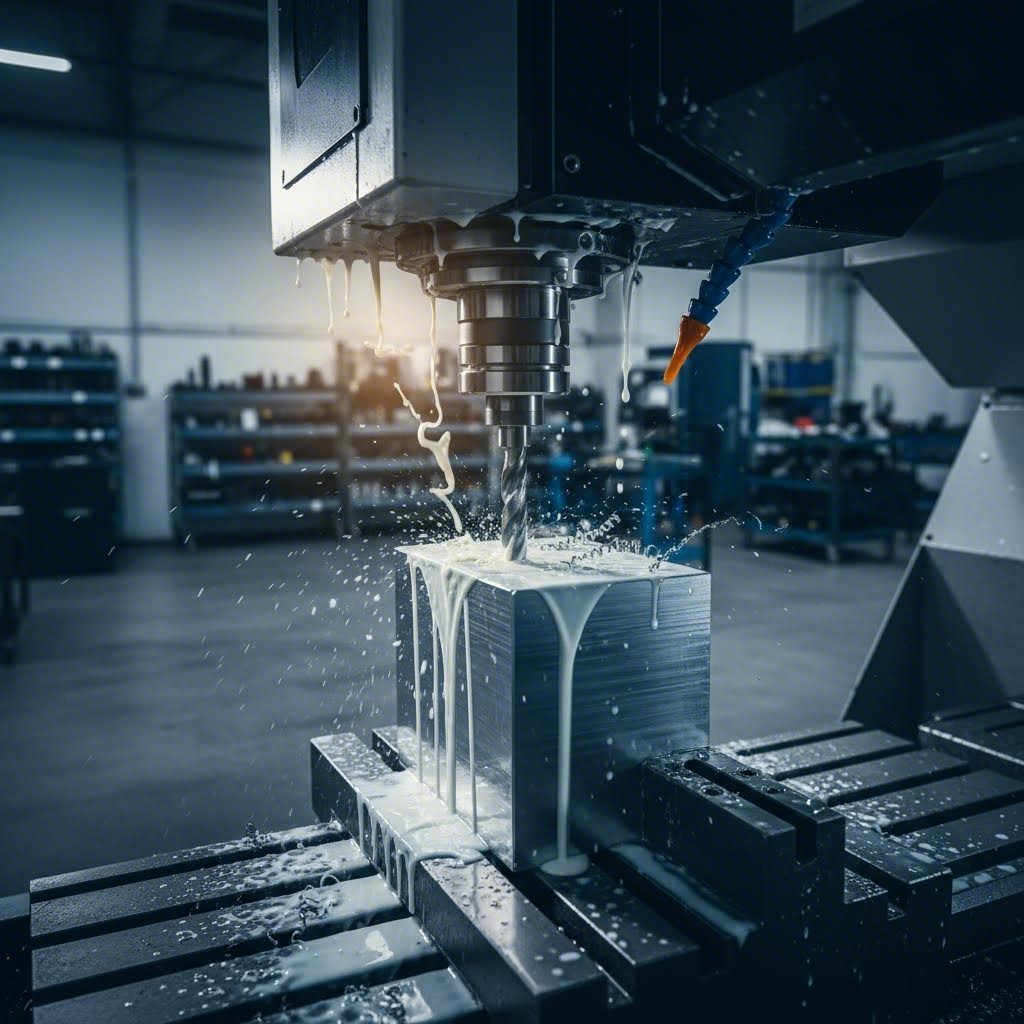
การสั่งซื้อชิ้นส่วน CNC ผ่านทางออนไลน์ แท้จริงแล้วมีความหมายอย่างไรต่อการผลิตสมัยใหม่
เมื่อคุณต้องการชิ้นส่วนที่ผ่านการกลึงด้วยความแม่นยำในปัจจุบัน คุณไม่จำเป็นต้องพึ่งพาคำแนะนำแบบปากต่อปากอีกต่อไป หรือใช้เวลาหลายชั่วโมงโทรสอบถามร้านกลึงในพื้นที่เพื่อขอใบเสนอราคา ภูมิทัศน์ของอุตสาหกรรมได้เปลี่ยนแปลงไปโดยสิ้นเชิง การสั่งซื้อชิ้นส่วน CNC ผ่านทางออนไลน์ ตอนนี้หมายถึงการเข้าถึงเครือข่ายการผลิตระดับโลกผ่านเว็บเบราว์เซอร์ของคุณ โดยสามารถรับทราบราคาและระยะเวลาในการผลิตทันทีภายในไม่กี่วินาที แทนที่จะต้องรอหลายวัน
แต่สิ่งนี้จะเป็นอย่างไรในทางปฏิบัติจริง ๆ? และเหตุใดวิศวกรและผู้เชี่ยวชาญด้านการจัดซื้อจัดจ้างจำนวนมากจึงหันมาใช้บริการนี้?
จากแบบแปลนสู่เว็บเบราว์เซอร์: การเปลี่ยนผ่านสู่การผลิตแบบดิจิทัล
บริการกลึง CNC แบบดั้งเดิมจำเป็นต้องสร้างความสัมพันธ์กับร้านกลึงในพื้นที่ คุณจะส่งไฟล์ CAD ผ่านทางอีเมล รอใบเสนอราคาแบบทำด้วยตนเองเป็นเวลาหลายวัน จากนั้นเจรจาต่อรองราคาผ่านโทรศัพท์ และหวังว่าร้านกลึงนั้นจะสามารถผลิตชิ้นส่วนตามข้อกำหนดของคุณได้ กระบวนการนี้ใช้งานได้จริง แต่ดำเนินการช้า และมักจำกัดตัวเลือกของคุณไว้เฉพาะร้านที่มีอยู่ในพื้นที่ใกล้เคียงเท่านั้น
แพลตฟอร์มการสั่งซื้อที่เน้นดิจิทัลเป็นหลักได้เปลี่ยนสมการนี้ไปโดยสิ้นเชิง ตามการวิเคราะห์ของอุตสาหกรรม แพลตฟอร์มการกลึง CNC ออนไลน์สามารถลดระยะเวลาในการให้ใบเสนอราคาได้มากถึง 90% เมื่อเทียบกับวิธีการแบบดั้งเดิม แทนที่จะต้องรอใบเสนอราคานาน 1–5 วัน คุณจะได้รับราคาภายใน 5–60 วินาที แทนที่จะต้องค้นหาคำว่า "cnc near me" หรือ "machining near me" แล้วหวังว่าจะพบโรงงานที่มีศักยภาพ คุณจะได้เข้าถึงเครือข่ายผู้ผลิตที่ผ่านการตรวจสอบแล้วนับพันแห่งทั่วโลก
การเปลี่ยนแปลงนี้ทำให้การผลิตชิ้นส่วนความแม่นยำสูงกลายเป็นเรื่องที่ทุกคนสามารถเข้าถึงได้ ซึ่งมีความสำคัญอย่างยิ่งต่อองค์กรขนาดเล็ก บริษัทสตาร์ทอัปในเมืองออสตินตอนนี้สามารถเข้าถึงขีดความสามารถด้านการผลิตเดียวกันกับบริษัทอวกาศชั้นนำในเมืองซีแอตเทิลได้ นักออกแบบผลิตภัณฑ์ที่ทำงานภายใต้กำหนดเวลาที่กดดันสามารถปรับปรุงและพัฒนาผลิตภัณฑ์ได้รวดเร็วขึ้น ขณะที่ผู้เชี่ยวชาญด้านการจัดซื้อจัดจ้างสามารถเปรียบเทียบราคาได้อย่างโปร่งใส โดยไม่จำเป็นต้องมีการเจรจาต่อรองที่ยืดเยื้อไม่รู้จบ
เหตุใดวิศวกรจึงเลิกใช้การขอใบเสนอราคาผ่านโทรศัพท์ และหันมาใช้แพลตฟอร์มออนไลน์
ความน่าสนใจนี้ยังคงอยู่เหนือกว่าเพียงแค่ความสะดวกสบายเท่านั้น เมื่อคุณใช้บริการ CNC ออนไลน์ คุณจะได้รับการเข้าถึงความสามารถต่าง ๆ ที่อาจหาได้ยากผ่านช่องทางแบบดั้งเดิม ลองจินตนาการว่าคุณต้องการชิ้นส่วนที่ถูกกลึงจากโลหะผสมไทเทเนียมพิเศษ ซึ่งมีความคลาดเคลื่อน (tolerance) ที่แคบมากและผิวสัมผัสเฉพาะเจาะจง การค้นหาร้านเครื่องจักรในท้องถิ่นที่มีความสามารถครบถ้วนตามเงื่อนไขเหล่านี้อาจใช้เวลานานหลายสัปดาห์ ขณะที่แพลตฟอร์มออนไลน์สามารถแก้ปัญหานี้ได้โดยจับคู่ความต้องการของคุณกับผู้ให้บริการที่เชี่ยวชาญเฉพาะด้านที่คุณต้องการ
องค์ประกอบหลักของบริการ CNC ออนไลน์สมัยใหม่ ได้แก่:
- การอัปโหลดไฟล์ CAD: รูปแบบไฟล์ที่รองรับโดยทั่วไป ได้แก่ STEP, IGES และไฟล์ CAD ดั้งเดิม แพลตฟอร์มจะวิเคราะห์เรขาคณิตของคุณโดยอัตโนมัติ เพื่อระบุปัญหาที่อาจเกิดขึ้นในการผลิตก่อนที่คุณจะยืนยันการสั่งซื้อ
- ระบบสร้างใบเสนอราคาทันที: อัลกอริธึมขั้นสูงประเมินระดับความซับซ้อนของชิ้นส่วน ความต้องการวัสดุ และความคลาดเคลื่อน (tolerances) เพื่อคำนวณราคาที่แม่นยำภายในไม่กี่วินาที ความโปร่งใสนี้ช่วยให้คุณเปรียบเทียบตัวเลือกต่าง ๆ และปรับแต่งการออกแบบให้เหมาะสมกับต้นทุน
- การเลือกวัสดุ: การเข้าถึงวัสดุมากกว่า 150 ชนิด ทั้งโลหะและพลาสติก ตั้งแต่โลหะผสมอลูมิเนียมมาตรฐาน ไปจนถึงวัสดุพิเศษ เช่น อินโคเนล (Inconel) หรือไทเทเนียม (titanium)
- การติดตามคำสั่งซื้อ: การมองเห็นสถานะการผลิต ตรวจสอบคุณภาพ และข้อมูลการจัดส่งแบบเรียลไทม์ ซึ่งช่วยขจัดความไม่แน่นอนที่เกิดขึ้นตามระยะเวลาการผลิตแบบดั้งเดิม
การขอใบเสนอราคาเครื่องจักรกลแบบ CNC ผ่านออนไลน์ในอดีตมักรู้สึกเหมือนเป็นการประนีประนอมระหว่างความเร็วกับคุณภาพ แต่ปัจจุบันแพลตฟอร์มชั้นนำให้คำแนะนำด้านการออกแบบเพื่อการผลิต (Design for Manufacturability: DFM) โดยอัตโนมัติ ซึ่งสามารถตรวจจับปัญหาต่าง ๆ เช่น รูปทรงที่ไม่มีการรองรับอย่างเหมาะสม หรือค่าความคลาดเคลื่อนที่แคบเกินไป ก่อนเริ่มการผลิตจริง ส่งผลให้มีความประหลาดใจน้อยลง และลดระยะเวลาในการได้ชิ้นส่วนจริง (time-to-part) ลง
สำหรับผู้ที่ยังใหม่กับการขอใบเสนอราคาการกลึงผ่านออนไลน์ การเข้าใจพื้นฐานเหล่านี้ถือเป็นสิ่งจำเป็นก่อนประเมินผู้ให้บริการเฉพาะราย เทคโนโลยีด้านนี้ได้พัฒนาอย่างก้าวหน้าอย่างมาก แต่ความรู้เกี่ยวกับสิ่งที่ควรคาดหวัง และวิธีเตรียมไฟล์ของคุณอย่างเหมาะสม จะเป็นตัวกำหนดว่าคำสั่งซื้อแรกของคุณจะประสบความสำเร็จ หรือกลายเป็นบทเรียนที่น่าหงุดหงิดเกี่ยวกับข้อกำหนดทางเทคนิค
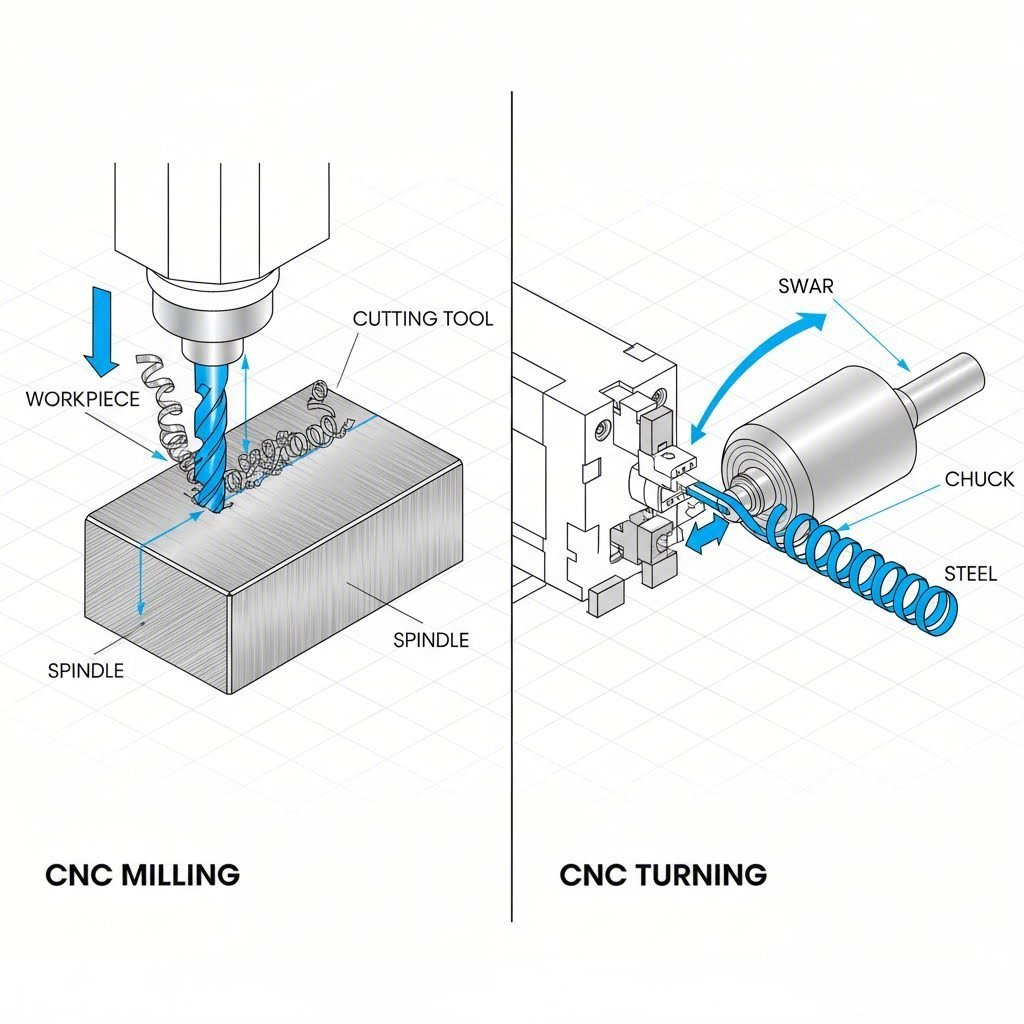
การเข้าใจกระบวนการกัดด้วยเครื่องจักร CNC (CNC Milling) และกระบวนการกลึง (CNC Turning)
เมื่อคุณเข้าใจวิธีการทำงานของแพลตฟอร์ม CNC ออนไลน์แล้ว คำถามถัดไปที่เกิดขึ้นคือ: คุณต้องการกระบวนการใดกันแน่? เมื่อคุณค้นหาบริการผลิตชิ้นส่วน CNC ออนไลน์ คุณจะพบว่ามีสองวิธีการกลึงหลัก ได้แก่ การกัด (milling) และการกลึง (turning) แพลตฟอร์มส่วนใหญ่จะระบุทั้งสองวิธีไว้ แต่มีเพียงไม่กี่แห่งที่อธิบายอย่างชัดเจนว่าแต่ละวิธีเหมาะกับชิ้นส่วนเฉพาะของคุณในกรณีใด การเข้าใจความแตกต่างนี้จะช่วยให้คุณสื่อสารความต้องการได้อย่างมีประสิทธิภาพ และหลีกเลี่ยงความผิดพลาดที่อาจส่งผลให้เกิดค่าใช้จ่ายสูงจากการที่แบบออกแบบของคุณไม่สอดคล้องกับกระบวนการที่เลือก
ความแตกต่างพื้นฐานนี้ขึ้นอยู่กับว่าส่วนใดหมุนระหว่างการกลึง ในกระบวนการ CNC turning ชิ้นงานของคุณจะหมุน ขณะที่เครื่องมือตัดคงที่จะทำการตัดวัสดุออก ในขณะที่กระบวนการ CNC milling จะเป็นในทางกลับกัน คือ ชิ้นงานจะคงอยู่นิ่ง ส่วนเครื่องมือตัดแบบหลายคมที่หมุนจะเคลื่อนที่ไปตามพื้นผิวของชิ้นงาน การสลับกันอย่างง่ายดายนี้เองที่กำหนดว่าแต่ละกระบวนการเหมาะสมกับรูปทรงเรขาคณิตแบบใดมากที่สุด
การเปรียบเทียบระหว่างการกัด (Milling) กับการกลึง (Turning): การเลือกกระบวนการที่เหมาะสมสำหรับรูปทรงเรขาคณิตของชิ้นส่วนคุณ
ฟังดูซับซ้อนใช่ไหม? ลองคิดแบบนี้ก็ได้ ถ้าคุณต้องการเพลา ปลอก หรือชิ้นส่วนทรงกระบอกใดๆ การกลึงด้วยเครื่อง CNC คือวิธีที่คุณควรเลือกใช้เป็นอันดับแรก ชิ้นงานจะหมุนอยู่ในหัวจับของเครื่องกลึง ขณะที่มีดตัดทำหน้าที่ขึ้นรูปผิวด้านนอก หรือเจาะรูภายในชิ้นงาน ระบบการจัดวางนี้เหมาะอย่างยิ่งสำหรับการผลิตชิ้นส่วนทรงกลมหรือทรงสมมาตรรอบแกนกลาง โดยให้ความแม่นยำสูงในด้านความเข้มข้นของศูนย์กลาง (concentricity) และเส้นผ่านศูนย์กลางที่สม่ำเสมอ
เมื่อการออกแบบของคุณมีพื้นผิวเรียบ ร่อง โพรง หรือรูปร่างโค้งสามมิติที่ซับซ้อน การใช้ชิ้นส่วนที่ผลิตด้วยเครื่องกัด CNC จะเหมาะสมกว่า เครื่องตัดแบบ CNC ในการทำงานแบบกัด จะเคลื่อนที่ตัวมีดตัดที่หมุนอยู่บนชิ้นงานที่คงที่ เพื่อขึ้นรูปชิ้นส่วนทรงปริซึม โครงถัง แผ่นยึด และรูปทรงเรขาคณิตที่ซับซ้อน ซึ่งไม่สามารถผลิตได้ด้วยเครื่องกลึง
ตารางด้านล่างสรุปความแตกต่างหลักๆ เพื่อช่วยให้คุณเลือกวิธีการผลิตที่เหมาะสม
| ปัจจัย | การกลึง CNC | การกัด CNC |
|---|---|---|
| เรขาคณิตของชิ้นส่วนที่เหมาะสมที่สุด | ทรงกระบอก ทรงกรวย และทรงสมมาตรรอบแกนกลาง | ทรงปริซึม พื้นผิวเรียบ ร่อง โพรง และรูปร่างโค้งสามมิติ |
| ความอดทนมาตรฐาน | ±0.001 นิ้ว ถึง ±0.002 นิ้ว สำหรับงานทั่วไป | ±0.001 นิ้ว ถึง ±0.005 นิ้ว ขึ้นอยู่กับระดับความซับซ้อน |
| คุณภาพผิวพื้นผิว | ค่าความหยาบผิว (Ra) ที่บรรลุได้: 1–2 ไมครอน; ลักษณะผิวเป็นรูปแบบเกลียวต่อเนื่อง | Ra 1.6-3.2 ไมครอน โดยทั่วไป; อาจมีรอยขีดข่วนจากการเคลื่อนที่แบบก้าวข้าม (step-over marks) |
| ผลลัพธ์ของการใช้จ่าย | ต้นทุนเครื่องมือต่ำกว่า; เหมาะสำหรับชิ้นส่วนทรงกลมและให้ความเร็วสูงกว่า | มีความยืดหยุ่นสูงกว่า; แต่การเปลี่ยนเครื่องมือบ่อยขึ้นจะเพิ่มต้นทุน |
| การใช้งานทั่วไป | เพลา หมุด ปลอกลูกปืน ลูกกลิ้ง แท่งเกลียว | โครงหุ้ม แผ่นยึด แม่พิมพ์ บล็อกเครื่องยนต์ ฝาครอบ |
บริการกลึงด้วยเครื่อง CNC มีประสิทธิภาพโดดเด่นเมื่อต้องการผลิตชิ้นส่วนทรงกลมในปริมาณมาก เครื่องป้อนแท่งโลหะ (bar feeders) ช่วยให้สามารถกลึงอย่างต่อเนื่องโดยแทบไม่ต้องมีการแทรกแซงจากผู้ปฏิบัติงาน จึงมีประสิทธิภาพสูงมากสำหรับชิ้นส่วนเช่น ลูกสูบ รอก และแหวนยึด ผู้ให้บริการกลึงด้วยเครื่อง CNC สมัยใหม่มักผสานระบบเครื่องมือแบบหมุนได้ (live tooling) ซึ่งช่วยให้สามารถดำเนินการขั้นที่สอง เช่น การเจาะหรือการตัดเกลียว ได้โดยไม่จำเป็นต้องย้ายชิ้นงานไปยังเครื่องอื่น
สำหรับการใช้งานแบบ Swiss machining ที่ต้องการเส้นผ่านศูนย์กลางเล็กมากพร้อมความคลาดเคลื่อนที่แคบมาก เครื่องกลึง CNC แบบ Swiss-type พิเศษจะให้ความแม่นยำสูงเป็นพิเศษ เครื่องเหล่านี้รองรับชิ้นส่วนที่มีเส้นผ่านศูนย์กลางเพียงไม่กี่มิลลิเมตร ขณะยังคงรักษาระดับความแม่นยำระดับไมครอน จึงถือเป็นสิ่งจำเป็นสำหรับชิ้นส่วนในอุตสาหกรรมการแพทย์และอุตสาหกรรมอิเล็กทรอนิกส์
เมื่อการกลึงแบบหลายแกน (Multi-Axis Machining) กลายเป็นสิ่งจำเป็น
นี่คือจุดที่สิ่งต่าง ๆ เริ่มน่าสนใจขึ้นสำหรับชิ้นส่วนที่ซับซ้อน การตัดด้วยเครื่อง CNC แบบพื้นฐานจะดำเนินการบนเครื่อง 3 แกน ซึ่งตัวเครื่องมือเคลื่อนที่ตามแนวแกน X, Y และ Z การจัดวางเช่นนี้สามารถจัดการกับเรขาคณิตที่ตรงไปตรงมาได้ส่วนใหญ่ เช่น การเจาะรู การไส้หน้า (face milling) การตัดร่อง (slot cutting) และการสร้างโพรงแบบง่าย (simple pocket creation)
แต่หากชิ้นส่วนของคุณมีลักษณะพิเศษอยู่บนหลายด้าน มีพื้นผิวที่เอียง หรือมีส่วนที่เว้าเข้า (undercuts) จะเกิดอะไรขึ้น? คุณมีทางเลือกสองทาง คือ ปรับตำแหน่งชิ้นงานใหม่หลายครั้ง ซึ่งจะเพิ่มจำนวนการตั้งค่า (setups) และอาจเกิดความคลาดเคลื่อนในการจัดแนว หรือเปลี่ยนไปใช้เครื่องที่มีจำนวนแกนมากกว่านั้น
เครื่อง CNC แบบ 4 แกนจะเพิ่มแกนหมุน A ซึ่งทำให้ชิ้นงานหรือหัวจับเครื่องมือสามารถหมุนรอบแกน X ได้ สิ่งนี้เปิดโอกาสให้สามารถตัดแบบต่อเนื่องตามเส้นโค้ง (arcs) หรือลักษณะแบบเกลียว (helical features) รวมทั้งสามารถขึ้นรูปหลายด้านของชิ้นงานในครั้งเดียวโดยไม่ต้องเปลี่ยนการตั้งค่า ภาคอุตสาหกรรม เช่น อวกาศและผู้ผลิตอุปกรณ์ทางการแพทย์ ต่างพึ่งพาความสามารถของเครื่อง CNC แบบ 4 แกนอย่างมากสำหรับชิ้นส่วนที่ต้องการลักษณะเฉพาะที่แม่นยำตามการหมุน
การกลึงด้วยเครื่อง CNC แบบ 5 แกนจะเพิ่มความสามารถนี้ให้สูงขึ้นอีกขั้นด้วยการเพิ่มแกนหมุนที่สอง เครื่องมือสามารถเข้าใกล้ชิ้นงานจากมุมใดก็ได้เกือบทั้งหมด ซึ่งทำให้สามารถ:
- สร้างรูปทรงโค้งสามมิติที่ซับซ้อนโดยไม่ต้องปรับตำแหน่งชิ้นงานใหม่
- ตัดบริเวณที่อยู่ใต้ผิว (undercuts) และคุณลักษณะภายในที่เครื่องกลึงแบบ 3 แกนไม่สามารถเข้าถึงได้
- รักษาระดับความแม่นยำที่สูงขึ้น (tolerances ที่แคบลง) บนพื้นผิวหลาย ๆ ด้านที่ขึ้นรูปในครั้งเดียว
- ลดเวลาในการผลิต (cycle times) สำหรับชิ้นส่วนที่ซับซ้อน เช่น ใบพัดเทอร์ไบน์ หรืออุปกรณ์เสริมทางกระดูกและข้อ
ข้อแลกเปลี่ยนคืออะไร? เครื่องกลึงแบบหลายแกนมีต้นทุนการเขียนโปรแกรมและการดำเนินงานสูงกว่า ดังนั้นเมื่อคุณขอใบเสนอราคาสำหรับงานกลึงแบบ 5 แกน คุณควรคาดหวังราคาที่สูงกว่างานกลึงแบบ 3 แกนที่เรียบง่ายกว่า อย่างไรก็ตาม สำหรับชิ้นส่วนที่มิฉะนั้นแล้วจะต้องใช้การตั้งค่า (setups) แยกกันสี่หรือห้าครั้ง การรวมทั้งหมดไว้ในหนึ่งรอบการกลึงแบบ 5 แกนมักจะช่วยลดต้นทุนรวมและเพิ่มความแม่นยำ
สำหรับวิศวกรที่เพิ่งเริ่มใช้บริการสั่งซื้อออนไลน์ การเข้าใจความแตกต่างเหล่านี้จะช่วยให้คุณประเมินได้ว่าความสามารถของผู้จำหน่ายสอดคล้องกับความต้องการของคุณหรือไม่ เมื่อรูปทรงเรขาคณิตของชิ้นส่วนที่คุณต้องการบ่งชี้ว่าจำเป็นต้องใช้บริการกลึงด้วยเครื่องจักร CNC โปรดตรวจสอบให้แน่ใจว่าแพลตฟอร์มดังกล่าวมีการจัดวางเครื่องกลึงแบบแท่นหมุน (lathe) ตามที่คุณต้องการ เมื่อคุณต้องการชิ้นส่วนที่ผ่านการกัดอย่างซับซ้อน โปรดยืนยันว่าสามารถเข้าถึงเครื่องจักรกัดหลายแกน (multi-axis machining) ที่เหมาะสมก่อนตัดสินใจสั่งซื้อ
เมื่อเลือกวิธีการผลิตได้ชัดเจนแล้ว ขั้นตอนการตัดสินใจที่สำคัญขั้นต่อไปคือการเลือกวัสดุที่เหมาะสมสำหรับการใช้งานของคุณ ซึ่งการตัดสินใจนี้ส่งผลต่อทุกด้าน ตั้งแต่ความสะดวกในการขึ้นรูป (machinability) ไปจนถึงสมรรถนะสุดท้ายของชิ้นส่วน
คู่มือการเลือกวัสดุสำหรับชิ้นส่วนที่ผลิตด้วยเครื่องจักร CNC
การเลือกวัสดุที่เหมาะสมสำหรับการสั่งซื้อชิ้นส่วน CNC ผ่านระบบออนไลน์อาจรู้สึกท่วมท้นได้ แพลตฟอร์มส่วนใหญ่จัดแสดงตัวเลือกวัสดุไว้หลายสิบชนิด ตั้งแต่โลหะผสมอลูมิเนียมทั่วไปไปจนถึงเกรดไทเทเนียมพิเศษ แต่มักไม่ระบุเหตุผลว่าทำไมวัสดุหนึ่งจึงให้สมรรถนะเหนือกว่าวัสดุอื่นสำหรับการใช้งานเฉพาะของคุณ ช่องว่างดังกล่าวทำให้วิศวกรต้องคาดเดา หรือเลือกใช้วัสดุที่คุ้นเคยโดยอัตโนมัติ ซึ่งอาจไม่ใช่ทางเลือกที่เหมาะสมที่สุด
การเลือกวัสดุมีผลกระทบโดยตรงต่อปัจจัยสำคัญสี่ประการ ได้แก่ ประสิทธิภาพของชิ้นส่วน ต้นทุนการกลึง เวลาในการผลิต (lead time) และความทนทานในระยะยาว หากเลือกวัสดุได้อย่างเหมาะสม ชิ้นส่วนของคุณจะสามารถทำงานเกินความคาดหวังได้ แต่หากเลือกผิด คุณอาจประสบปัญหาชิ้นส่วนเสียหายก่อนกำหนด ค่าใช้จ่ายที่ไม่จำเป็น หรือแม้กระทั่งชิ้นส่วนที่ไม่สามารถผลิตได้เลย
การเลือกโลหะ: อลูมิเนียม เหล็ก ไทเทเนียม และโลหะผสมพิเศษ
โลหะเป็นวัสดุที่ใช้กันอย่างแพร่หลายในการกลึงด้วยเครื่องจักรซีเอ็นซี ด้วยเหตุผลที่สมเหตุสมผล เพราะโลหะมีพฤติกรรมที่คาดการณ์ได้ภายใต้เครื่องมือตัด มีคุณสมบัติที่ได้รับการบันทึกไว้อย่างชัดเจน และสามารถนำไปประยุกต์ใช้งานได้อย่างหลากหลาย อย่างไรก็ตาม ความแตกต่างที่สำคัญระหว่างกลุ่มโลหะแต่ละชนิดนั้นมีผลต่อทั้งราคาเสนอราคากลาง (quote) รวมถึงคุณภาพสุดท้ายของชิ้นส่วน
โลหะผสมอลูมิเนียม เป็นวัสดุหลักที่ใช้ในงานเครื่องจักรกัดแบบ CNC อลูมิเนียมสามารถขึ้นรูปได้อย่างรวดเร็ว มีต้นทุนต่ำ และให้ผิวสัมผัสที่ยอดเยี่ยม อัลลอยด์เช่น 6061-T6 มีสมดุลที่ดีระหว่างความแข็งแรง ความต้านทานการกัดกร่อน และความสามารถในการขึ้นรูป จึงเหมาะอย่างยิ่งสำหรับชิ้นส่วนต้นแบบ โครงหุ้ม และแผ่นยึดโครงสร้าง สำหรับการใช้งานที่ต้องการความแข็งแรงสูงขึ้น อัลลอยด์ 7075-T6 ให้ความต้านแรงดึงสูงถึงประมาณ 83,000 PSI แม้ว่าจะมีความต้านทานการกัดกร่อนลดลงเล็กน้อย หากคุณต้องการผิวสัมผัสที่ดีที่สุดหรือรายละเอียดที่ซับซ้อนเป็นพิเศษ อัลลอยด์ 2024-T351 จะขึ้นรูปได้อย่างสวยงาม แต่จำเป็นต้องเพิ่มการป้องกันการกัดกร่อนเพิ่มเติมเมื่อใช้งานในสภาพแวดล้อมที่รุนแรง
โลหะผสมเหล็ก ให้ความแข็งแรงสูงและทนต่อการสึกหรอได้ดีเยี่ยมเมื่ออลูมิเนียมไม่เพียงพอ โลหะผสมเหล็กกล้าคาร์บอนต่ำเกรด 1018 มีคุณสมบัติในการเชื่อมได้ดีเยี่ยมและมีต้นทุนต่ำ เหมาะสำหรับใช้ทำชิ้นส่วนยึดตรึงและโครงยึดต่างๆ เมื่อความแข็งเป็นสิ่งสำคัญ เหล็กกล้าผสมเกรด 4140 สามารถผ่านกระบวนการอบร้อนเพื่อให้ได้ระดับความแข็งที่ต้องการ จึงนิยมใช้ในเกียร์ เพลา และชิ้นส่วนเครื่องมือต่างๆ ส่วนเหล็กกล้าไร้สนิม เช่น เกรด 303 และ 304 ให้คุณสมบัติทนต่อการกัดกร่อน จึงเหมาะสำหรับงานแปรรูปอาหาร อุปกรณ์ทางการแพทย์ และงานด้านทะเล อย่างไรก็ตาม วัสดุเหล่านี้จำเป็นต้องใช้พารามิเตอร์การตัดที่รุนแรงกว่า และส่งผลให้ต้นทุนการกลึงสูงขึ้น
ไทเทเนียม มีราคาสูงกว่ามาก แต่ให้อัตราส่วนของความแข็งแรงต่อน้ำหนักที่เหนือกว่าวัสดุอื่นใด การกลึงไทเทเนียมจำเป็นต้องใช้เครื่องมือพิเศษ ความเร็วในการกลึงที่ต่ำกว่า และระบบยึดชิ้นงานที่มีความแข็งแกร่งสูง เพื่อป้องกันไม่ให้วัสดุแข็งตัวขณะทำงาน เกรด 5 (Ti 6Al-4V) ยังคงเป็นตัวเลือกที่นิยมมากที่สุดสำหรับชิ้นส่วนอากาศยานและอุปกรณ์ฝังในร่างกายทางการแพทย์ เนื่องจากมีคุณสมบัติเข้ากันได้กับร่างกายมนุษย์ (biocompatibility) ควบคู่ไปกับคุณสมบัติเชิงกลที่โดดเด่นมาก ราคาเสนอโดยทั่วไปจะสูงกว่าชิ้นส่วนอลูมิเนียมที่เทียบเคียงกัน 3–5 เท่า เนื่องจากต้นทุนวัสดุที่สูงกว่าและเวลาในการกลึงที่ยาวนานขึ้น
ทองแดง-ดีบุก (บรอนซ์) และทองเหลือง เติมเต็มตลาดเฉพาะที่คุณสมบัติพิเศษของวัสดุเหล่านี้โดดเด่นเป็นพิเศษ ทองแดงชนิด C360 สามารถขึ้นรูปได้อย่างง่ายดายด้วยเครื่องจักรกล โดยให้การก่อตัวของชิปที่ยอดเยี่ยม ทำให้มีประสิทธิภาพด้านต้นทุนสำหรับชิ้นส่วนเรขาคณิตซับซ้อนในงานประปาและอุปกรณ์ไฟฟ้า ขณะที่โลหะผสมบรอนซ์ให้พื้นผิวที่เหมาะสำหรับใช้เป็นแบริ่ง และมีความต้านทานการกัดกร่อนสูง จึงเหมาะสมอย่างยิ่งสำหรับอุปกรณ์ตกแต่งเรือและปลอกแบริ่ง (bushings)
พลาสติกวิศวกรรม: เมื่อใดที่ Delrin, Nylon และ Polycarbonate เหมาะสม
ไม่ใช่ทุกแอปพลิเคชันที่จำเป็นต้องใช้การขึ้นรูปโลหะ พลาสติกวิศวกรรมมอบข้อได้เปรียบหลายประการ เช่น น้ำหนักเบา ทนต่อสารเคมี ฉนวนไฟฟ้า และมีคุณสมบัติหล่อลื่นตัวเอง ซึ่งโลหะไม่สามารถให้ได้ การเข้าใจว่าพลาสติกชนิดใดเหมาะสมกับความต้องการของคุณ จะช่วยป้องกันทั้งการเลือกวัสดุเกินความจำเป็น (over-engineering) และความล้มเหลวของวัสดุ
แล้วเดลรินคืออะไรกันแน่? เดลริน (Delrin) เป็นชื่อแบรนด์ของพอลิออกซีเมทิลีน โฮโมโพลิเมอร์ (POM-H) ซึ่งเป็นเทอร์โมพลาสติกวิศวกรรมที่มีความเสถียรของมิติสูงมากและมีแรงเสียดทานต่ำ อะเซทัล (Acetal) คือคำทั่วไปสำหรับวัสดุในกลุ่มเดียวกันนี้ ซึ่งรวมทั้งชนิดโฮโมโพลิเมอร์ (เดลริน) และโคโพลิเมอร์ เดลรินพลาสติกมีความแข็งประมาณ 88 HRM มีความแข็งแกร่งสูงมาก และมีความต้านทานการสึกหรอที่โดดเด่น ทำให้วัสดุเดลรินเหมาะอย่างยิ่งสำหรับใช้ผลิตเฟือง ตลับลูกปืน และชิ้นส่วนเครื่องจักรความแม่นยำสูง ตามคู่มือการกลึงวัสดุอุตสาหกรรม
เมื่อเลือกไนลอนสำหรับการกลึง ควรพิจารณาว่าวัสดุชนิดนี้ดูดซับความชื้น ซึ่งส่งผลต่อความเสถียรของมิติ การกลึงไนลอนให้ผลดีสำหรับชิ้นส่วนที่ต้องการความทนทาน ความต้านทานการสึกหรอ และการลดการสั่นสะเทือน ไนลอน 6/6 สามารถทนต่ออุณหภูมิสูงกว่าไนลอน 6 แบบมาตรฐาน จึงเหมาะสำหรับการใช้งานในบริเวณฝากระโปรงหน้ารถยนต์ (under-hood automotive applications) ส่วนไนลอนที่เสริมด้วยไฟเบอร์กลาสจะเพิ่มความแข็งแกร่งแต่เร่งอัตราการสึกหรอของเครื่องมือตัด
พอลิคาร์บอเนต (PC) มีความต้านทานต่อแรงกระแทกที่เหนือกว่าพลาสติกใสชนิดอื่นๆ อย่างชัดเจน การกลึงวัสดุนี้ให้ได้ผิวเรียบสะอาดนั้นต้องใช้อัตราการป้อนที่เหมาะสมเพื่อป้องกันไม่ให้เกิดความร้อนสะสมซึ่งจะทำให้วัสดุขุ่น แอปพลิเคชันทั่วไป ได้แก่ ฝาครอบป้องกัน ชิ้นส่วนออปติคัล และเปลือกหุ้มอุปกรณ์ไฟฟ้า ซึ่งต้องการทั้งความแข็งแรงและความโปร่งใส
| วัสดุ | ความแข็งแรงดึง | ความสามารถในการกลึง | ความต้านทานการกัดกร่อน | ระดับต้นทุน | การใช้งานทั่วไป |
|---|---|---|---|---|---|
| Aluminum 6061-T6 | 45,000 PSI | ยอดเยี่ยม | ดี | ต่ำ | โครงหุ้ม แผ่นยึด ต้นแบบ |
| อลูมิเนียม 7075-t6 | 83,000 psi | ดี | ปานกลาง | ปานกลาง | โครงสร้างอากาศยาน ชิ้นส่วนรับโหลดสูง |
| เหล็กไร้ขัด 304 | 73,000 psi | ปานกลาง | ยอดเยี่ยม | ปานกลาง-สูง | การแปรรูปอาหาร ทางการแพทย์ และงานทางทะเล |
| เหล็กกล้าผสม 4140 | 95,000 PSI | ปานกลาง | คนจน | ปานกลาง | เฟือง เพลา และแม่พิมพ์ |
| ไทเทเนียม เกรด 5 | 130,000 psi | ยาก | ยอดเยี่ยม | สูง | การบินและอวกาศ, วัสดุฝังในร่างกายทางการแพทย์ |
| ทองแดง-ดีบุก เกรด C932 | 35,000 PSI | ดี | ยอดเยี่ยม | ปานกลาง | แบริ่ง, ปลอกแบริ่ง, อุปกรณ์สำหรับเรือ |
| เดลริน (POM-H) | 10,000 PSI | ยอดเยี่ยม | ยอดเยี่ยม | ต่ำ | เกียร์ ตลับลูกปืน และชิ้นส่วนความแม่นยำสูง |
| ไนลอน 6/6 | 12,000 psi | ดี | ดี | ต่ำ | บุชชิ่ง ลูกกลิ้ง และชิ้นส่วนที่สึกหรอ |
| โพลีคาร์บอเนต | 9,500 PSI | ดี | ดี | ต่ำ-ปานกลาง | ฝาครอบ ชิ้นส่วนออปติคัล และเปลือกหุ้ม |
คุณจะเลือกระหว่างตัวเลือกเหล่านี้อย่างไร? เริ่มต้นด้วยความต้องการเฉพาะของแอปพลิเคชันคุณ ถามตัวเองว่า: ชิ้นส่วนนั้นจะต้องรับแรงและแรงเครียดประเภทใดบ้าง? จำเป็นต้องมีคุณสมบัติเป็นฉนวนไฟฟ้าหรือตัวนำไฟฟ้าหรือไม่? จะสัมผัสกับสารเคมี ความชื้น หรืออุณหภูมิสุดขั้วหรือไม่? ต้องบรรลุเป้าหมายน้ำหนักที่กำหนดไว้หรือไม่?
สำหรับการสร้างต้นแบบที่มีความไวต่อต้นทุน โดยคุณสมบัติของวัสดุเป็นเรื่องรองเมื่อเทียบกับการตรวจสอบรูปทรงเรขาคณิต อะลูมิเนียมเกรด 6061 หรือเดลริน (Delrin) มักให้คุณค่าสูงสุด แต่เมื่อการทดสอบเชิงหน้าที่มีความสำคัญ ควรเลือกวัสดุสำหรับต้นแบบให้ตรงกับวัสดุที่ใช้ในการผลิตจริง เพื่อหลีกเลี่ยงข้อมูลประสิทธิภาพที่อาจทำให้เข้าใจผิด
การผลิตจำนวนมากช่วยให้สามารถปรับปรุงวัสดุได้อย่างลึกซึ้งยิ่งขึ้น บางครั้ง การเปลี่ยนไปใช้อะลูมิเนียมผสมที่กลึงได้ง่ายขึ้นสามารถลดต้นทุนต่อชิ้นได้มากพอที่จะชดเชยส่วนเพิ่มของราคาวัสดุที่สูงขึ้นเล็กน้อย ในกรณีอื่น ๆ การอัปเกรดไปใช้พลาสติกที่ทนต่อการสึกหรอมากขึ้นสามารถยืดอายุการใช้งานและลดต้นทุนรวมตลอดอายุการใช้งาน (Total Cost of Ownership)
เมื่อกำหนดวัสดุที่ใช้แล้ว ประเด็นสำคัญขั้นต่อไปคือการระบุค่าความคลาดเคลื่อน (tolerances) อย่างถูกต้อง ซึ่งเป็นการตัดสินใจที่ส่งผลกระทบอย่างมากทั้งต่อราคาและการที่ชิ้นส่วนของคุณจะสามารถทำงานตามวัตถุประสงค์ที่ตั้งไว้จริงหรือไม่
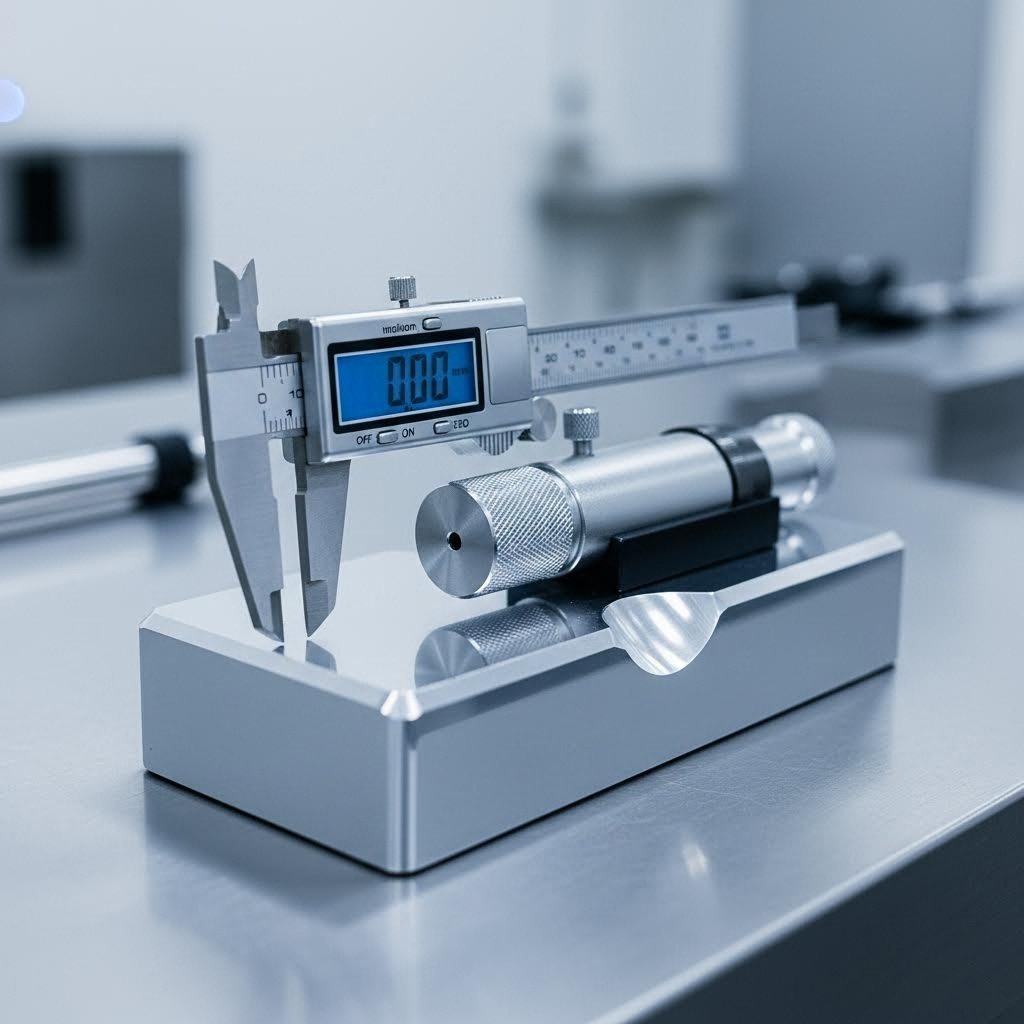
ข้อกำหนดด้านความคลาดเคลื่อนและความต้องการด้านความแม่นยำ
นี่คือจุดที่วิศวกรส่วนใหญ่ที่สั่งชิ้นส่วน CNC ผ่านทางออนไลน์มักเกิดข้อผิดพลาดที่ส่งผลให้เสียค่าใช้จ่ายสูง คุณระบุความคลาดเคลื่อน ±0.001 นิ้วไว้ทั่วทั้งแบบแปลน เนื่องจากคิดว่าค่าความคลาดเคลื่อนที่แคบลงย่อมดีกว่า แล้วจึงประหลาดใจว่าทำไมใบเสนอราคาของคุณจึงเพิ่มขึ้นเป็นสองเท่า หรือไม่ก็ยอมรับค่าความคลาดเคลื่อนมาตรฐานโดยไม่เข้าใจความหมายที่แท้จริง จนกระทั่งพบภายหลังว่าชิ้นส่วนของคุณประกอบกันไม่ได้อย่างถูกต้อง การระบุค่าความคลาดเคลื่อนนั้นอยู่ตรงจุดตัดกันระหว่างเจตนาด้านวิศวกรรมกับข้อจำกัดด้านการผลิต และหากทำผิดพลาด จะส่งผลให้คุณสูญเสียทั้งเงินหรือประสิทธิภาพการใช้งาน
การเข้าใจสัญลักษณ์แสดงค่าความคลาดเคลื่อน ระดับความแม่นยำที่สามารถบรรลุได้จริง และเวลาที่การระบุค่าความคลาดเคลื่อนที่แคบลงนั้นมีความจำเป็นจริง ๆ จะเปลี่ยนคุณจากผู้ที่คาดเดาข้อกำหนดไปเป็นผู้ที่ระบุข้อกำหนดอย่างชาญฉลาด ความรู้เพียงข้อนี้สามารถลดต้นทุนการผลิตชิ้นส่วน CNC ของคุณได้ 20–40% ขณะเดียวกันก็รับประกันว่าการออกแบบของคุณจะสามารถทำงานได้ตามที่ตั้งใจ
ความคลาดเคลื่อนมาตรฐานเทียบกับความคลาดเคลื่อนแบบความแม่นยำสูง: สิ่งที่แอปพลิเคชันของคุณต้องการจริง ๆ
เครื่อง CNC ทุกเครื่องมีขีดจำกัดความแม่นยำในตัวเอง ซึ่งขึ้นอยู่กับโครงสร้าง การสอบเทียบ และกระบวนการกลึงเอง เมื่อคุณส่งชิ้นส่วนเพื่อขอใบเสนอราคา ผู้ให้บริการจะใช้ค่าความคลาดเคลื่อนมาตรฐานโดยอัตโนมัติ เว้นแต่คุณจะระบุเป็นอย่างอื่น การเข้าใจระดับความคลาดเคลื่อนเหล่านี้จะช่วยให้คุณหลีกเลี่ยงการจ่ายเงินเพิ่มสำหรับความแม่นยำที่ไม่จำเป็น
- ค่าความคลาดเคลื่อนมาตรฐานในการกลึง (±0.005 นิ้ว / ±0.127 มม.) เครื่อง CNC ส่วนใหญ่สามารถบรรลุระดับนี้ได้โดยไม่ต้องใช้ความพยายามพิเศษ จึงเหมาะสำหรับมิติที่ไม่สำคัญ รูเพื่อให้มีระยะห่าง (clearance holes) และชิ้นส่วนโครงสร้างทั่วไป หากชิ้นส่วนของคุณสามารถทำงานได้ตามระดับความแปรปรวนนี้ คุณไม่จำเป็นต้องระบุค่าความคลาดเคลื่อนที่แคบกว่านี้ ค่าความคลาดเคลื่อนมาตรฐานนี้ใช้กับงาน CNC ทั่วไปประมาณ 80%
- ค่าความคลาดเคลื่อนแบบความแม่นยำสูง (±0.001–±0.002 นิ้ว / ±0.025–±0.050 มม.) ต้องอาศัยการตั้งค่าเครื่องอย่างรอบคอบ การใช้เครื่องมือคุณภาพสูง และมักต้องมีการตรวจสอบเพิ่มเติม จึงเหมาะสมสำหรับการประกอบชิ้นส่วนที่ต้องสัมผัสกันอย่างแน่นหนา (bearing fits) พื้นผิวที่ต้องสัมผัสกันโดยตรง (mating surfaces) และอินเทอร์เฟซที่ใช้งานจริง (functional interfaces) บริการกลึงแบบความแม่นยำสูงมักเพิ่มค่าใช้จ่าย 15–30% จากราคาพื้นฐานสำหรับข้อกำหนดเหล่านี้
- ความสามารถในการผลิตแบบความแม่นยำสูงพิเศษ (±0.0005 นิ้ว / ±0.0127 มม. หรือแน่นกว่านั้น): ต้องใช้อุปกรณ์เฉพาะทาง สภาพแวดล้อมที่ควบคุมอุณหภูมิอย่างเข้มงวด และการควบคุมคุณภาพอย่างเคร่งครัด ซึ่งมักสงวนไว้สำหรับชิ้นส่วนออปติคัล ขนาดที่สำคัญยิ่งต่ออุตสาหกรรมการบินและอวกาศ และเครื่องมือวัดที่ต้องการความแม่นยำสูงมาก คาดว่าจะมีค่าใช้จ่ายเพิ่มขึ้น 50–100% และระยะเวลาจัดส่งยาวนานขึ้นจากบริการกลึงด้วยเครื่อง CNC แบบความแม่นยำสูง
ประเด็นสำคัญที่ควรทราบ? กำหนดค่าความคลาดเคลื่อนที่แคบเฉพาะในมิติที่แท้จริงแล้วจำเป็นต้องใช้เท่านั้น ตัวอย่างเช่น โครงยึดที่มีรูยึดสกรูสิบสองรูอาจต้องการความคลาดเคลื่อน ±0.005 นิ้ว สำหรับรูยึดที่จัดเรียงเป็นรูปแบบ (mounting pattern) แต่ต้องการเพียง ±0.010 นิ้ว สำหรับความยาวโดยรวมของชิ้นงานเท่านั้น การจัดสรรค่าความคลาดเคลื่อนอย่างชาญฉลาดจะสื่อสารเจตนาด้านวิศวกรรมของคุณได้อย่างชัดเจน ขณะเดียวกันก็ช่วยควบคุมต้นทุนให้อยู่ในระดับที่สมเหตุสมผล
คำอธิบายเกี่ยวกับข้อกำหนดด้านความคลาดเคลื่อนเฉพาะตามอุตสาหกรรม
อุตสาหกรรมต่าง ๆ มีมาตรฐานความคลาดเคลื่อนที่กำหนดขึ้นเองตามประสบการณ์เชิงปฏิบัติที่สั่งสมมาหลายทศวรรษ การเข้าใจเกณฑ์อ้างอิงเหล่านี้จะช่วยให้คุณระบุค่าความคลาดเคลื่อนที่เหมาะสมกับการใช้งานของคุณ
ความคลาดเคลื่อนสำหรับรูเกลียวคือเท่าใด? คำถามทั่วไปนี้มีคำตอบที่ละเอียดอ่อน ตาม มาตรฐานการตัดเกลียวของซานด์วิค โคโรแมนท์ , ความคลาดเคลื่อนของเกลียวภายในสอดคล้องตามมาตรฐาน ISO, DIN หรือ ANSI ชั้นความคลาดเคลื่อนมาตรฐาน ISO 2 (6H) ให้ความพอดีแบบปกติระหว่างสกรูและนัต ซึ่งเหมาะสำหรับการใช้งานส่วนใหญ่ ขณะที่ ISO 1 (4H) ให้ความพอดีที่แน่นขึ้นโดยไม่มีช่องว่าง ในขณะที่ ISO 3 (6G หรือ 7G) ยอมให้มีช่องว่างที่กว้างขึ้น ซึ่งมีประโยชน์เมื่อเกลียวจะถูกเคลือบผิว หรือเมื่อต้องการความพอดีแบบหลวม
สำหรับเกลียวท่อโดยเฉพาะ มาตรฐานจะแตกต่างกันไปตามชนิดของเกลียว ในการทำงานกับขนาดเกลียว 3/8 NPT ขนาดเส้นผ่านศูนย์กลางภายนอกที่ระบุคือ 0.675 นิ้ว โดยมีระยะห่างของเกลียว (pitch) เท่ากับ 18 เกลียวต่อนิ้ว (TPI) สำหรับรูเกลียว 1/4 NPT จะต้องใช้สว่านเจาะรูขนาด 7/16 นิ้ว (0.438 นิ้ว) เพื่อให้เกิดการขับเกลียวอย่างเหมาะสม ในทำนองเดียวกัน ข้อกำหนดด้านขนาดของเกลียวท่อ 3/8 นิ้ว จะแตกต่างกันระหว่างแบบ NPT (เกลียวลดขนาด) กับแบบ NPS (เกลียวตรง) ดังนั้นจึงจำเป็นต้องยืนยันให้แน่ชัดก่อนดำเนินการกลึงว่าควรใช้มาตรฐานใด เพื่อป้องกันการแก้ไขงานซ้ำซ้อนที่ก่อให้เกิดค่าใช้จ่ายสูง
ความสัมพันธ์ระหว่างค่าความคลาดเคลื่อนที่ยอมรับได้ (tolerance) กับราคาไม่เป็นเชิงเส้น การลดค่าความคลาดเคลื่อนที่กำหนดไว้ลงครึ่งหนึ่งไม่ได้หมายความว่าต้นทุนจะเพิ่มขึ้นเป็นสองเท่า แต่อาจเพิ่มขึ้นเป็นสามหรือสี่เท่า เนื่องจากความเร็วในการป้อนวัสดุ (feed rate) ที่ช้าลง ความจำเป็นต้องใช้เครื่องมือพิเศษ ความต้องการควบคุมอุณหภูมิอย่างเข้มงวด และเวลาการตรวจสอบที่ยืดเยื้อ
โปรดพิจารณาแนวทางปฏิบัติเกี่ยวกับค่าความคลาดเคลื่อนที่ยอมรับได้ตามการใช้งานต่อไปนี้:
- ชิ้นส่วนกลไกทั่วไป: ±0.005 นิ้ว สำหรับมิติที่ไม่สำคัญ
- พื้นผิวแบบเลื่อน (sliding fits) และรูสำหรับแบริ่ง: ±0.001" ถึง ±0.002"
- พื้นผิวแบบแรงดัน (press-fit interfaces): ±0.0005" ถึง ±0.001"
- รูเกลียว (มาตรฐาน): ระดับ ISO 2 (6H) ตามมาตรฐานการตัดเกลียวของ Sandvik
- โครงสร้างอากาศยานและอวกาศ: ตามข้อกำหนด AS9100 โดยทั่วไปมีค่าความคลาดเคลื่อนฐาน (baseline) ที่ ±0.002 นิ้ว
- ส่วนประกอบอุปกรณ์ทางการแพทย์: ตามข้อกำหนดของ ISO 13485 มักอยู่ที่ ±0.001 นิ้ว หรือรัดกุมยิ่งกว่านั้น
เมื่อท่านตรวจสอบแบบแปลนของตนเองก่อนส่งให้บริการกลึงด้วยเครื่อง CNC ความแม่นยำสูง ให้ตั้งคำถามกับตนเองว่า "จะเกิดอะไรขึ้นหากมิตินี้อยู่ที่ขอบเขตสุดของช่วงความคลาดเคลื่อนที่ระบุไว้?" หากคำตอบคือ "ไม่มีผลกระทบสำคัญใดๆ" ท่านอาจพิจารณาผ่อนคลายข้อกำหนดมิตินั้นได้ แต่หากการประกอบล้มเหลวหรือประสิทธิภาพในการทำงานลดลง แสดงว่าท่านได้ระบุมิติที่จำเป็นต้องใช้ความแม่นยำสูงซึ่งคุ้มค่ากับค่าใช้จ่ายเพิ่มเติมแล้ว
วิศวกรจำนวนมากกำหนดความคลาดเคลื่อนที่เข้มงวดเกินความจำเป็นไว้เป็นการประกันความแปรปรวนในการผลิต แนวทางนี้กลับส่งผลเสียทางเศรษฐกิจ กลยุทธ์ที่ดีกว่าคือ การระบุมิติที่แท้จริงแล้วมีความสำคัญอย่างยิ่งต่อการใช้งาน กำหนดความคลาดเคลื่อนที่เหมาะสมสำหรับมิติดังกล่าว และใช้ความคลาดเคลื่อนมาตรฐานในส่วนอื่นๆ ผู้จำหน่ายที่มีประสบการณ์ส่วนใหญ่มักจะแจ้งเตือนท่านเกี่ยวกับความคลาดเคลื่อนที่ระบุไว้ซึ่งขัดแย้งกับแนวปฏิบัติทั่วไปของอุตสาหกรรม ซึ่งจะทำให้ท่านมีโอกาสทบทวนและปรับปรุงก่อนตัดสินใจจ่ายค่าใช้จ่ายเพิ่มเติม
เมื่อเข้าใจข้อกำหนดด้านความคลาดเคลื่อน (tolerance) อย่างถูกต้องแล้ว คำถามเชิงตรรกะข้อถัดไปคือ: ข้อกำหนดทั้งหมดเหล่านี้จะส่งผลต่อราคาจริงอย่างไร? การเข้าใจปัจจัยที่ส่งผลต่อต้นทุนจะช่วยให้คุณออกแบบผลิตภัณฑ์ได้อย่างเหมาะสมทั้งในด้านประสิทธิภาพและงบประมาณ
ปัจจัยด้านราคาและกลยุทธ์การปรับลดต้นทุน
คุณได้เลือกวัสดุที่ใช้ ระบุความคลาดเคลื่อนที่ต้องการ และจัดเตรียมไฟล์ CAD ของคุณเรียบร้อยแล้ว ตอนนี้มาถึงคำถามสำคัญที่อาจทำให้โครงการประสบความสำเร็จหรือล้มเหลว: ราคาจริงของชิ้นส่วนนี้จะเท่าไหร่? เมื่อสั่งซื้อชิ้นส่วน CNC ผ่านทางออนไลน์ ความโปร่งใสด้านราคาถือว่ายังขาดแคลนอย่างน่าหงุดหงิด แพลตฟอร์มส่วนใหญ่ให้ใบเสนอราคาโดยไม่ชี้แจงเหตุผลว่าทำไมการออกแบบหนึ่งจึงมีราคาสูงเป็นสองเท่าของอีกแบบหนึ่ง ทิ้งให้คุณต้องคาดเดาเองว่ามีโอกาสในการปรับปรุงประสิทธิภาพด้านต้นทุนอยู่ที่ใด
ความจริงก็คือ ต้นทุนการกลึง CNC มีรูปแบบที่สามารถทำนายได้อย่างแม่นยำ ตราบใดที่คุณเข้าใจปัจจัยพื้นฐานที่ส่งผลต่อราคา การวิเคราะห์ต้นทุนของ PARTMFG ระบุว่า สมการต้นทุนรวมสามารถแยกออกเป็นองค์ประกอบที่วัดค่าได้ชัดเจน การเข้าใจและควบคุมสมการนี้อย่างชำนาญจะเปลี่ยนคุณจากผู้ที่รับใบเสนอราคาอย่างแขวนลอย ไปเป็นผู้ที่ออกแบบอย่างมีกลยุทธ์เพื่อให้บรรลุประสิทธิภาพด้านต้นทุน
ต้นทุนที่แท้จริงที่ขับเคลื่อนราคาใบเสนอราคา CNC ของคุณ
ใบเสนอราคาแต่ละฉบับที่คุณได้รับสะท้อนถึงการคำนวณหนึ่งครั้ง ไม่ว่าจะดำเนินการโดยอัลกอริธึมหรือผู้ประเมินราคาแบบมนุษย์ สูตรการคำนวณมีดังนี้:
ต้นทุนโดยประมาณ = (ต้นทุนวัสดุ + ต้นทุนการตั้งค่าเครื่อง) + (เวลาการกลึง × อัตราค่าแรงต่อชั่วโมง) + ต้นทุนการตกแต่งผิว
มาแยกวิเคราะห์แต่ละองค์ประกอบกันเพื่อให้คุณเข้าใจอย่างชัดเจนว่าคุณกำลังจ่ายเงินเพื่อสิ่งใด
ต้นทุนวัสดุ เปลี่ยนแปลงอย่างมากตามทางเลือกของคุณ ต้นทุนวัตถุดิบสำหรับการกลึงอลูมิเนียมเริ่มต้นที่ 3–8 ดอลลาร์สหรัฐต่อปอนด์ ขึ้นอยู่กับเกรดของโลหะผสม สำหรับเหล็ก ราคาอยู่ที่ 5–16 ดอลลาร์สหรัฐต่อปอนด์ โดยเกรดสแตนเลสจะมีราคาสูงกว่าปกติ หากต้องการกลึงไทเทเนียม คุณควรคาดการณ์ว่าต้นทุนวัสดุจะสูงกว่าอลูมิเนียม 5–10 เท่า ก่อนแม้แต่จะเริ่มกระบวนการตัดเลยทีเดียว ความสามารถในการกลึงวัสดุ (machinability) ยังมีผลเช่นกัน — วัสดุที่แข็งกว่าจำเป็นต้องใช้ความเร็วในการตัดที่ต่ำลง และทำให้เกิดการสึกหรอของเครื่องมือเร็วกว่า ซึ่งทั้งสองปัจจัยนี้ล้วนเพิ่มต้นทุนทางอ้อม
ค่าใช้จ่ายในการตั้งค่า ครอบคลุมเวลาที่จำเป็นในการจับยึดชิ้นส่วนของคุณ โหลดโปรแกรม ตั้งค่าค่าชดเชยเครื่องมือ และดำเนินการตรวจสอบชิ้นงานต้นแบบครั้งแรก ชิ้นส่วนที่เรียบง่ายซึ่งต้องใช้การจัดตั้งเพียงครั้งเดียวอาจเพิ่มต้นทุนในใบเสนอราคาของคุณอีก 50–150 ดอลลาร์สหรัฐฯ ขณะที่ชิ้นส่วนที่มีรูปทรงซับซ้อนซึ่งต้องมีการปรับตำแหน่งหลายครั้งหรือใช้แท่นจับพิเศษอาจทำให้ต้นทุนการจัดตั้งสูงขึ้นเป็นหลายร้อยดอลลาร์สหรัฐฯ สิ่งนี้อธิบายว่าทำไมต้นทุนการผลิตต้นแบบจึงสูงกว่าต้นทุนต่อชิ้นในกระบวนการผลิตจำนวนมากอย่างไม่สมส่วน — เนื่องจากคุณต้องจ่ายต้นทุนการจัดตั้งเท่ากัน ไม่ว่าจะผลิตชิ้นส่วนเพียงหนึ่งชิ้นหรือห้าสิบชิ้น
เวลาเครื่องจักร แสดงถึงส่วนหลักของใบเสนอราคาส่วนใหญ่ ตามข้อมูลอุตสาหกรรม เครื่อง CNC แบบ 3 แกนโดยทั่วไปมีค่าบริการอยู่ที่ 10–20 ดอลลาร์สหรัฐฯ ต่อชั่วโมง ในขณะที่เครื่อง CNC แบบ 5 แกนมีค่าบริการอยู่ที่ 20–40 ดอลลาร์สหรัฐฯ ต่อชั่วโมง หรือมากกว่านั้น ความซับซ้อนของชิ้นส่วนของคุณกำหนดระยะเวลาในการทำงาน (cycle time) โดยตรง: ลักษณะโครงสร้างที่ซับซ้อน ร่องลึก และความคลาดเคลื่อนที่แคบมาก ล้วนทำให้เวลาที่เครื่องทำงานยาวนานขึ้น การกลึงโลหะโดยทั่วไปต้องใช้ระยะเวลาในการทำงานนานกว่าการกลึงพลาสติก เนื่องจากความเร็วในการตัดต่ำกว่าและอัตราการป้อนที่ระมัดระวังมากกว่า
การดำเนินการตกแต่งผิว เพิ่มชั้นต้นทุนสุดท้ายเข้าไป ชิ้นส่วนที่ผ่านการกลึงแล้ว (As-machined parts) ไม่มีค่าใช้จ่ายเพิ่มเติม แต่การเพิ่มการชุบออกซิเดชัน (anodizing), การพ่นสีแบบผง (powder coating) หรือการชุบโลหะ (plating) จะทำให้เกิดขั้นตอนการผลิตรอง (secondary operations) ซึ่งแต่ละขั้นตอนมีโครงสร้างราคาของตนเอง แต่ละประเภทของการเคลือบผิวจำเป็นต้องใช้การจัดการเพิ่มเติม เวลาในการประมวลผลเพิ่มเติม และการตรวจสอบคุณภาพเพิ่มเติม
ปัจจัยที่วัสดุที่เลือก ความซับซ้อน และปริมาณส่งผลต่อราคา
เหตุใดชิ้นส่วนที่เหมือนกันจึงได้รับใบเสนอราคาที่แตกต่างกันอย่างมากจากผู้ขายรายต่าง ๆ? มีหลายปัจจัยที่ก่อให้เกิดความแปรผันนี้
ความเชี่ยวชาญเฉพาะด้านของผู้ขายมีความสำคัญอย่างยิ่ง ร้านที่ออกแบบมาเพื่อการกลึงอลูมิเนียมโดยเฉพาะจะเสนอราคาชิ้นส่วนอลูมิเนียมในระดับที่แข่งขันได้ แต่อาจตั้งราคาชิ้นส่วนเหล็กสูงขึ้นเพื่อสะท้อนความไม่คุ้นเคยกับวัสดุชนิดนี้ ในทางกลับกัน ร้านที่เชี่ยวชาญในการกลึงไทเทเนียมและโลหะผสมพิเศษจะมีเครื่องมือเฉพาะและทักษะเชี่ยวชาญที่ทำให้วัสดุเหล่านี้สามารถผลิตได้ในราคาที่ประหยัดกว่าเมื่อเปรียบเทียบกับโรงงานทั่วไป
ความพร้อมใช้งานของเครื่องจักรยังส่งผลต่อการกำหนดราคาด้วย ผู้ขายที่ดำเนินงานอยู่ที่ความจุ 90% จะต้องให้ความสำคัญกับงานที่มีอัตรากำไรสูงกว่า ซึ่งทำให้ราคาเสนอสำหรับงานมาตรฐานสูงขึ้น ขณะที่ร้านค้าที่มีความจุว่างอยู่อาจลดราคาอย่างมากเพื่อเติมเต็มตารางงานของตน การสั่งซื้อในช่วงเวลาที่มีคำสั่งซื้อน้อยอาจช่วยประหยัดค่าใช้จ่ายได้มากกว่าที่คาดไว้
ผลกระทบจากปริมาณการสั่งซื้อมีรูปแบบที่สามารถทำนายได้ ต้นทุนการเตรียมเครื่องจักรที่กระจายไปยังชิ้นส่วนจำนวนมากขึ้นจะส่งผลให้ราคาต่อหน่วยลดลงเมื่อสั่งซื้อในปริมาณมาก ตัวอย่างเช่น คำสั่งซื้อชิ้นส่วนที่ผ่านการกลึงตามแบบเฉพาะจำนวน 100 ชิ้น อาจมีราคาต่อหน่วยต่ำกว่าคำสั่งซื้อ 10 ชิ้นของแบบเดียวกันถึง 40–60% อย่างไรก็ตาม ส่วนลดตามปริมาณมักจะหยุดเพิ่มขึ้นหลังจากถึงเกณฑ์หนึ่งๆ ไปแล้ว เช่น การสั่งซื้อ 500 ชิ้นเทียบกับ 1,000 ชิ้น อาจไม่ทำให้ต้นทุนต่อหน่วยลดลงครึ่งหนึ่ง
ต่อไปนี้คือกลยุทธ์การลดต้นทุนที่พิสูจน์แล้วว่าได้ผลสำหรับคำสั่งซื้อชิ้นส่วนที่ผ่านการกลึงส่วนใหญ่:
- การปรับปรุงการออกแบบ คุณลักษณะทุกอย่างเพิ่มเวลาในการทำงานของเครื่องจักร ดังนั้นควรตัดองค์ประกอบเชิงตกแต่งออก ลดความลึกของร่อง และรวมขนาดรูให้เหลือน้อยที่สุด ตามแนวทางการออกแบบของ Protocase การออกแบบที่เรียบง่ายย่อมนำไปสู่ระยะเวลาการผลิตที่สั้นลงและต้นทุนที่ต่ำลง โดยไม่กระทบต่อความสามารถในการใช้งาน
- การแทนที่วัสดุ: พิจารณาก่อนว่าอลูมิเนียมเกรด 6061 สามารถตอบโจทย์ความต้องการของคุณได้หรือไม่ ก่อนจะระบุให้ใช้เกรด 7075 ประเมินว่า Delrin สามารถแทนที่ทองแดง-บรอนซ์ได้หรือไม่ในแอปพลิเคชันที่รับแรงโหลดต่ำ บางครั้งวัสดุราคา 5 ดอลลาร์สหรัฐต่อปอนด์อาจให้สมรรถนะเทียบเท่าวัสดุทางเลือกที่ราคา 15 ดอลลาร์สหรัฐต่อปอนด์ สำหรับการใช้งานเฉพาะของคุณ
- ข้อดีของการสั่งซื้อเป็นล็อก รวมการสั่งผลิตต้นแบบหลายเวอร์ชันไว้ในคำสั่งซื้อเดียวเมื่อเป็นไปได้ หากคุณทราบว่าจะต้องการเวอร์ชันที่ 2 และเวอร์ชันที่ 3 ภายในหนึ่งเดือน การสั่งซื้อเวอร์ชันทั้งสามพร้อมกันจะช่วยลดต้นทุนการตั้งค่าเครื่องโดยรวม
- การปรับแต่งค่าความคลาดเคลื่อน: ดังที่กล่าวไว้ในหัวข้อก่อนหน้า การระบุค่าความคลาดเคลื่อน ±0.001 นิ้วทุกตำแหน่ง ทั้งที่ค่า ±0.005 นิ้วเพียงพอสำหรับมิติส่วนใหญ่ จะทำให้ใบเสนอราคาสูงเกินความจำเป็น ดังนั้นควรกำหนดค่าความคลาดเคลื่อนที่แน่นมากเฉพาะมิติที่แท้จริงแล้วต้องการความแม่นยำสูงเท่านั้น
- การเลือกผิวเคลือบ ชิ้นส่วนที่ผ่านการกลึงตามสภาพดั้งเดิมมีต้นทุนต่ำกว่าชิ้นส่วนที่ต้องผ่านกระบวนการแอนโนไดซ์ร่วมกับการพ่นเม็ดทรายอย่างมีนัยสำคัญ โปรดระบุพื้นผิวขั้นสุดท้ายเฉพาะในกรณีที่มีข้อกำหนดเชิงฟังก์ชันหรือเชิงศิลปะที่จำเป็น
- หลีกเลี่ยงผนังบางและโพรงลึก: คุณลักษณะที่มีความหนาน้อยกว่า 0.040 นิ้ว ต้องใช้อัตราการป้อนที่ช้าลงและเครื่องมือพิเศษ สำหรับร่องลึกที่มีความลึกเกิน 4 เท่าของความกว้าง จะต้องใช้เครื่องมือที่มีความยาวมากขึ้น ซึ่งมีแนวโน้มโก่งตัวได้ง่ายกว่า จึงจำเป็นต้องใช้ความเร็วในการกลึงที่ช้าลงและระมัดระวังมากขึ้น
ทำความเข้าใจความแตกต่างของกระบวนการเสนอราคา
ไม่ทุกการเสนอราคามีลักษณะการทำงานเหมือนกัน เมื่อสั่งซื้อชิ้นส่วนที่ผ่านการกลึงผ่านทางออนไลน์ ท่านจะพบกับวิธีการเสนอราคาหลักสามแบบ ซึ่งแต่ละแบบมีข้อกำหนดในการเตรียมงานที่แตกต่างกัน
การเสนอราคาทันที ใช้ซอฟต์แวร์อัตโนมัติวิเคราะห์ไฟล์ CAD 3 มิติของคุณ เพื่อระบุลักษณะต่างๆ ประมาณเวลาไซเคิล และสร้างราคาภายในไม่กี่วินาที ระบบเหล่านี้ให้ผลดีที่สุดเมื่อใช้กับไฟล์ STEP หรือไฟล์ CAD แบบเนทีฟที่มีความสะอาดและกำหนดรูปทรงเรขาคณิตทั้งหมดอย่างชัดเจน ลักษณะที่คลุมเครือ พื้นผิวที่เปิด หรือข้อกำหนดความคลาดเคลื่อนที่ขาดหายไป จะทำให้ต้องส่งไปตรวจสอบด้วยมนุษย์ หรือถูกปฏิเสธโดยตรง สำหรับการคำนวณราคาทันทีที่แม่นยำ โปรดตรวจสอบให้แน่ใจว่าโมเดลของคุณมีความสมบูรณ์แบบ (watertight) ขนาดต่างๆ มีความสมจริง และไม่มีลักษณะใดที่ต้องอาศัยการตีความ
การเสนอราคาแบบแมนนวล มีผู้ประเมินราคาซึ่งเป็นบุคคลจริงเข้ามาตรวจสอบข้อกำหนดของคุณ วิธีนี้สามารถจัดการกับรูปทรงเรขาคณิตที่ซับซ้อน วัสดุที่ไม่ธรรมดา หรือกระบวนการพิเศษที่ระบบอัตโนมัติไม่สามารถประมวลผลได้ คุณจะได้รับใบเสนอราคาภายใน 1–3 วันทำการ แต่คุณจะได้รับสิทธิในการหารือเกี่ยวกับข้อกำหนด ถามคำถาม และเจรจาต่อรองสำหรับคำสั่งซื้อขนาดใหญ่ โปรดจัดเตรียมเอกสารให้ครบถ้วน ได้แก่ โมเดล 3 มิติ แบบแปลน 2 มิติที่ระบุความคลาดเคลื่อนและสัญลักษณ์ GD&T ข้อกำหนดวัสดุ และข้อกำหนดด้านการตกแต่งผิว
ใบเสนอราคาแบบ 2 มิติ ทำงานจากแบบแปลนแทนที่จะใช้โมเดล 3 มิติ ชิ้นส่วนบางชนิดที่มีความเรียบง่ายกว่า โดยเฉพาะชิ้นส่วนที่ผ่านกระบวนการกลึง หรือรูปร่างแบบปริซึมที่ตรงไปตรงมา สามารถให้ราคาได้อย่างแม่นยำโดยอิงจากแบบแปลนที่ระบุขนาดอย่างครบถ้วนเพียงอย่างเดียว วิธีนี้เหมาะสำหรับองค์กรที่ไม่มีความสามารถด้านซอฟต์แวร์ CAD แบบ 3 มิติอย่างสมบูรณ์ แต่ก็จำกัดการให้ข้อเสนอแนะเชิงวิเคราะห์การออกแบบเพื่อการผลิต (DFM) โดยอัตโนมัติ ซึ่งระบบฐาน 3 มิติสามารถให้ได้
ไม่ว่าจะเป็นการขอใบเสนอราคาแบบใด ควรจัดเตรียมไฟล์ของท่านอย่างรอบคอบ ข้อผิดพลาดทั่วไปที่ทำให้การเสนอราคาล่าช้า หรือให้ราคาที่ไม่ถูกต้อง ได้แก่ การไม่ระบุค่าความคลาดเคลื่อนที่ยอมรับได้ (tolerances) บนมิติที่สำคัญ การไม่ระบุวัสดุที่ใช้ การระบุเกลียวไม่ครบถ้วน และข้อกำหนดเกี่ยวกับพื้นผิวที่ไม่ชัดเจน การใช้เวลาเพียงสิบนาทีในการตรวจสอบเอกสารของท่านก่อนส่งมอบ จะช่วยป้องกันไม่ให้เกิดการแลกเปลี่ยนข้อมูลย้อนกลับไปมาหลายวัน
การเข้าใจปัจจัยที่กำหนดราคาใบเสนอราคาของท่าน จะช่วยให้ท่านตัดสินใจออกแบบได้ดีขึ้นตั้งแต่ต้น อย่างไรก็ตาม แม้การออกแบบที่ผ่านการปรับแต่งให้เหมาะสมที่สุดแล้ว ก็ยังจำเป็นต้องมีการจัดเตรียมไฟล์อย่างถูกต้อง และเข้าใจขั้นตอนการสั่งซื้ออย่างชัดเจน เพื่อให้กระบวนการดำเนินไปอย่างราบรื่นตั้งแต่ใบเสนอราคาจนถึงการส่งมอบชิ้นส่วน
ขั้นตอนการสั่งซื้อออนไลน์อย่างสมบูรณ์ อธิบายทุกขั้นตอน
คุณได้ปรับแต่งการออกแบบ คัดเลือกวัสดุ และกำหนดค่าความคลาดเคลื่อนอย่างเหมาะสมแล้ว ต่อไปจะทำอย่างไร? ช่องว่างระหว่างการออกแบบที่พร้อมสำหรับการผลิตจริง กับการได้รับชิ้นส่วนที่เสร็จสมบูรณ์จริงๆ นั้น มักเป็นอุปสรรคสำคัญสำหรับผู้ซื้อชิ้นส่วน CNC ทางออนไลน์ครั้งแรก การเข้าใจขั้นตอนแต่ละขั้นตอนของกระบวนการสั่งซื้อ ตั้งแต่การเตรียมไฟล์จนถึงการจัดส่ง จะช่วยขจัดความไม่คาดคิดทั้งหลาย และมั่นใจได้ว่าคำสั่งซื้อแรกของคุณจะประสบความสำเร็จ
แพลตฟอร์ม CNC ออนไลน์ส่วนใหญ่ใช้กระบวนการทำงานที่คล้ายคลึงกัน แต่รายละเอียดปลีกย่อยนั้นมีความสำคัญ การรู้ว่าเกิดอะไรขึ้นในแต่ละขั้นตอนจะช่วยให้คุณเตรียมความพร้อมได้อย่างเหมาะสม ตอบสนองต่อข้อเสนอแนะอย่างรวดเร็ว และตั้งความคาดหวังที่สมเหตุสมผลเกี่ยวกับระยะเวลาและคุณภาพ
การเตรียมไฟล์ CAD ของคุณเพื่อการเสนอราคาที่ปราศจากข้อผิดพลาด
ไฟล์ CAD ของคุณคือรากฐานของทุกสิ่งที่ตามมา ไฟล์ที่สะอาดและจัดรูปแบบอย่างถูกต้องจะสร้างใบเสนอราคาทันทีที่แม่นยำ ผ่านการตรวจสอบ DFM โดยไม่มีความล่าช้า และแปลงโดยตรงเป็นคำสั่งสำหรับเครื่องจักร ในทางกลับกัน ไฟล์ที่มีปัญหาจะทำให้เกิดการร้องขอให้ตรวจสอบด้วยตนเอง เพิ่มความไม่แม่นยำในการประเมินราคา หรือถูกปฏิเสธโดยสิ้นเชิง
ตามแนวทางการออกแบบแบบ CAD ของ Fictiv การเตรียมโมเดลสำหรับการกลึงด้วยเครื่อง CNC จำเป็นต้องให้ความสำคัญทั้งรูปแบบไฟล์และคุณภาพเชิงเรขาคณิต เริ่มต้นด้วยซอฟต์แวร์สร้างแบบ 3 มิติที่เหมาะสม—โปรแกรมอย่าง SolidWorks, Inventor, NX หรือ Solid Edge มีฟีเจอร์ที่ช่วยทำให้กระบวนการออกแบบสำหรับการกลึง CNC เป็นไปอย่างราบรื่น และสามารถส่งออกไฟล์ได้อย่างสะอาดเรียบร้อย
ข้อกำหนดรูปแบบไฟล์ อาจแตกต่างกันไปตามแพลตฟอร์ม แต่ไฟล์รูปแบบ STEP ยังคงเป็นมาตรฐานสากล เมื่อทำการส่งออก ให้เลือกรูปแบบ STEP ที่เหมาะสมกับความต้องการของคุณ:
- AP203: รูปแบบทั่วไปที่สุด ซึ่งประกอบด้วยข้อมูลเชิงเรขาคณิตและข้อมูลโมเดลจำกัด เหมาะสำหรับชิ้นส่วนพื้นฐานที่ไม่มีคำอธิบายเพิ่มเติม
- AP214: รวมข้อมูลสี คำอธิบายเกี่ยวกับการกำหนดความคลาดเคลื่อนทางเรขาคณิต (GD&T) และข้อมูลความคลาดเคลื่อนที่ยอมรับได้ (tolerance data) เหมาะอย่างยิ่งสำหรับการใช้งานการกลึงด้วยเครื่อง CNC ส่วนใหญ่
- AP242: ประกอบด้วยข้อมูลการผลิตผลิตภัณฑ์ (Product Manufacturing Information: PMI) และคำอธิบายตามนิยามจากโมเดล (Model-Based Definition annotations) ใช้เมื่อโมเดลของคุณมีข้อกำหนดที่ฝังไว้ซึ่งจำเป็นต้องถ่ายโอนไปยังขั้นตอนการผลิต
นอกเหนือจากไฟล์รูปแบบ STEP แล้ว แพลตฟอร์มส่วนใหญ่ยังรองรับไฟล์รูปแบบ IGES และไฟล์รูปแบบเนทีฟจากโปรแกรม CAD ชั้นนำ อย่างไรก็ตาม ไฟล์รูปแบบเนทีฟอาจก่อให้เกิดปัญหาความไม่เข้ากันได้ในบางครั้ง ดังนั้น หากไม่แน่ใจ ให้ส่งออกไฟล์เป็นรูปแบบ STEP AP214 เพื่อการส่งมอบข้อมูลที่สะอาดและแม่นยำที่สุด
เคล็ดลับการออกแบบเพื่อการผลิตที่มีผลจริง
นี่คือจุดที่คู่แข่งส่วนใหญ่มักทำได้ไม่ดีพอ — พวกเขาจัดระบุ DFM เป็นคุณสมบัติหนึ่งโดยไม่ได้อธิบายว่าอะไรคือองค์ประกอบที่ทำให้แบบออกแบบสามารถผลิตได้จริง การเข้าใจข้อจำกัดเหล่านี้ก่อนอัปโหลดแบบจะช่วยหลีกเลี่ยงวงจรที่น่าหงุดหงิดของการถูกปฏิเสธใบเสนอราคาและการออกแบบใหม่
ความหนาของผนังขั้นต่ำ ขึ้นอยู่กับวัสดุและขนาดของชิ้นส่วน สำหรับโลหะ ควรรักษาระดับความหนาของผนังขั้นต่ำไว้ที่ 0.5 มม. (0.020 นิ้ว) สำหรับส่วนประกอบขนาดเล็ก และ 1.0 มม. (0.040 นิ้ว) สำหรับส่วนที่กว้างขึ้น ผนังที่บางเกินไปจะเกิดการโก่งตัวภายใต้แรงตัด ส่งผลให้เกิดการสั่นสะเทือน (chatter) พื้นผิวงานไม่เรียบ หรือแม้แต่ชิ้นส่วนเสียหายอย่างสิ้นเชิง ส่วนพลาสติกสามารถทำให้ผนังบางลงได้เล็กน้อย โดยมีความหนาขั้นต่ำที่ 0.4 มม. แต่จำเป็นต้องควบคุมอัตราการป้อนเครื่องจักรอย่างระมัดระวังเพื่อป้องกันการละลายหรือการแตกร้าว
อัตราส่วนความลึกของรู ส่งผลโดยตรงต่อความสามารถในการกลึงได้ ดอกสว่านมาตรฐานสามารถทำงานได้อย่างเชื่อถือได้จนถึงความลึกที่เท่ากับ 4 เท่าของเส้นผ่านศูนย์กลาง แต่เมื่อเกินค่านั้น จะจำเป็นต้องใช้เครื่องมือพิเศษแบบยาวพิเศษ และความแม่นยำจะลดลง สำหรับรูที่ลึกกว่า 10 เท่าของเส้นผ่านศูนย์กลาง ควรพิจารณาวิธีทางเลือกอื่น เช่น การกัดด้วยประจุไฟฟ้า (EDM) หรือแบ่งลักษณะชิ้นงานออกเป็นส่วนๆ แล้วทำการกลึงจากทั้งสองด้าน ตามแนวทางของ Fictiv ระบุว่า การรักษาอัตราส่วนความลึกต่อเส้นผ่านศูนย์กลางให้น้อยกว่า 10:1 จะช่วยป้องกันสถานการณ์ที่เครื่องมือไม่สามารถเข้าถึงตำแหน่งที่ต้องการ หรือไม่สามารถรักษาความแม่นยำได้
รัศมีมุมด้านใน มักทำให้นักออกแบบหลายคนรู้สึกประหลาดใจ เนื่องจากมุมภายในที่แหลมคมนั้นเป็นไปไม่ได้ในทางกายภาพเมื่อใช้เครื่องมือกลึงทรงกระบอกที่หมุนอยู่ มุมภายในทุกมุมจะมีรัศมีอย่างน้อยครึ่งหนึ่งของเส้นผ่านศูนย์กลางของเครื่องมือตัด สำหรับโพCKET และร่อง ควรระบุรัศมีภายในอย่างน้อย 1/3 ของความลึกของโพCKET — เพื่อให้มีพื้นที่เพียงพอสำหรับการระบายเศษโลหะและป้องกันไม่ให้เครื่องมือหัก หากการออกแบบของคุณต้องการมุมสี่เหลี่ยมจัตุรัสสำหรับการประกอบกับชิ้นส่วนอื่น ให้เจาะรูพัก (relief holes) ที่มุม หรือออกแบบชิ้นส่วนที่จะประกอบเข้าด้วยกันให้มีรัศมีภายนอกที่สอดคล้องกัน
ข้อกำหนดของเกลียว ต้องระบุรายละเอียดเกลียวอย่างครบถ้วน: ชนิดเกลียว ขนาดเกลียว ระยะห่างของเกลียว (pitch) ความลึกของเกลียว และระดับความพอดี (class of fit) เกลียวมาตรฐาน (เช่น UNC, UNF, และเกลียวเมตริกตามมาตรฐาน ISO) สามารถขึ้นรูปได้ง่ายด้วยเครื่องมือที่มีจำหน่ายทั่วไป และมีต้นทุนต่ำกว่าเกลียวแบบพิเศษต่าง ๆ ให้ระบุความลึกของเกลียวเป็นจำนวนเท่าของเส้นผ่านศูนย์กลาง — โดยความลึก 2 เท่าของเส้นผ่านศูนย์กลางมักเพียงพอสำหรับการยึดเกาะในส่วนใหญ่ สำหรับรูเกลียวแบบไม่ทะลุ (blind threaded holes) จะต้องมีส่วนที่ไม่มีเกลียวเพิ่มเติมอยู่ด้านล่างของเกลียวส่วนที่ใช้งานได้สุดท้าย เพื่อรองรับส่วนปลายของสว่านเกลียว (tap runout)
เป้าหมายสูงสุดของการออกแบบเพื่อการผลิต (DFM) สำหรับการกัดด้วยเครื่อง CNC คือ การออกแบบชิ้นส่วนที่สามารถตอบสนองข้อกำหนดทั้งหมดได้ ขณะเดียวกันก็ลดความซับซ้อนในการกัดลงให้มากที่สุด ความเรียบง่ายคือรูปแบบสูงสุดของความประณีต
ข้อผิดพลาดทั่วไปที่เกิดขึ้นระหว่างการอัปโหลดไฟล์ ซึ่งทำให้การเสนอราคาล่าช้า ได้แก่:
- พื้นผิวที่เปิด (open surfaces) หรือเรขาคณิตที่ไม่ปิดสนิท (non-watertight geometry) ซึ่งขัดขวางการคำนวณปริมาตร
- พื้นผิวที่ทับซ้อนกันหรือซ้ำซ้อนกัน จนเกิดขอบเขตที่คลุมเครือ
- คุณสมบัติที่หายไปหรือมีความหนาเป็นศูนย์ เนื่องจากสเกตช์ไม่ได้ถูกดึงออก (extruded) อย่างสมบูรณ์
- ขนาดที่ไม่สมจริง (เช่น ฟีเจอร์ที่มีขนาดระดับไมครอน หรือชิ้นส่วนที่มีขนาดระดับกิโลเมตร)
- ส่วนประกอบของชุดประกอบ (assembly components) ที่ฝังอยู่ภายในโมเดล ทั้งที่ตั้งใจจะส่งไฟล์เพียงชิ้นส่วนเดียว
ก่อนอัปโหลด ให้รันฟังก์ชันตรวจสอบเรขาคณิต (geometry check) ของซอฟต์แวร์ CAD ที่คุณใช้ โปรแกรมส่วนใหญ่สามารถระบุข้อผิดพลาดของแบบจำลองแบบแมนิโฟลด์ (manifold errors) ขอบเปิด (open edges) และปัญหาอื่นๆ ที่อาจทำให้เกิดความล่าช้าในการเสนอราคา การใช้เวลาเพียงห้านาทีในการตรวจสอบจะช่วยหลีกเลี่ยงการสื่อสารกลับไปกลับมาเพื่อแก้ไขปัญหาเป็นเวลาหลายวัน
จากขั้นตอนการอัปโหลดจนถึงการเปิดกล่องสินค้า: เส้นเวลาการสั่งซื้อแบบครบวงจร
เกิดอะไรขึ้นหลังจากคุณคลิกปุ่มส่ง? การเข้าใจแต่ละขั้นตอนจะช่วยให้คุณคาดการณ์การสื่อสาร พร้อมเตรียมคำตอบล่วงหน้า และวางแผนกำหนดเวลาโครงการได้อย่างแม่นยำ
- การจัดเตรียมและอัปโหลดไฟล์: คุณส่งออกโมเดล CAD ที่เสร็จสมบูรณ์ ตรวจสอบความถูกต้องของเรขาคณิต (geometry integrity) แล้วอัปโหลดขึ้นแพลตฟอร์ม โปรดแนบภาพวาด 2 มิติ (2D drawings) ที่ระบุค่าความคลาดเคลื่อน (tolerances) ข้อกำหนดวัสดุ (material specifications) และข้อกำหนดด้านพื้นผิว (finishing requirements) การจัดทำเอกสารอย่างครบถ้วนจะช่วยป้องกันความล่าช้าในการเสนอราคา แพลตฟอร์มส่วนใหญ่รองรับไฟล์ขนาดไม่เกิน 50–100 MB และประมวลผลการอัปโหลดภายในไม่กี่วินาที
- การสร้างใบเสนอราคาแบบทันที: ระบบอัตโนมัติวิเคราะห์รูปทรงเรขาคณิตของชิ้นส่วนคุณ ระบุลักษณะเฉพาะ ประเมินเวลาที่ใช้ในการกลึง และคำนวณราคา กระบวนการนี้ใช้เวลาเพียงไม่กี่วินาทีถึงไม่กี่นาที ขึ้นอยู่กับระดับความซับซ้อนของชิ้นส่วน ใบเสนอราคาจะรวมต้นทุนวัสดุ เวลาการกลึง งานปฏิบัติการรอง (secondary operations) ทั้งหมด และตัวเลือกเวลาจัดส่งที่พร้อมให้บริการ โปรดตรวจสอบข้อกำหนดที่ระบุในใบเสนอราคาอย่างละเอียด—นี่คือสัญญาณแรกที่บ่งชี้ว่าระบบตีความการออกแบบของคุณอย่างไร
- การทบทวนและให้ข้อเสนอแนะเชิงออกแบบสำหรับการผลิต (DFM): แพลตฟอร์มจะระบุประเด็นที่เกี่ยวข้องกับความสามารถในการผลิต ไม่ว่าจะผ่านการวิเคราะห์โดยอัตโนมัติหรือผ่านการทบทวนโดยวิศวกร ข้อเสนอแนะที่พบบ่อย ได้แก่ ผนังบางที่จำเป็นต้องเสริมความแข็งแรง ร่องลึกที่ต้องปรับปรุงการออกแบบ ค่าความคลาดเคลื่อน (tolerances) ที่ต้องยืนยัน และทิศทางของลักษณะเฉพาะที่ส่งผลต่อการจับยึดชิ้นงาน (fixturing) โปรดตอบกลับคำถามเกี่ยวกับ DFM อย่างทันท่วงที เนื่องจากการล่าช้าในขั้นตอนนี้จะส่งผลโดยตรงต่อระยะเวลาการจัดส่งสินค้าของคุณ สำหรับคำสั่งซื้อต้นแบบ CNC ที่ความเร็วมีความสำคัญ การมีแบบแปลนที่สมบูรณ์และผ่านการทบทวน DFM ได้ทันที จะช่วยประหยัดเวลาได้หลายวัน
- การยืนยันคำสั่งซื้อและการชำระเงิน: เมื่อกำหนดข้อกำหนดต่าง ๆ เสร็จสิ้นแล้ว คุณจะยืนยันการสั่งซื้อและดำเนินการชำระเงิน แพลตฟอร์มส่วนใหญ่รองรับช่องทางการชำระเงินหลายรูปแบบ และออกใบสั่งซื้ออย่างเป็นทางการเพื่อใช้ในการบัญชีธุรกิจ ขั้นตอนนี้จะเริ่มกระบวนการจัดซื้อวัสดุทันที หากสินค้าไม่มีในสต๊อกอยู่ก่อนแล้ว
- การวางแผนการผลิตและการกลึง: คำสั่งซื้อของคุณจะเข้าสู่คิวการผลิตตามระยะเวลาการนำส่ง (lead time) ที่คุณเลือก โปรแกรมเมอร์ระบบ CNC จะแปลงโมเดลของคุณให้เป็นคำสั่งสำหรับเครื่องจักร ผู้ปฏิบัติงานจะติดตั้งอุปกรณ์ยึดชิ้นงาน (fixtures) จากนั้นจึงเริ่มกระบวนการกลึงด้วยเครื่อง CNC สำหรับคำสั่งซื้อชิ้นส่วนต้นแบบ (prototype machining) บางบริการเสนอการจัดตารางการผลิตแบบเร่งด่วน ซึ่งสามารถข้ามคิวมาตรฐานได้ ระหว่างการผลิต เครื่องจักรจะประมวลผลรูปทรงเรขาคณิตตามแบบที่คุณระบุ โดยเริ่มจากการกลึงหยาบ (roughing passes) เพื่อตัดวัสดุส่วนเกินออกก่อน แล้วจึงดำเนินการกลึงตกแต่ง (finishing passes) เพื่อให้ได้ขนาดสุดท้ายและคุณภาพพื้นผิวตามที่กำหนด
- การตรวจสอบคุณภาพ: ชิ้นส่วนที่ผลิตเสร็จแล้วจะผ่านการตรวจสอบมิติตามข้อกำหนดของท่าน โดยการตรวจสอบมาตรฐานครอบคลุมมิติที่สำคัญโดยใช้เวอร์เนียร์คาลิเปอร์และไมโครมิเตอร์ สำหรับความต้องการด้านความแม่นยำสูง จะมีการใช้เครื่องวัดพิกัด (CMM: Coordinate Measuring Machine) พร้อมรายงานการตรวจสอบอย่างเป็นทางการ บางคำสั่งซื้ออาจต้องมีการตรวจสอบตัวอย่างชิ้นแรกก่อนเริ่มการผลิตแบบเต็มรูปแบบ หากชิ้นส่วนไม่ผ่านการตรวจสอบ จะมีการปรับปรุงใหม่หรือผลิตใหม่ทั้งหมดก่อนจัดส่ง
- ขั้นตอนการตกแต่ง: หากท่านระบุการตกแต่งเพิ่มเติม เช่น การชุบออกไซด์ (anodizing), การชุบโลหะ (plating), การเคลือบผง (powder coating) หรือการพ่นเม็ดทราย (bead blasting) ชิ้นส่วนจะถูกส่งไปยังสถานีการตกแต่งหลังจากได้รับการอนุมัติจากการกลึงแล้ว พื้นผิวทุกส่วนที่ถูกตัดด้วยเครื่อง CNC จะได้รับการตกแต่งตามที่ระบุไว้ การตกแต่งจะใช้เวลาเพิ่มขึ้น 1–5 วัน ขึ้นอยู่กับความซับซ้อนของกระบวนการและข้อกำหนดในการอบแห้ง (curing) ที่อาจมี
- การบรรจุและการขนส่ง: ชิ้นส่วนที่ผลิตเสร็จแล้วจะได้รับบรรจุภัณฑ์ป้องกันที่เหมาะสมกับวัสดุและผิวสัมผัสของชิ้นส่วนนั้น ๆ ตัวอย่างเช่น ชิ้นส่วนอลูมิเนียมอาจจัดส่งในกล่องที่บุโฟมไว้ ส่วนชิ้นส่วนความแม่นยำสูงอาจบรรจุแยกชิ้นในถุงป้องกันไฟฟ้าสถิตย์ คุณจะได้รับข้อมูลการติดตามพัสดุและวันที่จัดส่งโดยประมาณ แพลตฟอร์มส่วนใหญ่ยังให้บริการจัดส่งด่วนสำหรับคำสั่งซื้อต้นแบบ CNC ที่มีความเร่งด่วน
สิ่งที่ผู้ซื้อหน้าใหม่ควรคาดหวัง
คำสั่งซื้อแรกของคุณสำหรับบริการต้นแบบ CNC มักจะไม่ดำเนินไปอย่างสมบูรณ์แบบ — ไม่ใช่เพราะแพลตฟอร์มล้มเหลว แต่เป็นเพราะเส้นโค้งการเรียนรู้นั้นมีรายละเอียดที่คุณไม่สามารถคาดการณ์ล่วงหน้าได้ ต่อไปนี้คือสิ่งที่มักทำให้ผู้เริ่มต้นรู้สึกประหลาดใจ
คำแนะนำด้าน DFM มักจะขอให้คุณปรับเปลี่ยนการออกแบบ แม้แต่นักออกแบบที่มีประสบการณ์ก็ยังได้รับคำแนะนำเกี่ยวกับความสามารถในการผลิต ประเด็นสำคัญจึงไม่ใช่ว่าคุณจะได้รับคำแนะนำหรือไม่ แต่เป็นว่าคุณจะตอบสนองต่อคำแนะนำนั้นได้รวดเร็วเพียงใด โปรดเตรียมไฟล์ CAD ของคุณไว้ให้พร้อมใช้งานเสมอ และเตรียมพร้อมที่จะปรับเปลี่ยนแบบอย่างเล็กน้อย
ระยะเวลาการผลิตนั้นเป็นจริง เมื่อแพลตฟอร์มระบุระยะเวลาการผลิต 5 วัน หมายถึง 5 วันทำการนับจากวันที่ยืนยันคำสั่งซื้อ ไม่ใช่นับจากวันที่คุณอัปโหลดแบบครั้งแรก โปรดรวมระยะเวลาสำหรับการทบทวน DFM การปรับแก้แบบ (ถ้ามี) กระบวนการตกแต่งชิ้นงาน และระยะเวลาจัดส่งด้วย ดังนั้นคำสั่งซื้อที่ระบุว่า "5 วัน" อาจใช้เวลาจริง 10–14 วันปฏิทิน นับตั้งแต่การอัปโหลดแบบครั้งแรกจนถึงการจัดส่งสินค้า
ปริมาณชิ้นงานต้นแบบ (first-article) นั้นเหมาะสม การสั่งซื้อชิ้นส่วนจำนวน 100 ชิ้นในขณะที่คุณยังไม่เคยใช้บริการผู้ขายรายนี้มาก่อน ถือว่ามีความเสี่ยง แนะนำให้เริ่มต้นด้วยการสั่งซื้อเพียง 5–10 ชิ้น เพื่อยืนยันขนาด คุณภาพของพื้นผิว และความพอดีกับชิ้นส่วนอื่นที่ต้องประกอบร่วมกัน เมื่อคุณยืนยันแล้วว่าผลลัพธ์จากการกลึงต้นแบบสอดคล้องกับความคาดหวัง การขยายกำลังการผลิตจะดำเนินไปได้อย่างราบรื่นยิ่งขึ้น
ช่องทางการสื่อสารมีความสำคัญ ควรทราบวิธีติดต่อฝ่ายสนับสนุนเทคนิคก่อนที่คุณจะต้องการใช้งานจริง บันทึกอีเมลยืนยันไว้ สร้างบุ๊กมาร์กหน้าแดชบอร์ดคำสั่งซื้อของคุณ และจดบันทึกข้อมูลผู้ติดต่อโดยตรงที่ให้มาไว้ เมื่อมีคำถามเกิดขึ้นระหว่างการผลิต การสื่อสารอย่างรวดเร็วจะช่วยป้องกันความล่าช้า
กระบวนการสั่งซื้อจะกลายเป็นกิจวัตรหลังจากผ่านไปสองถึงสามรอบ คุณภาพของการจัดเตรียมไฟล์ของคุณดีขึ้น คำติชมเกี่ยวกับการออกแบบเพื่อการผลิต (DFM) ลดลง และการประมาณระยะเวลาในการผลิต (lead time) ก็สามารถใช้เป็นเครื่องมือวางแผนที่เชื่อถือได้ อย่างไรก็ตาม คำสั่งซื้อแรกนั้นต้องอาศัยความอดทนและความใส่ใจในแต่ละขั้นตอนของลำดับงาน
เมื่อชิ้นส่วนของคุณถูกสั่งซื้อเรียบร้อยและเข้าสู่ขั้นตอนการผลิตแล้ว ประเด็นต่อไปที่ควรพิจารณาคือตัวเลือกการตกแต่งผิว—ซึ่งเป็นทางเลือกที่ส่งผลทั้งต่อรูปลักษณ์ภายนอกและประสิทธิภาพการใช้งานจริงของชิ้นส่วนที่จัดส่งให้คุณ
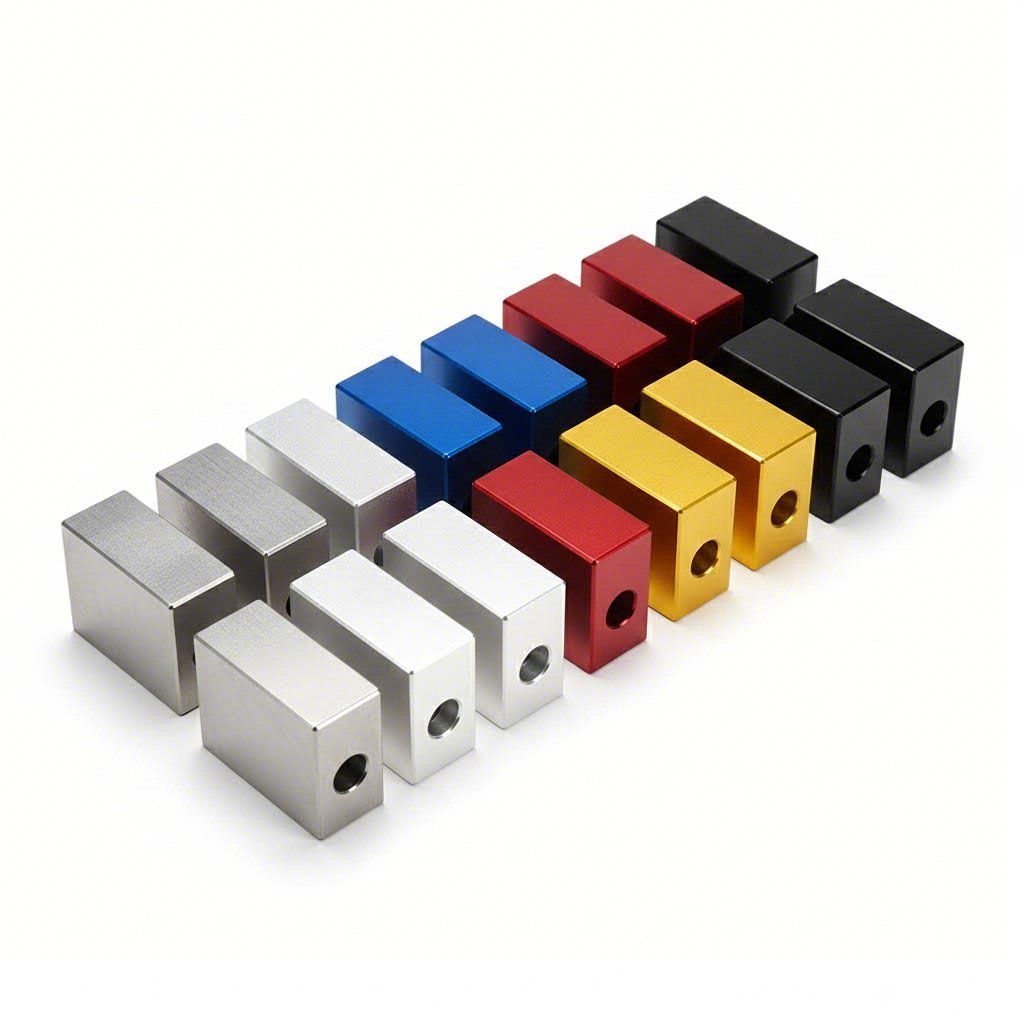
ตัวเลือกการตกแต่งผิวและเวลาที่ควรใช้แต่ละแบบ
ชิ้นส่วนที่ผ่านการกลึงมาของคุณจะมีรอยเครื่องมือ ขอบคม และพื้นผิววัสดุที่ยังไม่ผ่านการตกแต่ง แล้วต้องทำอย่างไรต่อ? การตกแต่งผิวเปลี่ยนชิ้นส่วนที่ผ่านการกลึงดิบๆ ให้กลายเป็นผลิตภัณฑ์ที่ใช้งานได้จริงและทนทาน—แต่หากเลือกวิธีตกแต่งผิวที่ไม่เหมาะสม จะส่งผลให้สูญเสียค่าใช้จ่ายโดยไม่จำเป็น หรือทำให้ชิ้นส่วนเสียหายก่อนเวลาอันควร เมื่อสั่งซื้อชิ้นส่วน CNC ออนไลน์ การเข้าใจตัวเลือกการตกแต่งผิวของคุณจะช่วยป้องกันการปรับปรุงซ้ำที่มีค่าใช้จ่ายสูง และรับประกันว่าชิ้นส่วนของคุณจะทำงานได้ตามวัตถุประสงค์ที่ตั้งไว้
แพลตฟอร์มส่วนใหญ่จัดแสดงตัวเลือกการตกแต่งพื้นผิวโดยไม่อธิบายว่าแต่ละแบบเหมาะกับสถานการณ์ใด ช่องว่างดังกล่าวทำให้คุณต้องเดาเอา และมักเลือกวิธีที่คุ้นเคยโดยอัตโนมัติ ซึ่งอาจไม่สอดคล้องกับข้อกำหนดเฉพาะของงานที่คุณกำลังดำเนินการ ลองมาแก้ไขปัญหานี้กัน
การตกแต่งเพื่อการใช้งานจริงเทียบกับการตกแต่งเพื่อความสวยงาม: การเลือกวิธีการให้สอดคล้องกับวัตถุประสงค์
ก่อนลงลึกสู่กระบวนการเฉพาะเจาะจง ให้พิจารณาก่อนว่าคุณต้องการอะไรจากพื้นผิวที่ผ่านการตกแต่งนั้นจริง ๆ คุณกำลังแก้ปัญหาเชิงหน้าที่หรือไม่ เช่น ปัญหาการกัดกร่อน การสึกหรอ หรือการนำไฟฟ้า หรือคุณกำลังเน้นที่ลักษณะภายนอกเป็นหลัก? ความแตกต่างระหว่างสองประเด็นนี้จะกำหนดทุกการตัดสินใจที่ตามมา
พื้นผิวหลังการกลึง เหมาะสมอย่างยิ่งสำหรับการใช้งานหลายประเภท ตามคู่มือการตกแต่งพื้นผิวของ Fictiv ลักษณะของพื้นผิวที่ผ่านการตกแต่งมีความสำคัญมากที่สุดเมื่อชิ้นส่วนนั้นสัมผัสกับชิ้นส่วนอื่น ๆ โดยทั่วไปแล้ว โครงยึดที่ซ่อนอยู่ภายในตู้ครอบไม่จำเป็นต้องผ่านขั้นตอนอื่นนอกจากการขจัดเศษคม (deburring) เท่านั้น แต่สำหรับเพลาที่หมุนสัมผัสกับแบริ่ง? ความหยาบของพื้นผิวจะส่งผลโดยตรงต่อแรงเสียดทาน การสึกหรอ และอายุการใช้งานของชิ้นส่วน
การยิงลูกปัด (เรียกอีกอย่างว่า media blasting) สร้างพื้นผิวด้านที่สม่ำเสมอโดยการยิงอนุภาคแก้ว พลาสติก หรือทรายด้วยความดันสูงไปยังชิ้นส่วนของคุณ กระบวนการกัดกร่อนนี้ช่วยขจัดรอยเครื่องจักรและให้ลักษณะผิวที่สม่ำเสมอกัน วิธีนี้ใช้งานได้ดีกับโลหะส่วนใหญ่ เช่น อลูมิเนียม เหล็ก ทองเหลือง และทองแดง มักใช้เป็นขั้นตอนเตรียมพื้นผิวก่อนการเคลือบในขั้นตอนถัดไป พื้นผิวที่ได้จะช่วยเพิ่มการยึดเกาะของสีและกาว พร้อมทั้งปกปิดข้อบกพร่องเล็กน้อยบนพื้นผิว
เมื่อรูปลักษณ์มีความสำคัญแต่ข้อกำหนดด้านความทนทานต่ำมาก การทำ bead blasting อย่างเดียวก็อาจเพียงพอแล้ว หากผสมผสานเข้ากับกระบวนการ anodizing จะได้พื้นผิวด้านที่ประณีตซึ่งพบเห็นได้ในผลิตภัณฑ์อิเล็กทรอนิกส์สำหรับผู้บริโภคระดับพรีเมียม เช่น แล็ปท็อป MacBook ของ Apple
สำหรับโครงการกัดพลาสติกด้วยเครื่อง CNC ตัวเลือกการตกแต่งผิวมีความแตกต่างกัน พลาสติกชนิดต่าง ๆ เช่น เดลริน (Delrin), ไนลอน (nylon) และโพลีคาร์บอเนต (polycarbonate) มักได้รับการตกแต่งผิวแบบที่กัดเสร็จแล้ว (as-machined) หรือขัดผิวเบา ๆ การทำให้ผิวเรียบด้วยไอน้ำ (vapor smoothing) ใช้ได้กับเทอร์โมพลาสติกบางชนิด แต่ไม่สามารถใช้งานได้ทั่วไป ในกรณีที่สั่งงานกัดอะคริลิกด้วยเครื่อง CNC หรือบริการกัดอะคริลิกด้วยเครื่อง CNC แบบอื่น ๆ การขัดผิวด้วยเปลวไฟ (flame polishing) สามารถคืนความใสแบบออปติคัลให้กับขอบที่ผ่านการกัดแล้วได้
การถอดรหัสตัวเลือกการชุบอะโนไดซ์ การชุบเคลือบผิว และการเคลือบผิว
สับสนว่าควรระบุการชุบอะโนไดซ์ (anodizing) แทนการเคลือบผง (powder coating) หรือการชุบโลหะ (plating) เมื่อใด? คุณไม่ได้เป็นคนเดียวที่รู้สึกเช่นนั้น แต่ละกระบวนการมีวัตถุประสงค์ที่แตกต่างกันอย่างชัดเจน และการเลือกใช้ให้เหมาะสมขึ้นอยู่กับวัสดุและข้อกำหนดด้านการใช้งานของคุณ
การทําแอโนด กระบวนการชุบอะโนไดซ์เปลี่ยนผิวอลูมิเนียมผ่านปฏิกิริยาออกซิเดชันแบบไฟฟ้าเคมี ซึ่งแตกต่างจากการเคลือบผิวแบบอื่นที่วางตัวอยู่บนผิววัสดุพื้นฐาน กระบวนการชุบอะโนไดซ์จะรวมตัวเข้ากับโครงสร้างอลูมิเนียมโดยตรง จึงไม่หลุดลอกหรือล่อนออกมาเหมือนสีทา กระบวนการนี้สร้างชั้นออกไซด์ที่แข็งและมีรูพรุน ซึ่งสามารถรับสีได้ และสามารถปิดผนึกเพื่อเพิ่มความต้านทานต่อการกัดกร่อน
มีการชุบผิวด้วยกระบวนการแอนโนไดซ์สองแบบที่นิยมใช้กันมากที่สุดในการตกแต่งชิ้นส่วนที่ผลิตด้วยเครื่อง CNC:
- การออกซิไดซ์แบบ Type II ให้ชั้นผิวหนาตั้งแต่ 0.0002 นิ้ว ถึง 0.001 นิ้ว ซึ่งให้การป้องกันการกัดกร่อนในระดับปานกลาง สามารถรับสีสันสดใสได้ดี และเหมาะสมกับการใช้งานส่วนใหญ่ทั้งในกลุ่มผู้บริโภคและอุตสาหกรรม นี่จึงเป็นตัวเลือกเริ่มต้นของคุณสำหรับชิ้นส่วนอลูมิเนียมที่ต้องการสี
- การออกซิไดซ์แบบ Type III (แอนโนไดซ์แบบแข็ง) ให้ชั้นผิวหนาตั้งแต่ 0.001 นิ้ว ถึง 0.004 นิ้ว พื้นผิวที่ได้มีความแข็งแกร่งและทนต่อการสึกหรอมากขึ้นอย่างมีนัยสำคัญ เหมาะสำหรับชิ้นส่วนที่ต้องสัมผัสกับแรงเสียดสี การลื่นไถล หรือสภาพแวดล้อมที่รุนแรง ข้อแลกเปลี่ยนที่ต้องพิจารณาคือ มีตัวเลือกสีจำกัด (โดยทั่วไปคือ สีดำ สีเทา หรือสีธรรมชาติของอลูมิเนียม) และมีต้นทุนสูงกว่า
ทั้งสองประเภทของการชุบผิวด้วยกระบวนการแอนโนไดซ์ทำให้อลูมิเนียมสูญเสียคุณสมบัติการนำไฟฟ้า ดังนั้นจึงจำเป็นต้องปิดบังพื้นผิวที่ต้องการการสัมผัสทางไฟฟ้าตามความจำเป็น ตามที่คู่มืออุตสาหกรรมระบุไว้ การปิดบังรูและพื้นผิวที่สำคัญจะเพิ่มต้นทุน—โดยแต่ละรูที่ต้องป้องกันจะทำให้เวลาในการประมวลผลยาวนานขึ้น
การเคลือบผง ใช้งานได้กับอลูมิเนียม เหล็ก และสแตนเลส สีผงที่พ่นด้วยระบบไฟฟ้าสถิตจะยึดติดกับชิ้นส่วนที่ต่อพื้นดิน จากนั้นจึงผ่านกระบวนการอบแข็งในเตาที่อุณหภูมิ 325–450°F ผลลัพธ์คือชั้นเคลือบที่หนาและทนทาน พร้อมให้เลือกได้หลากหลายสีและระดับความมันเงา งานเคลือบผงเหมาะอย่างยิ่งสำหรับการตกแต่งผิวที่มีความทนทานดี แต่จะเพิ่มความหนาของชิ้นงานอย่างวัดได้ — ควรคำนึงถึงการเพิ่มความหนา 0.002–0.006 นิ้ว และปิดบังส่วนที่มีความแม่นยำสูง (tight-tolerance features) ตามความเหมาะสม
การลดลง ปกป้องเหล็กและสแตนเลสผ่านกระบวนการบำบัดทางเคมีซึ่งขจัดธาตุเหล็กบนผิวออก เพื่อสร้างชั้นป้องกันการกัดกร่อนโดยไม่เพิ่มความหนา กระบวนการนี้ไม่เปลี่ยนลักษณะปรากฏของชิ้นงานอย่างมีนัยสำคัญ และไม่จำเป็นต้องปิดบังส่วนใดๆ การทำพาสซิเวชัน (Passivation) เหมาะสำหรับการใช้งานที่ต้องการความแม่นยำด้านมิติ (dimensional accuracy) แต่ยังคงต้องการการป้องกันการกัดกร่อนอย่างมีประสิทธิภาพ
ออกไซด์ดำ ให้ความต้านทานการกัดกร่อนระดับเบาบนโลหะที่มีธาตุเหล็ก พร้อมผิวสีดำแบบด้านที่น่ามอง ชั้นแมกนีไทต์เกิดขึ้นผ่านกระบวนการจุ่มสารเคมีในอ่างร้อนสูง การเคลือบออกไซด์สีดำเพิ่มความหนาเพียงเล็กน้อยมาก และมักใช้ร่วมกับสารปิดผนึกชนิดน้ำมันเพื่อเพิ่มประสิทธิภาพในการป้องกัน เป็นทางเลือกที่คุ้มค่าเมื่อต้องการปรับปรุงลักษณะภายนอกและให้ความต้านทานการกัดกร่อนพื้นฐาน โดยไม่ต้องลงทุนสูงเท่ากับการชุบด้วยไฟฟ้า
Electroless Nickel Plating สร้างชั้นเคลือบไนโคล-ฟอสฟอรัสอย่างสม่ำเสมอโดยไม่ต้องใช้กระแสไฟฟ้า กระบวนการนี้สามารถใช้ได้กับอลูมิเนียม เหล็กกล้า และเหล็กกล้าไร้สนิม โดยให้ความสามารถในการต้านทานการกัดกร่อนได้ดีเยี่ยมและมีความแข็งปานกลาง ปริมาณฟอสฟอรัสที่สูงขึ้นจะช่วยเพิ่มประสิทธิภาพในการป้องกันการกัดกร่อน แต่ลดความแข็งลง ควรดำเนินการชุบไนโคลโดยไม่ใช้ไฟฟ้าหลังจากกระบวนการอบความร้อนทุกชนิด เพื่อรักษาคุณสมบัติการป้องกันไว้
การชุบสังกะสี (การชุบกัลวาไนซ์) ปกป้องเหล็กผ่านกลไกการกัดกร่อนแบบเสียสละ — เมื่อชั้นเคลือบได้รับความเสียหาย สังกะสีจะเกิดการออกซิเดชันก่อนที่เหล็กข้างใต้ จะทำให้เหมาะอย่างยิ่งสำหรับชิ้นส่วนโครงสร้างเหล็กที่สัมผัสกับความชื้นหรือสภาพแวดล้อมภายนอกอาคาร
| พื้นผิวสำเร็จรูป | ระดับต้นทุน | ความทนทาน | ลักษณะ | เหมาะที่สุดสำหรับงานประเภท |
|---|---|---|---|---|
| แบบกลึงสำเร็จรูป (As-Machined) | ไม่มี | วัสดุพื้นฐานเท่านั้น | มีร่องรอยของเครื่องมือที่มองเห็นได้ | ชิ้นส่วนภายใน ต้นแบบ และชิ้นส่วนที่ไม่เห็นได้ด้วยตา |
| การยิงลูกปัด | ต่ำ | เพื่อความสวยงามเท่านั้น | พื้นผิวด้านสม่ำเสมอ | การเตรียมผิวก่อนการตกแต่งขั้นสุดท้าย การปรับปรุงด้านรูปลักษณ์ |
| การออกซิไดซ์แบบ Type II | ปานกลาง | ทนการกัดกร่อน/การสึกหรอได้ดี | ช่วงสีหลากหลาย | ผลิตภัณฑ์สำหรับผู้บริโภค โครงหุ้ม และชิ้นส่วนตกแต่ง |
| การออกซิไดซ์แบบ Type III | ปานกลาง-สูง | ทนทานต่อการสึกหรออย่างยอดเยี่ยม | มีสีให้เลือกจำกัด | พื้นผิวที่เลื่อนไถลได้ และชิ้นส่วนที่สึกหรอมาก |
| การเคลือบผง | ปานกลาง | ทนแรงกระแทก/รอยขีดข่วนได้ดี | สามารถเลือกสีใดก็ได้ พร้อมระดับความมันเงาหลากหลาย | โครงหุ้ม แผ่นยึด และสินค้าสำหรับผู้บริโภค |
| การลดลง | ต่ำ | ทนต่อการกัดกร่อนได้ดี | เปลี่ยนแปลงน้อยมาก | ชิ้นส่วนสแตนเลส สิ่งของทางการแพทย์ |
| ออกไซด์ดำ | ต่ำ | การป้องกันการกัดกร่อนระดับเบา | สีดำด้าน | สกรูและอุปกรณ์ยึดตรึง เครื่องมือ ชิ้นส่วนเหล็ก |
| นิกเกิลเคลือบแบบไม่ใช้กระแสไฟฟ้า | ปานกลาง-สูง | ความสามารถในการต้านทานการกัดกร่อนและความแข็งสูงมาก | โลหะมันวาว | อวกาศ อุตสาหกรรมยานยนต์ และสภาพแวดล้อมที่รุนแรง |
| การชุบสังกะสี | ต่ำ-ปานกลาง | การป้องกันแบบเสียสละ | สีเงิน หรือสีอื่นๆ | โครงสร้างเหล็กกลางแจ้ง ชิ้นส่วนโครงสร้าง |
การระบุผิวเคลือบเพื่อหลีกเลี่ยงงานปรับปรุงซ้ำที่มีค่าใช้จ่ายสูง
ผิวเคลือบที่มีราคาแพงที่สุดคือผิวเคลือบที่คุณต้องทำซ้ำอีกครั้ง การระบุข้อกำหนดอย่างชัดเจนจะช่วยป้องกันความเข้าใจผิดที่ทำให้โครงการล่าช้าและเพิ่มต้นทุน
เมื่อขอรับบริการแอนโนไดซ์ โปรดระบุชนิดของแอนโนไดซ์ (ประเภท II หรือ III) สีที่ต้องการ และข้อกำหนดเกี่ยวกับการปิดบังพื้นผิว (masking) อย่างชัดเจน ระบุพื้นผิวที่ต้องการคงความสามารถในการนำไฟฟ้า หรือความแม่นยำด้านมิติไว้ ซึ่งต้องไม่ถูกเคลือบ สำหรับบริการ CNC อะคริลิก หรือชิ้นส่วนพลาสติกอื่นๆ โปรดยืนยันก่อนสั่งซื้อว่าแพลตฟอร์มให้บริการขั้นตอนการตกแต่งพลาสติกที่เหมาะสมหรือไม่
พิจารณาการรวมการเคลือบผิวอย่างมีกลยุทธ์ เช่น การทำพื้นผิวด้วยวิธีเบดบลาสติ้ง (Bead Blasting) ก่อนการชุบอะโนไดซ์แบบที่สอง (Type II Anodizing) จะให้ลักษณะผิวด้านที่เรียบหรู ส่วนการพาสซิเวชัน (Passivation) ตามด้วยการเคลือบออกไซด์สีดำ (Black Oxide) บนเหล็กจะให้ทั้งความต้านทานการกัดกร่อนและรูปลักษณ์ที่น่าดึงดูด สำหรับการเคลือบผิวด้วยโครเมต (Chromate Conversion Coating) หรือที่เรียกกันทั่วไปว่า Chem Film หรือ Alodine บนอลูมิเนียม จะรักษาความสามารถในการนำไฟฟ้าและนำความร้อนไว้ได้ พร้อมเสริมความต้านทานการกัดกร่อน—เหมาะอย่างยิ่งในกรณีที่คุณสมบัติเป็นฉนวนของกระบวนการอะโนไดซ์อาจรบกวนการทำงานของชิ้นส่วน
ท้ายที่สุด โปรดจำไว้ว่าการเคลือบผิวบางประเภทจะเพิ่มความหนาของชิ้นงาน เช่น การพ่นผงเคลือบ (Powder Coating), การชุบอะโนไดซ์ (Anodizing) และการชุบโลหะ (Plating) ล้วนทำให้เกิดการสะสมของวัสดุ หากการออกแบบของคุณมีรูสำหรับการประกอบแบบแรงดัน (Press-fit Holes), รูเจาะที่มีความแม่นยำสูง (Tight-tolerance Bores) หรือส่วนเกลียว (Threaded Features) ควรระบุการปิดบังบริเวณที่ไม่ต้องการเคลือบ (Masking) หรือปรับขนาดให้เหมาะสมเพื่อรองรับการเพิ่มความหนาจากการเคลือบผิว ความรอบคอบล่วงหน้าเช่นนี้จะช่วยป้องกันปัญหาอันน่าหงุดหงิดที่ชิ้นส่วนหลังการเคลือบผิวไม่สามารถประกอบเข้าด้วยกันได้ตามที่ออกแบบไว้
การตกแต่งพื้นผิวเป็นขั้นตอนสุดท้ายในการเปลี่ยนชิ้นส่วนที่ผ่านการกลึงดิบให้กลายเป็นชิ้นส่วนที่พร้อมใช้งานในกระบวนการผลิต อย่างไรก็ตาม ก่อนตัดสินใจเลือกผู้จัดจำหน่ายใดๆ คุณจำเป็นต้องเข้าใจเกี่ยวกับใบรับรองคุณภาพ ซึ่งเป็นมาตรฐานที่รับประกันผลลัพธ์ที่สม่ำเสมอและเชื่อถือได้ทั่วทั้งอุตสาหกรรมที่มีข้อกำหนดที่เข้มงวด
ใบรับรองคุณภาพและมาตรฐานอุตสาหกรรม
เมื่อประเมินผู้จัดจำหน่ายชิ้นส่วน CNC ออนไลน์ โลโก้รับรองจะปรากฏให้เห็นทั่วไป เช่น มาตรฐาน ISO, มาตรฐาน AS หรือการจดทะเบียนภายใต้กฎหมาย ITAR แต่ตัวย่อเหล่านี้แท้จริงแล้วมีความหมายอย่างไรต่อคำสั่งซื้อของคุณ? ที่สำคัญกว่านั้น ใบรับรองใดบ้างที่มีความสำคัญต่อการใช้งานเฉพาะของคุณ?
ใบรับรองไม่ใช่เพียงกลยุทธ์ทางการตลาดเท่านั้น แต่เป็นการแสดงถึงระบบการจัดการคุณภาพที่ได้รับการยืนยันแล้ว กระบวนการที่มีการจัดทำเอกสารอย่างเป็นทางการ และการตรวจสอบโดยบุคคลภายนอกที่ทำหน้าที่รับรองความรับผิดชอบของผู้ผลิต ตามการวิเคราะห์อุตสาหกรรม ผู้ผลิตรายใหญ่ (OEM) จำนวน 67% กำหนดให้ซัพพลายเออร์ของตนต้องมีใบรับรอง ISO 9001 การเข้าใจว่าใบรับรองแต่ละฉบับรับรองสิ่งใด จะช่วยให้คุณสามารถเลือกผู้จัดจำหน่ายที่มีศักยภาพเพียงพอในการตอบสนองความต้องการของคุณ—and หลีกเลี่ยงผู้จัดจำหน่ายที่ไม่สามารถทำได้
ใบรับรองคุณภาพที่มีความสำคัญจริงๆ ต่ออุตสาหกรรมของคุณ
ไม่ใช่ทุกโครงการที่ต้องการระบบการจัดการคุณภาพระดับอวกาศ แต่บางโครงการนั้นจำเป็นอย่างยิ่ง การรู้ว่าใบรับรองใดที่เกี่ยวข้องกับอุตสาหกรรมของคุณจะช่วยป้องกันทั้งการระบุข้อกำหนดต่ำเกินไป (ได้รับชิ้นส่วนที่ไม่ผ่านเกณฑ์การรับรอง) และการระบุข้อกำหนดสูงเกินไป (จ่ายเงินเพิ่มสำหรับเอกสารที่ไม่จำเป็น)
ISO 9001:2015 เป็นพื้นฐานสำคัญ มาตรฐานสากลฉบับนี้กำหนดหลักการจัดการคุณภาพที่ใช้ได้กับทุกอุตสาหกรรม ได้แก่ การมุ่งเน้นลูกค้า การมีส่วนร่วมของผู้นำ การดำเนินงานตามกระบวนการ และการปรับปรุงอย่างต่อเนื่อง โรงงานเครื่องจักรกลแบบ CNC ที่ได้รับการรับรองมาตรฐาน ISO 9001 จะมีขั้นตอนการทำงานที่จัดทำเป็นลายลักษณ์อักษร ติดตามและบันทึกกรณีที่ไม่สอดคล้องตามข้อกำหนด และผ่านการตรวจสอบโดยหน่วยงานภายนอกเป็นประจำ สำหรับการผลิตทั่วไปที่ไม่มีข้อกำหนดเฉพาะของอุตสาหกรรม ISO 9001 จึงให้การรับรองพื้นฐานว่าโรงงานดำเนินงานอย่างมืออาชีพ
ให้คิดถึงมาตรฐาน ISO 9001 ว่าเป็นมาตรฐานขั้นต่ำสำหรับบริการโรงกลึงเครื่องจักรที่มีความน่าเชื่อถือ ซึ่งแสดงถึงความชัดเจนขององค์กร ขั้นตอนการทำงานที่ได้รับการมาตรฐาน และความมุ่งมั่นต่อคุณภาพ ตามคู่มือการรับรอง โรงงานกลึงที่ได้รับการรับรอง ISO 9001 รายงานว่ามีการปรับปรุงที่วัดผลได้ เช่น อัตราการแก้ไขงานลดลง เอกสารประกอบการดำเนินงานดีขึ้น และความมั่นใจของลูกค้าเพิ่มสูงขึ้น
ต่อไปนี้คือใบรับรองหลักที่คุณจะพบเมื่อสั่งซื้อชิ้นส่วนที่ผ่านการกลึงแบบความแม่นยำสูง:
- ISO 9001:2015: มาตรฐานการจัดการคุณภาพทั่วโลก ใช้ได้กับทุกอุตสาหกรรม รับรองว่ามีกระบวนการที่จัดทำเอกสารไว้อย่างครบถ้วน มีการมีส่วนร่วมจากฝ่ายบริหาร และมีการปรับปรุงอย่างต่อเนื่อง เป็นเกณฑ์พื้นฐานที่จำเป็นสำหรับการผลิตในระดับมืออาชีพส่วนใหญ่
- IATF 16949: มาตรฐานคุณภาพเฉพาะอุตสาหกรรมยานยนต์ ซึ่งพัฒนาต่อยอดจากมาตรฐาน ISO 9001 โดยเพิ่มข้อกำหนดด้านการป้องกันข้อบกพร่อง การลดความแปรปรวน และการจัดการห่วงโซ่อุปทาน ถือเป็นสิ่งจำเป็นสำหรับห่วงโซ่อุปทานของผู้ผลิตรถยนต์รายใหญ่ (OEM)
- AS9100: ระบบการจัดการคุณภาพสำหรับอุตสาหกรรมการบินและอวกาศ ซึ่งรวมมาตรฐาน ISO 9001 พร้อมข้อกำหนดเฉพาะด้านการบินที่เกี่ยวข้องกับการติดตามย้อนกลับ การจัดการความเสี่ยง และการควบคุมการกำหนดค่า จำเป็นต้องมีสำหรับผู้ผลิตรายใหญ่ในอุตสาหกรรมการบินและอวกาศ เช่น Boeing และ Airbus
- ISO 13485: ระบบการจัดการคุณภาพสำหรับอุปกรณ์ทางการแพทย์ เน้นการควบคุมการออกแบบ การตรวจสอบการฆ่าเชื้อให้มีประสิทธิภาพ และการปฏิบัติตามข้อกำหนดด้านกฎระเบียบ จำเป็นต้องมีสำหรับชิ้นส่วนที่ใช้ในอุปกรณ์ทางการแพทย์ซึ่งอยู่ภายใต้การควบคุมของ FDA
- NADCAP: การรับรองกระบวนการพิเศษสำหรับการอบร้อน การทดสอบแบบไม่ทำลาย และการบำบัดผิว ผู้ผลิตรายใหญ่ในอุตสาหกรรมการบินและอวกาศมักกำหนดให้มี NADCAP สำหรับการดำเนินงานเฉพาะบางประเภทที่อยู่เหนือกว่าการกลึงทั่วไป
- การจดทะเบียน ITAR: การจดทะเบียนกับกระทรวงการต่างประเทศสหรัฐอเมริกาสำหรับการจัดการสินค้าและข้อมูลทางเทคนิคที่เกี่ยวข้องกับการป้องกันประเทศ จำเป็นต้องมีสำหรับชิ้นส่วนใดๆ ที่อาจมีการใช้งานด้านการทหาร
ข้อกำหนดในการรับรองสำหรับอุตสาหกรรมยานยนต์ การบินและอวกาศ และการแพทย์
แต่ละอุตสาหกรรมที่อยู่ภายใต้การควบคุมจะกำหนดข้อกำหนดด้านการรับรองเฉพาะที่ผู้จำหน่ายต้องปฏิบัติตาม การเข้าใจข้อกำหนดเหล่านี้ก่อนสั่งซื้อจะช่วยป้องกันไม่ให้เกิดความล้มเหลวในการปฏิบัติตามข้อบังคับ ซึ่งอาจทำให้โครงการล่าช้าหรือทำให้ชิ้นส่วนที่ผลิตออกมานั้นไม่สามารถใช้งานได้
การใช้งานในอุตสาหกรรมยานยนต์ ต้องการใบรับรองมาตรฐาน IATF 16949 มาตรฐานนี้มีขอบเขตที่กว้างกว่าการจัดการคุณภาพพื้นฐาน โดยมุ่งเน้นแก้ไขปัญหาเฉพาะที่เกิดขึ้นในห่วงโซ่อุปทานของอุตสาหกรรมยานยนต์ เช่น ปริมาณการผลิตสูง ความคลาดเคลื่อนที่แคบมาก ความคาดหวังให้ได้ชิ้นส่วนที่ปราศจากข้อบกพร่องอย่างสมบูรณ์แบบ และข้อกำหนดด้านการจัดส่งแบบ Just-in-Time (JIT) โรงงานที่ได้รับการรับรองตามมาตรฐาน IATF 16949 จะนำระบบควบคุมกระบวนการเชิงสถิติ (Statistical Process Control: SPC) ไปใช้ในการตรวจสอบมิติที่สำคัญตลอดกระบวนการผลิต เพื่อตรวจจับความแปรปรวนก่อนที่จะส่งผลให้เกิดชิ้นส่วนที่ไม่เป็นไปตามข้อกำหนด
อะไรคือความแตกต่างระหว่างมาตรฐาน IATF 16949 กับมาตรฐาน ISO 9001 ทั่วไป? มาตรฐานอุตสาหกรรมยานยนต์กำหนดให้มีแผนควบคุมที่จัดทำเป็นลายลักษณ์อักษร การวิเคราะห์ระบบการวัด (Measurement System Analysis) และกระบวนการอนุมัติชิ้นส่วนสำหรับการผลิต (PPAP) เมื่อคุณสั่งซื้อชิ้นส่วนยานยนต์ที่มีความแม่นยำสูงจากสถาน facility ที่ได้รับการรับรองตามมาตรฐาน IATF 16949 คุณจะได้รับชิ้นส่วนที่มีหลักฐานเชิงสถิติยืนยันความสามารถของกระบวนการ—ไม่ใช่เพียงแค่ผลการตรวจสอบขั้นสุดท้ายเท่านั้น ตัวอย่างเช่น สถาน facility ของ Shaoyi Metal Technology ที่ได้รับการรับรองตามมาตรฐาน IATF 16949 แสดงให้เห็นว่ามาตรฐานคุณภาพระดับอุตสาหกรรมยานยนต์สามารถแปลงเป็นชิ้นส่วนที่มีความสม่ำเสมอและมีความแม่นยำสูงสำหรับชุดโครงแชสซี (chassis assemblies) และปลอกโลหะแบบพิเศษ (custom metal bushings) ได้อย่างไร
การกลึง CNC อวกาศ ต้องมีใบรับรอง AS9100 เป็นอย่างน้อย ตามคู่มือการรับรองด้านอวกาศ มาตรฐานนี้เพิ่มข้อกำหนดเพิ่มเติมเหนือ ISO 9001 ได้แก่ การติดตามย้อนกลับของล็อตวัสดุ การจัดการความเสี่ยง และการควบคุมการกำหนดค่า (configuration control) ทุกกระบวนการกัดโลหะสำหรับงานอวกาศจะต้องจัดทำเอกสารอย่างครบถ้วน เพื่อเชื่อมโยงใบรับรองวัตถุดิบเข้ากับรายงานผลการตรวจสอบสุดท้าย หากเกิดปัญหาขึ้นในภายหลังหลายปี ผู้ผลิตสามารถติดตามย้อนกลับได้อย่างแม่นยำว่าชิ้นส่วนที่ได้รับผลกระทบผลิตจากล็อตวัตถุดิบใด เครื่องจักรเครื่องใด และผู้ปฏิบัติงานคนใด
นอกเหนือจาก AS9100 แล้ว การกัดโลหะด้วยเครื่อง CNC สำหรับงานอวกาศมักต้องได้รับการรับรอง NADCAP สำหรับกระบวนการพิเศษต่าง ๆ เช่น การให้ความร้อน (heat treating) การแปรรูปทางเคมี (chemical processing) และการทดสอบแบบไม่ทำลาย (non-destructive testing) ซึ่งแต่ละกระบวนการมีรายการตรวจสอบ (checklist) ของ NADCAP ที่แยกจากกันและมีข้อกำหนดที่เข้มงวดเป็นพิเศษ ผู้ผลิตรายใหญ่ (OEM) รายสำคัญ เช่น Boeing และ Lockheed Martin จัดทำรายชื่อผู้จัดจำหน่ายที่ผ่านการรับรองไว้ ซึ่งจำเป็นต้องมีการรับรองเฉพาะเหล่านี้
ความสอดคล้องตามข้อกำหนด ITAR เพิ่มอีกชั้นหนึ่งสำหรับส่วนประกอบที่เกี่ยวข้องกับการป้องกันประเทศ กฎระเบียบว่าด้วยการค้าอาวุธระหว่างประเทศ (International Traffic in Arms Regulations: ITAR) ควบคุมการส่งออกของสินค้าทางการทหารและข้อมูลเชิงเทคนิค สถาน facility ที่จดทะเบียนภายใต้ ITAR จะดำเนินการควบคุมการเข้าถึง จำกัดการมีส่วนร่วมของบุคคลต่างชาติ และรักษาขั้นตอนการจัดการข้อมูลอย่างปลอดภัย ดังนั้น หากชิ้นส่วนของท่านมีศักยภาพในการใช้งานด้านการทหาร — แม้แต่สินค้าแบบสองวัตถุประสงค์ (dual-use items) — การทำงานร่วมกับผู้จัดจำหน่ายที่จดทะเบียนภายใต้ ITAR จะช่วยปกป้องทั้งสองฝ่ายจากการละเมิดข้อบังคับที่รุนแรง
การกลึงชิ้นส่วนทางการแพทย์ ปฏิบัติงานภายใต้ข้อกำหนด ISO 13485 การกลึงชิ้นส่วนอุปกรณ์ทางการแพทย์ต้องมีการควบคุมการออกแบบ กระบวนการที่ได้รับการตรวจสอบและยืนยันแล้ว และสามารถติดตามแหล่งที่มาได้อย่างสมบูรณ์ ชิ้นส่วนที่ใช้ในอุปกรณ์ที่อยู่ภายใต้การควบคุมของสำนักงานคณะกรรมการอาหารและยาสหรัฐอเมริกา (FDA) จำเป็นต้องจัดหาจากผู้จัดจำหน่ายที่สามารถสนับสนุนการยื่นขออนุมัติทางกฎระเบียบได้ ด้วยบันทึกคุณภาพที่มีเอกสารรองรับ มาตรฐานนี้เน้นการจัดการความเสี่ยงตลอดวงจรชีวิตผลิตภัณฑ์ ตั้งแต่ขั้นตอนการออกแบบ ไปจนถึงการผลิตและการเฝ้าระวังหลังการวางตลาด
ใบรับรองต่างๆ แสดงให้ลูกค้าของเราเห็นว่าเราให้ความสำคัญกับคุณภาพอย่างแท้จริง ใบรับรองเหล่านี้ไม่ใช่เพียงแค่เอกสารธรรมดา แต่เป็นพันธสัญญาในการมุ่งมั่นสู่ความเป็นเลิศในทุกชิ้นส่วนที่เราผลิต
เหตุใดใบรับรองจึงมีความสำคัญต่อคำสั่งซื้อของท่าน
นอกเหนือจากการปฏิบัติตามข้อกำหนดด้านกฎระเบียบแล้ว การรับรองยังมอบประโยชน์เชิงปฏิบัติที่ส่งผลโดยตรงต่อชิ้นส่วนของคุณ ร้านที่ได้รับการรับรองจะรักษาอุปกรณ์ที่ผ่านการปรับเทียบอย่างสม่ำเสมอ มีผู้ปฏิบัติงานที่ผ่านการฝึกอบรม และมีขั้นตอนการทำงานที่จัดทำเป็นเอกสาร ซึ่งช่วยลดความแปรปรวนในการผลิต ดังนั้น เมื่อร้านหนึ่งได้รับการรับรองตามมาตรฐาน AS9100 หรือ IATF 16949 คุณก็จะได้รับประโยชน์จากความมุ่งมั่นในการลงทุนระบบคุณภาพของพวกเขา แม้ว่าคำสั่งซื้อเฉพาะของคุณจะไม่จำเป็นต้องใช้ระดับการรับรองนั้นก็ตาม
พิจารณาสิ่งนี้: ร้านที่ดำเนินการเพื่อขอรับและรักษามาตรฐานการรับรองจะต้องผ่านการตรวจสอบอย่างสม่ำเสมอ โดยองค์กรรับรองภายนอกจะระบุจุดอ่อนและเรียกร้องให้มีการดำเนินการแก้ไข ความรับผิดชอบต่อภายนอกนี้ส่งเสริมการปรับปรุงอย่างต่อเนื่อง ซึ่งเป็นประโยชน์ต่อลูกค้าทุกราย ร้านที่ผ่านการตรวจสอบตามมาตรฐาน IATF 16949 ได้พิสูจน์แล้วว่าสามารถควบคุมมิติของชิ้นส่วนได้อย่างแม่นยำ บริหารจัดการซัพพลายเออร์ได้อย่างมีประสิทธิภาพ และตอบสนองต่อปัญหาด้านคุณภาพได้อย่างเป็นระบบ
เมื่อประเมินบริการของโรงงานเครื่องจักรกลสำหรับโครงการของคุณ ให้จับคู่ข้อกำหนดด้านการรับรองกับการใช้งานของคุณ ชิ้นส่วนอุตสาหกรรมทั่วไป? เพียงพอแล้วด้วยมาตรฐาน ISO 9001 ซัพพลายเชนยานยนต์? ตรวจสอบมาตรฐาน IATF 16949 และสอบถามเกี่ยวกับความสามารถด้าน SPC (Statistical Process Control) สัญญาด้านการบินและอวกาศ? ยืนยันมาตรฐาน AS9100 และการรับรองที่เกี่ยวข้องภายใต้ NADCAP ชิ้นส่วนอุปกรณ์ทางการแพทย์? ต้องมีมาตรฐาน ISO 13485 และตรวจสอบประสบการณ์ของผู้ให้บริการในการจัดทำเอกสารเพื่อการกำกับดูแล
การได้รับและรักษาใบรับรองต่าง ๆ นั้นใช้ทั้งเวลาและค่าใช้จ่ายสูงมากสำหรับโรงงานเครื่องจักรกล โดยเฉพาะการตรวจสอบตามมาตรฐาน AS9100 ซึ่งอาจมีค่าใช้จ่ายระหว่าง 10,000 ถึง 25,000 ดอลลาร์สหรัฐฯ ตามแหล่งข้อมูลในอุตสาหกรรม โรงงานที่ลงทุนเพื่อให้ได้รับใบรับรองเหล่านี้ แสดงถึงความมุ่งมั่นต่อคุณภาพและความสามารถในการให้บริการอุตสาหกรรมที่มีความต้องการสูง เมื่อความแม่นยำมีความสำคัญ ผู้จำหน่ายที่ได้รับการรับรองจะให้หลักฐานที่เป็นลายลักษณ์อักษรยืนยันว่าชิ้นส่วนของคุณจะสอดคล้องกับข้อกำหนดอย่างสม่ำเสมอ
เมื่อเข้าใจใบรับรองคุณภาพแล้ว ขั้นตอนต่อไปคือการพัฒนากรอบปฏิบัติสำหรับเปรียบเทียบบริการ CNC ออนไลน์ที่แตกต่างกัน—โดยประเมินศักยภาพ เวลาในการผลิต (lead times) และคุณภาพของการสนับสนุน เพื่อหาผู้ให้บริการที่เหมาะสมที่สุดสำหรับความต้องการเฉพาะของโครงการคุณ
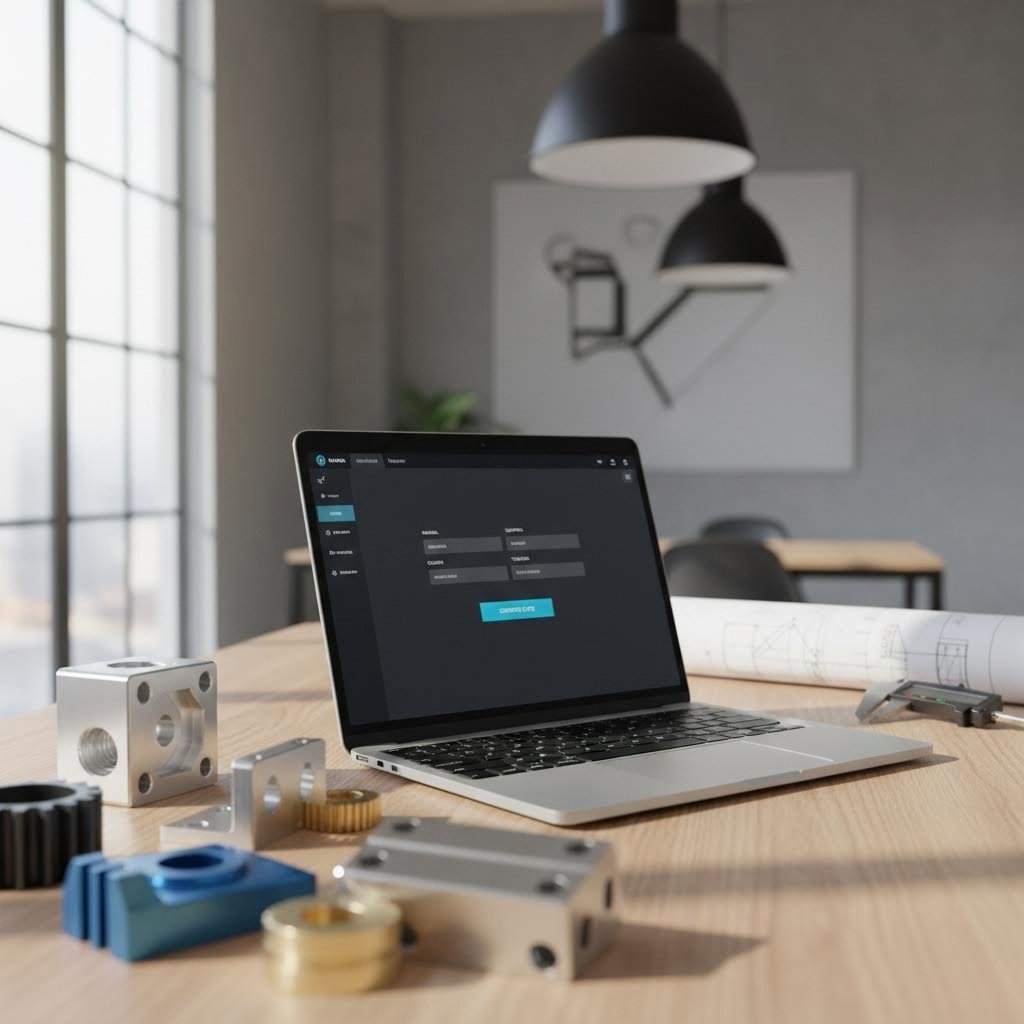
วิธีประเมินและเปรียบเทียบบริการ CNC ออนไลน์
คุณได้ศึกษาเกี่ยวกับวัสดุ ความคลาดเคลื่อนที่ยอมรับได้ (tolerances) และตัวเลือกการตกแต่งผิวเรียบร้อยแล้ว ทีนี้มาถึงคำถามเชิงปฏิบัติ: บริการ CNC ออนไลน์ใดจึงจะสามารถส่งมอบสิ่งที่คุณต้องการได้จริง? เนื่องจากมีแพลตฟอร์มต่างๆ มากมายที่แข่งขันกันเพื่อแย่งชิงธุรกิจของคุณ การเปรียบเทียบผู้ให้บริการโดยไม่มีกรอบที่เป็นระบบอาจนำไปสู่ภาวะตัดสินใจไม่ได้—หรือแย่กว่านั้น คือการเลือกผู้ให้บริการตามเกณฑ์ที่ไม่เหมาะสม
ความท้าทายคืออะไร? ผู้ให้บริการทุกรายต่างอ้างว่าสามารถส่งมอบงานได้รวดเร็ว มีราคาแข่งขันได้ และผลิตชิ้นส่วนที่มีคุณภาพ ดังนั้น การแยกแยะข้อความทางการตลาดออกจึงจำเป็นต้องประเมินศักยภาพเฉพาะของแต่ละรายเทียบกับความต้องการจริงของโครงการคุณ ตัวอย่างเช่น สิ่งที่ใช้งานได้ดีเยี่ยมสำหรับต้นแบบแบบเร่งด่วน (rapid prototype) อาจล้มเหลวอย่างสิ้นเชิงเมื่อนำไปใช้กับชิ้นส่วนยานยนต์ที่ต้องผลิตในปริมาณมาก
เกณฑ์การประเมินหลักสำหรับการเปรียบเทียบบริการเครื่องจักร CNC แบบออนไลน์
เมื่อค้นหาคำว่า "ร้านเครื่องจักร CNC ใกล้ฉัน" หรือ "ร้านช่างกลไกใกล้ฉัน" คุณอาจคิดว่าความใกล้เคียงทางภูมิศาสตร์มีความสำคัญที่สุด อย่างไรก็ตาม สำหรับบริการเครื่องจักร CNC แบบออนไลน์ สถานที่ตั้งทางภูมิศาสตร์มีความสำคัญน้อยกว่าความสามารถในการตอบโจทย์ความต้องการของงานอย่างมาก ร้านเฉพาะทางที่อยู่ห่างออกไป 3,000 ไมล์ มักให้ผลลัพธ์ที่เหนือกว่าร้านช่างกลไกทั่วไปที่อยู่ใกล้คุณ สำหรับงานที่มีความซับซ้อนสูง
ตามคู่มือการประเมินผู้จัดจำหน่ายในอุตสาหกรรม การเลือกผู้ขายที่ประสบความสำเร็จจำเป็นต้องประเมินหลายมิติอย่างเป็นระบบ ต่อไปนี้คือปัจจัยที่แท้จริงซึ่งสามารถทำนายความสำเร็จของการสั่งซื้อได้:
ตัวเลือกเวลาการนำส่ง มีความแตกต่างกันอย่างมากตามแต่ละแพลตฟอร์ม บางบริการเสนอเวลาดำเนินการมาตรฐานที่ 10–15 วันทำการ ในขณะที่บางบริการสามารถส่งมอบงานได้ภายใน 3–5 วันทำการโดยปกติ ตัวเลือกเร่งด่วนมีความสำคัญอย่างยิ่งเมื่อเส้นตายถูกบีบให้กระชับขึ้นอย่างไม่คาดคิด ตามการวิเคราะห์ตลาด แพลตฟอร์มชั้นนำ เช่น PCBWay และ Fictiv ให้บริการจัดส่งในวันเดียวกันหรือวันถัดไปสำหรับคำสั่งซื้อเร่งด่วน — โดยมีค่าใช้จ่ายเพิ่มเติม สำหรับโครงการยานยนต์ที่มีความเร่งด่วนสูง บริการเช่น เทคโนโลยีโลหะเส้าอี้ เสนอระยะเวลาการจัดส่งที่รวดเร็วที่สุดเพียงหนึ่งวันทำการ โดยผสานความเร็วเข้ากับคุณภาพที่ได้รับการรับรองตามมาตรฐาน IATF 16949
ความเร็วและความแม่นยำในการเสนอราคา มีผลโดยตรงต่อการวางแผนโครงการของคุณ ระบบสร้างใบเสนอราคาอัตโนมัติสามารถวิเคราะห์ไฟล์ CAD ของคุณภายในไม่กี่วินาที และให้ข้อมูลราคาเบื้องต้นสำหรับการวางแผนงบประมาณ อย่างไรก็ตาม ตามที่ระบุไว้ในรายการตรวจสอบการประเมิน ความแม่นยำของการเสนอราคานั้นขึ้นอยู่กับคุณภาพของไฟล์และการรู้จำฟีเจอร์ต่าง ๆ บางแพลตฟอร์มจำเป็นต้องมีการทบทวนด้วยมือสำหรับชิ้นส่วนที่มีรูปทรงซับซ้อน ซึ่งอาจใช้เวลาเพิ่มเติม 1–3 วัน ก่อนที่คุณจะได้รับราคาที่สามารถนำไปดำเนินการต่อได้ โปรดสอบถามผู้ขายที่คุณพิจารณาเกี่ยวกับระยะเวลาเฉลี่ยจากขั้นตอนการเสนอราคาจนถึงการสั่งซื้อจริง
การมีอยู่ของวัสดุ ระบุว่าข้อกำหนดที่คุณต้องการนั้นสามารถผลิตได้จริงหรือไม่ บริการเครื่องจักรกลแบบ CNC ชั้นนำทางเลือกอื่นๆ ใกล้คุณมักมีวัสดุให้เลือกมากกว่า 50 ชนิด รวมถึงโลหะผสมอลูมิเนียมทั่วไป โลหะสแตนเลส พลาสติกวิศวกรรม และวัสดุพิเศษอื่นๆ ตามการวิเคราะห์เปรียบเทียบแล้ว แพลตฟอร์มอย่าง Protolabs และ Xometry มีคลังวัสดุที่ครอบคลุมอย่างกว้างขวาง ในขณะที่ร้านค้าขนาดเล็กอาจจำเป็นต้องจัดหาวัสดุเพิ่มเติมซึ่งจะทำให้ระยะเวลาการผลิตยืดออกไป
ขีดความสามารถด้านความทนทาน ต้องสอดคล้องกับความต้องการด้านความแม่นยำของคุณ โดยไม่ระบุค่าความแม่นยำที่สูงเกินความจำเป็น แพลตฟอร์มส่วนใหญ่สามารถบรรลุค่าความคลาดเคลื่อนมาตรฐานที่ ±0.005 นิ้วได้อย่างเชื่อถือได้ การทำงานที่ต้องการความแม่นยำสูงถึง ±0.001 นิ้ว จำเป็นต้องตรวจสอบให้แน่ใจว่าผู้ให้บริการมีอุปกรณ์และระบบควบคุมคุณภาพที่เหมาะสม สำหรับความต้องการด้านความแม่นยำสูงพิเศษ (±0.0005 นิ้ว หรือแคบกว่านั้น) จะทำให้ตัวเลือกของคุณลดลงอย่างมาก — โปรดยืนยันความสามารถของผู้ให้บริการก่อนตัดสินใจดำเนินการต่อ
ตัวเลือกการเสร็จ ระบุว่าคุณจะได้รับชิ้นส่วนหรือส่วนประกอบที่พร้อมใช้งานในการผลิตจริง หรือต้องผ่านกระบวนการแปรรูปเพิ่มเติม ประเมินทางเลือกของการเคลือบผิวที่มีให้เทียบกับความต้องการของคุณ เช่น ประเภทของการชุบอะโนไดซ์ ตัวเลือกการชุบผิวแบบพลาตินัม ผงเคลือบ (powder coating) และการบำบัดพิเศษอื่นๆ ผู้จำหน่ายที่ไม่มีศักยภาพในการเคลือบผิวภายในองค์กรจะส่งชิ้นส่วนไปยังผู้รับจ้างภายนอก ซึ่งจะเพิ่มต้นทุนและระยะเวลาการจัดส่ง
จำนวนสั่งขั้นต่ำ ส่งผลต่อเศรษฐศาสตร์ของการผลิตต้นแบบ บางแพลตฟอร์มยอมรับคำสั่งซื้อชิ้นเดียวได้อย่างสะดวก ขณะที่บางแพลตฟอร์มกำหนดจำนวนสั่งขั้นต่ำไว้ที่ 5–10 หน่วย หรือเรียกเก็บค่าธรรมเนียมเพิ่มเติมสำหรับคำสั่งซื้อขนาดเล็ก หากคุณต้องการชิ้นส่วนเพียงหนึ่งชิ้นเพื่อยืนยันการออกแบบ โปรดตรวจสอบให้แน่ใจว่าผู้จำหน่ายสามารถรองรับปริมาณการสั่งซื้อในระดับต้นแบบจริงได้ โดยไม่มีราคาที่สูงเกินสมเหตุสมผล
ความรวดเร็วในการตอบสนองการสื่อสาร ทำนายความสามารถในการแก้ไขปัญหา ตามการวิเคราะห์ความคิดเห็นจากลูกค้า ผู้จำหน่ายชั้นนำ เช่น Xiamen MX Machining ตอบกลับคำถามภายในหนึ่งชั่วโมง ก่อนสั่งซื้อ ให้ทดสอบความรวดเร็วในการตอบสนองโดยส่งคำถามเชิงเทคนิคไปยังผู้จำหน่าย การสื่อสารที่ช้าก่อนสั่งซื้อมักบ่งชี้ถึงการแก้ไขปัญหาที่ช้าลงในระหว่างกระบวนการผลิต
| เกณฑ์การประเมิน | สิ่งที่ควรพิจารณา | สัญญาณเตือน |
|---|---|---|
| ช่วงระยะเวลาการจัดส่ง | 3–10 วันทำการตามมาตรฐาน; มีตัวเลือกเร่งด่วนให้บริการ | มีเฉพาะตัวเลือกที่ใช้เวลา 15 วันขึ้นไป; ไม่มีบริการเร่งด่วน |
| ความเร็วในการออกใบเสนอราคา | ทันทีหรือภายในวันเดียวกันสำหรับชิ้นส่วนมาตรฐาน | ต้องรอหลายวันแม้สำหรับรูปทรงเรขาคณิตที่เรียบง่าย |
| ตัวเลือกวัสดุ | มีวัสดุให้เลือกมากกว่า 50 ชนิด; มีโลหะผสมพิเศษให้บริการ | มีตัวเลือกวัสดุจำกัด; มีเฉพาะวัสดุทั่วไปเท่านั้น |
| ระดับการรับรอง | ต้องได้รับการรับรองตามมาตรฐาน ISO 9001 เป็นอย่างน้อย; และต้องมีใบรับรองเฉพาะอุตสาหกรรมตามความจำเป็น | ไม่มีใบรับรองใดๆ; ไม่สามารถยืนยันคุณภาพได้ |
| สนับสนุนคุณภาพ | ทีมงานเทคนิคที่ตอบสนองอย่างรวดเร็ว; ให้ข้อเสนอแนะด้าน DFM | การตอบกลับแบบทั่วไป; ไม่มีการสนับสนุนด้านวิศวกรรม |
| ขีดความสามารถด้านการตกแต่งผิว | มีบริการชุบผิวแบบอะโนไดซ์ ชุบโลหะ และเคลือบพื้นผิวภายในโรงงาน | บริการตกแต่งพื้นผิวทั้งหมดจัดทำโดยผู้รับจ้างภายนอก; มีตัวเลือกจำกัด |
| ติดตามคำสั่งซื้อ | อัปเดตสถานะแบบเรียลไทม์; การสื่อสารเชิงรุก | ไม่มีความโปร่งใสเกี่ยวกับสถานะจนกว่าจะแจ้งการจัดส่ง |
การจับคู่ความสามารถในการให้บริการกับความต้องการของโครงการคุณ
โครงการต่าง ๆ ต้องการจุดแข็งของผู้จำหน่ายที่แตกต่างกัน การเลือกผู้จำหน่ายจากอันดับ "ดีที่สุด" แบบทั่วไปนั้นเพิกเฉยต่อความจริงที่ว่า ผู้จำหน่ายที่เหมาะสมที่สุดอาจแตกต่างกันไปตามกรณีการใช้งาน ลองพิจารณาสถานการณ์ทั่วไปและลำดับความสำคัญในการประเมินแต่ละกรณี
ความต้องการสำหรับการสร้างต้นแบบอย่างรวดเร็ว ให้ความสำคัญกับความเร็วและความยืดหยุ่นด้านการออกแบบมากกว่าต้นทุนต่อหน่วย เมื่อคุณต้องการชิ้นส่วนสำหรับการตรวจสอบการออกแบบภายในเวลาไม่กี่วัน ระยะเวลาการผลิตจึงมีความสำคัญเหนือสิ่งอื่นใด ควรมองหาผู้จำหน่ายที่ให้บริการ:
- ตัวเลือกการผลิตแบบเร่งด่วน (1–3 วัน)
- ปริมาณสั่งซื้อขั้นต่ำต่ำหรือไม่มีขั้นต่ำ
- ระยะเวลาตอบกลับข้อเสนอแนะเกี่ยวกับการออกแบบเพื่อการผลิต (DFM) อย่างรวดเร็ว
- การสนับสนุนการปรับปรุงแบบออกแบบโดยไม่เกิดความล่าช้าจากการขอใบเสนอราคาใหม่
สำหรับงานต้นแบบ การกำหนดราคาแบบพรีเมียมต่อหน่วยมักเป็นทางเลือกที่เหมาะสม ความแตกต่างของต้นทุนระหว่างต้นแบบราคา $50 ที่จัดส่งภายใน 3 วัน กับต้นแบบราคา $30 ที่จัดส่งภายใน 14 วัน มักไม่คุ้มค่าเมื่อพิจารณาผลกระทบต่อตารางเวลา การเปรียบเทียบบริการระบุว่า Protolabs และ Fictiv โดดเด่นในด้านการผลิตต้นแบบอย่างรวดเร็วด้วยระยะเวลาดำเนินการที่เร็วที่สุดในอุตสาหกรรม
การผลิตในปริมาณน้อย (10–500 หน่วย) ช่วยสมดุลระหว่างต้นทุนต่อหน่วยกับเศรษฐศาสตร์ค่าใช้จ่ายในการตั้งค่าการผลิต ที่ปริมาณเหล่านี้ ค่าใช้จ่ายในการตั้งค่าการผลิตมีผลกระทบอย่างมากต่อราคาต่อชิ้น ควรประเมินผู้จำหน่ายตามเกณฑ์ต่อไปนี้:
- โครงสร้างส่วนลดตามปริมาณ เริ่มต้นที่ช่วงปริมาณที่คุณต้องการ
- ราคาสำหรับการสั่งซื้อซ้ำ (ลดค่าใช้จ่ายในการตั้งค่าการผลิตสำหรับแบบออกแบบที่เคยใช้งานมาก่อน)
- ความสม่ำเสมอของคุณภาพระหว่างชุดการผลิตแต่ละรอบ
- การควบคุมกระบวนการเชิงสถิติสำหรับมิติที่สำคัญ
ร้านเครื่องจักรกลและร้านกลึงในท้องถิ่นใกล้คุณบางครั้งสามารถแข่งขันได้อย่างมีประสิทธิภาพสำหรับการผลิตในปริมาณต่ำ โดยเฉพาะอย่างยิ่งเมื่อมีการกำหนดราคาตามความสัมพันธ์ อย่างไรก็ตาม แพลตฟอร์มออนไลน์มักบรรลุเศรษฐศาสตร์ต่อหน่วยที่ดีกว่าผ่านระบบเสนอราคาอัตโนมัติและการจัดตารางงานที่เหมาะสม
การผลิตชิ้นส่วนอะไหล่ทดแทน ต้องการความน่าเชื่อถือและความสม่ำเสมอ เมื่อคุณต้องการชิ้นส่วนทดแทนที่ตรงกับของเดิมอย่างแม่นยำสำหรับชิ้นส่วนที่สึกหรอหรือเสียหาย มิติที่แม่นยำจะมีความสำคัญมากกว่าความเร็ว โปรดให้ความสำคัญกับผู้จำหน่ายที่มี:
- ระบบการประกันคุณภาพที่มีเอกสารรับรอง (อย่างน้อยต้องเป็นมาตรฐาน ISO 9001)
- การติดตามวัสดุและการรับรอง
- รายงานการตรวจสอบที่แนบมาพร้อมกับการจัดส่งสินค้า
- ความสามารถในการทำงานจากแบบแปลนเก่าหรือข้อกำหนดที่ได้จากการวิเคราะห์ย้อนกลับ (reverse-engineered specifications)
สำหรับการค้นหา 'ร้านเครื่องจักรกล CNC ใกล้ฉัน' ที่เน้นการผลิตชิ้นส่วนอะไหล่ทดแทน โปรดพิจารณาว่าการใช้งานของคุณจำเป็นต้องมีใบรับรองเฉพาะอุตสาหกรรมหรือไม่ ตัวอย่างเช่น ชิ้นส่วนอะไหล่ทดแทนสำหรับอุตสาหกรรมการบินและอวกาศต้องมีการรับรองมาตรฐาน AS9100 ในขณะที่ชิ้นส่วนอะไหล่สำหรับยานยนต์จะได้รับประโยชน์จากความสอดคล้องกับมาตรฐาน IATF 16949
การใช้งานในอุตสาหกรรมยานยนต์ มีข้อกำหนดที่ไม่ซ้ำใคร ซึ่งรวมความแม่นยำ ความสามารถในการขยายกำลังการผลิตตามปริมาณ และข้อกำหนดด้านการรับรองเข้าด้วยกัน ห่วงโซ่อุปทานอุตสาหกรรมยานยนต์คาดหวังคุณภาพแบบไม่มีข้อบกพร่อง (zero-defect) การจัดส่งแบบพอดีเวลา (just-in-time) และการติดตามย้อนกลับได้อย่างสมบูรณ์ ผู้จำหน่ายที่ให้บริการตลาดนี้จำเป็นต้องแสดงให้เห็นว่า:
- มีใบรับรอง IATF 16949 สำหรับระบบการจัดการคุณภาพ
- การนำระบบควบคุมกระบวนการทางสถิติ (SPC) มาใช้งาน
- สามารถขยายขนาดการผลิตได้ตั้งแต่ต้นแบบไปจนถึงการผลิตในระดับปริมาณมาก
- มีความสามารถตอบสนองอย่างรวดเร็วต่อคำสั่งซื้อเร่งด่วน
สำหรับชิ้นส่วนโครงสร้างรถ (chassis assemblies), แหวนรองโลหะแบบพิเศษ (custom metal bushings) และชิ้นส่วนยานยนต์อื่นๆ ที่ต้องการกระบวนการผลิตต้นแบบอย่างรวดเร็วและสามารถขยายไปสู่การผลิตจำนวนมากได้ เทคโนโลยีโลหะเส้าอี้ ให้บริการการผลิตที่ได้รับการรับรองตามมาตรฐาน IATF 16949 โดยมีระยะเวลาการผลิตเร็วสุดเพียงหนึ่งวันทำการสำหรับโครงการที่มีความเร่งด่วนสูง
เมื่อใดควรให้ความสำคัญกับความเร็ว ต้นทุน หรือความแม่นยำ
ทุกโครงการล้วนมีการแลกเปลี่ยน (trade-offs) การเข้าใจว่าเมื่อใดควรให้ความสำคัญกับปัจจัยต่างๆ จะช่วยป้องกันทั้งการใช้จ่ายเกินความจำเป็นและการส่งมอบผลงานต่ำกว่าเป้าหมาย
ให้ความสำคัญกับความเร็วเมื่อ:
- กำหนดเวลาในการเปิดตัวผลิตภัณฑ์นั้นแน่นอนและใกล้เข้ามาแล้ว
- การปรับปรุงแบบผลิตภัณฑ์ต้องอาศัยการทดสอบจริงเพื่อดำเนินการต่อ
- ต้นทุนการหยุดการผลิตในสายการผลิตสูงกว่าค่าธรรมเนียมการจัดส่งแบบเร่งด่วน
- ข้อได้เปรียบในการแข่งขันขึ้นอยู่กับระยะเวลาในการนำสินค้าออกสู่ตลาด
ให้ความสำคัญกับต้นทุนเมื่อ:
- ปริมาณการผลิตสูงพอที่ราคาต่อหน่วยจะมีอิทธิพลเหนือต้นทุนรวม
- มีความยืดหยุ่นด้านระยะเวลาการนำส่ง (ยอมรับช่วงเวลา 2–4 สัปดาห์)
- ชิ้นส่วนไม่ใช่ส่วนสำคัญ และความคลาดเคลื่อนมาตรฐานเพียงพอสำหรับการใช้งาน
- ข้อจำกัดด้านงบประมาณมีความแน่นอนและไม่สามารถเจรจาเปลี่ยนแปลงได้
ให้ความสำคัญกับความแม่นยำเมื่อ:
- ชิ้นส่วนเชื่อมต่อกับชุดประกอบที่มีความแม่นยำสูง
- การใช้งานที่เกี่ยวข้องกับความปลอดภัยต้องมีเอกสารรับรองความสามารถ
- ระเบียบข้อบังคับของอุตสาหกรรมกำหนดระดับความคลาดเคลื่อนเฉพาะ
- การทดสอบเชิงหน้าที่เปิดเผยว่าเกิดความล้มเหลวที่เกี่ยวข้องกับความคลาดเคลื่อน
ผู้จำหน่ายที่ดีที่สุดไม่ใช่ผู้ที่มีศักยภาพมากที่สุด แต่คือผู้ที่มีศักยภาพสอดคล้องกับความต้องการเฉพาะของคุณได้ดีที่สุด
ก่อนตัดสินใจเลือกผู้จำหน่ายใดๆ ให้ทดลองกระบวนการของพวกเขาด้วยการสั่งซื้อในปริมาณเล็กน้อย ตามคำแนะนำของผู้เชี่ยวชาญในอุตสาหกรรม การเริ่มต้นด้วยชิ้นส่วนต้นแบบจะช่วยยืนยันความถูกต้องของขนาด คุณภาพของพื้นผิว และความรวดเร็วในการตอบสนองของผู้จำหน่าย ก่อนขยายการผลิตไปยังปริมาณเชิงพาณิชย์ แนวทางนี้อาจมีต้นทุนสูงขึ้นเล็กน้อยในระยะแรก แต่จะช่วยป้องกันปัญหาที่สร้างค่าใช้จ่ายสูงเมื่อคำสั่งซื้อขนาดใหญ่มาถึงโดยไม่เป็นไปตามข้อกำหนด
เมื่อเปรียบเทียบทางเลือกของร้านเครื่องจักรกลซีเอ็นซีใกล้คุณกับแพลตฟอร์มออนไลน์ ให้พิจารณาภาพรวมทั้งหมด ได้แก่ ความสะดวกในการขอใบเสนอราคาทันที ความหลากหลายของวัสดุที่เลือกได้ ขอบเขตการรับรองที่ครอบคลุม และความรวดเร็วในการให้การสนับสนุน ร้านเครื่องจักรกลในท้องถิ่นมีจุดแข็งด้านการให้บริการที่เน้นความสัมพันธ์และอาจมีความยืดหยุ่นในการตอบสนองความต้องการเฉพาะ ขณะที่แพลตฟอร์มออนไลน์ให้ความโปร่งใส ความสามารถในการขยายขนาด และการเข้าถึงศักยภาพเฉพาะทางโดยไม่ขึ้นกับสถานที่ทางภูมิศาสตร์ของคุณ
เมื่อกำหนดเกณฑ์การประเมินแล้วและเข้าใจถึงศักยภาพของผู้จำหน่ายแล้ว ขั้นตอนสุดท้ายคือการเตรียมความพร้อมสำหรับคำสั่งซื้อครั้งแรกของคุณ — นำสิ่งที่คุณเรียนรู้มาทั้งหมดไปประยุกต์ใช้เพื่อให้บรรลุผลลัพธ์ที่ประสบความสำเร็จตั้งแต่เริ่มต้น
การสั่งซื้อชิ้นส่วน CNC ครั้งแรกด้วยความมั่นใจ
คุณได้ผ่านกระบวนการเลือกวัสดุ กำหนดค่าความคลาดเคลื่อน (tolerance) ตัวเลือกการตกแต่งผิว (finishing) และประเมินผู้จำหน่ายมาแล้ว บัดนี้ถึงเวลาแห่งความจริง: การสั่งซื้อชิ้นส่วน CNC ออนไลน์เป็นครั้งแรก ทุกสิ่งที่คุณเรียนรู้จะรวมตัวกันเป็นชุดของการตัดสินใจเชิงปฏิบัติ ซึ่งจะกำหนดว่าชิ้นส่วนของคุณจะมาถึงในสภาพพร้อมใช้งานจริง หรือกลายเป็นบทเรียนที่มีราคาแพงเกี่ยวกับความชัดเจนของข้อกำหนด
ข่าวดีก็คือ ความสำเร็จในการสั่งซื้อครั้งแรกนั้นสามารถทำได้จริง หากคุณดำเนินกระบวนการอย่างเป็นระบบ ข้อผิดพลาดที่มักทำให้ผู้เริ่มต้นสะดุดนั้นมีลักษณะที่คาดการณ์ได้และสามารถป้องกันได้ มาสรุปทุกสิ่งที่คุณเรียนรู้ไว้เป็นขั้นตอนที่ลงมือทำได้ เพื่อวางรากฐานให้คุณประสบความสำเร็จ
รายการตรวจสอบก่อนสั่งซื้อเพื่อความสำเร็จในการสั่งซื้อชิ้นส่วน CNC
ก่อนคลิกปุ่มส่ง โปรดทบทวนรายการตรวจสอบอย่างละเอียดนี้ ตามคู่มือการผลิตของอุตสาหกรรม ข้อผิดพลาดที่พบบ่อยที่สุดในการสั่งซื้อเกิดจากเอกสารไม่ครบถ้วน ข้อกำหนดที่คลุมเครือ และการสมมุติว่าผู้ขายจะตีความสิ่งที่คลุมเครือได้อย่างถูกต้อง ซึ่งแท้จริงแล้วพวกเขาจะไม่ทำเช่นนั้น เอกสารของคุณต้องสามารถยืนอยู่ได้ด้วยตนเอง
- ตรวจสอบความสมบูรณ์ของไฟล์ CAD: ดำเนินการตรวจสอบรูปทรงเรขาคณิตในซอฟต์แวร์ CAD ของคุณ ยืนยันว่าพื้นผิวมีความแน่นสนิท (watertight) ไม่มีรูปทรงเรขาคณิตทับซ้อนกัน และมีขนาดที่สมจริง ให้ส่งออกไฟล์เป็นรูปแบบ STEP AP214 เว้นแต่แพลตฟอร์มจะแนะนำรูปแบบอื่นเป็นพิเศษ ไฟล์ของคุณคือรากฐานสำคัญ—ปัญหาที่เกิดขึ้นตรงจุดนี้จะส่งผลกระทบต่อทุกขั้นตอนที่ตามมา
- ยืนยันว่ามีการระบุค่าความคลาดเคลื่อนที่ชัดเจนสำหรับมิติที่สำคัญทั้งหมด: ค่าความคลาดเคลื่อนมาตรฐานจะใช้กับมิติที่ไม่มีการระบุค่าความคลาดเคลื่อนไว้ หากคุณสมบัติบางประการต้องการความแม่นยำสูงกว่ามาตรฐาน โปรดระบุไว้อย่างชัดเจน โปรดจำไว้ว่า ค่าความคลาดเคลื่อนที่แคบลงจะส่งผลให้ต้นทุนสูงขึ้น ดังนั้นควรใช้เฉพาะเมื่อการใช้งานจริงต้องการความแม่นยำสูงเท่านั้น
- ระบุวัสดุอย่างครบถ้วน: "อลูมิเนียม" ไม่ใช่ข้อกำหนดเฉพาะเจาะจง "อลูมิเนียมเกรด 6061-T6" จึงเป็นข้อกำหนดที่ถูกต้อง โปรดระบุเกรดโลหะผสม สภาวะการอบชุบ (temper condition) และข้อกำหนดพิเศษใดๆ ที่เกี่ยวข้อง ความคลุมเครือเกี่ยวกับวัสดุอาจนำไปสู่การเปลี่ยนวัสดุทดแทนซึ่งอาจไม่สอดคล้องกับความต้องการด้านประสิทธิภาพของคุณ
- ระบุข้อกำหนดด้านการตกแต่งผิวอย่างชัดเจน: ระบุประเภทของการตกแต่งผิว (เช่น การชุบออกไซด์แบบ Type II การชุบออกไซด์สีดำ หรือผิวหลังการกลึงตามสภาพจริง) รวมทั้งสี (ถ้ามี) และพื้นผิวใดๆ ที่ต้องปิดบัง (masking) ระบุบริเวณที่ต้องการการนำไฟฟ้าหรือความแม่นยำด้านมิติซึ่งต้องคงไว้โดยไม่มีการเคลือบผิว
- ระบุข้อกำหนดด้านการรับรองที่เกี่ยวข้อง: พิจารณาว่าการใช้งานของคุณจำเป็นต้องสอดคล้องกับมาตรฐาน ISO 9001, IATF 16949, AS9100 หรือ ISO 13485 หรือไม่ โปรดตรวจสอบให้แน่ใจว่าผู้จำหน่ายที่คุณเลือกมีใบรับรองที่เหมาะสมก่อนดำเนินการสั่งซื้อ
- ตรวจสอบรายละเอียดเกี่ยวกับเกลียว (thread callouts) ว่าครบถ้วนหรือไม่: ข้อกำหนดเกี่ยวกับเกลียวต้องระบุประเภท ขนาด ระยะห่างของเกลียว (pitch) ความลึก และระดับความพอดี (class of fit) รายละเอียดที่ไม่ครบถ้วนจะทำให้ผู้จำหน่ายต้องตีความและสมมุติขึ้น ซึ่งอาจไม่สอดคล้องกับเจตนาของคุณ
- ตรวจสอบความสามารถของผู้จำหน่ายให้สอดคล้องกับข้อกำหนดของคุณ: ยืนยันว่าแพลตฟอร์มสามารถจัดการวัสดุของคุณ บรรลุความคลาดเคลื่อนที่คุณกำหนด ให้ตัวเลือกการตกแต่งผิวตามที่คุณต้องการ และมีใบรับรองที่เกี่ยวข้อง ช่องว่างด้านความสามารถที่พบหลังจากสั่งซื้อแล้วจะทำให้เกิดความล่าช้าและต้องทำงานซ้ำ
- เริ่มต้นด้วยปริมาณต้นแบบ: สั่งซื้อชิ้นส่วนจำนวน 5–10 ชิ้นในเบื้องต้น เพื่อยืนยันขนาด คุณภาพของการตกแต่งผิว และความพอดีในการประกอบ ก่อนตัดสินใจผลิตในปริมาณเต็มรูปแบบ การลงทุนเล็กนี้จะช่วยป้องกันความล้มเหลวที่อาจเกิดขึ้นในระดับใหญ่
ก้าวต่อไปอย่างมั่นใจ
ข้อผิดพลาดในการสั่งซื้อครั้งแรกมักเกิดขึ้นตามรูปแบบที่คาดการณ์ได้ ตามแนวทางปฏิบัติที่ดีที่สุดในการผลิต ข้อผิดพลาดที่มีค่าใช้จ่ายสูงที่สุด ได้แก่ การส่งแบบแปลนที่ไม่สมบูรณ์ การระบุความคลาดเคลื่อนที่แคบมากเกินไปทั่วทั้งชิ้นส่วนเพียงเพื่อความปลอดภัยเท่านั้น และการข้ามขั้นตอนการตรวจสอบต้นแบบก่อนเข้าสู่การผลิตจริง ข้อผิดพลาดแต่ละข้อล้วนมีผลกระทบจริง เช่น ชิ้นส่วนถูกปฏิเสธ ใบเสนอราคาสูงเกินจริง หรือชิ้นส่วนที่ไม่สามารถประกอบเข้าด้วยกันได้อย่างถูกต้อง
คุณจะหลีกเลี่ยงข้อผิดพลาดเหล่านี้ได้อย่างไร? เริ่มต้นด้วยเอกสารประกอบที่สมบูรณ์ครบถ้วน ใช้ซอฟต์แวร์ CAD มืออาชีพเพื่อสร้างแบบจำลองสามมิติ (3D) และแบบแปลนรายละเอียดสองมิติ (2D) ที่ถูกต้อง พร้อมระบุขนาดที่สำคัญทั้งหมด ความคลาดเคลื่อนเชิงเรขาคณิต (geometric tolerances) คุณภาพผิว (surface finishes) และเกรดของวัสดุอย่างชัดเจน หากคุณไม่แน่ใจว่าความคลาดเคลื่อนใดมีความสำคัญเป็นพิเศษ ควรปรึกษาทีมวิศวกรของผู้ขายตั้งแต่เนิ่นๆ ก่อนที่คุณจะสรุปข้อกำหนดสุดท้าย
สำหรับชิ้นส่วนที่ผลิตด้วยเครื่องจักร CNC แบบกัด (milled parts) และชิ้นส่วนที่ผลิตด้วยเครื่องจักร CNC แบบกลึง (turned parts) alike การเลือกวัสดุจำเป็นต้องใส่ใจอย่างรอบคอบ ข้อกำหนดด้านการใช้งาน—เช่น แรงโหลด ช่วงอุณหภูมิ และการสัมผัสกับสารเคมี—ควรเป็นตัวกำหนดการเลือกวัสดุ มากกว่าเพียงแค่พิจารณาจากต้นทุนหรือความคุ้นเคยเท่านั้น ผู้ขายที่น่าเชื่อถือสามารถแนะนำวัสดุที่เหมาะสมตามความต้องการเฉพาะของการใช้งานจริงของคุณ
พิจารณาความสัมพันธ์กับผู้จำหน่ายของคุณในฐานะหุ้นส่วน มากกว่าการซื้อขายแบบทั่วไป โปรดให้ข้อเสนอแนะด้านประสิทธิภาพหลังจากได้รับชิ้นส่วนแล้ว แจ้งปัญหาเกี่ยวกับการติดตั้ง การประกอบที่ยากลำบาก หรือข้อสังเกตใดๆ เกี่ยวกับคุณภาพ วงจรการให้ข้อเสนอแนะนี้จะช่วยสนับสนุนการปรับปรุงอย่างต่อเนื่อง และมักนำไปสู่ผลลัพธ์ที่ดีขึ้นในคำสั่งซื้อครั้งต่อๆ ไป ตามที่คู่มือการพัฒนาต้นแบบสู่การผลิตเน้นย้ำไว้ การทำงานร่วมกับหุ้นส่วนที่เหมาะสมสามารถลดความเสี่ยงได้อย่างมีนัยสำคัญ เนื่องจากพวกเขาสามารถนำความเชี่ยวชาญด้านการเพิ่มประสิทธิภาพการออกแบบมาใช้ เพื่อปรับแต่งชิ้นส่วนของคุณให้เหมาะสมกับการผลิตที่มีต้นทุนต่ำและสามารถขยายขนาดได้
คำสั่งซื้อแรกที่ดีที่สุดคือคำสั่งซื้อขนาดเล็ก ให้ตรวจสอบความถูกต้องของแบบออกแบบ ยืนยันความน่าเชื่อถือของผู้จำหน่าย และสร้างความมั่นใจก่อนขยายการผลิตไปสู่ปริมาณที่ใช้ในการผลิตจริง
สำหรับการผลิตชิ้นส่วนขนาดเล็กและการผลิตชิ้นส่วน CNC แบบกำหนดเอง บริการ CNC ออนไลน์ได้เปลี่ยนแปลงพื้นฐานของการเข้าถึงการผลิตที่มีความแม่นยำอย่างสิ้นเชิง เมื่อหนึ่งทศวรรษก่อน การจัดหาชิ้นส่วนที่ผ่านกระบวนการกลึงด้วยเครื่อง CNC จำเป็นต้องมีความสัมพันธ์กับผู้จัดจำหน่ายที่มีชื่อเสียง มีปริมาณการสั่งซื้อขั้นต่ำหลายร้อยชิ้น และใช้เวลาในการจัดส่งนานหลายสัปดาห์ แต่ในปัจจุบัน สตาร์ทอัพสามารถสั่งซื้อชิ้นส่วนต้นแบบสำหรับเครื่อง CNC จำนวนห้าชิ้นในวันจันทร์ และรับมอบสินค้าได้ภายในวันศุกร์ — โดยมีความแม่นยำและคุณภาพเทียบเท่ากับที่เคยสงวนไว้เฉพาะสำหรับผู้ผลิตรายใหญ่เท่านั้น
การเข้าถึงที่เพิ่มขึ้นนี้ได้เปลี่ยนแปลงวิธีการพัฒนาผลิตภัณฑ์อย่างลึกซึ้ง วิศวกรสามารถปรับปรุงและทดสอบแบบจำลองได้เร็วขึ้น นักออกแบบสามารถตรวจสอบความเป็นไปได้ของแนวคิดก่อนตัดสินใจลงทุนในการผลิตแม่พิมพ์ ขณะที่ธุรกิจขนาดเล็กสามารถแข่งขันกับผู้เล่นที่มีชื่อเสียงแล้วในด้านคุณภาพของผลิตภัณฑ์ แทนที่จะแข่งขันกันที่การเข้าถึงกระบวนการผลิต ดังนั้น อุปสรรคต่าง ๆ ที่เคยทำหน้าที่คุ้มครองผู้ประกอบการเดิมจึงได้ลดลงอย่างมาก
คำสั่งซื้อครั้งแรกของคุณถือเป็นจุดเริ่มต้นของการพัฒนาศักยภาพนี้ โปรดดำเนินการด้วยการเตรียมความพร้อมอย่างเหมาะสม ตั้งความคาดหวังที่สมเหตุสมผล และมีความเต็มใจที่จะเรียนรู้จากกระบวนการทั้งหมด แพลตฟอร์ม วัสดุ และตัวเลือกการตกแต่งผิวจะค่อยๆ กลายเป็นสิ่งที่คุ้นเคยมากขึ้น ข้อเสนอแนะเชิงการออกแบบเพื่อการผลิต (DFM) จะลดลงเมื่อแบบงานของคุณมีคุณภาพดีขึ้น ขณะเดียวกัน การประมาณระยะเวลาในการนำส่ง (Lead time) ก็จะกลายเป็นเครื่องมือวางแผนที่เชื่อถือได้
ไม่ว่าคุณจะต้องการชิ้นส่วน CNC แบบกำหนดเองสำหรับโครงการครั้งเดียว หรือกำลังจัดตั้งห่วงโซ่อุปทานสำหรับการผลิตอย่างต่อเนื่อง หลักการพื้นฐานยังคงเหมือนเดิมเสมอ ได้แก่ ไฟล์ที่สะอาดและสมบูรณ์ ข้อกำหนดที่ชัดเจน ค่าความคลาดเคลื่อน (tolerances) ที่เหมาะสม และความสามารถของผู้จำหน่ายที่สอดคล้องกับความต้องการของคุณ ฝึกฝนและควบคุมองค์ประกอบเหล่านี้ให้เชี่ยวชาญ และการผลิตแบบความแม่นยำสูงจะกลายเป็นเครื่องมือที่เชื่อถือได้ในชุดเครื่องมือวิศวกรรมของคุณ แทนที่จะเป็นแหล่งของความไม่แน่นอน
เทคโนโลยีนี้มีอยู่จริง แพลตฟอร์มเหล่านี้มีความพร้อมใช้งานอย่างสมบูรณ์แล้ว ขั้นตอนสุดท้ายที่เหลืออยู่คือการตัดสินใจและการลงมือทำของคุณ
คำถามที่พบบ่อยเกี่ยวกับการสั่งซื้อชิ้นส่วน CNC ออนไลน์
1. บริการ CNC ออนไลน์ใดดีที่สุดสำหรับชิ้นส่วนแบบกำหนดเอง?
บริการ CNC ออนไลน์ที่ดีที่สุดขึ้นอยู่กับความต้องการเฉพาะของคุณ สำหรับการสร้างต้นแบบอย่างรวดเร็ว (rapid prototyping) แพลตฟอร์มอย่าง Protolabs และ Fictiv มีเวลาดำเนินการที่เร็วที่สุดในอุตสาหกรรม สำหรับการใช้งานในอุตสาหกรรมยานยนต์ซึ่งต้องการการรับรองมาตรฐาน IATF 16949 และระยะเวลาจัดส่งที่รวดเร็วสูงสุดเพียงหนึ่งวันทำการ Shaoyi Metal Technology ให้บริการผลิตชิ้นส่วนความแม่นยำที่ได้รับการรับรอง พร้อมความสามารถในการขยายขนาดการผลิตได้ตั้งแต่ขั้นตอนต้นแบบไปจนถึงการผลิตจำนวนมาก โปรดประเมินผู้ให้บริการตามปัจจัยต่าง ๆ เช่น ความพร้อมของวัสดุ ความสามารถในการควบคุมความคลาดเคลื่อน (tolerance) ใบรับรองที่เกี่ยวข้อง และความรวดเร็วในการตอบกลับ แทนที่จะพิจารณาจากอันดับทั่วไป
2. ต้นทุนการกลึง CNC ต่อชิ้นคือเท่าใด?
ต้นทุนการกลึงด้วยเครื่อง CNC คำนวณตามสูตร: (ต้นทุนวัสดุ + ต้นทุนการตั้งค่าเครื่อง) + (เวลาในการกลึง × อัตราค่าแรงต่อชั่วโมง) + ต้นทุนการตกแต่งผิว สำหรับเครื่องกลึงแบบ 3 แกน โดยทั่วไปมีอัตราค่าบริการอยู่ที่ 10–20 ดอลลาร์สหรัฐต่อชั่วโมง ขณะที่เครื่องกลึงแบบ 5 แกนมีอัตราค่าบริการสูงกว่า อยู่ที่ 20–40 ดอลลาร์สหรัฐต่อชั่วโมง ค่าใช้จ่ายในการตั้งค่าเครื่องจะอยู่ที่ 50–150 ดอลลาร์สหรัฐสำหรับชิ้นส่วนที่เรียบง่าย แต่อาจสูงถึงหลายร้อยดอลลาร์สหรัฐสำหรับชิ้นส่วนที่มีรูปทรงซับซ้อน ต้นทุนวัสดุแตกต่างกันมาก — อะลูมิเนียมมีราคา 3–8 ดอลลาร์สหรัฐต่อปอนด์ ในขณะที่ไทเทเนียมมีราคาสูงกว่า 5–10 เท่า ปริมาณการสั่งซื้อมีผลอย่างมากต่อราคาต่อหน่วย โดยคำสั่งซื้อ 100 ชิ้น มักมีราคาต่อหน่วยต่ำกว่าคำสั่งซื้อ 10 ชิ้นถึง 40–60%
3. ฉันควรใช้รูปแบบไฟล์ใดเพื่อขอใบเสนอราคา CNC ออนไลน์?
ไฟล์ STEP ยังคงเป็นมาตรฐานสากลสำหรับการขอใบเสนอราคาเครื่องจักรกลแบบ CNC ผ่านออนไลน์ โดยรูปแบบ STEP AP214 เหมาะสมที่สุดสำหรับการใช้งานส่วนใหญ่ เนื่องจากสามารถเก็บข้อมูลสี คำอธิบายเกี่ยวกับการกำหนดค่าความคล่องตัว (GD&T) และข้อมูลความคลาดเคลื่อนได้ ขณะที่รูปแบบ STEP AP203 เหมาะสำหรับชิ้นส่วนพื้นฐานที่ไม่มีคำอธิบายเพิ่มเติม ส่วนรูปแบบ STEP AP242 นั้นมีข้อมูลการผลิตสินค้า (Product Manufacturing Information) ฝังอยู่ภายใน แพลตฟอร์มส่วนใหญ่ยังรองรับไฟล์ IGES และรูปแบบ CAD ดั้งเดิม แต่รูปแบบเหล่านี้อาจก่อให้เกิดปัญหาความเข้ากันได้ ดังนั้นควรตรวจสอบเรขาคณิตของโมเดลก่อนอัปโหลดเสมอ เพื่อให้มั่นใจว่าพื้นผิวมีความสมบูรณ์ (watertight) และขนาดมีความสมจริง
4. บริการ CNC แบบออนไลน์สามารถควบคุมความคลาดเคลื่อนได้แม่นยำถึงระดับใด?
การกลึงด้วยเครื่อง CNC มาตรฐานสามารถบรรลุความคลาดเคลื่อนได้ ±0.005 นิ้ว (±0.127 มม.) โดยไม่ต้องใช้ความพยายามพิเศษ ซึ่งเหมาะสมกับมิติที่ไม่ใช่แบบวิกฤตส่วนใหญ่ ความคลาดเคลื่อนแบบความแม่นยำสูงในช่วง ±0.001 ถึง ±0.002 นิ้ว จำเป็นต้องจัดตั้งเครื่องจักรอย่างระมัดระวัง และจะเพิ่มค่าใช้จ่ายขึ้น 15–30% จากราคาอ้างอิงพื้นฐาน — เหมาะสำหรับการประกอบชิ้นส่วนแบริ่งและการจับคู่ผิวสัมผัส ความสามารถแบบความแม่นยำสูงพิเศษที่ ±0.0005 นิ้ว ต้องอาศัยอุปกรณ์เฉพาะทางและสภาพแวดล้อมที่ควบคุมอุณหภูมิอย่างเข้มงวด ทำให้เกิดค่าใช้จ่ายเพิ่มขึ้น 50–100% โปรดระบุความคลาดเคลื่อนที่แน่นมากเฉพาะกับมิติที่แท้จริงแล้วต้องการเท่านั้น เพื่อเพิ่มประสิทธิภาพด้านต้นทุน
5. ใช้เวลานานเท่าใดในการรับชิ้นส่วน CNC ที่สั่งซื้อผ่านทางออนไลน์?
ระยะเวลาในการผลิตขึ้นอยู่กับแพลตฟอร์มและระดับความซับซ้อนของคำสั่งซื้อ โดยระยะเวลาการดำเนินการมาตรฐานอยู่ที่ 5–15 วันทำการ ขณะที่บริการเร่งด่วนสามารถจัดส่งได้ภายใน 1–3 วันทำการในราคาพิเศษ อย่างไรก็ตาม ระยะเวลาการผลิตที่แจ้งไว้จะเริ่มนับตั้งแต่การยืนยันคำสั่งซื้อเท่านั้น ไม่ใช่ตั้งแต่การอัปโหลดไฟล์ครั้งแรก โปรดพิจารณาเวลาสำหรับการทบทวนการออกแบบเพื่อความเหมาะสมในการผลิต (DFM) (1–3 วัน) การปรับแก้แบบแปลน การดำเนินการตกแต่งชิ้นงาน และระยะเวลาการขนส่ง ดังนั้นคำสั่งซื้อที่ระบุว่า 'ผลิตภายใน 5 วัน' อาจใช้เวลาทั้งหมด 10–14 วันปฏิทิน นับตั้งแต่การอัปโหลดไฟล์ครั้งแรกจนถึงการจัดส่งจริง บริการบางราย เช่น Shaoyi Metal Technology สามารถให้ระยะเวลาการผลิตที่รวดเร็วสูงสุดเพียงหนึ่งวันทำการสำหรับโครงการยานยนต์ที่มีความเร่งด่วนเป็นพิเศษ