 Small batches, high standards. Our rapid prototyping service makes validation faster and easier —
  EN
EN


सटीक शीट मेटल निर्माण कंपनियों को समझना: मुख्य अवधारणाएँ
उच्च-सटीक शीट धातु निर्माण वास्तव में क्या है
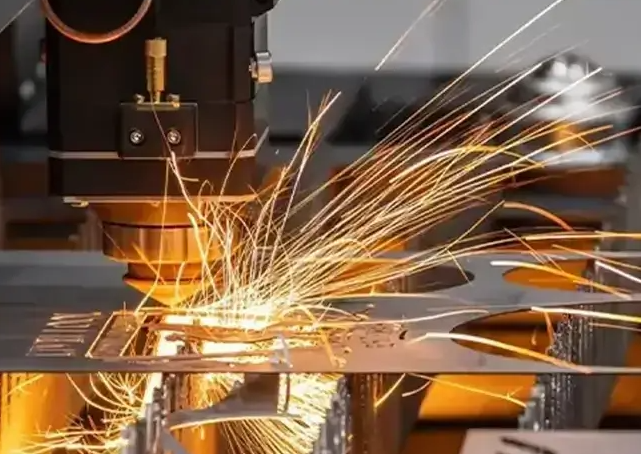
जब आप " शीट मेटल फैब्रिकेशन ," आपके मन में क्या आता है? यदि आप किसी भी धातु कार्यशाला की कल्पना कर रहे हैं जिसमें काटने के उपकरण और वेल्डिंग उपकरण हों, तो आप केवल चित्र का एक हिस्सा ही देख रहे हैं। उच्च-सटीक शीट धातु निर्माण कंपनियाँ पूरी तरह अलग स्तर पर काम करती हैं—एक ऐसा स्तर जहाँ सूक्ष्म मापन सफलता या विफलता का निर्धारण करते हैं।
तो आखिर निर्माण को "उच्च-सटीक" बनाने वाला क्या कारक है? यह एक महत्वपूर्ण कारक पर निर्भर करता है: सहनशीलता (टॉलरेंस)। जबकि मानक धातु निर्माण ±1/16" से ±1/8" (लगभग ±1.6 मिमी से ±3.2 मिमी) की सहनशीलता के भीतर काम करता है, उच्च-सटीक शीट धातु निर्माण ±0.005" से ±0.010" (±0.13 मिमी से ±0.25 मिमी) की सटीकता की मांग करता है। यह अंतर आप मात्र नंगी आँखों से लगभग नहीं देख सकते—लेकिन यह महत्वपूर्ण अनुप्रयोगों के लिए सफलता या विफलता का निर्धारक हो सकता है।
शीट मेटल निर्माण में प्रेसिजन सहिष्णुताएँ आमतौर पर ±0.005" से ±0.010" (±0.13 मिमी से ±0.25 मिमी) के बीच होती हैं—जो कि मानक निर्माण सहिष्णुताओं ±1/16" से ±1/8" की तुलना में 10 गुना अधिक कड़ी हो सकती हैं।
परिशुद्धता और मानक निर्माण में क्या अंतर है
कल्पना कीजिए कि एक जटिल चिकित्सा उपकरण को इस प्रकार असेंबल किया जा रहा है कि घटकों को शून्य अंतराल के साथ एकदम सटीक रूप से फिट किया जाना चाहिए। ±1/8" की मानक निर्माण सहिष्णुता उस उपकरण को पूर्णतः अकार्यात्मक बना देगी। यही कारण है कि शीट मेटल निर्माण में प्रेसिजन, मांग वाले उद्योगों में इतनी गहराई से महत्वपूर्ण है।
शीट मेटल निर्माण में प्रेसिजन का महत्व केवल संकीर्ण मापों तक ही सीमित नहीं है। प्रेसिजन शीट मेटल निर्माण कंपनियाँ निम्नलिखित के माध्यम से अपने अद्वितीय स्थान की पहचान करती हैं:
- उन्नत उपकरण: फाइबर लेजर कटिंग प्रणालियाँ, रोबोटिक सीएनसी प्रेस ब्रेक्स जिनमें कोण मापन प्रणालियाँ लगी हों, और स्वचालित वेल्डिंग स्टेशन्स मानक हस्तचालित उपकरणों का स्थान लेते हैं
- उन्नत गुणवत्ता प्रणालियाँ: समन्वय मापन मशीनें (सीएमएम), ऑप्टिकल कंपेरेटर्स और लेजर मापन प्रणालियाँ सुसंगत शुद्धता सुनिश्चित करती हैं
- सामग्री का ज्ञान: विभिन्न मिश्र धातुओं के प्रसंस्करण के दौरान व्यवहार की गहन समझ, जिसमें स्प्रिंग-बैक गणना और दाने की दिशा के विचार शामिल हैं
- पूर्ण दस्तावेज़: पूर्ण ट्रेसैबिलिटी, सांख्यिकीय प्रक्रिया नियंत्रण और विनियमित उद्योगों का समर्थन करने वाला प्रथम लेख निरीक्षण
मानक निर्माण दुकानें इन क्षमताओं को बिल्कुल भी दोहरा नहीं सकतीं। उनके सामान्य उद्देश्य के उपकरण और मूलभूत निरीक्षण विधियाँ निर्माण फ्रेमवर्क या मूलभूत आवरणों के लिए तो ठीक काम करती हैं—लेकिन जब आयामी शुद्धता सीधे उत्पाद के प्रदर्शन या सुरक्षा को प्रभावित करती है, तो ये असफल हो जाती हैं।
धातु कार्य में सहनशीलता आवश्यकताओं की समझ
यहाँ कुछ ऐसी बातें हैं जिन्हें कई इंजीनियर बहुत कठिनाई से सीखते हैं: सॉलिडवर्क्स जैसे CAD प्रोग्राम मशीनिंग सहनशीलता को डिफ़ॉल्ट रूप से सेट करते हैं, जो आमतौर पर शीट मेटल प्रक्रियाओं द्वारा प्राप्त की जाने वाली सहनशीलता से काफी कड़ी होती है। हेरोल्ड प्रिसिजन मेटल्स के उद्योग विशेषज्ञों के अनुसार, यह असंगति अक्सर अति-इंजीनियरिंग और अनावश्यक लागत का कारण बनती है।
यह क्यों महत्वपूर्ण है? क्योंकि शीट मेटल का व्यवहार ठोस मशीन किए गए भागों की तुलना में अलग होता है। पतली सामग्री आकार देने के दौरान परिवर्तनशील कारकों के प्रति अधिक संवेदनशील होती है। मोड़ने से मोड़ रेखाओं के निकट हल्का उभार उत्पन्न होता है। एक-दूसरे को काटने वाले कई मोड़ अधिक स्पष्ट विकृतियाँ उत्पन्न करते हैं। यहाँ तक कि मोड़ रेखाओं के निकट स्थित छिद्र भी स्थानीय आकार को प्रभावित कर सकते हैं।
उच्च-परिशुद्धता शीट मेटल निर्माण इन चुनौतियों का सामना करने के लिए प्रायोगिक गणनाओं, प्रोटोटाइप प्रसंस्करण और सावधानीपूर्ण समायोजनों—केवल प्रोग्रामिंग के माध्यम से नहीं—का उपयोग करता है। उचित तकनीकों के उपयोग के साथ एक विशिष्ट उच्च-परिशुद्धता मोड़ प्रक्रिया में ऊँचाई की परिशुद्धता ±0.25 मिमी और मोड़ने के बाद लंबाई की परिशुद्धता ±0.5 मिमी तक प्राप्त की जा सकती है।
अंतिम निष्कर्ष क्या है? सटीक शीट धातु निर्माण कंपनियाँ पतली धातु स्टॉक के साथ काम करने की अंतर्निहित चुनौतियों को दूर करने के लिए विशेष रूप से डिज़ाइन किए गए उपकरणों, प्रशिक्षण और गुणवत्ता प्रणालियों में भारी निवेश करती हैं। यह निवेश सीधे उन घटकों में अनुवादित होता है जो पूर्णतः फिट होते हैं, विश्वसनीय रूप से कार्य करते हैं और एयरोस्पेस, चिकित्सा, इलेक्ट्रॉनिक्स तथा अन्य मांग वाले अनुप्रयोगों की कठोर आवश्यकताओं को पूरा करते हैं।
सटीक निर्माण को परिभाषित करने वाली मुख्य प्रक्रियाएँ
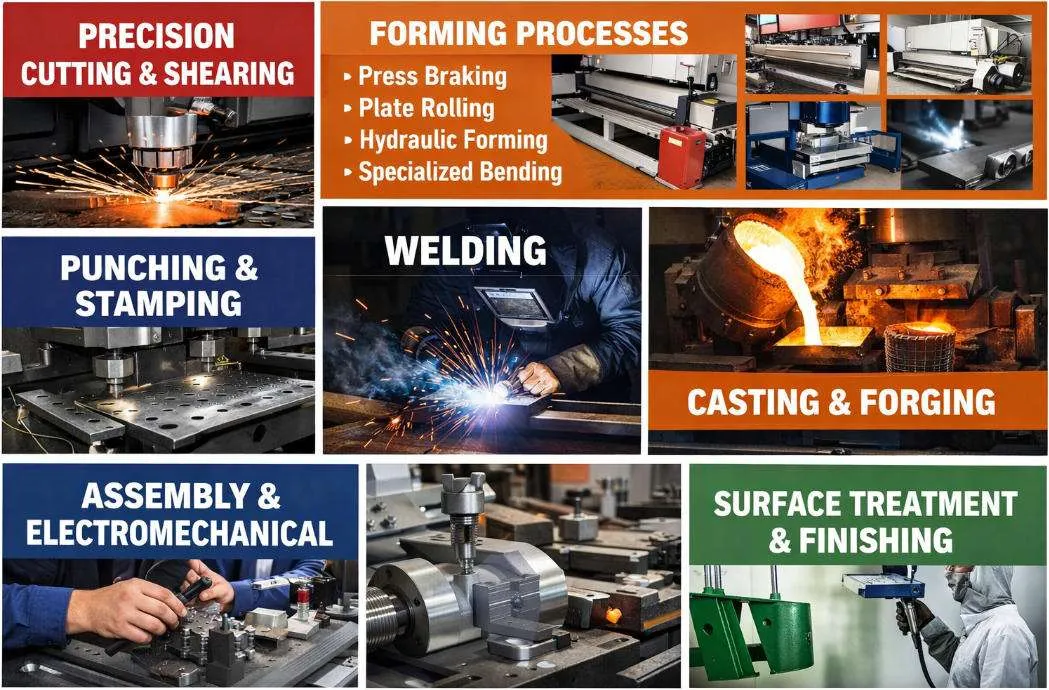
अब जब आप समझ गए हैं कि निर्माण को "सटीक" बनाने वाले कारक क्या हैं, तो आप शायद यह जानने के लिए उत्सुक हैं कि ये कंपनियाँ वास्तव में इतनी कड़ी सहिष्णुताएँ कैसे प्राप्त करती हैं? इसका उत्तर विशिष्ट प्रक्रियाओं में निहित है—जिनमें से प्रत्येक को सुसंगत, सटीक परिणाम प्रदान करने के लिए सावधानीपूर्ण रूप से नियंत्रित किया जाता है। आइए उन मुख्य तकनीकों को समझें जिन पर प्रत्येक सटीक शीट धातु निर्माता निर्भर करता है।
मानक दुकानों के विपरीत, जो इन प्रक्रियाओं को अपनी वेबसाइटों पर बिना किसी स्पष्टीकरण के सूचीबद्ध कर सकती हैं, प्रत्येक विधि के कार्य करने के तरीके को समझना आपको अपने निर्माण परियोजनाओं के लिए अधिक सूझदार निर्णय लेने में सहायता करता है। यहाँ आपको जो जानना आवश्यक है:
- लेज़र कटिंग: एक केंद्रित लेज़र किरण का उपयोग करके सामग्री को पिघलाया या वाष्पीकृत किया जाता है जिसकी सहिष्णुता ±0.1 मिमी से ±0.15 मिमी तक हो सकती है—जटिल डिज़ाइनों और अधिकतम 25 मिमी मोटाई तक की मोटी सामग्रियों के लिए आदर्श
- CNC पंचिंग: कंप्यूटर-निर्देशित उपकरण पतली चादर धातु के माध्यम से दबाकर सटीक छिद्रों और आकृतियों का निर्माण करते हैं, जिनकी सहिष्णुता लगभग ±0.2 मिमी होती है—पतली सामग्रियों में दोहराव वाले पैटर्न के लिए सर्वोत्तम
- सटीक मोड़: अंतर्निर्मित सेंसर वाले सीएनसी प्रेस ब्रेक कोणों को ±0.5° से ±1° के भीतर बनाते हैं, जबकि प्रत्येक बेंड के लिए लंबाई सहिष्णुता ±0.20 मिमी होती है
- सटीक वेल्डिंग: टिग (TIG), मिग (MIG) और रोबोटिक वेल्डिंग सहित नियंत्रित जोड़ने की प्रक्रियाएँ, जो मज़बूत और साफ जोड़ों के निर्माण के साथ-साथ आयामी सटीकता बनाए रखती हैं
प्रत्येक प्रक्रिया की अपनी विशिष्ट शक्तियाँ होती हैं। एक कुशल सटीक शीट मेटल निर्माण संचालन यह बिल्कुल सही तरीके से जानता है कि प्रत्येक तकनीक का उपयोग कब करना है—और इससे भी महत्वपूर्ण है, उन्हें किस क्रम में लगाया जाए ताकि अधिकतम परिणाम प्राप्त किए जा सकें।
लेजर कटिंग और सीएनसी पंचिंग की व्याख्या
कल्पना कीजिए कि आपको एक जटिल एयरोस्पेस ब्रैकेट को काटने की आवश्यकता है, जिसमें वक्राकार किनारे और सटीक सहिष्णुता वाले छिद्र हैं। आपको कौन-सी विधि चुननी चाहिए? इसका उत्तर कई कारकों पर निर्भर करता है, जिनका मूल्यांकन सटीक शीट मेटल निर्माण कंपनियाँ प्रत्येक परियोजना के लिए करती हैं।
उद्योग के विशेषज्ञों के अनुसार, लेज़र कटिंग जटिल प्रोफाइलों और मोटी सामग्रियों के लिए उत्कृष्ट है। फाइबर लेज़र 25 मिमी तक की माइल्ड स्टील को काट सकते हैं, जबकि ±0.1 मिमी से ±0.15 मिमी की सहिष्णुता बनाए रखते हैं। गैर-संपर्क प्रक्रिया उपकरण के निशानों के बिना चिकने, सटीक कट उत्पन्न करती है—जिससे कई अनुप्रयोगों के लिए द्वितीयक फिनिशिंग की आवश्यकता समाप्त हो जाती है। यही कारण है कि लेज़र कटिंग को एयरोस्पेस, चिकित्सा और फार्मास्यूटिकल घटकों के लिए वरीयता दी जाती है, जहाँ किनारे की गुणवत्ता महत्वपूर्ण होती है।
दूसरी ओर, सीएनसी पंचिंग तब प्रभुत्व स्थापित करती है जब आपको उच्च गति से दोहराव वाले आकारों की आवश्यकता होती है। पतली सामग्रियों में घने रूप से स्थित छिद्रों—जैसे 3 मिमी तक के मृदु इस्पात या 6 मिमी तक के एल्युमीनियम—के लिए, पंचिंग मशीनें लेजर की तुलना में काफी अधिक तीव्र गति से कार्य करती हैं। इसका एक और महत्वपूर्ण लाभ यह है कि पंचिंग एक ऊष्मारहित प्रक्रिया है। यह सामग्री की समतलता को बनाए रखती है और ऊष्मा-प्रभावित क्षेत्रों (HAZ) से बचाती है, जो बाद में मोड़ने की कार्यवाहियों के दौरान समस्याएँ उत्पन्न कर सकते हैं।
उच्च परिशुद्धता वाली स्थिति निर्धारण शीट धातु निर्माण सेवाएँ अक्सर दोनों प्रौद्योगिकियों को एक साथ जोड़ती हैं। लेजर कटिंग जटिल बाहरी प्रोफाइलों और जटिल विशेषताओं को संभालती है, जबकि सीएनसी पंचिंग मानक छिद्रों या स्लॉट्स की श्रृंखला को तीव्र गति से उत्पन्न करती है। यह संकर दृष्टिकोण दोनों परिशुद्धता और दक्षता को अधिकतम करता है।
उच्च परिशुद्धता वाली मोड़ने और वेल्डिंग तकनीकें
यहाँ कुछ ऐसा है जो कई इंजीनियरों को आश्चर्यचकित करता है: आप आमतौर पर शीट मेटल बेंडिंग में सच्चे 90° के कोने को प्राप्त नहीं कर सकते। कोने में हमेशा एक त्रिज्या (रेडियस) होती है, और सामग्री आकार देने के बाद स्वाभाविक रूप से अपने मूल आकार की ओर थोड़ा सा वापस झुक जाती है (स्प्रिंगबैक)। इन वास्तविकताओं का प्रबंधन करना ही वह जगह है जहाँ सटीक बेंडिंग विशेषज्ञता वास्तव में उभरती है।
विशेषज्ञ फैब्रिकेटर्स बताते हैं कि स्प्रिंगबैक आमतौर पर 1–2° के अंतर के बराबर होता है। आधुनिक सीएनसी प्रेस ब्रेक मशीनें, जिनमें अंतर्निर्मित सेंसर होते हैं, सामग्री की विविधता के लिए स्वचालित रूप से समायोजित करती हैं, जिससे स्थिर उत्पादन सुनिश्चित होता है। ये मशीनें प्रत्येक सामग्री और मोटाई के संयोजन के लिए K-फैक्टर की गणना करती हैं और लक्ष्य कोण प्राप्त करने के लिए कितना अतिरिक्त बेंड (ओवरबेंड) की आवश्यकता होगी, इसका सटीक पूर्वानुमान लगाती हैं।
सटीक बेंडिंग में महत्वपूर्ण कारक शामिल हैं:
- बेंड त्रिज्या की स्थिरता: किसी भाग पर सभी बेंड को समान रखना उपकरण सेटअप को काफी सरल बनाता है, लागत को कम करता है और सट्यता में सुधार करता है
- फीचर-टू-बेंड दूरी: मोड़ों के बहुत पास स्थित छेद या स्लॉट्स संकेंद्रित तनाव के कारण विकृत हो सकते हैं—अनुभवी फैब्रिकेटर्स को न्यूनतम दूरी के दिशानिर्देशों का ज्ञान होता है
- मोड़ क्रम योजना: एकाधिक मोड़ों वाले जटिल भागों के लिए औजारों के हस्तक्षेप से बचने के लिए सावधानीपूर्ण क्रमबद्धता की आवश्यकता होती है
- सामग्री की स्थिति के प्रति सजगता: लेज़र कटिंग से उत्पन्न ऊष्मा-प्रभावित क्षेत्र (HAZ) यदि उचित रूप से प्रबंधित नहीं किए जाते हैं, तो मोड़ने के दौरान असंगत आकार या दरारें उत्पन्न कर सकते हैं
उच्च-सटीक वेल्डिंग फैब्रिकेशन की पूरी प्रक्रिया को पूरा करती है। चाहे अधिकतम नियंत्रण की आवश्यकता वाले महत्वपूर्ण जोड़ों के लिए TIG वेल्डिंग का उपयोग किया जाए, उत्पादन दक्षता के लिए MIG वेल्डिंग का उपयोग किया जाए, या उच्च-मात्रा के लिए स्थिरता के लिए रोबोटिक वेल्डिंग का उपयोग किया जाए—लक्ष्य समान रहता है: पूर्ववर्ती संचालनों में प्राप्त सटीकता को विकृत किए बिना घटकों को जोड़ना।
उच्च परिशुद्धता वाली स्थिति निर्धारण शीट धातु निर्माण की मांग करती है कि वेल्डर्स को ऊष्मीय प्रबंधन की समझ हो। फिक्सचर डिज़ाइन, टैक वेल्डिंग क्रम और ऊष्मा इनपुट नियंत्रण सभी विकृति को रोकते हैं, जो उच्च परिशुद्धता से काटे गए और मोड़े गए भागों को अप्रयोग्य बना सकती है। यहीं पर उच्च परिशुद्धता वाली शीट धातु निर्माण और यांत्रिक निर्माण की विशेषज्ञता अक्सर एक-दूसरे से मिलती है—यांत्रिक रूप से निर्मित फिक्सचर वेल्डिंग के दौरान भागों को सटीक स्थिति में पकड़े रखते हैं।
एक कंपनी द्वारा उच्च परिशुद्धता वाली शीट धातु निर्माण उपकरणों में किए गए निवेश से आप उनकी क्षमताओं के बारे में बहुत कुछ जान सकते हैं। आधुनिक फाइबर लेज़र, वास्तविक समय में कोण माप के साथ सर्वो-विद्युत प्रेस ब्रेक और रोबोटिक वेल्डिंग सेल वर्तमान में उपलब्ध उन्नततम प्रौद्योगिकियों का प्रतिनिधित्व करते हैं। लेकिन केवल उपकरण पर्याप्त नहीं हैं—इन प्रणालियों को प्रोग्राम करने, संचालित करने और रखरखाव करने की विशेषज्ञता यह निर्धारित करती है कि क्या वे वास्तव में उच्च परिशुद्धता वाले परिणाम प्रदान करते हैं या केवल महंगी औसत प्रदर्शन ही प्रदान करते हैं।
इन मूल प्रक्रियाओं को समझना आपको संभावित निर्माण साझेदारों के साथ सार्थक वार्तालाप करने के लिए तैयार करता है। आपको पूछने के लिए सही प्रश्नों का पता होगा—और यह पहचानने में सक्षम होगा कि कब कोई कंपनी वास्तव में आपकी परियोजना की आवश्यकता वाली शुद्धता प्राप्त करने के तरीके को समझती है।
उद्योग अनुप्रयोग और उनकी विशिष्ट परिशुद्धता आवश्यकताएँ
यहाँ एक ऐसी बात है जो कई खरीदारों को अचानक चौंका देती है: उपभोक्ता इलेक्ट्रॉनिक्स के लिए पूर्ण रूप से उपयुक्त सहनशीलता (टॉलरेंस), विमान में घातक विफलता का कारण बन सकती है। शुद्धता वाले शीट धातु निर्माण उद्योग एक-आकार-सभी-के-लिए-उपयुक्त मानकों के साथ काम नहीं करता है। बल्कि, प्रत्येक क्षेत्र तालिका पर बहुत अलग आवश्यकताएँ लाता है—और इन अंतरों को समझना आपको यह पहचानने में सहायता करता है कि कौन से निर्माता वास्तव में आपकी आवश्यकताओं को पूरा कर सकते हैं।
यह इतना महत्वपूर्ण क्यों है? क्योंकि उद्योग-विशिष्ट आवश्यकताओं को समझे बिना एक शुद्धता वाले शीट धातु निर्माण कंपनी का चयन करना, औद्योगिक बिजली प्रणालियों के लिए आवासीय विद्युत मिस्त्री को कार्यरत करने के समान है। वे शायद कौशल रखते हों, लेकिन आपके अनुप्रयोग के लिए सही कौशल नहीं रखते हैं।
नीचे दी गई तालिका प्रमुख उद्योगों में उच्च-परिशुद्धता वाले शीट धातु निर्माण के रूप को विस्तार से दर्शाती है:
| उद्योग | सामान्य सहनशीलता | मुख्य प्रमाणन | महत्वपूर्ण गुणवत्ता कारक |
|---|---|---|---|
| एयरोस्पेस | ±0.005" से ±0.010" | AS9100, ITAR, NADCAP | ट्रेसैबिलिटी, सामग्री प्रमाणपत्र, थकान प्रतिरोध |
| चिकित्सा उपकरण | ±0.005" से ±0.015" | ISO 13485, FDA पंजीकरण | जैव-संगतता, जीवाणुरहित करने की संगतता, सतह का फ़िनिश |
| ऑटोमोटिव | ±0.010" से ±0.020" | आईएटीएफ 16949, आईएसओ 9001:2015 | दोहराव क्षमता, टिकाऊपन परीक्षण, PPAP दस्तावेज़ीकरण |
| इलेक्ट्रानिक्स | ±0.005" से ±0.015" | ISO 9001:2015, IPC मानक | EMI/RFI शील्डिंग, तापीय प्रबंधन, कसे हुए असेंबली फिट |
आइए इन आवश्यकताओं के बारे में अपनी परियोजनाओं के संदर्भ में गहराई से जानें।
एयरोस्पेस और चिकित्सा उपकरण आवश्यकताएँ
उच्च-परिशुद्धता वाला एयरोस्पेस शीट धातु निर्माण विनिर्माण की सबसे कठोर माँगों का शिखर है। जब घटक 30,000 फीट की ऊँचाई पर उड़ान भरते हैं या जीवन-महत्वपूर्ण चिकित्सा प्रक्रियाओं का समर्थन करते हैं, तो त्रुटि के लिए कोई भी सहनशीलता नहीं होती है।
एयरोस्पेस अनुप्रयोगों में, AS9100 प्रमाणन अनिवार्य नहीं है—यह आधारभूत अपेक्षा है। यह एयरोस्पेस-विशिष्ट गुणवत्ता प्रबंधन मानक ISO 9001:2015 पर आधारित है, जिसमें उत्पाद सुरक्षा, नकली भागों के रोकथाम और विन्यास प्रबंधन के लिए कठोर आवश्यकताएँ जोड़ी गई हैं। रक्षा-संबंधित परियोजनाओं के लिए, ITAR (इंटरनेशनल ट्रैफ़िक इन आर्म्स रेगुलेशन्स) प्रमाणन सुनिश्चित करता है कि नियंत्रित तकनीकी डेटा का उचित ढंग से संचालन किया जाए।
एयरोस्पेस निर्माण को इतना चुनौतीपूर्ण क्यों बनाता है? इन कारकों पर विचार करें:
- पूर्ण सामग्री परिवर्तनशीलता: धातु का प्रत्येक टुकड़ा अपने मूल मिल प्रमाणन तक पीछा किया जा सकना चाहिए
- प्रथम लेख निरीक्षण आवश्यकताएँ: उत्पादन शुरू होने से पहले प्रत्येक आयाम के विनिर्देश के अनुरूप होने को सिद्ध करने वाला व्यापक दस्तावेज़ीकरण
- क्लांति और तनाव विचार: भागों को दशकों तक सेवा के दौरान बार-बार लोडिंग चक्रों को सहन करने में सक्षम होना चाहिए
- वजन अनुकूलन: प्रत्येक ग्राम मायने रखता है, जो डिज़ाइन को पतली सामग्रियों और कड़ी सहिष्णुताओं की ओर धकेलता है
चिकित्सा उपकरणों के निर्माण में समान रूप से कठोर, लेकिन भिन्न चुनौतियाँ उत्पन्न होती हैं। प्रोटोटेक के उद्योग विशेषज्ञों के अनुसार, चिकित्सा-श्रेणी के सटीक शीट धातु निर्माण घटकों को कड़ी जैव-संगतता आवश्यकताओं को पूरा करना आवश्यक है—सामग्रियाँ शरीर के संपर्क में आने पर प्रतिरक्षा प्रतिक्रिया को ट्रिगर नहीं कर सकती हैं या सूजन नहीं कर सकती हैं।
चिकित्सा अनुप्रयोगों में सतह का फिनिश अत्यंत महत्वपूर्ण हो जाता है। निर्मित घटकों को प्रभावी ढंग से साफ करने के लिए पर्याप्त रूप से चिकना होना आवश्यक है, ताकि जीवाणुओं के बसेरे (कॉलोनाइज़ेशन) को रोका जा सके। चिकित्सा निर्माण में स्टेनलेस स्टील के ग्रेड 304 और 316L प्रमुखता से उपयोग में लाए जाते हैं, क्योंकि ये बार-बार ऑटोक्लेविंग और शक्तिशाली सफाई एजेंटों के कारण होने वाले संक्षारण का प्रतिरोध करते हैं। टेक्सास और फ्लोरिडा में सटीक शीट धातु निर्माण के क्षेत्र में कार्यरत कंपनियाँ अक्सर चिकित्सा उपकरण गुणवत्ता प्रबंधन के लिए विशेष रूप से ISO 13485 प्रमाणन बनाए रखती हैं।
ऑटोमोटिव और इलेक्ट्रॉनिक्स सटीकता मानक
ऑटोमोटिव अनुप्रयोगों में एक रोचक संतुलन प्रस्तुत किया जाता है: एयरोस्पेस की तुलना में थोड़े ढीले टॉलरेंस, लेकिन उत्पादन मात्रा घातांकीय रूप से अधिक। यह संयोजन ऐसी प्रिसिज़न शीट मेटल फैब्रिकेशन कंपनियों की मांग करता है जिनमें मज़बूत दोहराव क्षमता और सांख्यिकीय प्रक्रिया नियंत्रण (SPC) हो।
IATF 16949 प्रमाणन—ऑटोमोटिव उद्योग का गुणवत्ता प्रबंधन मानक—दोष का पता लगाने के बजाय उसके रोकथाम पर ज़ोर देता है। फैब्रिकेटर्स को अपनी प्रक्रियाओं की क्षमता सूचकांक (Cpk) के माध्यम से यह प्रदर्शित करना आवश्यक है कि वे निर्दिष्ट सीमाओं के भीतर भागों को लगातार वितरित करते हैं। उत्पादन भाग मंजूरी प्रक्रिया (PPAP) के दस्तावेज़ ग्राहकों को यह विश्वास दिलाते हैं कि बड़े पैमाने पर उत्पादन प्रोटोटाइप की गुणवत्ता के अनुरूप होगा।
शैसी कॉम्पोनेंट्स, सस्पेंशन ब्रैकेट्स और संरचनात्मक तत्वों के लिए, टिकाऊपन परीक्षण एक अतिरिक्त मान्यता स्तर जोड़ता है। ऑटोमोटिव अनुप्रयोगों में प्रिसिज़न शीट मेटल फैब्रिकेशन के भागों को विफलता के बिना वर्षों तक कंपन, तापमान चक्र और सड़क नमक के संपर्क का सामना करना होता है।
इलेक्ट्रॉनिक्स निर्माण विभिन्न प्राथमिकताओं पर केंद्रित होता है। एनक्लोज़र और चैसिस को घटकों के माउंटिंग के लिए सटीक आयामों को बनाए रखते हुए विद्युत चुम्बकीय हस्तक्षेप (EMI) की शील्डिंग प्रदान करनी आवश्यक है। एक माउंटिंग होल का लक्ष्य से केवल 0.5 मिमी का विचलन भी सर्किट बोर्ड की स्थापना को रोक सकता है या असेंबली लाइन में बोटलनेक उत्पन्न कर सकता है।
थर्मल प्रबंधन इलेक्ट्रॉनिक्स अनुप्रयोगों में जटिलता जोड़ता है। ऊष्मा अपवहन की आवश्यकताएँ अक्सर सामग्री के चयन को निर्धारित करती हैं—एल्युमीनियम की उत्कृष्ट ऊष्मा चालकता इसे इलेक्ट्रॉनिक्स एनक्लोज़र के लिए पसंदीदा बनाती है। लेकिन एल्युमीनियम का स्प्रिंगबैक व्यवहार स्टील से भिन्न होता है, जिसके कारण सामग्री-विशिष्ट विशेषज्ञता वाले निर्माताओं की आवश्यकता होती है।
इलेक्ट्रॉनिक्स क्षेत्र में आकर्षक संपूर्णता की भी मांग होती है। उपभोक्ता-उन्मुख उत्पादों के लिए दोषरहित सतह समाप्ति, सुसंगत पाउडर कोटिंग और वेंटिलेशन पैटर्न की सटीक संरेखण की आवश्यकता होती है। कार्यात्मक सटीकता और सौंदर्य संबंधी गुणवत्ता का यह संयोजन कुशल निर्माताओं को उन निर्माताओं से अलग करता है जो केवल इलेक्ट्रॉनिक्स अनुभव का दावा करते हैं।
इन उद्योग-विशिष्ट आवश्यकताओं को समझना आपको संभावित निर्माण साझेदारों का अधिक प्रभावी ढंग से मूल्यांकन करने में सहायता करता है। ऑटोमोटिव उत्पादन में उत्कृष्टता प्राप्त करने वाली कंपनी एयरोस्पेस के लिए आवश्यक दस्तावेज़ीकरण आवश्यकताओं को पूरा करने में असमर्थ हो सकती है। चिकित्सा उपकरण विशेषज्ञ के पास ऑटोमोटिव परियोजनाओं की आवश्यकता वाली उच्च-मात्रा उत्पादन क्षमता नहीं हो सकती है। आपकी परियोजना की उद्योग-विशिष्ट आवश्यकताओं को किसी निर्माता के सिद्ध विशेषज्ञता से सुमेलित करना आपकी सफलता की संभावनाओं को काफी हद तक बढ़ा देता है।
प्रिसिज़न शीट मेटल निर्माण कंपनियों का मूल्यांकन कैसे करें
आपने अपनी परियोजना की प्रिसिज़न आवश्यकताओं की पहचान कर ली है और समझ लिया है कि आपको कौन-सी प्रक्रियाएँ आवश्यक हैं। अब चुनौतीपूर्ण भाग आ गया है: आप दर्जनों विकल्पों में से वास्तव में सही प्रिसिज़न शीट मेटल निर्माण कंपनी का चयन कैसे करें? यहीं पर अधिकांश खरीदारों को कठिनाई का सामना करना पड़ता है—और गलत चुनाव करने से वास्तविक धन की हानि होती है।
समस्या क्या है? अधिकांश फैब्रिकेटरों की वेबसाइटें आश्चर्यजनक रूप से समान दिखती हैं। सभी "गुणवत्ता" और "परिशुद्धता" का दावा करते हैं। लेकिन उन मार्केटिंग शब्दों के पीछे, उनकी क्षमताएँ काफी भिन्न होती हैं। यहाँ परिशुद्धता वाले शीट मेटल फैब्रिकेशन के वास्तविक रूप से कुशल प्रदाताओं को उन लोगों से अलग करने का एक व्यवस्थित दृष्टिकोण दिया गया है जो केवल अच्छी बातें करते हैं।
- प्रासंगिक प्रमाणपत्रों की पुष्टि करें — केवल यही नहीं कि वे प्रमाणपत्र रखते हैं, यह सुनिश्चित करें कि ये प्रमाणपत्र आपके उद्योग की आवश्यकताओं के अनुरूप हों
- उपकरण क्षमताओं का आकलन करें — आधुनिक मशीनरी महत्वपूर्ण है, लेकिन ऑपरेटर की विशेषज्ञता और रखरखाव कार्यक्रम उससे भी अधिक महत्वपूर्ण हैं
- गुणवत्ता नियंत्रण प्रणालियों का मूल्यांकन करें — निरीक्षण उपकरणों से आगे बढ़कर दस्तावेज़ीकृत प्रक्रियाओं और ट्रेसैबिलिटी अभ्यासों को देखें
- टर्नअराउंड क्षमताओं की समीक्षा करें — अपने उत्पादन कार्यक्रम के लिए मानक लीड टाइम और त्वरित वितरण के विकल्पों दोनों को समझें
- इंजीनियरिंग समर्थन की जाँच करें — DFM विशेषज्ञता से उत्पादन शुरू होने से पहले डिज़ाइन अनुकूलन में हज़ारों रुपये की बचत की जा सकती है
- ग्राहक संदर्भों की जाँच करें — समान उद्योगों में काम कर रहे ग्राहकों से वास्तविक दुनिया के अनुभवों के बारे में बात करें
आइए इन मानदंडों में से प्रत्येक की विस्तृत जाँच करें, ताकि आपको सटीक रूप से यह पता चल सके कि किन प्रश्नों को पूछना है।
आवश्यक प्रमाणन जिनकी तलाश करनी चाहिए
प्रमाणपत्र केवल दीवार पर लगे अक्षर नहीं हैं—वे हैं जोखिम कम करने वाले कारक जो वास्तविक प्रक्रिया अनुशासन को साबित करते हैं । प्रत्येक प्रमाणपत्र के वास्तव में क्या आवश्यकताएँ हैं, यह समझना आपको यह मूल्यांकन करने में सक्षम बनाता है कि क्या एक सटीक शीट धातु निर्माण कंपनी वास्तव में आपकी आवश्यकताओं को पूरा कर सकती है।
ISO 9001:2015 गुणवत्ता प्रबंधन प्रणालियों की नींव बनाता है। उत्तरी तारा धातु उत्पादों (Northstar Metal Products) के उद्योग विशेषज्ञों के अनुसार, यह प्रमाणपत्र यह प्रदर्शित करता है कि कोई कंपनी उत्पादन के प्रत्येक चरण—नए उत्पाद के परिचय से लेकर अंतिम निरीक्षण और शिपिंग तक—के लिए दस्तावेज़ीकृत प्रक्रियाओं के साथ एक प्रभावी गुणवत्ता प्रणाली को लागू कर चुकी है। यह निरंतर सुधार के लिए स्पष्ट दिशा-निर्देश भी स्थापित करता है, जो कर्मचारियों को नवाचारी समाधानों की खोज के लिए प्रोत्साहित करता है।
ISO 9001:2015 वास्तव में क्या आवश्यकताएँ रखता है? प्रमाणित निर्माताओं को निम्नलिखित को बनाए रखना आवश्यक है:
- निर्माण, निरीक्षण और ट्रेसैबिलिटी के लिए दस्तावेज़ीकृत प्रक्रियाएँ
- नियमित आंतरिक और तृतीय-पक्ष ऑडिट
- कैलिब्रेटेड उपकरणों के साथ नियंत्रित सामग्री
- प्रत्येक परियोजना के लिए स्वच्छ दस्तावेज़ीकरण अनुक्रम
ITAR (इंटरनेशनल ट्रैफिक इन आर्म्स रेगुलेशंस) यदि आपकी परियोजना रक्षा अनुप्रयोगों से संबंधित है, तो प्रमाणन महत्वपूर्ण होता है। ITAR-पंजीकृत सुविधाएँ नियंत्रित तकनीकी डेटा को संभाल सकती हैं और सैन्य प्रणालियों के लिए घटकों का निर्माण कर सकती हैं। भले ही आपकी वर्तमान परियोजना के लिए ITAR की आवश्यकता न हो, एक पंजीकृत सुविधा के साथ कार्य करने से भविष्य के रक्षा अनुबंधों के लिए लचीलापन प्रदान किया जाता है।
AWS (अमेरिकी वेल्डिंग सोसाइटी) प्रमाणन वेल्डिंग तकनीकों में दक्षता को दर्शाते हैं। प्रमाणित वेल्डिंग निर्माता (CWF) का दर्जा सुनिश्चित करता है कि कोई कंपनी संरचनात्मक और टिकाऊ वेल्डेड संरचनाओं के निर्माण में अपनी योग्यता का प्रदर्शन कर चुकी है। संरचनात्मक वेल्डिंग की आवश्यकता वाली परियोजनाओं के लिए, संरचनात्मक इस्पात के लिए AWS D1.1 प्रमाणन अतिरिक्त आश्वासन प्रदान करता है।
उद्योग-विशिष्ट प्रमाणन वैधता की एक अतिरिक्त परत जोड़ते हैं। चाहे आपको ऑटोमोटिव के लिए IATF 16949, एयरोस्पेस के लिए AS9100, या मेडिकल डिवाइसेज़ के लिए ISO 13485 की आवश्यकता हो, आपके उद्योग की आवश्यकताओं के अनुरूप प्रमाणन का चयन करना सुनिश्चित करता है कि फैब्रिकेटर आपके नियामक परिदृश्य को समझता है।
उपकरणों और गुणवत्ता प्रणालियों का मूल्यांकन
जब आप किसी संभावित प्रिसिज़न शीट मेटल फैब्रिकेशन आपूर्तिकर्ता की सुविधा का दौरा कर रहे हों—या ऑनलाइन उनकी क्षमताओं की समीक्षा कर रहे हों—तो आपको क्या देखना चाहिए? उपकरणों की सूचियाँ केवल कहानी का एक हिस्सा ही बताती हैं।
आधुनिक फाइबर लेज़र, सर्वो-इलेक्ट्रिक प्रेस ब्रेक और रोबोटिक वेल्डिंग सेल्स प्रिसिज़न क्षमताओं में पूंजी निवेश का संकेत देते हैं। लेकिन गहरे सवाल पूछें: उपकरणों की कैलिब्रेशन कितनी बार की जाती है? रोकथाम रखरखाव के क्या नियम हैं? प्रोग्रामिंग कौन करता है, और उसका अनुभव कितना है?
एक परिशुद्धता शीट धातु निर्माण कंपनी (LLC), जिसमें पुराने उपकरण हों लेकिन मास्टर क्राफ्ट्सपीपल द्वारा संचालित किए जाएँ, नवीनतम मशीनरी और अनुभवहीन ऑपरेटरों वाली एक दुकान की तुलना में बेहतर प्रदर्शन कर सकती है। उच्च गुणवत्ता वाले उपकरणों, कुशल कर्मियों और दस्तावेज़ित प्रक्रियाओं का संयोजन स्थिर परिशुद्धता प्रदान करता है—कोई भी एकल कारक अकेले ऐसा नहीं कर सकता।
गुणवत्ता नियंत्रण प्रणालियों की भी समान रूप से जाँच की आवश्यकता होती है। समन्वय मापन मशीनें (CMMs) और प्रकाशिक तुलनात्मक यंत्र (optical comparators) निरीक्षण क्षमताओं को दर्शाते हैं, लेकिन वास्तविक प्रश्न यह है: वे उत्पादन कार्यप्रवाह में कैसे एकीकृत किए गए हैं? इनकी खोज करें:
- प्रथम लेख निरीक्षण प्रक्रियाएँ: उत्पादन चलाने से पहले दस्तावेज़ित सत्यापन
- प्रक्रिया-मध्य निरीक्षण बिंदु: केवल अंतिम निरीक्षण के बजाय महत्वपूर्ण चरणों पर गुणवत्ता जाँच
- सांख्यिकीय प्रक्रिया नियंत्रण: टॉलरेंस से बाहर जाने से पहले विचलन को पकड़ने के लिए डेटा-आधारित निगरानी
- सामग्री ट्रेसेबिलिटी: किसी भी घटक को मूल मिल प्रमाणपत्रों तक ट्रेस करने की क्षमता
प्रिसिजन शीट मेटल फैब्रिकेशन के आपूर्तिकर्ताओं के बीच टर्नअराउंड समय की क्षमता में काफी भिन्नता होती है। 2-4 सप्ताह के मानक लीड टाइम आम हैं, लेकिन जब समयसीमा संकुचित हो जाती है तो त्वरित डिलीवरी के विकल्पों को समझना महत्वपूर्ण हो जाता है। कुछ OEM प्रिसिजन शीट मेटल फैब्रिकेशन साझेदार समर्पित त्वरित प्रतिक्रिया क्षमता बनाए रखते हैं; अन्य त्वरित डिलीवरी के लिए महत्वपूर्ण प्रीमियम की आवश्यकता रखते हैं।
अंत में, इंजीनियरिंग समर्थन का मूल्यांकन करें। क्या फैब्रिकेटर आपके डिज़ाइन की समीक्षा कर सकता है और कोटेशन से पहले सुधार के सुझाव दे सकता है? DFM (निर्माण के लिए डिज़ाइन) विशेषज्ञता लागत बचत के अवसरों की पहचान करती है—वैकल्पिक बेंड अनुक्रम, अनुकूलित नेस्टिंग, या प्रदर्शन को बनाए रखते हुए मूल्य कम करने के लिए सामग्री प्रतिस्थापन। यह सहयोगात्मक दृष्टिकोण अक्सर सच्चे साझेदारों को लेन-देन आधारित विक्रेताओं से अलग करता है।
इन मूल्यांकन मानदंडों के साथ सुसज्जित होकर, आप संभावित निर्माण साझेदारों का आत्मविश्वासपूर्ण मूल्यांकन कर सकते हैं। लक्ष्य सबसे सस्ता उद्धरण खोजना नहीं है—बल्कि यह पहचानना है कि कौन-से सटीक शीट धातु निर्माता आपकी परियोजना की विशिष्ट आवश्यकताओं के अनुरूप अपनी क्षमताओं, प्रमाणनों और गुणवत्ता प्रणालियों के साथ जुड़े हुए हैं।
सटीक निर्माण परियोजनाओं के लिए सामग्री का चयन
आपने निर्माण साझेदारों का मूल्यांकन कर लिया है और संबंधित प्रक्रियाओं को समझ लिया है। लेकिन यहाँ एक प्रश्न है जो अनुभवी इंजीनियरों को भी उलझा देता है: आपकी सटीक परियोजना के लिए आपको कौन-सी सामग्री निर्दिष्ट करनी चाहिए? उत्तर इतना सीधा नहीं है कि आप पिछली बार जो काम कर गई थी, उसे ही चुन लें—क्योंकि सामग्री का व्यवहार सीधे उपलब्ध सहिष्णुताओं, प्रसंस्करण विधियों और अंतिम लागत को प्रभावित करता है।
इसे इस तरह सोचें: एल्यूमीनियम और स्टेनलेस स्टील दोनों आपकी ताकत की आवश्यकताओं को पूरा कर सकते हैं, लेकिन वे मोड़ने के दौरान पूरी तरह से अलग-अलग व्यवहार करते हैं। एक अधिक आक्रामक रूप से वापस उछलता है। दूसरा आकार देने के दौरान तेज़ी से कठोर हो जाता है। इन अंतरों को अनदेखा करने से भागों के अस्वीकृत होने और आपके फैब्रिकेटर के साथ नाराज़गी भरे फोन कॉल होते हैं।
समझना विनिर्दिष्ट करने से पहले सामग्री के गुण आपको सूचित निर्णय लेने में सहायता करता है। यहाँ अनुकूलित सटीक धातु शीट निर्माण के लिए सबसे महत्वपूर्ण बातें हैं:
| सामग्री | परिशुद्धता विशेषताएं | विशिष्ट अनुप्रयोग | प्रसंस्करण पर विचार |
|---|---|---|---|
| स्टेनलेस स्टील (304/316) | उत्कृष्ट आयामी स्थिरता; मध्यम स्प्रिंगबैक; कड़ी सहिष्णुता प्राप्त की जा सकती है | चिकित्सा उपकरण, खाद्य प्रसंस्करण, स्थापत्य, समुद्री | विशेषीकृत वेल्डिंग तकनीकों की आवश्यकता होती है; आकार देने के दौरान कठोर हो जाता है |
| एल्युमीनियम (5052/6061) | अच्छी आकृति योग्यता; स्टील की तुलना में उच्च स्प्रिंगबैक; हल्के वजन वाले सटीक घटक | इलेक्ट्रॉनिक्स एनक्लोजर्स, एयरोस्पेस, ऑटोमोटिव, हीट एक्सचेंजर | ऊष्मा के प्रति संवेदनशील; उत्कृष्ट यांत्रिक कार्यक्षमता; उचित औजारों की आवश्यकता होती है |
| कार्बन स्टील | भविष्यवाणी योग्य व्यवहार; मध्यम सहिष्णुता; मात्रा के लिए लागत-प्रभावी | मशीनरी, निर्माण, स्वचालित वाहनों के संरचनात्मक भाग | संक्षारण सुरक्षा के लिए सतह उपचार की आवश्यकता होती है; अच्छी वेल्डेबिलिटी |
| टाइटेनियम | अद्वितीय शक्ति-से-भार अनुपात; सटीक रूप से आकार देना कठिन | एयरोस्पेस, मेडिकल इम्प्लांट, रक्षा | मध्यम मशीनीकरण क्षमता; विशिष्ट उपकरणों और विशेषज्ञता की आवश्यकता |
| तांबा/पीतल | उच्च तन्यता; अच्छी आकृति योग्यता; मध्यम सटीकता की क्षमता | विद्युत घटक, सजावटी उद्देश्य, प्लंबिंग | खतरनाक वेल्डिंग धुएँ उत्पन्न करता है; तांबे को मशीन करना कठिन हो सकता है |
0.004 से 0.250 इंच मोटाई तक की सटीक शीट मेटल निर्माण प्रक्रिया अधिकांश सामान्य अनुप्रयोगों को शामिल करती है, लेकिन सामग्री के चयन से उस सीमा के भीतर क्या संभव है, इस पर काफी प्रभाव पड़ता है। आइए सबसे अधिक निर्दिष्ट विकल्पों पर विचार करें।
स्टेनलेस स्टील और एल्यूमीनियम पर विचार
स्टेनलेस स्टील अच्छे कारणों से सटीक निर्माण के लिए प्रमुखता रखता है। इसकी आयामी स्थिरता, संक्षारण प्रतिरोधकता और भरोसेमंद आकृति निर्माण व्यवहार इसे मांग वाले अनुप्रयोगों के लिए प्राथमिक विकल्प बनाते हैं। लेकिन सभी स्टेनलेस स्टील समान नहीं होते हैं।
सटीक निर्माण के विशेषज्ञों के अनुसार, ऑस्टेनिटिक ग्रेड जैसे 304 और 316 आकार देने की क्षमता और संक्षारण प्रतिरोध के सर्वोत्तम संयोजन की पेशकश करते हैं। प्रकार 316L की कम कार्बन सामग्री इसे चिकित्सा एवं फार्मास्यूटिकल अनुप्रयोगों में वेल्डेड असेंबलियों के लिए आदर्श बनाती है, जहाँ संवेदनशीलता (क्रोमियम कार्बाइड का अवक्षेपण) से बचा जाना आवश्यक है।
उच्च सटीकता वाली स्थिति निर्धारण के लिए स्टेनलेस स्टील शीट मेटल निर्माण में यह समझना आवश्यक है कि यह सामग्री आकार देते समय कैसे कठोर हो जाती है। प्रत्येक मोड़ से प्रभावित क्षेत्र में कठोरता बढ़ जाती है, जिससे उत्तरवर्ती संचालनों की सावधानीपूर्ण योजना न बनाए जाने पर दरारें पड़ सकती हैं। अनुभवी निर्माता संचालनों के क्रम को इस प्रकार निर्धारित करते हैं कि संचयी कार्य-कठोरण प्रभावों को न्यूनतम किया जा सके।
मुख्य स्टेनलेस स्टील विचारों में शामिल हैं:
- संक्षारण वातावरण: 304 अधिकांश आंतरिक अनुप्रयोगों के लिए उपयुक्त है; 316 क्लोराइड के संपर्क या समुद्री वातावरण के लिए आवश्यक है
- सतह परिष्करण आवश्यकताएँ: स्टेनलेस स्टील पर ब्रश किया गया, पॉलिश किया गया या इलेक्ट्रोपॉलिश किया गया फिनिश लगाया जा सकता है—अतिरिक्त प्रसंस्करण से बचने के लिए इसे प्रारंभ में ही निर्दिष्ट करें
- वेल्डिंग क्षमता: जंग प्रतिरोध को बनाए रखने के लिए विशेषीकृत तकनीकों और उचित भराव सामग्री की आवश्यकता होती है
- लागत कारक: आमतौर पर कार्बन स्टील की तुलना में 2-3 गुना अधिक महंगा, लेकिन अक्सर फिनिशिंग लागतों को समाप्त कर देता है
एल्यूमीनियम एक अलग प्रकार की सटीकता चुनौती प्रस्तुत करता है। इसका उत्कृष्ट ताकत-प्रति-भार अनुपात इसे एयरोस्पेस और इलेक्ट्रॉनिक्स अनुप्रयोगों के लिए आवश्यक बनाता है, लेकिन उच्च स्प्रिंगबैक के कारण मोड़ते समय समायोजन की आवश्यकता होती है। उद्योग दिशानिर्देशों के अनुसार, सभी विशेषताओं में सुसंगत मोड़ त्रिज्या बनाए रखने से औजारों का निर्माण सरल हो जाता है और सटीकता में सुधार होता है।
इलेक्ट्रॉनिक्स एन्क्लोज़र्स के लिए, एल्यूमीनियम की ऊष्मा चालकता प्राकृतिक ऊष्मा अपव्यय प्रदान करती है—एक कार्यात्मक लाभ जिसे स्टेनलेस स्टील प्रदान नहीं कर सकता है। सीएटल में सटीक शीट धातु निर्माण और सीएटल में सटीक शीट धातु निर्माताओं के संचालन अक्सर क्षेत्र के एयरोस्पेस और प्रौद्योगिकी क्षेत्रों के लिए एल्यूमीनियम के साथ काम करते हैं, जहाँ भार में कमी और ऊष्मा प्रबंधन एक साथ मिलते हैं।
लेज़र कटिंग से उत्पन्न गर्मी-प्रभावित क्षेत्रों के प्रति एल्यूमीनियम की संवेदनशीलता के कारण सावधानीपूर्ण योजना बनाने की आवश्यकता होती है। यदि कटे हुए किनारों के निकट मोड़ (बेंड) बनाए जाते हैं, तो सामग्री के गुणों में आई परिवर्तन के कारण असंगत फॉर्मिंग हो सकती है। अनुभवी फैब्रिकेटर्स या तो कटिंग पैरामीटर्स को समायोजित करते हैं या सटीकता बनाए रखने के लिए फीचर और बेंड के बीच की दूरी बढ़ा देते हैं।
मांग वाले अनुप्रयोगों के लिए विशेष सामग्री
जब मानक सामग्रियाँ आपकी आवश्यकताओं को पूरा नहीं करती हैं, तो विशेष मिश्र धातुएँ चर्चा में प्रवेश करती हैं। इन सामग्रियों को संसाधित करने के लिए विशिष्ट अनुभव वाले फैब्रिकेटर्स की आवश्यकता होती है—प्रत्येक सटीकता-उन्मुख वर्कशॉप टाइटेनियम या विदेशी निकल मिश्र धातुओं को सफलतापूर्वक संसाधित नहीं कर सकती है।
टाइटेनियम को इसके अद्वितीय ताकत-से-वजन अनुपात और उत्कृष्ट संक्षारण प्रतिरोध के कारण 'चमत्कारी धातु' का खिताब प्राप्त है। सामग्री विशेषज्ञों के अनुसार , टाइटेनियम की हड्डी और जीवित ऊतकों के साथ बंधन करने की अद्वितीय क्षमता इसे ऑर्थोपैडिक प्रत्यारोपणों के लिए अप्रतिस्थाप्य बनाती है। एयरोस्पेस क्षेत्र में, इसके ताकत-से-वजन के लाभ इंजन घटकों और संरचनात्मक तत्वों के लिए प्रीमियम लागत को औचित्यपूर्ण ठहराते हैं।
हालांकि, टाइटेनियम की कम थर्मल चालकता और कार्य-कठोरीकरण (वर्क-हार्डनिंग) की प्रवृत्ति इसके निर्माण में महत्वपूर्ण चुनौतियाँ पैदा करती हैं। अति तापन को रोकने के लिए कटिंग स्पीड को सावधानीपूर्वक नियंत्रित करना आवश्यक है। जटिल ज्यामिति के लिए फॉर्मिंग में विशिष्ट औजारों की आवश्यकता होती है और अक्सर गर्म-फॉर्मिंग प्रक्रियाओं का उपयोग किया जाता है। ये कारक आमतौर पर स्टेनलेस स्टील निर्माण की तुलना में लागत को 3–5 गुना बढ़ा देते हैं।
अन्य विशिष्ट सामग्रियाँ जिन्हें समझना महत्वपूर्ण है:
- इनकोनेल और हैस्टेलॉय: चरम तापमान और संक्षारक वातावरण के लिए निकल-आधारित सुपरअलॉय; मशीनिंग और फॉर्मिंग करना कठिन है
- स्प्रिंग स्टील: लोच की आवश्यकता वाले घटकों के लिए उच्च यील्ड सामर्थ्य; गुणों को नियंत्रित करने के लिए सटीक ऊष्मा उपचार आवश्यक है
- डुप्लेक्स स्टेनलेस स्टील: सुधारित ताकत और क्लोराइड प्रतिरोध के लिए ऑस्टेनिटिक और फेरिटिक गुणों का संयोजन
- बेरिलियम तांबा: विद्युत संपर्कों के लिए अतुलनीय चालकता और स्प्रिंग गुण; विषाक्तता से संबंधित चिंताओं के कारण सावधानीपूर्ण हैंडलिंग की आवश्यकता होती है
सामग्री की मोटाई भी परिशुद्धता क्षमताओं को प्रभावित करती है। पतली सामग्री (0.030" से कम) काटने और हैंडलिंग के दौरान विकृति के प्रति अधिक संवेदनशील होती है। मोटी सामग्री (0.125" से अधिक) के लिए उच्च-शक्ति वाले उपकरणों की आवश्यकता होती है और यह प्राप्त करने योग्य बेंड त्रिज्या को सीमित कर सकती है। अपनी मोटाई की आवश्यकताओं पर संभावित फैब्रिकेटर्स के साथ चर्चा करें ताकि सुनिश्चित किया जा सके कि उनके उपकरण आपकी आवश्यकताओं के अनुरूप हैं।
अंतिम निष्कर्ष? सामग्री का चयन केवल कार्यात्मक आवश्यकताओं को पूरा करने के बारे में नहीं है—यह ऐसी सामग्रियों का चयन करने के बारे में भी है जिन्हें आपका फैब्रिकेशन साझेदार सटीक और निरंतर रूप से प्रसंस्कृत कर सकता है। सामग्री से संबंधित अनुभव पर एक स्पष्ट और ईमानदार बातचीत अक्सर किसी फैब्रिकेटर की वास्तविक क्षमताओं के बारे में किसी प्रमाणन या उपकरण सूची से अधिक जानकारी प्रदान करती है।
सटीक निर्माण में गुणवत्ता नियंत्रण और निरीक्षण
आपने सही सामग्री का चयन किया है और एक कुशल फैब्रिकेटर का चयन किया है। लेकिन यहाँ महत्वपूर्ण प्रश्न है: आपको कैसे पता चलेगा कि तैयार किए गए भाग वास्तव में आपके विनिर्देशों को पूरा करते हैं? यहीं पर शीट मेटल फैब्रिकेशन की सटीकता का जीवन या मृत्यु निर्धारित होती है—गुणवत्ता नियंत्रण प्रक्रियाओं में, जो भागों को शिप करने से पहले प्रत्येक आयाम, सतह और विशेषता की पुष्टि करती हैं।
सटीक शीट मेटल फैब्रिकेशन में गुणवत्ता नियंत्रण उत्पादन के अंत में एकमात्र जाँच बिंदु नहीं है। यह पूरी फैब्रिकेशन प्रक्रिया में समाहित एक व्यापक प्रणाली है। इन प्रणालियों को समझना आपको फैब्रिकेटरों का अधिक प्रभावी रूप से मूल्यांकन करने में सहायता करता है और यह सुनिश्चित करता है कि आपके महत्वपूर्ण घटक ठीक उसी रूप में पहुँचेंगे जैसा कि निर्दिष्ट किया गया है।
एक विशिष्ट सटीक फैब्रिकेशन कार्यप्रवाह के दौरान प्रमुख गुणवत्ता जाँच बिंदु इस प्रकार हैं:
- आने वाली सामग्री निरीक्षण: प्रसंस्करण शुरू करने से पहले सामग्री प्रमाणपत्रों, मोटाई माप और सतह की स्थिति की पुष्टि
- फर्स्ट आर्टिकल इंस्पेक्शन: उत्पादन चलाने से पहले प्रारंभिक नमूनों की व्यापक आयामी पुष्टि
- प्रक्रिया में निरीक्षण: प्रत्येक प्रमुख संचालन—कटिंग, फॉर्मिंग, वेल्डिंग के बाद महत्वपूर्ण आयामों की जाँच
- सतह की समाप्ति का सत्यापन: सौंदर्य संबंधी आवश्यकताओं के लिए रफनेस माप और दृश्य निरीक्षण
- अंतिम जाँच: पैकेजिंग से पहले ड्रॉइंग्स के अनुसार पूर्ण आयामी सत्यापन
- दस्तावेज़ीकरण समीक्षा: यह पुष्टि करना कि सभी आवश्यक प्रमाणन, रिपोर्ट्स और ट्रेसैबिलिटी रिकॉर्ड पूर्ण हैं
प्रत्येक चेकपॉइंट उन संभावित समस्याओं को पकड़ता है जो बाद में महंगी समस्याओं में बदल सकती हैं। थोड़ा सा टॉलरेंस से बाहर बेंड कोण छोटा लग सकता है—जब तक कि आप यह नहीं खोज लेते कि यह अंतिम असेंबली को रोकता है।
सटीकता की गारंटी देने वाली निरीक्षण विधियाँ
यह जटिल लगता है? ऐसा हो सकता है। लेकिन आधुनिक निरीक्षण प्रौद्योगिकियों ने पारंपरिक विधियों की तुलना में गति और सटीकता दोनों में काफी सुधार किया है। उपलब्ध विकल्पों को समझना आपको अपने प्रोजेक्ट्स के लिए उचित निरीक्षण आवश्यकताओं को निर्दिष्ट करने में सहायता करता है।
एक्सोमेट्री के निरीक्षण दिशानिर्देशों के अनुसार , फैब्रिकेटर्स आमतौर पर कई निरीक्षण स्तर प्रदान करते हैं:
- मानक निरीक्षण: गुणवत्ता नियंत्रण (QC) आवश्यकताओं के अनुसार सामग्री, विशेषताओं और समाप्ति की जाँच करता है; कुल आकार, छिद्रों और गहराई जैसे महत्वपूर्ण आयामों को मापता है—आमतौर पर ग्राहक-प्रदान किए गए ड्रॉइंग्स पर 20 तक आयामों की जाँच की जाती है
- आयामी रिपोर्ट के साथ औपचारिक निरीक्षण: सांख्यिकीय नमूनाकरण योजनाओं के अनुसार कैलिब्रेटेड उपकरणों का उपयोग करके सभी आयामों का 100% दस्तावेज़ीकरण; इसमें बैलून वाले ड्रॉइंग का सहसंबंध भी शामिल है
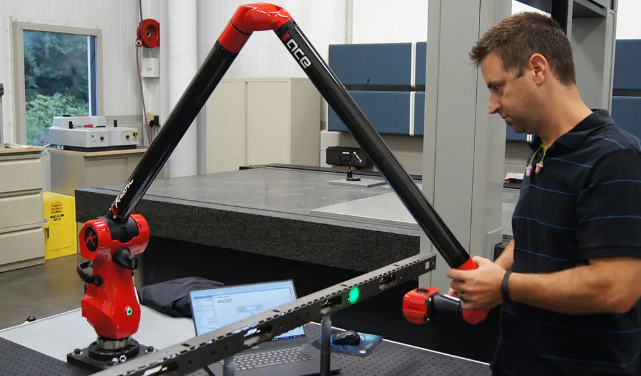
- सीएमएम निरीक्षण: सभी आयामों की समन्वय मापन मशीन (CMM) द्वारा माइक्रोन-स्तर की सटीकता के साथ पुष्टि; जटिल ज्यामितियों के लिए आवश्यक
- प्रथम लेख निरीक्षण रिपोर्ट (FAIR AS9102): एयरोस्पेस मानक दस्तावेज़ीकरण जो यह वस्तुनिष्ठ साक्ष्य प्रदान करता है कि सभी इंजीनियरिंग आवश्यकताओं को समझा गया है और सत्यापित किया गया है
समन्वय मापन मशीनें (CMMs) आयामी सत्यापन के लिए सुनहरा मानक हैं। जैसा कि गुणवत्ता नियंत्रण विशेषज्ञ स्पष्ट करते हैं सीएमएम्स (CMMs) भागों के आयामों को डिजिटल मॉडल के साथ मिलान करने के लिए प्रोब्स का उपयोग करते हैं, जिससे जटिल आकृतियों और विशेषताओं के लिए माइक्रॉन-स्तर की सटीकता प्राप्त होती है। ये विमानन और चिकित्सा घटकों के लिए विशेष रूप से मूल्यवान हैं, जहाँ सहनशीलता सत्यापन अटल होना आवश्यक है।
ऑप्टिकल निरीक्षण प्रणालियाँ सीएमएम्स (CMMs) के पूरक के रूप में कार्य करती हैं तथा त्वरित, संपर्क-रहित माप प्रदान करती हैं। कैमराओं, लेज़रों और सेंसरों का उपयोग आयामों, आकृतियों और सतह की गुणवत्ता का आकलन करने के लिए किया जाता है—यह नाजुक भागों के लिए या तब आदर्श है जब गति महत्वपूर्ण हो। शुद्धता घटकों पर सतह की कमियों का पता लगाने के लिए, ऑप्टिकल विधियाँ अक्सर ऐसी समस्याओं का पता लगा लेती हैं जिन्हें संपर्क-आधारित दृष्टिकोण याद कर सकते हैं।
सतह के फिनिश के सत्यापन के लिए रफनेस टेस्टर्स का उपयोग करके विनिर्दिष्ट आवश्यकताओं के आधार पर बनावट की मात्रा निर्धारित की जाती है। यह घटकों के लिए विशेष रूप से महत्वपूर्ण है जिनमें घर्षण-आधारित इंटरफेस होते हैं—जैसे गियर, सील्स, बेयरिंग—जहाँ सतह की गुणवत्ता सीधे प्रदर्शन और दीर्घायु को प्रभावित करती है।
दस्तावेज़ीकरण और ट्रेसएबिलिटी मानक
कल्पना कीजिए कि एक चिकित्सा उपकरण क्षेत्र में विफल हो जाता है। जांचकर्ताओं को उस घटक को उसके कच्चे माल तक पीछे की ओर ट्रेस करने, प्रत्येक प्रसंस्करण चरण को समझने और संभावित रूप से प्रभावित अन्य भागों की पहचान करने की आवश्यकता होती है। यही कारण है कि दस्तावेज़ीकरण और ट्रेसैबिलिटी केवल ब्यूरोक्रेटिक अतिरिक्त भार नहीं हैं—वे आवश्यक गुणवत्ता अवसंरचना हैं।
प्रथम लेख निरीक्षण रिपोर्ट्स उत्पादन गुणवत्ता के लिए आधार प्रदान करती हैं। एयरोस्पेस क्षेत्र में उपयोग किए जाने वाले AS9102 मानक में तीन महत्वपूर्ण फॉर्म निर्धारित किए गए हैं: फॉर्म 1 भाग की जानकारी और संशोधन इतिहास को रिकॉर्ड करता है; फॉर्म 2 कच्चे माल, विशेष प्रक्रियाओं और आपूर्तिकर्ता की जानकारी को विस्तार से दर्ज करता है; फॉर्म 3 प्रत्येक विशेषता के लिए निरीक्षण परिणामों को, उपयोग किए गए मापन उपकरणों के साथ, दस्तावेज़ित करता है।
इन रिपोर्ट्स के साथ गुब्बारे-आकार के आरेख (बैलून्ड ड्रॉइंग्स) भी संलग्न होते हैं, जिनमें संख्यांकित टिप्पणियाँ यह स्पष्ट रूप से दर्शाती हैं कि कौन-से विमाएँ सत्यापित की गईं। प्रत्येक गुब्बारा निरीक्षण डेटा से संबद्ध होता है, जिससे आरेखों और माप परिणामों के बीच स्पष्ट पहचान योग्यता (ट्रेसेबिलिटी) बन जाती है। यह संबंध ऑडिट के दौरान या गुणवत्ता संबंधी चिंताओं की जाँच करते समय अत्यंत मूल्यवान सिद्ध होता है।
गुणवत्तापूर्ण निर्माता पूरी प्रक्रिया के दौरान दस्तावेज़ीकरण बनाए रखते हैं:
- सामग्री प्रमाणन: मिल परीक्षण रिपोर्ट्स जो कच्चे माल को विशिष्ट हीट लॉट्स और रासायनिक संरचनाओं से जोड़ती हैं
- प्रक्रिया रिकॉर्ड: प्रत्येक ऑपरेशन के लिए मशीन सेटिंग्स, ऑपरेटर की पहचान और समय-मुद्रा (टाइमस्टैम्प)
- मापन अभिलेख: मापन उपकरणों के शुद्धता मानकों को पूरा करने का प्रमाण
- अनुपालन-रहित रिपोर्ट्स (नॉन-कॉन्फॉर्मेंस रिपोर्ट्स): किसी भी विचलन और उठाए गए सुधारात्मक कार्यों का दस्तावेज़ीकरण
- अंतिम निरीक्षण रिकॉर्ड: पास/फेल निर्धारण के साथ पूर्ण विमीय डेटा
सांख्यिकीय नमूना योजनाएँ निर्धारित करती हैं कि प्रत्येक लॉट से कितने भागों का निरीक्षण किया जाना चाहिए। ASQC Z1.4 2008 स्तर II मानकों के आधार पर, 26–50 भागों के लॉट के लिए आमतौर पर 8 नमूनों का निरीक्षण किया जाता है, जिसमें शून्य अस्वीकृतियाँ अनुमत होती हैं। 501–1,200 भागों के बड़े लॉट के लिए 80 नमूनों का निरीक्षण आवश्यक होता है। ये नमूना योजनाएँ निरीक्षण की व्यापकता को व्यावहारिक उत्पादन बाधाओं के साथ संतुलित करती हैं।
गुणवत्ता प्रणालियों द्वारा पकड़े जाने वाली सामान्य परिशुद्धता संबंधी चुनौतियों में लंबी उत्पादन चलाने के दौरान आयामी विस्थापन, सामग्री के बैचों के बीच स्प्रिंगबैक परिवर्तन, समतलता को प्रभावित करने वाला वेल्ड विकृति, और हैंडलिंग के कारण सतह पर दूषण शामिल हैं। गुणवत्तापूर्ण फैब्रिकेटर्स समस्याओं को पकड़ने के लिए केवल अंतिम निरीक्षण पर निर्भर नहीं रहते, बल्कि निवारक उपायों—नियमित प्रक्रिया-मध्य जाँच, सामग्री-विशिष्ट आकार देने के पैरामीटर, फिक्सचर-नियंत्रित वेल्डिंग क्रम—को लागू करते हैं।
व्यापक गुणवत्ता नियंत्रण में निवेश करना वास्तविक रूप से कुशल प्रेसिजन शीट मेटल फैब्रिकेशन कंपनियों को उन कंपनियों से अलग करता है जो केवल पर्याप्त सेवाएँ प्रदान करती हैं। संभावित साझेदारों का मूल्यांकन करते समय, आप नमूना निरीक्षण रिपोर्ट्स देखने के लिए कह सकते हैं, उनके दस्तावेज़ीकरण प्रथाओं को समझ सकते हैं, और यह सुनिश्चित कर सकते हैं कि उनकी मापन क्षमताएँ आपकी परियोजना की आवश्यकताओं के अनुरूप हैं। यह उचित सतर्कता तब फलदायी सिद्ध होती है जब आपके भाग तुरंत उपयोग के लिए तैयार पहुँचते हैं, बजाय उन्हें छाँटने, पुनः कार्य करने या अस्वीकार करने की आवश्यकता के।
प्रोटोटाइपिंग और उत्पाद विकास समर्थन
आपने एक नवाचारी उत्पाद का डिज़ाइन किया है, अवधारणा का मान्यीकरण किया है, और बाज़ार की मांग की पुष्टि की है। अब महत्वपूर्ण प्रश्न उठता है: आप उस डिज़ाइन को ठीक उसी प्रकार के भौतिक भागों में कैसे परिवर्तित करते हैं जो बिल्कुल उसी तरह से कार्य करें जैसा कि इरादा किया गया था? यहीं प्रेसिजन शीट मेटल फैब्रिकेशन कंपनियाँ वास्तविक विकास साझेदार बन जाती हैं—केवल आदेशों को निष्पादित करने वाले विक्रेताओं के रूप में नहीं।
प्रारंभिक अवधारणा से बड़े पैमाने पर उत्पादन तक की यात्रा में केवल धातु को काटने और मोड़ने से कहीं अधिक काम शामिल होता है। PEKO Precision के उद्योग विशेषज्ञों के अनुसार, सफल उत्पाद लॉन्च के लिए संरचित नए उत्पाद परिचय (NPI) प्रक्रियाओं पर निर्भर करना आवश्यक है, जो डिज़ाइन, प्रोटोटाइपिंग, मान्यन और उत्पादन के माप को प्रणालीगत रूप से संबोधित करती हैं। इस जीवन चक्र को समझना आपको प्रत्येक चरण में अपने निर्माण साझेदार के विशेषज्ञता का लाभ उठाने में सक्षम बनाता है।
अनुकूलित सटीक शीट धातु निर्माण परियोजनाओं के लिए प्रारूपिक परियोजना जीवन चक्र इस प्रकार है:
- अवधारणा की परिभाषा: स्पष्ट मील के पत्थरों और विनिर्देशों के साथ प्रारंभिक विचारों को प्रबंधनीय परियोजना सीमा में परिवर्तित करना
- प्रोटोटाइपिंग: अवधारणा को सिद्ध करने और डिज़ाइन की कार्यात्मकता का मूल्यांकन करने के लिए कार्यात्मक नमूने बनाना
- डिज़ाइन में सुधार: DFM अनुकूलन और इंजीनियरिंग अद्यतनों के माध्यम से सीखे गए पाठों को संबोधित करना
- पायलट निर्माण: उत्पादन-तैयार प्रक्रियाओं और गुणवत्ता प्रणालियों के मान्यन के लिए अंतिम अभ्यास
- उत्पादन रिलीज़: विन्यास नियंत्रण और पूर्ण गुणवत्ता दस्तावेज़ीकरण के साथ औपचारिक डिज़ाइन फ्रीज़
- निरंतर सुधार: ग्राहक प्रतिक्रिया के आधार पर निरंतर सुधार और अगली पीढ़ी के सुधार
प्रत्येक चरण पिछले चरण पर आधारित होता है, जिसमें उत्पादन के निकट आने के साथ-साथ परिशुद्धता की आवश्यकताएँ लगातार अधिक महत्वपूर्ण होती जाती हैं। आइए देखें कि अनुभवी निर्माता इस प्रगति का समर्थन कैसे करते हैं।
प्रोटोटाइप से उत्पादन तक
कल्पना कीजिए कि आपने उत्पाद विकास में महीनों का समय निवेश किया है, केवल यह पता लगाने के लिए कि उत्पादन के दौरान आपका डिज़ाइन लगातार निर्मित नहीं किया जा सकता है। यह परिदृश्य—दुर्भाग्यवश सामान्य—ठीक वही है जिसे उचित प्रोटोटाइपिंग रोकती है।
फिक्टिव के प्रोटोटाइपिंग विशेषज्ञों के अनुसार, शीट मेटल प्रोटोटाइपिंग इंजीनियरों को पूर्ण-पैमाने पर उत्पादन में शामिल होने से पहले किसी भाग के रूप, फिट और कार्यक्षमता का मूल्यांकन करने की अनुमति देती है। निर्माण उपकरणों और डिजिटल कार्यप्रवाह में आधुनिक उन्नतियों के कारण प्रोटोटाइपिंग अब तेज़ और अधिक परिशुद्ध हो गई है—उत्पादन के उद्देश्य के करीब संरेखित, ताकि टीमें गुणवत्ता को कम न करते हुए त्वरित रूप से पुनरावृत्ति कर सकें।
यह कस्टम प्रिसिजन शीट मेटल फैब्रिकेशन एनक्लोजर प्रोजेक्ट्स के लिए इसलिए महत्वपूर्ण क्यों है? क्योंकि उत्पादन-ग्रेड सामग्री और प्रक्रियाओं के साथ निर्मित प्रोटोटाइप वे मुद्दे उजागर करते हैं जिनका भविष्यवाणी CAD मॉडल्स केवल नहीं कर सकते:
- असेंबली में बाधा: 3D मॉडल्स में पूर्ण दिखने वाले घटक अपेक्षित अनुसार एक साथ फिट नहीं हो सकते हैं
- सामग्री का व्यवहार: स्प्रिंगबैक, वर्क-हार्डनिंग और तापीय प्रभाव स्पष्ट रूप से समस्याएँ बन जाते हैं
- निर्माण सीमाएँ: फीचर-टू-बेंड दूरियाँ, न्यूनतम बेंड त्रिज्या और उपकरण पहुँच की बाधाएँ स्पष्ट हो जाती हैं
- सतह के फिनिश की वास्तविकताएँ: वेल्डिंग की दृश्य सुंदरता, कोटिंग चिपकने की क्षमता और सौंदर्य संबंधी आवश्यकताओं का मान्यन किया जाता है
प्रोटोटाइपिंग के लिए एक प्रिसिजन शीट मेटल फैब्रिकेशन कारखाने के साथ काम करने का मुख्य लाभ—एक सामान्य उद्देश्य की दुकान के बजाय—उत्पादन के साथ संरेखण है। लेज़र कटिंग, CNC पंचिंग, बेंडिंग और वेल्डिंग जैसी तकनीकें वे ही हैं जो आप बड़े पैमाने पर उत्पादन में उपयोग करेंगे। इसका अर्थ है कि आपका प्रोटोटाइप अंतिम भाग की विशेषताओं का सटीक प्रतिनिधित्व करता है, जिससे वास्तविक प्रदर्शन परीक्षण संभव हो जाता है।
त्वरित प्रोटोटाइपिंग क्षमताओं ने विकास के समय-सीमा को बदल दिया है। आधुनिक निर्माण विधियाँ प्रोटोटाइप शीट धातु भागों को सप्ताहों के बजाय कुछ दिनों में तैयार कर सकती हैं। यह त्वरण उसी समय-सीमा के भीतर कई डिज़ाइन पुनरावृत्तियों को संभव बनाता है, जिसके लिए पारंपरिक दृष्टिकोण में केवल एक प्रोटोटाइप तैयार करने में समय लगता था।
अनुबंध निर्माण संबंध अक्सर प्रोटोटाइपिंग के दौरान शुरू होते हैं। एनपीआई-केंद्रित निर्माता के साथ शुरुआती चरण में साझेदारी करके, आप उस इंजीनियरिंग विशेषज्ञता तक पहुँच प्राप्त करते हैं जो आपके डिज़ाइन को निर्माण की सफलता के लिए आकार देती है। ये साझेदार विभिन्न चरणों के विचारों के साथ काम कर सकते हैं—चाहे वह नैपकिन के पीछे के रेखाचित्र हों या पूर्ण रूप से विकसित 3D मॉडल्स हों—और भविष्य में महंगे संशोधनों को रोकने के लिए मार्गदर्शन प्रदान कर सकते हैं।
डीएफएम समर्थन और इंजीनियरिंग सहयोग
यहाँ कुछ ऐसा है जो अच्छे निर्माण साझेदारों को असाधारण साझेदारों से अलग करता है: निर्माण के लिए डिज़ाइन (डीएफएम) समर्थन। डीएफएम केवल भागों के उत्पादन को सस्ता बनाने के बारे में नहीं है—यह लागत और जोखिम को कम करते हुए उन्हें बेहतर बनाने के बारे में भी है।
एडवांटेज मेटल प्रोडक्ट्स के विनिर्माण विशेषज्ञों के अनुसार, शीट मेटल DFM एक रणनीतिक दृष्टिकोण है जो भाग के डिज़ाइन को निर्माण प्रक्रिया की जटिलताओं के साथ संरेखित करता है। यह अनुकूलन उत्पादन लागत को कम करता है, दक्षता में सुधार करता है और अंतिम उत्पाद की गुणवत्ता को बढ़ाता है—सभी बिना डिज़ाइन के उद्देश्य को समाप्त किए बिना।
अर्थपूर्ण DFM सहयोग कैसा दिखता है? इन महत्वपूर्ण कारकों पर विचार करें जिनका अनुभवी निर्माताओं द्वारा मूल्यांकन किया जाता है:
- बेंड त्रिज्या अनुकूलन: मोटाई के साथ मोड़ त्रिज्या को संतुलित करने से दरारें और विकृति रोकी जाती हैं और उपकरणों का उपयोग सरल हो जाता है
- छिद्र स्थापना की रणनीति: मोड़ों और किनारों के संबंध में छिद्रों की स्थिति निर्धारित करने से संरचनात्मक अखंडता और निर्माण दक्षता बनी रहती है
- सहनशीलता तर्कसंगतता: सटीकता का समर्थन करने के लिए यथार्थवादी सहिष्णुताओं की स्थापना करना, बिना अतिरिक्त इंजीनियरिंग के
- कोने की त्रिज्या पर विचार: गोलाकार कोने तनाव सांद्रता को कम करते हैं और सुरक्षा में सुधार करते हैं
- सामग्री चयन मार्गदर्शन: सामग्री के गुणों को डिज़ाइन आवश्यकताओं और प्रसंस्करण विशेषताओं दोनों के साथ सुसंगत बनाना
डिजिटल उपकरण डिज़ाइन फॉर मैन्युफैक्चरिंग (DFM) की प्रभावशीलता को बढ़ाते हैं। 3D CAD मॉडलिंग दृश्यीकरण में सहायता करती है, जिससे टीमें किसी भी धातु को काटने से पहले संभावित समस्याओं की पहचान कर सकती हैं। सिमुलेशन और प्रोटोटाइपिंग सॉफ़्टवेयर चुनौतियों की पूर्वानुमान लगाते हैं, जिससे डिज़ाइनर्स पूर्व-निर्धारित रूप से अनुकूलन करने में सक्षम हो जाते हैं। सहयोग प्लेटफ़ॉर्म इंजीनियरिंग टीमों और निर्माण विशेषज्ञों के बीच अंतर्दृष्टियों के वास्तविक समय में साझाकरण को सुविधाजनक बनाते हैं।
उच्च-परिशुद्धता वाले शीट मेटल निर्माण एन्क्लोज़र परियोजनाओं के लिए, DFM अक्सर ऐसे अवसरों को उजागर करता है जिन्हें डिज़ाइनर्स शुरू में याद कर लेते हैं। शायद कई घटकों को एकल आकृति-निर्मित भाग में एकीकृत करने से असेंबली श्रम में कमी आती है। या फिर किसी मोड़ क्रम को समायोजित करने से टूलिंग हस्तक्षेप समाप्त हो जाता है। ये अंतर्दृष्टियाँ तब उभरती हैं जब उत्पादन प्रतिबद्धता से पहले गहन प्रक्रिया ज्ञान वाले निर्माता डिज़ाइनों की समीक्षा करते हैं।
पायलट निर्माण चरण—जिसे अक्सर "अंतिम अभ्यास" कहा जाता है—यह सत्यापित करता है कि DFM सुझाव वास्तव में व्यावहारिक रूप से कार्य करते हैं। NPI विशेषज्ञों के अनुसार, यह चरण उत्पादन लॉन्च से पहले डिज़ाइन में परिवर्तन करने का अंतिम अवसर है। गुणवत्ता प्रणालियाँ सक्रिय हो जाती हैं, नियामक आवश्यकताओं का सत्यापन किया जाता है, और पूरी विनिर्माण प्रक्रिया उत्पादन की परिस्थितियों के तहत चलती है।
एक बार जब आप प्रोटोटाइपिंग और पायलट निर्माण को सफलतापूर्वक पार कर लेते हैं, तो उत्पादन लॉन्च के साथ डिज़ाइन को अंतिम रूप दे दिया जाता है। ड्रॉइंग्स को औपचारिक रूप से जारी किया जाता है, विन्यास नियंत्रण लागू किया जाता है, और उसके बाद का प्रत्येक यूनिट सत्यापित विनिर्देशों के अनुरूप होना आवश्यक है। यह अनुशासन सुनिश्चित करता है कि भाग संख्या १,००० भाग संख्या १ के समान ही प्रदर्शन करेगा।
परिशुद्धता आवश्यकताओं और उत्पाद विकास के बीच संबंध स्पष्ट हो जाता है: उचित NPI प्रक्रियाओं में निवेश करना और क्षमता संपन्न निर्माण साझेदारों के साथ काम करना उत्पादन जोखिमों को काफी कम करता है। PEKO द्वारा उद्धृत फोर्ब्स के शोध के अनुसार, 73% प्रतिवादियों का मानना है कि विकास और NPI के दौरान जोखिमों और अवसरों की निगरानी करना लॉन्च और मार्जिन के लक्ष्यों को प्राप्त करने के लिए अत्यंत महत्वपूर्ण है।
चाहे आप चिकित्सा उपकरणों, इलेक्ट्रॉनिक्स एन्क्लोज़र्स या औद्योगिक उपकरणों के लिए कस्टम परिशुद्धता शीट धातु निर्माण घटकों का विकास कर रहे हों, अवधारणा से उत्पादन तक का मार्ग समान पैटर्न का अनुसरण करता है। ऐसे निर्माण साझेदारों का चयन करना जिनके पास वास्तविक NPI विशेषज्ञता हो—केवल उत्पादन क्षमता नहीं—आपके कार्यक्रम को त्वरित करता है, जबकि उत्पाद लॉन्च को विफल करने वाले महंगे आश्चर्यों को कम करता है। 
परिशुद्धता परियोजनाओं के लिए घरेलू और वैश्विक खरीद
आपने अपनी सटीकता आवश्यकताओं की पहचान कर ली है, निर्माताओं का मूल्यांकन कर लिया है, और सामग्री संबंधी विचारों को समझ लिया है। अब एक रणनीतिक प्रश्न आता है जो उत्पादन निर्णयों को बढ़ते हुए प्रभावित कर रहा है: क्या आपको घरेलू स्रोत से आपूर्ति करनी चाहिए या विदेश में देखना चाहिए? यह विकल्प केवल इकाई मूल्य से कहीं अधिक को प्रभावित करता है—यह डिलीवरी समय, संचार, गुणवत्ता नियंत्रण और अंततः आपकी परियोजना की सफलता को प्रभावित करता है।
घरेलू बनाम विदेशी स्रोत की बहस किसी एक को विजेता घोषित करने के बारे में नहीं है। यह तो व्यापारिक समझौतों को समझने और अपनी विशिष्ट परियोजना की आवश्यकताओं के अनुरूप स्रोत निर्धारण की रणनीति को ढालने के बारे में है। आइए विभिन्न क्षेत्रों में सटीक शीट धातु निर्माण निर्माताओं का मूल्यांकन करते समय वास्तव में क्या महत्वपूर्ण है, उसे विस्तार से समझें।
| कारक | घरेलू (अमेरिका) | विदेशी (चीन) |
|---|---|---|
| लीड टाइम्स | सामान्यतः 2-4 सप्ताह; त्वरित डिलीवरी आसानी से उपलब्ध | शिपिंग सहित 4-8 सप्ताह; बंदरगाह में देरी की संभावना |
| संचार | समान समय क्षेत्र; कोई भाषागत बाधा नहीं | 12+ घंटे का समय अंतर; संभावित भाषागत चुनौतियाँ |
| गुणवत्ता निरीक्षण | सुगम सुविधा आवास; प्रत्यक्ष निरीक्षण तक पहुँच | तीसरे पक्ष के निरीक्षण या यात्रा की आवश्यकता होती है |
| ईकाई लागत | उच्च श्रम दरें ($25+/घंटा) | कम श्रम दरें ($5–7/घंटा) |
| कुल लागत | भविष्यवाणी योग्य; कम छुपे हुए खर्च | शिपिंग, आयात शुल्क और कर 15–30% तक जोड़ सकते हैं |
| लचीलापन | त्वरित डिज़ाइन परिवर्तन; त्वरित समायोजन | परिवर्तनों के लिए लंबे कार्यान्वयन चक्र की आवश्यकता होती है |
| प्रमाणन | आईटीएआर (ITAR) तुरंत उपलब्ध; परिचित मानक | आईएसओ/आईएटीएफ (ISO/IATF) उपलब्ध; कुछ प्रमाणनों की पुष्टि करना कठिन हो सकती है |
इन व्यापारिक सौदों को समझना आपको जानकारीपूर्ण निर्णय लेने में सहायता करता है, बजाय इसके कि आप किसी भी आपूर्ति दृष्टिकोण के बारे में अनुमानों पर निर्भर रहें।
घरेलू विनिर्माण के लाभ
जब आप संयुक्त राज्य अमेरिका में एक सटीक शीट धातु निर्माण निर्माता से आपूर्ति करते हैं, तो गति और सरलता आपके सहयोगी बन जाती हैं। मीड मेटल्स (Mead Metals) के घरेलू आपूर्ति विशेषज्ञों के अनुसार छोटे नेतृत्व समय और कम शिपिंग जोखिम प्रोजेक्ट्स को अप्रत्याशित रुकावटों—जैसे कस्टम्स, बंदरगाह की भीड़ या वैश्विक लॉजिस्टिक्स विक्षोभों—के बिना ट्रैक पर रखते हैं।
संचार का लाभ अतिशयोक्ति से परे है। एक ही समय क्षेत्र में काम करने से 12-घंटे के ईमेल चक्र की असहज देरी समाप्त हो जाती है। जब समस्याएँ उत्पन्न होती हैं—और वे हमेशा होती हैं—तो फोन उठाकर त्वरित समाधान करना छोटी चिंताओं को बड़ी पिछड़ती हुई स्थितियों में बदलने से रोकता है। इंजीनियरिंग टीमों के बीच घनिष्ठ समन्वय की आवश्यकता वाले सटीक शीट मेटल फैब्रिकेशन कार्यों के लिए, यह त्वरित प्रतिक्रिया अमूल्य सिद्ध होती है।
घरेलू भागीदारों के साथ गुणवत्ता निगरानी वास्तव में सरल हो जाती है। आप सुविधाओं का दौरा कर सकते हैं, प्रक्रियाओं का अवलोकन कर सकते हैं और अपने भागों को बनाने वाले लोगों के साथ संबंध स्थापित कर सकते हैं। इस प्रत्यक्ष पहुँच के माध्यम से निम्नलिखित संभव होता है:
- सुविधा ऑडिट: उपकरण क्षमताओं और गुणवत्ता प्रणालियों की प्रथम हाथ से पुष्टि करें
- प्रक्रिया अवलोकन: महत्वपूर्ण ऑपरेशनों का अवलोकन करें और सुधार के अवसरों की पहचान करें
- त्वरित समस्या समाधान: समय क्षेत्रों के आधार पर नहीं, बल्कि तुरंत ही पते से संबंधित गुणवत्ता की चिंताओं को दूर करें
- संबंध निर्माण: ऐसे साझेदारी विकसित करें जो समय के साथ परिणामों में सुधार करें
लागत पारदर्शिता घरेलू खरीद को भी प्रोत्साहित करती है। हालाँकि इकाई मूल्य अधिक प्रतीत हो सकते हैं, लेकिन विदेशी खरीद में छिपी लागतें—जैसे शिपिंग शुल्क, आयात शुल्क, कर, मुद्रा में उतार-चढ़ाव—प्रतीत सामग्री बचत को अप्रत्याशित व्यय में बदल सकती हैं। जो सटीक शीट धातु निर्माण की कीमत प्रारंभ में अनुकूल प्रतीत होती है, वह जब कुल आपूर्ति लागत (टोटल लैंडेड कॉस्ट) की गणना की जाती है, तो अक्सर भिन्न दिखाई देती है।
आईटीएआर अनुपालन की आवश्यकता वाले रक्षा संबंधित परियोजनाओं के लिए, घरेलू विनिर्माण ऐच्छिक नहीं, बल्कि अनिवार्य हो जाता है। इसी तरह, जब बौद्धिक संपदा की सुरक्षा महत्वपूर्ण होती है, तो उत्पादन को संयुक्त राज्य अमेरिका की सीमाओं के भीतर रखने से जोखिम के अधिक प्रकट होने की संभावना कम हो जाती है।
वैश्विक स्रोत निर्धारण पर विचार
यहाँ वास्तविकता यह है: विदेशी निर्माण को पूरी तरह से अस्वीकार करना वैध लाभों को अनदेखा करना है। चीन में सटीक शीट धातु निर्माण काफी विकसित हो गया है, जिसमें कई निर्माताओं ने पश्चिमी प्रतिस्पर्धियों के साथ तुलनीय या उनसे अधिक गुणवत्ता के स्तर प्राप्त कर लिए हैं। मुख्य बात उचित साझेदारों का चयन करना और संबंधों का उचित प्रबंधन करना है।
निर्माण विश्लेषकों के अनुसार , चीन के लागत लाभ अभी भी महत्वपूर्ण हैं—श्रम लागत अमेरिका की तुलना में 70% तक कम है, जो विशाल उत्पादन सुविधाओं से प्राप्त पैमाने के अर्थव्यवस्था के साथ मिलकर जुड़ती है। कीमत-संवेदनशील परियोजनाओं या उच्च मात्रा वाले आदेशों के लिए, ये आर्थिक स्थितियाँ आकर्षक अवसर पैदा करती हैं।
चीन का एक सटीक शीट मेटल निर्माण कारखाना अक्सर त्वरित प्रोटोटाइपिंग और लचीले अनुकूलन में उत्कृष्टता प्रदर्शित करता है। चीन के 60% से अधिक विनिर्माण एसएमई (लघु एवं मध्यम उद्यम) अनुकूलित उत्पादन सेवाएँ प्रदान करते हैं, जिससे डिज़ाइन पुनरावृत्तियों और त्वरित परिवर्तनों की सुविधा होती है—जिसे बड़े पश्चिमी संचालन अक्सर मिलान करने में संघर्ष करते हैं। यह लचीलापन ऐसी आरएंडडी-प्रधान परियोजनाओं के लिए लाभदायक है, जहाँ बार-बार डिज़ाइन परिवर्तन की अपेक्षा की जाती है।
जो गुणवत्ता अंतर कभी विदेशी स्रोतों की पहचान था, वह काफी कम हो गया है। अग्रणी चीनी सटीक शीट मेटल निर्माण निर्माताओं ने अब घरेलू प्रतिद्वंद्वियों के समकक्ष प्रमाणन बनाए रखे हैं—ISO 9001:2015, ऑटोमोटिव के लिए IATF 16949, और उद्योग-विशिष्ट गुणवत्ता प्रणालियाँ। चुनौती क्षमता नहीं है; बल्कि सत्यापन और निरंतर गुणवत्ता आश्वासन है।
उन चीनी सटीक इंजीनियर्ड शीट मेटल निर्माण साझेदारों पर विचार करें जो विशिष्ट क्षमताओं के माध्यम से पारंपरिक विदेशी चिंताओं को दूर करते हैं:
- त्वरित प्रोटोटाइपिंग सेवाएँ: 5-दिवसीय टर्नअराउंड उत्पादन प्रतिबद्धता से पहले डिज़ाइन मान्यता सुनिश्चित करता है
- विस्तृत डीएफएम समर्थन: इंजीनियरिंग सहयोग जो निर्माण सफलता के लिए डिज़ाइन को अनुकूलित करता है
- ऑटोमोटिव-ग्रेड प्रमाणन: IATF 16949 अनुपालन, जो प्रक्रिया अनुशासन को प्रदर्शित करता है
- प्रतिक्रियाशील संचार: त्वरित कोटेशन के लिए छोटे समय चक्र, जो समय क्षेत्र से उत्पन्न घर्षण को न्यूनतम करते हैं
उदाहरण के लिए, शाओयी (निंगबो) मेटल टेक्नोलॉजी यह चीन के सटीक शीट मेटल निर्माण निर्माताओं की नई पीढ़ी का प्रतिनिधित्व करता है—जो IATF 16949-प्रमाणित गुणवत्ता, 5-दिवसीय त्वरित प्रोटोटाइपिंग और 12-घंटे के कोटेशन टर्नअराउंड की पेशकश करता है, जो पारंपरिक विदेशी स्रोत खरीद की चिंताओं को दूर करता है। उनका व्यापक DFM समर्थन ग्राहकों को उत्पादन से पहले डिज़ाइन को अनुकूलित करने में सहायता करता है, जिससे पुनरावृत्ति चक्र कम हो जाते हैं, जो अक्सर विदेशी परियोजना के समय-सीमा को बढ़ा देते हैं।
सबसे बुद्धिमान सटीक शीट मेटल निर्माण निर्माता अक्सर संकर दृष्टिकोण की सिफारिश करते हैं। रणनीतिक स्रोत विशेषज्ञों का सुझाव है कि आरंभिक उत्पादन और प्रोटोटाइपिंग के लिए चीन की लचीलापन का उपयोग किया जाए, और अंतिम असेंबली, गुणवत्ता आश्वासन, या कठोर विनियामक आवश्यकताओं वाले अनुप्रयोगों के लिए घरेलू क्षमताओं का लाभ उठाया जाए।
जोखिम शमन की रणनीतियाँ विदेशी स्रोतों से खरीद की सफलता के लिए आवश्यक हो जाती हैं:
- आपूर्तिकर्ता योग्यता: प्रतिबद्धता से पहले प्रमाणनों, क्षमताओं और संदर्भों की गहन जाँच
- स्पष्ट विनिर्देश: विस्तृत दस्तावेज़ीकरण जो किसी भी व्याख्या के लिए कुछ भी छोड़े नहीं
- तीसरी पार्टी जाँच: शिपमेंट से पहले गुणवत्ता की स्वतंत्र पुष्टि
- संबंधों में निवेश: सामंजस्य बनाए रखने के लिए नियमित संचार और अवधि-अवधि पर आयोजित दौरे
- आपूर्ति श्रृंखला का विविधीकरण: एकल-स्रोत जोखिम को कम करने के लिए कई योग्य आपूर्तिकर्ता
घरेलू बनाम विदेशी निर्णय अंततः आपकी विशिष्ट प्राथमिकताओं पर निर्भर करता है। ITAR अनुपालन, त्वरित पुनरावृत्तियाँ या कठोर समयसीमा नियंत्रण की आवश्यकता वाले प्रोजेक्ट्स अक्सर घरेलू भागीदारों को प्राथमिकता देते हैं। उच्च-मात्रा उत्पादन, लागत-संवेदनशील अनुप्रयोग या स्थिर डिज़ाइन वाले प्रोजेक्ट्स के लिए विदेशी स्रोतों से खरीद का लाभ उठाया जा सकता है—विशेष रूप से तब जब प्रमाणित सटीक शीट धातु निर्माण निर्माताओं के साथ काम किया जा रहा हो, जिन्होंने लगातार गुणवत्ता का प्रदर्शन किया हो।
चाहे आपकी सोर्सिंग रणनीति कुछ भी हो, पिछले अनुभागों से मूल्यांकन के मापदंड अब भी लागू होते हैं। प्रमाणन, उपकरण क्षमताएँ, गुणवत्ता प्रणालियाँ और इंजीनियरिंग समर्थन भौगोलिक स्थान के बावजूद महत्वपूर्ण हैं। अंतर इस बात में है कि आप इन क्षमताओं की पुष्टि कैसे करते हैं और दूरी तथा समय क्षेत्रों के पार चलने वाले संबंधों का प्रबंधन कैसे करते हैं।
जब आपकी सोर्सिंग रणनीति स्पष्ट हो जाती है, तो आप अपनी फैब्रिकेशन परियोजना पर विशिष्ट कार्यवाही करने के लिए तैयार हो जाते हैं। अंतिम चरण में प्रभावी अनुरोध तैयार करना शामिल है जो आपकी आवश्यकताओं को स्पष्ट रूप से संप्रेषित करें और फैब्रिकेटर्स को सटीक और प्रतिस्पर्धी प्रस्ताव प्रस्तुत करने में सक्षम बनाएँ।
अपनी फैब्रिकेशन परियोजना के साथ अगला कदम उठाना
आपने सटीक शीट धातु निर्माण कंपनियों के बारे में व्यापक जानकारी प्राप्त कर ली है—सहिष्णुता आवश्यकताओं और मुख्य प्रक्रियाओं से लेकर गुणवत्ता प्रणालियों और आपूर्ति रणनीतियों तक। अब वह क्षण आ गया है जो सबसे अधिक महत्वपूर्ण है: इस ज्ञान को कार्यान्वित करना। चाहे आप अपने निकटवर्ती क्षेत्र में सटीक शीट धातु निर्माण की खोज कर रहे हों या वैश्विक आपूर्तिकर्ताओं का मूल्यांकन कर रहे हों, एक अच्छी तरह से तैयार प्रस्ताव-अनुरोध (RFQ) सफल परियोजनाओं और निराशाजनक अनुभवों के बीच का अंतर बनाता है।
सटीक और प्रतिस्पर्धी प्रस्ताव प्राप्त करने और अंतहीन स्पष्टीकरण चक्रों में फँस जाने के बीच का अंतर अक्सर तैयारी पर निर्भर करता है। अनुसार निर्माण आपूर्ति के विशेषज्ञों , किसी भी चीज़ से प्रस्ताव प्रक्रिया को अधिक धीमा नहीं किया जाता है जितना कि रुककर प्रश्न पूछने की आवश्यकता होती है। आपके द्वारा पूर्ण दस्तावेज़ीकरण तैयार करने में लगाया गया प्रारंभिक समय, बाद में प्राप्त परिणामों के लिए पूरी तरह से संतोषजनक होगा।
सर्वोत्तम परिणामों के लिए अपना RFQ तैयार करना
जब आप मेरे निकट के सटीक शीट धातु निर्माताओं या विदेशी भागीदारों से संपर्क कर रहे होते हैं, तो आपको क्या शामिल करना चाहिए? यहाँ वह आवश्यक जानकारी दी गई है जो निर्माताओं को त्वरित और सटीक उत्तर देने में सक्षम बनाती है:
- पूर्ण डिज़ाइन डेटा: अद्यतन पार्ट ड्रॉइंग्स और 3D CAD मॉडल (STEP या SolidWorks फ़ाइलें), जिनमें टॉलरेंसिंग, मुख्य विशेषताएँ और पूर्ण आयामी जानकारी शामिल हो
- सामग्री विनिर्देश: सामग्री का प्रकार, सामान्य मोटाई, ग्रेड और कोई विशेष स्रोत आवश्यकताएँ (DFARS, केवल घरेलू)
- फिनिशिंग विवरण: विशिष्ट पाउडर निर्माता और उत्पाद संख्या, या कम से कम रंग मिलान के लिए RAL संख्या
- पैकेजिंग आवश्यकताएँ: भागों को किस प्रकार प्राप्त करना चाहिए—स्ट्रेच व्रैप्ड, बल्क पैक्ड, या सुरक्षा के लिए कस्टम बॉक्सिंग
- गुणवत्ता सत्यापन की आवश्यकताएँ: लागू भागों के लिए प्रथम लेख निरीक्षण (FAI) या PPAP आवश्यकताएँ
- मात्रा और समयसीमा: अनुमानित उत्पादन मात्रा और अपेक्षित तिथियाँ
इस पूर्ण जानकारी को सटीक शीट धातु निर्माण आपूर्तिकर्ताओं को प्रदान करके, आप उन पीछे-आगे के संवाद को समाप्त कर देते हैं जो कोटेशन में देरी करते हैं और त्रुटियों का कारण बनते हैं। गुणवत्तापूर्ण निर्माण साझेदार व्यापक आरएफक्यू (RFQ) की सराहना करते हैं—यह संकेत देता है कि आप एक गंभीर ग्राहक हैं जो प्रक्रिया को समझते हैं।
डिज़ाइन फ़ाइलें और संचार सुझाव
आपकी CAD फ़ाइलें और ड्रॉइंग्स सटीक कोटेशन की आधारशिला हैं। उद्योग के दिशानिर्देशों के अनुसार, अपूर्ण दस्तावेज़ीकरण के कारण निर्माताओं को स्पष्टीकरण की आवश्यकता होने पर मूल्य में उतार-चढ़ाव या देरी हो सकती है। सुनिश्चित करें कि आपकी फ़ाइलों में बेंड लाइनें, छिद्रों की स्थिति, महत्वपूर्ण माप और कोई भी विशेष नोट्स शामिल हों।
संचार के अभ्यास भी उतने ही महत्वपूर्ण हैं। निर्माताओं के प्रश्नों के उत्तर त्वरित रूप से दें। अपनी समय-सीमा की बाधाओं के बारे में पारदर्शी रहें—यदि आपको भागों की आवश्यकता शीघ्र है, तो इसे पहले ही बता दें ताकि वे क्षमता का मूल्यांकन कर सकें और यथार्थवादी समयसूची प्रस्तावित कर सकें। यदि आपको यह सुनिश्चित नहीं है कि कौन से विवरण आवश्यक हैं, तो प्रश्न पूछने में संकोच न करें।
गुणवत्तापूर्ण निर्माण साझेदारों से आप क्या अपेक्षा कर सकते हैं? प्रतिक्रियाशील सेवा उन सक्षम कंपनियों को अलग करती है। उदाहरण के लिए, शाओयी (निंगबो) मेटल टेक्नोलॉजी 12 घंटे के भीतर कोटेशन देने की सुविधा प्रदान करता है—जो परियोजना की देरी को न्यूनतम करने वाली प्रतिक्रियाशीलता का प्रदर्शन करता है। संभावित साझेदारों का मूल्यांकन करते समय, उनके द्वारा प्रारंभिक पूछताछों के उत्तर देने की गति पर ध्यान दें; यह अक्सर उत्पादन के दौरान उनकी संचार गुणवत्ता का पूर्वानुमान लगाता है।
प्रतिबद्ध होने से पहले, यह समझे बिना कि क्या शामिल है, छूट वाले सटीक शीट धातु निर्माण के कोटेशन के पीछे न भागें। जैसा कि हमने इस लेख में विस्तार से चर्चा की है, सबसे कम कीमत अक्सर गुणवत्ता, दस्तावेज़ीकरण या सेवा में समझौतों को छिपाती है। कुल मूल्य का मूल्यांकन करें—क्षमताओं, प्रमाणनों, संचार और विश्वसनीयता का—केवल इकाई लागत नहीं।
चाहे आप एयरोस्पेस घटकों के लिए सटीक शीट मेटल निर्माण के कार्यों का अन्वेषण कर रहे हों या उपभोक्ता इलेक्ट्रॉनिक्स के आवरणों के लिए, सिद्धांत समान रहते हैं: अच्छी तरह से तैयारी करें, स्पष्ट रूप से संवाद करें, और उन निर्माताओं के साथ साझेदारी करें जिनकी क्षमताएँ आपकी परियोजना की आवश्यकताओं के अनुरूप हों। यहाँ प्राप्त ज्ञान आपको निर्माण के क्षेत्र में आत्मविश्वासपूर्ण रूप से नेविगेट करने और अपने अनुप्रयोग की आवश्यकताओं के अनुसार सटीक परिणाम प्राप्त करने में सक्षम बनाता है।
सटीक शीट मेटल फैब्रिकेशन के बारे में अक्सर पूछे जाने वाले प्रश्न
1. सटीक शीट मेटल फैब्रिकेशन क्या है?
प्रिसिजन शीट मेटल फैब्रिकेशन में अत्यंत कड़े टॉलरेंस के साथ धातु घटकों का निर्माण शामिल है, जो आमतौर पर ±0.005" और ±0.010" (±0.13mm से ±0.25mm) के बीच होता है। यह मानक फैब्रिकेशन टॉलरेंस की तुलना में लगभग 10 गुना कड़ा होता है। इस प्रक्रिया के लिए फाइबर लेजर, कोण मापन प्रणाली के साथ CNC प्रेस ब्रेक और CMM निरीक्षण सहित उन्नत उपकरणों तथा विकसित गुणवत्ता नियंत्रण की आवश्यकता होती है। एयरोस्पेस, मेडिकल डिवाइसेज़ और इलेक्ट्रॉनिक्स जैसे उद्योग प्रिसिजन फैब्रिकेशन पर निर्भर करते हैं, क्योंकि इन उद्योगों में आकारिक सटीकता सीधे उत्पाद के प्रदर्शन और सुरक्षा को प्रभावित करती है।
2. मैं एक प्रिसिजन शीट मेटल फैब्रिकेशन कंपनी का चयन कैसे करूँ?
छह प्रमुख मापदंडों का उपयोग करके संभावित साझेदारों का मूल्यांकन करें: प्रासंगिक प्रमाणपत्रों (ISO 9001:2015, ऑटोमोटिव के लिए IATF 16949, एयरोस्पेस के लिए AS9100) की पुष्टि करें, उपकरण क्षमताओं और रखरखाव कार्यक्रमों का आकलन करें, पहले लेख निरीक्षण प्रक्रियाओं सहित गुणवत्ता नियंत्रण प्रणालियों की जांच करें, मानक और त्वरित आदेशों दोनों के लिए टर्नअराउंड क्षमताओं की समीक्षा करें, इंजीनियरिंग और DFM समर्थन सेवाओं की जांच करें, और अपने उद्योग से ग्राहक संदर्भों का अनुरोध करें। लक्ष्य एक फैब्रिकेटर की सिद्ध क्षमताओं को आपकी परियोजना की विशिष्ट आवश्यकताओं के साथ मिलाना है, न कि केवल सबसे कम मूल्य का चयन करना।
3. सटीक शीट धातु फैब्रिकेशन करने वाले व्यवसायों के पास कौन-कौन से प्रमाणपत्र होने चाहिए?
आवश्यक प्रमाणन आपके उद्योग पर निर्भर करते हैं। गुणवत्ता प्रबंधन के लिए ISO 9001:2015 आधारशिला का काम करता है। रक्षा से संबंधित परियोजनाओं के लिए ITAR पंजीकरण अनिवार्य है। एयरोस्पेस अनुप्रयोगों के लिए AS9100 प्रमाणन अनिवार्य है, जबकि IATF 16949 ऑटोमोटिव कार्यों पर लागू होता है। चिकित्सा उपकरण निर्माण के लिए ISO 13485 लागू होता है। AWS प्रमाणन, जैसे प्रमाणित वेल्डिंग फैब्रिकेटर (CWF), वेल्डिंग दक्षता को दर्शाते हैं। ये प्रमाणन दस्तावेज़ीकृत प्रक्रियाओं, नियमित ऑडिट, कैलिब्रेटेड उपकरणों और पूर्ण ट्रेसैबिलिटी को प्रदर्शित करते हैं—जो सभी सुसंगत परिशुद्धता परिणामों के लिए महत्वपूर्ण हैं।
4. घरेलू और विदेशी परिशुद्धता शीट मेटल फैब्रिकेशन में क्या अंतर है?
घरेलू निर्माण से छोटे नेतृत्व समय (2-4 सप्ताह, जबकि विदेशों से 4-8 सप्ताह), एक ही समय क्षेत्र में संचार, गुणवत्ता निगरानी के लिए सुविधा के दौरे करना आसान, और पूर्वानुमेय कुल लागत प्राप्त होती है। विशेष रूप से चीन से विदेशी स्रोत से प्राप्त करने से श्रम लागत कम होती है और अनुकूलन लचीलेपन के साथ त्वरित प्रोटोटाइपिंग की सुविधा भी मिल सकती है। हालाँकि, विदेशी स्रोत से प्राप्त करने में शिपिंग, शुल्क (संभावित रूप से 15-30%) और तृतीय-पक्ष निरीक्षण की आवश्यकता होती है। अग्रणी विदेशी निर्माताओं ने अब IATF 16949 जैसे प्रमाणन बनाए रखे हैं, जिनमें से कुछ 5-दिवसीय प्रोटोटाइपिंग और पारंपरिक चिंताओं को दूर करने के लिए 12-घंटे के अंदर कोटेशन देने की सुविधा भी प्रदान करते हैं।
5. सटीक शीट धातु निर्माण के लिए कौन से सामग्री सर्वोत्तम हैं?
सामग्री का चयन आपकी अनुप्रयोग आवश्यकताओं पर निर्भर करता है। स्टेनलेस स्टील (304/316) उत्कृष्ट आयामी स्थिरता और संक्षारण प्रतिरोध प्रदान करता है, जो चिकित्सा और खाद्य प्रसंस्करण के लिए आदर्श है। एल्यूमीनियम (5052/6061) इलेक्ट्रॉनिक्स और एयरोस्पेस के लिए हल्के वजन वाली सटीकता प्रदान करता है, लेकिन इसका स्प्रिंगबैक अधिक होता है, जिसके लिए क्षतिपूर्ति की आवश्यकता होती है। कार्बन स्टील मशीनरी अनुप्रयोगों के लिए कम लागत पर भविष्यवाणी योग्य व्यवहार प्रदान करता है। टाइटेनियम जैसी विशेष सामग्रियाँ एयरोस्पेस और चिकित्सा प्रत्यारोपणों के लिए अतुलनीय शक्ति-से-वजन अनुपात प्रदान करती हैं, लेकिन इन्हें विशिष्ट विशेषज्ञता वाले निर्माताओं की आवश्यकता होती है तथा आमतौर पर इनकी लागत स्टेनलेस स्टील निर्माण की तुलना में 3 से 5 गुना अधिक होती है।