 Small batches, high standards. Our rapid prototyping service makes validation faster and easier —
  EN
EN


कस्टम सटीक धातु मशीनिंग: ऑर्डर देने से पहले महत्वपूर्ण बिंदु
कस्टम सटीक धातु मशीनिंग के मूल सिद्धांतों को समझना
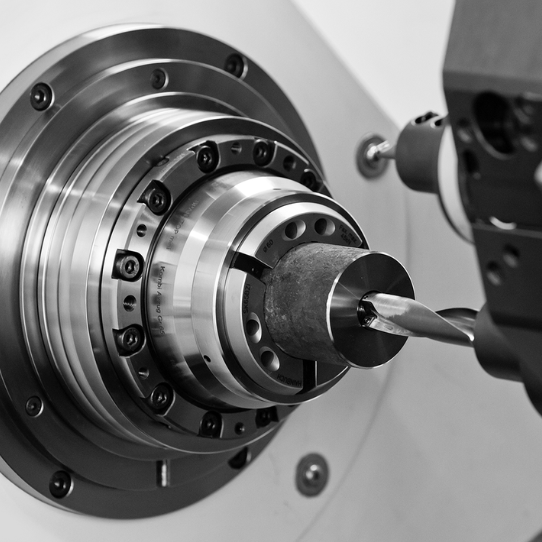
क्या आपने कभी सोचा है कि औसत मशीन किए गए भाग और उस भाग में क्या अंतर है जो महत्वपूर्ण अनुप्रयोगों में बिल्कुल शानदार प्रदर्शन करता है? इसका उत्तर कस्टम सटीक धातु मशीनिंग में छुपा है—एक विशिष्ट निर्माण दृष्टिकोण जो कच्ची धातु को अत्यधिक आयामी शुद्धता वाले घटकों में परिवर्तित करता है।
इसके मूल में, यह प्रक्रिया धातु के कार्य-टुकड़ों से सामग्री को हटाने के शामिल है कंप्यूटर-नियंत्रित उपकरणों का उपयोग करके सहिष्णुताओं को प्राप्त करने के लिए जिन्हें मानक धातु कार्य प्रक्रियाएँ सरलता से प्राप्त नहीं कर सकती हैं। पारंपरिक मशीनिंग के विपरीत, जो चौड़ी आयामी विविधताओं को स्वीकार कर सकती है, सटीक कार्य में इंच के हज़ारवें हिस्से में मापी जाने वाली शुद्धता की आवश्यकता होती है।
कस्टम प्रिसिजन धातु मशीनिंग एक सामग्री निकालने की प्रक्रिया है, जिसमें सीएनसी-नियंत्रित उपकरणों का उपयोग करके ऐसे धातु घटकों का निर्माण किया जाता है जो विशिष्ट आवश्यकताओं को पूरा करते हैं और जिनकी सहिष्णुता ±0.001 इंच (0.0254 मिमी) या उससे भी कम होती है, जो सामग्री के गुणों और भाग की ज्यामिति पर निर्भर करता है।
प्रिसिजन मशीनिंग को मानक धातु कार्यकरण से क्या अलग करता है
कल्पना कीजिए कि आपको एक घटक की आवश्यकता है, जहाँ यहाँ तक कि सूक्ष्मतम विचलन भी प्रणाली की विफलता का कारण बन सकते हैं। यहीं प्रिसिजन मशीनिंग आवश्यक हो जाती है। जबकि सामान्य सीएनसी मशीनिंग आमतौर पर ±0.005 इंच (0.127 मिमी) की सहिष्णुता प्राप्त करती है, जो एक मानक मापदंड है, प्रिसिजन ऑपरेशन इस सीमा को पार कर जाते हैं—कभी-कभी दसियों माइक्रोन में मापी जाने वाली सहिष्णुता बनाए रखते हैं।
ये अंतर केवल आयामी शुद्धता तक ही सीमित नहीं हैं:
- सतह परिष्करण की गुणवत्ता: प्रिसिजन मशीनिंग चिकनी सतहों को Ra (माइक्रोमीटर) में मापे जाने वाले फिनिश प्राप्त करती है, जिसमें सपाट सतहों के लिए मानक प्रस्ताव 63 µin और वक्र सतहों के लिए 125 µin तक है
- दोहराव सक्षमता: बैच-टू-बैच संगतता अत्यधिक कड़ी बनी हुई है, जिससे असेंबली प्रदर्शन को प्रभावित करने वाले विचरण कम हो जाते हैं
- जटिलता का संचालन: ड्रिलिंग, मिलिंग, टर्निंग और ग्राइंडिंग जैसे विशेष ऑपरेशनों की आवश्यकता वाली जटिल ज्यामितियाँ अब संभव हो गई हैं
- ऑपरेटर विशेषज्ञता: अत्यधिक कुशल मशीनिंग विशेषज्ञ कंप्यूटर नियंत्रण और हाथ से किए गए कार्य के ज्ञान को संयोजित करके इष्टतम परिणाम प्राप्त करते हैं
जब प्रोजेक्ट्स में भागों के विनिर्देशों को पूरा न कर पाने के कारण पुनः निर्माण की आवश्यकता होती है, तो लागत तेज़ी से गुणा हो जाती है। यही कारण है कि ऑर्डर देने से पहले इन अंतरों को समझना भविष्य में महंगी त्रुटियों को रोकता है।
कस्टम भागों में कंप्यूटर संख्यात्मक नियंत्रण की भूमिका
आधुनिक कस्टम विनिर्माण सेवाओं को इतना क्षमताशाली बनाने वाला क्या है? कंप्यूटर संख्यात्मक नियंत्रण—या CNC—इसकी तकनीकी आधारशिला के रूप में कार्य करता है। ये प्रणालियाँ डिजिटल डिज़ाइन फ़ाइलों को सटीक मशीन गतियों में अनुवादित करती हैं, जो जटिल टूल पाथ को कार्यान्वित करती हैं जो यहाँ तक कि सबसे अनुभवी मैनुअल मशीनिस्ट के लिए भी चुनौतीपूर्ण हो सकते हैं।
सीएनसी प्रौद्योगिकि उत्कृष्ट स्थिरता के साथ मशीनिंग निर्माण को सक्षम बनाती है। कंप्यूटर कोडित निर्देशों को पढ़ता है और गति के प्रत्येक अक्ष, कटिंग गति और फीड दर को नियंत्रित करता है। यह स्वचालन मानव विशेषज्ञता को समाप्त नहीं करता—बल्कि इसे बढ़ाता है। सेटअप, निगरानी और गुणवत्ता सत्यापन के लिए कुशल प्रोग्रामर और ऑपरेटर अभी भी आवश्यक हैं।
मुख्य शब्दावलियों को समझना आपको कस्टम मशीन निर्माण प्रदाताओं के साथ आवश्यकताओं को प्रभावी ढंग से संचारित करने में सहायता करता है:
- सहनशीलता: निर्दिष्ट मापों से अनुमेय आयामी विचरण—कम सहिष्णुता का अर्थ उच्च सटीकता होती है, लेकिन लागत भी बढ़ जाती है
- द्विपक्षीय बनाम एकपक्षीय सहिष्णुताएँ: द्विपक्षीय सहिष्णुता दोनों दिशाओं में विचरण की अनुमति देती है (±0.005"), जबकि एकपक्षीय सहिष्णुता केवल एक दिशा में विचलन की अनुमति देती है (+0.000/-0.010")
- सतह रूखापन: मशीन किए गए सतहों की बनावट की गुणवत्ता, जो विशिष्ट घर्षण या सीलिंग विशेषताओं की आवश्यकता वाले भागों के लिए महत्वपूर्ण है
- जीडी&टी (ज्यामितीय आयामन एवं सहिष्णुता): एक उन्नत विशिष्टता प्रणाली जो विशेषताओं के बीच संबंधों को नियंत्रित करती है, जिसमें वास्तविक स्थिति, समतलता, बेलनाकारता और लंबवतता शामिल हैं
कस्टम मशीनिंग लचीलेपन और दृष्टिकोण के मामले में उत्पादन मशीनिंग से मौलिक रूप से भिन्न होती है। उत्पादन चलाने का उद्देश्य मानकीकृत विशिष्टताओं के साथ मात्रा और गति को अधिकतम करना होता है। कस्टम कार्य अद्वितीय आवश्यकताओं को पूरा करने पर प्राथमिकता देता है—चाहे वह एकल-उद्देश्य वाला प्रोटोटाइप हो या चुनौतीपूर्ण मशीनिंग ज्यामिति वाले विशिष्ट घटक हों जो उपकरणों की क्षमताओं को अधिकतम सीमा तक ले जाते हों।
प्राप्त की जा सकने वाली परिशुद्धता भौतिक गुणों और भाग के डिज़ाइन पर काफी हद तक निर्भर करती है। एल्यूमीनियम का मशीनिंग कठोर इस्पात से अलग तरीके से किया जाता है, और पतली दीवार वाली विशेषताएँ ठोस ज्यामिति की तुलना में अलग तरीके से व्यवहार करती हैं। ये कारक आपके विशिष्ट अनुप्रयोग के लिए वास्तविक रूप से प्राप्त करने योग्य सहिष्णुताओं को प्रभावित करते हैं।
मुख्य मशीनिंग प्रक्रियाएँ और उनकी परिशुद्धता क्षमताएँ
अब जब आप समझ गए हैं कि प्रिसिजन मशीनिंग में क्या-क्या शामिल है, अगला प्रश्न यह उठता है: कौन सी प्रक्रिया वास्तव में आपके भाग (पार्ट) को निर्मित करती है? इसका उत्तर पूर्णतः आपके घटक की ज्यामिति, सामग्री और आवश्यक सहिष्णुताओं (टॉलरेंस) पर निर्भर करता है। आइए उन प्राथमिक मशीनिंग प्रणालियों का पता लगाएँ जो आपके डिज़ाइन को वास्तविकता में बदलती हैं।
सीएनसी मिलिंग और बहु-अक्ष क्षमताओं की व्याख्या
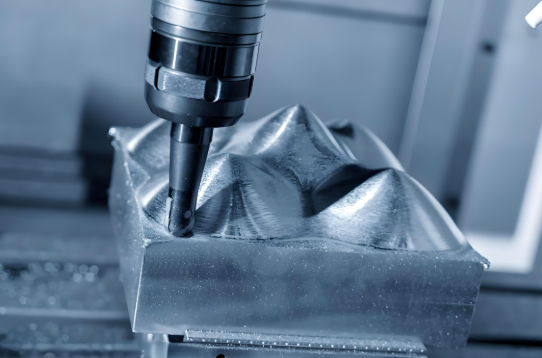
कल्पना कीजिए कि एक कटिंग टूल हज़ारों आरपीएम पर घूर्णन कर रहा है, जबकि यह एक स्थिर कार्य-टुकड़े (वर्कपीस) के ऊपर चल रहा है—यही सीएनसी मिलिंग का कार्य करने का तरीका है। यह प्रक्रिया जटिल आकृतियों, कंटूर्स और विशेषताओं को बनाने में उत्कृष्ट है, जो घूर्णन करने वाले कटर्स के साथ सामग्री को हटाकर प्राप्त की जाती है। शैमरॉक प्रिसिजन के अनुसार, सीएनसी मिलिंग गियर, ब्रैकेट्स और जटिल ज्यामिति की आवश्यकता वाले जटिल ढालचे (मोल्ड्स) जैसे घटकों के उत्पादन के लिए आदर्श है।
लेकिन यहाँ बात रोचक हो जाती है। सभी मिलिंग मशीनें समान क्षमताएँ प्रदान नहीं करती हैं:
- 3-अक्षीय मिलिंग: कटिंग टूल X, Y और Z अक्षों के अनुदिश गति करता है—जो समतल सतहों, पॉकेट्स और सरल कंटूर्ड विशेषताओं के लिए उपयुक्त है
- 4-अक्ष मिलिंग: एक अक्ष के चारों ओर घूर्णन गति जोड़ता है, जिससे भाग को पुनः स्थापित किए बिना कई पक्षों पर सुविधाओं का उत्पादन किया जा सकता है
- 5-अक्ष मिलिंग: दो अतिरिक्त घूर्णन अक्षों को शामिल करता है, जिससे औजार किसी भी कोण से कार्य-टुकड़े के पास पहुँच सकता है—यह एयरोस्पेस घटकों और जटिल कार्गिक आकृतियों के लिए आवश्यक है
अक्षों की संख्या का महत्व क्यों है? कल्पना कीजिए कि एक टरबाइन ब्लेड को जटिल वक्रों के साथ उत्पादित किया जा रहा है। एक 3-अक्ष मशीन के लिए कई सेटअप और पुनः स्थापना की आवश्यकता होगी, जिससे प्रत्येक बार संभावित त्रुटियाँ पैदा हो सकती हैं। एक 5-अक्ष प्रणाली पूरे भाग को एक ही सेटअप में पूरा कर लेती है, जिससे समग्र रूप से कड़े टॉलरेंस बने रहते हैं। कोई भी प्रतिष्ठित मशीन और निर्माण दुकान आपको यह निर्धारित करने में सहायता करेगी कि आपकी परियोजना की आवश्यकताओं के अनुसार कौन सा दृष्टिकोण सबसे उपयुक्त है।
बेलनाकार सटीक घटकों के लिए टर्निंग ऑपरेशन
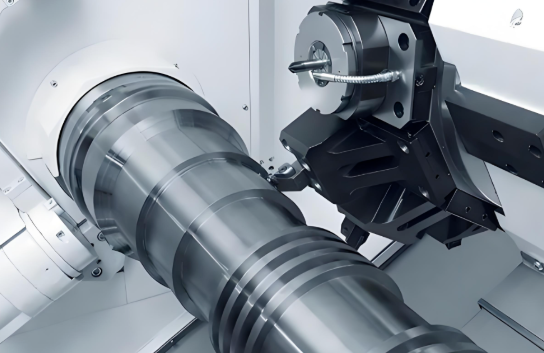
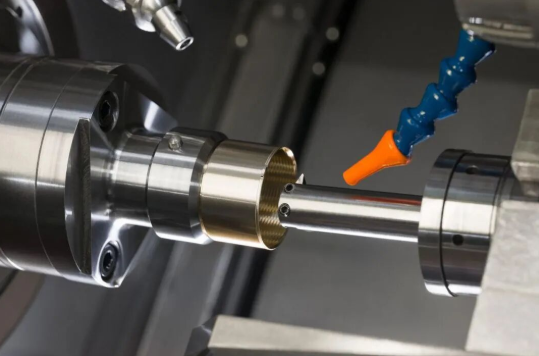
यदि आपका भाग गोलाकार है तो क्या होगा? यहीं पर सीएनसी टर्निंग—या लेथ सेवाएँ—मुख्य भूमिका निभाती हैं। मिलिंग के विपरीत, टर्निंग में स्वयं कार्य-टुकड़ा घूमता है, जबकि एक स्थिर कटिंग उपकरण सामग्री को आकार देता है। यह प्रक्रिया अत्यधिक समकेंद्रिकता (कॉन्सेंट्रिसिटी) और उत्कृष्ट सतह समाप्ति के साथ बेलनाकार घटकों का निर्माण करती है।
कस्टम लेथ कार्य वे घटक उत्पन्न करता है जिनका आप दैनिक जीवन में सामना करते हैं: शाफ्ट, बुशिंग, बोल्ट और थ्रेडेड फास्टनर। यह प्रक्रिया अद्वितीय सटीकता प्राप्त करती है क्योंकि घूर्णन गति स्वाभाविक रूप से एकरूपता को बढ़ावा देती है। आधुनिक सीएनसी लेथ, जिनमें लाइव टूलिंग सुविधा होती है, मिलिंग ऑपरेशन भी कर सकते हैं, जिससे एक संकर दृष्टिकोण बनता है जो एकल सेटअप में टर्निंग और मिलिंग दोनों को जोड़ता है।
मशीनिंग और निर्माण परियोजनाओं के लिए यह समझना अक्सर लाभदायक होता है कि कब टर्निंग, मिलिंग की तुलना में बेहतर प्रदर्शन करती है:
- घूर्णन सममिति वाले भागों को लेथ पर तेज़ी से मशीन किया जा सकता है
- लंबे और पतले घटक टर्निंग के दौरान बेहतर आयामी स्थिरता बनाए रखते हैं
- थ्रेडिंग ऑपरेशन के लिए समर्पित टर्निंग प्रक्रियाओं से उत्कृष्ट परिणाम प्राप्त होते हैं
- आंतरिक बोरिंग और फेसिंग संचालन लेथ उपकरण पर अधिक कुशलता से किए जाते हैं
विशिष्ट प्रक्रियाएँ: ग्राइंडिंग और EDM
कभी-कभी मानक मिलिंग और टर्निंग प्रक्रियाएँ आपके अनुप्रयोग की आवश्यकता वाली सटीकता या सतह की गुणवत्ता प्राप्त करने में असमर्थ होती हैं। ऐसे में विशिष्ट प्रक्रियाएँ प्रभावी रूप से काम में लाई जाती हैं।
सटीक ग्राइंडिंग ग्राइंडिंग में अपघर्षक व्हील्स का उपयोग किया जाता है जो सूक्ष्ममापी मात्रा में सामग्री को हटाकर काटने वाले उपकरणों द्वारा प्राप्त की जा सकने वाली सतह की गुणवत्ता और सहिष्णुता से भी उत्तम परिणाम प्रदान करती है। जब भागों में सब-माइक्रॉन समतलता या दर्पण-जैसी सतहों की आवश्यकता होती है, तो ग्राइंडिंग अनिवार्य हो जाती है।
इलेक्ट्रिकल डिस्चार्ज मशीनिंग (EDM) eDM एक पूर्णतः भिन्न दृष्टिकोण अपनाता है। जैसा कि ग्लोबलस्पेक स्पष्ट करते हैं, EDM धातु को काटने या ग्राइंड करने के बजाय विद्युत चिंगारियों के माध्यम से हटाता है। यह पारंपरिक काटने वाले उपकरणों को नष्ट कर देने वाली कठोर सामग्रियों के लिए अमूल्य है।
तीन EDM विविधताएँ विभिन्न आवश्यकताओं की पूर्ति के लिए उपयोग की जाती हैं:
- वायर ईडीएम: एक पतले पीतल के तार इलेक्ट्रोड का उपयोग करता है जो 0.0001 इंच से कम सहिष्णुता के साथ जटिल आकृतियों को काटता है—यह नाजुक आकृतियों और तीव्र आंतरिक कोनों के लिए आदर्श है
- सिंकर ईडीएम: आकारित इलेक्ट्रोड का उपयोग करके कार्य-टुकड़ों में सटीक कोटरों को जलाया जाता है—जो मोल्ड निर्माण और आंतरिक गड्ढों के लिए आमतौर पर उपयोग किया जाता है
- छोटे-छिद्र ईडीएम: कठोर सामग्रियों में सटीक छिद्रों को ड्रिल करता है, जिससे यांत्रिक ड्रिलिंग के कारण होने वाला विरूपण नहीं होता
ईडीएम प्रौद्योगिकि विमानन और चिकित्सा अनुप्रयोगों में विशेष रूप से मूल्यवान सिद्ध हुई है, जहाँ विदेशी मिश्र धातुएँ और जटिल ज्यामितियाँ एक साथ आती हैं। चूँकि यह कोई यांत्रिक बल नहीं लगाती, इसलिए भंगुर भागों को विकृति के बिना संसाधित किया जा सकता है।
अपने परियोजना के लिए सही प्रक्रिया का चयन
आप कैसे जान सकते हैं कि कौन सी प्रक्रिया आपकी आवश्यकताओं के अनुकूल है? भाग की विशेषताओं के आधार पर इस निर्णय रूपरेखा पर विचार करें:
| प्रक्रिया | प्राथमिक अनुप्रयोग | प्राप्त करने योग्य परिशुद्धता | इसके लिए सबसे उपयुक्त |
|---|---|---|---|
| सीएनसी मिलिंग (3-अक्ष) | समतल सतहें, पॉकेट, स्लॉट | ±0.001" से ±0.005" | प्रिज़्मैटिक भाग, प्लेट, ब्रैकेट |
| सीएनसी मिलिंग (5-अक्ष) | जटिल कंटूर, अंडरकट | ±0.0005" से ±0.002" | विमानन घटक, इम्पेलर |
| सीएनसी मोड़ | शाफ्ट, बुशिंग, थ्रेडेड भाग | ±0.0005" से ±0.002" | बेलनाकार घटक |
| सटीक ग्राइंडिंग | बेयरिंग सतहें, गेज ब्लॉक्स | ±0.0001" से ±0.0005" | अत्यंत कड़े टॉलरेंस, सूक्ष्म समाप्ति |
| वायर ईडीएम | जटिल आकृतियाँ, तीव्र कोने | ±0.0001" के अंदर | कठोरित सामग्री, संवेदनशील आकृतियाँ |
| सिंकर ईडीएम | मोल्ड कैविटीज़, आंतरिक विशेषताएँ | ±0.0002" से ±0.001" | जटिल आंतरिक ज्यामिति |
कई परियोजनाओं को प्रक्रियाओं को संयोजित करने से लाभ होता है। एक सिस्टम-आधारित निर्माण और मशीनिंग दृष्टिकोण एक लेथ पर किसी घटक का प्रारंभिक आकार दे सकता है, मिलिंग के माध्यम से महत्वपूर्ण विशेषताओं को पूर्ण कर सकता है, और ग्राइंडिंग के माध्यम से अंतिम सतह की गुणवत्ता प्राप्त कर सकता है। मुख्य बात प्रत्येक संचालन को उसके सर्वोत्तम कार्य के अनुरूप चुनना है।
आपके घटक की ज्यामिति, सामग्री का चयन और टॉलरेंस आवश्यकताएँ सभी प्रक्रिया चयन को प्रभावित करती हैं। इन संबंधों को समझना आपको अपने मशीनिंग साझेदार के साथ अधिक प्रभावी ढंग से संवाद करने में सक्षम बनाता है—और यह आपके सटीक अनुप्रयोग के लिए कौन-सी सामग्रियाँ सर्वोत्तम कार्य करती हैं, इसकी जाँच के लिए आधार तैयार करता है।
सटीक धातु घटकों के लिए सामग्री चयन मार्गदर्शिका
आपने अपनी परियोजना के लिए सही मशीनिंग प्रक्रिया की पहचान कर ली है। अब एक समान रूप से महत्वपूर्ण निर्णय लेने का समय आ गया है: वास्तव में आप कौन-सी धातु का उपयोग करेंगे? सामग्री का चयन सीधे उपलब्ध सहिष्णुताओं, सतह के फ़िनिश की गुणवत्ता और अंततः आपके घटक के निर्धारित अनुप्रयोग में उसके प्रदर्शन को प्रभावित करता है।
यहाँ वास्तविकता यह है—गलत सामग्री का चयन करना यहाँ तक कि सबसे उन्नत मशीनिंग प्रक्रिया को भी कमजोर कर सकता है। एक गुणवत्तापूर्ण मशीन एवं निर्माण साझेदार आपको इन निर्णयों के माध्यम से नेविगेट करने में सहायता करेगा, लेकिन मूलभूत बातों को समझना आपको शुरुआत से ही सूचित निर्णय लेने की क्षमता प्रदान करता है।
हल्के वजन वाले उच्च-सटीकता अनुप्रयोगों के लिए एल्यूमीनियम मिश्र धातुएँ
जब वजन महत्वपूर्ण होता है और मशीनिंग की सुविधा प्राथमिकता होती है, तो एल्यूमीनियम मिश्र धातुएँ अक्सर सूची के शीर्ष पर होती हैं। लेकिन सभी एल्यूमीनियम समान रूप से प्रदर्शन नहीं करते हैं। उच्च-सटीकता कार्यों में सबसे आम दो ग्रेड—6061 और 7075—स्पष्ट रूप से भिन्न उद्देश्यों के लिए उपयोग किए जाते हैं।
एल्यूमिनियम 6061 यह कस्टम मशीन और निर्माण परियोजनाओं के लिए काम करने वाला मुख्य धातु है। फर्स्ट मोल्ड के अनुसार, यह बहुमुखी मिश्र धातु उचित सामर्थ्य, उत्कृष्ट संक्षारण प्रतिरोध और उच्च यांत्रिक कार्यक्षमता प्रदान करती है। आप इसे समुद्री, स्वचालित और एयरोस्पेस उद्योगों में संरचनात्मक घटकों में पाएंगे—साइकिल के फ्रेम से लेकर ट्रक के पहियों और समुद्री उपकरणों तक।
6061 को इतना लोकप्रिय क्या बनाता है? इसके संतुलित गुण:
- जुड़े हुए घटकों की आवश्यकता वाले असेंबलियों के लिए उत्कृष्ट वेल्डेबिलिटी
- उन्नत टिकाऊपन के लिए अच्छी एनोडाइज़िंग प्रतिक्रिया
- अधिकांश संरचनात्मक अनुप्रयोगों के लिए उपयुक्त मध्यम सामर्थ्य
- प्रोटोटाइप से लेकर उत्पादन मात्रा तक लागत-प्रभावी मूल्य
एल्यूमिनियम 7075 जब सामर्थ्य सर्वाधिक महत्वपूर्ण होती है, तो 7075 आगे आती है। यह मिश्र धातु उपलब्ध सबसे मजबूत एल्यूमीनियम विकल्पों में से एक है, जिसके कारण यह एयरोस्पेस और सैन्य अनुप्रयोगों के लिए आवश्यक है। विमान के पंख, फ्यूजलेज संरचनाएँ और उच्च-प्रदर्शन वाले खेल उपकरण 7075 के श्रेष्ठ शक्ति-से-वजन अनुपात पर निर्भर करते हैं।
हालाँकि, शक्ति के साथ कुछ समझौते भी आते हैं। उद्योग अनुसंधान में उल्लिखित के अनुसार, 7075 की संक्षारण प्रतिरोधकता 6061 की तुलना में कम होती है और इसके यांत्रिक संसाधन के दौरान अधिक सावधानी की आवश्यकता होती है। उच्च शक्ति के कारण उपकरणों का क्षरण बढ़ जाता है, जिससे उच्च गुणवत्ता वाले कटिंग उपकरणों और इष्टतम परिणाम प्राप्त करने के लिए सावधानीपूर्ण पैरामीटर चयन की आवश्यकता होती है।
जटिल लगता है? यहाँ एक सरल नियम है: जब आपको बहुमुखी प्रतिभा और यांत्रिक संसाधन की सुविधा की आवश्यकता हो, तो 6061 चुनें; जब अधिकतम शक्ति अतिरिक्त यांत्रिक संसाधन विचारों को औचित्यपूर्ण ठहराती हो, तो 7075 चुनें।
इस्पात और स्टेनलेस स्टील चयन मापदंड
इस्पात मिश्र धातुएँ शक्ति और टिकाऊपन प्रदान करती हैं जो एल्यूमीनियम द्वारा प्राप्त नहीं की जा सकती हैं। लेकिन केवल स्टेनलेस स्टील के परिवार में सैकड़ों ग्रेड शामिल हैं—आप विकल्पों को कैसे सीमित करें?
परिशुद्धि यांत्रिक संसाधन अनुप्रयोगों के लिए, तीन स्टेनलेस स्टील ग्रेड प्रमुखता प्राप्त करते हैं: 303, 304 और 316। जेनिथ निर्माण के अनुसार, उनके अंतर को समझना कुछ प्रमुख मिश्रण तत्वों पर निर्भर करता है जो प्रदर्शन को व्यापक रूप से प्रभावित करते हैं।
ग्रेड 303 स्टेनलेस स्टील मशीनिंग क्षमता में यह चैंपियन है। उच्च सल्फर सामग्री के कारण मैंगनीज़ सल्फाइड समावेशियाँ बनती हैं, जो कटिंग के दौरान चिप-ब्रेकर के रूप में कार्य करती हैं। परिणाम? कटिंग की गति 304 की तुलना में 50–70% अधिक तीव्र होती है, जिससे बेयरिंग, गियर और प्रिसिज़न फिटिंग जैसे जटिल भागों के उच्च-मात्रा उत्पादन के लिए यह आदर्श हो जाता है।
ग्रेड 304 स्टेनलेस स्टील संतुलित दृष्टिकोण प्रदान करता है। यह अच्छी संक्षारण प्रतिरोधक क्षमता, उत्कृष्ट वेल्डेबिलिटी और लागत-प्रभावी मूल्य बिंदु पर उचित मशीनिंग क्षमता प्रदान करता है। जब आपका अनुप्रयोग कठोर संक्षारक वातावरण का सामना नहीं करता है और गहन मशीनिंग की आवश्यकता नहीं होती है, तो 304 अक्सर एलएसआई मेटल फैब्रिकेशन परियोजनाओं के लिए इष्टतम विकल्प के रूप में उभरता है।
ग्रेड 316 स्टेनलेस स्टील जब संक्षारण प्रतिरोध अटल हो, तो यह आवश्यक हो जाता है। 2–3% मोलिब्डेनम सामग्री इसके पिटिंग प्रतिरोध समकक्ष संख्या (PREN) को काफी बढ़ा देती है—जो 304 की तुलना में लगभग 40% अधिक है। समुद्री वातावरण, रासायनिक प्रसंस्करण उपकरण और चिकित्सा उपकरणों में इसी कारण 316 का निर्दिष्ट उपयोग किया जाता है।
कार्बन स्टील जब संक्षारण प्रतिरोध महत्वपूर्ण नहीं होता है, तो यह एक आर्थिक विकल्प प्रदान करता है। 1018 और 1045 जैसे ग्रेड मशीनिंग के लिए दक्ष होते हैं और संरचनात्मक अनुप्रयोगों के लिए अच्छी शक्ति प्रदान करते हैं। कई शीट मेटल मशीन शॉप ऑपरेशन्स सुरक्षात्मक कोटिंग्स प्राप्त करने वाले फिक्सचर्स, ब्रैकेट्स और घटकों के लिए कार्बन स्टील का उपयोग करते हैं।
सटीकता को प्रभावित करने वाले द्रव्य गुणों को समझना
द्रव्य के चयन का सीमा निर्धारण की उपलब्ध सीमाओं पर क्या प्रभाव पड़ता है? इसमें कई कारक शामिल होते हैं:
थर्मल विस्तार मशीनिंग के दौरान आयामी स्थिरता को प्रभावित करता है। जैसे-जैसे कटिंग के दौरान ऊष्मा उत्पन्न होती है, द्रव्य फैलते हैं—और विभिन्न धातुएँ अलग-अलग दरों पर फैलती हैं। एल्यूमीनियम का तापीय गुणांक लगभग स्टील के दोगुना होता है, जिसका अर्थ है कि एल्यूमीनियम को कड़ी सहिष्णुता के साथ मशीन करते समय तापमान नियंत्रण अधिक महत्वपूर्ण हो जाता है।
कार्य-सख्ती कुछ द्रव्यों में मशीनिंग के दौरान कठोरता बढ़ने की प्रवृत्ति होती है। स्टेनलेस स्टील, विशेष रूप से 304 और 316, कार्य-कठोरण (वर्क हार्डनिंग) के प्रवण होते हैं, जिसके कारण औजार के क्षरण और सतह की गुणवत्ता से संबंधित समस्याओं को रोकने के लिए कटिंग गति और फीड दरों पर सावधानीपूर्ण ध्यान देना आवश्यक होता है।
सतह के फिनिश की क्षमता यह सामग्री के अनुसार भिन्न होती है। एल्यूमीनियम जैसी नरम सामग्रियाँ कभी-कभी मशीनिंग पैरामीटर्स के अनुकूलित न होने पर चिपचिपी सतहें उत्पन्न कर सकती हैं। 303 स्टेनलेस स्टील और 2011 एल्यूमीनियम जैसे फ्री-मशीनिंग ग्रेड्स कम प्रयास में निरंतर उत्कृष्ट सतह फिनिश प्रदान करते हैं।
प्रिसिज़न मशीनिंग परियोजनाओं के लिए सामग्री तुलना
अपनी प्रारंभिक सामग्री चयन के लिए इस तुलना तालिका का उपयोग करें, जो परियोजना की आवश्यकताओं के आधार पर की गई है:
| सामग्री | मशीनीकरण रेटिंग | विशिष्ट अनुप्रयोग | प्राप्त करने योग्य सहनशीलता | लागत पर विचार |
|---|---|---|---|---|
| एल्यूमिनियम 6061 | उत्कृष्ट | संरचनात्मक घटक, प्रोटोटाइप, समुद्री हार्डवेयर | ±0.001" मानक; सावधानी से और अधिक कठोर | कम से मध्यम; व्यापक रूप से उपलब्ध |
| एल्यूमिनियम 7075 | अच्छा | एयरोस्पेस संरचनाएँ, सैन्य, उच्च-तनाव घटक | ±0.001" से ±0.002" | मध्यम; उपकरण के क्षरण में वृद्धि |
| स्टेनलेस 303 | उत्कृष्ट | स्क्रू मशीन भाग, फिटिंग्स, उच्च-मात्रा उत्पादन | ±0.0005" से ±0.001" | मध्यम; कम काटने का समय |
| स्टेनलेस 304 | मध्यम | खाद्य उपकरण, सामान्य उद्देश्य, स्थापत्य | ±0.001" से ±0.002" | मध्यम; अच्छी उपलब्धता |
| स्टेनलेस 316 | मध्यम | समुद्री, रासायनिक, चिकित्सा उपकरण | ±0.001" से ±0.002" | उच्च; मॉलिब्डेनम की मात्रा |
| कार्बन स्टील | अच्छा से उत्कृष्ट | संरचनात्मक भाग, फिक्सचर, लेपित घटक | ±0.001" मानक | कम; सबसे किफायती विकल्प |
| टाइटेनियम | खराब से मध्यम | एयरोस्पेस, चिकित्सा प्रत्यारोपण, उच्च-प्रदर्शन | ±0.001" से ±0.003" | उच्च; विशिष्ट औजारों की आवश्यकता |
| पीतल | उत्कृष्ट | विद्युत घटक, सजावटी, फिटिंग्स | ±0.0005" से ±0.001" | मध्यम; उत्कृष्ट समाप्ति गुणवत्ता |
अपनी सामग्री का निर्णय लेना
प्रोटोलैब्स की सिफारिश के अनुसार, अपनी आवश्यकताओं को प्राथमिकता देने के लिए सबसे पहले अनिवार्य आवश्यकताओं से शुरू करें और फिर वांछनीय आवश्यकताओं की ओर बढ़ें। इन कारकों पर विचार करें, जिन्हें इस क्रम में लिया जाना चाहिए:
- उपयोग का अंतिम वातावरण: क्या भाग को क्षरणकारी परिस्थितियों, चरम तापमान या यांत्रिक तनाव का सामना करना होगा?
- यांत्रिक आवश्यकताएँ: आपके अनुप्रयोग की आवश्यकता कितनी ताकत, कठोरता और घर्षण प्रतिरोध की है?
- सहिष्णुता विनिर्देश: आपकी आयामी आवश्यकताएँ कितनी सटीक हैं, और कौन-से सामग्री उन सहिष्णुताओं को विश्वसनीय रूप से समर्थन प्रदान करते हैं?
- बजट की सीमा: सामग्री लागत, मशीनिंग समय और संभावित द्वितीयक संचालन कुल परियोजना लागत को कैसे प्रभावित करते हैं?
- उपलब्धता: क्या आपके द्वारा चुनी गई सामग्री आवश्यक रूप और मात्रा में आसानी से उपलब्ध है?
मशीन शॉप निर्माण विशेषज्ञ आपको इन समझौतों के माध्यम से मार्गदर्शन प्रदान कर सकते हैं, लेकिन स्पष्ट प्राथमिकताओं के साथ इस चर्चा में शामिल होना निर्णय प्रक्रिया को तीव्र करता है। याद रखें—इष्टतम सामग्री आवश्यक रूप से सबसे मजबूत या सबसे अधिक क्षरण प्रतिरोधी नहीं होती है। यह वह सामग्री है जो आपकी विशिष्ट अनुप्रयोग आवश्यकताओं को निर्माण संभवता और लागत के साथ सबसे अच्छे ढंग से संतुलित करती है।
जब आप अपनी सामग्री का चयन कर लेते हैं, तो अगला चरण यह समझना है कि विभिन्न उद्योग इन सटीक क्षमताओं का उपयोग कैसे करते हैं—और आपके विशिष्ट क्षेत्र की कौन-सी सहिष्णुता आवश्यकताएँ हैं।
उद्योग अनुप्रयोग और सटीकता की आवश्यकताएँ
आपने अपनी सामग्री का चयन कर लिया है और उपलब्ध यांत्रिक प्रक्रियाओं को समझ लिया है। लेकिन यहाँ एक महत्वपूर्ण प्रश्न है: आपके विशिष्ट उद्योग को वास्तव में किस सटीकता स्तर की आवश्यकता है? इसका उत्तर काफी भिन्न होता है—और ऑर्डर देने से पहले इन मानकों को समझना, महंगी अति-विनिर्देशण (over-specification) या खतरनाक अल्प-इंजीनियरिंग (under-engineering) को रोकता है।
इस पर विचार करें: ऑटोमोटिव घटक ±0.005 इंच की सहिष्णुता के साथ पूर्णतः कार्य कर सकते हैं, जबकि एक चिकित्सा प्रत्यारोपण, जो किसी रोगी की रीढ़ की हड्डी में प्रत्यारोपित किया जाना है, ±0.0005 इंच की सहिष्णुता की आवश्यकता रखता है। यह सटीकता में दस गुना का अंतर है—और यह सीधे तौर पर निर्माण की जटिलता, समयसीमा और लागत को प्रभावित करता है।
एयरोस्पेस और डिफेंस के लिए सटीकता की आवश्यकताएँ
जब घटक 30,000 फीट की ऊँचाई पर उड़ान भर रहे हों या कठिन परिस्थितियों में कर्मियों की सुरक्षा सुनिश्चित कर रहे हों, तो त्रुटि के लिए कोई स्थान नहीं होता है। कोपामेट के अनुसार, एयरोस्पेस उद्योग सटीकता, विश्वसनीयता और ट्रेसैबिलिटी के मामले में सबसे अधिक मांग वाला उद्योग है। एक विमान में लाखों व्यक्तिगत घटक होते हैं—प्रत्येक को कड़े आयामी और सामग्री मानकों को पूरा करना आवश्यक है।
एयरोस्पेस को इतना चुनौतीपूर्ण क्यों बनाता है? विदेशी सामग्रियों और चरम परिचालन स्थितियों के संयोजन से अद्वितीय मशीनिंग आवश्यकताएँ उत्पन्न होती हैं:
- टाइटेनियम मिश्र धातुएं: भार कम करने के लिए आवश्यक, लेकिन मशीनिंग के दौरान ऊष्मा उत्पादन और कार्य कठोरीकरण के लिए प्रसिद्ध
- इनकोनेल और निकेल सुपरअलॉय: टरबाइन अनुप्रयोगों में चरम तापमान को सहन कर सकते हैं, लेकिन काटने वाले औजारों को तीव्र रूप से क्षतिग्रस्त कर देते हैं
- एल्युमीनियम-लिथियम मिश्र धातुएँ: उत्कृष्ट ताकत-से-भार अनुपात प्रदान करती हैं, लेकिन विशेष नियंत्रण और प्रसंस्करण की आवश्यकता होती है
सामग्री से संबंधित चुनौतियों के अतिरिक्त, एयरोस्पेस क्षेत्र में व्यापक पहचान योग्यता दस्तावेज़ीकरण की आवश्यकता होती है। AS9100 और NADCAP प्रमाणन वैकल्पिक नहीं हैं—ये आपूर्तिकर्ता योग्यता के लिए आवश्यक पूर्वापेक्षाएँ हैं। प्रत्येक सामग्रि लॉट, मशीनिंग संचालन और निरीक्षण परिणाम को घटक के पूरे सेवा जीवन के दौरान पहचान योग्य होना चाहिए।
रक्षा अनुप्रयोगों में जटिलता की एक और परत जुड़ जाती है। घटकों के लिए आईटीएआर अनुपालन, डीएफएआरएस सामग्री स्रोत सत्यापन और साइबर सुरक्षा प्रोटोकॉल की आवश्यकता हो सकती है, जिससे डेटा अखंडता भौतिक सटीकता के समान महत्वपूर्ण हो जाती है। इस क्षेत्र की सेवा करने वाली एक इंजीनियरिंग मशीन शॉप को तकनीकी क्षमता के साथ-साथ सुरक्षा बुनियादी ढांचे को भी बनाए रखना आवश्यक है।
चिकित्सा उपकरण मशीनिंग मानक और अनुपालन
कल्पना कीजिए कि एक सर्जिकल प्रत्यारोपण जो सटीक रूप से फिट नहीं होता—इसके परिणाम जानलेवा हो सकते हैं। चिकित्सा सीएनसी मशीनिंग शायद किसी भी उद्योग के तुलना में सबसे कठोर नियामक ढांचे के अधीन संचालित होती है।
पीटीएसएमएके द्वारा विस्तार से वर्णित के अनुसार, चिकित्सा सटीक मशीनिंग में अपनी अत्यधिक सहिष्णुता आवश्यकताओं, जैव-अनुकूल सामग्री के चयन और व्यापक दस्तावेज़ीकरण प्रोटोकॉल के मामले में मौलिक रूप से भिन्नता होती है। जब भाग सर्जिकल उपकरणों या प्रत्यारोपित उपकरणों में जाते हैं, तो जोखिम स्पष्ट रूप से अधिक हो जाता है।
चिकित्सा उपकरणों की सहिष्णुता आवश्यकताएँ अनुप्रयोग के आधार पर भिन्न होती हैं:
- प्रत्यारोपित उपकरण (ऑर्थोपेडिक, मेरुदंडीय, दंत) आमतौर पर ±0.0001 से ±0.0005 इंच की सहिष्णुता की आवश्यकता होती है, जिसके साथ सतह का रूफ़नेस Ra 0.1–0.4 μm होना चाहिए
- शल्य चिकित्सा उपकरण: महत्वपूर्ण विशेषताओं पर ±0.001 इंच या उससे भी कड़ी सहिष्णुता की मांग की जाती है, और सतहें इतनी चिकनी होनी चाहिए कि उन पर उचित रूप से जीवाणुरहित किया जा सके
- नैदानिक उपकरण घटक: ±0.002 इंच की सहिष्णुता स्वीकार की जा सकती है, लेकिन उत्पादन चक्रों के दौरान असामान्य रूप से उच्च पुनरावृत्ति योग्यता की आवश्यकता होती है
एफडीए अनुपालन आयामी शुद्धता से कहीं अधिक विस्तृत विनियामक जटिलता जोड़ता है। चिकित्सा निर्माताओं को जैव-अनुकूलता परीक्षण, मान्यांकित जीवाणुरहित प्रक्रियाएँ और पूर्ण सामग्री ट्रेसैबिलिटी का प्रदर्शन करना आवश्यक है। आईएसओ 13485 प्रमाणन गुणवत्ता प्रबंधन ढांचा प्रदान करता है, जबकि आईएसओ 14971 उत्पाद जीवन चक्र के दौरान जोखिम प्रबंधन को संबोधित करता है
चिकित्सा अनुप्रयोगों के लिए अनुकूलित मशीन सेवाओं के लिए अक्सर क्लीनरूम निर्माण वातावरण की आवश्यकता होती है—ISO क्लास 7 या 8 सुविधाएँ जो मशीनिंग के दौरान कण-दूषण को नियंत्रित करती हैं
ऑटोमोटिव फैब्रिकेशन: मात्रा, स्थिरता और संरचनात्मक अखंडता
ऑटोमोटिव निर्माण पूरी तरह से अलग चुनौती प्रस्तुत करता है—हज़ारों या लाखों समान घटकों में सटीकता बनाए रखना। जबकि व्यक्तिगत सहनशीलता (टॉलरेंस) की आवश्यकताएँ एयरोस्पेस या चिकित्सा क्षेत्र की तुलना में कम कठोर हो सकती हैं, फिर भी स्थिरता की आवश्यकताएँ उतनी ही कड़ी होती हैं।
सामान्य ऑटोमोटिव सटीकता मानदंडों में शामिल हैं:
- इंजन घटक: गतिशील भागों के बीच महत्वपूर्ण फिट के लिए ±0.001 से ±0.002 इंच
- ट्रांसमिशन गियर: शोर को कम करने और दक्षता को अधिकतम करने के लिए गियर दांतों के प्रोफाइल पर ±0.0005 इंच
- चेसिस और निलंबन: संरचनात्मक घटकों के लिए ±0.005 इंच, जहाँ सुरक्षा सीमाएँ विचरण को स्वीकार करती हैं
- ब्रेक सिस्टम पार्ट्स: सभी वाहनों में सुसंगत ब्रेकिंग प्रदर्शन के लिए ±0.001 इंच
ऑटोमोटिव को अन्य क्षेत्रों से क्या अलग करता है? उच्च-मात्रा उत्पादन की स्थिरता पर ज़ोर। यहाँ सांख्यिकीय प्रक्रिया नियंत्रण (एसपीसी) आवश्यक हो जाता है—निर्माताओं को सिद्ध करना होता है कि प्रत्येक भाग विनिर्देश के भीतर होगा, न कि केवल उन्हीं नमूनों के लिए जिनकी जाँच की जाती है।
IATF 16949 प्रमाणन वाहन उद्योग के गुणवत्ता मानक का प्रतिनिधित्व करता है, जो ISO 9001 पर आधारित है और दोष रोकथाम, विचरण कम करने और आपूर्ति श्रृंखला प्रबंधन के लिए अतिरिक्त आवश्यकताओं को शामिल करता है। यदि आप अपने निकटस्थ क्षेत्र में एक ऑटो फैब्रिकेशन शॉप की खोज कर रहे हैं, तो इस प्रमाणन की पुष्टि करना आपका पहला योग्यता चरण होना चाहिए।
इलेक्ट्रॉनिक्स और सेमीकंडक्टर माइक्रो-परिशुद्धता
जैसे-जैसे उपकरणों का आकार छोटा होता जाता है और प्रोसेसिंग की गति बढ़ती जाती है, इलेक्ट्रॉनिक्स निर्माण परिशुद्धता को माइक्रॉन और सब-माइक्रॉन सीमा तक ले जाता है। ये अनुप्रयोग ऐसी क्षमताओं की मांग करते हैं जो सबसे उन्नत कस्टम परिशुद्धता धातु मशीनिंग ऑपरेशनों को भी चुनौती देते हैं।
सामान्य परिशुद्धता इलेक्ट्रॉनिक्स अनुप्रयोगों में शामिल हैं:
- हीट सिंक और थर्मल प्रबंधन: उचित तापीय संपर्क सुनिश्चित करने के लिए माइक्रॉन में मापी गई समतलता सहिष्णुताएँ
- RF और माइक्रोवेव एन्क्लोजर्स: सतह का फिनिश और आयामी शुद्धता सीधे सिग्नल अखंडता को प्रभावित करती है
- सेमीकंडक्टर प्रोसेसिंग उपकरण: फिक्सचर्स और हैंडलिंग प्रणालियों पर अत्यंत कड़ी सहिष्णुताएँ
- कनेक्टर आवास: विशिष्ट मशीनिंग तकनीकों की आवश्यकता वाले माइक्रो-फीचर्स
इलेक्ट्रॉनिक्स में सटीकता के लिए अक्सर सतह के फिनिश जो Ra 0.8 μम से कम हों और स्थिति संबंधी सहनशीलता ±0.0005 इंच से कम हो, की आवश्यकता होती है। इन पैमानों पर ऊष्मीय प्रसार अनुमत सहनशीलता सीमा से अधिक हो सकता है, इसलिए तापमान-नियंत्रित यांत्रिक संसाधन वातावरण आवश्यक हो जाते हैं।
उद्योग की सटीकता बेंचमार्क्स एक नज़र में
जब आप यह निर्धारित कर रहे हों कि आपके अनुप्रयोग को वास्तव में किस स्तर की सटीकता की आवश्यकता है, तो इस संदर्भ का उपयोग करें:
| उद्योग | सामान्य सहिष्णुता सीमा | सामान्य घटक प्रकार | मुख्य प्रमाणन |
|---|---|---|---|
| एयरोस्पेस | ±0.0005" से ±0.002" | टर्बाइन घटक, संरचनात्मक फिटिंग्स, एक्चुएटर भाग | AS9100, नैडकैप |
| चिकित्सा उपकरण | ±0.0001" से ±0.001" | प्रत्यारोपण, सर्जिकल उपकरण, नैदानिक घटक | ISO 13485, FDA पंजीकरण |
| ऑटोमोटिव | ±0.001" से ±0.005" | इंजन के भाग, ट्रांसमिशन घटक, चेसिस फिटिंग्स | IATF 16949 |
| इलेक्ट्रानिक्स | ±0.0005" से ±0.002" | हीट सिंक, एनक्लोज़र्स, कनेक्टर घटक | ISO 9001, IPC मानक |
| ऊर्जा/औद्योगिक | ±0.001" से ±0.005" | वाल्व घटक, टर्बाइन भाग, नियंत्रण प्रणाली के तत्व | API, ASME मानक |
क्षेत्रीय विनिर्माण केंद्र अक्सर स्थानीय उद्योगों के लिए विशिष्ट क्षमताओं का विकास करते हैं। उदाहरण के लिए, मेमफिस में विनिर्माण कार्यों का ऐतिहासिक रूप से लॉजिस्टिक्स और वितरण उपकरणों की आवश्यकताओं को पूरा करने के लिए किया जाता रहा है, जबकि मेमफिस के यांत्रिक सेवा प्रदाता क्षेत्र के औद्योगिक आधार का समर्थन रखरखाव और विशेष निर्माण क्षमताओं के माध्यम से करते हैं।
आपके उद्योग की विशिष्ट आवश्यकताओं को समझना आपको यांत्रिक प्रसंस्करण साझेदारों के साथ प्रभावी ढंग से संवाद करने में सक्षम बनाता है—और यह सुनिश्चित करता है कि आप बिना अनावश्यक सटीकता के लिए भुगतान किए बिना ठीक वही निर्दिष्ट करें जो आपको चाहिए। इन मापदंडों को ध्यान में रखते हुए, अगला तार्किक कदम यह समझना है कि पूर्ण यांत्रिक प्रसंस्करण प्रक्रिया आपकी प्रारंभिक जांच से लेकर अंतिम डिलीवरी तक कैसे पूरी होती है।
पूर्ण अनुकूलित यांत्रिक प्रसंस्करण प्रक्रिया का कार्यप्रवाह
आप जानते हैं कि आपके उद्योग को किस सटीकता की आवश्यकता होती है और आपके अनुप्रयोग के लिए कौन-सी सामग्रियाँ उपयुक्त हैं। लेकिन जब आप अपनी डिज़ाइन फ़ाइलें जमा करते हैं, तो वास्तव में क्या होता है? प्रारंभिक पूछताछ से लेकर पैक किए गए भागों के आपकी सुविधा तक पहुँचने तक की पूरी यात्रा को समझना आश्चर्यजनक घटनाओं को दूर करता है और आपको यथार्थवादी परियोजना समयसीमा की योजना बनाने में सहायता प्रदान करता है।
यहाँ वास्तविकता यह है: मशीनिंग कार्य स्वयं एक बहु-चरणीय प्रक्रिया का केवल एक चरण है। धातु काटने के पहले और बाद में जो होता है, अक्सर यह निर्धारित करता है कि आपकी परियोजना सफल होगी या महंगी देरी का सामना करेगी।
डिज़ाइन परामर्श से उत्पादन-तैयार CAD फ़ाइलों तक
प्रत्येक कस्टम प्रिसिज़न धातु मशीनिंग परियोजना एक वार्तालाप के साथ शुरू होती है—कोई कटिंग टूल नहीं। अनुसार Modus Advanced , डिज़ाइन चरण के दौरान किए गए निर्णय प्रत्येक उत्तरवर्ती निर्माण चरण से गुज़रते हैं। एक प्रतीत होने वाला छोटा-सा डिज़ाइन निर्णय एक सीधे-सादे कार्य को एक जटिल, समय-गहन प्रक्रिया में बदल सकता है।
यह प्रारंभिक चरण क्या शामिल करता है? उत्पादन के लिए डिज़ाइन (DFM) विश्लेषण आपकी CAD फ़ाइलों की निर्माण के दृष्टिकोण से जाँच करता है, जिससे विनिर्माण शाला में महंगी समस्याओं के रूप में बदलने से पहले संभावित मुद्दों की पहचान की जा सके। अनुभवी इंजीनियर आपके डिज़ाइन की निम्नलिखित बातों के लिए समीक्षा करते हैं:
- फीचर की कार्यान्वयन संभवता: क्या मानक औजारों के माध्यम से सभी मशीन किए गए सतहों तक पहुँच संभव है, या विशिष्ट उपकरणों की आवश्यकता होगी?
- सहिष्णुता की व्यावहारिकता: चुने गए सामग्री और ज्यामिति के साथ निर्दिष्ट सहिष्णुताएँ प्राप्त करना संभव है या नहीं?
- कोने की त्रिज्या आवश्यकताएँ: क्या आंतरिक कोने मानक एंड मिल आकारों के अनुकूल हैं, या कई औजार परिवर्तन समय और लागत बढ़ा देंगे?
- दीवार की मोटाई की स्थिरता: क्या पतले अनुभाग मशीनिंग के दौरान विक्षेपित हो जाएँगे, जिससे आयामी शुद्धता प्रभावित होगी?
DFM इतना महत्वपूर्ण क्यों है? इस उदाहरण पर विचार करें: तीव्र आंतरिक कोनों को निर्दिष्ट करना—जो CAD में सरल प्रतीत होते हैं—विशेषीकृत छोटे व्यास के औजारों की आवश्यकता रखता है और प्रोग्रामिंग समय को 50-100% तक बढ़ा सकता है। उन कोनों पर 0.030" की त्रिज्या जोड़ने से अक्सर समस्या पूरी तरह समाप्त हो जाती है, बिना भाग के कार्यप्रणाली को प्रभावित किए बिना।
एक बार DFM समीक्षा संभावित समस्याओं की पहचान कर लेने के बाद, आपका मशीनिंग साझेदार सुझाव प्रदान करता है। आप गैर-महत्वपूर्ण विशेषताओं पर सहिष्णुताओं को समायोजित कर सकते हैं, कोनों की त्रिज्या को संशोधित कर सकते हैं, या सामग्री के चयन पर पुनर्विचार कर सकते हैं। यह सहयोगात्मक सुधार मशीनिंग शुरू होने के बाद महंगे पुनर्डिज़ाइन को रोकता है।
अगला चरण CAD/CAM अनुवाद चरण है। CAM (कंप्यूटर-सहायता प्राप्त विनिर्माण) सॉफ़्टवेयर आपके स्वीकृत डिज़ाइन को G-कोड नामक मशीन-पठनीय निर्देशों में परिवर्तित करता है। जैसा कि ब्लू एलिफैंट द्वारा स्पष्ट किया गया है, एक CAD मॉडल आपको बताता है कि भाग कैसा दिखना चाहिए, लेकिन CAM सॉफ़्टवेयर टूलपाथ, कटिंग गति और फीड दर सहित इसे काटने के सटीक तरीके को निर्दिष्ट करके इस अंतर को पाटता है।
चरण-दर-चरण विनिर्माण यात्रा
पूर्ण प्रक्रिया आपके दृष्टिकोण से कैसी दिखती है? यहाँ अधिकांश प्रोटोटाइप मशीनिंग सेवाओं और उत्पादन सुविधाओं द्वारा अनुसरित क्रमिक कार्यप्रवाह दिया गया है:
- प्रारंभिक पूछताछ और उद्धरण: आप डिज़ाइन फ़ाइलें, विशिष्टताएँ और मात्रा आवश्यकताएँ जमा करते हैं। एक प्रोटोटाइप मशीन शॉप आमतौर पर 24–48 घंटे के भीतर उद्धरण लौटाता है; कुछ आपातकालीन परियोजनाओं के लिए इससे भी तेज़ टर्नअराउंड की पेशकश करते हैं।
- DFM समीक्षा और डिज़ाइन अनुकूलन: इंजीनियर आपके डिज़ाइन का विनिर्माण क्षमता के लिए विश्लेषण करते हैं, संभावित समस्याओं की पहचान करते हैं और ऐसे संशोधनों के सुझाव देते हैं जो कार्यक्षमता को प्रभावित किए बिना लागत या नेतृत्व समय को कम कर सकते हैं।
- उद्धरण स्वीकृति और आदेश पुष्टिकरण: आप अंतिम उद्धरण को स्वीकार करते हैं, सामग्री विशिष्टताओं की पुष्टि करते हैं और डिलीवरी आवश्यकताओं को निर्धारित करते हैं।
- सामग्री खरीद: शॉप आपकी विशिष्टताओं के अनुरूप कच्चा माल प्राप्त करता है। सामान्य सामग्रियाँ तेज़ी से शिप की जाती हैं; विदेशी मिश्र धातुएँ या विशेष प्रमाणन इस चरण को लंबा कर सकते हैं।
- CAM प्रोग्रामिंग: प्रोग्रामर उन विशिष्ट उपकरणों के लिए अनुकूलित टूलपाथ बनाते हैं और जी-कोड उत्पन्न करते हैं जो आपके भागों का उत्पादन करेंगे।
- मशीन सेटअप: ऑपरेटर उचित कटिंग टूल स्थापित करते हैं, कच्चे माल को फिक्सचर में सुरक्षित करते हैं और मशीन शून्य बिंदुओं का कैलिब्रेशन करते हैं। यह सेटअप चरण महत्वपूर्ण है—एक गलत संरेखित कार्य टुकड़ा का अर्थ है कि प्रत्येक विशेषता लक्ष्य से विचलित होगी।
- मशीनिंग ऑपरेशन: सीएनसी उपकरण प्रोग्राम किए गए संचालन को निष्पादित करते हैं, जबकि ऑपरेटर गुणवत्ता को प्रभावित करने वाले टूल वियर, कंपन या अन्य समस्याओं के लिए निगरानी करते हैं।
- प्रक्रिया में निरीक्षण: मशीनिंग के दौरान महत्वपूर्ण आयामों की जाँच की जाती है, ताकि संपूर्ण उत्पादन चक्र के माध्यम से समस्याएँ फैलने से पहले उन्हें पकड़ा जा सके।
- अंतिम निरीक्षण और गुणवत्ता सत्यापन: पूर्ण भागों की आपके विनिर्देशों के अनुसार व्यापक आयामी निरीक्षण किया जाता है।
- पोस्ट-प्रोसेसिंग और फिनिशिंग: डिबरिंग, सतह उपचार या असेंबली जैसे द्वितीयक संचालन निर्दिष्ट के अनुसार किए जाते हैं।
- पैकेजिंग और डिलीवरी: भागों को साफ़ किया जाता है, सुरक्षित किया जाता है और उचित दस्तावेज़न के साथ शिप किया जाता है।
यदि आप अपने निकटतम प्रोटोटाइप शॉप्स की खोज कर रहे हैं, तो इस कार्यप्रवाह को समझना आपको संभावित साझेदारों का मूल्यांकन करने में सहायता करेगा। पूछें कि वे प्रत्येक चरण—विशेष रूप से DFM समीक्षा और गुणवत्ता सत्यापन—को कैसे संभालते हैं।
गुणवत्ता सत्यापन और अंतिम निरीक्षण प्रोटोकॉल
आप कैसे जान सकते हैं कि तैयार किए गए भाग वास्तव में आपके विनिर्देशों को पूरा करते हैं? गुणवत्ता सत्यापन एकल कदम नहीं है—यह उत्पादन प्रक्रिया में समग्र रूप से शामिल किया जाता है।
प्रक्रिया में जाँच समस्याओं को शुरुआत में ही पकड़ता है। ऑपरेटर मशीनिंग कार्यों के दौरान महत्वपूर्ण आयामों की पुष्टि करते हैं, जिससे पूरे बैच के टॉलरेंस से बाहर निकलने से रोका जाता है। यह वास्तविक समय में निगरानी विशेष रूप से जटिल भागों के लिए महत्वपूर्ण सिद्ध होती है, जहाँ बाद की विशेषताएँ पहले के सही होने पर निर्भर करती हैं।
प्रथम लेख निरीक्षण (FAI) प्रारंभिक उत्पादित भाग के व्यापक सत्यापन को प्रदान करता है। प्रत्येक महत्वपूर्ण आयाम, सतह का फिनिश विनिर्देश और ज्यामितीय सहिष्णुता को मापा और दस्तावेज़ित किया जाता है। यह आधाररेखा स्थापित करता है जो पुष्टि करती है कि उत्पादन प्रक्रिया अनुरूप भागों का उत्पादन करती है।
समन्वय मापन यंत्र (सीएमएम) सत्यापन यह उच्च-सटीक मापन क्षमता प्रदान करता है, जिसे मैनुअल निरीक्षण द्वारा प्राप्त नहीं किया जा सकता। CMMs भाग की ज्यामिति को तीन आयामों में मापने के लिए स्पर्श प्रोब या प्रकाशिक सेंसर का उपयोग करते हैं, और वास्तविक मापन की तुलना CAD नाममात्र मानों से करते हैं। ±0.001 इंच से कम की सहिष्णुता वाले भागों के लिए, CMM निरीक्षण अनिवार्य हो जाता है।
क्या निरीक्षण किया जाता है? निरीक्षण प्रोटोकॉल आपके विनिर्देशों और उद्योग की आवश्यकताओं पर निर्भर करता है:
- आयामिक सटीकता: ड्रॉइंग की सहिष्णुताओं के विरुद्ध मापे गए महत्वपूर्ण विशेषताएँ
- ज्यामितीय सहनशीलता: GD&T के निर्देशों के अनुसार समतलता, बेलनाकारता, लंबवतता और सही स्थिति की पुष्टि की गई
- सतह का खत्म होना: रफनेस मापन Ra मानों की पुष्टि करते हैं कि वे विनिर्देश के अनुरूप हैं
- सामग्री सत्यापन: प्रमाणपत्र और परीक्षण रिपोर्ट्स सामग्री के गुणों की पुष्टि करते हैं
नेतृत्व समय की अपेक्षाएँ: प्रोटोटाइप बनाम उत्पादन
आपको कितना समय प्रतीक्षा करना चाहिए? नेतृत्व समय मात्रा, जटिलता और सामग्री की उपलब्धता के आधार पर काफी भिन्न होता है।
प्रोटोटाइप मात्रा (1–10 भाग) आमतौर पर मानक सामग्री और मध्यम जटिलता के लिए 5-15 कार्यदिवसों के भीतर शिप किया जाता है। त्वरित प्रोटोटाइपिंग विशेषज्ञ अक्सर तेज़ डिलीवरी कर सकते हैं—कुछ मशीनिंग और निर्माण दुकानों के संचालन समय-संवेदनशील विकास परियोजनाओं के लिए त्वरित सेवा प्रदान करते हैं। यदि आपको अपने निकटतम प्रोटोटाइप मशीन शॉप की आवश्यकता है जो गति को प्राथमिकता दे, तो ऐसे प्रदाताओं को खोजें जो स्पष्ट रूप से त्वरित टर्नअराउंड क्षमताओं का विज्ञापन करते हों।
कम मात्रा में उत्पादन (10–100 भाग) आमतौर पर 2-4 सप्ताह का समय लगता है, जो जटिलता और निरीक्षण आवश्यकताओं पर निर्भर करता है। प्रति-भाग मशीनिंग समय कम हो जाता है क्योंकि सेटअप लागत अधिक इकाइयों पर वितरित हो जाती है, लेकिन कुल परियोजना अवधि बढ़ जाती है।
उत्पादन मात्रा (100+ भाग) 4-8 सप्ताह या उससे अधिक समय तक बढ़ सकती है। सामग्री की खरीद, दक्षता के लिए प्रोग्रामिंग का सुधार और व्यापक गुणवत्ता प्रलेखन सभी समय जोड़ते हैं—लेकिन प्रति-भाग लागत में काफी कमी आती है।
कई कारक इन आधारभूत समयसीमाओं को बढ़ा सकते हैं:
- विदेशी या विशेष सामग्री जिनकी खरीद के लिए विस्तारित समय की आवश्यकता होती है
- अत्यंत कड़े सहिष्णुता मानक जो अतिरिक्त मशीनिंग पास और निरीक्षण समय की आवश्यकता होती है
- जटिल ज्यामिति जिनके लिए 5-अक्ष मशीनिंग या कई सेटअप की आवश्यकता होती है
- उद्योग-विशिष्ट दस्तावेज़ीकरण जैसे AS9100 या ISO 13485 गुणवत्ता रिकॉर्ड
- द्वितीयक संचालन जिनमें ऊष्मा उपचार, चढ़ाव (प्लेटिंग) या असेंबली शामिल हैं
इस पूर्ण कार्यप्रवाह को समझना आपको परियोजना के समय-सीमा की वास्तविक योजना बनाने और यह पहचानने में सहायता करता है कि आपके मशीनिंग साझेदार के साथ संचार कहाँ सबसे अधिक महत्वपूर्ण है। जब प्रक्रिया स्पष्ट हो जाती है, तो अगला विचार यह समझना है कि गुणवत्ता प्रमाणन क्या अर्थ रखते हैं—और क्यों उन्हें आपके आपूर्तिकर्ता के चयन को प्रभावित करना चाहिए।
गुणवत्ता प्रमाणन और उनका महत्व
आपने मशीनिंग कंपनी की वेबसाइटों पर ISO 9001, AS9100 और IATF 16949 जैसे प्रमाणनों को सूचीबद्ध किया है। लेकिन ये संक्षेप आपकी परियोजना के लिए वास्तव में क्या अर्थ रखते हैं? इन प्रमाणपत्रों के पीछे के महत्व को समझना आपको संभावित आपूर्तिकर्ताओं का मूल्यांकन करने में सहायता करता है—और यह सुनिश्चित करता है कि आपके परिशुद्धता घटक उन गुणवत्ता मानकों को पूरा करते हैं जो आपके अनुप्रयोग द्वारा आवश्यक हैं।
यहाँ वास्तविकता यह है: प्रमाणन केवल वे बैज नहीं हैं जिन्हें कंपनियाँ विपणन उद्देश्यों के लिए प्रदर्शित करती हैं। ये स्थिर गुणवत्ता, ट्रेसैबिलिटी और निरंतर सुधार को बनाए रखने के लिए स्वतंत्र रूप से सत्यापित प्रणालियों का प्रतिनिधित्व करते हैं। जब आप किसी प्रमाणित निर्माता के साथ साझेदारी करते हैं, तो आप ऐसी दस्तावेज़ीकृत प्रक्रियाओं तक पहुँच प्राप्त कर रहे होते हैं जिनका तृतीय-पक्ष विशेषज्ञों द्वारा ऑडिट और सत्यापन किया गया है।
ISO 9001 और गुणवत्ता प्रबंधन प्रणाली के लाभ
ISO 9001:2015 को उन सभी अन्य विनिर्माण प्रमाणनों की आधारशिला के रूप में सोचें जो इस पर निर्मित होते हैं। JBC मशीन के अनुसार, ISO 9001:2015 एक गुणवत्ता प्रबंधन प्रणाली मानक है जो सभी प्रकार और आकार के संगठनों पर लागू होता है, जो उन प्रबंधन प्रक्रियाओं और प्रक्रियाओं के लिए आवश्यकताएँ निर्धारित करता है जिन्हें कंपनियों को प्रमाणित होने के लिए पूरा करना आवश्यक है।
इसका व्यावहारिक अर्थ क्या है? ISO 9001 प्रमाणित कस्टम प्रिसिजन धातु मशीनिंग प्रदाता ने निम्नलिखित को सिद्ध कर दिया है:
- दस्तावेजीकृत प्रक्रियाएँ: आदेश प्रविष्टि से लेकर अंतिम निरीक्षण तक प्रत्येक महत्वपूर्ण प्रक्रिया स्थापित प्रोटोकॉल का पालन करती है
- प्रबंधन प्रतिबद्धता: नेतृत्व गुणवत्ता योजना और संसाधन आवंटन में सक्रिय रूप से भाग लेता है
- ## ग्राहक केंद्रितता: आवश्यकताओं को अंकित करने, संतुष्टि का मापन करने और चिंताओं को दूर करने के लिए प्रणालियाँ मौजूद हैं
- निरंतर सुधार: नियमित ऑडिट प्रक्रियाओं को बेहतर बनाने और दोषों को रोकने के अवसरों की पहचान करते हैं
- सुधारात्मक कार्रवाई प्रोटोकॉल: जब कोई समस्या उत्पन्न होती है, तो मूल कारण विश्लेषण उसकी पुनरावृत्ति को रोकता है
अंतर्राष्ट्रीय मानकीकरण संगठन (ISO), जिसकी स्थापना 1947 में स्विट्ज़रलैंड में की गई थी, ने अंतर्राष्ट्रीय विनिर्माण मानकों की स्थापना के प्रयास के भाग के रूप में इन मानकों को विकसित किया। आज, ISO 9001 प्रमाणन यह संकेत देता है कि कोई निर्माता वैश्विक रूप से मान्यता प्राप्त गुणवत्ता प्रबंधन आवश्यकताओं को पूरा करता है—चाहे वह मेमफिस, टेनेसी (TN) में स्थित एक निर्माण कंपनी हो या दुनिया के कहीं भी स्थित कोई सटीक विनिर्माण दुकान।
उद्योग-विशिष्ट प्रमाणन जो महत्वपूर्ण हैं
हालाँकि ISO 9001 एक मजबूत आधार प्रदान करता है, कुछ उद्योगों को अतिरिक्त विशिष्ट प्रमाणन की आवश्यकता होती है। ये क्षेत्र-विशिष्ट मानक एयरोस्पेस, स्वचालित वाहन और चिकित्सा उपकरण निर्माण जैसे क्षेत्रों के विशिष्ट जोखिमों और विनियामक वातावरण के अनुरूप आवश्यकताओं को जोड़ते हैं।
एयरोस्पेस अनुप्रयोगों के लिए AS9100D
जब घटकों को 30,000 फीट की ऊँचाई पर विश्वसनीय रूप से कार्य करना होता है, तो मानक गुणवत्ता प्रणालियाँ पर्याप्त नहीं होती हैं। AS9100D को सबसे पहले 1999 में ऑटोमोटिव इंजीनियर्स सोसाइटी द्वारा ISO 9001 में शामिल नहीं किए गए उद्योग-विशिष्ट आवश्यकताओं को पूरा करने के लिए बनाया गया था। यह प्रमाणन ISO 9001 के सभी मानकों को शामिल करता है, साथ ही निम्नलिखित एयरोस्पेस-विशिष्ट आवश्यकताओं को भी जोड़ता है:
- कॉन्फ़िगरेशन प्रबंधन और डिज़ाइन नियंत्रण
- उत्पाद जीवन चक्र के दौरान जोखिम प्रबंधन
- उत्पाद सुरक्षा और नकली भागों के रोकथाम
- प्रथम लेख निरीक्षण प्रोटोकॉल
- पूर्ण सामग्री और प्रक्रिया ट्रेसैबिलिटी
जैसा कि JBC मशीन स्पष्ट करती है, AS9100D सबसे हालिया संशोधन है, जिसे ISO 9001:2015 में किए गए परिवर्तनों को ध्यान में रखकर अद्यतन किया गया है। उड़ान-महत्वपूर्ण घटकों के यांत्रिक निर्माण करने वाली कंपनियों के लिए, इस प्रमाणन को बनाए रखना सुनिश्चित करता है कि ग्राहक यह विश्वास कर सकें कि भाग एयरोस्पेस उद्योग के सभी गुणवत्ता और सुरक्षा मानकों को पूरा करते हैं।
ऑटोमोटिव आपूर्ति श्रृंखला के लिए IATF 16949
ऑटोमोटिव उद्योग विशिष्ट चुनौतियाँ प्रस्तुत करता है—उच्च उत्पादन मात्रा, संकीर्ण मार्जिन और दोषों के प्रति शून्य सहनशीलता, जो करोड़ों वाहनों को प्रभावित करने वाले रिकॉल का कारण बन सकते हैं। आईएटीएफ 16949 प्रमाणन आईएसओ 9001 से अधिक आवश्यकताओं के साथ इन मांगों को पूरा करता है।
के अनुसार रॉचेस्टर इलेक्ट्रॉनिक्स , आईएटीएफ 16949 ऑटोमोटिव उद्योग के लिए अग्रणी गुणवत्ता प्रबंधन मानक है, जिसे प्रतिस्पर्धात्मक लाभ प्रदान करने के लिए विश्व स्तर पर मान्यता प्राप्त है। यह प्रमाणन शीर्ष ऑटोमोटिव निर्माताओं और OEMs द्वारा अपने आपूर्तिकर्ताओं के लिए अनिवार्य किया जाता है।
मुख्य IATF 16949 आवश्यकताएँ इस प्रकार हैं:
- त्रुटि-रोधी पद्धतियाँ: ऐसी प्रणालियाँ जो दोषों के उत्पन्न होने से पहले उन्हें रोकने के लिए डिज़ाइन की गई हैं
- सांख्यिकीय प्रक्रिया नियंत्रण: डेटा-आधारित निगरानी जो निरंतर उत्पादन सुनिश्चित करती है
- उत्पादन भाग अनुमोदन प्रक्रिया (PPAP): उत्पादन शुरू होने से पहले दस्तावेज़ीकृत मान्यीकरण
- ग्राहक-विशिष्ट आवश्यकताएं: व्यक्तिगत OEM गुणवत्ता मानकों के साथ अनुपालन
- वारंटी प्रबंधन: 15+ वर्ष की एफ्टरमार्केट भागों की उपलब्धता का समर्थन करने वाली प्रणालियाँ
मेम्फिस में स्थित कारखाने और देश भर के विनिर्माण केंद्र ऑटोमोटिव आपूर्ति श्रृंखलाओं के लिए पात्रता प्राप्त करने के लिए IATF 16949 प्रमाणन पर निर्भर करते हैं। इसके बिना, आपूर्तिकर्ता इस मांग वाले क्षेत्र में भाग नहीं ले सकते हैं।
चिकित्सा उपकरण विनिर्माण के लिए ISO 13485
जब सटीक घटक सर्जिकल उपकरणों या प्रत्यारोपित उपकरणों का हिस्सा बन जाते हैं, तो नियामक जोखिम अत्यधिक बढ़ जाते हैं। ISO 13485:2016 यह चिकित्सा उपकरणों के डिज़ाइन और विनिर्माण में गुणवत्ता प्रबंधन प्रणालियों के लिए अंतर्राष्ट्रीय स्तर पर मान्यता प्राप्त मानक है।
यह प्रमाणन सामान्य गुणवत्ता मानकों से निम्नलिखित बिंदुओं पर जोर देने के कारण भिन्न होता है:
- जोखिम प्रबंधन: उत्पाद जीवन चक्र के दौरान जोखिमों की पहचान और उनके शमन के लिए व्यवस्थित विधियाँ
- प्रायोजनीय अनुपालन: बाज़ार प्रवेश के लिए कठोर FDA और अंतर्राष्ट्रीय आवश्यकताओं को पूरा करना
- प्रक्रिया सत्यापन: यह दस्तावेज़ीकृत साक्ष्य कि विनिर्माण प्रक्रियाएँ लगातार अनुरूप भागों का उत्पादन करती हैं
- जैव-अनुकूलता पर विचार: रोगी संपर्क के लिए उपयुक्त सामग्री का चयन और संभाल
- अनुरेखण क्षमताः घटकों को कच्चे माल और प्रसंस्करण अभिलेखों से जोड़ने वाली पूर्ण दस्तावेज़ीकरण
जैसा कि ISO संगठन नोट करता है, यह मानक वैश्विक मान्यता प्राप्त गुणवत्ता आवश्यकताओं के प्रमाणित अनुपालन के माध्यम से स्टेकहोल्डर्स के बीच विश्वास को बढ़ाते हुए मानकीकृत अनुपालन के साथ वैश्विक बाजारों में प्रवेश को सुगम बनाता है।
कस्टम मशीनिंग परियोजनाओं के लिए प्रमाणन तुलना
अपने विशिष्ट अनुप्रयोग के लिए कौन-से प्रमाणन महत्वपूर्ण हैं, इसे समझने के लिए इस तालिका का उपयोग करें:
| प्रमाणन | उद्योग फोकस | मुख्य आवश्यकताएं | ग्राहकों के लाभ |
|---|---|---|---|
| ISO 9001:2015 | सभी उद्योग | दस्तावेज़ीकृत गुणवत्ता प्रबंधन प्रणाली, प्रबंधन की प्रतिबद्धता, निरंतर सुधार, सुधारात्मक कार्रवाई प्रोटोकॉल | सुसंगत प्रक्रियाएँ, विश्वसनीय गुणवत्ता, व्यवस्थित समस्या समाधान |
| AS9100D | एरोस्पेस और रक्षा | सभी ISO 9001 आवश्यकताएँ, और इसके अतिरिक्त कॉन्फ़िगरेशन प्रबंधन, जोखिम शमन, नकली उत्पादों के रोकथाम तथा पूर्ण ट्रेसैबिलिटी | उड़ान-महत्वपूर्ण विश्वसनीयता, आपूर्ति श्रृंखला की पात्रता, व्यापक दस्तावेज़ीकरण |
| IATF 16949 | ऑटोमोटिव | सभी ISO 9001 आवश्यकताएँ, और इसके अतिरिक्त त्रुटि-रहित निर्माण, सांख्यिकीय प्रक्रिया नियंत्रण, PPAP दस्तावेज़ीकरण, ग्राहक-विशिष्ट अनुपालन | OEM आपूर्ति श्रृंखला तक पहुँच, दोष रोकथाम, लंबे समय तक भागों की उपलब्धता |
| ISO 13485 | चिकित्सा उपकरण | जोखिम प्रबंधन, प्रक्रिया सत्यापन, नियामक अनुपालन, जैव-संगतता नियंत्रण, पूर्ण ट्रेसैबिलिटी | एफडीए/नियामक बाजार पहुँच, रोगी सुरक्षा सुनिश्चित करना, दस्तावेज़ीकृत अनुपालन |
| NADCAP | एयरोस्पेस विशेष प्रक्रियाएँ | ऊष्मा उपचार, वेल्डिंग, गैर-विनाशकारी परीक्षण (NDT), कोटिंग्स के लिए प्रक्रिया-विशिष्ट प्रमाणन | एयरोस्पेस प्राइम आवश्यकताओं को पूरा करने वाली सत्यापित विशेष प्रक्रियाएँ |
आपकी परियोजना के लिए प्रमाणन का क्या अर्थ है?
प्रमाणन की स्थिति आपके आपूर्तिकर्ता के चयन को क्यों प्रभावित करनी चाहिए? ये प्रमाणपत्र विपणन दावों से परे एक मूर्त आश्वासन प्रदान करते हैं:
दस्तावेज़ीकृत प्रक्रियाएँ पुनरावृत्तियोग्यता सुनिश्चित करती हैं। जब आप महीनों या वर्षों बाद फिर से भागों का ऑर्डर देते हैं, तो प्रमाणित निर्माता समान सत्यापित प्रक्रियाओं का पालन करते हैं—चाहे मशीन को कोई भी ऑपरेटर चला रहा हो, परिणाम सुसंगत रहते हैं।
ट्रेसैबिलिटी आपकी आपूर्ति श्रृंखला की रक्षा करती है। यदि गुणवत्ता संबंधी समस्याएँ उत्पन्न होती हैं, तो प्रमाणित प्रणालियाँ प्रभावित भागों और मूल कारण की त्वरित पहचान को सक्षम बनाती हैं। इससे छोटी समस्याएँ महँगे रिकॉल में नहीं बदल पाती हैं।
निरंतर सुधार मूल्य को बढ़ाता है। प्रमाणित निर्माता अपनी प्रक्रियाओं का नियमित रूप से ऑडिट करते हैं, जिससे वे ग्राहकों को प्रभावित करने से पहले ही अक्षमताओं और गुणवत्ता संबंधी जोखिमों की पहचान कर सकते हैं। यह पूर्वानुमानात्मक दृष्टिकोण अक्सर समय के साथ बेहतर मूल्य और छोटे लीड टाइम के रूप में अभिव्यक्त होता है।
तृतीय-पक्ष सत्यापन विश्वास का निर्माण करता है। स्व-घोषित गुणवत्ता दावों के विपरीत, प्रमाणनों के लिए स्वतंत्र ऑडिटरों द्वारा अनुपालन की पुष्टि करना आवश्यक होता है। आप केवल निर्माता के शब्दों पर भरोसा नहीं कर रहे हैं—बाहरी विशेषज्ञों ने उनकी क्षमताओं की पुष्टि कर दी है।
मेमफिस की विनिर्माण कंपनियाँ और देश भर की प्रिसिजन शॉप्स इन प्रमाणनों को बनाए रखती हैं क्योंकि ग्राहक अब इन्हें बढ़ती मांग के साथ आवश्यक कर रहे हैं। प्रत्येक प्रमाणन के द्वारा क्या दर्शाया जाता है, यह समझना आपको आपूर्तिकर्ता मूल्यांकन के दौरान सूचित प्रश्न पूछने में सक्षम बनाता है—और यह सुनिश्चित करता है कि आपका कस्टम प्रिसिजन मेटल मशीनिंग साझेदार आपके अनुप्रयोग की आवश्यक गुणवत्ता की डिलीवरी कर सकता है।
प्रमाणन आवश्यकताएँ स्पष्ट होने के बाद, अगला विचार यह समझना है कि आपके डिज़ाइन निर्णय सीधे प्राप्त करने योग्य परिशुद्धता को कैसे प्रभावित करते हैं—और कौन-से संशोधन गुणवत्ता और लागत दोनों को अनुकूलित कर सकते हैं।
परिशुद्धता परिणामों को प्रभावित करने वाले डिज़ाइन विचार
आपकी डिज़ाइन फ़ाइल स्क्रीन पर बिल्कुल सही लगती है। प्रत्येक आयाम को निर्दिष्ट किया गया है, सहनशीलताएँ (टॉलरेंस) निर्धारित की गई हैं, और CAD मॉडल सुंदर रूप से रेंडर किया गया है। लेकिन यहाँ वह बात है जिसे कई इंजीनियर बहुत देर से जान पाते हैं: मॉडलिंग वातावरण की सुविधा में लिए गए डिज़ाइन निर्णय सीधे कार्यशाला में क्या प्राप्त किया जा सकता है—और क्या सस्ता है—इसे निर्धारित करते हैं।
डिज़ाइन और परिशुद्धता के बीच का संबंध सदैव सहज नहीं होता है। ऐसी विशेषताएँ जो बनाने में सरल लगती हैं, वे मशीनिंग क्षमताओं के लिए चुनौतीपूर्ण हो सकती हैं, जबकि थोड़े से संशोधन लागत और नेतृत्व समय (लीड टाइम) दोनों को काफी कम कर सकते हैं। अपना ऑर्डर जमा करने से पहले इन संबंधों को समझ लेना परियोजनाओं को देरी करने वाले और बजट को बढ़ाने वाले पुनर्डिज़ाइन के निराशाजनक चक्र को रोकता है।
दीवार की मोटाई और विशेषता के आकार की सीमाएँ
कल्पना कीजिए कि आप एक पतली-दीवार वाले बैग (पॉकेट) को मशीन कर रहे हैं। जैसे-जैसे कटिंग टूल सामग्री को हटाता है, जो कुछ भी शेष रह जाता है, वह बढ़ती हुई लचीलापन के साथ अधिक से अधिक लचीला हो जाता है। कंपन शुरू हो जाता है, दीवार कटर से दूर विक्षेपित हो जाती है, और अचानक आपकी निर्दिष्ट सहिष्णुता (टॉलरेंस) को प्राप्त करना असंभव हो जाता है।
जेएलसी सीएनसी के डिज़ाइन दिशानिर्देशों के अनुसार, पतली दीवारों के लिए कम कटिंग गहराई पर बार-बार पास की आवश्यकता होती है, जो आसानी से कंपन, विरूपण और टूटने का कारण बन सकती है। धातु के भागों के लिए अनुशंसित न्यूनतम दीवार मोटाई 0.8 मिमी (लगभग 0.031 इंच) है, जबकि कुछ विशिष्ट अनुप्रयोगों के लिए न्यूनतम निरपेक्ष मोटाई 0.5 मिमी है।
यह सटीकता के लिए इसलिए महत्वपूर्ण क्यों है? पतली विशेषताएँ मशीनिंग के दौरान आयामी स्थिरता बनाए रखने में असमर्थ होती हैं। सामग्री को हटाने के लिए लगाए गए कटिंग बल आपके भाग के विरुद्ध भी धकेलते हैं—और लचीले भाग सिर्फ रास्ता छोड़ देते हैं। आपके डिज़ाइन के साथ काम करने वाली कोई भी कस्टम मशीन शॉप या तो पतली विशेषताओं पर विस्तृत सहिष्णुता स्वीकार करनी होगी या कटिंग बलों को न्यूनतम करने के लिए संचालन को काफी धीमा करना होगा।
विशेषता के आकार की सीमाएँ केवल दीवार की मोटाई तक ही सीमित नहीं हैं:
- न्यूनतम छेद व्यास: मानक ड्रिलिंग लगभग 1 मिमी तक विश्वसनीय परिणाम प्राप्त करने में सक्षम है; छोटे छेदों के लिए विशेषीकृत सूक्ष्म-ड्रिलिंग संचालन की आवश्यकता होती है
- स्लॉट की चौड़ाई: एंड मिल्स को स्लॉट्स के अंदर फिट होना चाहिए, इसलिए न्यूनतम चौड़ाई सबसे छोटे उपलब्ध उपकरण व्यास के बराबर होती है, जिसमें चिप निकास के लिए स्पष्टता के लिए अतिरिक्त स्थान भी शामिल है
- बॉस की ऊँचाई: लंबी और कमरे वाली विशेषताएँ प्रसंस्करण के दौरान पतली दीवारों के समान विक्षेपित हो जाती हैं, जिससे प्राप्त करने योग्य परिशुद्धता सीमित हो जाती है
- पाठ और उत्कीर्णन: स्पष्ट रूप से पठनीय अक्षरों के लिए न्यूनतम स्ट्रोक चौड़ाई की आवश्यकता होती है, जो उपलब्ध उत्कीर्णन उपकरणों के अनुकूल हो
गहरे पॉकेट्स और आकार अनुपात की चुनौतियाँ
गहरी कोटरें (कैविटीज़) मशीनिंग के सबसे सामान्य चुनौतीपूर्ण परिदृश्यों में से एक प्रस्तुत करती हैं। कटिंग टूल को पॉकेट के तल तक पहुँचना आवश्यक है, जबकि टूल होल्डर को भाग की ऊपरी सतहों से बाहर रखा जाना चाहिए—और यह ज्यामितीय बाधाएँ निर्माण की संभवता और लागत दोनों को प्रभावित करती हैं।
जेएलसी सीएनसी दिशानिर्देशों के अनुसार, सीएनसी उपकरणों की कटिंग लंबाई सीमित होती है, जिसमें ऑप्टिमल मशीनिंग तब होती है जब कटिंग गहराई उपकरण के व्यास के 2–3 गुना तक पहुँच जाती है। उदाहरण के लिए, एक 12 मिमी फ्रेज़िंग कटर सुरक्षित रूप से 25 मिमी गहराई तक की कैविटी बना सकता है। उपकरण के व्यास के पाँच गुना या उससे अधिक गहराई तक कटिंग करने से उपकरण का विचलन, चिप्स को निकालने में कठिनाई और संभावित उपकरण टूटने जैसी समस्याएँ उत्पन्न हो सकती हैं।
यह आपके डिज़ाइन के लिए क्या अर्थ रखता है? अनुपातों पर ध्यान दें:
| पॉकेट की गहराई से चौड़ाई का अनुपात | मशीनिंग जटिलता | लागत प्रभाव |
|---|---|---|
| अधिकतम 3:1 | पारंपरिक उपकरणों के साथ मानक संचालन | आधारभूत मूल्य निर्धारण |
| 3:1 से 5:1 | सावधानीपूर्ण पैरामीटर चयन की आवश्यकता होती है, संभावित उपकरण एक्सटेंशन | +25–50% मशीनिंग समय |
| 5:1 से अधिक | विशिष्ट उपकरण, बहु-चरण संचालन, या वैकल्पिक प्रक्रियाएँ | +100% या अधिक; इसमें ईडीएम (EDM) की आवश्यकता हो सकती है |
यदि आपके अनुप्रयोग में गहरी, संकरी विशेषताओं की आवश्यकता होती है, तो प्रारंभिक DFM सहयोग वैकल्पिक समाधानों की पहचान करने में सहायता करता है। कभी-कभी थोड़ी सी चौड़ाई बढ़ाने से समस्या का समाधान हो जाता है; अन्य समयों में, ईडीएम (EDM) या विशेष लंबी पहुँच वाले औजारों की आवश्यकता होती है। इस बात को ऑर्डर देने से पहले जान लेना, कोटेशन प्राप्त होने पर आश्चर्यचकित होने से बचाता है।
कोने की त्रिज्या आवश्यकताएँ और आंतरिक ज्यामिति
यहाँ एक डिज़ाइन विवरण है जो कई इंजीनियरों को अप्रत्याशित रूप से पकड़ लेता है: सीएनसी एंड मिल्स गोलाकार होते हैं। वे CAD में आप जितनी भी सटीकता से उन्हें निर्दिष्ट करें, वे पूर्णतः तीव्र आंतरिक कोनों को नहीं बना सकते।
न्यूनतम आंतरिक कोने की त्रिज्या उपयोग किए गए कटिंग टूल की त्रिज्या के बराबर होती है। एक अधिक तीव्र कोना चाहिए? आपको एक छोटे आकार के औजार की आवश्यकता होगी—जिसका अर्थ है धीमी कटिंग गति, बढ़ी हुई औजार घिसावट और लंबा मशीनिंग समय। विनिर्माण दिशानिर्देशों के अनुसार, पॉकेट की गहराई के आधार पर न्यूनतम आंतरिक त्रिज्या का सूत्र है: R = (H/10) + 0.5 मिमी, जहाँ H कैविटी की गहराई मिलीमीटर में है।
कस्टम मशीन निर्माण के लिए व्यावहारिक कोने की त्रिज्या दिशानिर्देश:
- मानक आंतरिक कोने: लागत-प्रभावी मशीनिंग के लिए मानक उपकरणों के साथ न्यूनतम 0.030" (0.76 मिमी) त्रिज्या निर्दिष्ट करें
- गहरे जेब (डीप पॉकेट्स): त्रिज्या को आनुपातिक रूप से बढ़ाएँ—30 मिमी गहरी पॉकेट के लिए कम से कम 3.5 मिमी कोने की त्रिज्या की आवश्यकता होती है
- मिलान वाले भाग: यदि घटकों को तीव्र कोनों वाले इंटरफेस के साथ एक साथ फिट करना आवश्यक है, तो रिलीफ कट्स जोड़ें या बाह्य कोनों को मिलान वाली त्रिज्या के साथ डिज़ाइन करें
- पूर्णतः तीव्र कोनों की आवश्यकता है: ईडीएम (इलेक्ट्रिक डिसचार्ज मशीनिंग) या स्पार्क अपघटन जैसे द्वितीयक संचालन के लिए महत्वपूर्ण लागत वृद्धि की अपेक्षा करें
जब आप अपने निकटतम मशीन और निर्माण सेवाओं की खोज कर रहे हों, तो संभावित साझेदारों से उनकी मानक कोने की त्रिज्या नीतियों के बारे में पूछें। कई कस्टम फैब्रिकेशन और मशीनिंग प्रदाता आंतरिक कोनों पर स्वतः त्रिज्या जोड़ देते हैं, जब तक कि ड्रॉइंग्स में विशिष्ट रूप से तीव्र कोनों को उचित लागत अनुमतियों के साथ निर्दिष्ट न किया गया हो।
सहिष्णुता स्टैकिंग और ज्यामितीय आयामन नियम
व्यक्तिगत सहनशीलताएँ तब तक प्रबंधनीय प्रतीत होती हैं, जब तक कि आप उनके एक संयोजन (एसेंबली) में संचयित होने के प्रभाव पर विचार नहीं करते। तीन विशेषताएँ, जिनमें से प्रत्येक को ±0.005" के सीमा में बनाए रखा गया है, अपने अंतरफलक (इंटरफ़ेस) पर कुल ±0.015" के विचरण का कारण बन सकती हैं—जिससे संभावित रूप से फिटिंग समस्याएँ उत्पन्न हो सकती हैं, जिनकी भविष्यवाणी कोई भी एकल सहनशीलता उल्लंघन नहीं कर सकता।
के अनुसार सिगमेट्रिक्स , सहनशीलताएँ सीधे उत्पादन की जटिलता और लागत को प्रभावित करती हैं। कड़ी सहनशीलताओं के लिए उन्नत यांत्रिकी और अतिरिक्त निरीक्षण चरणों की आवश्यकता हो सकती है, जिससे अस्वीकृति दर में संभावित वृद्धि भी हो सकती है। इसके विपरीत, ढीली सहनशीलताएँ संयोजन विफलताओं या निम्न-स्तरीय प्रदर्शन का कारण बन सकती हैं।
ज्यामितीय आयामन एवं सहनशीलता (जीडी&टी) जटिल परिशुद्धता आवश्यकताओं को स्पष्ट रूप से संप्रेषित करने की भाषा प्रदान करती है। केवल प्लस/माइनस आयामों पर निर्भर रहने के बजाय, जीडी&टी निम्नलिखित को निर्दिष्ट करती है:
- रूप सहिष्णुताएँ: समतलता, सीधापन, वृत्ताकारता और बेलनाकारता—जो व्यक्तिगत विशेषताओं के आकार को नियंत्रित करती हैं
- अभिविन्यास सहिष्णुताएँ: लंबवतता, समानांतरता और कोणीयता—जो विशेषताओं के बीच के संबंधों को परिभाषित करती हैं
- स्थान सहिष्णुताएँ: सही स्थिति, समकेंद्रिकता और सममिति, जो यह निर्दिष्ट करती हैं कि विशेषताएँ डेटम के सापेक्ष कहाँ होनी चाहिए
- विचलन सहिष्णुताएँ: वृत्ताकार और कुल रनआउट, जो घूर्णन सटीकता को नियंत्रित करते हैं
कस्टम प्रिसिजन धातु मशीनिंग के लिए GD&T क्यों महत्वपूर्ण है? एक छेद पर विचार करें जिसे एक संगत शाफ्ट के साथ संरेखित होना चाहिए। पारंपरिक निर्देशांक बताते हैं कि छेद का केंद्र कहाँ होना चाहिए, लेकिन यह नहीं बताते कि स्थिति में कितना विचरण स्वीकार्य है। सही स्थिति के उल्लेख एक बेलनाकार सहिष्णुता क्षेत्र को परिभाषित करते हैं—जो अक्सर समकक्ष निर्देशांक सहिष्णुताओं की तुलना में अधिक उदार होता है, जबकि फिर भी उचित फिट सुनिश्चित करता है।
परिशुद्धता और लागत को प्रभावित करने वाले डिज़ाइन निर्णय
अपने डिज़ाइन को अंतिम रूप देने से पहले, इन सामान्य विचारों की समीक्षा करें जिन्हें स्थानीय मशीन निर्माण कार्यशालाएँ लगातार परिशुद्धता को प्रभावित करने वाले कारकों के रूप में पहचानती हैं:
- डेटम का चयन: ऐसे डेटम का चयन करें जिनका मापन आसानी से किया जा सके और जो कार्यात्मक आवश्यकताओं से तार्किक रूप से संबंधित हों
- सहिष्णुता आवंटन: केवल उन्हीं स्थानों पर कठोर सहिष्णुताएँ लागू करें जहाँ कार्यात्मक आवश्यकता हो; गैर-महत्वपूर्ण विशेषताओं पर अत्यधिक सहिष्णुता लगाना धन की बर्बादी है
- सुविधा पहुँच सुनिश्चित करें कि निरीक्षण उपकरण सभी टॉलरेंस वाली विशेषताओं तक पहुँच सके, बिना जटिल फिक्सचरिंग के
- सामग्री की स्थिरता: तापीय प्रसार, प्रतिबल मुक्ति आवश्यकताओं और सामग्री-विशिष्ट यांत्रिक प्रसंस्करण व्यवहारों को ध्यान में रखें
- सतह पूर्णता विरचन: अधिक कठोर सतह परिष्करण के लिए अतिरिक्त संचालन की आवश्यकता होती है; केवल उसी को निर्दिष्ट करें जो कार्य के लिए आवश्यक हो
- थ्रेड विनिर्देश: विशिष्ट ड्रिल आकारों को निर्दिष्ट करने के बजाय थ्रेड क्लास को उल्लिखित करें, जिससे निर्माण लचीलापन सुनिश्चित हो
मोडस एडवांस्ड के अनुसार, प्रभावी DFM कार्यान्वयन से निर्माण लागत में 15-40% की कमी और गैर-अनुकूलित डिज़ाइनों की तुलना में लीड टाइम में 25-60% की कमी की जा सकती है। ये बचतें सीधे डिज़ाइन विचारों को शुरुआत में ही संबोधित करने से प्राप्त होती हैं—प्रोग्रामिंग शुरू होने से पहले और कटिंग टूल्स के सामग्री के साथ संपर्क स्थापित करने से पहले।
प्रारंभिक DFM सहयोग कैसे महंगी देरी को रोकता है
डिज़ाइन समस्या का पता लगाने का सबसे महंगा समय यांत्रिक प्रसंस्करण शुरू होने के बाद का होता है। खराब हुई सामग्री, बर्बाद हुआ मशीन समय और योजना से चूके डेडलाइन्स सभी उन मुद्दों के कारण होते हैं जिन्हें प्रारंभिक समीक्षा में पकड़ा जा सकता था।
उत्पादक DFM सहयोग कैसा दिखता है? जब आप डिज़ाइन को अंतिम रूप देने से पहले एक योग्य मशीनिंग साझेदार से संपर्क करते हैं, तो उनके इंजीनियर निम्नलिखित का मूल्यांकन करते हैं:
- क्या निर्दिष्ट सहिष्णुताएँ उपलब्ध उपकरणों और चुने गए सामग्री के साथ प्राप्त की जा सकती हैं
- क्या विशेषता ज्यामितियों का उत्पादन मानक औजारों के साथ किया जा सकता है या विशिष्ट दृष्टिकोणों की आवश्यकता है
- सहिष्णुता विनिर्देशन निरीक्षण की जटिलता और दस्तावेज़ीकरण आवश्यकताओं को कैसे प्रभावित करते हैं
- क्या डिज़ाइन में संशोधन करने से कार्यक्षमता को बिना समझौता किए लागत या नेतृत्व समय में कमी आ सकती है
यह सहयोगात्मक समीक्षा अक्सर ऐसे अवसरों की पहचान करती है जो बिना विनिर्माण इनपुट के काम करने वाले डिज़ाइनरों के लिए अदृश्य होते हैं। यहाँ एक कोने की त्रिज्या में वृद्धि, वहाँ एक सहिष्णुता में ढील—छोटे परिवर्तन जो कार्यक्षमता को बनाए रखते हैं, जबकि निर्माणीयता में भारी सुधार करते हैं।
मुख्य अंतर्दृष्टि क्या है? डिज़ाइन निर्णय और सटीक परिणाम अविभाज्य हैं। ज्यामिति, सहनशीलता (टॉलरेंस) और धातु गुणों के मशीनिंग क्षमताओं के साथ अंतर्क्रिया को समझना आपको ठीक वही निर्दिष्ट करने में सक्षम बनाता है जो आपको चाहिए—आवश्यक सटीकता प्राप्त करना, बिना अनावश्यक जटिलता के लिए अतिरिक्त शुल्क चुकाए बिना। डिज़ाइन संबंधी विचारों को संबोधित करने के बाद, अंतिम चरण में यह समझना शामिल है कि ये सभी कारक परियोजना लागत और समयसीमा में कैसे अनुवादित होते हैं।
कस्टम सटीक मशीनिंग परियोजनाओं में लागत कारक
आपने अपना डिज़ाइन सुधार लिया है, सामग्रियाँ चुनी हैं, और अपने अनुप्रयोग के लिए आवश्यक सटीकता स्तर की पहचान कर ली है। अब प्रत्येक परियोजना प्रबंधक द्वारा पूछा जाने वाला प्रश्न आता है: यह वास्तव में कितना खर्च करेगा? कस्टम सटीक धातु मशीनिंग के पीछे की अर्थव्यवस्था को समझना आपको सटीक बजट तैयार करने और गुणवत्ता के समझौते किए बिना सूचित व्यापारिक निर्णय लेने में सक्षम बनाता है।
यहाँ बहुत से खरीदारों को जो बात पता चलती है: आपको मिलने वाली प्रति-भाग की कीमत कोई मनमानी राशि नहीं है। यह सेटअप पर निवेश, मशीनिंग समय, सामग्री के खर्च और गुणवत्ता सत्यापन की आवश्यकताओं सहित एक जटिल गणना को दर्शाती है। यह जानना कि आप किन लीवर्स को संचालित कर सकते हैं—और किन्हें नहीं—लागत पर चर्चा को निराशाजनक वार्ताओं से उत्पादक सहयोग में बदल देता है।
प्रोटोटाइप से उत्पादन तक मात्रा पर विचार
क्या आपने कभी सोचा है कि एकल प्रोटोटाइप की प्रति इकाई कीमत उत्पादन मात्रा की तुलना में इतनी अधिक क्यों होती है? इसका उत्तर कुछ ऐसी लागतों में छुपा है जिन्हें निर्माता 'गैर-दोहराव इंजीनियरिंग (NRE)' लागत कहते हैं—ये एकल बार के निवेश होते हैं जो किसी भी कटिंग के शुरू होने से पहले आवश्यक होते हैं।
ज़ेनिथ मैन्युफैक्चरिंग के अनुसार, आपके पहले भाग की कीमत मुख्य रूप से NRE पर निर्भर करती है, जिसमें CAM प्रोग्रामिंग, भाग को पकड़ने के लिए कस्टम फिक्सचर का डिज़ाइन करना और मशीन सेटअप तथा प्रथम-लेख निरीक्षण की सावधानीपूर्ण प्रक्रिया शामिल है। यह निश्चित लागत एकल भाग की कीमत अधिक प्रतीत होने का मुख्य कारण है।
इसे इस तरह सोचें: चाहे आप एक भाग का ऑर्डर दें या एक हज़ार, निर्माता को निम्नलिखित कार्यों में समान प्रयास लगाना पड़ता है:
- CAM प्रोग्रामिंग: आपकी CAD फ़ाइलों को अनुकूलित मशीन निर्देशों में परिवर्तित करना
- फ़िक्सचर डिज़ाइन और निर्माण: ऐसे वर्कहोल्डिंग समाधान बनाना जो आपके विशिष्ट भाग के ज्यामितीय आकार को सुरक्षित रखें
- मशीन सेटअप: उपकरण स्थापित करना, उपकरणों की कैलिब्रेशन करना और परीक्षण कटिंग चलाना
- प्रथम नमूना निरीक्षण: शुरुआती भाग की सभी विशिष्टताओं के अनुपालन की पुष्टि करना, जिसके बाद ही आगे की प्रक्रिया शुरू की जाती है
जब आप एकल प्रोटोटाइप का ऑर्डर देते हैं, तो यह पूरा निवेश एक ही भाग पर लाद दिया जाता है। यदि आप सौ भागों का ऑर्डर देते हैं, तो यही निवेश उत्पादन चक्र के सभी भागों पर वितरित हो जाता है—जिससे प्रति-इकाई लागत में काफी कमी आ जाती है। यह आर्थिक वास्तविकता इस बात की व्याख्या करती है कि कोई भी कस्टम मशीनिंग शॉप उच्च मात्रा के ऑर्डर को प्रोत्साहित करने के लिए स्तरीकृत मूल्य निर्धारण प्रदान करता है।
इसका प्रोजेक्ट योजना के लिए क्या अर्थ है? कृपया कई मात्रा स्तरों के लिए कोटेशन अनुरोध करने पर विचार करें। ज़ेनिथ मैन्युफैक्चरिंग की सिफारिश के अनुसार, 1, 10, 100 और 1000 इकाइयों जैसी मात्राओं पर स्तरीकृत मूल्य निर्धारण के लिए पूछें। यह एकल अनुरोध आपको यह दिखाता है कि लागत कैसे बढ़ती है और आपको उत्पादन चरणों की रणनीतिक योजना बनाने में सहायता प्रदान करता है।
शुद्धता आवश्यकताओं और बजट बाधाओं के बीच संतुलन बनाना
सहनशीलता विनिर्देश (टॉलरेंस स्पेसिफिकेशन) सीधे मशीनिंग समय को प्रभावित करते हैं—और समय का अर्थ है धन। यदि आपका अनुप्रयोग ±0.005" पर पूरी तरह से कार्य करता है, तो ±0.001" की सहनशीलता निर्दिष्ट करना केवल संसाधनों का अपव्यय नहीं करता है; बल्कि यह शून्य कार्यात्मक लाभ के लिए मशीनिंग लागत को दोगुना या तिगुना कर सकता है।
फैथम मैन्युफैक्चरिंग के अनुसार, सहनशीलता जितनी कड़ी होगी, उसे प्राप्त करने के लिए उतनी ही अधिक सटीक और समय-सापेक्ष मशीनिंग की आवश्यकता होगी। कड़ी सहनशीलता अक्सर लंबे चक्र समय और पूर्ण करने के लिए अतिरिक्त संचालनों की आवश्यकता होती है, जिससे प्रोजेक्ट लागत में काफी वृद्धि हो जाती है।
सहनशीलता विनिर्माण संचालन को कैसे प्रभावित करती है?
- धीमी फीड दरें: कड़ी सहनशीलता के लिए अधिक सावधानीपूर्ण कटिंग पैरामीटर की आवश्यकता होती है, जिससे चक्र समय बढ़ जाता है
- अतिरिक्त पास: रफिंग के बाद सेमी-फिनिशिंग और फिर फिनिशिंग ऑपरेशन करने से मशीन समय कई गुना बढ़ जाता है
- विशेष उपकरण: सूक्ष्म-परिशुद्धता प्राप्त करने के लिए अक्सर उच्च-गुणवत्ता वाले कटिंग टूल्स की आवश्यकता होती है, जिनका सेवा जीवन छोटा होता है
- उन्नत निरीक्षण: कड़े टॉलरेंस के लिए साधारण गेज जाँच के बजाय CMM सत्यापन की आवश्यकता होती है
- जलवायु नियंत्रण: हज़ारवें हिस्से के नीचे के टॉलरेंस के लिए तापीय प्रसार को ध्यान में रखने के लिए तापमान-नियंत्रित वातावरण की आवश्यकता हो सकती है
व्यावहारिक समाधान? परिशुद्धता को रणनीतिक रूप से लागू करें। उन विशेषताओं की पहचान करें जिन्हें कार्यात्मक कारणों से वास्तव में कड़े टॉलरेंस की आवश्यकता होती है, और अन्य स्थानों पर विनिर्देशों को ढीला कर दें। एक ब्रैकेट के माउंटिंग होल्स पर ±0.001" की सहिष्णुता की आवश्यकता हो सकती है, लेकिन कुल आकार के आयामों पर ±0.010" स्वीकार्य हो सकती है।
सामग्री लागत और विदेशी मिश्र धातुओं पर विचार
सामग्री का चयन परियोजना के बजट को कच्ची सामग्री की कीमत से परे भी प्रभावित करता है। कठोर सामग्रियाँ कटिंग टूल्स को तेज़ी से क्षरित करती हैं, मशीनिंग समय को बढ़ाती हैं और विशिष्ट उपकरणों की आवश्यकता हो सकती है—ये सभी सामग्री के बिल से अधिक लागत जोड़ते हैं।
जैसा कि फैथम मैन्युफैक्चरिंग स्पष्ट करती है, कठोर और अधिक विदेशी सामग्रियाँ आवश्यक रूप से बेहतर नहीं होतीं। ये उपकरणों के क्षरण और यांत्रिक प्रसंस्करण के समय को बढ़ा देती हैं, जिससे लागत में काफी वृद्धि हो सकती है। इसके बजाय, अपनी परियोजना की आवश्यकताओं को पूरा करने वाली और टिकाऊपन, यांत्रिक प्रसंस्करण क्षमता तथा लागत के सर्वोत्तम संयोजन को प्रदान करने वाली सामग्रि का चयन करें।
इन सामग्री-संबंधी लागत कारकों पर विचार करें:
- यांत्रिक प्रसंस्करण क्षमता रेटिंग: एल्यूमीनियम को स्टेनलेस स्टील की तुलना में लगभग तीन गुना तेज़ी से यांत्रिक रूप से प्रसंस्कृत किया जा सकता है; टाइटेनियम के लिए पूरी तरह से विशिष्ट दृष्टिकोणों की आवश्यकता होती है
- उपकरण उपभोग: कठोरित मिश्र धातुएँ काटने के किनारों को तीव्रता से क्षरित कर देती हैं, जिससे उपकरणों के व्यय में वृद्धि होती है जो अंततः ग्राहकों तक पहुँचाए जाते हैं
- स्टॉक उपलब्धता: मानक मिश्र धातुएँ वितरकों से शीघ्रता से उपलब्ध हो जाती हैं; विदेशी सामग्रियों के लिए मिल ऑर्डर की आवश्यकता हो सकती है, जिनमें विस्तारित नेतृत्व समय (लीड टाइम) लग सकता है
- अपशिष्ट कारक: ठोस स्टॉक से प्रसंस्कृत जटिल ज्यामितियाँ काफी मात्रा में कचरा उत्पन्न करती हैं; सामग्रि की लागत उसी को शामिल करती है जो आप हटाते हैं, न कि केवल वही जो शेष रहता है
जब विदेशी सामग्रियों की आवश्यकता प्रतीत होती है, तो उस आवश्यकता की पुष्टि करें। कभी-कभी अधिक सुविधाजनक आधार सामग्रियों पर लागू किए गए सतह उपचार समकक्ष प्रदर्शन प्राप्त करने में सक्षम होते हैं, जो कुल लागत को कम करते हैं।
सेटअप लागत और मात्रा अर्थशास्त्र
मशीनिंग लॉजिस्टिक्स को समझना यह स्पष्ट करने में सहायता करता है कि क्यों मात्रा के साथ प्रति-भाग मूल्य इतना भारी रूप से बदलता है। सेटअप एक निश्चित निवेश है, जिसे किसी भी ऑर्डर के आकार के बावजूद वसूल किया जाना आवश्यक है।
फास्टप्रेसी के अनुसार, कम मात्रा का अर्थ है प्रति-टुकड़ा उच्च लागत, क्योंकि सेटअप समय एक निश्चित लागत है जिसमें प्रोग्रामिंग, औजार लोडिंग और प्रारंभिक मशीन कॉन्फ़िगरेशन शामिल हैं। यह निश्चित लागत कम भागों में विभाजित होती है, जिससे प्रोटोटाइप अपने प्रति-इकाई लागत के मामले में स्वतः ही अधिक महंगे हो जाते हैं।
सेटअप लागत में आमतौर पर शामिल है:
- प्रोग्राम लोडिंग और सत्यापन: निर्देशों को मशीनों पर स्थानांतरित करना और सही संचालन की पुष्टि करना
- औजार स्थापना: कटिंग औजारों को लोड करना, लंबाइयाँ मापना और ऑफसेट स्थापित करना
- फिक्सचर माउंटिंग: वर्कहोल्डिंग उपकरणों को सुरक्षित करना और उनकी सटीकता के लिए संकेतित करना
- प्रथम-भाग मंजूरी: उत्पादन से पहले प्रारंभिक भागों को चलाना और आयामों की पुष्टि करना
सीएनसी उप-ठेका यांत्रिकी परियोजनाओं के लिए, ये लागतें तब तक अपेक्षाकृत स्थिर रहती हैं जब तक आप दस भाग या दस हज़ार भाग ऑर्डर नहीं करते। अंतर पूरी तरह से इस बात में है कि कितने इकाइयाँ इस बोझ को साझा करती हैं।
सटीकता के बिना लागत अनुकूलन के लिए रणनीतियाँ
बुद्धिमान डिज़ाइन निर्णय आपके अनुप्रयोग की आवश्यक सटीकता को समर्पित किए बिना निर्माण लागतों को कम करते हैं। फास्टप्रेसी के अनुसार, निर्माण के लिए डिज़ाइन (डीएफएम) ज्यामितीय संरचनाओं को सरल बनाकर, अनावश्यक सहिष्णुता आवश्यकताओं को कम करके और जहाँ भी संभव हो, आयामों को मानकीकृत करके महत्वपूर्ण बचत का कारण बनता है।
इन लागत कमी की रणनीतियों पर विचार करें:
- ज्यामिति को सरल बनाएं: अत्यधिक जटिल वक्रों और अनावश्यक विशेषताओं से बचें जो यांत्रिकी समय को बढ़ा देती हैं
- छिद्रों के आकार को मानकीकृत करें: मानक ड्रिल व्यास का उपयोग करने से कस्टम टूलिंग की आवश्यकता समाप्त हो जाती है
- कोनों की त्रिज्या बढ़ाएँ: बड़े आंतरिक कोने मानक एंड मिल्स के साथ तेज़ यांत्रिकी की अनुमति देते हैं
- स्थापना की जटिलता को कम करें: एक या दो सेटअप्स से निर्मित किए जा सकने वाले डिज़ाइन, बहु-पुनर्स्थापना की आवश्यकता वाले डिज़ाइन की तुलना में कम लागत वाले होते हैं
- उचित फ़िनिशेज़ का निर्दिष्टीकरण करें: आवश्यकता से कठोर सतह आवश्यकताएँ बिना कार्यात्मक लाभ के पॉलिशिंग संचालन जोड़ती हैं
- स्टॉक आकारों पर विचार करें: मानक सामग्री आयामों के अनुरूप डिज़ाइन करने से अपशिष्ट कम होता है और खरीद प्रक्रिया की लागत कम होती है
यदि आप अपने निकटतम कस्टम मशीन निर्माताओं की खोज कर रहे हैं, तो उन साझेदारों को प्राथमिकता दें जो अपनी कोटेशन प्रक्रिया के अंग के रूप में DFM समीक्षा प्रदान करते हैं। उनकी विनिर्माण विशेषज्ञता अक्सर ऐसी लागत बचत की पहचान करती है जो शॉप-फ्लोर के इनपुट के बिना काम करने वाले डिज़ाइनरों के लिए अदृश्य होती है।
त्वरित प्रोटोटाइपिंग: डिज़ाइन मान्यीकरण में निवेश
प्रोटोटाइप की लागत अक्सर आघात पैदा करती है—लेकिन विकल्प पर विचार करें। उत्पादन टूलिंग के लिए प्रतिबद्ध होने के बाद डिज़ाइन की कमियों का पता लगाने से सुधार की लागत घातांकी रूप से बढ़ जाती है।
ज़ेनिथ मैन्युफैक्चरिंग के अनुसार, क्लासिक "10 का नियम" के अनुसार, डिज़ाइन चरण में $1 की लागत वाली कोई त्रुटि प्रोटोटाइपिंग में ठीक करने पर $10, उत्पादन में $100 और यदि वह ग्राहकों तक पहुँच जाती है तो विनाशकारी $1000 या उससे अधिक की लागत लगा सकती है। यह उच्च प्रोटोटाइप लागत आपकी भविष्य की कहीं अधिक बड़ी लागतों के खिलाफ आपकी रक्षा का ढाल है।
त्वरित प्रोटोटाइपिंग केवल भौतिक भागों के उत्पादन के पार भी मूल्य प्रदान करती है:
- डिज़ाइन की पुष्टि: भौतिक परीक्षण से ऐसी समस्याएँ सामने आती हैं जिन्हें सिमुलेशन द्वारा याद किया जा सकता है
- फिट सत्यापन: उत्पादन प्रतिबद्धता से पहले संलग्न घटकों के साथ इंटरफ़ेस की पुष्टि करना
- हितधारक संचार: भौतिक मॉडल CAD रेंडरिंग की तुलना में डिज़ाइन समीक्षाओं को अधिक प्रभावी ढंग से सुविधाजनक बनाते हैं
- प्रक्रिया विकास: प्रोटोटाइप रन उत्पादन के कार्यक्रम को प्रभावित करने से पहले निर्माण संबंधी चुनौतियों की पहचान करते हैं
कई CNC मशीनिंग टेनेसी प्रदाता और देश भर की दुकानें विशेष रूप से इस मान्यता मूल्य को समझते हुए त्वरित प्रोटोटाइपिंग की सुविधा प्रदान करती हैं। उत्पादन से पहले प्रोटोटाइप में निवेश करना कोई व्यय नहीं है—यह भविष्य में बहुत अधिक महंगे सुधारों के खिलाफ एक बीमा है।
प्रमुख लागत कारकों का सारांश
जब उद्धरणों का मूल्यांकन कर रहे हों और बजट की योजना बना रहे हों, तो इन प्राथमिक लागत ड्राइवर्स को ध्यान में रखें:
- प्रतिबंध राशि: स्थापना लागत को इकाइयों के आधार पर वितरित किया जाता है; उच्च मात्रा में उत्पादन से प्रति-भाग मूल्य में काफी कमी आती है
- सहिष्णुता विनिर्देश: कड़े सहिष्णुता (टॉलरेंस) मापदंडों के लिए धीमी ऑपरेशन गति, अतिरिक्त पास और वर्धित निरीक्षण की आवश्यकता होती है
- सामग्री चयन: विदेशी मिश्र धातुएँ (एक्सोटिक अलॉय) की खरीद और उन पर मशीनिंग करना मानक एल्युमीनियम या स्टील की तुलना में अधिक महंगा होता है
- ज्यामिति जटिलता: 5-अक्ष मशीनिंग, छोटे औजारों या कई सेटअप्स की आवश्यकता वाली विशेषताएँ लागत में वृद्धि करती हैं
- सतह परिष्करण आवश्यकताएँ: Ra 63 µin से कड़े विनिर्देश आमतौर पर द्वितीयक ऑपरेशन की आवश्यकता रखते हैं
- द्वितीयक कार्य: ऊष्मा उपचार, प्लेटिंग, एनोडाइजिंग और असेंबली में प्रसंस्करण के अतिरिक्त चरण शामिल होते हैं
- दस्तावेजीकरण आवश्यकताएँ: व्यापक पहचान योग्यता (ट्रेसेबिलिटी) की आवश्यकता वाले उद्योग प्रमाणन प्रशासनिक बोझ में वृद्धि करते हैं
- लीड टाइम आवश्यकताएं: त्वरित आदेशों के लिए अनुसूची में व्यवधान के कारण अतिरिक्त शुल्क लग सकता है
इन कारकों को समझने से आप मशीनिंग साझेदारों के साथ उत्पादक वार्ताएँ करने में सक्षम हो जाते हैं। केवल कम कीमतों का अनुरोध करने के बजाय, आप चर्चा कर सकते हैं कि कौन-से विनिर्देशों को ढीला किया जा सकता है, कौन-सी विशेषताओं को सरल बनाया जा सकता है, या किन मात्रा स्तरों पर बेहतर आर्थिक लाभ प्राप्त हो सकते हैं। यह सहयोगात्मक दृष्टिकोण आमतौर पर विरोधात्मक वार्ता की तुलना में बेहतर परिणाम देता है—और यह यह भी तैयार करता है कि कौन-सा मशीनिंग साझेदार आपकी परियोजना की आवश्यकताओं के लिए सबसे उपयुक्त है।
सही प्रिसिजन मशीनिंग साझेदार का चयन करना
आपने मूल बातों पर कब्जा कर लिया है—सामग्रियाँ, प्रक्रियाएँ, सहिष्णुताएँ और लागत कारक। अब वह निर्णय आ गया है जो तय करेगा कि आपकी परियोजना सफल होगी या असफल—दाना या गड़बड़ी का सामना करेगी: सही विनिर्माण साझेदार का चयन करना। यह चयन उद्धरण की सटीकता से लेकर अंतिम भाग की गुणवत्ता तक सभी को प्रभावित करता है, और गलत चयन यहाँ तक कि पूरी तरह से डिज़ाइन किए गए घटकों को भी विफल कर सकता है।
यहाँ अनुभवी खरीदारों को क्या समझ है: केवल तकनीकी क्षमता सफल साझेदारी की गारंटी नहीं देती है। संचार की प्रतिक्रियाशीलता, DFM विशेषज्ञता और आपके उद्योग की विशिष्ट आवश्यकताओं के साथ सामंजस्य — ये सभी कारखाने के फर्श पर लगी मशीनों के समान ही महत्वपूर्ण हैं। चाहे आप मेम्फिस में कोई मशीन शॉप खोज रहे हों या टेनेसी में मशीन शॉप्स का मूल्यांकन कर रहे हों, मूल्यांकन के मापदंड समान रहते हैं।
तकनीकी क्षमताओं और उपकरणों का मूल्यांकन
एक कुशल कस्टम प्रिसिजन धातु मशीनिंग प्रदाता को उससे क्या अलग करता है जो आपकी परियोजना के साथ संघर्ष करेगा? इसका आकलन शुरू करें कि क्या उनकी उपकरण सुविधाएँ आपकी आवश्यकताओं के अनुरूप हैं।
हॉग्गे प्रिसिजन के अनुसार, आपको संभावित सीएनसी मशीनिंग कंपनियों द्वारा प्रदान की जाने वाली सेवाओं और उनके द्वारा उपयोग की जाने वाली मशीनरी के बारे में जानकारी प्राप्त करनी चाहिए, ताकि सुनिश्चित किया जा सके कि उनकी पेशकश आपकी आवश्यकताओं के अनुरूप है। आपके उत्पाद के आधार पर, आपको ऐसे साझेदार की आवश्यकता हो सकती है जो सीएनसी मिलिंग या टर्निंग जैसी विशिष्ट सेवाएँ प्रदान करे, या फिर जो बहु-अक्ष मशीनिंग उपकरणों का उपयोग करे।
मुख्य उपकरण संबंधी विचारणीय बिंदुओं में शामिल हैं:
- बहु-अक्ष क्षमताएँ: क्या दुकान जटिल ज्यामिति के लिए 5-अक्ष मशीनिंग प्रदान करती है, या क्या आपके भाग को 3-अक्ष उपकरणों पर कई सेटअप की आवश्यकता होगी?
- आकार क्षमता: क्या उनकी मशीनें आपके भाग के आयामों (माइक्रो-घटकों से लेकर बड़े संरचनात्मक भागों तक) को समायोजित कर सकती हैं?
- निरीक्षण उपकरण: क्या उनके पास कठोर टॉलरेंस की पुष्टि के लिए CMM क्षमता है, या क्या निरीक्षण सीमाएँ प्राप्त करने योग्य परिशुद्धता को प्रतिबंधित करेंगी?
- द्वितीयक प्रक्रिया क्षमता: क्या वे ऊष्मा उपचार, सतह समाप्ति या असेंबली को आंतरिक रूप से संभाल सकते हैं, या क्या आपके भागों को कई सुविधाओं के बीच स्थानांतरित करना होगा?
उपकरणों की आयु और रखरखाव की प्रथाएँ भी महत्वपूर्ण हैं। जैसा कि CNC Solutions द्वारा उल्लेखित है, एक आगे की सोच वाला मशीनिंग सेवा प्रदाता प्रतिस्पर्धा बनाए रखने के लिए नए उपकरणों और प्रौद्योगिकी अपग्रेड में लगातार निवेश करेगा। यह निवेश क्षमताओं को बढ़ाता है और यह सुनिश्चित करता है कि वे ग्राहकों की बदलती आवश्यकताओं को त्वरित रूप से पूरा कर सकें।
केवल उपकरण सूचियों के बारे में ही पूछताछ न करें—उपयोग दरों के बारे में भी पूछताछ करें। मेम्फिस, टीएन क्षेत्र में स्थित एक मशीन शॉप, जिस पर निर्माता भरोसा करते हैं, नए प्रोजेक्ट्स को स्वीकार करने के लिए पर्याप्त क्षमता बनाए रखती है, बिना अत्यधिक लीड टाइम के, जबकि पूर्ण क्षमता पर चल रही शॉप्स आपकी समय-सीमा पूरी करने में कठिनाई का सामना कर सकती हैं।
प्रमाणन और उद्योग-विशिष्ट अनुभव जो महत्वपूर्ण हैं
प्रमाणन आपको केवल तकनीकी क्षमता के बारे में ही नहीं बताते—वे गुणवत्ता प्रणालियों और निरंतर सुधार के प्रति संगठनात्मक प्रतिबद्धता को भी उजागर करते हैं। हालाँकि, सभी प्रमाणन प्रत्येक प्रोजेक्ट के लिए समान महत्व के नहीं होते हैं।
संभावित साझेदारों का मूल्यांकन करते समय, अपने विशिष्ट अनुप्रयोग के लिए प्रासंगिक प्रमाणनों को प्राथमिकता दें:
- IATF 16949 प्रमाणन: ऑटोमोटिव आपूर्ति श्रृंखला के योग्यता निर्धारण के लिए आवश्यक; त्रुटि-रोधी विधियों और सांख्यिकीय प्रक्रिया नियंत्रण क्षमताओं को प्रदर्शित करता है
- AS9100D प्रमाणन: एयरोस्पेस अनुप्रयोगों के लिए आवश्यक; कॉन्फ़िगरेशन प्रबंधन और पूर्ण ट्रेसेबिलिटी प्रणालियों को इंगित करता है
- ISO 13485 प्रमाणन: चिकित्सा उपकरण निर्माण के लिए आवश्यक; जोखिम प्रबंधन और नियामक अनुपालन अवसंरचना की पुष्टि करता है
- ISO 9001:2015 सर्टिफिकेशन: सभी उद्योगों में लागू होने वाला आधारभूत गुणवत्ता प्रबंधन मानक
लेकव्यू प्रिसिज़न के अनुसार, किसी साझेदार का चयन करने से पहले, उनके आपके विशिष्ट प्रकार के प्रोजेक्ट के साथ अनुभव के बारे में पूछें। क्या उन्होंने पहले से ही समान अनुप्रयोगों पर काम किया है? क्या वे आपके आवश्यक सामग्रियों के साथ विशेषज्ञता रखते हैं? क्या वे आपके उद्योग के ग्राहकों से प्राप्त मामलों के अध्ययन या संदर्भ प्रदान कर सकते हैं?
प्रमाणनों से परे अनुभव महत्वपूर्ण है। क्लीवलैंड, टीएन में स्थित कोई भी मशीन शॉप या कोई भी क्षेत्रीय प्रदाता, जिसने एयरोस्पेस के कार्यों में दशकों तक काम किया हो, उन बारीकियों को समझता है जिनका सामना नए प्रवेशकर्ताओं ने अब तक नहीं किया है। संभावित साझेदारों से पूछें:
- वे आपके विशिष्ट उद्योग की सेवा कितने समय से कर रहे हैं?
- उनके कार्य का कितना प्रतिशत आपकी आवश्यकताओं के समान सहिष्णुता के साथ संबंधित है?
- क्या वे अपने द्वारा सफलतापूर्वक पूर्ण किए गए समान प्रोजेक्ट्स के उदाहरण साझा कर सकते हैं?
संचार और ग्राहक सेवा का मूल्यांकन
तकनीकी क्षमता का कोई महत्व नहीं है यदि संचार टूट जाता है। आपकी प्रारंभिक अंतःक्रियाओं की गुणवत्ता अक्सर उत्पादन के दौरान आपके द्वारा प्राप्त की जाने वाली साझेदारी के अनुभव का पूर्वानुमान लगाती है।
सीएनसी सॉल्यूशंस के अनुसार, आपके और आपके चुने गए मशीनिंग शॉप के बीच स्पष्ट संचार आपकी परियोजना की पूरी अवधि के दौरान आवश्यक है। उनकी पूछताछ या अनुरोधों के प्रति प्रतिक्रियाशीलता का आकलन करें, जो उत्पादन के चरणों के दौरान सहयोग को बढ़ावा देने वाले उत्कृष्ट ग्राहक सेवा कौशल को दर्शाता है।
संचार की गुणवत्ता का मूल्यांकन निम्नलिखित के अवलोकन द्वारा करें:
- उद्धरण पलटने का समय: वे आरएफक्यू (RFQ) के प्रति कितनी तेज़ी से प्रतिक्रिया करते हैं? अग्रणी निर्माता मानक परियोजनाओं के लिए कुछ मामलों में केवल 12 घंटे के भीतर त्वरित कोटेशन वापसी प्रदान करते हैं।
- प्रश्नों के प्रति प्रतिक्रिया: क्या वे तकनीकी प्रश्नों के व्यापक उत्तर देते हैं, या अस्पष्ट उत्तर प्रदान करते हैं?
- प्रोत्साहनपूर्ण संचार: क्या वे कोटेशन के दौरान संभावित समस्याओं की पहचान करते हैं, या समस्याएँ उत्पादन के दौरान उत्पन्न होने तक प्रतीक्षा करते हैं?
- DFM समर्थन गुणवत्ता: क्या वे आपके डिज़ाइन को सुधारने वाली व्यापक निर्माण के लिए डिज़ाइन (Design for Manufacturability) प्रतिक्रिया प्रदान करते हैं?
उत्पादन करने वाली कंपनियाँ जो त्वरित प्रोटोटाइपिंग क्षमताओं के साथ-साथ व्यापक DFM समर्थन प्रदान करती हैं, ग्राहक सफलता के प्रति अपनी प्रतिबद्धता को प्रदर्शित करती हैं। विशेष रूप से ऑटोमोटिव अनुप्रयोगों के लिए, आपूर्तिकर्ताओं जैसे शाओयी मेटल तकनीक इन गुणों का उदाहरण प्रस्तुत करते हैं—उनकी 5-दिवसीय त्वरित प्रोटोटाइपिंग और 12-घंटे की कोटेशन टर्नअराउंड समय डिज़ाइन पुनरावृत्ति को तेज़ करने में सक्षम बनाती है, जबकि IATF 16949 प्रमाणन चेसिस, सस्पेंशन और संरचनात्मक घटकों के लिए ऑटोमोटिव-ग्रेड गुणवत्ता सुनिश्चित करता है।
संभावित साझेदारों के लिए महत्वपूर्ण प्रश्न
मशीनिंग साझेदार के साथ प्रतिबद्ध होने से पहले, इन महत्वपूर्ण प्रश्नों के उत्तर प्राप्त करें—जिन्हें प्राथमिकता के आधार पर व्यवस्थित किया गया है:
-
IATF 16949 प्रमाणित निर्माताओं के लिए जो त्वरित प्रोटोटाइपिंग प्रदान करते हैं:
- ऑटोमोटिव-ग्रेड घटकों के लिए आपका सामान्य प्रोटोटाइप टर्नअराउंड समय क्या है?
- आप PPAP दस्तावेज़ीकरण आवश्यकताओं को कैसे संभालते हैं?
- कोटेशन चरण के दौरान आप DFM समर्थन के रूप में क्या प्रदान करते हैं?
-
गुणवत्ता और क्षमता सत्यापन के लिए:
- आपके पास कौन से प्रमाणपत्र हैं, और उनकी अंतिम ऑडिट कब हुई थी?
- आप किस निरीक्षण उपकरण का उपयोग करते हैं, और आप किन सहिष्णुताओं को विश्वसनीय रूप से सत्यापित कर सकते हैं?
- क्या आप समान परियोजनाओं के साथ ग्राहकों से संदर्भ प्रदान कर सकते हैं?
-
परियोजना योजना और लॉजिस्टिक्स के लिए:
- प्रोटोटाइप और उत्पादन मात्रा के लिए आपके सामान्य नेतृत्व समय क्या हैं?
- उत्पादन के दौरान आप इंजीनियरिंग परिवर्तन को कैसे संभालते हैं?
- मेरी परियोजना के दौरान मैं किन संचार अद्यतनों की अपेक्षा कर सकता हूँ?
-
लागत पारदर्शिता के लिए:
- मेरे प्रकार की परियोजना के लिए मूल्य निर्धारण को सबसे अधिक प्रभावित करने वाले कारक कौन-कौन से हैं?
- क्या आप विभिन्न मात्रा स्तरों के लिए स्तरीकृत मूल्य निर्धारण प्रदान करते हैं?
- क्या ऐसे कोई डिज़ाइन संशोधन हैं जो कार्यक्षमता को प्रभावित किए बिना लागत को कम कर सकते हैं?
क्षेत्रीय विचार भी कभी-कभी महत्वपूर्ण होते हैं। फैब्रिकेशन्स मेम्फिस, टीएन की कार्यप्रणालियाँ और फैब्रिकेशन्स मेम्फिस प्रदाता मध्य-दक्षिण क्षेत्र के ग्राहकों के लिए लॉजिस्टिक लाभ प्रदान कर सकते हैं, जबकि रिक्स मशीनिंग एंड मैन्युफैक्चरिंग जैसी दुकानों ने विशिष्ट उद्योग निचले क्षेत्रों की सेवा करने के लिए अपनी प्रतिष्ठा बना ली है। यह मूल्यांकन करें कि क्या भौगोलिक निकटता आपकी आपूर्ति श्रृंखला के लिए लाभदायक है या फिर क्षमताएँ स्थान संबंधी विचारों को पार कर जाती हैं।
अपना अंतिम निर्णय लेना
कई संभावित साझेदारों से जानकारी एकत्र करने के बाद, आप अंतिम चयन कैसे करते हैं? अपनी प्राथमिकताओं को दर्शाने के लिए एक भारित मूल्यांकन मैट्रिक्स बनाने पर विचार करें:
| मूल्यांकन मानदंड | भार | मूल्यांकन के लिए क्या |
|---|---|---|
| तकनीकी क्षमता का मिलान | उच्च | उपकरण, प्राप्त की गई सहिष्णुताएँ, सामग्री का अनुभव |
| प्रासंगिक प्रमाणन | उच्च | आपके अनुप्रयोग के लिए आवश्यक उद्योग-विशिष्ट प्रमाणन |
| संचार की त्वरित प्रतिक्रिया | उच्च | उद्धरण की गति, प्रश्नों का समाधान, सक्रिय DFM प्रतिक्रिया |
| उद्योग अनुभव | मध्यम | आपके क्षेत्र की सेवा के वर्ष, समान परियोजना उदाहरण |
| मूल्य निर्धारण प्रतिस्पर्धात्मकता | मध्यम | लागत के सापेक्ष प्रदान किए गए मूल्य, केवल सबसे कम मूल्य नहीं |
| नेतृत्व समय क्षमता | मध्यम | आपकी समय-सीमा आवश्यकताओं को पूरा करने की क्षमता |
| भौगोलिक प्रासंगिकता | निम्न-मध्यम | शिपिंग लागत, समय क्षेत्र की संरेखण, साइट पर आगमन की संभवता |
याद रखें कि सबसे कम उद्धरण हमेशा सर्वोत्तम मूल्य का प्रतिनिधित्व नहीं करता है। एक साझेदार जो व्यापक DFM समर्थन, डिज़ाइन सत्यापन के लिए तीव्र प्रोटोटाइपिंग और विश्वसनीय गुणवत्ता प्रणालियाँ प्रदान करता है, वह अन्यत्र सीमित मूल्य कमी से प्राप्त होने वाले लाभ से अधिक बचत कर सकता है, क्योंकि इससे संभावित समस्याओं को रोका जा सकता है।
हॉगे प्रिसिजन के अनुसार, आपके लक्ष्यों के अनुरूप क्षमताओं वाले एक सटीक सीएनसी मशीनिंग सेवा साझेदार को खोजना, गुणवत्ता और ग्राहक संतुष्टि की आपकी व्यावसायिक आवश्यकताओं को पूरा करने के लिए अत्यंत आवश्यक है। सही साझेदार परियोजना के कई पहलुओं को बढ़ावा देता है—उच्च गुणवत्ता सुनिश्चित करना, संचालन को सरल बनाना, और अनुसूची, लागत और उत्पाद प्रदर्शन के लिए आपके लक्ष्यों की प्राप्ति सुनिश्चित करना।
आपका कस्टम सटीक धातु मशीनिंग साझेदार आपकी इंजीनियरिंग टीम का एक विस्तार बन जाता है। सावधानीपूर्ण रूप से चुनाव करें, स्पष्ट रूप से संवाद करें, और आप जटिल डिज़ाइनों को उन सटीक घटकों में परिवर्तित कर देंगे जो ठीक उसी तरह कार्य करते हैं जैसा कि इरादा था।
कस्टम सटीक धातु मशीनिंग के बारे में अक्सर पूछे जाने वाले प्रश्न
1. कस्टम मशीनिंग क्या है और आपको इसकी आवश्यकता कब होती है?
कस्टम मशीनिंग में सीएनसी-नियंत्रित उपकरणों का उपयोग किया जाता है ताकि ऐसे अद्वितीय धातु भाग बनाए जा सकें जो कहीं और मौजूद न हों—चाहे वह एकल-उपयोग प्रोटोटाइप हों या जटिल ज्यामिति वाले विशिष्ट घटक हों। आपको इसकी आवश्यकता तब होती है जब मानक, तैयार-प्रयोग के लिए उपलब्ध भाग आपकी विशिष्ट आयामी आवश्यकताओं, पदार्थ विनिर्देशों या सहनशीलता (टॉलरेंस) की मांगों को पूरा नहीं कर पाते हों। एयरोस्पेस, चिकित्सा उपकरण और ऑटोमोटिव जैसे क्षेत्र उड़ान-महत्वपूर्ण घटकों, सर्जिकल प्रत्यारोपणों और उच्च-सटीकता वाले इंजन भागों के लिए कस्टम मशीनिंग पर निर्भर करते हैं, जिनकी सहनशीलता ±0.005 इंच से लेकर ±0.0001 इंच तक हो सकती है।
2. प्रिसिजन मशीनिंग और सीएनसी मशीनिंग में क्या अंतर है?
जबकि सभी परिशुद्ध यांत्रिक निर्माण आमतौर पर सीएनसी (CNC) प्रौद्योगिकी का उपयोग करते हैं, तो सभी सीएनसी निर्माण को परिशुद्ध कार्य के रूप में वर्गीकृत नहीं किया जा सकता है। मानक सीएनसी निर्माण में लगभग ±0.005 इंच की सहिष्णुता प्राप्त की जाती है, जबकि परिशुद्ध निर्माण इस सीमा को पार करके ±0.001 इंच या उससे भी कम—कभी-कभी दसियों माइक्रॉन में मापी जाने वाली सहिष्णुता प्राप्त करता है। परिशुद्ध निर्माण में उत्कृष्ट सतह समाप्ति, असाधारण बैच-टू-बैच दोहराव क्षमता की आवश्यकता होती है, और अक्सर जटिल ज्यामिति और कठोर सामग्रियों को संभालने के लिए 5-अक्ष मिलिंग मशीन, परिशुद्ध ग्राइंडर या ईडीएम (EDM) प्रणाली जैसे विशिष्ट उपकरणों की आवश्यकता होती है।
3. मैं परिशुद्ध धातु भागों के लिए सही सामग्री कैसे चुनूँ?
सामग्री का चयन चार प्रमुख कारकों पर निर्भर करता है: अंतिम उपयोग का वातावरण (संक्षारण प्रतिरोध, तापमान के प्रति अनुकूलता), यांत्रिक आवश्यकताएँ (शक्ति, कठोरता), सहिष्णुता विनिर्देशन, और बजट प्रतिबंध। एल्यूमीनियम 6061 सामान्य अनुप्रयोगों के लिए उत्कृष्ट यांत्रिक कार्यक्षमता प्रदान करता है, जबकि 7075 एयरोस्पेस के लिए उत्कृष्ट शक्ति प्रदान करता है। स्टेनलेस स्टील के विभिन्न ग्रेड्स में, 303 सबसे तेज़ी से मशीन किया जाता है, 304 गुणों को आर्थिक रूप से संतुलित करता है, और 316 संक्षारक वातावरणों में उत्कृष्ट प्रदर्शन करता है। टाइटेनियम उच्च-प्रदर्शन आवश्यकताओं के लिए उपयुक्त है, लेकिन यह उपकरण के क्षरण और धीमी कटिंग गति के कारण यांत्रिक कार्य की लागत को काफी बढ़ा देता है।
4. एक सटीक यांत्रिकी कंपनी के पास कौन-कौन से प्रमाणपत्र होने चाहिए?
आवश्यक प्रमाणन आपके उद्योग पर निर्भर करते हैं। ISO 9001:2015 सभी उद्योगों के लिए गुणवत्ता प्रबंधन का आधारभूत मानक प्रदान करता है। एयरोस्पेस अनुप्रयोगों के लिए कॉन्फ़िगरेशन प्रबंधन और ट्रेसैबिलिटी के लिए AS9100D प्रमाणन आवश्यक है। ऑटोमोटिव आपूर्ति श्रृंखलाओं में IATF 16949 प्रमाणन अनिवार्य है, जो त्रुटि-रहित निर्माण (error-proofing) और सांख्यिकीय प्रक्रिया नियंत्रण को प्रदर्शित करता है। चिकित्सा उपकरण निर्माण के लिए जोखिम प्रबंधन और FDA अनुपालन के लिए ISO 13485 की आवश्यकता होती है। IATF 16949-प्रमाणित निर्माताओं जैसे शाओयी मेटल टेक्नोलॉजी ऑटोमोटिव-ग्रेड गुणवत्ता के साथ त्वरित प्रोटोटाइपिंग क्षमताएँ और व्यापक DFM समर्थन प्रदान करते हैं।
5. कस्टम सीएनसी मशीनिंग की लागत कितनी है?
कस्टम मशीनिंग की लागत मात्रा, सहिष्णुता विनिर्देशों, सामग्री के चयन, ज्यामितीय जटिलता और सतह परिष्करण की आवश्यकताओं पर निर्भर करती है। एकल प्रोटोटाइप की प्रति इकाई लागत काफी अधिक होती है, क्योंकि सेटअप के निवेश (सीएएम प्रोग्रामिंग, फिक्सचर डिज़ाइन, प्रथम-लेख निरीक्षण) को केवल एक भाग पर लादा जाता है। उत्पादन मात्राएँ इन स्थिर व्ययों को अधिक इकाइयों पर फैलाकर प्रति इकाई लागत को काफी कम कर देती हैं। कड़ी सहिष्णुताएँ मशीनिंग समय और निरीक्षण आवश्यकताओं को बढ़ा देती हैं, जबकि टाइटेनियम जैसी विदेशी सामग्रियाँ न केवल सामग्री की लागत बल्कि प्रसंस्करण लागत भी बढ़ा देती हैं। लागत वृद्धि को समझने के लिए कई मात्रा स्तरों पर स्तरीकृत कोटेशन का अनुरोध करें।