 Small batches, high standards. Our rapid prototyping service makes validation faster and easier —
  EN
EN


Wie hoch sind die Kosten für die CNC-Bearbeitung? Die Kalkulationsmathematik, die niemand erklärt
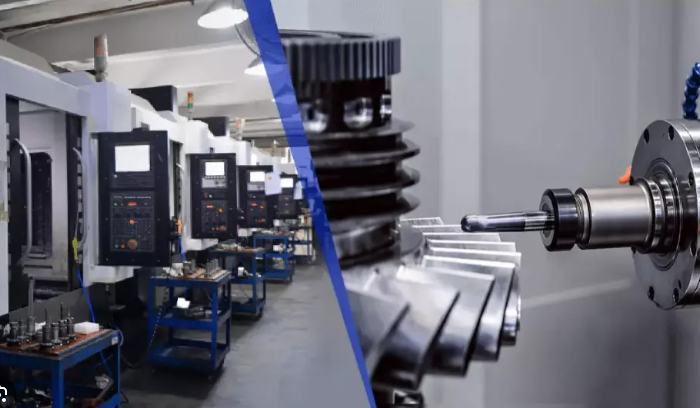
Wie hoch sind die Kosten für CNC-Bearbeitung wirklich?
Wie hoch sind die Kosten für CNC-Bearbeitung? Bei ausgelagerten Teilen lautet die tatsächliche Antwort nicht eine einzelne Zahl, sondern ein Bereich. Veröffentlichte Richtwerte zeigen, dass einfache, produktionsorientierte Arbeiten an grundlegenden 3-Achsen-Maschinen bei etwa 30 bis 40 US-Dollar pro Stunde beginnen können, während 5-Achsen- und hochpräzise Bearbeitung deutlich teurer sein kann – von rund 75 bis 150 US-Dollar pro Stunde und gelegentlich sogar 200 US-Dollar oder mehr in spezialisierten Werkstätten, wie in der Leitlinie von JV Manufacturing und der Aufschlüsselung der Angebote von HUAYI dargelegt. Ihre endgültigen Kosten für die CNC-Bearbeitung hängen zudem von dem verwendeten Verfahren, dem Werkstoff, den Toleranzen, der Stückzahl und der Lieferzeit ab.
Was Käufer meinen, wenn sie fragen: „Wie hoch sind die Kosten für CNC-Bearbeitung?“
Die meisten Käufer fragen eigentlich nicht nach einem Werkstattstundensatz. Sie möchten wissen, was ein fertiges Teil oder eine komplette Charge an Herstellungs- und Lieferkosten verursacht. Das ist eine Angebotsanfrage. Oft wird sie mit Suchanfragen wie „Wie viel kostet eine CNC-Maschine?“ oder „Was kostet eine CNC-Maschine?“ verwechselt, die sich auf den Kauf der Maschine selbst beziehen. Wenn Sie fragen „Wie viel kostet eine CNC?“, klären Sie bitte, ob Sie die Maschine oder das bearbeitete Teil meinen.
Warum die Kosten für CNC-Bearbeitung keine einzige Zahl haben
Es gibt keinen universellen Preis, weil sich bei jedem Auftrag die Berechnung ändert. Aluminium lässt sich in der Regel schneller bearbeiten als Titan oder Edelstahl. Bei einem Prototyp werden Rüst- und Programmieraufwand auf ein oder zwei Teile verteilt, während bei einer Wiederholungsbestellung diese Kosten auf viele Teile umgelegt werden. Enge Toleranzen und verkürzte Lieferzeiten führen zudem zu höheren Preisen.
Stundensatz versus Stückpreis
Die Stundensatzkosten einer CNC-Maschine helfen dabei, die Fertigungskapazität eines Betriebs zu erläutern, entsprechen jedoch nicht den Kosten pro Teil. Ein höherer Stundensatz kann trotzdem zu einem niedrigeren Gesamtangebot führen, wenn dadurch die Aufspannungen reduziert, der Handhabungsaufwand verringert oder die Bearbeitungszeit verkürzt wird.
Verwenden Sie Stundensätze, um das Angebot zu verstehen. Verwenden Sie Teilepreise, um den Budgetplan zu erstellen.
- Teilprozess, z. B. Fräsen oder Drehen
- Werkstoff und Rohmaterialform
- Toleranz- und Oberflächenfinish-Anforderungen
- Bestellmenge
- Lieferzeit
- 2D-Zeichnungen und 3D-Dateien
Diese Grundlagen klingen einfach, doch jeder einzelne Punkt wird innerhalb des Angebots zu einer separaten Kostenposition – und genau hier beginnen Käufer in der Regel, die tatsächlichen Preisunterschiede zu erkennen.
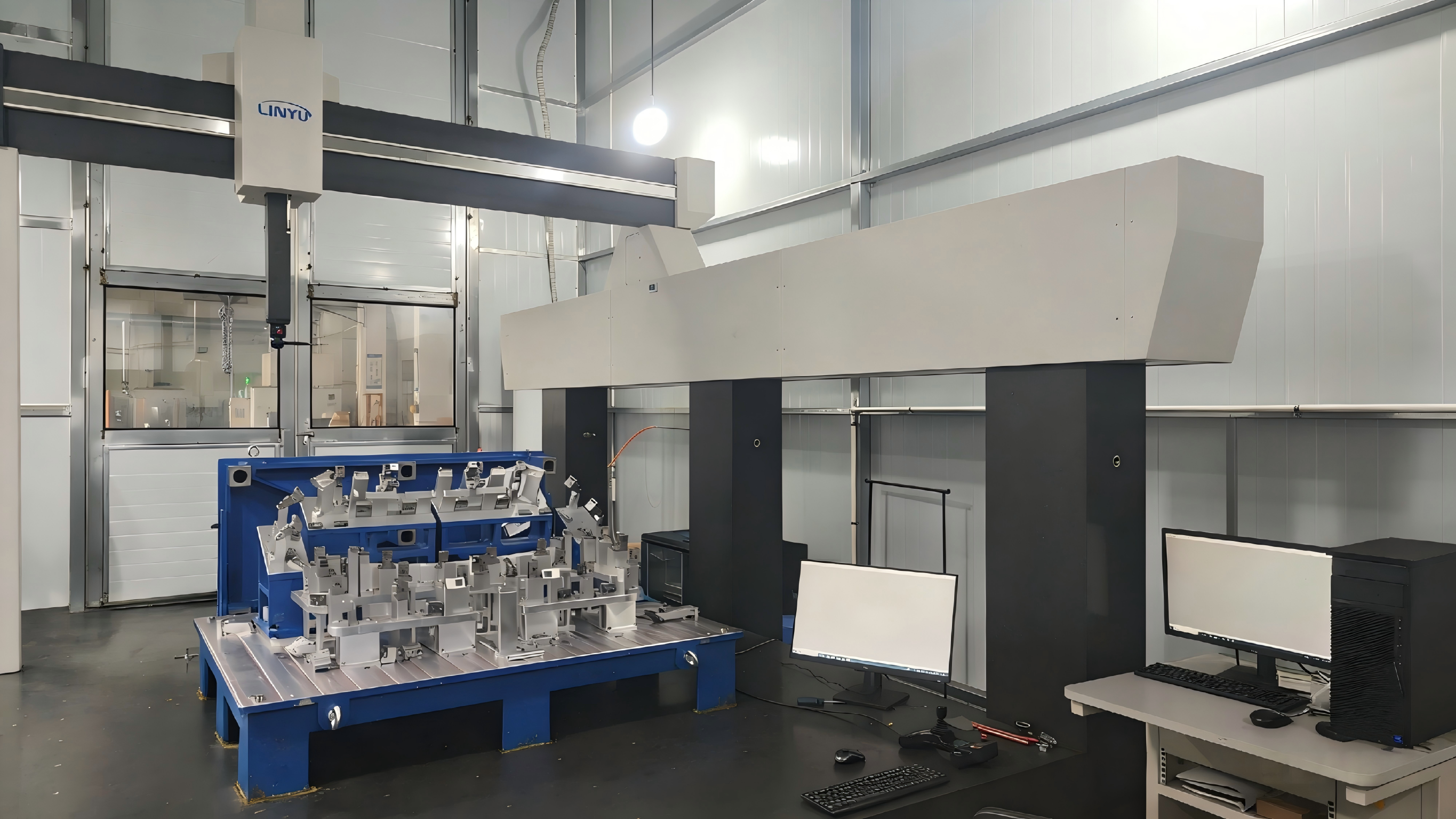
Erklärung der Kostenpositionen für CNC-Maschinenangebote
Genau diese Idee der getrennten Kostenpositionen ist der Ursprung vieler Missverständnisse bezüglich der Preise für CNC-Bearbeitung. Ein Käufer sieht nur eine Gesamtsumme, während ein Betrieb darin möglicherweise Konstruktionsleistungen, Rüstzeiten, Maschinenlaufzeiten, Qualitätsprüfungen und Fremdbearbeitung zusammenfasst. RivCut weist darauf hin, dass eine Rüstgebühr oder eine NRE-Gebühr (Non-Recurring Engineering) bereits vor dem ersten Schnitt der Maschine anfallen kann, während CNCCookbook gruppiert die Angebotsangaben in Material-, Arbeits-, Maschinenkosten, Rüstung, Qualität, Konstruktion, Werkzeuge und Verbrauchsmaterialien sowie Fremdleistungen. Daher beruht die Preisgestaltung für CNC-Bearbeitung nur selten allein auf einem einfachen Stundensatz.
Die wichtigsten Posten in einem CNC-Angebot
Nicht jedes CNC-Maschinenangebot verwendet dasselbe Format. Einige Betriebe stellen die Kosten einzeln aufgeschlüsselt dar, andere fassen mehrere Positionen in einer einzigen Bearbeitungszahl zusammen. Dennoch ist die zugrunde liegende Logik meist dieselbe: Vorbereitung des Auftrags, Beschaffung des Rohmaterials, Fertigung des Teils, Prüfung, ggf. Nachbearbeitung und schließlich Auslieferung an den Kunden.
| Kostenposition | Was sie auslöst | Wie Käufer sie steuern können |
|---|---|---|
| CAM-Programmierung und NRE | Erstmalige Fertigung, neue Geometrie, komplexe Werkzeugwege, neue Revision | Saubere CAD-Daten und Zeichnungen senden, häufige Änderungen der Revision vermeiden, bewährte Konstruktionen nach Möglichkeit wiederverwenden |
| Rüstung und Maschinenvorbereitung | Werkzeugladen, Einstellung des Werkstück-Offsets, Nullpunktsetzung des Werkstücks, mehrere Aufspannungen | Anzahl der Aufspannungen reduzieren, Bezugsflächen standardisieren, identische Teile einer Bestellung zusammenfassen |
| Rohmaterial | Großes Rohmaterialmaß, teure Legierung, zusätzlicher Materialüberstand für die Aufspannung | Gängige Werkstoffe wählen, Standard-Rohmaterialgrößen verwenden, übermäßige Materialzugaben überprüfen |
| Bearbeitungszeit | Harte Werkstoffe, tiefe Geometrieelemente, kleine Werkzeuge, lange Zykluszeiten | Geometrie vereinfachen, nicht kritische Merkmale entfernen, Stückzahlen erhöhen, sobald der Bedarf real ist |
| Spannvorrichtungen und Sonderwerkzeuge | Ungewöhnliche Teilformen, eingeschränkter Zugang für die Spannung, tiefe schmale Bohrungen oder Taschen | Nach modularen Spannvorrichtungen fragen, bessere Spannflächen hinzufügen, Spezialwerkzeuge nur bei Bedarf einsetzen |
| Werkzeugverschleiß und Verbrauchsmaterialien | Schleifmittel, lange Schnitte, Entgratungsmittel, Einsätze, Fräser | Material an die Funktion anpassen, unnötige Details reduzieren, rein kosmetische Anforderungen hinterfragen |
| Inspektion und Dokumentation | Enge Toleranzen, Erstteilberichte, Zertifikate, zusätzliche Verifizierungsschritte | Prüfung nur dort festlegen, wo sie funktionsbedingt erforderlich ist, nicht standardmäßig bei jeder Maßangabe |
| Oberflächenbearbeitung und externe Vor- bzw. Nachbearbeitung | Eloxieren, Lackieren, Wärmebehandlung, Beschichten, Fremdbelege | Nur erforderliche Oberflächenbehandlungen angeben, ähnliche Teile zusammenfassen, klären, was im Leistungsumfang enthalten ist |
| Verpackung und Versand | Schutzverpackung, beschleunigte Lieferung, Premium-Fracht | Lieferzeit früh planen, Versandart bestätigen, Lose bei praktikabler Gelegenheit konsolidieren |
| Überarbeitung oder Neuanfrage basierend auf der Änderungsnummer | Änderungen an Geometrie, Material, Menge oder Toleranz nach Abgabe des Angebots | Revision vor der Anfrage (RFQ) sperren und nur echte, zwingend erforderliche Änderungen kennzeichnen |
Versteckte Kosten, die Käufer häufig übersehen
Versteckte Kosten sind in der Regel keine willkürlichen Gebühren. Sie sind vielmehr Kosten, die innerhalb umfassenderer Positionen verborgen oder erst nach einer Verschiebung der Annahmen sichtbar werden. Der Hotean-Leitfaden argumentiert, dass Spannvorrichtungen, Materialzuschläge für Ausschuss, Zertifizierungsgebühren, erhöhte Versandkosten und Werkzeugverschleiß die tatsächlichen Kosten deutlich über den angegebenen Angebotspreis treiben können, wenn Käufer die Anforderungen nicht frühzeitig definieren. RivCut untermauert diesen Punkt mit praktischen Beispielen aus der Fertigung: Spezielle Oberflächenbearbeitungen und formale Prüfprotokolle werden oft separat vom Grundpreis für das Bauteil berechnet.
Warum Konstruktionsänderungen nach Abgabe des Angebots zusätzliche Kosten verursachen
Eine späte Änderung betrifft mehr als nur eine Zeichnung. Sie kann den Betrieb zwingen, das CAM-Programm neu zu schreiben, die Aufspannung anzupassen, die Rohmaterialgröße oder das Material zu wechseln, eine neue Spannvorrichtung zu konstruieren und die Prüfplanung zu aktualisieren mit anderen Worten: Der ursprüngliche Preis für die CNC-Maschine entspricht möglicherweise nicht mehr dem erforderlichen Aufwand. Selbst eine geringfügige Änderung kann die CNC-Kosten erhöhen, wenn sie zusätzliche Rüstvorgänge, längere Werkzeuge oder Fremdbearbeitung erfordert.
Für eine übersichtlichere Beschaffung senden Sie bitte vollständige 2D-Zeichnungen und 3D-Dateien, fixieren Sie die Version vor der Anfrage (RFQ) und bitten Sie den Betrieb, in seinem Angebot Rüstzeit, Werkzeuge, Prüfung, Oberflächenbearbeitung und Fracht separat auszuweisen.
Der schwierige Teil besteht darin, dass diese Kostenpositionen bei jedem Auftrag unterschiedlich ins Gewicht fallen. Fertigungsverfahren, Werkstoff, Toleranzen und Bestellmenge können sie stark beeinflussen – daher sind Referenzwerte nur hilfreich, wenn die zugrunde liegenden Annahmen tatsächlich zutreffen.
Kostenreferenzwerte für CNC-Bearbeitung nach Verfahren und Stückzahl
Benchmark-Werte sind nur hilfreich, wenn die zugrunde liegenden Annahmen mit dem vorliegenden Bauteil übereinstimmen. Das klingt offensichtlich, doch viele veröffentlichte Fräspreise kombinieren einfache 3-Achsen-Bearbeitung, Mehrachsen-Bearbeitung, leicht zu bearbeitende Werkstoffe, schwierige Legierungen, Prototypenmengen und Serienfertigung zu einer einzigen, pauschalen Zahl. Ein Fräskostenrechner kann dennoch für eine erste Budgetplanung nützlich sein – allerdings nur dann, wenn man ihn als Filter und nicht als verbindliches Angebot betrachtet. Selbst eine grundlegende CNC-Fräskostenberechnung ändert sich rasch, sobald dieselbe Geometrie von Aluminium auf Edelstahl wechselt oder von einem Einzelteil auf eine Wiederholungscharge übergeht.
So lesen Sie CNC-Kosten-Benchmarks korrekt
Lesen Sie jeden Benchmark als Stichprobe, nicht als Zusicherung. Zahlen aus PartMFG typische 3-Achsen-Bearbeitung kostet in der Regel zwischen 10 und 20 USD pro Stunde, während Mehrachsen-Bearbeitung etwa 20 bis 40+ USD pro Stunde beträgt. HDProto nennt direkte Fabrikpreise aus China von 15 bis 35 USD pro Stunde für 3-Achsen-Bearbeitung, 20 bis 80 USD für 5-Achsen-Bearbeitung und 200 bis 300 USD für große Portalfräsmaschinen. Keine dieser Zahlen ist falsch. Sie beschreiben lediglich unterschiedliche Beschaffungsmodelle, Maschinenklassen und Bauteilgrößen.
Materialänderungen beeinflussen die Kostenrechnung genauso rasch. HDProto listet Aluminium 6061 mit einem Bearbeitbarkeitsindex von 200 bis 300 auf, während Edelstahl 304 bei etwa 40 bis 50 liegt. Daher weist XTJ darauf hin, dass Teile aus Edelstahl etwa zwei- bis dreimal höhere Bearbeitungskosten verursachen können als vergleichbare Aluminiumteile . Praktisch gesehen sind die Kosten für die Aluminiumbearbeitung oft niedriger, da höhere Schnittgeschwindigkeiten sowohl die Zykluszeit als auch den Werkzeugverschleiß reduzieren.
Benchmark-Matrix nach Verfahren, Material, Toleranz und Menge
| Benchmark-Abmessung | Kostengünstigere Seite | Kostenintensivere Seite | Voraussetzungen, die Sie erfüllen müssen |
|---|---|---|---|
| Verfahren und Maschinenklasse | 3-Achsen-Bearbeitung zu etwa 10 bis 20 USD pro Stunde bei PartMFG und 15 bis 35 USD direkt ab Fabrik bei HDProto | Mehrachsige und 5-Achsen-Bearbeitung zu etwa 20 bis 40+ USD bei PartMFG, 20 bis 80 USD bei HDProto; für große Portalmaschinen können die Kosten 200 bis 300 USD betragen | Gleiche Region, gleiche Maschinengröße, gleicher Beschaffungsweg und ähnliches Bauteilumfang |
| Werkstoffgruppe | Aluminium 6061, das HDProto mit einem Bearbeitbarkeitsindex von 200 bis 300 bewertet | Edelstahl 304 mit 40 bis 50, Ti-6Al-4V mit 15 bis 20 und Inconel 718 mit 8 bis 12 bei HDProto | Gleiche Legierung, gleiche Ausgangsgröße, gleiches Abtragsvolumen und gleiche Werkzeugannahmen |
| Toleranzband | Standardhandels-Toleranz von etwa ±0,127 mm ohne Aufpreis bei HDProto | ±0,05 mm erhöhen die Bearbeitungszeit um 15 bis 25 Prozent, ±0,01 mm erhöhen die Kosten um 40 bis 60 Prozent und ±0,005 mm können die Grundkosten verdoppeln oder verdreifachen | Gleiche Merkmalsgröße, gleicher Prüfplan und gleicher Dokumentationsumfang |
| Stückzahlspektrum | Wiederholungsbatches, bei denen Aufspannung und Programmierung auf viele Teile verteilt sind | Prototypenarbeiten, bei denen die Aufspannung in HDProto 30 bis 60 Prozent der gesamten Projektkosten ausmachen kann | Gleiche Losgröße, gleiche Spannvorrichtungsstrategie und gleiche Möglichkeit, Programme wiederzuverwenden |
| Teilgröße | Kleine Teile unter 10 kg mit Prototypkosten von 200 bis 1.200 US-Dollar in HDProto | Große Teile von 80 bis 300 kg, bei denen die Prototypkosten etwa 3.500 bis 15.000 US-Dollar betragen | Gleicher Arbeitsraum, gleiche Handhabungsmethode und gleiche Maschinenbelegungszeit |
Wann ein Benchmark hilft und wann nur ein Angebot funktioniert
Benchmarks eignen sich hervorragend zur Ideenscreening. Sie helfen Ihnen dabei, Werkstoffe zu vergleichen, die Fräskosten plausibilitätszuchecken und vorbereitend ein erstes Budget zu erstellen, noch bevor die Anfrage (RFQ) fertig ist. Sie verlieren jedoch an Zuverlässigkeit, sobald das Design unhandliche Spannmittel, tiefe Hohlräume, zusätzliche Aufspannungen oder besondere Prüfvorschriften erfordert. Ab diesem Punkt hört der Benchmark auf, ein Entscheidungsinstrument zu sein, und wird lediglich zu einer groben Orientierungsgröße.
- Entsprechen Sie dem gleichen Fertigungsverfahren und der gleichen Maschinenklasse.
- Entsprechen Sie der gleichen Werkstofffamilie und der gleichen Ausgangsform des Werkstoffs.
- Entspricht der gleichen Toleranz und dem gleichen Prüfumfang.
- Entspricht dem gleichen Mengenband und der gleichen Lieferzeit.
- Entspricht einer ähnlichen Bauteilgröße und geometrischen Komplexität.
Verwenden Sie veröffentlichte Preisspannen zur groben Budgeteinschätzung, nicht zur Freigabe der Bestellung. Die größten Abweichungen treten häufig bei einem Wechsel des Fertigungsverfahrens auf, da dasselbe Bauteil auf einer Maschine teuer und auf einer anderen effizient erscheinen kann.
kostenunterschiede zwischen 3-Achsen-, 5-Achsen-CNC- und Drehmaschinen
Der gewählte Fertigungsweg ist oft der Punkt, an dem ein Benchmark seine Aussagekraft verliert und der eigentliche Angebotspreis beginnt, sich zu verschieben. Zwei Fertigungsbetriebe können denselben CAD-Modell betrachten und zu unterschiedlichen Preisen kommen, weil sie unterschiedliche Bearbeitungsstrategien planen: Der eine verwendet möglicherweise eine einfache 3-Achsen-Fräsmaschine mit mehreren Werkstückumdrehungen; der andere führt die Bearbeitung auf einer 5-Achsen-CNC-Maschine durch und fertigt mehr Flächen in einer einzigen Aufspannung. Ein weitgehend rundes Bauteil kann auf einer Drehmaschine günstiger sein als bei beiden Fräsvarianten – selbst wenn der angegebene Stundensatz der Fräsmaschine niedriger erscheint.
Warum sich Angebote für 3-Achsen- und 5-Achsen-Bearbeitung unterscheiden
Wenn ein Käufer immer noch fragt, was CNC-Fräsen ist, lautet die kurze Antwort einfach: Es handelt sich um einen subtraktiven Prozess, bei dem ein rotierendes Schneidwerkzeug Material von einem feststehenden Werkstück entfernt – wie in dieser Anleitung zum Vergleich von Fräsen und Drehen beschrieben. Diese grundlegende Idee umfasst jedoch eine breite Palette an Maschinen, deren Kalkulationslogik jedoch nicht identisch ist.
TFG USA veranschlagt typische 3-Achsen-Fräsmaschinen mit etwa 20 bis 30 US-Dollar pro Stunde, während 4-Achsen- und 5-Achsen-Fräsmaschinen etwa 40 bis 50 US-Dollar pro Stunde kosten. Auf dem Papier wirkt die Mehrachsen-Variante teurer. In der Praxis kann eine 5-Achsen-CNC-Maschine jedoch das erneute Positionieren reduzieren, den Bedarf an Spannvorrichtungen senken und sekundäre Bearbeitungsschritte entfallen lassen. Bei komplexen Gehäusen oder Teilen mit schrägen Merkmalen können weniger Aufspannungen die höheren Stundenlöhne mehr als wettmachen.
Wenn CNC-Drehen günstiger ist als Fräsen
Bei der Drehbearbeitung wird eine andere Bewegung verwendet. Das Werkstück dreht sich, während das Schneidwerkzeug fest steht. Dadurch eignet sie sich besonders gut für Wellen, Buchsen, Stifte, Armaturen, Gewinde und andere zylindrische Teile. Derselbe Leitfaden weist darauf hin, dass die Drehbearbeitung bei einfachen runden Teilen oft schneller und kostengünstiger ist, da der Prozess auf kontinuierliches rotierendes Schneiden ausgelegt ist.
Hier kommt auch die Kombination aus CNC-Fräsen und Drehen zum Einsatz. Ein Drehzentrum mit lebenden Werkzeugen kann zunächst den Außendurchmesser drehen und anschließend in derselben Aufspannung Nuten, Flächen oder Querbohrungen erzeugen. Bei der Angebotskalkulation spielt es weniger eine Rolle, was genau unter CNC-Fräsen verstanden wird, als vielmehr, ob das Fräsen zur Herstellung einer tatsächlich nicht-runden Geometrie eingesetzt wird oder ob es lediglich als kostenintensive Notlösung für ein Teil dient, das ursprünglich an einer Drehmaschine hätte gefertigt werden sollen.
Wie sich Produktionsmaschinen auf die Wirtschaftlichkeit auswirken
Bei der CNC-Bearbeitung in der Serienfertigung verschiebt sich die mathematische Betrachtung hin zu einer hohen Spindellaufzeit, Wiederholgenauigkeit und reduziertem Handling. Automatisierung kann den Arbeitsaufwand für Routineaufgaben wie Werkzeugwechsel und Werkstückbeladung senken – ein Aspekt, den auch TFG USA hervorhebt. Daher kann eine Maschine mit höherer Stundensatzleistung bei Wiederholungsbestellungen dennoch einen günstigeren Preis pro Teil liefern.
| Prozessart | Typische Kostenfaktoren | Optimale Teilegeometrie | Wenn sie die Gesamtkosten senkt |
|---|---|---|---|
| 3-Achsen-Fräsen | Mehrere Aufspannungen, längere Handlingszeiten, zusätzliche Spannmittel bei Mehrflächen-Teilen | Einfache prismatische Teile, ebene Flächen, Taschen mit oberseitigem Zugang | Am besten geeignet für einfache Teile mit begrenzter Anzahl von Flächen und Standard-Toleranzen |
| 4-Achsen-Fräsen | Rotationssatz, zusätzliche Programmierung, indizierte Werkstückaufnahme | Teile mit seitlichen Merkmalen um eine Hauptachse | Vorteilhaft, wenn das Indizieren wiederholtes Neu-Aufspannen aus einem 3-Achsen-Programm eliminiert |
| 5-Achs-Fräsen | Höherer Maschinensatz, fortschrittliche CAM-Software, Maschinenverfügbarkeit | Komplexe 3D-Formen, schräge Bohrungen, präzise Mehrflächen-Teile | Senkt die Kosten, wenn eine Aufspannung mehrere Aufspannungen oder Nachbearbeitungsschritte ersetzt |
| CNC-Drehen | Spannfutter-Aufspannung, Stabzuführung, Nachbearbeitungsschritte bei nicht-runden Details | Zylindrische Teile wie Wellen, Buchsen, Stifte und Gewinde | In der Regel die kostengünstigste Fertigungsmethode für rotationssymmetrische Teile, insbesondere bei hohen Stückzahlen |
| Dreh-Fräsmaschine oder automatisierte Produktionszelle | Höhere Kapitalintensität, tieferer Programmieraufwand, aufwändigere Spannmittelplanung | Wiederholte Teile mit sowohl rotationssymmetrischen als auch fräsbaren Merkmalen | Reduziert Schnittstellen, wiederholte Aufspannungen und manuellen Aufwand bei Serienfertigung |
Die günstigste Maschine pro Stunde ist nicht immer die günstigste pro Teil. Die Anzahl der Aufspannungen, das Handhabungsaufkommen und die Zykluseffizienz entscheiden darüber.
Die Wahl der Maschine erklärt vieles, doch die Geometrie ist in der Regel der entscheidende Faktor, der eine Aufgabe in Richtung eines bestimmten Fertigungsverfahrens lenkt. Tiefe Taschen, dünne Wände, enge innere Ecken und erschwerte Zugänglichkeit sind oft die Details, die das teurere Verfahren erforderlich machen.
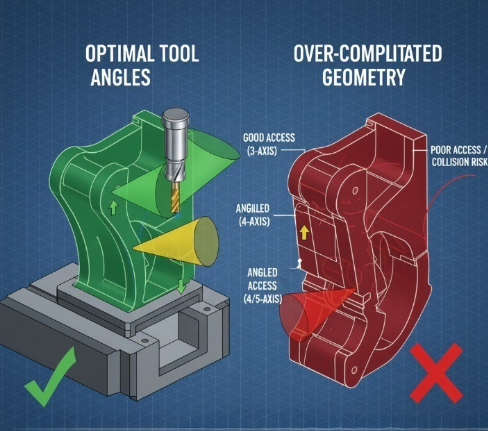
Konstruktionsmerkmale, die stillschweigend den Preis für CNC-Fräsbearbeitung erhöhen
Die Wahl der Maschine bestimmt den grundsätzlichen Bearbeitungsweg, doch die Geometrie entscheidet häufig über die Kosten. Ein Bauteil kann in der CAD-Software durchaus machbar erscheinen und dennoch mit einem hohen Preis für die CNC-Fräsbearbeitung zurückkommen – etwa weil der Fräser zu tief eindringen muss, sich in der Nähe dünner Wände stabil halten muss oder aufgrund mehrfacher Neuspannung stoppen muss. Genau hier werden die Fräs-Kosten besonders konkret. Die Hinweise im Factorem DFM-Leitfaden sowie Bang Design verweisen auf dasselbe Muster: Merkmale, die die Werkzeuggröße, den Werkzeugzugang oder die Werkstückaufspannung einschränken, erhöhen in der Regel das Risiko einer höheren Angebotssumme, die Zykluszeit und die Ausschussgefahr.
Geometrische Merkmale, die die Zykluszeit erhöhen
- Tiefe Taschen und Bohrungen: Diese erfordern oft mehrere Absenkungsdurchgänge und längere Werkzeuge. Factorem empfiehlt, die Tiefe für Werkzeuge unter 2 mm auf etwa das 3-fache des Werkzeugdurchmessers und für größere Werkzeuge auf etwa das 5-fache zu begrenzen.
- Dünne Wände: Dünne Querschnitte vibrieren und verformen sich unter der Schnittkraft. Factorem nennt 0,8 mm als empfohlene Mindestwandstärke für Metalle und 1,5 mm für Kunststoffe; dünnere Wände erhöhen Kosten und Risiko.
- Scharfe innere Ecken: Fräser sind rund, daher ist es schwierig, wirklich scharfe Innenwinkel zu erzielen. Innere Fasen oder sog. „Hundeknochen-Entlastungen“ sind in der Regel kostengünstiger als der Einsatz sehr kleiner Werkzeuge oder nachträglicher Bearbeitungsmethoden.
- Tiefe, schmale Bereiche: Enge Spalte begrenzen den zulässigen Werkzeugdurchmesser. Factorem empfiehlt, schmale Bereiche mindestens dreimal so breit wie der Durchmesser des kleinsten verwendeten Schneidwerkzeugs zu halten.
- Nicht funktionale Außenfasen: Factorem weist darauf hin, dass Abschrägungen (Chamfers) oft kosteneffizienter sind als Außenfasen, da sie die Bearbeitungszeit und den Bedarf an Spezialwerkzeugen reduzieren können.
Werkzeugzugangsprobleme, die zusätzliche Aufspannungen auslösen
Zugänglichkeit ist ein stiller Treiber der Fräskosten. Wenn das Werkzeug aus einer praktikablen Richtung nicht sauber auf eine Geometriefunktion zugreifen kann, muss der Betrieb möglicherweise das Teil wenden, kippen, eine spezielle Spannvorrichtung bauen oder Sonderfräswerkzeuge verwenden. Bang Design verbindet tiefe Merkmale, unzugängliche Geometrie und zusätzliche Aufspannungen direkt mit längeren Bearbeitungszeiten, höheren Werkzeugkosten, größerem Programmieraufwand und einer erhöhten Ausschusswahrscheinlichkeit.
| Geometrieproblem | Mögliche Auswirkung auf das Angebot | Mögliche konstruktive Reaktion |
|---|---|---|
| Tiefe Tasche | Längere Zykluszeit, Risiko von Werkzeugverformung | Tiefe reduzieren, die Tasche verbreitern oder das Merkmal aufteilen |
| Dünne Wand | Langsamere Vorschübe, Rattern, Risiko von Ausschuss | Nichtkritische Wände verdicken oder Stützmerkmale hinzufügen |
| Scharfe Innenkante | Kleine Werkzeuge, zusätzliche Bearbeitungsgänge, mögliche Spezialbearbeitung | Innere Radien oder Hundeknochen-Entlastungen hinzufügen |
| Unterschnittene oder blockierte Merkmale | Spezialwerkzeuge oder zusätzlicher Rüstaufwand | Das Merkmal nach Möglichkeit für direkten Zugriff neu ausrichten |
| Ungünstige Werkstückspannung | Kosten für Spannvorrichtungen und längere Rüstzeiten | Spannflächen, Spanntabs oder deutlichere Bezugsebenen hinzufügen |
| Merkmale auf vielen Flächen | Mehr Werkstückumdrehungen und Ausrichtungsprüfungen | Funktionen in weniger Orientierungen zusammenfassen |
Konstruktionsanpassungen, die die Kosten für kundenspezifisches CNC-Fräsen senken können
Kostenersparnis beim kundenspezifischen CNC-Fräsen ergibt sich üblicherweise aus kleinen Anpassungen – nicht aus einer vollständigen Neukonstruktion. Nützliche Fragen lauten:
- Kann eine tiefe Aussparung zu einer flacheren Tasche werden?
- Kann eine scharfe innere Ecke einen Radius aufnehmen?
- Kann eine Außenfase zu einer Abschrägung (Chamfer) werden?
- Kann das Bauteil bessere Spannflächen enthalten?
- Können Merkmale an mehreren Seiten auf weniger Aufspannungen reduziert werden?
Dies ist praktische Beschaffungsarbeit – nicht nur technische Optimierung. Wenn ein Angebot als teuer empfunden wird, stellen Sie die Frage, ob jede kostenintensive Funktion tatsächlich funktionskritisch ist oder lediglich aus einem älteren Konstruktionsstand übernommen wurde. Genau hier beginnen häufig die Kostensenkungen beim Fräsen. Und selbst nach einer Verbesserung der Geometrie hat Präzision ihren eigenen Preis – insbesondere bei engen Toleranzen, feineren Oberflächen und umfangreicheren Prüfungen.
Wie Präzisionsvorgaben den stündlichen Satz für CNC-Bearbeitung erhöhen
Die Geometrie legt möglicherweise die Route fest, doch die Präzision entscheidet, wie sorgfältig diese Route eingehalten werden muss. Zwei Teile können dasselbe Material und dieselbe Form aufweisen und dennoch sehr unterschiedliche Angebote erhalten, sobald eine Zeichnung engere Toleranzen, feinere Oberflächenanforderungen und formale Prüfprotokolle vorsieht. Daher liegt die allgemeine CNC-Preisempfehlung von Prolean für den Markt bei rund 30 bis über 200 USD pro Stunde. Wenn Käufer fragen, wie viel CNC-Bearbeitung pro Stunde kostet, fehlt in der Regel der im Preis enthaltene Qualitätsgrad.
Wie Toleranzbereiche die Bearbeitungszeit verändern
Engere Toleranzen verlangsamen die Fertigung. Die Vorschübe können reduziert, Zuschnittgänge hinzugefügt und Werkzeuge häufiger überprüft werden, um Wärmeentwicklung, Verformung und Verschleiß zu kontrollieren. Zu beachten ist, dass bei Standard-Frästoleranzen oft Werte von ±0,05 bis ±0,1 mm anzutreffen sind, während präzisere Arbeiten langsamere, kontrolliertere Bearbeitungsverfahren und intensivere Prüfungen erfordern. Ein praktisches Beispiel von Epro zeigt, wie sich die Kosten rasch erhöhen können, wenn die Toleranzen verschärft werden: Der Übergang von ±0,010 Zoll auf ±0,005 Zoll kann die Kosten etwa verdoppeln; bei ±0,001 Zoll liegen sie etwa beim Vierfachen. Daher ist der stündliche CNC-Bearbeitungspreis lediglich der Ausgangspunkt – Präzision verändert selbst die benötigte Zeit.
Kosten für Oberflächenfinish-Inspektion und Dokumentation
Erfüllung der Anforderungen erhöht die Kosten auf subtilere Weise. Ein feineres Oberflächenziel kann leichtere Schnitte, zusätzliche Poliergänge, intensivere Entgratungsarbeiten oder sekundäre Nachbearbeitungsschritte erfordern, noch bevor das Teil überhaupt zur Prüfung bereitsteht. Enge GD&T-, Bohrungsposition- oder Profilvorgaben können zudem den Einsatz handgehaltener Messgeräte zugunsten von Koordinatenmessmaschinen (CMM) verdrängen. Hinweise darauf, dass CMM- und optische Messverfahren bei sehr engen Toleranzen und komplexer Geometrie zunehmend verbreitet werden. Werden Erstbemusterungsfreigaben, dimensionsbezogene Prüfberichte oder Zertifizierungspakete hinzugefügt, rückt der Stundensatz für CNC-Bearbeitung rasch an die Obergrenze der veröffentlichten Preisspannen heran. Dies ist auch der Grund, warum sich die Kosten für ultrapräzise Bearbeitung pro Stunde selten allein durch den Werkstatt-Stundensatz erklären lassen. Messtechnik und Prozesskontrolle wachsen mit der Spindellaufzeit.
| Anforderungstyp | Warum dies Zeit oder Risiko erhöht | Wie Einkäufer dies spezifizieren sollten |
|---|---|---|
| Enge Maßtoleranzen bei vielen Abmessungen | Langsamere Vorschübe, zusätzliche Feinbearbeitungsgänge, höheres Ausschussrisiko | Enge Toleranzen nur bei maßgeblichen Passmaßen anwenden |
| Strenge GD&T-Vorgaben wie Position, Ebenheit oder Profil | Genauere Spannmittel und längere Koordinatenmessmaschinen-Prüfung | GD&T dort anwenden, wo die Montagefunktion tatsächlich davon abhängt |
| Feine Oberflächenfinish-Anforderungen | Zusätzliche Fräs- oder Schleifgänge, Polieren oder sekundäre Nachbearbeitung | Feines Finish nur auf Dicht-, Gleit-, sichtbaren oder Verschleißflächen spezifizieren |
| Entgraten und kontrollierte Kantenqualität | Mehr manueller Arbeitsaufwand und längere Handhabungszeiten | Kritische Kanten klar definieren, anstatt alle Kanten kosmetisch hochwertig auszuführen |
| 100-Prozent-Prüfung oder Koordinatenmessmaschinen-Berichterstattung | Längere Qualitätskontrollzeit, Berichtserstellung, Messprogrammierung | Stichprobenpläne anwenden, es sei denn, Konformität oder Risiko erfordern eine vollständige Prüfung |
| Freigabe des Erstteils und Prozesskontrollen | Zusätzliche Einrichtungsvalidierung, Zwischenprüfungen und erhöhter Dokumentationsaufwand | Vorbehaltlich für sicherheitskritische, regulierte oder wiederholte Serienfertigungsprogramme |
Wenn die Präzisionsanforderungen die zusätzlichen Kosten rechtfertigen
Eine höhere Präzision lohnt sich, wenn sie Passgenauigkeit, Dichtigkeit, Bewegungsfreiheit, Sicherheit oder die Einhaltung gesetzlicher Vorschriften gewährleistet. Lagerbohrungen, Lagebezugselemente, Dichtflächen und tatsächlich miteinander verbundene Merkmale sind gute Beispiele hierfür. Große optische Flächen, nicht kritische Lochmuster und verdeckte Flächen sind dagegen oft nicht davon betroffen.
Übermäßig enge Toleranzen stellen ebenso ein Beschaffungsproblem wie ein technisches Problem dar, da jede unnötige Spezifikation zu bezahlter Maschinenlaufzeit, Prüfzeit oder erhöhtem Ausschussrisiko führt.
Verwenden Sie enge Toleranzen, feine Oberflächen und formale Dokumentation dort, wo die Funktion dies tatsächlich erfordert. Belassen Sie den Rest auf Standardniveau. Diese Entscheidung senkt nicht nur den Angebotspreis, sondern verändert auch das Kostenverhalten in Abhängigkeit von der Stückzahl, da die Arbeiten am Erstexemplar, Einrichtungsprüfungen und wiederholte Inspektionen bei einem Einzelprototyp ganz anders zu Buche schlagen als bei einer stabilen Serienbestellung.
Kostenrechnung für CNC-Prototypen, Kleinserien und Serienfertigung
Eine Toleranzstapelung, die bei Einzelanfertigungen oft teuer erscheint, wirkt in Serienfertigung häufig angemessen, da dieselbe Zeichnung ihre Vorleistungen sehr unterschiedlich auf 2 Teile oder auf 2.000 Teile verteilt. Daher sollten CNC-Bearbeitungskosten stets nach Mengenstufen und nicht als ein einziger, gemittelter Durchschnittswert betrachtet werden. Hinweise von RivCut und Samshion Rapid zeigen ein konsistentes Muster: Prototypen- und Serienteile können auf denselben Maschinen gefertigt werden und dennoch dieselbe Teilqualität liefern; die Kostendynamik ändert sich jedoch, sobald Rüstkosten, Spannmittelkosten, Programmierkosten und Prüfkosten auf eine größere Stückzahl verteilt werden. Ein angegebener CNC-Maschinensatz pro Stunde ist relevant, doch der konkrete Auftragskontext ist oft noch entscheidender.
Warum Prototypenteile pro Stück teurer sind
Die Preisgestaltung für Prototypen ist stark front-end-lastig. Samshion Rapid weist darauf hin, dass feste Kosten wie CAM-Programmierung, Einrichtung, Werkzeugmontage und Spannvorrichtungsarbeiten etwa 80 bis 90 Prozent einer Rechnung für geringe Stückzahlen ausmachen können. Diese Schritte entfallen nicht einfach deshalb, weil nur ein oder fünf Teile benötigt werden. Bei einem typischen Beispiel aus Aluminium mittlerer Komplexität von RivCut belaufen sich die Prototyp-Einrichtungskosten auf rund 150 bis 300 USD pro Auftrag, während der Einzelpreis pro Teil bei etwa 75 bis 200 USD liegt. Damit erklärt sich der Schock über viele Fräs-Kosten: Das erste Teil trägt nahezu die gesamte Konstruktions- und Einrichtungsbelastung. Der Vorteil ist jedoch die Flexibilität: Standardspannfutter, universelle Werkzeuge und eine weniger aufwändige Prüfung erleichtern und verbilligen zu diesem Zeitpunkt Konstruktionsänderungen.
Was ändert sich bei geringen Stückzahlen und Übergangsproduktion
Zwischen Prototyping und Serienproduktion liegt die Brückenproduktion. RivCut beschreibt die Brückenproduktion als etwa 50 bis 500 Teile, die mit eher prototypischen Methoden hergestellt werden, während langfristige Vorrichtungen oder Werkzeuge noch in Vorbereitung sind. Diese Zwischenstufe senkt das Risiko bei Markteinführungen, Pilotfertigungen und frühen Kundenauslieferungen. Die Programmierung kann wiederverwendet werden. Die Bediener lernen, wie sich das Teil am besten bewegt. Halb-individuelle Vorrichtungen können rein provisorische Spannmittel ersetzen. Der Preis pro Teil verbessert sich in der Regel, doch handelt es sich hierbei noch nicht um eine kostengünstige Fertigung im eigentlichen Sinne, da der Prozess weiterhin Flexibilität und Geschwindigkeit ausbalanciert.
| Bestellkontext | Typische Menge | Rüstaufwand | Effizienz pro Teil | Flexibilität bei Designänderungen | Käuferkompromiss |
|---|---|---|---|---|---|
| PROTOTYPE | Etwa 1 bis 25 Teile bei RivCut | Sehr hoch pro Auftrag. Rüsten, Programmieren und Erstteil-Arbeiten entfallen auf eine sehr kleine Losgröße | Am niedrigsten. Konservative Werkzeugwege und manuelles Handling schützen den Erfolg beim Erstteil | Am höchsten. Standard-Spannfutter und handelsübliche Werkzeuge erleichtern Änderungen | Schneller Start, hoher Einzelpreis, ideal zur Validierung von Passform, Funktion und Toleranzen |
| Niedrige Stückzahlen oder Übergangsproduktion | Etwa 50 bis 500 Teile in RivCut | Mittel. Teilweise Wiederverwendung der Einrichtung, teilweise halb-kundenspezifische Spannmittel, begrenzte Abschreibung | Verbesserung. Lieferantenlernen und wiederverwendete Programme verkürzen zunehmend die Zykluszeit | Mäßig. Änderungen sind noch möglich, verursachen jedoch höhere Kosten als bei Prototyp-Anpassungen | Nützlich, wenn die Nachfrage bereits eingetroffen ist, bevor die Serienfertigung bereitsteht |
| Produktion | Etwa 50 bis 10.000+ Teile oder 100+ im Kostenbeispiel von RivCut | Höchste Anfangsinvestition, aber auf viele Einheiten verteilt. Kundenspezifische Spannmittel und optimierte Werkzeuge sind üblich | Bestmöglich. Schnellere Werkzeugwege, wiederholbare Beladung, umfassendere Prüfsysteme sowie Automatisierungsmöglichkeiten senken die Einzelkosten | Niedrigster. Späte Änderungen können Vorrichtungen zunichtemachen oder Nacharbeit erzwingen | Langsamere Erstfertigung, deutlich günstigere Preise für Wiederholungsbestellungen bei stabiler Nachfrage |
Wie die Serienfertigung durch CNC-Bearbeitung die Kosten für Wiederholungsbestellungen senkt
Die Serienfertigung gewinnt nicht deshalb, weil die Maschine plötzlich billiger wird. Sie gewinnt, weil die einmalige Arbeit nicht mehr wiederholt werden muss. RivCut nennt die Serieneinrichtungskosten für eine kundenspezifische Vorrichtung mit etwa 500 bis 2.000 USD; Erstfertigungen dauern oft 2 bis 4 Wochen, während Wiederholungsbestellungen nach Validierung des Programms und der Vorrichtung auf 1 bis 2 Wochen sinken. Derselbe Quelltext veranschaulicht diese Kurve anhand einer einfachen Aluminiumhalterung: etwa 150 USD pro Einzelteil, etwa 55 USD pro Stück bei 10 Stück, etwa 28 USD pro Stück bei 100 Stück und etwa 18 USD pro Stück bei 1.000 Stück. Das ist der eigentliche Treiber für niedrigere CNC-Bearbeitungskosten. Nicht jeder Auftrag wird preiswert, aber eine stabile Nachfrage, wiederverwendete Programme, disziplinierte Prüffrequenzen und Automatisierung können die Kosten für Wiederholungsaufträge deutlich unter die Prototypenkosten senken.
Der intelligenteste Übergang von der Prototyp-Preisgestaltung zur Wiederholungs-Preisgestaltung erfolgt, wenn Käufer Erkenntnisse aus der Fertigung in ein schlankeres Beschaffungspaket umsetzen.
- Sperren Sie die Version, bevor Sie für spezielle Vorrichtungen oder optimierte Produktionsprogrammierung bezahlen.
- Teilen Sie das erwartete jährliche Volumen und die Losgröße mit, damit die Investitionen in Vorrichtungen und Einrichtung korrekt amortisiert werden können.
- Fragen Sie nach, welche Kosten einmalig sind, welche wiederverwendbar sind und welche bei jeder Bestellung variabel bleiben.
- Nutzen Sie die Brückenfertigung für frühe Lieferungen, wenn eine Nachfrage besteht, der langfristige Prozess jedoch noch nicht bereit ist.
- Bündeln Sie die aktuellsten CAD-Daten, Zeichnungen, Toleranzhinweise, Oberflächenanforderungen und Prüfvorgaben in einer einzigen RFQ, damit Angebote für Wiederholungsbestellungen auf denselben Annahmen beruhen.
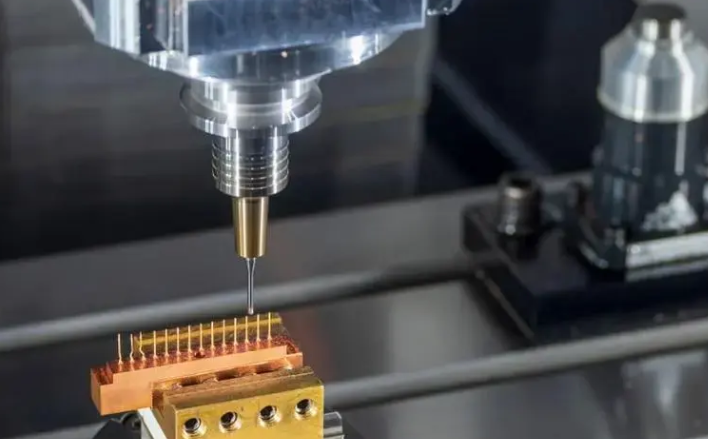
RFQ-Checkliste für bessere CNC-Preise und Lieferantenauswahl
Ein Angebot wird genau, sobald der Lieferant aufhört zu raten. Für Käufer, die den CNC-Preis kontrollieren möchten, führt der schnellste Weg nicht darin, weniger Informationen zu senden – sondern darin, von Anfang an die richtigen Informationen zu liefern. Machining Concepts empfiehlt ein vollständiges RFQ-Paket, das sich um Zeichnung, 3D-Modell, Werkstoff und wesentliche Spezifikationen („key callouts“) herum aufbaut. Das ist weitaus wichtiger, als zu fragen: „Wie viel kostet eine CNC-Maschine?“, denn das ist eine Frage zum Kauf von Maschinen – nicht zum Kauf von Bauteilen.
So erstellen Sie eine Angebotsanfrage, die zu einer genauen Preisangabe führt
Wenn Sie weniger Nachbesserungen, weniger Annahmen und bereits am ersten Tag eine aussagekräftigere Preisangabe wünschen, fügen Sie bei jeder RFQ folgende Grundinformationen hinzu:
- Teilebezeichnung oder Teilenummer sowie die aktuelle Änderungsnummer (Revision).
- 2D-Zeichnung im PDF-Format mit Maßen, Toleranzen, Anmerkungen und Datum.
- 3D-Modell, vorzugsweise im STEP-Format, falls verfügbar.
- Werkstoffsorte und -zustand, z. B. Legierung und Härtegrad (Temper), nicht nur „Aluminium“.
- Bestellmenge für diesen Auftrag, geschätzter jährlicher Bedarf sowie Angabe, ob Sie ein Preisangebot für Prototypen oder für Serienfertigung benötigen.
- Kritische Merkmale, Gewinde, Oberflächenbeschaffenheit, kosmetische Anforderungen und Kantenbedingung.
- Sekundäre Bearbeitungsschritte wie Eloxieren, Wärmebehandlung, Kennzeichnung oder Montage.
- Prüf- und Dokumentationsanforderungen, einschließlich Erstbemusterungsprüfung (FAI), Werkstoffzertifikate oder Koordinatenmessmaschinenberichte (CMM-Berichte).
- Geplante Durchlaufzeit, Versandbeschränkungen und ob Teillieferungen akzeptabel sind.
Dies ist besonders wichtig bei der Beschaffung einer CNC-Fräsdienstleistung für Aluminium. Falls im Angebotsgesuch (RFQ) lediglich „Aluminiumteil“ angegeben ist, können Fachbetriebe unterschiedliche Legierungen, Halbzeugformen oder Annahmen kalkulieren, wodurch die Preisspanne nicht vergleichbar ist.
Worauf es bei einer Fabrik für CNC-bearbeitete Teile ankommt
Ein Betrieb, der über eine Suchanfrage wie „CNC-Dienstleistungen in meiner Nähe“ gefunden wird, mag zwar praktisch sein, doch reine Bequemlichkeit schützt weder Budget noch Zeitplan. Die in der Lieferantenleitfaden von PTSMAKE hervorgehobenen Auswahlkriterien stellen einen besseren Filter dar: passende Prozessfähigkeit, nachweisbare Qualitätsmanagementsysteme, zuverlässige Terminplanung und reaktionsfähige Kommunikation.
| Bewertungsbereich | Was zu prüfen ist | Warum dies die Genauigkeit des Angebots und das Projektrisiko beeinflusst |
|---|---|---|
| Fähigkeit | Fräsen, Drehen, Mehrachsen-Fertigung, Materialerfahrung, DFM-Unterstützung | Ein leistungsfähiger Fertigungsbetrieb kalkuliert den richtigen Fertigungsprozess, statt Preise anhand von Unsicherheiten festzulegen |
| Qualität | Relevante Zertifizierungen, Zwischeninspektionen, Einsatz statistischer Prozesskontrolle (SPC), kalibrierte Messmittel, Rückverfolgbarkeit | Qualitätssysteme reduzieren Ausschuss, Nacharbeit und unerwartete Verzögerungen kurz vor Liefertermin |
| Produktionsbereitschaft | Unterstützung bei Prototypenfertigung, Spannvorlagenstrategie, Beschaffung von Werkstoffen, Skalierungsplan, termingerechte Lieferdisziplin | Derselbe Bauteil verhält sich bei Prototypen- und Serienfertigung unterschiedlich |
| Kommunikation | Schnelle Angebotserstellung, Zugang zu Konstrukteuren, Änderungskontrolle, proaktive Aktualisierungen, zentraler Ansprechpartner | Klare Kommunikation verhindert Abweichungen beim Angebot nach Konstruktionsänderungen |
Wenn Automobilprogramme einen Partner für die gesamte Wertschöpfungskette – vom Prototyp bis zur Serienfertigung – benötigen
Die Beschaffung im Automobilbereich stellt höhere Anforderungen, da die Kostenkontrolle von Wiederholgenauigkeit, Rückverfolgbarkeit und einem reibungslosen Hochlauf abhängt. Ein qualifiziertes Beispiel hierfür ist Shaoyi Metal Technology , das maßgeschneiderte Bearbeitung nach IATF 16949-Zertifizierung anbietet, statistische Prozesskontrolle (SPC) einsetzt, über 30 internationale Automobilmarken unterstützt und Leistungen von der schnellen Prototyperstellung bis zur automatisierten Serienfertigung abdeckt. Das bedeutet jedoch nicht, dass jeder Käufer denselben Zulieferer benötigt. Es zeigt vielmehr, wie ein starkes, für den Automobilsektor gerüstetes Profil aussieht, wenn Sie eine CNC-Bearbeitungsfabrik für langfristige Aufträge vergleichen.
Ein besserer Anfrageentwurf (RFQ) garantiert nicht zwangsläufig die niedrigste Preisangabe. Er liefert in der Regel etwas Wertvolleres: ein Angebot, das der tatsächlichen Leistung entspricht, eine auf fundierten Kriterien basierende Kurzliste von Zulieferern und deutlich weniger Kostenüberraschungen nach Auftragserteilung.
Häufig gestellte Fragen zu CNC-Bearbeitungskosten
1. Wie hoch sind die Kosten für CNC-Bearbeitung pro Stunde?
Die Stundensätze für CNC-Bearbeitung variieren je nach Maschinentyp, Werkstattmodell, Region und Qualitätsniveau. Einfache 3-Achsen-Bearbeitung wird in der Regel günstiger kalkuliert als Mehrachsen-, engtoleranz- oder hochdokumentierte Aufträge. Dennoch entspricht ein Stundensatz nicht automatisch einem endgültigen Angebot. Eine Werkstatt mit einem höheren ausgewiesenen Stundensatz kann unter Umständen Gesamtkosten pro Werkstück senken, indem sie die Anzahl der Spannvorrichtungen reduziert, die Zykluszeit verkürzt oder sekundäre Handhabungsschritte vermeidet.
2. Ist die Kosten für eine CNC-Maschine identisch mit den Kosten für CNC-Bearbeitung?
Nein. Die Kosten für eine CNC-Maschine beziehen sich auf den Kauf der Maschine selbst, während die Kosten für CNC-Bearbeitung das Entgelt darstellen, das Sie dafür zahlen, ein Werkstück herstellen zu lassen. Die Maschinennutzung umfasst Investitionskosten, Wartung, Werkzeuge, Software, Personal und Hallenfläche. Bei extern vergebenen Bearbeitungsaufträgen erfolgt die Kalkulation üblicherweise pro Werkstück oder pro Auftrag. Wenn jemand fragt, wie viel eine CNC-Maschine kostet, handelt es sich dabei um eine andere Budgetierungsfrage als um die Preisgestaltung eines bearbeiteten Bauteils.
3. Warum sind CNC-Prototyp-Teile pro Stück teurer?
Prototypenteile umfassen den größten Teil der Vorarbeiten. Programmierung, Einrichtung, Werkzeugbeladung, Erstteilprüfung und erste Prozessplanung verteilen sich auf nur wenige Exemplare, weshalb der Preis pro Stück hoch erscheint. Sobald ein Design wiederholt wird, kann der Zulieferer Programme wiederverwenden, die Spannmittel optimieren und Prüfungen effizienter durchführen. Daher wird dieselbe Geometrie bei Kleinserien- oder Serienaufträgen oft deutlich günstiger.
4. Ist die 5-Achsen-CNC-Bearbeitung immer teurer als die 3-Achsen-Bearbeitung?
Nicht immer. Eine 5-Achsen-Maschine weist häufig einen höheren Stundensatz auf, doch dies bedeutet nicht automatisch ein höheres Endangebot. Bei Teilen mit schrägen Merkmalen, mehreren Flächen oder schwer zugänglichen Bereichen kann die 5-Achsen-Bearbeitung die Anzahl der Aufspannungen reduzieren, die Komplexität der Spannmittel verringern und die Konsistenz verbessern. In diesen Fällen kann die Gesamtkosten pro Teil mit einem langsameren 3-Achsen-Verfahren, das mehrere Neuanspannungen erfordert, mithalten – oder sogar darunter liegen.
5. Was sollte ich in einer Anfrage (RFQ) angeben, um ein genaues Angebot für CNC-Bearbeitung zu erhalten?
Senden Sie die aktuelle Version, die 2D-Zeichnung, das 3D-Modell, die genaue Werkstoffqualität, die Menge, die Oberflächenanforderungen, kritische Toleranzen, Prüfanforderungen, die gewünschte Durchlaufzeit sowie Versandhinweise. Es ist ebenfalls hilfreich, anzugeben, ob Sie Kostenvoranschläge für Prototypen, für Wiederholungsbestellungen oder für beide benötigen. Bei Automobil- und anderen qualitätsempfindlichen Projekten sollten Sie die Prozesskontrollen des Lieferanten sowie dessen Bereitschaft zur Serienanlaufphase überprüfen. Beispielsweise achten Einkäufer häufig auf die IATF-16949-Zertifizierung, die statistische Prozesssteuerung (SPC) sowie die Unterstützung beim Übergang vom Prototyp zur Serienfertigung – ein Profil, das beispielsweise Lieferanten wie Shaoyi Metal Technology bieten.