 Small batches, high standards. Our rapid prototyping service makes validation faster and easier —
  EN
EN


Ценообразуване при лазерна рязка на метал: Какво всъщност формира вашата оферта
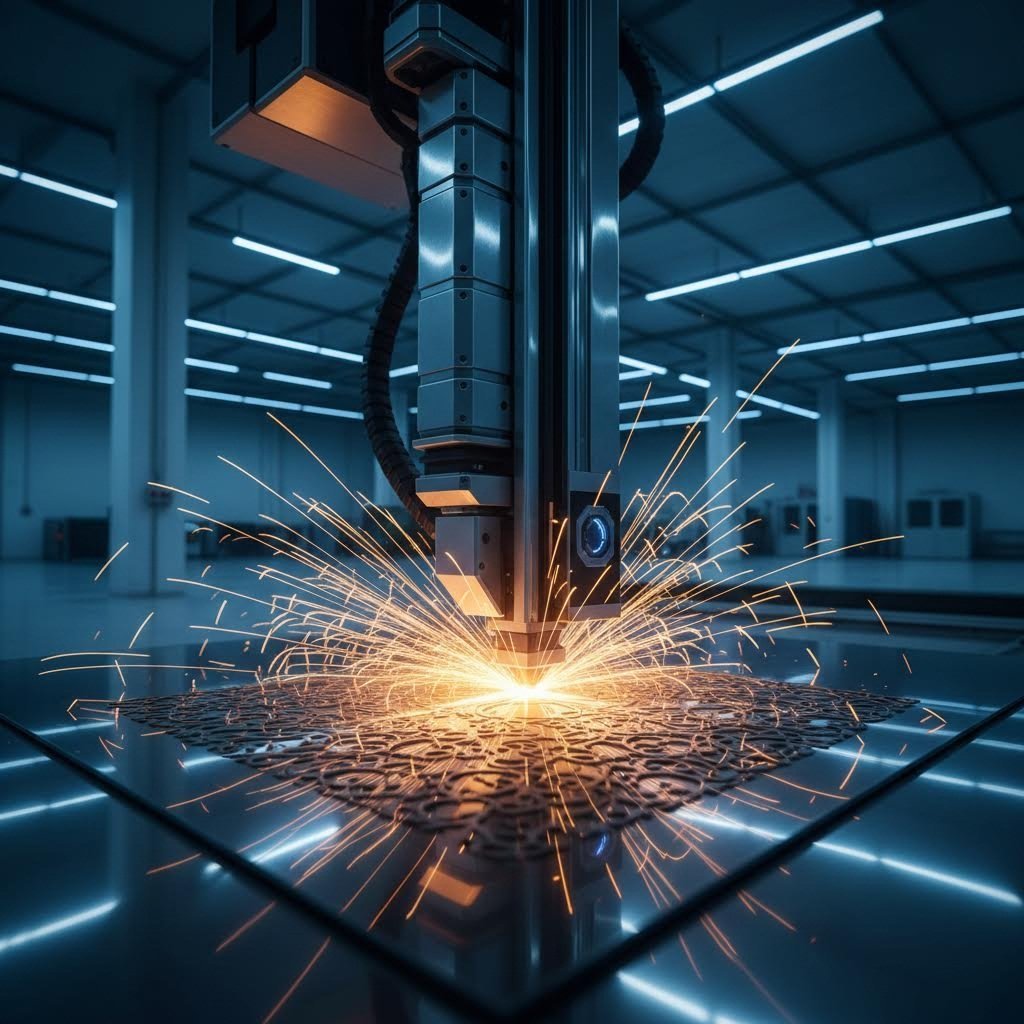
Разбиране на технологията за лазерно рязане на метали
Задавали ли сте си въпрос как производителите създават тези невероятно прецизни метални компоненти, които виждате във всичко – от смартфони до космически кораби? Отговорът често се крие в една от най-революционните технологии в съвременното производство. Преди да поискате оферта или да сравните цени, разбирането как точно работи лазерната рязка на метали ви дава знанието да вземате по-обосновани решения за вашите проекти.
Какво точно е лазерната рязка на метали
На пръв поглед, лазерната машина за рязка на метали използва концентрирана светлинна енергия, за да разрязва стомана, алуминий и други метали с изключителна точност. За разлика от традиционните методи за рязка, които разчитат на физически контакт, този процес използва високомощен лазерен лъч усочен чрез системи с числено програмно управление (CNC), за да следва точно зададени програмирани траектории.
Лазерното рязане е термичен процес, при който фокусиран лазерен лъч разтапя, изгаря или изпарява материал по програмирана траектория, като оставя ръб с висококачествена повърхностна обработка и изисква минимална последваща обработка.
Тази технология промени начините, по които индустриите подходят към металообработката. Независимо дали търсите услуги за лазерно гравиране наблизо, или са ви нужни сложни конструктивни елементи, разбирането на тази основа ви помага да комуникирате по-ефективно с доставчиците на услуги.
Науката зад прецизното рязане на метали
Как светлината прерязва плътен метал? Физиката е fascинираща, но проста. Според TWI Global , лазерният лъч се създава чрез възбуждане на лазерни материали чрез електрически разряди в затворен съд. Тази енергия се усилва чрез вътрешно отразяване, докато не излезе като поток от когерентна монохроматична светлина.
Ето какво се случва по време на операциите по лазерно рязане на метал:
- Фокусираният лъч достига металната повърхност при температури, надвишаващи точката на топене на материала
- Интензивната топлина незабавно превръща метала в течност или го изпарява по линията на рязане
- Помощни газове (обикновено кислород или азот) отстраняват разтопения материал
- Остава чист и прецизен процеп с минимални зони, засегнати от топлина
В най-тясната си точка лазерният лъч обикновено има диаметър под 0,0125 инча (0,32 мм). Въпреки това, могат да се постигнат ширини на процепа до 0,004 инча (0,10 мм), в зависимост от дебелината на материала. Тази прецизност е причината лазерното рязане на метали да стане златният стандарт за сложни дизайни.
От светлинен лъч до готова детайл
Разбирането на пътя от цифровия дизайн до готовия компонент разкрива какво всъщност плащате, когато поръчате детайли. Процесът започва, когато вашият CAD файл се превръща в CNC инструкции, които насочват лазерния резач по точни координати.
Когато рязането трябва да започне на разстояние от ръба на материала, процесът се инициира чрез пробиване. Лазер с висока мощност в импулсен режим създава входна точка — според индустриални спецификации от TWI, това може да отнеме от 5 до 15 секунди, за да се пробие лист неръждаема стомана с дебелина половин инч.
Целият процес на лазерно рязане започва бързо веднага след завършване на пробиването. Съвременните системи могат да постигнат скорости на рязане от 100 до повече от 1000 инча в минута при тънки листови метали, макар че по-дебелите материали изискват по-бавни и по-контролирани проходи. Това равновесие между скорост и прецизност пряко влияе както върху качеството, така и върху разходите — връзка, която ще анализираме по-нататък в настоящото ръководство.
Сега, когато разбирате какво точно прави тази технология, сте по-добре подготвени да оценявате оферти, задавате обосновани въпроси и да разпознавате кога доставчикът наистина разбира от занаята си, а не просто управлява оборудване.
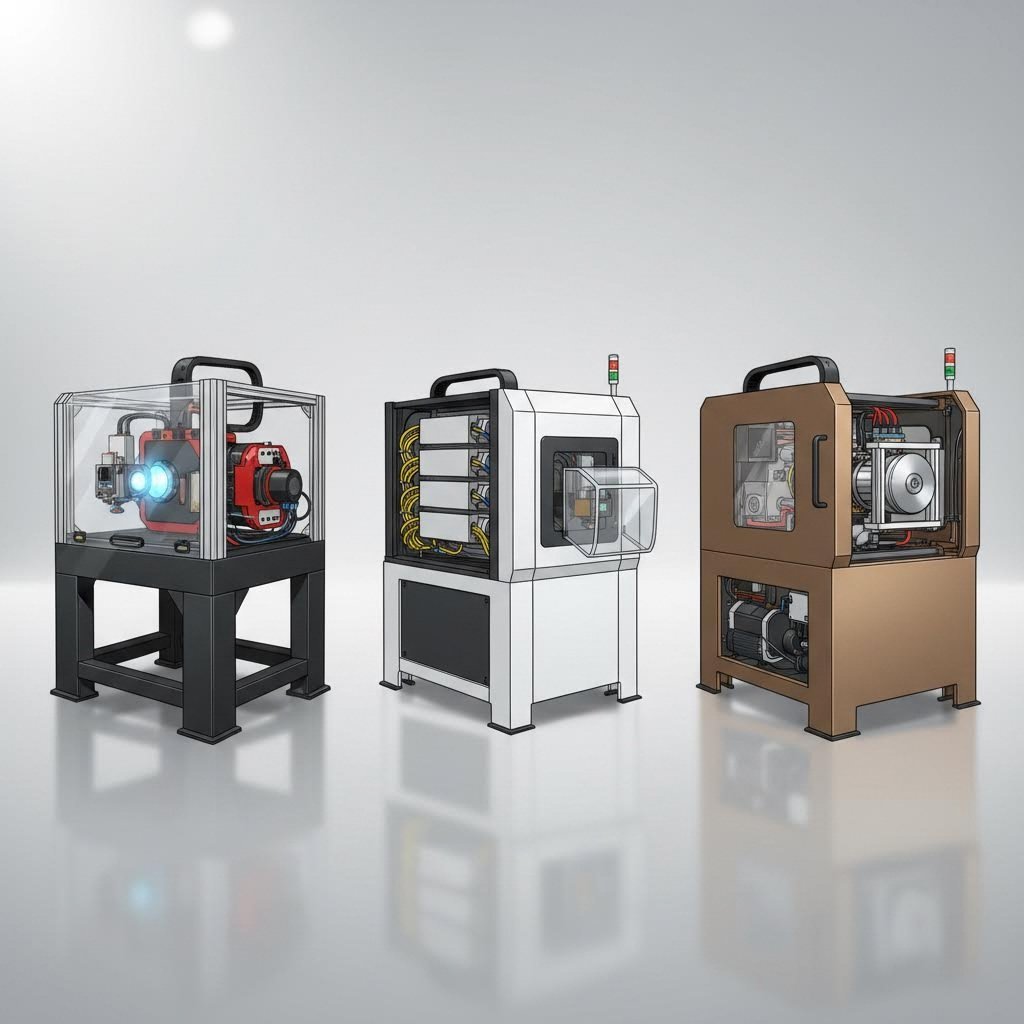
CO2 срещу Fiber срещу Nd YAG лазерни системи – обяснение
Ето нещо, което повечето доставчици на лазерна рязка няма да ви кажат: типа лазерна технология, която използват, пряко влияе на вашата оферта, качеството на детайлите и производствения график. Въпреки това конкурентите рядко обясняват тези разлики. Разбирането дали вашият проект изисква CO2, влакнест или Nd:YAG лазер за рязане на метал, ви дава преговорна сила и ви помага да изберете правилния доставчик за вашите конкретни нужди.
CO2 лазери и техните предимства
CO2 лазерите са работните коне в рязането на метали от десетилетия. Тези системи използват газова смес предимно състояща се от въглероден диоксид , азот и хелий, за да генерират режещия лъч. Когато електрически ток възбужда молекулите на азота, те предават енергия на CO2 молекулите, които след това излъчват светлина в инфрачервената част на спектъра с дължина на вълната 10 600 nm.
Какво прави машината за рязане на метал с co2 лазер особено ценна? Помислете за тези характеристики:
- Отлична производителност при по-дебели материали, особено върху въглеродиста и неръждаема стомана
- Превъзходно качество на ръба при материали с дебелина над 0,25 инча
- Универсалност при работа както с метали, така и с неметали, когато е необходимо
- Скорости на рязане до 1200 мм/с при съвместими материали
- Мощности от 30 W за леки задачи до 400 W за индустриални приложения
Въпреки това, CO2 системите изискват редовно поддържане, включително замяна на газови тръби и регулиране на огледалата. Енергийната им ефективност е около 10–20%, което означава по-високи експлоатационни разходи в сравнение с по-новите технологии. При проекти, включващи силно отразяващи метали като мед или алуминий, CO2 лазерите се справят слабо без специализирани покрития или обработки.
Защо фибер лазерите доминират в съвременните цехове
Влезте във всяко напреднало производствено предприятие днес и най-вероятно ще видите, че процесът се управлява от фибер лазерни системи. Тези машини за рязане на метал използват стъклена фибра, легирана с редкоземни елементи (обикновено итербий), като активна среда, генерирайки дължина на вълната от 1064 nm, която металите абсорбират по-ефективно.
Предимствата обясняват бързото им внедряване в различни индустрии:
- Надминаваща производителност при отразяващи метали, включително алуминий, мед и месинг
- Скорости на рязане 2-3 пъти по-високи от CO2 при тънки листови метали
- Енергийна ефективност над 30 %, значително намаляваща експлоатационните разходи
- Минимално поддръжка с продължителност на живот до 100 000 часа
- Компактни размери, идеални за обекти с ограничено пространство
- Изключително висока прецизност за сложни дизайни
При оценката на лазерна машина за рязане на ламарина за производствени цели, влакнестата технология често предлага най-добрата стойност. Лазерният лъч се генерира и насочва чрез интегрирано гъвкаво средство, което позволява по-добро доставяне до целевото местоположение без сложните огледални системи, необходими при CO2 лазерите.
Това казано, влакнестите лазери имат ограничения. Те са проектирани предимно за металообработка и няма да се представят добре при неметални материали. Първоначалните разходи за оборудване са по-високи в сравнение с CO2 системите, макар че по-ниските експлоатационни разходи често компенсират това с времето. За любители, които разглеждат възможността за лазерна режеща машина за метал за употреба в домашни условия, достъпните модели с влакнест лазер стават все по-достъпни, макар че промишлените режещи машини продължават да изискват значителни инвестиции.
Лазери Nd:YAG за специализирани приложения
Nd:YAG (неодим-легирани йотриево-алуминиев гранат) лазери заемат специализирана ниша в областта на CNC лазерната рязка. Тези твърдотелни системи генерират импулсни лазерни лъчи с дължина на вълната 1,06 μm, което ги прави особено подходящи за приложения, изискващи изключителна прецизност и контролирано доставяне на енергия.
Според Техническото сравнение на STYLECNC , Nd:YAG системите се отличават там, където другите технологии изостават:
- Микрорязане с изключителна детайлизация върху тънки материали
- Производство на медицински устройства, изискващо хирургическа прецизност
- Компоненти за аерокосмическата промишленост със строги изисквания за допуснати отклонения
- Обработка на керамика, пластмаси и други неметали заедно с метали
- Приложения, изискващи импулсен режим на работа за минимални зони, засегнати от топлина
Какви са компромисите? Лазерите Nd:YAG имат по-ниска ефективност на преобразуване на светлината в електроенергия, което ги прави по-скъпi за експлоатация. Кристалният прът създава вътрешни температурни градиенти по време на работа, което ограничава средната мощност. Тези системи изискват и по-сложна поддръжка, включително замяна на лампи за проблясък, както и отделни оптични пътища за правилното им функциониране.
Избор на подходяща лазерна технология
Изискванията за вашия проект трябва да определят избора на технология, а не просто наличното оборудване у доставчика. Ето сравнителен анализ, който да ви помогне при вземането на решение:
| Фактор | Лазер CO2 | Оптичен лазер | Nd:YAG лазер |
|---|---|---|---|
| Съвместимост на материалите | Челюк, неръждаема стомана, дърво, акрил, стъкло | Челюк, алуминий, мед, месинг, титан | Метали, керамика, пластмаси, специални сплави |
| Диапазон на дебелината | До 1" стомана; отличава се при дебели материали | Най-добър при дебелини под 0,5"; слаб при много дебели материали | Тънки материали; прецизна работа под 0,25" |
| Скорост на рязане | Умерена (до 1200 мм/с) | Най-бърза (2-3 пъти по-бърза от CO2 при тънки метали) | По-бавен; оптимизиран за прецизност вместо скорост |
| Експлоатационни разходи | По-висока (10-20% ефективност, редовно поддържане) | Най-ниска (над 30% ефективност, минимално поддържане) | Най-висока (сложна поддръжка, смяна на лампи за проблясък) |
| Най-добри приложения | Рязане на дебел стоман, работилници със смесени материали | Масово производство на метал, отразяващи метали | Медицински устройства, аерокосмическа промишленост, микро-рязане |
| Срок на експлоатация | ~20 000 часа (необходима подмяна на тръбата) | ~100 000 часа | Променливо (зависи от циклите на лампата) |
Когато поисквате оферти за услуги по лазерно рязане на метал, попитайте доставчиците коя технология ще използват за вашия проект. Магазин, използващ влакнени лазери за работа с алуминий, ще осигури по-бързо изпълнение и по-чисти ръбове в сравнение с такъв, който принуждава CO2 оборудване да обработва отразяващи материали. Разбирането на тези различия ви превръща от пасивен клиент в информиран партньор в производствения процес.
След като са разгледани основите на лазерната технология, следващият важен фактор, влияещ върху вашата оферта, е свързан с конкретните метали, които режете, и ограниченията по дебелина — променливи, които определят кой тип лазер изобщо е приложим за вашия проект.
Съвместими метали и спецификации за дебелина
Избрахте лазерната си технология – но ето какво наистина определя дали проектът ви ще успее или ще се провали: конкретният метал, който режете, и колко дебел е той. Звучи просто? Реалността е по-нюансирована. Всеки метал се държи по различен начин под този интензивен лазерен лъч, а ограниченията по дебелина варирали значително в зависимост от свойствата на материала и мощното на лазера. Разбирането на тези променливи преди да поискате оферта ви спасява от скъпоструващи изненади и ви помага да оптимизирате дизайна си както за качество, така и за бюджет.
Възможности за рязане на стомана и неръждаема стомана
Сталът остава най-често обработваният материал при лазерно рязане на метали и с добро основание. Въглеродният стоман абсорбира лазерната енергия ефективно, като осигурява чисти резове с минимални усложнения. Лазерното рязане на стомана осигурява прогнозируеми резултати в широк диапазон от дебелини, което го прави базов стандарт, срещу който се сравняват други материали.
Според Ръководство за дебелина на рязане на HGTECH , ето какво могат да постигнат различните нива на мощност при въглероден стоман:
- лазер 500W: Максимална дебелина 6 мм
- 1000W лазер: Максимална дебелина 10 мм
- 2000W лазер: Максимална дебелина 16 мм
- 3000W лазер: Максимална дебелина 20 мм
- 10 000W+ лазери: Въглеродна стомана до 40 мм с рязане на ярка повърхност при 18-20 мм/с
Рязането на неръждаема стомана изисква по-голяма мощност за еквивалентни дебелини поради отразяващите свойства на материала и съдържанието на хром. При 3000W лазер максималната дебелина за неръждаема стомана е 10 мм, спрямо 20 мм за въглеродна стомана. Въпреки това, когато рязането на неръждаема стомана се извършва правилно, резултатите са изключителни — чисти ръбове, минимално оксидиране и превъзходна устойчивост на корозия на готовата детайл.
Материалните класове имат голямо значение тук. Аустенитните неръждаеми стомани като 304 и 316 са популярни избори, защото осигуряват баланс между обработваемост и устойчивост на корозия. Според Ръководството за неръждаема стомана на Accurl , типичните допуски при рязане варират от ±0,1 мм до ±0,2 мм за тънки материали и се увеличават до ±0,3 мм до ±0,5 мм за по-дебели сечения. Тези спецификации директно влияят на постижимата прецизност на крайните ви детайли.
Работа с отразяващи метали
Тук нещата стават интересни — и точно тук много доставчици изпитват затруднения. Отразяващите метали като алуминий, мед и месинг представляват уникални предизвикателства, тъй като отразяват лазерната енергия от зоната за рязане. Това не е само въпрос на ефективност; отразените лъчи могат да повредят оборудването, ако не се управляват правилно.
Рязането на алуминий с лазер е станало все по-осъществимо с развитието на фибер лазерната технология. Дължината на вълната от 1064 nm при фибер лазерите се абсорбира по-лесно от алуминия в сравнение с дължината на вълната от 10 600 nm при CO2 системите. Въпреки това, рязането на алуминий с лазер изисква по-високи нива на мощност:
- лазер 500W: Максимум 2 мм алуминий
- 1000W лазер: Максимум 3 мм алуминий
- 2000W лазер: Максимум 5 мм алуминий
- 3000W лазер: Максимум 8 мм алуминий
- 10 000 W лазер: Сплав на алуминий до 40 мм
Медта и месингът усилват тези предизвикателства още повече. Двете метали притежават отлична топлопроводност — те разсейват топлината по-бързо, отколкото лазерът може да я концентрира. Според MetalsCut4U, напреднало лазерно оборудване за рязане на метали се справя ефективно с медта, но трябва да очаквате максимални дебелини около 2–8 мм в зависимост от нивото на мощност.
Титанът заема уникално положение. Въпреки че е един от най-силните метали, сравнително ниската му топлопроводност го прави изненадващо подходящ за лазерно рязане на метални листове. Авиационната и медицинската индустрия силно разчитат на лазерно рязане на титан за компоненти, изискващи изключително високо съотношение между якост и тегло.
Ръководство за дебелина на материала според типа метал
Когато планирате проекта си, използвайте тези насоки, за да съпоставите избора на материал с реалистични очаквания за дебелина:
| Метален тип | максимум 500 W | 1000W MAX | 2000W Макс | 3000W MAX | Най-добър тип лазер |
|---|---|---|---|---|---|
| Въглеродна стомана | 6 мм | 10mm | 16mm | 20 мм | CO2 или влакно |
| Неръждаема стомана | 3 мм | 5мм | 8мм | 10mm | Предпочита се влакно |
| Алуминиеви | 2 мм | 3 мм | 5мм | 8мм | Изисква се влакно |
| Мед | 2 мм | 3 мм | 5мм | 8мм | Изисква се влакно |
| Мед | 2 мм | 3 мм | 5мм | 8мм | Изисква се влакно |
| Титаний | 3 мм | 5мм | 8мм | 10mm | Предпочита се влакно |
Едно важно различие, често пренебрегвано: максималната дебелина на рязане не е същото като качествената дебелина на рязане. HGTECH отбелязва, че ако се изисква гладка и блестяща повърхност, тези максимални стойности трябва да бъдат намалени приблизително с 60%. Лазер с мощност 3000 W може да реже 12 mm неръждаема стомана, но за постигане на качествена блестяща повърхност е необходимо да останете под този праг.
Когато при избирането на материали за вашия проект , имайте предвид следните ключови фактори:
- Изисквания за допуски: По-тънките материали осигуряват по-строги допуски (±0,1 мм спрямо ±0,5 мм за по-дебели секции)
- Изисквания за качеството на ръба: Отразяващите метали могат да изискват азот като помощен газ за получаване на ръбове без оксиди
- Планиране на последваща обработка: Някои комбинации от дебелина на материала изискват ръбове, които се нуждаят от минимална довършителна обработка
- Бюджетни ограничения: По-дебелите резове изискват повече машинно време и по-висока мощност, което увеличава разходите
- Възможности на доставчика: Не всички работилници разполагат с лазери с висока мощност за максимални дебелини
Разбирането на тези зависими от материала характеристики променя начина, по който подходите към планирането на проекта. Вместо просто да посочите «неръждаема стомана», сега можете да задавате обосновани въпроси относно класовете, ограниченията за дебелина и очакваните допуски — детайли, които директно влияят както на точността на офертирането, така и на крайното качество на детайлите.
След като е решен въпросът за избора на материал, как лазерната рязка се сравнява с алтернативни методи като водна струя, плазмена рязка или CNC фрезоване? Отговорът напълно зависи от конкретните изисквания на вашия проект.
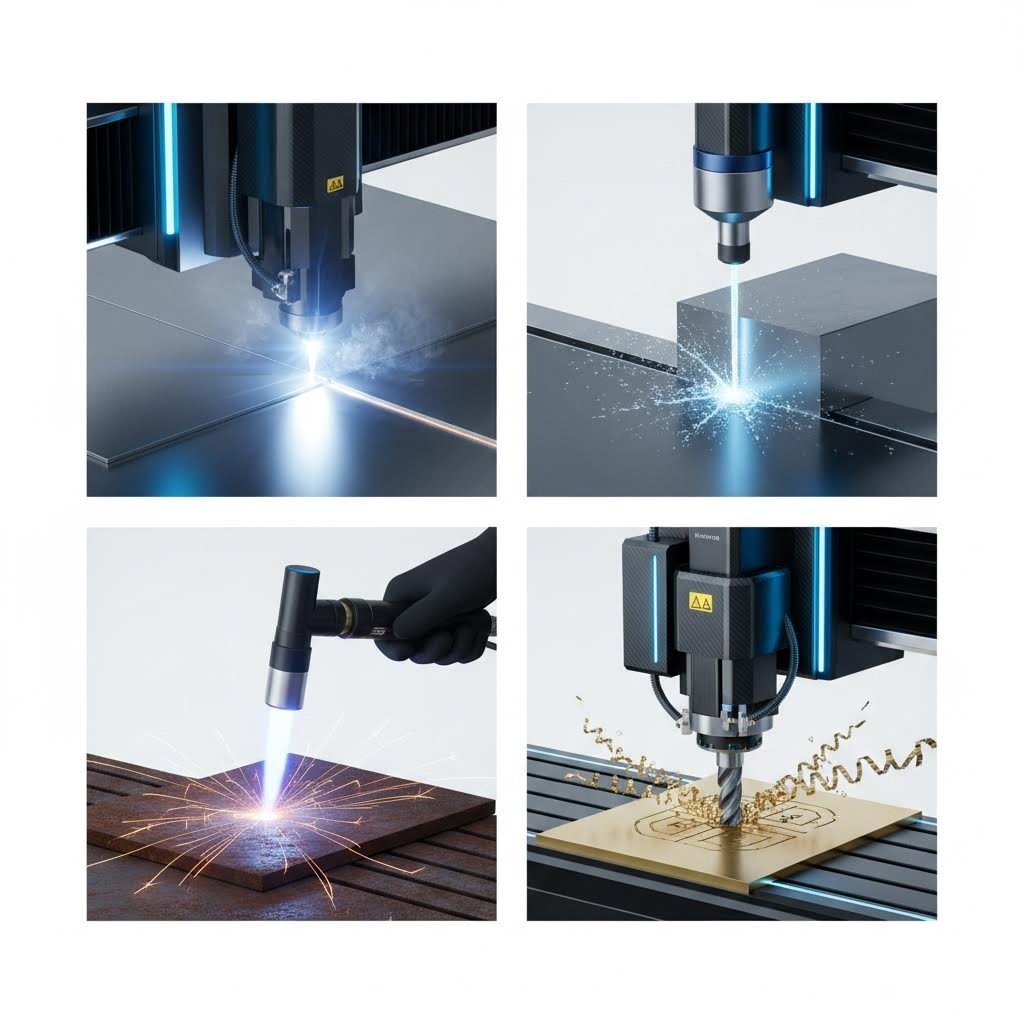
Лазерно рязане срещу водна струя, плазма и CNC методи
Знаете, че ви трябват изрязани метални части – но наистина ли лазерът е правилният избор? Тук повечето доставчици ви подвеждат. Ще споменат „лазер срещу плазма“ в заглавие, след което незабавно ще преминат към бутон за оферта, без да обяснят нищо полезно. Истината е, че всяка технология за рязане има предимства в определени ситуации и грешният избор може да ви струва хиляди в поправки, загубен материал или некачествени резултати.
Нека разгледаме какво наистина има значение при сравняването на прецизно лазерно рязане с водна струя, плазма и CNC фрезоване – като обхванем реалните фактори, които влияят на крайния резултат и разходите по вашите проекти.
Лазер срещу водна струя за прецизна работа
Когато точността е най-висок приоритет, сравнението между лазерно рязане и рязане с водна струя става интересно. Двете технологии осигуряват изключителна точност, но я постигат чрез напълно различни подходи – а тези различия имат значение за конкретното ви приложение.
Лазерът за рязане на метал използва концентрирана светлинна енергия, достигайки температури, които незабавно изпаряват материала по програмирани пътища. Според Тестовете на Wurth Machinery , лазерното рязане осигурява най-малките допуски от всички термични методи за рязане:
- Точни допуски до ±0,001" при тънки материали
- Изключително чисти ръбове, изискващи минимална последваща обработка
- Надминаващо представяне при сложни дизайни и малки отвори
- Най-добри резултати при материали с дебелина под 0,25"
Рязането с водна струя използва напълно различен подход. Високонапорна вода (до 90 000 PSI), смесена с абразивни частици, разрушава материала по линията на рязане. Този студен процес напълно премахва зоните с топлинно въздействие — важно предимство за определени приложения:
- Без топлинна деформация или втвърдяване на материала
- Реже практически всеки материал, включително камък, стъкло и композити
- Запазва цялостността на материала при чувствителни към топлина сплави
- Допуски обикновено около ±0,005" до ±0,01"
Ето честното компромисно решение: водоструйните системи работят със скорост 5-20 инча в минута, докато лазерната технология достига скорости над 100 инча в минута при сравними материали. При производствени серии с голям обем тази разлика в скоростта се превръща директно в разходи за отделна част. Въпреки това, когато е напълно невъзможно да се внася топлина в заготовката — като например при аерокосмически компоненти или предварително затвърдени инструментални стомани — водоструята става единствената жизнеспособна опция.
Когато плазменото рязане е по-рационално
Търсите „плазмено рязане наблизо“ вместо лазерни услуги? Може би сте на правилния път. Плазменото рязане използва ускорена струя йонизиран газ, достигаща температури до 45 000°F, за пробиване на проводими метали. Въпреки че не притежава хирургическата прецизност на лазера, плазмата доминира в определени приложения, където най-голямо значение имат скоростта и икономическа ефективност.
Според Ръководството на StarLab CNC за 2025 г. , плазменото рязане предлага убедителни предимства за подходящите проекти:
- Скорости на рязане над 100 инча в минута при стомана с дебелина 0,5 инча
- Отлични резултати при работа с материали с дебелина от 0,018 до 2 инча
- Експлоатационните разходи са приблизително с 40-60% по-ниски в сравнение с лазерното рязане за фут рязане
- Пълни плазмени системи от около 90 000 долара спрямо 195 000 долара и повече за съпоставими водно-абразивни системи
- Надминаващи възможности за рязане под ъгъл за подготовка на заваряване
Сравнението по дебелина е особено показателно. Докато лазерното рязане значително забавя при материали над 0,25 инча дебелина, плазменото запазва постоянна скорост при стомана до 1 инч и повече. При производството на стоманобетонни конструкции, тежка техника или корабостроене, плазменото рязане осигурява ненадмината стойност.
Какво да кажем за качеството на ръба? Съвременните високоефективни плазмени системи значително намалиха разликата. Според отраслови тестове, HD плазмата постига качество на ръба, съперничещо на лазерното при материали с дебелина над 0,25", като в същото време рязането е значително по-бързо. Допуснатите отклонения от ±0,010" до ±0,015" удовлетворяват повечето структурни и индустриални приложения, макар и да не достигат прецизността от ±0,001", която лазерното рязане осигурява при тънки листове.
CNC фрезоване срещу лазер за вашия проект
CNC фрезоването заема напълно различно място в пейзажа на рязане на метали. Вместо термично или ерозивно рязане, фрезоването използва въртящи се режещи инструменти, които физически премахват материал — процес на субтрактивна обработка, който предлага уникални възможности, но и реални ограничения.
Лазерен CNC резач за метал се представя отлично при 2D профилно рязане с изключителна скорост и качество на ръба. Фрезоването с CNC обаче отваря врати към операции, които лазерите просто не могат да извършват:
- Триизмерно контуриране и сложна обработка на повърхности
- Нарязване, нарезаване и прецизно пробиване на отвори
- Фрезоване на джобове с променлива дълбочина и създаване на кухини
- Едновременна обработка на множество елементи от детайла
Според Сравнение на техниките на James Manufacturing , CNC машинната обработка предлага ненадмината гъвкавост — от прости резове до сложни 3D форми — което я прави изключително пригодена както за прототипиране, така и за производство. Въпреки това, скоростта и разходите работят срещу фрезоването при чисто 2D рязане, където лазерът или плазмата биха били достатъчни.
Решението често зависи от изискванията на проекта. Нуждаете ли се от сложни 2D модели в ламарина? Лазерът печели по скорост и прецизност. Изисквате ли 3D контури, нарязани отвори или сложни геометрии в единична настройка? Тогава CNC фрезоването става задължително. Много напреднали части всъщност изискват последователно използване на двете технологии.
Пълно сравнение на методите за рязане
След като разгледахме всички четири метода, ето подробното сравнение, което ще ви помогне да подберете подходящата технология според изискванията на проекта:
| Фактор | Лазерно рязане | Резане с воден струй | Плазмено рязане | Фрезиране чрез CNC |
|---|---|---|---|---|
| Прецизност на допуските | ±0,001" до ±0,005" | ±0,005" до ±0,01" | ±0,010" до ±0,015" | ±0,001" до ±0,005" |
| Диапазон на дебелината | Най-добре при дебелина под 0,5"; максимум ~1" | До 12"+ всеки материал | 0,018" до 2"; отлично при 0,5–1,5" | Варира; обикновено под 4" |
| Качество на обработката на ръба | Отлично; минимална довършителна обработка | Добро; гладко, но може да изисква довършване | Добро с HD; може да се наложи шлайфане | Отлично при правилни режещи инструменти |
| Теплови деформации | Минимална топлинно засегната зона | Липсва (студено рязане) | Умерено; по-голяма топлинно въздействаща зона | Липсват (механичен процес) |
| Цена на част (тънка) | Ниско до умерено | Средно до висока | Ниска | Средно до висока |
| Цена на част (дебела) | Висока (бавно рязане) | Умерен | Ниска | Умерен |
| Скорост на рязане | Бързо при тънки материали; бавно при дебели | Бавно (5-20 ipm) | Бързо (над 100 IPM при стомана с дебелина 0,5") | Средно; зависи от операцията |
| Идеални приложения | Електроника, медицински изделия, прецизни части, тънка сложна обработка | Авиокосмическа промишленост, термочувствителни материали, камък, стъкло | Конструкционна стомана, тежка техника, отоплителни и климатични системи, корабостроене | 3D части, сложни геометрии, нарязани елементи |
Вашето технологично решение
След като разгледате всички четири метода, „най-добрият“ метод за рязане напълно зависи от конкретните променливи на вашия проект. Помислете за следните фактори при вземане на решение:
Изберете прецизно лазерно рязане, когато:
- Работите с тънки листови метали с дебелина под 0,25"
- Сложни дизайни изискват висока точност
- Чисти ръбове без вторична довършителна обработка
- Обемите на производството оправдават експлоатационните разходи
Изберете водна струя, когато:
- Зоните, засегнати от топлина, са недопустими
- Рязане на неметали или чувствителни към топлина сплави
- Материалната цялост трябва напълно да се запази
- Рязане на дебели материали, при които лазерът има затруднения
Изберете плазмено рязане, когато:
- Обработване на дебели проводими метали (0,5"+ стомана)
- Скоростта и икономическа ефективност надвишават нуждите от прецизност
- Структурни или индустриални приложения не изискват тесни допуски
- Ограниченият бюджет благоприятства по-ниски експлоатационни разходи
Изберете CNC фрезоване, когато:
- Изискват се триизмерни елементи
- Частите изискват нарязване, нарезаване или прецизни отвори
- Комплексните геометрии надхвърлят възможностите на 2D рязане
- Завършването в един настрой намалява разходите за обработка
Много цехове за обработка поддържат множество технологии точно защото нито една отделно взето не е оптимално за всичко. При оценката на доставчици, тези, които предлагат различни възможности за рязане, често могат да препоръчат най-добрия подход за вашия конкретен проект — вместо да принуждават изискванията ви към единствената им налична технология.
Разбирането на тези технологични компромиси ви поставя в позиция да задавате по-добри въпроси и да разпознавате кога оферта отразява правилния метод за вашия проект. Въпреки това, освен технологията за рязане, друга съществена разлика значително повлиява както възможностите, така и разходите: разликата между рязане на ламарини и рязане на тръби.
Рязане на ламарини срещу рязане на тръби
Забелязали ли сте, че някои доставчици на лазерно рязане посочват „рязане на листове“ и „рязане на тръби“ като напълно отделни услуги? Има причина за това разделяне – и разбирането му ви помага да получите точни оферти и да изберете подходящия доставчик за вашия проект. Това не са взаимозаменяеми процеси с незначителни различия. Те изискват принципно различна техника, подходи в програмирането и експертност.
Основи на рязането на плоски листове
Когато мислите за традиционното лазерно рязане на листов метал, визуализирате обработката на плоски листове. Материалът стои неподвижен върху рязалното легло, докато лазерната глава се движи по зададени програмни пътища. Тази простота всъщност е голямо предимство — детайлите остават фиксирани в листа, от който са изрязани, независимо от дебелината, вида на материала или сложността на получените геометрии.
Системата за лазерно рязане на листов метал се фокусира върху двуизмерно контурно рязане с изключителна ефективност. Процесът следва прост работен поток:
- Плоският листов материал се зарежда на рязалната маса (ръчно или чрез автоматични зареждащи устройства)
- Лазерната глава се придвижва по оси X и Y, следвайки пътищата, програмирани от CNC
- Изрязаните детайли остават групирани в рамките на основния лист, докато обработката не бъде завършена
- Готовите детайли се отделят от скелета (остатъчния листов материал)
- Вторични операции като огъване или довършителна обработка следват при нужда
Оптимизирането на материала при листова обработка силно зависи от алгоритми за групиране — софтуер, който позиционира и завърта всички детайли, за да максимизира използването на материала. Тези алгоритми разполагат детайлите възможно най-близо един до друг, като оставят минимални отпадъци и позволяват по-голям брой компоненти да бъдат разположени на един лист. При производство с голям обем, напредналото групиране може да намали разходите за материал с 15–25% в сравнение с неефективни подредби.
Методът с лазерна рязка на листови метали работи изключително добре за скоби, панели, кутии, уплътнения и практически всеки плосък компонент. Ако проектът ви включва части, които започват като плоски профили — дори ако по-късно ще бъдат огънати в триизмерни форми — рязката на листовина е вашата отправна точка.
Обяснение на лазерната рязка на тръби и профили
Ето къде нещата стават значително по-сложни. Според Техническия анализ на BLM Group , първото нещо, което отличава услугите за лазерна рязка на тръби, е че материала се движи през целия процес. Тази основна разлика има сериозни последици за надеждността и производителността.
Настройката на лазерна режеща машина за листови метали задържа заготовките неподвижни. Тръбни системи, напротив, трябва непрекъснато да въртят и подават цилиндрични или профилирани материали през зоната за рязане. Това създава уникални инженерни предизвикателства:
- Тънки, гъвкави тръби имат тенденция да се огъват и заклинват без подходящо насочване, увеличавайки риска от прекъсвания
- Тежки тръби прилагане на натоварване чрез удар и вибрации, изискващи механична устойчивост
- Променливи профили изискват автоматично регулиране на лазерната мощност за постигане на постоянство в качеството на рязане
- Заваръчни шевове изискват компенсация на мощността, когато дебелината не е постоянна
Разнообразието от форми на тръби добавя допълнителна сложност. Услугите за лазерно рязане на тръби обработват далеч повече от прости кръгли тръби. Съвременните системи обработват:
- Кръгли тръби: Първоначалният профил за рязане на тръби — постоянната кривина опростява програмирането
- Правоъгълни тръби: Изискват компенсация на ъглите и внимателно управление на мощността при преходите от равни части към ъгли
- Правоъгълни тръби: Подобни на квадратни, но с различни разстояния на стените, които влияят на параметрите на рязане
- Отворени профили: C-профили, ъгли и конструкционни форми със сложна геометрия
- Сечения с променлива дебелина: Профили, при които промяната на дебелината на стената изисква динамично регулиране на лазерната мощност
BLM Group отбелязва, че всеки профил и форма поставят предизвикателства за правилното управление — от зареждане и обработка до точно настройване на лазерната мощност за последователно висококачествено рязане. Тримерността на тръбите прави компактирането на детайлите по-сложно в сравнение с оптимизацията при листове, особено когато детайлите се различават един от друг. Могат да се спестят много метри материал, когато се премине от средно решение към оптимално.
Една възможност, уникална за рязане на тръби: 3D фасово рязане. Това включва накланяне на лазерния лъч спрямо повърхнината на тръбата по време на рязането, за да се създадат фасови отвори, наклонени ръбове и прецизни връзки между тръбите. Тези характеристики опростяват последващите операции по заваряване, но изискват сложни програмиране и контрол на машината.
Типични приложения по вид услуга
Разбирането коя услуга се прилага за вашия проект започва с разпознаване на често срещаните приложения за всяка от тях:
Приложения за лазерно рязане на ламарини:
- Капаци и корпусни компоненти за електроника
- Автомобилни каросерии и структурни скоби
- Архитектурни панели и декоративни метални изделия
- Компоненти и фитинги за Вентилация, отопление и климатизация (ВОК)
- Корпуси на медицински устройства и заготовки за хирургически инструменти
- Компоненти за табела и дисплеи
- Защити и капаци за промишлени машини
Приложения за лазерно рязане на тръби:
- Рамки за мебели и носещи конструкции
- Автомобилни изпускателни системи и каросерии
- Архитектурни перила и носещи конструкции
- Рамки за фитнес уреди
- Компоненти за селскостопански машини
- Рамки за велосипеди и мотоциклети
- Промишлени транспортни системи и оборудване за обработка на материали
Съчетаване на услуги за листове и тръби
Много реални проекти не се вписват ясно в една категория. Представете си, че проектирате стоманена рамка за оборудване — може да са ви необходими лазерно изрязани тръбни секции за структурния скелет, както и плочи от ламарина за странични панели, монтажни плочи и врати за достъп. Точно в такива случаи разбирането на двете услуги е от голяма стойност.
Пълните производствени процеси често включват множество операции, които излизат извън просто рязане:
- Огъване и формоване: Често плоските листови части се изисква да бъдат навити чрез гънка до триизмерни форми
- Заваряване и монтаж: Рязани тръбни секции и листови компоненти се свързват заедно в готови конструкции
- Повърхностна обработка: Напудряването, боядисването или покритието защитават и украсяват завършените сглобки
- Влагане на фурнитура: PEM гайки, пирони и разпорки се монтират в лазерно изрязани отвори
- Контрол на качеството: Измерването на размерите гарантира, че частите отговарят на спецификациите
Доставчиците, предлагат както листови, така и тръбни възможности под един покрив, могат да координират тези операции по-ефективно в сравнение с разделянето на работата между няколко доставчика. Те разбират как тръбните съединения се подравняват с точките за монтиране на листовете, как допуснатите отклонения при рязането се натрупват по време на сглобяването и как да оптимизират целия работен процес, а не само отделните операции.
Когато поисквате оферти за проекти, изискващи двата вида услуги, попитайте потенциалните доставчици за техните интегрирани възможности. Монтаж, който реже листове, но аутсорсва работата по тръби – или обратното – води до забавяния при предаването, комуникационни пропуски и потенциални проблеми с натрупването на допуски, което засяга както график, така и качество.
След като видовете услуги са уточнени, следващият фактор, който влияе на вашата оферта, е нещо напълно под ваш контрол: колко добре сте подготвили файловете си с проекта и дали спазвате най-добрите практики за чертежи, готови за лазерна рязка.
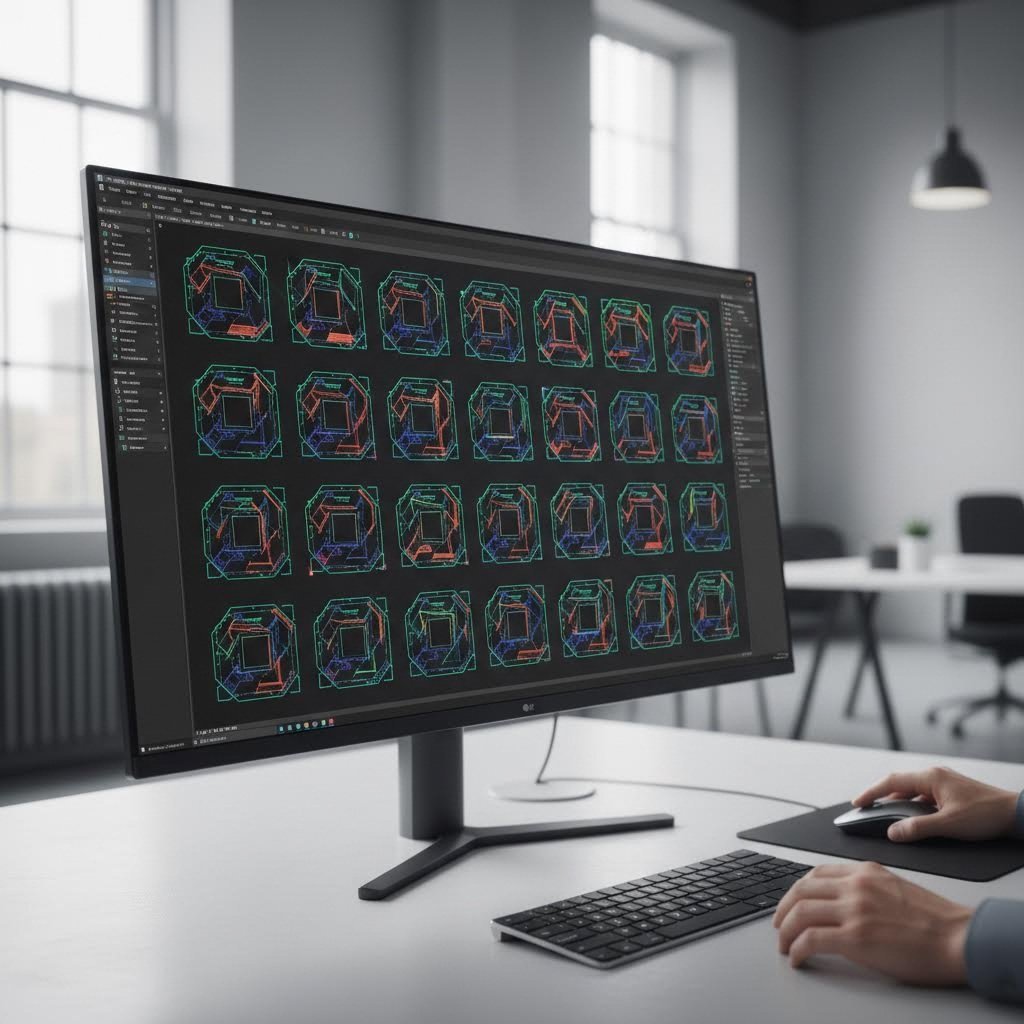
Ръководство за проектиране и подготовка на файлове
Ето една обезпокоителна реалност: вашият дизайн може да е технически изключително добър, но напълно неподходящ за лазерна рязка. Повечето доставчици споменават „насоки за дизайн“ някъде в сайтовете си – след което ви оставят да гадаете какво всъщност има значение. Истината? Правилното подготвяне на файловете и оптимизацията на дизайна могат да намалят офертата ви с 20–30%, като едновременно значително подобрят качеството на детайлите. Нека запълним тази информационна пропаст с конкретни насоки, които наистина помагат.
Формати на файлове и изисквания за подготовка
Преди лазерът да докосне метала, вашият дизайн трябва да бъде преведен в инструкции, разбираеми за машината. Не всички файлови формати са равностойни и предоставянето на грешен тип води до забавяния, цикли на редакции и потенциално по-високи разходи.
Според указанието на Xometry за проектиране при листова рязка, разбирането на разликата между растерните и векторните файлове е основно. Лазерните резачки изискват векторна графика — математически описания на линии и криви, а не базирани на пиксели растерни изображения. Снимка на Вашия компонент няма да свърши работа; необходима Ви е действителна CAD геометрия.
Приетите файлови формати за лазерна рязка на метални листове обикновено включват:
- DXF (Drawing Exchange Format): Индустриален стандарт за 2D режещи пътища — универсално съвместим между всички CAD системи
- DWG (AutoCAD Drawing): Роден AutoCAD формат с пълна поддръжка на слоеве и обекти
- STEP/STP: 3D моделен формат, полезен когато компонентите изискват огъване или вторични операции
- AI (Adobe Illustrator): Векторен формат, популярен при декоративни или художествени компоненти с лазерна рязка
- PDF: Приемлив, когато е експортиран като векторна графика от CAD софтуер
Оптимизацията на файла има по-голямо значение от избора на формат. Xometry подчертава необходимостта от премахване на излишна информация — конструкционни линии, размери, дублирана геометрия и слоеве с анотации — преди подаване. Текстът трябва да бъде преобразуван в контури или пътища, тъй като шрифтовете не се прехвърлят между системите. Тези изглеждащи дребни проблеми могат да доведат до закъснения при оценката на цената и програмни грешки, които увеличават разходите.
Една честа грешка? Грешки в мащаба. Детайл, начертан в инчове, но интерпретиран като милиметри, пристига 25 пъти по-малък от очакваното. Винаги проверявайте единиците за измерване и включвайте референтен размер, срещу който доставчикът ви може да направи проверка.
Правила за проектиране за оптимално качество на рязане
Разбирането на ширината на рязане променя начина, по който подходите към проектирането за лазерна обработка. Керфът — материалът, премахнат при процеса на рязане — обикновено варира от 0,1 мм до 1,0 мм в зависимост от дебелината на материала и лазерните параметри, според Най-добри практики на MakerVerse .
Защо това има значение? Ако ви трябва отвор с диаметър 10 мм, не трябва да чертаете кръг с диаметър 10 мм. Лазерът премахва материал по този път, затова крайният отвор ще бъде малко по-голям. Прецизната лазерна рязане на листови метали изисква компенсация на ширината на реза — приложена от вас или от вашия доставчик.
Критични проектни спецификации за спазване:
- Минимален размер на елемента: Обикновено 1-2 пъти дебелината на материала за надеждно рязане
- Разстояние от дупка до ръб: Запазете поне 1,5 пъти дебелината на материала, за да се предотврати разкъсване или деформация
- Разстояние между резовете: Разположете геометрията на резовете на поне 2 пъти дебелината на листа, за да се избегне деформация
- Минимален диаметър на отвор: Типично равна на дебелината на материала или по-голяма
- Широчина на фиксиращите табове за задържани части: Поне 2 пъти дебелината на материала за части, които остават прикрепени по време на рязане
Размерните допуски представляват допустимото отклонение в готовата детайл. За лазерно изрязан алуминий и други метали типичните допуски варират от ±0,1 мм до ±0,2 мм при тънки материали и се увеличават до ±0,3 мм до ±0,5 мм за по-дебели сечения. Тези спецификации трябва да повлияят на вашите проектни решения — не задавайте допуски от ±0,05 мм за елементи, които просто не могат да бъдат постигнати чрез лазерно рязане.
Избягване на обикновени дизайнерски грешки
Дори и опитни инженери подават проекти с проблеми, които увеличават разходите или засягат качеството. Ето някои грешки, които доставчиците виждат отново и отново:
Отвори твърде близо до ръбовете: MakerVerse отбелязва, че ако отворите са поставени твърде близо до ръба, вероятността те да се скъсат или деформират е по-висока — особено ако детайлът по-късно премине през формоизменни операции. Осигурете достатъчен запас.
Несъответстващи радиуси на огъване: За проекти от ламарина, изработвани с лазерен рязач, които включват огъване, използването на различни радиуси на огъване и ориентации означава, че детайлът ще трябва да се преориентира по-често по време на формоването. Това изисква повече операторско време и увеличава разходите.
Игнориране на достъпа до инструмента за огъване: При използване на инструмент за огъване осигурете достатъчно пространство, за да може той да достигне до ъглите. Инструментът трябва да подхожди под ъгъл 90° спрямо огъвания ъгъл – при стеснени геометрии оформянето става невъзможно.
Контролен списък с най-добри практики при проектирането:
- Предоставете векторни файлове (DXF, DWG или AI) с чиста, еднолинейна геометрия
- Премахнете дублирани линии, помощни геометрични елементи и размерни надписи
- Преобразувайте целия текст в контури или пътища
- Проверете мащаба и включете референтен размер
- Спазвайте минимални разстояния между отвор и ръб (1,5 пъти дебелината на материала)
- Разполагайте елементите на разстояние поне 2 пъти дебелината на материала един от друг
- Използвайте еднакви радиуси на огъване и ориентации, когато е възможно
- Посочете реалистични допуски, постижими при лазерна рязка (±0,1 мм до ±0,5 мм)
- Имайте предвид ширината на реза при прецизни съединения и сглобявания
- Избягвайте изключително фини детайли, по-малки от дебелината на материала
Следването на тези насоки не просто подобрява качеството на детайлите — то показва на доставчиците, че разбирате ограниченията на лазерната обработка. Фирмите оценяват по-бързо и по-точно файлове, готови за лазерна рязка, в сравнение с проекти, които изискват обширни обсъждания за корекции. Вашата подготовка директно влияе както на времевия график, така и на крайния ценови диапазон.
След като са разгледани основите на дизайна, следващият важен фактор, който влияе на вашата оферта, включва икономическите драйвери, които повечето доставчици умишлено пазят в тайна — до момента.
Фактори за разходите и прозрачност на цените
Готови ли сте да поискате оферта за лазерна рязка? Ето нещо, което повечето доставчици няма да ви кажат: бутона за моментна оферта скрива сложен изчислителен процес, включващ дузина променливи. Разбирането на това какво всъщност определя разходите за лазерна рязка, превръща вас – от пасивен получател на цени – в информиран покупател, който може да оптимизира дизайна, да води разумни преговори и да прогнозира разходите, преди да подаде файловете. Нека вдигнем завесата върху ценообразуването, което конкурентите нарочно правят непрозрачно.
Какво определя разходите за лазерна рязка
Всяка оферта за услуги по лазерна рязка отразява комбинация от фиксирани и променливи разходи. Според анализа на ценообразуването на Komacut, основните фактори, влияещи върху разходите за лазерна рязка, включват вид на материала, дебелина, сложност на дизайна, време за рязка, трудови разходи и процеси за довършване. Всеки елемент допринася за общите разходи, като влияе върху ефективността и необходимите ресурси.
Основни фактори за разходите, подредени по степен на влияние:
- Разходи за материали: Суровините представляват 30-50% от повечето оферти — класовете на стоманата, алуминиевите сплави и специалните метали варират значително по цена на килограм
- Време за машинна обработка: Времето на работа на лазера е директно свързано с цената — по-дебелите материали се режат по-бавно, сложните дизайни изискват повече прониквания, а сложните траектории удължават времето за рязане
- Сложност на дизайна: Повече изрязвания означават повече точки на проникване, където лазерът започва всяко рязане — всяко проникване добавя време и консумация на енергия
- Дебелина на материал: По-дебелите материали изискват повече енергия и по-бавни скорости на рязане, което увеличава както времето, така и консумацията на енергия
- Вторични операции: Процеси като отстраняване на задръжки, огъване, нарязване на нишки и обработка на повърхности добавят разходи за труд, време за оборудване и материали
- Настройка и програмиране: Фиксираните разходи за подготовка на файлове, настройка на машини и проверка на качеството се разпределят върху количеството на вашата поръчка
Ето една реалност относно ценообразуването, която повечето доставчици избягват да споменават: рязането на неръждаема стомана обикновено струва повече от рязането на въглеродна стомана при еднаква дебелина. Защо? Неръждаемата стомана изисква повече енергия, рязането е по-бавно и причинява по-голям износ на оборудването. По същия начин отразяващи метали като алуминий и мед изискват специализирани параметри, които удължават времето за обработка.
Броят на изрязваните отвори значително влияе на цената, тъй като всеки отвор изисква точка за пробиване. Повече точки за пробиване и по-дълги режещи пътища увеличават нужното време и енергия. Сложни дизайни с много отвори също изискват по-голяма прецизност, което добавя към разходите за труд и оборудване.
Ценообразуване според обема и намаления при големи количества
Чудите се защо цената на единица рязко намалява при по-големи количества? Икономиката благоприятства груповата обработка поради няколко убедителни причини.
Според Ръководство за оптимизация на разходите на Vytek , лазерното рязане обикновено е по-ефективно, когато се извършва на серии. Подготовката на лазерния резач отнема време, затова произвеждането на по-големи количества в една сесия намалява нуждата от чести настройки на машината, спестява време за подготвка и намалява разходите за единица продукт.
Как количеството влияе на офертираната цена за лазерно рязане на метал:
- Разпределение на разходите за настройка: Такса за настройка от 150 USD добавя по 15 USD на единица при 10 бройки, но само по 0,30 USD на единица при 500 бройки
- Ефективност на материала: По-големите поръчки позволяват по-добро компоновка — поставянето на повече части на един лист намалява отпадъците и разходите за материал на единица
- Непрекъснато производство: Сериеното производство минимизира простоюването на машината между отделните части, което подобрява общата ефективност
- Търговски отстъпки: Големите поръчки често дават право на отстъпки за материали от доставчиците, което допълнително намалява разходите
- Намалена ръчна обработка: Обработката на 100 идентични части изисква по-малко намеса от оператора в сравнение с обработката на 10 различни конструкции
За компании с предвидима нужда от продукти, групирането на поръчки или планирането на периодични производствени серии може значително да намали разходите за единица продукт. Ако ви трябват 50 части месечно, поръчването на 150 на тримесечие често осигурява по-добри цени в сравнение с три отделни поръчки.
Оптимизации в дизайна, които намаляват разходите
Решенията ви относно дизайна директно повлияват офертата — понякога дори повече от избора на материал или количеството. Стратегическа оптимизация може да намали разходите за лазерна рязка с 20–30%, без да се жертва функционалността.
Опростете геометриите, когато е възможно: Сложните дизайни с детайлни елементи изискват по-точен контрол на лазера и по-дълги времена за рязане. Според анализ на Vytek, избягването на остри вътрешни ъгли, намаляването на малки сложни резове и използването на по-малко криви могат да доведат до значителни спестявания. Закръглени ъгли или прави линии обикновено се режат по-бързо в сравнение със сложни форми или тесни радиуси.
Оптимизирайте ефективността на подреждането: Ефективното гнездене максимизира използването на материала, като подрежда частите плътно една до друга върху листа, намалявайки отпадъците. Според Komacut това намалява нуждата от суровини и съкращава времето за рязане, което води до значителни спестявания. Стратегическото гнездене може да намали скрап материали с 10-20%.
Съпоставете качеството на ръба с приложението: Постигането на висококачествени ръбове често изисква забавяне на лазера или използване на повече мощност — и двете увеличават разходите. Не всяко приложение изисква еднаква прецизност. За части, които ще бъдат заварявани, сглобявани в по-големи компоненти или ще преминат допълнителна обработка, задаването на стандартно качество на ръба вместо премиум повърхности намалява времето за обработка.
Стратегии за намаляване на разходите:
- Намалете броя на отделните изрязвания и пробойните точки
- Използвайте стандартни дебелини на материала, които доставчиците имат на склад, вместо персонализирани размери
- Проектирайте части, които ефективно се гнездят заедно върху стандартни размери на листове
- Елиминирайте ултрафини елементи, които забавят скоростта на рязане
- Посочвайте реалистични допуски — по-строгите спецификации струват повече за проверка и постигане
- Избирайте икономически ефективни материали, които отговарят на изискванията, без прекомерно инженерство
- Комбинирайте подобни части в една поръчка, за да максимизирате ефективността при настройката
Срокове за доставка и фактори, влияещи върху тях
Освен цената на отделна част, крайният срок за доставка значително влияе върху общата цена на проекта. Спешните поръчки обикновено включват надценка от 25–50 %, докато гъвкавото планиране понякога може да осигури отстъпки.
Фактори, които влияят върху производствената скорост:
- Наличност на материали: Често срещани материали като въглеродна стомана се доставят от склад; екзотичните сплави могат да изискват време за набавяне
- График на машините: Мощността на доставчика и текущите ангажименти определят кога вашата поръчка ще бъде включена в редицата
- Цикли на преглед на проекта: Файловете, готови за лазерна обработка, се обработват по-бързо в сравнение с дизайните, изискващи многократни обсъждания за оптимизация
- Вторични операции: Стъпките огъване, довършване и сглобяване удължават общото време за изпълнение в сравнение само с рязането
- Изисквания за качество: Инспекцията и документацията за сертифицирани приложения добавят допълнителни дни за обработка
Когато търсите лазерно рязане наблизо или оценявате доставчици на лазерно рязане наблизо, попитайте за стандартните и ускорените срокове. Разбирането на компромиса между цена и скорост ви помага реалистично да планирате проекти и да избегнете скъпи такси за спешни поръчки, когато напреднало планиране би ви донесло същите части при по-ниска цена
Прозрачното ценообразуване изгражда доверие — а сега разбирате механизмите зад всеки оферта за лазерно рязане. След като факторите за цената са разкрити, следващото нещо, което трябва да се има предвид, е разпознаването на конкретните предимства, които правят лазерното рязане правилния избор за вашето приложение
Основни предимства на професионалното лазерно рязане
Вече сте виждали списъците — прецизност, скорост, качество. Но тези точки не ви казват нищо за това защо лазерното рязане всъщност осигурява тези предимства или кога те са най-важни за вашия проект. Разбирането на физиката и механиката зад всяко предимство превръща общи маркетингови твърдения в конкретни критерии за вземане на решения. Нека разгледаме какво прави лазерния металорязач наистина по-добър за определени приложения — и също толкова важно, кога тези предимства всъщност повлияват на крайния ви резултат.
Прецизност, която традиционните методи не могат да постигнат
Когато производителите заявяват „прецизност“, какво всъщност означава това в измерими величини? Според Техническата документация на Уикипедия , лазерните рязачи постигат точност на позициониране от 10 микрометра с повтаряемост от 5 микрометра. За сравнение, човешкият косъм е с дебелина около 70 микрометра — което означава, че лазерното рязане на метал осигурява точност, която е седем пъти по-финa от единичен косъм.
Физиката зад тази прецизност започва със самия фокусиран лъч. Паралелните лъчи когерентна светлина от лазерния източник обикновено имат диаметър 1,5–2,0 мм преди фокусиране. Огледала и лещи след това концентрират тази енергия в точка с размер до 0,025 мм (0,001 инча), създавайки изключително интензивна режеща точка, която премахва материала с хирургическа точност.
Защо това има значение за вашия проект? Помислете за тези практически последици:
- Сглобяване по размер: Детайлите, обработени с допуски ±0,001", се сглобяват без шлифоване, триене или принудително поставяне
- Възможност за замяна: Всяко детайл от серийното производство има идентични размери — всяко устройство може да бъде заменено без допълнително нагласяне
- Сложни геометрии: Сложни модели, малки радиуси и детайлни елементи се изрязват чисто там, където механичните инструменти не могат да достигнат
- Скрап, намален: Постоянната точност означава по-малко отпаднали детайли и по-ниски разходи за отпадъци
Повторяемостта заслужава специално внимание. За разлика от механическото рязане, при което износването на инструмента постепенно влошава точността, лазерът, който реже метал, запазва постоянна прецизност, тъй като няма физически контакт, причиняващ деградация. Стотната част е с идентични размери като първата — от решаващо значение за прецизни услуги по лазерно рязане в аерокосмическата, медицинската и автомобилната промишленост, където размерната последователност е задължителна.
Качество на ръба и спестявания при следваща обработка
Тук предимствата на лазерното рязане се превръщат директно в икономии. Според индустриални спецификации , типичната повърхностна гладкост при рязане с лазерен лъч варира между 125 и 250 микронюша (0,003 мм до 0,006 мм). Тази изключително гладка повърхност често елиминира вторични операции като шлифоване, отстраняване на заострените ръбове или полирване.
Предимствата на лазерното рязане пред механическото включват по-лесно фиксиране на детайлите, намалено замърсяване на заготовката и по-малка вероятност от деформация, тъй като лазерните системи имат малка топлинно засегната зона.
Сравнението на рязане на метал с машини става особено ярко при разглеждане на зоните, засегнати от топлина. Традиционното плазмено рязане създава широки области с термично въздействие, които изискват последваща обработка. Рязането с лазер чрез концентрирана енергия минимизира топлинното разпространение в заобикалящия материал — запазвайки металургичните свойства чак до ръба на реза.
Лазерното рязане на стомана ясно показва това предимство. При рязане на нисковъглеродна стомана с лазерна мощност 800 W, стандартната грапавост е само 10 μm за листове 1 mm, 20 μm за 3 mm листове и 25 μm за 6 mm листове. Тези повърхности отговарят директно на изискванията на повечето приложения още след машината, като се премахва необходимостта от допълнителна обработка, която увеличава разходите при традиционното рязане с 15–30%.
Предимството от липсата на замърсяване е важно за чувствителни приложения. Механичните режещи инструменти докосват заготовката, което потенциално може да прехвърли смазки, частици от износване или чужди материали. Лазерното рязане е безконтактно — нищо не докосва детайла ви, освен фокусирана светлина и помощен газ. Производителите на медицински устройства и производителите на оборудване за хранителна промишленост специално избират лазерно рязане поради тази причина.
От прототип до производствен мащаб
Възможно най-малко оцененото предимство на лазерното рязане се крие в неговата мащабируемост. Същата технология, която произвежда единичен прототип, може да обработи хиляди серийни части без никакви промени в инструментите. Според анализ на Amber Steel в областта, промишленото лазерно рязане може да бъде автоматизирано, което означава, че машините могат да бъдат програмирани да извършват рязането — ускорявайки процеса и намалявайки нуждата от ръчен труд.
Сравненията по скорост подчертават това предимство. При много приложения лазерът може да бъде до тридесет пъти по-бърз от стандартното рязане с вилюшка. Обикновените индустриални системи (≥1kW) ефективно нарязват въглеродна стомана с дебелина от 0,51 мм до 13 мм. Максималната скорост на рязане зависи от мощното на лазера, дебелината на материала, типа процес и свойствата на материала, но дори и консервативните оценки показват значителна икономия на време.
Гъвкавостта в дизайна умножава предимството по отношение на скоростта. Промяната на CNC програмирането между различни детайли отнема минути, а не часове. Трябва ли да промените проекта по средата на производството? Актуализирайте файловата програма и продължете рязането. Тази гъвкавост позволява:
- Автомобилни: Бързо итериране на шасийни компоненти, каросерийни панели и конструкционни скоби по време на разработвателните цикли
- Аерокосмическа индустрия: Прецизни компоненти за авиационни части, отговарящи на строги промишлени допуски
- Електроника: Деликатни компоненти като платки и микрочипове, изискващи изключителна точност
- Архитектура: Персонализирани декоративни панели, конструктивни елементи и художествена метална обработка с уникални геометрии
Материалната универсалност разширява тези предимства към почти всеки метал. За разлика от специализираното оборудване, ограничено до определени материали, единичната влакнеста лазерна система може да обработва стомана, алуминий, мед, месинг и титан — превключвайки между тях чрез промяна на параметрите, а не на оборудването. Техническия наръчник на GCC World тази универсалност прави лазерната технология приложима в много различни индустрии — от производството на листови метали до изработването на бижута и бързо прототипиране.
Икономиката все повече благоприятства за лазерното рязане с увеличаване на сложността. Простите прави резове могат да са по-евтини с ножици или плазма. Но когато дизайновете включват криви, изрязвания, тесни допуски или сложни шаблони, предимствата на лазера се увеличават, докато ограниченията на алтернативните методи нарастват. Оценката на общата цена — включително следобработката, процентът на отпадъците и преработката — често показва лазерното рязане като икономически по-изгоден избор, дори когато първоначалните разходи за рязане изглеждат по-високи.
Разбирането на тези предимства ви помага да разпознаете кога лазерното рязане осигурява истинска стойност, а кога са достатъчни по-прости методи. Но предимствата не означават нищо, ако нямате достъп до компетентен изпълнител — което ни отвежда до ключовия въпрос как да оцените и изберете подходящия партньор за услугата според вашите конкретни изисквания.
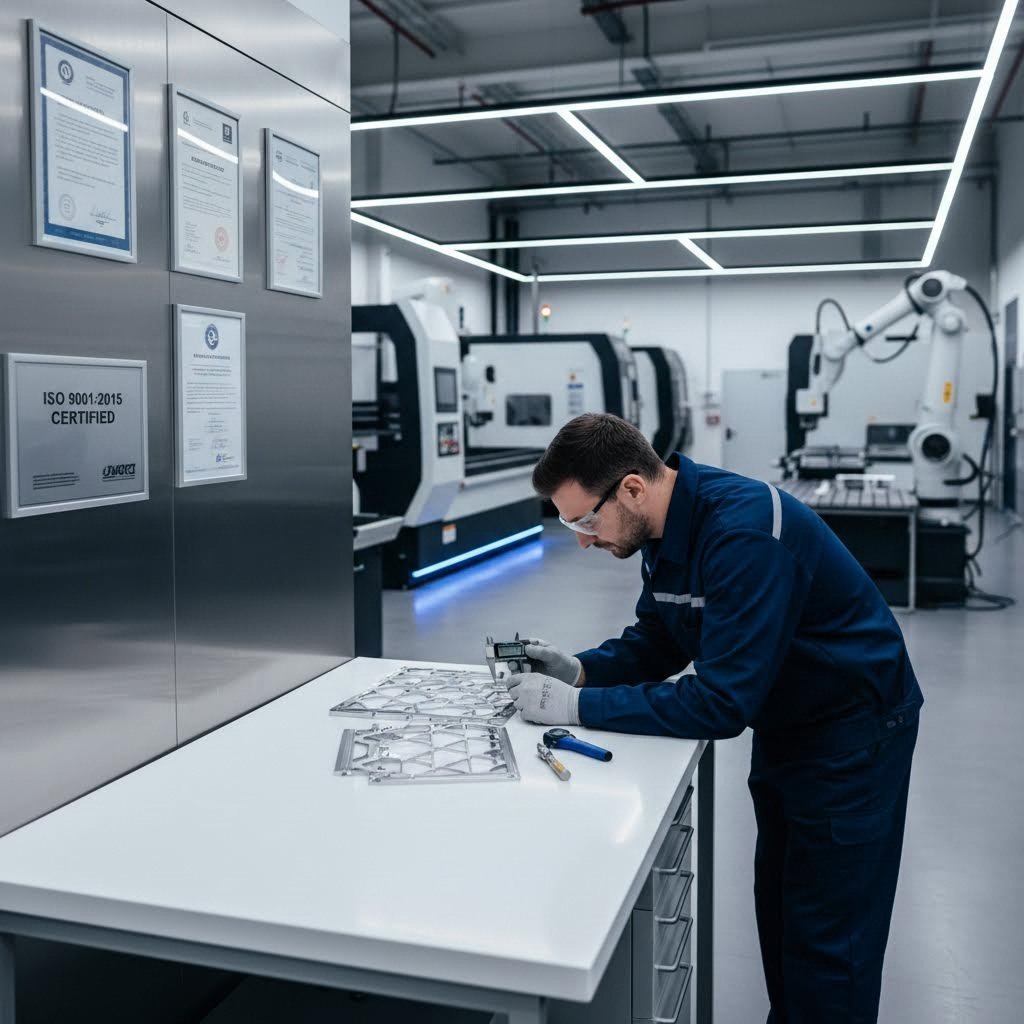
Избор на подходящ доставчик на услуги за лазерно рязане
Овладели сте технологията, сравнили сте методите за рязане и оптимизирали сте дизайна си — но нищо от това няма значение, ако изберете погрешен изпълнител. Ето какво отличава един надежден производствен партньор от такъв, който създава проблеми: способността да превърне вашите изисквания в качествени детайли, навреме и без безкрайни преписки. Когато търсите лазерно рязане наблизо или оценявате услуги за CNC лазерно рязане, знанието точно какво да търсите превръща риска в обосновано решение.
Сертификати и стандарти за качество, които имат значение
Сертификатите не са просто украса за стените – те представляват проверени системи за поддържане на постоянство в качеството. Но кои от тях всъщност имат значение за вашия проект? Според Официалната документация на AIAG , IATF 16949:2016 дефинира изискванията за системи за управление на качеството за организации в глобалната автомобилна индустрия. Този сертификат е разработен с безпрецедентно участие на производители и доставчици от цял свят.
Ако вашите метални части навлизат в автомобилни вериги за доставки, сертификатът IATF 16949 трябва да бъде начело във вашия списък за оценка. Този стандарт надхвърля основните изисквания на ISO 9001, като засяга специфични за автомобилната индустрия аспекти:
- Процедура за одобрение на производствени компоненти (PPAP): Осигурява, че доставчиците могат последователно да произвеждат части, отговарящи на всички изисквания на клиента
- Разширено планиране на качеството на продукта (APQP): Структуриран подход към проектирането и разработването на продукти
- Анализ на режимите на отказ и тяхното въздействие (FMEA): Систематично идентифициране и предотвратяване на потенциални повреди
- Анализ на измервателни системи (MSA): Потвърждение, че измервателните процеси осигуряват надеждни данни
- Статистически контрол на процеса (SPC): Непрекъснат мониторинг за поддържане на постоянството в качеството
За неавтомобилни приложения сертификатът ISO 9001:2015 демонстрира основното ангажиране към управлението на качеството. Според Ръководството за доставчици на Laser Cutting Shapes , търсете компания с опитни специалисти, които разбират нюансите на различните материали и техники за лазерно рязане — прегледайте портфолиото им, прочетете отзивите на клиенти и запитайте за сертификати.
Специализираните сертификати имат значение за определени индустрии:
- AS9100: Приложения в областта на въздухоплаването и отбраната
- ISO 13485: Производство на медицински устройства
- NADCAP: Специални процеси, включително заваряване и термична обработка
- ISO 14001: Системи за управление на околната среда
Оценка на оборудването и възможностите
Оборудването на доставчика директно определя какво може да предложи. Според ръководството за оценка на LS Precision Manufacturing, най-простият метод за проверка е посещение в завода им — лично или чрез видео в реално време — за да наблюдавате марковото оборудване, външния вид на съоръжението, управлението на работилницата и стандартите на операциите.
Когато оценявате възможностите за лазерно метално рязане наблизо, проучете следните фактори на оборудването:
- Нива на лазерна мощност: По-високата мощност позволява рязане на по-дебели материали и по-бързо рязане — попитайте за максималната им производителност
- Размери на работното легло: По-големите легла за рязане могат да поемат по-едри части и осигуряват ефективно групиране при серийно производство
- Типове лазерни технологии: Влакнестите лазери се представят отлично при отразяващи метали; CO2 системите предлагат по-голяма универсалност — подберете оборудване според вашите материали
- Ниво на автоматизация: Системи за автоматично зареждане/изтегляне подобряват последователността и намаляват разходите за труд при високи обеми поръчки
- Второстепенно оборудване: Гънки, заваръчни апарати и машини за окончателна обработка осигуряват пълно циклично производство на едно място
Според LS Precision остарелите лазерни машини имат слаба динамична производителност — рязещата глава трепти при високи скорости на рязане, което води до големи грешки в контура и формата на реза. Ако изисквате прецизно персонализирано лазерно рязане на метал, такива неточности водят до напълно негодни за употреба части. Поискайте проби от предишни проекти с материали, подобни на вашите, за да проверите реалната производителност.
Освен режещо оборудване, оценете интегрираните възможности. Доставчиците, предлагат пълен цикъл на обработка на ламарини — рязане, огъване, заваряване и довършителни операции под един покрив — елиминират закъсненията при предаването на детайлите и натрупването на допуски, които възникват, когато работата се разделя между няколко доставчика. За автомобилни приложения, изискващи шасита, окачвания или конструкционни компоненти, производители като Shaoyi (Ningbo) Metal Technology показват как качеството, сертифицирано по IATF 16949, в комбинация с всеобхватни възможности за производство, опростява доставките от прототип до масово производство.
Оценка на подкрепата за DFM и времето за изпълнение
Поддържката за проектиране с оглед производството (DFM) отличава простите изпълнители на поръчки от истинските производствени партньори. Според анализа на LS Precision, опитните доставчици активно анализират вашите чертежи за потенциални проблеми при обработката и предлагат професионални препоръки за намаляване на разходите и осъществимостта преди началото на производството. Това ранно вмешателство ефективно предотвратява проектни дефекти, подобрява производствената ефективност и осигурява контрол на разходите от самото начало.
Когато оценявате DFM възможностите, попитайте доставчиците:
- Предоставяте ли безплатен DFM преглед преди котиране?
- Колко бързо идентифицирате потенциални проблеми с обработваемостта?
- Какви предложения за оптимизация сте направили за подобни проекти?
- Можете ли да препоръчате заместители на материали, които намаляват разходите, без да жертвате производителността?
Гаранциите за времето за изпълнение разкриват операционната способност. Laser Cutting Shapes подчертава, че времето за изпълнение варира значително в зависимост от сложността на проекта, обема и натовареността на доставчика – ясната комуникация относно крайните срокове е задължителна. Някои услуги предлагат бързо изпълнение срещу по-висока цена, докато други поддържат постоянни срокове на изработка чрез дисциплинирано управление на капацитета.
За проекти с ограничен времеви период търсете доставчици, които предлагат възможности за бързо прототипиране. Способността да се доставят пробни части за 5 дни – вместо седмици – ускорява циклите на разработване и позволява валидиране на дизайна преди да се инвестира в производствени инструменти. В комбинация с бързо предоставяне на оферти (за 12 часа или по-малко, което сочи оперативна ефективност), бързото прототипиране демонстрира гъвкавостта, която вашите проекти изискват.
Въпроси, които да зададете преди поръчка
Преди да се ангажирате с доставчик за лазерна рязка наблизо, съберете отговорите на следните ключови въпроси:
Технически въпроси относно възможностите:
- С какви типове лазери и нива на мощност работите?
- Каква е максималната дебелина на материала за моя специфичен вид метал?
- Какви допуски можете да гарантирате за геометрията на моя детайл?
- Имате ли опит с моя специфичен клас материали?
- Какви вторични операции предлагате вътрешно спрямо външно аутсорсвани?
Въпроси за качество и процес:
- Какви сертификати за качество притежавате?
- Как проверявате размерната точност на готовите детайли?
- Каква документация предоставяте заедно с пратките?
- Как постъпвате при несъответстващи детайли?
- Можете ли да предоставите пробни образци преди пълномащабно производство?
Търговски въпроси:
- Какъв е стандартният Ви срок за изпълнение на поръчки с моя обем?
- Предлагате ли ускорена обработка и при каква надценка?
- Как постъпвате при промени в дизайна по време на поръчката?
- Какви са вашите минимални количества за поръчка?
- Предлагате ли цени при големи количества или рамкови споразумения за поръчки?
Предупредителни сигнали, които трябва да се избягват
Опитът показва кои предупредителни сигнали прогнозират проблеми. Според анализа на LS Precision, доставчиците често безразборно съкращават производствените цикли, за да осигурят поръчки, а след това изпитват сериозни закъснения поради претоварване на капацитетите, повреда на машини или слабо управление. Ето какво трябва да предизвика предпазливост:
Предупредителни сигнали в комуникацията:
- Бавни или неясни отговори на технически въпроси
- Неспособност да обясните процеса или възможностите на оборудването
- Представители на клиентската служба, които нямат технически познания
- Неохота да предоставя препоръки или примери за извършена работа
Оперативни сигнали за тревога:
- Нереалистично ниски оферти в сравнение с конкурентите (често скриват компромиси по отношение на качеството)
- Обещания за срокове на доставка, които изглеждат твърде амбициозни за сложността на вашата поръчка
- Неохота да разреши посещения на обекта или да предостави видео обиколка
- Застаряло или лошо поддържано оборудване, видимо на снимки или видеа
Сигнали за тревога относно бизнес практиките:
- Липса на ясни сертификати за качество или неохота да споделя документация
- Прекомерни искания за плащане напред, преди да е започнала каквато и да е дейност
- Липса на официални оферти с подробни разбивки по позиции
- История на споровете, видими в онлайн отзивите
Контролен списък за оценка на доставчика
Използвайте този изчерпателен контролен списък при сравняване на доставчици за персонализирано лазерно гравиране или прецизно рязане:
| Категория за оценка | Основни критерии | Метод за проверка |
|---|---|---|
| Сертификати | ISO 9001, IATF 16949 (автомобилна промишленост), AS9100 (аерокосмическа) | Поискайте копия; потвърдете с органите по сертифициране |
| Оборудване | Съвременни влакнести/CO2 лазери; достатъчна мощност и размер на работното поле | Обиколка на обекта; списък с оборудване с технически характеристики |
| Експертност в материалите | Документиран опит с вашите конкретни метали и дебелини | Пробни части; референтни проекти |
| Поддръжка DFM | Активен преглед на проекта; препоръки за оптимизация | Изпратете пробен файл; оценете качеството на обратната връзка |
| Оборот | Скорост на оферта; стандартни водещи времена; възможности за ускорено изпълнение | Заявка за пробна оферта; документирани водещи времена |
| Комуникация | Технически компетентност; оперативност; управление на проекти | Качество на взаимодействието по време на оценката |
| Вторични операции | Гъване, заваряване и довършителни работи налични вътрешно | Списък с възможности; примери за интегрирани работни процеси |
| Контрол на качеството | Оборудване за инспекция; документация; проследимост | Преглед на процеса по контрол на качеството; пробни отчети |
Намирането на подходяща услуга за лазерна рязка на метал наблизо изисква балансиране между възможности, качество, разходи и оперативност. Доставчиците, които прозрачно демонстрират квалификациите си — чрез сертификати, инвестиции в оборудване и препоръки от клиенти, — заслужават доверието, необходимо за дългосрочни производствени партньорства. Вложеното време за задълбочена оценка носи ползи чрез последователно качество, надеждна доставка и съвместно решаване на проблеми, когато възникнат предизвикателства.
Често задавани въпроси относно услугите за лазерна рязка на метал
1. От какви материали може да се реже с лазерни услуги?
Профессионалните лазерни рязане обработват широк спектър от метали, включително въглеродна стомана, неръждаема стомана, алуминий, мед, месинг и титан. Влакнестите лазери се представят отлично при отразяващи метали като алуминий и мед, докато CO2 лазерите работят добре с по-дебели стоманени материали. Максималната дебелина варира в зависимост от материала и мощното на лазера — например, влакнест лазер с мощност 3000W може да изреже до 20 мм въглеродна стомана, но само 8 мм алуминий. Специални сплави и проекти с комбинирани материали могат да изискват специфични лазерни технологии за оптимални резултати.
2. Колко струва услуга за лазерно рязане на метал?
Цените за лазерна рязка зависят от няколко фактора: вид на материала (нержавеещата стомана е по-скъпа от въглеродната), дебелина (по-дебелите материали се режат по-бавно), сложност на дизайна (повече прониквания увеличават времето) и количество (разпределението на разходите за подготвителни работи при по-големи поръчки намалява цената на отделна част). Материалът обикновено представлява 30–50% от офертираната цена, като вторият по големина фактор са разходите за машинно време. Оптимизация на проекта – опростяване на геометрията, ефективно гнездене и задаване на реалистични допуски – може да намали разходите с 20–30%, без да се жертва качеството.
3. Каква е разликата между CO2 и фибрена лазерна рязка?
CO2 лазерите използват газова смес за генериране на лъч с дължина на вълната 10 600 nm, които се отличават при по-дебели материали и предлагат универсалност при работа както с метали, така и с неметали. Фибър лазерите използват легирано стъклено влакно с редкоземни елементи, което произвежда светлина с дължина на вълната 1064 nm, по-ефективно поглъщана от металите. Фибър лазерите режат 2-3 пъти по-бързо тънки листови метали, постигат енергийна ефективност над 30% спрямо 10-20% при CO2, и могат да обработват отразяващи метали като алуминий и месинг без проблеми. Въпреки това, фибър лазерите се използват предимно в металообработката и имат по-висока първоначална цена, макар че по-ниските експлоатационни разходи компенсират това с времето.
4. Как да подготвя файлове за лазерно рязане?
Изпращайте векторни файлове (във формат DXF, DWG или AI) с чиста, еднолинейна геометрия. Премахнете дублирани линии, спомагателна геометрия и размерни надписи преди изпращане. Конвертирайте всички текстове в контури, тъй като шрифтовете не се прехвърлят между системите. Проверете мащаба и включете референтен размер, за да се предотвратят грешки в размерите. Следвайте правилата за проектиране, включително минимални разстояния от отвор до ръб от 1,5 пъти дебелината на материала, разстояние между елементи поне 2 пъти дебелината и реалистични допуски (±0,1 мм до ±0,5 мм в зависимост от дебелината на материала).
5. Как да избера най-добрия доставчик на лазерна рязка?
Оценете доставчиците въз основа на сертификати (IATF 16949 за автомобилна индустрия, ISO 9001 за обща качество), възможности на оборудването (лазерни типове, нива на мощност, размери на работното поле) и наличност на поддръжка при проектиране за производствена пригодност (DFM). Поискайте проби от конкретните материали, които използвате, проверете ангажиментите за сроковете за изпълнение и оценете бързината на комуникацията. За приложения в автомобилната индустрия производители със сертификат IATF 16949, като Shaoyi Metal Technology, предлагат интегрирани възможности – от бързо прототипиране до масово производство с пълна документация за качеството. Избягвайте доставчици с неясни технически отговори, нереалистично ниски оферти или нежелание да споделят информация за съоръжението.