 Small batches, high standards. Our rapid prototyping service makes validation faster and easier —
  EN
EN


Черната стомана ли е феромагнитен метал? Защо тестът с магнита не дава верен резултат
Черната стомана ли е феромагнитен метал? Защо тестът с магнита не дава верен резултат
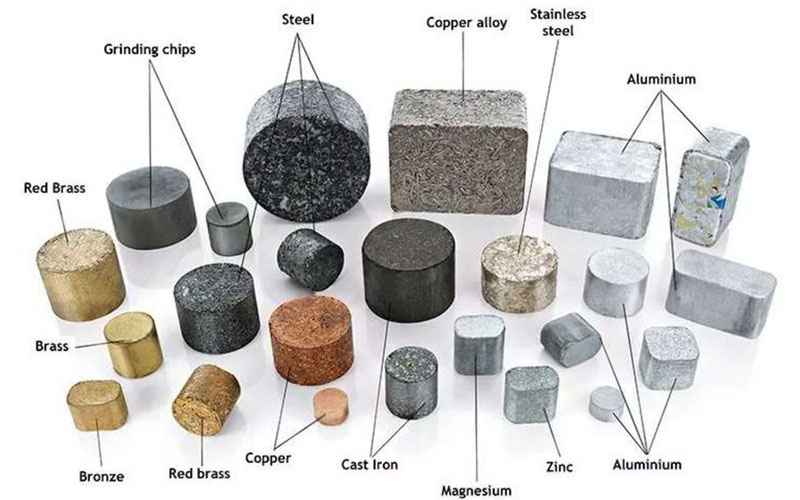
Стоманата неръждаема е феромагнитна ли?
Да. Стоманата неръждаема обикновено се класифицира като феромагнитен метал, защото е базирана на желязо. Това остава вярно дори когато магнитът едва се прилепва или изобщо не изглежда да се прилепва в ежедневна употреба. Ако сте дошли тук, за да попитате явява ли се неръждаемата стомана феромагнитен метал , надеждният отговор се основава първо на състава, а не на хладилния магнит. Това всъщност е въпрос на класификация срещу поведение, тъй като съдържанието на желязо, корозионната устойчивост и магнитността не описват едно и също нещо.
Неръждаемата стомана обикновено е феромагнитна, защото желязото е основният ѝ елемент, дори ако нейното магнитно поведение е слабо или непоследователно.
Краткият отговор, от който читателите имат нужда първо
На прости, речникови термини „феромагнитен“ означава съдържащ желязо или базиран на желязо. Според насоките за материали от TWI феромагнитните метали съдържат желязо и конкретно включват неръждаемата стомана сред желязните сплави. Service Steel използва почти същата идея, като описва феритните метали като метали, чийто основен елемент е желязото. Така че да, неръждаемата стомана е феритна и да, неръждаемата стомана е феритен материал.
Защо съдържанието на желязо прави неръждаемата стомана феритна
Неръждаемата стомана все още е стомана. Желязото остава основата, докато хромът и други елементи се добавят, за да се подобри производителността. Service Steel отбелязва, че неръждаемата стомана е сплав въз основа на желязо, съдържаща поне 10,5 % хром. Този хром помага за устойчивост срещу корозия, но не превръща сплавта в неферитен метал. Ако сте се чудили какъв е неферитният метал, краткият отговор е, че това е метал, чийто основен състав не е желязо.
Защо въпросът продължава да предизвиква объркване
- Феритно описва състава.
- Неръждаемо описва поведението при корозия.
- Магнитно описва физическия отговор.
Тези етикети не означават едно и също нещо. Затова хората питат дали неръждаемата стомана е немагнитна след неуспешен магнитен тест в кухнята, магазина или на купчината за рециклиране. Слабо магнитна умивалня, тиган, декоративна лента или винт все още могат да са феромагнитни, тъй като магнетизмът не е правилото, което определя тази категория. Истинската объркване започва, когато хората използват един етикет, за да предположат другите два. Това също е най-ясният начин да се отговори на въпроса какво е немагнитен метал, без да се смесват корозионна устойчивост и магнетизъм.
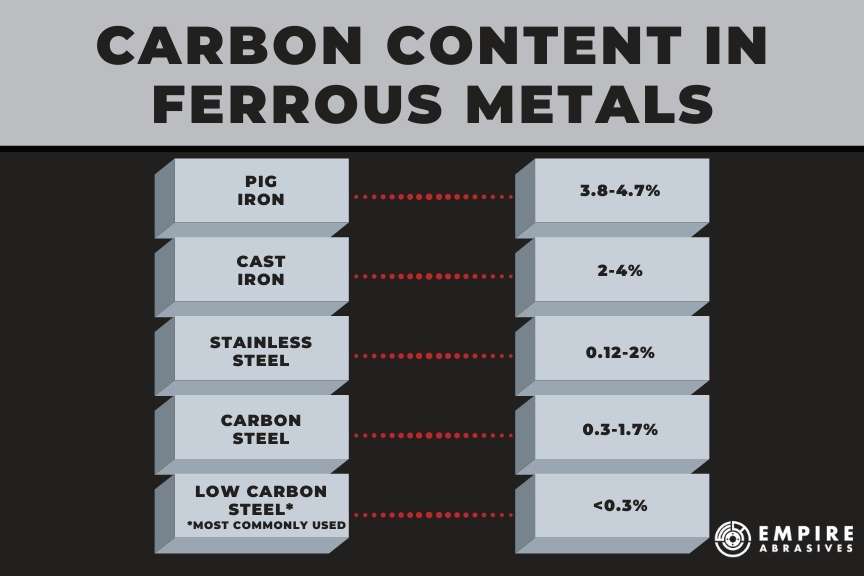
Феромагнитни срещу немагнитни, неръждаеми и магнитни
Първият отговор звучи просто, но объркването остава, защото хората често използват три различни етикета, сякаш те означават едно и също нещо. Не е така. Ако искате истинската разлика между феромагнитни и немагнитни метали , започнете с химичния състав. Според ръководството на TWI феромагнитните метали съдържат желязо, а немагнитните – не. Това означава, че неръждаемата стомана и въглеродната стомана са феромагнитни, докато медта и алуминият са немагнитни.
Феросни и неферосни са етикети за състав
И така, какво е феросен метал? Това е метал или сплав, която съдържа желязо като основен елемент. Неръждаемата стомана все още отговаря на това определение, тъй като е базирана на желязо. В противовес на това, какви са неферосните метали? Често срещани примери включват мед и алуминий, които не използват желязо като основен метал. Това е частта, която много магнитни тестове пропускат. Разликата между феросни и неферосни метали се дължи на химичния състав, а не на това дали кухненският магнит се прилепва към повърхността.
Неръждаеми и ненеръждаеми описват поведението при корозия
"Неръждаеми" ви казва нещо различно. Това се отнася до устойчивостта към корозия, а не дали сплавта е феросна. Outokumpu обяснява, че неръждаемата стомана получава устойчивостта си към корозия благодарение на тънка пасивна пленка, която се образува, когато стоманата съдържа около 10,5 % или повече хром. Тази пленка помага да се защити повърхността, но неръждаемата стомана не е напълно имунна към корозия във всички среди. Следователно един метал може да е феросен и все пак да има по-добра устойчивост към ръжда в сравнение с обикновена въглеродна стомана.
Магнитни и немагнитни – описват физическия отговор
След това идва магнетизмът. Ако се питате дали неръждаемата стомана е магнитна, честният отговор е: понякога. Практическо ръководство по магнетизъм от Eclipse Magnetics отбелязва, че марка 430 е магнитна, докато разпространените марки 304 и 316 обикновено са немагнитни при нормално използване. Това не променя техната класификация като феромагнитни материали. То просто описва как те реагират на магнитно поле.
| Концепция | Какво го определя | Какво ви казва | Какво не ви казва | Прости примери |
|---|---|---|---|---|
| Феромагнитни срещу немагнитни | Дали желязото е част от метала | Основно семейство на материала | Точна корозионна устойчивост или магнитност | Въглеродната стомана и неръждаемата стомана са феромагнитни метали. Медта и алуминият са немагнитни метали. |
| Неръждаема срещу ненеръждаема | Състав на сплавта и повърхностна пасивация, особено с хром | Корозионно поведение | Дали метала е немагнитен | Неръждаемата стомана има по-добра корозионна устойчивост от въглеродната стомана, но и двете са феромагнитни метали. |
| Магнитен срещу немагнитен | Микроструктура и физически отговор | Как металът реагира на магнит | Дали металът съдържа желязо | 430 неръждаема стомана е магнитна. 304 и 316 често не са. |
Тази рамка е полезна навсякъде, където материали се оценяват бързо — от закупуването на кухненски съдове до сортирането на скрап. Тя също прави разлика между феромагнитни и немагнитни метали много по-лесно за обясняване: първо идва съставът, след това корозионната устойчивост, а магнитността е отделна насока за ориентация. Съставът на неръждаемата стомана прави това още по-ясно, особено когато се обърне внимание какво допринасят желязото, хромът, никелът и другите елементи.
От какво се състои неръждаемата стомана
Съставът е това, което решава въпроса за класификацията. Ако питате от какво се състои неръждаемата стомана , започнете с основния метал: желязото. Thermo Fisher описва неръждаемата стомана като стомана, произведена предимно от желязо и въглерод, към която са добавени хром и други легиращи елементи, за да се получи корозионноустойчив продукт. На прост език, от какво се състои стоманата в основата си? Желязо и въглерод. Затова неръждаемата стомана остава феромагнитна. Сплавянето променя експлоатационните характеристики, но не променя факта, че сплавта е базирана на желязо.
От какво се състои неръждаемата стомана
Неръждаемата стомана не е един фиксиран химичен състав. Тя представлява семейство желязобазирани сплави, разработени за различни среди и механични изисквания. Общи дефиниции от Jindal и Thermo Fisher посочват минимално съдържание на хром от 10,5 % по маса за неръждаема стомана. Този праг е от значение, тъй като хромът е елементът, който придава на неръждаемата стомана характерната ѝ корозионна устойчивост. Ако имате нужда от точния химичен състав за конкретен клас, използвайте стандартизираните спецификации за класовете и протоколите за заводски изпитания, а не обобщена онлайн таблица.
Как хромът образува защитен пасивен слой
Хромът е ключовата добавка, но той не замества желязото като основа. BS Stainless обяснява, че хромът реагира с кислорода и образува тънка повърхностна пленка от хромов оксид, наречена пасивен слой. За разлика от обикновената ръжда, този слой е значително по-малко реактивен и помага за защита на метала от въздух и влага. Следователно неръждаемата стомана все още е феромагнитна, но същевременно и корозионноустойчива сплав . Тези идеи не са в противоречие. Те описват различни аспекти на един и същи материал.
Какво променят никелът, молибденът и въглеродът
- Желязо : основният метал в сплавта. Той осигурява структурния каркас, поради което простата класификационна точка все още важи: стоманата е желязобазирана .
- Хром : елементът, борещ се с корозията, който осигурява образуването на пасивния слой от хромов оксид.
- Никел : подобрява формоваемостта, пластичността и гъвкавостта. Thermo Fisher отбелязва, че се добавя към аустенитната неръждаема стомана, за да се подобри гъвкавостта ѝ.
- Молибден : повишава устойчивостта към точкова и цепнатинна корозия, особено при условия с високо съдържание на хлориди, както е посочено от Jindal.
- Въглерод влияе върху твърдостта и здравината на опън. Стойностите с по-високо съдържание на въглерод често се избират там, където имат значение здравината и задържането на ръба.
- Други елементи манган, силиций и азот могат да усъвършенстват здравината при опън, поведението при обработка и експлоатационните характеристики.
Шаблонът е прост: желязото определя семейството на материала; хромът защитава повърхността; останалата част от сплавта регулира здравината, формоваемостта и корозионното поведение. Същите избори на сплави също влияят върху микроструктурата, а именно тук различните семейства неръждаема стомана започват да се различават помежду си по отношение на магнитния отклик.
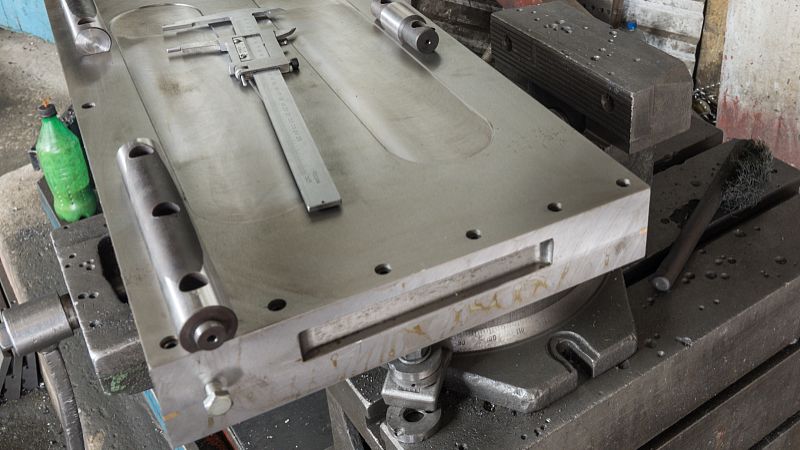
Неръждаемата стомана е феромагнитна или немагнитна според семейството?
Съставът на сплавта обяснява защо неръждаемата стомана се класифицира като феромагнитна, но не обяснява защо една част едва реагира на магнит, докато друга силно се привлича от него. Това зависи от структурата на семейството. Ръководството от ASSDA и Carpenter Technology показва, че магнитното поведение на неръждаемата стомана следва микроструктурата и състоянието далеч по-точно от общата класификация като феромагнитен материал. Така че, когато хората питат дали неръждаемата стомана е феромагнитна или немагнитна, класификацията не се променя от група към група. Това, което се променя, е магнитният отговор и степента на корозионна устойчивост, която можете да очаквате.
Аустенитни марки и причините за тяхната често немагнитна природа
Аустенитната неръждаема стомана е групата, която повечето хора си представят, когато чуят думата „неръждаема“. Тя е също така групата, която най-често „излъгва“ теста с магнит.
- Типични примери: 304 и 316.
- Магнитно поведение: Според ASSDA кованите аустенитни марки, като 304 и 316, обикновено се считат за немагнитни в отжигнато състояние.
- Защо: Carpenter описва напълно аустенитните марки като парамагнитни в добре отжигнато състояние, поради което привличането към обикновен постоянен магнит е много слабо или изобщо незабележимо в ежедневна употреба.
- Корозионно поведение: Този клас сплави е широко избран поради силната си обща корозионна устойчивост и добра формоваемост.
- Разпространен пазарен термин: Machining Concepts определя тип 304 като стандартна неръждаема стомана 18/8, поради което много купувачи я познават като неръждаема стомана 18-8.
Последният момент е важен, защото неръждаемата стомана 18-8 може да изглежда немагнитна, но все пак да е напълно феромагнитна. Класът се определя от съдържанието на желязо. Австенитната структура обяснява слабото магнитно привличане.
Феритни и мартенситни класове и причината магнитите да се прилепват
Феритните и мартенситните неръждаеми стомани са разположени в по-магнитоприемливата част от фамилията на неръждаемите стомани.
- Феритна неръждаема стомана: Според ASSDA феритните класове, като например 409, се привличат силно от магнит дори в отпуснато състояние.
- Корозионен профил: същият общ преглед на класовете от Machining Concepts описва феритната неръждаема стомана като магнитна, базирана на хром и с обща умерена корозионна устойчивост в сравнение с австенитната група.
- Мартензитна неръждаема стомана: ASSDA изброява мартензитните марки, като например 420, също като силно магнитни, а Carpenter отбелязва, че мартензитните неръждаеми стомани са феромагнитни.
- Компромис в производителността: Machining Concepts описва мартензитната неръждаема стомана като ценна там, където твърдостта и якостта имат по-голямо значение от висококачествената корозионна устойчивост.
На практика фактът, че магнитът се прилепва здраво, не прави тези стомани по-железни от 304 или 316. Той просто показва, че кристалната им структура е по-магнитно реактивна. Ако в резултатите от търсенето се появяват етикети като „неръждаема стомана 18/0“, това е точно причината, поради която посочването на конкретна марка или група е по-полезно от самата дума „неръждаема“.
Дуплексна неръждаема стомана и нейното смесено поведение
Дуплексната стомана е областта, където простото правило за магнита наистина се проваля.
- Структура: дуплексната стомана комбинира аустенит и ферит в едно семейство сплави.
- Магнитно поведение: ASSDA обяснява, че дуплексните и супердуплексните неръждаеми стомани се привличат силно от магнит, тъй като съдържат около 50 % ферит.
- Корозионно поведение: Machining Concepts описва дуплексните марки като комбинация от висока якост и отлична устойчивост към пикелене и цепнатинна корозия от хлориди, често надвишаваща тази на 304 и 316 при по-тежки експлоатационни условия.
- Основен извод: дуплексната стомана може да е изключително корозионноустойчива и все пак явно магнитна.
Това е моделът, който заслужава да се запомни. Немагнитната неръждаема стомана все още може да е феритна, а магнитната неръждаема стомана все още може да е неръждаема. Семейството обяснява магнитното привличане. Познатите номера на марките обясняват подробностите, затова имената като 304, 316, 430, 410 и 2205 заслужават по-внимателно проучване.
304 срещу 316 неръждаема стомана и други често срещани марки
Имената на семействата обясняват общия модел, но номерата на марките показват къде изборът на материали става практически. За всеки, който все още се пита явява ли се неръждаемата стомана феромагнитен метал , всяка марка по-долу остава желязобазирана. Реалните разлики се проявяват в магнитния отклик, корозионната устойчивост и крайното предназначение. Сравненията тук се основават на насоки от Unified Alloys и Kloeckner Metals.
304 и 316 за обща корозионна устойчивост
неръждаема стомана 304 е най-известният аустенитен клас. Според Unified той съдържа 18 % до 20 % хром и 8 % до 10,5 % никел, поради което купувачите често го разпознават като неръждаема стомана 18/8 в сравнение между неръждаема стомана 304 и 316 решение, и двата класа все още са феритни и обикновено са слабо магнитни или ефективно немагнитни в отпуснато състояние. Разликата е в корозионната устойчивост: Kloeckner отбелязва, че 316 съдържа допълнително 2 % до 3 % молибден, което му осигурява по-добра устойчивост в солени и крайбрежни среди. Затова формулировките в цитатите, например неръждаема стомана 316 или неръждаема стомана ST 316L имат значение за условията на експлоатация, а не за решаване дали сплавта съдържа желязо.
| Марка | Семейство | Все още желязосъдържаща? | Типично магнитно поведение при експлоатация | Относителна корозионна устойчивост | Чести приложения |
|---|---|---|---|---|---|
| 304 | Аустенитен | Да | Често немагнитна в отпуснато състояние | Високо | Съдове за готвене, кухненски мивки, фабрично изработени части за обща употреба |
| 316 / 316L | Аустенитен | Да | Често немагнитна в отпуснато състояние | По-висока от 304, особено при излагане на солена среда | Употреба в крайбрежни зони, хирургически материали, по-агресивни химични среди |
| 430 | Ферритен | Да | Магнитен | Средно | Автомобилни декоративни елементи, грили за барбекю, декоративни приложения |
| 410 | Мартенситен | Да | Магнитни, особено след закаляване | Умерен | Закалени части, ножове, инструменти, които изискват висока якост и задържане на остротата |
| Дуплексна неръждяваща стомана | Duplex | Да | Магнитен | Много високо | Употреба в среди с високо съдържание на хлориди, морска употреба, промишлени части с висока якост |
430 и 410 за още по-магнитни варианти на неръждаема стомана
Марки 430 и 410 са най-лесният пример, който показва, че неръждаемата стомана и немагнитността не са едно и също понятие. Kloeckner описва марка 430 като феритна стомана, която се формова лесно и се използва често там, където цената има по-голямо значение от висококачествената корозионна устойчивост. Unified класифицира марка 410 като част от мартензитното семейство, където закаляването и магнитността са нормални компромиси.
Дуплексни класове като предимство и средна позиция по отношение на корозионна устойчивост
Дуплексната неръждаема стомана изтегля тази точка още по-нататък. Unified описва дуплексните класове като магнитни, но същевременно предлага много висока корозионна устойчивост, особено при употреба в среди, съдържащи хлориди. Следователно силното прилепване на магнит не доказва, че класът не е неръждаема стомана, а слабото привличане не означава, че материала е немагнитен. Дори потребителските етикети като неръждаема стомана 18/10 са по-малко полезни от конкретното посочване на класа, когато има значение производителността. На производствената площадка това става още по-затруднено, тъй като формоването, заваряването и повърхностното излагане могат да променят това, което магнитът „казва“, без изобщо да променят семейството на сплавта.
Защо магнетизмът и ръждането допринасят за объркването
Неръждаемата част може да обърка хората по два различни начина едновременно. Един елемент почти не реагира на магнита. Друг елемент, произведен от подобен клас, изведнъж започва да реагира след формоване. Затова всекидневният въпрос магнитна ли е стоманата става неразборчиво веднага щом се включва неръждаемата стомана. Обработката може да промени магнитното поведение, без да променя класификацията на сплавта като желязосъдържаща.
Как хладната обработка може да увеличи магнитния отговор
Най-голямата изненада се проявява при аустенитни марки, като 304 и 316. В отжарено състояние, според често задаваните въпроси относно магнитността от ASSDA, тези деформируеми марки обикновено се считат за немагнитни. След хладна обработка част от структурата може да се преобразува от аустенит в мартензит, което прави метала по-привлекателен за постоянен магнит. Ефектът е най-забележим при силно обработени изделия, като жици, извити секции и изпъкнали компоненти.
Какво могат да променят заваряването и формоването
- Митът: Ако формованата марка 304 привлича магнит, това означава, че е избрана погрешна марка. Реалност: Eclipse Magnetics отбелязва, че извиването, пробиването и други видове увреждане поради пластична деформация могат да направят аустенитната неръждаема стомана леко магнитна, особено в близост до обработените ръбове.
- Митът: Магнитната зона на заварката доказва, че цялата детайл не е от неръждаема стомана. Реалност: ASSDA отбелязва, че високата топлинна мощност или лошата термична обработка могат да предизвикат сенсибилизиране и магнитен мартензит в близост до хромовите карбиди. В някои аустенитни заварки може също да присъства целенасочено малко количество ферит.
Защо феритните метали не означават автоматично бързо ръждясване
Ако питате ще ръждясва ли неръждаемата стомана , честният отговор е „да“, при неподходящи условия. Ръководството на ASSDA за „чайно петно“ описва това явление като кафяво повърхностно обезцветяване, причинено от корозия, най-често при морско излагане, и обикновено като козметичен проблем, а не като незабавен структурен отказ. Някои повърхностни петна изобщо не са „чайно петно“. Същото ръководство посочва замърсяване с въглеродна стомана, недостатъчно почистени заварки и химически изпарения като други причини. По-сериозна локализирана корозия може да се развива там, където се натрупват соли, повърхностите са неравни, остатъчният цвят от топлината при заваряване не е премахнат или вода застоява в процепи. Следователно, ръждясва ли стоманата обикновената въглеродна стомана обикновено ръждясва по-бързо и по-масово. Неръждаемата стомана устойчива на корозия далеч по-добре, но не еднакво при всички класове, повърхностни завършвания или среди.
Магнитът и кафявата следа разкриват само част от историята. На чертежите, поръчките за покупка и в складовете за отпадъци точно там започват да се провалят бързите предположения.
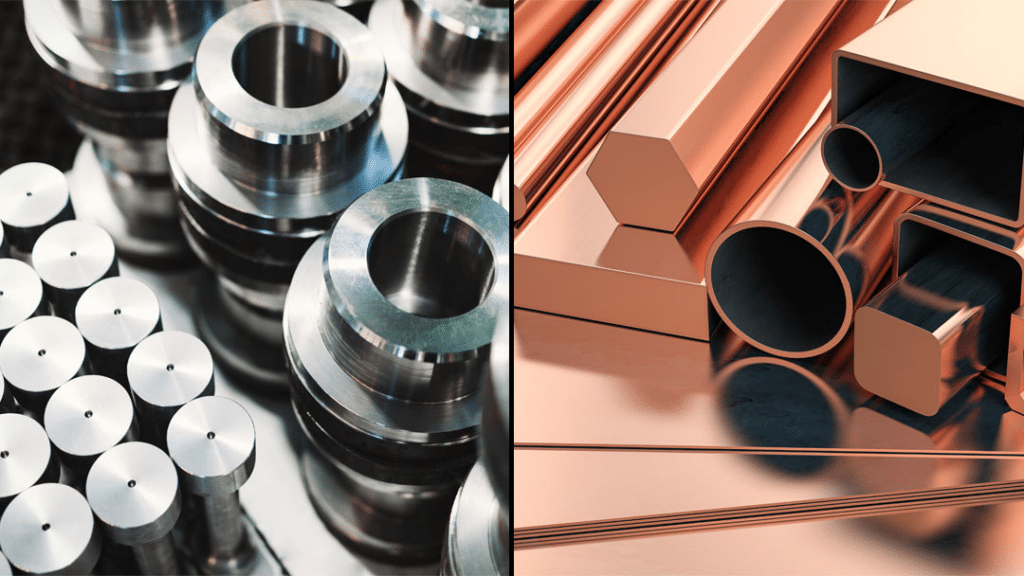
Как да класифицираме неръждаемата стомана в реални работни процеси
В реалната практика погрешното предположение за неръждаема стомана прави повече от това да предизвика спор. То може да доведе до погрешна поръчка за покупка, отхвърлена партида или смесена кофа за отпадъци. Магнитът все още има стойност като бърза проверка, но Ръководството на AZoM ясно посочва, че той не определя точно класа, а студено деформираните марки 304 или 316 може и да проявят известно магнитно привличане. По-безопасният навик е прост: класифицирайте първо по документиран клас и проследимост, а след това използвайте полевите проверки като подкрепящи указания.
Как екипите за покупки трябва да класифицират неръждаемата стомана
- Уточнете класа, стандарта и формата на продукта. Посочете 304, 316, 430, дуплексна или друга потвърдена марка на чертежа и поръчката за покупка заедно с формата, която се закупува, например листов неръждаем стоманен материал, неръждаем стоманен листов материал, неръждаема стоманена тръба или фитинги от неръждаема стомана.
- Съответствайте метала с документацията му. Сертификатът за изпитване от мелницата трябва да посочва марката, стандарта, химичния състав, механичните свойства, номера на топлината или партидата, както и данните за проследяване.
- Указвайте нивото на инспекция само когато е необходимо. Резюмето на CoreMet за EN 10204 отбелязва, че сертификат тип 3.1 е обичайният сертификат за повечето проекти, докато тип 3.2 добавя независима верификация за случаите, когато това се изисква от договор или нормативен акт.
- Използвайте магнита като екран, а не като окончателно решение. Същото ръководство на AZoM посочва, че проверките с магнит помагат при класифицирането на разпространените семейства неръждаема стомана, но не потвърждават точно марката.
- Ескалирайте несигурния материал. За смесени запаси или критични части AZoM отбелязва, че ръчният рентгенов флуоресцентен анализатор (XRF) може бързо да идентифицира хром, никел и молибден, докато оптичната емисионна спектрометрия (OES) е предпочитана, когато има значение разликата в съдържанието на въглерод.
Какво трябва да проверят фабрикантите преди формоване или заваряване
Руло или лист от неръждаема стомана може да изглежда немагнитно при получаването му и да се държи по-различно след огъване, штамповане или обработка на ръбовете. AZoM отбелязва, че аустенитните марки 304 и 316 обикновено са немагнитни в отжигнатото състояние, но могат да развият слаб магнитен отговор след студено деформиране. Затова преценките на производствената площадка често са погрешни при формовани скоби, штампирани панели и тръби с тънки стени.
- Не премаркирайте формована част само въз основа на магнитното й привличане.
- Запазвайте номерата на топлинната обработка, свързани с изрязаните заготовки, тръбите и фитингите, докато работата се движи през цеха.
- Потвърдете неизвестния материал преди освобождаването му, когато приложението е критично.
- Shaoyi : полезен производствен ресурс за штамповани автомобилни части, когато имат значение проследимостта, поведението при формоване и възпроизводимостта. Неговият процес, сертифициран според IATF 16949, обхваща прототипирането до автоматизирано масово производство на компоненти като ръчни лостове за управление и подрамки.
Как може да се провали рециклирането и сортирането на скрап
- Предположението, че немагнитността винаги означава марки 304 или 316.
- Предполага се, че магнитността винаги означава въглеродна стомана.
- Смесване на тръби, фитинги и отпадъци от листова неръждаема стомана без разделяне по клас.
- Използване само на външния вид при сравняване на цената на скрап от неръждаема стомана или на таблица с цени за скрап от неръждаема стомана.
AZoM описва магнитния тест като бърз начин за категоризиране на често срещаните типове неръждаема стомана при сортирането на скрап, но не и за идентифициране на точния клас. На практика това означава, че магнитната реакция е само първоначална проверка. Когато качеството на партидата има значение, документацията или идентификацията на материала трябва да извършат истинската класификация. Кратко, многократно използваемо правило за вземане на решения улеснява този процес.
Неръждаемата стомана е феромагнитна или немагнитна?
Краткото правило работи по-добре от по-силния магнит. Когато някой пита дали неръждаемата стомана е феромагнитна или неферомагнитна, най-надеждният отговор идва от триетапна последователност, а не от единичен полеви тест. Ако все още се чудите какво представляват феромагнитните и неферомагнитните метали, тази рамка поддържа яснота в техническите прегледи, покупателните решения и ежедневните обяснения.
-
Стъпка първа: Класифициране по състав
Започнете с желязото. Феромагнитните метали се дефинират като базирани на желязо, докато неферомагнитните метали не съдържат желязо. Неръждаемата стомана съдържа желязо, така че дали неръждаемата стомана е неферомагнитен метал? При обичайната класификация на материали — не. Тя остава в семейството на феромагнитните метали, което е и причината за простия отговор „да“ на въпроса дали стоманата е феромагнитен метал.
-
Стъпка втора: Оценка на изискванията за корозионна устойчивост
След това попитайте защо е избрана тази сплав въз основа на желязо. Стойността на неръждаемостта идва от състава на сплавта, особено от хрома. Ръководството на Fractory за магнетизма посочва, че стоманата става неръждаема, когато съдържа поне 10,5 % хром. Това подобрява корозионната устойчивост, но не превръща неръждаемата стомана в немагнитен метал.
-
Стъпка три: Разглеждайте магнетизма като вторична насока
Използвайте магнита последен. Същото ръководство на Fractory обяснява, че някои неръждаеми стомани са магнитни, а други – не. iScrap добавя практическия момент, че много марки могат да изглеждат немагнитни при ежедневна употреба, въпреки че технически са феромагнитни. Следователно привличането от магнит може да помогне при предварителна класификация на група марки, но само по себе си не може да даде окончателен отговор на въпроса за класификацията.
Приложете тези стъпки в точно този ред и отговорът ще остане последователен. Това също е най-лесният начин да се обясни какви са феромагнитните и немагнитните метали, без да се смесват съдържанието на желязо, корозионната устойчивост и магнитната реакция в едно погрешно тестово определение.
Класифицирайте неръждаемата стомана първо по съдържанието на желязо, след това по корозионното й поведение и едва тогава по магнитните й свойства.
Често задавани въпроси относно неръждаемата стомана, феритните метали и магнетизма
1. Неръждаемата стомана винаги ли се счита за феритен метал?
При обичайната класификация на материали — да. Неръждаемата стомана принадлежи към феритното семейство, тъй като желязото е основният елемент в сплавта. Добавените елементи, като хром, никел и молибден, променят корозионната устойчивост и структурата, но не преместват неръждаемата стомана в категорията на неферитните метали.
2. Защо неръждаемата стомана може да изглежда немагнитна, въпреки че все още е феритен метал?
Магнетизмът зависи по-скоро от кристалната структура и обработката, отколкото от простото присъствие на желязо. Аустенитните марки, като 304 и 316, често проявяват слабо магнитно привличане в отпуснато състояние, докато феритните и мартензитните марки обикновено се привличат по-ясно от магнит. Хладна формовка, рязане и заваряване също могат да направят някои неръждаеми части по-магнитни след производствения процес.
3. Може ли неръждаемата стомана да ръждясва, въпреки че се нарича неръждаема?
Да. Неръждаемата стомана устойчива на корозия, защото хромът помага за образуването на защитен повърхностен слой, но тази защита може да бъде намалена от хлориди, задържана влага, замърсяване, груба повърхност или лошо почистване след заваряване. Резултатът може да бъде петна или локализирана корозия, поради което изборът на марка и работната среда имат същото значение като самата дума „неръждаема“.
4. Как практически се различават неръждаемите стомани 304, 316 и 430?
Магнитът може да даде бърза насока, но не може да потвърди марката. По-добрият начин е да се провери обозначението на марката, да се прегледа сертификатът за изпитване от производителя и да се използва методът за положителна идентификация на материала, когато приложението е критично. Това е важно, защото 304 и 316 често изглеждат немагнитни в употреба, докато 430 обикновено е магнитна, въпреки че и трите са желязосъдържащи неръждаеми стомани.
5. Защо правилната класификация на неръждаемата стомана е от значение при производството и при рециклирането?
Правилната класификация помага да се предотвратят неправилни поръчки на материали, проблеми при формоването, заваръчни дефекти и смесени отпадъчни потоци, които намаляват стойността. При компоненти, получени чрез штамповане или формоване, екипите трябва да разчитат на проследимост, документи за марка и контрол на процеса, а не само на магнит. За автомобилни штамповки сътрудничеството с сертифициран доставчик като Shaoyi може да добави стойност, когато са важни верификацията на материала, възпроизводимото формоване и качественият контрол в производствен мащаб.