 Small batches, high standards. Our rapid prototyping service makes validation faster and easier —
  EN
EN


ซื้อแผ่นโลหะออนไลน์อย่างมั่นใจ: ความหนา ชนิด และขนาด อธิบายอย่างละเอียด
เข้าใจพื้นฐานของแผ่นโลหะก่อนซื้อออนไลน์
คุณเคยพบว่าตัวเองจ้องดูแคตตาล็อกโลหะออนไลน์แล้วสับสนกับตัวเลขอย่าง "16 เกจ" หรือคำศัพท์เช่น "รีดเย็น" ไหม? คุณไม่ได้อยู่คนเดียว การซื้อแผ่นโลหะออนไลน์เปิดโลกแห่งความเป็นไปได้มากมาย — แต่ก็มีข้อแม้ว่าคุณต้องเข้าใจว่าคุณกำลังซื้ออะไร ก่อนจะคลิก "เพิ่มลงรถเข็น" มาดูพื้นฐานสำคัญที่จะแยกแยะผู้ซื้อที่มั่นใจออกจากผู้ที่จบลงด้วยการได้วัสดุผิดประเภทมาเก็บไว้ในโรงงานของตนเอง
สิ่งที่กำหนดความแตกต่างระหว่างแผ่นโลหะกับแผ่นเหล็กหนา
นี่คือความแตกต่างที่ง่ายที่สุดที่คุณควรจำไว้: ความหนาเป็นสิ่งที่กำหนดทั้งหมด ตามมาตรฐานอุตสาหกรรม หากโลหะมีความหนาน้อยกว่า 1/4 นิ้ว (6 มม.) จะถูกจัดว่าเป็น แผ่นโลหะ หากหนา 1/4 นิ้วหรือมากกว่านั้น? นั่นคือแผ่นเหล็กหนา
เหตุใดสิ่งนี้จึงสำคัญต่อคุณ? เพราะแผ่นโลหะ (metal plates) และแผ่นม้วนโลหะ (metal sheets) มีวัตถุประสงค์การใช้งานที่แตกต่างกันโดยสิ้นเชิง แผ่นม้วนโลหะให้ความยืดหยุ่น น้ำหนักเบา และสามารถขึ้นรูปได้ง่าย—เหมาะอย่างยิ่งสำหรับการผลิตฝาครอบ แผงควบคุม ชิ้นส่วนตัวถังรถยนต์ และโครงการงานประดิษฐ์ต่างๆ จำนวนมาก ผลิตภัณฑ์แผ่นเหล็ก และผลิตภัณฑ์แผ่นอลูมิเนียมที่เทียบเคียงกันครองส่วนใหญ่ในงานที่ต้องการการขึ้นรูป การดัด หรือการตีขึ้นรูป (stamping)
ส่วนแผ่นโลหะนั้นมีบทบาทหลักในการให้ความแข็งแรงเชิงโครงสร้างสำหรับงานหนัก เช่น สะพาน ฐานเครื่องจักร และอุปกรณ์อุตสาหกรรม การเข้าใจความแตกต่างระหว่างสองประเภทนี้จะช่วยป้องกันข้อผิดพลาดในการสั่งซื้อที่อาจก่อให้เกิดค่าใช้จ่ายสูง และมั่นใจได้ว่าคุณจะได้รับวัสดุที่เหมาะสมกับความต้องการเฉพาะของโครงการจริงของคุณ
การเปลี่ยนผ่านสู่ระบบดิจิทัลในการจัดซื้อโลหะ
จำตอนที่การซื้อแผ่นโลหะหมายถึงต้องขับรถไปที่ผู้จัดจำหน่ายในพื้นที่ หวังว่าพวกเขาจะมีขนาดที่คุณต้องการในสต็อก และบ่อยครั้งก็ต้องเลือกใช้สิ่งที่มีอยู่ใช่ไหม? วันเหล่านั้นกำลังเลือนหายไปอย่างรวดเร็ว การสามารถซื้อแผ่นโลหะออนไลน์ได้เปลี่ยนวิธีการจัดหาวัสดุของทุกคน—ตั้งแต่ช่างงานอดิเรกจนถึงช่างผลิตมืออาชีพ
อะไรคือสิ่งที่ขับเคลื่อนการเปลี่ยนแปลงนี้?
- ตัวเลือกที่หลากหลายเพิ่มขึ้น: ผู้จัดจำหน่ายออนไลน์มีให้เลือกหลายสิบชนิด ทั้งเกรดโลหะผสม ความหนา และผิวเคลือบ ซึ่งร้านค้าในพื้นที่ไม่สามารถเทียบได้
- บริการตัดตามแบบ: ร้านค้าออนไลน์หลายแห่งจะตัดแผ่นโลหะตามข้อกำหนดเฉพาะของคุณอย่างแม่นยำ
- ความโปร่งใสของราคา: เปรียบเทียบต้นทุนระหว่างผู้จัดจำหน่ายได้ทันที โดยไม่ต้องโทรสอบถาม
- ความสะดวกในการจัดส่ง: วัสดุจะถูกส่งตรงถึงประตูบ้านหรือสถานที่ทำงานของคุณ
อย่างไรก็ตาม ความสะดวกสบายนี้มาพร้อมกับข้อจำกัด เมื่อคุณไม่สามารถตรวจสอบวัสดุจริงก่อนการสั่งซื้อได้ คุณจำเป็นต้องเข้าใจศัพท์เทคนิคที่ใช้กำหนดสิ่งที่คุณกำลังสั่งซื้อ เงื่อนไขต่างๆ เช่น เกจ ระดับโลหะผสม อุณหภูมิในการอบแข็ง (เทมเพอร์) และผิวเคลือบ ไม่ใช่เพียงแค่คำศัพท์ทางเทคนิคเท่านั้น แต่ยังเป็นข้อกำหนดเฉพาะที่จะกำหนดว่าโครงการของคุณจะประสบความสำเร็จหรือล้มเหลว
ตลอดคู่มือนี้ คุณจะได้เรียนรู้วิธีถอดรหัสข้อกำหนดต่างๆ เหล่านี้อย่างมั่นใจ เราจะครอบคลุมตารางเกจที่แปลตัวเลขที่สับสนให้กลายเป็นความหนาที่แท้จริง อธิบายความแตกต่างระหว่างประเภทของเหล็กและโลหะผสมอลูมิเนียม และช่วยให้คุณเลือกวัสดุให้เหมาะสมกับการใช้งานเฉพาะของคุณ ไม่ว่าคุณจะเป็นผู้ที่ชื่นชอบงานประดิษฐ์ด้วยตนเองที่กำลังเริ่มต้นโปรเจกต์โลหะครั้งแรก ช่างผลิตที่กำลังขยายเครือข่ายผู้จัดจำหน่าย หรือผู้ซื้อในอุตสาหกรรมที่ต้องการเพิ่มประสิทธิภาพห่วงโซ่อุปทาน แหล่งข้อมูลนี้จะมอบความรู้ที่จำเป็นให้คุณสามารถสั่งซื้อแผ่นโลหะได้อย่างมั่นใจเต็มที่
คู่มือประเภทแผ่นโลหะและการคัดเลือกวัสดุ
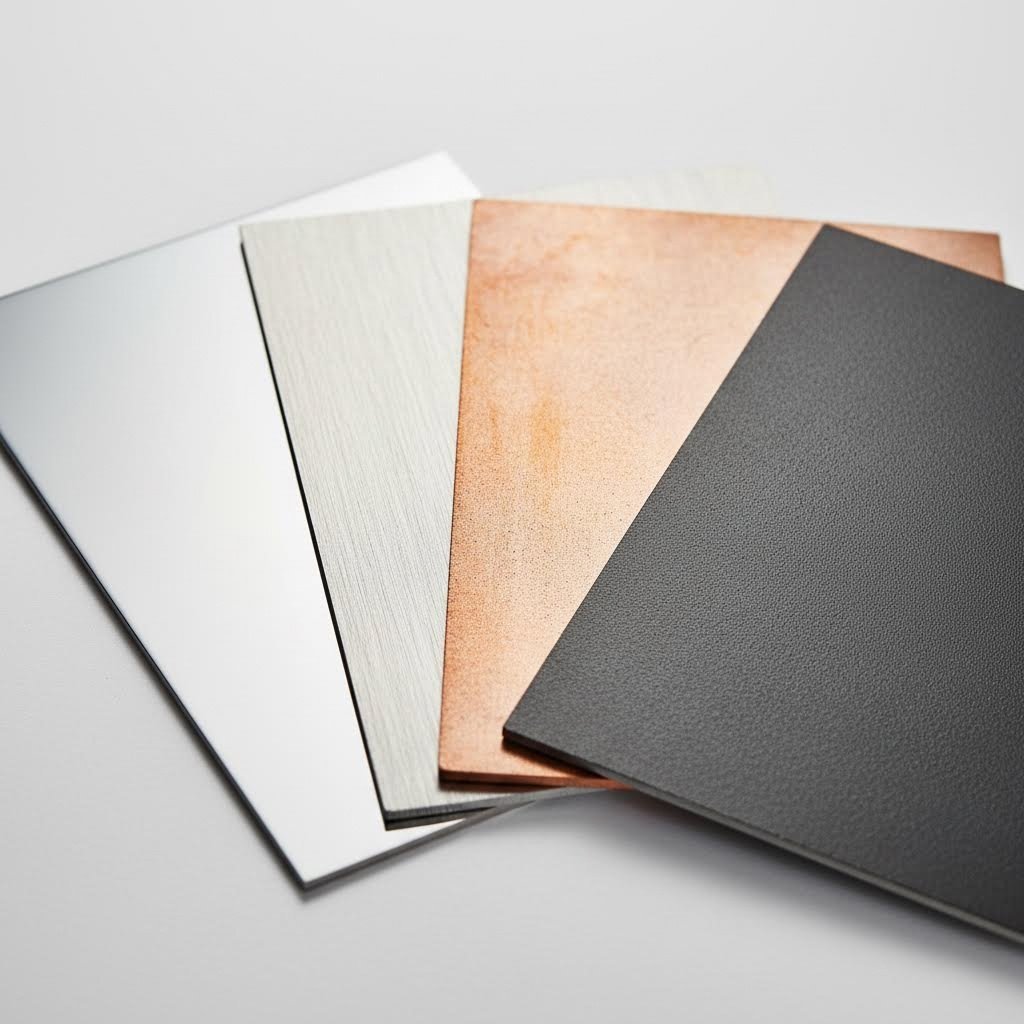
เมื่อคุณเข้าใจพื้นฐานแล้ว ต่อไปมาดูคำถามที่ผู้ซื้อทางออนไลน์ทุกคนต้องเผชิญ: โลหะชนิดใดเหมาะกับโครงการของคุณ? คำตอบขึ้นอยู่กับปัจจัยต่างๆ เช่น ความต้องการด้านความแข็งแรง การสัมผัสกับการกัดกร่อน ข้อจำกัดด้านน้ำหนัก และงบประมาณ นี่คือคำอธิบายโดยละเอียดเกี่ยวกับสิ่งที่มีให้เลือกเมื่อคุณซื้อแผ่นโลหะออนไลน์
ประเภทของแผ่นเหล็กและคุณสมบัติ
เหล็กครองตลาดแผ่นโลหะมาอย่างยาวนานด้วยเหตุผลที่ดี เนื่องจากเป็นโลหะเฟอร์รอส หมายถึง มีธาตุเหล็กเป็นองค์ประกอบหลัก เหล็กจึงมอบความแข็งแรง ความทนทาน และความหลากหลายในการใช้งานได้อย่างยอดเยี่ยมในราคาที่แข่งขันได้ อย่างไรก็ตาม "เหล็ก" ไม่ใช่วัสดุเพียงชนิดเดียว คุณจะพบกับหลายประเภทที่แตกต่างกันทางออนไลน์:
เหล็กคาร์บอน: วัสดุประเภทนี้ประกอบด้วยเหล็กกล้าที่ผสมกับคาร์บอน โดยมีปริมาณคาร์บอนโดยทั่วไปอยู่ระหว่าง 0.05% ถึง 2% ยิ่งมีปริมาณคาร์บอนสูงขึ้น ความแข็งก็จะเพิ่มขึ้น แต่ความเหนียวจะลดลง เหล็กกล้าคาร์บอนต่ำ (มักเรียกว่า เหล็กกล้าอ่อน) มีความสามารถในการขึ้นรูปได้ดีเยี่ยม จึงเหมาะสำหรับงานผลิตทั่วไป ในขณะที่เหล็กกล้าคาร์บอนปานกลางและสูงจะให้ความแข็งแรงมากขึ้น ซึ่งเหมาะกับการใช้งานที่ต้องการความทนทานสูง
เหล็กกลึงเย็น: เมื่อเหล็กกล้าคาร์บอนผ่านกระบวนการพิเศษเพิ่มเติมที่อุณหภูมิห้อง จะได้เป็นเหล็กกล้ารีดเย็น ขั้นตอนพิเศษนี้ช่วยให้ผิวเรียบเนียนมากขึ้น ความแม่นยำทางมิติสูงขึ้น , และปรับปรุงคุณสมบัติทางกลศาสตร์ หากโครงการของคุณต้องการความแม่นยำหรือรูปลักษณ์ที่สวยงาม การเลือกใช้แผ่นเหล็กกล้ารีดเย็นคุ้มค่ากับราคาที่สูงขึ้นเล็กน้อย
เหล็กไม่ржаมี ต้องการความต้านทานการกัดกร่อนโดยไม่ต้องใช้สารเคลือบหรือสีใช่หรือไม่? เหล็กกล้าไร้สนิมมีส่วนผสมของโครเมียม (อย่างน้อย 10.5%) ซึ่งจะสร้างชั้นออกไซด์ป้องกันผิวโลหะ สองเกรดที่คุณมักจะพบบ่อยที่สุดคือ:
- สเตนเลส 304: เกรดที่ใช้กันอย่างแพร่หลายที่สุด ให้ความต้านทานการกัดกร่อนได้ดีเยี่ยมและขึ้นรูปง่าย เหมาะอย่างยิ่งสำหรับอุปกรณ์ทำอาหาร อุปกรณ์ตกแต่งอาคาร และการใช้งานทั่วไป
- สแตนเลสสตีล 316L: มีมอลิบดีนัมซึ่งช่วยเพิ่มความต้านทานต่อคลอรีดและสิ่งแวดล้อมทางทะเล เป็นทางเลือกที่เหมาะสมสำหรับติดตั้งในพื้นที่ชายฝั่ง การแปรรูปสารเคมี หรืออุปกรณ์ทางการแพทย์
หนึ่งในประเด็นสำคัญที่ต้องพิจารณาเมื่อใช้โลหะเหล็กคือ พวกมันมีแนวโน้มที่จะเกิดสนิมเมื่อสัมผัสกับความชื้นและออกซิเจน นี่จึงเป็นเหตุผลว่าทำไมการเคลือบป้องกัน เช่น การชุบสังกะสี การทาสี หรือการพ่นผงเคลือบจึงเป็นที่นิยม หรือทำไมผู้ซื้อจำนวนมากจึงเลือกใช้สแตนเลสแม้จะมีราคาสูงกว่า
ตัวเลือกแผ่นอลูมิเนียมสำหรับการใช้งานที่แตกต่างกัน
หากคุณสงสัยว่า "อลูมิเนียมเกิดสนิมไหม" — นี่คือคำตอบ: ไม่ อลูมิเนียมไม่เกิดสนิมเหมือนโลหะที่มีส่วนประกอบของเหล็ก อย่างไรก็ตาม มันสามารถเกิดออกซิเดชันได้ โดยจะสร้างชั้นออกไซด์บางๆ บนพื้นผิว ข่าวดีก็คือ ชั้นออกซิเดชันนี้กลับช่วยปกป้องโลหะชั้นล่างแทนที่จะทำให้เกิดการเสื่อมสภาพอย่างต่อเนื่องเหมือนสนิมที่เกิดกับเหล็ก
ในฐานะที่เป็นโลหะที่ไม่ใช่เหล็ก อัลูมิเนียมมีข้อได้เปรียบที่โดดเด่น ได้แก่ มีน้ำหนักเบา (ประมาณหนึ่งในสามของน้ำหนักเหล็ก) ทนต่อการกัดกร่อนตามธรรมชาติ ไม่เหนี่ยวนำแม่เหล็ก และสามารถรีไซเคิลได้สูง คุณสมบัติเหล่านี้ทำให้แผ่นอัลูมิเนียมเหมาะอย่างยิ่งสำหรับการใช้งานในอุตสาหกรรมการบินและอวกาศ การขนส่ง ทางทะเล และงานสถาปัตยกรรม
ในบรรดาโลหะผสมอัลูมิเนียม อะลูมิเนียม 6061 โดดเด่นในฐานะตัวเลือกที่หลากหลายที่สุดสำหรับการใช้งานทั่วไป ตามข้อกำหนดวัสดุของ Ryerson วัสดุอัลูมิเนียม 6061 มีแมกนีเซียมและซิลิคอนเป็นองค์ประกอบหลักที่ถูกผสมเข้าไป ซึ่งให้คุณสมบัติดังนี้
- อัตราส่วนความแข็งแรงต่อน้ำหนักที่ดีสำหรับการใช้งานเชิงโครงสร้าง
- ความสามารถในการกลึงที่ยอดเยี่ยมเพื่อการผลิตอย่างมีประสิทธิภาพ
- ความต้านทานการกัดกร่อนสูงเนื่องจากชั้นออกไซด์ที่ป้องกันผิว
- การนำความร้อนได้ดีเยี่ยมสำหรับการถ่ายเทความร้อน
- ความสามารถในการเชื่อมที่ดีสำหรับกระบวนการประกอบ
คุณมักจะเห็นอัลูมิเนียม 6061 วางจำหน่ายในรูปแบบของการอบชุบต่าง ๆ เช่น T4, T6 หรือ O — แต่ละชนิดมีคุณสมบัติด้านความแข็งและการทำงานที่แตกต่างกันไปตามกระบวนการบำบัดความร้อน
โลหะและโลหะผสมพิเศษ
นอกเหนือจากเหล็กและอลูมิเนียม ผู้จัดจำหน่ายโลหะออนไลน์ยังมีตัวเลือกพิเศษสำหรับความต้องการเฉพาะด้าน:
- ทองแดง: นำไฟฟ้าและความร้อนได้ดี มีคุณสมบัติต้านจุลชีพ และมีลักษณะภายนอกที่โดดเด่น
- สีเหล็ก: โลหะผสมทองแดง-สังกะสี ที่รวมคุณสมบัติต้านทานการกัดกร่อนเข้ากับความสวยงามเชิงตกแต่ง
- ไทเทเนียม: มีอัตราส่วนความแข็งแรงต่อน้ำหนักที่ยอดเยี่ยม และทนต่อการกัดกร่อน เหมาะสำหรับการใช้งานในอุตสาหกรรมการบินและทางการแพทย์
- ซิงค์: มักใช้ในการเคลือบโลหะอื่นเพื่อป้องกันสนิม หรือใช้ในแอปพลิเคชันแบตเตอรี่
| ประเภทวัสดุ | เกรดทั่วไป | การใช้งานทั่วไป | ความต้านทานการกัดกร่อน | ราคาสัมพัทธ์ |
|---|---|---|---|---|
| เหล็กกล้าคาร์บอน | 1018, 1020, A36 | งานประกอบทั่วไป ชิ้นส่วนโครงสร้าง | ต่ำ (ต้องใช้ชั้นเคลือบ) | $ |
| เหล็กม้วนเย็น | 1008, 1010, 1018 | ชิ้นส่วนความแม่นยำ เครื่องใช้ไฟฟ้า แผงรถยนต์ | ต่ำ (ต้องใช้ชั้นเคลือบ) | $$ |
| สแตนเลสเกรด 304 | 304, 304L | อุปกรณ์สำหรับอาหาร งานสถาปัตยกรรม วัตถุประสงค์ทั่วไป | สูง | $$$ |
| สแตนเลสสตีลเกรด 316L | 316, 316L | งานทะเล การแปรรูปสารเคมี ทางการแพทย์ | สูงมาก | $$$$ |
| อลูมิเนียม 6061 | 6061-T6, 6061-T4 | โครงสร้าง ยานยนต์ สินค้าอุปโภคบริโภค | สูง | $$ |
| ทองแดง | C110, C101 | ไฟฟ้า หลังคา ตกแต่ง | สูง | $$$$ |
การเข้าใจความแตกต่างของวัสดุเหล่านี้จะช่วยให้คุณสมดุลระหว่างข้อกำหนดด้านประสิทธิภาพกับข้อจำกัดด้านงบประมาณ อย่างไรก็ตาม ประเภทของวัสดุเป็นเพียงครึ่งหนึ่งของสมการเท่านั้น — ต่อไป คุณจะต้องถอดรหัสระบบเกจ (gauge) ซึ่งกำหนดความหนาและศักยภาพเชิงโครงสร้างของแผ่นโลหะที่คุณสั่งซื้อ
ตารางเกจแผ่นโลหะและการแปลงค่าความหนา
มีสิ่งหนึ่งที่ทำให้ผู้ซื้อรายใหม่เกือบทุกคนสับสน: เมื่อคุณเห็นคำว่า "เกจ 18" บนรายการสินค้า นั่นหมายถึงหนากว่าหรือบางกว่า "เกจ 14"? หากคุณเดาไว้ว่าหนากว่า คุณไม่ได้ผิดพลาดเพียงลำพัง — แต่คุณกลับตอบผิดเสียแล้ว ระบบเกจแผ่นโลหะใช้หลักการที่ขัดกับสามัญสำนึก จนแม้ช่างขึ้นรูปผู้มีประสบการณ์ยังอาจสับสน ดังนั้น มาทำความเข้าใจระบบดังกล่าวอย่างละเอียด เพื่อให้คุณสามารถสั่งซื้อได้อย่างมั่นใจ
การอ่านตารางเกจเหล็ก
ระบบเกจมีประวัติความเป็นมาย้อนไปถึงช่วงทศวรรษ 1800 ซึ่งเป็นยุคก่อนที่จะมีระบบการวัดมาตรฐาน โดยตามเอกสารทางเทคนิคของ SendCutSend ตัวเลขเกจเดิมทีมาจากอุตสาหกรรมการผลิตลวด โดยแสดงจำนวนครั้งของการดึงเพื่อให้ได้เส้นผ่านศูนย์กลางลวดขนาดหนึ่ง การดึงแต่ละครั้งจะทำให้ลวดยืดออกและบางลง ดังนั้นจำนวนครั้งมากขึ้นหมายถึงวัสดุที่บางลง
ความแปลกปลีกนี้ในอดีตส่งผลให้ ตัวเลขเกจที่สูงกว่า = แผ่นที่บางกว่า แผ่นเกจ 22 มีความหนาน้อยกว่าแผ่นเกจ 10 อย่างชัดเจน ลองคิดดูว่า วัสดุนี้ต้องผ่านขั้นตอนการลดขนาดมากกว่าเพื่อให้ถึงตัวเลขที่สูงขึ้น
แต่ที่นี่เองที่ทำให้เรื่องยุ่งยากขึ้น เพราะต่างจากหน่วยวัดแบบเมตริกที่ 10 มม. จะเท่ากับ 10 มม. เสมอไม่ว่าวัสดุจะเป็นชนิดใด ตัวเลขเกจจะแปลงเป็นความหนาจริงที่แตกต่างกันไปตามประเภทของโลหะ ทำไมเป็นเช่นนั้น? เพราะเกจขึ้นอยู่กับน้ำหนักต่อตารางฟุต และโลหะแต่ละชนิดมีความหนาแน่นไม่เท่ากัน ดังนั้น ความหนาของเหล็กเกจ 16 วัด 1.52 มม. (0.0598 นิ้ว) ในขณะที่อลูมิเนียมเบอร์ 16 วัดได้ 1.29 มม. (0.0508 นิ้ว) — ความแตกต่างที่ชัดเจนซึ่งอาจส่งผลต่อโครงการของคุณ
ควรตรวจสอบความหนาจริงเป็นมิลลิเมตรหรือนิ้วเสมอ แทนที่จะพึ่งพาศัพท์เบอร์เพียงอย่างเดียว โดยเฉพาะเมื่อทำงานกับโลหะที่ไม่ใช่เหล็ก
คำอธิบายเกี่ยวกับเบอร์มาตรฐานความหนาทั่วไป
เมื่อซื้อแผ่นโลหะออนไลน์ คุณจะพบตัวเลขเบอร์บางตัวบ่อยกว่าตัวอื่นๆ นี่คือตารางเบอร์เหล็กแบบครอบคลุม ซึ่งรวมความหนาที่ผู้ซื้อส่วนใหญ่ต้องการ:
| เลขขนาด | ความหนา (นิ้ว) | ความหนา (มม.) | การใช้ทั่วไป |
|---|---|---|---|
| 10 เกจ | 0.1345" | 3.42 มม. | ชิ้นส่วนโครงสร้างที่ทนทานสูง อุปกรณ์อุตสาหกรรม กระบะท้ายรถบรรทุก |
| 11 เกจ | 0.1196" | 3.04 มม. | งานประกอบโครงสร้าง อุปกรณ์ป้องกันเครื่องจักรหนัก เครื่องมือเกษตร |
| 12 เกจ | 0.1046" | 2.66 มม. | โครงรถยนต์ ตู้ควบคุมไฟฟ้า ชั้นวางของอุตสาหกรรม |
| 14 เกจ | 0.0747" | 1.90 มม. | ท่อนำอากาศในระบบปรับอากาศ แผงเครื่องใช้ไฟฟ้า โครงเฟอร์นิเจอร์ |
| 16 เกจ | 0.0598" | 1.52mm | แผงตัวถังรถยนต์ อุปกรณ์ครัว งานประกอบทั่วไป |
| 18 เกจ | 0.0478" | 1.21 มม. | งานโลหะตกแต่ง กล่องครอบเบา ท่อนำอากาศ |
| เบอร์ 20 | 0.0359" | 0.91mm | แผ่นหลังคา, รางน้ำ, การขึ้นรูปงานเบา |
| เบอร์ 22 | 0.0299" | 0.76 มิลลิเมตร | งานฝีมือ, ชิ้นส่วนตกแต่ง, ฝาครอบน้ำหนักเบา |
สังเกตเห็นรูปแบบหรือไม่? เหล็กเบอร์ 10 ที่มีความหนา 3.42 มม. ให้ศักยภาพเชิงโครงสร้างที่แข็งแกร่ง—เหมาะสำหรับงานหนักที่ต้องการความแข็งแรงเป็นสำคัญ ในขณะที่เหล็กเบอร์ 18 ที่มีความหนาเพียง 1.21 มม. ให้ความแข็งตัวเพียงพอสำหรับงานตกแต่ง โดยยังคงตัดและขึ้นรูปได้ง่ายด้วยเครื่องมือพื้นฐาน
ช่วงห่างระหว่างเบอร์ก็ไม่ใช่สัดส่วนเชิงเส้นเช่นกัน การเปลี่ยนจากเหล็กเบอร์ 14 เป็นเบอร์ 12 จะเพิ่มความหนาขึ้น 0.76 มม.—ซึ่งคิดเป็นเพิ่มวัสดุถึง 40% การเข้าใจช่วงความแตกต่างนี้จะช่วยให้คุณหลีกเลี่ยงการระบุขนาดที่หนาเกินไป (สิ้นเปลืองเงินกับวัสดุที่หนากว่าความจำเป็น) หรือบางเกินไป (จนแผ่นนั้นรับน้ำหนักไม่ได้)
การเลือกเบอร์ที่เหมาะสมสำหรับโครงการของคุณ
แล้วคุณจะเลือกเบอร์ที่เหมาะสมได้อย่างไร พิจารณาปัจจัยเหล่านี้:
- ข้อกำหนดโครงสร้าง: แผ่นนั้นจะต้องรับน้ำหนักหรือทนต่อแรงกระแทกหรือไม่? เบอร์ที่หนากว่า (10-14) สามารถรองรับน้ำหนักโครงสร้างได้
- ความซับซ้อนของการขึ้นรูป: ต้องการโค้งที่แคบหรือรูปร่างซับซ้อนหรือไม่? แผ่นโลหะที่มีเบอร์บางกว่า (เบอร์ 18–22) สามารถขึ้นรูปได้ง่ายขึ้นโดยไม่เกิดรอยแตกร้าว
- ข้อพิจารณาในการเชื่อม: แผ่นโลหะบางต้องใช้ทักษะสูงกว่าในการเชื่อมเพื่อหลีกเลี่ยงการลวกทะลุ
- ความคุ้มทุน: แผ่นโลหะที่มีเบอร์หนากว่ามีราคาสูงกว่า — อย่าออกแบบโครงสร้างให้ซับซ้อนเกินความจำเป็นสำหรับโครงการที่เรียบง่าย
- ข้อกำหนดของเครื่องมือ: อุปกรณ์ตัดและดัดของคุณอาจมีข้อจำกัดด้านเบอร์ที่รองรับ
เพื่อเป็นแนวทางประกอบการพิจารณา แผ่นเหล็กเบอร์ 11 มีความหนาที่เหมาะสมสำหรับงานที่ต้องการความทนทานโดยไม่ต้องแบกรับน้ำหนักมากเกินไปเหมือนแผ่นเหล็กเบอร์ 10 ส่วนแผ่นเหล็กเบอร์ 12 ถือเป็นจุดสมดุลที่ดีเยี่ยมสำหรับงานอุตสาหกรรมและยานยนต์หลายประเภท — มีความแข็งแรงเพียงพอสำหรับการใช้งานที่หนักหนา ขณะเดียวกันก็ยังควบคุมและขึ้นรูปได้ง่ายในกระบวนการผลิต
โปรดทราบว่ามาตรฐานเบอร์นั้นใช้เฉพาะกับเหล็กเท่านั้น เมื่อสั่งซื้ออลูมิเนียม ทองแดง ทองเหลือง หรือวัสดุอื่น ๆ ควรขอระบุความหนาจริงเป็นมิลลิเมตรเสมอ แทนที่จะคาดเดาจากค่าเบอร์ เนื่องจากค่าเบอร์เดียวกันอาจไม่สอดคล้องกันระหว่างวัสดุต่างชนิดกัน ดังนั้น บริษัท Kanyana Engineering อธิบายไว้ แผ่นอลูมิเนียมเบอร์ 16 มีความหนา 1.29 มม. เมื่อเปรียบเทียบกับแผ่นเหล็กเบอร์ 16 ที่มีความหนา 1.52 มม. — ความแตกต่างเล็กน้อยนี้มีน้ำหนักสำคัญต่อการใช้งานที่ต้องการความแม่นยำสูง
เมื่อคุณเข้าใจตัวเลขบนเกจวัดแล้ว คุณก็พร้อมที่จะทำความเข้าใจอีกหนึ่งความแตกต่างที่สำคัญ นั่นคือความแตกต่างระหว่างแผ่นเหล็กกลึงร้อน แผ่นเหล็กกลึงเย็น และแผ่นเหล็กชุบสังกะสี รวมถึงเหตุผลว่าทำไมวิธีการแปรรูปจึงมีความสำคัญไม่แพ้กับความหนาของแผ่น

เหล็กกลึงร้อน เหล็กกลึงเย็น และเหล็กชุบสังกะสี ต่างกันอย่างไร
คุณได้เลือกประเภทวัสดุและเข้าใจแผนภูมิเกจวัดแล้ว แต่เมื่อคุณเข้าดูรายการแผ่นโลหะในเว็บไซต์ออนไลน์ คุณจะสังเกตเห็นความแตกต่างที่สำคัญอีกประการหนึ่ง นั่นคือวิธีการแปรรูป คำศัพท์เช่น "กลึงร้อน" "กลึงเย็น" และ "ชุบสังกะสี" อธิบายวิธีการผลิตเหล็ก ซึ่งกระบวนการเหล่านี้มีผลอย่างมากต่อทั้งผิวสัมผัส ความแม่นยำของขนาด และความสะดวกในการนำไปใช้งาน
ลักษณะเฉพาะและการใช้งานที่เหมาะสมของเหล็กกลึงร้อน
ลองนึกภาพการดันเหล็กผ่านลูกกลิ้งขนาดใหญ่ขณะที่เหล็กเรืองแสงสีส้มแดง นั่นคือขั้นตอนการกลึงร้อนโดยพื้นฐาน ตามรายงานของ Malvern Panalytical's research , เหล็กกล้ารีดร้อนถูกแปรรูปที่อุณหภูมิสูงกว่า 925°C (1,700°F) — ซึ่งสูงกว่าจุดการเกิดผลึกใหม่ของโลหะอย่างมาก ทำให้โครงสร้างเม็ดผลึกภายในสามารถก่อตัวขึ้นใหม่ได้อย่างอิสระ
สิ่งนี้หมายความว่าอย่างไรสำหรับคุณในฐานะผู้ซื้อ? เหล็กกล้ารีดร้อนมีลักษณะเฉพาะดังนี้:
- พื้นผิวหยาบและมีคราบ กระบวนการที่อุณหภูมิสูงทำให้เกิดคราบผิวสีเทาอมฟ้า (mill scale) บนพื้นผิว
- ขนาดที่มีช่วงยอมโดยทั่วไป การหดตัวจากความร้อนขณะเย็นตัวทำให้เกิดการบิดเบี้ยวเล็กน้อยและความคลาดเคลื่อนของขนาด
- ขอบและมุมมน: เหล็กที่ร้อนและยืดหยุ่นจะกลึงเป็นมุมมนตามธรรมชาติ แทนที่จะรักษามุมคม
- ต้นทุนต่ำลง: ขั้นตอนการผลิตที่น้อยลงทำให้ลดค่าใช้จ่ายในการผลิต
เหล็กกล้ารีดร้อน—มักขายในรูปแบบเหล็กอ่อน (mild steel) ที่มีคาร์บอนต่ำ—เหมาะอย่างยิ่งสำหรับงานที่ไม่ต้องการความแม่นยำของขนาดหรือรูปลักษณ์ที่เรียบเนียน เช่น คานโครงสร้าง รางรถไฟ อุปกรณ์เกษตรกรรม และโครงการก่อสร้างเบื้องต้น ที่วัสดุจะถูกทาสี เชื่อม หรือตกแต่งเพิ่มเติมอยู่แล้ว
ข้อดีของเหล็กกล้ารีดร้อน
- ตัวเลือกที่ประหยัดที่สุดสำหรับงานผลิตทั่วไป
- ขึ้นรูปและดัดแปลงได้ง่ายกว่าเนื่องจากมีแรงเครียดภายในต่ำกว่า
- มีให้เลือกในขนาดใหญ่กว่าและหนาแน่นมากกว่า
- เหมาะเมื่อลักษณะพื้นผิวไม่ใช่ปัจจัยสำคัญ
ข้อเสียของเหล็กกล้ารีดร้อน
- คราบผิวจากการขึ้นรูปจำเป็นต้องกำจัดออกก่อนการทาสีหรือตกแต่งพื้นผิว
- ความคลาดเคลื่อนของมิติอาจทำให้เกิดปัญหาในการประกอบชิ้นส่วนที่ต้องการความแม่นยำ
- ผิวหยาบไม่เหมาะสำหรับการใช้งานที่มองเห็นได้หรืองานประดับ
- การบิดงอเล็กน้อยอาจทำให้โครงการที่ต้องการความเรียบตรงมีความซับซ้อน
เหล็กกล้ารีดเย็น คุณภาพความแม่นยำและผิวเรียบ
เหล็กกลึงเย็นเริ่มต้นจากเหล็กกลึงร้อน — แต่เรื่องราวไม่ได้จบเพียงเท่านี้ หลังจากวัสดุที่ผ่านกระบวนการกลึงร้อนได้เย็นตัวลงอย่างสมบูรณ์แล้ว จะถูกส่งผ่านลูกกลิ้งเพิ่มเติมอีกครั้งที่อุณหภูมิห้อง ขั้นตอนพิเศษนี้ต้องใช้แรงกดอย่างมากเนื่องจากโลหะไม่อ่อนตัวด้วยความร้อน แต่ผลลัพธ์ที่ได้ก็บ่งบอกคุณภาพได้ด้วยตัวเอง
กระบวนการกลึงเย็นจะบีบอัดและปรับปรุงโครงสร้างเม็ดของเหล็ก ทำให้ได้วัสดุที่มีคุณสมบัติดีขึ้นอย่างชัดเจน:
- พื้นผิวเรียบเงา ไม่มีคราบเขม่าจากการกลิ้ง (mill scale) พร้อมสำหรับการทาสีหรือการตกแต่งผิว
- ความคลาดเคลื่อนของมิติที่แคบมาก: ความหนาที่เบี่ยงเบนน้อยมากจากรายละเอียดที่กำหนด
- ขอบที่คมชัด ชัดเจน มุมที่สะอาด ซึ่งกระบวนการกลึงร้อนไม่สามารถทำได้
- ความแข็งที่เพิ่มขึ้น กระบวนการบีบอัดทำให้วัสดุมีความเหนียวและแข็งแกร่งมากขึ้น (work-hardens)
ความแม่นยำนี้ทำให้เหล็กกล้ารีดเย็นกลายเป็นทางเลือกอันดับหนึ่งสำหรับแผ่นยานยนต์ เครื่องใช้ไฟฟ้า เฟอร์นิเจอร์ และการใช้งานใดๆ ที่ต้องการขนาดสม่ำเสมอและมีลักษณะภายนอกสวยงาม เมื่อคุณต้องการแผ่นที่เข้ากันได้อย่างพอดีหรือมีรูปลักษณ์ที่ดูเป็นมืออาชีพ ราคาที่สูงขึ้นเพียงเล็กน้อยสำหรับเหล็กรีดซึ่งผ่านกระบวนการนี้จะคุ้มค่าในระยะยาว
อย่างไรก็ตาม ผลของการแข็งตัวจากการทำงานนี้ทำให้เกิดข้อแลกเปลี่ยน เหล็กกล้ารีดเย็นมีความเหนียวหยุ่นน้อยกว่าเหล็กกล้ารีดร้อน ส่งผลให้การดัดหรือขึ้นรูปเป็นรูปร่างซับซ้อนต่างๆ โดยไม่แตกร้าวนั้นทำได้ยากขึ้น
ข้อดีของเหล็กกล้ารีดเย็น
- พื้นผิวที่เรียบเนียนสูงช่วยลดขั้นตอนการเตรียมงาน
- ควบคุมขนาดได้อย่างแม่นยำ เหมาะสำหรับชิ้นส่วนประกอบที่ต้องการความละเอียดสูง
- มีความแข็งแรงและแข็งมากกว่าเหล็กกล้ารีดร้อน
- ทนต่อการล้าของวัสดุได้ดีกว่าสำหรับชิ้นส่วนเครื่องจักรกล
ข้อเสียของเหล็กกล้ารีดเย็น
- ต้นทุนสูงกว่าเนื่องจากกระบวนการผลิตเพิ่มเติม
- ความเหนียวหยุ่นที่ลดลงจำกัดความสามารถในการขึ้นรูป
- ความเครียดภายในอาจทำให้เกิดการบิดเบี้ยวระหว่างการตัดหรือเชื่อม
- โดยทั่วไปมีจำหน่ายในขนาดความหนาที่บางกว่าเหล็กกลิ้งร้อน
การทำความเข้าใจเกี่ยวกับการอบอ่อน (Annealing): หากคุณต้องการความแม่นยำของเหล็กกลิ้งเย็น แต่ต้องการความสามารถในการแปรรูปแบบเหล็กกลิ้งร้อน นั่นคือจุดที่การอบอ่อนเข้ามาเกี่ยวข้อง ตามข้อมูลจาก Metal Supermarkets การอบอ่อนคือกระบวนการให้ความร้อนกับเหล็กถึงอุณหภูมิเฉพาะที่เกิดการสร้างผลึกใหม่ แล้วจึงลดอุณหภูมิอย่างช้าๆ ด้วยการควบคุมอย่างเหมาะสม กระบวนการนี้ช่วยลดความเครียดภายในที่เกิดจากการกลิ้งเย็น ฟื้นฟูความเหนียว ขณะที่ยังคงพื้นผิวเรียบเรียบไว้ได้ เหล็กที่ผ่านการอบอ่อนสามารถดัดและขึ้นรูปได้ง่ายขึ้น ทำให้เหมาะอย่างยิ่งสำหรับการขึ้นรูปลึก เช่น แผ่นตัวถังรถยนต์ หรือการผลิตภาชนะทำครัว
เมื่อใดที่ควรเลือกใช้เหล็กชุบสังกะสี
เหล็กแผ่นรีดร้อนและเหล็กแผ่นรีดเย็นไม่มีคุณสมบัติทนการกัดกร่อนตามธรรมชาติ—หากสัมผัสกับความชื้น เหล็กทั้งสองประเภทจะเกิดสนิมได้อย่างหลีกเลี่ยงไม่ได้ เหล็กชุบสังกะสีแก้ปัญหานี้โดยการเคลือบสังกะสีเพื่อป้องกันผ่านกระบวนการชุบแบบจุ่มร้อน โดยจุ่มเหล็กลงในสังกะสีหลอมเหลวที่อุณหภูมิประมาณ 450°C
ชั้นเคลือบสังกะสีช่วยป้องกันเหล็กได้สองวิธี ประการแรก สร้างเป็นเกราะกันความชื้นและออกซิเจน ประการที่สอง สังกะสีทำหน้าที่เป็น "ขั้วไฟฟ้าเชิงลบเชิงพลีชีพ"—หากชั้นเคลือบถูกขีดข่วน สังกะสีจะกัดกร่อนก่อน เพื่อปกป้องเหล็กชั้นล่างแม้บริเวณที่เสียหาย
คุณจะพบแผ่นเหล็กกล้าลอนชุบสังกะสีใช้งานอยู่ทั่วไปในงานกลางแจ้ง เช่น หลังคา ผนัง รั้ว อาคารเกษตรกรรม และสถานที่ใดๆ ที่ต้องเผชิญกับสภาพอากาศอยู่เสมอ ผิวเคลือบที่มีลักษณะเป็นเม็ดเกล็ดโดดเด่นกลายเป็นทางเลือกเชิงดีไซน์ในตัวเองสำหรับแนวทางการออกแบบอุตสาหกรรมและแนวร่วมชนบท
ข้อดีของเหล็กชุบสังกะสี
- ป้องกันการกัดกร่อนได้อย่างยอดเยี่ยมในสภาพแวดล้อมกลางแจ้งและที่มีความชื้นสูง
- คุณสมบัติการซ่อมแซมตัวเองช่วยป้องกันรอยขีดข่วนเล็กๆ
- อายุการใช้งานยาวนาน ดูแลรักษาน้อย
- สามารถทาสีเพื่อการป้องกันเพิ่มเติม (ต้องใช้สีหรือพื้นรองพื้นสังกะสีเพื่อให้ยึดติดได้ดี)
ข้อเสียของเหล็กกล้าเคลือบสังกะสี
- ชั้นเคลือบสังกะสีเพิ่มความหนาและต้นทุน
- การเชื่อมจะปล่อยไอสังกะสีพิษ ซึ่งต้องมีการระบายอากาศที่เหมาะสม
- ต้องเตรียมพื้นผิวก่อนการทาสี
- ไม่เหมาะสำหรับการใช้งานที่อุณหภูมิสูงมาก เนื่องจากสังกะสีอาจกลายเป็นไอ
การเลือกระหว่างวิธีการแปรรูปต่างๆ ขึ้นอยู่กับความสำคัญของโครงการของคุณ หากสร้างองค์ประกอบทางสถาปัตยกรรมที่มองเห็นได้? พื้นผิวเรียบของเหล็กรีดเย็นจะช่วยประหยัดเวลาในการเตรียมงานหลายชั่วโมง ถ้าผลิตชิ้นส่วนโครงสร้างที่จะต้องทาสีอยู่แล้ว? เหล็กกล้าคาร์บอนต่ำรีดร้อนให้ความแข็งแรงเท่ากันในต้นทุนที่ต่ำกว่า หรือติดตั้งอุปกรณ์กลางแจ้ง? การป้องกันด้วยการชุบสังกะสีช่วยป้องกันการเกิดสนิมที่อาจทำให้เสียค่าใช้จ่ายในอนาคต
เมื่อคุณเข้าใจประเภทวัสดุ ความหนาตามเกจ และวิธีการแปรรูปแล้ว ขั้นตอนต่อไปคือการเข้าใจขนาดแผ่นมาตรฐานและตัวเลือกการตัดพิเศษ — ซึ่งเป็นความรู้สำคัญที่จะช่วยให้คุณสั่งซื้อวัสดุได้ตรงตามที่ต้องการอย่างแม่นยำ
ขนาดมาตรฐานและตัวเลือกการตัดพิเศษออนไลน์
คุณได้เลือกวัสดุที่ต้องการ ถอดรหัสระบบเกจ และเลือกกระบวนการแบบรีดร้อนหรือรีดเย็นเรียบร้อยแล้ว ตอนนี้มาถึงคำถามเชิงปฏิบัติที่ผู้ซื้อหลายคนมักไม่ทันตั้งตัว: คุณสามารถสั่งซื้อขนาดใดได้บ้าง การเข้าใจมิติมาตรฐานของแผ่นโลหะ — และรู้ว่าเมื่อใดควรใช้บริการตัดพิเศษ — จะช่วยป้องกันปัญหาอันน่าหงุดหงิด เช่น ได้รับวัสดุที่ใหญ่เกินไปสำหรับพื้นที่ทำงาน หรือเล็กเกินไปสำหรับโครงการของคุณ
ขนาดและมิติมาตรฐานของแผ่นโลหะ
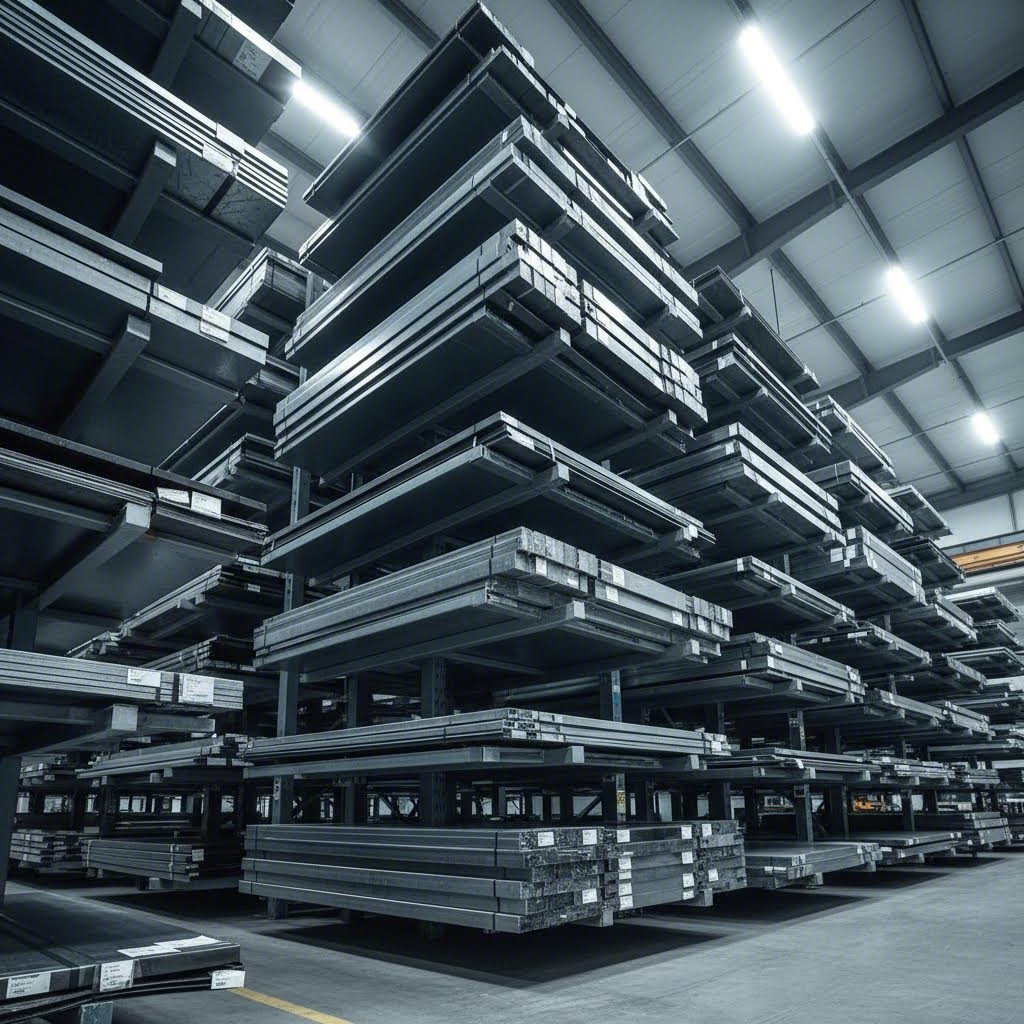
เดินเข้าไปในคลังสินค้าของผู้จัดจำหน่ายโลหะรายใดก็ตาม คุณจะสังเกตเห็นแผ่นโลหะที่ถูกจัดเรียงอยู่ในขนาดที่ค่อนข้างคงที่อย่างน่าประทับใจ ซึ่งไม่ใช่เรื่องบังเอิญแต่อย่างใด อุตสาหกรรมนี้ได้มีการกำหนดมาตรฐานขนาดแผ่นโลหะไว้โดยเฉพาะ เพื่อให้สมดุลระหว่างประสิทธิภาพในการผลิต การขนส่ง และการใช้งานจริง
รูปแบบที่พบได้บ่อยที่สุดคือแผ่นโลหะขนาด 4x8 ฟุต — กว้าง 4 ฟุต ยาว 8 ฟุต (48" x 96" หรือประมาณ 1220 มม. x 2440 มม.) ตามข้อมูลจาก BobCo Metals ขนาดนี้ครองตลาดเนื่องจากพอดีกับขนาดพาเลทมาตรฐาน ใช้พื้นที่ในตู้คอนเทนเนอร์ขนส่งได้อย่างเต็มที่ และสอดคล้องกับขนาดโมดูลการก่อสร้างทั่วไป เช่น ระยะห่างเสาโครงผนัง และแผ่นไม้อัด
นอกจากขนาดมาตรฐาน 4x8 แล้ว ยังมีขนาดแผ่นโลหะที่พบได้ทั่วไปดังต่อไปนี้:
- 4' x 10' (48" x 120"): นิยมใช้ในงานหลังคาและงานผนังด้านนอก ที่ต้องการรอยต่อให้น้อยลง
- 3' x 8' (36" x 96"): จัดการได้ง่ายกว่าสำหรับร้านค้าขนาดเล็กและโครงการทำเอง
- 2' x 4' (24" x 48"): เหมาะสำหรับงานประดิษฐ์และงานงานอดิเรก
- 4' x 4' (48" x 48"): รูปแบบสี่เหลี่ยมจัตุรัส เหมาะสำหรับการจัดวางเพื่อการผลิตบางประเภท
นี่คือสิ่งสำคัญที่ควรเข้าใจ: เมื่อรายการแสดงขนาด "4x8" ขนาดดังกล่าวโดยทั่วไปจะเป็น ค่าที่ระบุไว้ ค่าประมาณ—ไม่ใช่ขนาดที่แม่นยำตรงเป๊ะ การระบุขนาดแบบค่าประมาณหมายถึงขนาดที่ระบุไว้นั้นเป็นเพียงค่าโดยประมาณ โดยขนาดจริงจะอยู่ภายในช่วงความคลาดเคลื่อนที่กำหนดไว้ เช่น แผ่นขนาด "4x8" อาจมีขนาดจริง 48.125" x 96.25" หรือ 47.875" x 95.75" ขึ้นอยู่กับผู้ผลิตและวัสดุ สำหรับโครงการที่ต้องการความแม่นยำ ควรตรวจสอบขนาดจริงและช่วงความคลาดเคลื่อนก่อนสั่งซื้อเสมอ
คำอธิบายบริการตัดพิเศษ
หากแผ่นมาตรฐานขนาด 4x8 มีขนาดใหญ่เกินความต้องการของโครงการคุณล่ะ? นี่คือจุดที่ผู้จัดจำหน่ายโลหะออนไลน์โดดเด่นมาก ปัจจุบันหลายรายเสนอบริการจัดส่งโลหะที่ตัดตามขนาดที่คุณต้องการอย่างแม่นยำ
ตามที่ OnlineMetals.com ได้กล่าวไว้ บริการตัดพิเศษมีข้อดีคือ "ขนาดที่แม่นยำ ช่วยประหยัดเวลา ลดของเสีย และทำให้งบประมาณอยู่ในควบคุม" แทนที่จะซื้อแผ่นขนาด 4x8 ฟุตทั้งแผ่นแล้วต้องมาพยายามตัดเอง คุณสามารถสั่งซื้อแผ่นเหล็กที่ถูกตัดตามขนาดความยาวและกว้างที่โปรเจกต์ของคุณต้องการได้เป๊ะๆ
โดยทั่วไป การตัดพิเศษมีหลายวิธีดังนี้:
- การตัดเฉือน: การตัดตรงโดยใช้เครื่องตัดไฮดรอลิก — เร็ว ประหยัด แต่จำกัดเฉพาะเส้นตรงเท่านั้น
- การตัดเลเซอร์: การตัดที่แม่นยำ รวมถึงรูปทรงซับซ้อนและเส้นโค้ง โดยมีโซนที่ได้รับผลกระทบจากความร้อนน้อยที่สุด
- การตัดพลาสมา: คุ้มค่าต่อการใช้งานวัสดุที่หนา โดยเฉพาะเมื่อขอบที่ได้ไม่จำเป็นต้องสมบูรณ์แบบ
- การตัดไฮโดรเจ็ท: ไม่มีการบิดเบี้ยวจากความร้อน เหมาะสำหรับวัสดุที่ไวต่อความร้อน
ผู้จัดจำหน่ายหลายรายยังเสนอขายโลหะเป็นฟุต สำหรับแท่งโลหะ ท่อ และเหล็กฉาก โดยคิดราคาต่อฟุตเชิงเส้น แทนที่จะต้องซื้อทั้งความยาวเต็มขนาด ความยืดหยุ่นนี้มีประโยชน์อย่างมากเมื่อคุณต้องการความยาวเฉพาะ โดยไม่ต้องสูญเสียวัสดุจากการตัดเหล็กยาวๆ
การตัดโลหะตามแบบฟรีกำลังกลายเป็นมาตรฐานทั่วไปในหมู่ผู้จัดจำหน่ายโลหะออนไลน์ ก่อนชำระเงินเพิ่มสำหรับบริการตัด ควรเปรียบเทียบผู้จัดจำหน่ายหลายราย—คุณอาจพบว่ามีบริการตัดขนาดอย่างแม่นยำโดยไม่คิดค่าใช้จ่ายเพิ่มเติม
เข้าใจข้อกำหนดเกี่ยวกับปริมาณสั่งซื้อขั้นต่ำ
นี่คือจุดที่การสั่งซื้อออนไลน์แตกต่างอย่างชัดเจนจากการเดินเข้าไปที่ลานโลหะในพื้นที่ โดยผู้จัดจำหน่ายออนไลน์จำนวนมากจะกำหนดมูลค่าหรือปริมาณการสั่งซื้อขั้นต่ำ เพื่อชดเชยต้นทุนด้านการจัดการและการขนส่ง การเข้าใจข้อกำหนดเหล่านี้จะช่วยให้คุณวางแผนการซื้อได้อย่างมีประสิทธิภาพ
เมื่อประเมินผู้จัดจำหน่ายโลหะออนไลน์ ให้พิจารณาปัจจัยสำคัญเหล่านี้:
- ความสามารถในการตัดตามแบบ: ผู้จัดจำหน่ายมีบริการตัดความแม่นยำหรือไม่ และเป็นบริการฟรีหรือมีค่าใช้จ่าย?
- ความยืดหยุ่นด้านปริมาณ: คุณสามารถสั่งซื้อแผ่นเดียวได้หรือไม่ หรือมีข้อกำหนดขั้นต่ำด้านปริมาณ?
- ตัวเลือกการส่ง: พวกเขามีบริการขนส่งสำหรับคำสั่งซื้อขนาดใหญ่ และการจัดส่งทางพื้นดินสำหรับการซื้อของขนาดเล็กหรือไม่?
- ใบรับรองคุณภาพ: มีรายงานทดสอบจากโรงงาน (MTRs) ให้หรือไม่? พวกเขามีใบรับรอง ISO หรือใบรับรองที่เกี่ยวข้องอื่น ๆ หรือไม่?
- เกณฑ์ขั้นต่ำของมูลค่าการสั่งซื้อ: ค่าสั่งซื้อขั้นต่ำเพื่อจัดส่งฟรีหรือเพื่อหลีกเลี่ยงค่าธรรมเนียมคำสั่งซื้อขนาดเล็กคือเท่าใด
- การย้อนกลับต้นทางของวัสดุ: พวกเขาสามารถให้เอกสารรับรองแหล่งที่มาและองค์ประกอบของวัสดุได้หรือไม่
โปรดสังเกตอย่างใกล้ชิดถึงวิธีการแสดงรายละเอียดจำเพาะในรายการผลิตภัณฑ์ ผู้จัดจำหน่ายที่น่าเชื่อถือจะระบุอย่างชัดเจน: เกรดวัสดุ, ขนาดหรือความหนาเป็นหน่วยวัดจริง, มิติของแผ่น, พื้นผิวสำเร็จรูป, และค่าความคลาดเคลื่อนที่เกี่ยวข้องทั้งหมด หากข้อมูลในรายการกำกวมในรายละเอียดใด ๆ ควรขอคำชี้แจงก่อนการสั่งซื้อ—การสมมติฐานเกี่ยวกับรายละเอียดจำเพาะอาจนำไปสู่การส่งคืนสินค้าที่มีค่าใช้จ่ายสูงและการล่าช้าของโครงการ
เมื่อเข้าใจพื้นฐานเกี่ยวกับขนาดแล้ว คุณก็พร้อมที่จะสำรวจว่าประเภทต่างๆ ของแผ่นโลหะแต่ละชนิดเหมาะสมกับการใช้งานโครงการเฉพาะอย่างไร ตั้งแต่งานอุตสาหกรรมหนักไปจนถึงงานฝีมือที่ละเอียดอ่อน
การเลือกประเภทแผ่นโลหะให้ตรงกับความต้องการของโครงการคุณ
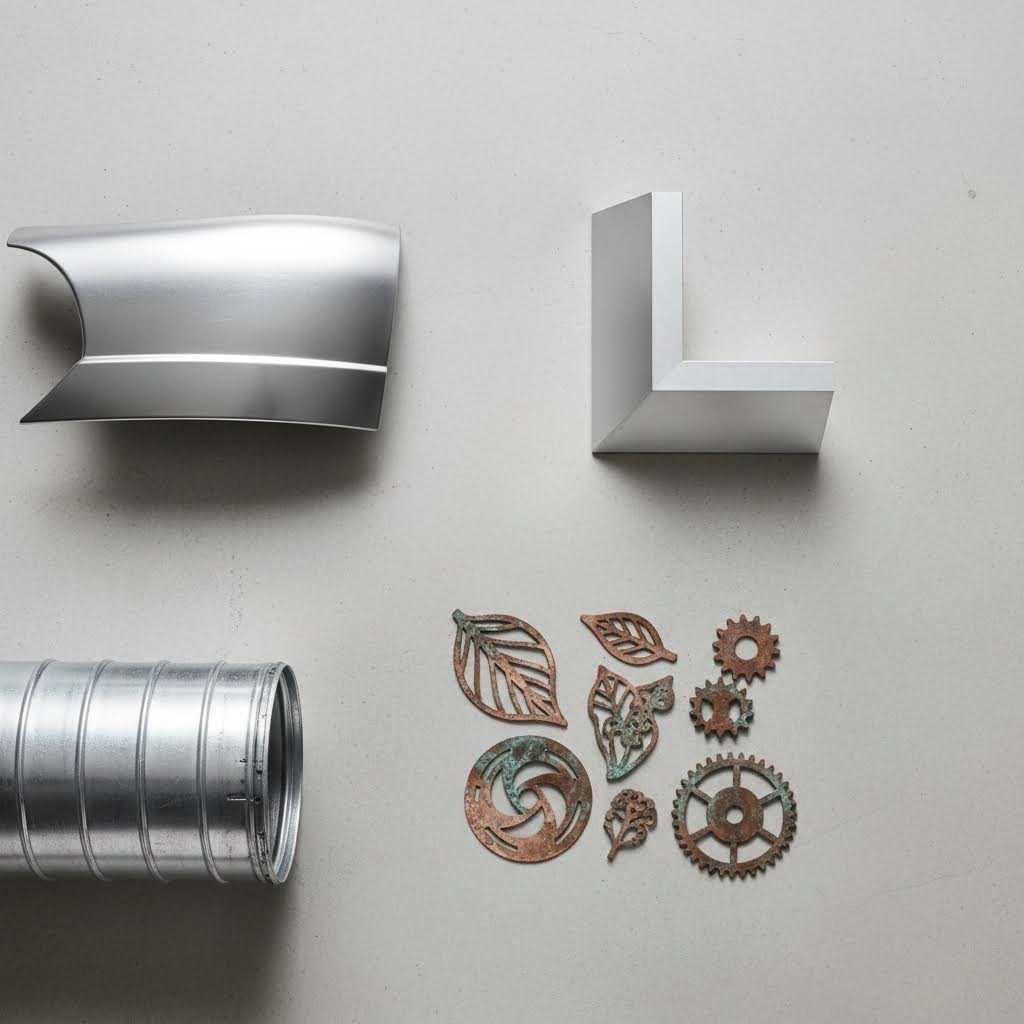
คุณเชี่ยวชาญด้านวัสดุ ความหนาของแผ่น และวิธีการแปรรูปแล้ว — แต่ความรู้เหล่านั้นจะถูกนำมาประยุกต์ใช้ในโลกแห่งความเป็นจริงได้อย่างไร? ลองจินตนาการถึงการเดินเข้าไปในร้านเครื่องมืออย่างมีรายการซื้อที่ชัดเจน เทียบกับการเดินวนไปมาตามชั้นวางสินค้าโดยหวังว่าสักอย่างจะดูเหมาะสม การเข้าใจว่าวัสดุแผ่นโลหะชนิดใดเหมาะกับงานประเภทใด จะเปลี่ยนคุณจากผู้ซื้อที่สับสน ให้กลายเป็นผู้ตัดสินใจอย่างมั่นใจ มาดูกันว่าอุตสาหกรรมต่าง ๆ ใช้แผ่นโลหะอย่างไร และคุณสามารถนำหลักการเหล่านี้ไปประยุกต์ใช้กับโครงการของคุณได้อย่างไร
การประยุกต์ใช้งานในอุตสาหกรรมยานยนต์และระบบขนส่ง
อุตสาหกรรมยานยนต์ใช้แผ่นโลหะเป็นจำนวนมาก และมีเหตุผลที่สำคัญมาก ตามข้อมูลจาก Metal Works Corporation , การเลือกโลหะที่เหมาะสมจำเป็นต้องพิจารณาความสมดุลระหว่างความแข็งแรง น้ำหนัก ความต้านทานการกัดกร่อน และต้นทุน — ซึ่งเป็นปัจจัยที่วิศวกรยานยนต์ต้องประเมินอยู่ตลอดเวลา
เมื่อคุณทำงานด้านยานยนต์ การเลือกวัสดุมีผลโดยตรงต่อสมรรถนะ:
- แผ่นตัวถังและชิ้นส่วนภายนอก: เหล็กกล้ารีดเย็น (เบอร์ 16-20) หรือแผ่นอลูมิเนียม มีความยืดหยุ่นเพียงพอสำหรับการขึ้นรูปโค้งซับซ้อน ขณะที่ยังคงรักษาระบบโครงสร้างไว้ได้
- โครงสร้างและแชสซี: แผ่นเหล็กและเบอร์ที่หนากว่า (เบอร์ 10-14) ให้ความแข็งแรงในการปกป้องผู้โดยสารและรองรับระบบเครื่องจักรต่างๆ
- ระบบไอเสียและชิ้นส่วนเครื่องยนต์: สแตนเลสสตีล 304 หรือ 316L ทนต่อความร้อนและการกัดกร่อนที่ชิ้นส่วนเหล่านี้ต้องเผชิญ
- แต่งขอบและอุปกรณ์ตกแต่ง: อลูมิเนียม สแตนเลสสตีล หรือเหล็กชุบโครเมียม (เบอร์ 18-22) ให้ความสวยงามพร้อมความทนทาน
- ถังเชื้อเพลิงและภาชนะบรรจุของเหลว: เหล็กชุบสังกะสีหรืออลูมิเนียม ช่วยป้องกันการกัดกร่อนจากเชื้อเพลิงและสภาพแวดล้อม
สำหรับโครงการบูรณะหรือการสร้างตามสั่ง การเลือกวัสดุให้ตรงตามข้อกำหนดเดิมมีความสำคัญ โดยรถยนต์คลาสสิกมักใช้วัสดุที่มีเบอร์หนากว่ารถสมัยใหม่ ซึ่งพึ่งพาโลหะผสมขั้นสูงและการออกแบบที่เหมาะสมเพื่อลดน้ำหนัก แต่ยังคงรักษาระบบป้องกันการชนไว้ได้
การใช้งานในงานก่อสร้างและการออกแบบสถาปัตยกรรม
การก่อสร้างถือเป็นหนึ่งในงานที่ใช้แผ่นโลหะมากที่สุด ครอบคลุมตั้งแต่องค์ประกอบโครงสร้างไปจนถึงผนังด้านนอกเพื่อตกแต่ง โดยตามที่ E S Haji & Co. ระบุ ความทนทาน ความต้านทานต่อสภาพอากาศ และความยืดหยุ่นของแผ่นโลหะทำให้วัสดุนี้กลายเป็นตัวเลือกอันดับแรกสำหรับการสร้างโครงสร้างที่มั่นคง
นี่คือวิธีที่การเลือกวัสดุสอดคล้องกับการประยุกต์ใช้งานในงานก่อสร้าง:
- หลังคาและผนังด้านข้าง: เหล็กกล้าชุบสังกะสีแบบลอน (เบอร์ 22-26) หรืออลูมิเนียม ให้ความต้านทานต่อสภาพอากาศและความทนทานยาวนาน โดยแทบไม่ต้องบำรุงรักษารักษา
- ท่อระบายอากาศและปรับอากาศ (HVAC): เหล็กกล้าชุบสังกะสี (เบอร์ 22-26) ให้ความต้านทานต่อการกัดกร่อนในระบบจ่ายอากาศ พร้อมรักษาการไหลเวียนของอากาศอย่างสม่ำเสมอ
- การเสริมโครงสร้าง: แผ่นเหล็กและเหล็กคาร์บอนหนาแน่น (เบอร์ 10-14) ให้ความสามารถในการรับน้ำหนักสำหรับคาน เสา และข้อต่อ
- ชิ้นส่วนแฟลชชิงและแต่งขอบ: แผ่นอลูมิเนียมหรือเหล็กกล้าชุบสังกะสี (เบอร์ 24-26) ใช้ปิดรอยต่อและรอยเชื่อมต่อเพื่อป้องกันการซึมผ่านของน้ำ
- ผนังม่านตกแต่งสถาปัตยกรรม: แผ่นสเตนเลส สทองแดง หรืออลูมิเนียม สร้างเอกลักษณ์ให้กับภายนอกอาคาร โดยมีผลเคลือบผิวที่เปลี่ยนแปลงไปตามกาลเวลา
- แผ่นผนังและฝ้าเพดานภายใน: แผ่นโลหะบางในวัสดุอลูมิเนียมหรือเหล็ก (เบอร์ 24-28) ให้ความงามแบบทันสมัยพร้อมคุณสมบัติด้านเสียง
ทองแดงควรได้รับการกล่าวถึงเป็นพิเศษสำหรับการใช้งานด้านสถาปัตยกรรม แม้จะมีราคาสูง แต่การเกิดคราบผิวธรรมชาติ (patina) ของมันก่อให้เกิดลักษณะสีเขียวเฉพาะตัวที่เห็นได้จากอาคารโบราณและการติดตั้งระดับพรีเมียม ซึ่งเป็นคุณลักษณะที่ไม่สามารถเลียนแบบได้ด้วยวัสดุอื่น
ข้อพิจารณาสำหรับโครงการงานฝีมือและงานทำมือ
ไม่ใช่ทุกโครงการที่ต้องการวัสดุเกรดอุตสาหกรรม สำหรับนักงานอดิเรก ศิลปิน และผู้ชื่นชอบงานทำมือ แผ่นโลหะบางสำหรับงานฝีมือเปิดโอกาสทางสร้างสรรค์ที่เป็นไปไม่ได้หากใช้วัสดุที่หนักกว่า
ตาม การขายแผ่นโลหะบาง , แผ่นโลหะบางมีความ "เบา ทนทาน และง่ายต่อการนำไปใช้งาน ทำให้เหมาะอย่างยิ่งสำหรับโครงการสร้างสรรค์และโครงการเชิงปฏิบัติทุกประเภท" ข้อได้เปรียบหลักคือ คุณสามารถตัด ดัด และขึ้นรูปแผ่นโลหะสำหรับงานฝีมือได้ด้วยเครื่องมือพื้นฐาน โดยไม่จำเป็นต้องใช้อุปกรณ์เชื่อมหรือเครื่องจักรอุตสาหกรรม
การใช้งานทั่วไปสำหรับแผ่นโลหะในงานฝีมือ ได้แก่:
- งานศิลปะติดผนังและชิ้นงานตกแต่ง: ตัดแผ่นอลูมิเนียมหรือทองแดง (เบอร์ 24-30) ได้ง่ายด้วยกรรไกรตัดเหล็ก และสามารถทาสี ทำผิวเคลือบออกซิเดชัน หรือปั๊มลายนูนได้
- ผนังหลังครัว: สแตนเลสหรือทองแดง (เบอร์ 22-26) สร้างพื้นผิวที่ดูเป็นมืออาชีพและทำความสะอาดง่าย
- กระถางต้นไม้และป้ายชื่อในสวน: เหล็กชุบสังกะสีหรืออลูมิเนียมทนต่อสภาพแวดล้อมภายนอกได้ดี พร้อมเปิดโอกาสให้ตกแต่งได้ตามความคิดสร้างสรรค์
- เครื่องประดับและของใช้ขนาดเล็ก: ทองแดง เหลือง และอลูมิเนียมในความหนาบางมาก (เบอร์ 28-32) มีความยืดหยุ่นสูง เหมาะสำหรับงานละเอียดซับซ้อน
- โซลูชันการจัดเก็บและอุปกรณ์จัดระเบียบ: แผ่นเหล็ก (เบอร์ 22-26) ให้ความมั่นคงแข็งแรงสำหรับกระดานแม่เหล็ก ที่จัดเครื่องมือ และชั้นวางของ
- การทำโมเดลและต้นแบบ: อลูมิเนียม (เบอร์ 24-28) ผสานความง่ายต่อการแปรรูปเข้ากับรูปลักษณ์ที่ดูสมจริง
เมื่อเลือกแผ่นโลหะสำหรับงานฝีมือ ควรให้ความสำคัญกับความง่ายต่อการใช้งานมากกว่าความแข็งแรง แผ่นโลหะบางที่คุณสามารถตัดและขึ้นรูปได้ง่ายจะให้ผลลัพธ์ที่ดีกว่าการดิ้นรนกับวัสดุที่หนักเกินไปสำหรับเครื่องมือของคุณ
พิจารณาเครื่องมือที่คุณมีอยู่เมื่อเลือกเบอร์ของแผ่นโลหะ กรรไกรตัดเหล็กในบ้านโดยทั่วไปสามารถตัดเหล็กได้สบายๆ ถึงเบอร์ 22-24 วัสดุที่หนากว่านี้จำเป็นต้องใช้กรรไกรตัดแบบเครื่องบิน กรรไกรไฟฟ้า หรือเครื่องมือไฟฟ้า—ซึ่งเพิ่มต้นทุนและความซับซ้อนสำหรับโครงการที่ทำครั้งคราว
การเลือกวัสดุให้เหมาะสมกับความต้องการเฉพาะของคุณ จะช่วยป้องกันทั้งการเกินขนาด (จ่ายเงินสำหรับความแข็งแรงที่ไม่จำเป็น) และการขาดขนาด (วัสดุที่พังลงขณะใช้งาน) ไม่ว่าคุณจะผลิตแผ่นเหล็กสำหรับงานโครงสร้าง หรือตัดอลูมิเนียมบางๆ สำหรับโครงการงานฝีมือ หลักการเดียวกันนี้ก็ยังคงใช้ได้: เข้าใจความต้องการของคุณก่อน จากนั้นจึงเลือกวัสดุที่ตอบโจทย์ได้อย่างมีประสิทธิภาพที่สุด
แน่นอน วัสดุที่เหมาะสมคือเพียงครึ่งหนึ่งของสมรภูมิรบ เท่านั้น จากนี้ไป เราจะมาดูกันว่าเทคนิคและเครื่องมือใดที่คุณต้องใช้ในการทำงานกับแผ่นโลหะหลังจากที่สินค้ามาถึงประตูบ้านคุณ
การทำงานกับแผ่นโลหะหลังการซื้อ
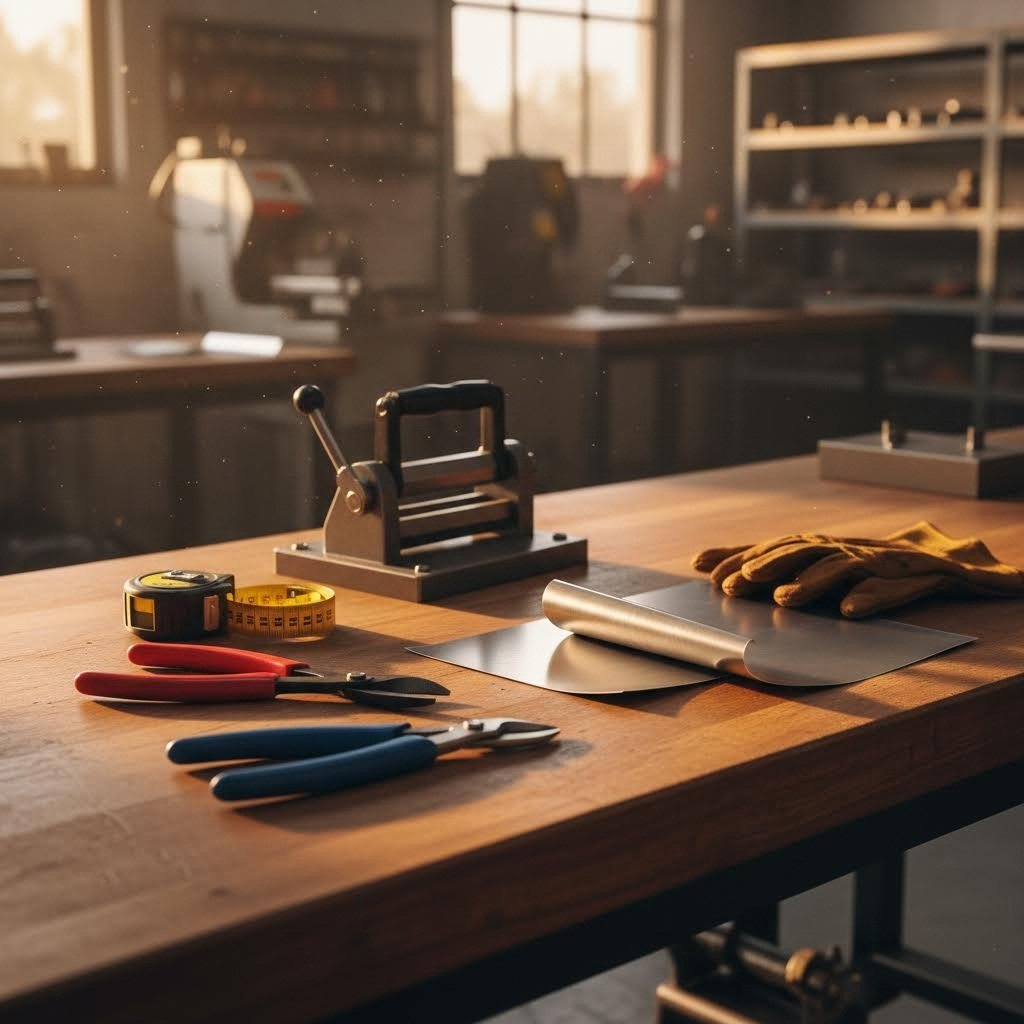
แผ่นโลหะของคุณมาถึงแล้ว—ต่อไปควรทำอย่างไร? การมีวัสดุที่เหมาะสมเป็นเพียงจุดเริ่มต้นเท่านั้น การแปลงแผ่นโลหะเรียบให้กลายเป็นชิ้นส่วนสำเร็จรูป จำเป็นต้องเข้าใจวิธีการตัดแผ่นโลหะอย่างปลอดภัย ขึ้นรูปอย่างแม่นยำ และการเชื่อมต่อชิ้นส่วนเมื่อจำเป็น เทคนิคที่คุณใช้ขึ้นอยู่กับความหนาของแผ่นโลหะ ประเภทของวัสดุ และความซับซ้อนของโครงการของคุณ ลองมาดูวิธีการพื้นฐานที่จะเปลี่ยนวัสดุดิบให้กลายเป็นชิ้นส่วนที่ใช้งานได้จริง
วิธีการตัดอย่างปลอดภัยสำหรับความหนาต่าง ๆ
นี่คือสิ่งที่ผู้ผลิตมือใหม่หลายคนเรียนรู้ด้วยวิธีที่ยาก: วิธีที่ดีที่สุดในการตัดแผ่นเหล็กนั้นขึ้นอยู่กับสิ่งที่คุณกำลังตัดอยู่โดยสิ้นเชิง เครื่องมือที่สามารถตัดอลูมิเนียมเบอร์ 22 ได้อย่างรวดเร็ว อาจประสบปัญหาหรือเกิดอันตรายได้หากนำไปใช้กับเหล็กกล้าคาร์บอนเบอร์ 12 ตามข้อมูลจาก NAPA Know How , "ปัจจัยที่สำคัญที่สุดที่ต้องพิจารณาเมื่อทำงานกับโลหะแผ่นคือขนาดเกจ (gauge) โดยยิ่งตัวเลขต่ำเท่าไร ความหนาของโลหะจะมากขึ้นเท่านั้น"
เครื่องมือแบบใช้มือโดยทั่วไปสามารถตัดเหล็กได้สูงสุดที่เกจ 16 หากตัดวัสดุที่หนากว่านี้ คุณอาจเสี่ยงต่อการชำรุดของอุปกรณ์หรือบาดเจ็บได้ นี่คือวิธีเลือกวิธีการตัดให้เหมาะสมกับความหนาของวัสดุ:
| ประเภทเครื่องมือ | เหมาะที่สุดสำหรับ (เกจของเหล็ก) | ประเภทการตัด | ระดับทักษะ |
|---|---|---|---|
| กรรไกรตัดด้วยมือ (กรรไกรตัดแผ่นบาง) | เกจ 18 และบางกว่า | เส้นตรง โค้งเล็กน้อย | นักเรียนมือใหม่ |
| สนามบิน | เกจ 18 และบางกว่า | โค้งแคบ เลี้ยวซ้าย/ขวา | นักเรียนมือใหม่ |
| กรรไกรตัดไฟฟ้า | เกจ 16 และบางกว่า | ตัดเส้นตรงยาว โค้งปานกลาง | ระดับกลาง |
| เครื่องตัดแบบกัดชิ้นเล็กๆ (Nibblers) | เกจ 16 และบางกว่า | รูปร่างที่ซับซ้อน ช่องเว้าด้านใน | ระดับกลาง |
| เลื่อยสายพาน (ใบเลื่อยสำหรับโลหะ) | เบอร์ 14 และบางกว่า | ตัดตรงและตัดโค้ง | ระดับกลาง |
| เครื่องเจียร์แบบมุมพร้อมจานตัด | ทุกเกจ | ตัดตรง งานหยาบ | ระดับกลาง |
| เครื่องตัดพลาสมา | ทุกเกจ | ตัดแม่นยำ รูปร่างซับซ้อน | ขั้นสูง |
ข้อควรระวังด้านความปลอดภัยที่สำคัญบางประการเมื่อตัดแผ่นโลหะ:
- ชนิดของวัสดุมีความสำคัญเท่ากับความหนา: สแตนเลสมีความแข็งมากกว่าเหล็กกล้าอ่อนอย่างเห็นได้ชัด—หากเครื่องมือของคุณสามารถตัดเหล็กเบอร์ 18 ได้ อาจตัดสแตนเลสได้เพียงเบอร์ 22 เท่านั้น
- อะลูมิเนียมให้ความยืดหยุ่นมากกว่า: คุณสามารถตัดอลูมิเนียมที่หนาขึ้นได้หนึ่งหรือสองเบอร์เมื่อเทียบกับค่าที่เครื่องมือกำหนดสำหรับเหล็ก
- สวมอุปกรณ์ป้องกันอย่างเหมาะสมเสมอ: ถุงมือหนา แว่นตานิรภัย อุปกรณ์ป้องกันหู (โดยเฉพาะเมื่อใช้เครื่องมือไฟฟ้า) และเสื้อแขนยาว ช่วยป้องกันการบาดเจ็บจากขอบคมและเศษโลหะ
- ยึดชิ้นงานของคุณให้มั่นคง: แผ่นโลหะที่ไม่ได้ยึดจะสั่นสะเทือน เกิดการติดขัด และทำให้เกิดรอยตัดที่ไม่เรียบร้อย
สำหรับการตัดตรงบนแผ่นขนาดใหญ่ การใช้เครื่องตัดแบบเหยียบหรือเครื่องตัดตั้งโต๊ะจะให้ขอบที่เรียบและแม่นยำ ซึ่งเป็นสิ่งที่เครื่องมือมือไม่สามารถทำได้ หากคุณต้องตัดโค้งซับซ้อน NAPA แนะนำให้ใช้คบเพลามาตรฐานว่า "เป็นวิธีที่เร็วที่สุดในการตัดแผ่นโลหะในรูปร่างซับซ้อน" แม้ว่าราคาที่มากกว่า 750 ดอลลาร์จะทำให้เครื่องมือนี้เหมาะกับผู้ที่ทำงานขึ้นรูปบ่อยๆ มากกว่าผู้ที่ทำโครงการเองเป็นครั้งคราว
การพิจารณาเกี่ยวกับการงอและการสร้างรูป
การตัดจะได้ชิ้นส่วนเรียบ ๆ ส่วนการดัดจะเปลี่ยนชิ้นส่วนเหล่านั้นให้เป็นองค์ประกอบสามมิติ แต่การดัดโลหะไม่ใช่แค่การยึดและออกแรงดัน—การเข้าใจพฤติกรรมของวัสดุจะช่วยป้องกันปัญหามุมแตก มุมดัดไม่สม่ำเสมอ และวัสดุสูญเสียเปล่า
ทุกชนิดของโลหะมี รัศมีการงอต่ำสุด รัศมีการดัดขั้นต่ำ (minimum bend radius)—รัศมีโค้งที่เล็กที่สุดที่สามารถดัดได้โดยไม่ทำให้ผิวด้านนอกแตกร้าว ตามคู่มือการผลิตของ Frigate คุณยังต้องพิจารณา การยืดกลับ (Springback) การเด้งกลับ (springback): แนวโน้มของโลหะที่จะคืนตัวบางส่วนกลับไปยังรูปร่างเดิมหลังจากการดัด เพื่อให้ได้มุมที่ต้องการ คุณจำเป็นต้องดัดเกินมุมเป้าหมายเล็กน้อย แล้วปล่อยให้วัสดุเด้งกลับมาอยู่ในตำแหน่งที่ต้องการ
ปัจจัยที่มีผลต่อคุณภาพของการดัด ได้แก่:
- ทิศทางของเส้นใย: การดัดในทิศทางตั้งฉากกับทิศทางการกลึง (rolling grain) จะช่วยลดความเสี่ยงของการแตกร้าว
- สภาพวัสดุ (Material temper): วัสดุที่ผ่านการอบอ่อน (annealed) จะดัดได้ง่ายกว่าวัสดุที่ผ่านการขึ้นรูปจนแข็ง (work-hardened)
- รัศมีการโค้ง: การดัดด้วยรัศมีเล็กจะทำให้วัสดุรับแรงเครียดมากขึ้น—แผ่นที่หนาควรใช้รัศมีใหญ่ขึ้น
- สภาพขอบ: ขอบที่ตัดหยาบหรือมีคมเบี้ยว (burred edges) อาจเริ่มก่อให้เกิดรอยแตกร้าวระหว่างกระบวนการขึ้นรูป
สำหรับการดัดด้วยตัวเอง เครื่องดัดแผ่นโลหะจะให้ผลลัพธ์ที่สม่ำเสมอและทำซ้ำได้ตลอดความกว้างของแผ่นโลหะ การดัดชิ้นส่วนขนาดเล็กสามารถทำได้โดยใช้ปากกาจับร่วมกับเหล็กฉากเป็นขอบดัด—เพียงแค่ทำงานอย่างค่อยเป็นค่อยไป แทนที่จะออกแรงดัดมุมแหลมทันที
เหล็กกล้าที่ผ่านการอบแข็งมีความท้าทายเฉพาะตัว ต่างจากเหล็กอ่อนหรืออลูมิเนียม เหล็กกล้าที่ผ่านการอบแข็งจะต้านทานการเปลี่ยนรูปและอาจแตกร้าวแทนที่จะดัดโค้งได้ หากงานของคุณเกี่ยวข้องกับเหล็กกล้าที่ผ่านการอบแข็ง ควรพิจารณาว่าการบำบัดความร้อนหลังจากการขึ้นรูป (แทนที่จะทำก่อน) อาจช่วยให้บรรลุเป้าหมายได้ หรือวัสดุชนิดอื่นอาจเหมาะสมกว่า
การเชื่อมโลหะชนิดต่างๆ
เมื่อใช้แม่แรงกลหรือกาวไม่เพียงพอ การเชื่อมจะสร้างข้อต่อถาวรที่มีความแข็งแรงสูง อย่างไรก็ตาม โลหะแต่ละชนิดต้องใช้วิธีการที่แตกต่างกัน—and บางชุดของโลหะไม่ควรพยายามเชื่อมเข้าด้วยกันเลย
การเชื่อมสเตนเลสสตีล มีความท้าทายเฉพาะตัวเมื่อเทียบกับเหล็กอ่อน ปริมาณโครเมียมที่ทำให้ทนต่อการกัดกร่อนยังส่งผลต่อพฤติกรรมขณะการเชื่อม:
- สแตนเลสสตีลนำความร้อนต่างจากวัสดุอื่น จึงจำเป็นต้องปรับค่าแอมป์ให้เหมาะสม
- การป้อนความร้อนมากเกินไปอาจทำให้เกิดปรากฏการณ์ "เซนซิไทเซชัน" คือ การเกิดโครเมียมคาร์ไบด์ ซึ่งจะลดความสามารถในการต้านทานการกัดกร่อนในบริเวณที่ได้รับผลกระทบจากความร้อน
- การพ่นอาร์กอนจากด้านหลังรอยเชื่อมเพื่อป้องกันการออกซิเดชันที่ด้านหลังของรอยเชื่อม
- การทำความสะอาดหลังการเชื่อม (แพสซิเวชัน) เพื่อฟื้นฟูชั้นออกไซด์ป้องกัน
กระบวนการเชื่อมที่แนะนำตามชนิดวัสดุ:
- เหล็กอ่อน: การเชื่อมแบบ MIG เรียนรู้ได้ง่ายและเร็วที่สุด ส่วนการเชื่อมแบบสติ๊กเหมาะกับงานแผ่นหนา
- เหล็กไม่ржаมี การเชื่อมแบบ TIG ให้ผลลัพธ์ที่สะอาดที่สุด การเชื่อมแบบ MIG ใช้ได้สำหรับงานที่ไม่ต้องการความแม่นยำสูง
- อลูมิเนียม: ควรใช้การเชื่อมแบบ TIG เป็นหลัก ส่วนการเชื่อมแบบ MIG ต้องใช้อุปกรณ์เสริมแบบสปูล건เฉพาะทาง
- เหล็กชุบสังกะสี: ขัดเคลือบออกจากรอบบริเวณรอยเชื่อม — ไอระเหยของสังกะสีมีพิษและสามารถปนเปื้อนรอยเชื่อมได้
วัสดุที่มีความหนาน้อย (เบอร์ 20 หรือบางกว่า) เป็นอุปสรรคแม้แต่สำหรับช่างเชื่อมที่มีประสบการณ์ เพราะความหนาของวัสดุที่จำกัดทำให้ความร้อนถ่ายเทผ่านได้อย่างรวดเร็ว จนเกิดรูทะลุก่อนที่จะเกิดการหลอมรวมอย่างเหมาะสม สำหรับการเชื่อมแผ่นโลหะบาง ควรลดแอมแปร์ เพิ่มความเร็วในการเคลื่อนหัวเชื่อม ใช้ลวดเชื่อมขนาดเล็กลง และพิจารณาการเชื่อมจุดในระยะสั้นๆ แทนการเชื่อมต่อเนื่องเป็นเส้นยาว
การเตรียมพื้นผิวและการตกแต่ง
วิธีการตกแต่งผิวโลหะของคุณมีผลต่อทั้งรูปลักษณ์และความทนทาน
ก่อนการพ่นสีหรือเคลือบผิว
- ขจัดคราบออกไซด์จากกระบวนการกลิ้ง สนิม และสิ่งปนเปื้อนออกด้วยการขัด เจียร หรือการบำบัดด้วยสารเคมี
- ทำความสะอาดน้ำมันออกจากผิวอย่างทั่วถึง — น้ำมันที่ติดมาจากมือจะทำให้การยึดเกาะของชั้นเคลือบไม่ดี
- ใช้รองพื้นที่เหมาะสม (ชนิดมีสังกะสีสูงสำหรับเหล็กคาร์บอน, ชนิดกัดกร่อนผิวเองสำหรับอลูมิเนียม, และสูตรพิเศษสำหรับพื้นผิวชุบสังกะสี)
สำหรับการใช้งานด้านตกแต่ง พื้นผิวเหล็กดำที่ได้จากการออกซิเดชันอย่างควบคุมหรือการเคลือบพิเศษจะสร้างลักษณะเฉพาะตัว โดยกระบวนการนี้จะให้ผิวด้านสีเข้มที่ได้รับความนิยมในเฟอร์นิเจอร์สมัยใหม่ อุปกรณ์ก่อสร้าง และงานโลหะเชิงศิลปะ — อย่างไรก็ตาม พื้นผิวดังกล่าวจำเป็นต้องมีการเคลือบใสหรือขี้ผึ้งเพื่อป้องกันการเกิดออกซิเดชันเพิ่มเติม
เมื่อใดควรเรียกผู้เชี่ยวชาญ
ไม่ใช่ทุกโครงการที่เหมาะกับการทำงานในโรงรถหรือพื้นที่ทำงานภายในบ้าน พิจารณาใช้บริการงานผลิตจากผู้เชี่ยวชาญเมื่อ:
- ความหนาของวัสดุเกินขีดจำกัดความสามารถของอุปกรณ์ที่คุณมี
- ต้องการความแม่นยำตามค่าที่กำหนด (tolerances) ซึ่งเครื่อง CNC สามารถทำได้ แต่ทำไม่ได้ด้วยมือ
- คุณภาพของการเชื่อมต้องเป็นไปตามข้อกำหนดด้านโครงสร้างหรือมาตรฐานกฎหมาย
- ปริมาณงานทำให้การจ้างภายนอกคุ้มค่ากว่าการใช้เวลาของคุณเอง
- วัสดุพิเศษ (ไทเทเนียม โลหะผสมความแข็งแรงสูง) ต้องอาศัยความชำนาญเฉพาะทางที่คุณไม่มี
ร้านมืออาชีพใช้อุปกรณ์อุตสาหกรรม เช่น เครื่องดัดไฮดรอลิก เครื่องตัดพลาสม่าแบบ CNC และเครื่องเชื่อมหุ่นยนต์ ซึ่งให้ผลลัพธ์ที่สม่ำเสมอและไม่สามารถทำได้ด้วยเครื่องมือมือถือ สำหรับงานออกแบบเฉพาะชิ้นเดียวหรือการพัฒนาต้นแบบ การลงทุนในการผลิตขึ้นรูปแบบมืออาชีพมักจะมีค่าใช้จ่ายต่ำกว่าค่าวัสดุที่คุณอาจสูญเสียไปจากการเรียนรู้ด้วยตนเองในระหว่างการทำงาน
การเข้าใจขีดความสามารถของคุณ—รวมถึงข้อจำกัด—จะนำไปสู่ผลลัพธ์ที่ดีกว่าการพยายามอย่างดื้อรั้นกับโครงการที่เกินระดับทักษะของคุณ เมื่อครอบคลุมพื้นฐานการขึ้นรูปแล้ว ตอนนี้มาดูกันว่าระบบการกำหนดราคาในตลาดแผ่นโลหะทำงานอย่างไร และวิธีประเมินมูลค่าเมื่อเปรียบเทียบผู้จัดจำหน่าย
การเข้าใจราคาและการประเมินมูลค่าของแผ่นโลหะ
คุณเคยสงสัยไหมว่าทำไมแผ่นเหล็กสองแผ่นที่ดูเหมือนกันเป๊ะๆ ถึงมีราคาต่างกันอย่างมาก? คุณไม่ได้คิดไปเอง—ราคาแผ่นโลหะนั้นมีปัจจัยหลายอย่างที่ผู้ซื้อส่วนใหญ่ไม่รู้ ความเข้าใจในปัจจัยเหล่านี้จะเปลี่ยนคุณจากผู้รับราคาให้กลายเป็นผู้เจรจาต่อรองที่ชาญฉลาด สามารถแยกแยะคุณค่าที่แท้จริงออกจากความประหยัดที่หลอกลวงได้ มาดูกันว่าอะไรคือสิ่งที่ขับเคลื่อนต้นทุนเมื่อคุณซื้อแผ่นโลหะออนไลน์
อะไรคือปัจจัยที่กำหนดราคาแผ่นโลหะ
เมื่อคุณกำลังศึกษาหาข้อมูลราเหล็กต่อปอนด์ หรือพยายามคำนวณต้นทุนแผ่นเหล็กสำหรับโครงการของคุณ คุณจะพบอย่างรวดเร็วว่าการกำหนดราคาที่ดูเหมือน 'ง่าย' นั้นแท้จริงแล้วไม่ง่ายเลย ตามข้อมูลจาก การวิจัยตลาด IndexBox แผ่นเหล็กกล้าคาร์บอนสามารถมีราคาตั้งแต่ 0.50 ถึง 1.50 ดอลลาร์ต่อปอนด์ ซึ่งหมายถึงความแตกต่างถึง 200% สำหรับวัสดุพื้นฐานเดียวกัน สิ่งใดที่อธิบายความแตกต่างอย่างมากเช่นนี้ได้?
ปัจจัยหลายประการที่เกี่ยวข้องกันกำหนดว่าเหล็กต่อปอนด์มีราคาเท่าใดในช่วงเวลาหนึ่ง:
- เกรดของวัสดุและองค์ประกอบโลหะผสม: เหล็กกล้าคาร์บอนมาตรฐานมีราคาถูกกว่าสแตนเลส 304 อย่างมาก ซึ่งมีราคาถูกกว่าสแตนเลส 316L โดยโลหะผสมพิเศษจะมีราคาสูงกว่า
- วิธีการแปรรูป: เหล็กรีดเย็นมีต้นทุนสูงกว่าเหล็กรีดร้อนเนื่องจากขั้นตอนการผลิตที่เพิ่มเติม
- ความหนาและเบอร์: เบอร์ที่หนากว่าต้องใช้วัตถุดิบมากกว่า ทำให้ราคาเหล็กต่อปอนด์สูงขึ้นโดยตรง
- การบำบัดผิว: การชุบสังกะสี การพ่นผงเคลือบ หรือการตกแต่งพิเศษเพิ่มต้นทุนการแปรรูป
- สภาพตลาด: อุปสงค์ทั่วโลก นโยบายการค้า อัตราภาษีนำเข้า และการจัดหาวัตถุดิบมีผลต่อความผันผวนของราคา
- ค่าขนส่ง: เหล็กมีน้ำหนักมาก—ดังนั้นโลจิสติกส์มีผลกระทบอย่างมากต่อราคาที่จัดส่งได้
ความไวต่อการเปลี่ยนแปลงของราคาเหล็กหมายความว่าใบเสนอราคาอาจเปลี่ยนแปลงได้ทุกสัปดาห์ หรือแม้แต่ทุกวันในช่วงที่ตลาดผันผวน สิ่งที่คุณจ่ายไปเมื่อเดือนที่แล้วอาจไม่สะท้อนราคาปัจจุบัน ทำให้การตัดสินใจซื้ออย่างทันท่วงทีมีความสำคัญสำหรับผู้ซื้อที่คำนึงถึงงบประมาณ
การเปรียบเทียบผู้จัดจำหน่ายและขอใบเสนอราคา
ผู้จัดจำหน่ายแต่ละรายไม่ได้ตั้งราคาเหมือนกัน แม้แต่วัสดุที่เทียบเท่ากันก็ตาม ตามคู่มือผู้ซื้อของ FastMetals การเปรียบเทียบราคาอย่างมีประสิทธิภาพจำเป็นต้องพิจารณานอกเหนือจากราคาต่อหน่วยเพื่อเข้าใจต้นทุนรวมในการครอบครอง
สิ่งที่ควรพิจารณาเมื่อเปรียบเทียบผู้จัดจำหน่ายแผ่นโลหะ:
| ปัจจัยต้นทุน | สิ่งที่ควรตรวจสอบ | ผลลัพธ์ที่เป็นไปได้ |
|---|---|---|
| ราคาวัสดุพื้นฐาน | ราคาต่อกิโลกรัม ต่อตารางฟุต หรือต่อแผ่น | ปัจจัยหลักที่ขับเคลื่อนต้นทุน |
| ค่าตัด | ตัดฟรี เทียบกับคิดค่าตัดต่อชิ้น เทียบกับค่าเตรียมเครื่อง | อาจเพิ่มต้นทุน 10-25% สำหรับคำสั่งซื้อขนาดเล็ก |
| มูลค่าขั้นต่ำของคำสั่งซื้อ | เกณฑ์ขั้นต่ำเพื่อหลีกเลี่ยงค่าธรรมเนียมสำหรับคำสั่งซื้อขนาดเล็ก | คิดค่าธรรมเนียม $25-100 สำหรับคำสั่งซื้อที่ต่ำกว่าเกณฑ์ขั้นต่ำ |
| ค่าส่ง | เกณฑ์การจัดส่งตามน้ำหนัก อัตราคงที่ หรือจัดส่งฟรี | อาจสูงกว่าต้นทุนวัสดุสำหรับปริมาณน้อย |
| ใบรับรองวัสดุ | รายงานการทดสอบจากโรงงานรวมอยู่ในราคาหรือมีค่าใช้จ่ายเพิ่มเติม | $10-50 ต่อการร้องขอใบรับรอง |
| ส่วนลดสำหรับการสั่งซื้อจำนวนมาก | มีส่วนลดตามช่วงปริมาณ | ประหยัดได้ 5-20% สำหรับคำสั่งซื้อขนาดใหญ่ |
การจัดส่งโลหะอย่างรวดเร็วมักมาพร้อมกับค่าใช้จ่ายเพิ่ม แต่สำหรับโครงการที่ต้องการความเร่งด่วน การจ่ายเงินเพิ่มเพื่อจัดส่งด่วนอาจทำให้เสียค่าใช้จ่ายน้อยกว่าการล่าช้าของโครงการ ในทางกลับกัน หากกำหนดเวลาของคุณสามารถยืดหยุ่นได้ ตัวเลือกการจัดส่งที่ช้ากว่าอาจช่วยลดต้นทุนรวมได้อย่างมาก
ขอใบเสนอราคาจากผู้จัดจำหน่ายอย่างน้อยสามรายก่อนดำเนินการสั่งซื้อขนาดใหญ่ ระบุรายละเอียดที่เหมือนกันทุกประการ—เกรดวัสดุ ความหนา ขนาด ปริมาณ และใบรับรองที่ต้องการ—เพื่อให้มั่นใจว่าคุณเปรียบเทียบผลิตภัณฑ์ที่เทียบเคียงกันได้
ระวังต้นทุนแฝงที่ทำให้ราคาสุดท้ายสูงขึ้น:
- ค่าบรรจุภัณฑ์: ผู้จัดจำหน่ายบางรายเรียกเก็บค่าใช้จ่ายเพิ่มสำหรับการบรรจุหีบห่อหรือการห่อป้องกัน
- ค่าธรรมเนียมเชื้อเพลิงเพิ่มเติม: ค่าธรรมเนียมที่เปลี่ยนแปลงตามราคาดีเซล
- ค่าดำเนินการศุลกากร: ค่าใช้จ่ายที่มากกว่าการตัดพื้นฐาน (เช่น การลบคม, การตกแต่งขอบ)
- ค่าธรรมเนียมการนำสินค้ากลับเข้าคลัง: เปอร์เซ็นต์ที่หักจากเงินคืนเมื่อส่งวัสดุคืน
การถ่วงดุลระหว่างต้นทุนกับข้อกำหนดด้านคุณภาพ
ตัวเลือกที่ถูกที่สุดไม่จำเป็นต้องให้คุณค่าดีที่สุดเสมอไป — และตัวเลือกที่แพงที่สุดก็ไม่จำเป็นต้องเหนือกว่าเสมอไป การจัดซื้ออย่างชาญฉลาดหมายถึงการเลือกระดับคุณภาพให้สอดคล้องกับความต้องการที่แท้จริงของโครงการ
พิจารณาตัวอย่างนี้: การซื้อเหล็กเกรดเชิงพาณิชย์สำหรับงานเชื่อมในสนามหลังบ้านถือว่าสมเหตุสมผล แต่หากกำหนดให้ใช้เหล็กเกรดเดียวกันนี้กับชิ้นส่วนความปลอดภัยของรถยนต์ล่ะ? นั่นคือสาเหตุที่นำไปสู่ปัญหาความรับผิดชอบและความล้มเหลวที่อาจเกิดขึ้นได้ แอปพลิเคชันที่แตกต่างกันต้องการมาตรฐานคุณภาพที่แตกต่างกัน
สำหรับการใช้งานที่สำคัญ การรับรองคุณภาพมีความสำคัญอย่างมาก ตัวอย่างเช่น การรับรอง IATF 16949 แสดงถึงมาตรฐานการบริหารคุณภาพของอุตสาหกรรมยานยนต์ — ผู้จัดจำหน่ายที่ได้รับการรับรองนี้แสดงให้เห็นถึงการควบคุมกระบวนการอย่างเข้มงวด ระบบตรวจสอบย้อนกลับ และการป้องกันข้อบกพร่อง เมื่อคุณจัดหาวัสดุสำหรับโครงรถ ช่วงล่าง หรือชิ้นส่วนโครงสร้าง การทำงานกับผู้จัดจำหน่ายที่ได้รับการรับรองจะทำให้คุณมีเอกสารและสามารถรับผิดชอบได้ ซึ่งผู้จัดจำหน่ายทั่วไปไม่สามารถเทียบเคียงได้
ต่อไปนี้คือกลยุทธ์ที่ใช้ได้จริงในการเพิ่มประสิทธิภาพด้านมูลค่าโดยไม่ลดทอนคุณภาพที่จำเป็น:
- เลือกเกรดวัสดุให้เหมาะสม: อย่าจ่ายแพงสำหรับสแตนเลส 316L หาก 304 สามารถตอบสนองความต้องการด้านการทนต่อการกัดกร่อนของคุณได้
- พิจารณาวัสดุในประเทศเทียบกับนำเข้า: เหล็กนำเข้าอาจมีราคาถูกกว่า แต่อาจทำให้ระยะเวลาจัดส่งยาวนานขึ้นและคุณภาพไม่สม่ำเสมอ
- ซื้อจำนวนมากเมื่อทำได้: การรวมคำสั่งซื้อช่วยลดต้นทุนต่อหน่วยและค่าขนส่ง
- วางแผนช่วงเวลาการซื้อให้เหมาะสม: ราคาน้ำหนักเหล็กต่อปอนด์มีการเปลี่ยนแปลงตามฤดูกาล—โครงการขนาดใหญ่จะได้รับประโยชน์จากการจับจังหวะตลาด
- เจรจาต่อรองสำหรับคำสั่งซื้อขนาดใหญ่: ผู้จัดจำหน่ายคาดหวังการเจรจาต่อรองสำหรับการซื้อสินค้าเป็นจำนวนมาก อย่ารับราคาที่ระบุไว้เป็นราคาสุดท้าย
- ขอรายงานการตรวจสอบวัสดุ: รายงานการตรวจสอบวัสดุยืนยันว่าคุณได้รับในสิ่งที่จ่ายไป ป้องกันการเปลี่ยนแปลงวัสดุที่อาจทำให้เสียค่าใช้จ่าย
การซื้อสินค้าจำนวนมากมักมาพร้อมกับโครงสร้างราคาที่แตกต่างกัน ผู้ซื้อในปริมาณมากอาจเจรจาสัญญาระยะยาวเพื่อกำหนดราคาคงที่เพื่อลดความผันผวน ซึ่งเป็นกลยุทธ์ที่น่าพิจารณาสำหรับความต้องการวัสดุอย่างต่อเนื่อง
สำหรับผู้ซื้อที่ต้องการชิ้นส่วนโลหะขึ้นรูปแบบแม่นยำ แทนที่จะเป็นแผ่นโลหะดิบ ผู้ผลิตที่ได้รับการรับรองสามารถนำเสนอข้อเสนอคุณค่าที่แตกต่างโดยสิ้นเชิง แทนที่จะซื้อวัสดุและผลิตเอง การร่วมมือกับผู้เชี่ยวชาญเฉพาะทางอย่าง Shaoyi (Ningbo) Metal Technology สามารถเร่งกระบวนการจากวัสดุไปสู่ชิ้นส่วนสำเร็จรูปได้อย่างราบรื่น ด้วยขีดความสามารถต่างๆ เช่น การทำต้นแบบอย่างรวดเร็วภายใน 5 วัน ระบบคุณภาพที่ได้รับการรับรองตามมาตรฐาน IATF 16949 และการจัดทำใบเสนอราคาภายใน 12 ชั่วโมง ผู้ผลิตเหล่านี้จึงสามารถให้การสนับสนุน DFM เพื่อปรับแต่งการออกแบบก่อนเริ่มการผลิต ซึ่งมักจะช่วยลดต้นทุนโครงการโดยรวมได้ แม้ว่าราคาต่อชิ้นจะสูงกว่าการผลิตเอง
คำถามคือ ความสามารถในการผลิตในสถานที่ของคุณ การลงทุนในอุปกรณ์ และเวลาแรงงาน จะมีต้นทุนมากหรือน้อยกว่าการจ้างผู้เชี่ยวชาญภายนอก? สำหรับชิ้นส่วนแชสซี ระบบกันสะเทือน และชิ้นส่วนโครงสร้างของยานยนต์ ซึ่งจำเป็นต้องมีใบรับรองคุณภาพ การตอบมักจะชี้ไปที่พันธมิตรการผลิตที่ได้รับการรับรอง
การเข้าใจจังหวะของราคาจะช่วยให้คุณตัดสินใจซื้อได้อย่างเหมาะสม โดยสามารถถ่วงดุลระหว่างต้นทุนในระยะสั้นกับมูลค่าในระยะยาว ด้วยพื้นฐานดังกล่าว คุณจึงพร้อมที่จะสรุปทุกสิ่งที่ได้เรียนรู้มาเป็นกรอบการทำงานเชิงปฏิบัติสำหรับการซื้อ ซึ่งจะทำให้มั่นใจได้ว่าการซื้อแผ่นโลหะครั้งต่อไปจะตอบโจทย์ความต้องการของโครงการคุณอย่างแท้จริงโดยไม่ต้องเสียใจภายหลัง
การตัดสินใจซื้อแผ่นโลหะอย่างชาญฉลาด
คุณได้เดินทางมาจากการทำความเข้าใจความแตกต่างพื้นฐานระหว่างแผ่นและแผ่นโลหะหนา ไปจนถึงการถอดรหัสแผนภูมิเกจ การประเมินวิธีการแปรรูป และการคำนวณต้นทุนที่แท้จริง ตอนนี้ถึงเวลาแล้วที่จะนำทุกอย่างมารวมกันเป็นกรอบการทำงานเชิงปฏิบัติ ซึ่งจะทำให้มั่นใจได้ว่าการซื้อครั้งต่อไปจะตอบสนองความต้องการของโครงการคุณอย่างแม่นยำ ไม่ว่าคุณจะกำลังสงสัยว่าจะซื้อแผ่นโลหะได้จากที่ไหน หรือกำลังลังเลระหว่างผู้จัดจำหน่ายในท้องถิ่นกับตัวเลือกออนไลน์ ส่วนสุดท้ายนี้จะมอบแผนที่แนวทางที่คุณต้องการ
รายการตรวจสอบการเลือกแผ่นโลหะของคุณ
ก่อนคลิก "เพิ่มลงรถเข็น" หรือโทรติดต่อผู้จัดจำหน่ายแผ่นโลหะในพื้นที่ของคุณ โปรดดำเนินการตามรายการตรวจสอบอย่างเป็นระบบข้างต้นนี้ แต่ละขั้นตอนจะต่อยอดจากความรู้ที่คุณได้เรียนรู้มาตลอดคำแนะนำฉบับนี้ โดยเปลี่ยนการตัดสินใจที่ซับซ้อนให้กลายเป็นทางเลือกที่จัดการได้ง่ายขึ้น
-
กำหนดข้อกำหนดการใช้งานของคุณเป็นอันดับแรก
- วัสดุจะต้องทนต่อแรงโหลด แรงเครียด หรือแรงกระแทกใดบ้าง
- วัสดุจะถูกสัมผัสกับความชื้น เคมีภัณฑ์ หรืออุณหภูมิที่สุดขั้วหรือไม่
- ลักษณะภายนอกมีความสำคัญหรือไม่ หรือวัสดุจะถูกปกปิดหรือทาสีทับ
- คุณจะต้องทำการขึ้นรูปใดบ้าง (การดัด การเชื่อม การตัด)
-
เลือกวัสดุประเภทที่เหมาะสม
- เหล็กกล้าคาร์บอนสำหรับความแข็งแรงและประหยัดต้นทุน เมื่อมีการเคลือบป้องกันการกัดกร่อน
- สแตนเลส (304 หรือ 316L) เมื่อจำเป็นต้องมีความต้านทานการกัดกร่อน
- อลูมิเนียมเมื่อต้องการลดน้ำหนักและต้องการความต้านทานการกัดกร่อนตามธรรมชาติ
- เหล็กกล้าชุบสังกะสีสำหรับการใช้งานกลางแจ้งที่ต้องการการป้องกันจากสภาพอากาศ
-
ระบุความต้องการด้านความหนา (gauge/ความหนา)
- จับคู่ความต้องการเชิงโครงสร้างกับความหนาที่เหมาะสม (โปรดจำไว้ว่า ตัวเลขยิ่งน้อย วัสดุยิ่งหนา)
- พิจารณาขีดจำกัดความสามารถของอุปกรณ์การผลิตที่คุณใช้งาน
- ตรวจสอบความหนาจริงเป็นนิ้วหรือมิลลิเมตร แทนที่จะอาศัยเพียงตัวเลขความหนา (gauge) เท่านั้น
- พิจารณาชนิดของวัสดุ—มาตรฐานความหนาของอลูมิเนียมแตกต่างจากมาตรฐานความหนาของเหล็ก
-
ระบุความต้องการด้านขนาด
- คำนวณมิติที่จำเป็น รวมถึงค่าเผื่อสำหรับเศษวัสดุจากการตัดและการขึ้นรูป
- พิจารณาว่าแผ่นมาตรฐานขนาด 4x8 ฟุตสามารถใช้งานได้หรือไม่ หรือการตัดตามแบบเฉพาะอาจช่วยประหยัดวัสดุได้
- พิจารณาว่าการใช้ชิ้นส่วนขนาดเล็กหลายชิ้นอาจมีต้นทุนต่ำกว่าการใช้แผ่นใหญ่หนึ่งแผ่นพร้อมค่าใช้จ่ายในการตัด
- พิจารณาข้อกำหนดด้านความคลาดเคลื่อนสำหรับชิ้นส่วนที่ต้องการความแม่นยำสูง
-
คำนวณปริมาณที่ต้องการ
- รวมปัจจัยการสูญเสีย (โดยทั่วไปอยู่ที่ 10–15% สำหรับโครงการส่วนใหญ่)
- พิจารณาสั่งซื้อเพิ่มเติมเพื่อรองรับข้อผิดพลาดที่อาจเกิดขึ้นในช่วงระยะเรียนรู้ของการผลิต
- ประเมินเกณฑ์ราคาสั่งซื้อจำนวนมาก — บางครั้งการสั่งซื้อในปริมาณมากกว่าอาจทำให้ต้นทุนต่อหน่วยลดลง
- วางแผนสำหรับความต้องการในอนาคต หากวัสดุชนิดเดียวกันจะถูกใช้ซ้ำอีก
-
ประเมินตัวเลือกผู้จัดจำหน่ายอย่างละเอียด
- เปรียบเทียบต้นทุนรวม รวมถึงค่าตัด ค่าขนส่ง และค่าสั่งซื้อขั้นต่ำ
- ตรวจสอบใบรับรองคุณภาพที่เหมาะสมกับการใช้งานของคุณ
- ตรวจสอบระยะเวลาจัดส่งเทียบกับกำหนดเวลาของโครงการคุณ
- อ่านรีวิวและขอรายชื่อลูกค้าอ้างอิงสำหรับคำสั่งซื้อขนาดใหญ่
-
ตรวจสอบเอกสารรับรองคุณภาพ
- ขอรายงานทดสอบโรงงาน (MTRs) สำหรับการใช้งานที่สำคัญ
- ยืนยันแหล่งที่มาของวัสดุและความสามารถในการติดตามย้อนกลับเมื่อข้อกำหนดต้องการ
- ตรวจสอบให้มั่นใจว่าใบรับรอง (ISO 9001, IATF 16949 สำหรับอุตสาหกรรมยานยนต์) สอดคล้องกับความต้องการของคุณ
- ทำความเข้าใจนโยบายการคืนสินค้าก่อนยืนยันการซื้อ
การค้นหาผู้จัดจำหน่ายออนไลน์ที่น่าเชื่อถือ
คำถามว่า "จะซื้อแผ่นเหล็กได้จากที่ไหน" วันนี้มีคำตอบมากกว่าที่เคยเป็นมา แต่ความหลากหลายก็สร้างความท้าทายในแบบของมันเอง—คุณจะแยกผู้จัดจำหน่ายที่น่าเชื่อถือออกจากผู้ที่อาจทำให้คุณได้รับวัสดุผิด จัดส่งล่าช้า หรือไม่มีช่องทางเรียกร้องสิทธิ์เมื่อเกิดปัญหาได้อย่างไร
ตาม คู่มือการเลือกผู้จัดจำหน่ายของ Loftis Steel การประเมินคู่ค้าที่อาจเกิดขึ้นจำเป็นต้องพิจารณาหลายมิติ นอกเหนือจากราคาเท่านั้น
- มาตรฐานคุณภาพ: มองหาผู้จัดจำหน่ายที่ได้รับการรับรองมาตรฐาน เช่น ISO 9001 ขอตัวอย่างหรือข้อมูลจำเพาะเพื่อยืนยันคุณภาพของวัสดุก่อนสั่งซื้อจำนวนมาก
- ประสบการณ์และความน่าเชื่อถือ: ศึกษาชื่อเสียงในอุตสาหกรรมผ่านความคิดเห็นออนไลน์ และขอรายชื่ออ้างอิงเมื่อเป็นไปได้ ประวัติอันยาวนานในด้านความน่าเชื่อถือบ่งชี้ถึงความไว้วางใจได้
- ช่วงผลิตภัณฑ์และสินค้าคงคลัง: ตรวจสอบให้มั่นใจว่าผู้จัดจำหน่ายมีโลหะ ชนิด และขนาดที่หลากหลายตามที่โครงการของคุณต้องการ ยืนยันว่าสินค้าคงคลังมีพร้อมใช้งาน และได้รับจากแหล่งผลิตที่มีชื่อเสียง
- บริการแปรรูป: ระบุว่าพวกเขามีบริการตัด ขึ้นรูป หรือตกแต่งอย่างไร และบริการเหล่านั้นสอดคล้องกับความต้องการของคุณหรือไม่
- ความรวดเร็วในการให้บริการลูกค้า: ทดสอบเวลาตอบสนองก่อนสั่งซื้อ ผู้จัดจำหน่ายที่ใช้เวลาหลายวันในการตอบคำถามก่อนขาย มักจะไม่ดีขึ้นหลังจากได้รับเงินของคุณแล้ว
ในฐานะที่ EOXS ระบุไว้ในกรอบการประเมินผู้จัดจำหน่ายของพวกเขา , ความมั่นคงทางการเงินก็สำคัญเช่นกัน—"ซัพพลายเออร์ที่มีเสถียรภาพทางการเงินจะมีโอกาสน้อยที่จะประสบปัญหาการหยุดชะงักของการดำเนินงาน ซึ่งอาจส่งผลกระทบต่อการจัดหาสินค้าของคุณ" สิ่งนี้มีความสำคัญอย่างยิ่งสำหรับโครงการที่ดำเนินต่อเนื่อง เพราะหากซัพพลายเออร์ล้มเหลวในช่วงกลางโครงการ จะทำให้เกิดความล่าช้าที่ส่งผลเสียต่อต้นทุน
ออนไลน์ เทียบกับ ภายในท้องถิ่น: การเลือกที่เหมาะสม
เมื่อคุณค้นหาคำว่า "แผ่นโลหะใกล้ฉัน" หรือ "โลหะแผ่นใกล้ฉัน" คุณกำลังเปรียบเทียบความสะดวกในการรับสินค้าจากผู้ขายในพื้นที่ กับข้อดีด้านตัวเลือกและการกำหนดราคาของผู้ขายออนไลน์ นี่คือแนวทางในการตัดสินใจ:
เลือกผู้จัดจำหน่ายในท้องถิ่นเมื่อ:
- คุณต้องการวัสดุทันที—การรับสินค้าในวันเดียวกันเร็วกว่าการจัดส่งแบบเร่งด่วน
- โครงการของคุณต้องการตรวจสอบคุณภาพวัสดุก่อนการซื้อ
- ค่าขนส่งสำหรับวัสดุหนักเกินกว่าราคาที่เพิ่มขึ้นจากการซื้อในท้องถิ่น
- คุณกำลังซื้อปริมาณน้อย ซึ่งค่าธรรมเนียมการสั่งซื้อขั้นต่ำจะเพิ่มสูงขึ้นเมื่อซื้อออนไลน์
- ความสัมพันธ์ส่วนตัวและการให้คำแนะนำทางเทคนิคมีคุณค่าต่อกระบวนการของคุณ
เลือกผู้จัดจำหน่ายออนไลน์เมื่อ:
- ตัวเลือกในท้องถิ่นไม่มีเกรด ขนาด หรือโลหะผสมที่คุณต้องการ
- การตัดตามขนาดที่กำหนดเองช่วยประหยัดเวลาในการแปรรูป
- การเปรียบเทียบราคาแสดงให้เห็นว่ามีการประหยัดค่าใช้จ่ายอย่างมากหลังจากหักค่าขนส่ง
- คุณสั่งซื้อจำนวนมาก ซึ่งสามารถได้รับส่วนลดตามปริมาณ
- วัสดุพิเศษไม่มีวางจำหน่ายในท้องถิ่นไม่ว่าจะเสนอราคาใดก็ตาม
ผู้ซื้อหลายคนพบว่าวิธีที่เหมาะสมที่สุดคือการผสมผสานทั้งสองแบบ: ซื้อแผ่นเหล็กจากแหล่งในท้องถิ่นสำหรับความต้องการเร่งด่วนและมาตรฐาน ขณะที่สั่งซื้อวัสดุพิเศษและปริมาณมากทางออนไลน์ ซึ่งมีข้อได้เปรียบด้านตัวเลือกและการกำหนดราคาเพิ่มขึ้น
ตั้งแต่วัตถุดิบจนถึงโครงการที่เสร็จสมบูรณ์
ตลอดคำแนะนำนี้ คุณได้รับความรู้ในการซื้อแผ่นโลหะทางออนไลน์อย่างมั่นใจ คุณเข้าใจความแตกต่างระหว่างแผ่นบาง (sheet) กับแผ่นหนา (plate) ว่าทำไมตัวเลขเกจจึงทำงานสวนทางกับความคาดหมาย วิธีการแปรรูปมีผลต่อคุณสมบัติของวัสดุอย่างไร และปัจจัยใดที่มีผลต่อการกำหนดราคา รากฐานนี้จะสนับสนุนทุกโครงการของคุณ—ตั้งแต่งานฝีมือในช่วงสุดสัปดาห์ไปจนถึงงานแปรรูปเชิงอุตสาหกรรม
แต่มีข้อพิจารณาที่สำคัญอย่างหนึ่ง: ไม่ใช่ทุกโครงการที่ควรเริ่มต้นด้วยวัสดุแผ่นดิบ บางครั้งเส้นทางจากแนวคิดสู่ชิ้นส่วนสำเร็จรูปสามารถดำเนินได้อย่างมีประสิทธิภาพมากกว่าผ่านผู้ผลิตเฉพาะทาง แทนที่จะเป็นอู่ซ่อมของคุณเอง
สำหรับโครงการที่ต้องการชิ้นส่วนที่ขึ้นรูปด้วยความแม่นยำ โดยเฉพาะโครงถังรถยนต์ ระบบกันสะเทือน และชิ้นส่วนโครงสร้าง ที่ต้องมีใบรับรองคุณภาพเป็น обязатель—ผู้ผลิตที่มีศักยภาพในการทำต้นแบบอย่างรวดเร็ว และมีการสนับสนุนด้านการออกแบบเพื่อการผลิต (DFM) อย่างครบวงจร สามารถเร่งระยะเวลาการผลิตได้อย่างมาก Shaoyi (Ningbo) Metal Technology เป็นตัวอย่างแนวทางนี้ ด้วยบริการผลิตต้นแบบใน 5 วัน ระบบคุณภาพที่ได้รับการรับรองตามมาตรฐาน IATF 16949 และการเสนอราคาภายใน 12 ชั่วโมง ซึ่งเปลี่ยนการตัดสินใจเลือกวัสดุให้กลายเป็นชิ้นส่วนที่ส่งมอบได้เร็วกว่าระยะเวลาการทำเองส่วนใหญ่
การตัดสินใจระหว่างการซื้อวัสดุดิบกับการจัดหาชิ้นส่วนสำเร็จรูป ขึ้นอยู่กับสถานการณ์เฉพาะของคุณ:
- ซื้อแผ่นโลหะดิบเมื่อ: คุณมีขีดความสามารถในการผลิต แบบของคุณได้รับการยืนยันแล้ว ปริมาณที่ต้องการมีน้อย หรือการเรียนรู้กระบวนการผลิตเองมีคุณค่า
- จัดหาชิ้นส่วนสำเร็จรูปเมื่อ: ต้องการใบรับรองคุณภาพ ปริมาณที่สั่งทำให้สามารถลงทุนกับแม่พิมพ์ได้ เวลาที่คุณมีจำกัดต้องการความรวดเร็ว หรือความแม่นยำเกินกว่าอุปกรณ์ของคุณจะทำได้
การตัดสินใจซื้อที่ดีที่สุดไม่จำเป็นต้องเป็นราคาต่ำที่สุดต่อกิโลกรัมเสมอไป แต่คือทางเลือกที่ตอบสนองความต้องการของโครงการคุณได้อย่างมีประสิทธิภาพที่สุด เมื่อพิจารณาจากเวลา คุณภาพ และต้นทุนรวม
ไม่ว่าคุณจะซื้อแผ่นโลหะจากผู้จัดจำหน่ายในท้องถิ่น สั่งวัสดุที่ตัดตามแบบออนไลน์ หรือร่วมมือกับผู้ผลิตที่ได้รับการรับรองสำหรับชิ้นส่วนสำเร็จรูป ความรู้ที่คุณได้รับจากที่นี่จะทำให้คุณตัดสินใจอย่างมีข้อมูล แทนที่จะคาดเดาไปอย่างไร้ทิศทาง ตอนนี้คุณสามารถสื่อสารด้วยภาษาของมาตรฐานขนาด ระดับเกรด และข้อกำหนดทางเทคนิค ซึ่งเป็นสิ่งที่แยกแยะผู้ซื้อที่มั่นใจออกจากผู้ที่สับสน
การซื้อแผ่นโลหะครั้งต่อไปของคุณไม่จำเป็นต้องมาพร้อมกับความเสียใจ อีกต่อไป ด้วยคู่มือนี้ คุณจะมีทุกสิ่งที่จำเป็นในการระบุสิ่งที่คุณต้องการอย่างแม่นยำ ประเมินผู้จัดจำหน่ายได้อย่างมีประสิทธิภาพ และได้รับวัสดุที่ตรงกับข้อกำหนดของโครงการคุณ นั่นคือความแตกต่างระหว่างการซื้อโลหะทั่วไป กับการซื้อโลหะที่ถูกต้อง
คำถามที่พบบ่อยเกี่ยวกับการซื้อแผ่นโลหะออนไลน์
1. ความแตกต่างระหว่างแผ่นโลหะและแผ่นเหล็กคืออะไร
ความแตกต่างหลักคือความหนา แผ่นโลหะมีความหนาน้อยกว่า 1/4 นิ้ว (6 มม.) ให้ความยืดหยุ่น น้ำหนักเบา และง่ายต่อการนำไปใช้งานในงานต่าง ๆ เช่น ตู้ครอบ แผ่นปิด หรือชิ้นส่วนตัวถังรถยนต์ ส่วนแผ่นเหล็กมีความหนาตั้งแต่ 1/4 นิ้วขึ้นไป ให้ความแข็งแรงทนทาน เหมาะสำหรับงานโครงสร้างขนาดใหญ่ เช่น สะพาน ฐานเครื่องจักร และอุปกรณ์อุตสาหกรรม การเข้าใจการจำแนกประเภทนี้จะช่วยให้คุณสั่งวัสดุที่เหมาะสมกับความต้องการเฉพาะของโครงการได้อย่างถูกต้อง
2. วิธีอ่านแผนภูมิเกจแผ่นโลหะ
ระบบเกจทำงานในลักษณะที่ขัดกับสามัญสำนึก: ตัวเลขเกจที่สูงกว่าจะหมายถึงวัสดุที่บางกว่า ตัวอย่างเช่น เหล็กเบอร์ 22 (0.76 มม.) มีความหนาเพียงเล็กน้อยเมื่อเทียบกับเหล็กเบอร์ 10 (3.42 มม.) ระบบนี้มีที่มาจากกระบวนการผลิตลวด ซึ่งการดึงลวดหลายครั้งจะทำให้ลวดบางลง นอกจากนี้ ตัวเลขเกจจะแปลเป็นความหนาจริงที่แตกต่างกันไปตามประเภทของวัสดุ เช่น เหล็กเบอร์ 16 จะหนา 1.52 มม. ในขณะที่อลูมิเนียมเบอร์ 16 จะหนาเพียง 1.29 มม. ควรตรวจสอบความหนาจริงเป็นมิลลิเมตรหรือนิ้วเสมอ แทนที่จะพึ่งพาเฉพาะตัวเลขเกจ
3. มีขนาดมาตรฐานของแผ่นโลหะอะไรบ้างที่สามารถสั่งซื้อออนไลน์ได้?
รูปแบบที่พบบ่อยที่สุดคือแผ่นโลหะขนาด 4x8 (48" x 96" หรือประมาณ 1220 มม. x 2440 มม.) ซึ่งพอดีกับมิติพาเลทมาตรฐานและสอดคล้องกับขนาดโมดูลการก่อสร้าง ขนาดทั่วไปอื่น ๆ ได้แก่ 4 ฟุต x 10 ฟุต สำหรับการใช้งานหลังคา, 3 ฟุต x 8 ฟุต สำหรับการจัดการที่ง่ายขึ้นในร้านขนาดเล็ก และ 2 ฟุต x 4 ฟุต สำหรับงานฝีมือ ผู้จัดจำหน่ายออนไลน์หลายรายยังให้บริการตัดตามแบบ ทำให้คุณสามารถสั่งซื้อแผ่นที่ตัดตามข้อกำหนดเฉพาะของคุณได้ ช่วยลดของเสียและประหยัดเวลาในการผลิต
4. อลูมิเนียมเป็นสนิมเหมือนเหล็กหรือไม่?
ไม่ เหล็กอลูมิเนียมไม่เป็นสนิมเหมือนโลหะที่มีส่วนประกอบของเหล็ก อย่างไรก็ตาม อลูมิเนียมจะเกิดการออกซิเดชัน ทำให้เกิดชั้นบางๆ ของอลูมิเนียมออกไซด์บนผิวหน้า ข่าวดีคือ การออกซิเดชันนี้กลับช่วยปกป้องโลหะชั้นล่างไม่ให้เสื่อมสภาพต่อเนื่องเหมือนสนิมที่เกิดกับเหล็กกล้า ความต้านทานการกัดกร่อนตามธรรมชาตินี้ทำให้แผ่นอลูมิเนียมเหมาะสำหรับการใช้งานในอุตสาหกรรมการบินและอวกาศ การขนส่ง ทางทะเล และงานสถาปัตยกรรม ที่มีการสัมผัสกับสภาพอากาศโดยไม่จำเป็นต้องใช้ชั้นเคลือบป้องกันเพิ่มเติม
5. ปัจจัยใดบ้างที่มีผลต่อราคาแผ่นโลหะเมื่อซื้อออนไลน์
ปัจจัยหลายประการที่เกี่ยวข้องกันมีผลต่อต้นทุนแผ่นโลหะ: ชนิดของวัสดุและองค์ประกอบของโลหะผสม (เหล็กกล้าไร้สนิมมีราคาแพงกว่าเหล็กกล้าคาร์บอน), วิธีการแปรรูป (แบบรีดเย็นมีราคาสูงกว่าแบบรีดร้อน), ความหนาและเบอร์ (เบอร์ที่หนากว่าต้องใช้วัสดุมากกว่า), การเคลือบผิวเช่น การชุบสังกะสี, สภาพตลาดในปัจจุบัน และค่าขนส่ง นอกเหนือจากราควัสดุพื้นฐานแล้ว ควรพิจารณาค่าตัด, ค่าสั่งซื้อขั้นต่ำ, ค่าจัดส่ง และค่าใบรับรอง การเปรียบเทียบต้นทุนรวมจากผู้จัดจำหน่ายหลายราย—รวมถึงค่าใช้จ่ายแฝงเหล่านี้—จะช่วยให้มั่นใจได้ว่าคุณได้รับคุณค่าที่แท้จริง