 Small batches, high standards. Our rapid prototyping service makes validation faster and easier —
  EN
EN


บริการตัดโลหะด้วยเลเซอร์อธิบายอย่างละเอียด: จากการอัปโหลดไฟล์จนถึงชิ้นส่วนสำเร็จรูป
การทำความเข้าใจเกี่ยวกับเทคโนโลยีการตัดโลหะด้วยเลเซอร์
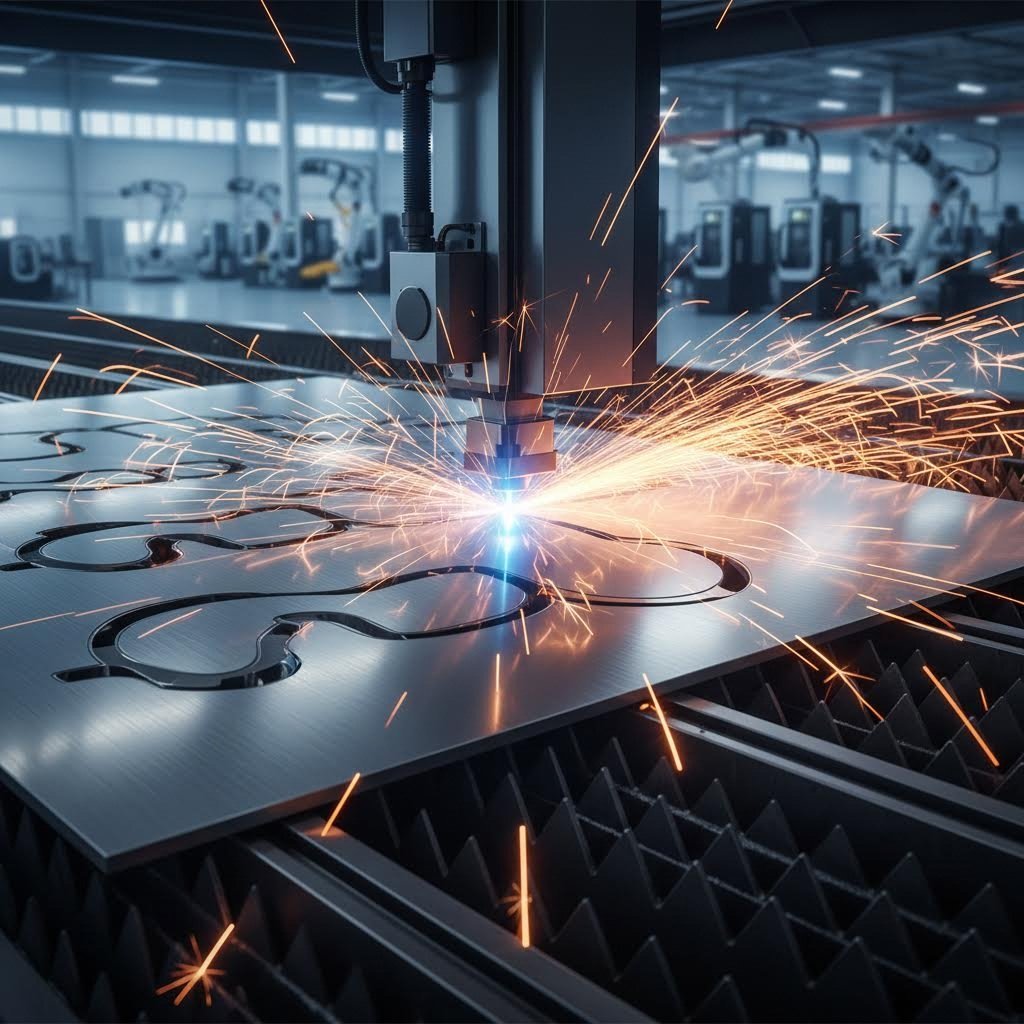
เมื่อคุณโฟกัสพลังงานแสงที่เข้มข้นลงบนเหล็กกล้า จะเกิดอะไรขึ้น? คุณจะได้วิธีการตัดที่แม่นยำที่สุดอย่างหนึ่งในอุตสาหกรรมการผลิตสมัยใหม่ บริการตัดโลหะด้วยเลเซอร์เปลี่ยนแผ่นโลหะดิบให้กลายเป็นชิ้นส่วนที่ซับซ้อน โดยใช้เพียงแสงที่ถูกควบแน่นโดยไม่มีมีดหรือใบพลองใดๆ สัมผัสวัสดุเลย
การตัดด้วยเลเซอร์เป็นกระบวนการผลิตชิ้นส่วนที่ใช้ลำแสงเลเซอร์กำลังสูง ซึ่งถูกควบคุมผ่านระบบออปติกและระบบควบคุมตัวเลขด้วยคอมพิวเตอร์ (CNC) เพื่อหลอม เผา หรือทำให้วัสดุระเหยไปตามเส้นทางที่โปรแกรมไว้ ทิ้งร่องรอยขอบที่มีคุณภาพสูงไว้เบื้องหลัง
แสงที่ถูกโฟกัสเปลี่ยนแปลงการขึ้นรูปโลหะได้อย่างไร
ลองนึกภาพการรวมแสงแดดผ่านแว่นขยาย แล้วเพิ่มความเข้มข้นนั้นขึ้นหลายพันเท่า นั่นคือหลักการตัดด้วยเลเซอร์ในรูปแบบที่ง่ายที่สุด เลเซอร์ลำรังสี—โดยทั่วไปมีเส้นผ่านศูนย์กลางไม่เกิน 0.32 มม. (0.0125 นิ้ว) ที่จุดแคบที่สุด—สามารถส่งพลังงานเพียงพอที่จะตัดผ่านเหล็ก อัลูมิเนียม และโลหะอื่นๆ ได้อย่างแม่นยำอย่างน่าทึ่ง บางระบบสามารถทำให้ความกว้างของรอยตัดแคบได้ถึง 0.10 มม. (0.004 นิ้ว) ขึ้นอยู่กับความหนาของวัสดุ
ต่างจากวิธีการตัดเชิงกลที่อาศัยการสัมผัสทางกายภาพ การตัดด้วยเลเซอร์จะขจัดวัสดุด้วยพลังงานความร้อน โดยใช้กระแสก๊าซแรงดันสูง—ซึ่งอาจเป็นก๊าซไนโตรเจนเฉื่อยเพื่อให้ได้ขอบเรียบ หรือก๊าซออกซิเจนเพื่อเร่งการตัดเหล็ก—พัดเอาวัสดุที่ละลายออกไปจากรอยตัด ผลลัพธ์ที่ได้คือ ขอบตัดเรียบและแม่นยำ โดยไม่มีความเครียดทางกลที่เกิดจากการตัดแบบดั้งเดิม
ศาสตร์เบื้องหลังการตัดโลหะอย่างแม่นยำ
เครื่องจักรสร้างแสงที่มีพลังเช่นนี้ได้อย่างไร? หลักการทางฟิสิกส์เกี่ยวข้องกับกระบวนการที่น่าสนใจเรียกว่า การแผ่รังสีแบบกระตุ้น (stimulated emission) ภายในตัวเรโซแนเตอร์ของเลเซอร์ อิเล็กตรอนจะดูดซับพลังงานและกระโดดไปยังระดับพลังงานที่สูงขึ้น เมื่ออิเล็กตรอนที่ถูกกระตุ้นเหล่านี้กลับสู่ระดับต่ำกว่า จะปล่อยโฟตอน—อนุภาคของแสง—ที่มีคุณสมบัติเหมือนกันออกมา โฟตอนเหล่านี้สะท้อนกลับไปมาภายในท่อเลเซอร์ระหว่างกระจกสองแผ่น ทำให้จำนวนโฟตอนเพิ่มขึ้นอย่างรวดเร็ว จนกระทั่งลำแสงมีความเข้มข้นพอที่จะลอดผ่านกระจกสะท้อนบางส่วนออกไปได้
จากนั้นลำแสงที่มีความสอดคล้องกันนี้จะเดินทางผ่าน สายเคเบิลไฟเบอร์ออปติก หรือชุดของกระจกสะท้อนไปยังเลนส์โฟกัส เลนส์จะรวมพลังงานทั้งหมดไว้ที่จุดเล็กมาก จนเกิดอุณหภูมิสูงพอที่จะหลอมหรือทำให้โลหะกลายเป็นไอในทันที ระบบควบคุมตัวเลขด้วยคอมพิวเตอร์ (CNC) จะนำทางหัวตัดไปตามเส้นทางที่ถูกโปรแกรมไว้อย่างแม่นยำ โดยปฏิบัติตามคำสั่งที่สร้างขึ้นจากไฟล์ออกแบบ CAD ของคุณ
จากการแผ่รังสีแสงสู่ชิ้นงานสำเร็จรูป
การตัดโลหะด้วยเลเซอร์ได้กลายเป็นสิ่งจำเป็นในอุตสาหกรรมการผลิต เพราะสามารถแก้ปัญหาที่วิธีอื่นทำไม่ได้ ต้องการลวดลายซับซ้อนบนเหล็กสเตนเลสบางๆ ใช่ไหม การตัดโลหะด้วยเลเซอร์ทำได้อย่างง่ายดาย ต้องการความแม่นยำสูงในชิ้นส่วนอลูมิเนียมหรือไม่ เทคโนโลยีนี้ให้ผลลัพธ์ที่สม่ำเสมอ ไม่ว่าจะเป็นชิ้นส่วนยานยนต์หรือแผงสถาปัตยกรรม ผู้ผลิตต่างพึ่งพาบริการเหล่านี้เพราะความรวดเร็ว ความแม่นยำ และความหลากหลายที่รวมกันอย่างลงตัว
เมื่อคุณใช้เลเซอร์ในการตัดโลหะ คุณกำลังนำเอาองค์ความรู้ด้านโฟโตนิกส์ที่พัฒนามาหลายทศวรรษและปรับให้เหมาะกับการใช้งานเชิงอุตสาหกรรมมาใช้ประโยชน์ เทคโนโลยียังคงพัฒนาอย่างต่อเนื่อง โดยระบบเลเซอร์ไฟเบอร์รุ่นใหม่ให้ประสิทธิภาพที่ดีขึ้น และสามารถตัดวัสดุสะท้อนแสงได้ ซึ่งเป็นอุปสรรคสำหรับเครื่องจักรรุ่นก่อนหน้า การเข้าใจพื้นฐานเหล่านี้จะช่วยให้คุณสื่อสารกับผู้ให้บริการได้มีประสิทธิภาพมากขึ้น และตัดสินใจอย่างมีข้อมูลสำหรับโครงการงานแปรรูปของคุณ
ประเภทของเทคโนโลยีเลเซอร์และความสามารถ
คุณเข้าใจว่าการตัดด้วยเลเซอร์ทำงานอย่างไร แต่แล้วเลเซอร์ประเภทใดที่เหมาะกับการใช้งานเครื่องตัดสำหรับโครงการของคุณจริงๆ คำถามนี้ทำให้วิศวกรและผู้จัดการฝ่ายจัดซื้อหลายคนสับสน เพราะคำตอบไม่ได้ชัดเจนเสมอไป เทคโนโลยีเลเซอร์แต่ละแบบมีข้อดีในสถานการณ์ที่แตกต่างกัน การเลือกผิดอาจหมายถึงการผลิตที่ช้าลง ต้นทุนที่สูงขึ้น หรือคุณภาพขอบที่ไม่ดีพอ
มาดูรายละเอียดสามประการ เทคโนโลยีเครื่องตัดด้วยเลเซอร์สำหรับโลหะหลัก ที่คุณจะพบเมื่อจัดหาบริการงานแปรรูปโลหะ
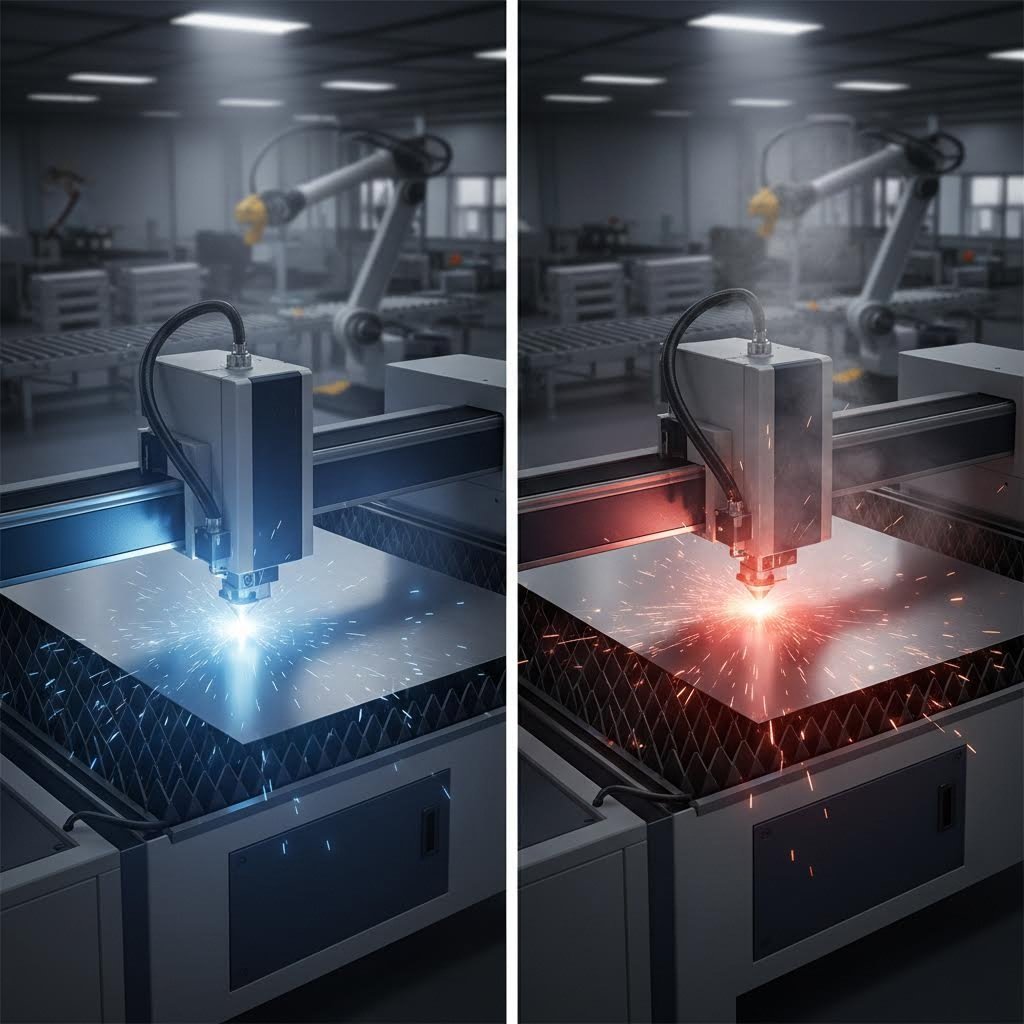
เปรียบเทียบ Fiber Lasers กับ CO2 Lasers
เทคโนโลยีสองแบบที่ครองตลาดอยู่ในงานตัดแผ่นโลหะด้วยเครื่องเลเซอร์ คือ เลเซอร์ไฟเบอร์ (Fiber Lasers) และเลเซอร์ CO2 (CO2 Lasers) การเข้าใจความแตกต่างพื้นฐานระหว่างสองแบบนี้จะช่วยให้คุณประเมินใบเสนอราคาและขีดความสามารถได้อย่างมีประสิทธิภาพมากขึ้น
เลเซอร์ไฟเบอร์ ใช้เทคโนโลยีแบบโซลิดสเตตพร้อมเส้นใยแก้วนำแสงที่เติมธาตุหายากอย่างอิตเทรียมเบียม พลังงานจากไดโอดเลเซอร์กึ่งตัวนำจะเดินทางผ่านสายเคเบิลไฟเบอร์ออปติก กระตุ้นไอออนอิตเทรียมเบียมให้ปล่อยโฟตอนใกล้อินฟราเรดที่ความยาวคลื่น 1.064 ไมโครเมตร โครงสร้างขนาดกะทัดรัดนี้ช่วยขจัดความจำเป็นในการใช้ระบบปรับแนวกระจกที่ซับซ้อน ส่งผลให้ลดความต้องการการบำรุงรักษาและเพิ่มความน่าเชื่อถือ
เลเซอร์ CO2 สร้างลำแสงต่างออกไป โดยการคายประจุไฟฟ้าจะกระตุ้นก๊าซคาร์บอนไดออกไซด์ภายในหลอดปิดผนึก ผลิตแสงอินฟราเรดไกลที่ความยาวคลื่น 10.6 ไมโครเมตร ความยาวคลื่นที่ยาวกว่านี้ต้องใช้กระจกในการควบคุมเส้นทางลำแสง เนื่องจากไม่สามารถส่งผ่านสายเคเบิลไฟเบอร์ออปติกได้ ถึงแม้ว่าสิ่งนี้จะเพิ่มความซับซ้อน แต่ระบบ CO2 ยังคงมีคุณค่าในบางการใช้งานเฉพาะ
ตัวเลือกที่สาม เลเซอร์ Nd:YAG , มอบความแม่นยำสูงมากสำหรับการใช้งานเฉพาะทาง เช่น เครื่องประดับ อิเล็กทรอนิกส์ หรือการผลิตไมโคร อย่างไรก็ตาม ระบบนี้มีข้อจำกัดในการใช้กับวัสดุที่บางเท่านั้น และจัดเป็นตัวเลือกเฉพาะกลุ่มเมื่อเทียบกับเทคโนโลยีไฟเบอร์และ CO2
ความแตกต่างของกำลังงานและความยาวคลื่นที่สำคัญ
เหตุใดความยาวคลื่นจึงมีความสำคัญมากนัก? เพราะมันส่งผลโดยตรงต่อการดูดซับพลังงานเลเซอร์ของโลหะ—and การดูดซับนี้เองที่กำหนดประสิทธิภาพในการตัด
ความยาวคลื่นที่สั้นกว่าของเลเซอร์ไฟเบอร์ที่ 1.064 ไมโครเมตร สร้างลำแสงที่สามารถโฟกัสให้มีขนาดจุดเล็กกว่าลำแสงของเลเซอร์ CO2 ได้ประมาณ 10 เท่า เมื่อเทียบกัน ลำแสงที่เข้มข้นนี้ส่งพลังงานที่มีความหนาแน่นสูงกว่าไปยังจุดตัด ทำให้สามารถทำงานได้เร็วขึ้นและละเอียดมากขึ้น ตามการวิจัยจาก Laser Photonics อลูมิเนียมดูดซับรังสีจากเลเซอร์ไฟเบอร์ได้มากกว่าเลเซอร์ CO2 ถึงเจ็ดเท่า เมื่อเปรียบเทียบในกำลังงานที่เท่ากัน
ประสิทธิภาพการใช้พลังงานบอกเล่าเรื่องราวที่น่าสนใจอีกประการหนึ่ง เลเซอร์ไฟเบอร์สามารถแปลงพลังงานไฟฟ้าเป็นแสงเลเซอร์ได้สูงถึง 42% ในขณะที่ระบบ CO2 ทำได้เพียง 10-20% เท่านั้น ซึ่งส่งผลโดยตรงให้ต้นทุนการดำเนินงานต่ำลง—เป็นปัจจัยสำคัญที่ต้องพิจารณาสำหรับงานผลิตจำนวนมาก
ช่วงกำลังขับแตกต่างกันอย่างมากระหว่างเทคโนโลยีแต่ละประเภท:
- ระบบระดับเริ่มต้น (500W–1.5kW): ตัดแผ่นบางได้ ความหนาไม่เกิน 3 มม.
- ระบบระดับกลาง (3kW–6kW): ครอบคลุมการตัดในงานอุตสาหกรรมส่วนใหญ่
- ระบบกำลังสูง (10kW–40kW): ตัดแผ่นหนาได้ และเพิ่มความเร็วในการผลิตสูงสุด
การเลือกเทคโนโลยีเลเซอร์ให้เหมาะสมกับวัสดุของคุณ
นี่คือจุดที่คำถามว่า "เลเซอร์ชนิดใดดีที่สุดสำหรับการตัด" เริ่มมีความเป็นรูปธรรม เทคโนโลยีใดเทคโนโลยีหนึ่งไม่ได้เหนือกว่ากันในทุกกรณี—ทางเลือกที่ดีที่สุดขึ้นอยู่กับวัสดุที่คุณต้องการตัดเท่านั้น
เลเซอร์ไฟเบอร์มีความโดดเด่น เมื่อประมวลผล:
- โลหะสะท้อนแสง เช่น อลูมิเนียม ทองแดง และทองเหลือง
- สแตนเลสและเหล็กกล้าอ่อนที่ความเร็วสูง
- วัสดุที่มีความหนาตั้งแต่บางถึงปานกลางซึ่งต้องการความแม่นยำ
- การผลิตปริมาณมากที่ความเร็วและประสิทธิภาพมีความสำคัญ
เลเซอร์ CO2 เหนือกว่า สำหรับ:
- ร้านงานผสมที่จัดการทั้งโลหะและวัสดุไม่ใช่โลหะ
- แอปพลิเคชันที่ต้องการผิวขอบเรียบเป็นพิเศษ
- วัสดุไม่ใช่โลหะที่มีความหนามากกว่า เช่น ไม้ อะคริลิก และสิ่งทอ
- โครงการที่ต้นทุนอุปกรณ์เริ่มต้นสูงกว่าค่าใช้จ่ายในการดำเนินงานระยะยาว
สำหรับเครื่องตัดด้วยเลเซอร์ที่ใช้ในการแปรรูปโลหะโดยเฉพาะ เทคโนโลยีไฟเบอร์ได้กลายเป็นมาตรฐานอุตสาหกรรมไปแล้วอย่างกว้างขวาง ประสิทธิภาพที่เหนือกว่าเมื่อทำงานกับโลหะสะท้อนแสง ความเร็วในการตัดที่สูงขึ้นบนวัสดุบาง และความต้องการในการบำรุงรักษาน้อยลง ทำให้เป็นทางเลือกที่เหมาะสมในร้านผลิตชิ้นส่วนส่วนใหญ่
| หมวดหมู่ | ไลเซอร์ไฟเบอร์ | เลเซอร์ co2 | เลเซอร์ Nd:YAG |
|---|---|---|---|
| วัสดุดีที่สุด | เหล็ก, เหล็กกล้าไร้สนิม, อลูมิเนียม, ทองแดง, ทองเหลือง | โลหะ ไม้ อะคริลิก พลาสติก สิ่งทอ | โลหะบาง เครื่องประดับ อิเล็กทรอนิกส์ |
| ช่วงความหนาทั่วไป | สูงสุดถึง 25 มม. (ขึ้นอยู่กับกำลังไฟ) | สูงสุดถึง 25 มม. สำหรับโลหะ; หนากว่านั้นสำหรับวัสดุที่ไม่ใช่โลหะ | สูงสุด 6 มม. |
| ความเร็วในการตัด | เร็วกว่า CO2 ได้ถึง 3 เท่าบนโลหะบาง | ปานกลาง; โดดเด่นในการทำงานกับวัสดุที่หนา | อ่อนกว่า; จุดประสงค์แม่นยํา |
| คุณภาพของขอบ | ยอดเยี่ยมกับโลหะ; ผิวตัดเรียบ ปราศจากเศษขอบ | เหนือกว่าบนวัสดุที่ไม่ใช่โลหะ; ผิวเรียบเนียน | ขอบที่มีความแม่นยำสูงมาก |
| ประหยัดพลังงาน | การแปลงไฟฟ้า 35-42% | การแปลงไฟฟ้า 10-20% | ปานกลาง |
| การบำรุงรักษา | ต่ำ; ออกแบบแบบโซลิดสเตต | สูงกว่า; ต้องเปลี่ยนหลอดก๊าซและกระจก | ปานกลาง |
| การใช้งานที่เหมาะสม | ยานยนต์ อวกาศ อิเล็กทรอนิกส์ การผลิตจำนวนมาก | ป้ายบอกทาง เฟอร์นิเจอร์ ร้านที่ทำงานกับวัสดุหลายประเภท | ไมโครแฟบริเคชัน อุปกรณ์ทางการแพทย์ |
| อายุการใช้งาน | สูงสุดถึง 100,000 ชั่วโมง | 20,000-30,000 ชั่วโมง | แตกต่างกันไปตามการใช้งาน |
เมื่อประเมินเครื่องเลเซอร์ตัดโลหะด้วย co2 เทียบกับทางเลือกแบบไฟเบอร์ ควรพิจารณารูปแบบการผลิตของคุณ หากคุณตัดเฉพาะโลหะ—โดยเฉพาะโลหะสะท้อนแสง—เทคโนโลยีไฟเบอร์ให้ข้อได้เปรียบที่ชัดเจนในด้านความเร็ว ประสิทธิภาพ และต้นทุนในระยะยาว อย่างไรก็ตาม ร้านที่จัดการวัสดุหลากหลายประเภทอาจพบว่าความยืดหยุ่นของ CO2 คุ้มค่ากับค่าใช้จ่ายในการดำเนินงานที่สูงกว่า
เลเซอร์ที่ดีที่สุดสำหรับการตัดชิ้นส่วนเฉพาะของคุณขึ้นอยู่กับสามปัจจัย: ชนิดของวัสดุ ความต้องการความหนา และปริมาณการผลิต เมื่อรู้ความเข้าใจเหล่านี้แล้ว คุณจะสามารถประเมินผู้ให้บริการได้ดียิ่งขึ้น และทำให้มั่นใจได้ว่าโครงการของคุณจะใช้อุปกรณ์ที่เหมาะสม
แนวทางเกี่ยวกับความเข้ากันได้ของวัสดุและความหนา
เมื่อคุณเข้าใจแล้วว่าเทคโนโลยีเลเซอร์ชนิดใดเหมาะกับการใช้งานที่แตกต่างกัน การถามคำถามสำคัญข้อต่อไปก็คือ มันสามารถตัด ของคุณ วัสดุได้หรือไม่? โลหะทุกชนิดไม่ได้มีพฤติกรรมเหมือนกันภายใต้ลำแสงเลเซอร์ บางชนิดดูดซับพลังงานได้อย่างมีประสิทธิภาพและถูกตัดได้อย่างสะอาด ในขณะที่บางชนิดสะท้อนพลังงานกลับไปยังเครื่องจักร ส่งผลให้เกิดปัญหาที่ต้องอาศัยเทคนิคเฉพาะในการแก้ไข
มาดูกันว่าวัสดุชนิดใดเหมาะสมที่สุดสำหรับบริการตัดโลหะด้วยเลเซอร์ — และจุดใดที่คุณอาจพบข้อจำกัด
พารามิเตอร์การตัดเหล็กและเหล็กกล้าไร้สนิม
เหล็กกล้าคาร์บอนยังคงเป็น วัสดุหลักสำหรับบริการตัดโลหะด้วยเลเซอร์ องค์ประกอบของเหล็กและคาร์บอนดูดซับพลังงานเลเซอร์ได้ง่าย ทำให้เป็นหนึ่งในโลหะที่ประมวลผลได้ง่ายที่สุด เมื่อใช้ก๊าซช่วยอย่างออกซิเจน จะเกิดปฏิกิริยาเอกซ์โซเทอร์มิก — ออกซิเจนจะเผาเหล็กที่ถูกให้ความร้อน ทำให้เพิ่มพลังงานในการตัด และช่วยให้สามารถทำงานได้เร็วขึ้น
การตัดเหล็กกล้าไร้สนิมด้วยเลเซอร์มีลักษณะเฉพาะที่แตกต่างกันเล็กน้อย เนื้อโครเมียมที่ช่วยป้องกันการกัดกร่อนยังส่งผลต่อการตอบสนองของวัสดุต่อกระบวนการแปรรูปด้วยความร้อน การตัดเหล็กสเตนเลสด้วยเลเซอร์โดยทั่วไปจำเป็นต้องใช้ก๊าซไนโตรเจนช่วยแทนออกซิเจน เพื่อป้องกันการเกิดออกซิเดชันตามขอบที่ตัด จึงรักษาพื้นผิวที่สะอาดและทนต่อการกัดกร่อนได้
นี่คือสิ่งที่ระบบเลเซอร์ไฟเบอร์ในปัจจุบันสามารถทำได้:
- เหล็กคาร์บอน: ตัดได้สูงสุดถึง 6 มม. ด้วยระบบ 500 วัตต์, สูงสุดถึง 20 มม. ด้วยระบบ 3000 วัตต์, และสูงสุดถึง 40 มม. ด้วยระบบ 10 กิโลวัตต์ขึ้นไป
- เหล็กไม่ржаมี ตัดได้สูงสุดถึง 3 มม. ด้วยระบบ 500 วัตต์, สูงสุดถึง 10 มม. ด้วยระบบ 3000 วัตต์, และสูงสุดถึง 50 มม. ด้วยระบบ 10 กิโลวัตต์ขึ้นไป
- หมายเหตุเกี่ยวกับคุณภาพการตัด: ความหนาสูงสุดไม่ได้เท่ากับคุณภาพการตัดที่ดีที่สุด—คาดหวังคุณภาพขอบที่เหมาะสมที่สุดที่ประมาณ 60% ของความสามารถสูงสุด
สำหรับการใช้งานตัดเหล็กกล้าไร้สนิมด้วยเลเซอร์ที่ต้องการขอบที่เงาและปราศจากออกไซด์ การอยู่ภายในช่วงคุณภาพการตัดจึงมีความสำคัญอย่างมาก ระบบ 3000 วัตต์อาจตัดเหล็กสเตนเลสหนา 12 มม. ได้จริง แต่คุณภาพของขอบจะลดลงอย่างเห็นได้ชัดเมื่อเกิน 8 มม.
ข้อพิจารณาสำหรับอลูมิเนียมและโลหะสะท้อนแสง
คุณเคยสงสัยไหมว่าทำไมการตัดด้วยเลเซอร์บนอลูมิเนียมถึงเคยถูกมองว่าเป็นปัญหา? โลหะที่มีคุณสมบัติสะท้อนแสง เช่น อลูมิเนียม ทองแดง และเหล็กกล้าไร้สนิม จะมีพฤติกรรมที่แตกต่างกันมากภายใต้รังสีเลเซอร์ พื้นผิวที่เรียบและการนำความร้อนได้ดีทำให้เกิดอุปสรรคสำคัญสองประการ
ข้อแรก วัสดุเหล่านี้ สะท้อนพลังงานเลเซอร์บางส่วนกลับไปยังหัวตัด ทำให้ประสิทธิภาพลดลง และอาจก่อให้เกิดความเสียหายต่อชิ้นส่วนออปติกได้ อีกทั้งการนำความร้อนได้ดีเยี่ยมยังดูดความร้อนออกจากพื้นที่ตัดอย่างรวดเร็ว ทำให้การเจาะลึกอย่างสม่ำเสมอนั้นทำได้ยากขึ้น
อย่างไรก็ตาม เลเซอร์ไฟเบอร์ในยุคปัจจุบันสามารถแก้ไขปัญหาเหล่านี้ได้เป็นส่วนใหญ่ โดยผ่านวิธีการต่อไปนี้:
- โหมดการตัดแบบพัลส์: ส่งพลังงานในรูปแบบช่วงสั้นๆ ที่ควบคุมได้ แทนที่จะเป็นคลื่นต่อเนื่อง
- ระบบป้องกันการสะท้อน: ระบบที่ทันสมัยจะมีการตรวจสอบการสะท้อนกลับและปิดเครื่องโดยอัตโนมัติ
- พารามิเตอร์ที่ปรับแต่งให้เหมาะสม: ปรับกำลังสูงสุด พัลส์ความถี่ และตำแหน่งโฟกัสให้เหมาะสมสำหรับวัสดุที่สะท้อนแสง
เมื่อคุณต้องการตัดอะลูมิเนียมด้วยเลเซอร์ การเตรียมพื้นผิววัสดุก็มีความสำคัญ สิ่งปนเปื้อนบนพื้นผิว—น้ำมัน คราบออกซิเดชัน ฟิล์มเคลือบ หรือความชื้น—จะเพิ่มการสะท้อนกลับและลดคุณภาพของการตัด พื้นผิวที่สะอาดจะช่วยเพิ่มการดูดซับพลังงานและลดความเสี่ยงจากการสะท้อนกลับ
ขีดความสามารถในการตัดอะลูมิเนียมด้วยไฟเบอร์เลเซอร์ตามความหนา:
- ระบบ 500W: สูงสุดไม่เกิน 2 มม.
- ระบบ 1000W: สูงสุดไม่เกิน 3 มม.
- ระบบ 3000W: สูงสุดไม่เกิน 8 มม.
- ระบบ 10 กิโลวัตต์ขึ้นไป: สูงสุดถึง 40 มม. พร้อมการป้องกันการสะท้อนแสงอย่างเหมาะสม
ทองแดงและเหลืองมีพฤติกรรมคล้ายกันแต่สร้างความท้าทายด้านการสะท้อนแสงมากยิ่งขึ้น ทองแดงบริสุทธิ์ซึ่งมักใช้ในงานไฟฟ้า จำเป็นต้องมีการปรับพารามิเตอร์อย่างระมัดระวัง และอาจได้รับประโยชน์จากการตัดแบบพัลส์แม้ในแผ่นวัสดุบาง
ข้อจำกัดของความหนาของวัสดุ และเหตุผลที่มีอยู่
ทำไมจึงมีข้อจำกัดเรื่องความหนาอยู่ด้วย? มีสามปัจจัยที่เกี่ยวข้องกันซึ่งกำหนดว่าเลเซอร์จะสามารถตัดวัสดุให้ผ่านได้หรือไม่ ได้แก่ พลังงานเลเซอร์ คุณสมบัติทางความร้อนของวัสดุ และลักษณะการโฟกัสของลำแสง
พลังงานที่สูงขึ้นจะส่งพลังงานไปยังโซนตัดมากขึ้น ตามข้อมูลอุตสาหกรรม ความเร็วในการตัดของเครื่องตัดด้วยเลเซอร์ 10 กิโลวัตต์ มีความเร็วสูงกว่าระบบ 6 กิโลวัตต์ มากกว่าสองเท่าเมื่อประมวลผลสแตนเลสหนา 3-10 มม. สำหรับสแตนเลสหนา 20 มม. ระบบที่มีกำลัง 12 กิโลวัตต์ สามารถตัดได้เร็วกว่าเครื่อง 10 กิโลวัตต์ ถึง 114%
แต่พลังงานเพียงอย่างเดียวไม่สามารถอธิบายทั้งเรื่องได้ทั้งหมด ความสะท้อนของวัสดุจะกำหนดว่าพลังงานนั้นถูกดูดซับไปมากน้อยเพียงใด การนำความร้อนส่งผลต่อความเร็วในการกระจายความร้อนออกจากโซนตัด และความลึกโฟกัสของลำแสงจำกัดว่าเลเซอร์สามารถรักษาความเข้มข้นในการตัดได้ลึกเพียงใด
| ประเภทวัสดุ | สูงสุด 500 วัตต์ | กำลังสูงสุด 1000W | 3000W MAX | กำลังสูงสุด 6000 วัตต์ | ข้อพิจารณาด้านคุณภาพ |
|---|---|---|---|---|---|
| เหล็กกล้าคาร์บอน | 6 มิลลิเมตร | 10 มิลลิเมตร | 20 มม. | 25 มม. ขึ้นไป | ใช้ออกซิเจนช่วยให้ตัดผิวสว่างได้; ใช้ไนโตรเจนสำหรับขอบที่ปราศจากออกไซด์ |
| สแตนเลส | 3 มิลลิเมตร | 5mm | 10 มิลลิเมตร | 16 มม. | สามารถตัดคุณภาพดีได้อย่างน่าเชื่อถือที่ความหนาต่ำกว่า 12 มม. โดยใช้กำลัง 6 กิโลวัตต์; ต้องใช้ไนโตรเจนเพื่อให้ได้ขอบที่สะอาด |
| อลูมิเนียม | 2 มิลลิเมตร | 3 มิลลิเมตร | 8มม | 12 มิลลิเมตร | ต้องใช้การป้องกันการสะท้อนกลับ; พื้นผิวที่สะอาดเป็นสิ่งจำเป็น |
| ทองแดง | 2 มิลลิเมตร | 3 มิลลิเมตร | 8มม | 10 มิลลิเมตร | เป็นโลหะที่มีการสะท้อนสูงและท้าทายที่สุด; มักจำเป็นต้องใช้โหมดพัลส์ |
| ทองเหลือง | 2 มิลลิเมตร | 3 มิลลิเมตร | 8มม | 12 มิลลิเมตร | เนื้อสังกะสีอาจสร้างไอระเหย; จำเป็นต้องมีการระบายอากาศที่เหมาะสม |
การตัดด้วยเลเซอร์แบบสแตนเลสและการประมวลผลอลูมิเนียมมีปัจจัยสำคัญร่วมกันอย่างหนึ่ง นั่นคือ ช่องว่างระหว่างความหนาในการตัดสูงสุดกับความหนาที่สามารถตัดได้อย่างมีคุณภาพ เครื่องจักรอาจเจาะทะลุสแตนเลสได้ถึง 16 มม. ในทางเทคนิค แต่คุณภาพของขอบ ความเร็วในการตัด และความสม่ำเสมอก็อาจลดลงอย่างมากเมื่อเกิน 12 มม. เมื่อขอใบเสนอราคา ควรระบุเสมอว่าคุณต้องการความสามารถสูงสุดหรือการประมวลผลที่เน้นคุณภาพ
วัสดุบางชนิดไม่เหมาะกับการตัดด้วยเลเซอร์โดยไม่ขึ้นกับกำลังเครื่องเลย เช่น เหล็กชุบสังกะสีที่ปล่อยไอออกไซด์ของสังกะสี ซึ่งต้องใช้ระบบระบายอากาศพิเศษ หรือโลหะเคลือบบางชนิดที่อาจสร้างก๊าซพิษ และแผ่นที่หนามาก—เกิน 50 มม. แม้แต่ในระบบที่มีกำลังสูง—อาจเหมาะกับวิธีการตัดด้วยพลาสมาหรือวอเตอร์เจ็ตมากกว่า ซึ่งเราจะกล่าวถึงในหัวข้อถัดไป
คำอธิบายกระบวนการตัดด้วยเลเซอร์อย่างครบวงจร
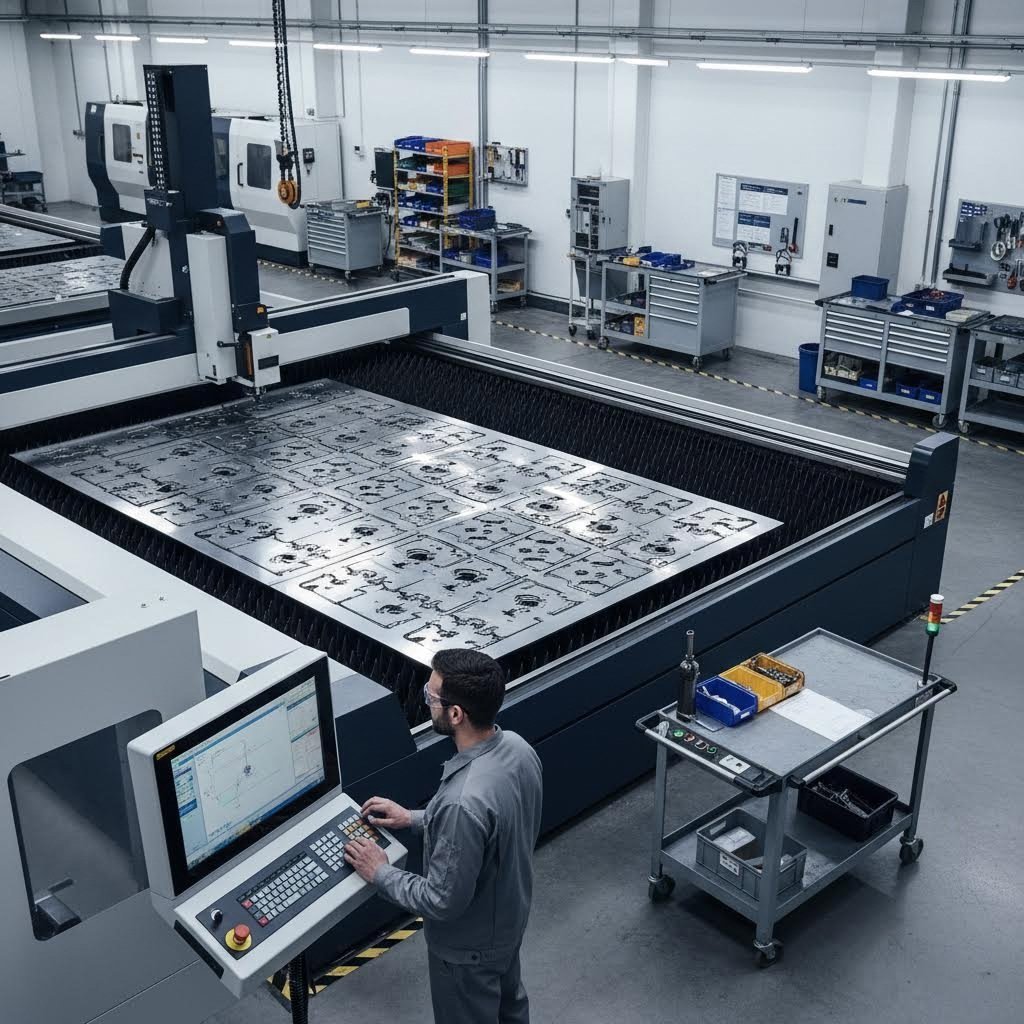
คุณได้เลือกเทคโนโลยีเลเซอร์และยืนยันวัสดุที่ใช้ในกระบวนการเรียบร้อยแล้ว แต่หลังจากส่งไฟล์ออกแบบของคุณไปแล้วนั้น จะเกิดอะไรขึ้นบ้าง? ลูกค้าจำนวนมากมองบริการตัดด้วยเลเซอร์เป็นเหมือนกล่องดำ—ส่งไฟล์เข้าไป แล้วชิ้นส่วนก็ออกมา การเข้าใจเส้นทางตั้งแต่ไฟล์ CAD จนถึงชิ้นส่วนสำเร็จรูปจะช่วยให้คุณสื่อสารกับผู้รับจ้างผลิตได้มีประสิทธิภาพมากขึ้น คาดการณ์ปัญหาที่อาจเกิดขึ้นได้ และตัดสินใจออกแบบอย่างที่ช่วยลดต้นทุนและระยะเวลาการผลิต
มาดูขั้นตอนต่างๆ ของกระบวนการทำงานตัดด้วยเลเซอร์ความแม่นยำสูงกันทีละขั้นตอน
จากไฟล์ CAD สู่ชิ้นงานที่ถูกตัด
ทุกโครงการเริ่มต้นจากไฟล์ออกแบบของคุณ โดยทั่วไปบริการตัดด้วยเลเซอร์สามารถรองรับหลายรูปแบบของไฟล์ แต่บางรูปแบบจะเหมาะสมและประมวลผลได้มีประสิทธิภาพมากกว่ารูปแบบอื่น
- การจัดเตรียมและส่งไฟล์ออกแบบ จัดเตรียมรูปทรงเรขาคณิตของชิ้นส่วนในรูปแบบเวกเตอร์ — ไฟล์ DXF และ DWG ใช้งานได้ทั่วไป ในขณะที่รูปแบบ STEP และ IGES จะรักษาข้อมูล 3 มิติ ซึ่งมีประโยชน์สำหรับชิ้นส่วนที่ต้องการงานดัดเพิ่มเติม หลีกเลี่ยงการส่งภาพแรสเตอร์ เช่น ไฟล์ JPG หรือ PNG เนื่องจากไม่สามารถกำหนดเส้นทางตัดที่แม่นยำได้ ควรรวมเลเยอร์แยกต่างหากสำหรับกระบวนการต่าง ๆ หากชิ้นส่วนของคุณต้องการงานแกะสลัก งานทำเครื่องหมาย หรืองานตัดทะลุ
- ตรวจสอบไฟล์และคำแนะนำ DFM ผู้ผลิตที่มีประสบการณ์จะไม่ดำเนินการตามไฟล์ของคุณทันทีโดยตรง พวกเขาจะตรวจสอบรูปทรงเรขาคณิตเพื่อประเมินปัญหาด้านความสามารถในการผลิต เช่น รายละเอียดที่มีขนาดเล็กเกินไปเมื่อเทียบกับความหนาของวัสดุ รูที่อยู่ใกล้ขอบเกินไป หรือมุมภายในที่ต้องปรับรัศมี การตรวจสอบเพื่อการออกแบบเพื่อการผลิต (DFM) นี้จะช่วยตรวจจับปัญหาก่อนที่จะกลายเป็นข้อผิดพลาดที่มีค่าใช้จ่ายสูงบนเครื่องตัด ตาม แนวปฏิบัติในอุตสาหกรรม การร่วมมือกันแต่เนิ่น ๆ แบบนี้จะช่วยลดข้อผิดพลาดและลดระยะเวลาการผลิตรวมโดยรวม
- การเลือกวัสดุและการจัดหา: เมื่อยืนยันรูปทรงเรียบร้อยแล้ว จะมีการระบุวัสดุที่ใช้ ซึ่งรวมถึงไม่เพียงแต่ประเภทของโลหะเท่านั้น แต่ยังรวมถึงเกรดของโลหะผสม ความหนาที่ยอมรับได้ และข้อกำหนดพื้นผิวสำเร็จรูป ร้านค้าจะนำวัสดุจากสต๊อกเดิมหรือสั่งวัสดุใหม่ให้ตรงตามข้อกำหนดของคุณ เวลาในการจัดส่งมักขึ้นอยู่กับความพร้อมของวัสดุมากกว่าเวลาในการตัดจริง
- การโปรแกรมเครื่องจักรและการปรับเส้นทางการตัด แบบแปลนที่คุณอนุมัติจะถูกแปลงเป็นรหัสคำสั่งที่เครื่องจักรสามารถอ่านได้ โปรแกรมเมอร์จะเลือกพารามิเตอร์การตัด เช่น พลังงานเลเซอร์ ความเร็วในการตัด ความดันแก๊สช่วย และตำแหน่งโฟกัส ให้เหมาะสมกับชนิดและขนาดความหนาของวัสดุที่คุณระบุ ขั้นตอนนี้มีผลโดยตรงต่อคุณภาพของขอบชิ้นงานและความมีประสิทธิภาพในการตัด
- กระบวนการตัด ชิ้นส่วนของคุณมาถึงเตียงเลเซอร์ในที่สุด ลำแสงที่ถูกโฟกัสจะเคลื่อนที่ตามเส้นทางที่ได้รับการโปรแกรมไว้ โดยหลอมหรือทำให้วัสดุกลายเป็นไอ ในขณะที่ก๊าซช่วยเหลือจะขจัดเศษวัสดุออกจากโซนตัด เครื่องจักรสมัยใหม่จะตรวจสอบกระบวนการแบบเรียลไทม์ และปรับพารามิเตอร์หากตรวจพบความผิดปกติ แผ่นเดียวอาจประกอบด้วยชิ้นส่วนหลายสิบชิ้นที่ถูกตัดในขั้นตอนเดียว
- การตรวจสอบคุณภาพ: ชิ้นส่วนที่เสร็จสมบูรณ์จะได้รับการตรวจสอบมิติตามข้อกำหนดดั้งเดิมของคุณ ฟีเจอร์ที่สำคัญจะถูกวัดโดยใช้เครื่องมือที่ได้รับการสอบเทียบ การตรวจสอบด้วยสายตาจะช่วยตรวจจับปัญหาเกี่ยวกับคุณภาพขอบ รอยบนพื้นผิว หรือการตัดที่ไม่สมบูรณ์ ซึ่งอาจส่งผลต่อการทำงานของชิ้นส่วน
- งานรองและการบรรจุหีบห่อ: ชิ้นส่วนที่ตัดด้วยเลเซอร์จำนวนมากจำเป็นต้องผ่านกระบวนการเพิ่มเติม เช่น การลบคมขอบ การทากเกลียวในรู หรือการเคลือบผิวป้องกัน จากนั้นชิ้นส่วนจะได้รับการทำความสะอาด บรรจุหีบห่อเพื่อป้องกันความเสียหายระหว่างการขนส่ง และจัดทำเอกสารเพื่อการติดตามย้อนกลับ
การเข้าใจเรื่องการจัดเรียงชิ้นส่วนและการเพิ่มประสิทธิภาพวัสดุ
ขั้นตอนหนึ่งที่ควรได้รับความสนใจเป็นพิเศษเพราะมีผลกระทบอย่างมากต่อทั้งต้นทุนและด้านความยั่งยืน คือ การปรับปรุงการจัดเรียงแผ่น (nesting optimization)
เมื่อผู้ผลิตได้รับชิ้นส่วนจำนวนมาก หรือสำเนาหลายชิ้นของชิ้นส่วนเดียวกัน พวกเขาจะไม่ทำการตัดทีละชิ้นตรงกลางแผ่นวัสดุแยกกัน แต่จะใช้ซอฟต์แวร์เฉพาะทางในการจัดวางชิ้นส่วนทั้งหมดบนแผ่นร่วมกันเหมือนการต่อจิ๊กซอว์ เพื่อลดพื้นที่ว่างระหว่างชิ้นส่วนให้น้อยที่สุด และเพิ่มจำนวนชิ้นส่วนที่สามารถผลิตได้จากแต่ละแผ่นให้มากที่สุด
กระบวนการจัดเรียงแผ่น (nesting) มีความสำคัญเพราะโดยทั่วไปคุณต้องจ่ายค่าวัสดุตามจำนวนแผ่น ไม่ใช่ตามพื้นที่ของแต่ละชิ้นส่วนโดยตรง การจัดเรียงที่มีประสิทธิภาพอาจทำให้แตกต่างกันระหว่างต้องใช้แผ่นวัสดุ 4 แผ่น หรือ 5 แผ่น สำหรับคำสั่งซื้อในปริมาณเดียวกัน สำหรับบริการตัดท่อเลเซอร์ที่ประมวลผลแท่งทรงกระบอก กระบวนการเพิ่มประสิทธิภาพในลักษณะเดียวกันจะจัดเรียงชิ้นส่วนตามความยาวของท่อเพื่อลดของเสีย
การจัดเรียงอัจฉริยะยังพิจารณาถึงประสิทธิภาพของเส้นทางตัด โดยการจัดเรียงชิ้นส่วนให้มีเส้นตัดร่วมกันจะช่วยลดเวลาการตัดโดยรวม ซอฟต์แวร์จะคำนวณลำดับที่เหมาะสมที่สุดเพื่อลดระยะการเคลื่อนที่ของหัวตัดระหว่างแต่ละจุด ทำให้เวลาในการผลิตลดลงโดยไม่กระทบต่อความแม่นยำของการตัดด้วยเลเซอร์
จุดตรวจสอบคุณภาพที่รับประกันความแม่นยำ
การควบคุมคุณภาพในการผลิตด้วยเลเซอร์เกิดขึ้นในหลายขั้นตอน ไม่ใช่เพียงแค่ตอนท้ายเท่านั้น การเข้าใจจุดตรวจสอบเหล่านี้จะช่วยให้คุณสามารถกำหนดระดับการตรวจสอบที่เหมาะสมกับการใช้งานของคุณได้
ตรวจสอบก่อนการผลิต ยืนยันว่าใบรับรองวัสดุตรงตามข้อกำหนดก่อนเริ่มการตัด สิ่งนี้มีความสำคัญโดยเฉพาะในงานด้านการบินและอวกาศ การแพทย์ หรือการใช้งานที่ต้องได้รับการรับรอง ซึ่งการตรวจสอบย้อนกลับของวัสดุเป็นสิ่งจำเป็น
การตรวจสอบระหว่างกระบวนการ ใช้เซ็นเซอร์ติดตามความสม่ำเสมอของการตัดแบบเรียลไทม์ ระบบสมัยใหม่สามารถตรวจจับการสร้างพลาสมา การสะท้อนกลับ และการเจาะทะลุสำเร็จ—และหยุดทำงานโดยอัตโนมัติหากพารามิเตอร์เบี่ยงเบนออกจากช่วงที่ยอมรับได้
การตรวจสอบหลังการตัด ตรวจสอบความถูกต้องของมิติและคุณภาพของขอบชิ้นงาน การตรวจสอบชิ้นงานตัวอย่างครั้งแรก—โดยการวัดชิ้นงานชิ้นแรกจากแต่ละการตั้งค่าอย่างละเอียด—จะช่วยตรวจจับข้อผิดพลาดจากการโปรแกรมก่อนที่จะแพร่กระจายไปยังการผลิตทั้งชุด
ระยะเวลาดำเนินการสำหรับชิ้นส่วนที่ตัดด้วยเลเซอร์แตกต่างกันมากขึ้นอยู่กับระดับความซับซ้อน ความพร้อมของวัสดุ และความต้องการในการดำเนินการขั้นที่สอง ชิ้นส่วนที่เรียบง่ายจากวัสดุในสต็อกอาจจัดส่งได้ภายใน 2-3 วันทำการ โครงการที่ซับซ้อนซึ่งต้องมีการปรับปรุงการออกแบบเพื่อการผลิต (DFM) การจัดหาวัสดุพิเศษ และกระบวนการขั้นที่สองหลายขั้นตอน อาจใช้เวลานานถึง 2-3 สัปดาห์ หากเวลาที่ใช้เป็นสิ่งสำคัญ ควรแจ้งกำหนดเวลาของคุณให้ทราบล่วงหน้า—ร้านผลิตจำนวนมากเสนอการดำเนินการเร่งด่วนสำหรับโครงการที่เร่งด่วน
เมื่อเข้าใจกระบวนการทำงานทั้งหมดแล้ว คุณอาจสงสัยว่าการตัดด้วยเลเซอร์เปรียบเทียบกับวิธีการอื่นๆ อย่างไร ในกรณีใดที่การตัดด้วยพลาสมา ไฮโดรเจ็ต หรือการตัดเชิงกลจะเหมาะสมกว่ากัน? มาเปรียบเทียบตัวเลือกต่างๆ กัน
การตัดด้วยเลเซอร์เมื่อเปรียบเทียบกับวิธีการอื่นๆ
นี่คือความจริงที่ผู้ผลิตส่วนใหญ่มักไม่บอกคุณตั้งแต่แรก: การตัดด้วยเลเซอร์ไม่ใช่ทางเลือกที่ดีที่สุดเสมอไป ฟังดูน่าประหลาดใจใช่ไหมเมื่อมาจากการบทความเกี่ยวกับบริการตัดโลหะด้วยเลเซอร์ แต่การเข้าใจว่าเมื่อใดที่วิธีการตัดอื่นๆ จะให้ผลลัพธ์ดีกว่าเทคโนโลยีเลเซอร์ จะช่วยให้คุณตัดสินใจได้อย่างชาญฉลาดยิ่งขึ้น และในท้ายที่สุดได้ผลลัพธ์ที่ดีกว่าสำหรับโครงการเฉพาะของคุณ
มีบริการตัดโลหะหลักสี่ประเภทที่แข่งขันกันเพื่อธุรกิจของคุณ ได้แก่ การตัดด้วยเลเซอร์ การตัดด้วยไฮโดรเจ็ท (waterjet) การตัดด้วยพลาสมา และการกัดด้วยไฟฟ้า (EDM) เทคโนโลยีแต่ละชนิดมีจุดแข็งในงานเฉพาะด้านของตนเอง มาเปรียบเทียบกันอย่างตรงไปตรงมา
การตัดด้วยเลเซอร์ เทียบกับวิธีการตัดด้วยไฮโดรเจ็ทและพลาสมา
การตัดเลเซอร์ มอบความแม่นยำและความเร็วในการตัดโลหะบางถึงปานกลาง ลำแสงที่มีความเข้มข้นสูงทำให้ได้รอยตัดที่สะอาด มี kerf ต่ำมาก—มักไม่จำเป็นต้องทำการตกแต่งเพิ่มเติม CNC laser cutting systems ทำงานได้ดีเยี่ยมกับลวดลายซับซ้อน ขนาดที่มีความทนทานแน่นหนา และงานผลิตจำนวนมากที่ต้องการความสม่ำเสมอ
แต่จะเกิดอะไรขึ้นถ้าวัสดุของคุณมีความหนาถึงหกนิ้ว หรือเมื่อความบิดเบี้ยวจากความร้อนทำให้ชิ้นส่วนเสียรูป
การตัดด้วยน้ำแรงดันสูง ใช้น้ำที่มีแรงดันสูงผสมกับอนุภาคขัดสีในการตัดผ่านวัสดุเกือบทุกชนิด รวมถึงโลหะที่มีความหนาได้ถึง 24 นิ้วสำหรับการตัดแบบหยาบ เนื่องจากการตัดด้วยเจ็ทน้ำเป็นกระบวนการที่ไม่ก่อให้เกิดความร้อน จึงไม่ก่อให้เกิดโซนที่ได้รับผลกระทบจากความร้อน (HAZ) สิ่งนี้มีความสำคัญอย่างยิ่งต่อชิ้นส่วนอากาศยาน อัลลอยพิเศษ หรือการใช้งานใด ๆ ก็ตามที่ความเครียดจากความร้อนอาจทำให้คุณสมบัติของวัสดุเสียไป
ข้อแลกเปลี่ยนคืออะไร? การตัดด้วยเจ็ทน้ำทำงานช้ากว่าการตัดด้วยเลเซอร์หรือพลาสมา นอกจากนี้ยังก่อให้เกิดเศษสิ่งสกปรกมากกว่าจากสารละลายขัดสี และต้องการการบำรุงรักษาระดับสูงกว่า อย่างไรก็ตาม เมื่อความแม่นยำและการรักษาสภาพวัสดุมีความสำคัญเป็นอันดับแรก การตัดด้วยเจ็ทน้ำมักเป็นตัวเลือกที่ดีที่สุด
การตัดพลาสม่า ใช้ก๊าซที่ถูกเหนี่ยวนำด้วยไฟฟ้าในการสร้างความร้อนสูง—สามารถตัดเหล็กหนาได้อย่างรวดเร็วและคุ้มค่า หากคุณกำลังค้นหา "การตัดพลาสมาใกล้ฉัน" สำหรับงานโครงสร้างเหล็กขนาดใหญ่ พลาสมาเป็นทางเลือกที่เหมาะสม มันสามารถจัดการกับวัสดุที่หนากว่าเลเซอร์ และมีต้นทุนต่อการตัดที่ต่ำกว่า โดยเฉพาะเมื่อต้องตัดจำนวนมาก
อย่างไรก็ตาม พลาสมานำความร้อนจำนวนมากเข้าสู่วัสดุ ซึ่งอาจทำให้วัสดุบางชนิดบิดงอได้ คุณภาพของขอบที่ตัดได้จะ หยาบกว่าการตัดด้วยเลเซอร์หรือวอเตอร์เจ็ท มักจำเป็นต้องมีการทำความสะอาดเพิ่มเติม สำหรับชิ้นส่วนที่ต้องการความแม่นยำหรือวัสดุที่ไวต่อความร้อน พลาสมาไม่ใช่ทางเลือกที่เหมาะสม
เมื่อควรพิจารณาใช้วิธีการตัดแบบอื่น
ขอพูดโดยตรงเกี่ยวกับกรณีที่การตัดด้วยเลเซอร์ไม่ใช่ทางเลือกที่ดีที่สุดของคุณ:
- วัสดุที่หนามาก (มากกว่า 25 มม.): พลาสมาหรือวอเตอร์เจ็ทสามารถจัดการแผ่นหนาได้มีประสิทธิภาพมากกว่าระบบเครื่องตัดโลหะส่วนใหญ่ที่ใช้เทคโนโลยีเลเซอร์
- งานที่ไวต่อความร้อน: โลหะผสมสำหรับอากาศยาน เหล็กที่ผ่านการบำบัดความแข็ง หรือวัสดุที่เสี่ยงต่อการเปลี่ยนรูปจากความร้อน จะได้รับประโยชน์จากการตัดแบบเย็นของวอเตอร์เจ็ท
- โลหะสะท้อนแสงที่มีความหนามาก: แม้ว่าเลเซอร์ไฟเบอร์จะตัดอลูมิเนียมได้ดี แต่ทองแดงหรือทองเหลืองที่หนามากอาจตัดได้ดีกว่าด้วยวอเตอร์เจ็ต
- ไมโครฟีเจอร์ความแม่นยำสูง: EDM สามารถทำค่าความคลาดเคลื่อนได้ถึง ±0.001 นิ้วในวัสดุที่นำไฟฟ้า—ซึ่งแคบกว่าระบบเลเซอร์ส่วนใหญ่
- โครงการเหล็กหนาที่จำกัดงบประมาณ: เมื่อการตัดด้วยเลเซอร์ไม่คุ้มค่า ระบบพลาสม่าจะให้ผลลัพธ์ที่เร็วกว่าและต้นทุนต่ำกว่าสำหรับบริการตัดเหล็กโครงสร้าง
การกัดเซาะด้วยไฟฟ้า (EDM) ควรกล่าวถึงสำหรับการใช้งานเฉพาะทาง EDM ใช้ประจุไฟฟ้าในการกัดกร่อนวัสดุที่นำไฟฟ้าด้วยความแม่นยำสูงมาก วิธีนี้ช้ากว่าวิธีอื่นๆ—มักเป็นวิธีที่ช้าที่สุดจากทั้งสี่วิธี—แต่ให้ผิวขอบที่มีคุณภาพยอดเยี่ยมในวัสดุที่มีความหนาได้ถึง 12 นิ้ว สำหรับเรขาคณิตที่ซับซ้อนและต้องการคุณภาพผิวขอบเฉพาะ เครื่อง EDM ยังคงมีคุณค่าแม้จะมีข้อจำกัดด้านความเร็ว
การเลือกเทคโนโลยีที่เหมาะสมสำหรับโครงการของคุณ
แล้วจะตัดสินใจอย่างไร? พิจารณาปัจจัยเหล่านี้ 6 ประการ:
- ประเภทของวัสดุ: คุณกำลังตัดโลหะอะไรอยู่? วัสดุที่นำไฟฟ้าเท่านั้นที่ใช้กับ EDM ได้ โลหะสะท้อนแสงต้องใช้เลเซอร์ไฟเบอร์หรือวอเตอร์เจ็ต ส่วนวัสดุที่ไม่ใช่โลหะต้องใช้เลเซอร์ CO2 หรือวอเตอร์เจ็ต
- ข้อกำหนดเกี่ยวกับความหนา: แผ่นบางถึงปานกลางเหมาะกับการตัดด้วยเลเซอร์ แผ่นหนาควรใช้พลาสมาหรือวอเตอร์เจ็ท
- ความต้องการความแม่นยํา: ความคลาดเคลื่อนต่ำกว่า ±0.005 นิ้ว มักต้องใช้เลเซอร์หรือ EDM ชิ้นส่วนโครงสร้างที่มีความคลาดเคลื่อนได้มากกว่านั้นสามารถใช้พลาสมาได้
- ความคาดหวังในด้านคุณภาพขอบ: ชิ้นงานที่ต้องการผิวตัดคุณภาพสูง เช่น งานแสดงผล ควรใช้เลเซอร์หรือวอเตอร์เจ็ท ชิ้นส่วนโครงสร้างที่ไม่เห็นสามารถยอมรับผิวหยาบจากพลาสมาได้
- ข้อกังวลเกี่ยวกับโซนที่ได้รับผลกระทบจากความร้อน: วัสดุที่ไวต่อความร้อนไม่ควรใช้พลาสมา และจำกัดการใช้เลเซอร์ วอเตอร์เจ็ทจึงเป็นทางเลือกที่ชัดเจน
- การพิจารณาเรื่องต้นทุน: พลาสมามีต้นทุนต่อการตัดต่ำที่สุดสำหรับเหล็กหนา เลเซอร์ให้ความเร็วและความแม่นยำในราคาที่เหมาะสม ส่วนวอเตอร์เจ็ทและ EDM มีราคาสูงกว่า
| ปัจจัย | การตัดเลเซอร์ | การตัดด้วยน้ำแรงดันสูง | การตัดพลาสม่า | EDM |
|---|---|---|---|---|
| ความแม่นยำของความคลาดเคลื่อน (Precision Tolerance) | ±0.003" ถึง ±0.005" | ±0.003" ถึง ±0.005" | ±0.015 นิ้ว ถึง ±0.030 นิ้ว | ±0.001" ถึง ±0.002" |
| ความเข้ากันของวัสดุ | โลหะส่วนใหญ่; วัสดุไม่ใช่โลหะจำนวนจำกัด | วัสดุใด ๆ | เฉพาะโลหะที่นำไฟฟ้าเท่านั้น | วัสดุที่นำไฟฟ้าได้เท่านั้น |
| ช่วงความหนาทั่วไป | สูงสุด 25 มม. (โลหะ) | สูงสุด 24 นิ้ว (ตัดหยาบ) | สูงสุดถึง 50 มม. ขึ้นไป | สูงสุด 12" |
| คุณภาพของขอบ | ยอดเยี่ยม; ต้องตกแต่งผิวน้อยมาก | ผิวเรียบเงาแบบซาติน | ดี; อาจต้องทำความสะอาด | เรียบเนียนมาก; ต้องตกแต่งน้อย |
| เขตที่ได้รับผลกระทบจากความร้อน | เล็กน้อยแต่มีอยู่ | ไม่มี (กระบวนการเย็น) | สำคัญ | ขนาดเล็กมาก |
| ความเร็วในการตัด | เร็วบนวัสดุบาง | ช้ากว่า | เร็วมากบนเหล็กหนา | ช้าที่สุด |
| ราคาสัมพัทธ์ | ปานกลาง | สูงกว่า | ต่ำสุด | สูงสุด |
| เหมาะที่สุดสำหรับงานประเภท | แผ่นโลหะ เชิงกลึงแม่นยำ ปริมาณมาก | วัสดุหนา โลหะผสมที่ไวต่อความร้อน | โครงสร้างเหล็ก แผ่นหนา | ไมโครความแม่นยำ รูปทรงเรขาคณิตซับซ้อน |
คำตอบที่ตรงไปตรงมาสำหรับคำถามว่า "อะไรดีที่สุด?" คือ: ขึ้นอยู่กับความต้องการของโครงการคุณอย่างสมบูรณ์ ผู้ผลิตที่ให้บริการตัดเหล็กอาจแนะนำการใช้พลาสมาสำหรับแผ่นโครงสร้างขนาด 2 นิ้วของคุณ แต่ในขณะเดียวกันอาจแนะนำให้ใช้การตัดด้วยเลเซอร์แบบ CNC สำหรับเปลือกอลูมิเนียมบางๆ ความหลากหลายในการเข้าถึงนี้—การจับคู่เทคโนโลยีกับการใช้งาน—มักบ่งบอกถึงพันธมิตรที่มีความรู้ความสามารถ
เมื่อคุณเข้าใจข้อแลกเปลี่ยนเหล่านี้ การพูดคุยกับผู้รับจ้างผลิตจะมีประสิทธิภาพมากขึ้น คุณสามารถตั้งคำถามอย่างมีข้อมูล พิจารณาคำแนะนำอย่างมีวิจารณญาณ และมั่นใจได้ว่าชิ้นส่วนของคุณจะถูกผลิตด้วยเครื่องจักรที่เหมาะสม ตอนนี้เรามาดูกันว่าทางเลือกในการออกแบบของคุณมีผลโดยตรงต่อต้นทุนและคุณภาพอย่างไร
แนวทางปฏิบัติที่ดีที่สุดสำหรับการออกแบบชิ้นส่วนที่ตัดด้วยเลเซอร์
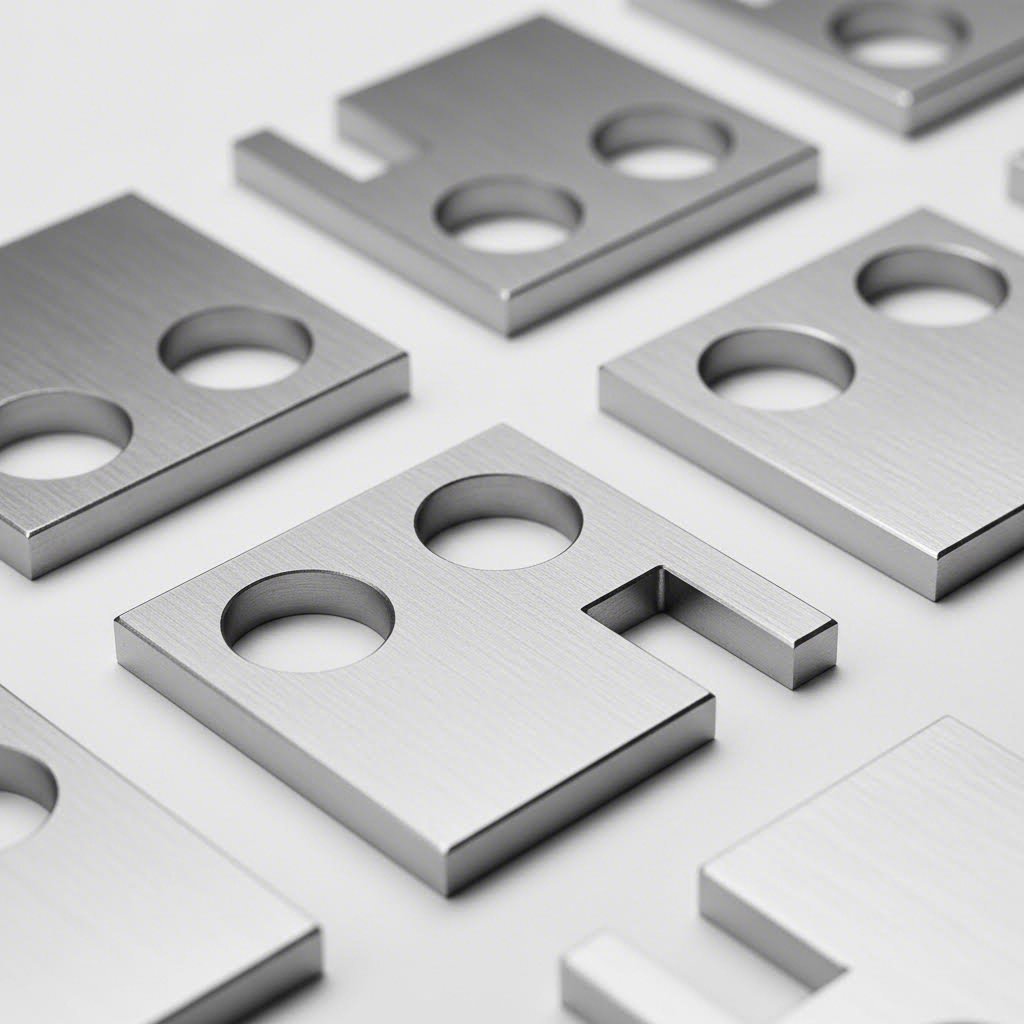
คุณได้เลือกเทคโนโลยีการตัดที่เหมาะสมกับวัสดุของคุณแล้ว ขั้นตอนต่อไปนี้คือสิ่งที่จะแยกแยะโครงการที่ราบรื่นออกจากความล่าช้าอันน่าหงุดหงิด: การเตรียมไฟล์ออกแบบของคุณให้ถูกต้อง รูปทรงเรขาคณิตที่คุณส่งเข้ามาจะเป็นตัวกำหนดโดยตรงว่าชิ้นส่วนของคุณจะถูกตัดออกมาอย่างสะอาด ประกอบพอดีกันอย่างแม่นยำ และจัดส่งตรงเวลา หรือจะถูกส่งกลับมาเพื่อแก้ไขซึ่งจะกินเวลาในแผนงานของคุณ
ความเข้าใจ ทำไม กฎการออกแบบบางประการมีอยู่เพื่อช่วยให้คุณตัดสินใจได้อย่างมีข้อมูล แทนที่จะทำตามข้อกำหนดอย่างไม่เข้าใจ ลองมาดูกันว่าแนวทางใดบ้างที่สำคัญจริงๆ สำหรับความสำเร็จในการตัดเลเซอร์แผ่นโลหะ
กฎการออกแบบที่ช่วยลดต้นทุนและเพิ่มคุณภาพ
ทุกกฎการออกแบบในการตัดเลเซอร์ล้วนมีที่มาจากข้อจำกัดทางกายภาพ: เส้นผ่านศูนย์กลางลำแสง พฤติกรรมของวัสดุภายใต้ความร้อน และความแข็งแรงของชิ้นส่วนสำเร็จรูป เมื่อคุณเข้าใจความสัมพันธ์เหล่านี้ คุณจะสามารถขยายขีดจำกัดได้อย่างชาญฉลาด แทนที่จะระมัดระวังเกินไป หรือเสี่ยงต่อความล้มเหลว
- ขนาดชิ้นส่วนต่ำสุด ไม่ควรมีรูปร่างภายในที่เล็กกว่า 0.015 นิ้ว (0.38 มม.) ตาม มาตรฐานอุตสาหกรรม . เหตุใด? ลำแสงเลเซอร์มีเส้นผ่านศูนย์กลางในทางกายภาพ และรายละเอียดที่มีขนาดเล็กกว่าเกณฑ์นี้จะไม่สามารถรักษาระดับความแม่นยำของมิติได้ สำหรับการตัดแผ่นโลหะด้วยเลเซอร์ ค่าต่ำสุดที่ใช้ได้จริงมักอยู่ที่ประมาณ 50% ของความหนาวัสดุ เช่น แผ่นหนา 2 มม. จะต้องมีรูที่มีเส้นผ่านศูนย์กลางอย่างน้อย 1 มม.
- ระยะห่างจากหลุมถึงขอบ: วางตำแหน่งรูให้ห่างจากขอบอย่างน้อยหนึ่งเท่าของความหนาวัสดุ การวางรูใกล้เกินไปจะทำให้ส่วนที่เป็นเนื้อวัสดุเหลืออยู่อ่อนแอลง เสี่ยงต่อการบิดงอขณะตัด หรือเกิดความล้มเหลวขณะใช้งานชิ้นส่วน สำหรับโครงการตัดแผ่นโลหะด้วยเครื่องตัดเลเซอร์ที่ใช้เหล็กกล้าหนา 3 มม. ควรเว้นระยะรูอย่างน้อย 3 มม. จากขอบทุกด้าน
- รัศมีมุมภายใน: ไม่สามารถสร้างมุมภายในที่เป็น 90 องศาแบบคมได้ด้วยกระบวนการตัดด้วยเลเซอร์ เนื่องจากลำแสงจะสร้างรัศมีตามธรรมชาติซึ่งมีค่าประมาณครึ่งหนึ่งของความกว้างร่องตัด (kerf width) โดยทั่วไปอยู่ระหว่าง 0.05 มม. ถึง 0.5 มม. ขึ้นอยู่กับวัสดุและกำลังไฟ ควรออกแบบมุมภายในโดยระบุรัศมีที่เท่ากันหรือมากกว่าขีดจำกัดตามธรรมชาตินี้ เพื่อหลีกเลี่ยงจุดรวมแรงดึงเครียด
- การออกแบบช่องและแท็บ: เมื่อออกแบบชิ้นส่วนที่ล็อคกัน ควรทำแท็บให้แคบกว่าช่องเล็กน้อยเพื่อชดเชยการตัด (kerf) แนวทางทั่วไปคือ ออกแบบแท็บให้มีขนาดเล็กลง 0.1 มม. ถึง 0.2 มม. ซึ่งจะช่วยให้เกิดการพอดีแบบแรงกดที่แน่นหนา โดยไม่ต้องใช้แรงมากจนอาจทำให้วัสดุบางๆ เสียหาย
- ความกว้างการตัดขั้นต่ำ: ช่องและรอยตัดแคบควรกว้างอย่างน้อยเท่ากับความหนาของวัสดุ การตัดที่แคบกว่านี้จะกักความร้อนไว้ อาจทำให้รอยตัดติดกันเองหรือทำให้วัสดุบริเวณใกล้เคียงโก่งได้
| คุณสมบัติการออกแบบ | ขั้นต่ำที่แนะนำ | เหตุผลที่สิ่งนี้สำคัญ |
|---|---|---|
| เรขาคณิตภายใน | ≥0.015" (0.38 มม.) โดยสัมบูรณ์; ≥50% ของความหนาวัสดุ | เส้นผ่านศูนย์กลางลำแสงจำกัดความแม่นยำที่ทำได้ในลักษณะขนาดเล็ก |
| ระยะห่างจากหลุมถึงขอบ | ≥1 เท่าของความหนาวัสดุ | ป้องกันการบิดเบี้ยวของขอบและจุดอ่อนทางโครงสร้าง |
| รัศมีมุมภายใน | ≥0.5x ความกว้างของรอยตัด (โดยทั่วไป 0.05-0.5 มม.) | ลดการรวมตัวของแรงดึง; สอดคล้องกับรูปทรงเรขาคณิตตามธรรมชาติของคาน |
| ความกว้างแท็บสำหรับช่องเสียบ | ความกว้างช่องลบ 0.1-0.2 มม. | ชดเชยความกว้างของรอยตัดเพื่อสร้างพอดีแบบแรงอัดได้อย่างถูกต้อง |
| ความกว้างขั้นต่ำของช่อง/รอยตัด | ≥1 เท่าของความหนาวัสดุ | ป้องกันการสะสมความร้อนและป้องกันการเชื่อมติดกันใหม่ของขอบที่ตัด |
| ความสูงข้อความ/ตัวอักษร | ≥3 มม. สำหรับการตัดทะลุ; ≥1 มม. สำหรับการแกะสลัก | รักษารายละเอียดที่สามารถอ่านได้และความแข็งแรงของรูปร่างตัวอักษร |
ข้อผิดพลาดทั่วไปที่ทำให้ระยะเวลาการผลิตเพิ่มขึ้น
ข้อผิดพลาดในการออกแบบบางอย่างทำให้ไฟล์ถูกปฏิเสธทันที ในขณะที่บางอย่างอาจผ่านการตรวจสอบเบื้องต้นได้ แต่กลับก่อปัญหาในขั้นตอนการตัด การรับรู้ข้อผิดพลาดเหล่านี้จะช่วยให้คุณหลีกเลี่ยงกระบวนการแก้ไขซ้ำซ้อนที่ทำให้การผลิตล่าช้า
- เส้นคอนทัวร์เปิด: หากพาธเวกเตอร์ของคุณไม่ได้สร้างรูปร่างที่ปิดสนิท เลเซอร์จะไม่สามารถระบุได้ว่าส่วนใดอยู่ด้านในหรือด้านนอก ดังนั้นตามคำแนะนำในคู่มือการออกแบบ ควรตรวจสอบไฟล์ของคุณในโหมดเค้าโครงเพื่อตรวจหารอยเว้นที่เส้นไม่เชื่อมต่อกัน แม้เพียงรอยเว้นขนาด 0.01 มม. ก็ถือเป็นเส้นโค้งที่เปิดอยู่
- เส้นซ้ำหรือทับซ้อนกัน: เมื่อเลเซอร์พบเส้นทางเดียวกันสองครั้ง จะทำการตัดเส้นนั้นสองรอบ ซึ่งอาจทำให้วัสดุบริเวณใกล้เคียงไหม้ หรือเกิดรอยที่ไม่ต้องการ ควรทำความสะอาดไฟล์โดยการเลือกเรขาคณิตทั้งหมด แล้วใช้ฟังก์ชันรวมหรือเชื่อม (merge หรือ weld) ในซอฟต์แวร์ CAD ของคุณ
- การชดเชยค่า kerf ล่วงหน้า: นี่คือสิ่งที่ขัดกับสามัญสำนึกอย่างหนึ่ง นักออกแบบหลายคนพยายามปรับขนาดของชิ้นงานเพื่อชดเชยวัสดุที่เลเซอร์ตัดออกไป แต่อย่าทำเช่นนั้น บริการตัดเลเซอร์แผ่นโลหะมืออาชีพจะทำการชดเชยค่า kerf โดยอัตโนมัติในขั้นตอนการเขียนโปรแกรม หากคุณได้ปรับไฟล์ของคุณไปแล้ว ชิ้นงานของคุณจะมีขนาดใหญ่หรือเล็กเกินไป
- ข้อความที่ยังไม่แปลงเป็นเส้นกรอบ: แบบอักษรในไฟล์ CAD ไม่สามารถถ่ายโอนได้อย่างน่าเชื่อถือระหว่างระบบต่างๆ หากคุณส่งไฟล์ที่มีข้อความแบบ live text ซอฟต์แวร์ของผู้ผลิตอาจแทนที่ด้วยแบบอักษรอื่น หรือไม่สามารถอ่านได้เลย ควรแปลงข้อความให้เป็นเส้นทาง (paths) หรือเส้นกรอบ (outlines) ก่อนส่งเสมอ
- เรขาคณิตลอยน้ำ: ตัวอักษร เช่น "O," "A," หรือ "R" มีรูปร่างภายในที่จะหลุดออกมาเมื่อตัด เว้นแต่ว่าจะมีสะพานเชื่อม (bridges) วิธีการนี้แบบ 'แม่พิมพ์' ใช้ได้กับการออกแบบใดๆ ที่มีรูอยู่ภายในรูปร่างอื่นๆ ถ้าไม่มีสะพานเชื่อม คุณจะสูญเสียชิ้นส่วนตรงกลางเหล่านั้นระหว่างการตัด
- ไฟล์ที่จัดเรียงล่วงหน้าสำหรับคำสั่งซื้อจำนวนมาก: การอัปโหลดไฟล์ที่มีชิ้นส่วนเดียวกันหลายชิ้นดูเหมือนจะมีประสิทธิภาพ แต่จริงๆ แล้วกลับจำกัดการเพิ่มประสิทธิภาพ ควรส่งไฟล์ที่มีเพียงหนึ่งชิ้นส่วนต่อไฟล์ และระบุจำนวนแยกต่างหาก — วิธีนี้จะทำให้ซอฟต์แวร์จัดเรียงชิ้นงานของผู้ผลิตสามารถจัดวางชิ้นส่วนได้อย่างมีประสิทธิภาพมากขึ้นบนแผ่นวัสดุ
การปรับแต่งการออกแบบของคุณเพื่อความสำเร็จในการตัดด้วยเลเซอร์
นอกจากการหลีกเลี่ยงข้อผิดพลาดแล้ว ยังมีทางเลือกเชิงรุกอีกหลายประการที่ช่วยปรับปรุงผลลัพธ์เมื่อทำการตัดแผ่นเหล็กหรือโลหะอื่นๆ ด้วยเลเซอร์
การเลือกรูปแบบไฟล์มีความสำคัญ รูปแบบเวกเตอร์กำหนดรูปร่างทางเรขาคณิตโดยใช้คณิตศาสตร์ ทำให้สามารถขยายขนาดได้ไม่จำกัดโดยไม่สูญเสียคุณภาพ DXF ยังคงเป็นมาตรฐานสากลสำหรับการตัดแผ่นเหล็กและวัสดุอื่นๆ ด้วยเลเซอร์ DWG ก็ใช้งานได้ดีเท่ากัน สำหรับชิ้นส่วนที่ต้องการการดัดโค้ง ไฟล์รูปแบบ STEP หรือ IGES จะเก็บข้อมูล 3 มิติ ซึ่งช่วยให้ผู้ผลิตสามารถวางแผนการดำเนินงานด้านการขึ้นรูปได้อย่างมีประสิทธิภาพ
หลีกเลี่ยงรูปแบบบิตแมปทั้งหมด เช่น JPG, PNG, BMP เหล่านี้เป็นไฟล์ที่อิงตามพิกเซล ซึ่งไม่สามารถกำหนดเส้นทางการตัดที่แม่นยำได้ตามที่เครื่องตัดเลเซอร์แผ่นโลหะต้องการ หากคุณมีเพียงภาพแรสเตอร์ จำเป็นต้องแปลงเป็นเวกเตอร์ก่อนโดยใช้ซอฟต์แวร์ เช่น Inkscape หรือฟังก์ชัน Image Trace ใน Adobe Illustrator
- ใช้หน่วยนิ้วในมาตราส่วน 1:1 ถึงแม้ว่าระบบเมตริกจะใช้ได้ดี แต่ไฟล์ที่ใช้หน่วยนิ้วในขนาดจริงจะช่วยลดข้อผิดพลาดจากการแปลงหน่วยและความสับสนในการตีความ
- วางเรขาคณิตทั้งหมดไว้บนเลเยอร์เดียว การมีหลายเลเยอร์จะทำให้กระบวนการประมวลผลซับซ้อน ควรทำให้การออกแบบของคุณอยู่ในเลเยอร์เดียว เว้นแต่ว่าเลเยอร์แยกจะแสดงถึงการทำงานที่ต่างกัน (การตัด กับ การแกะสลัก)
- ลบเรขาคณิตสำหรับงานก่อสร้างออก ลบเส้นอ้างอิง โน้ต หรือเรขาคณิตช่วยอื่น ๆ ที่ไม่ควรถูกตัดออก รวมถึงเลเยอร์ที่ซ่อนไว้ เพราะบางรูปแบบไฟล์ยังคงส่งออกเลเยอร์ที่ซ่อนไว้
- ระบุค่าทอลเลอร์แรนซ์ในจุดที่สำคัญ หากมิติบางส่วนต้องการควบคุมความแม่นยำมากกว่าค่ามาตรฐาน ±0.005 นิ้ว ควรระบุอย่างชัดเจนในเอกสารแนบท้าย
สำหรับการประมวลผลด้วยเครื่องตัดเลเซอร์แบบซีเอ็นซี ขั้นตอนการเตรียมงานเหล่านี้ส่งผลโดยตรงต่อการเสนอราคาที่รวดเร็วขึ้น จำนวนรอบการแก้ไขที่ลดลง และการจัดส่งตรงเวลา ไฟล์ที่จัดทำอย่างดีอาจผ่านกระบวนการตรวจสอบภายในไม่กี่ชั่วโมง ในขณะที่ไฟล์ที่มีปัญหาอาจถูกส่งกลับมาแก้ไขหลายครั้งเป็นระยะเวลานานหลายวัน
การเลือกวัสดุยังมีผลต่อข้อจำกัดในการออกแบบ ความหนาตามมาตรฐาน เช่น 1 มม., 1.5 มม., 2 มม., 3 มม. มีจำหน่ายทั่วไปและได้รับการปรับเทียบไว้ล่วงหน้าในอุปกรณ์ส่วนใหญ่ ตามคำชี้แจงของผู้เชี่ยวชาญด้านการผลิต ความหนาที่ไม่ใช่มาตรฐานมักต้องการปริมาณการสั่งซื้อขั้นต่ำ การจัดหาเป็นพิเศษ และระยะเวลาการผลิตที่ยาวนานขึ้น ซึ่งเพิ่มต้นทุนอย่างมีนัยสำคัญ
เมื่อการออกแบบของคุณเป็นไปตามแนวทางเหล่านี้ คุณได้กำจัดจุดติดขัดที่พบบ่อยที่สุดออกไปจากระบบการผลิตแล้ว ไฟล์ของคุณจะได้รับการดำเนินการเร็วขึ้น การเสนอราคาจะกลับมาเร็วขึ้น และชิ้นส่วนที่ได้รับจะตรงตามความต้องการของคุณ เมื่อครอบคลุมหลักการออกแบบพื้นฐานแล้ว เรามาดูว่าอุตสาหกรรมต่างๆ ใช้ความสามารถเหล่านี้อย่างไรในงานประยุกต์เฉพาะทาง
การประยุกต์ใช้งานการตัดโลหะด้วยเลเซอร์ในอุตสาหกรรม
คุณเคยสงสัยไหมว่าทำไมบริการตัดโลห้ด้วยเลเซอร์ถึงปรากฏในทุกอย่าง ตั้งแต่รถยนต์ที่คุณขับไปจนถึงสมาร์ทโฟนในกระเป๋าของคุณ? เทคโนโลยีที่รวมเอาความแม่นยำ ความเร็ว และความหลากหลายไว้ด้วยกันนี้ ได้กลายเป็นสิ่งจำเป็นอย่างยิ่งในเกือบทุกภาคส่วนการผลิต แต่อุตสาหกรรมแต่ละประเภทก็มีความต้องการที่แตกต่างกันออกไป—ไม่ว่าจะเป็นค่าความคลาดเคลื่อนที่ต่างกัน การรับรองเฉพาะทาง ความต้องการวัสดุเฉพาะเจาะจง และปริมาณการผลิตที่แตกต่างกันอย่างมาก
มาดูกันว่าการตัดด้วยเลเซอร์ในอุตสาหกรรมสามารถปรับตัวเพื่อตอบสนองความต้องการที่หลากหลายเหล่านี้ได้อย่างไร
การประยุกต์ใช้งานในอุตสาหกรรมยานยนต์และระบบขนส่ง
อุตสาหกรรมยานยนต์เป็นหนึ่งในกลุ่มแรกที่นำการตัดด้วยเลเซอร์มาใช้อย่างแพร่หลาย วิธีการเดิมอย่างการตัดด้วยแม่พิมพ์ (stamping) และการตัดด้วยได (die-cutting) ไม่สามารถทันกับความต้องการในการผลิตสมัยใหม่ หรือรองรับความซับซ้อนของการออกแบบยานยนต์ในปัจจุบันได้
ในปัจจุบันเครื่องตัดโลหะด้วยเลเซอร์ถูกใช้ในการประมวลผลชิ้นส่วนยานยนต์หลากหลายชนิด ได้แก่
- ชิ้นส่วนแชสซีและโครงสร้าง: ขาแขวนโครงรถ ชิ้นส่วนขวางตัวถัง และแผ่นเสริมแรง ซึ่งต้องการค่าความคลาดเคลื่อนที่สม่ำเสมอตลอดการผลิตหลายพันชิ้น
- แผ่นตัวถังและชิ้นส่วนตกแต่ง: ชิ้นส่วนประตู ชิ้นส่วนเสริมแรงบริเวณเสากับชิ้นส่วนตกแต่งที่มีรูปร่างซับซ้อน
- ชิ้นส่วนระบบกันสะเทือน: ชุดยึดคันควบคุม ชุดยึดสปริง และชิ้นส่วนคานกันโคลง ซึ่งความแม่นยำมีผลต่อการทรงตัวของรถ
- งานโลหะภายในห้องโดยสาร: โครงเบาะนั่ง ชุดยึดแผงหน้าปัด และฮาร์ดแวร์ยึดคอนโซล
- ชิ้นส่วนระบบไอเสีย: ชิ้นส่วนกันความร้อน ชุดยึด และข้อต่อที่ต้องใช้กระบวนการโลหะผสมเฉพาะ
การลดน้ำหนักได้กลายเป็นการประยุกต์ใช้งานที่โดดเด่นอย่างมาก ผู้ผลิตเริ่มเปลี่ยนเหล็กทั่วไปที่มีน้ำหนักมากมาใช้อลูมิเนียมและเหล็กกล้าความแข็งแรงสูงแทน เพื่อเพิ่มประสิทธิภาพการใช้เชื้อเพลิง ลดต้นทุน และปรับปรุงด้านความยั่งยืน การตัดเลเซอร์โลหะตามแบบช่วยให้สามารถสร้างลวดลายลดน้ำหนักที่ซับซ้อนได้ เช่น โครงสร้างรังผึ้ง หรือช่องเจาะที่วางตำแหน่งอย่างเหมาะสม ซึ่งช่วยลดน้ำหนักโดยไม่กระทบต่อความแข็งแรงของโครงสร้าง
ข้อกำหนดด้านปริมาณในอุตสาหกรรมยานยนต์มีความเข้มงวด แพลตฟอร์มยานพาหนะเพียงหนึ่งเดียวอาจต้องการชิ้นส่วนยึดที่เหมือนกันหลายล้านชิ้นต่อปี โดยมีค่าความคลาดเคลื่อนไม่เกิน ±0.005 นิ้ว ในทุกชิ้นส่วน IATF 16949 การรับรองมาตรฐานคุณภาพสำหรับอุตสาหกรรมยานยนต์ เป็นตัวกำกับคุณสมบัติของผู้จัดจำหน่าย ซึ่งต้องการการควบคุมกระบวนการและการตรวจสอบย้อนกลับได้อย่างเป็นเอกสาร ตั้งแต่วัตถุดิบจนถึงชิ้นส่วนสำเร็จรูป
ข้อกำหนดด้านความแม่นยำในหลากหลายอุตสาหกรรม
การใช้งานในอวกาศ ผลักดันขีดจำกัดความสามารถของเครื่องตัดเลเซอร์สำหรับโลหะ เมื่อชิ้นส่วนต้องเผชิญกับอุณหภูมิและแรงจากบรรยากาศอย่างรุนแรงเป็นเวลานาน ทุกเส้นตัดมีความสำคัญ การตัดไทเทเนียมด้วยเลเซอร์สำหรับอากาศยาน ต้องใช้เทคนิคพิเศษ เช่น ก๊าซป้องกันอาร์กอนแทนไนโตรเจน โหมดการตัดแบบพัลส์เพื่อควบคุมความร้อน และค่าความคลาดเคลื่อนที่มักจะแคบกว่า ±0.003 นิ้ว
การประยุกต์ใช้งานทั่วไปในอุตสาหกรรมการบินและอวกาศ ได้แก่:
- ชิ้นส่วนพื้นผิวใบพัดเฮลิคอปเตอร์
- ชิ้นส่วนยึดและข้อต่อโครงสร้างตัวถังอากาศยาน
- ชิ้นส่วนติดตั้งเครื่องยนต์
- ชิ้นส่วนโครงสร้างภายในห้องโดยสาร
- โครงสร้างตาข่ายน้ำหนักเบาเพื่อเพิ่มประสิทธิภาพการลดน้ำหนัก
การรับรอง NADCAP—การรับรองคุณภาพของอุตสาหกรรมการบินและอวกาศ—ตรวจสอบทุกอย่างตั้งแต่ความบริสุทธิ์ของก๊าซ การปรับเทียบเครื่องจักร ไปจนถึงการติดตามแหล่งที่มาของวัสดุ ขอบของไทเทเนียมที่มีสีน้ำเงินหรือสีม่วง? บ่งชี้ถึงการเกิดออกซิเดชัน และมักหมายถึงการปฏิเสธชิ้นส่วนโดยอัตโนมัติ
การผลิตอุปกรณ์อิเล็กทรอนิกส์ นำเสนอความท้าทายในทางตรงกันข้าม—ชิ้นส่วนมีขนาดเล็กจิ๋วแทนที่จะมีขนาดใหญ่โต ความแม่นยำของเลเซอร์ไฟเบอร์ทำให้ผู้ผลิตสามารถตัดแผ่นวงจรพิมพ์ (PCBs), แผ่นวงจรยืดหยุ่น (FPCs), และลวดลายเปลือกหุ้มที่ซับซ้อนได้อย่างแม่นยำ ความถูกต้องระดับไมครอน .
แอปพลิเคชันอิเล็กทรอนิกส์ทั่วไป ได้แก่:
- ตู้หุ้มและฝาครอบป้องกันคลื่นรบกวนแม่เหล็กไฟฟ้า (EMI)
- ครีบระบายความร้อนและชิ้นส่วนจัดการความร้อน
- ตัวเรือนขั้วต่อและแผ่นยึดติดตั้ง
- โครงเครื่องและโครงสร้างภายในอุปกรณ์
- สปริงสัมผัสแบตเตอรี่และขั้วต่อ
สถาปัตยกรรมและป้ายสัญลักษณ์ การใช้งานให้ความสำคัญกับทั้งด้านความสวยงามและฟังก์ชันร่วมกัน เครื่องตัดโลหะด้วยเลเซอร์ผลิตแผ่นตกแต่ง ผนังภายนอกอาคาร ป้ายเฉพาะแบบ และงานโลหะเชิงศิลปะ ที่มีขอบเรียบซึ่งจำเป็นสำหรับการพ่นผงเคลือบ (powder coating) และการทาสี ทั้งเครื่องเลเซอร์ชนิด CO2 และไฟเบอร์เลเซอร์สามารถใช้งานในตลาดนี้ได้—ไฟเบอร์เลเซอร์สำหรับแผ่นโลหะ และ CO2 สำหรับโครงการวัสดุผสมที่รวมโลหะกับอะคริลิกหรือไม้
จากต้นแบบสู่การผลิตจำนวนมาก
ความต้องการในการตัดโลหะเฉพาะแบบแตกต่างกันอย่างมากตามขั้นตอนอุตสาหกรรม ขั้นตอนการพัฒนาในระยะแรกอาจต้องการเพียงชิ้นส่วนยึดตัวอย่างจำนวน 5 ชิ้นเพื่อการทดสอบ ขณะที่การขยายกำลังการผลิตต้องการหลายร้อยชิ้น และการผลิตเต็มรูปแบบต้องการหลายพันชิ้นต่อเดือนโดยต้องมีความสม่ำเสมอที่รับประกันได้
การผลิตอุปกรณ์อุตสาหกรรม แสดงความก้าวหน้าในขั้นตอนเหล่านี้ได้อย่างชัดเจน ผู้ผลิตเครื่องจักรอาจเริ่มจากการใช้ชิ้นส่วนยึดที่ตัดด้วยเลเซอร์ในรูปแบบต้นแบบ จากนั้นปรับปรุงแบบหลายครั้ง ก่อนจะขยายไปสู่การผลิตในปริมาณมาก—ทั้งหมดนี้ใช้กระบวนการตัดด้วยเลเซอร์แบบเดียวกัน แต่มีลำดับความสำคัญในการปรับแต่งที่แตกต่างกันในแต่ละขั้นตอน
แอปพลิเคชันหลักของอุปกรณ์อุตสาหกรรม ได้แก่:
- โครงเครื่องจักรและที่หุ้มโครงสร้าง
- ชิ้นส่วนระบบลำเลียง
- แผงกันและฝาครอบเพื่อความปลอดภัย
- ตู้หุ้มแผงควบคุม
- ข้อต่อหรือแท่นยึดพิเศษตามสั่ง
การประยุกต์ใช้ด้านการป้องกันประเทศและทางทหาร ต้องการอุปกรณ์ที่ทำงานได้อย่างเชื่อถือได้ในสภาพแวดล้อมสุดขั้ว โดยมาตรฐาน MIL-STD-130 กำหนดให้มีการระบุตัวตนของอุปกรณ์อย่างถาวรและสามารถอ่านได้ชัดเจน และการตัดด้วยเลเซอร์สามารถผลิตชิ้นส่วนที่มีความน่าเชื่อถือและคุณภาพสูงตามข้อกำหนดเหล่านี้
การสร้างเรือและเรือ การประยุกต์ใช้งานด้านเรือมีข้อกำหนดด้านความทนทานที่คล้ายกัน เครื่องตัดด้วยเลเซอร์ผลิตชิ้นส่วนตัวเรือ อุปกรณ์บนดาดฟ้า และชิ้นส่วนทดแทนแบบพิเศษสำหรับการบำรุงรักษาเรือ ความสามารถของเทคโนโลยีในการตัดชิ้นส่วนทดแทนแบบพิเศษสำหรับเรือรุ่นเก่า ช่วยยืดอายุการใช้งานของอุปกรณ์ได้อย่างคุ้มค่า
สิ่งที่เชื่อมโยงการประยุกต์ใช้งานที่หลากหลายเหล่านี้คือข้อเสนอคุณค่าพื้นฐานของบริการตัดโลหะด้วยเลเซอร์: ความแม่นยำที่สม่ำเสมอในความเร็วการผลิต พร้อมความยืดหยุ่นในการจัดการงานตั้งแต่งานต้นแบบเพียงชิ้นเดียวไปจนถึงการผลิตจำนวนมากถึงล้านชิ้น ไม่ว่าคุณจะกำลังสร้างเครื่องบิน รถยนต์ หรือเครื่องจักรอุตสาหกรรม เทคโนโลยีนี้สามารถปรับให้เหมาะสมกับความต้องการเฉพาะของคุณได้
การเข้าใจว่าอุตสาหกรรมต่างๆ ใช้ประโยชน์จากความสามารถเหล่านี้อย่างไร จะช่วยให้คุณสื่อสารความต้องการของตนเองได้อย่างมีประสิทธิภาพมากขึ้น แต่ปัจจัยต่างๆ เหล่านี้ เช่น วัสดุ ปริมาณ ความแม่นยำ และการรับรองมาตรฐาน—จะส่งผลต่อราคาจริงอย่างไร? มาดูปัจจัยที่กำหนดต้นทุนซึ่งมีผลต่อใบเสนอราคาการตัดด้วยเลเซอร์กัน
การเข้าใจปัจจัยด้านราคาของการตัดด้วยเลเซอร์
นี่คือคำถามที่ทุกคนมักถามเป็นอันดับแรก: "อันนี้จะราคาเท่าไหร่?" แต่ค่าใช้จ่ายในการตัดเลเซอร์แทบไม่เคยคำนวณจากพื้นที่ต่อตารางฟุตอย่างง่ายๆ เลย ทำไมถึงเป็นเช่นนั้น? เพราะการตัดรูปสี่เหลี่ยมธรรมดา กับการตัดชิ้นส่วนโครงแข็งขั้นซับซ้อน จากแผ่นวัสดุชนิดเดียวกัน อาจมีต้นทุนที่แตกต่างกันมาก ตัวกำหนดจริงๆ ไม่ใช่พื้นที่ แต่คือเวลาการทำงานของเครื่องจักร
การเข้าใจสิ่งที่มีผลต่อใบเสนอราคาการตัดเลเซอร์ของคุณ จะช่วยให้คุณตัดสินใจด้านการออกแบบได้อย่างเหมาะสม โดยสามารถสร้างสมดุลระหว่างงบประมาณกับประสิทธิภาพการทำงาน ลองมาถอดรหัสสูตรการกำหนดราคาที่ผู้ผลิตส่วนใหญ่ใช้กัน
ปัจจัยอะไรที่กำหนดต้นทุนการตัดด้วยเลเซอร์
ผู้ให้บริการเกือบทุกรายคำนวณราคาโดยใช้สูตรพื้นฐานดังนี้:
ราคาสุดท้าย = (ต้นทุนวัสดุ + ต้นทุนผันแปร + ต้นทุนคงที่) × (1 + อัตรากำไร)
แต่ละองค์ประกอบควรได้รับการพิจารณาอย่างละเอียด เพราะทางเลือกของคุณมีผลโดยตรงต่อต้นทุนแต่ละส่วน
- ประเภทและเกรดของวัสดุ: ต้นทุนวัตถุดิบพื้นฐานมีความแตกต่างกันอย่างมาก เหล็กกล้าคาร์บอนทั่วไปมีราคาถูกกว่าเหล็กสเตนเลส ซึ่งก็มีราคาถูกกว่าอลูมิเนียมเกรดอากาศยานหรือโลหะผสมพิเศษ เครื่องตัดเลเซอร์สำหรับงานแผ่นโลหะสามารถประมวลผลวัสดุทั้งหมดเหล่านี้ได้ แต่ทางเลือกวัสดุของคุณจะเป็นตัวกำหนดต้นทุนขั้นต่ำ ก่อนที่จะเริ่มตัดใดๆ
- ความหนาของวัสดุ: ปัจจัยนี้มักทำให้ลูกค้าประหลาดใจ ตาม คู่มือการกำหนดราคาในอุตสาหกรรม การเพิ่มความหนาของวัสดุเป็นสองเท่าอาจทำให้เวลาและต้นทุนในการตัดเพิ่มขึ้นมากกว่าสองเท่า วัสดุที่หนากว่าต้องใช้ความเร็วในการตัดที่ช้าลง พลังเลเซอร์ที่สูงขึ้น และการใช้ก๊าซช่วยเหลือมากขึ้น แผ่นเหล็กหนา 6 มม. ไม่ได้มีค่าตัดที่แพงเป็นสองเท่าของแผ่นหนา 3 มม. — แต่อาจมีค่าตัดสูงถึงสามเท่า
- ระยะทางตัดและจำนวนจุดเจาะ: ระยะทางเชิงเส้นทั้งหมดที่เลเซอร์เคลื่อนที่ไปตรงๆ จะเป็นตัวกำหนดเวลาการทำงานของเครื่อง แต่มีต้นทุนแฝงที่สำคัญ: ทุกครั้งที่เลเซอร์เริ่มตัดครั้งใหม่ จะต้องเจาะทะลุผ่านวัสดุก่อน การออกแบบที่มีรูขนาดเล็ก 100 รูจะมีต้นทุนสูงกว่าชิ้นงานที่มีช่องตัดใหญ่เพียงช่องเดียวที่มีพื้นที่เท่ากัน เนื่องจากเวลาเจาะสะสมที่เพิ่มขึ้น
- ความซับซ้อนของชิ้นส่วน: การออกแบบที่ซับซ้อน มีเส้นโค้งแน่นและมุมแหลม ทำให้เครื่องต้องลดความเร็วลง เรขาคณิตที่ซับซ้อนจะเพิ่มเวลาในการตัดและต้องการการควบคุมที่แม่นยำมากขึ้น รูปทรงที่เรียบง่าย—แม้จะครอบคลุมพื้นที่เท่ากัน—จะตัดได้เร็วกว่าและมีต้นทุนต่ำกว่า
- ปริมาณและการตั้งค่าเครื่อง: บริการส่วนใหญ่จะคิดค่าธรรมเนียมเริ่มต้นเพื่อครอบคลุมเวลาของผู้ปฏิบัติงานในการโหลดวัสดุ การปรับเทียบเครื่อง และการจัดเตรียมไฟล์ของคุณ ต้นทุนคงที่เหล่านี้จะถูกเฉลี่ยไปยังชิ้นส่วนทั้งหมดในคำสั่งซื้อ ผลลัพธ์? ราคาต่อชิ้นจะลดลงอย่างมากเมื่อปริมาณเพิ่มขึ้น ส่วนลดสำหรับปริมาณมากสามารถลดได้ถึง 70% เมื่อเทียบกับราคาต่อชิ้นเดียว
- ข้อกำหนดเรื่องความคลาดเคลื่อน: การกำหนดค่าความคลาดเคลื่อนที่แคบกว่าที่จำเป็นตามหน้าที่ใช้งานจริง เป็นสาเหตุหนึ่งที่ทำให้ต้นทุนเพิ่มขึ้น การรักษาระดับ ±0.002 นิ้ว ต้องใช้การตัดที่ช้ากว่าและควบคุมอย่างแม่นยำมากกว่าค่าความคลาดเคลื่อนมาตรฐาน ±0.005 นิ้ว ควรระบุค่าความคลาดเคลื่อนที่แคบเฉพาะในกรณีที่แอปพลิเคชันของคุณต้องการจริงๆ เท่านั้น
- กระบวนการทำงานเพิ่มเติม: บริการเสริมนอกเหนือจากการตัด เช่น การดัด การทำเกลียว การใส่อุปกรณ์ฮาร์ดแวร์ การลบคม หรือการพ่นผงเคลือบ พื้นผิว จะมีค่าใช้จ่ายเพิ่มเติมแยกต่างหาก แต่ละขั้นตอนต้องใช้แรงงาน อุปกรณ์ และการจัดการเพิ่มเติม
- ระยะเวลาดำเนินการ: งานด่วนจะมีราคาสูงกว่าปกติ เนื่องจากต้องเปลี่ยนตารางการทำงาน ใช้แรงงานล่วงเวลา และจัดหาวัสดุอย่างเร่งด่วน งานที่ใช้ระยะเวลาดำเนินการตามมาตรฐานจะมีต้นทุนต่ำกว่างานเร่งด่วน
การออกแบบของคุณมีผลต่อใบเสนอราคาอย่างไร
คุณมีควบคุมต้นทุนการตัดเลเซอร์แบบกำหนดเองได้มากกว่าที่คิด การตัดสินใจเชิงกลยุทธ์เกี่ยวกับการออกแบบสามารถลดราคาสุดท้ายของคุณได้อย่างมาก โดยไม่ต้องเสียประสิทธิภาพการใช้งาน
ใช้วัสดุที่บางที่สุดเท่าที่เป็นไปได้ การตัดสินใจเพียงข้อนี้บ่อยครั้งช่วยลดต้นทุนได้มากที่สุด หากการวิเคราะห์โครงสร้างยืนยันว่าเหล็กหนา 2 มม. เพียงพอต่อความต้องการของคุณ ก็ไม่ควรระบุขนาด 3 มม. "เพื่อความปลอดภัย" เพราะความแตกต่างของเวลาในการตัดจะส่งผลโดยตรงต่อการประหยัดต้นทุน
ทำให้รูปทรงเรียบง่ายเท่าที่เป็นไปได้ เส้นโค้งประดับนั้นสามารถเปลี่ยนเป็นเส้นตรงได้หรือไม่? รูขนาดเล็กหลายรูสามารถรวมกันเป็นรูขนาดใหญ่จำนวนน้อยลงได้หรือไม่? การลดระยะทางการตัดและจำนวนจุดเริ่มตัด จะช่วยลดเวลาการทำงานของเครื่องจักร
ทำความสะอาดไฟล์ออกแบบของคุณ เส้นซ้ำ เส้นที่ซ่อนอยู่ และรูปทรงก่อสร้างต่างๆ อาจก่อให้เกิดปัญหา ระบบคำนวณราคาอัตโนมัติอาจคิดราคาสำหรับทุกเส้นรวมถึงเส้นที่ซ้ำกันด้วย การตรวจสอบด้วยคนสามารถพบปัญหาเหล่านี้ได้ แต่จะเพิ่มต้นทุนแรงงาน ส่งไฟล์ที่สะอาดเพื่อหลีกเลี่ยงปัญหาทั้งสองอย่างนี้
สั่งซื้ออย่างมีกลยุทธ์ การรวมความต้องการเป็นคำสั่งซื้อขนาดใหญ่ที่เกิดขึ้นบ่อยครั้งน้อยลง จะช่วยกระจายค่าใช้จ่ายในการเตรียมงานไปยังชิ้นส่วนจำนวนมากขึ้น หากคุณต้องการวงเล็บจำนวน 50 ตัวในช่วงหกเดือน การสั่งซื้อทั้งหมด 50 ตัวในคราวเดียวจะมีต้นทุนต่ำกว่าการสั่งซื้อแยกเป็น 5 ครั้งๆ ละ 10 ตัว
สอบถามวัสดุที่มีอยู่ในสต็อก การเลือกวัสดุที่ผู้ผลิตของคุณมีอยู่แล้ว จะช่วยตัดค่าธรรมเนียมการสั่งพิเศษออกไป และลดระยะเวลาการจัดส่ง วัสดุโลหะที่ตัดจากสต็อกมาตรฐานจะจัดส่งได้เร็วกว่าและมีต้นทุนต่ำกว่าการจัดหาวัสดุพิเศษ
การประเมินผู้ให้บริการนอกเหนือจากราคา
ใบเสนอราคาต่ำสุดไม่ได้หมายความว่าคุ้มค่าที่สุด เปรียบเทียบสิ่งที่คุณกำลังพิจารณาอย่างแท้จริง:
- ข้อเสนอแนะ DFM: ผู้ให้บริการตรวจสอบการออกแบบของคุณเพื่อหาข้อผิดพลาดที่เกี่ยวข้องกับความสามารถในการผลิตหรือไม่ การตรวจพบปัญหาด้านการออกแบบที่อาจทำให้เสียค่าใช้จ่ายก่อนขั้นตอนการตัด จะช่วยประหยัดเงินได้มากกว่าการเลือกใบเสนอราคาที่ถูกที่สุด
- ระบบคุณภาพ: ระบบการจัดการคุณภาพที่ได้รับการรับรอง (ISO 9001, IATF 16949 สำหรับอุตสาหกรรมยานยนต์) แสดงถึงกระบวนการที่ควบคุมได้และผลลัพธ์ที่สม่ำเสมอ ค่าใช้จ่ายจากการทำงานใหม่และการถูกปฏิเสธสามารถสูงเกินกว่าความแตกต่างของราคาเสนอเริ่มต้นได้อย่างรวดเร็ว
- ความรวดเร็วในการสื่อสาร: พวกเขาตอบคำถามเร็วแค่ไหน? ผู้ให้บริการที่ตอบภายในไม่กี่ชั่วโมงแทนที่จะเป็นหลายวัน จะช่วยให้โครงการของคุณดำเนินต่อไปได้อย่างต่อเนื่อง
- ศักยภาพในการดำเนินการขั้นที่สอง: หากชิ้นส่วนของคุณต้องการการดัด การตกแต่ง หรือการประกอบ ผู้ให้บริการแบบครบวงจรจะช่วยลดปัญหาการประสานงานและการจัดส่งระหว่างผู้ให้บริการหลายราย
- ความช่วยเหลือในการเตรียมไฟล์: ร้านบางแห่งคิดค่าใช้จ่ายเพิ่มเติมสำหรับการแก้ไขข้อผิดพลาดในไฟล์ ในขณะที่บางแห่งรวมบริการทำความสะอาดพื้นฐานไว้แล้ว การเข้าใจสิ่งที่รวมอยู่จะช่วยป้องกันค่าใช้จ่ายที่ไม่คาดคิด
อัตราค่าเครื่องต่อชั่วโมงโดยทั่วไปอยู่ในช่วง 60 ถึง 120 ดอลลาร์ ขึ้นอยู่กับความสามารถของอุปกรณ์และสถานที่ตั้ง แต่อัตราต่อชั่วโมงเพียงอย่างเดียวไม่สามารถกำหนดคุณค่าได้ เครื่องที่แพงกว่าแต่ตัดได้เร็วเป็นสองเท่า อาจทำให้ต้นทุนต่อชิ้นต่ำกว่าการใช้งานแบบประหยัด
เมื่อประเมินใบเสนอราคาการตัดด้วยเลเซอร์ อย่ามองแค่ราคารวมสุดท้าย ควรทำความเข้าใจว่าตัวขับเคลื่อนต้นทุนใดที่เกี่ยวข้องกับโครงการของคุณ พิจารณาผลกระทบของทางเลือกในการออกแบบต่อราคา และประเมินมูลค่ารวมทั้งหมดที่ผู้ให้บริการแต่ละรายนำเสนอ การพิจารณาอย่างรอบด้านเช่นนี้จะนำไปสู่ผลลัพธ์ที่ดีกว่าการเลือกผู้ให้บริการที่เสนอราคาต่ำที่สุดเพียงอย่างเดียว
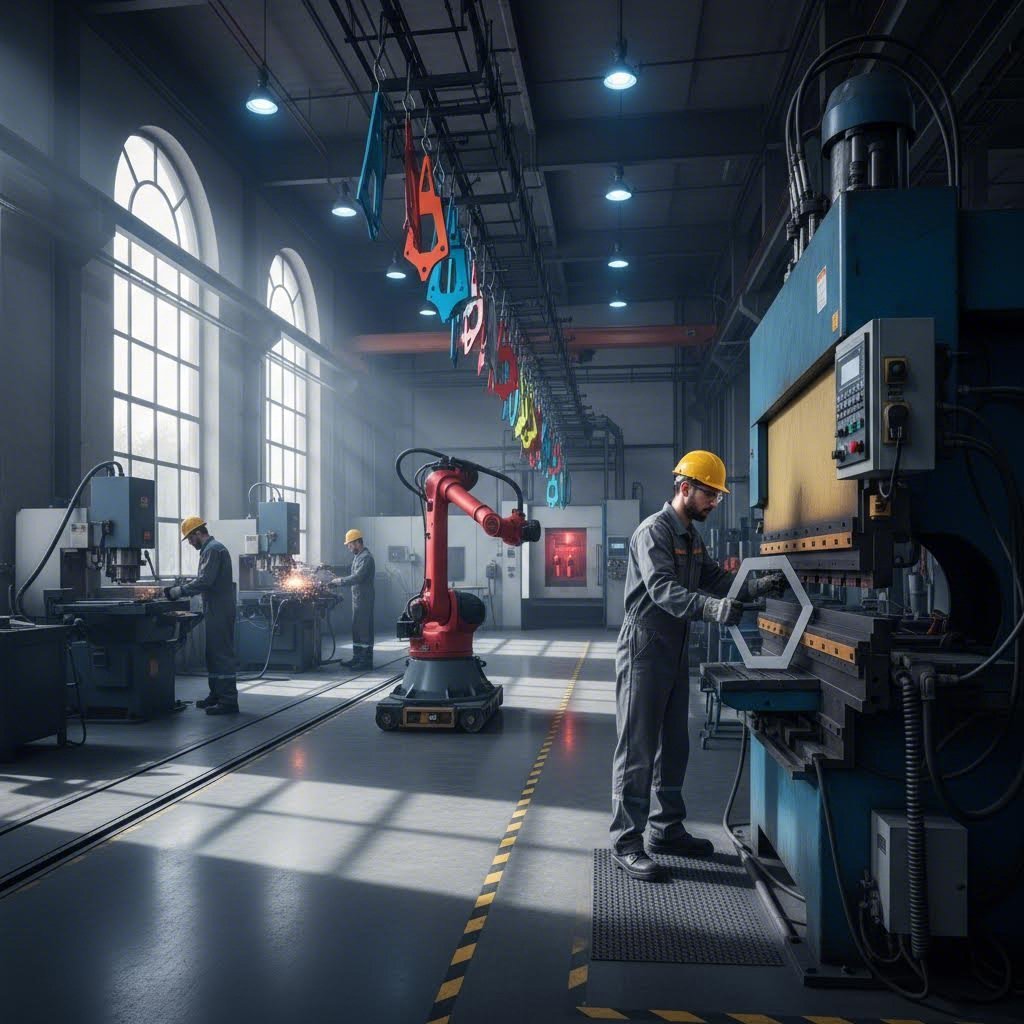
บริการตัดและบริการครบวงจรด้านการผลิตชิ้นส่วน
ชิ้นส่วนที่คุณตัดด้วยเลเซอร์เพิ่งออกจากเครื่องไป แล้วต่อไปล่ะ? สำหรับโครงการส่วนใหญ่ การตัดคือจุดเริ่มต้นเท่านั้น โครงร่างแบนราบที่ออกมาจากบริการตัดเหล็กด้วยเลเซอร์แทบจะไม่สามารถใช้งานได้ทันทีในฐานะผลิตภัณฑ์สำเร็จรูป—ชิ้นส่วนดังกล่าวจำเป็นต้องผ่านกระบวนการขึ้นรูป ยึดตรึง ตกแต่งพื้นผิว และมักต้องประกอบก่อนที่จะพร้อมติดตั้งหรือจัดส่ง
การเข้าใจว่าการตัดด้วยเลเซอร์และการดำเนินการตามมาเชื่อมโยงกันอย่างไร จะช่วยให้คุณวางแผนโครงการได้อย่างมีประสิทธิภาพมากขึ้น ลดระยะเวลาการผลิต และหลีกเลี่ยงความยุ่งยากในการประสานงานที่เกิดจากการจัดการผู้ให้บริการหลายราย มาดูกันว่าจะเกิดอะไรขึ้นหลังจากที่เลเซอร์หยุดทำงาน
ขั้นตอนการผลิตเสริมที่ทำให้ชิ้นส่วนของคุณสมบูรณ์
ลองนึกภาพการออกแบบชิ้นส่วนยึดที่ใช้สลักเกลียวติดตั้ง ต่อเข้ากับแผ่นที่ขึ้นรูปโค้ง และมีปลั๊กเกลียวฝังอยู่ การตัดด้วยเลเซอร์จะตัดรูปร่างแบนราบได้—แต่นั่นคือเพียงประมาณ 30% ของงานการผลิตทั้งหมด ขั้นตอนการผลิตเสริมจะเปลี่ยนแผ่นตัดแบนราบให้กลายเป็นชิ้นส่วนที่ใช้งานได้จริง
ขั้นตอนการผลิตหลังการตัดที่พบได้บ่อย ได้แก่:
- การดัดและการขึ้นรูป เครื่องกดขึ้นรูปใช้แรงดันเบรกในการแปลงแผ่นตัดเลเซอร์แบบเรียบให้กลายเป็นรูปร่างสามมิติ เส้นพับที่ถูกกัดไว้ระหว่างการตัดจะช่วยนำแนวเพื่อจัดตำแหน่งอย่างแม่นยำ ตามแนวทางปฏิบัติในอุตสาหกรรม ผู้ผลิตมักรวมกระบวนการตัดด้วยเลเซอร์เข้ากับบริการขึ้นรูป โดยใช้ซอฟต์แวร์จัดเรียง RADAN เพื่อเพิ่มประสิทธิภาพสูงสุด ก่อนชิ้นส่วนจะถูกส่งไปยังขั้นตอนการดัด
- การทากเกลียว: แม้ว่าการตัดด้วยเลเซอร์จะสามารถสร้างรูนำทางได้ แต่การเดินเกลียวในรูเหล่านั้นจำเป็นต้องใช้กระบวนการแตะเกลียวแยกต่างหาก ไฟล์ออกแบบควรส่งออกเฉพาะเส้นผ่านศูนย์กลางของรูนำทางเท่านั้น—หากมีการรวมเรขาคณิตของเกลียวไว้ในไฟล์ DXF จะไม่มีวัสดุเหลือให้ดอกแตะสามารถตัดได้
- การใส่ฮาร์ดแวร์: น็อต PEM, สแตนด์ออฟ, สตัด และอุปกรณ์ยึดแบบฝังถูกอัดเข้าไปในรูที่ตัดด้วยเลเซอร์ การกำหนดขนาดรูอย่างเหมาะสมในขั้นตอนการตัดจะช่วยให้มั่นใจได้ถึงการติดตั้งที่เชื่อถือได้ โดยไม่ทำให้วัสดุบิดเบี้ยว
- การเจาะรูเอียงและการเจาะรูขยายปาก อุปกรณ์ยึดแบบเรียบต้องใช้รูเว้าที่การตัดด้วยเลเซอร์เพียงอย่างเดียวไม่สามารถผลิตได้ การกลึงด้วยเครื่อง CNC หรือการใช้เครื่องมือเฉพาะสำหรับเจาะรูเอียงจะสร้างลักษณะเหล่านี้หลังขั้นตอนการตัด
- การลบคม/ลบเศษแตกร้าว: แม้ว่าขอบเลเซอร์จะมีความเรียบเนียนกว่าการตัดด้วยพลาสมาหรือการเฉือนโดยทั่วไป แต่บางแอปพลิเคชัน—โดยเฉพาะอย่างยิ่งที่มีการสัมผัสด้วยมือ—จำเป็นต้องทำให้ขอบนุ่มนวลขึ้น การใช้กระบวนการกลึงแบบหมุน (Tumbling), การตกแต่งผิวด้วยการสั่นสะเทือน (vibratory finishing) หรือการลบคมด้วยมือ จะช่วยกำจัดความแหลมคมที่อาจเหลืออยู่ได้
- การปั่น: การเชื่อมแบบ MIG, TIG และการเชื่อมจุด ใช้เพื่อเชื่อมประกอบชิ้นส่วนที่ถูกตัดด้วยเลเซอร์เข้าด้วยกัน ขอบเลเซอร์ที่สะอาดจะให้คุณภาพการเชื่อมที่ดีกว่าเมื่อเทียบกับชิ้นส่วนที่ถูกตัดด้วยเครื่องจักรกล
- การดำเนินงานกัดและกลึง ฟีเจอร์ความแม่นยำที่เกินขีดจำกัดของเทคโนโลยีเลเซอร์—เช่น รูที่ต้องการความทนทานสูง เอกลักษณ์ของพื้นผิวที่ต้องผ่านการกลึง หรือรูปทรงเรขาคณิต 3 มิติที่ซับซ้อน—จำเป็นต้องใช้เครื่องจักร CNC เพิ่มเติม
เมื่อความสามารถของเลเซอร์และ CNC ทำงานร่วมกัน ผู้ผลิตสามารถสร้างชิ้นส่วนที่เทคโนโลยีใดเทคโนโลยีหนึ่งไม่สามารถผลิตได้เพียงลำพัง การรวมกระบวนการเลเซอร์และ CNC เข้าด้วยกันนี้ ช่วยขยายขีดจำกัดของสิ่งที่สามารถทำได้ ขณะเดียวกันก็ยังคงไว้ซึ่งข้อได้เปรียบด้านความเร็วของการตัดด้วยเลเซอร์สำหรับลักษณะงานที่เหมาะสม
ตัวเลือกการตกแต่งเพื่อผลลัพธ์ระดับมืออาชีพ
โลหะดิบมักไม่ถูกนำไปใช้งานโดยตรง สภาพแวดล้อม การออกแบบเพื่อความสวยงาม และข้อกำหนดด้านการใช้งาน มักต้องการชั้นเคลือบที่ให้ทั้งการป้องกันและตกแต่ง การทำความเข้าใจตัวเลือกต่างๆ จะช่วยให้คุณระบุการรักษารูปลักษณ์ที่เหมาะสมกับการใช้งานของคุณ
- การเคลือบผง: ชั้นผิวเคลือบรูปแบบนี้อเนกประสงค์ ให้พื้นผิวด้านนอกที่ทนทานและแข็งแรง ในแทบทุกสี พื้นผิว หรือเอฟเฟกต์โลหะ ผงเคลือบที่ฉีดพ่นด้วยไฟฟ้าสถิตจะผ่านกระบวนการอบแห้งด้วยความร้อน ทำให้ได้ชั้นผิวเคลือบที่ทนต่อการแตกร้าวและการกระเทาะได้ดีกว่าสีทั่วไป พื้นผิวแบบพาวเดอร์โค้ตเหมาะอย่างยิ่งสำหรับชิ้นส่วนเหล็กและอลูมิเนียมที่ตัดด้วยเลเซอร์
- การเคลือบอนุมูล: มีประสิทธิภาพโดยเฉพาะกับอลูมิเนียม การออกซิไดซ์ (Anodizing) จะทำให้ชั้นออกไซด์ที่เกิดขึ้นตามธรรมชาติ แข็งแรงขึ้น ซึ่งช่วยป้องกันการกัดกร่อนได้ดียิ่งขึ้น กระบวนการนี้ยังสามารถย้อมสีได้ ทำให้ได้พื้นผิวสีที่ซึมลึกลงไปในเนื้อวัสดุแทนที่จะเคลือบอยู่ด้านบน ความต้านทานรังสี UV ดีขึ้นอย่างมากเมื่อเปรียบเทียบกับพื้นผิวที่ทาสี
- การชุบโลหะ: การชุบสังกะสี นิกเกิล โครเมียม และตัวเลือกอื่นๆ ช่วยเพิ่มความต้านทานต่อการกัดกร่อน ความต้านทานต่อการสึกหรอ หรือให้ผลด้านผิวสัมผัสที่ต้องการ เคลือบสังกะสี—โดยการชุบแบบจุ่มร้อนหรือชุบไฟฟ้า—ยังคงเป็นที่นิยมอย่างมากสำหรับชิ้นงานเหล็กที่ต้องสัมผัสกับสภาพอากาศ
- Bead blasting: กระบวนการกัดกร่อนนี้สร้างพื้นผิวด้านที่สม่ำเสมอ พร้อมขจัดตำหนิเล็กๆ น้อยๆ ออกไป การพ่นทราย (Bead blasting) ช่วยเตรียมพื้นผิวสำหรับการเคลือบในขั้นตอนถัดไป หรือใช้สร้างผิวสัมผัสสุดท้ายในกรณีที่ต้องการลักษณะผิวด้านเหมือนผ้าซาติน
- การดำน้ำร้อน: การเคลือบออกไซด์ดำช่วยทำให้พื้นผิวโลหะผสมเหล็กมีเสถียรภาพ ป้องกันสนิม และให้ผิวด้านสีดำเข้มที่โดดเด่น ชิ้นส่วนยานยนต์ เครื่องมือ และอาวุธปืน มักได้รับการตกแต่งผิวนี้โดยทั่วไป
- การเลือง: สำหรับชิ้นส่วนที่ทำจากสแตนเลส ส brass หรือชุบโครเมียม การขัดเงาใช้แรงเสียดทานควบคุมเพื่อกำจัดรอยขีดข่วนเล็กๆ และให้ผิวเรียบเงาใสเหมือนกระจก หรือผิวแบบขัดลาย (brushed) โดยไม่จำเป็นต้องเคลือบเพิ่มเติมในวัสดุที่ทนต่อการกัดกร่อนได้เองตามธรรมชาติ
แต่ละตัวเลือกการตกแต่งพื้นผิวมีข้อกำหนดในการเตรียมงานที่เฉพาะเจาะจง การพ่นสีผงต้องการพื้นผิวที่สะอาดและปราศจากน้ำมัน การอะโนไดซ์จำเป็นต้องใช้สเปคโลหะผสมที่แม่นยำ ส่วนการชุบต้องการการกระตุ้นพื้นผิวอย่างเหมาะสม การแจ้งข้อกำหนดด้านการตกแต่งพื้นผิวให้ผู้รับจ้างทราบแต่เนิ่นๆ จะช่วยให้พวกเขาสามารถปรับปรุงกระบวนการตัดด้วยเลเซอร์และการเตรียมงานได้อย่างมีประสิทธิภาพ
ปรับปรุงกระบวนการทำงานการผลิตของคุณ
ตรงนี้เองที่การเลือกผู้ให้บริการมีความสำคัญเชิงกลยุทธ์ คุณอาจจัดหาบริการตัดด้วยเลเซอร์จากร้านหนึ่ง จากนั้นส่งชิ้นส่วนไปอีกร้านเพื่อขึ้นรูปโค้ง ส่งไปอีกแห่งเพื่อตกแต่งพื้นผิว และจัดการประกอบด้วยตัวเอง หรือคุณอาจทำงานกับผู้ให้บริการแบบครบวงจรที่ดำเนินการทั้งกระบวนการภายในสถานที่เดียวกัน
ข้อได้เปรียบจากการรวมงานมีความน่าสนใจอย่างมาก:
- ลดเวลาการผลิต: ชิ้นส่วนไม่ต้องรอการขนส่งระหว่างขั้นตอนการผลิต ตามประสบการณ์ในอุตสาหกรรม การรวมงานการผลิตและการประกอบไว้ภายใต้หลังคาเดียวกันจะทำให้เกิดประสิทธิภาพที่เหนือกว่า
- ต้นทุนด้านลอจิสติกส์ที่ต่ำลง: จำนวนการจัดส่งที่ลดลงหมายถึงค่าขนส่งและของเสียจากการบรรจุหีบห่อที่ลดน้อยลง
- การสื่อสารที่ดีขึ้น: ผู้ติดต่อเพียงจุดเดียวเป็นผู้ประสานงานทุกการดำเนินการ ช่วยขจัดปัญหาการสื่อสารที่คลาดเคลื่อนจากหลายผู้ให้บริการ
- การควบคุมคุณภาพแบบบูรณาการ: ปัญหาที่พบระหว่างกระบวนการรองสามารถย้อนกลับไปตรวจสอบและแก้ไขได้โดยไม่ต้องโทษกันระหว่างผู้จัดจำหน่าย
- ความได้เปรียบด้านขนาด economies of scale: อำนาจการซื้อที่รวมศูนย์มักส่งผลให้ได้ราคาวัสดุที่ดีกว่า ซึ่งจะถูกส่งต่อให้ลูกค้า
สำหรับบริการตัดเลเซอร์ความแม่นยำในงานยานยนต์ ความสามารถที่รวมเข้าด้วยกันจะมีความสำคัญมากยิ่งขึ้น ชิ้นส่วนโครงรถ ส่วนยึดระบบกันสะเทือน และชิ้นส่วนโครงสร้าง มักต้องการกระบวนการที่ได้รับการรับรองในทุกขั้นตอน ได้แก่ การตัด การขึ้นรูป การเชื่อม และการตกแต่ง ผู้ผลิตที่ได้รับการรับรอง IATF 16949 เช่น Shaoyi (Ningbo) Metal Technology แสดงให้เห็นถึงการสนับสนุน DFM อย่างครอบคลุม และความสามารถในการทำต้นแบบอย่างรวดเร็ว ซึ่งช่วยเสริมบริการตัดความแม่นยำ ตัวอย่างเช่น การทำต้นแบบภายใน 5 วัน และการเสนอราคาภายใน 12 ชั่วโมง แสดงให้เห็นถึงความคล่องตัวที่เกิดจากการดำเนินงานที่ปรับปรุงให้มีประสิทธิภาพ
เมื่อประเมินบริการตัดด้วยเลเซอร์ CNC หรือบริการตัดท่อด้วยเลเซอร์ ควรสอบถามเกี่ยวกับความสามารถแบบบูรณาการ พวกเขาสามารถจัดการการดัดงอที่ชิ้นส่วนของคุณต้องการได้หรือไม่? พวกเขามีบริการตกแต่งขั้นสุดท้ายภายในสถานที่เองหรือไม่? พวกเขาสามารถดำเนินการประกอบและทดสอบได้หรือไม่? คำตอบเหล่านี้จะบ่งบอกว่าคุณกำลังเลือกผู้ให้บริการตัดเฉือนเพียงรายหนึ่ง หรือกำลังเลือกเป็นพันธมิตรการผลิตที่ครบวงจร
สำหรับปริมาณการผลิตที่ครอบคลุมตั้งแต่ต้นแบบไปจนถึงการผลิตจำนวนมาก การทำงานร่วมกับผู้ให้บริการที่ควบคุมกระบวนการทำงานทั้งหมดจะช่วยลดภาระในการประสานงาน ซึ่งอาจทำให้โครงการล่าช้าและเพิ่มความเสี่ยงด้านคุณภาพ การตัดด้วยเลเซอร์อาจใช้เวลาเพียงไม่กี่ชั่วโมง แต่การประสานงานระหว่างผู้ให้บริการสามรายอาจทำให้ระยะเวลาโครงการของคุณยาวนานขึ้นหลายสัปดาห์
เมื่อบริการตัดด้วยเลเซอร์โลหะถูกวางอยู่ในบริบทการผลิตโดยรวมเช่นนี้ คุณจะพร้อมที่จะประเมินพันธมิตรที่อาจเป็นไปได้อย่างมีกลยุทธ์มากขึ้น คุณควรพิจารณาอะไรบ้างเมื่อเลือกผู้ให้บริการ? มาดูเกณฑ์ที่แยกแยะพันธมิตรที่ยอดเยี่ยมออกจากพันธมิตรที่พอใช้ได้
การเลือกพันธมิตรที่เหมาะสมสำหรับการตัดด้วยเลเซอร์โลหะ
คุณได้ศึกษาเทคโนโลยี เข้าใจกระบวนการทำงาน และทราบแล้วว่าการตัดด้วยเลเซอร์สามารถตอบโจทย์ความต้องการของโครงการคุณได้อย่างไร ตอนนี้ถึงเวลาตัดสินใจซึ่งจะเป็นตัวกำหนดว่าประสบการณ์ของคุณจะราบรื่นหรือเต็มไปด้วยความยุ่งยาก: การเลือกผู้ให้บริการที่เหมาะสม ผู้ให้บริการงานตัดโลหะด้วยเลเซอร์แต่ละรายไม่ได้มีคุณค่าเท่ากัน — และราคาเสนอที่ถูกที่สุดแทบจะไม่เคยบอกเรื่องราวทั้งหมด
มาสร้างกรอบแนวคิดที่ใช้งานได้จริง เพื่อประเมินตัวเลือกต่าง ๆ ของคุณ และทำการตัดสินใจอย่างมั่นใจกันดีกว่า
การตัดด้วยเลเซอร์เหมาะกับโครงการของคุณหรือไม่
ก่อนจะเริ่มค้นหาบริการตัดด้วยเลเซอร์ใกล้ฉัน โปรดยืนยันก่อนว่าการตัดด้วยเลเซอร์เหมาะสมกับการใช้งานของคุณจริง ๆ เพราะการเลือกเทคโนโลยีที่ผิด จะทำให้เสียเวลาและเงินโดยเปล่าประโยชน์ ไม่ว่าผู้ให้บริการที่คุณเลือกจะเก่งแค่ไหนก็ตาม
ตรวจสอบรายการต่อไปนี้:
- ความเข้ากันได้ของวัสดุ: วัสดุของคุณสามารถตัดด้วยเลเซอร์ได้หรือไม่? เหล็ก สแตนเลส อลูมิเนียม ทองแดง ทองเหลือง และโลหะผสมทั่วไปส่วนใหญ่สามารถตัดได้ดี แต่วัสดุบางชนิดที่มีการเคลือบหรือผ่านกระบวนการพิเศษอาจเกิดไอพิษหรือตัดได้ไม่ดี
- ความหนาที่สามารถทำได้: ความหนาของวัสดุคุณอยู่ในช่วงที่เหมาะสมสำหรับการตัดด้วยเลเซอร์หรือไม่? สำหรับโลหะส่วนใหญ่ หมายถึงไม่เกิน 25 มม. วัสดุที่หนากว่านี้อาจต้องใช้พลาสมาหรือวอเตอร์เจ็ทแทน
- ข้อกำหนดด้านความแม่นยำ: คุณต้องการค่าความคลาดเคลื่อนที่แคบกว่า ±0.003 นิ้ว หรือไม่? การตัดด้วยเลเซอร์แบบมาตรฐานสามารถทำได้อย่างเชื่อถือได้ที่ ±0.005 นิ้ว ข้อกำหนดที่เข้มงวดกว่านี้อาจต้องใช้ EDM หรือเครื่องจักรหลังกระบวนการตัด
- ความไวต่อความร้อน: วัสดุหรือการใช้งานของคุณสามารถยอมรับโซนที่ได้รับผลกระทบจากความร้อนเล็กน้อยได้หรือไม่? หากการบิดตัวจากความร้อนถือว่าไม่สามารถยอมรับได้เลย การตัดด้วยวอเตอร์เจ็ทจะช่วยกำจัดปัญหานี้ได้โดยสิ้นเชิง
- การจัดเรียงปริมาณ: การตัดด้วยเลเซอร์เหมาะสำหรับงานตั้งแต่ต้นแบบชิ้นเดียวไปจนถึงการผลิตจำนวนมาก อย่างไรก็ตาม งานที่มีปริมาณมากเป็นพิเศษและมีรูปทรงเรียบง่ายอาจได้รับประโยชน์จากการใช้แม่พิมพ์ตัดหรือเศรษฐกิจการตัดด้วยได
- ความต้องการงานรอง: โครงการของคุณต้องการการดัด การตกแต่งผิว หรือการประกอบหรือไม่? ควรพิจารณาความต้องการเหล่านี้ในการค้นหาผู้ให้บริการตั้งแต่เริ่มต้น
หากการตัดด้วยเลเซอร์ตรงกับเงื่อนไขเหล่านี้ คุณก็พร้อมที่จะประเมินผู้ให้บริการแล้ว แต่ถ้าไม่ ก็ควรพิจารณาวิธีการตัดอื่นๆ ที่กล่าวมาแล้วในคู่มือนี้
สิ่งที่ควรพิจารณาเมื่อเลือกผู้ให้บริการ
เมื่อคุณค้นหาบริการตัดด้วยเลเซอร์ใกล้ฉัน หรือบริการตัดโลหะด้วยเลเซอร์ใกล้ฉัน อาจมีตัวเลือกมากมายปรากฏขึ้น คุณจะแยกแยะความแตกต่างระหว่างพันธมิตรที่ยอดเยี่ยมกับผู้ที่พอใช้ได้อย่างไร? ให้มุ่งเน้นเกณฑ์การประเมินเหล่านี้:
การรับรองและระบบคุณภาพ: การรับรองจากอุตสาหกรรมบ่งชี้ถึงกระบวนการที่ได้รับการควบคุมและผลลัพธ์ที่สม่ำเสมอ ตามคำแนะนำของผู้เชี่ยวชาญด้านการผลิต การสอบถามเกี่ยวกับความสอดคล้องตามกฎระเบียบควรเป็นหนึ่งในคำถามแรกของคุณ เครดิตที่ควรพิจารณา ได้แก่:
- ISO 9001: การรับรองระบบการจัดการคุณภาพทั่วไป
- IATF 16949: มาตรฐานคุณภาพสำหรับอุตสาหกรรมยานยนต์—จำเป็นสำหรับชิ้นส่วนโครงรถ ระบบกันสะเทือน หรือชิ้นส่วนโครงสร้าง
- AS9100: การรับรองระบบการจัดการคุณภาพสำหรับอุตสาหกรรมการบินและอวกาศ
- NADCAP: การรับรองกระบวนการพิเศษสำหรับการประยุกต์ใช้งานในอุตสาหกรรมการบินและอวกาศ
การสนับสนุน DFM และการสื่อสาร: ผู้ให้บริการตรวจสอบการออกแบบของคุณเพื่อประเมินปัญหาด้านความสามารถในการผลิตหรือไม่? คำแนะนำของอุตสาหกรรม เน้นย้ำว่าการให้บริการลูกค้าที่ดีและการสื่อสารอย่างเปิดเผยตลอดกระบวนการมีความสำคัญต่อความสำเร็จ โดยผู้ให้บริการที่เสนอคำแนะนำด้าน DFM จะสามารถตรวจพบปัญหาที่อาจทำให้เกิดต้นทุนสูงก่อนเริ่มตัดวัสดุ ซึ่งช่วยประหยัดเงินได้มากกว่าความแตกต่างของราคาในใบเสนอราคา
ขีดความสามารถของอุปกรณ์: พวกเขาใช้เทคโนโลยีเลเซอร์แบบใด? เลเซอร์ไฟเบอร์สามารถจัดการกับโลหะสะท้อนแสงได้ดีกว่าระบบ CO2 เครื่องจักรกำลังสูงสามารถตัดวัสดุที่หนาได้เร็วกว่า สอบถามเกี่ยวกับอุปกรณ์ของพวกเขาว่าเหมาะสมกับประเภทและขนาดความหนาของวัสดุที่คุณต้องการหรือไม่
ขีดความสามารถและแหล่งที่มาของวัสดุ: พวกเขาสามารถทำงานกับวัสดุเฉพาะที่คุณต้องการได้หรือไม่? บริการชั้นนำรองรับเหล็ก สแตนเลส สเตล เหล็กเครื่องมือ อลูมิเนียม ทองเหลือง ทองแดง และไทเทเนียม ตรวจสอบให้แน่ใจว่าพวกเขารับจัดหาเกรดโลหะผสมที่คุณต้องการ หรือรับวัสดุจากลูกค้าเอง
ระยะเวลาในการเสนอราคา: พวกเขาตอบกลับเร็วเพียงใด? ในโครงการที่ต้องการความรวดเร็ว การตอบกลับใบเสนอราคาภายใน 12 ชั่วโมง เทียบกับการรอ 5 วัน อาจเป็นตัวกำหนดว่าคุณจะสามารถตรงตามกำหนดเวลาหรือไม่ สำหรับการผลิตรถยนต์ที่ต้องการชิ้นส่วนโลหะความแม่นยำ ผู้ผลิตเช่น เส้าอี้ แสดงให้เห็นถึงคุณค่าของการตอบใบเสนอราคาอย่างรวดเร็วและระบบคุณภาพที่ได้รับการรับรอง — การได้รับการรับรองมาตรฐาน IATF 16949 และการตอบกลับใบเสนอราคาภายใน 12 ชั่วโมง สะท้อนให้เห็นถึงสิ่งที่ควรคาดหวังจากผู้ให้บริการระดับแนวหน้า
ศักยภาพในการดำเนินการขั้นที่สอง: หากชิ้นส่วนของคุณต้องการการดัด การตกแต่งผิว หรือการประกอบ ผู้ให้บริการแบบครบวงจรจะช่วยลดปัญหาความยุ่งยากในการประสานงาน ควรสอบถามโดยเฉพาะในประเด็นต่อไปนี้:
- การขึ้นรูปและการดัดด้วยเครื่องพับไฮดรอลิก (Press brake forming and bending)
- การทากเกลียว การใส่อุปกรณ์ฮาร์ดแวร์ และการติดตั้งสลักเกลียว
- ตัวเลือกการตกแต่งผิว: พาวเดอร์โค้ตติ้ง, อะโนไดซ์ซิง, การชุบโลหะ
- การประกอบและการบรรจุชุดอุปกรณ์
ก้าวต่อไปอย่างมั่นใจ
เมื่อมีเกณฑ์การประเมินเหล่านี้แล้ว คุณสามารถค้นหาบริการตัดเลเซอร์ใกล้ฉัน หรือการตัดโลหะด้วยเลเซอร์ใกล้ฉัน ได้อย่างมีกลยุทธ์แทนที่จะทำแบบสุ่ม คำถามต่อไปนี้จะช่วยแยกแยะผู้ซื้อที่มีความรู้ กับผู้ที่เพียงแค่ยอมรับใบเสนอราคาแรกที่ได้รับ:
คำถามที่ควรถามผู้ให้บริการที่คาดหวัง:
- คุณรับไฟล์รูปแบบใดบ้าง และคุณให้คำแนะนำด้านการออกแบบเพื่อการผลิต (DFM) หรือไม่?
- สถานที่ผลิตของคุณมีใบรับรองอะไรบ้าง
- คุณใช้เทคโนโลยีเลเซอร์ประเภทใดสำหรับวัสดุเฉพาะของฉัน?
- คุณสามารถดำเนินการขั้นตอนรองที่ฉันต้องการได้ภายในองค์กรของคุณเองหรือไม่
- โดยทั่วไปแล้ว ระยะเวลาดำเนินการสำหรับโครงการแบบของฉันอยู่ที่เท่าใด
- คุณมีบริการเร่งด่วนหากจำเป็นหรือไม่
- คุณจัดการตรวจสอบคุณภาพและเอกสารอย่างไร
สัญญาณเตือนที่ควรระวัง:
- ไม่เต็มใจที่จะพูดคุยเกี่ยวกับอุปกรณ์หรือขีดความสามารถ
- ไม่มีการทบทวน DFM หรือไม่ให้ข้อเสนอแนะด้านการออกแบบ
- สื่อสารคลุมเครือหรือไม่สม่ำเสมอ
- ไม่มีใบรับรองคุณภาพที่เกี่ยวข้องกับอุตสาหกรรมของคุณ
- ไม่เต็มใจให้ข้อมูลอ้างอิงหรือตัวอย่างงาน
- การเสนอราคาที่ต่ำกว่าคู่แข่งอย่างมากโดยไม่มีคำอธิบายที่ชัดเจน
ตามที่ผู้เชี่ยวชาญในอุตสาหกรรมแนะนำ ควรทำทุกวิถีทางเพื่อเรียนรู้เกี่ยวกับซัพพลายเออร์ของคุณ—ตั้งแต่ประวัติบริษัท ขีดความสามารถ ไปจนถึงระบบคุณภาพ หากเป็นไปได้ ควรจัดตารางเข้าเยี่ยมชมสถานที่เพื่อดูการดำเนินงานจริงด้วยตนเอง
พันธมิตรบริการตัดเลเซอร์โลหะที่เหมาะสมไม่เพียงแค่ดำเนินการตามไฟล์ของคุณเท่านั้น แต่ยังร่วมมือกับคุณในการปรับปรุงการออกแบบ สื่อสารอย่างเป็นระบบเกี่ยวกับระยะเวลาและคุณภาพ และส่งมอบชิ้นส่วนที่ตรงตามข้อกำหนดของคุณอย่างสม่ำเสมอ ไม่ว่าคุณจะต้องการต้นแบบอย่างรวดเร็วหรือการผลิตจำนวนมากแบบอัตโนมัติ โครงสร้างการประเมินข้างต้นจะช่วยให้คุณระบุผู้ให้บริการที่สามารถสนับสนุนความสำเร็จของโครงการคุณได้ แทนที่จะแค่ดำเนินคำสั่งซื้อเพียงอย่างเดียว
การค้นหาพันธมิตรด้านการผลิตที่เหมาะสมเริ่มต้นจากการเข้าใจสิ่งที่คุณต้องการ—และสิ้นสุดลงเมื่อคุณพบผู้ให้บริการที่มีศักยภาพ ใบรับรอง และรูปแบบการสื่อสารที่สอดคล้องกับความต้องการเหล่านั้น ด้วยความรู้จากคู่มือนี้ คุณจะมีเครื่องมือครบถ้วนในการตัดสินใจได้อย่างมั่นใจ
คำถามที่พบบ่อยเกี่ยวกับบริการตัดโลหะด้วยเลเซอร์
1. วัสดุชนิดใดบ้างที่สามารถตัดด้วยเลเซอร์ได้
บริการตัดโลหะด้วยเลเซอร์สามารถจัดการกับวัสดุได้หลากหลายประเภท รวมถึงเหล็กกล้าคาร์บอน เหล็กสเตนเลส อลูมิเนียม ทองแดง ทองเหลือง และโลหะผสมพิเศษ เลเซอร์ไฟเบอร์เหมาะอย่างยิ่งสำหรับโลหะที่สะท้อนแสง เช่น อลูมิเนียมและทองแดง ในขณะที่เลเซอร์ CO2 ใช้งานได้ดีกับการประยุกต์ใช้วัสดุผสม ความสามารถในการตัดความหนาของวัสดุขึ้นอยู่กับกำลังของเลเซอร์—ระบบเลเซอร์ไฟเบอร์รุ่นใหม่สามารถตัดเหล็กได้หนาสูงสุดถึง 40 มม. และเหล็กสเตนเลสได้หนาสูงสุดถึง 50 มม. โดยใช้ระบบกำลังสูง วัสดุบางชนิด เช่น เหล็กชุบสังกะสี จำเป็นต้องมีการระบายอากาศพิเศษเนื่องจากการผลิตไอระเหย
2. การตัดด้วยเลเซอร์มีค่าใช้จ่ายเท่าใด?
การกำหนดราคาตัดเลเซอร์ขึ้นอยู่กับหลายปัจจัย เช่น ประเภทและความหนาของวัสดุ ระยะตัด และจำนวนจุดเจาะ ความซับซ้อนของชิ้นส่วน ปริมาณ ข้อกำหนดเรื่องค่าความคลาดเคลื่อน และระยะเวลาดำเนินการ วัสดุที่มีความหนามากจะมีค่าใช้จ่ายสูงกว่าอย่างมากเนื่องจากความเร็วในการตัดที่ช้าลง คำสั่งซื้อจำนวนมากจะได้รับประโยชน์จากการกระจายต้นทุนการตั้งค่าเครื่อง โดยมีส่วนลดสูงสุดถึง 70% เมื่อเทียบกับการกำหนดราคาต่อชิ้นเดียว อัตราค่าบริการต่อชั่วโมงของเครื่องจักรโดยทั่วไปอยู่ระหว่าง 60 ถึง 120 ดอลลาร์สหรัฐ ขึ้นอยู่กับความสามารถของอุปกรณ์และสถานที่ตั้ง
3. เลเซอร์ไฟเบอร์ต่างจากเลเซอร์ CO2 ในการตัดอย่างไร?
เลเซอร์ไฟเบอร์ใช้เทคโนโลยีแบบสเตตัสของแข็งที่มีความยาวคลื่น 1.064 ไมโครเมตร ให้ประสิทธิภาพการใช้พลังงานสูงขึ้น (การแปลงพลังงาน 35-42%) การตัดที่เร็วกว่าบนโลหะบาง และประสิทธิภาพที่เหนือกว่าเมื่อทำงานกับวัสดุสะท้อนแสงเช่นอลูมิเนียมและทองแดง เลเซอร์ CO2 สร้างลำแสงที่มีความยาวคลื่น 10.6 ไมโครเมตร โดดเด่นในการตัดวัสดุผสมรวมถึงวัสดุที่ไม่ใช่โลหะ เช่น ไม้และอะคริลิก เลเซอร์ไฟเบอร์ต้องการการบำรุงรักษาน้อยกว่าและสามารถใช้งานได้นานถึง 100,000 ชั่วโมง ในขณะที่ระบบ CO2 โดยทั่วไปจำเป็นต้องเปลี่ยนหลอดหลังจาก 20,000-30,000 ชั่วโมง
4. การตัดด้วยเลเซอร์มีความแม่นยำแค่ไหน
การตัดโลหะด้วยเลเซอร์สามารถทำได้ในช่วงความคลาดเคลื่อนที่แม่นยำ ±0.003 นิ้ว ถึง ±0.005 นิ้ว ขึ้นอยู่กับชนิดของวัสดุและอุปกรณ์ที่ใช้ เส้นผ่าศูนย์กลางลำแสงเลเซอร์โดยทั่วไปจะต่ำกว่า 0.32 มม. โดยมีความกว้างของรอยตัด (kerf) บางครั้งแค่เพียง 0.10 มม. ความแม่นยำนี้ทำให้การตัดด้วยเลเซอร์เหมาะสำหรับลวดลายซับซ้อน ชิ้นส่วนยึดที่ต้องการความทนทานสูง และชิ้นส่วนที่ต้องการความถูกต้องของขนาดอย่างสม่ำเสมอในการผลิตจำนวนมาก หากต้องการความคลาดเคลื่อนที่แน่นกว่า ±0.003 นิ้ว อาจจำเป็นต้องใช้ EDM หรือเครื่องจักรกลหลังกระบวนการตัด
5. รูปแบบไฟล์ใดบ้างที่รองรับสำหรับการตัดด้วยเลเซอร์
บริการตัดด้วยเลเซอร์ส่วนใหญ่รองรับรูปแบบไฟล์เวกเตอร์ ได้แก่ DXF (มาตรฐานสากล), DWG, STEP และ IGES รูปแบบเวกเตอร์จะกำหนดเรขาคณิตโดยใช้สมการทางคณิตศาสตร์ ซึ่งช่วยให้สามารถกำหนดเส้นทางการตัดได้อย่างแม่นยำ ควรหลีกเลี่ยงภาพแรสเตอร์ เช่น JPG หรือ PNG เนื่องจากไม่สามารถกำหนดเส้นตัดที่ถูกต้องได้ เพื่อผลลัพธ์ที่ดีที่สุด โปรดส่งไฟล์ในมาตราส่วน 1:1 โดยมีเรขาคณิตอยู่บนชั้นเดียว แปลงข้อความเป็นเส้นโครงร่าง และลบเส้นที่ซ้ำหรือเรขาคณิตสำหรับการสร้างออก ผู้ผลิตที่ได้รับการรับรองตามมาตรฐาน IATF 16949 เช่น Shaoyi มีบริการสนับสนุน DFM อย่างครบวงจรเพื่อตรวจสอบไฟล์ก่อนการผลิต